Bridges That Fold Up to Let Ships Pass
Watching a bridge split in half and rise into the air feels like witnessing a magic trick. These massive structures, built to carry thousands of cars and pedestrians each day, suddenly become obstacles that ships need to pass through.
The solution? Make them move. Cities around the world have designed bridges that lift, swing, or fold to accommodate river traffic, and each design solves a unique problem.
The Bascule Design That Started Everything
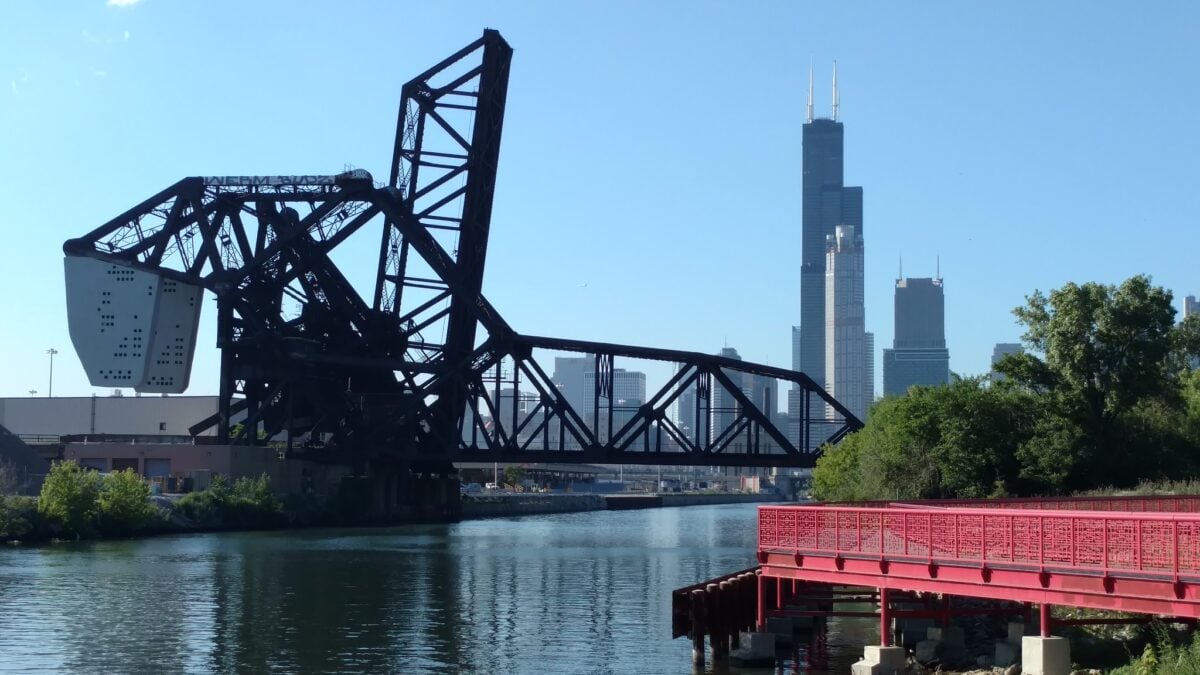
Chicago needed a way to cross its river without blocking boat traffic. The city chose a simple solution: build bridges that pivot upward like a seesaw.
One end of the bridge stays anchored to the ground while the other rises into the air, creating a triangular opening for boats to pass through. The mechanism relies on counterweights hidden in the bridge’s foundation.
These massive concrete blocks balance the weight of the roadway, making it easier to lift. Motors and gears do the actual work, but the counterweights make the process smoother and require less power.
Two Leaves Work Better Than One

Single-leaf bascule bridges work fine for narrow waterways, but wider rivers need a different approach. Double-leaf designs split the roadway down the middle, with each half rising independently.
When both sides lift, they create a wide V-shape that allows even large vessels to pass through. Tower Bridge in London uses this design.
The two sections rise to meet at an angle, creating one of the most recognizable silhouettes in the world. The bridge opened in 1894 and still operates today, though modern motors have replaced the original steam-powered hydraulic system.
Vertical Lift Bridges Take a Different Path

Some bridges don’t pivot at all. Instead, the entire roadway rises straight up between two towers, staying perfectly level as it climbs. This design works well when you need to maintain a consistent clearance height or when the bridge is too long to pivot efficiently.
The Arthur Kill Vertical Lift Bridge in New York lifts its 558-foot span 135 feet into the air. That’s taller than a ten-story building.
The bridge uses steel cables and massive counterweights to lift the roadway, similar to how an elevator works. When ships pass underneath, the bridge deck hovers above them like a floating highway.
The Dutch Mastered the Fold

The Netherlands faces a unique challenge. The country has more canals than roads in some areas, and traditional bridges would block centuries-old shipping routes.
Dutch engineers developed folding bridges that tuck away when not in use. The Slauerhoffbrug in Leeuwarden demonstrates this approach perfectly.
Instead of lifting straight up or pivoting from one end, the entire bridge section attaches to a mechanical arm that swings it upward and to the side. The movement resembles a drawbridge from a medieval castle, but with modern precision.
Rolling Bridges Sound Impossible
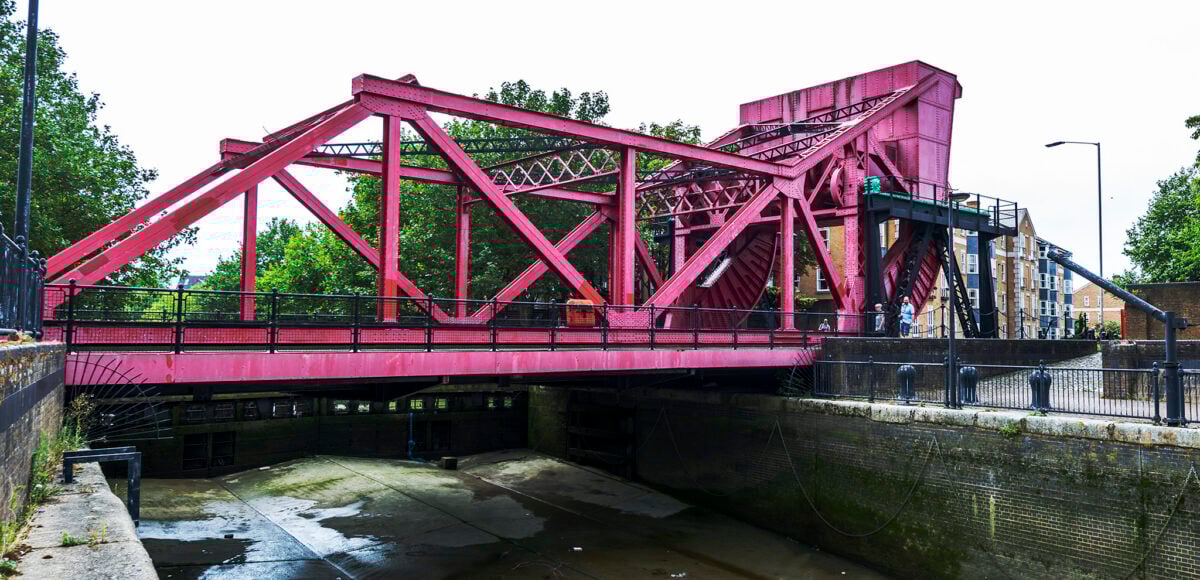
The Rolling Bridge in London takes an unexpected approach. When a boat needs to pass, the bridge curls up on itself like a caterpillar.
Eight triangular sections fold at their joints, with hydraulic rams controlling the movement. The whole process takes about two minutes, and the bridge ends up as a compact octagonal shape sitting on the canal bank.
This design works best for small waterways where traditional lifting mechanisms would be too large or expensive. The bridge spans just 40 feet, making it perfect for pedestrian crossings in urban areas with limited space.
Traffic Control Becomes a Ballet

Operating these bridges requires precise timing and coordination. Bridge operators monitor river traffic, road conditions, and weather before initiating a lift.
They communicate with ships to confirm timing and watch for any problems during the movement. Modern sensors detect if cars remain on the bridge or if the mechanism encounters resistance.
Safety barriers drop before the bridge begins to move, preventing vehicles from driving onto a rising roadway. Some bridges complete the entire process in two minutes, while others take ten or fifteen, depending on their size and design.
The Engineering Behind the Movement

Hydraulic systems power most modern movable bridges. Pumps pressurize fluid that flows through cylinders, creating the force needed to lift or pivot massive steel structures. Redundant systems ensure that if one pump fails, backup systems can complete the operation or safely return the bridge to its resting position. Electric motors handle smaller bridges or act as primary movers in newer installations.
These systems offer more precise control and require less maintenance than hydraulic systems. Computer controls adjust the speed of the movement, making sure the bridge starts and stops smoothly rather than jerking into motion.
Weight Distribution Makes It Work

The roadway section of a movable bridge concentrates thousands of tons in a relatively small space. Engineers distribute this weight carefully, using steel trusses that spread the load across multiple support points.
The counterweights must match the roadway’s weight almost exactly, or the motors would strain to lift the unbalanced load. Bridge designers calculate these weights down to the pound.
They account for the steel structure, the concrete roadway, the lights, railings, and even the paint. Getting the balance wrong means the bridge operates inefficiently or wears out faster than intended.
Swing Bridges Take the Circular Route

Instead of lifting up, some bridges rotate horizontally. A pivot point at the center of the span allows the entire bridge to swing 90 degrees, opening the waterway on both sides.
This design works well when you need to clear a wide channel without building tall towers. The Willamette River in Portland has several swing bridges.
The railroad uses them to move freight trains across the river while allowing ships to pass when needed. The bridges rotate on a massive circular track, with motors pushing them slowly around the pivot point.
Maintenance Never Stops

Salt water, weather, and constant use take a toll on movable bridges. Operators inspect the mechanisms regularly, checking for worn gears, corroded hydraulic lines, and structural fatigue.
The moving parts require lubrication, and the exposed steel needs fresh paint to prevent rust. Some cities close their movable bridges for weeks at a time to complete major repairs.
This work often happens during winter when river traffic drops and fewer boats need to pass through. Workers replace worn components, repaint surfaces, and test the systems before reopening the bridge to traffic.
Future Designs Push Boundaries

Engineers continue developing new approaches to movable bridges. Some proposals include bridges that slide horizontally instead of lifting, or that float on the water and drift aside when boats approach.
Others explore using lighter materials to reduce the power needed to move the structure. The Gateshead Millennium Bridge in England rotates like an eyelid opening and closing.
The entire span tilts backward on curved arches, creating clearance for boats without lifting high into the air. This design won architectural awards for its innovation and aesthetic appeal.
The Human Element Remains Critical

Automation handles much of the operation, but trained personnel still oversee each bridge movement. They make judgment calls about weather conditions, monitor the mechanical systems for any irregularities, and coordinate with maritime traffic to schedule openings efficiently.
Some bridges open on a fixed schedule, lifting several times per day whether boats are waiting or not. Others operate on demand, opening only when a vessel requests passage.
The operator’s experience determines how smoothly the process runs and how quickly traffic returns to normal.
Where Function Meets Form
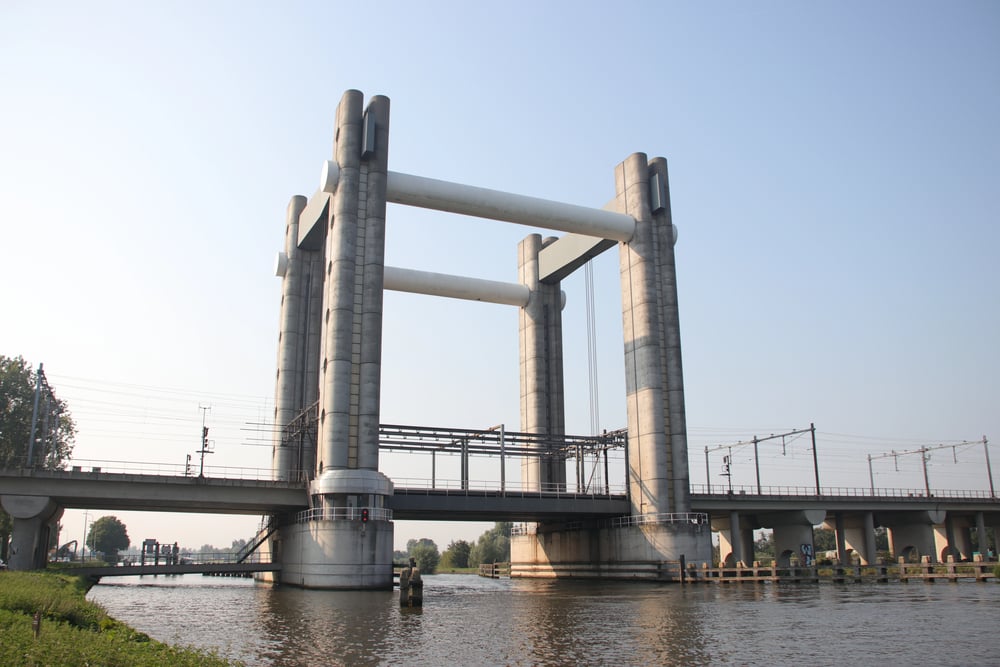
What grabs attention in many cities are the bridges that shift and slide. Often, these moving spans turn into icons – seen rising above waterways, stamped across souvenirs, filling guidebooks.
It’s the gears, the hydraulics, the slow lift of steel that pulls curiosity from passersby. When they open on time each day, folks show up just to stand and stare at the motion unfold.
Water links places just as much as land does. Moving between towns divided by rivers used to mean waiting for boats or taking longer roads around.
Now crossings make those trips faster without blocking what moves below. Boats still need clear paths where bridges rise above.
River travel matters too, not only road travel. Structures stretch overhead while leaving space beneath for barges and vessels to pass.
Keeping both kinds of movement going is the point.
When Steel Dances With Water
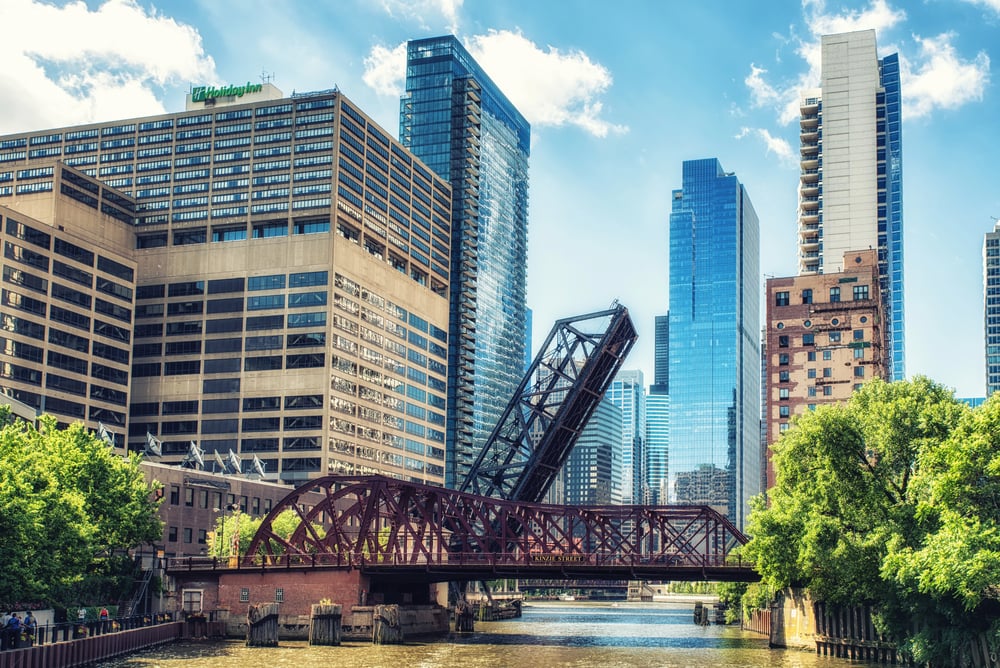
Paused by the water’s edge when the bridge begins to move, time slows. Not just any crossing, but a beast of metal waking up.
Gears bite, low sounds vibrate through your bones. Heavy slabs lift – slow, sure, almost light.
A vessel glides where cars rolled seconds before. Then down it comes again, settling like a sigh.
Routine resumes. Yet beneath the surface, something intricate pulses, unseen until now.
More from Go2Tutors!

- The Romanov Crown Jewels and Their Tragic Fate
- 13 Historical Mysteries That Science Still Can’t Solve
- Famous Hoaxes That Fooled the World for Years
- 15 Child Stars with Tragic Adult Lives
- 16 Famous Jewelry Pieces in History
Like Go2Tutors’s content? Follow us on MSN.