29 Vintage Cameras Worth Pulling From the Closet
Somewhere in a hall closet, a leather case with a cracked strap is sitting on a shelf next to the holiday lights. Film photography never fully went away, and a new generation of shooters has spent the last decade bidding up the gear their grandparents packed away.
Some of these cameras are worth a few dollars and a good story. Others are worth more than the car parked outside, provided the shutter still fires and the glass is clean.
Leica M3 and Its Famous Viewfinder
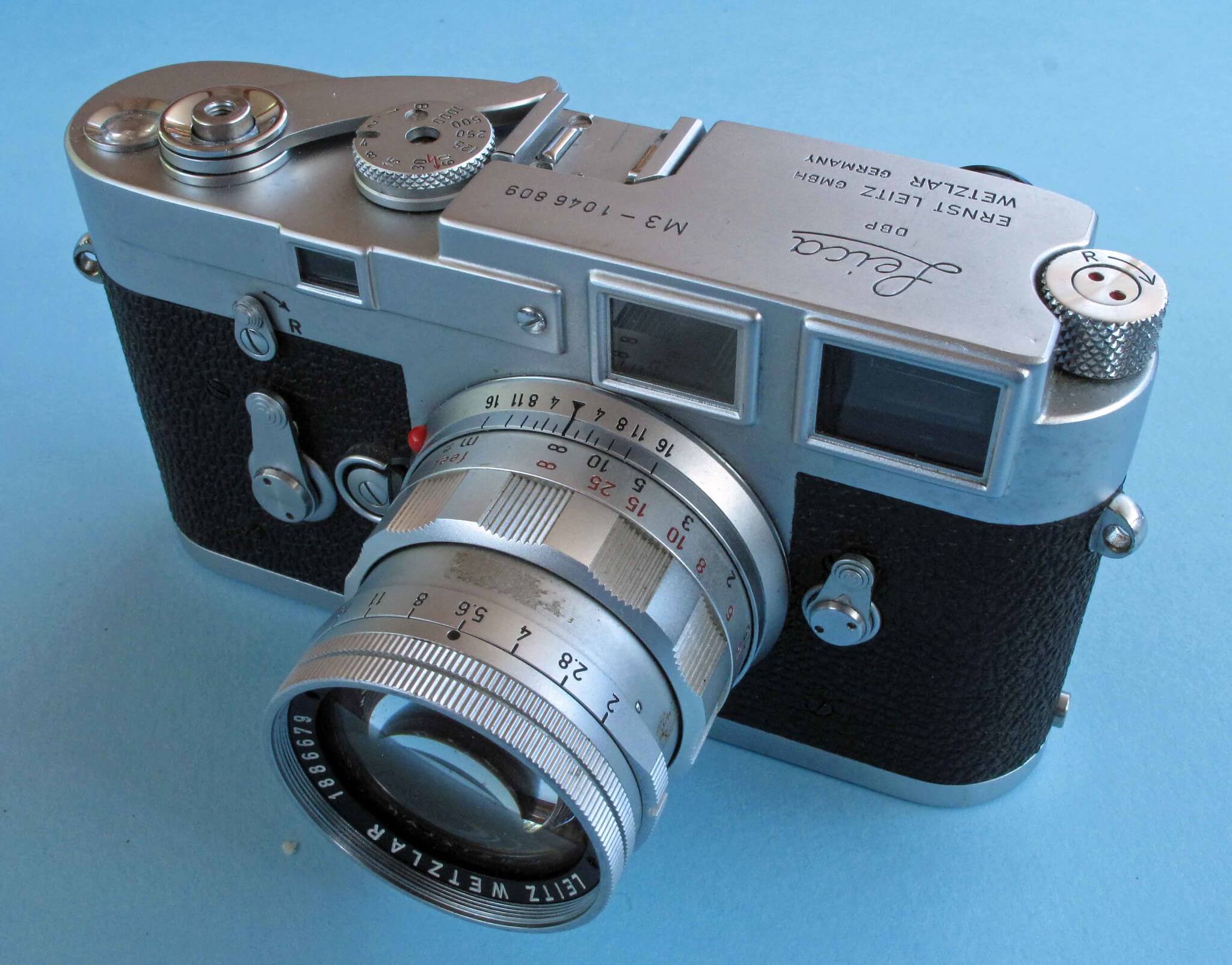
Leitz unveiled the M3 at Photokina in 1954, and it introduced the bayonet lens mount that Leica rangefinders still use. Photographers prize its bright, nearly life-size viewfinder, which lets a shooter keep both eyes open while framing.
A working body typically sells for about 1,800 to 3,000 dollars in 2026, with early double-stroke advance versions drawing extra interest from collectors. Shutter curtains with pinpricks, a dim rangefinder patch and dented top plates all pull the number down.
Pairing it with an original Summicron or Elmar lens can roughly double the value of the kit.
Leica IIIf Screw-Mount Rangefinder
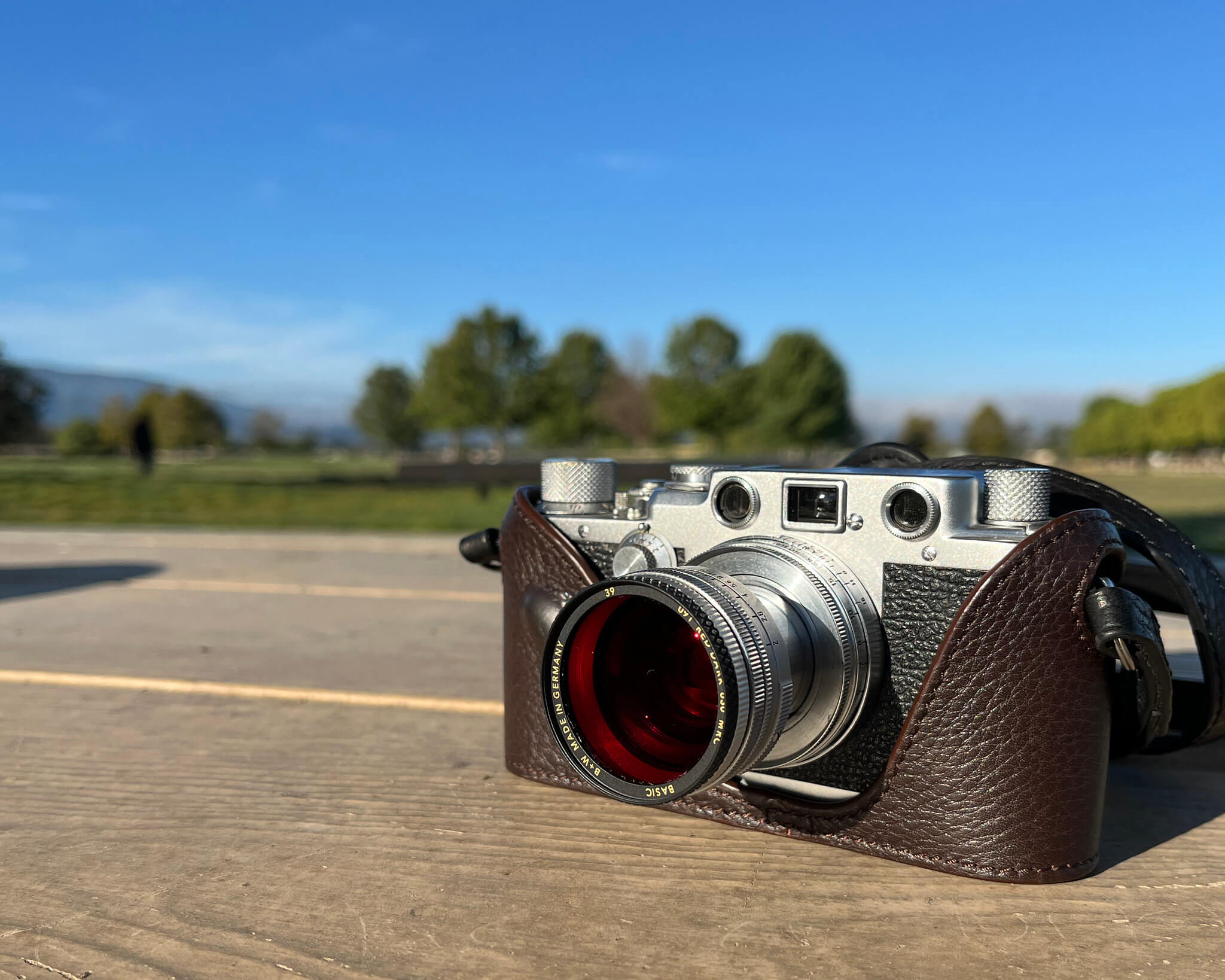
Long before the M3, the Leica III series defined the compact 35mm rangefinder, and the IIIf of 1950 added flash synchronization to the formula. These cameras use the 39mm screw-thread lens mount, and loading film through the bottom plate takes practice that newer cameras never demanded.
Clean, working IIIf bodies often sell for about 300 to 700 dollars, more with a collapsible Elmar lens attached. Buyers look closely at the cloth shutter curtains, which can develop tiny pinpricks that leak light, and at whether the slow speeds still run smoothly.
A recent professional service is worth stating in any listing.
Hasselblad 500C and Its Trip to Orbit
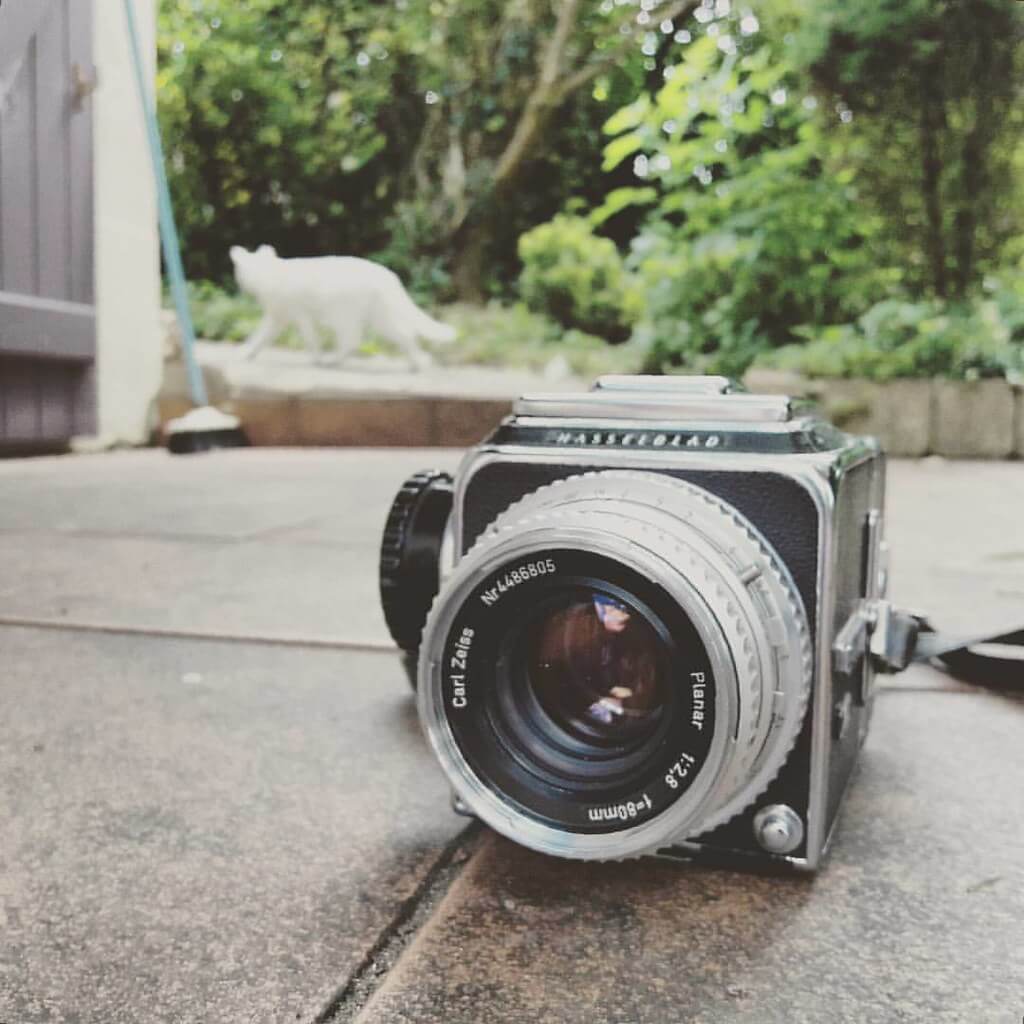
Victor Hasselblad’s company introduced the 500C in 1957, built around a leaf shutter in each Zeiss lens and interchangeable film magazines. Astronaut Wally Schirra bought one at a camera store in Houston and carried it on the Sigma 7 mission in 1962, and that exact camera sold at auction in 2014 for about 281,000 dollars.
Ordinary examples are far more modest, usually about 800 to 1,500 dollars with an 80mm Planar lens and back. Mismatched serial numbers on backs, sticky lens shutters and worn focusing screens all lower offers.
A clean original box adds appeal.
Rolleiflex 2.8F Twin-Lens Reflex
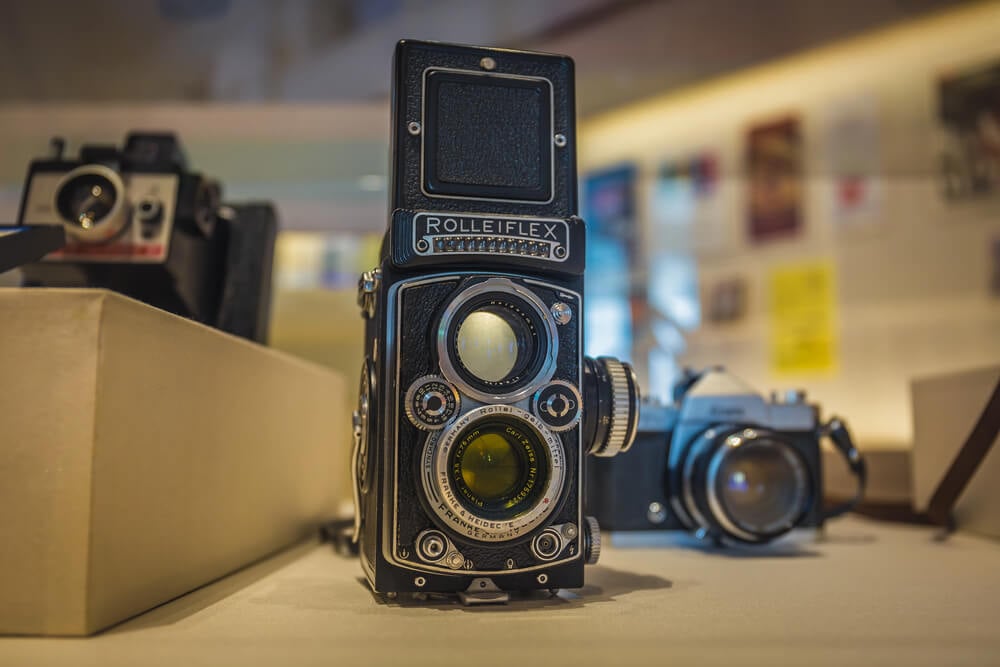
Franke and Heidecke of Braunschweig built the Rolleiflex 2.8F from 1960, and it remains among the most desirable twin-lens reflex cameras ever made. Each one carries an 80mm f/2.8 taking lens, either a Zeiss Planar or a Schneider Xenotar, with a matched viewing lens above it.
Photographers who look down into its waist-level finder tend to describe a slower, more deliberate way of shooting. Prices typically land around 1,200 to 2,500 dollars for working examples.
Haze between lens elements, a dim focusing screen and a stiff crank are common problems that a seller should disclose rather than hope buyers miss.
Nikon F, the System Camera of 1959
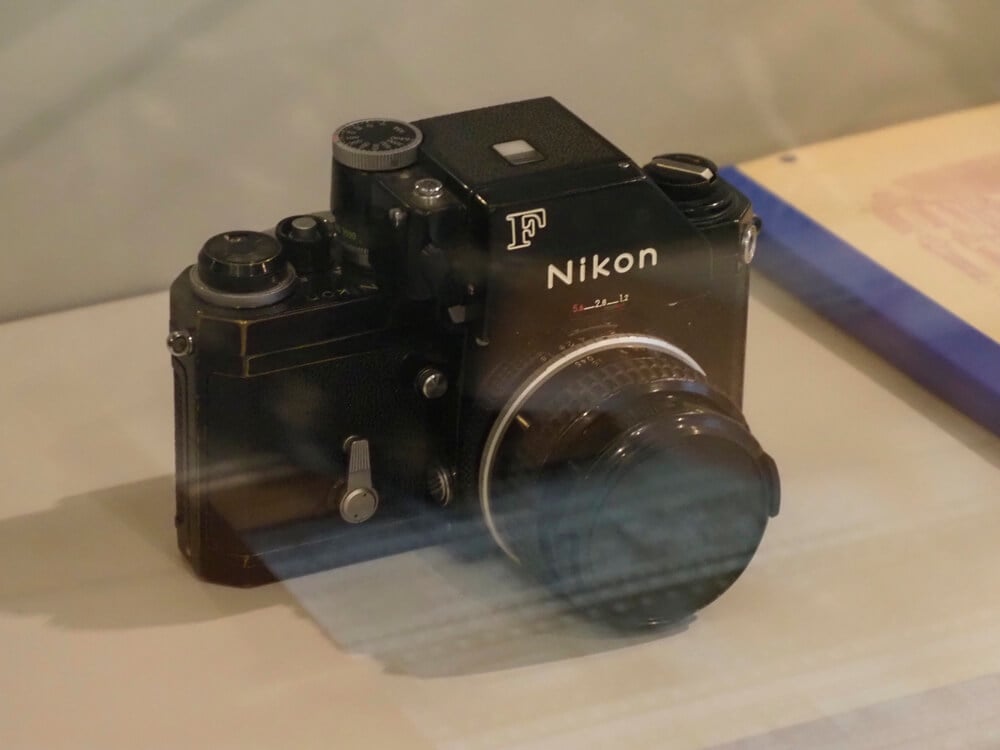
Nikon launched the F in 1959, and its interchangeable prisms, rugged build and wide lens range made it a favorite of press photographers covering the Vietnam War. The distinctive pointed prism housing came from graphic designer Yusaku Kamekura.
Bodies in decent working order sell for roughly 300 to 900 dollars, while black paint versions with honest brassing on the edges draw more than chrome ones. Early serial numbers interest specialists.
Collectors check for a working shutter at all speeds, intact mirror damping foam and a meter prism that still responds, because many Photomic heads have long since gone dark.
Nikon F2 Built for Abuse
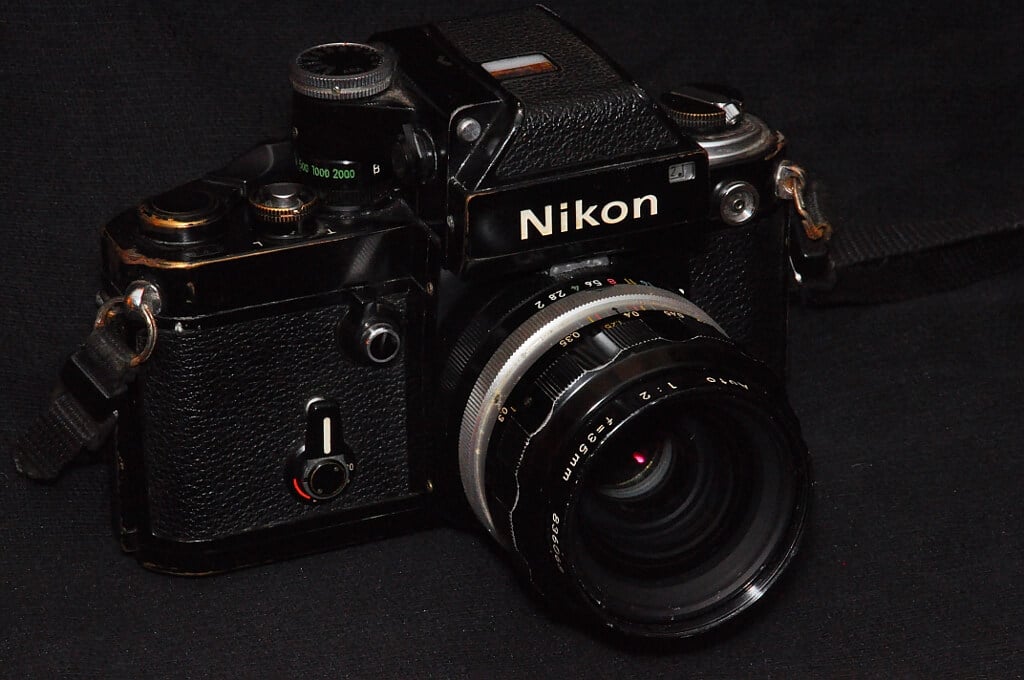
Introduced in 1971, the Nikon F2 refined the F with a faster top shutter speed of 1/2000 second and an easier film door. It is a fully mechanical camera, so it fires without a battery, and many working pros carried two at a time well into the 1980s.
A good F2 body usually sells for about 300 to 700 dollars, though rare titanium versions sit far higher. Specialist repairers still service these cameras, which supports their value.
Buyers check the light seals around the back, which turn sticky with age, and the condition of the meter head, since some finders are worth more than the body.
Canon AE-1 and the Microprocessor Era
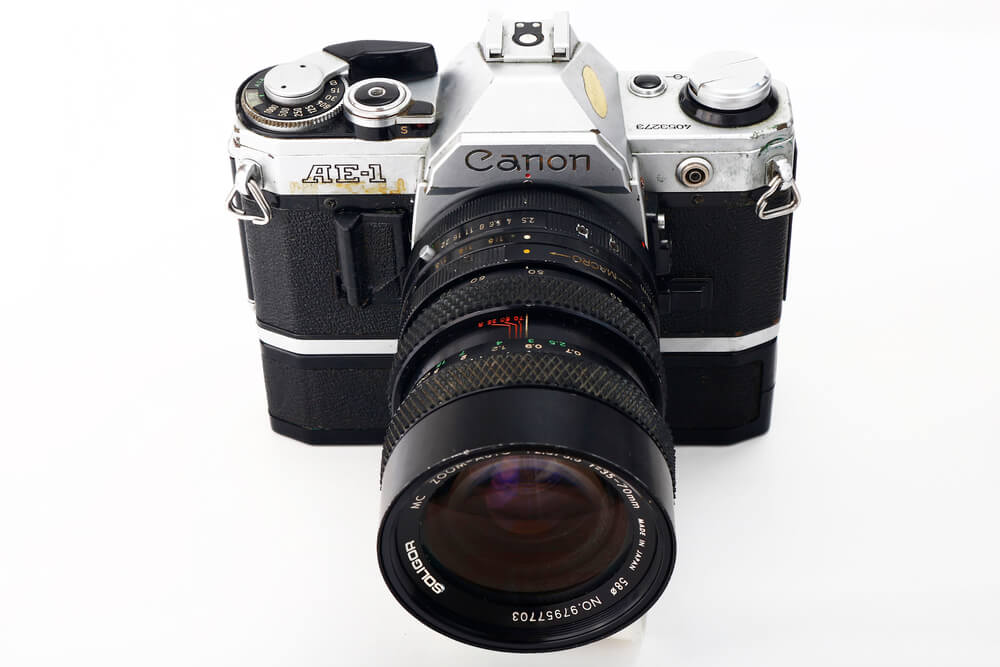
Canon released the AE-1 in 1976, and it is widely credited as the first SLR controlled by a microprocessor. Aggressive television advertising helped it sell in the millions, which is why so many turn up in estate sales today.
Working bodies typically go for about 150 to 350 dollars, more with the 50mm f/1.8 lens. The camera has a well-known weakness: a squeaking mirror mechanism, often called the Canon cough, signals that it needs lubrication.
Sellers who test the shutter at several speeds and confirm the meter responds to a fresh battery tend to get better offers than those listing it untested.
Canon F-1 for Professional Work
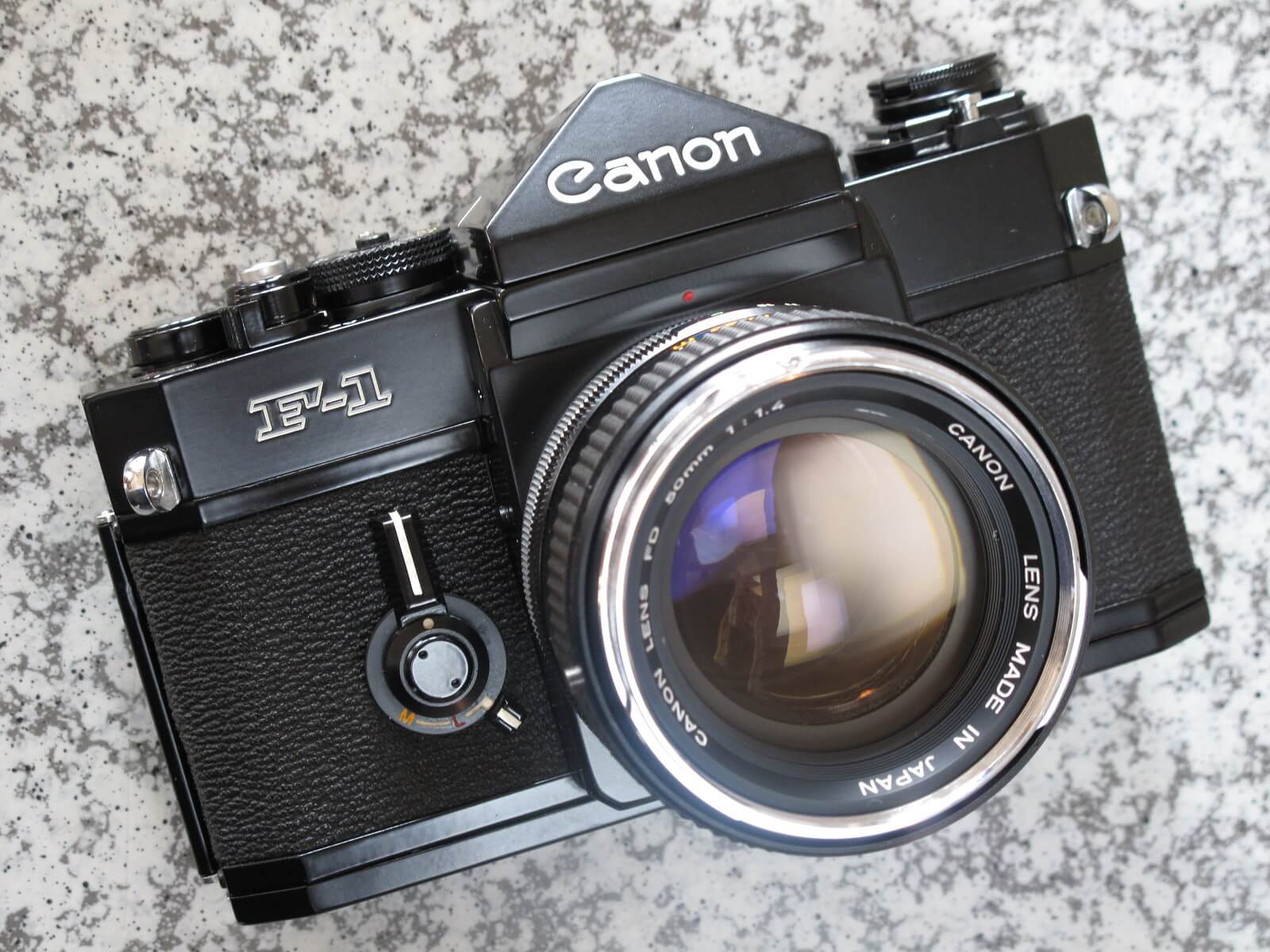
Canon aimed the F-1 at professionals when it arrived in 1971, building a modular system camera to compete directly with the Nikon F2. It accepts FD lenses, interchangeable finders and motor drives, and the later New F-1 of 1981 refined the design further.
Original F-1 bodies usually sell for about 200 to 450 dollars, with high-speed variants and complete motor-drive kits climbing well beyond that. Condition matters: dented prism housings and sticky shutter curtains are common problems.
Clean black paint with minimal wear on the corners makes a noticeable difference, and a working light meter helps a sale considerably.
Pentax K1000, the Classroom Favorite
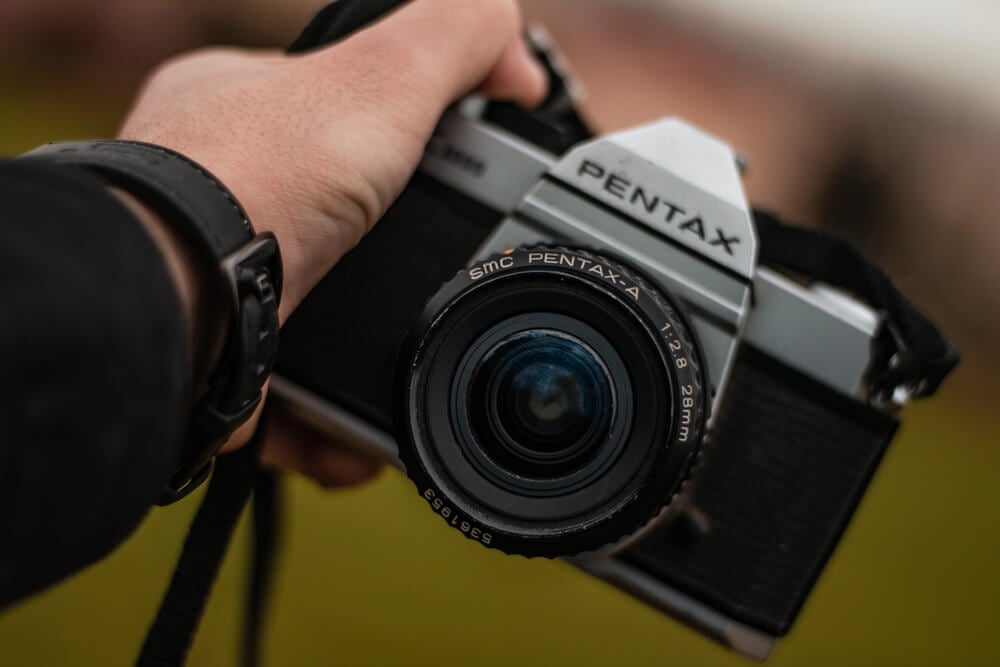
Few cameras have taught more people photography than the Pentax K1000, produced from 1976 until 1997. It is almost entirely mechanical, and the battery powers only the needle meter, so it keeps working even when that cell dies.
Photography programs at high schools and colleges recommended it for decades because of its simplicity. Working examples typically bring about 150 to 300 dollars with a 50mm lens.
Japanese-made bodies from the early years tend to sell for a bit more than later ones assembled elsewhere, and buyers check for fungus in the lens and a needle that still moves.
Olympus OM-1 by Yoshihisa Maitani
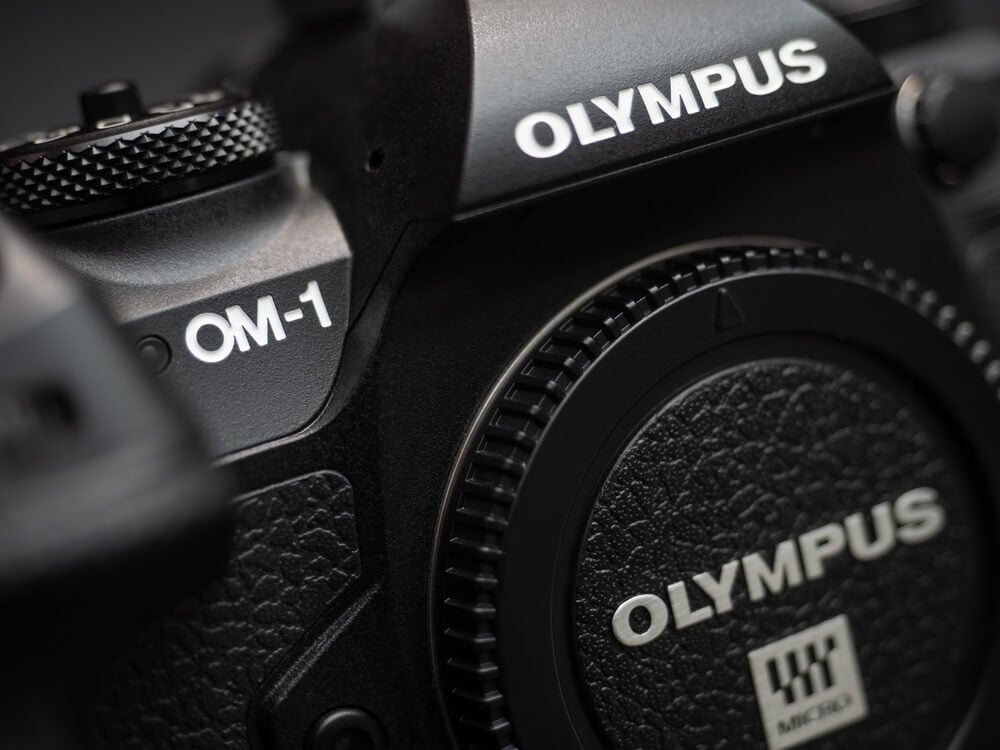
Designer Yoshihisa Maitani set out to make a smaller, lighter SLR, and the result arrived in 1972 as the M-1. Leica objected to the name, and Olympus soon renamed it the OM-1.
Its compact body and quiet shutter made it popular with travelers and mountaineers. Clean examples typically sell for about 150 to 400 dollars with a Zuiko 50mm lens.
The foam strip under the prism tends to deteriorate and corrode the prism silvering, so sellers who can show a clear finder with no dark streaks command better prices. Original M-1 marked bodies are scarcer and draw collector premiums.
Contax T2 in Titanium
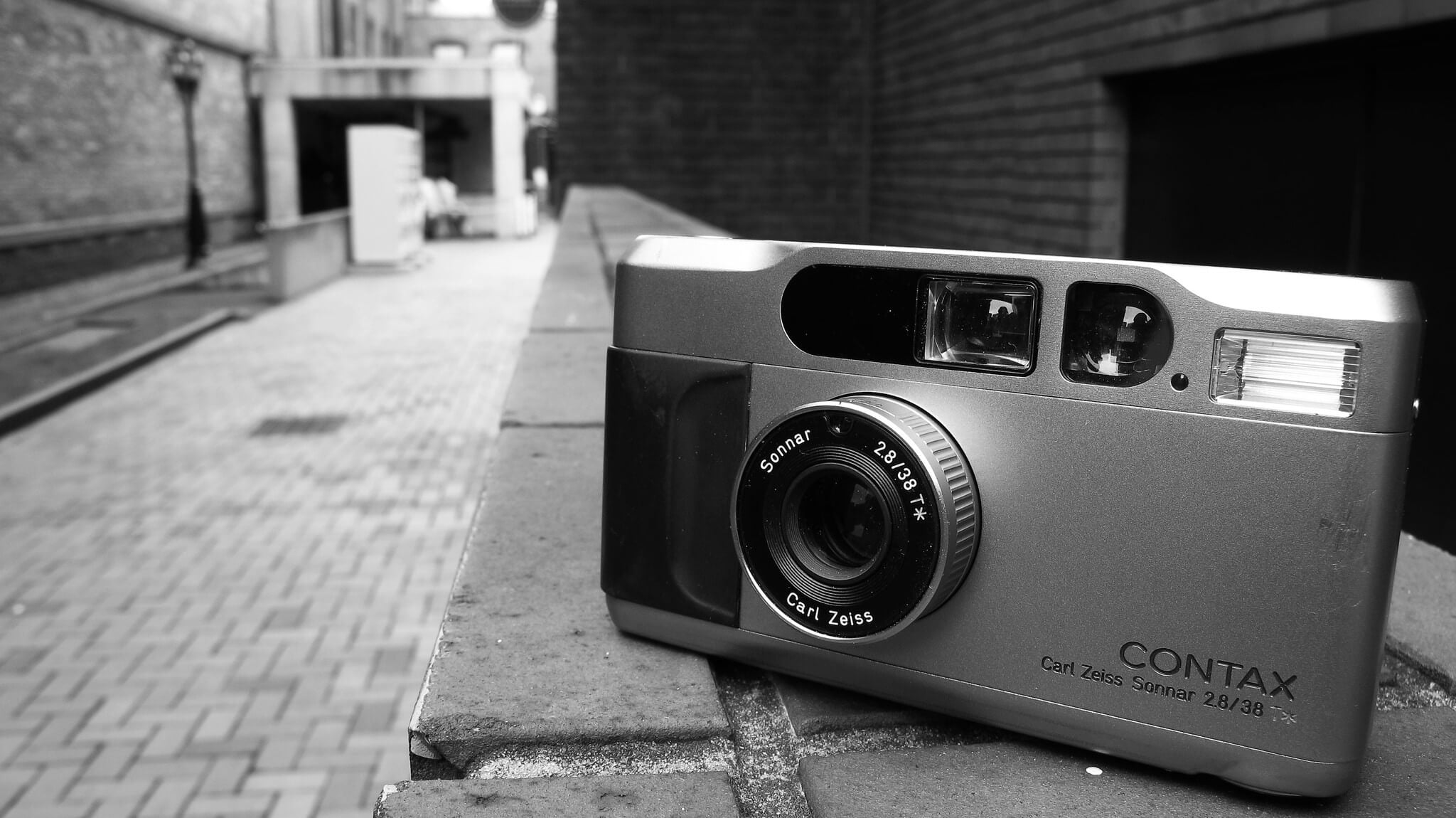
Kyocera released the Contax T2 in 1990, wrapping a Carl Zeiss Sonnar 38mm f/2.8 lens in a titanium body with a sapphire crystal over the shutter button. Celebrities and fashion photographers have helped turn it into one of the most sought-after point-and-shoot cameras of the film revival.
Prices in 2026 often run around 1,200 to 2,000 dollars, depending on the electronics, finish and whether the original box and case are present. Dead LCD panels and lens errors are the common faults, and parts are scarce.
Buyers should treat untested examples cautiously, because repair can be difficult or impossible.
Yashica T4 and Its Tessar Lens
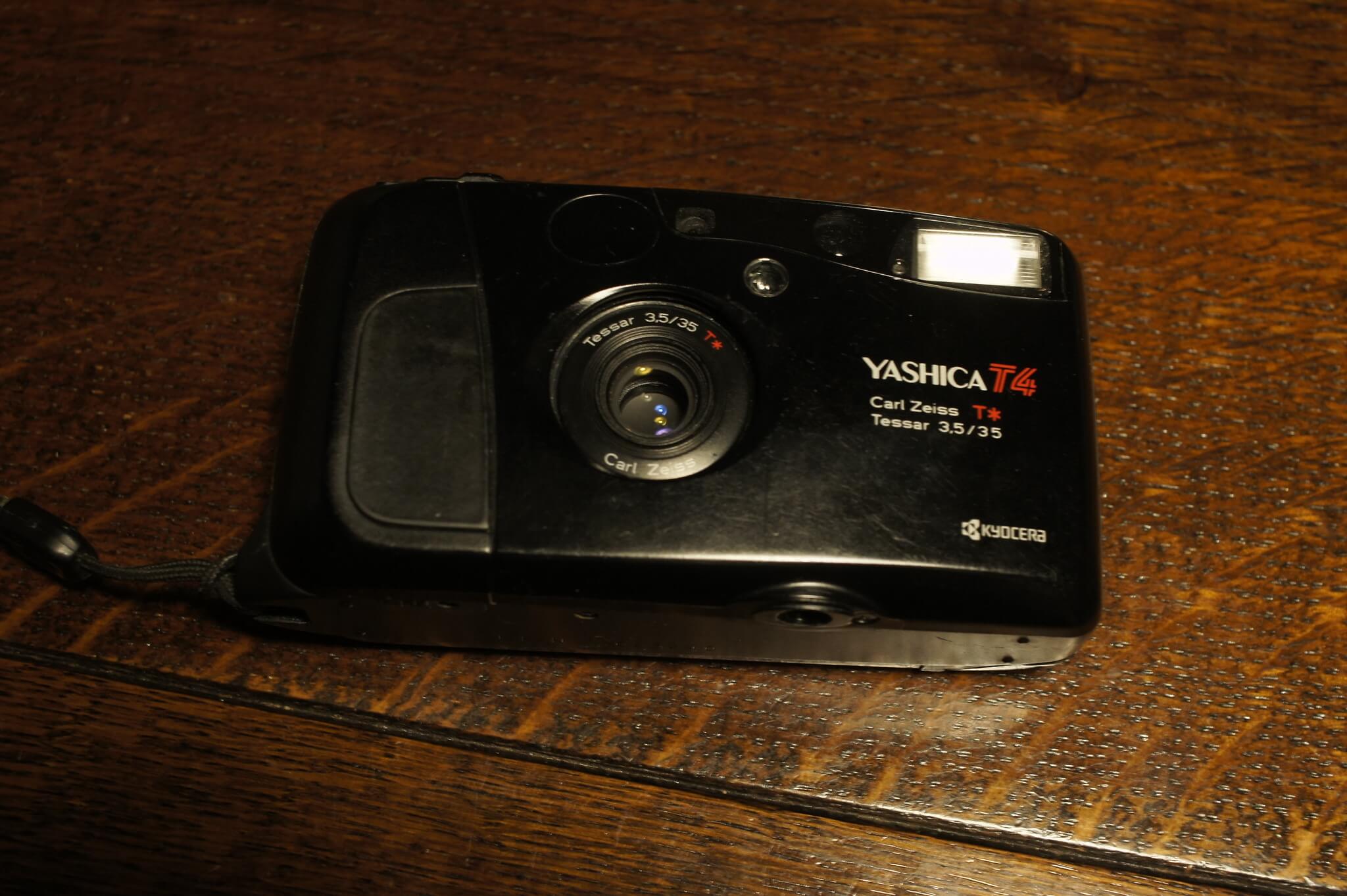
Yashica built the T4 in the early 1990s, and its Carl Zeiss Tessar 35mm f/3.5 lens gave a plastic point-and-shoot genuinely sharp results. A small super scope viewfinder on top let users frame shots from waist level.
Fashion photographers adopted it in the late 1990s, and its reputation has only grown since. Working examples usually sell for about 400 to 700 dollars in 2026.
Electronic failures are the main risk, since these cameras were never designed for repair, and scratched lens covers or cracked bodies cut the price. Sellers often include a test roll to prove it works.
Olympus Stylus Epic, Pocket-Size and Weatherproof
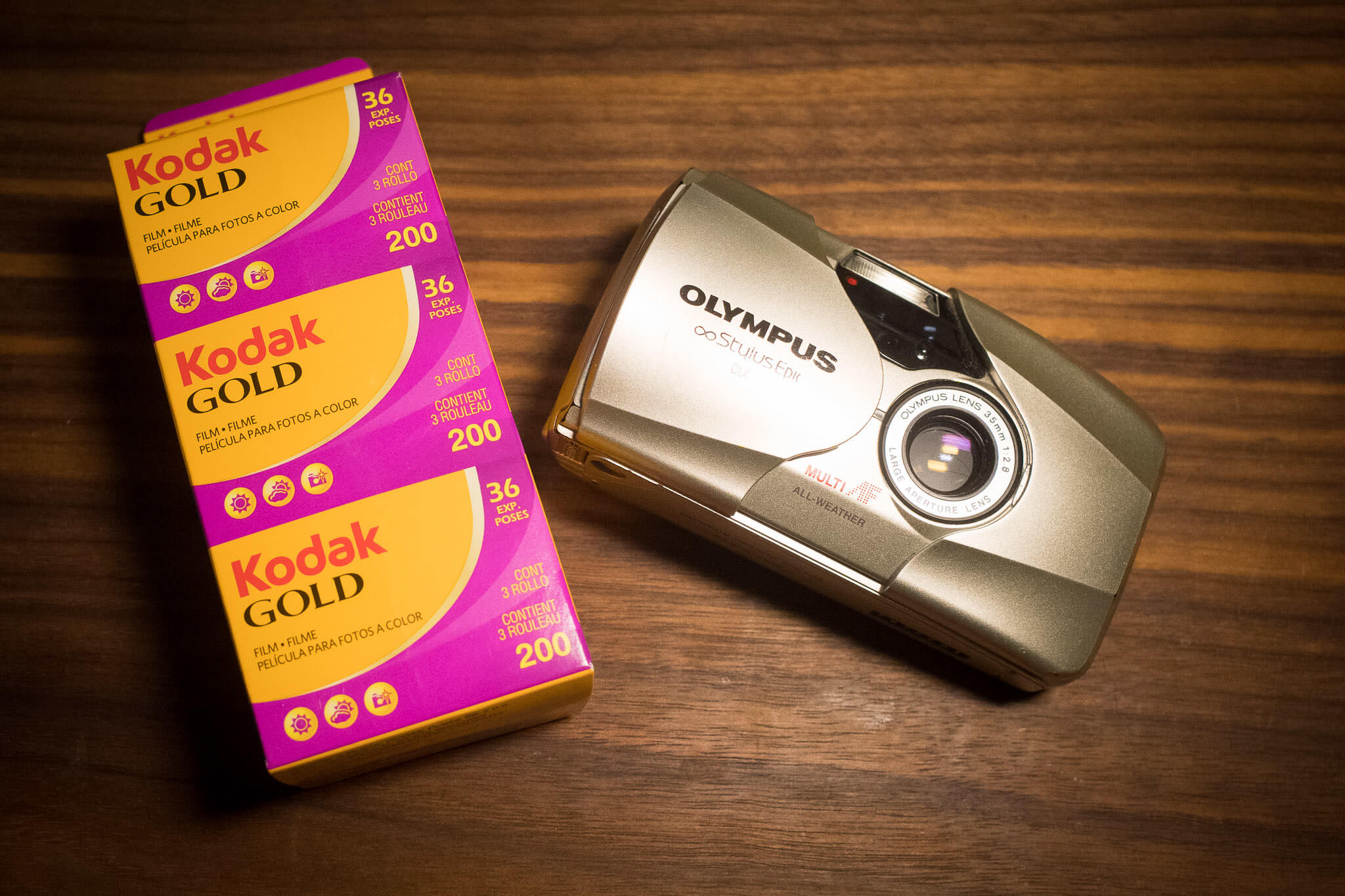
Olympus introduced the Stylus Epic in 1997, sold as the mju-II outside North America, with a sharp 35mm f/2.8 lens in a weatherproof clamshell body. Millions of people used it as a vacation camera without much thought.
Prices rose sharply as interest in film returned, and working examples now often sell for around 200 to 400 dollars. Special editions in unusual colors fetch more.
Cosmetic wear on the sliding cover matters less than a reliable flash and focusing system. Cameras that power on but produce blank frames are surprisingly common, so a recent test roll is the best proof a seller can offer.
Ricoh GR1 and Its Slim Magnesium Body
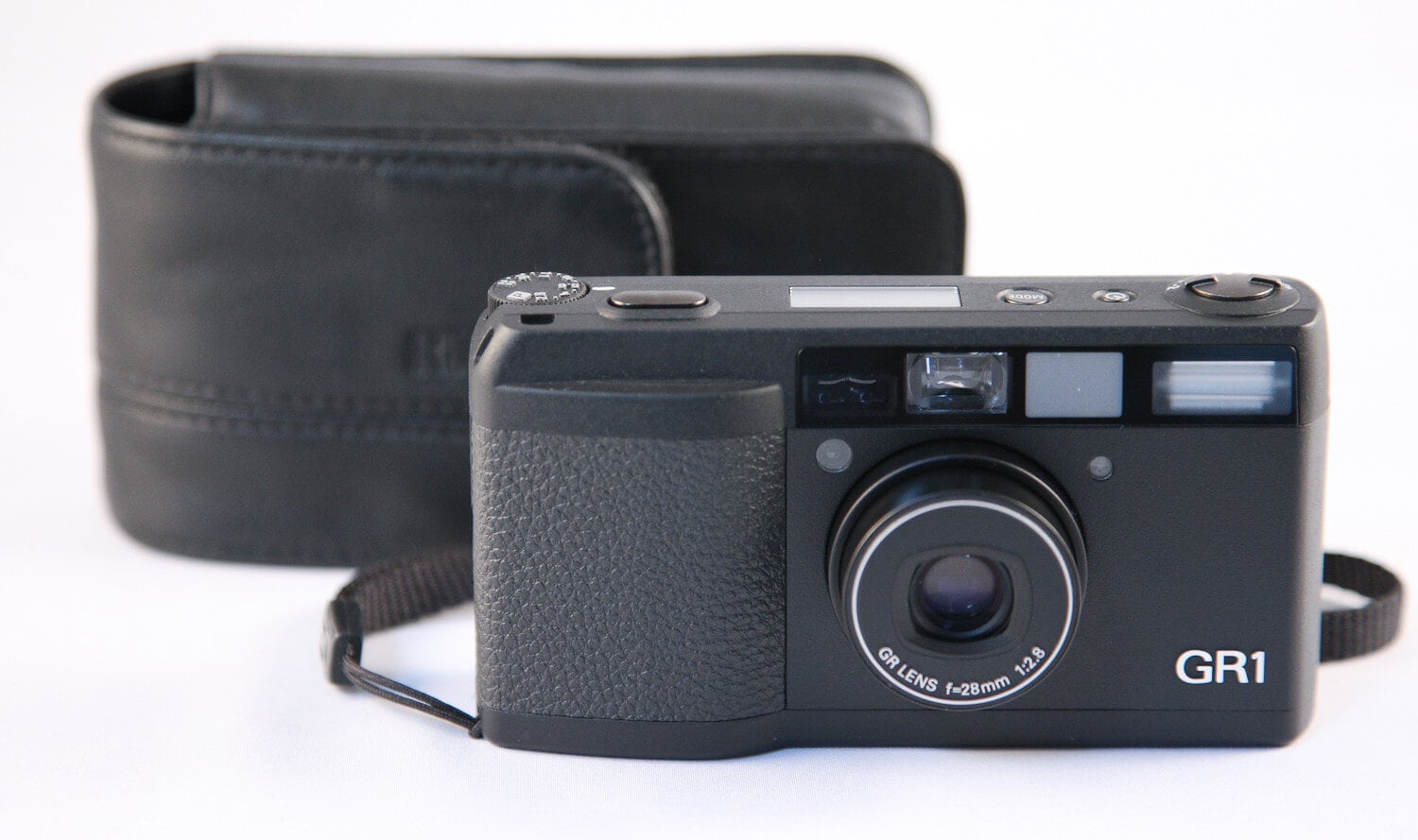
Ricoh launched the GR1 in 1996, fitting a 28mm f/2.8 lens into a magnesium alloy body barely thicker than a roll of film. Street photographers adopted it for its wide lens and quick handling, and the digital GR line descends directly from it.
Prices typically fall between about 500 and 1,000 dollars, with later GR1s and GR1v versions drawing the higher figures. The most common fault is a fading LCD panel on top, which can make the camera difficult to operate.
Lens errors and stuck lens covers also appear, and repair options have grown thin over the years.
Konica Hexar, the Silent Shooter
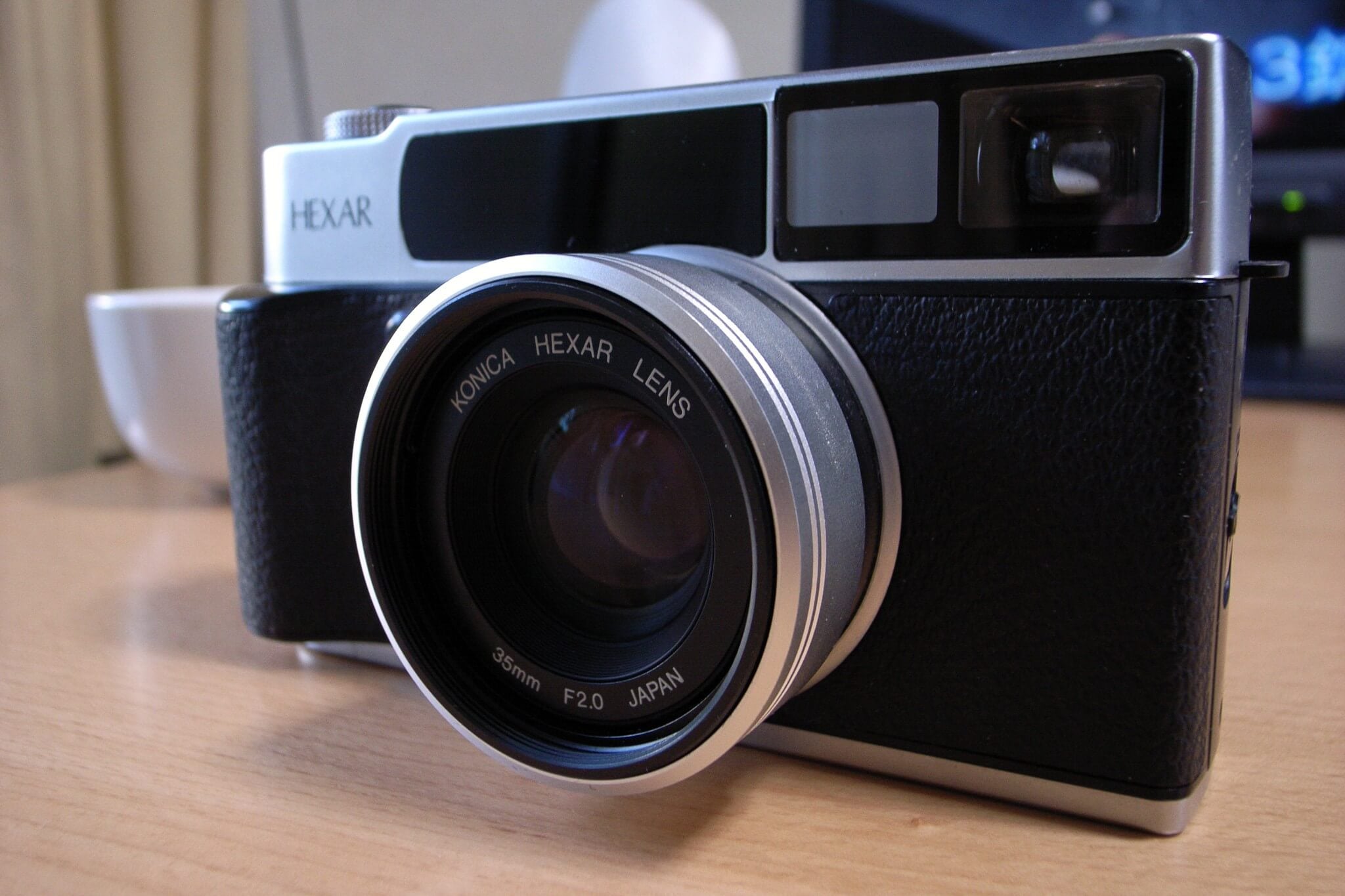
Konica released the Hexar in 1993 with a fixed 35mm f/2 lens and a notably quiet leaf shutter. A hidden silent mode, later documented by enthusiasts, slowed the film transport to make the camera even quieter, which suited theater and wedding work.
Working examples typically sell for about 600 to 1,100 dollars in 2026. Buyers prize the lens, which many users compare to Leica glass costing several times as much.
The main risks are electronic failures and worn battery doors. A black finish usually costs a little more than the titanium-colored version, though both depend on clean optics.
Mamiya RB67 and Its Rotating Back
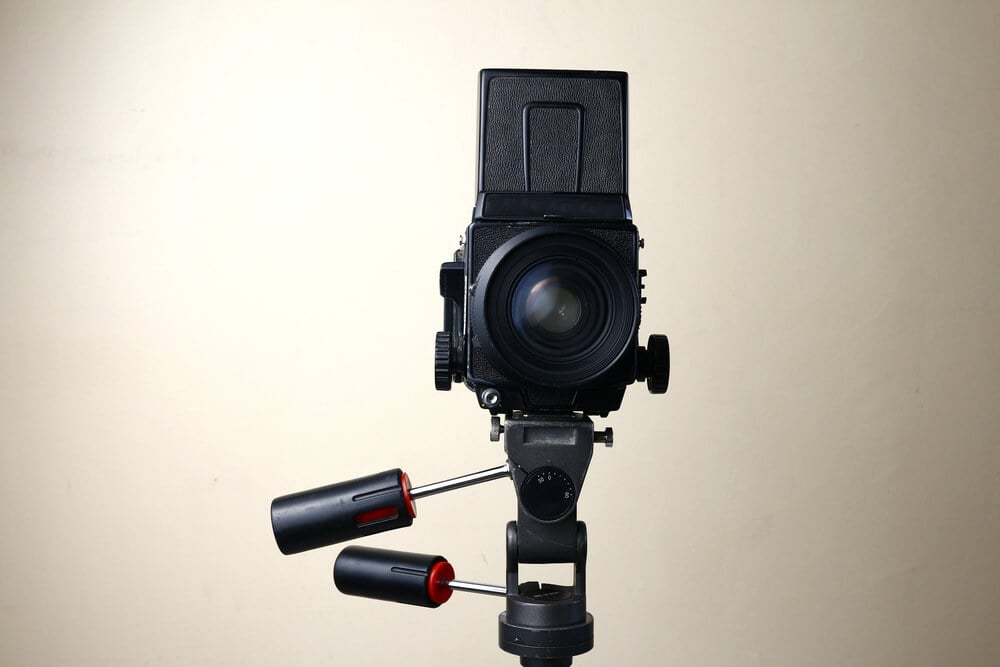
Mamiya introduced the RB67 in 1970, a heavy medium-format SLR shooting 6x7cm frames on 120 film. Its signature feature is a revolving back that rotates between horizontal and vertical without turning the camera on its side, which made it a studio favorite for decades.
Complete kits with a lens, back and waist-level finder often sell for about 400 to 800 dollars. Buyers check backs for light leaks, since old foam seals rot, and test the lens shutters at every speed.
The camera’s sheer weight means many owners never took it outdoors, which can help condition.
Mamiya 7 Medium-Format Rangefinder
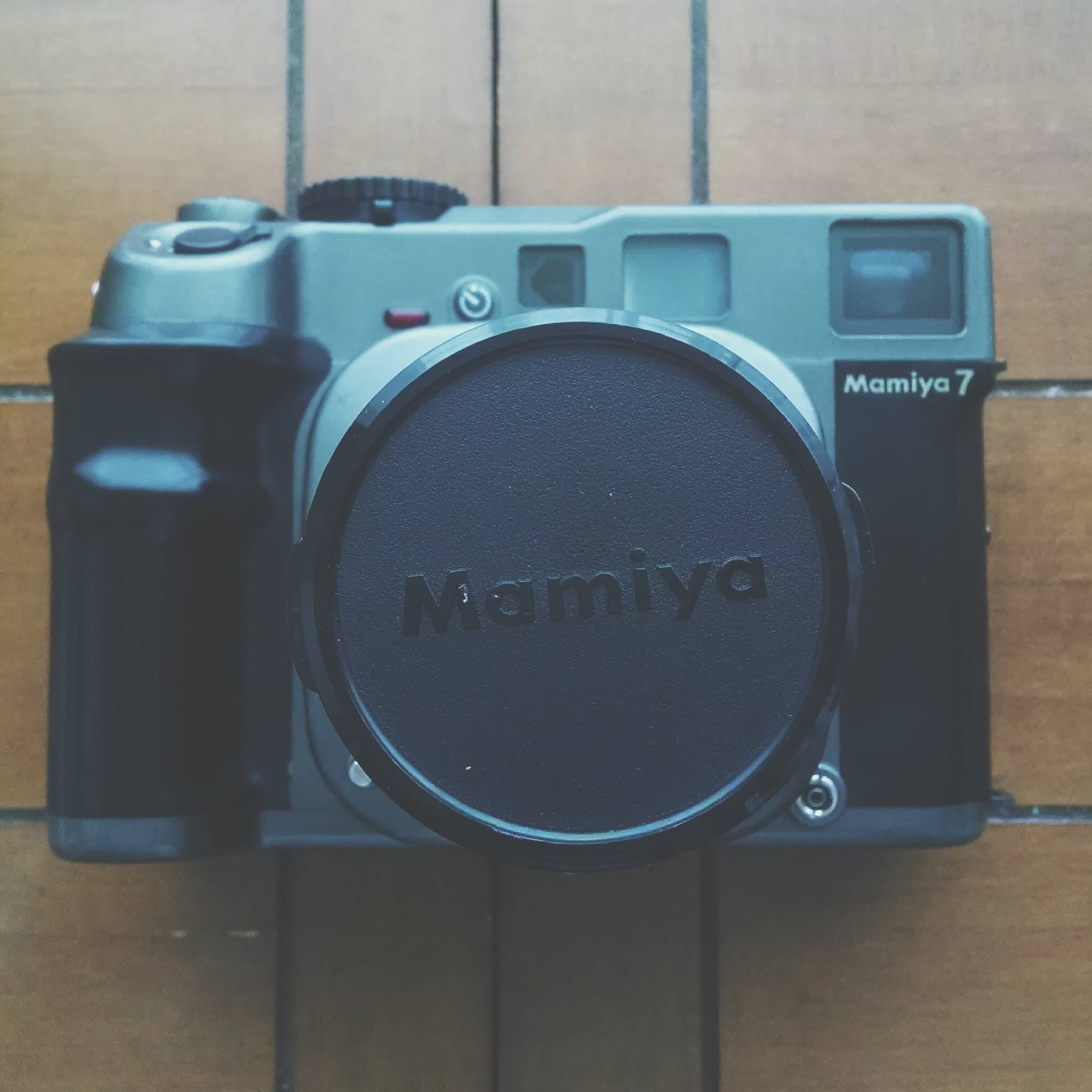
Mamiya launched the Mamiya 7 in 1995, offering 6x7cm negatives in a rangefinder body light enough to carry on a hike, followed by the Mamiya 7 II in 1999. Landscape photographers love it for the sharpness of its lenses and the size of its negatives.
Bodies with an 80mm lens often bring about 2,500 to 4,000 dollars, among the highest prices of any camera on this list. Rangefinder alignment, film-advance reliability and light leaks around the back door all affect value.
Lenses for this system carry their own premiums, and complete kits with matched viewfinders draw particular interest.
Polaroid SX-70 Folding Instant SLR
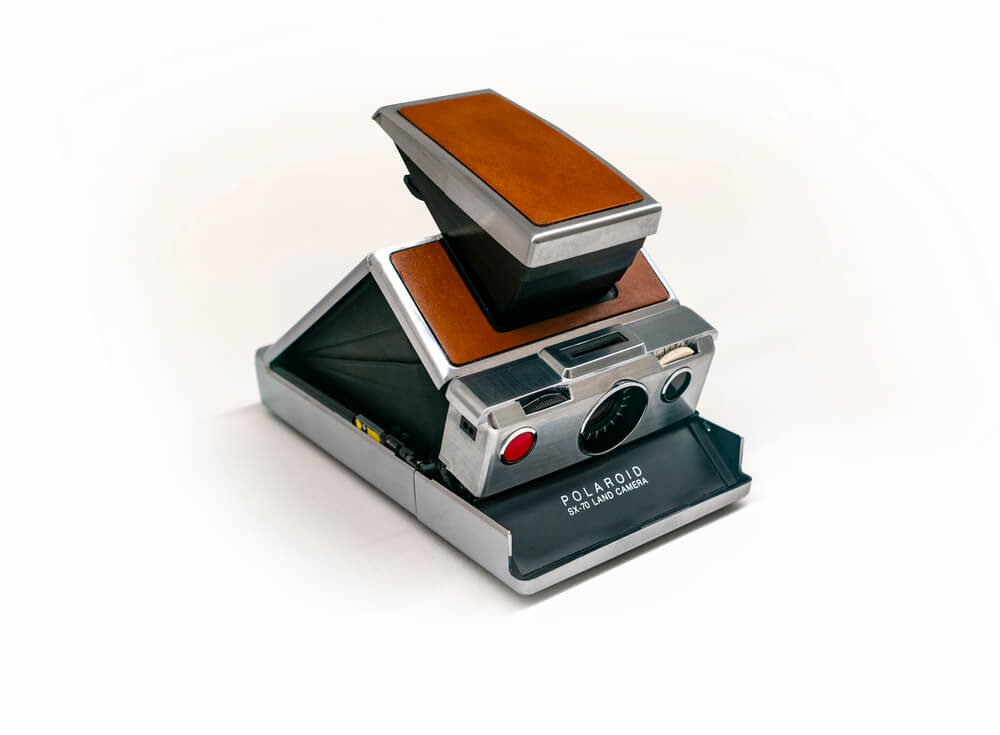
Edwin Land showed off the SX-70 in 1972, a folding single-lens reflex camera that ejected self-developing prints, a remarkable feat of engineering for its time. Its leather-covered body collapses flat enough to fit in a coat pocket.
Fresh film is still produced by Polaroid, which keeps these cameras usable. Working examples typically sell for about 150 to 400 dollars, with professionally refurbished cameras at the top of that range.
Bellows with tiny pinpricks that leak light are a common problem, and cracked leather or a mirror that does not reset reduces value. Model 2 versions in white plastic cost less.
Polaroid 600 Series Box Cameras
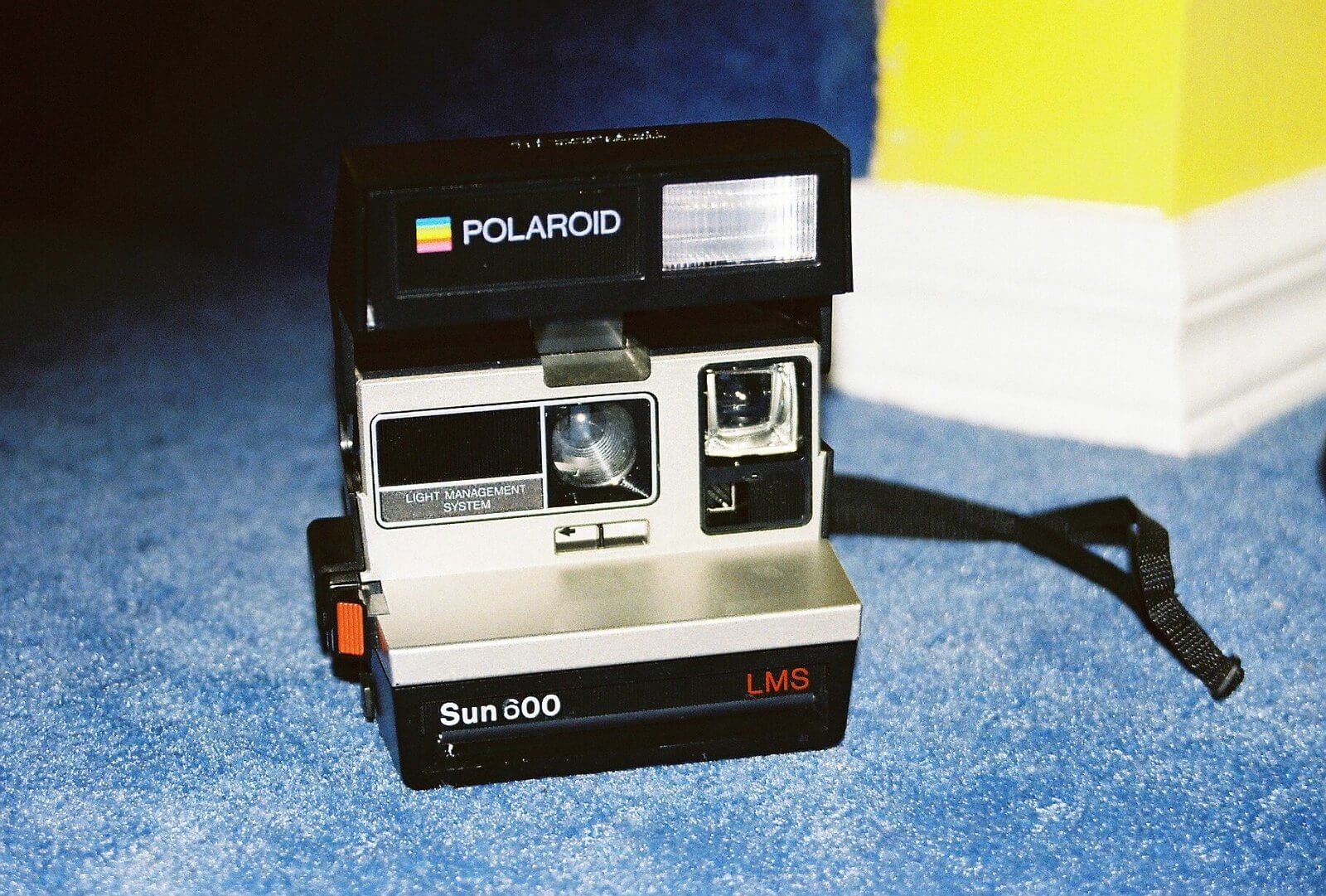
Polaroid launched its 600 film system in 1981, and the plastic box cameras that used it were sold by the millions through the 1980s and 1990s. Because so many survive, most models sell for only about 20 to 60 dollars.
Novelty editions and branded promotional cameras can draw slightly more. The value here is practical, since 600 film is still made and the cameras work with it.
Buyers check that the flash charges, the rollers are clean and the ejection mechanism runs smoothly. Cracked bodies and sticky shutter buttons are common, but a working one still produces genuine instant prints.
Graflex Speed Graphic Press Camera
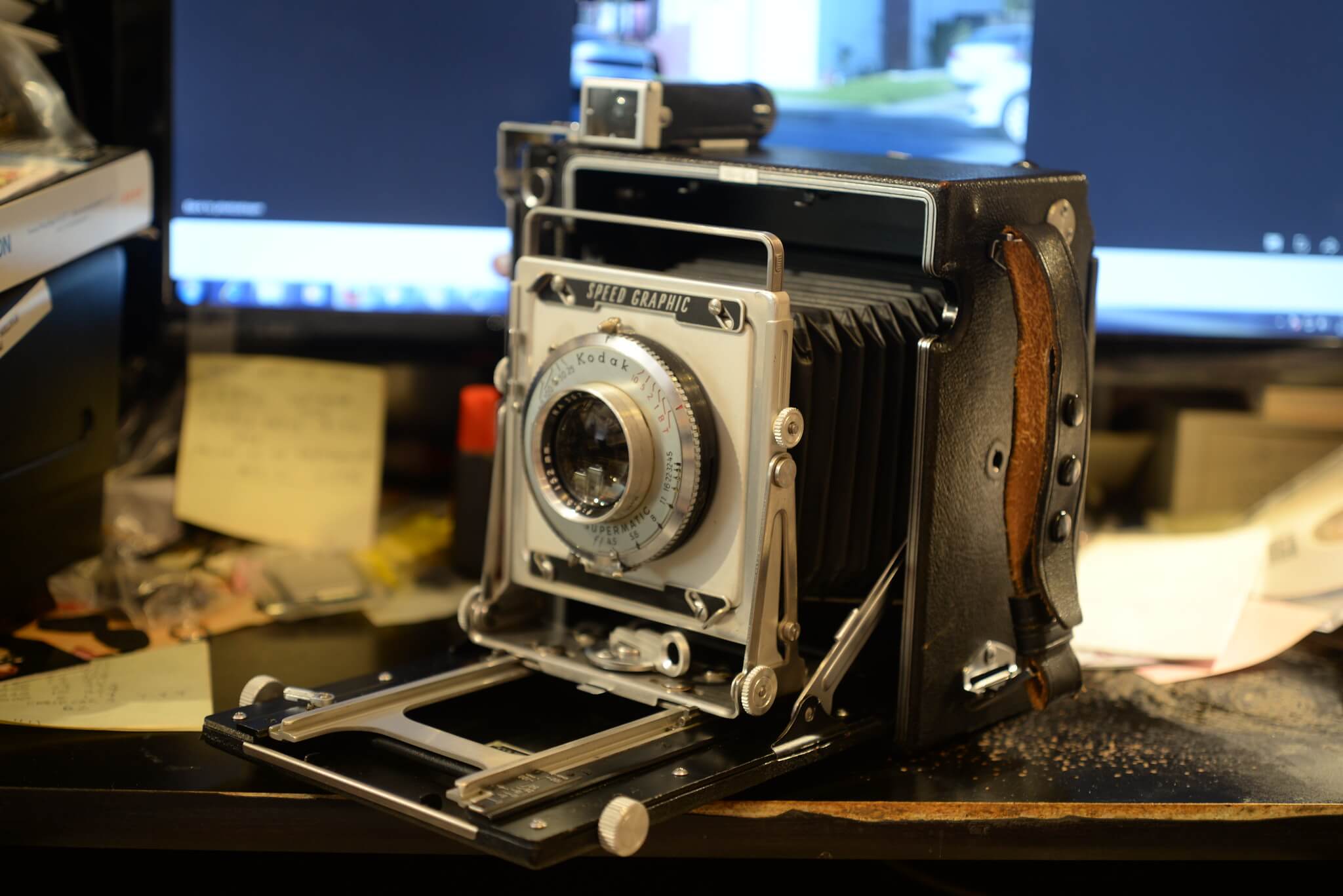
Joe Rosenthal used a Graflex Speed Graphic to take his photograph of Marines raising the flag on Iwo Jima in 1945, and the camera defined American press photography for decades. Graflex of Rochester, New York, built it until 1973, using sheet film in 4×5 inch holders.
Working examples usually sell for about 200 to 600 dollars, depending on the lens, the condition of the bellows and whether the focal-plane shutter still functions. Original flash guns and rangefinders add appeal.
Torn bellows, missing film holders and fungus in the lens all reduce offers for these sturdy cameras.
Kodak Brownie Box Camera
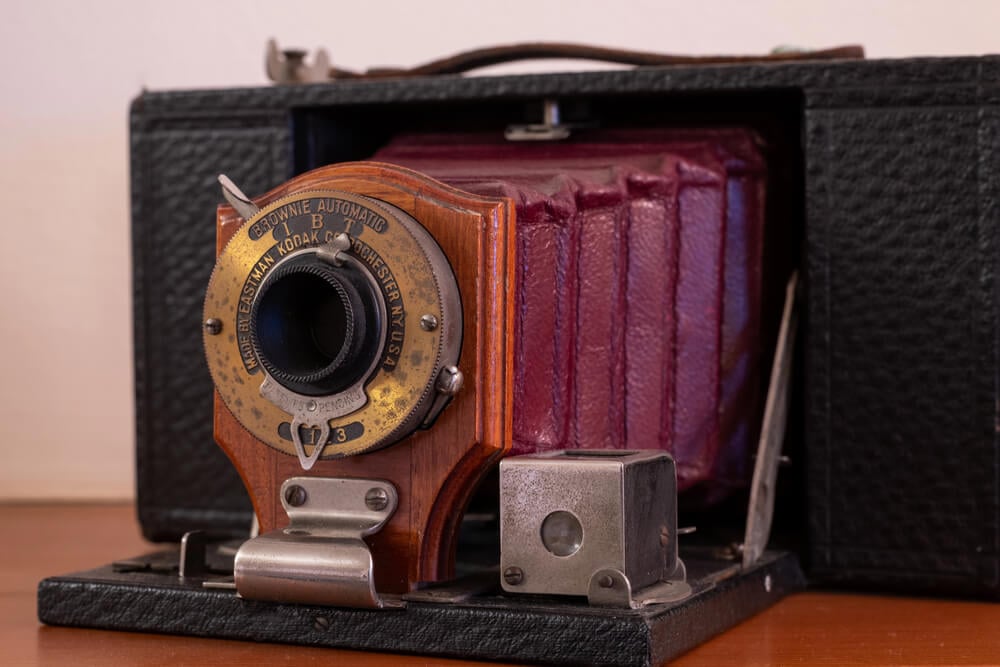
Kodak introduced the Brownie in 1900 at a price of one dollar, and designer Frank Brownell made it simple enough for children to use. It helped turn snapshot photography into an everyday hobby for millions of families.
Most Brownies today sell for only about 10 to 40 dollars, because so many survive. The later Brownie Hawkeye of 1949 is a common estate-sale find.
Early cardboard examples from 1900 carry far more interest for collectors, especially with intact leatherette. For the average family heirloom, the sentimental value outweighs the market value, though a working one remains fun to use with adapted film.
Argus C3, Known as the Brick
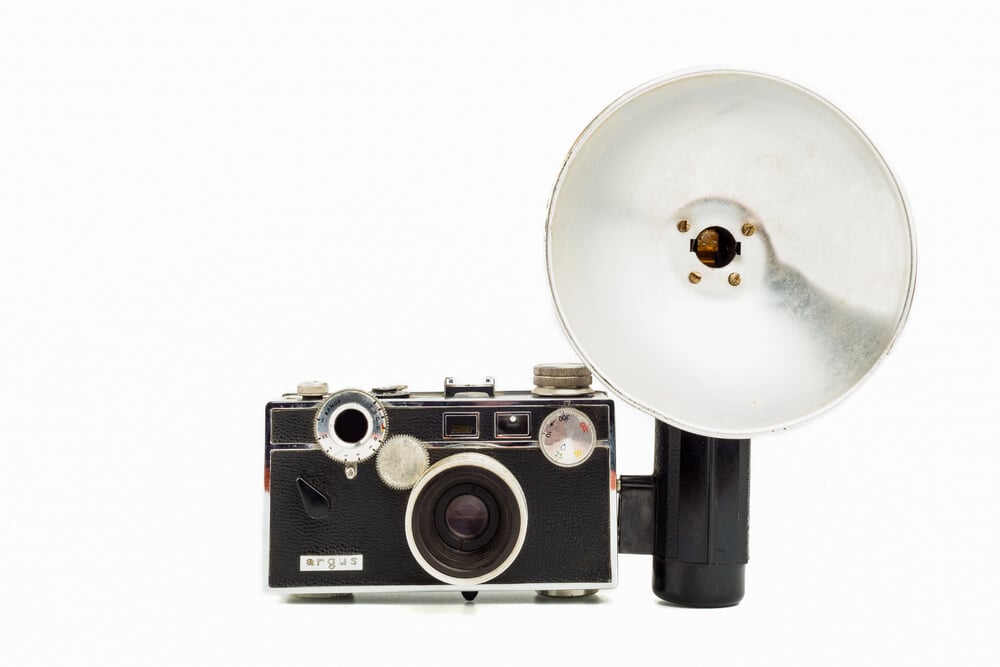
Argus built the C3 in Ann Arbor, Michigan, from 1939 until 1966, and its blocky shape earned it the nickname the Brick. It sold in enormous numbers, which means its resale prices remain low.
Working examples typically sell for about 20 to 60 dollars, with clean leather covering and a functioning rangefinder pushing toward the top of that range. Its simple controls made it the first serious camera for a generation of American hobbyists.
Buyers check for a stiff shutter and a cloudy rangefinder window before paying more than pocket change.
Minox Subminiature Spy Camera
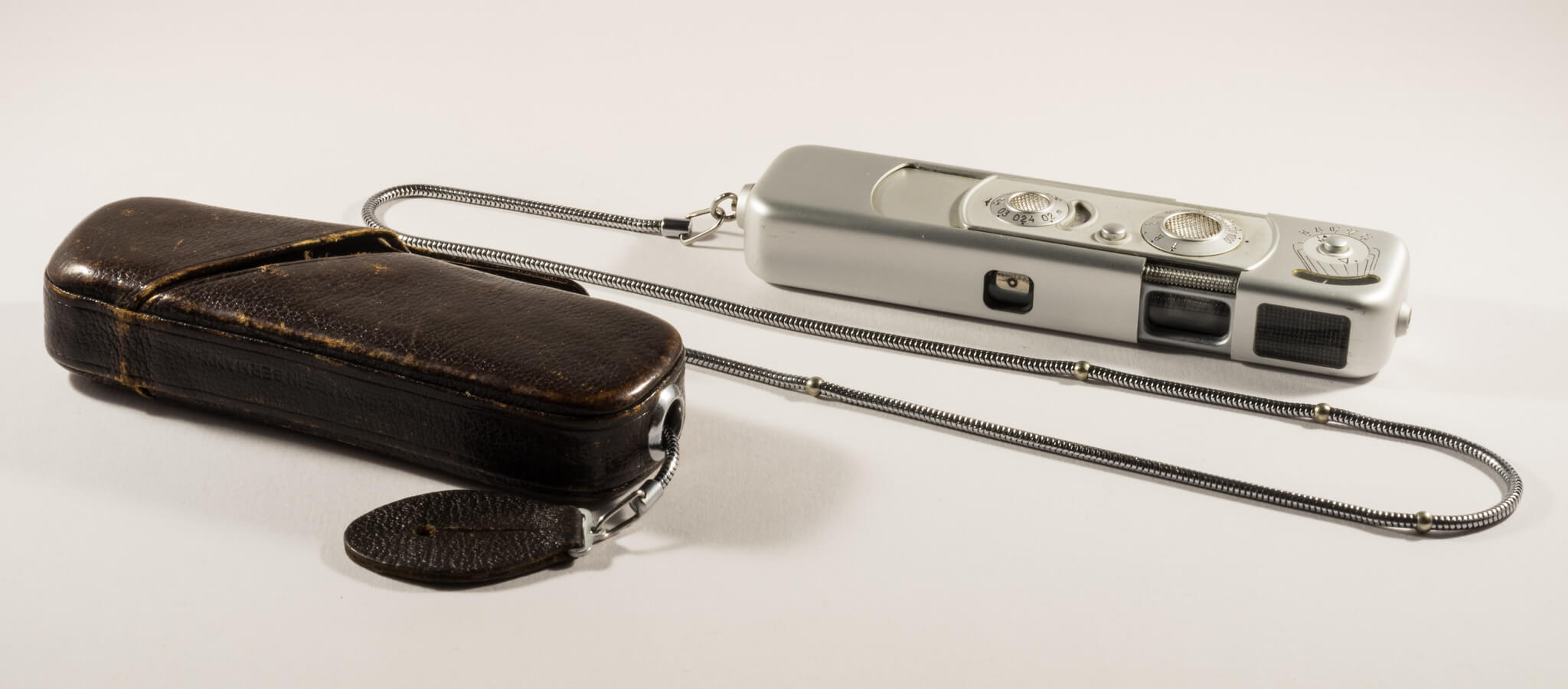
Walter Zapp designed the first Minox, and VEF in Riga, Latvia, began building it in 1938, using tiny 8x11mm film negatives. Intelligence services on both sides of the Cold War used Minox cameras to copy documents.
Later German models such as the Minox B, introduced in 1958 with a built-in light meter, typically sell for about 100 to 250 dollars. Original Riga-made examples with steel bodies are much scarcer and sell for far more.
Complete sets with the case, chain and original box command premiums, while scratched viewfinders and dead meters lower interest.
Voigtlander Vitessa with Its Plunger
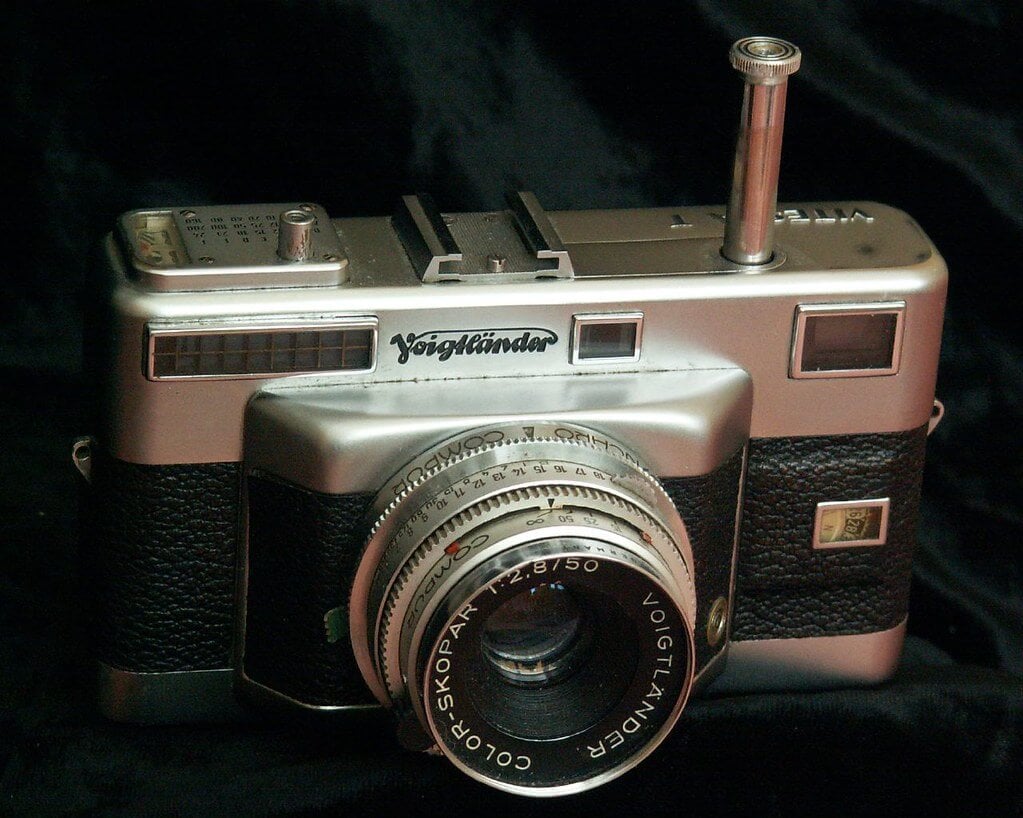
Voigtlander introduced the Vitessa in 1950, a folding 35mm camera with an unusual plunger on top that both advanced the film and cocked the shutter. Its barn-door style front covers open to reveal the lens, which gives it a distinctive look on any shelf.
Working examples typically sell for about 100 to 300 dollars, with Ultron lens versions at the top of that range. Stiff doors, broken plungers and hazy lenses are common issues.
Buyers who appreciate mechanical oddities tend to pay more for clean examples that open smoothly and fire reliably at every speed.
Zeiss Ikon Contax II Rangefinder
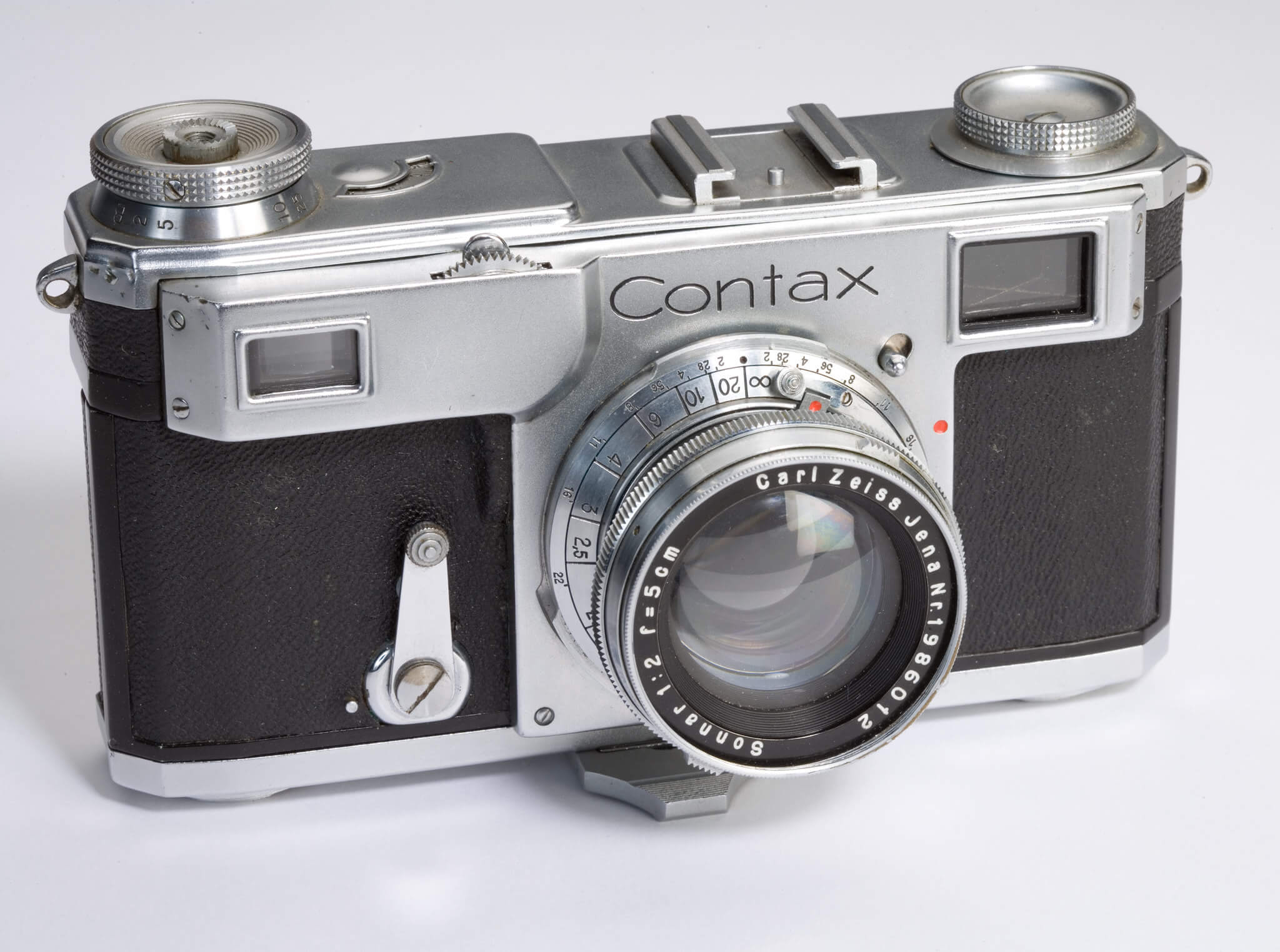
Zeiss Ikon launched the Contax II in 1936, a direct rival to the Leica with a combined viewfinder and rangefinder window and a vertically running metal shutter. Its bayonet mount accepted superb Zeiss Sonnar lenses, which remain prized today.
Working examples usually sell for about 300 to 700 dollars with a 50mm Sonnar. Shutter ribbons can fray with age, and repairs require specialists, so cameras with documented service sell for more.
Black enamel finishes that have stayed free of chips and corrosion draw extra interest, and prewar serial numbers interest collectors who track Dresden production.
Fujifilm GA645 Autofocus Medium Format
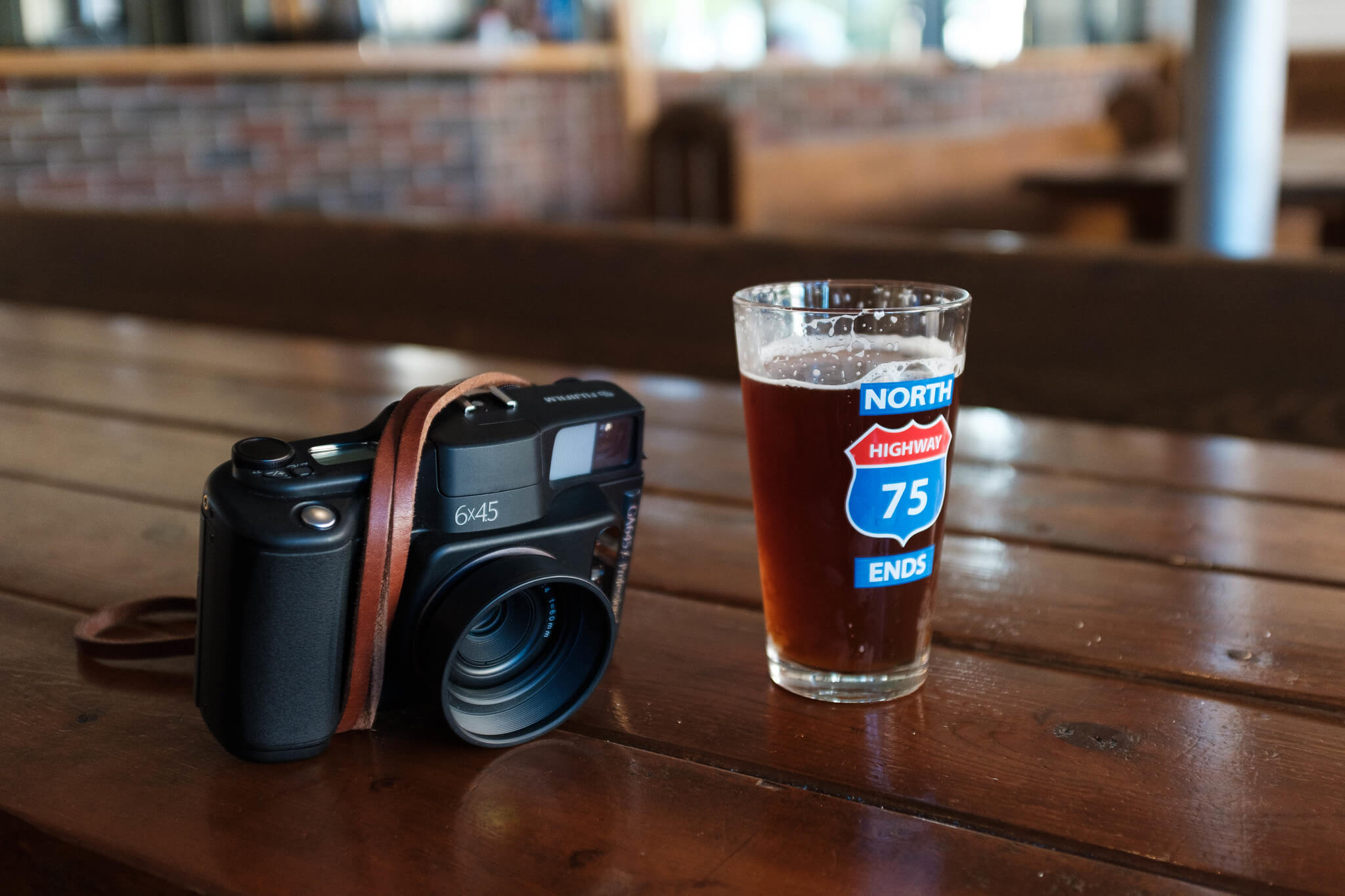
Fujifilm released the GA645 in 1995, an autofocus medium-format camera producing 6×4.5cm negatives on 120 film with a Fujinon 60mm f/4 lens. It handles almost like a point-and-shoot, which makes medium-format photography far less intimidating.
Working examples typically sell for about 700 to 1,200 dollars in 2026. Electronic problems, including LCD failures and autofocus errors, are the main risks, since repair parts are scarce.
Wide-angle and zoom variants appeared later and have their own followings. Sellers who include photos taken on a recent roll make buyers feel much more comfortable paying.
Pentax 67 and Its Oversized Body
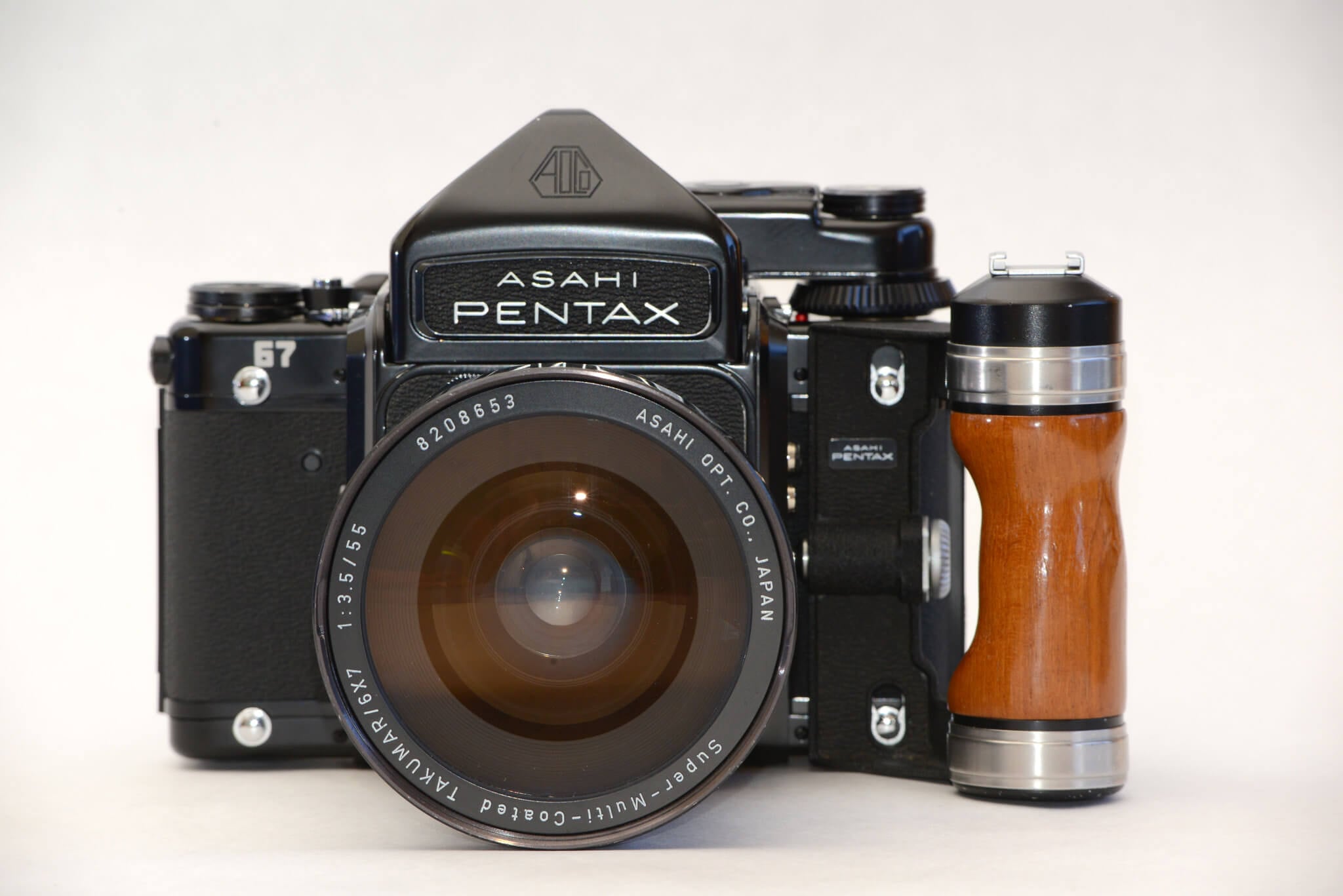
Pentax introduced the camera in 1969 as the Pentax 6×7, an SLR shaped like an oversized 35mm camera that shoots 6x7cm negatives on 120 film. Portrait photographers praise its 105mm f/2.4 lens for shallow focus and smooth backgrounds.
Bodies with that lens often sell for about 1,200 to 2,000 dollars. Mirror lockup versions are preferred because the heavy mirror can blur slow exposures.
Buyers check for a working meter prism, smooth film advance and clean optics. Its loud shutter slap is part of the appeal, though a sticking mirror is not.
Bronica SQ-A Medium-Format SLR
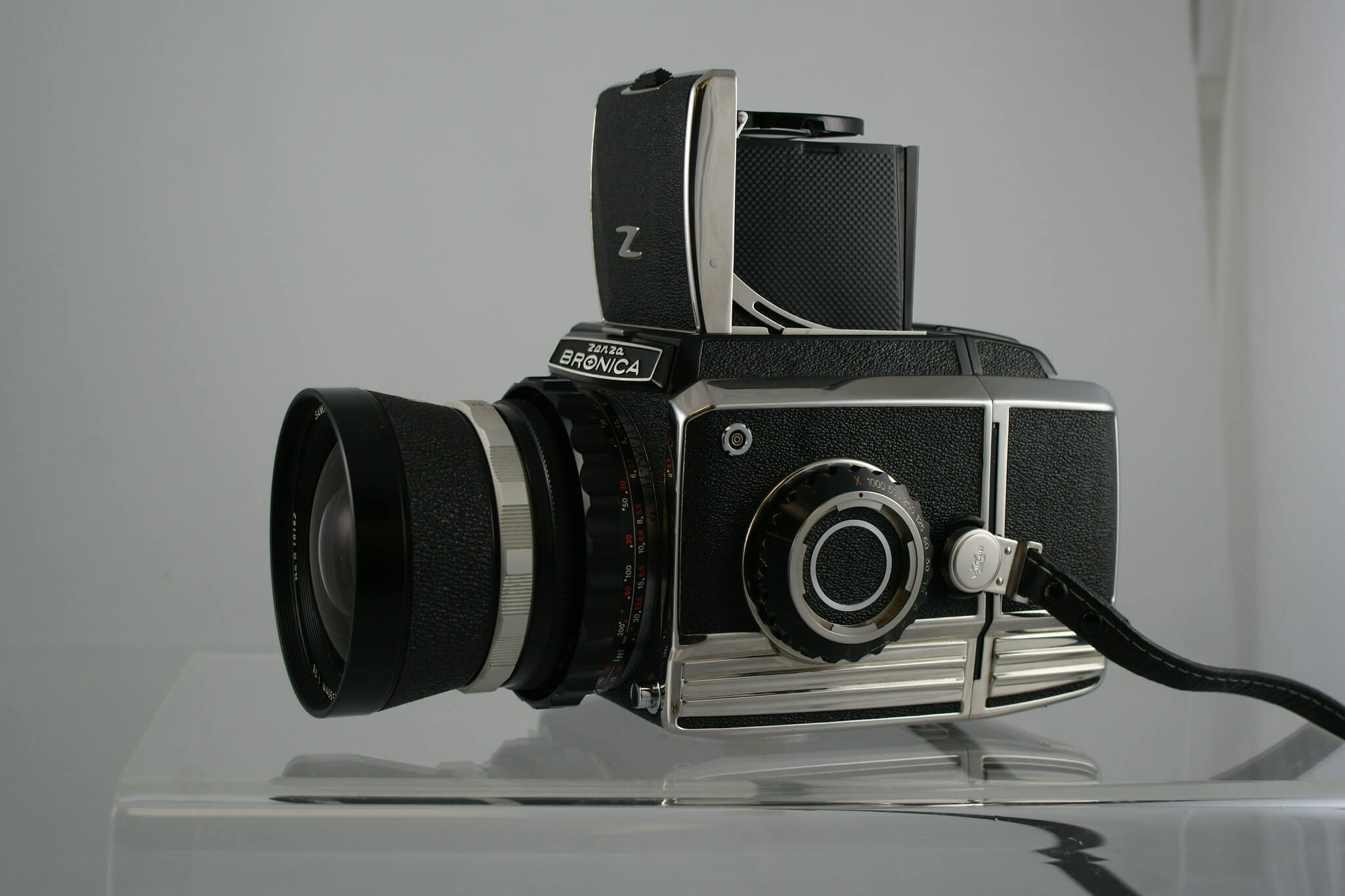
Zenzaburo Yoshino founded Bronica to build medium-format cameras that could compete with Hasselblad, and the SQ-A arrived in 1982 shooting 6x6cm square negatives. It accepts interchangeable lenses, backs and finders, offering much of the Hasselblad system’s flexibility for less money.
Working kits with an 80mm lens and back typically sell for about 500 to 900 dollars. Buyers test electronic shutters in every lens and check backs for light leaks.
Mismatched or damaged backs lower the price, while complete kits with a prism finder and extra backs draw more interest from working photographers.
Canon Canonet QL17 GIII Rangefinder
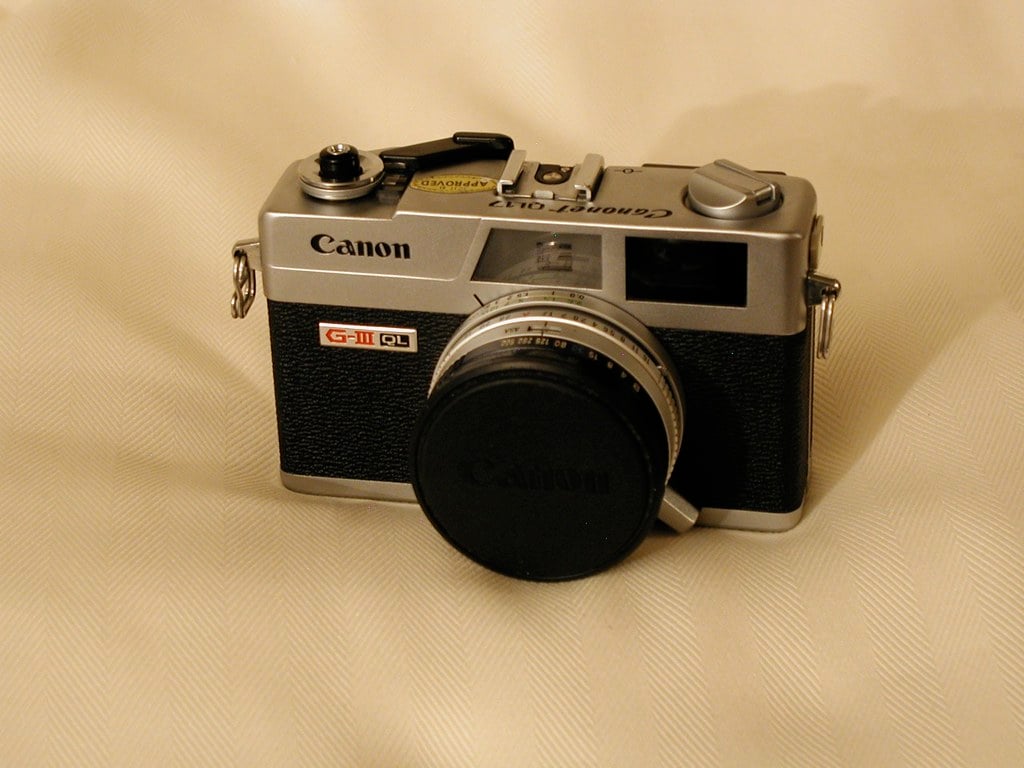
Canon released the Canonet QL17 GIII in 1972, a compact rangefinder with a fast 40mm f/1.7 lens and a quick-loading film system that gave it the QL in its name. Its small size and bright lens made it a favorite for travel and street photography.
Working examples usually sell for about 150 to 300 dollars. The most common faults are deteriorated light seals and a sticky shutter, both repairable.
Battery adapters are needed because the original mercury cells are no longer sold, and cameras with clean viewfinders and accurate rangefinders bring stronger offers.
Shutter Speeds and Second Chances
Value in this market rarely comes from rarity alone. A camera earns its price by still doing its job, with a shutter that fires on time, glass free of haze and fungus, and seals that keep out stray light.
That is why a common camera in working order can outsell a scarce one that has spent decades in a damp basement. Film never vanished, and the cameras built for it were made to be repaired rather than replaced.
Many of these bodies were designed in decades when manufacturers expected owners to keep them for life. Pulling one from the closet and running a roll through it is the simplest way to learn what it is worth, both in dollars and in photographs.
More from Go2Tutors!

- The Romanov Crown Jewels and Their Tragic Fate
- 13 Historical Mysteries That Science Still Can’t Solve
- Famous Hoaxes That Fooled the World for Years
- 15 Child Stars with Tragic Adult Lives
- 16 Famous Jewelry Pieces in History
Like Go2Tutors’s content? Follow us on MSN.