26 Pokémon Cards Worth Serious Money
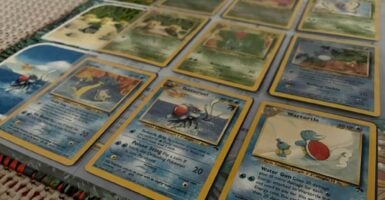
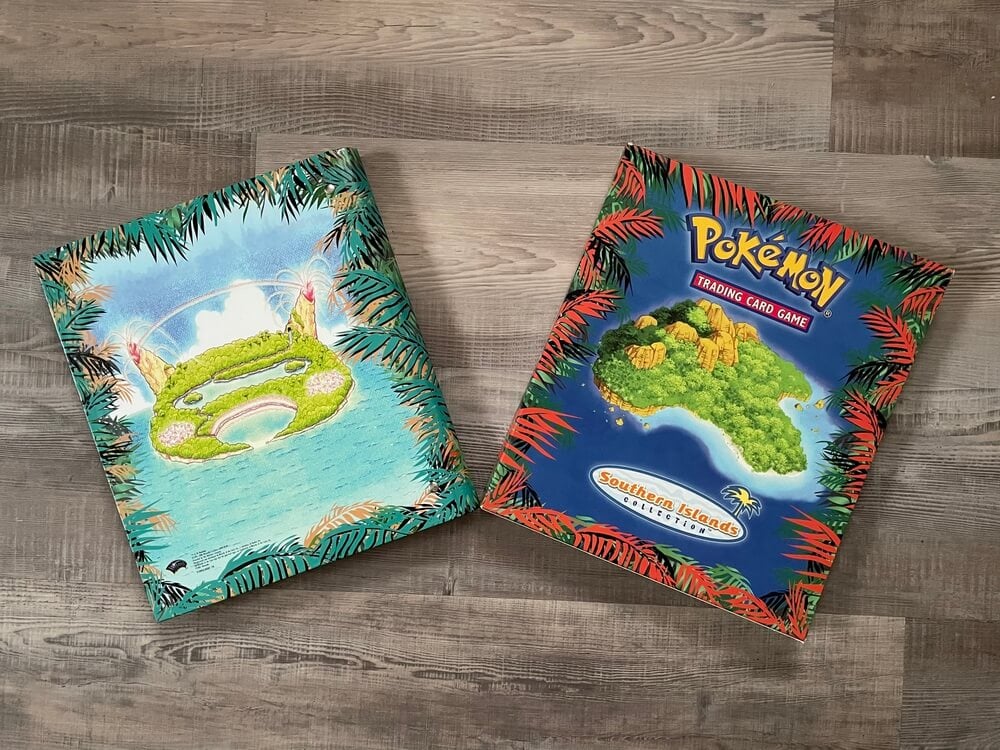
Somewhere in a closet, a binder of 1999 cards is waiting to be opened again. Most of what it holds is worth pocket change, but a few cards from that era and the decades since now trade like fine art.
The gap between a bent Charizard and a pristine one can be the price of a used car or the price of a house. Grading companies such as PSA, Beckett and CGC sit at the center of this market.
A card’s centering, corners, edges and surface decide its grade, and its grade decides almost everything else.
Pikachu Illustrator From the 1998 CoroCoro Contest
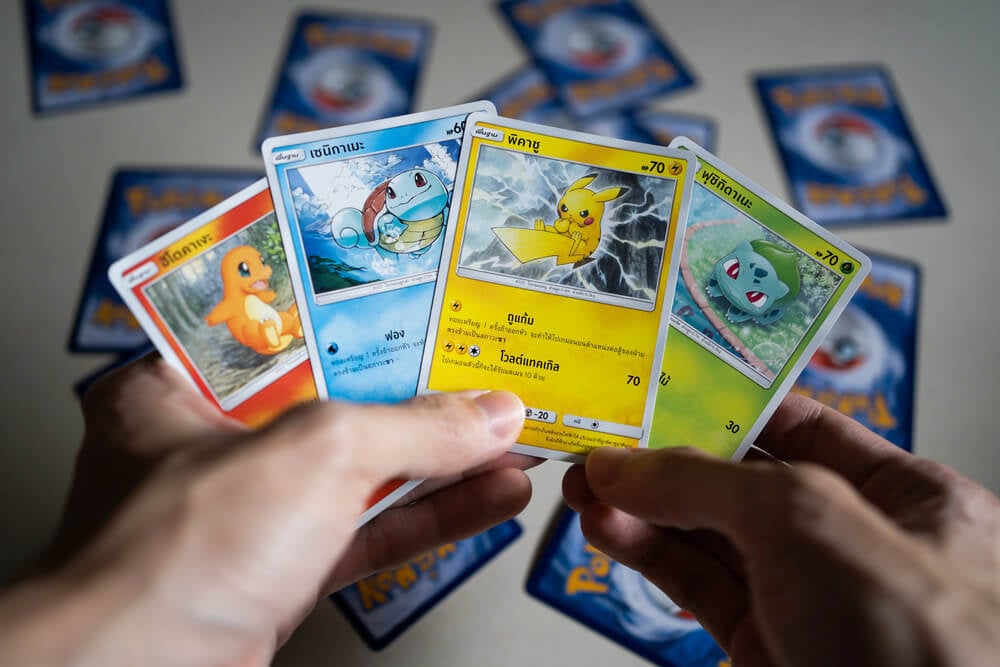
Japanese publisher Shogakukan awarded this card to winners of illustration contests run through CoroCoro Comic in 1998, and only a few dozen copies are thought to exist. Artwork by Pikachu designer Atsuko Nishida shows the mascot holding a pen, and the card text names the owner an official illustrator.
Logan Paul bought a PSA 10 copy for 5.275 million dollars in 2022, a deal Guinness World Records recognized at the time. He then sold that same card through Goldin in February 2026 for about 16.49 million dollars, a record for any trading card.
Lower-grade copies still change hands for six and seven figures, depending heavily on surface wear.
Base Set Charizard With the 1st Edition Stamp
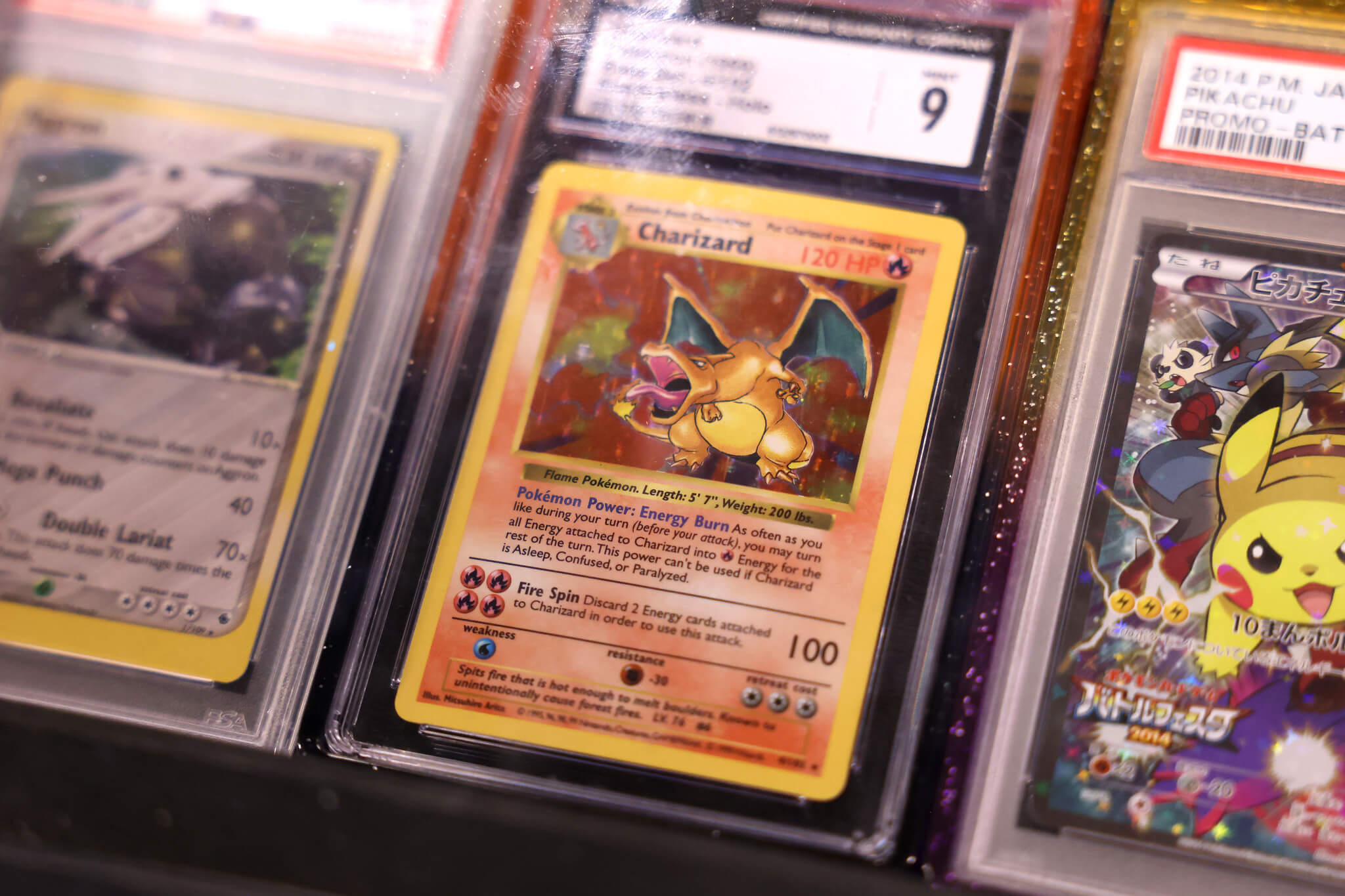
Wizards of the Coast released the English Base Set in January 1999, and the earliest print run carried a small black 1st Edition stamp on the left side of the art. Charizard, card 4 of 102, became the face of the entire hobby.
A PSA 10 copy sold for about 420,000 dollars in 2022, and gem examples still sell in the hundreds of thousands. The catch is that most surviving copies were played, shuffled and stored in rubber bands.
Off-center printing and edge whitening are common, so a PSA 7 or 8 often lands in the low five figures instead.
Shadowless Base Set Holos Before the Reprint
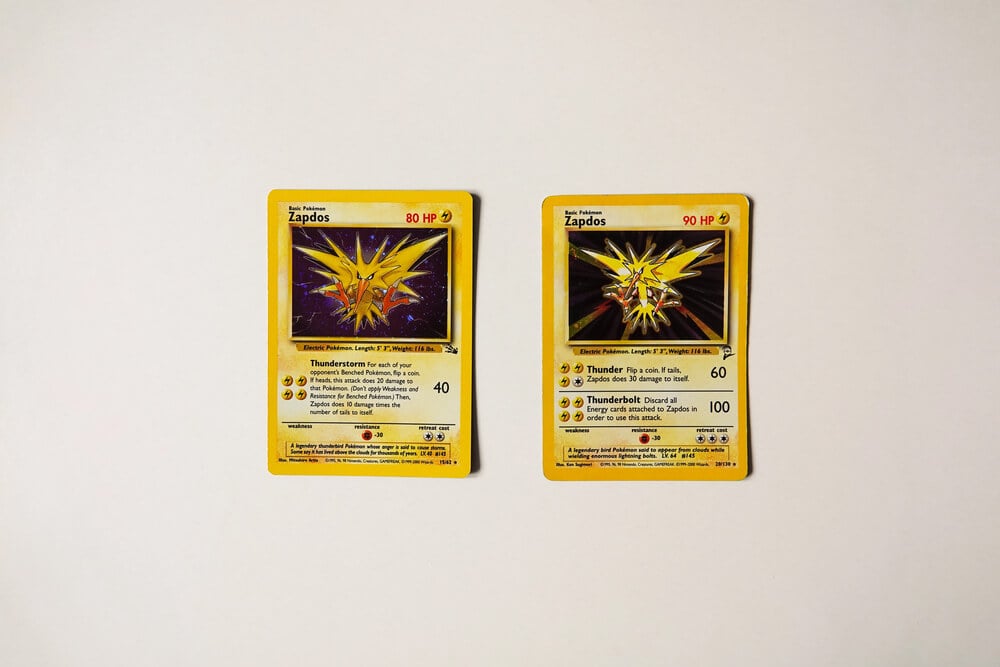
Soon after the 1st Edition run, Wizards printed a batch without the stamp but also without the drop shadow that later appeared along the right edge of the art box. Collectors call these shadowless cards, and the holo Charizard, Blastoise, Venusaur and Mewtwo from that run carry a strong premium over the later unlimited print.
A shadowless Charizard in high grade typically sells in the tens of thousands of dollars. The difference is subtle enough that sellers sometimes mislabel later cards as shadowless.
Buyers compare the frame closely, and they pay for sharp corners, since scuffs on the holofoil drag grades down quickly.
Blastoise Galaxy Star Presentation Card
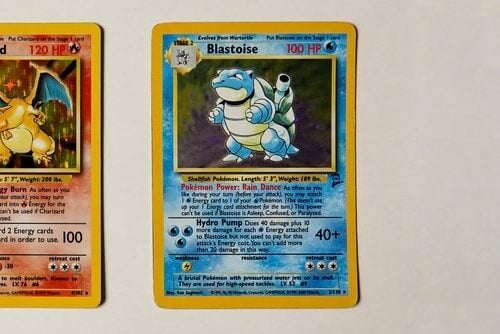
Before the English game launched, Wizards of the Coast produced a tiny number of Blastoise cards with a galaxy-style holo pattern, reportedly to show Nintendo what English printing would look like. These cards have blank backs and are often described as test prints or presentation pieces.
A CGC-graded copy sold through Heritage Auctions in January 2021 for 360,000 dollars, which drew wide press coverage. Only a couple are believed to exist, so a public sale is rare.
With a card like this, provenance carries real weight, since the story behind it is part of what a buyer is paying for.
Trophy Pikachu From the First Japanese Tournaments
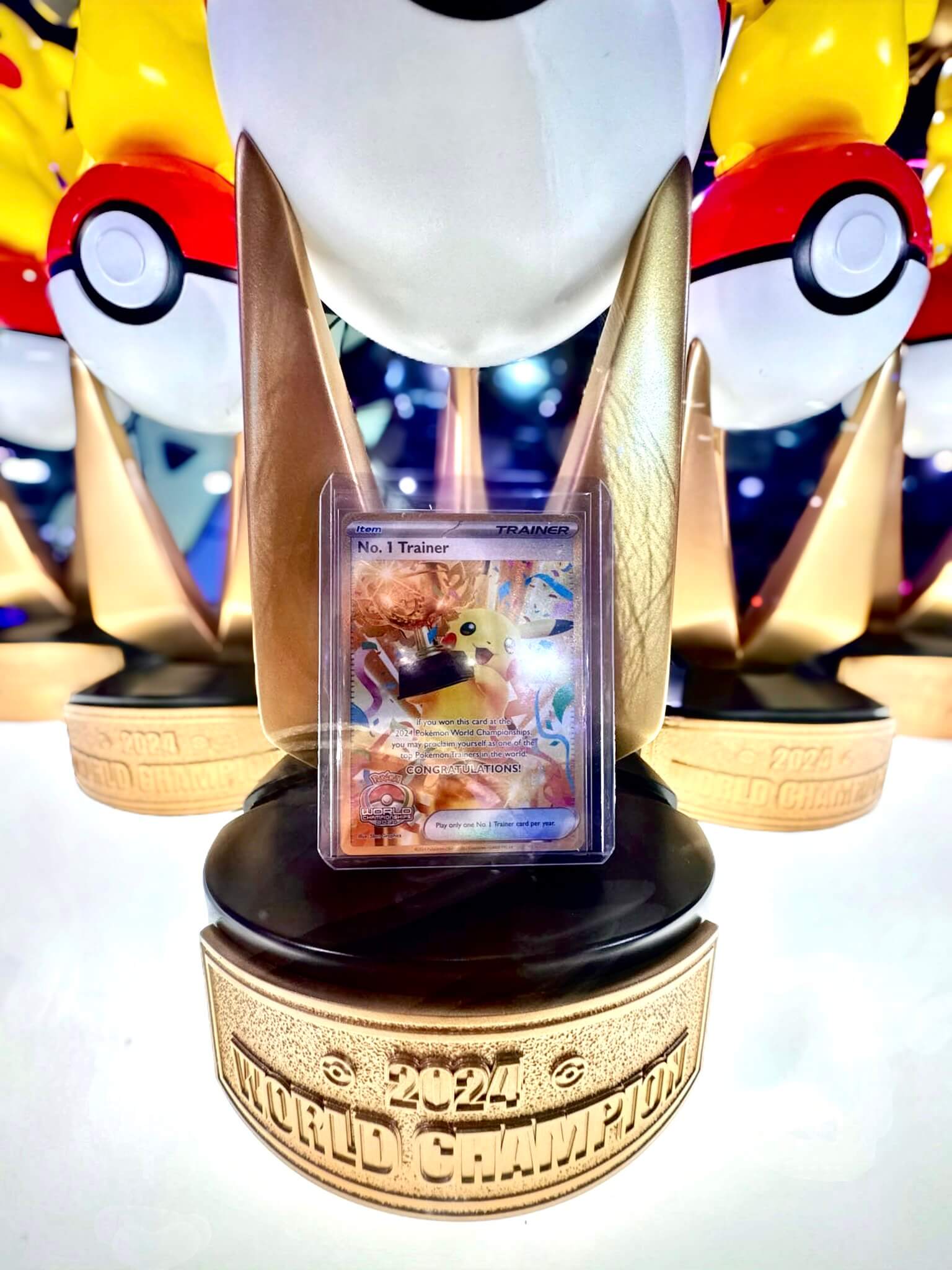
In 1997, the Japanese Pokémon card game held its first official tournaments, and top finishers received holo Pikachu trophy cards marked No. 1 Trainer, No. 2 Trainer or No. 3 Trainer. The No. 1 card is among the scarcest prize cards ever made, with only a handful handed out.
Graded trophy Pikachu cards have sold at auction for six figures and more, prices that reset expectations for prize cards. These cards were given to players, not collectors, so many show handling.
Authenticity checks are essential, because counterfeit trophy cards circulate and fool casual buyers.
Kangaskhan From the Family Event Tournament
A 1998 Japanese event paired parents and children as teams, and winners received a holo Kangaskhan card, a fitting choice for a Pokémon that carries its young in a pouch. The card was never sold in packs, and surviving copies are scarce.
A CGC Pristine 10 example sold through Goldin for about 640,507 dollars, a remarkable figure for a card few casual fans have ever heard of. Lower grades sell for far less but still reach five figures.
Print lines, corner dings and centering all move the price, and top-grade copies almost never appear for sale.
Prerelease Raichu Stamped by Wizards Staff
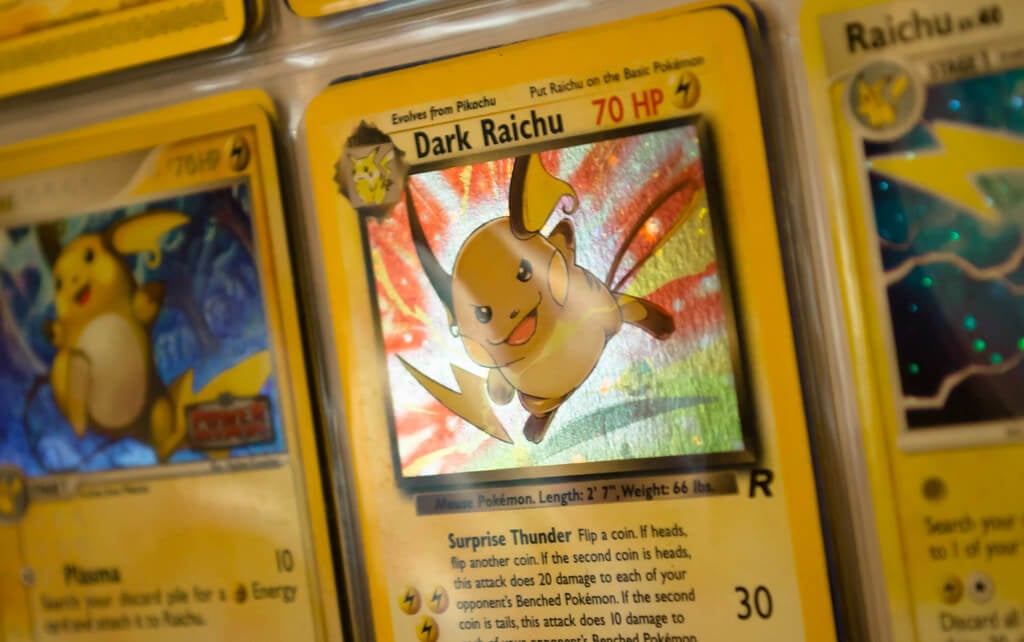
For years, collectors argued about whether a Raichu stamped with the word Prerelease actually existed. The story held that Wizards of the Coast employees received a small number of stamped Base Set Raichu cards in 1999.
Grading company CGC eventually certified authentic copies, ending the debate. One sold at Heritage Auctions in 2025 for about 555,000 dollars, an enormous price for a card that was once treated as hobby folklore.
Very few are known, so each copy’s grade and documented history drive the price more than anything else.
Japanese Base Set Charizard With No Rarity Symbol
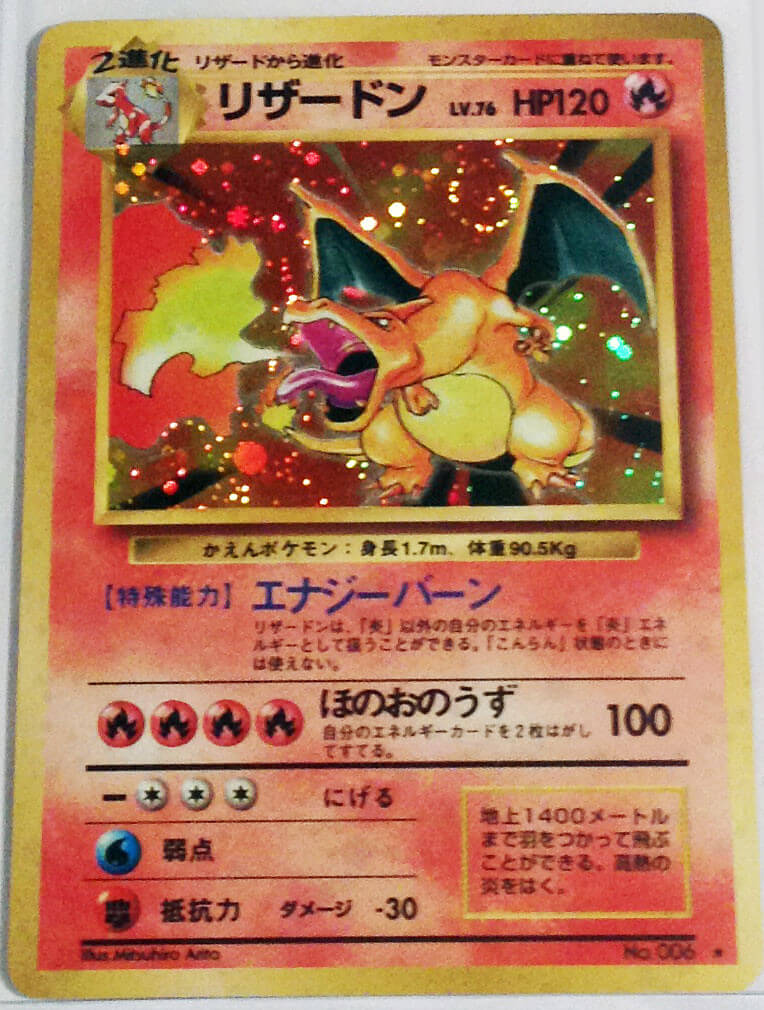
The first Japanese Base Set print in 1996 left off the small rarity symbol in the lower right corner, a quirk fixed in later printings. Collectors call these No Rarity cards, and they predate every English release by more than two years.
The No Rarity Charizard is the headline card, and high-grade copies sell in the six figures. Japanese cards from that era were printed on thinner stock, which makes clean edges harder to find.
Surface scratches and holo wear lower grades fast, and sellers need a careful eye, because the missing symbol is the only thing that separates it from a later copy.
Neo Genesis Lugia 1st Edition
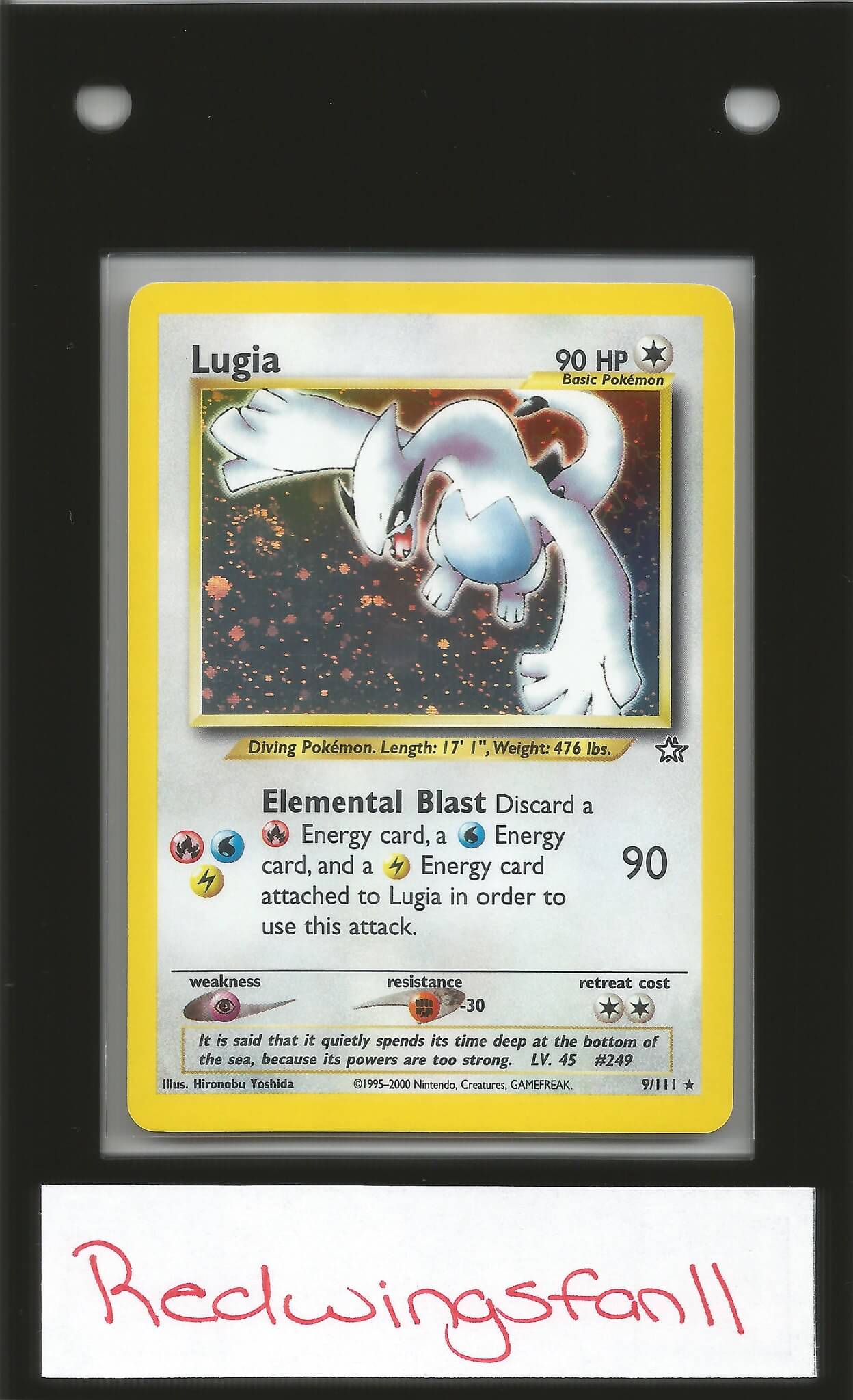
Neo Genesis arrived in December 2000 with Lugia as its holo centerpiece, card 9 of 111. Wizards printed it with notoriously poor centering and frequent print lines, so high grades are unusually scarce.
A CGC-graded 1st Edition copy sold on eBay for about 100,100 dollars, and top PSA copies have sold in a similar range. Mid-grade copies typically sell for a few thousand dollars.
The card rewards patience, since a copy that looks perfect in hand can still drop to a lower grade once a grader spots a faint line across the holo.
Dark Charizard From Team Rocket 1st Edition
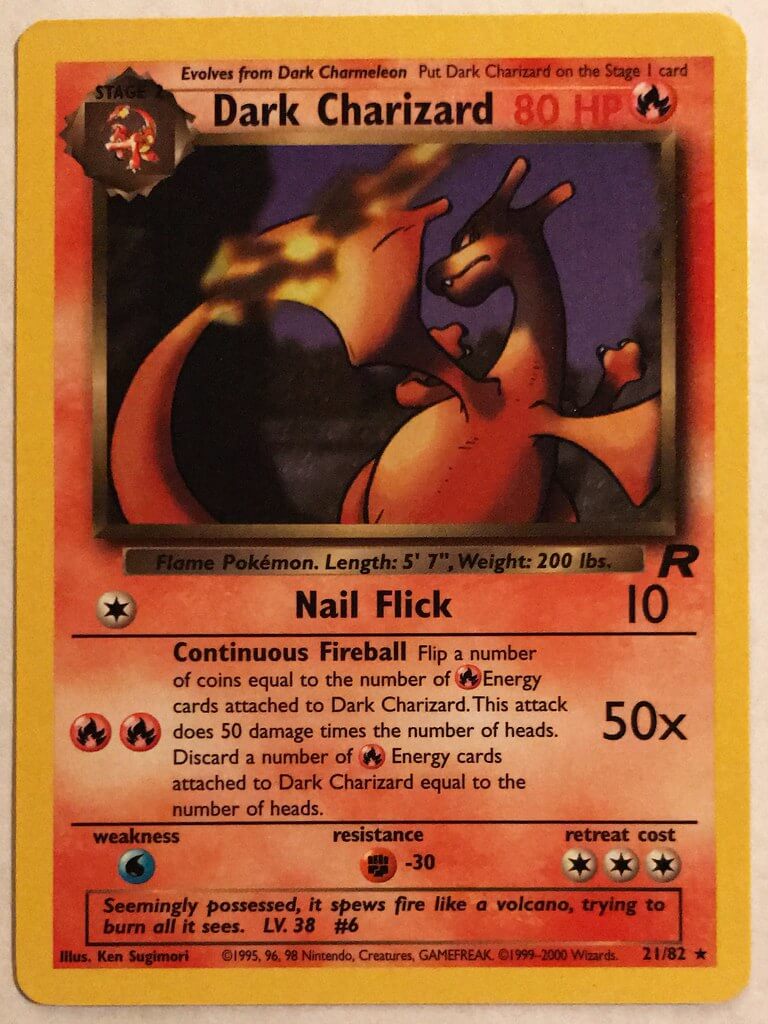
Team Rocket, released in April 2000, introduced Dark Pokémon, villainous versions of familiar creatures, and Dark Charizard, card 4 of 82, became its signature holo. The set was the first English expansion to include a secret rare, Dark Raichu, numbered 83 of 82.
A 1st Edition Dark Charizard in PSA 10 typically sells in the five figures, while unlimited copies in played shape often sell for a few hundred dollars. Holo scratching was a known issue in this print run.
Buyers also watch for silvering along the edges, which graders treat harshly.
Shining Charizard From Neo Destiny
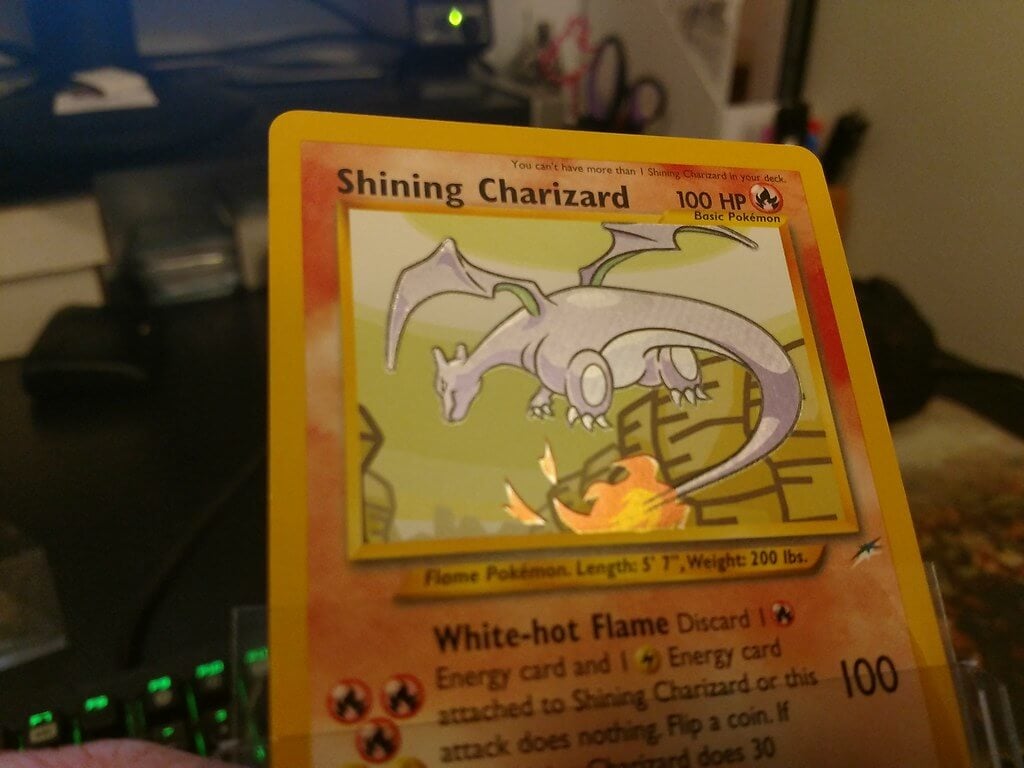
Neo Destiny, released in 2002, introduced Shining Pokémon, alternate-color versions printed as secret rares numbered beyond the set count. Shining Charizard, card 107 of 105, shows the dragon in its black shiny coloring and is the most sought card in the set.
Unlimited copies in good condition often sell for several hundred dollars, while 1st Edition copies in top grade sell for far more. The set had a smaller print run than earlier Wizards sets, which helps explain the premium.
Surface scratches on the holo pattern are common, and they drag grades down.
Crystal Charizard From Skyridge
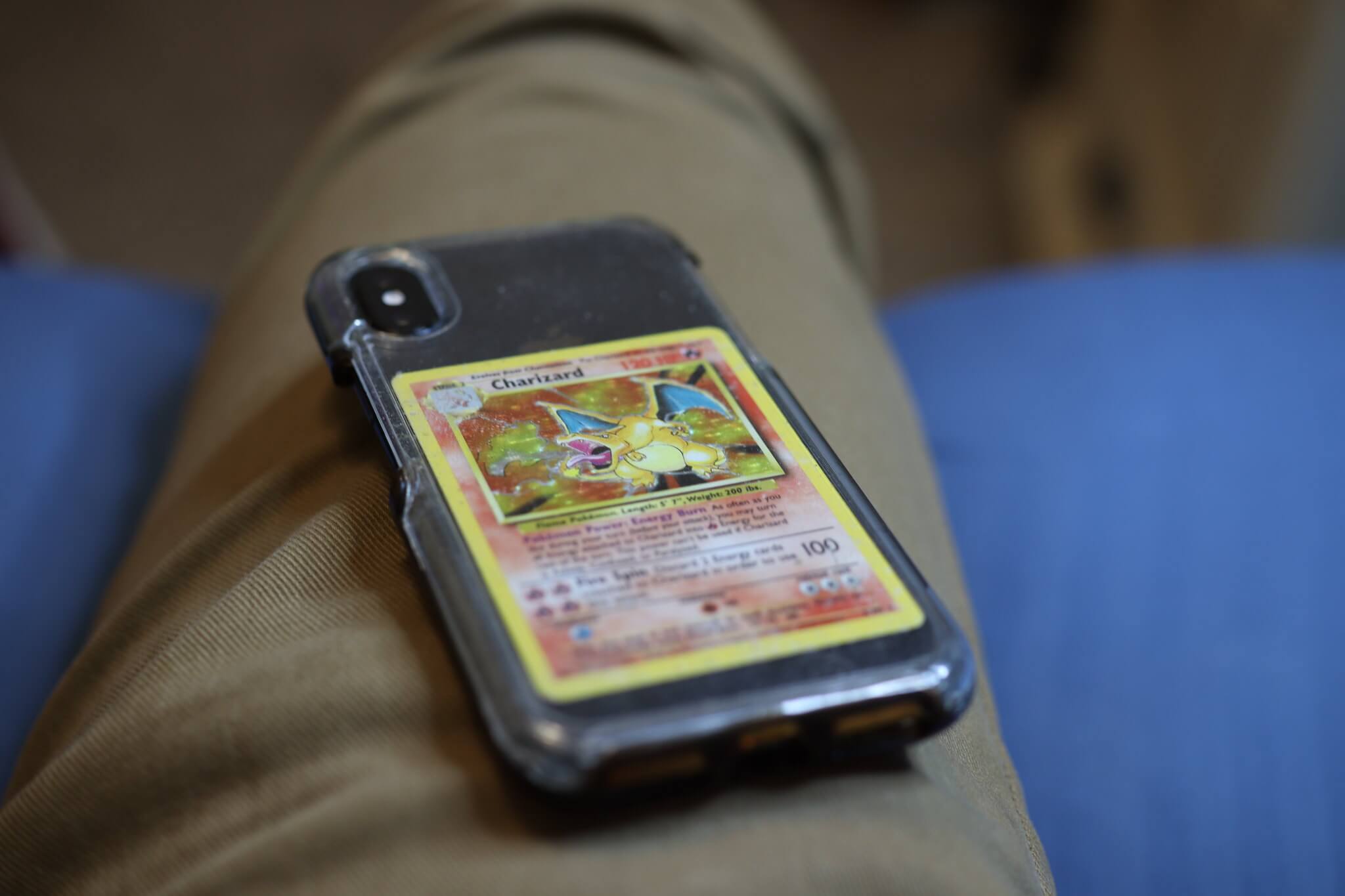
Skyridge was the final set Wizards of the Coast released before The Pokémon Company took over English printing, and it came out in 2003. Crystal Charizard, card 146 of 144, features a translucent-looking holo effect and a type symbol listed as colorless, a gameplay twist on the fire dragon.
The e-Card sets had smaller print runs than the early Base sets, so sealed packs and clean singles are scarce. Raw copies typically sell for a few thousand dollars, and gem grades go much higher.
The textured surface shows scratches easily, so condition swings value dramatically.
Crystal Lugia From Aquapolis
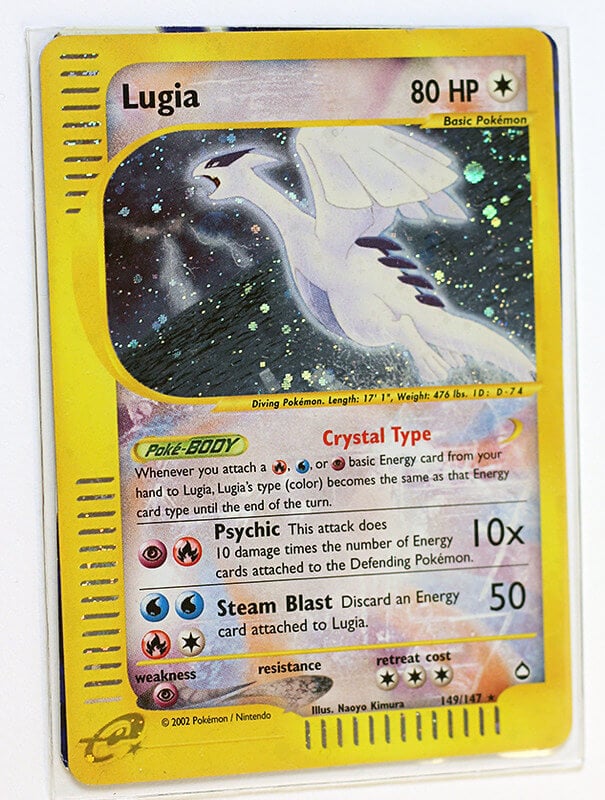
Aquapolis, released in January 2003, carried its own Crystal secret rares, and Lugia, card 149 of 147, became the set’s top card. Like other e-Card era cards, it has a dot-code strip along the edge that once worked with the Nintendo e-Reader accessory.
Copies in excellent shape commonly sell in the four figures, and graded gems climb well past that. Aquapolis packs were never heavily opened, which keeps supply low.
Edge chipping on the dark border is the main enemy, since even light handling shows up clearly.
Gold Star Charizard From Dragon Frontiers
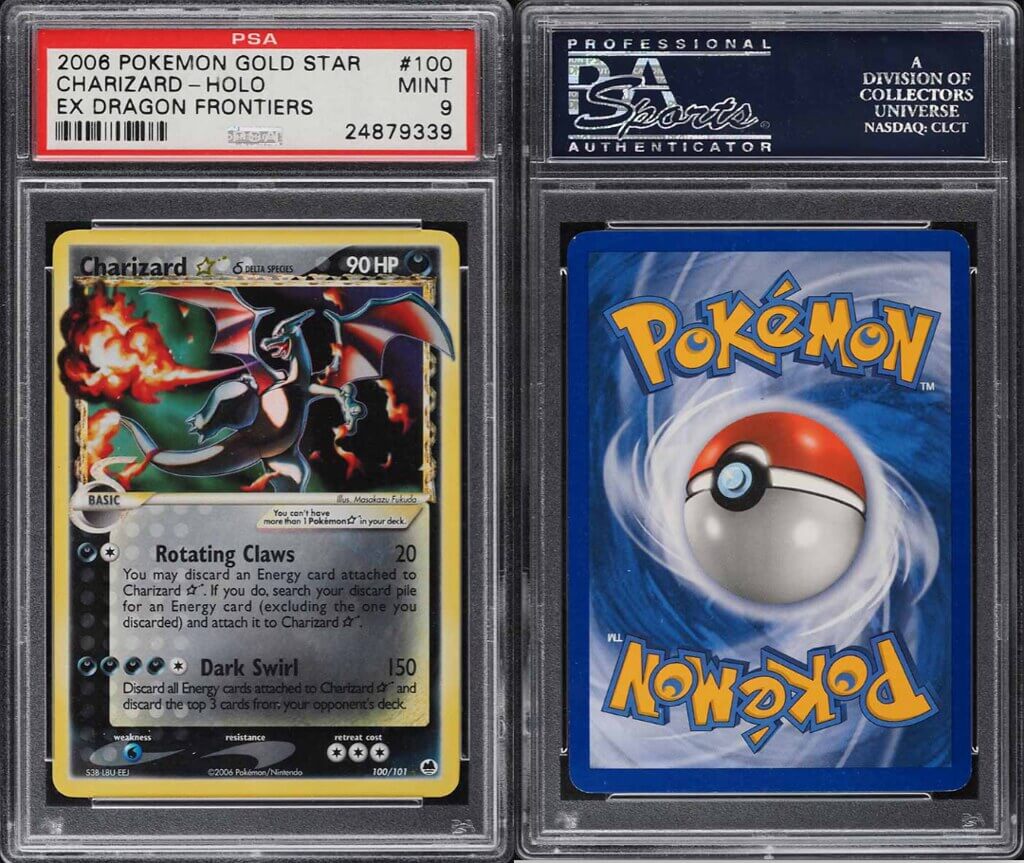
Dragon Frontiers, released in 2006 during the EX era, closed out with a Gold Star Charizard, card 100 of 101. Gold Star cards show shiny Pokémon and carried a deckbuilding limit of one per deck, which made them scarce in packs and prized by players.
This Charizard is drawn in its dark shiny coloring against an energetic holo background. Ungraded copies in nice shape typically sell for a few thousand dollars, while PSA 10 copies sell for many times that.
Centering problems were common in the run, so a well-centered card earns a real premium.
Rayquaza Gold Star From EX Deoxys
EX Deoxys, released in 2005, ended with a Gold Star Rayquaza, card 107 of 107, drawn in the dragon’s black shiny form. Many collectors consider it one of the more striking pieces of the Gold Star run.
Raw copies in strong condition typically sell for a few thousand dollars, and the price climbs steeply with grade. The sheer number of fakes is a problem, since the card has been widely counterfeited.
Experienced buyers check the holo pattern, font and card stock closely, or stick with graded copies from a major company.
Mew Gold Star Closing Out Dragon Frontiers
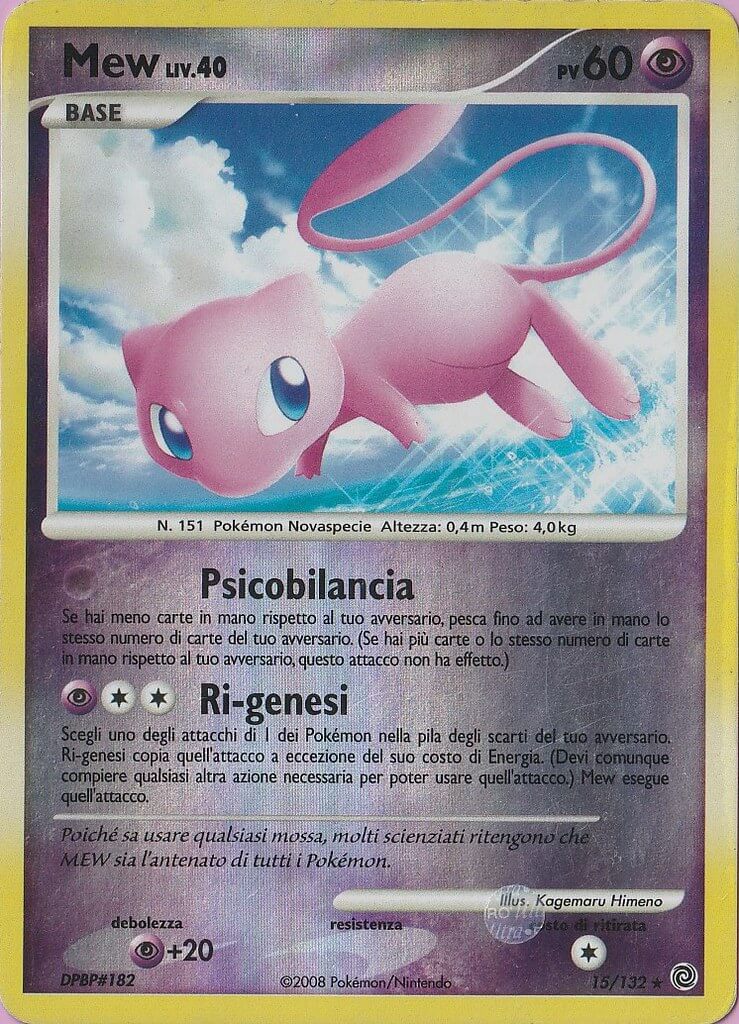
Dragon Frontiers ends with card 101 of 101, a Gold Star Mew in its pale blue shiny coloring. It sits beside the Gold Star Charizard as one of two Gold Stars in the set, and the pairing makes the set a favorite target for completists.
Prices usually trail the Charizard but still reach four figures for clean raw copies. The card’s light border shows dirt and handling marks more clearly than darker cards do.
Centering and surface quality decide whether a copy becomes a centerpiece or a binder filler.
Umbreon Gold Star From POP Series 5

POP Series promo packs were sold in small numbers through events and retail promotions, and POP Series 5 in 2007 included two Gold Star cards. The Umbreon, card 17, is one of the most sought Gold Stars ever printed, partly because Umbreon has a devoted fan base.
Raw copies in good shape often sell for a few thousand dollars, and high grades sell far higher. POP packs held only two cards each, so pulling a Gold Star required luck.
Holo scratches and edge wear on the dark card stock affect grading heavily.
Espeon Gold Star From the Same POP Pack
Espeon, card 16 in POP Series 5, is the sister card to the Gold Star Umbreon and is drawn in its green shiny coloring. Many collectors chase the two as a pair, since they share a release and a print run.
Espeon typically sells for somewhat less than its partner, though strong copies still reach the four figures. The lighter colors on the card make print defects easier to spot.
Graded copies with clean centering are hard to find, and buyers often pay a meaningful premium for them over raw copies with visible flaws.
Master’s Key From the 2010 World Championships
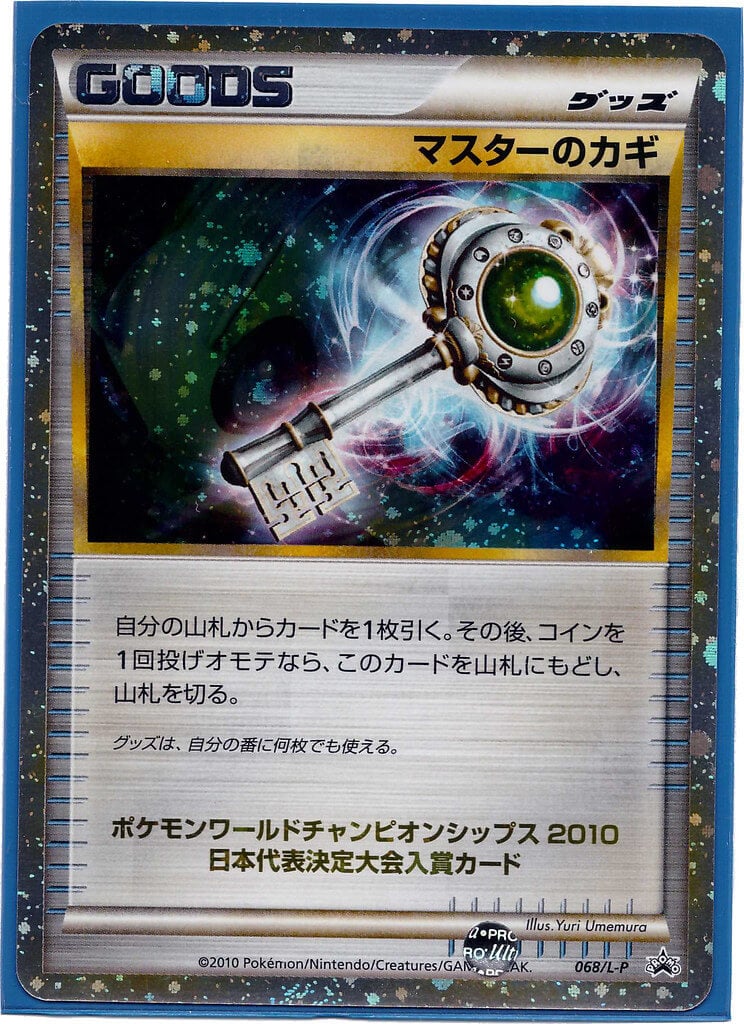
Master’s Key is a promo trainer card given to players at the 2010 Pokémon World Championships in Hawaii. It never appeared in a regular set, and its distribution was limited to competitors and a small circle of staff, so supply is thin.
Copies in high grade typically sell for thousands of dollars, and the top grades have sold for considerably more. Because the card was handed out at a single event, provenance helps a sale.
Collectors look for crisp corners and clean holo surfaces, since many copies were kept in decks rather than sealed away.
Pokémon Snap Contest Cards From 1999
In 1999, Japanese players of the Nintendo 64 game Pokémon Snap could submit their in-game photos to a contest, and selected winners received official cards printed with their own photos. Each card is close to unique because the image came from a specific player’s game.
That scarcity makes them hard to price, and sales often depend on which Pokémon appears and how striking the shot is. Graded examples have sold in the thousands of dollars.
Corner wear and fading matter, but the real driver is the image itself.
Tropical Wind From the Tropical Mega Battle
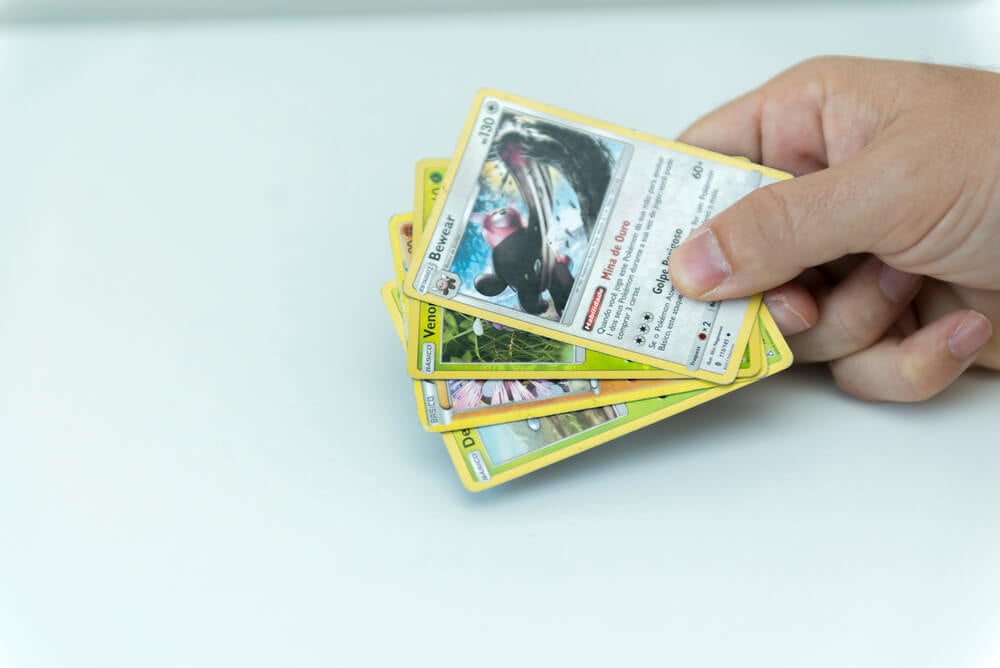
The Tropical Mega Battle was an invitation tournament held in Hawaii beginning in 1999, bringing young players from several countries together. Participants received a Tropical Wind promo card showing Pokémon playing on a beach, and it was never sold.
Copies in good condition typically sell for several thousand dollars, and higher grades climb well beyond that. Later Tropical Mega Battle events produced related prize cards such as Tropical Tidal Wave, which are rarer still.
Because players often kept these cards loose, centering and corner condition vary widely.
Umbreon VMAX Alternate Art From Evolving Skies
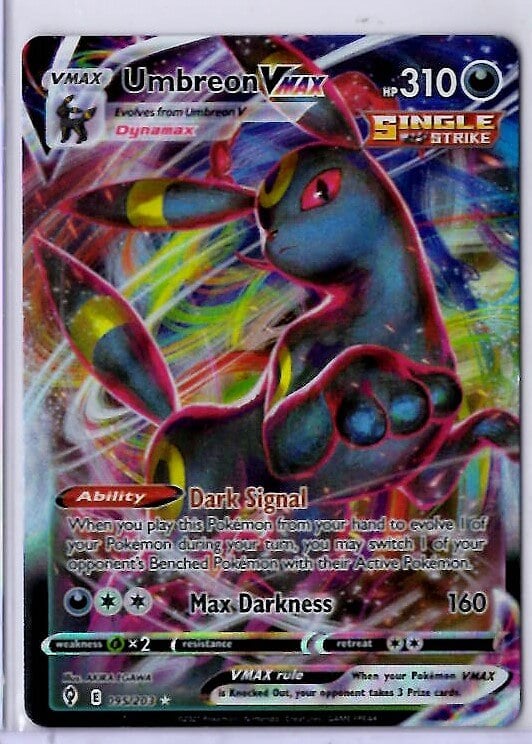
Evolving Skies, released in August 2021, became one of the most sought modern sets, and the alternate art Umbreon VMAX, card 215 of 203, is its headline card. Collectors nicknamed it Moonbreon for the art showing Umbreon perched over a moonlit city.
Raw copies typically sell for well over a thousand dollars, and PSA 10 copies sell for several times that. It proves that modern cards can reach serious money when demand meets low pull rates.
Grading is strict on modern cards, so even faint whitening on the back edges costs a gem rating.
Rayquaza VMAX Alternate Art From the Same Set
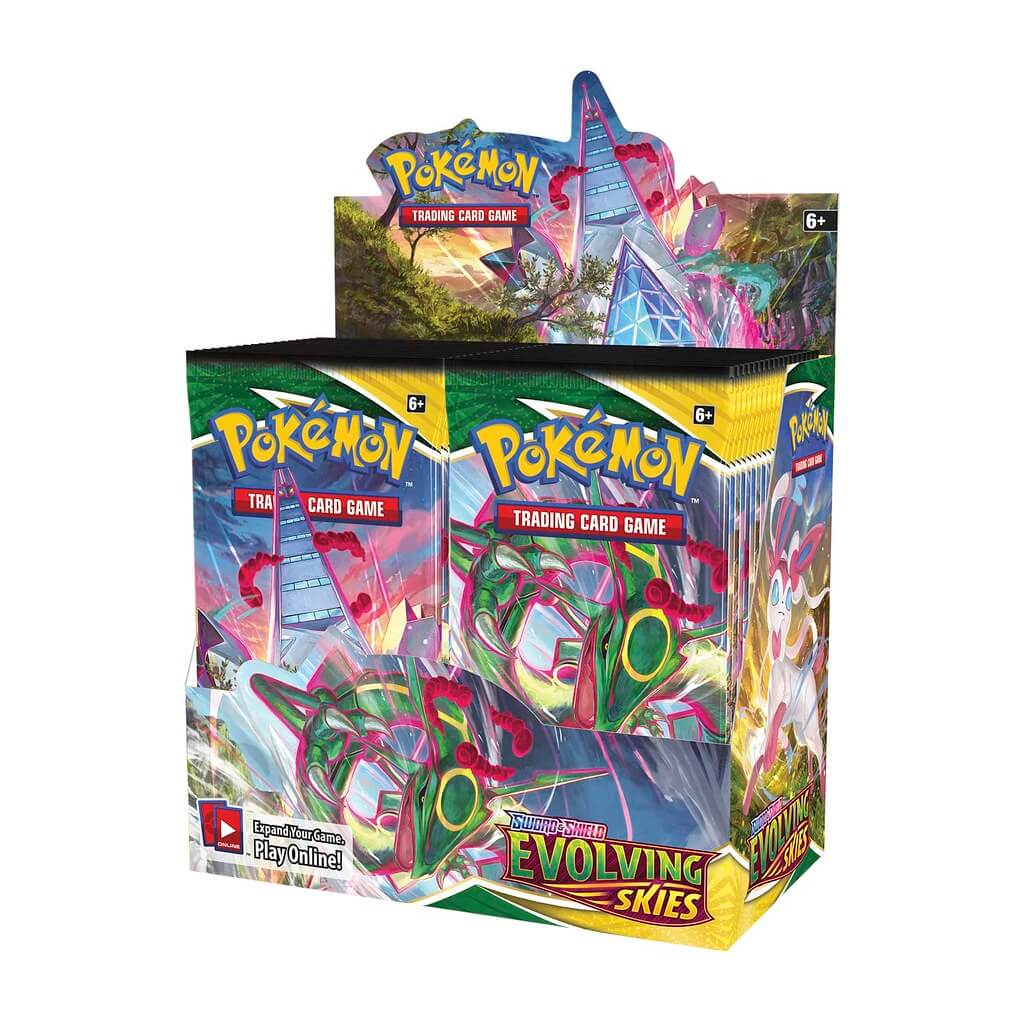
The alternate art Rayquaza VMAX, card 218 of 203, is the other major chase card in Evolving Skies. Its art shows Rayquaza coiled through a storm above a field of tall grass, and many fans rank it close to Umbreon.
Raw copies commonly sell for several hundred dollars, and gem grades push past a thousand. Pulls were rare enough that sealed booster boxes from the set also rose sharply in value.
Like most modern cards, it rewards careful handling, because the textured surface picks up scratches and dents.
Giratina V Alternate Art From Lost Origin
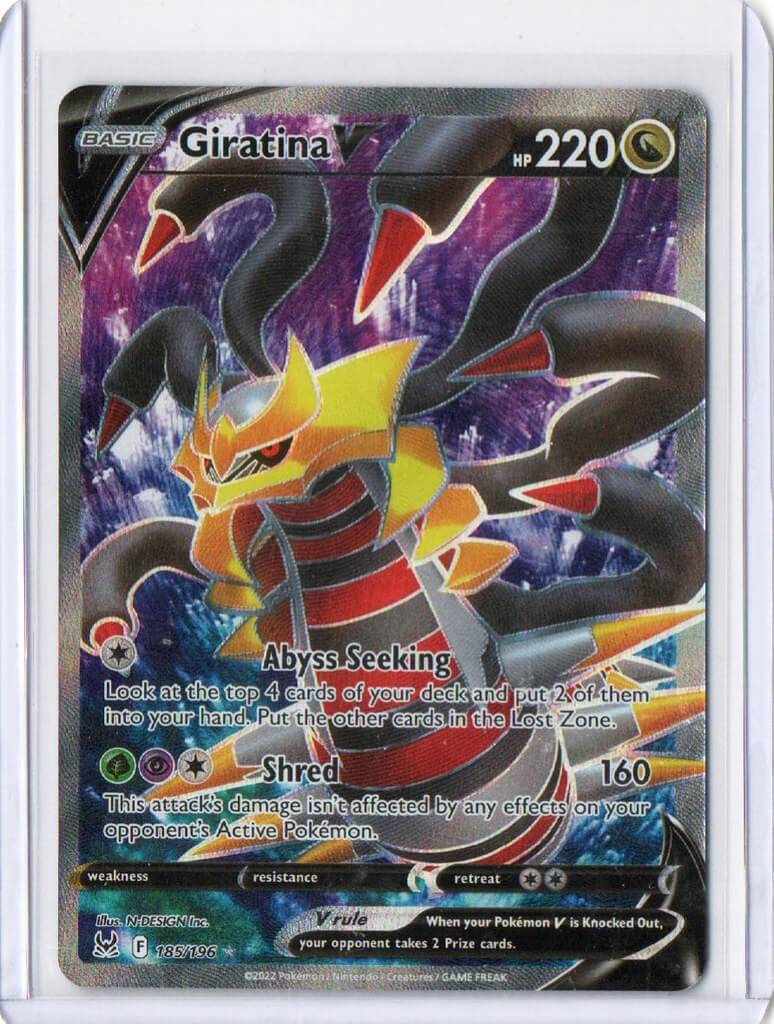
Lost Origin, released in September 2022, delivered the alternate art Giratina V, card 186 of 196, as its top chase card. The art shows Giratina emerging from a warped, distorted world, and it quickly became one of the most praised illustrations of the Sword and Shield era.
Raw copies typically sell for several hundred dollars, and PSA 10 copies sell for much more. Collectors often compare it to Moonbreon as proof that strong art can drive modern prices.
Centering on this card varies, so graders sort copies sharply by alignment.
Full Art Lillie From Ultra Prism
Ultra Prism, released in 2018, included a full art Lillie trainer card, number 151 of 156, showing the character from the Sun and Moon video games. Full art trainer cards became highly collectible in the years that followed, and this one led the charge.
Raw copies often sell for several hundred dollars, and PSA 10 copies sell for multiples of that. The card’s popularity is driven mostly by fans of the character.
Edge whitening on the back is the most frequent problem, and it costs a top grade quickly.
Holofoil Shine and the Price of Childhood
A card’s value is rarely about its gameplay. The most expensive cards in this list were mostly given away at contests, tournaments and family events, which means they were never designed to be investments.
That accident of scarcity is what makes them so prized now. Children who played with these cards in 1999 grew up and came back with money.
Condition separates fortune from footnote in almost every case. A single crease or a faint print line can take a card from six figures to four, so grading has become the hobby’s language.
Modern sets show the cycle repeating with new cards. Some binder in a closet today may hold the next headline sale.
More from Go2Tutors!

- The Romanov Crown Jewels and Their Tragic Fate
- 13 Historical Mysteries That Science Still Can’t Solve
- Famous Hoaxes That Fooled the World for Years
- 15 Child Stars with Tragic Adult Lives
- 16 Famous Jewelry Pieces in History
Like Go2Tutors’s content? Follow us on MSN.