15 Sports Leagues That Didn’t Last
Ambitious startups aiming to disrupt current leagues or build totally new markets fill the sports sector. Many other leagues shine brilliantly for a moment before fading into obscurity, even as we recall great projects like the American Football League (which finally merged with the NFL) or Major League Soccer (which fought early but survived).
Often, financial miscalculations, low attendance, managerial challenges, and timing issues kill small enterprises before they can establish themselves. Here are 15 sports leagues that serve as cautionary tales in the high-stakes arena of professional sports entertainment since they couldn’t survive their first season.
United Football League (2009)
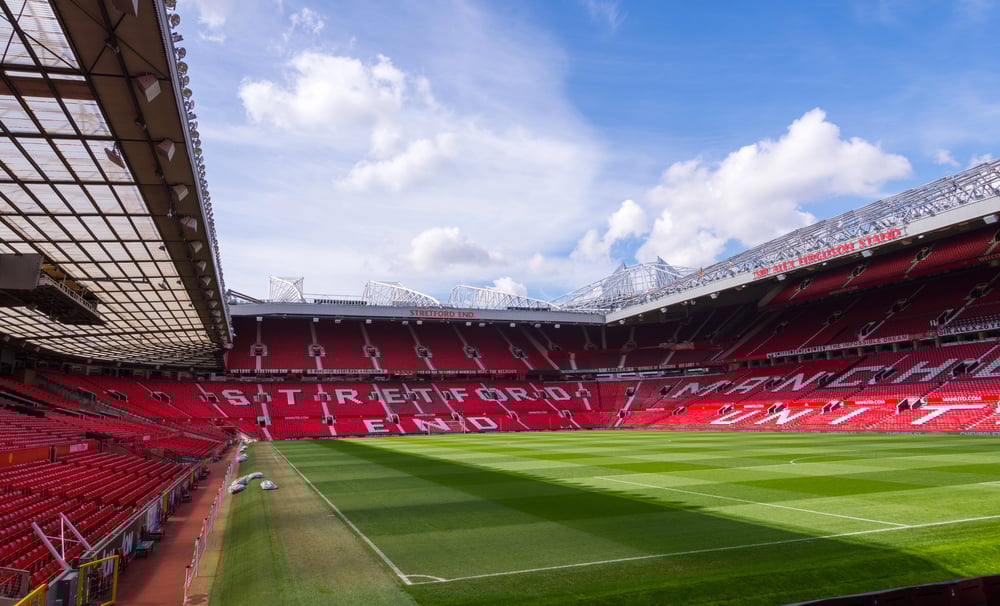
The UFL began play in 2009 as a fall alternative to the NFL with franchises in places like Las Vegas and Orlando. With veteran coaches like Jim Fassel and Dennis Green, the league averaged dismal attendance with just 15,000 per game.
TV ratings were equally poor, with games drawing fewer viewers than most cable reruns, and the losses mounted to well over $30 million for the first season alone.
XFL (2001)

The original XFL was a joint venture between WWE (then WWF) and NBC that promised a more extreme version of football with fewer rules and more attitude. The league debuted to massive ratings but quickly hemorrhaged viewers as fans discovered the subpar on-field product didn’t match the bombastic marketing.
By season’s end, the championship game drew a tiny 2.1 television rating, prompting both major partners to cut their losses after losing approximately $50 million each.
Alliance of American Football (2019)
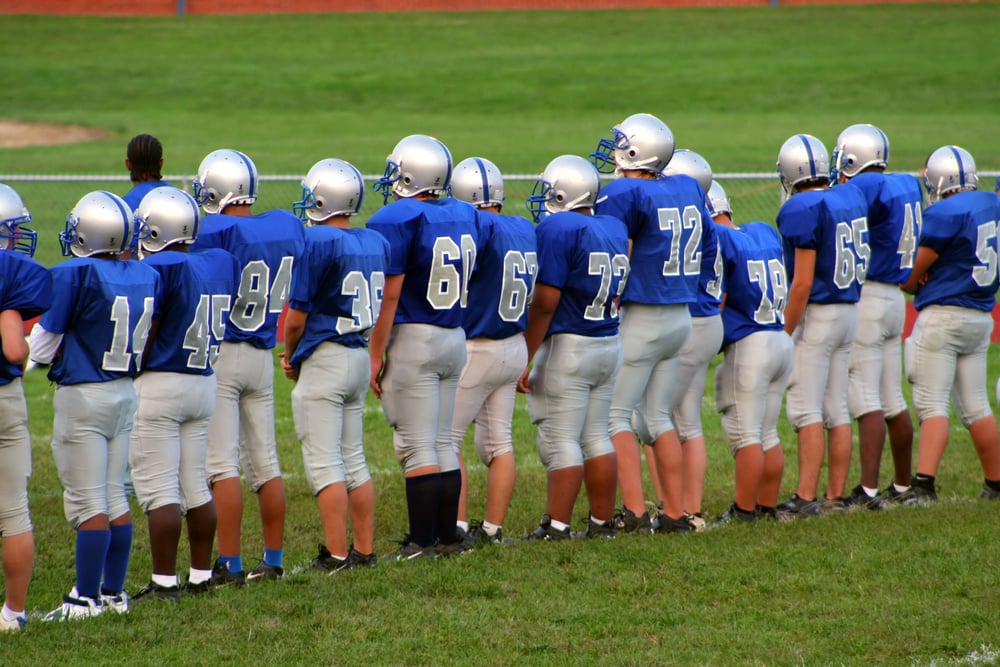
The AAF appeared promising with solid financial backing, respected football minds like Bill Polian, and a developmental league approach to complement the NFL. Initial games attracted decent viewership and the football quality was respectable, especially for a startup league.
Financial troubles emerged when the primary investor pulled out midseason, leaving unpaid players and staff stranded in away cities when operations abruptly ceased after just eight weeks of play.
World Football League (1974-1975)

While technically lasting into a second season, the WFL’s financial model collapsed during its debut year with teams unable to meet payroll. The league’s credibility suffered from inflated attendance figures and promotional stunts like the infamous “20,000 free tickets” game in Philadelphia that actually drew fewer than 1,000 fans.
Several teams folded midway through the first season, and when the league tried to restart in 1975, it lasted only 12 weeks before permanently shutting down.
United States Football League (Spring 1983-1985)
Although the USFL survived three seasons, its original structure and business model effectively collapsed after year one. The league was designed as a spring alternative to the NFL with reasonable spending, but several owners, most notably Donald Trump, pushed for fall competition and unsustainable player salaries.
This dramatic shift in strategy led to the league abandoning its initial vision and ultimately filing an antitrust lawsuit against the NFL that won them just $3 in damages, effectively ending operations.
Major League Football (2016)
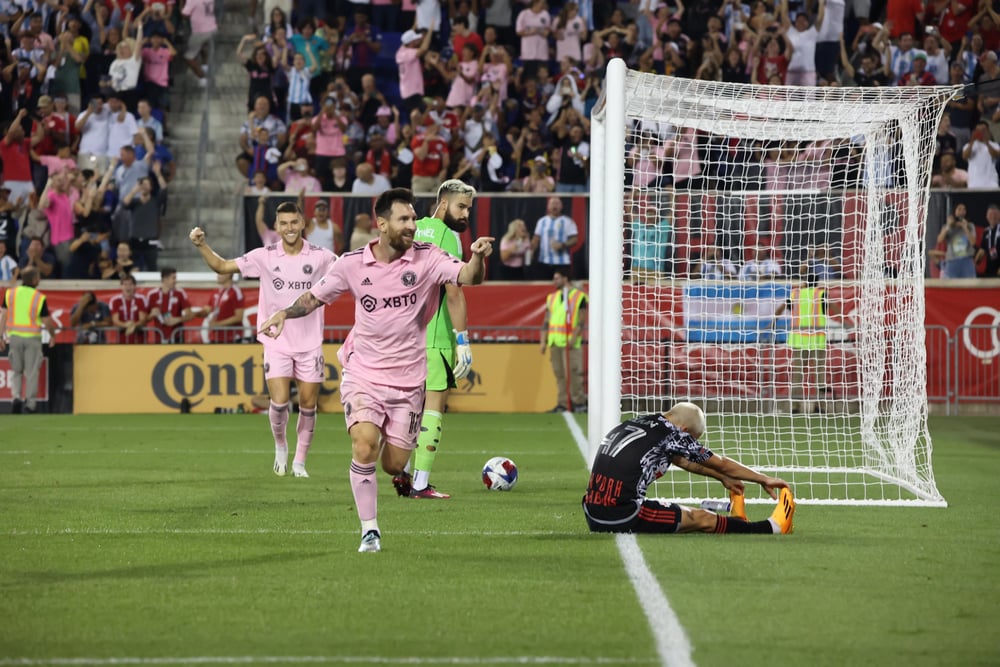
MLFB announced plans to be a spring developmental football league focused on NFL-quality training and player development. The league secured initial funding and even held a player draft, signing coaches and securing facilities for training camp.
Operations halted abruptly just weeks before the planned first games when expected financing fell through, leaving players and staff who had already relocated with nothing but broken promises and unpaid wages.
World Hockey Association 2 (2003)
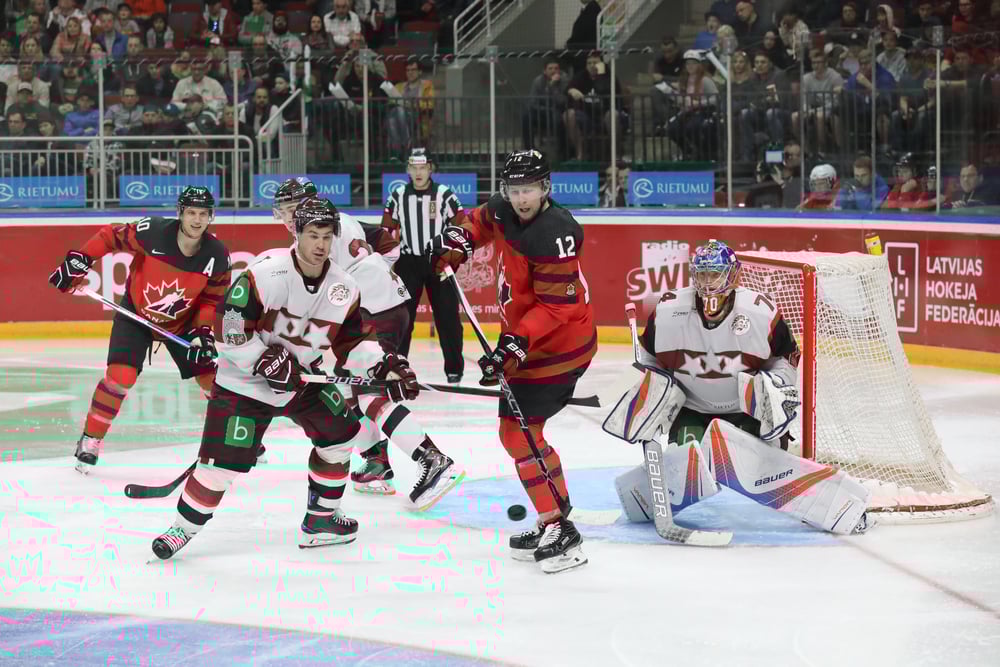
Not to be confused with the original WHA that merged with the NHL, this attempted revival lasted precisely six games. The league planned to be a developmental system below the professional level with teams in markets like Miami and Jacksonville.
Financial disorganization became apparent when players received bounced checks after the first few games, and the league suspended operations with promises to return that never materialized.
United Baseball League (1995)
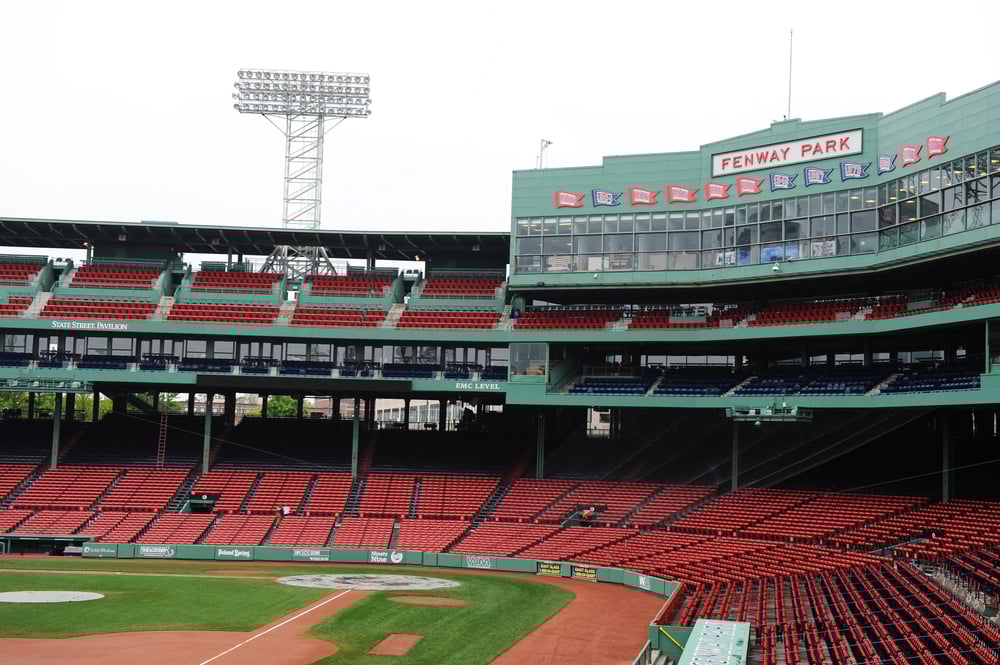
The UBL aimed to challenge Major League Baseball by placing teams in markets without MLB franchises and offering tickets at lower prices. Despite signing former MLB stars like Darryl Strawberry to endorsement deals and announcing an ambitious 154-game schedule, the league never played a single game.
Financing disappeared months before the planned opening day as potential investors recognized the enormous challenge of competing with baseball’s established structure.
International Basketball League (1999-2001)
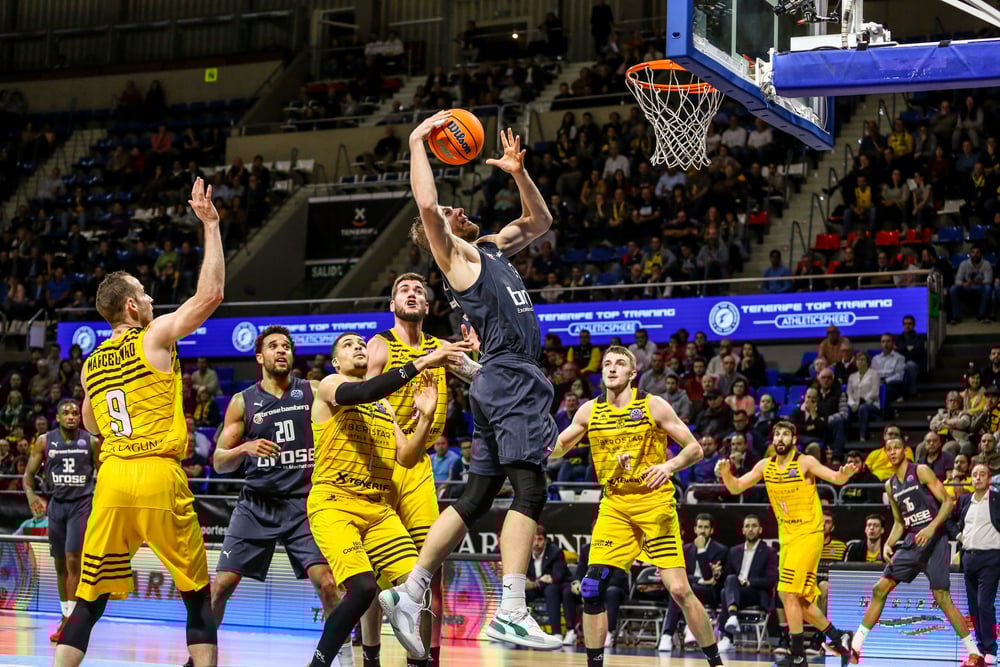
The IBL positioned itself as a winter alternative to the NBA with innovative rules like a 5-second shot clock after offensive rebounds. Despite attracting decent talent including former NBA players and future stars like Smush Parker, financial realities quickly set in.
Television deals failed to generate expected revenue, and attendance in markets like Las Vegas and Cincinnati fell far below projections, forcing the league to close after its debut season despite expansion plans.
Slamball (2002-2003)
This innovative basketball variant played on trampolines initially captured attention with its high-flying action and television deal with Spike TV. The league featured impressive athleticism and unique gameplay that attracted curious viewers during its first television run.
Despite creating a memorable product and developing a cult following, Slamball couldn’t secure the necessary corporate sponsorships or consistent viewership to remain financially viable after its initial season.
Women’s Professional Soccer (2009-2011)
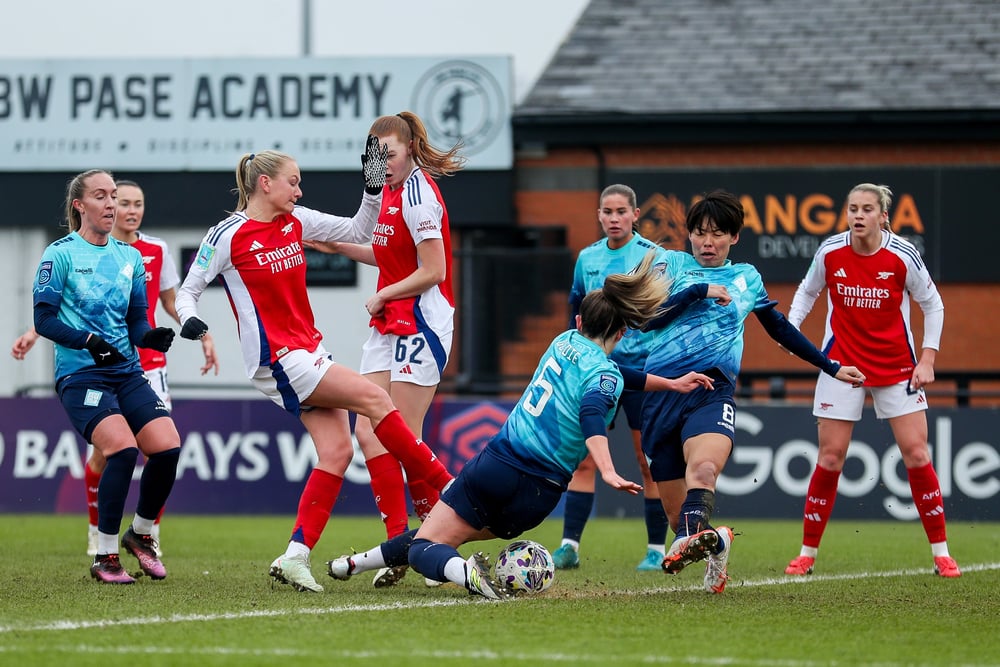
While technically lasting three seasons, WPS effectively collapsed after its first year when the Los Angeles Sol, the league’s flagship franchise, folded unexpectedly. The Sol had reached the championship game and featured international star Marta, but financial troubles forced a restructuring.
The league limped along with fewer teams and decreasing resources before legal battles with a problematic owner finally ended operations after the third season.
United States Basketball League (1985)
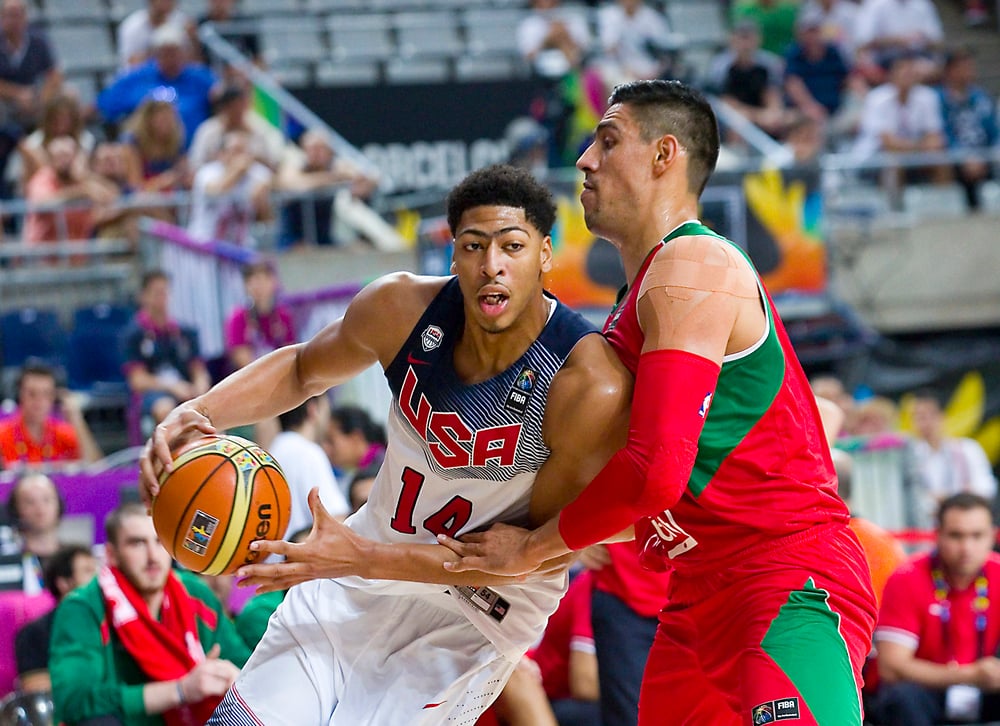
The original USBL lasted only one summer season in its initial form before completely restructuring its business model. The league began with eight teams primarily in the northeastern United States and marketed itself as a summer showcase for NBA hopefuls.
Poor attendance and management issues forced a complete overhaul after the first season, eventually transforming into a development league that operated in a much different format for several decades.
World Basketball League (1988-1992)
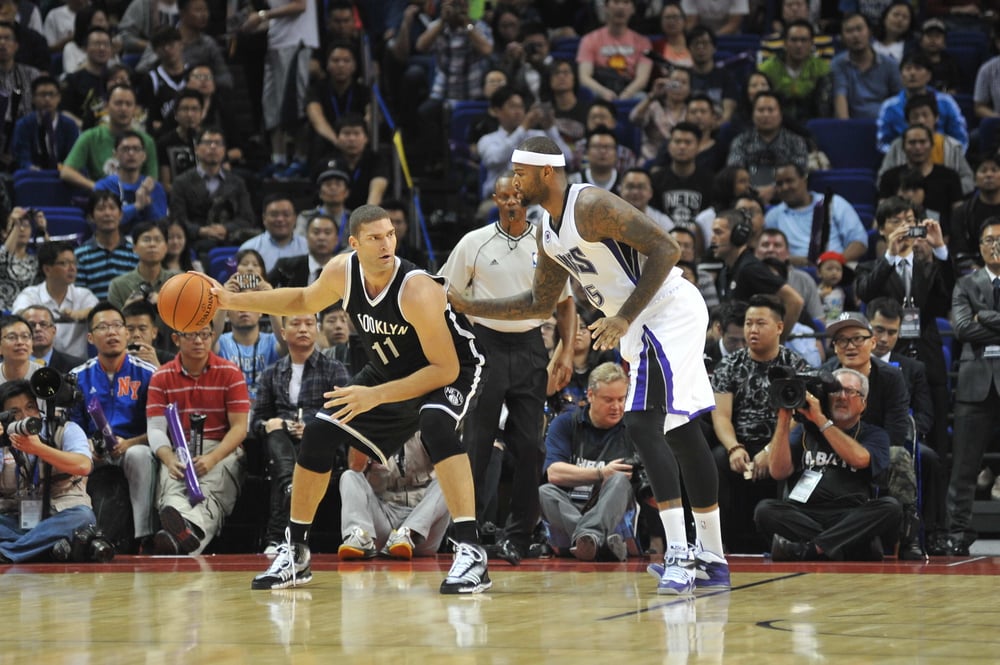
The WBL had a unique concept, restricting players to under 6’5″ tall to emphasize speed and shooting rather than height. Despite lasting four seasons technically, the league’s original structure collapsed after year one when half the franchises folded.
The remaining teams struggled to maintain financial stability as the height restriction limited talent acquisition and fan interest waned after initial curiosity about the concept faded.
United States Pro Beach Volleyball League (1997)
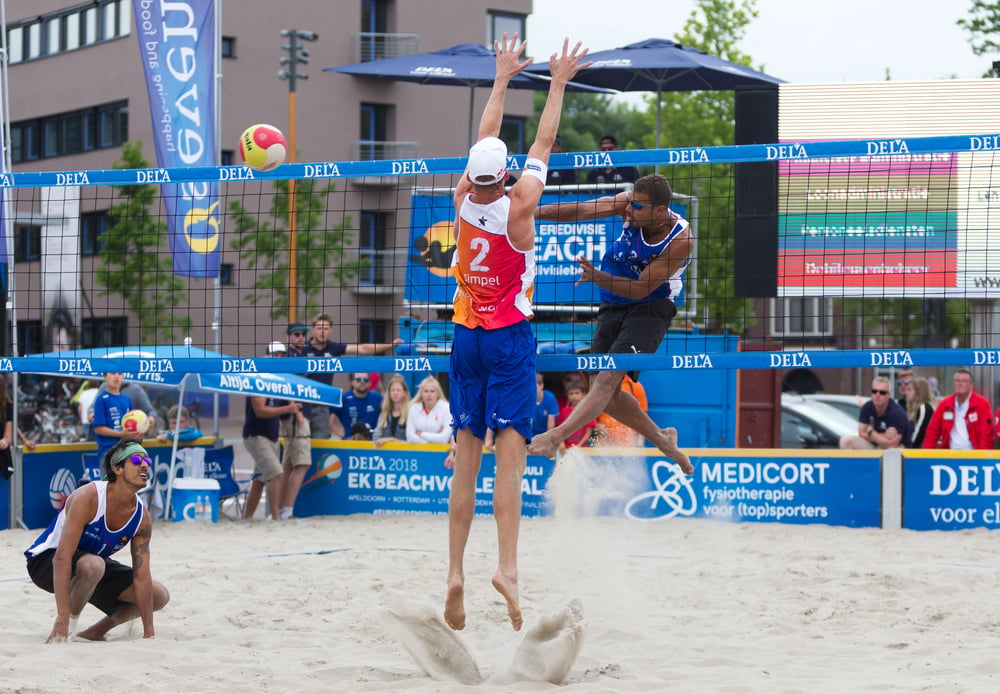
The USPBVL created a professional tour with team-based competition instead of conventional partnerships in an effort to capitalize on the popularity of Olympic beach volleyball. Although the league was able to land its first television contract with Prime Network, it was unable to draw in enough sponsors or regular viewers.
Players reverted to the conventional AVP tour format after the financial support vanished after just one tour season.
American Basketball Association 2000 (2000-present)
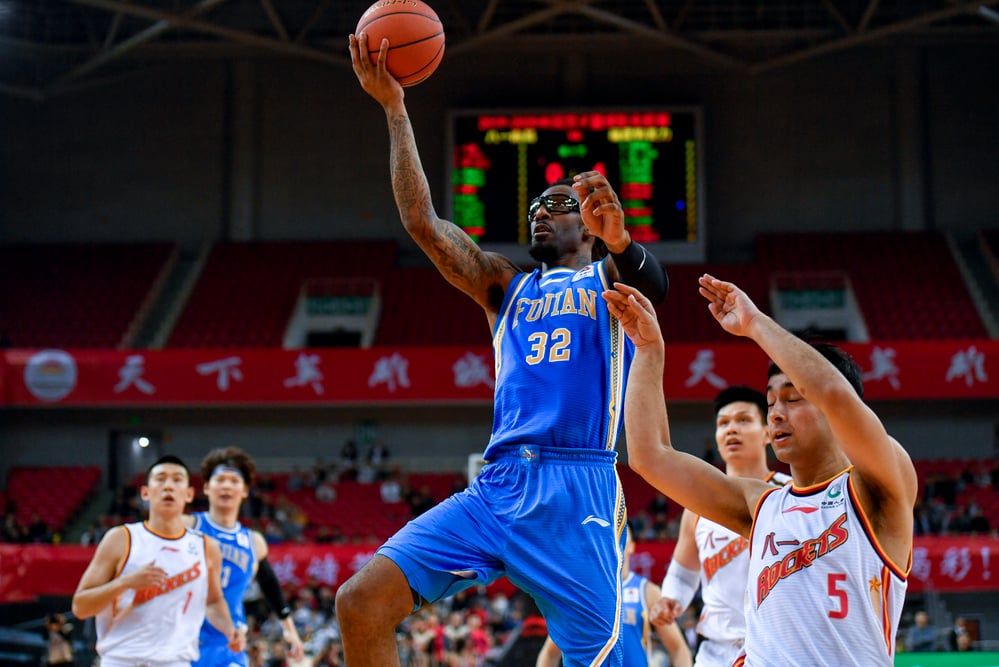
While technically still operating today in some form, the ABA’s original vision and structure collapsed completely after its debut season. The league began with eight teams and plans for controlled growth but instead expanded wildly to over 50 teams within a few years, many of which never played a game or lasted more than a few weeks.
The original teams and structure were abandoned as the league morphed into a loosely affiliated collection of semi-professional teams with minimal central organization.
Enduring Lessons from Short-Lived Dreams
These failed leagues share common patterns that continue to plague sports startups today: undercapitalization, overly ambitious expansion, weak media deals, and the challenge of building fan loyalty from scratch. Many had innovative ideas worth exploring but lacked the financial runway to weather inevitable early struggles.
The sports landscape remains littered with these cautionary tales, yet entrepreneurs continue trying to create the next big league—perhaps because the potential rewards of success appear worth the substantial risks of failure.
More from Go2Tutors!

- The Romanov Crown Jewels and Their Tragic Fate
- 13 Historical Mysteries That Science Still Can’t Solve
- Famous Hoaxes That Fooled the World for Years
- 15 Child Stars with Tragic Adult Lives
- 16 Famous Jewelry Pieces in History
Like Go2Tutors’s content? Follow us on MSN.