30 Snacks and Dishes Born from Kitchen Mistakes
Plenty of famous foods were planned down to the gram. A surprising number were not.
They came from a cook who ran out of something, a pot left on the stove too long, a customer who would not stop complaining, or a machine built for a completely different job.
Some of these origin stories are documented down to the date. Others are family lore polished by decades of retelling, and a few have rival claimants who still dispute the credit.
Either way, the food survived the mess that made it.
Chocolate Chip Cookies at the Toll House Inn
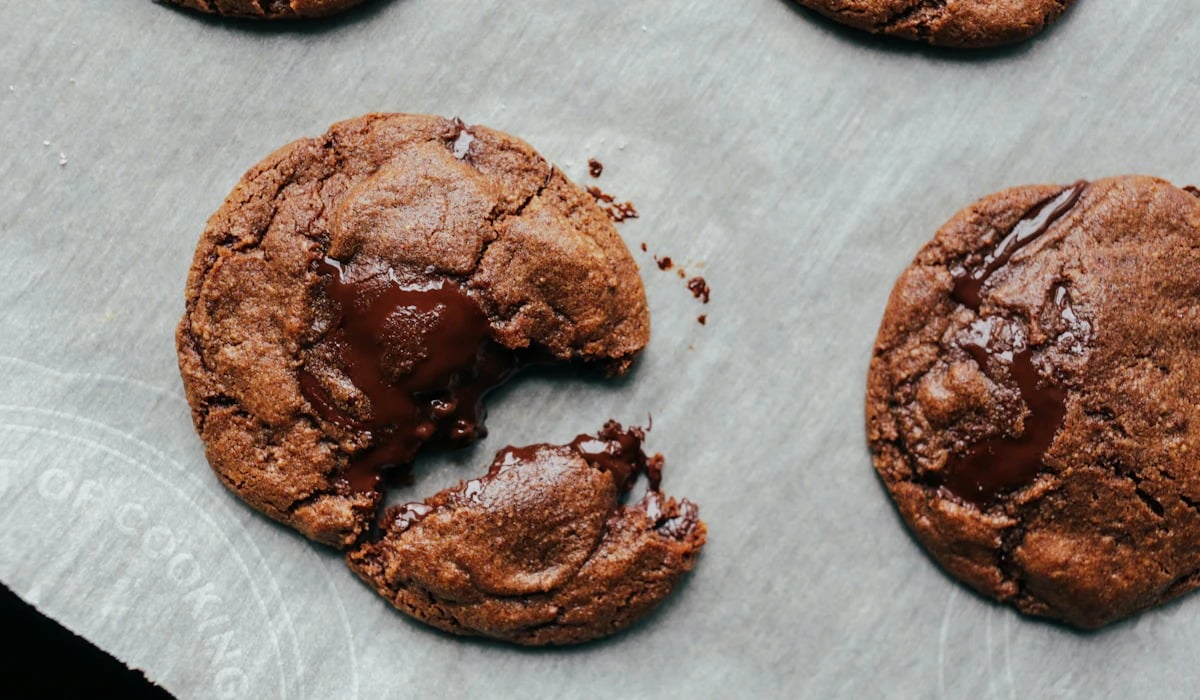
Ruth Wakefield ran the Toll House Inn in Whitman, Massachusetts, and around 1938 she added chopped pieces of a Nestle semisweet bar to her butter cookie dough. The popular story says she expected the chocolate to melt into the batter and was surprised when the chunks held their shape.
Wakefield herself told a different version, insisting the result was deliberate, which makes this one of the most famous accidents that its inventor denied. The cookie caught on so quickly that Nestle reached a deal to print her recipe on its packaging, reportedly in exchange for a supply of free chocolate for life.
Potato Chips and a Fussy Saratoga Diner
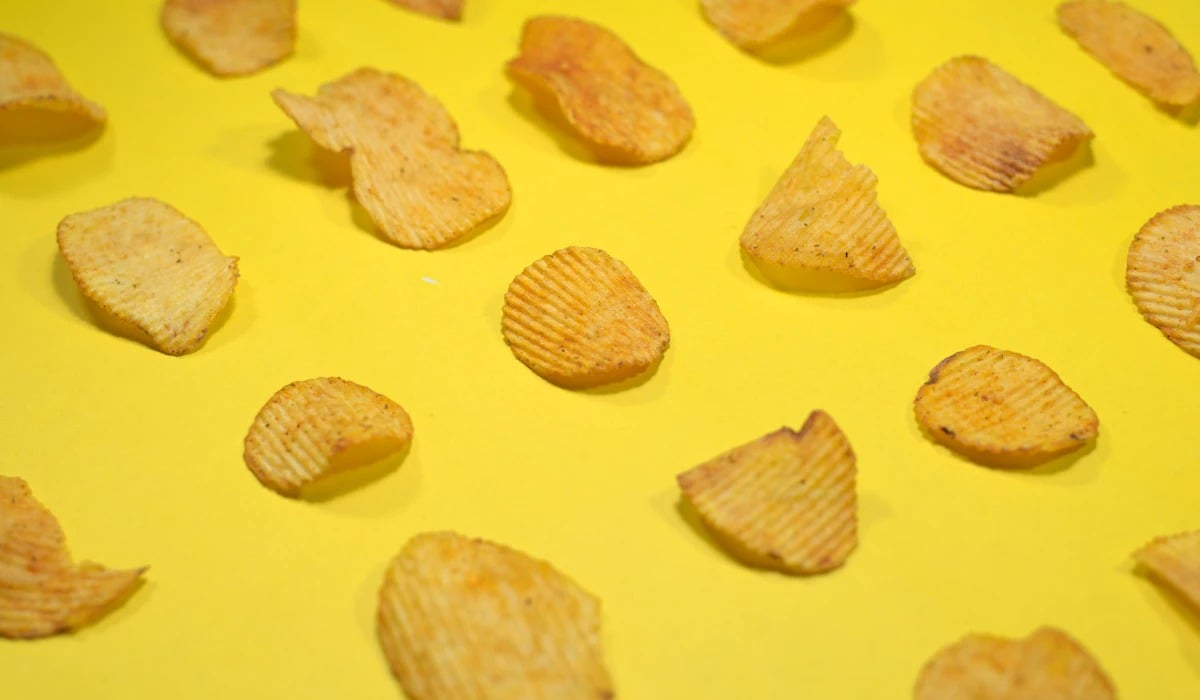
Moon’s Lake House in Saratoga Springs, New York, is where the standard story places the potato chip, in 1853. A diner kept sending back fried potatoes for being too thick, so cook George Crum sliced them paper-thin, fried them hard and salted them heavily, expecting the complaint to end there.
Instead the customer loved them, and “Saratoga chips” became a house specialty. Later retellings named the diner as railroad tycoon Cornelius Vanderbilt, but no evidence supports that detail, and historians note that recipes for thin fried potato shavings appeared in cookbooks before Crum ever picked up a knife.
Popsicles From a Forgotten Cup of Soda
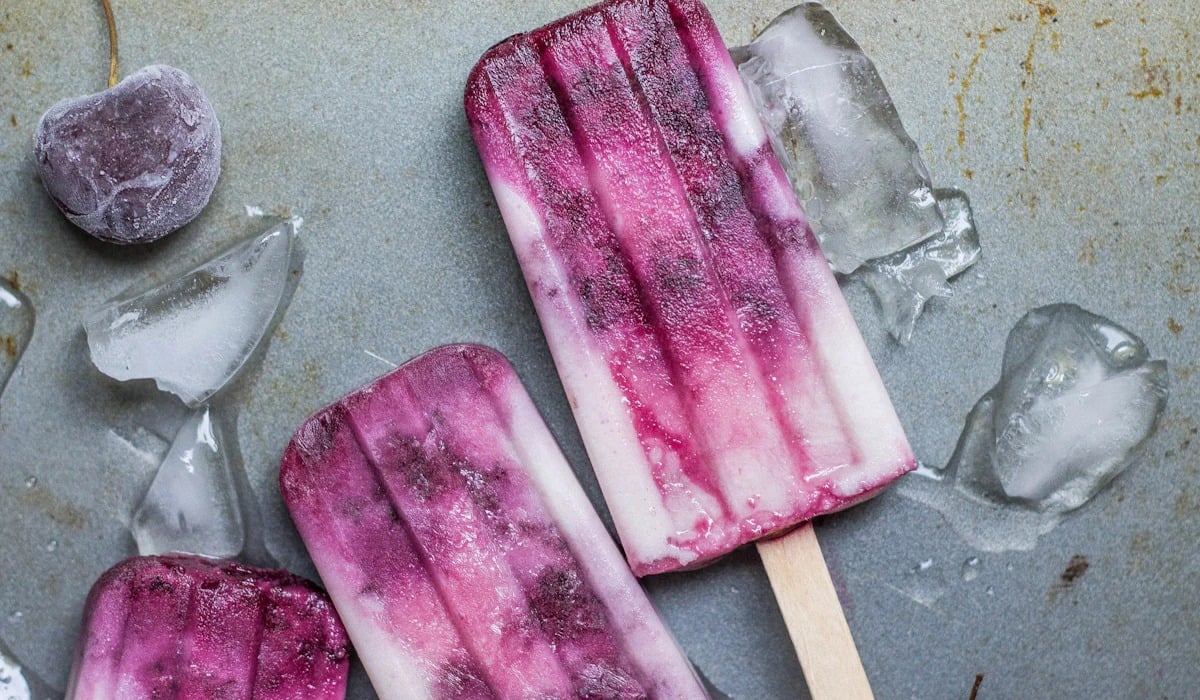
Frank Epperson was 11 years old in 1905 when he left a cup of powdered soda mix and water on his porch overnight with a stirring stick still in it. A cold night froze the mixture solid, and the boy pulled out a sweet frozen treat on a handle.
He did not apply for a patent until 1923, by which time he was an adult selling his “Epsicle” at an amusement park. His own children reportedly called it Pop’s sicle, and that nickname became the brand name.
Epperson later sold the rights, and Popsicle grew into one of the best-known frozen novelties in the country.
Worcestershire Sauce Left to Age in a Cellar
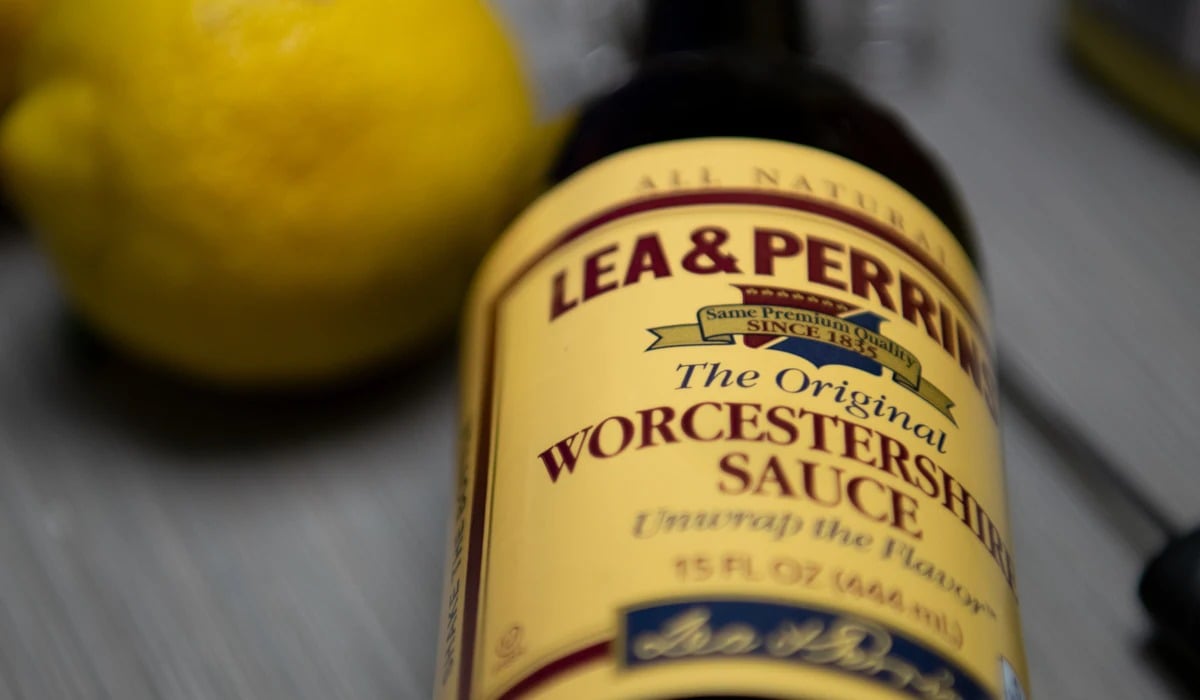
Chemists John Wheeley Lea and William Henry Perrins ran a pharmacy in Worcester, England, in the 1830s. According to company lore, they mixed a batch of sauce from a customer’s recipe, found it far too pungent to sell, and stored the barrels in a cellar.
When they tasted it again months later, the harsh mixture had mellowed into something rich and savory. Lea and Perrins began selling the sauce commercially around 1837 or 1838.
The details of the original recipe and the customer who supplied it remain fuzzy, but the aging step is still part of how the sauce is made today.
Brownies and the Missing Baking Powder
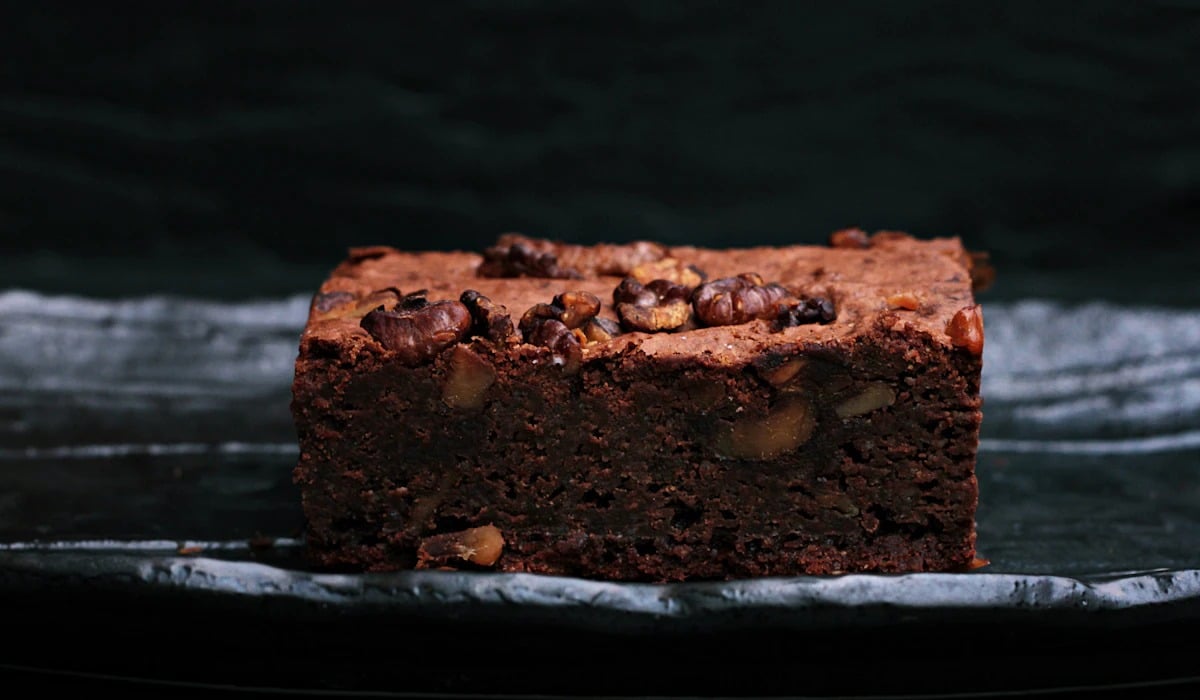
A long-running folk tale holds that brownies began when a home baker forgot to add baking powder to a chocolate cake, leaving a dense, fudgy slab that the family ate anyway. It is a tidy story with no documentation behind it.
The better-supported account credits the Palmer House hotel in Chicago, where Bertha Palmer requested a portable dessert for ladies attending the 1893 World’s Columbian Exposition. The kitchen produced a chocolate bar cake topped with walnuts and an apricot glaze.
The Palmer House still serves a version of that recipe, which makes it one of the few origin stories a visitor can actually taste.
Nachos Improvised at the Victory Club
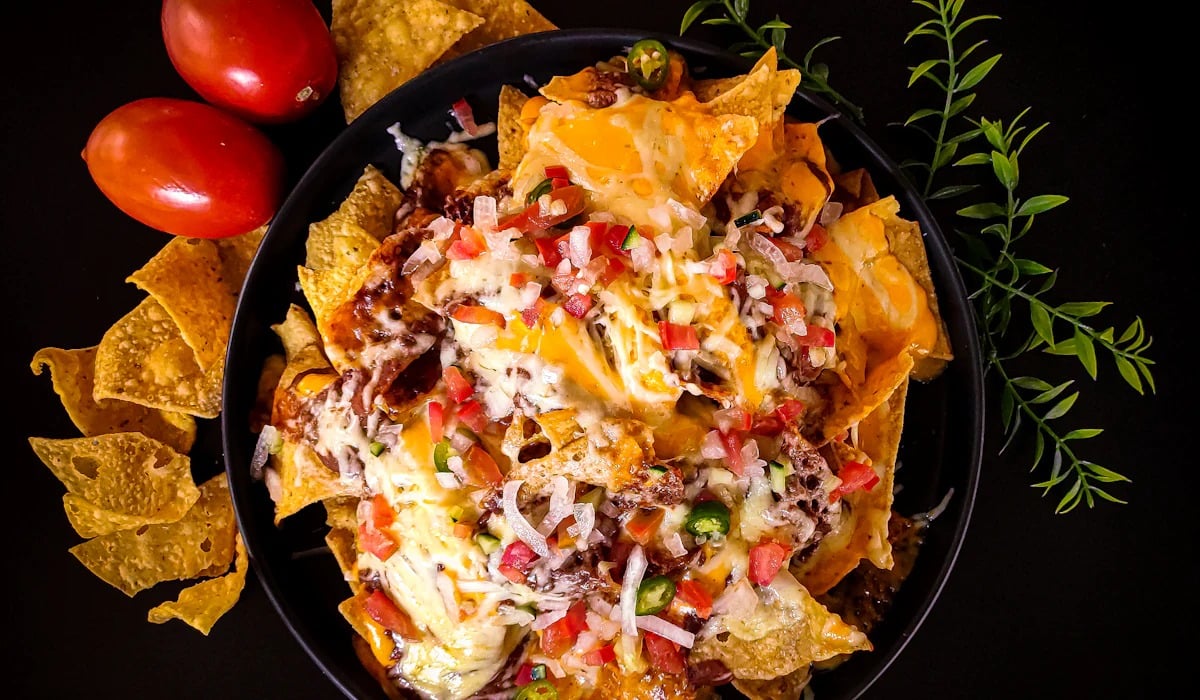
In 1943, a group of women whose husbands were stationed at Fort Duncan in Eagle Pass, Texas, crossed the border to the Victory Club in Piedras Negras, Mexico. The kitchen was closed and the cook was gone, so maitre d’ Ignacio “Nacho” Anaya pulled together what he could find.
He cut tortillas into triangles, fried them, topped them with cheese and sliced jalapenos, and melted the entire plate together. The guests named the dish after him, calling it Nacho’s Especiales.
Anaya never trademarked the idea, and Piedras Negras now holds an annual nacho festival in his honor.
Caesar Salad From a Short-Stocked Kitchen
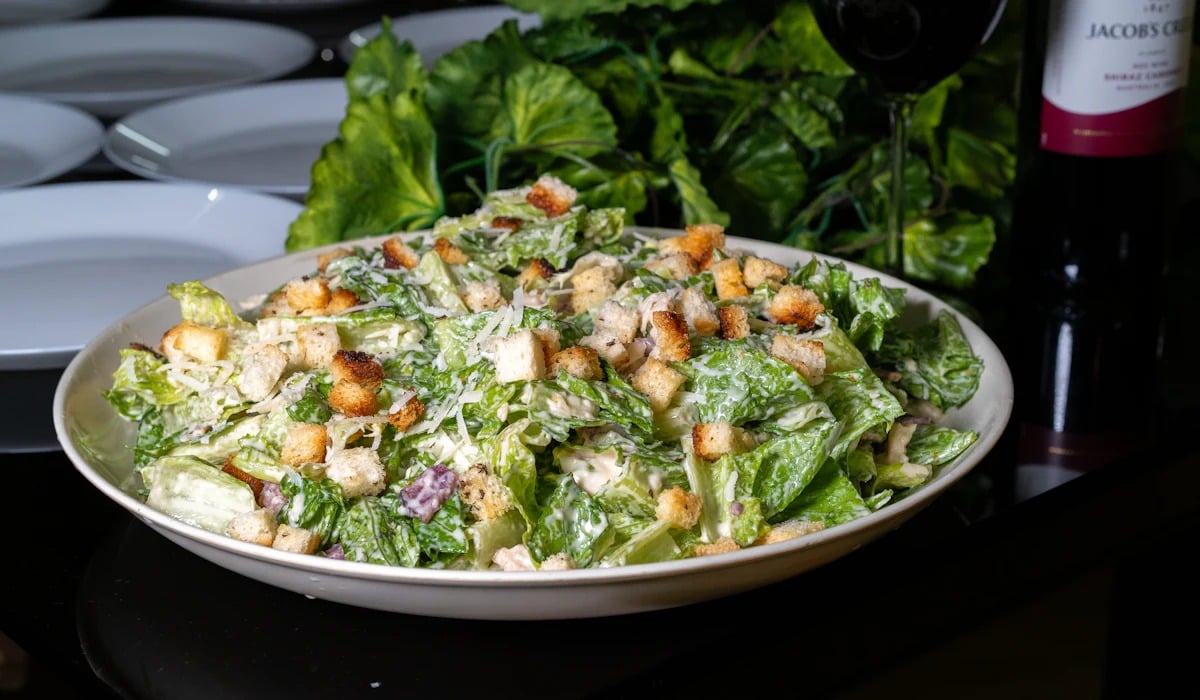
Caesar Cardini ran a restaurant in Tijuana, Mexico, that drew Americans escaping Prohibition. According to the family account, a Fourth of July rush in 1924 left the kitchen low on supplies, so Cardini assembled a salad from romaine, eggs, Parmesan, croutons, olive oil and Worcestershire sauce.
He tossed it tableside, which added a bit of theater to a dish born of scarcity. The original reportedly had no anchovies, getting its savory depth from the Worcestershire instead.
Other claimants, including his brother Alex and a former partner, have been credited with versions of the recipe, but Cardini’s name stuck.
Corn Flakes From a Batch Left Standing
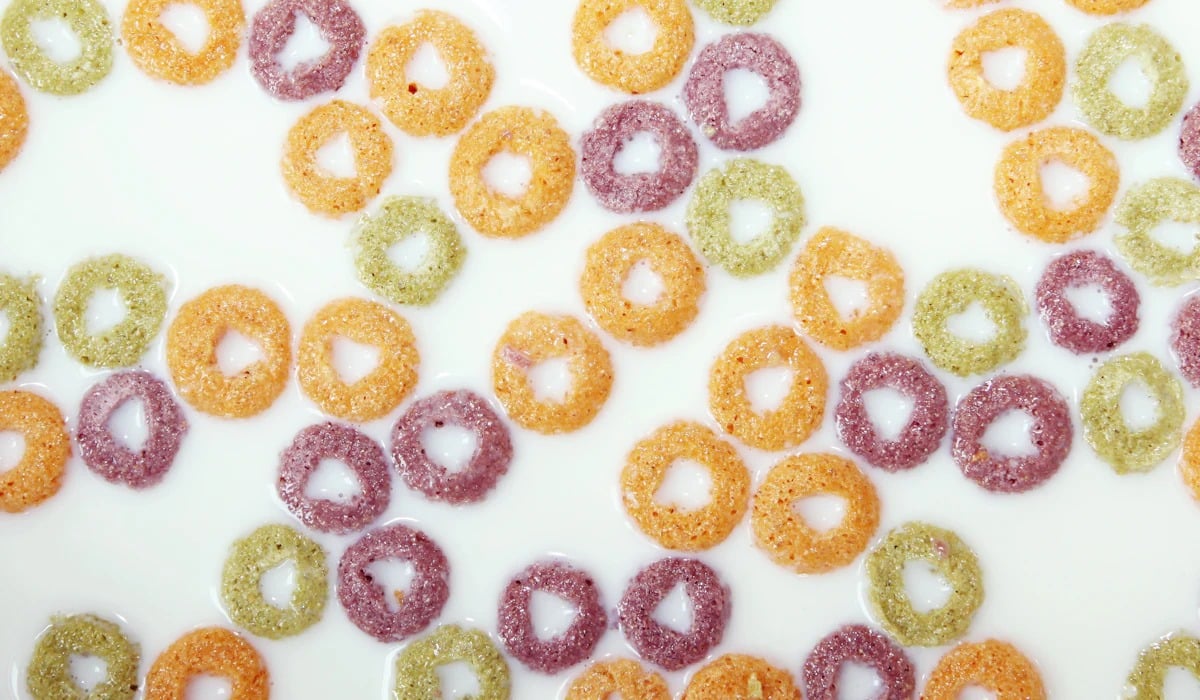
At the Battle Creek Sanitarium in Michigan, John Harvey Kellogg and his brother Will Keith Kellogg were working on digestible foods for patients. In 1894, a batch of cooked wheat was left standing longer than intended.
When the brothers ran the stale dough through rollers anyway, it broke into thin flakes that could be toasted. They later applied the process to corn, which produced a lighter and more popular flake.
The brothers fell out over whether to add sugar, and Will Keith Kellogg went on to found his own cereal company in 1906, taking the corn flake with him.
Cheese Puffs From an Animal-Feed Machine
The Flakall Corporation of Beloit, Wisconsin, made a machine that turned grain into flaked animal feed in the 1930s. Employee Edward Wilson noticed that moistened corn fed into the hot machine came out as puffy, airy ribbons that hardened as they cooled.
He took some home, seasoned them, and recognized a snack. The company developed the puffs for people, and they were sold under the name Korn Kurls.
That accidental feed-mill byproduct set the pattern for the extruded cheese snacks that later filled supermarket aisles, all made by forcing corn meal through a hot die.
Crepes Suzette and a Pan That Caught Fire
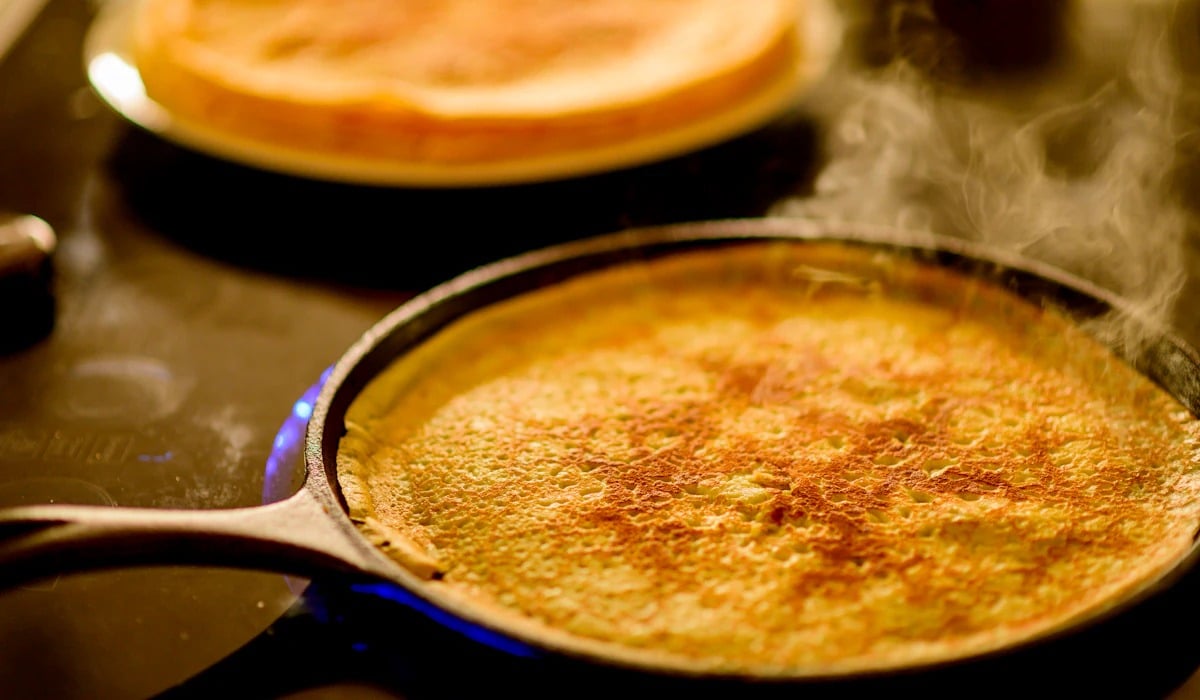
Henri Charpentier is the source of the legend. He claimed that in 1895, as a teenage assistant waiter at the Cafe de Paris in Monte Carlo, he was preparing crepes for the Prince of Wales, the future King Edward VII.
The cordials in the pan supposedly caught fire by accident, and he served the flaming dessert anyway to great applause. The prince, as Charpentier told it, asked that the dish be named for a young woman in his party named Suzette.
Food historians doubt the account, since Charpentier was very young at the time and other versions of the dish predate his story.
Ice Cream Cones at the 1904 World’s Fair
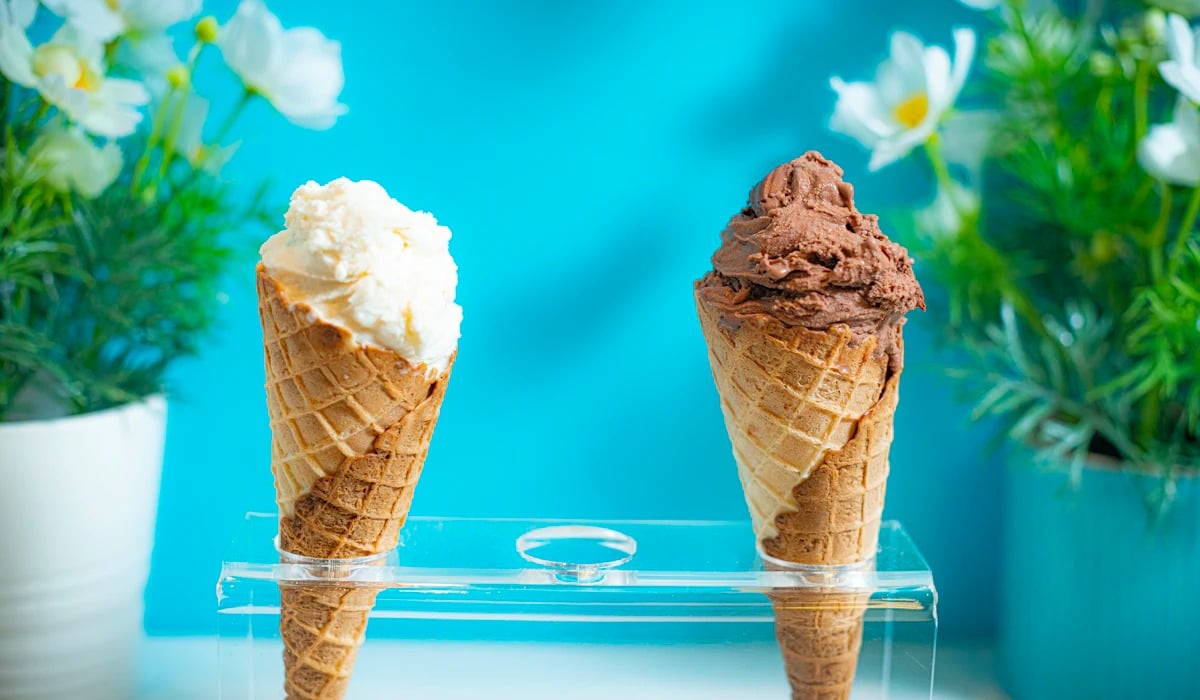
The most popular origin story places the ice cream cone at the 1904 World’s Fair in St. Louis.
An ice cream vendor ran out of dishes, and a neighboring pastry seller, often identified as Syrian immigrant Ernest Hamwi, rolled one of his thin waffle-like zalabia into a cone to hold the scoops. The improvised container was an instant hit.
The story is contested, however, with several other fair vendors claiming the same idea, and New York vendor Italo Marchiony received a patent in 1903 for a mold that made edible cups. The fair likely popularized the cone rather than invented it.
Buffalo Wings at the Anchor Bar
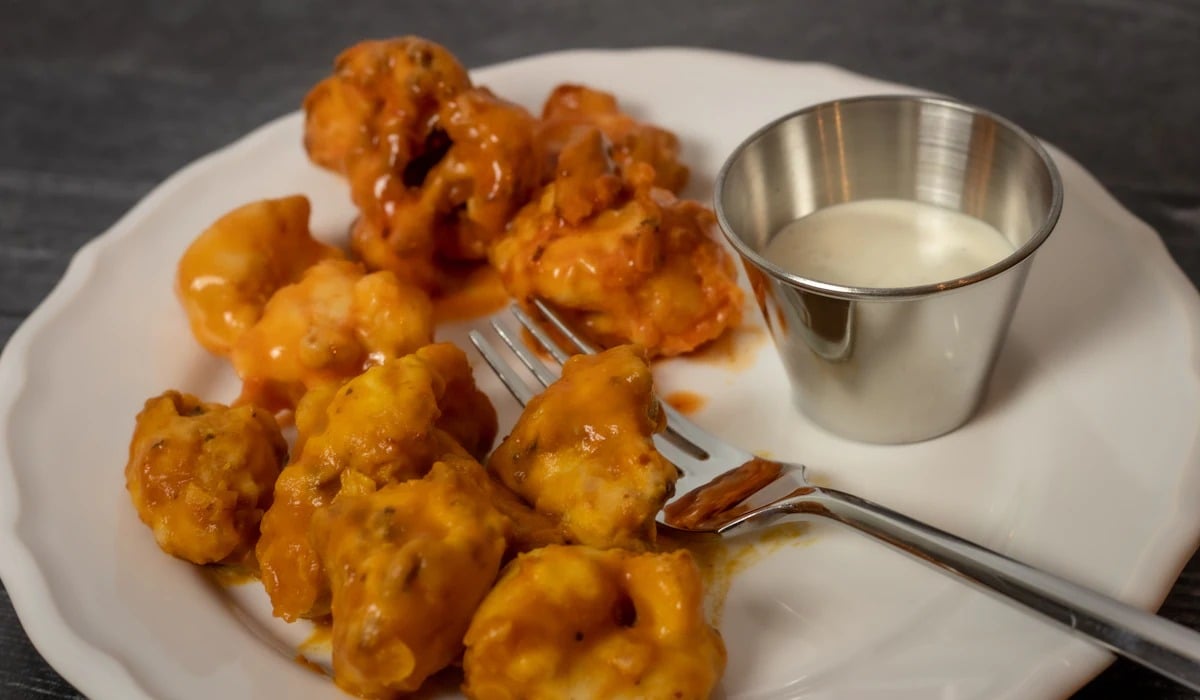
The Anchor Bar in Buffalo, New York, is widely credited with serving the first Buffalo wings in 1964, with Teressa Bellissimo usually named as the cook. The explanations vary depending on which family member tells it.
One version holds that the bar received a delivery of chicken wings by mistake instead of the backs and necks used for spaghetti sauce, so Teressa fried them and tossed them in hot sauce. Her son Dominic told a different version about a late-night snack for friends.
Wings were cheap cuts at the time, which helped make the dish an easy bar staple.
Fudge and a Batch of Botched Caramels
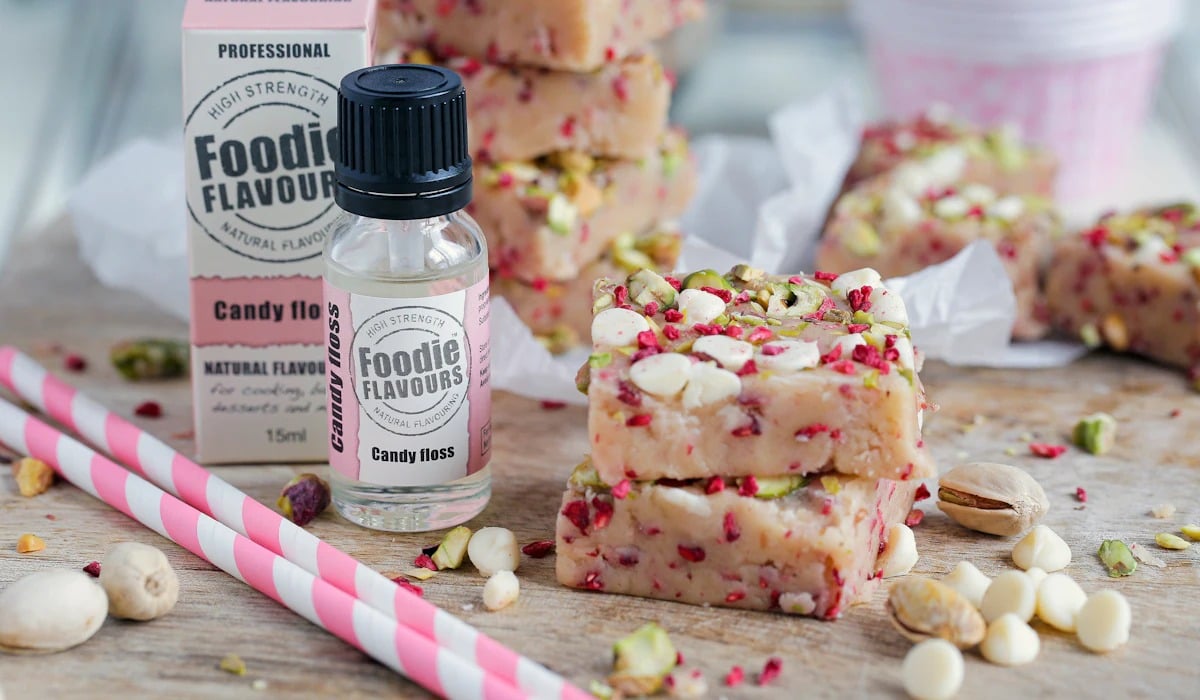
A popular legend says fudge began when someone in the 1880s tried to make caramels, “fudged” the batch, and ended up with a grainy, crystallized candy that tasted good anyway. The word fudge was already slang for a botched job, which gives the tale its appeal.
The earliest written account comes from Emelyn Hartridge, a Vassar College student who wrote that she made fudge in 1888 from a recipe a schoolmate’s cousin had used in Baltimore. Fudge then spread among women’s colleges, where students cooked it late at night over gas lamps in their dormitory rooms.
Chicken Tikka Masala in Glasgow
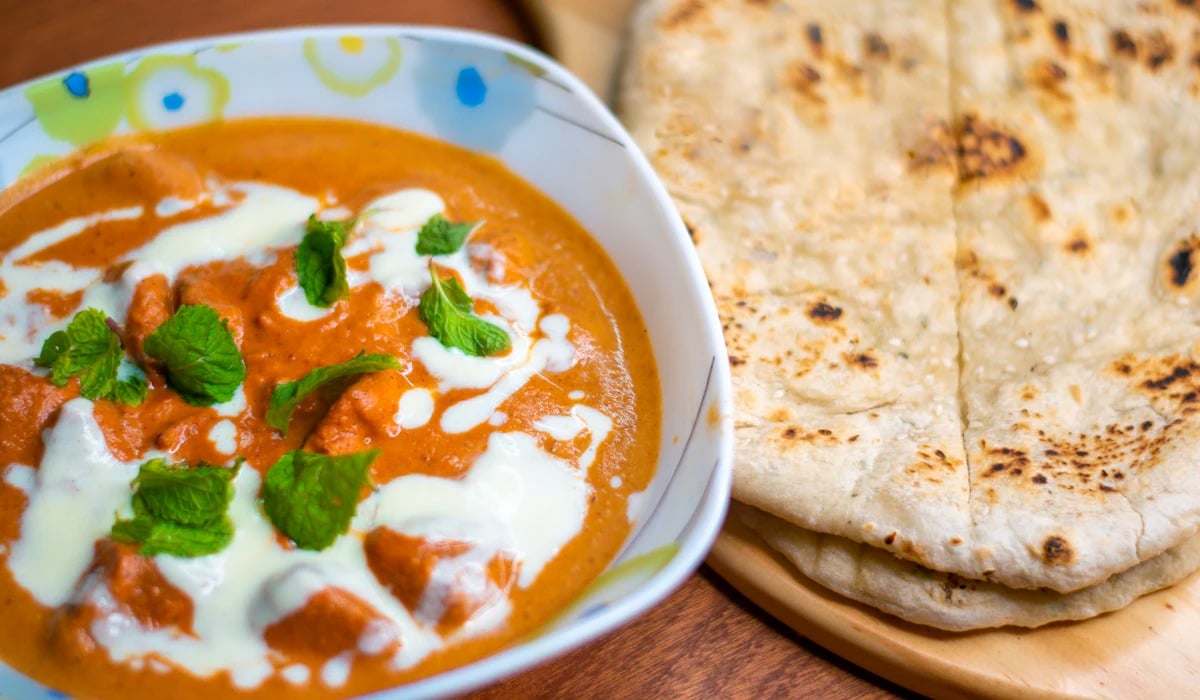
Ali Ahmed Aslam, owner of the Shish Mahal restaurant in Glasgow, Scotland, said he created chicken tikka masala in the 1970s after a customer complained that his chicken tikka was too dry. Aslam reportedly improvised a sauce using a can of condensed tomato soup, yogurt and spices, and the customer was satisfied.
The dish became a fixture of British curry houses and is sometimes described as a national favorite. The story is disputed, with other restaurants in Britain and chefs in India claiming similar creations, and the dish has no single documented moment of invention.
Mole Poblano in a Puebla Convent
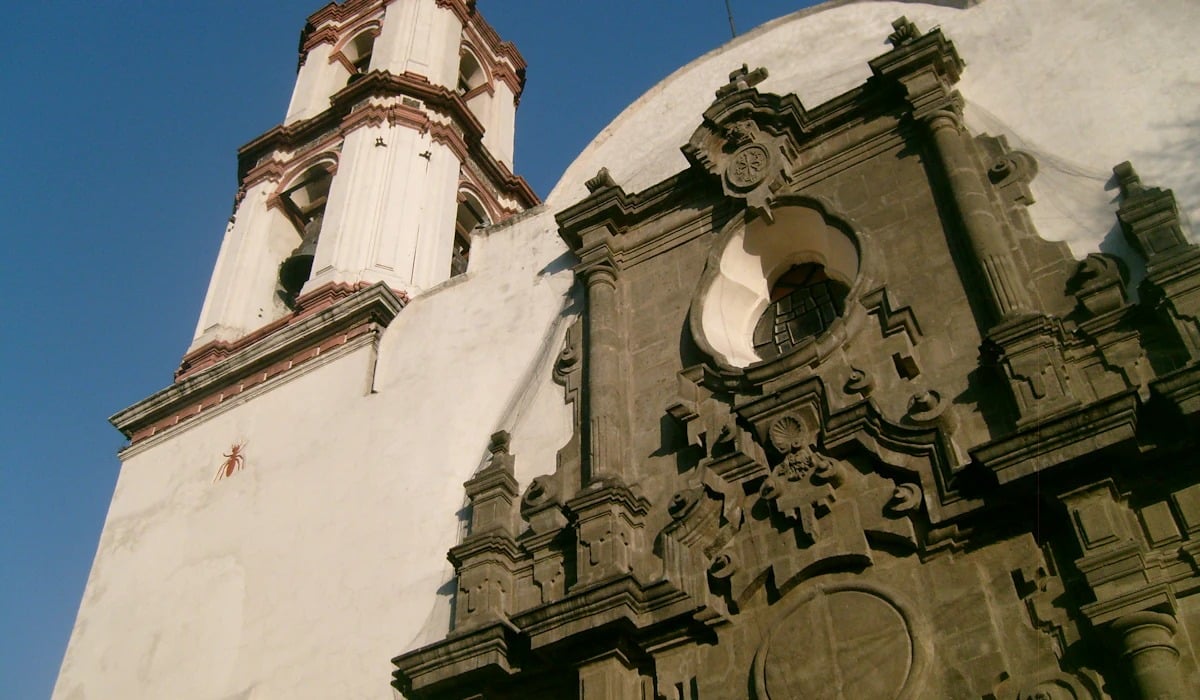
According to legend, the nuns of the Convent of Santa Rosa in Puebla, Mexico, learned that an important visitor, often named as an archbishop or viceroy, was coming and had little to serve him. They gathered whatever was on hand, including chiles, spices, nuts, bread and chocolate, ground everything together and simmered it into a dark sauce poured over turkey.
The result became mole poblano. Historians point out that complex chile sauces existed long before the convent, so the story is better understood as folklore than history.
The convent kitchen still stands and is now a museum.
ICEE and a Broken Soda Fountain
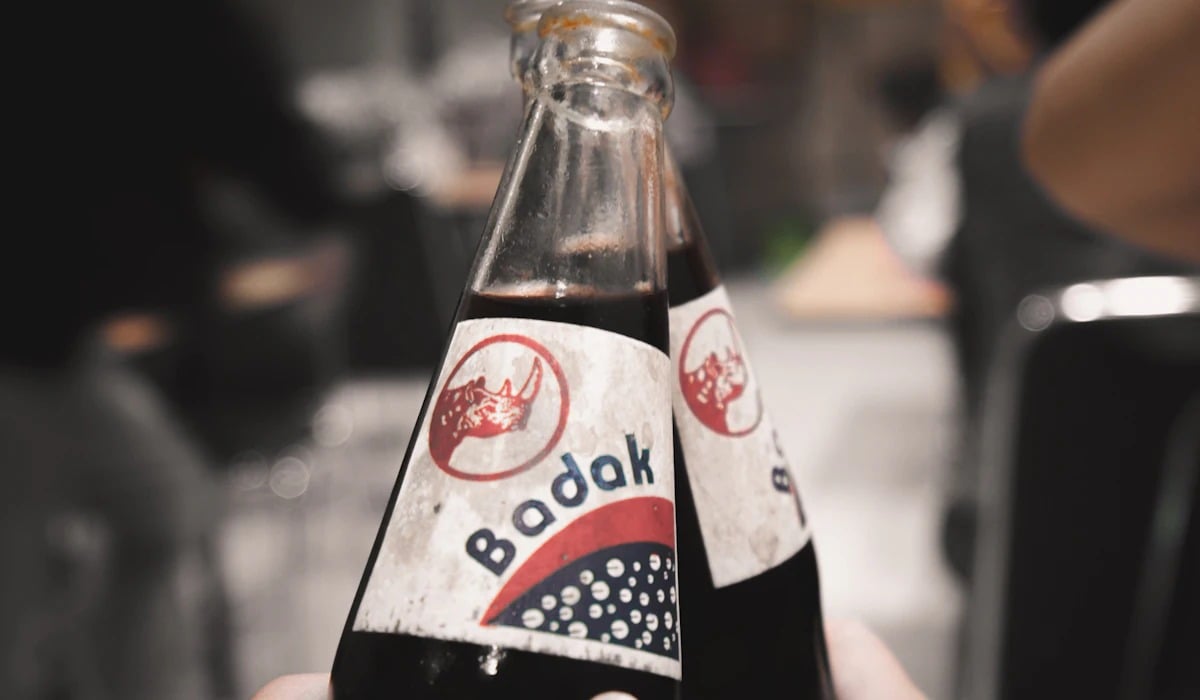
Omar Knedlik owned a Dairy Queen in Coffeyville, Kansas, in the late 1950s when his soda fountain broke down. He began keeping bottles of soda in the freezer, and customers loved the slushy, half-frozen drinks that resulted.
Knedlik then built a machine to produce the effect on purpose, reportedly using parts from an automobile air conditioning unit. The drink became the ICEE.
In the mid-1960s, 7-Eleven licensed the machines and sold the drink under its own name, the Slurpee, which became one of the convenience store chain’s best-known products.
Wheaties From Bran Gruel on a Hot Stove
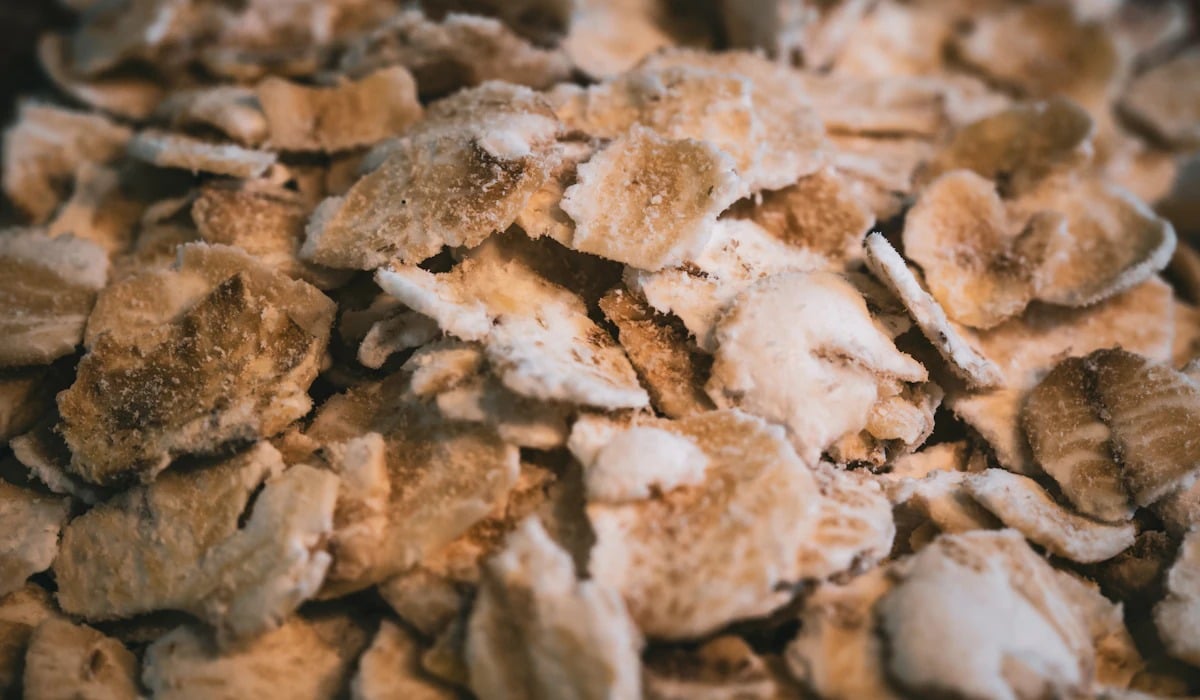
In 1921, a Minneapolis health clinician was mixing a bran gruel for patients when some of it spilled onto a hot stove. The spilled mixture crisped into thin, tasty flakes.
He brought the idea to the Washburn Crosby Company, the flour miller that later became part of General Mills. The company spent time refining the process because early flakes crumbled, then held an employee contest to name the cereal.
The winning entry was Wheaties, and the brand went on to become famous for putting star athletes on its boxes, a tradition that began in the 1930s.
Molten Chocolate Cake Pulled Too Early
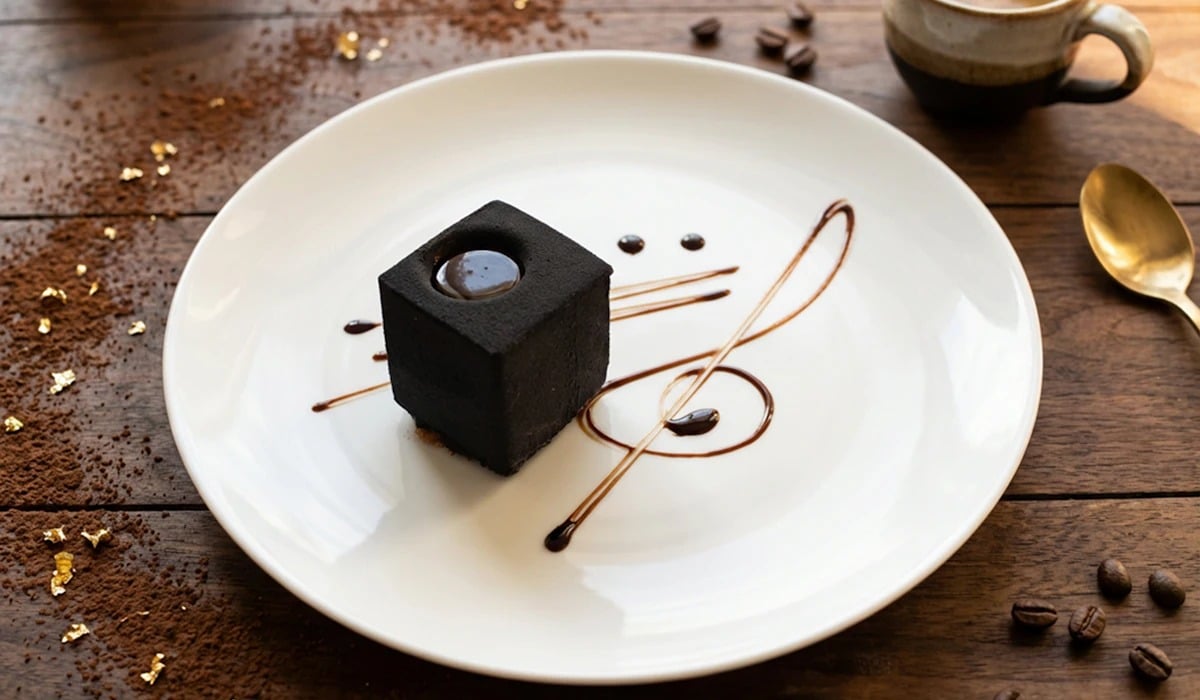
Chef Jean-Georges Vongerichten has said he created molten chocolate cake in New York in 1987 when he pulled a chocolate sponge cake from the oven before it was done. Diners loved the warm, liquid center, and the dessert spread to restaurant menus across the country within a few years.
The accident story has a well-known critic in pastry chef Jacques Torres, who has argued that French chefs were already making similar underbaked chocolate cakes. French chef Michel Bras is often credited with a carefully engineered version in 1981.
The debate has done nothing to slow the dish down.
Doritos From Leftover Tortillas at Disneyland
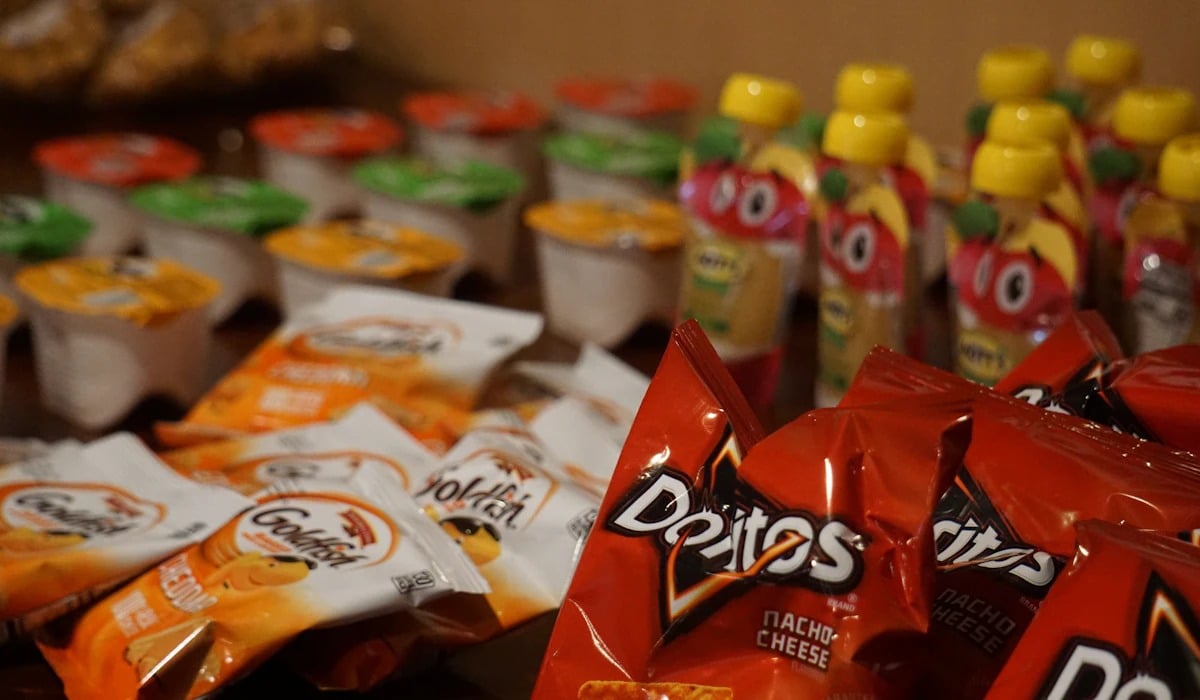
Casa de Fritos, a restaurant in Disneyland’s Frontierland, had a problem with leftover tortillas in the early 1960s. Rather than throw them away, the kitchen cut them into triangles, fried them and seasoned them as chips.
The idea caught the attention of Arch West, a Frito-Lay marketing executive, who pushed the company to develop the chips for national sale. Doritos launched nationally in 1966, and the brand became one of the biggest snack lines in the country.
When West died in 2011, his family reportedly scattered Doritos over his urn at the burial service.
Gooey Butter Cake in St. Louis
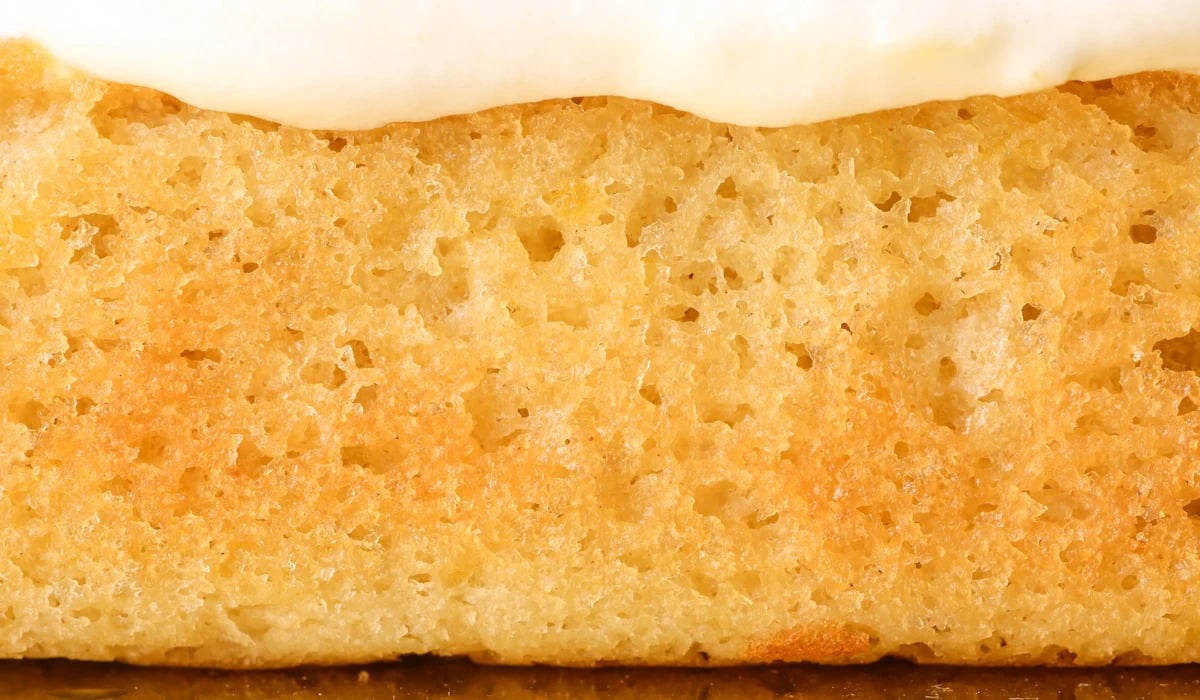
Gooey butter cake is a St. Louis specialty with a flat cake base and a sticky, sweet top layer.
The most common story places its origin in the 1930s, when a German-American baker in the city reversed the proportions of ingredients in a batch of coffee cake. The result was too dense and gooey to sell as intended, but the baker sold it anyway, and customers kept coming back.
Several local bakeries have claimed credit, and the exact name of the original baker is debated. The cake remains strongly tied to St.
Louis and is rarely found far from it.
Ice Cream Soda at an 1874 Celebration
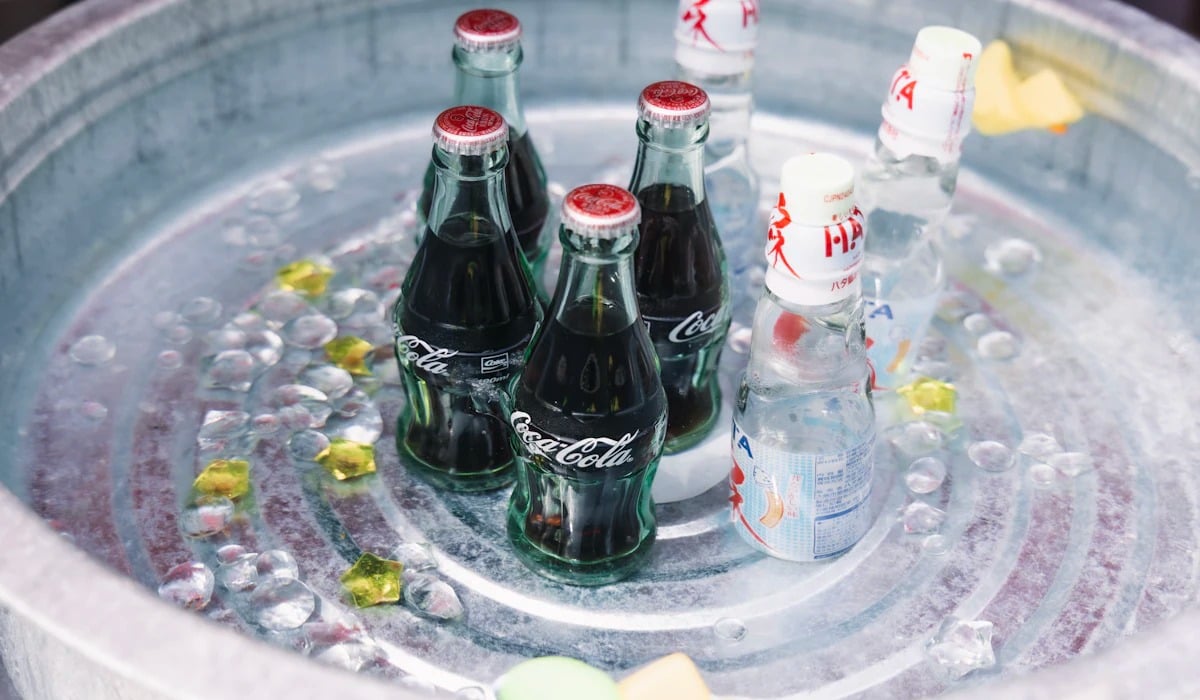
Robert M. Green was selling soda drinks at the Franklin Institute’s semicentennial celebration in Philadelphia in 1874.
According to his own account, he ran out of the cream he used to make his drinks and substituted vanilla ice cream instead. The fizzy, creamy result drew crowds and reportedly made him far more money than he expected.
Green later claimed the invention so firmly that he is said to have asked for his tombstone to note it. Other soda vendors made similar claims, but Green’s story is the most widely repeated version of the drink’s beginnings.
Bakewell Pudding From a Misread Recipe
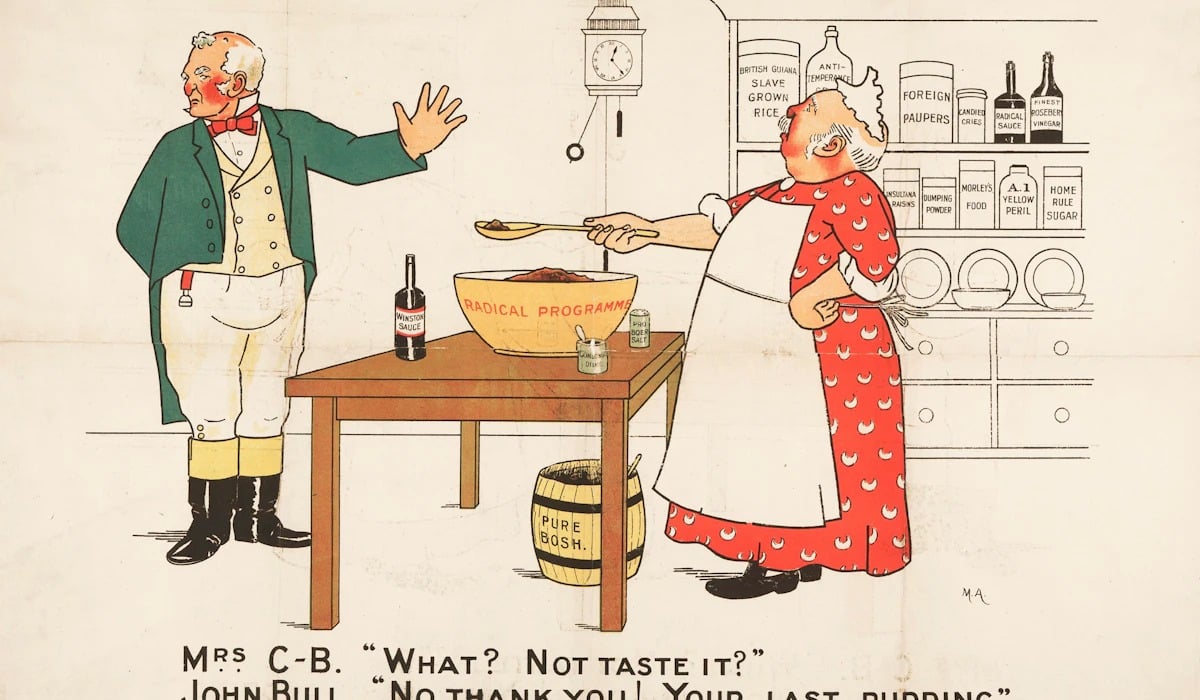
Bakewell, a town in Derbyshire, England, credits its famous pudding to a mistake made around 1860 at the White Horse Inn. According to local lore, the landlady left instructions for a jam pastry, but the cook spread the egg and almond mixture over the jam instead of stirring it into the pastry.
The pudding came out with a firm, custard-like top, and guests liked it. Several shops in Bakewell still sell the pudding and dispute who holds the original recipe.
The dish should not be confused with the shortcrust almond pastry that later borrowed the town’s name.
Eton Mess After a Dropped Dessert
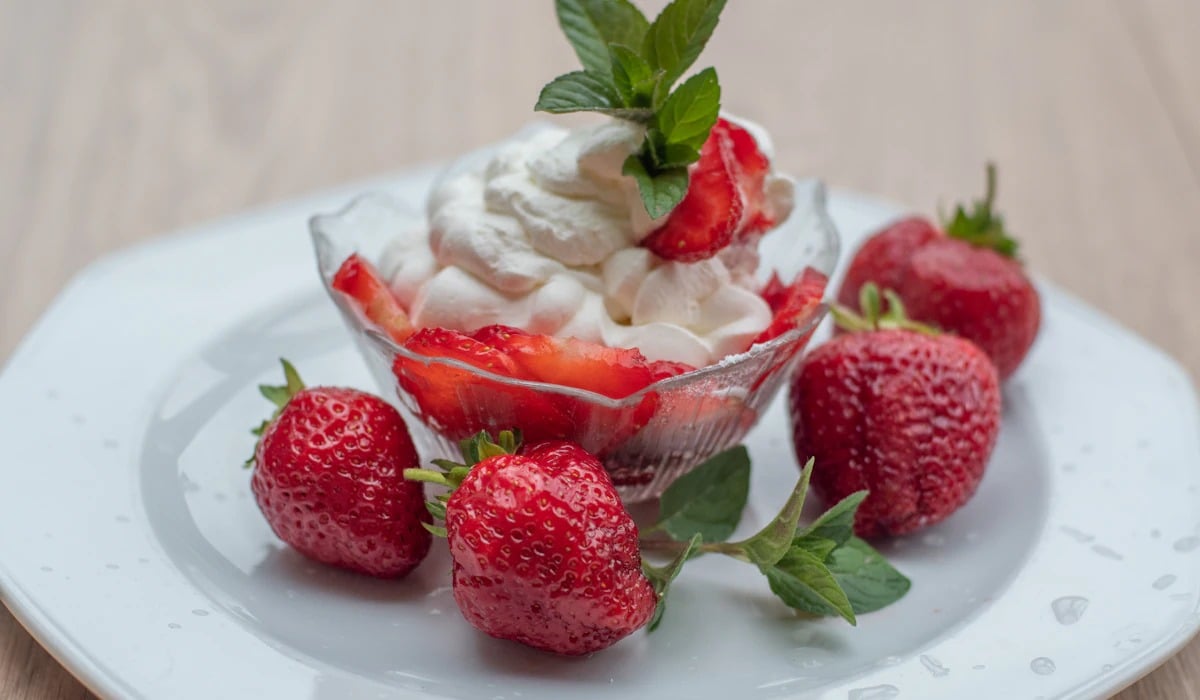
Eton mess combines crushed meringue, strawberries and cream, and it has long been associated with Eton College, where it was served at the annual cricket match against Harrow. One popular legend claims the dish was born when a meringue dessert was dropped or squashed, possibly by a dog in the back of a car, and served anyway.
The legend makes for a good story, but early versions of the dish were simpler mixes of strawberries and cream, with the meringue added later. Whatever its origin, the name has followed the dessert into restaurants and home kitchens.
Dulce de Leche and a Forgotten Pot
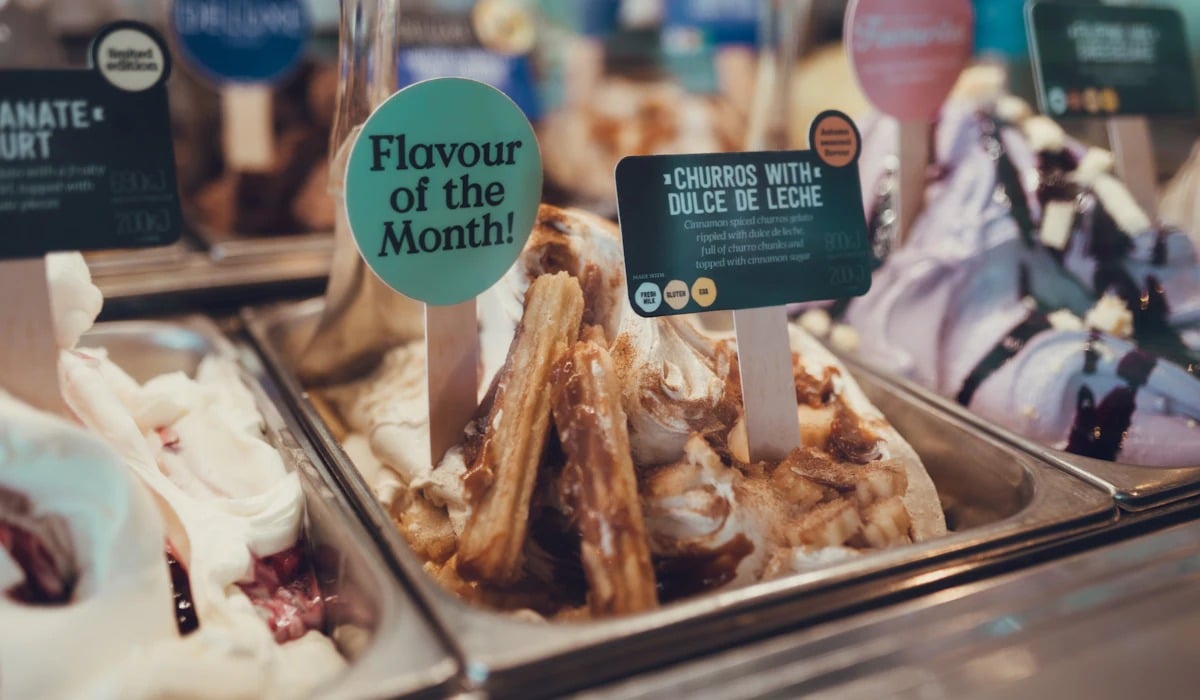
An Argentine legend says dulce de leche was born in 1829 during a meeting between rival leaders Juan Manuel de Rosas and Juan Lavalle. A maid supposedly left milk and sugar heating on the stove while tending to the meeting, and when she returned, the mixture had thickened into a caramel-like spread.
Lavalle had reportedly fallen asleep on Rosas’ cot, which interrupted her routine. Historians treat the story as folklore, since similar milk caramels existed in several countries, including France and Spain.
Argentina still embraces the legend and treats dulce de leche as a point of national pride.
Toasted Ravioli on the Hill
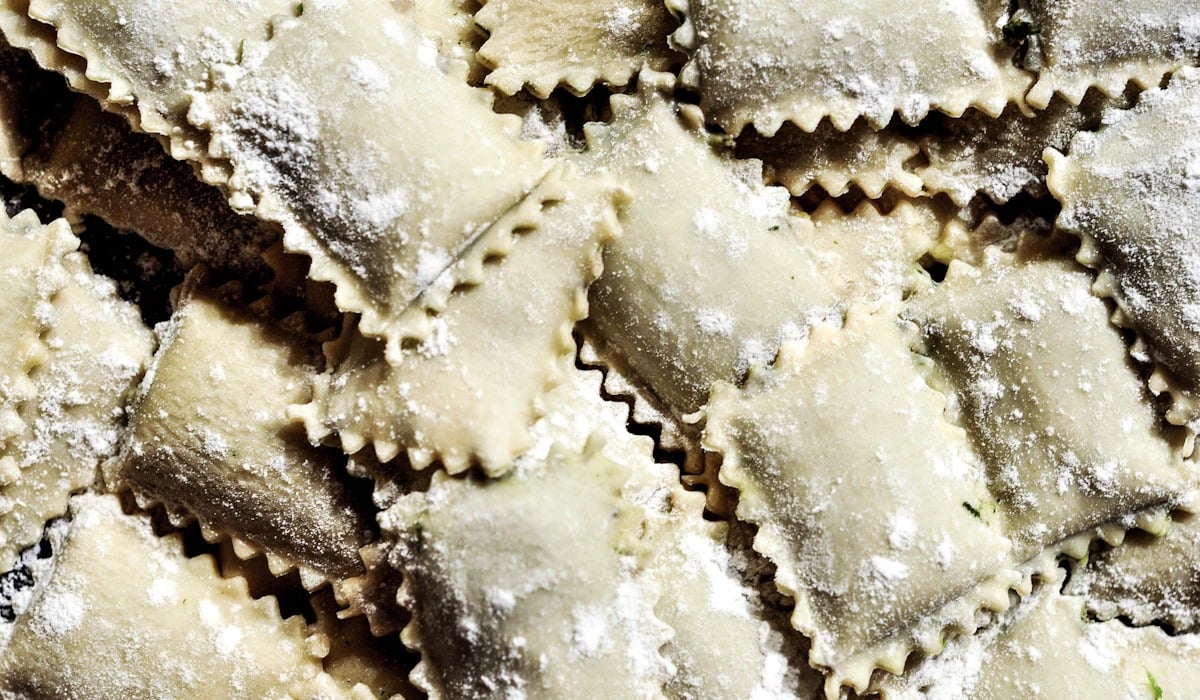
St. Louis’s Italian neighborhood, known as the Hill, claims toasted ravioli as its own.
The most common story says a cook accidentally dropped ravioli into breadcrumbs rather than boiling water and decided to deep-fry them instead of tossing them out. Both Oldani’s and Angelo’s, which later became Charlie Gitto’s, have claimed to be the restaurant where it happened, and the exact date is uncertain.
Whatever the details, toasted ravioli spread across St. Louis and became a local staple.
Restaurants in the city usually serve it as an appetizer with marinara sauce and grated Parmesan.
Tater Tots From Potato Scraps
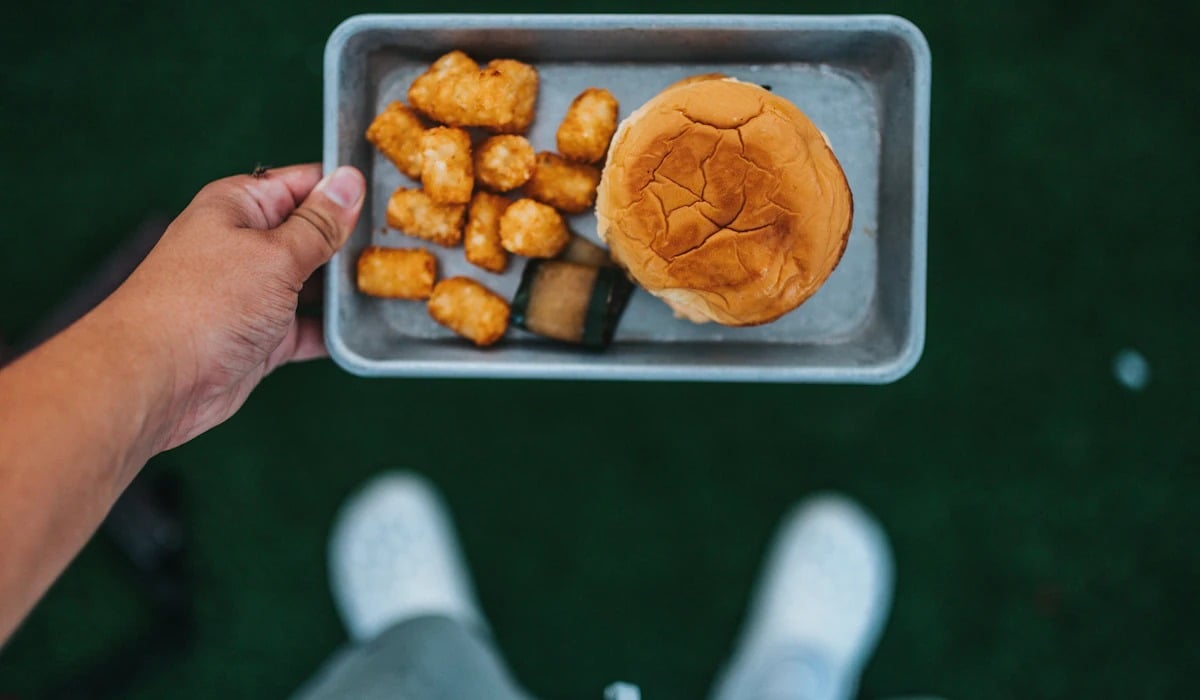
Brothers F. Nephi Grigg and Golden Grigg founded Ore-Ida in Ontario, Oregon, near the Oregon and Idaho state line.
In 1953, they were looking for a use for the slivers and scraps left over after cutting potatoes for frozen French fries. They chopped the leftovers, added flour and seasoning, shaped them into small cylinders and fried them.
The company introduced Tater Tots to grocery stores in 1956, reportedly selling them at very low prices to win shoppers over. A byproduct that would otherwise have gone to animal feed became one of the company’s most successful products.
Roquefort and a Lunch Left in a Cave
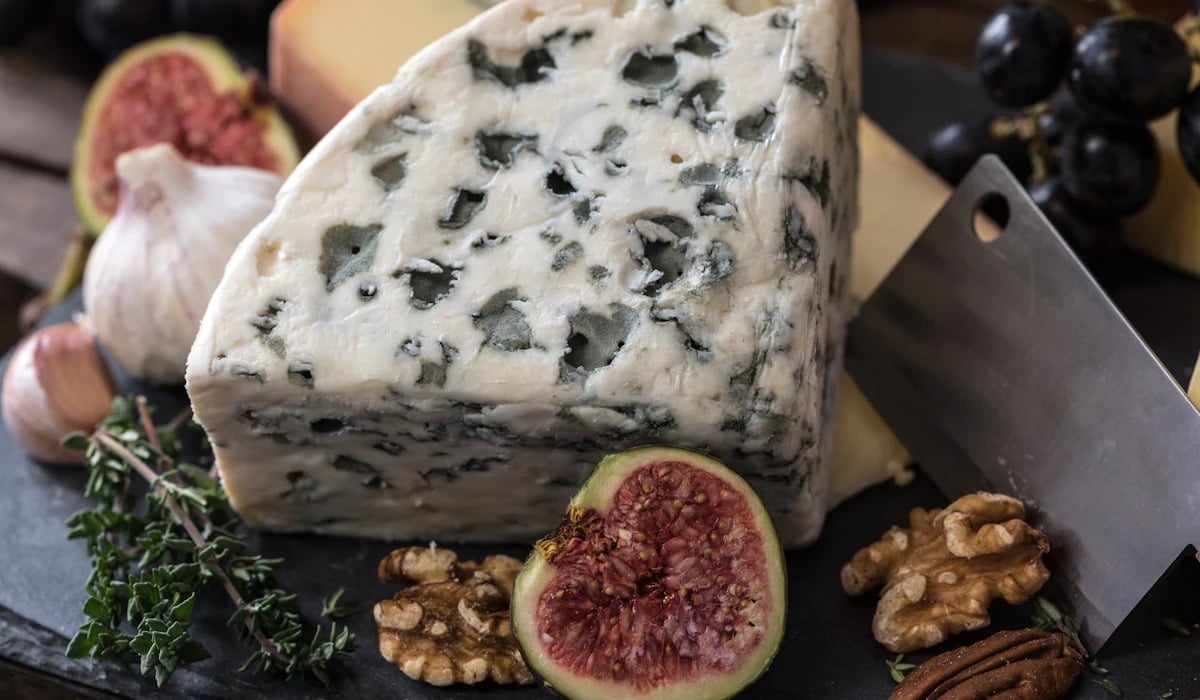
Roquefort cheese comes from the village of Roquefort-sur-Soulzon in southern France, where it ages in the natural Combalou caves. According to legend, a young shepherd left his lunch of bread and sheep’s milk cheese in a cave while chasing a woman he had spotted.
When he returned weeks later, the cheese had developed blue mold that made it surprisingly delicious. The legend is unverifiable, but the caves are real, and Roquefort’s production is legally tied to them.
In 1925, Roquefort became the first cheese granted protected designation of origin status in France.
Bubble Gum From an Accountant’s Experiments

Walter Diemer was an accountant at the Fleer Corporation in Philadelphia, not a chemist, but in 1928 he was experimenting with gum recipes in his spare time. He eventually produced a batch that was less sticky and more stretchy than earlier gums, which made it possible to blow bubbles.
The gum was colored pink simply because pink was the only food dye he had on hand. Fleer sold it as Dubble Bubble, and the product sold out quickly.
Diemer never received royalties, though he reportedly enjoyed teaching people how to blow bubbles for years afterward.
Cobb Salad From a Late-Night Fridge Raid
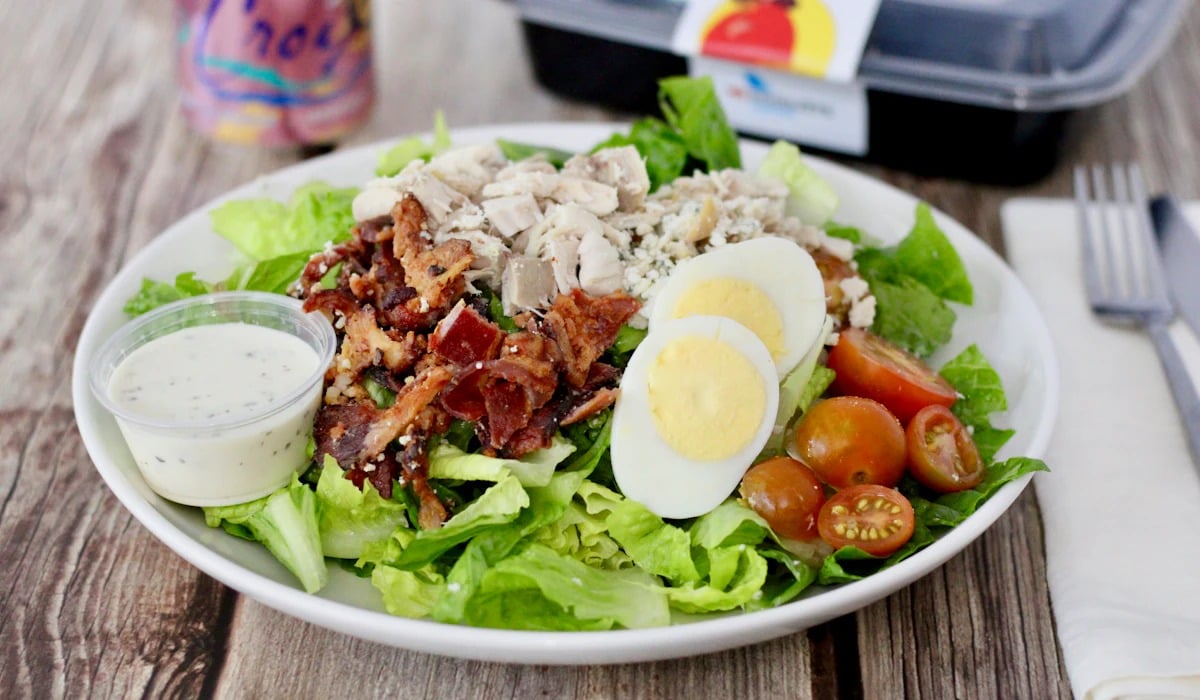
Robert Cobb owned the Brown Derby restaurant in Hollywood, and the popular story says that in 1937 he was hungry late at night and raided the restaurant’s refrigerator. He chopped up lettuce, avocado, tomato, chicken, bacon, hard-boiled egg and Roquefort cheese, then tossed them with dressing.
Theater owner Sid Grauman, reportedly present that night, liked the salad and asked for it again the next day. The Cobb salad became a Brown Derby signature dish.
The story may be embellished, but the salad has kept the restaurant’s name alive long after the original building closed.
Microwave Popcorn and a Melted Candy Bar
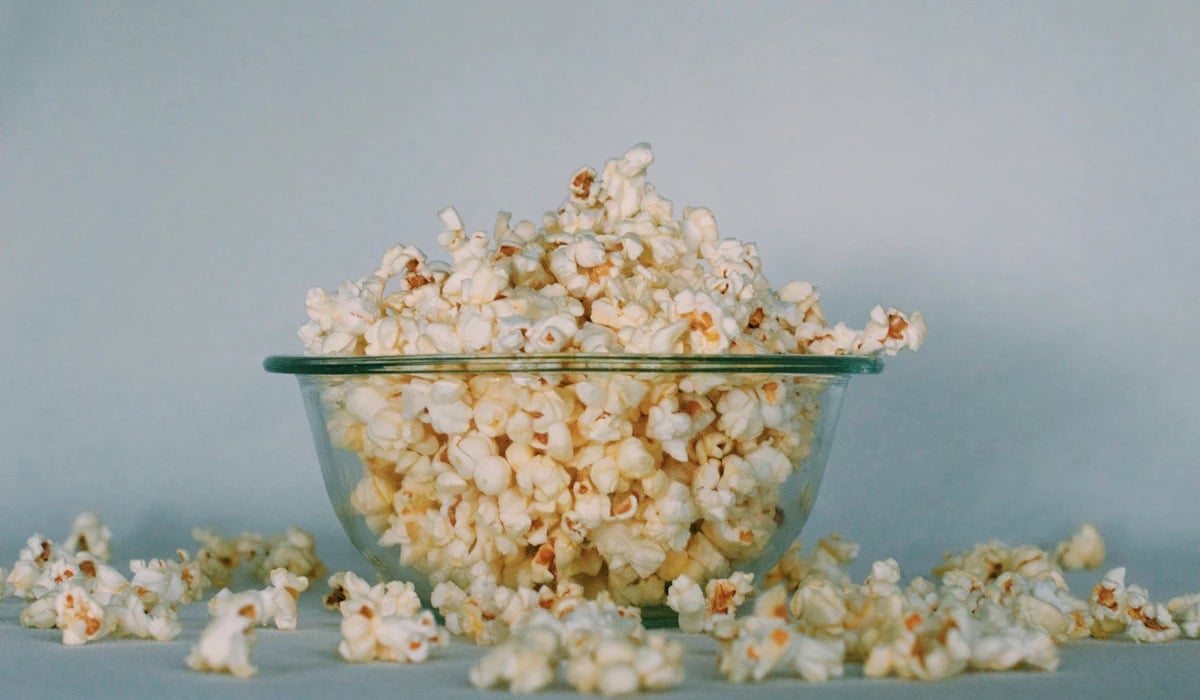
In 1945, Raytheon engineer Percy Spencer was working near a magnetron, the device that generates microwaves for radar, when he noticed that a candy bar in his pocket had melted. Curious, he tested the effect on popcorn kernels, which promptly popped.
He also reportedly tried an egg, which exploded. Raytheon filed a patent for microwave cooking, and the first commercial microwave oven, the Radarange, followed in 1947.
Those early units were roughly the size of a refrigerator, and it took decades before microwave ovens became common household appliances.
Spills, Scraps and Second Chances
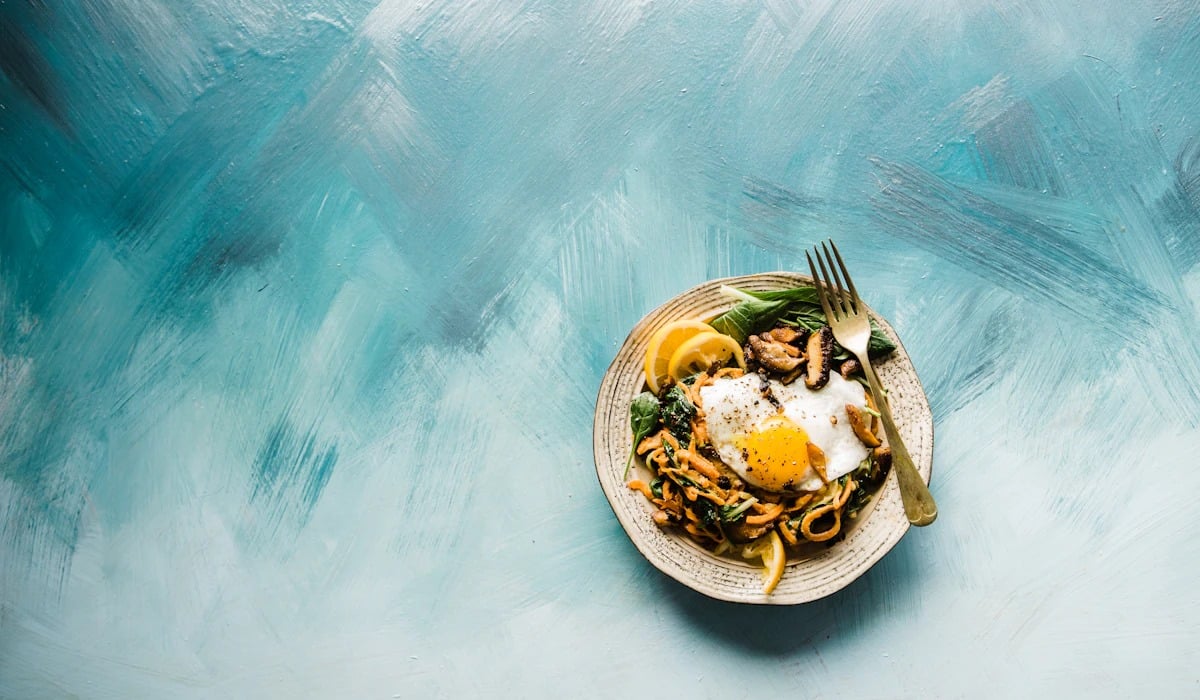
Most of these foods share a moment where something went wrong and someone decided not to throw it away. A burned pan, a broken machine, or a dropped tray became a dish because a cook was curious, stubborn, or simply out of other options.
The stories are often half legend, but the dishes are real.
The pattern also says something about how food culture spreads. A good mistake needs an audience willing to try it and a cook willing to repeat it.
In that sense, accidents only become recipes when someone decides to make them again on purpose.
MORE FROM GO2TUTORS!

- The Romanov Crown Jewels and Their Tragic Fate
- 13 Historical Mysteries That Science Still Can’t Solve
- Famous Hoaxes That Fooled the World for Years
- 15 Child Stars with Tragic Adult Lives
- 16 Famous Jewelry Pieces in History
Like Go2Tutors’s content? Follow us on MSN.