The B-2 Bomber: Flying Wing That Redefined Air Power
When aviation engineers decided to build an invisible bomber back in the 1980s, most people thought it sounded like science fiction. The B-2 Spirit isn’t just another military aircraft sitting in a hangar somewhere.
This flying wing represents one of the most advanced pieces of technology ever created, combining stealth capabilities that make it nearly impossible to detect with firepower that can level entire city blocks. From its distinctive triangular shape to its mind-blowing price tag, the B-2 has earned its place as the most sophisticated bomber ever built.
Let’s take a closer look at what makes this aircraft so special and why no other country has managed to build anything quite like it.
It costs more than most countries’ entire defense budgets
The B-2 is the most expensive aircraft in the world, with a price of more than $2 billion per plane, making it worth more than many small nations spend on their entire military. Total procurement costs averaged $929 million per plane, but when you add development costs spread across just 21 aircraft, the real price soars even higher.
The plane’s operating costs are a jaw-dropping $130,000 per hour just to keep it flying. To put this in perspective, you could buy several hundred fighter jets for the cost of a single B-2.
Only 21 were ever built in total
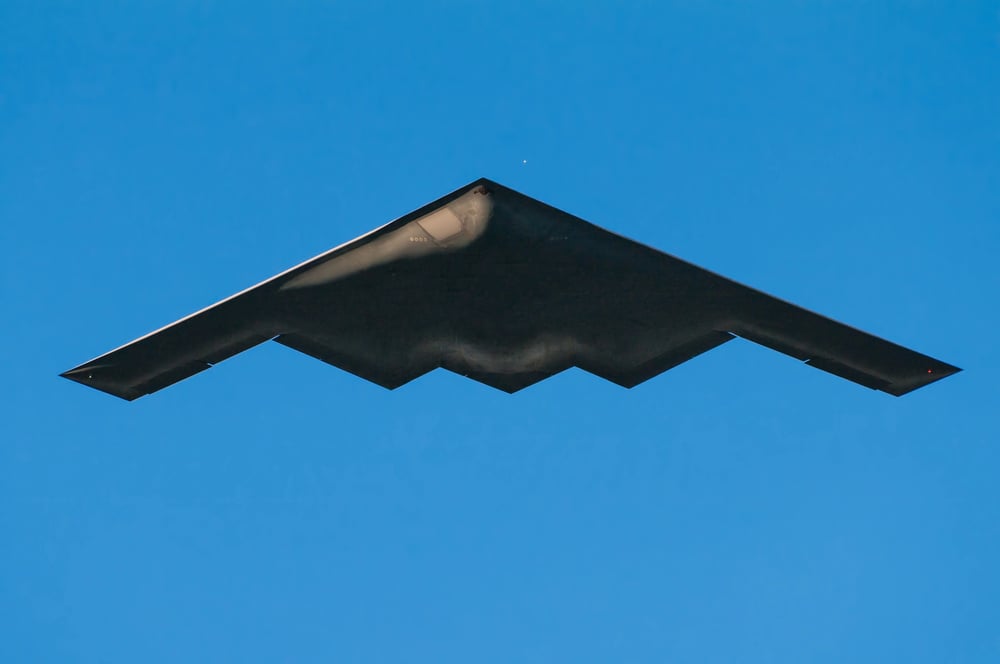
The U.S. Air Force operates exactly 21 B-2 bombers, making it one of the rarest aircraft fleets in the world. The original plan was to produce 132 of the bombers.
However, during the 1990s, with the Cold War at an end, production was cut dramatically to save money. Each aircraft is essentially irreplaceable because the production line shut down decades ago.
The flying wing design makes it nearly invisible to radar
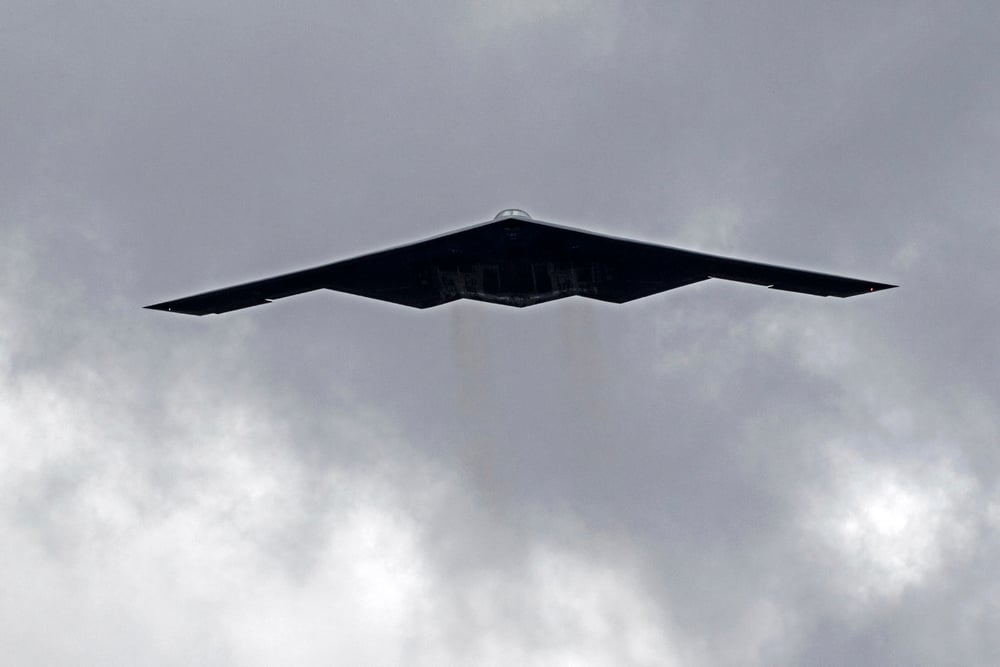
The B-2’s triangular flying wing shape isn’t just for looks, it’s specifically designed to scatter radar waves in directions away from the source. Unlike traditional aircraft with vertical tails and distinct fuselage sections that create strong radar returns, the B-2’s smooth curves and flat surfaces make it appear no larger than a bird on most radar screens.
Its low-observability is derived from a combination of reduced infrared, acoustic, electromagnetic, visual and radar signatures. The entire aircraft acts like a stealth technology showcase, proving that the right shape can make even a massive bomber disappear from enemy detection systems.
Four massive engines provide incredible power
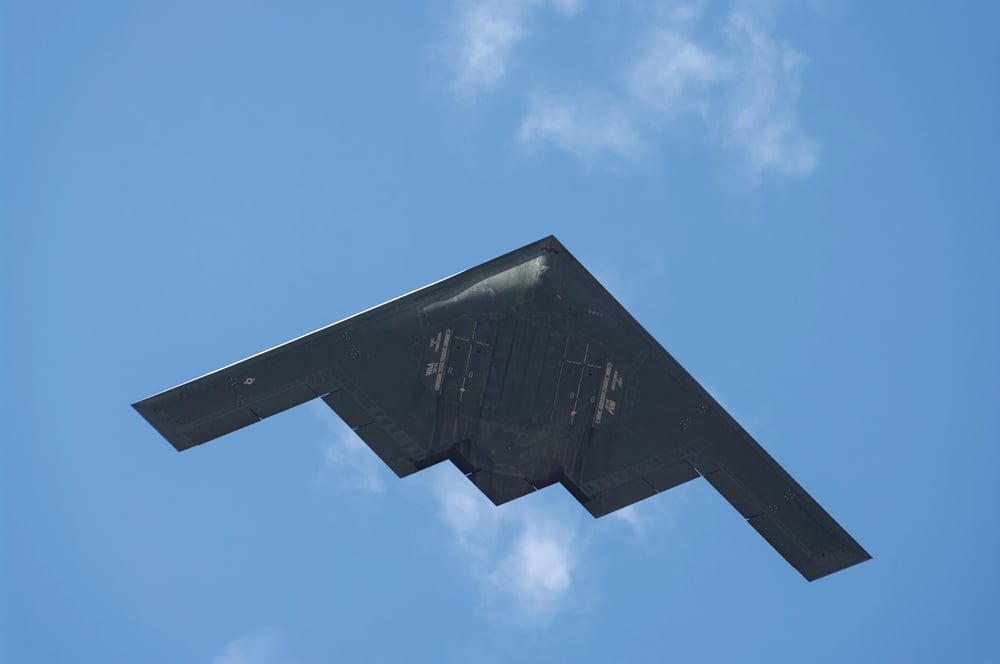
Four General Electric F118-GE-100 turbofans, each 17,300 lbs. thrust push this 69,200 pound bomber through the sky with authority. These engines are specially designed to minimize heat signatures that enemy infrared detection systems might pick up.
The four-engine setup provides redundancy in case one fails during a mission, plus enough power to carry enormous payloads across intercontinental distances. Each engine produces enough thrust to power a large airliner, yet they’re designed to operate quietly and with minimal detectability.
It can fly 6,000 miles without refueling
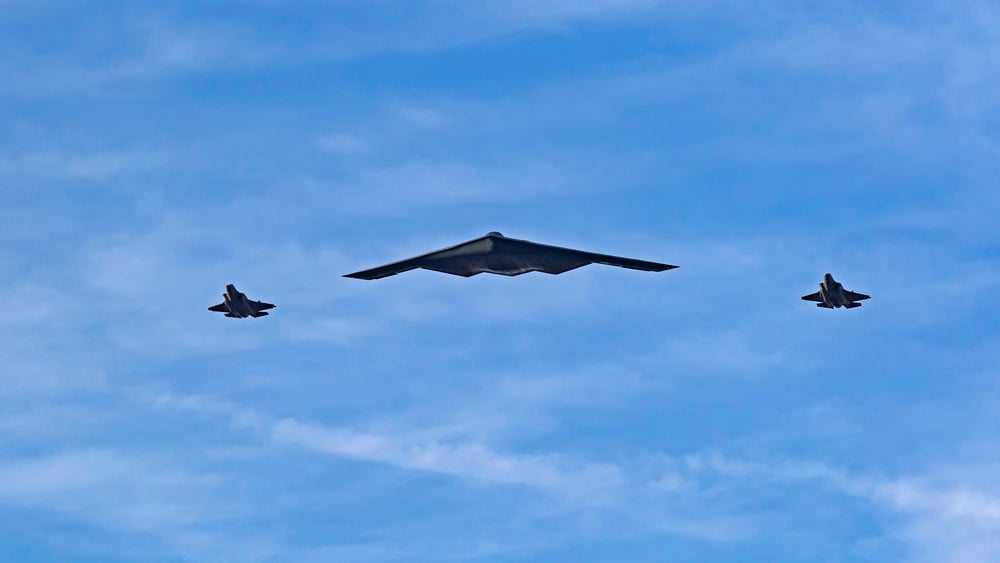
Its unrefueled range is approximately 6,000 nautical miles (9,600 kilometers), which means it can fly from Missouri to anywhere in Europe or Asia without stopping for fuel. This incredible range comes from massive internal fuel tanks that hold 167,000 pounds of jet fuel.
In-air refueling dramatically increases the B-2’s operational range, allowing it to strike targets anywhere on the planet. The long range capability means the B-2 can launch from secure bases in the United States and still reach any target worldwide.
Special radar-absorbing materials cover the entire aircraft
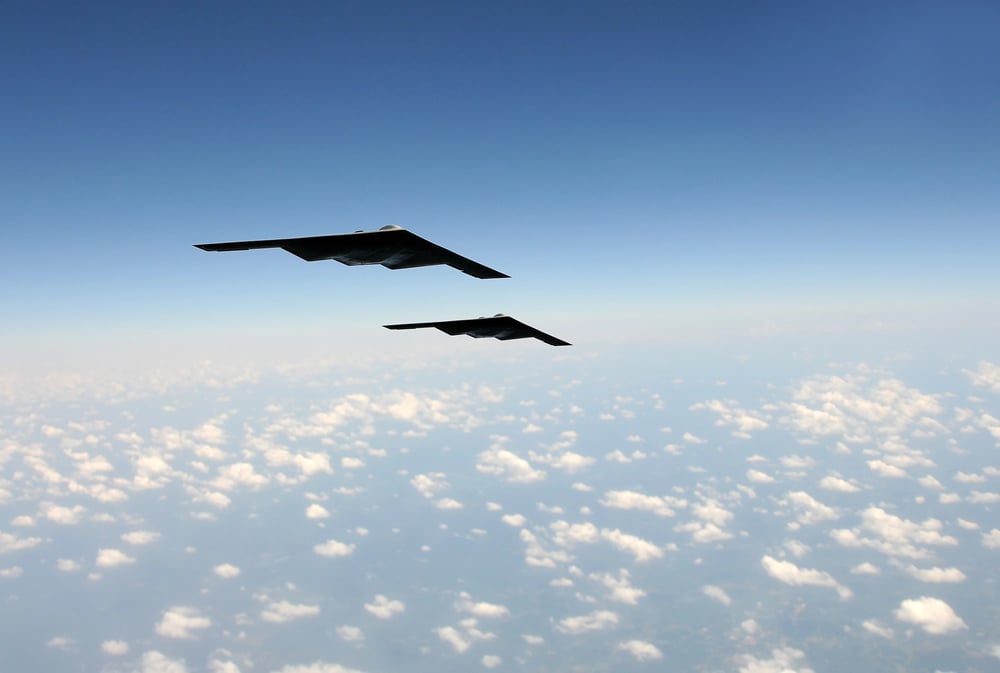
The B-2’s black coating isn’t just paint, it’s a complex mixture of radar-absorbing materials that help make the bomber invisible to enemy detection systems. These special coatings require constant maintenance in climate-controlled hangars to maintain their stealth properties.
The materials absorb radar energy instead of reflecting it back to enemy operators, which is why the B-2 appears so small on radar screens. Maintaining these coatings is one reason why operating the B-2 costs so much money per flight hour.
It can carry 40,000 pounds of bombs internally
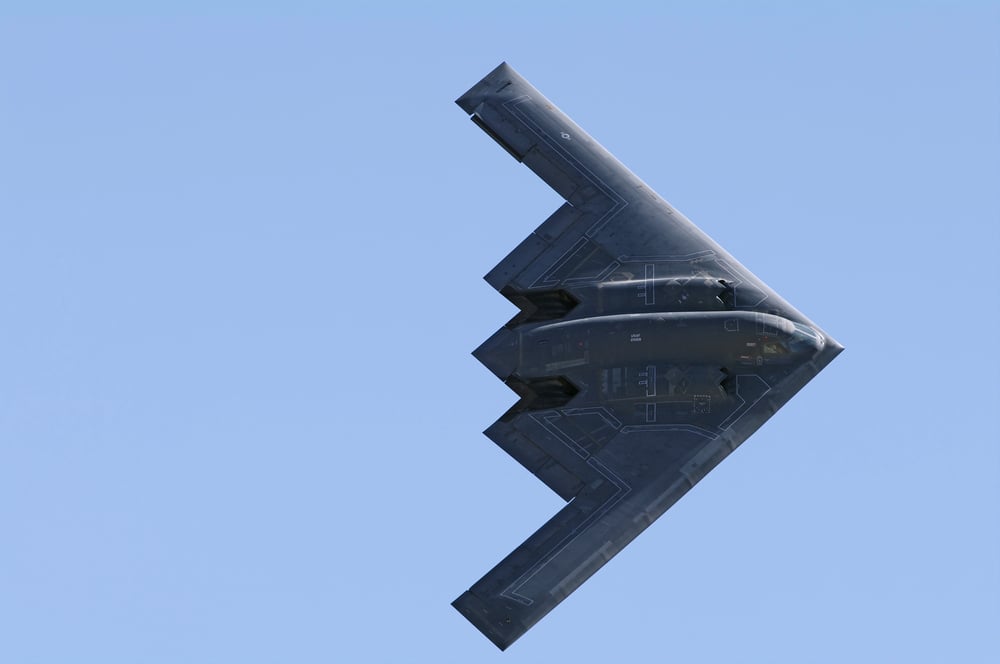
The bomber can drop conventional and thermonuclear weapons, such as up to eighty 500-pound class (230 kg) Mk 82 JDAM GPS-guided bombs, or sixteen 2,400-pound (1,100 kg) B83 nuclear bombs. All weapons are carried inside internal bomb bays to preserve the aircraft’s stealth characteristics.
The massive payload capacity means one B-2 can deliver the same destructive power as an entire squadron of smaller aircraft. Internal carriage keeps the weapons hidden from enemy radar and maintains the aircraft’s aerodynamic efficiency.
The cockpit uses advanced fly-by-wire controls
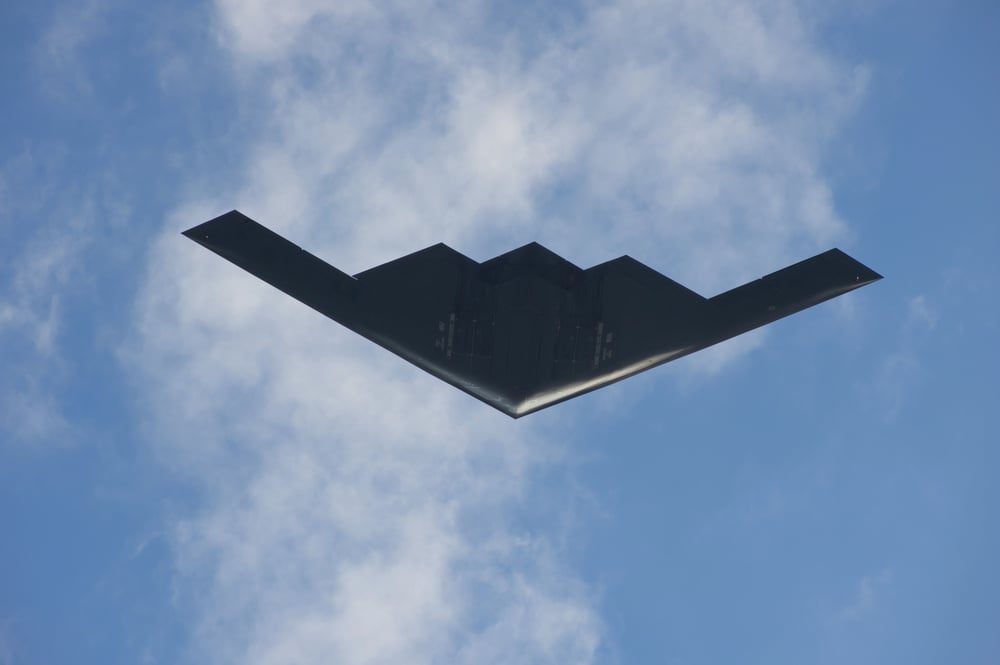
The B-2 doesn’t have traditional flight controls because the flying wing design is naturally unstable and would be impossible for human pilots to fly manually. Advanced computers constantly make tiny adjustments to the flight controls to keep the aircraft stable and flying smoothly.
The two-person crew sits side by side in a cockpit filled with digital displays and computer interfaces that would look at home in a spaceship. These flight control systems respond hundreds of times per second to keep the bomber flying straight and level.
It can penetrate the world’s most advanced air defenses
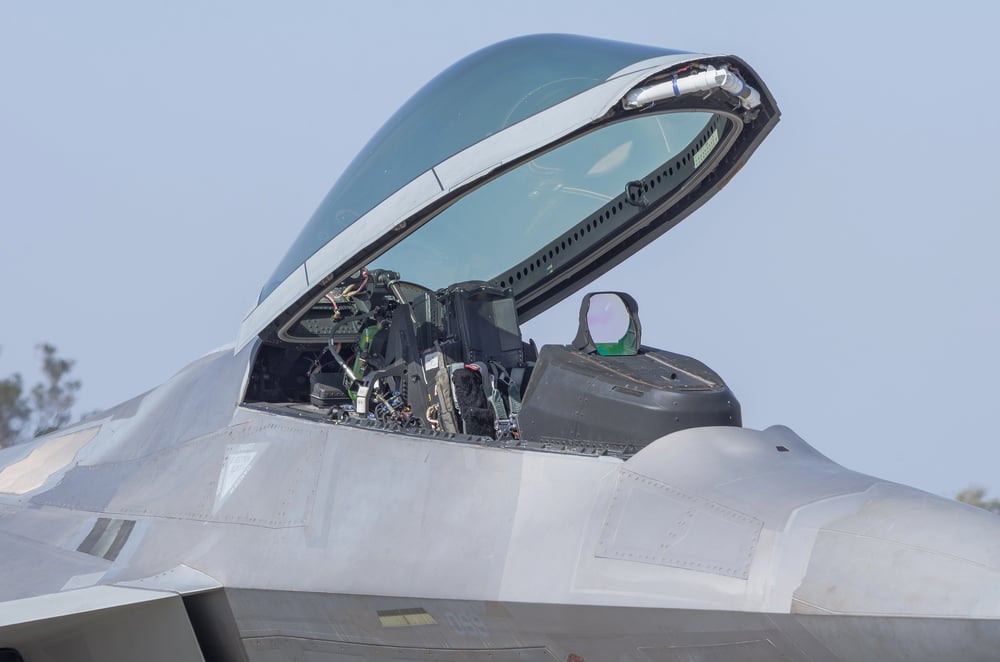
Its low-observable, or “stealth,” characteristics give it the unique ability to penetrate an enemy’s most sophisticated defenses and threaten its most valued, and heavily defended, targets. Traditional bombers would be shot down long before reaching heavily protected targets, but the B-2 can fly right through enemy airspace undetected.
Its low-observability provides it greater freedom of action at high altitudes, thus increasing its range and a better field of view for the aircraft’s sensors. This penetration capability means the B-2 can strike targets that no other aircraft could reach and survive.
The wingspan stretches 172 feet from tip to tip
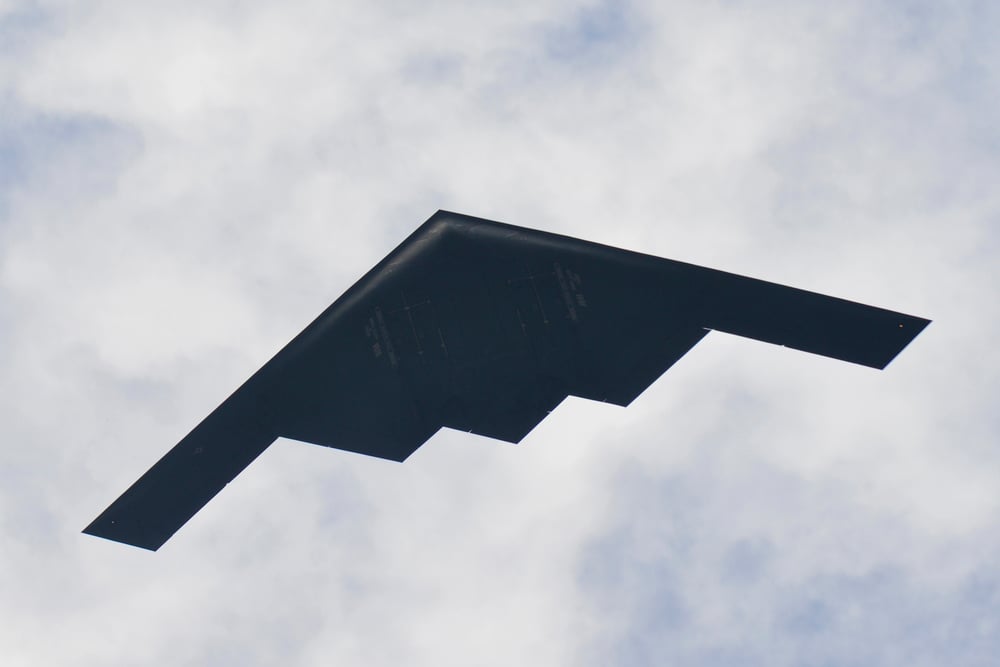
Wingspan: 172 ft (52.1 m) makes the B-2 wider than a football field is long, yet the aircraft is only 69 feet from nose to tail. This enormous wingspan provides the lift needed to carry heavy payloads while maintaining stealth characteristics.
The flat, wide design distributes the aircraft’s weight across a large area, reducing wing loading and improving fuel efficiency. Despite its massive size, the flying wing configuration makes the B-2 surprisingly aerodynamically efficient.
Special hangars protect it from weather and prying eyes
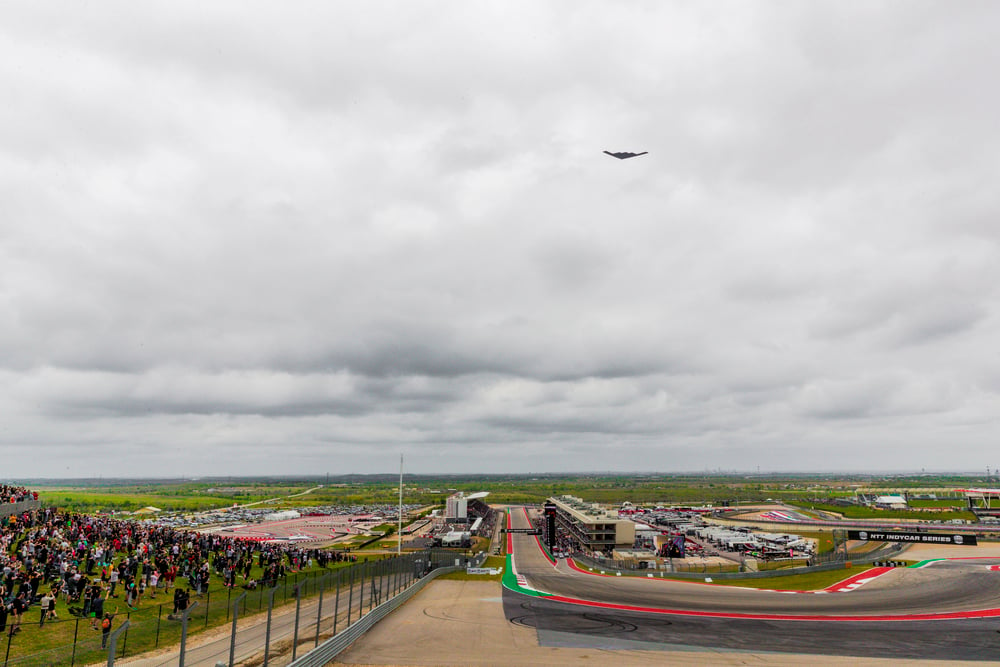
Each B-2 requires a specially built hangar that maintains precise temperature and humidity levels to protect the stealth coatings. These climate-controlled facilities cost millions of dollars each and represent some of the most sophisticated aircraft storage buildings ever constructed.
The hangars also provide security from foreign intelligence services that would love to study the bomber’s stealth technology. Regular aircraft can sit outside in all weather conditions, but the B-2’s advanced materials need constant protection from the elements.
It can fly at 50,000 feet above most air defenses
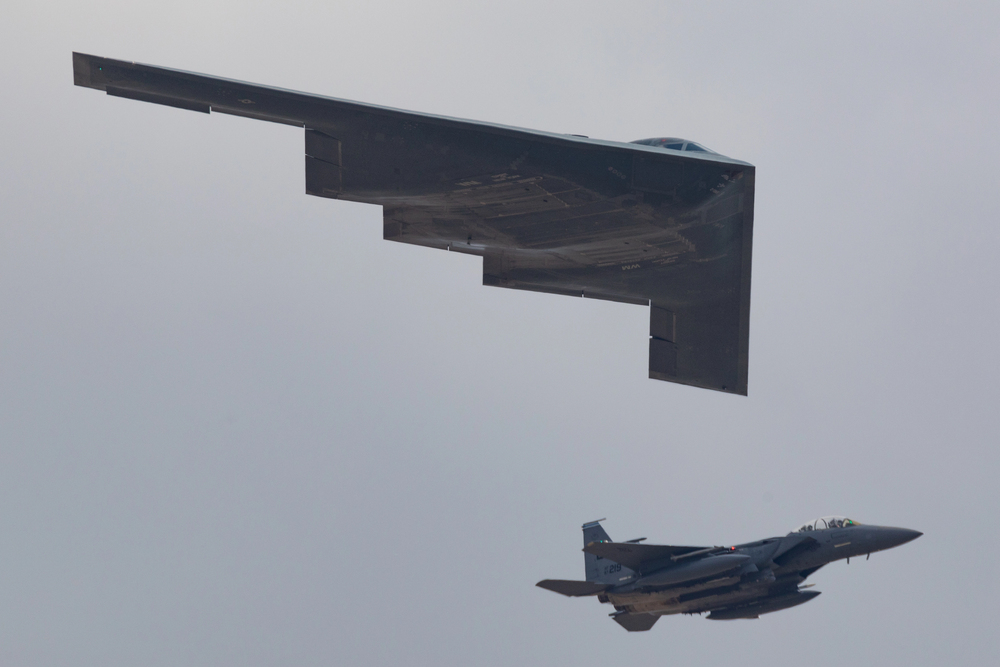
Service Ceiling: 50,000 ft (15,240 m) puts the B-2 well above the reach of most surface-to-air missiles and fighter aircraft. At this altitude, the bomber can survey vast areas with its sensors while remaining safely out of range of ground-based threats.
The high altitude capability, combined with stealth technology, makes the B-2 nearly invulnerable to most enemy defensive systems. Flying at 50,000 feet also improves fuel efficiency and extends the aircraft’s already impressive range.
Advanced sensors can see through clouds and darkness

The B-2 carries sophisticated radar and infrared sensors that can identify and target enemy positions in any weather conditions, day or night. These sensors can penetrate cloud cover and provide detailed images of targets on the ground from high altitude.
The sensor systems are integrated with GPS-guided weapons, allowing the bomber to strike targets with incredible accuracy even when visibility is zero. Traditional bombers often couldn’t operate effectively in bad weather, but the B-2’s advanced sensors eliminate this limitation.
Computer systems coordinate every aspect of flight operations
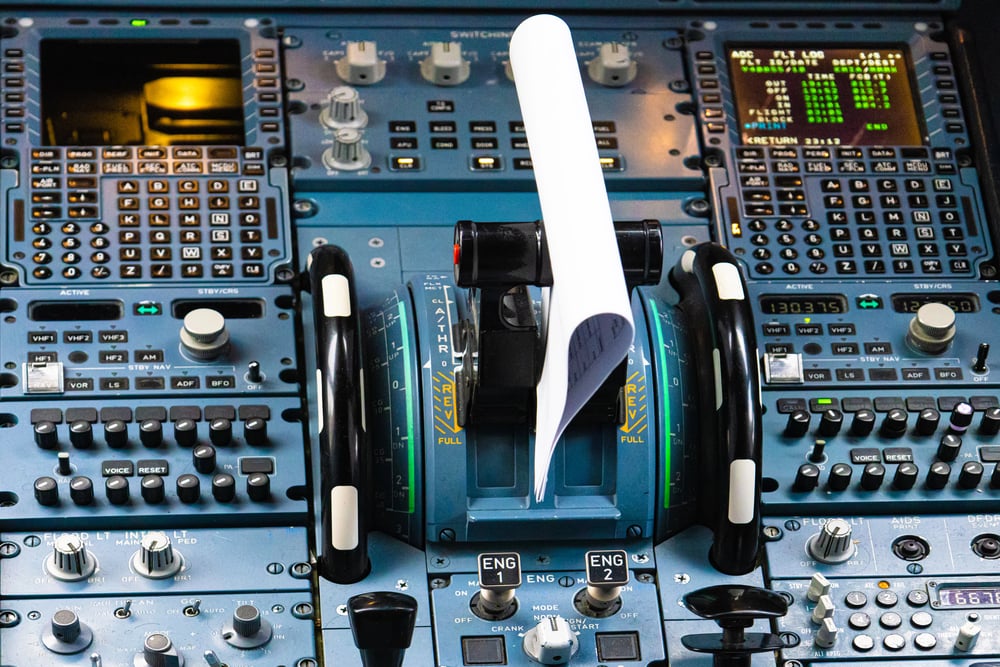
The B-2 contains more advanced computer technology than most office buildings, with systems that control everything from flight stability to weapons delivery. These computers constantly monitor the aircraft’s stealth characteristics and alert the crew if anything might compromise their invisibility to enemy radar.
Navigation systems can plan routes that avoid known threats while maximizing fuel efficiency and mission effectiveness. The computer systems also manage communications with ground controllers and other aircraft while maintaining electronic silence when needed.
It can strike multiple targets in a single mission
Unlike fighters that typically attack one target per sortie, the B-2 can carry enough weapons to hit dozens of separate targets during a single flight. The bomber’s advanced navigation systems can plan complex routes that allow it to strike multiple objectives while avoiding enemy defenses.
GPS-guided weapons allow the B-2 to attack several targets simultaneously by dropping bombs that guide themselves to different locations. This multi-target capability makes each B-2 mission incredibly cost-effective despite the high operating expenses.
Maintenance requires specialized facilities and trained technicians
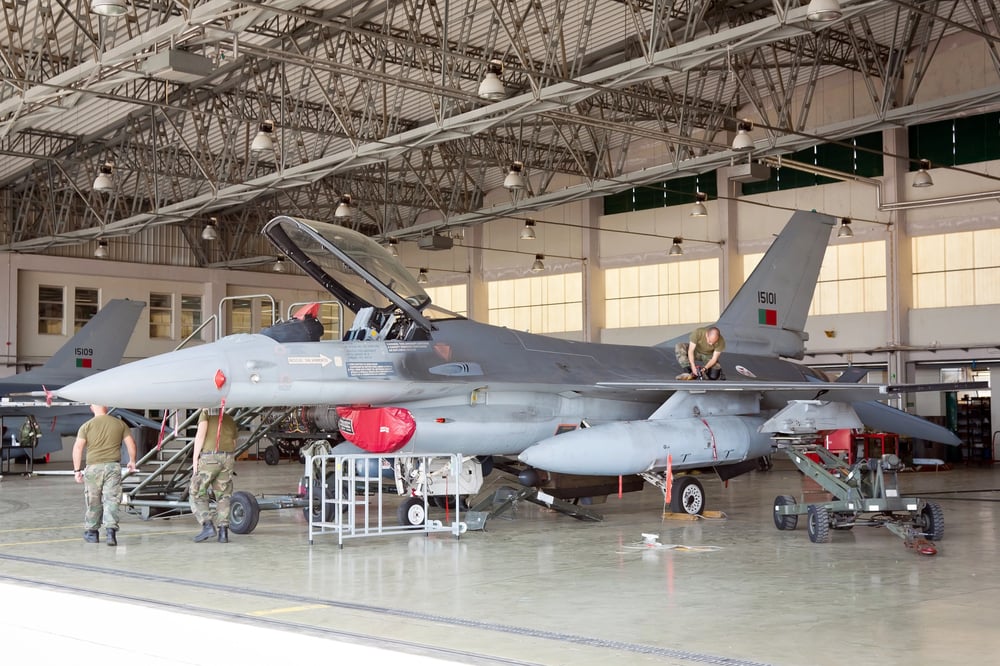
Every B-2 maintenance operation takes place in specially designed facilities with controlled environments and security clearances for all personnel. The stealth coatings require careful handling with specialized tools and techniques that take years to master.
Replacement parts for the B-2 are manufactured in small quantities and cost far more than components for conventional aircraft. The maintenance crew for each bomber includes some of the most highly trained technicians in the Air Force.
From cold war weapon to modern deterrent
The B-2 began development during the height of the Cold War as a weapon designed to penetrate Soviet air defenses and strike strategic targets deep inside enemy territory. Today, decades after the Soviet Union collapsed, the bomber has evolved into a flexible tool for modern conflicts and a powerful deterrent against potential adversaries.
Its capability to penetrate air defenses and threaten effective retaliation provide an effective deterrent and combat force well into the 21st century. The aircraft that once symbolized nuclear standoff now serves as a precision conventional weapon platform, proving that advanced military technology can adapt to changing strategic requirements.
More from Go2Tutors!

- The Romanov Crown Jewels and Their Tragic Fate
- 13 Historical Mysteries That Science Still Can’t Solve
- Famous Hoaxes That Fooled the World for Years
- 15 Child Stars with Tragic Adult Lives
- 16 Famous Jewelry Pieces in History
Like Go2Tutors’s content? Follow us on MSN.