26 Famous Shipwrecks and Where They Rest Today
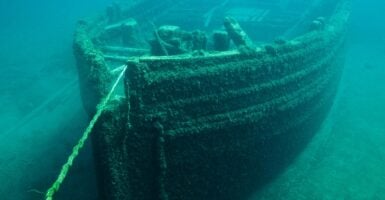
A ship that sinks does not simply vanish. It settles into mud, sand, ice or coral, and then a second story begins, one of rust, discovery, salvage fights, museum halls and protection laws.
Some famous wrecks sit miles down in total darkness. Others were hauled up timber by timber and now draw crowds every day. A few were cut into scrap, and their resting place is a ledger entry at a shipyard.
Titanic in the North Atlantic Darkness
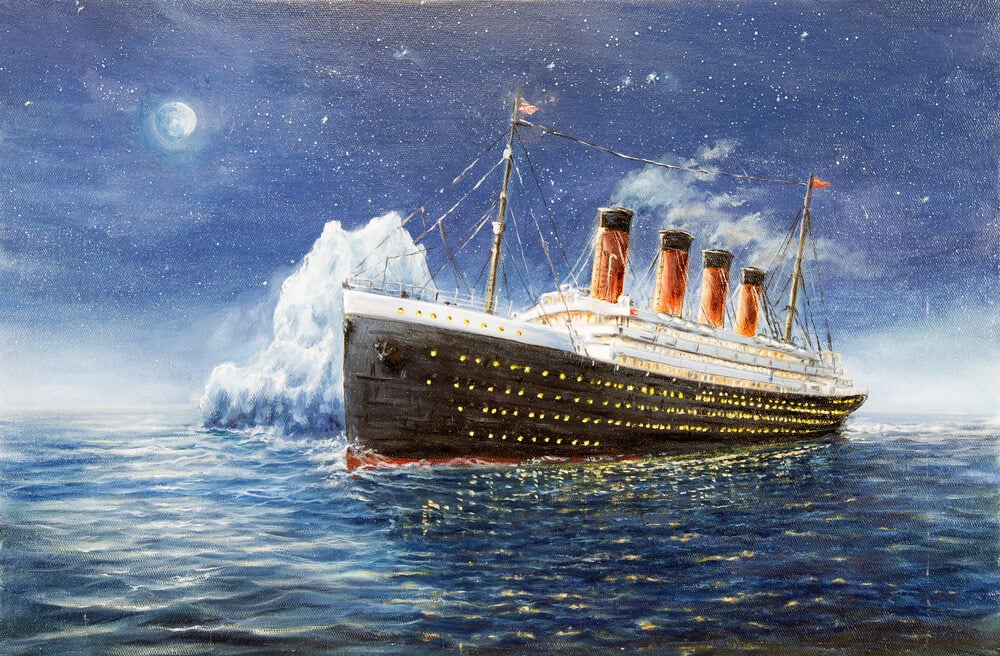
On the night of April 14, 1912, the White Star liner struck an iceberg and sank early the next morning with roughly 1,500 lives lost. The wreck lies about 12,500 feet down, some 370 miles south-southeast of Newfoundland, split into a bow section and a stern section roughly a third of a mile apart.
A joint American and French expedition located it in 1985. Since then, a treaty between the United States and the United Kingdom that took effect in 2019 has regulated entry into the hull.
Microbes are steadily consuming the steel, and one bacterium found there was named Halomonas titanicae after the ship.
Lusitania Off the Old Head of Kinsale
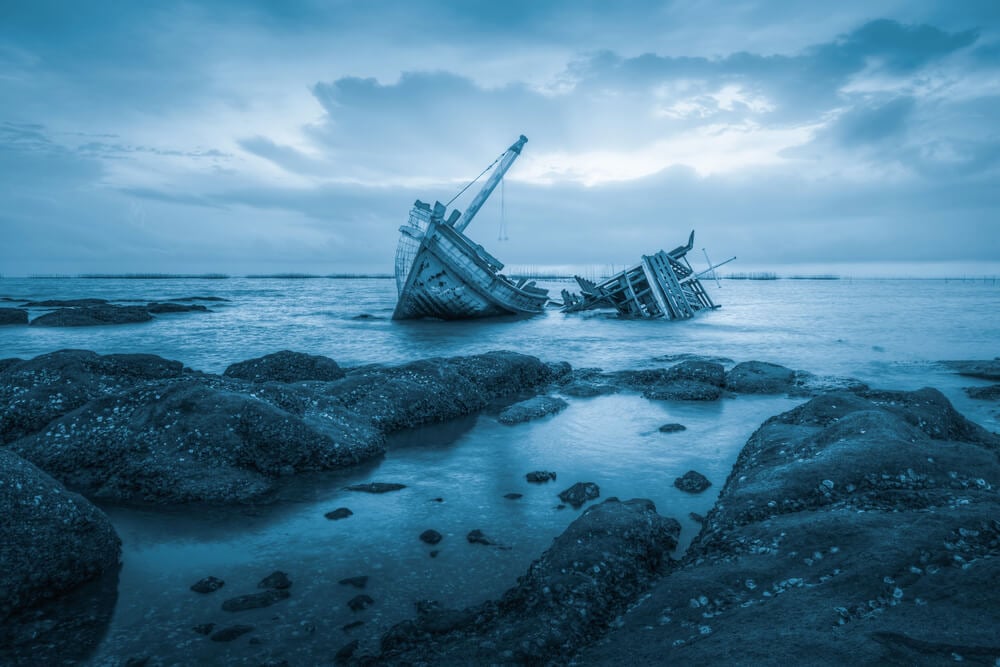
A German U-boat torpedoed the Cunard liner on May 7, 1915, and she went down in about 18 minutes with 1,198 people lost. The wreck rests about 11 miles off the Old Head of Kinsale in County Cork, Ireland, at a depth of roughly 300 feet.
Ireland placed it under an Underwater Heritage Order in 1995, so divers and salvors need a state license to touch anything. Strong currents and decades of fishing nets have taken a toll.
Irish reporting in recent years has warned that the hull is collapsing, and officials have allowed limited recovery of objects such as a telegraph before more is lost.
Edmund Fitzgerald Beneath Lake Superior
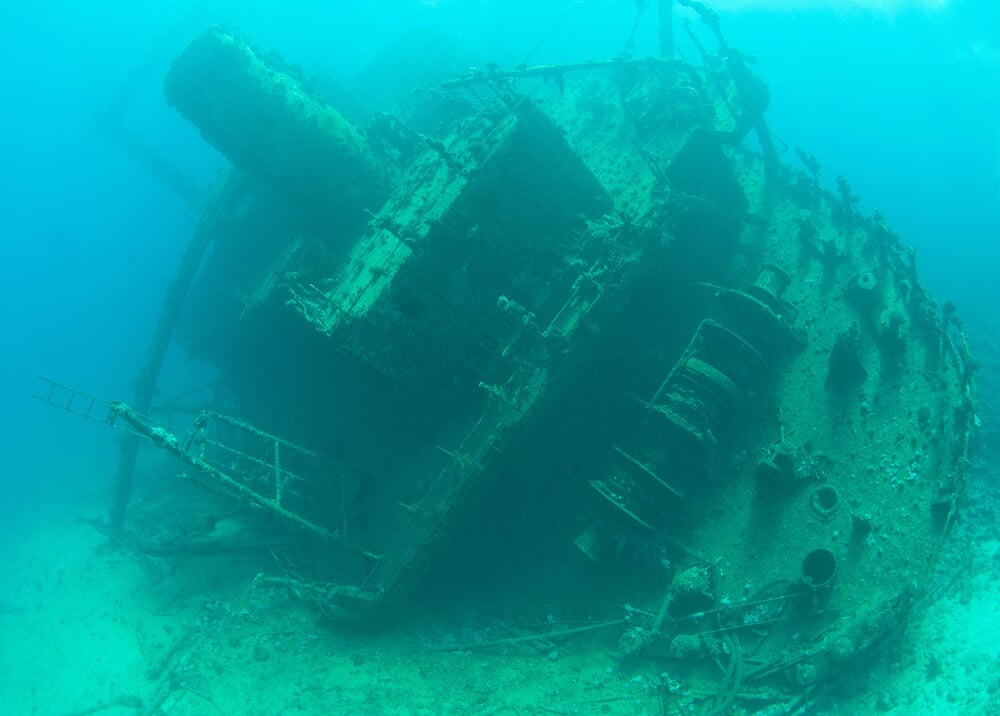
Loaded with taconite pellets, the ore carrier vanished in a violent November storm on November 10, 1975, taking all 29 crew members with her. She lies in two large pieces about 530 feet down in Canadian waters, roughly 17 miles from Whitefish Point, Michigan.
Gordon Lightfoot’s 1976 song about the sinking kept the story in popular memory long after the news coverage faded. In 1995 the ship’s bell was recovered at the request of families and replaced with a replica engraved with the crew’s names.
The original now hangs at the Great Lakes Shipwreck Museum at Whitefish Point, and Ontario law restricts diving at the site.
Andrea Doria Off Nantucket
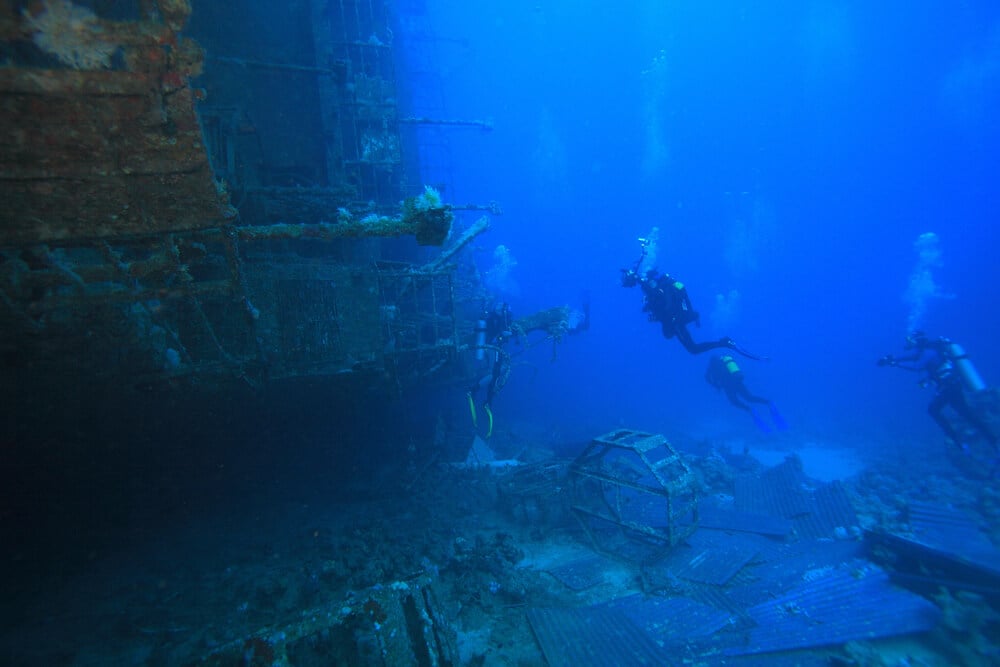
On the foggy night of July 25, 1956, the Italian liner collided with the Swedish ship Stockholm south of Nantucket, and 46 people died aboard the Andrea Doria. She stayed afloat for about 11 hours, which allowed more than 1,600 others to be rescued in one of the largest peacetime sea rescues on record.
The wreck lies on its side in about 240 feet of water, roughly 50 miles south of Nantucket Island. Divers have long called it the Mount Everest of wreck diving because of cold, currents, poor visibility and fishing nets.
A 2016 survey found the upper decks badly deteriorated and the hull steadily collapsing.
Britannic in the Kea Channel
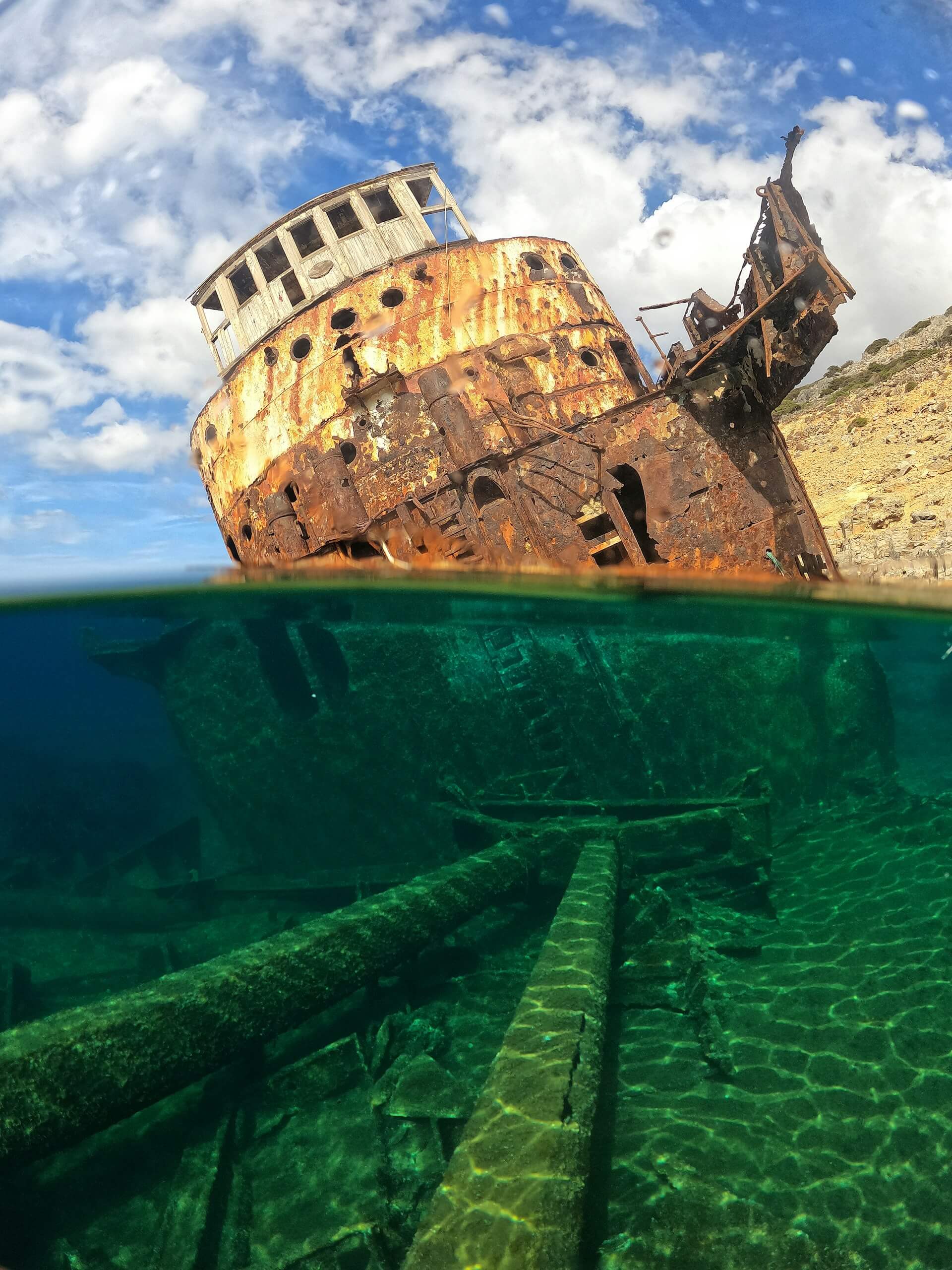
Titanic’s younger sister never carried a paying passenger. Serving as a hospital ship in World War One, she struck a mine in Greece’s Kea Channel on November 21, 1916, and sank in about 55 minutes with 30 people lost.
The wreck rests on its starboard side at roughly 400 feet, close enough to the island of Kea that Jacques Cousteau’s team found it in 1975. Greek law treats the site as protected, and dives require state permission. In 2025, Greek authorities approved the recovery of a set of artifacts, including the ship’s bell, for display in a planned museum.
Bismarck Far West of Brest
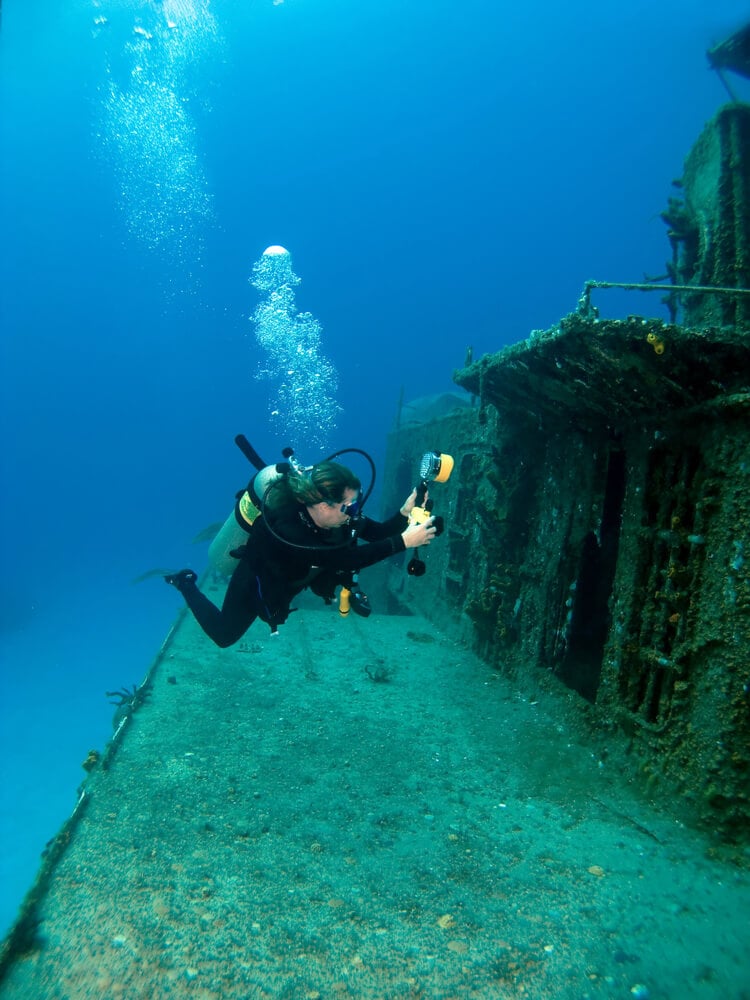
British warships and aircraft hunted down the German battleship and sank her on May 27, 1941, with more than 2,000 crew lost and only about 114 survivors. The wreck lies about 15,700 feet deep in the Atlantic, several hundred miles west of Brest, France.
The oceanographer who led the 1985 Titanic expedition found it in 1989, sitting upright on the slope of an extinct undersea volcano after sliding a long way down from where it first struck bottom. Its four main gun turrets fell free during the sinking.
Germany regards the site as a war grave, and its location has been treated with discretion.
Vasa Raised From Stockholm Harbor
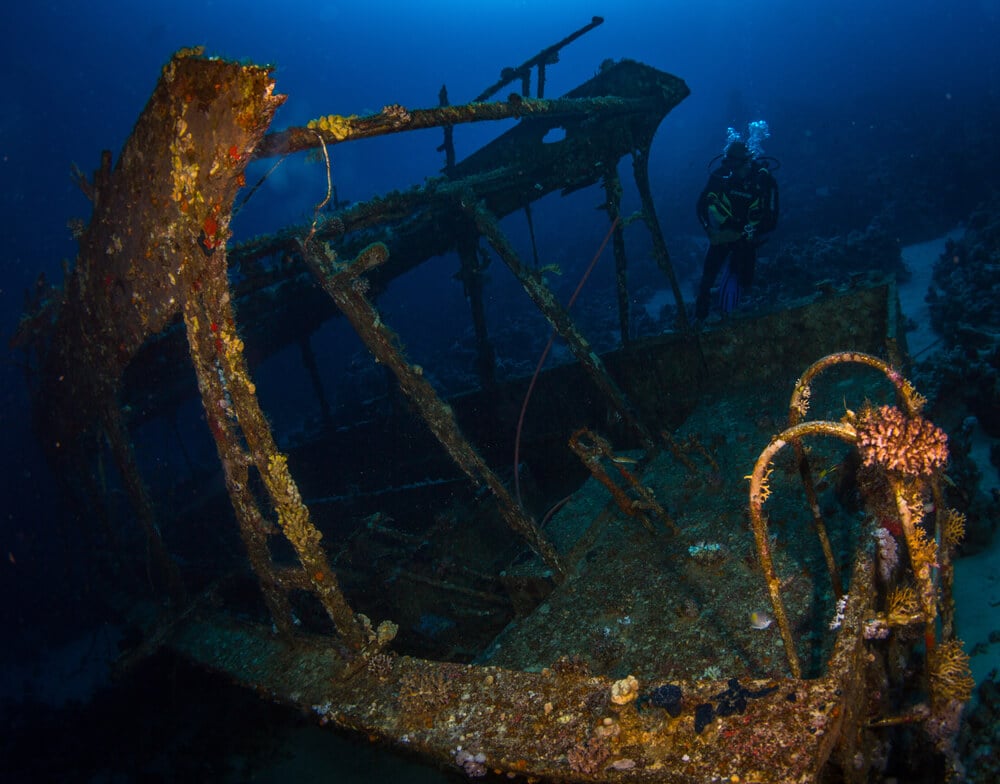
Sweden’s grandest warship sailed for roughly 1,300 meters on her maiden voyage on August 10, 1628, then heeled over in a gust and sank in Stockholm harbor. Top-heavy design with too little weight low in the hull doomed her within sight of the crowds who had come to watch. Anders Franzen located the wreck in 1956, and the ship was raised on April 24, 1961.
The cold, brackish water of the Baltic had kept shipworms away, so the hull survived in remarkable shape. Today the Vasa sits indoors at the Vasa Museum on Djurgarden in Stockholm, which opened in 1990.
Mary Rose at Portsmouth Dockyard
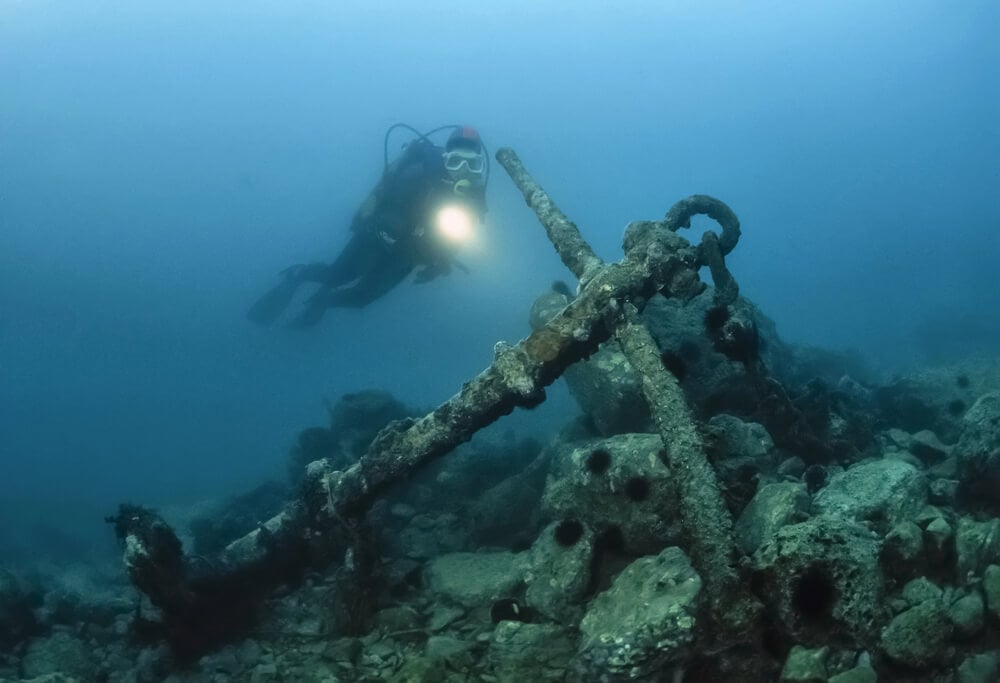
Henry VIII’s favorite warship heeled over and sank in the Solent on July 19, 1545, during a battle with a French fleet, while the king reportedly watched from shore. Only a few dozen of the several hundred men aboard survived.
The starboard side of the hull, buried in silt, survived for more than four centuries. Divers raised it on October 11, 1982, in an operation broadcast live to a huge television audience.
The hull now sits in the Mary Rose Museum at Portsmouth Historic Dockyard, which opened in 2013 and displays thousands of recovered objects, from longbows to the bones of the ship’s dog.
Endurance Under the Weddell Sea
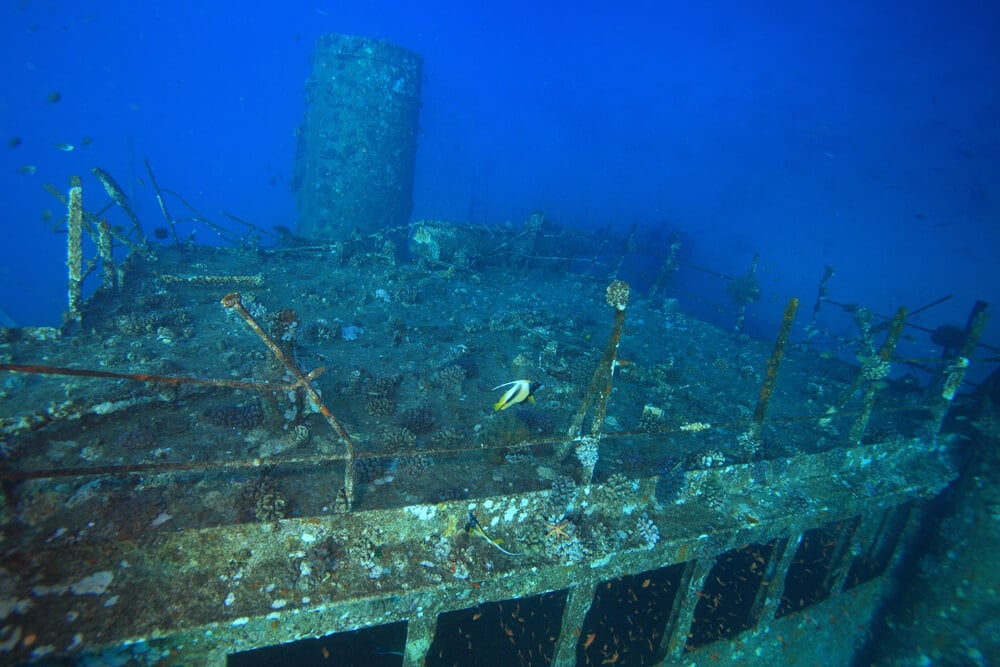
Ernest Shackleton’s expedition ship was trapped and crushed by pack ice and sank on November 21, 1915, after which the crew made a famous escape with no lives lost. The Endurance22 expedition found the wreck on March 5, 2022, at a depth of 3,008 meters in the Weddell Sea off Antarctica.
It lay about four miles from the position recorded by the ship’s captain, Frank Worsley. Footage showed the hull largely intact, with the name ENDURANCE still readable across the stern.
The wreck is a designated Historic Site and Monument under the Antarctic Treaty, so it may be filmed and surveyed but not disturbed.
USS Arizona at Pearl Harbor
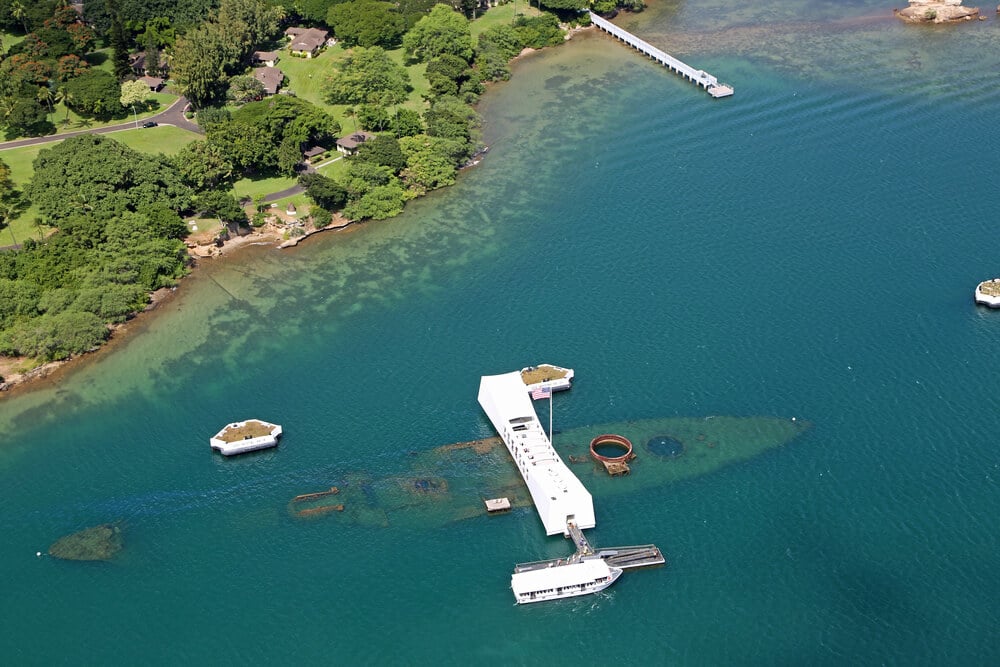
Japanese bombs set off an explosion that sank the battleship during the Japanese attack on Pearl Harbor on December 7, 1941, and 1,177 crew members died, the largest loss of any ship that day. She rests in about 40 feet of water off Ford Island, where most of the crew remain entombed.
The white memorial that spans the hull was dedicated in 1962 and is managed today by the National Park Service as part of Pearl Harbor National Memorial. Small amounts of fuel oil still rise to the surface from the wreck, and visitors often call the drops black tears.
Some survivors chose to have their ashes placed inside the hull.
Empress of Ireland in the St. Lawrence
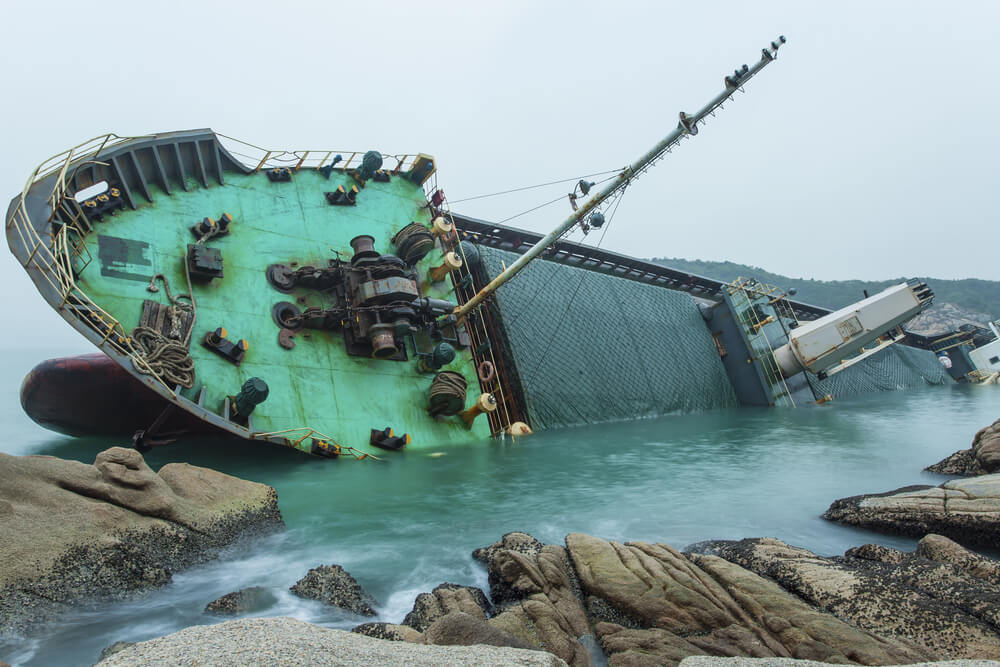
In thick fog on May 29, 1914, the Norwegian collier Storstad struck the Canadian Pacific liner in the St. Lawrence River near Rimouski, Quebec. The Empress sank in about 14 minutes, and 1,012 people died, making it the deadliest maritime disaster in Canadian history.
The wreck lies on its side at roughly 130 feet, a few miles off Pointe-au-Pere. Canada designated it a National Historic Site, and Quebec protects it as cultural heritage, which bars the removal of artifacts.
A museum at the Pointe-au-Pere maritime historic site tells the story and displays objects that were taken before protection arrived.
Whydah Gally Off Cape Cod
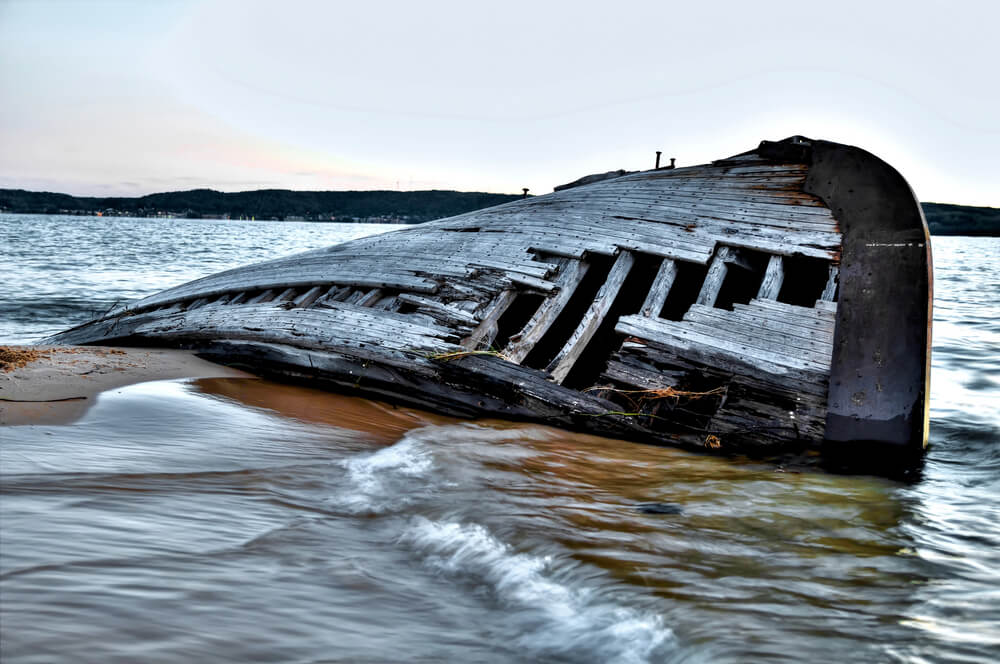
Samuel Bellamy’s pirate flagship, a former slave ship, wrecked in a storm off Wellfleet, Massachusetts, on April 26, 1717, and only two of the roughly 145 men aboard reached shore. Explorer Barry Clifford located the site in 1984 under shallow water and shifting sand close to the beach.
In 1985 his team raised a bronze bell inscribed with the ship’s name and the year 1716, the find that confirmed its identity. It is widely described as the first authenticated pirate shipwreck.
Recovered coins, cannons and concretions are displayed and studied at the Whydah Pirate Museum in West Yarmouth.
Queen Anne’s Revenge Near Beaufort Inlet
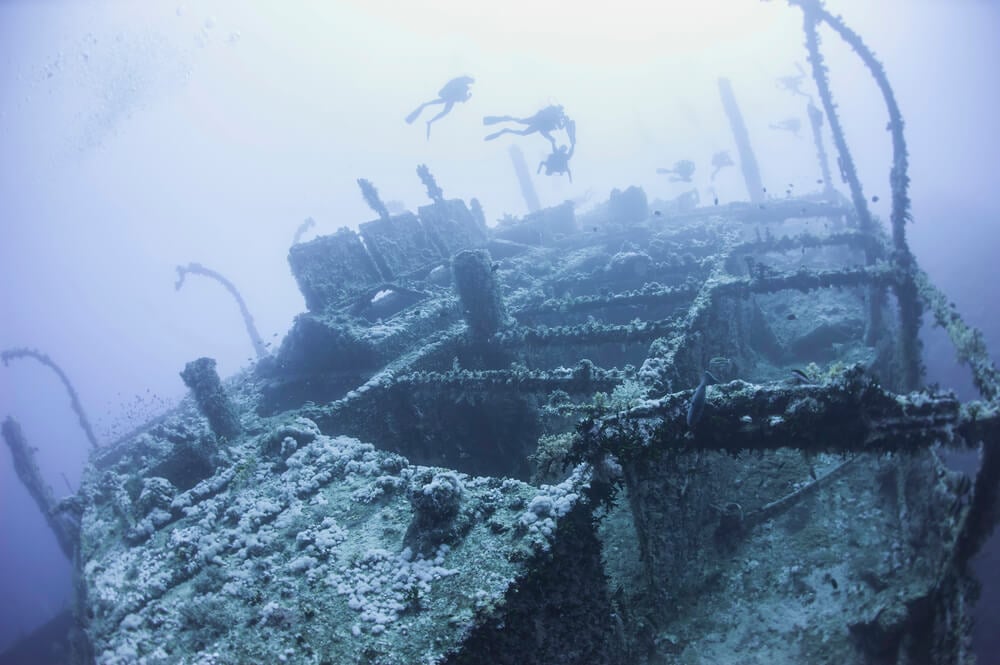
Blackbeard ran his flagship aground near Beaufort Inlet, North Carolina, in June 1718, then abandoned it along with much of his crew. A private research firm located the wreck in 1996 in about 20 feet of water, and the state confirmed its identity in 2011.
Since then archaeologists have raised more than 30 cannons along with anchors, gold dust and medical tools. Conservation takes place at a dedicated lab run with East Carolina University in Greenville.
Many recovered pieces are displayed at the North Carolina Maritime Museum in Beaufort, a short drive from the wreck site.
SS Central America and Its Gold
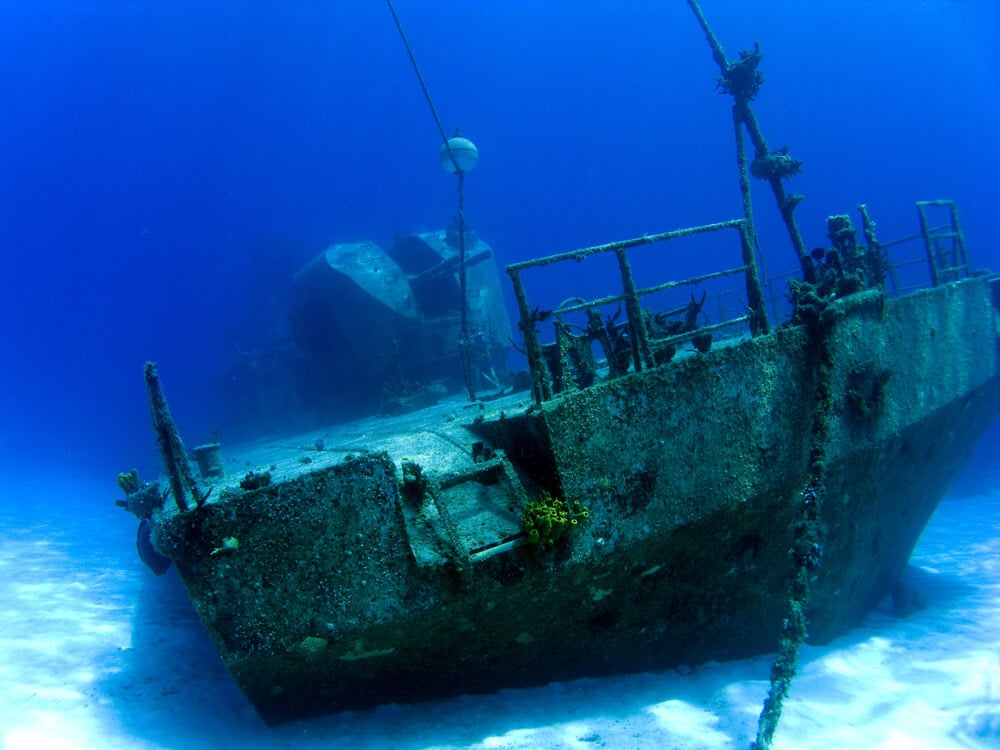
Sailing from Havana toward New York, the steamship was sunk by a hurricane off the Carolinas on September 12, 1857, and 425 people died. She was carrying tons of California gold, and the loss of that shipment deepened the financial Panic of 1857.
Ohio engineer Tommy Thompson’s team located the wreck in 1988 about 7,200 feet down, roughly 160 miles offshore, and recovered gold bars and coins with a remotely operated vehicle. Years of lawsuits followed, and Thompson later spent several years in jail for contempt over missing coins.
The wreck still rests on the seabed, and a later 2014 expedition brought up more of its cargo.
Wilhelm Gustloff in the Baltic
A Soviet submarine torpedoed the overloaded German ship on January 30, 1945, as it carried refugees and military personnel west across the Baltic. Estimates of the dead run to more than 9,000, which makes it widely cited as the deadliest single ship sinking in history.
The wreck lies at about 150 feet off the Polish coast near Leba. Polish authorities treat it as a war grave, and diving there requires a permit from the maritime office.
Poland has protested unauthorized dives in recent years, and the site is marked on charts as an obstruction for fishing vessels.
Costa Concordia and Its Final Port
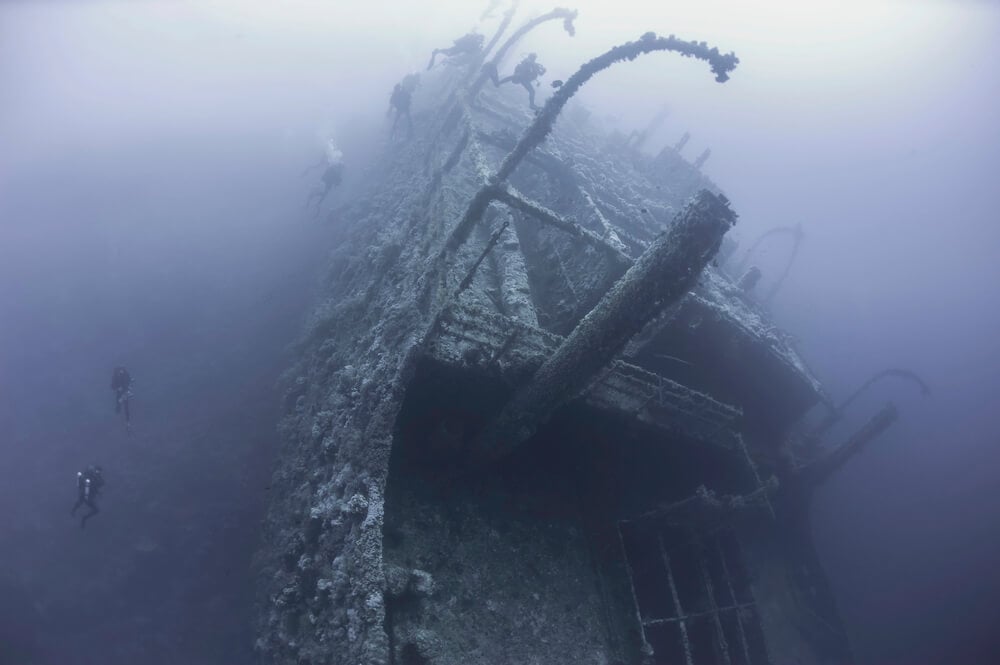
Carrying more than 4,000 people, the cruise ship struck rocks off the Italian island of Giglio on January 13, 2012, and capsized near the harbor, and 32 people died. Rather than leave it on the reef, Italy approved one of the costliest salvage jobs ever attempted.
Engineers rotated the hull upright in September 2013, refloated it with giant sponsons in July 2014 and towed it to Genoa. Dismantling there was finished in 2017, and most of its steel was recycled.
The Concordia therefore rests nowhere at all, though workers spent years restoring the seabed at Giglio where it had settled.
Batavia in Fremantle
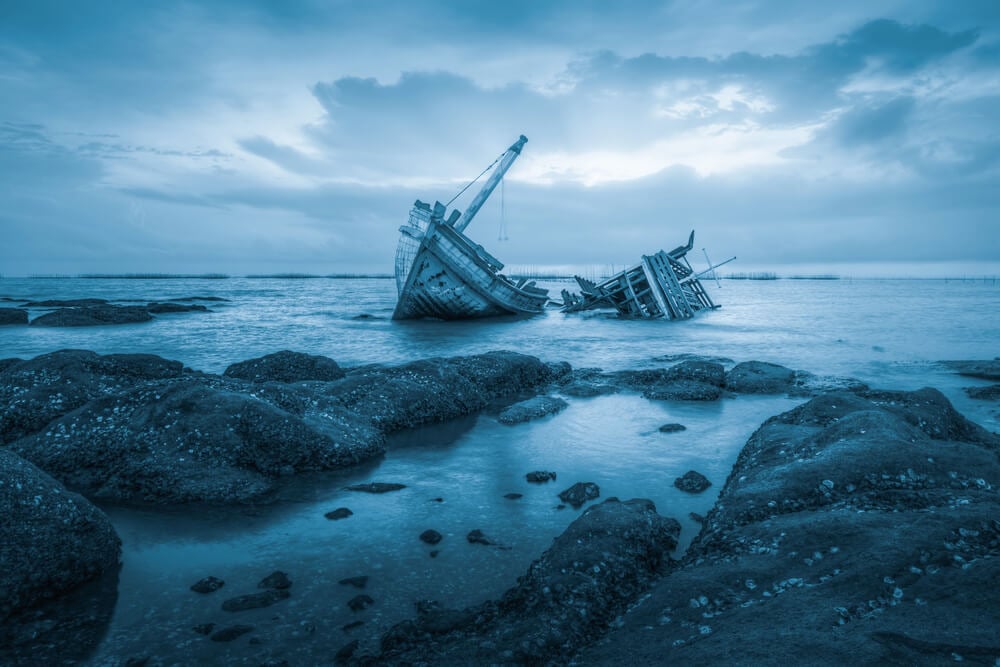
On its maiden voyage, the Dutch East India Company ship struck Morning Reef in the Houtman Abrolhos islands off Western Australia on June 4, 1629. What followed was grimmer than the wreck itself, as a group of mutineers killed more than 100 survivors on the nearby islands.
The wreck was located in 1963, and parts of the timber hull were raised in the 1970s. Today a section of that hull is displayed at the Western Australian Shipwrecks Museum in Fremantle. Alongside it stands a stone gateway the ship carried as cargo, its cut blocks reassembled to show the arch it was meant to become in Java.
La Belle in Austin
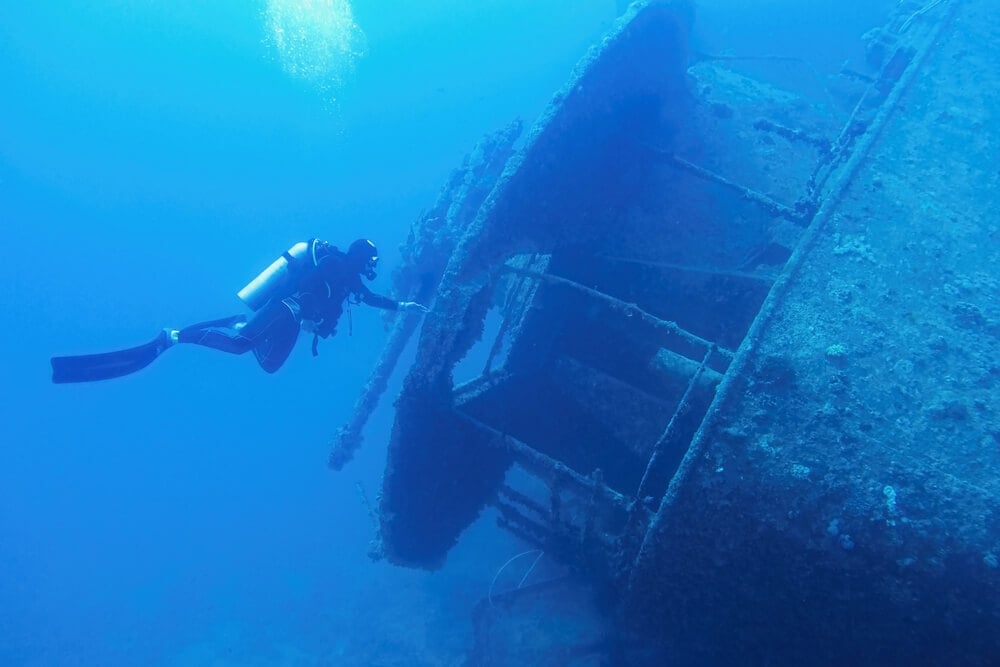
French explorer La Salle lost his ship in a storm in Texas’s Matagorda Bay in early 1686, ending his plan to found a colony near the Mississippi. The Texas Historical Commission found the wreck in 1995 and built a cofferdam around it so archaeologists could dig on a dry seabed.
The excavation recovered hundreds of thousands of artifacts, including bronze cannons, beads and a crew member’s remains. A Texas university conservation lab treated the hull timbers for years.
The reassembled hull now stands in the Bullock Texas State History Museum in Austin, where it went on display in 2014.
USS Monitor Off Cape Hatteras
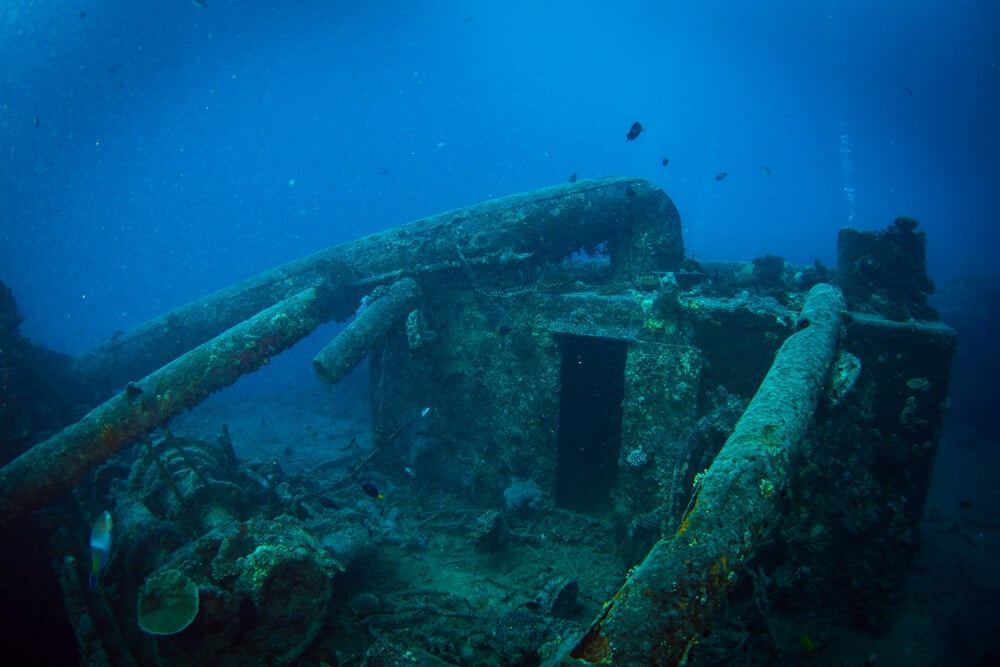
The Civil War ironclad that fought the CSS Virginia in 1862 sank while under tow in a storm off Cape Hatteras on December 31 of that year, and 16 crew members died. The wreck was found in 1973 at about 240 feet, roughly 16 miles off the North Carolina coast.
In 1975 it became the first national marine sanctuary in the United States, managed by NOAA. Its revolving gun turret was raised in 2002 and is under conservation at The Mariners’ Museum in Newport News, Virginia. Remains of two sailors found inside the turret were buried at Arlington National Cemetery in 2013.
SS Yongala off Queensland
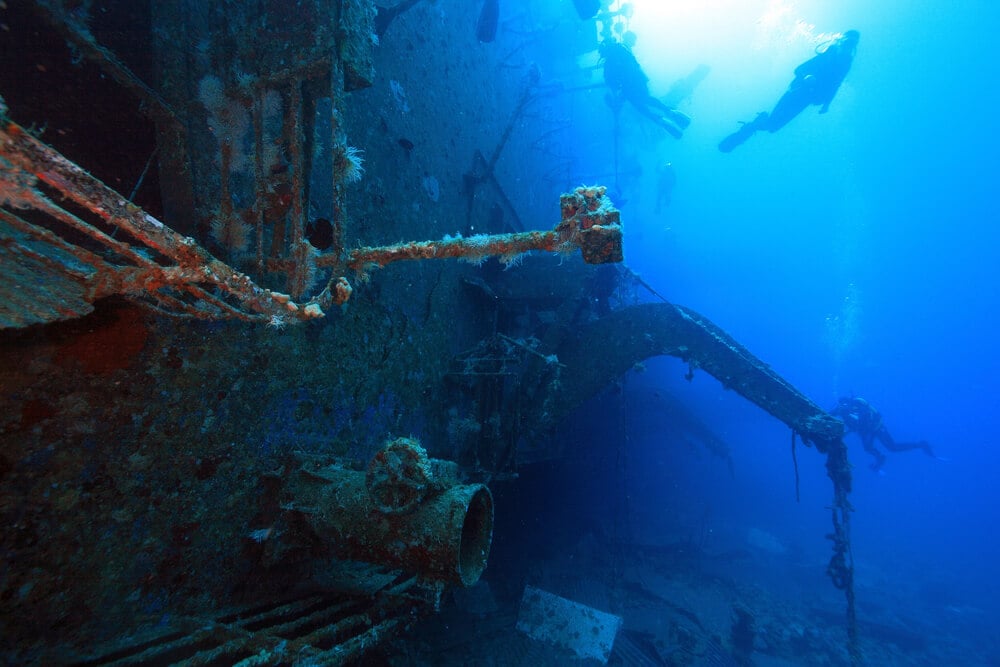
Bound north from Mackay for Townsville, the passenger steamer disappeared in a cyclone in March 1911 off the Queensland coast, and all 122 people aboard were lost. The wreck was not identified until 1958, when it was located off Cape Bowling Green, south of Townsville.
It rests in about 100 feet of water inside the Great Barrier Reef Marine Park, with coral, turtles, sea snakes and giant groupers covering every surface. Australian heritage law protects the wreck, and divers need a permit and may not enter the hull.
The Museum of Tropical Queensland in Townsville holds objects connected to the ship.
SS Thistlegorm in the Red Sea
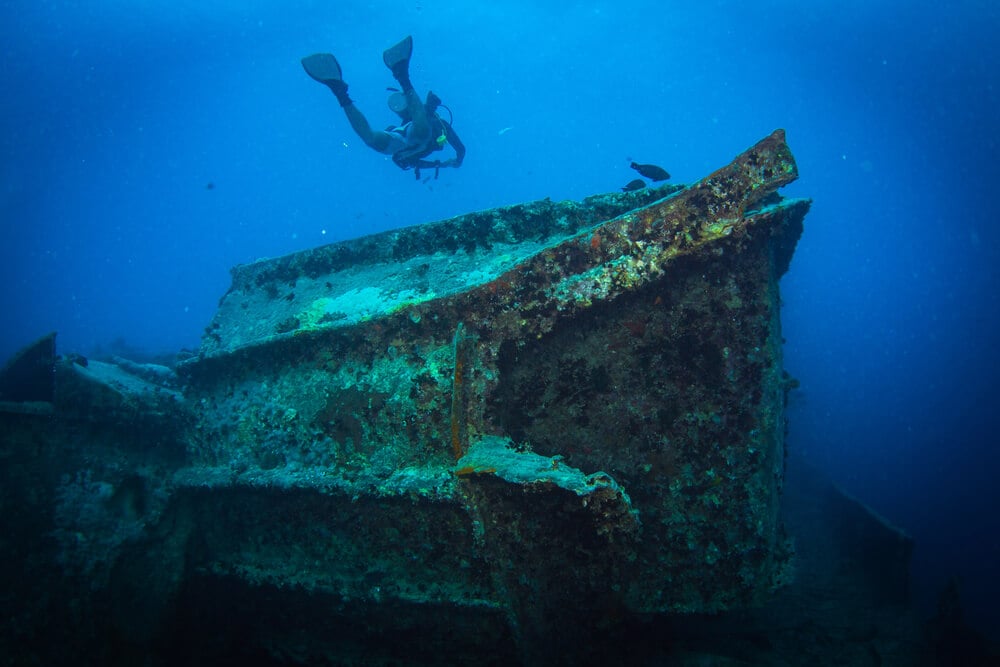
German bombers struck the British merchant ship on October 6, 1941, while she lay at anchor in the Strait of Gubal waiting to reach the Suez Canal, and nine men died. Her holds were packed with wartime supplies, including motorcycles, trucks, rifles and two railway locomotives.
Jacques Cousteau’s team explored the wreck in the 1950s, and recreational divers rediscovered it in the early 1990s. The ship lies upright at about 100 feet near Ras Muhammad, Egypt.
It ranks among the most visited wreck dives anywhere, and heavy boat traffic has raised concern about wear on the hull.
Antikythera Wreck Off a Greek Island
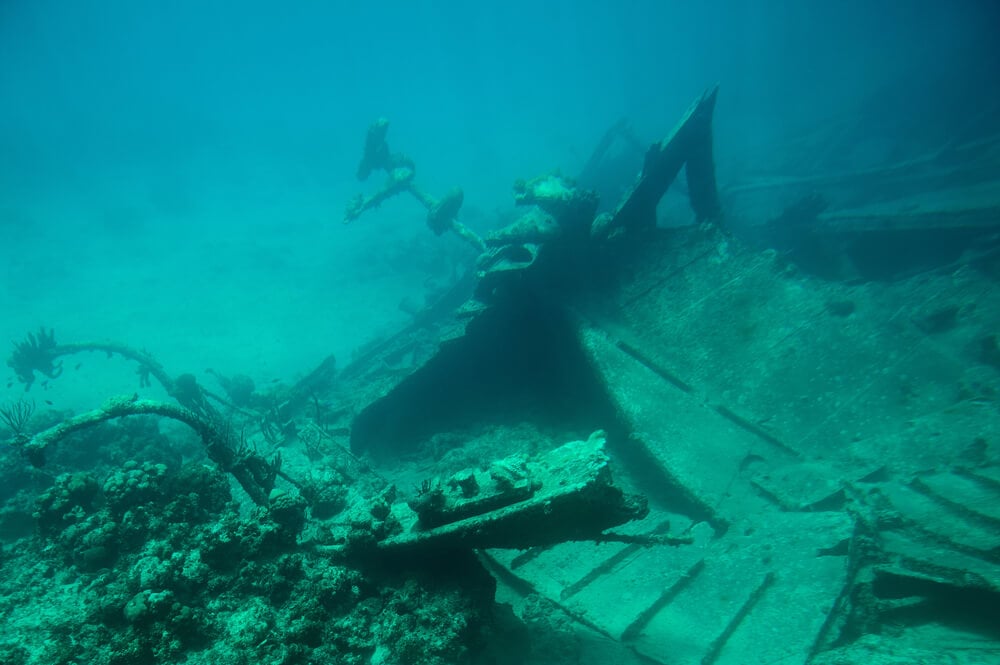
A Roman-era cargo ship sank off the small Greek island of Antikythera in the first century BC. Sponge divers found it in 1900 at a depth of roughly 150 to 180 feet, and their salvage produced bronze and marble statues.
Among the corroded lumps was the Antikythera mechanism, a geared device that modeled the movements of the sun, moon and planets. Its fragments now sit in the National Archaeological Museum in Athens.
Excavations by divers have continued at the site in recent years, recovering items such as a bronze arm and parts of marble figures.
HMS Erebus and HMS Terror in the Arctic
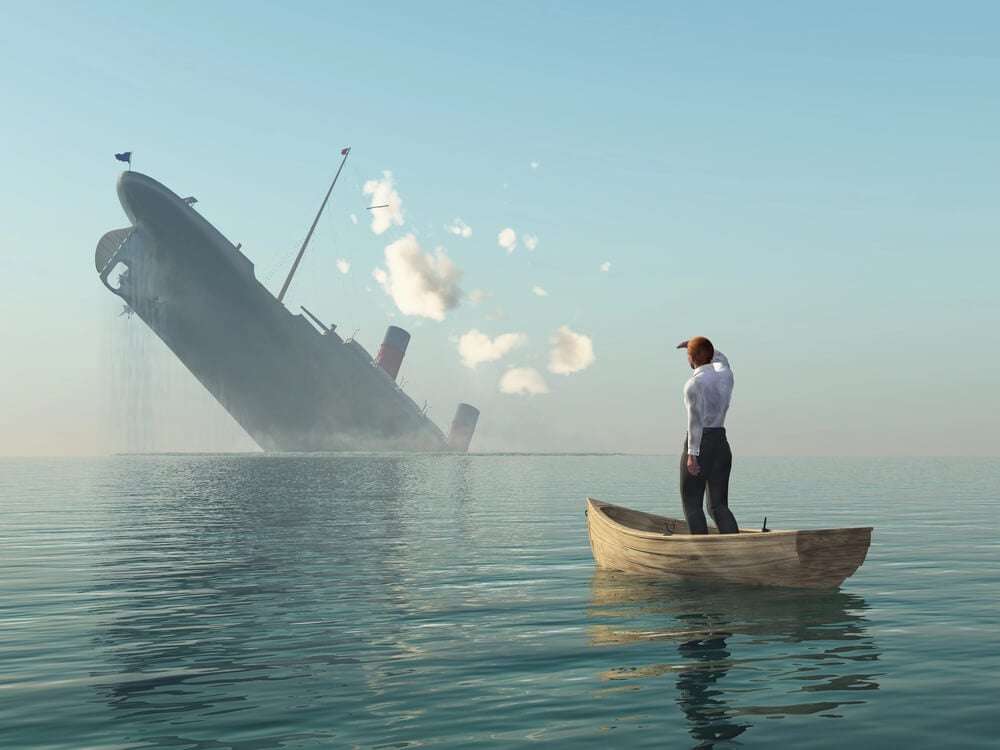
Sir John Franklin’s two ships were abandoned in the ice in 1848 during a failed search for the Northwest Passage, and all 129 men died. Parks Canada found Erebus in 2014 in Wilmot and Crampton Bay at about 36 feet, and Terror in 2016 in Terror Bay at roughly 80 feet.
Inuit oral history, including accounts gathered by historian Louie Kamookak, helped point searchers in the right direction. The two wrecks form a National Historic Site in Nunavut that Parks Canada manages jointly with Inuit.
Shallow water and ice scour put Erebus at risk, so archaeologists are recovering artifacts each summer.
Kronan Off the Coast of Oland
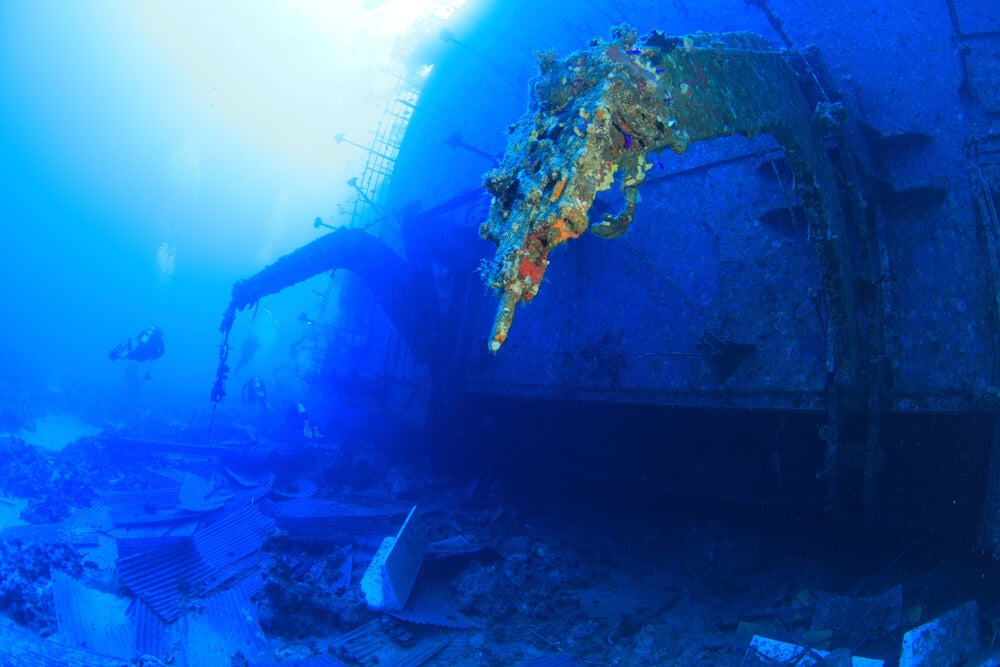
The Swedish royal flagship capsized and exploded during a battle with a Danish and Dutch fleet on June 1, 1676, and about 800 of the roughly 850 men aboard died. Anders Franzen, who had found Vasa, located the wreck in 1980 off the east coast of Oland.
It lies at about 85 feet, and divers have excavated it nearly every summer since. Finds include a large hoard of gold coins, musical instruments and navigation instruments.
The Kalmar County Museum in Kalmar displays thousands of these objects, while most of the scattered hull remains on the seabed.
Mars in the Deep Baltic
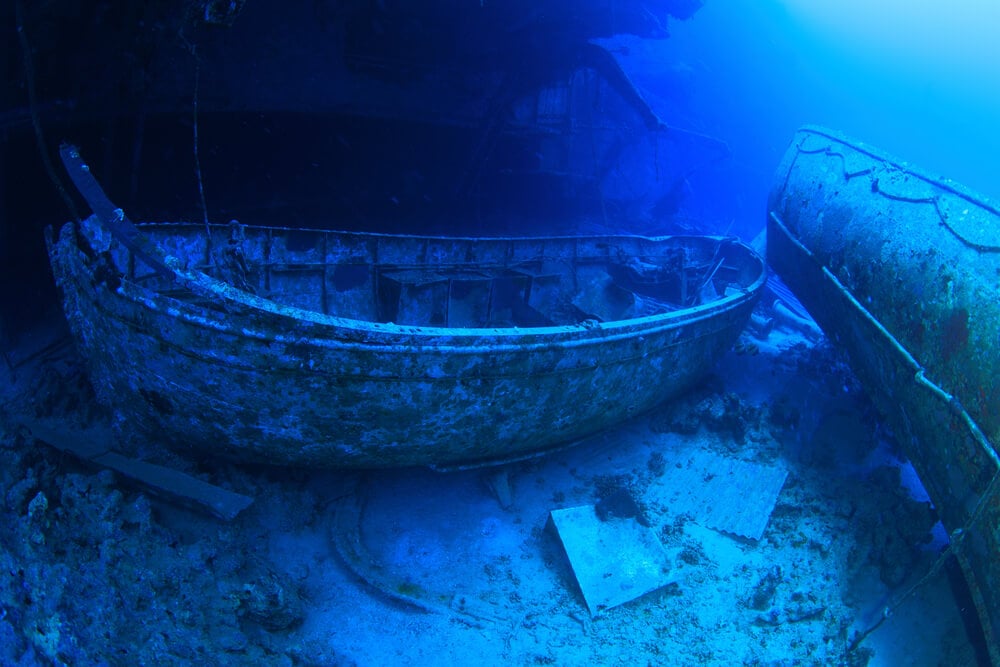
Sweden’s warship Mars caught fire and exploded during a battle with a Danish and Lubeck fleet in 1564, and hundreds of sailors died. Divers found the wreck north of Oland in 2011 at a depth of roughly 250 feet.
Low salinity and cold water in that part of the Baltic keep shipworms away, so its timbers, cannons and rigging have survived in good condition for more than 450 years. Researchers have used photogrammetry to build a detailed digital model of the site.
The wreck remains on the seabed, and Swedish authorities restrict diving there to protect it.
USS Indianapolis in the Philippine Sea
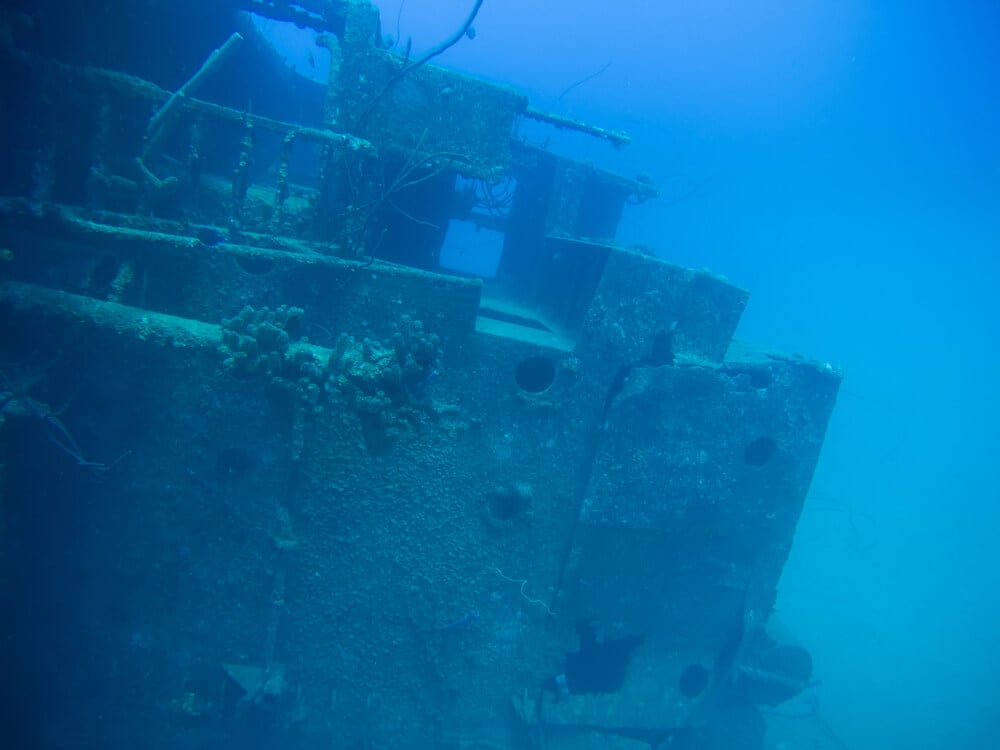
Weeks after delivering components for the atomic bomb to Tinian, the heavy cruiser was torpedoed by a Japanese submarine on July 30, 1945. About 1,195 men were aboard, and only 316 survived after days in shark-infested water.
The wreck stayed lost until August 2017, when a team on Paul Allen’s research vessel Petrel found it about 18,000 feet down in the Philippine Sea. New archival research on the ship’s last known position helped narrow the search area.
The Navy treats the site as a war grave, and its exact location has been kept confidential.
Seabeds Keep Their Own Records
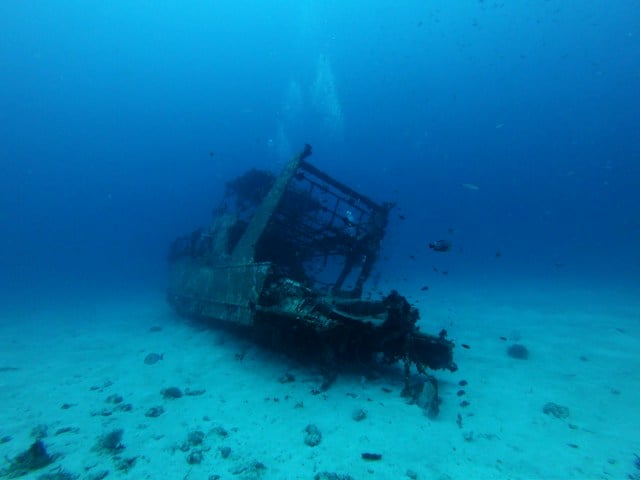
Every wreck on this list ended up in one of three places: the deep, a museum or a scrapyard. Which one depended less on the ship’s fame than on depth, water temperature and money.
Cold Baltic water preserved warships for centuries, while warm seas turned steamers into reefs within decades.
Protection laws arrived late for most of these sites, often after salvors had already taken what they could reach. Now the work is mostly about watching ships disappear slowly and deciding what to save.
A wreck is a grave, an archive and a place, and each country treats that mix a little differently.
More from Go2Tutors!

- The Romanov Crown Jewels and Their Tragic Fate
- 13 Historical Mysteries That Science Still Can’t Solve
- Famous Hoaxes That Fooled the World for Years
- 15 Child Stars with Tragic Adult Lives
- 16 Famous Jewelry Pieces in History
Like Go2Tutors’s content? Follow us on MSN.