17 Vintage Y2K Gadgets That Are Making A Comeback
A strange hum filled the air back when computers weighed more. Each machine clunked into life with a sort of stubborn pride.
Not everything connected wirelessly – some things barely tried. A phone served calls only, nothing else crowding its mind.
Gadgets stood apart, built to last instead of blend in. Simplicity arrived disguised as limitation.
Doing less somehow meant more.
Fresh off a long stretch where slim phones ruled everything, odd little devices from before are sneaking back into view. Nostalgia plays a part, sure – yet so does wanting fewer distractions, plus the feel of buttons under fingers.
Clunky old gear, once tossed aside, now clicks with people again.
Here’s a closer look at the devices making a surprisingly strong return.
Flip Phones
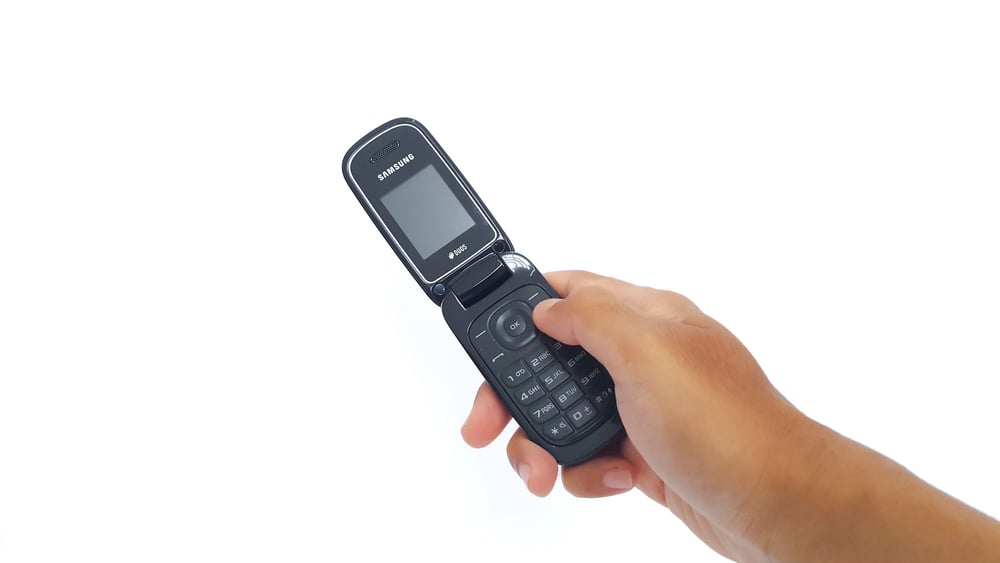
Flip phones were once the ultimate symbol of cool, snapping shut with a satisfying finality after every call. They faded out as smartphones took over, offering bigger screens and endless apps.
Still, their simplicity is exactly what’s bringing them back now. Modern versions are being reintroduced with updated features, but the core appeal remains the same—less distraction, longer battery life, and a sense of intentional use.
Even so, the physical act of opening and closing the phone adds a small but oddly satisfying ritual that touchscreens never quite replaced.
iPods And MP3 Players
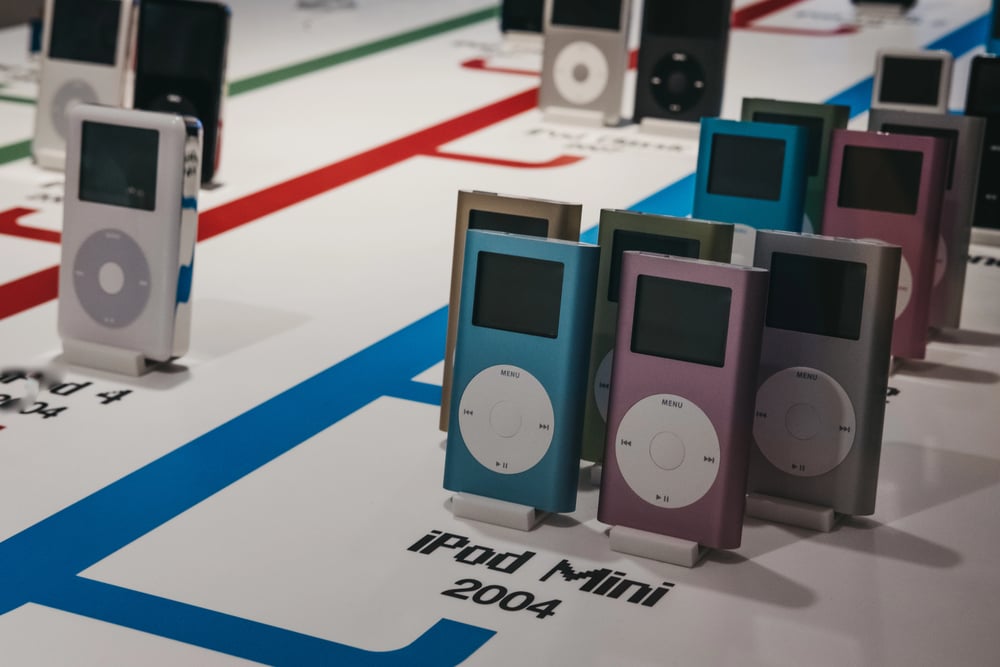
Before streaming took over, music felt more curated and personal. MP3 players and iPods required users to choose what they listened to, often building carefully crafted playlists rather than relying on algorithms.
That sense of control is part of the renewed interest today. People are rediscovering the appeal of owning their music and disconnecting from constant notifications.
On the other hand, these devices also bring back a slower, more focused listening experience—something that feels increasingly rare in an always-online world.
Digital Point-And-Shoot Cameras
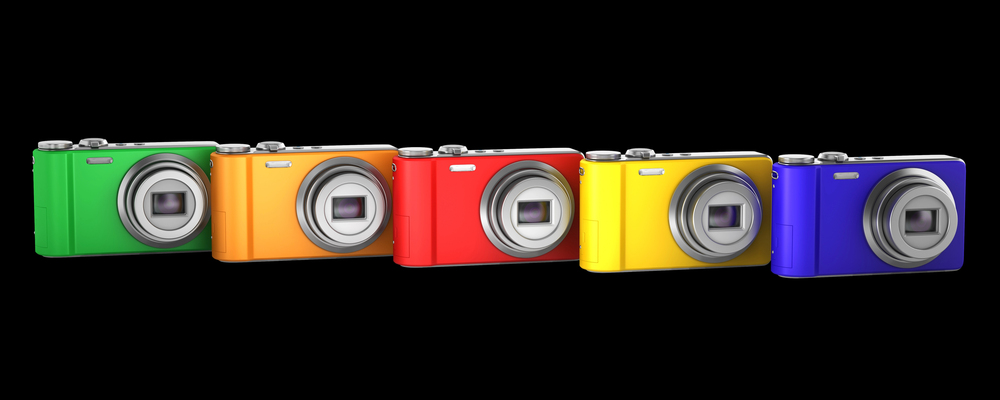
Point-and-shoot cameras were once everywhere, capturing blurry party photos and overexposed holiday memories. When smartphone cameras improved, they seemed to become obsolete almost overnight.
Still, they’ve made an unexpected return, especially among younger users. The slightly imperfect quality, built-in flash, and lack of editing options create images that feel more spontaneous and less polished.
That said, there’s a growing appreciation for photos that look like moments rather than carefully edited content.
Polaroid Cameras
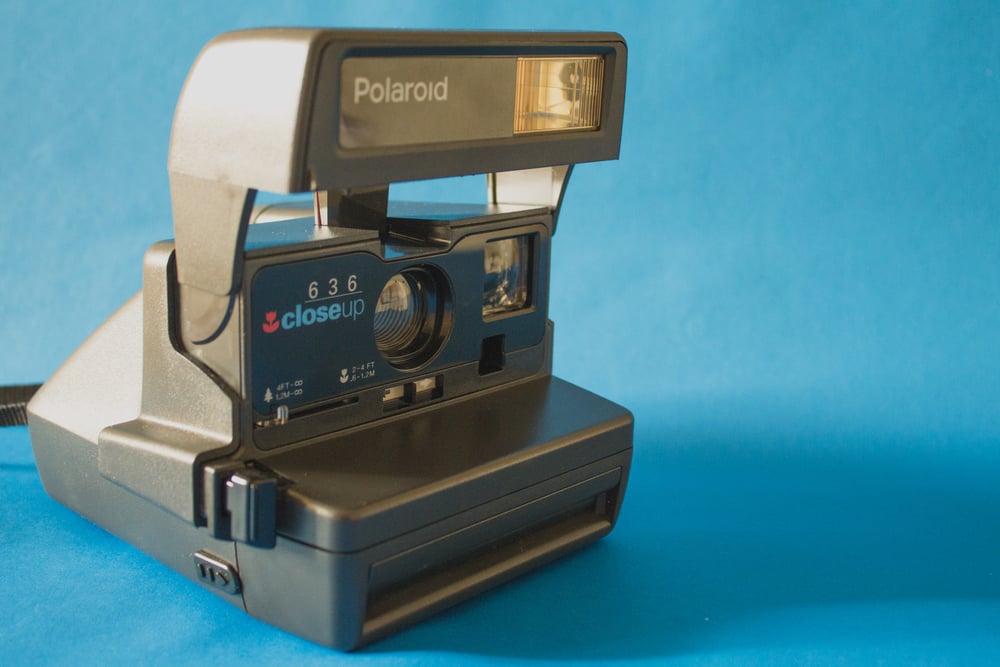
Instant cameras never completely disappeared, but their popularity has surged again in recent years. The ability to hold a physical photo seconds after taking it feels almost novel in a digital-first world.
Part of the appeal lies in the unpredictability—lighting quirks, color shifts, and occasional imperfections give each image a distinct character. Even so, the real draw is the tangible result, something that can be pinned to a wall or tucked into a book rather than lost in a camera roll.
Portable CD Players
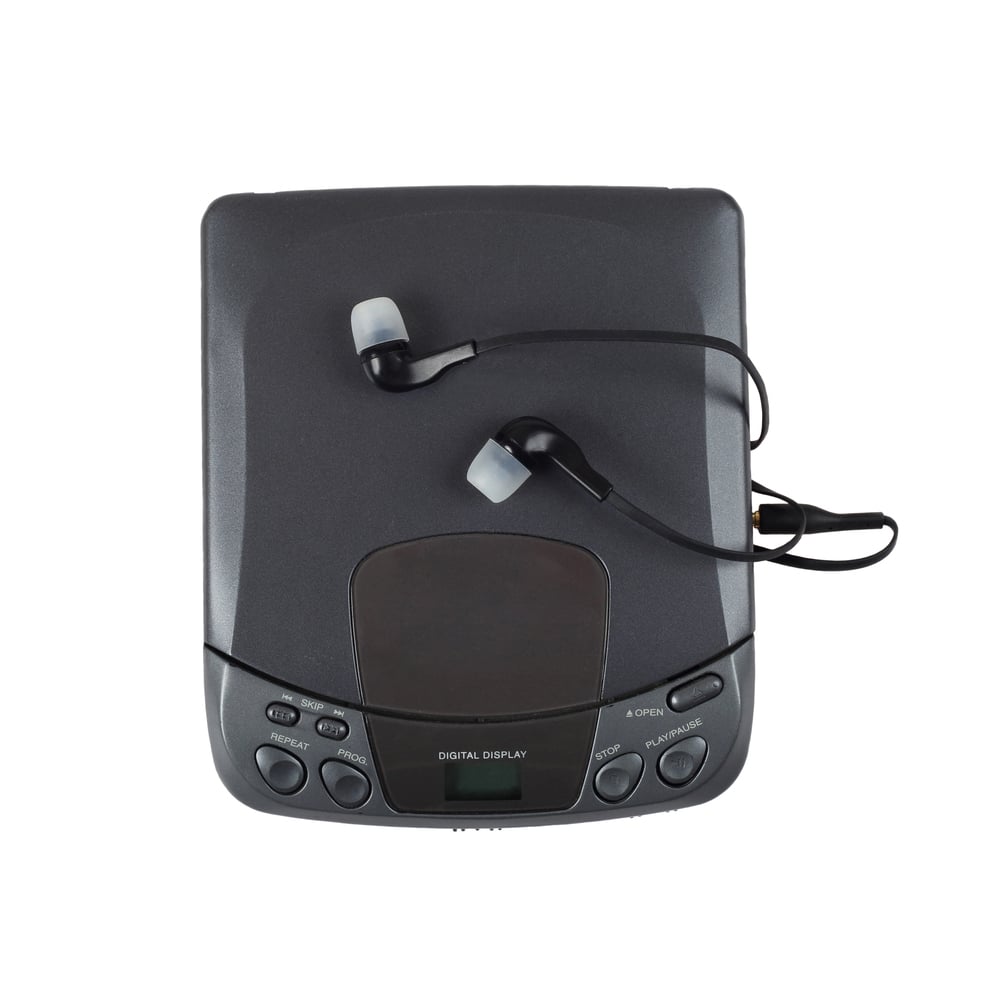
Portable CD players once defined how people listened to music on the go, complete with anti-skip features that never fully lived up to their promise. As streaming took over, carrying discs around felt outdated.
Now, they’re resurfacing among those who appreciate physical media and uninterrupted listening. Without notifications or app switching, the experience becomes more immersive.
Still, there’s also a nostalgic comfort in hearing an album exactly as it was intended, track by track.
Game Boy And Handheld Consoles
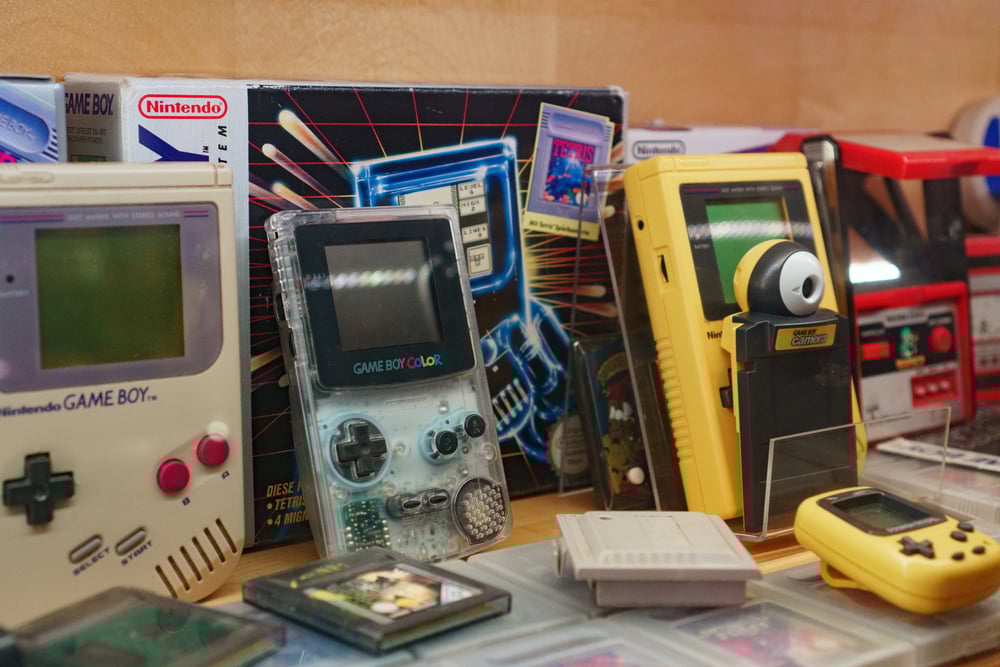
Handheld gaming devices like the Game Boy were a staple of long car rides and quiet afternoons. They offered simple, addictive gameplay without the complexity of modern gaming systems.
That simplicity is exactly why they’re back in demand. Retro gaming has become a full-blown trend, with original devices being restored and new versions inspired by classic designs.
Even so, the charm lies in their limitations—games that are easy to pick up but hard to put down.
Wired Headphones
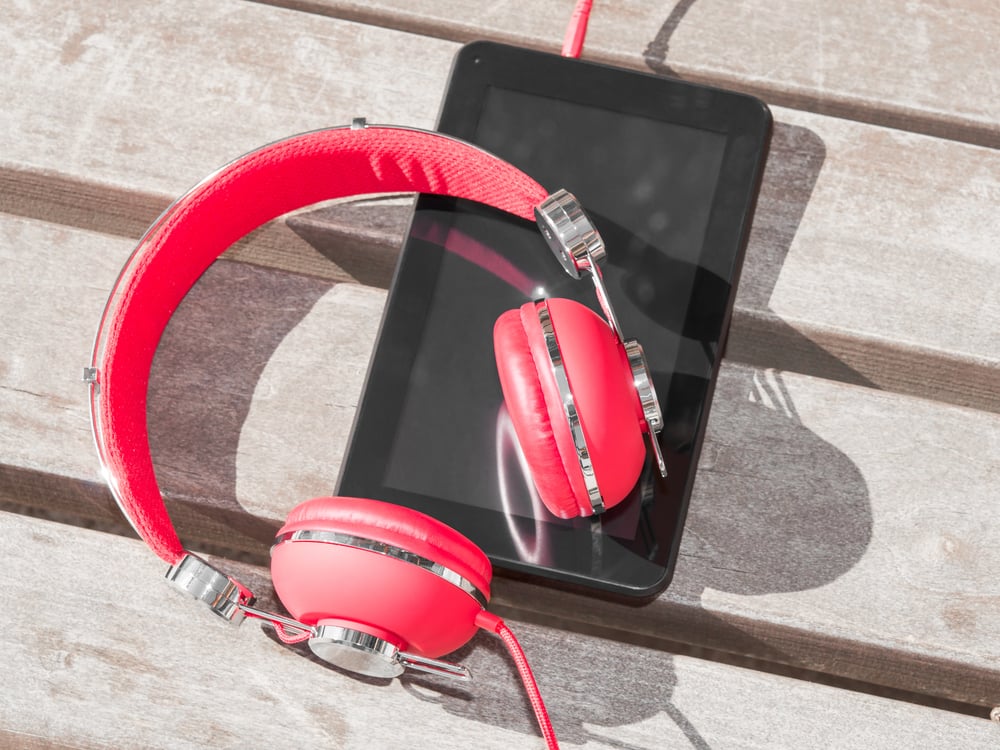
Wired headphones were once the default, only to be pushed aside by wireless alternatives. At first glance, going back to cables might seem like a step backward.
Still, they’ve regained popularity for practical reasons. No charging, consistent sound quality, and no risk of losing one half of the pair all make them appealing again.
On the other hand, there’s also a subtle aesthetic factor—wires have become part of a retro look that feels intentional rather than outdated.
BlackBerry-Style Keyboards
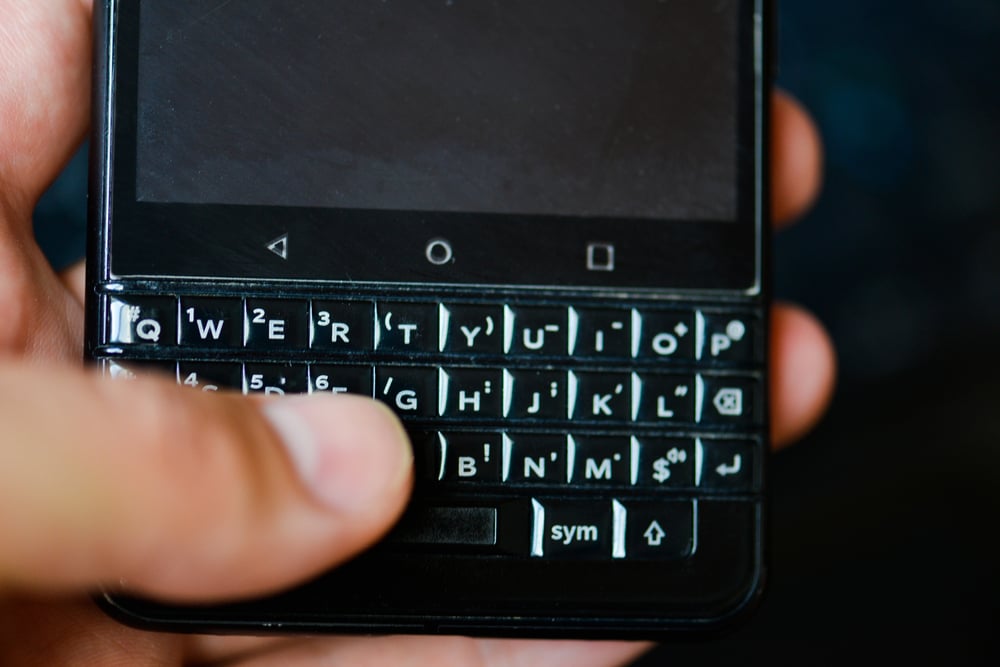
Physical keyboards used to define how people communicated on mobile devices, with BlackBerry leading the way. The shift to touchscreens made them seem unnecessary.
Now, there’s a growing appreciation for tactile typing. Some modern devices are reintroducing physical keyboards, offering a more precise and satisfying typing experience.
That said, the appeal isn’t just functional—it’s also about reconnecting with a more deliberate way of communicating.
Mini Camcorders
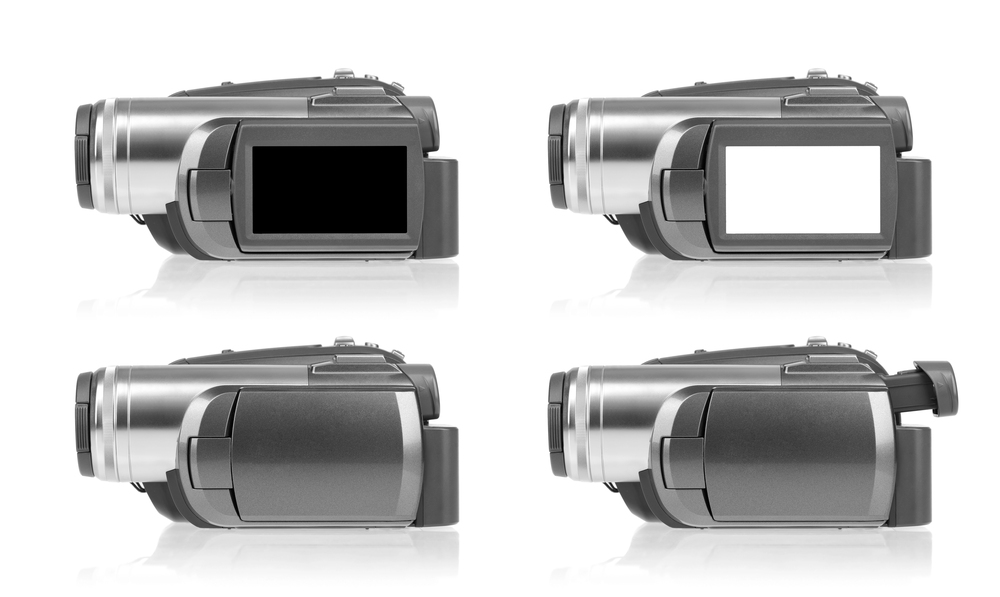
Mini camcorders once captured everything from family events to early YouTube videos. As smartphones improved, they were gradually replaced.
Still, they’re making a comeback among content creators looking for a distinct visual style. The grainy footage and unique color tones create a sense of authenticity that polished video often lacks.
Even so, they also bring a certain intentionality—recording becomes a choice, not just a reflex.
Portable DVD Players
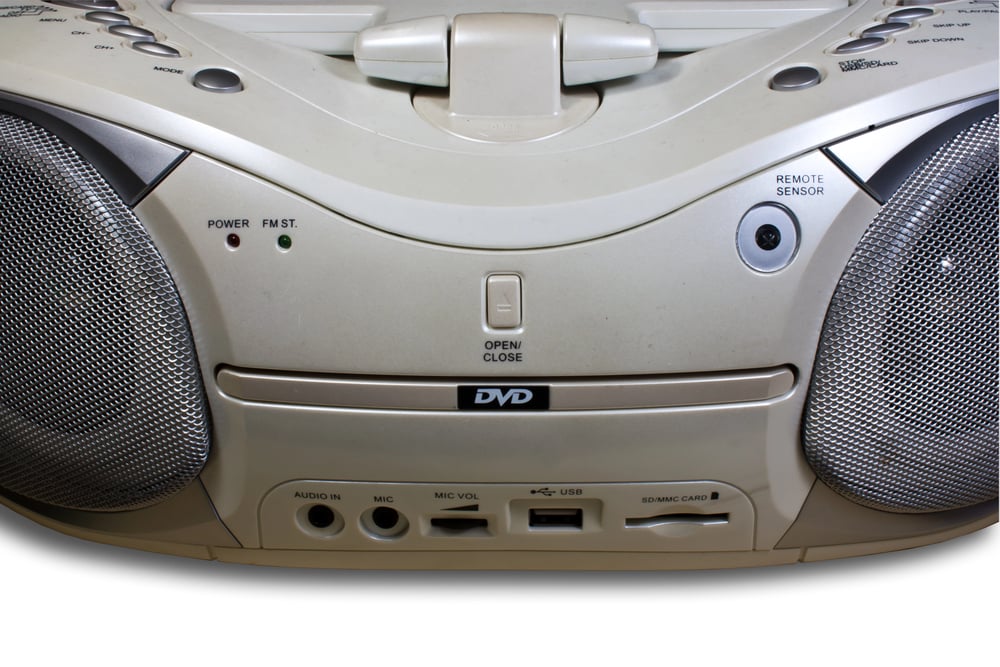
Portable DVD players were once essential for long trips, keeping passengers entertained for hours. Streaming services eventually made them seem redundant.
Now, they’re finding a niche again, especially in situations where internet access is limited or unreliable. On the other hand, there’s also a nostalgic comfort in watching a favorite film on a dedicated device, free from distractions and buffering issues.
Alarm Clocks With Radio
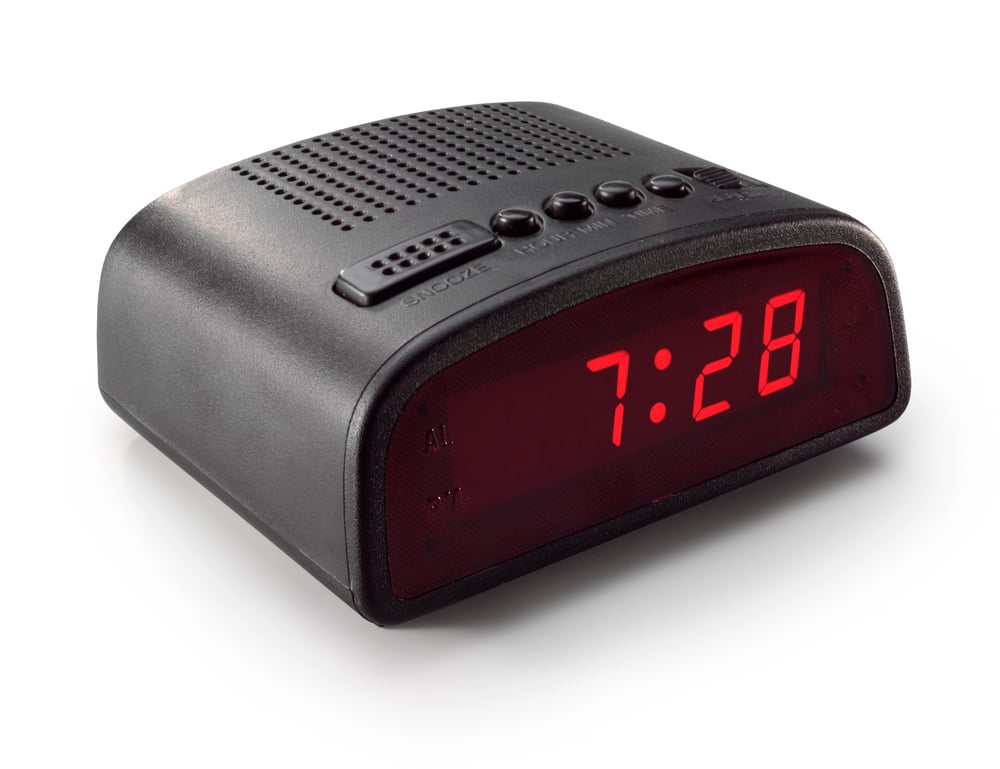
Before smartphones took over, alarm clocks with built-in radios were a bedside staple. Waking up meant hearing music or a morning show rather than a default ringtone.
They’re returning as people try to keep phones out of the bedroom. Still, the appeal goes beyond practicality—the gentle transition from music to wakefulness feels more natural than a sudden digital alert.
USB Flash Drives
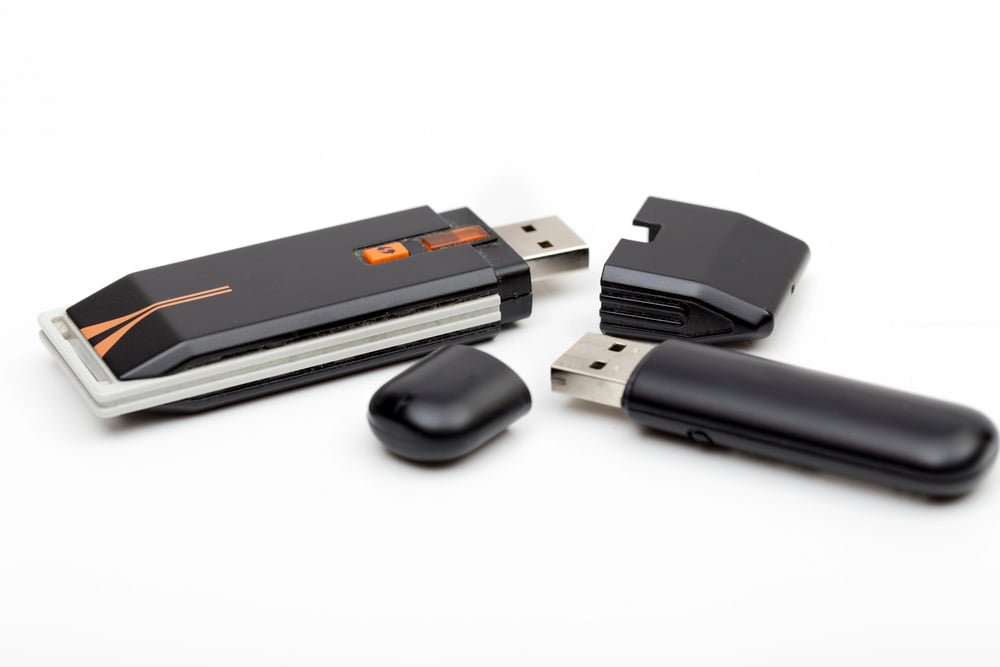
Cloud storage has largely replaced the need for physical file transfer, making USB drives seem outdated. Even so, they haven’t disappeared entirely.
In fact, they’re seeing renewed use for security and convenience. Having a physical backup offers a level of control that cloud services don’t always provide.
That said, they’re also surprisingly practical in environments where internet access isn’t guaranteed.
Portable Speakers (Early Bluetooth Models)
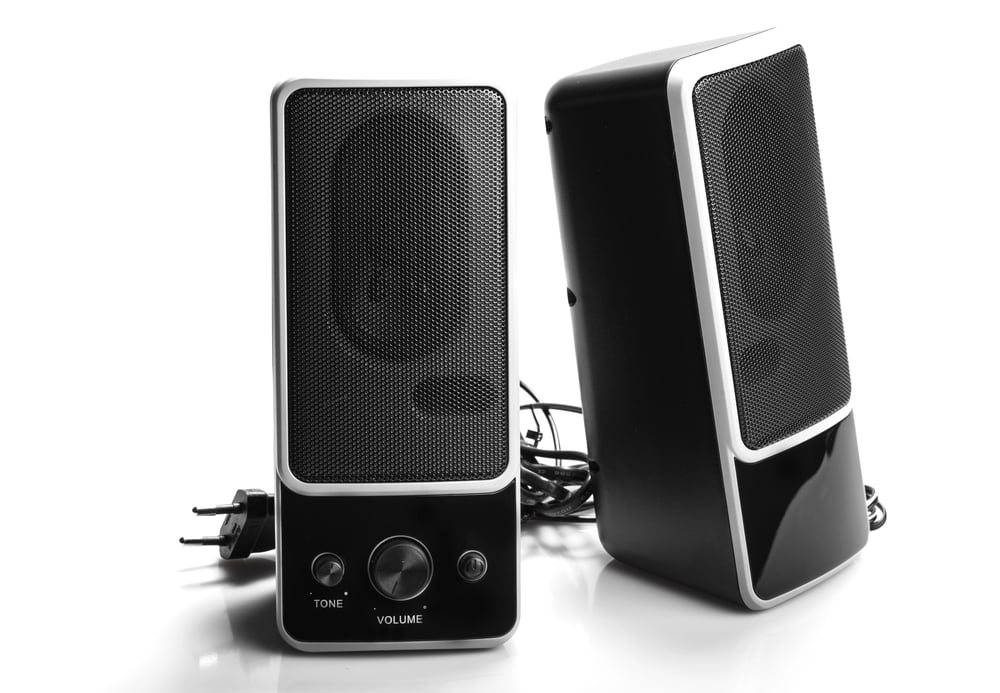
Early portable speakers marked the beginning of wireless audio, though they were often bulky by today’s standards. As newer models improved, older ones were quickly forgotten.
Now, those early designs are gaining attention again, partly for their durability and straightforward functionality. Even so, they also represent a time when wireless tech was just beginning to feel accessible.
Desktop Calculators
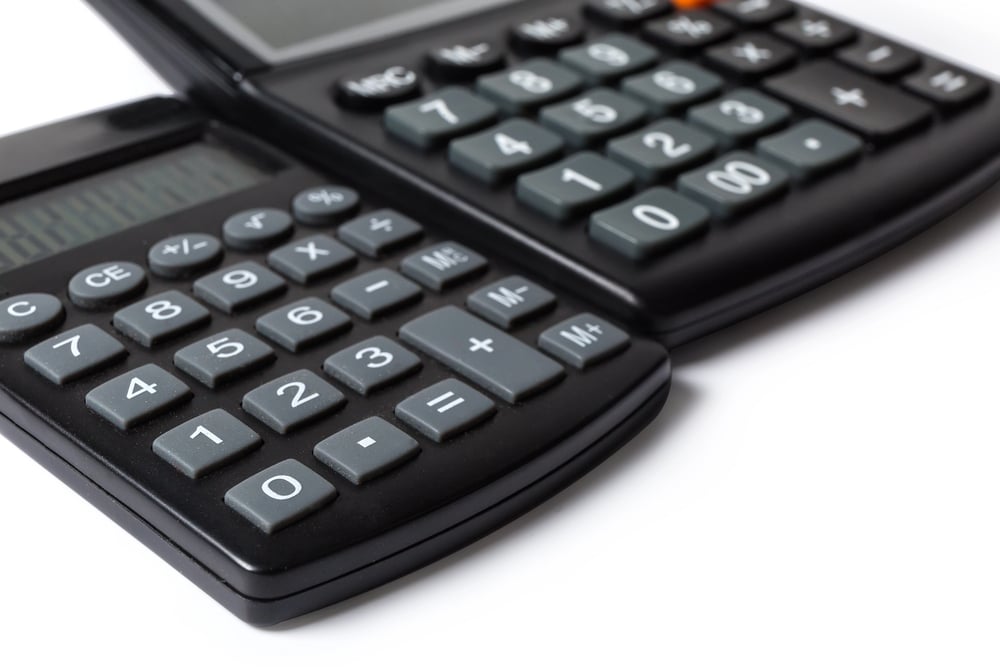
Dedicated calculators once sat on every desk, handling quick calculations without distraction. With smartphones offering the same function, they seemed unnecessary.
Still, they’re quietly returning, especially in workspaces where focus matters. Using a single-purpose device reduces the temptation to check messages or scroll.
On the other hand, there’s something reassuring about a tool that does exactly what it’s meant to do—nothing more, nothing less.
Digital Voice Recorders
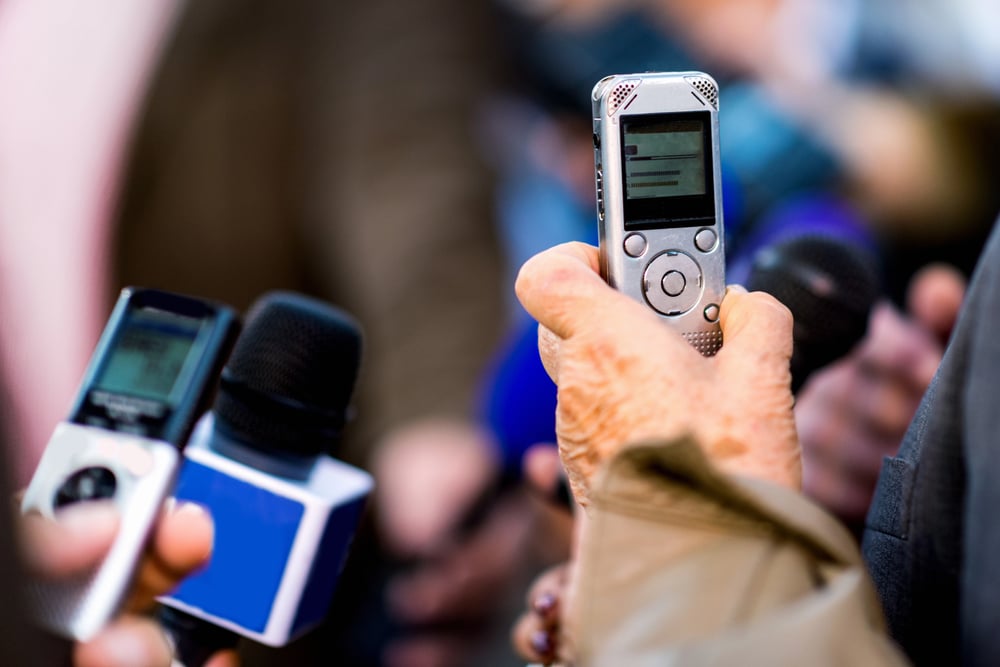
Voice recorders were once essential for interviews, lectures, and note-taking. Smartphones eventually absorbed that role.
Now, they’re making a comeback among professionals who value reliability and simplicity. Without notifications or app interruptions, recordings are more consistent.
That said, they also encourage a more intentional approach to capturing information.
Portable Gaming Devices (Early PSP-Style)
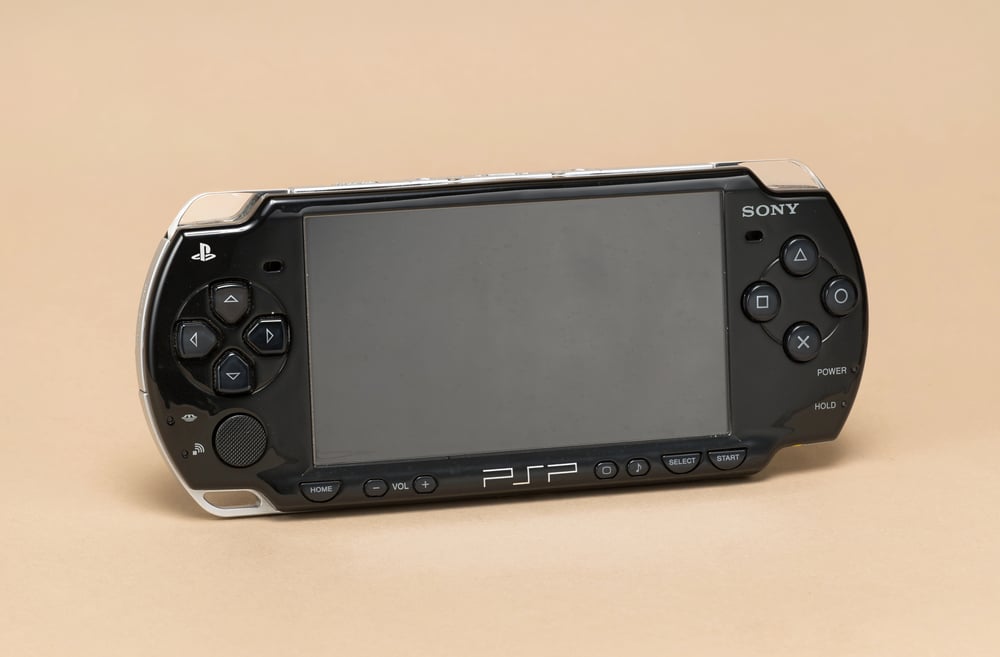
Devices like early handheld gaming consoles offered more advanced graphics than traditional handhelds, bridging the gap between console and portable gaming.
They’re returning as retro gaming continues to grow in popularity. Even so, the appeal isn’t just about nostalgia—it’s also about having a dedicated gaming device that doesn’t compete with other apps for attention.
Electronic Dictionaries
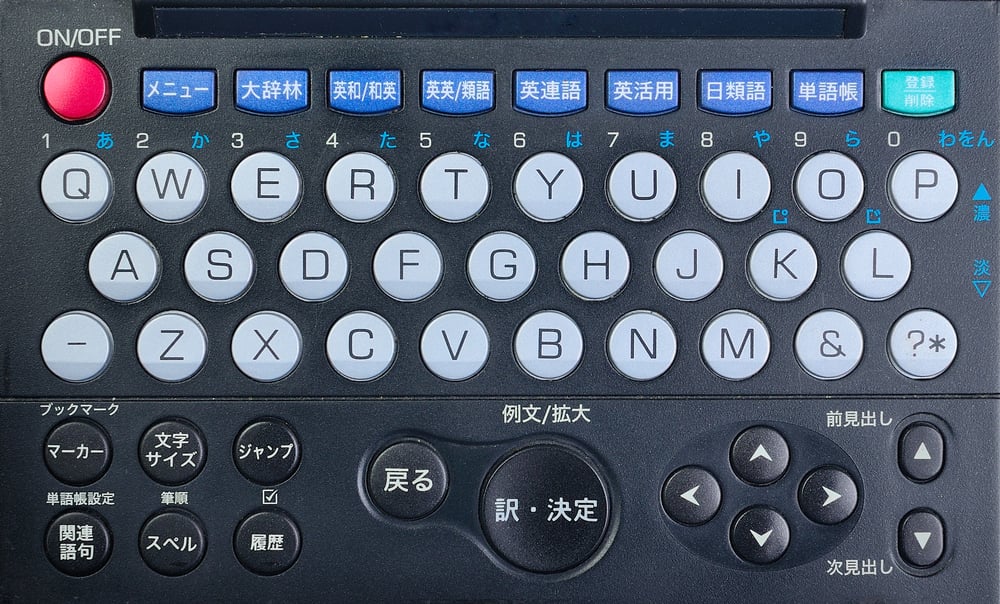
Before instant online searches, electronic dictionaries were a go-to tool for quick definitions and translations. As smartphones took over, they seemed obsolete.
Still, they’re finding a niche again among students and language learners. Without distractions or internet dependency, they provide a focused learning experience.
That said, they also reflect a broader shift toward tools that support concentration rather than constant connectivity.
Why It Still Matters

Back in fashion, those early 2000s gadgets aren’t mere nostalgia trips – they hint at something deeper. While today’s tech grabs every ounce of focus, yanking us from screen to screen, simpler tools quietly wait.
Slower by design, they ask less, yet somehow deliver more. A pause instead of noise.
Thought replaces reaction. Satisfaction sneaks in where speed used to rule.
Yet here it is again – not just old tech returning, but meaning changing. What once felt outdated now carries weight, as if people care less about speed and more about space to breathe.
When everything demands attention, turning off becomes its own kind of gain. These gadgets whisper instead of shout, fitting into lives already too loud.
More from Go2Tutors!

- The Romanov Crown Jewels and Their Tragic Fate
- 13 Historical Mysteries That Science Still Can’t Solve
- Famous Hoaxes That Fooled the World for Years
- 15 Child Stars with Tragic Adult Lives
- 16 Famous Jewelry Pieces in History
Like Go2Tutors’s content? Follow us on MSN.