Treasures Recovered From Sunken Ships
Most shipwrecks hold nothing but rust, mud and the occasional anchor. A small number went down carrying gold, silver, porcelain or objects so rare that people spent decades, fortunes and sometimes lives trying to bring them back up.
The recoveries below all happened. Some ended in museums, some in auction rooms, and a surprising number ended in court.
Atocha’s Silver Off the Florida Keys
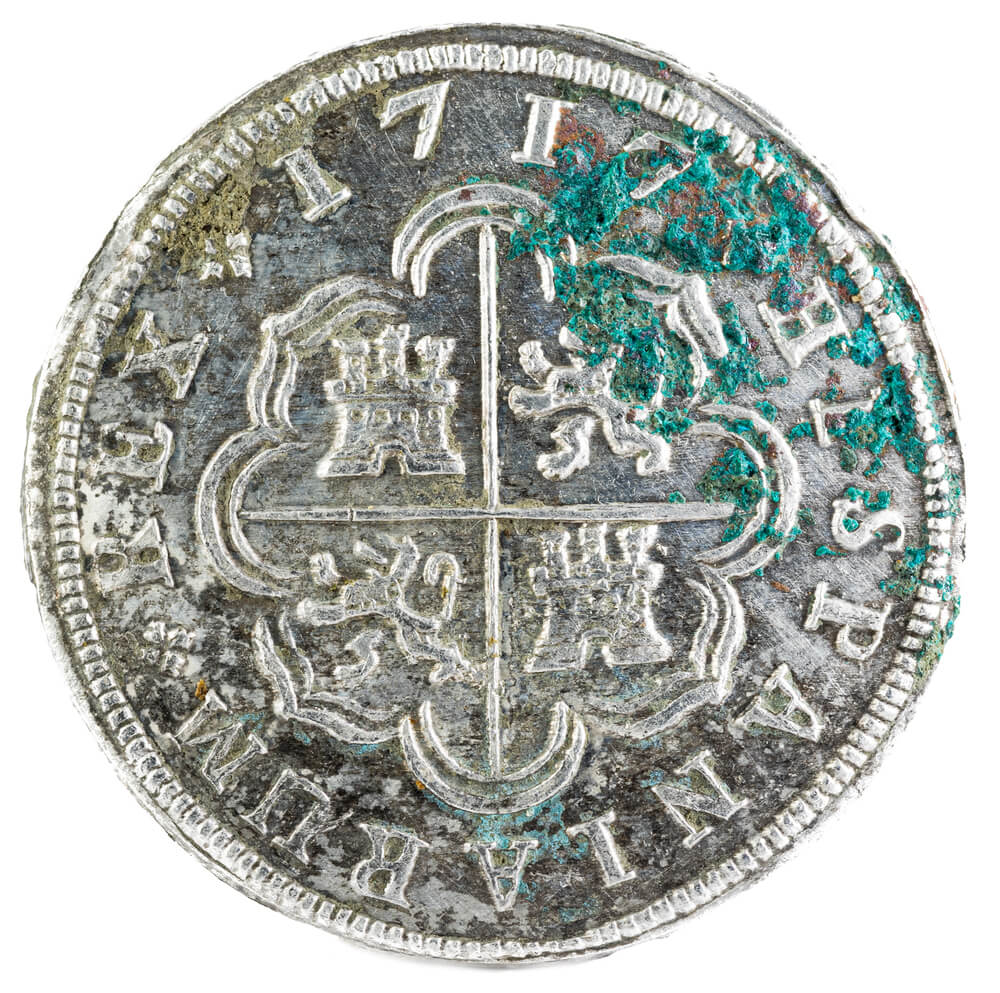
Nuestra Senora de Atocha sank in a hurricane near the Marquesas Keys in September 1622, loaded with silver from Peru and Mexico, gold, and Colombian emeralds. Mel Fisher, a former chicken farmer turned salvor, hunted the wreck for 16 years, a search that cost the lives of his son Dirk, his daughter-in-law Angel and diver Rick Gage when a salvage boat capsized in 1975.
On July 20, 1985, his divers found the main pile, a reef of stacked silver bars. The haul included more than 1,000 silver ingots and well over 100,000 coins, and was commonly valued at about 400 million dollars.
A 1982 Supreme Court ruling had already confirmed that the find belonged to Fisher’s company rather than Florida.
Gold Rush Bars From the SS Central America
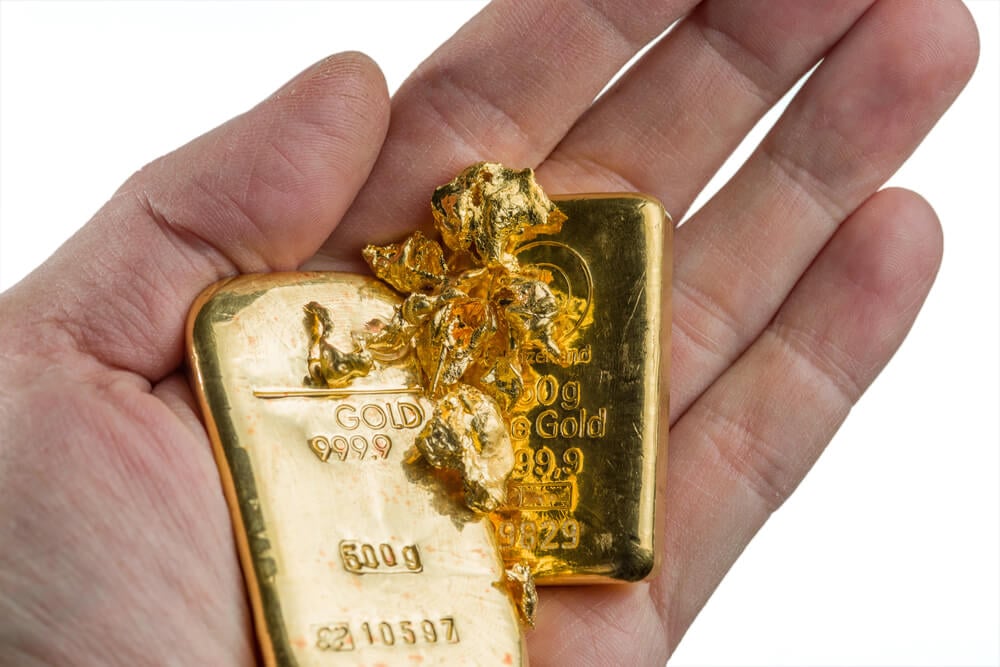
When the sidewheel steamer SS Central America foundered in a hurricane off the Carolinas on September 12, 1857, about 425 people died and tons of California gold went with them. The loss was large enough to deepen the financial panic of that year.
In 1988 the Columbus-America Discovery Group, led by Ohio engineer Tommy Thompson, located the wreck roughly 7,200 feet down and used a remotely operated vehicle named Nemo to lift coins and assay bars. Insurers who had paid claims in the 1850s promptly sued, though courts awarded the salvors the great majority.
One bar, known as the Eureka, weighed about 80 pounds and sold in 2001 for a reported 8 million dollars.
Coins by the Tens of Thousands on the SS Republic
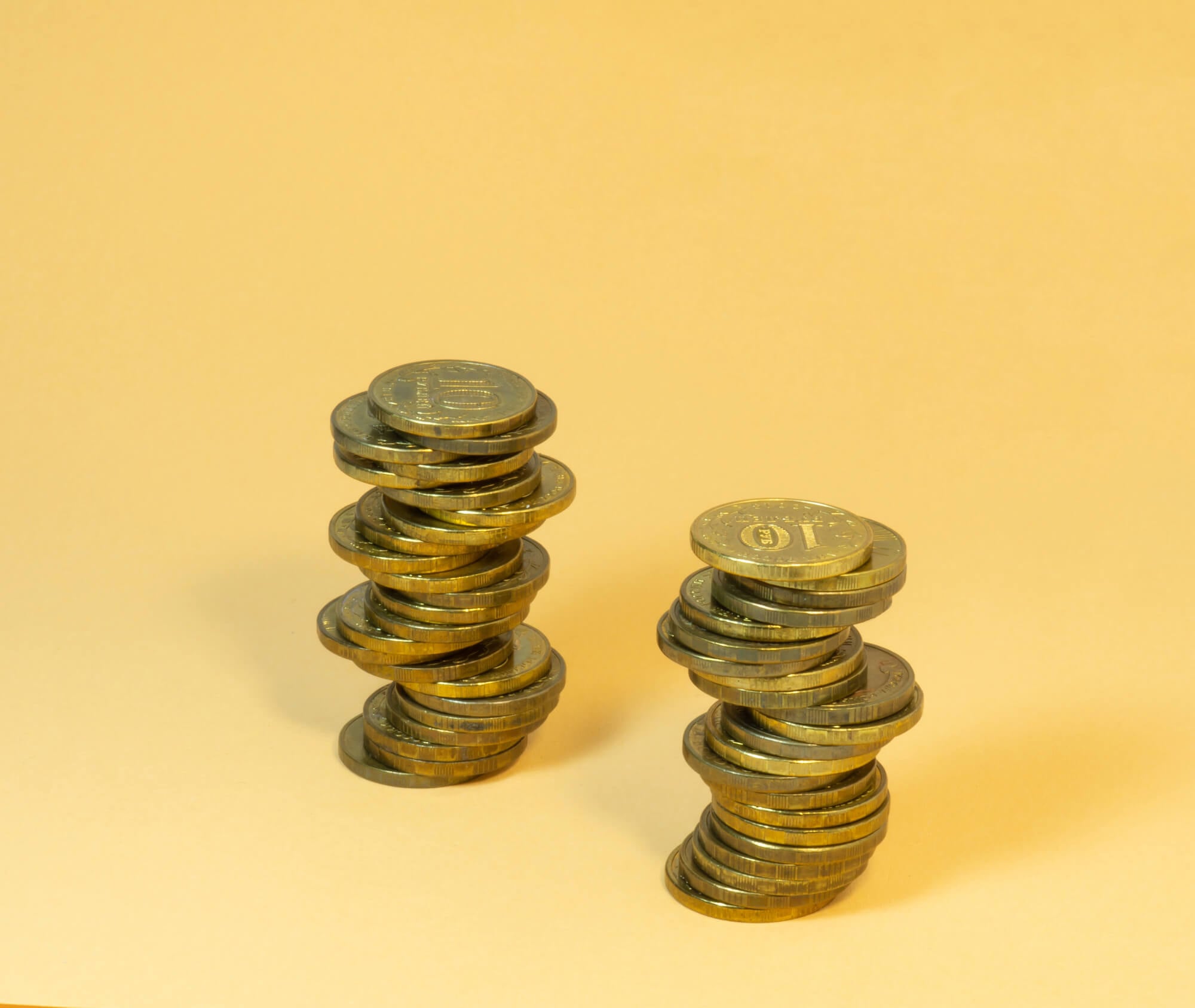
The SS Republic left New York for New Orleans in October 1865 carrying coins meant to help restore commerce in a city short of hard money after the Civil War. A hurricane off Georgia flooded the ship, and although passengers and crew took to boats and a raft, the cargo sank in about 1,700 feet of water.
Odyssey Marine Exploration found the wreck in 2003 and worked it with a remotely operated vehicle. The company brought up more than 51,000 gold and silver coins, along with roughly 14,000 other objects.
Among the humbler finds were thousands of glass bottles, including patent medicines and preserved fruit that had been headed for Southern shops.
Black Sam’s Pirate Loot From the Whydah
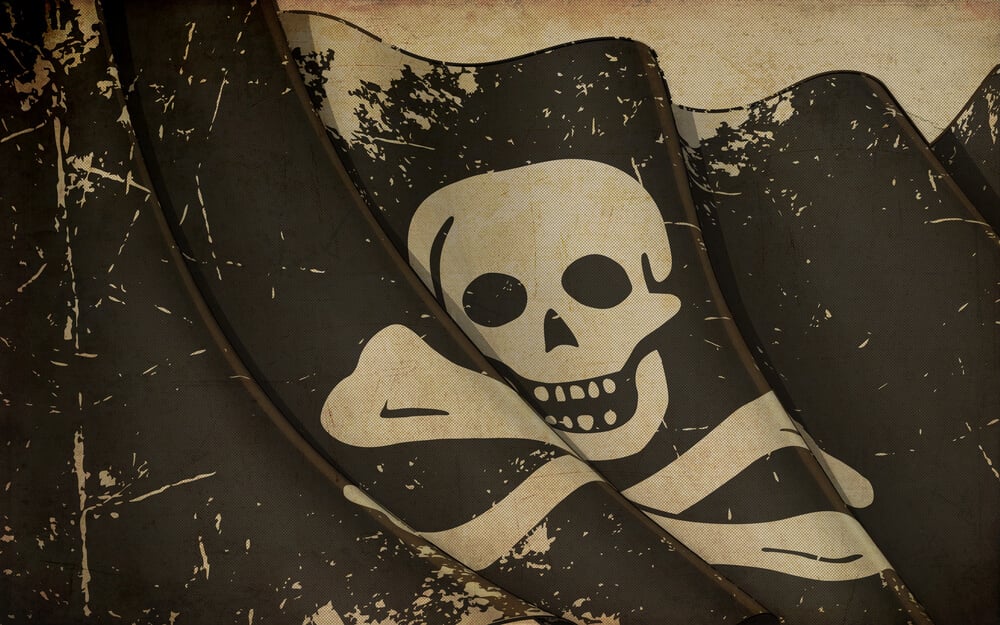
Built as a slave ship, the Whydah Gally was captured in early 1717 by the pirate Samuel Bellamy, who made it his flagship. Two months later, on April 26, 1717, a storm drove it onto the shoals off Wellfleet, Cape Cod, killing Bellamy and nearly all of his crew.
Underwater explorer Barry Clifford located the site in 1984. The following year his team raised a bronze bell inscribed with the words THE WHYDAH GALLY 1716, which is why it is often described as the first pirate wreck whose identity was confirmed beyond dispute.
Recoveries since then have included thousands of silver coins, gold dust, African gold jewelry and cannon still packed with shot.
Sweden’s Warship Vasa, Raised Nearly Intact
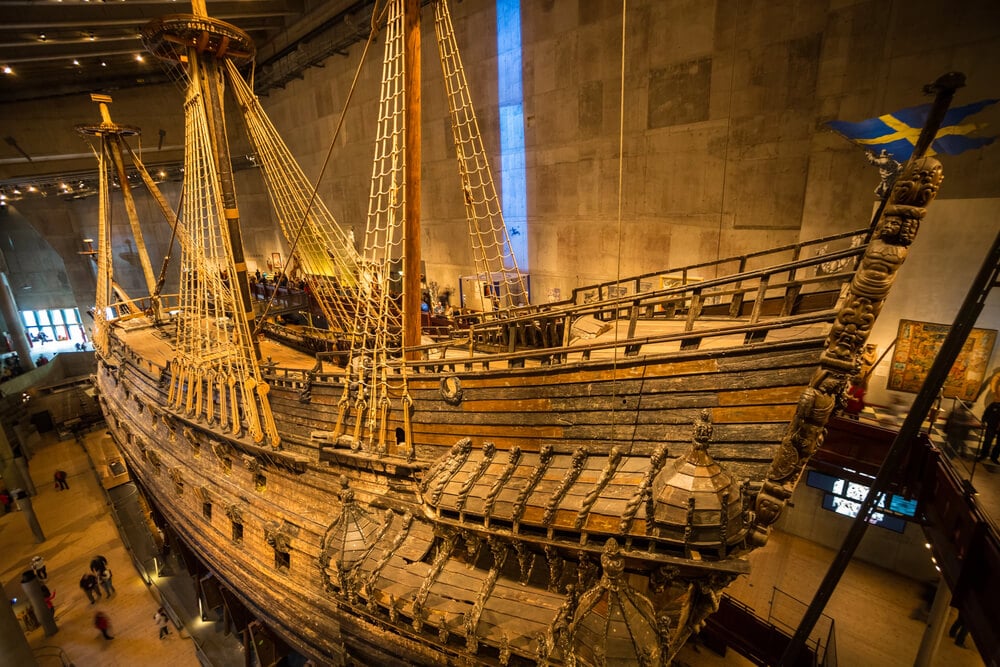
Vasa sailed for about 20 minutes on August 10, 1628, before heeling over and sinking in Stockholm’s waters, top-heavy with two gun decks. Most of its 64 bronze guns were salvaged in the 1660s by men working from a diving bell, an impressive feat that left the hull behind.
Amateur researcher Anders Franzen relocated the ship in 1956, and on April 24, 1961, it broke the surface again after 333 years. Navy divers had tunneled beneath the hull to pass lifting cables.
The cold, brackish Baltic had kept shipworm away, so the oak survived along with hundreds of carved sculptures, sailors’ shoes, and six of the ship’s sails.
Henry VIII’s Mary Rose and Its Tudor Time Capsule
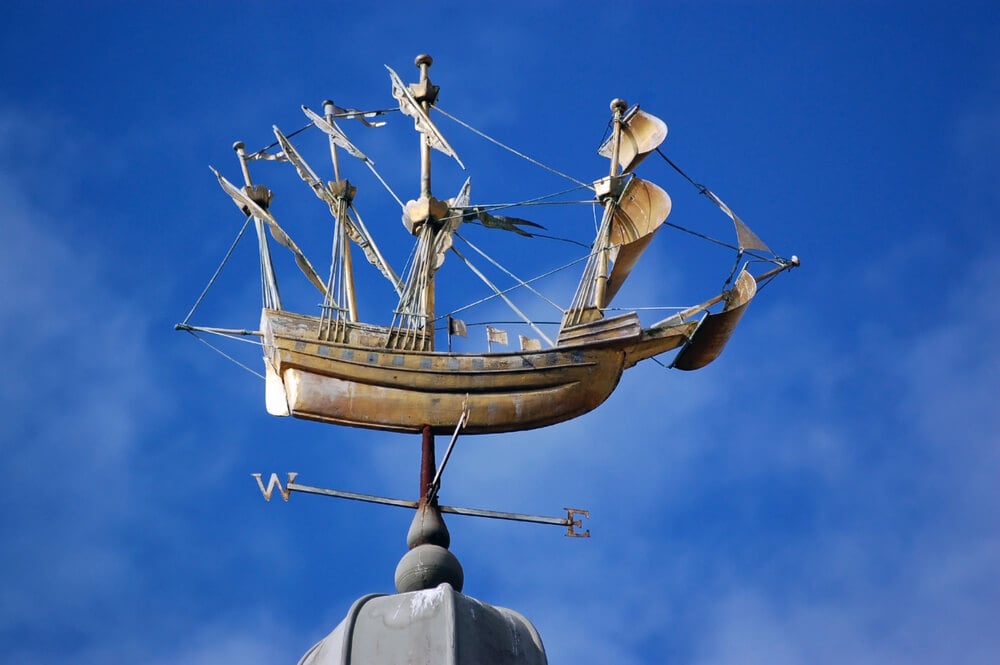
The Mary Rose went down in the Solent on July 19, 1545, during an engagement with a French fleet, reportedly as Henry VIII watched from shore. Half the hull settled into silt, which sealed it from decay.
Historian and diver Alexander McKee led the search that pinpointed the wreck in 1971, and on October 11, 1982, a lifting frame brought the surviving timbers to the surface before a television audience estimated at 60 million. About 19,000 objects came up with it.
They include 137 complete longbows and thousands of arrows, a barber-surgeon’s chest with its ointment jars, nit combs, musical instruments, and the skeleton of the ship’s dog.
An Ancient Computer From the Antikythera Wreck
Sponge divers from the island of Symi, sheltering from a storm in 1900, found a Roman-era wreck off the Greek island of Antikythera. With help from the Greek navy they spent months in 1900 and 1901 hauling up bronze and marble statues, glassware and pottery, work that killed one diver and left others with decompression injuries.
In 1902 archaeologist Valerios Stais noticed a gear wheel embedded in a corroded lump of bronze. That lump proved to be the Antikythera mechanism, a geared device that modeled the motions of the sun and moon and predicted eclipses.
Nothing of comparable mechanical complexity is known from the following thousand years.
Titanic’s Personal Effects From Two and a Half Miles Down
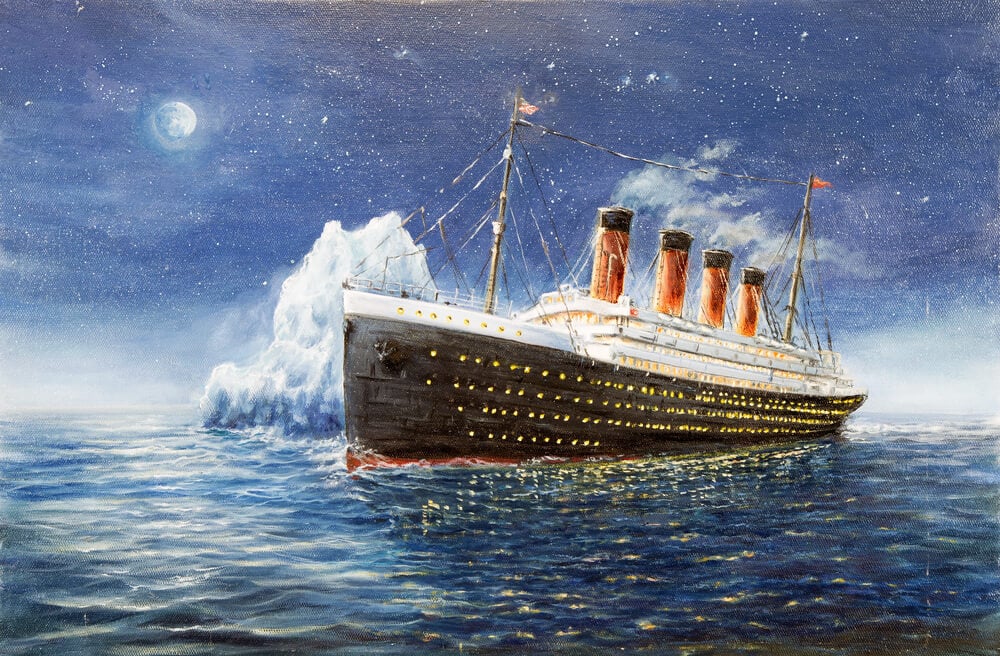
After a Franco-American expedition located the Titanic in 1985, the question shifted from where it lay to who could touch it. A 1987 expedition using the French submersible Nautile made 32 dives and recovered about 1,800 objects from the debris field.
The company later known as RMS Titanic Inc. was recognized by a US federal court in 1994 as salvor in possession, and over several expeditions it collected roughly 5,500 artifacts. They range from china, a bronze cherub and the ship’s bell to leather bags whose tanning preserved the papers inside.
In 1998 the firm raised a section of hull plating weighing about 15 tons.
Half a Million Coins Spain Won Back
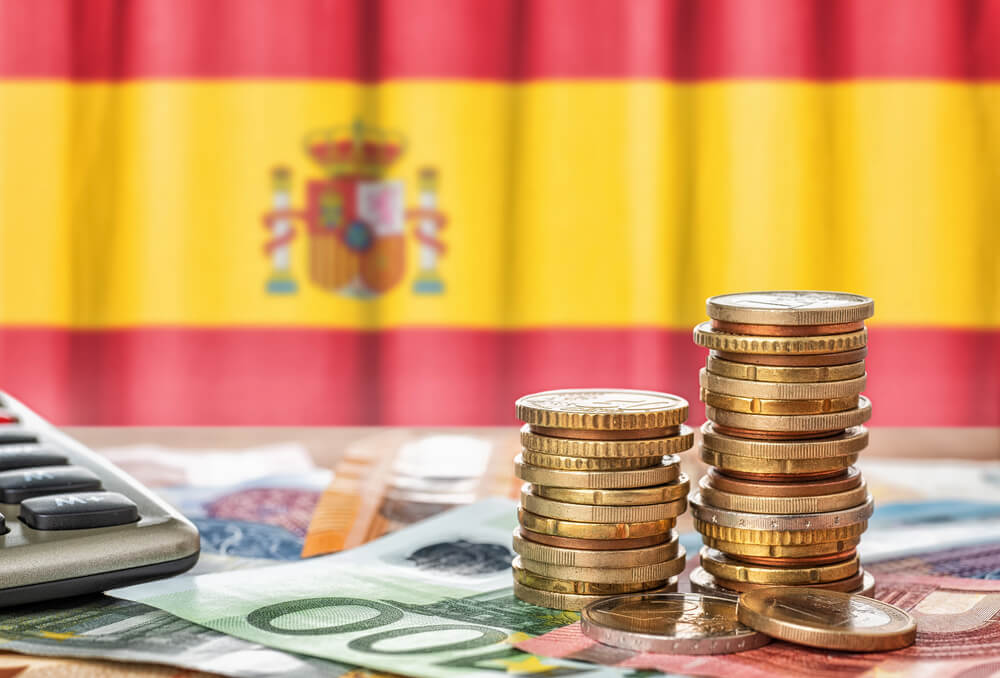
Nuestra Senora de las Mercedes, a Spanish navy frigate, exploded during a British attack off Cape Santa Maria, Portugal, on October 5, 1804. In 2007 Odyssey Marine Exploration announced it had recovered about 17 tons of coins, nearly 600,000 pieces, from a site it code-named Black Swan, and flew them to Florida.
Spain sued, arguing the cargo came from a sovereign warship that it had never abandoned. US courts agreed, and in February 2012 two Spanish military transport planes carried the coins home.
Much of the hoard is now displayed at the National Museum of Underwater Archaeology in Cartagena. Odyssey received nothing for the recovery.
Wartime Silver From the SS Gairsoppa
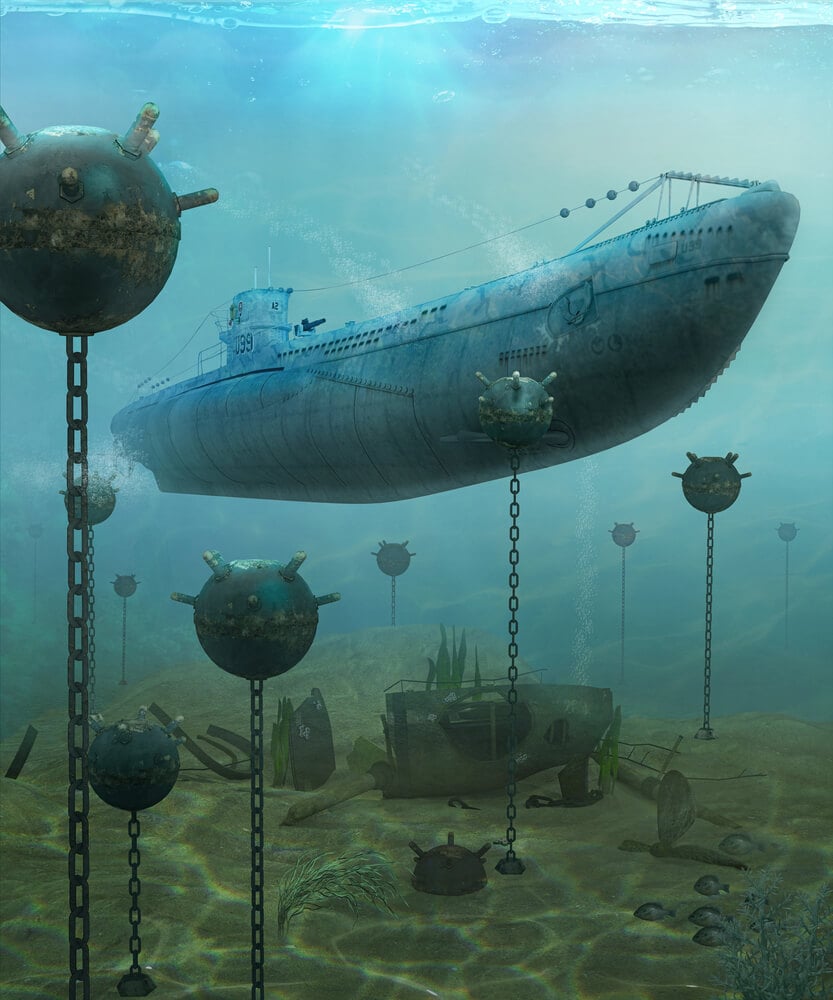
A German U-boat torpedoed the British cargo steamer SS Gairsoppa on February 17, 1941, about 300 miles southwest of Galway, Ireland. Only one man, second officer Richard Ayres, survived the sinking and the open boat that followed.
The ship had been carrying silver from India for the British government, which decades later contracted Odyssey Marine Exploration to find it in exchange for 80 percent of the net proceeds. Working at about 4,700 meters, deeper than the Titanic, Odyssey lifted 2,792 silver ingots in 2012 and 2013, roughly 110 tons.
It was widely reported as the deepest and heaviest recovery of precious metal from a shipwreck up to that time.
Stalin’s Gold From HMS Edinburgh
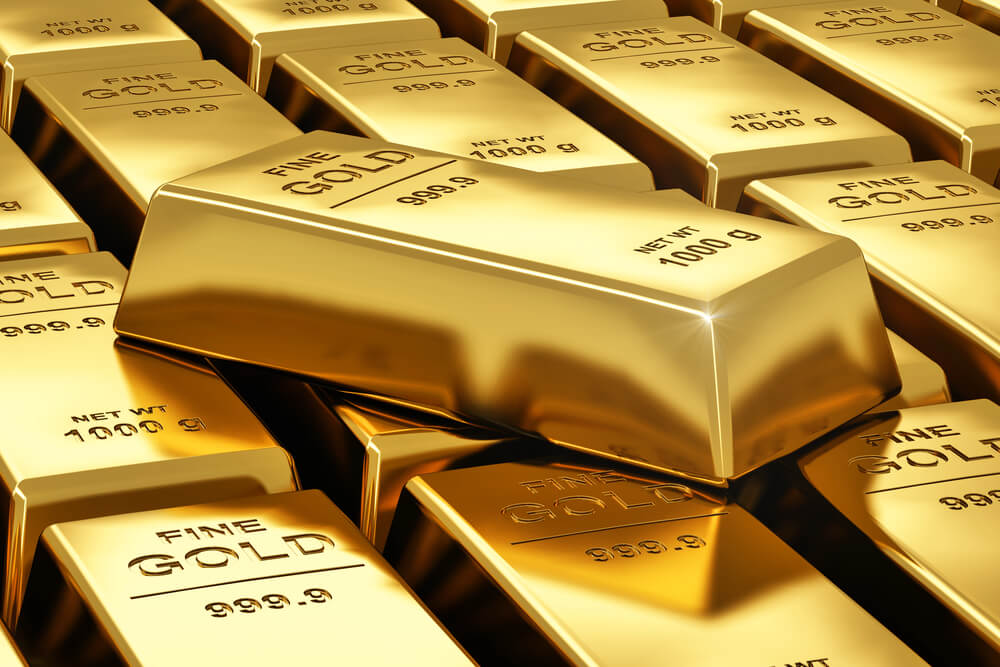
HMS Edinburgh was escorting an Arctic convoy home from Murmansk in the spring of 1942 when German torpedoes crippled it, and the cruiser was scuttled in the Barents Sea on May 2. In its bomb room sat 465 gold bars, about four and a half tons, sent by the Soviet Union as payment for war supplies.
In 1981 a consortium led by Yorkshire salvor Keith Jessop sent saturation divers down roughly 800 feet. Because the wreck was a war grave, they cut their way in instead of using explosives.
They recovered 431 bars that autumn, and a second expedition in 1986 raised 29 more. Five bars have never been found.
Italian Divers and the Gold of the SS Egypt
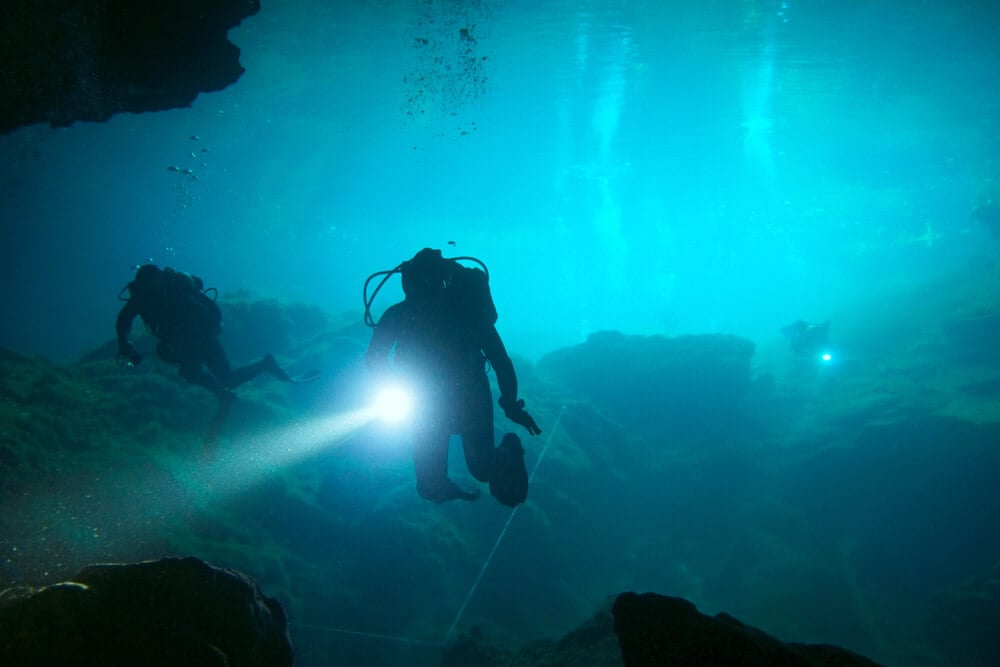
The P and O liner Egypt sank off Ushant, France, on May 20, 1922, after a collision in fog, taking 86 lives and gold and silver worth more than a million pounds at the time. The wreck lay about 420 feet down, far beyond the reach of ordinary divers.
An Italian firm, SORIMA, led by Giovanni Quaglia, solved the problem by lowering an observer in a steel chamber who directed grabs and explosives by telephone. The company lost its salvage ship Artiglio and several men in 1930 while clearing another wreck.
A replacement vessel brought up the first gold in June 1932, and the great majority of the bullion followed over the next few years.
Forty Tons of Bullion on the Laurentic
Britain was paying for munitions in gold when the armed liner Laurentic struck two mines off Lough Swilly, Ireland, on January 25, 1917. More than 350 men died, and 3,211 gold bars, about 43 tons, went down in roughly 130 feet of water.
The Royal Navy assigned the recovery to Commander Guybon Damant, a pioneer of deep diving research. His team found the strongroom crushed and the bars scattered beneath collapsed decks, which they cleared by hand and with explosives across seven seasons.
By 1924 they had recovered 3,186 bars, more than 99 percent of the cargo, without losing a single diver. Three more turned up in the 1930s, and about 20 bars are believed to remain on the seabed.
Beachcombing the 1715 Fleet
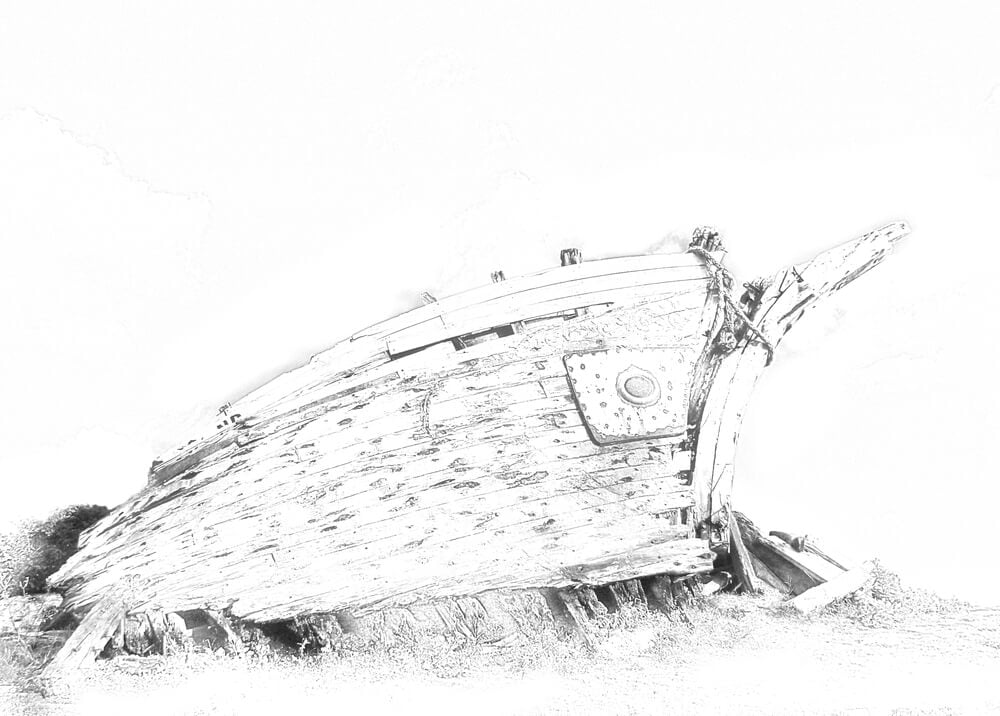
On July 31, 1715, a hurricane wrecked eleven ships of a Spanish treasure fleet along the Florida coast, roughly between present-day Sebastian and Fort Pierce. Spanish crews salvaged a good share of the cargo in the years that followed, then the wrecks were largely forgotten.
In the 1950s a building contractor named Kip Wagner began finding blackened silver coins on the beach after storms, none dated later than 1715. He traced the sites, formed the Real Eight Company in 1961, and recovered gold and silver coins, jewelry and Chinese porcelain.
The stretch of shoreline has been marketed as the Treasure Coast ever since, and licensed salvors still work it each summer.
William Phips and the Concepcion
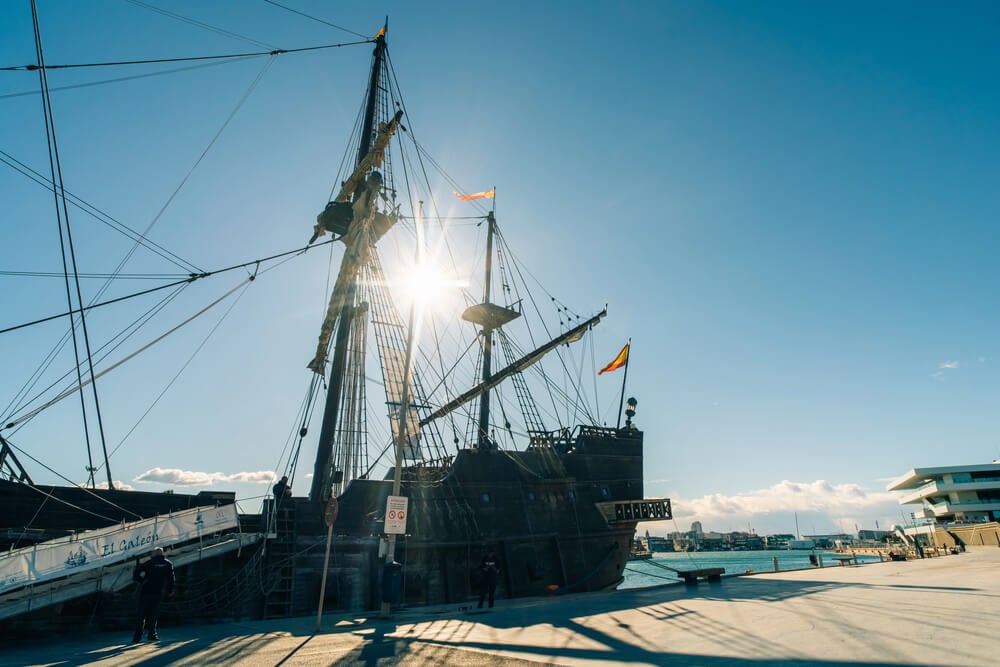
Long before scuba gear, a New England ship captain pulled off one of the most profitable salvage jobs on record. Nuestra Senora de la Concepcion wrecked on a reef north of Hispaniola in 1641.
In 1687 William Phips, backed by English investors, found the site and put divers from the Caribbean to work in shallow water for weeks. They raised roughly 30 tons of silver along with some gold, worth over 200,000 pounds at the time.
The investors made many times their stake, King James II knighted Phips, and he later became governor of Massachusetts. American salvor Burt Webber relocated the same wreck in 1978 and recovered thousands more coins.
Porcelain Sold as the Nanking Cargo
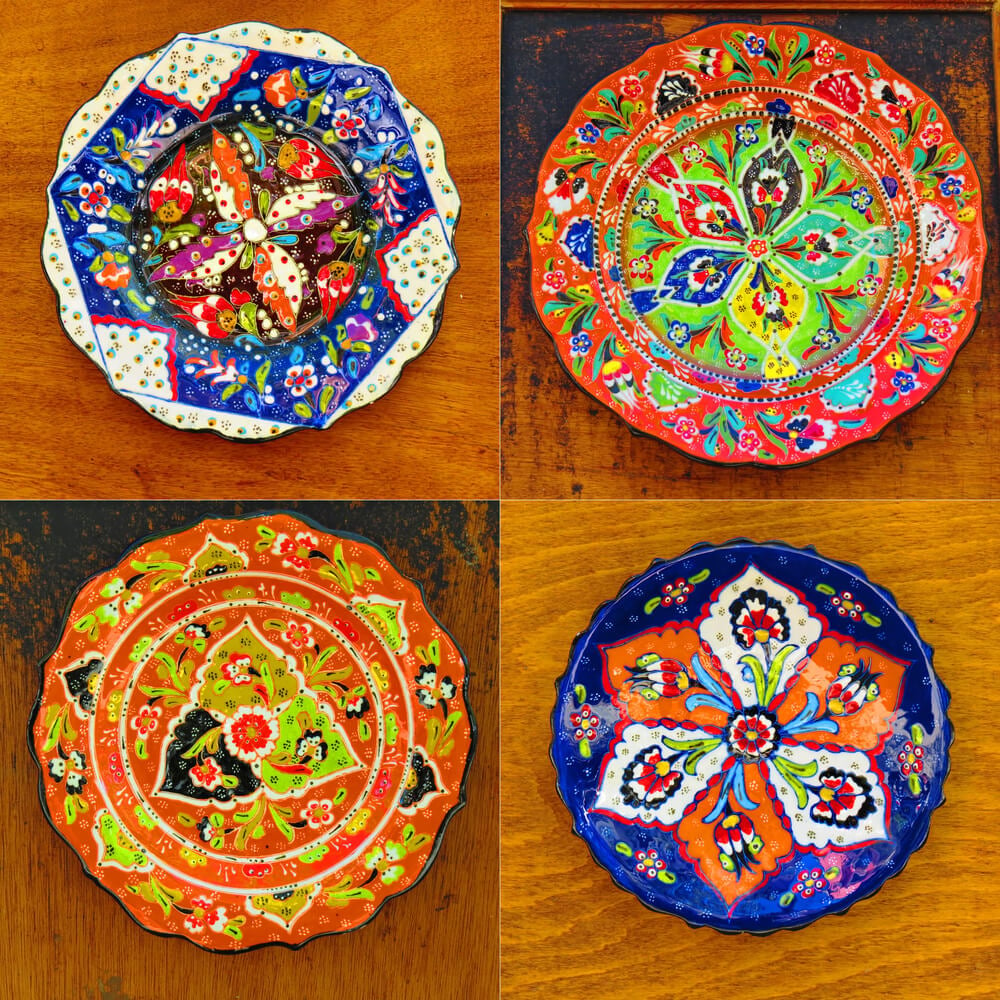
Geldermalsen, a Dutch East India Company ship, hit a reef in the South China Sea in January 1752, homeward bound from Canton with tea, porcelain and gold. British-born salvor Michael Hatcher found the wreck in 1985 and brought up roughly 150,000 pieces of blue and white porcelain plus more than 100 gold ingots.
The tea, long since rotted, had cushioned the crates and kept much of the china unchipped. Christie’s sold the lot in Amsterdam in 1986 under the name Nanking Cargo, and the sale raised more than 10 million pounds.
Archaeologists criticized the operation sharply, since the site was cleared for market with little record of how the ship had been loaded.
Tang Dynasty Wares From the Belitung Wreck
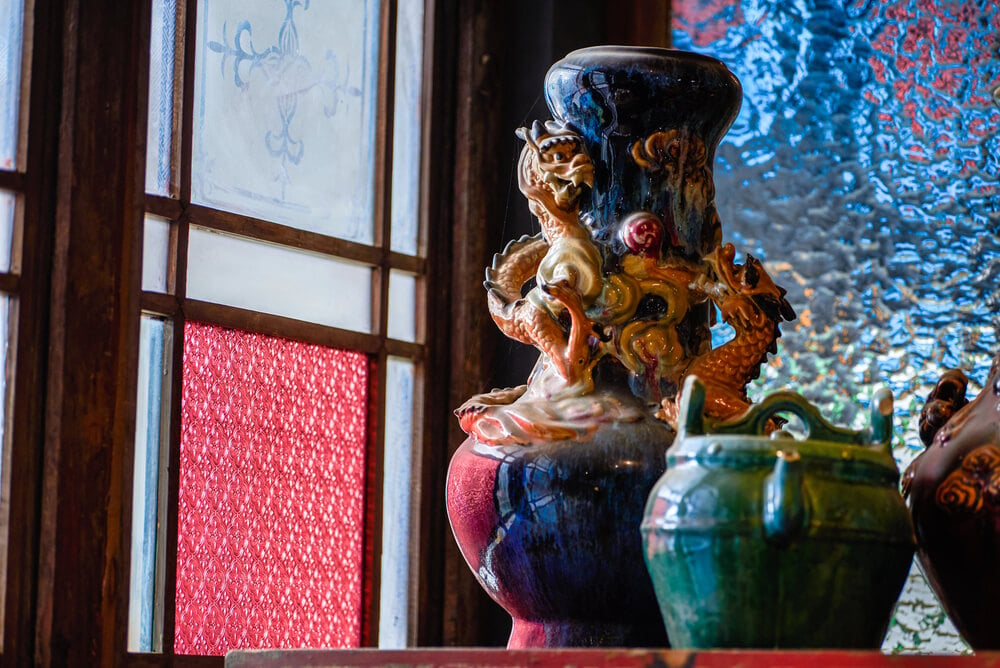
Fishermen diving for sea cucumbers off the Indonesian island of Belitung found a mound of ceramics in 1998. It turned out to be an Arab-style dhow of the ninth century, its planks sewn together with fiber, carrying Chinese goods westward.
A commercial company, Seabed Explorations, recovered about 60,000 objects. Most were Changsha bowls, many packed in spirals inside large storage jars, and one bowl bears a date equivalent to 826.
The cargo also held Tang gold and silver vessels of a quality rarely seen outside China. Singapore acquired the collection in 2005 for a reported 32 million dollars, and it is displayed there today.
A planned Smithsonian exhibition was called off in 2011 over objections to the commercial salvage.
Tek Sing’s Porcelain Mountain
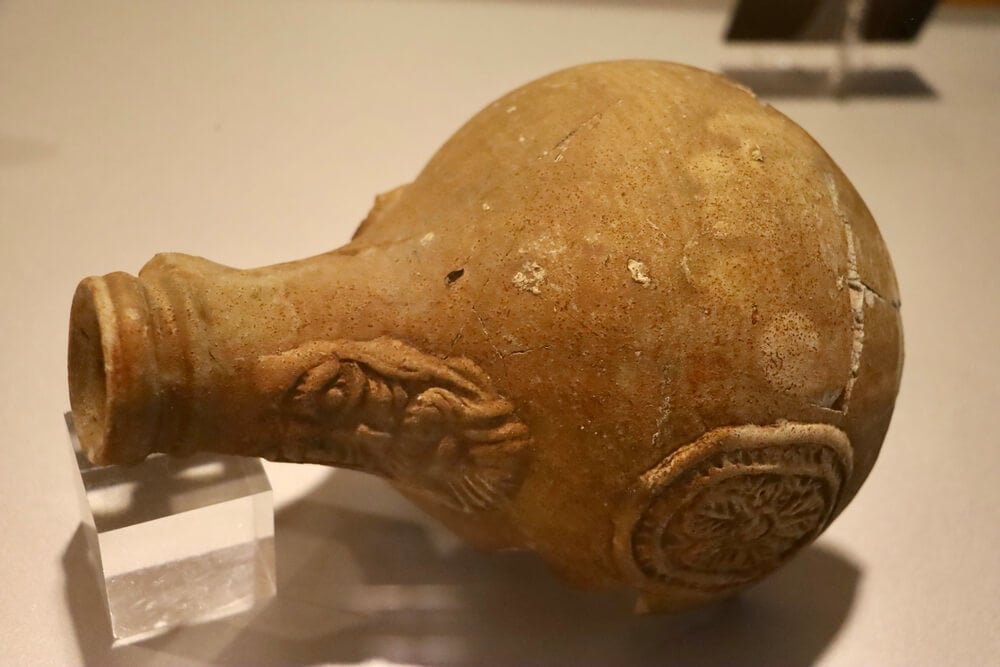
Tek Sing, a large Chinese junk, left Amoy for Batavia in early 1822, crowded with emigrants and stacked with porcelain. It struck a reef in the Gaspar Strait in February and sank quickly.
An English ship, the Indiana, rescued about 190 people, but an estimated 1,600 were lost, a toll that has led some writers to compare the disaster to the Titanic. Michael Hatcher located the wreck in May 1999 and found porcelain piled in a compact mass on the seabed.
His team raised around 350,000 pieces, mostly everyday blue and white ware from the kilns of Dehua. The cargo was auctioned in Stuttgart, Germany, in November 2000.
Bronze Age Cargo at Uluburun
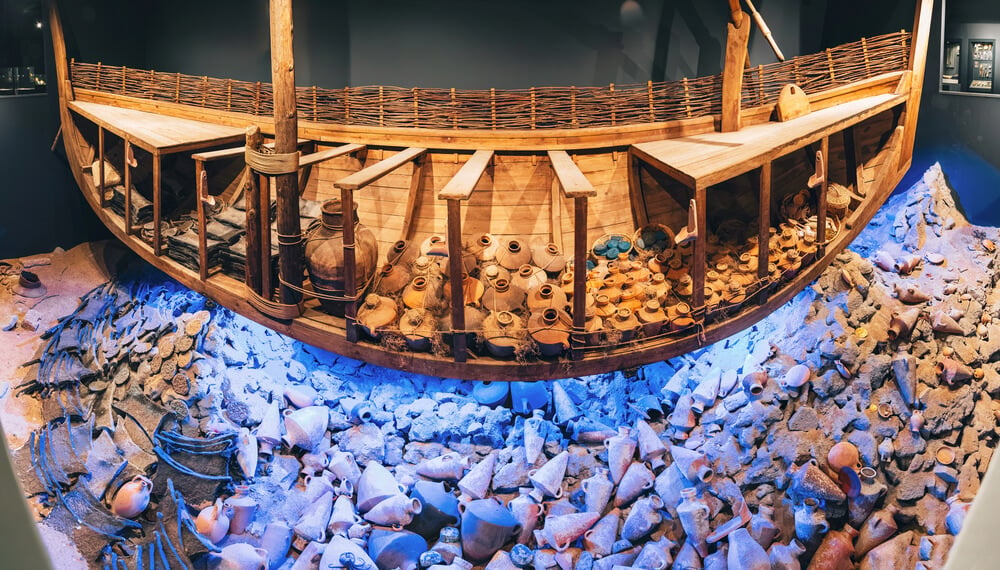
Turkish sponge diver Mehmet Cakir reported seeing metal objects shaped like oxhides on the seabed near Kas in 1982. What he had found was a merchant ship lost in the late 14th century BC.
Between 1984 and 1994, teams from the Institute of Nautical Archaeology under George Bass and Cemal Pulak made more than 22,000 dives on the steep site. They recovered about ten tons of copper ingots and a ton of tin, the right proportions for bronze.
The cargo also included cobalt blue glass ingots, ebony, elephant and hippopotamus ivory, and a gold scarab bearing the name of Nefertiti. The finds are held at the underwater archaeology museum in Bodrum.
Armada Jewels From the Girona
Few ships of the Spanish Armada carried as many people as the Girona did on its last night. The galleass had taken aboard the crews of other wrecked ships, and about 1,300 men were packed in when it struck Lacada Point on the Antrim coast in October 1588.
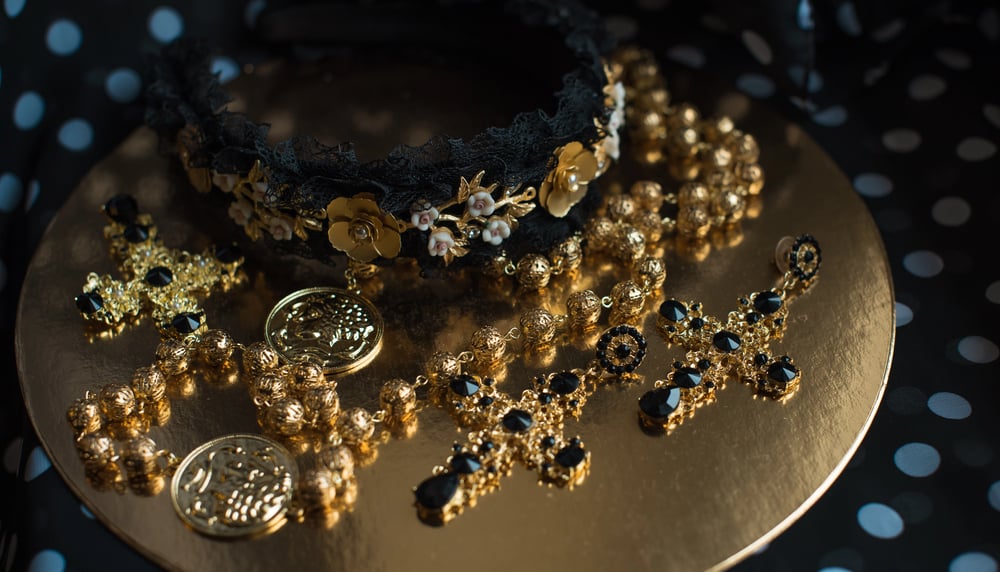
Fewer than ten survived. Belgian diver Robert Stenuit located the site in 1967 and spent two seasons recovering what the kelp and boulders had kept: gold coins, chains, cameos, rings, and a gold salamander pendant set with rubies.
Many of the officers had been young noblemen who carried their wealth with them. The Ulster Museum in Belfast acquired the collection in 1972.
Batavia’s Stone Gateway
Batavia, a Dutch East India Company ship on its maiden voyage, ran onto a reef in the Houtman Abrolhos off Western Australia on June 4, 1629. The wreck is remembered chiefly for what happened next, when a group of mutineers led by Jeronimus Cornelisz murdered more than 100 survivors.
The site was identified in 1963, and Western Australian Museum archaeologists excavated it during the 1970s. They raised stern timbers, bronze guns and silver coins.
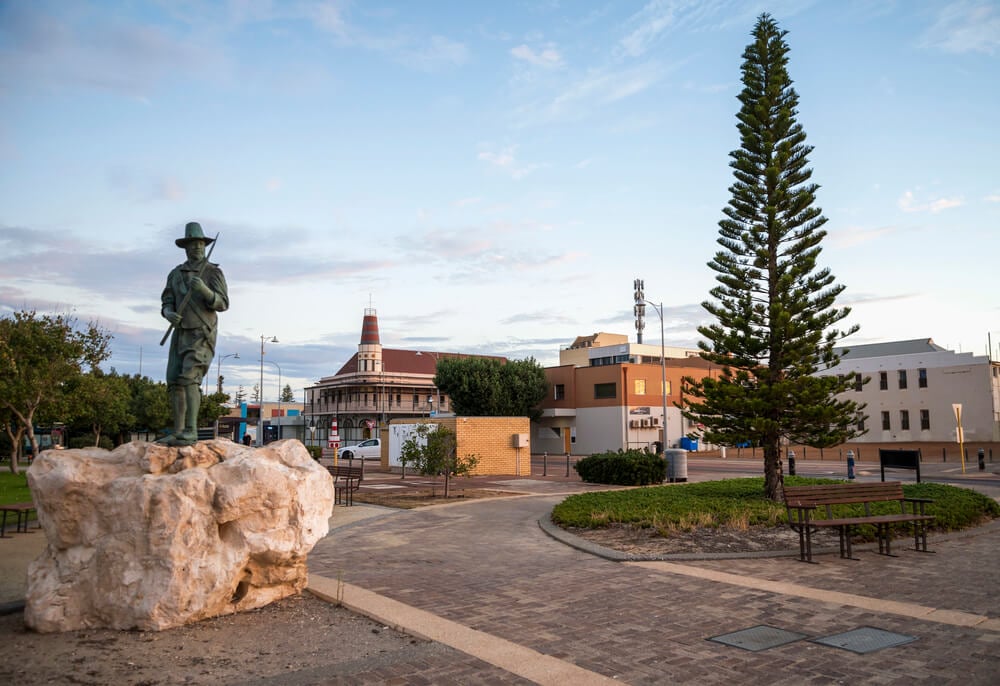
They also recovered 137 shaped sandstone blocks that, once assembled, formed a gateway intended for the company’s fortress at Batavia on Java. The timbers now stand in a museum in Fremantle beside a replica of the portico, and the original stonework is displayed in Geraldton.
La Salle’s Ship in a Texas Bay
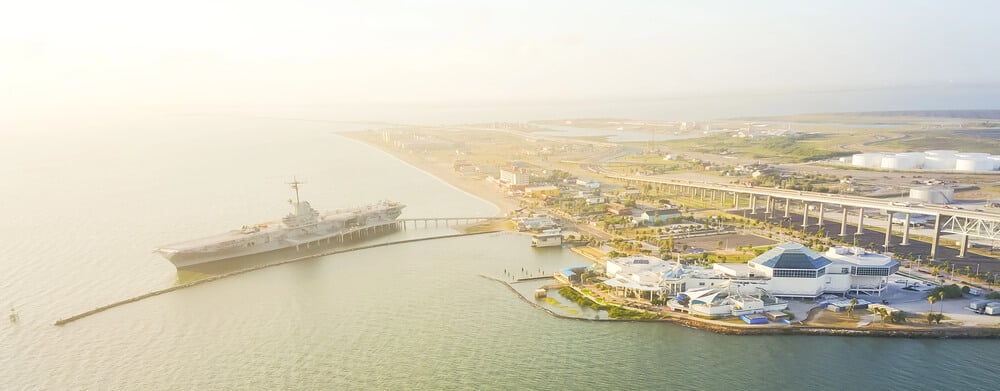
French explorer La Salle lost his last ship, La Belle, in a storm in Matagorda Bay in 1686, a setback that doomed his Texas colony. State archaeologists found the wreck in 1995 in about 12 feet of murky water.
Rather than dig blind, the Texas Historical Commission built a steel cofferdam around the site, pumped it dry and excavated on the exposed bay floor through 1996 and 1997. More than a million artifacts emerged, most of them glass trade beads, along with bronze cannon, muskets, brass rings and a sailor’s skeleton.
The hull was freeze-dried and reassembled in Austin. Under a 2003 agreement, France retains ownership of the ship and its contents.
Blackbeard’s Flagship at Beaufort Inlet
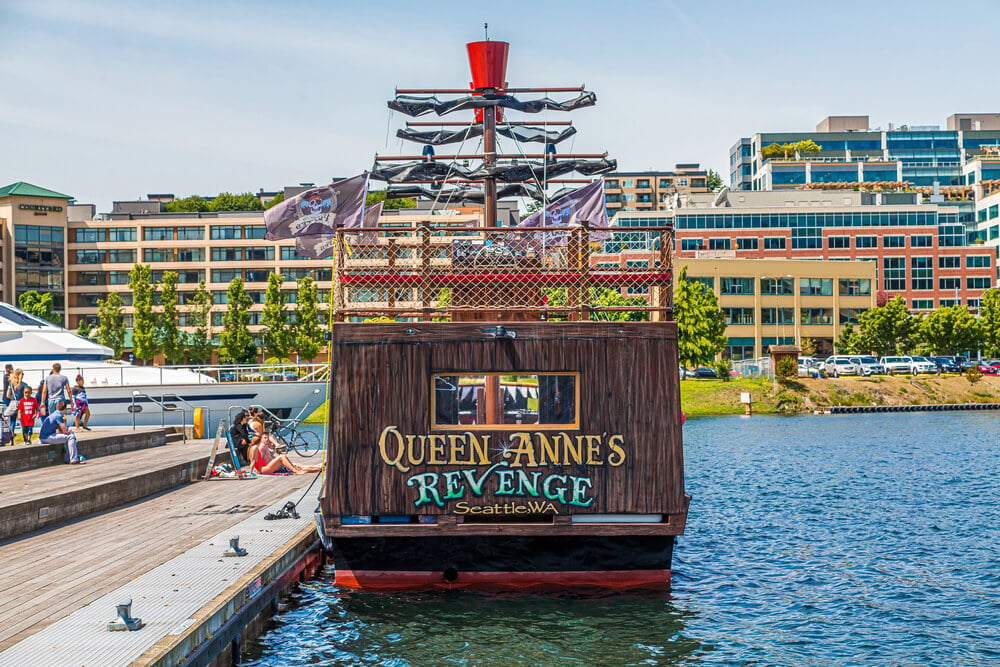
Queen Anne’s Revenge, the flagship of the pirate known as Blackbeard, ran aground at Beaufort Inlet, North Carolina, in June 1718. A private research firm, Intersal, located a wreck there in November 1996, and state archaeologists spent years building the case for its identity before North Carolina formally confirmed it in 2011.
That same year divers raised one of the ship’s large iron anchors. The site has yielded some 30 cannon of mixed origin, lead shot, navigational tools, a small quantity of gold dust and a set of medical instruments.
Those instruments fit the historical record, since the ship’s French surgeons were among the men Blackbeard kept when he seized it.
Champagne Aged on the Baltic Seabed
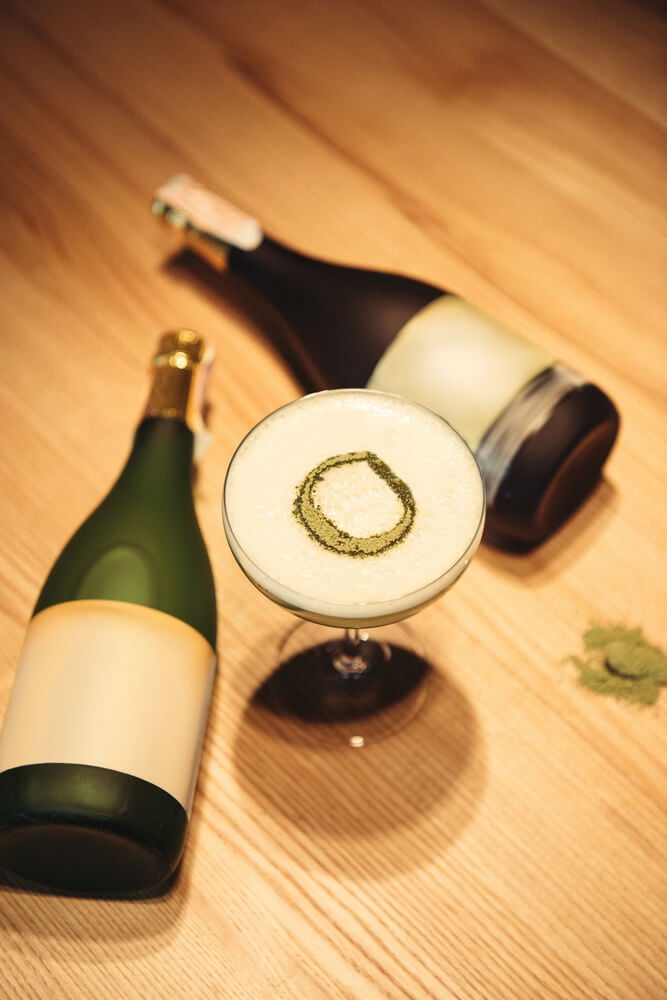
Divers exploring a small schooner about 50 meters down off the Aland Islands in July 2010 surfaced with a bottle, opened it and found it still drinkable. The wreck, dated to the 1840s, held more than 140 bottles of champagne from houses including Veuve Clicquot, Heidsieck and the long-vanished Juglar, plus a few bottles of beer.
Cold, darkness and steady pressure had done the work of a cellar. The local government of Aland took ownership and auctioned several bottles, one of which sold in 2011 for 30,000 euros.
Chemists who analyzed the wine reported that it was far sweeter than modern champagne, in keeping with 19th-century taste.
Salt Water and the Question of Who Owns the Past

Read together, these recoveries trace a slow change in what a shipwreck is thought to be. For centuries the answer was simple: a lost shipment, to be retrieved by whoever had the nerve and the equipment.
William Phips was knighted for it. By the time the Mercedes coins flew back to Spain, courts were treating a wreck as national property, a grave and an archive.
The objects that have told historians the most are rarely the ones with the highest price. A nit comb from the Mary Rose or a jar of Changsha bowls says more about how people lived and traded than another crate of identical coins.
Gold survives the sea unchanged, which is exactly why it carries so little information. The real argument now is over how a wreck gets recorded before anything is lifted from it.
More from Go2Tutors!

- The Romanov Crown Jewels and Their Tragic Fate
- 13 Historical Mysteries That Science Still Can’t Solve
- Famous Hoaxes That Fooled the World for Years
- 15 Child Stars with Tragic Adult Lives
- 16 Famous Jewelry Pieces in History
Like Go2Tutors’s content? Follow us on MSN.