Penguin Facts That’ll Melt Your Heart
Something clicks when folks see penguins. Perhaps it’s their hurried shuffle, never quite reaching fast enough, or the fact they always seem too dressed up for dinner.
Yet, once you pay attention, the appeal runs beyond looks. These birds carry quiet strength, forged in brutal climates, acting with care that seems oddly personal.
What holds your attention isn’t just their accidental charm. It’s how deeply wired they are for tending, lasting, staying close.
The longer you spend noticing how penguins survive, the clearer it becomes – those drives echo something quiet inside us.
Odd truths about penguins have a way of sticking around long after you hear them.
They thrive where almost nothing else can

Emperor penguins live in Antarctica, a place where winter temperatures can plunge below minus 70 degrees Fahrenheit and winds can tear across the ice at over 100 miles per hour. That alone feels impossible, yet these birds don’t just survive there.
They raise chicks during the coldest, darkest months of the year.
What makes this even more striking is that they do it without trees, sheltering cliffs, or vegetation. The landscape is stark and exposed.
Their survival depends on timing, cooperation, and an ability to endure discomfort for long stretches without complaint.
That endurance is part of why penguins feel so admirable. They don’t fight the environment with brute force.
Instead, they adapt to it patiently, shaping their lives around what the world gives them rather than what they wish it would be.
Their walk saves energy, even if it looks clumsy

That famous waddle isn’t an accident or a design flaw. Researchers have found that penguins move this way because it uses less energy than walking like most birds.
By rocking side to side, they conserve strength, which matters when food sources can be dozens of miles away.
When penguins really want to move fast, they don’t walk at all. They drop onto their bellies and slide across the ice, pushing with their feet and flippers.
It looks playful, but it’s actually one of the most efficient ways to travel long distances in their environment.
There’s something oddly comforting in that. Penguins aren’t worried about elegance or appearances.
They do what works. Sometimes, what works just happens to look adorable.
They form strong, purposeful partnerships
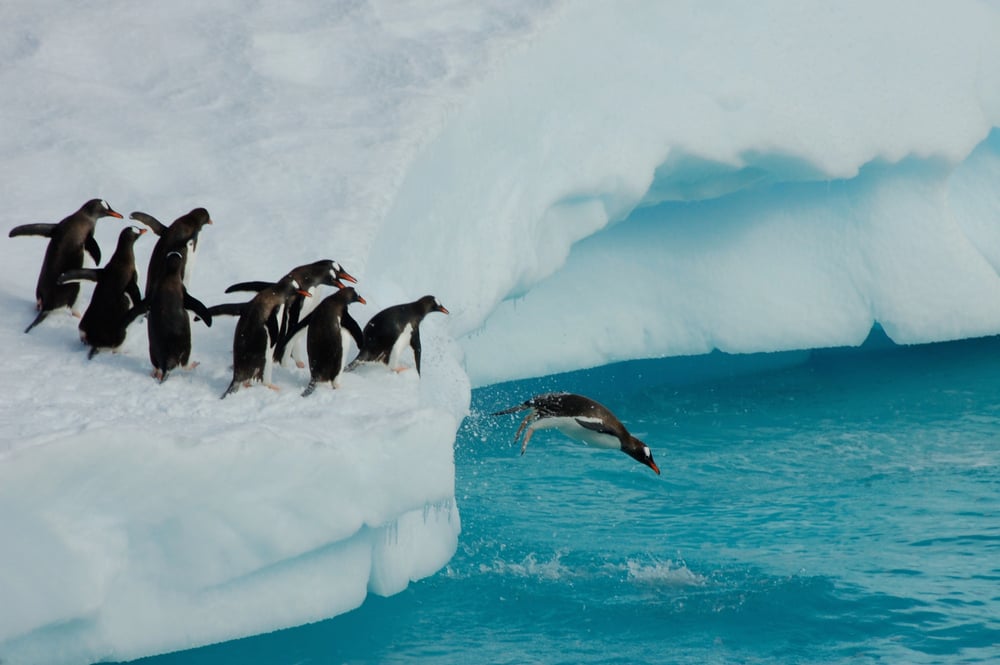
Many penguin species return to the same partner season after season, not out of sentimentality but because familiarity improves success. Knowing your partner’s habits, timing, and signals makes raising a chick more likely in an unforgiving environment.
That bond shows up in small, practical ways. Partners recognise each other’s calls among thousands of others.
They take turns guarding eggs or chicks so the other can travel miles to find food.
Even so, penguin partnerships aren’t perfect or permanent in every case. If conditions change or a season goes badly, bonds can shift.
What’s touching is not the idea of forever, but the commitment to doing what’s necessary when it matters most.
They recognise voices in massive crowds

In large colonies, penguins live shoulder to shoulder with thousands of others that look nearly identical. Chicks and parents still manage to find each other using sound alone.
Each penguin has a unique call, and they can pick it out from a constant wall of noise.
Imagine standing in a packed stadium with everyone shouting at once, yet being able to identify one familiar voice immediately. That’s the level of recognition penguins rely on.
It isn’t a novelty. It’s essential for survival.
This ability highlights how tuned in penguins are to one another. Their world may look chaotic to us, but to them it’s filled with recognisable signals and meaning.
Chicks are raised with remarkable patience

Penguin chicks are not born ready for the cold. They depend entirely on their parents for warmth and food during their earliest weeks.
Adults shelter them against their bodies, often balancing them on their feet and covering them with a fold of skin to protect them from the wind.
In emperor penguins, one parent may go without eating for months while guarding a chick through the Antarctic winter. By the time relief arrives, they can lose nearly half their body weight.
That patience is one of the most heart-melting aspects of penguin life. There’s no rushing the process.
Care is given slowly, steadily, and with full focus.
They take turns in ways that build trust
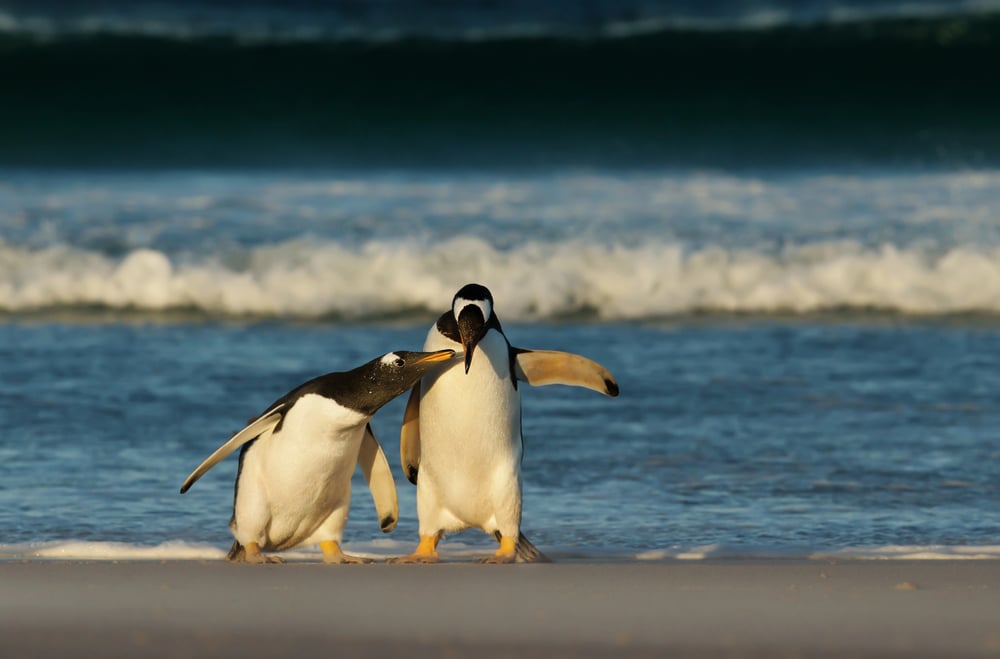
Many penguin species rely on strict turn-taking. One adult guards the chick while the other travels long distances to hunt.
When the foraging penguin returns, roles switch. This rhythm can continue for weeks.
If one partner fails to return on time, the consequences can be serious. Still, the system works because both individuals commit fully to their role.
That balance of responsibility feels surprisingly familiar. It’s not about grand gestures.
It’s about showing up when it’s your turn, even when it’s difficult.
Their feathers act like built-in insulation

Penguin feathers are densely packed, far more so than most birds. This creates a layer of trapped air that keeps cold water from reaching their skin.
Beneath that, a thick layer of fat adds another barrier against freezing temperatures.
They also spend a significant amount of time grooming. By spreading oils from a gland near their tails, they maintain the waterproof quality of their feathers.
It’s careful, repetitive work.
Watching a penguin preen feels almost calming. It’s a reminder that survival often depends on small, consistent acts rather than dramatic moments.
Huddling is a lesson in cooperation
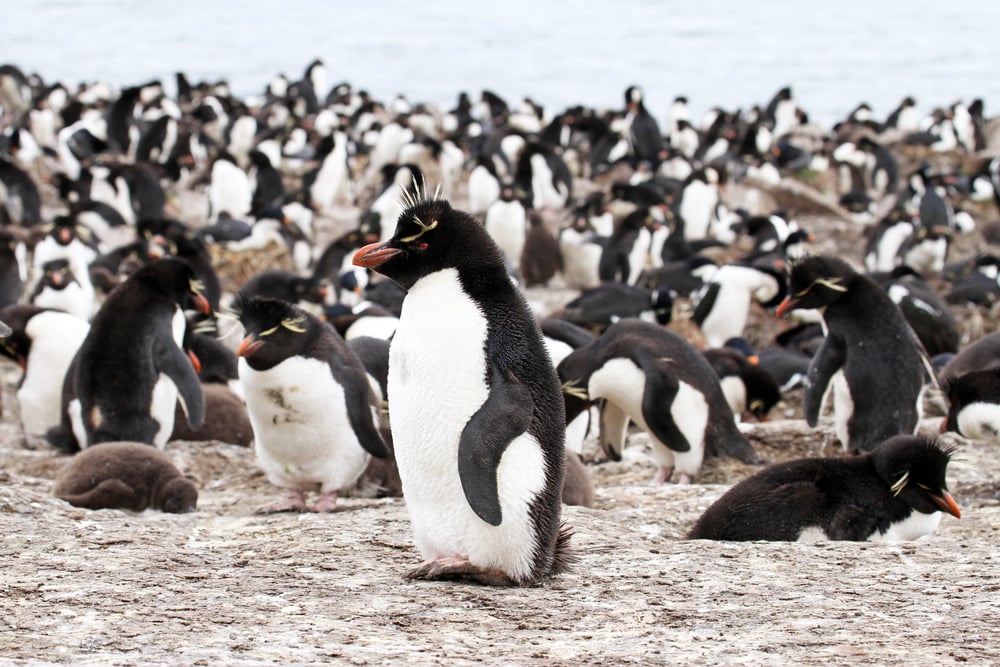
During the harshest weather, emperor penguins huddle together in tightly packed groups. Individuals on the outside take the brunt of the wind while those inside stay warmer.
Over time, the group slowly shifts so no single penguin faces the cold alone for too long.
This behaviour isn’t directed by a leader. It happens naturally, guided by instinct and shared benefit.
That shared warmth is one of the most powerful images in the natural world. Its cooperation was made visible, showing how collective effort can make harsh conditions manageable.
They’re graceful where it matters most
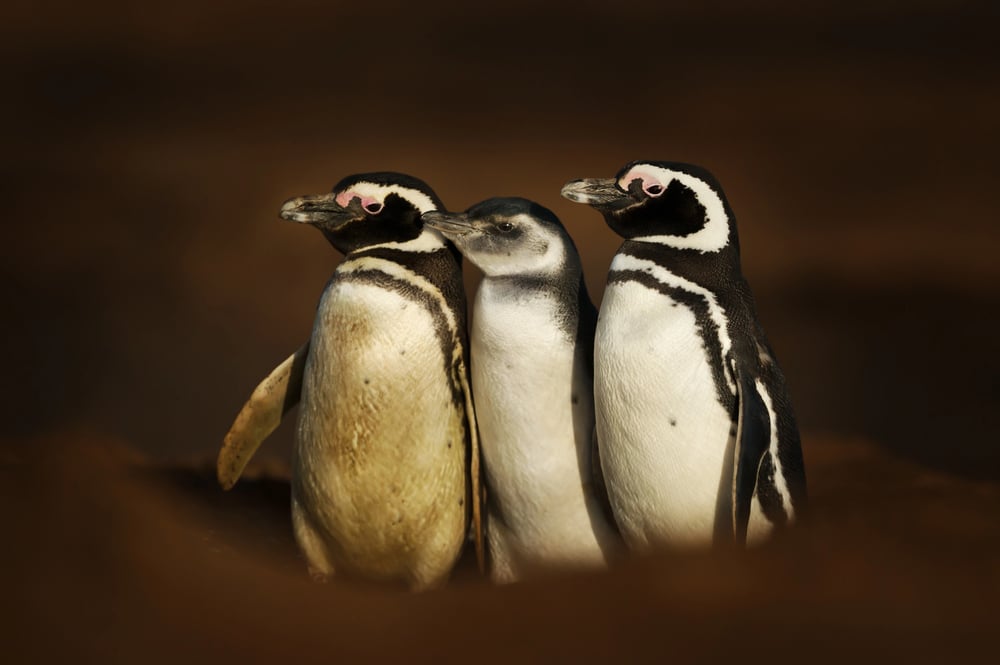
On land, penguins look awkward. In the water, they’re transformed.
Their bodies are streamlined for swimming, and their flippers act like wings, allowing them to move with precision.
Some species can reach speeds of up to 22 miles per hour underwater. They dive deep, navigate currents, and catch fast-moving prey with ease.
That contrast is part of their appeal. The same animal that stumbles on ice becomes elegant beneath the surface, reminding us that context changes everything.
They return to familiar places year after year
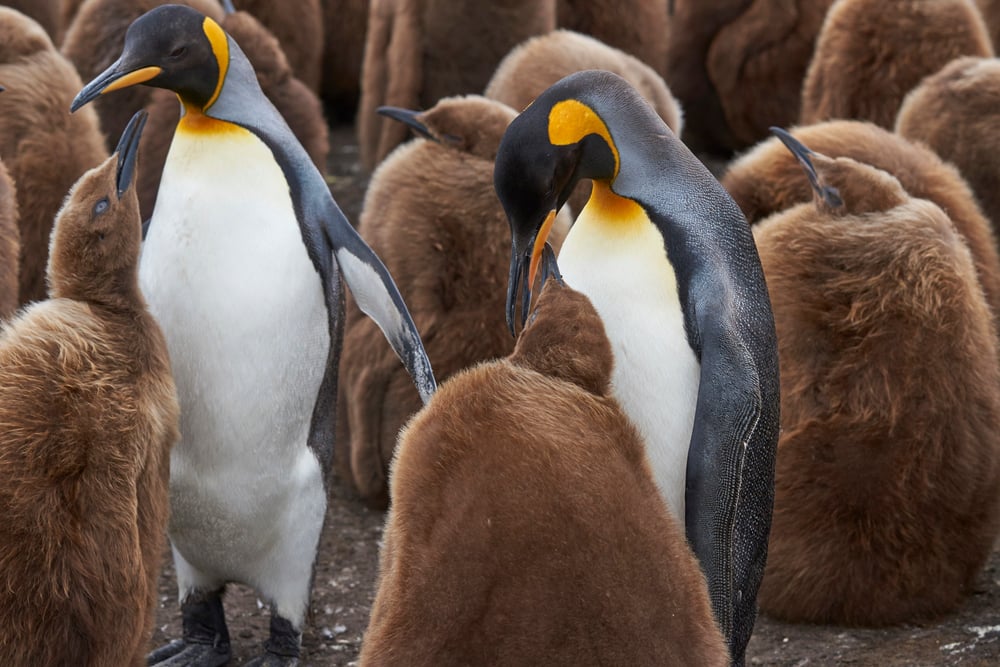
Many penguins travel vast distances at sea but return to the same nesting grounds each year. These places are often rocky, exposed, and far from comfortable, yet they’re chosen again and again.
Familiarity plays a role. Knowing the terrain, timing, and patterns increases the chances of success.
Home, for penguins, isn’t about ease. It’s about reliability.
There’s something quietly moving about that loyalty to place. It reflects an understanding that not all worthwhile things are easy.
They show that care doesn’t have to be loud
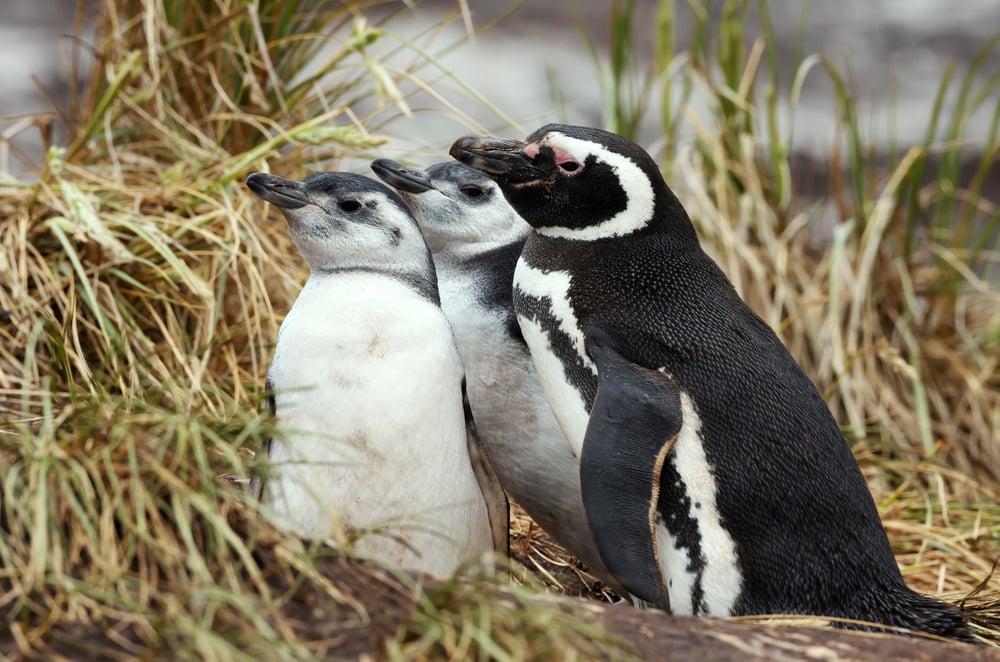
Penguins don’t express care through dramatic displays. Their version of care is practical and grounded in action.
Standing guard through brutal weather. Sharing warmth.
Returning with food, again and again. These behaviours may look simple, but they’re powerful.
What makes penguins so easy to love is that their lives revolve around doing what needs to be done for others, even when conditions are harsh.
Why They Stay With Us
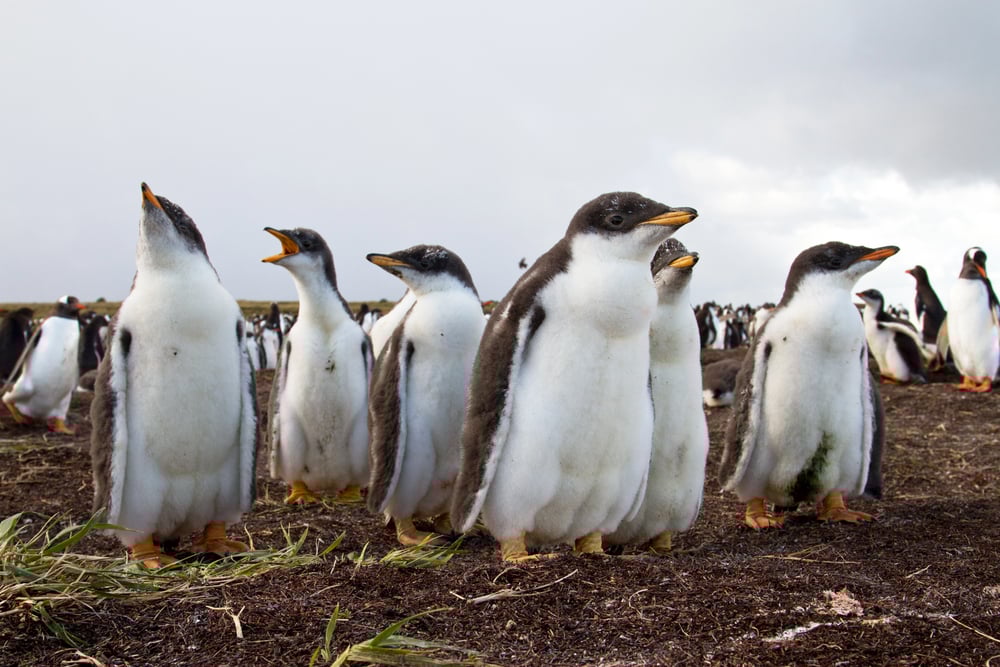
Long before people arrived on frozen shores, penguins were already making it through harsh conditions. Now, as ice shrinks and changes speed up, their ancient routines stand out more than ever.
Quiet persistence beats loud struggle every time, one step at a time. Working together just happens, no words needed, shaped by necessity instead of choice.
While rushing ahead dominates most thinking elsewhere, these birds move slow, stay close, look after each other.
Maybe that is what draws eyes back again and again – proof that comfort grows where you’d least expect.
More from Go2Tutors!

- The Romanov Crown Jewels and Their Tragic Fate
- 13 Historical Mysteries That Science Still Can’t Solve
- Famous Hoaxes That Fooled the World for Years
- 15 Child Stars with Tragic Adult Lives
- 16 Famous Jewelry Pieces in History
Like Go2Tutors’s content? Follow us on MSN.