29 Hallmark Ornaments Collectors Hunt Fo
Hallmark sold its first Keepsake Ornaments in 1973, a modest lineup of six decorated glass pieces and twelve yarn figures. Half a century later the company releases more than 400 new ornaments a year, and a secondary market of serious collectors tracks every first-in-series piece, every club exclusive and every misprinted box.
The Henry Ford museum in Michigan holds nearly 7,000 of them, which says something about how far a 1970s stocking stuffer has traveled.
The pieces below are the ones that get searched for by name at estate sales and in online auctions. Some are valuable because they launched a long series, some because they were made for a single season, and a few because they lit up or talked before any other ornament did.
Betsey Clark Glass Ornament From the First Year
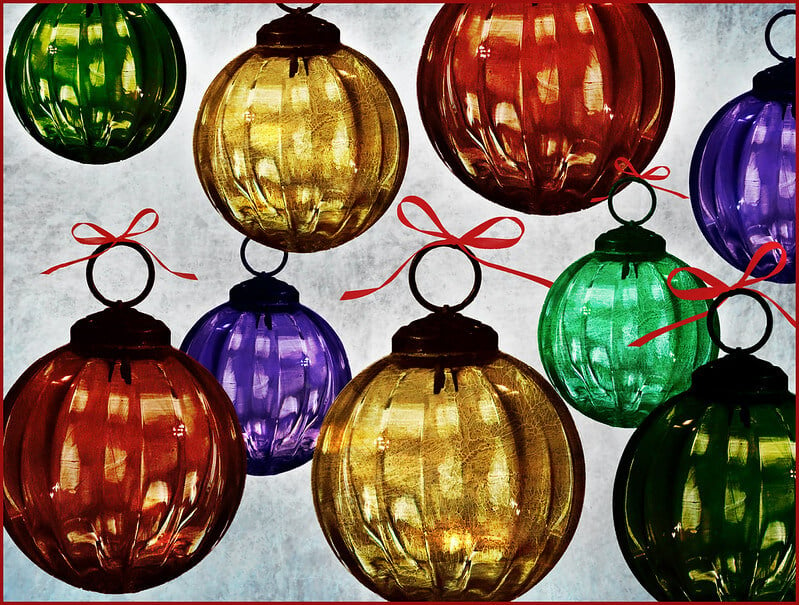
Among the six glass ornaments Hallmark issued in 1973, the Betsey Clark design is the one most often cited as the beginning of the entire Keepsake line. Clark’s big-eyed, wistful children were already a Hallmark greeting card staple, and the ornament carried them onto a decorated glass sphere with a printed date.
First-year pieces typically bring about 50 to 300 dollars when boxed, and the original box alone can account for roughly half of that figure. Glass this old chips and the printed design fades under decades of attic heat, so an unblemished example with crisp lettering is far scarcer than the production numbers suggest.
Yarn Figures From the Debut Lineup
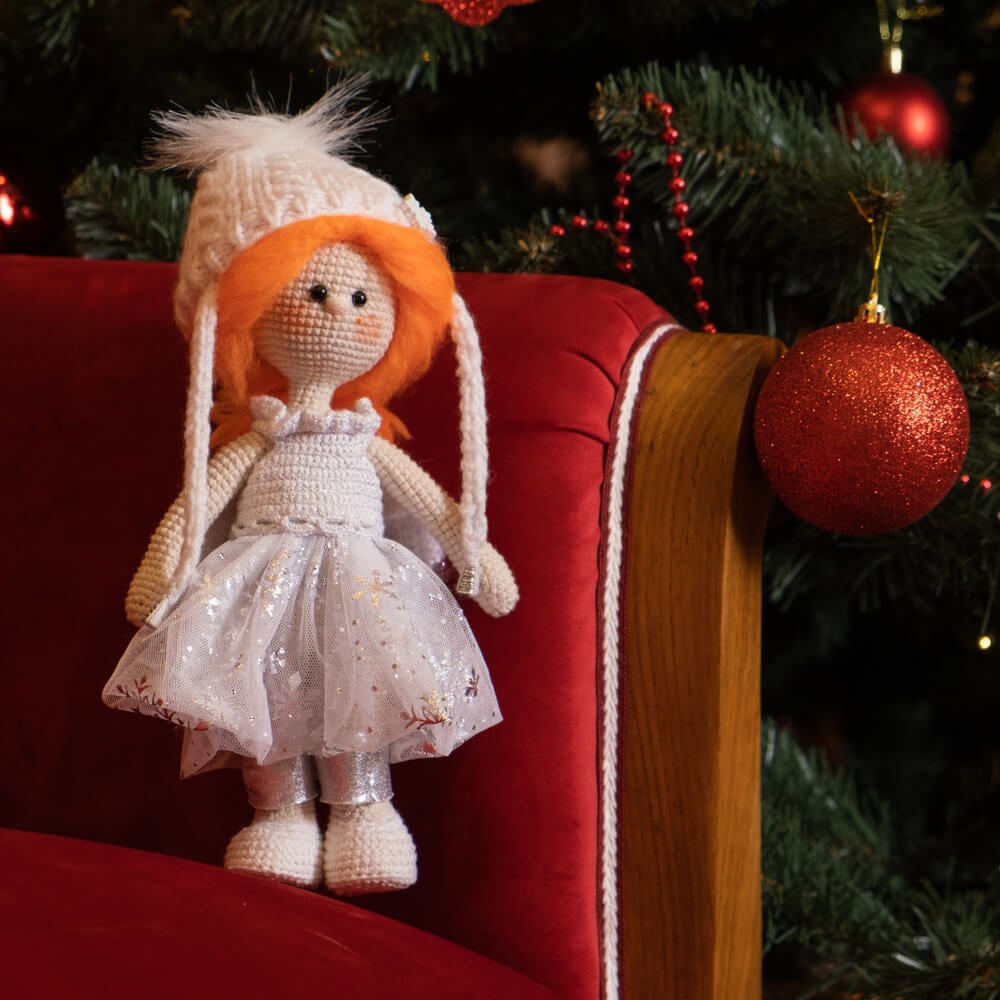
Twelve yarn ornaments rounded out the 1973 debut, simple wrapped figures that cost well under two dollars at the time. They were not designed as collectibles and most were hung, handled by children and eventually tossed, which is exactly why clean survivors are hunted.
Yarn wears at the edges, loses its color and attracts moths, and the small felt and cardboard details on these figures tend to go missing. A boxed, unfaded example from the first year is the kind of piece a Keepsake completist pays a premium for, while a bare, matted figure without packaging is worth very little by comparison.
Mickey and His Friends Glass Ornament From 1977
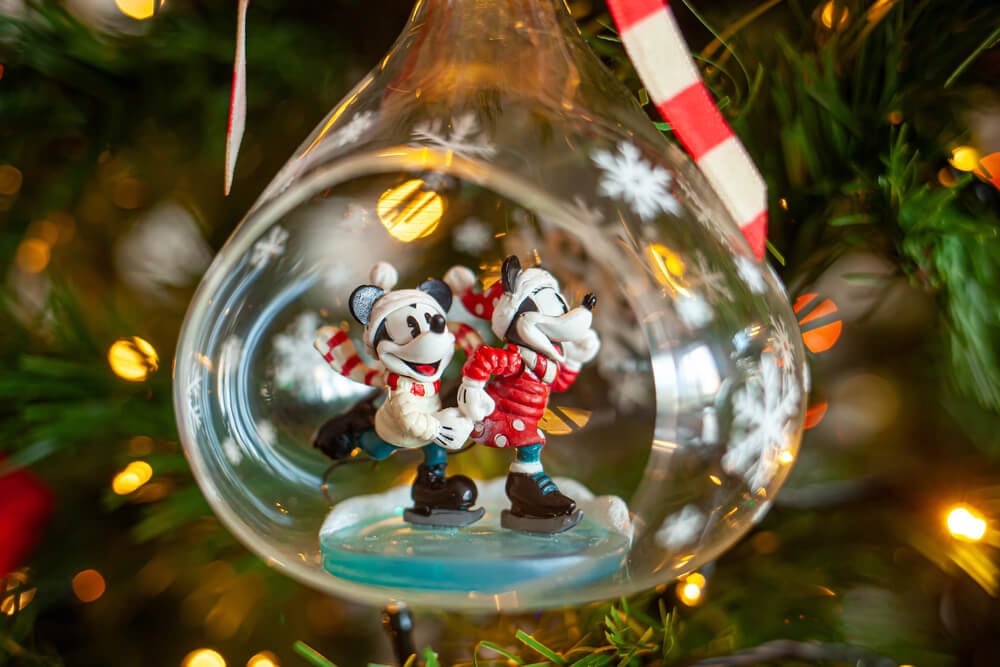
Disney licensing at Hallmark goes back further than many collectors assume, and the 1977 Disney glass ornament featuring Mickey and his friends is one of the earliest licensed pieces in the Keepsake line. It belongs to the era of printed glass spheres rather than sculpted figures, so the artwork sits right on the surface where it rubs and scratches.
The Henry Ford holds an example in its ornament collection, which gives collectors a documented reference for the design. Values depend heavily on whether the printing is intact and whether the original dated box survives, and early Disney glass with both tends to sell for considerably more than undated loose examples.
Antique Car From the 1977 Nostalgia Ornaments
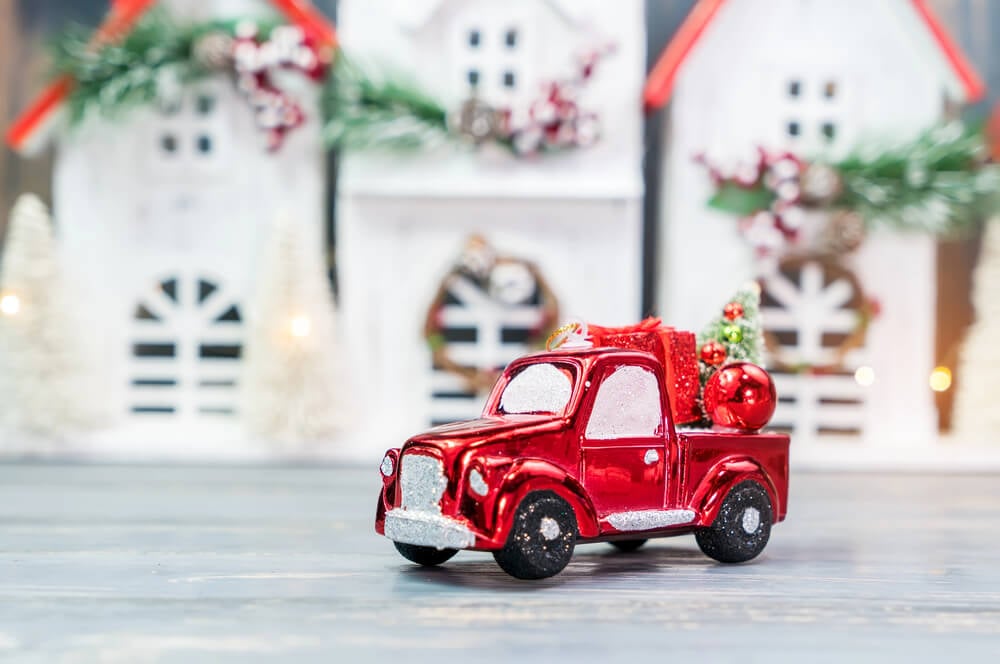
Before the long collector series took hold, Hallmark issued small groups of themed pieces, and the 1977 Nostalgia Ornaments included a molded Antique Car. These early molded designs marked a turn away from flat printed glass toward dimensional sculpture, the direction the line would follow for decades.
The car is cataloged at the Henry Ford, a useful confirmation for anyone trying to tell an original from a later lookalike. Pricing on 1970s Nostalgia pieces varies widely, and paint rubs on raised fenders and wheels, along with a missing or crushed box, are what separate a modest sale from a strong one.
Santa’s Motorcar Opening the Here Comes Santa Series

In 1979 Hallmark launched Here Comes Santa with Santa’s Motorcar, a sculpted Santa at the wheel of an early automobile. The series went on for decades, putting Santa behind the wheel of a new vehicle nearly every year, and the early pieces are a popular set to assemble.
Because the first ornament in any long series is the one every later collector needs, the Motorcar is consistently in demand and boxed examples have sold for several hundred dollars. Loose cars with worn gold trim or a bent hanger loop sell for far less, and the box with its original price sticker adds real money.
A Cool Yule From Frosty Friends

Frosty Friends began in 1980 with A Cool Yule, a small parka-clad child reading to a polar bear on a block of ice. The series is still running, which makes it one of the longest in the Keepsake catalog and keeps new collectors chasing the early pieces.
A Cool Yule is widely regarded as one of the most valuable Hallmark ornaments, and boxed examples have typically sold for several hundred dollars, with top examples going higher. The clear acrylic ice block yellows and scratches easily, the small figures lose paint on the high points, and anything short of a crisp box knocks the price down sharply.
Rocking Horse Series Opener From 1981
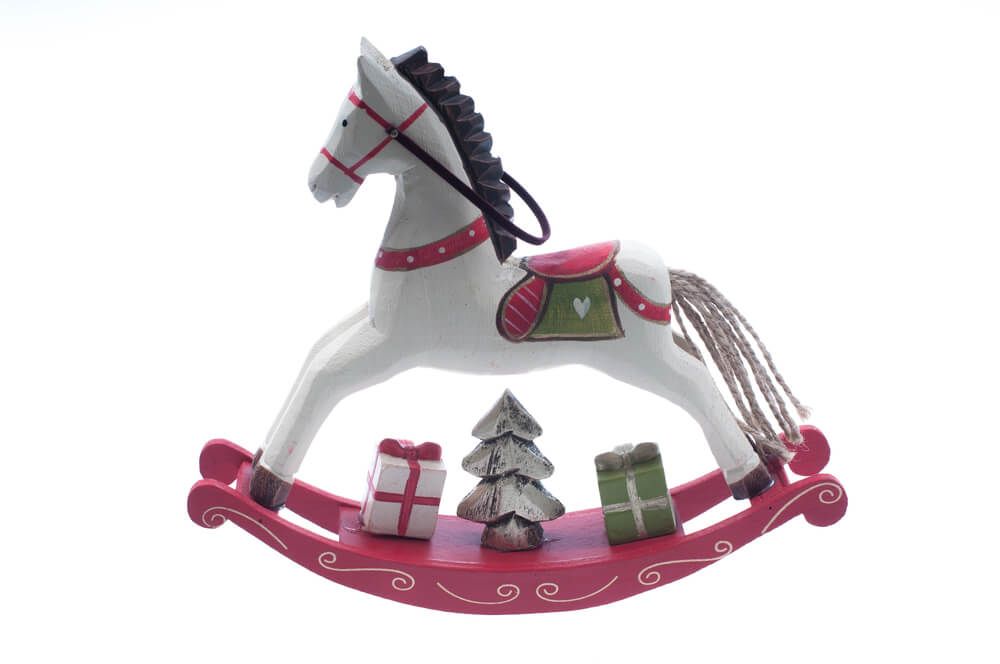
Linda Sickman’s Rocking Horse series opened in 1981 with a dappled horse on a red rocker, and it ran for sixteen years before the final piece in 1996. The first horse is among the most requested of all Keepsake series openers and often sells for a few hundred dollars when boxed.
Each later year changed the horse’s color and saddle, so collectors can date a loose example at a glance, but the 1981 piece is the one that commands attention. Paint flaking on the rockers and rubbed saddle trim are the usual condition problems, and an unopened box with the Hallmark seal intact sits at the top of the market.
Tin Locomotive From 1982
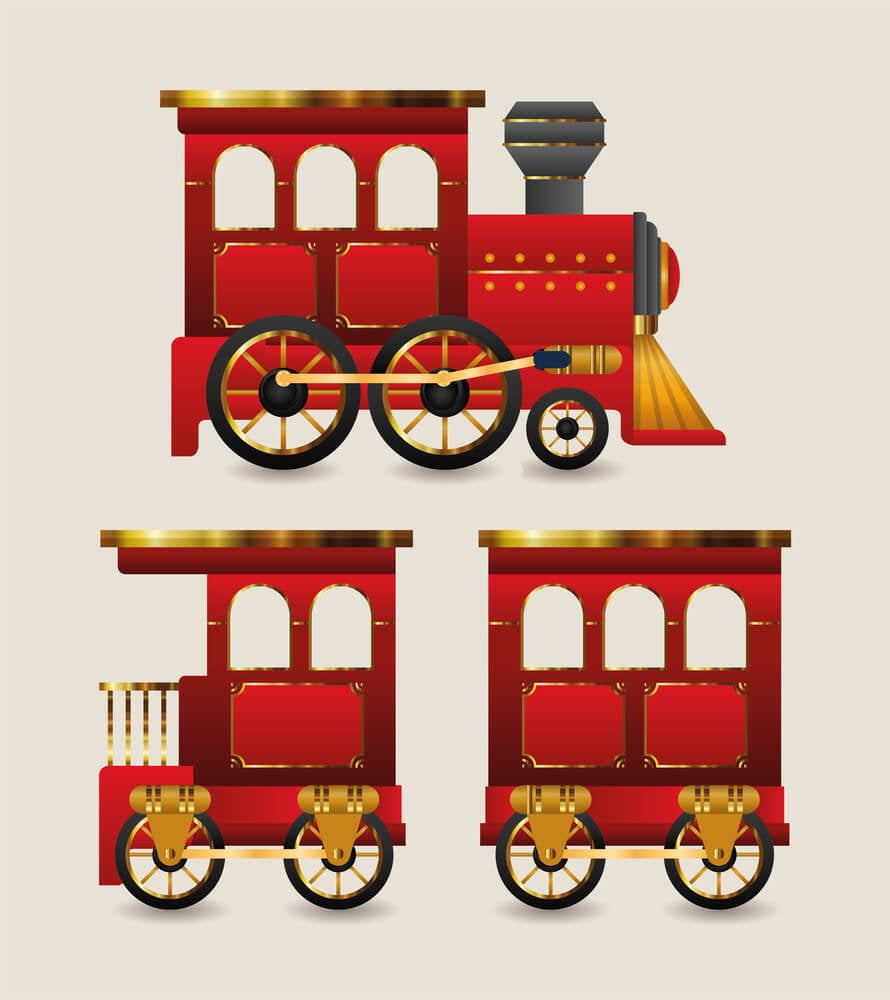
Tin Locomotive debuted as a series in 1982 with a pressed-tin engine whose wheels actually turn, an early example of Hallmark building movement into an ornament. Printed tin picks up dents and the lithographed surface scratches, so sharp, bright examples are far less common than the number made would imply.
The 1982 engine has sold for well over 100 dollars when boxed and clean, and the full eight-year run is a satisfying set for train fans who also collect Lionel ornaments. Rust spots on the underside and a stiff or missing wheel are the details sellers check before pricing one at the top of the range.
British Soldier From the Clothespin Soldier Series
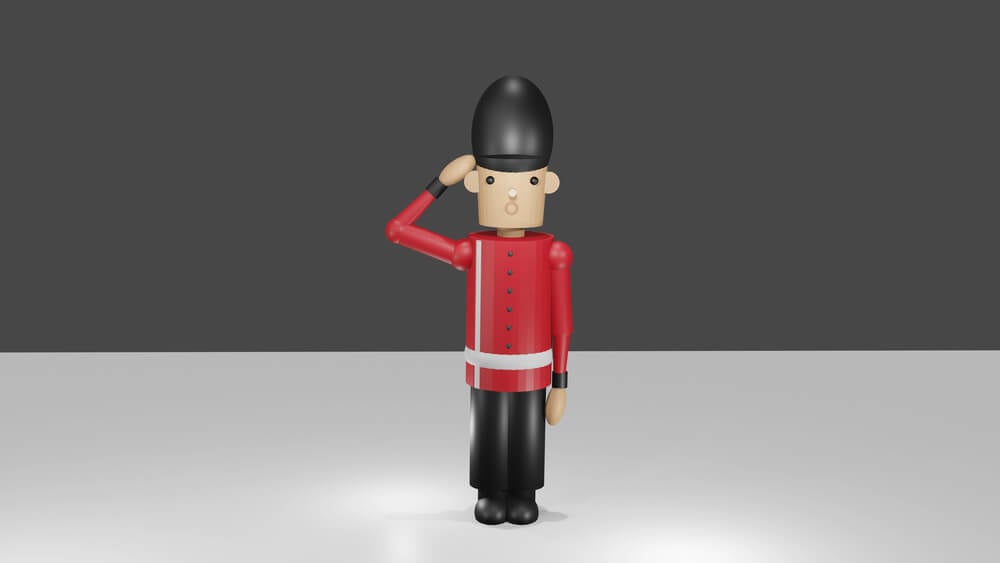
Clothespin Soldier, another 1982 series debut, opened with a British redcoat styled after a wooden clothespin figure, complete with a tall black hat and painted mustache. Later years added soldiers in other national uniforms, but the British first edition is the one that anchors a complete set.
The design is deceptively fragile because the painted wood-look finish chips at the hat brim and the thin arms snap if the ornament is dropped. Values are moderate compared with the Frosty Friends opener, often in the tens of dollars loose and higher with the box, and a flawless hat and crisp painted buttons make the difference.
Victorian Dollhouse Opening Nostalgic Houses and Shops
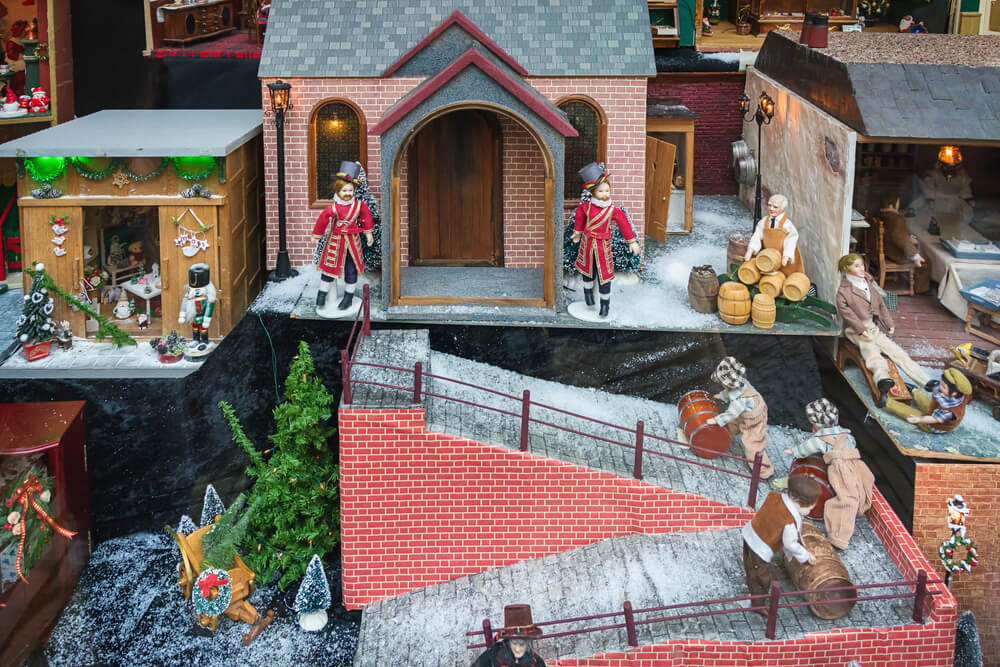
Nostalgic Houses and Shops is one of Hallmark’s longest-running series, and it opened in 1984 with the Victorian Dollhouse, a two-story house with a hinged front that swings open to reveal furnished rooms. The series has added a new building nearly every year since, so the 1984 piece is always being sought by collectors catching up.
Boxed first editions have sold for well over 100 dollars, and the pricing swings on whether the tiny interior furnishings are intact and the hinge still works. Scuffed roof shingles, a cracked gable and faded exterior paint are typical faults on examples that hung on real trees for years.
Carousel Reindeer Club Exclusive From 1987
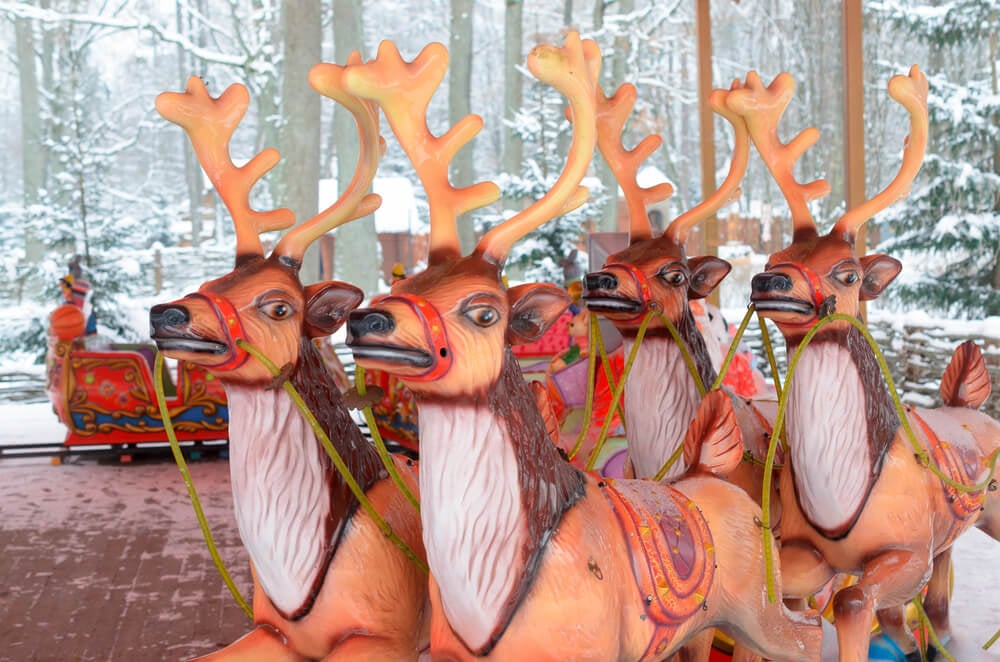
Hallmark formed the Keepsake Ornament Collectors Club in 1987, and the Carousel Reindeer was among the exclusives offered to members in that charter year. Club pieces were never sold in stores, which caps the supply permanently and gives them a built-in scarcity that regular releases lack.
The reindeer wears carousel-style trappings on a pole base, and the delicate antlers are the first thing to break. Membership exclusives from the first year are a well-defined target for completists, and a boxed example with its club paperwork sells for a clear premium over a loose one with chipped antler tips or a bent pole.
Wreath of Memories Charter Member Ornament
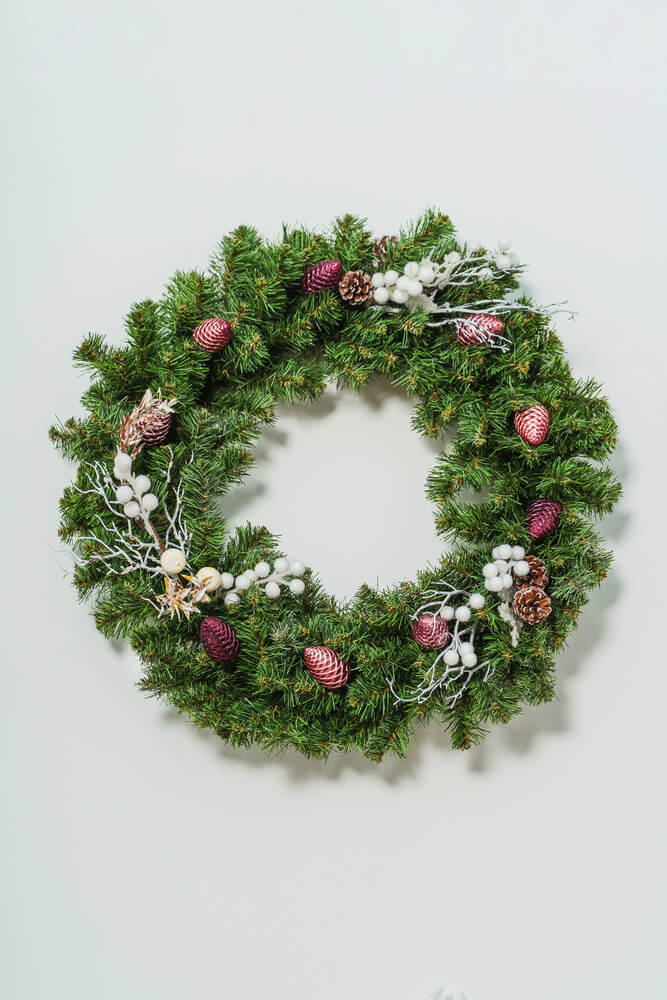
Charter members of the new Collectors Club in 1987 received the Wreath of Memories, a membership ornament that was not available for purchase at any price. A piece that could only be obtained by joining in a single year is a classic collector target, and the Wreath has stayed in demand ever since because every later member wants the one piece they could never buy.
The wreath’s small molded details are prone to paint loss, and its original box and club materials matter as much as the ornament itself. Examples still sealed in their packaging sell well above opened ones, while a loose wreath with worn gold highlights is a far more modest buy.
Holiday Heirloom Limited Edition From 1987
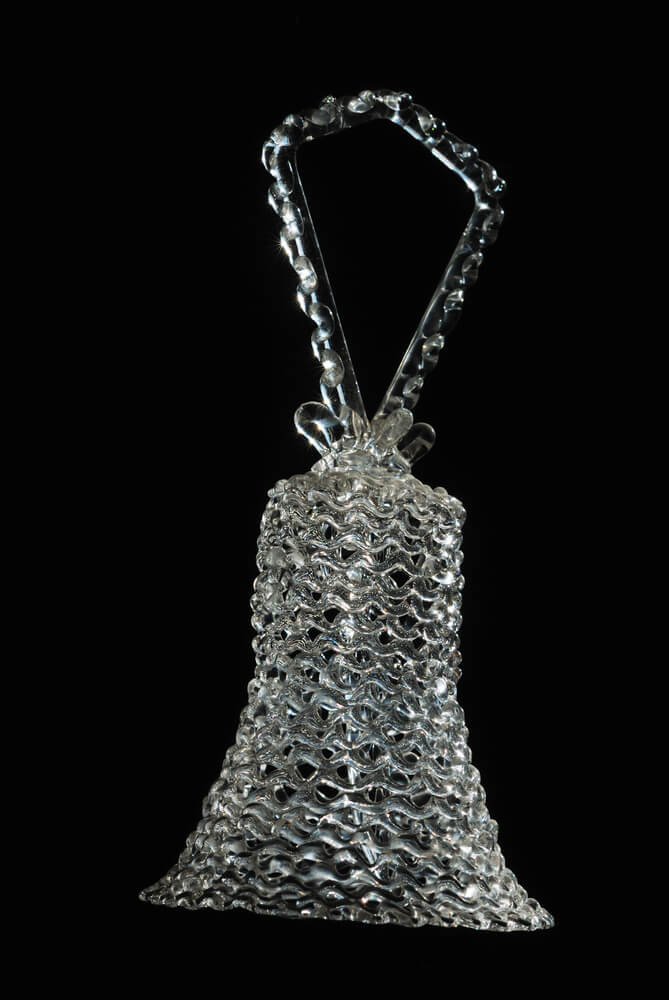
That same year Hallmark also issued a limited edition Holiday Heirloom ornament, a lead crystal and silver-plated design that signaled the company’s push toward higher-end pieces. Limited editions carried a stated production cap, and collectors value them for that reason even when the design is quieter than the licensed novelties.
Crystal and plated metal both show age in their own ways, with hairline cracks in the crystal and dark toning on the silver plate being the common complaints. The Henry Ford holds one in its collection, confirming the piece for anyone sorting Hallmark’s late 1980s limited runs, and clean boxed examples bring considerably more than tarnished loose ones.
Buttercup From Mary’s Angels
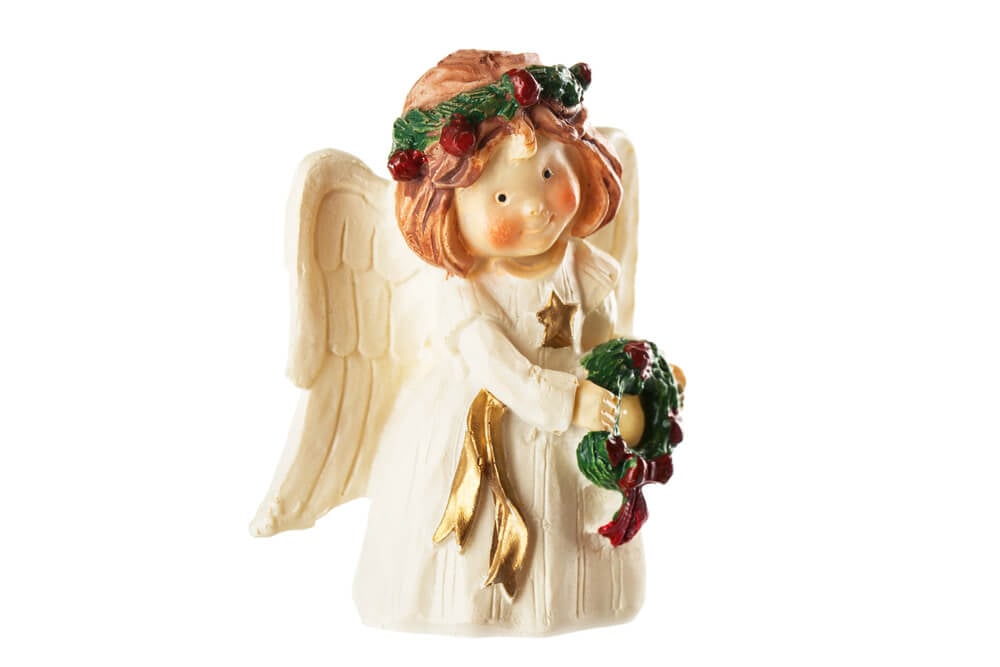
Mary Hamilton’s Mary’s Angels series began in 1988 with Buttercup, a small angel in a yellow gown seated on an acrylic cloud. The series continued with a new flower-named angel each year for decades, and the gentle design built one of the most loyal followings in the Keepsake catalog.
Buttercup is the first edition every series collector needs, and sealed examples still in the original box have sold for well over 100 dollars. The frosted acrylic cloud scratches and clouds further with handling, the small painted face wears, and a missing box drops the value to a fraction of a sealed one.
Starship Enterprise With Working Lights From 1991
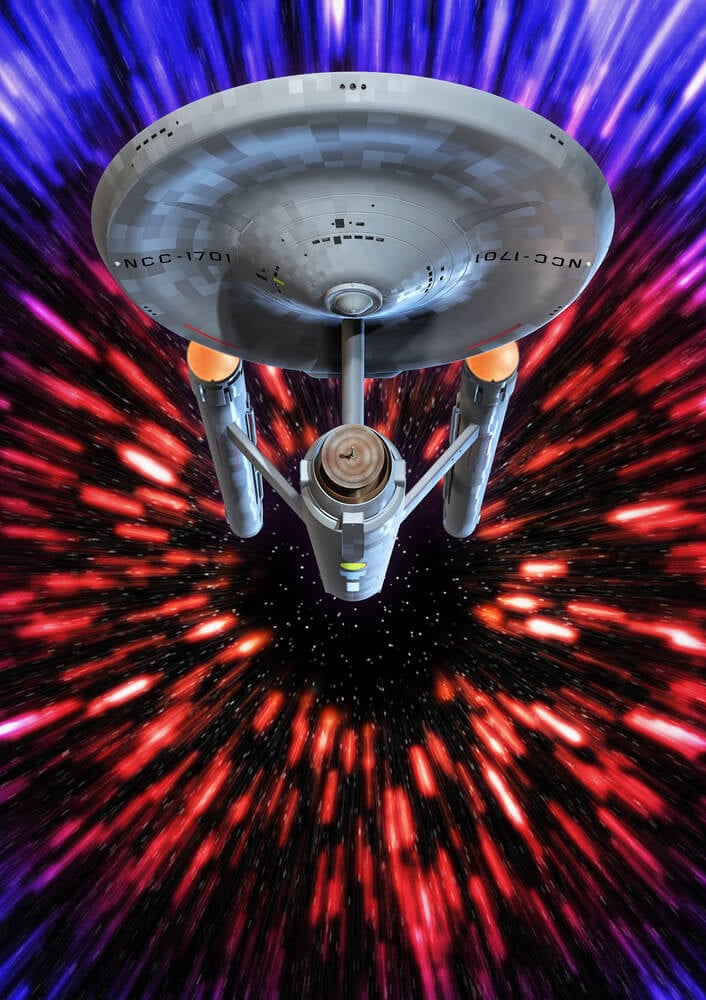
Hallmark marked the 25th anniversary of Star Trek in 1991 with the Starship Enterprise, the first Star Trek Keepsake ornament and one that plugged into a light string so its running lights glowed. It sold out quickly and set off an annual Star Trek release that has continued ever since.
The Henry Ford has the 1991 ship in its collection, which places it among the most historically significant licensed ornaments Hallmark has made. Working lights are the key to value, since the tiny bulbs and wiring fail, and a boxed example with the light cord intact has sold for several times the price of a dead one with yellowed plastic.
Shuttlecraft Galileo Speaking in Spock’s Voice
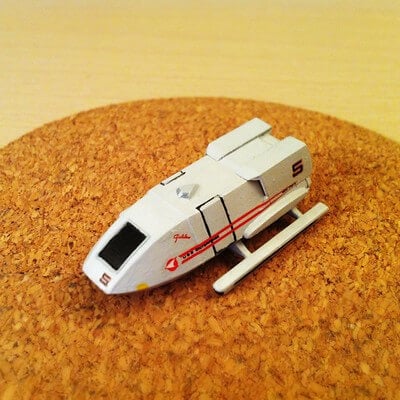
A year after the Enterprise, Hallmark released the 1992 Shuttlecraft Galileo as a Magic ornament with both light and a recorded voice greeting from Leonard Nimoy as Spock. It was one of the first ornaments to combine a celebrity voice with the holiday format, and the novelty has kept it in demand for more than thirty years.
Values depend on whether the sound chip still fires and the light still glows, since the button cell batteries corrode and leak if left in storage. Clean examples with the box and working sound bring a solid premium over the many loose shuttles with a dead speaker and battery damage in the compartment.
Brass-Plated Elvis From 1992
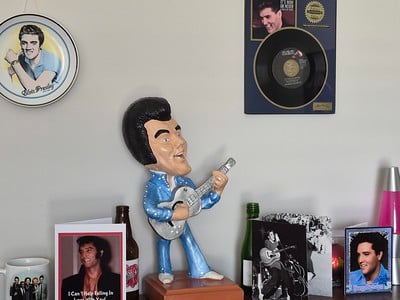
Elvis arrived in the Keepsake line in 1992 as a brass-plated Gold Crown exclusive, sold only through the company’s top-tier Gold Crown stores rather than every card shop. The limited distribution and the Elvis name make it one of the more searched 1990s pieces, and the Henry Ford holds an example in its collection.
Plated brass develops spotting and dulls where it has been handled, and the stock number QX562-4 on the box helps buyers confirm the piece. Boxed, bright examples have sold for well above the original retail price, while dull or scratched plating and a missing box bring the figure down quickly.
Charlie Brown Opening the Peanuts Gang Series
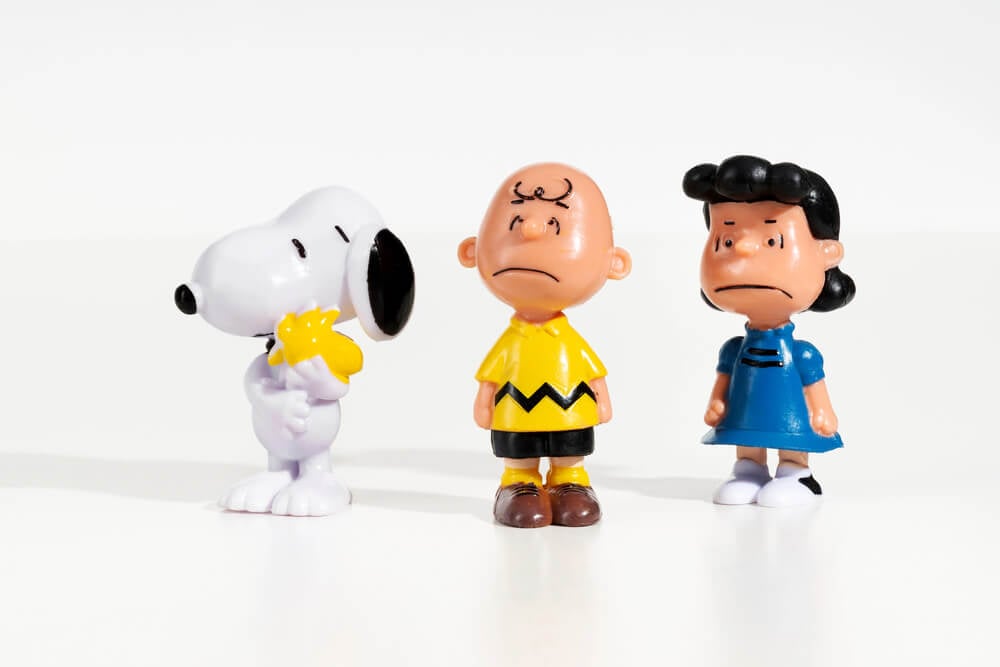
The Peanuts Gang series launched in 1993 with Charlie Brown, following a Peanuts anniversary ornament the previous year, and it gave Charles Schulz’s characters a dedicated annual slot in the Keepsake catalog. Charlie Brown in his zigzag shirt is the first edition every Peanuts collector wants, and the Henry Ford lists it among its holdings.
Peanuts ornaments in general hold their value because the audience spans generations, and the 1993 opener regularly sells for more than later series entries. Paint rubs on the yellow shirt and a missing or crushed box are the usual issues, and sealed examples lead the market.
Holiday Barbie First Edition From 1993
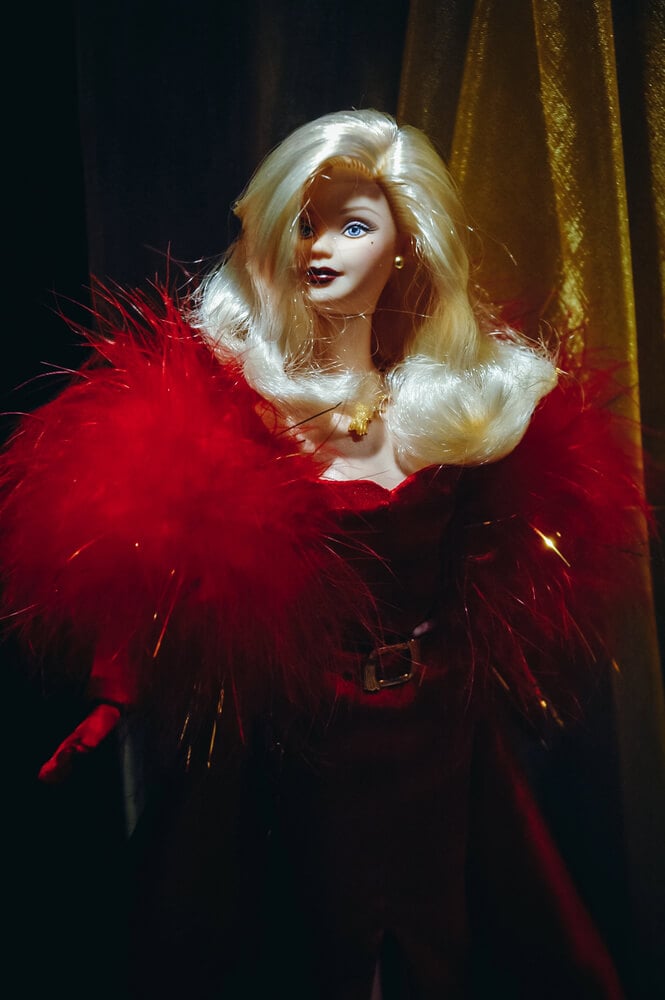
Holiday Barbie began as a Keepsake series in 1993, pairing the Keepsake line with Mattel’s annual Holiday Barbie doll, and the first edition became an immediate collector favorite. The ornament reproduces the doll’s gown in miniature, and the detailed fabric texture and painted face are where wear shows first.
First-in-series Barbie ornaments have sold for several times their original retail price when still sealed in the box, and the 1993 piece is the one that anchors the full run. Loose examples with scuffed gowns or faded faces sell for far less, and the box with its series marking is what serious Barbie collectors insist on.
Beatles Gift Set Marking the Ed Sullivan Anniversary
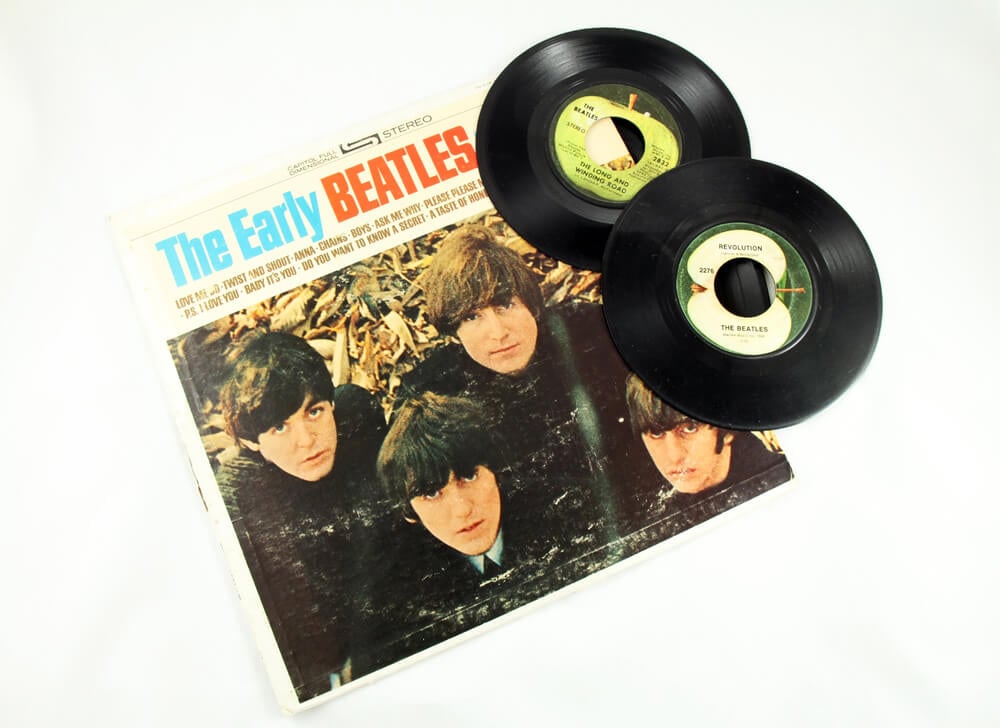
In 1994 Hallmark issued a Beatles Gift Set to mark the 30th anniversary of the band’s appearance on the Ed Sullivan Show, with the four figures posed on a stage with their instruments. Multi-piece sets are hard to keep complete, and a set missing a single guitar or drum kit loses much of its appeal.
The combination of Beatles fandom and Hallmark collecting puts this set on two separate want lists, which keeps demand steady. Complete boxed sets with every instrument and the stage have sold for several hundred dollars, while incomplete sets or loose figures with rubbed paint trade for considerably less.
Murray Champion Pedal Car From Kiddie Car Classics
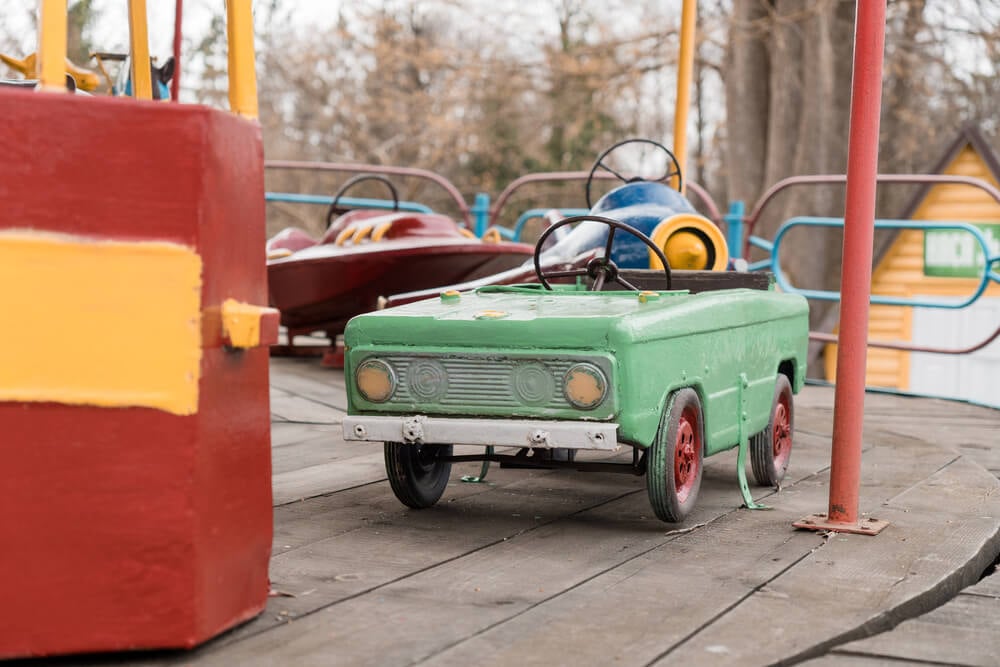
Kiddie Car Classics opened in 1994 with the Murray Champion, a cast metal miniature of the classic pedal car, and it drew in collectors of real pedal cars as well as ornament buyers. The die-cast construction gives it real weight for an ornament, and the red paint and chrome-look trim are where chips and scratches appear.
First editions of the series have sold for well above retail when boxed, and the metal wheels should still turn freely. Collectors inspect the underside for casting marks and check that the steering wheel and hood ornament are present, since those small parts snap off easily.
First Hot Wheels Ornament From 1995
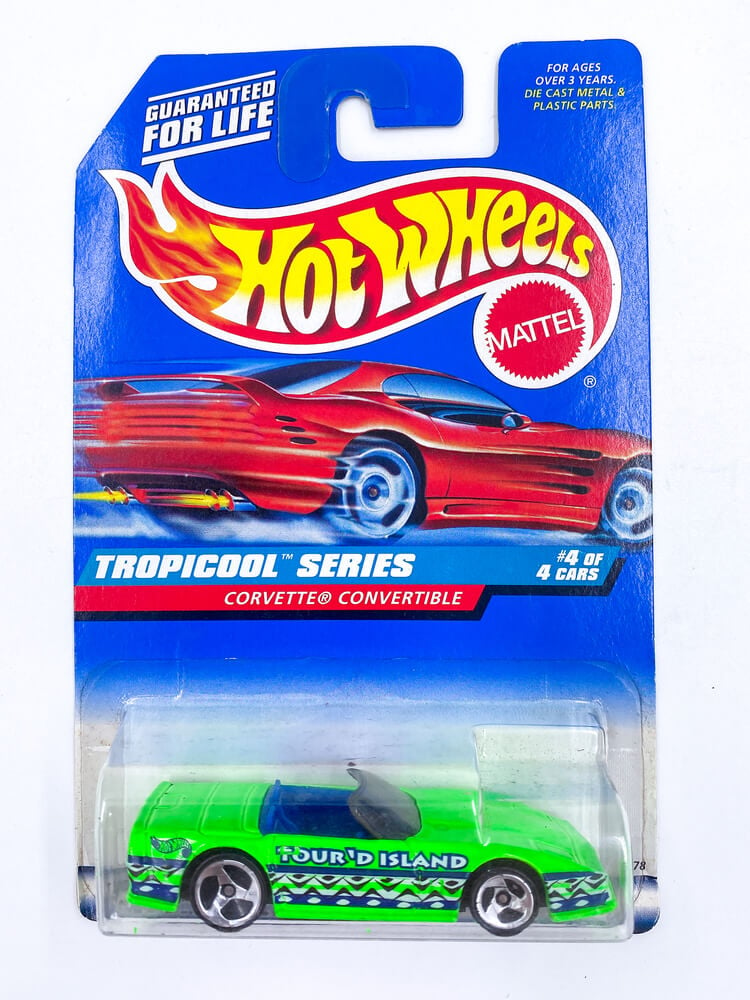
Mattel’s die-cast car line entered the Keepsake catalog in 1995 with a Hot Wheels ornament, and it opened the door to decades of Hot Wheels ornaments that followed. The Henry Ford holds the 1995 piece, which confirms it as the beginning of the relationship.
A Hot Wheels car in ornament form appeals to two collecting hobbies at once, and the earliest release is the one Hot Wheels completists chase. Scratched paint on the roof and hood, a bent axle and a missing box all reduce value, and sealed examples with the original blister and backing card sell for the most.
Solo in the Spotlight Barbie From 1995
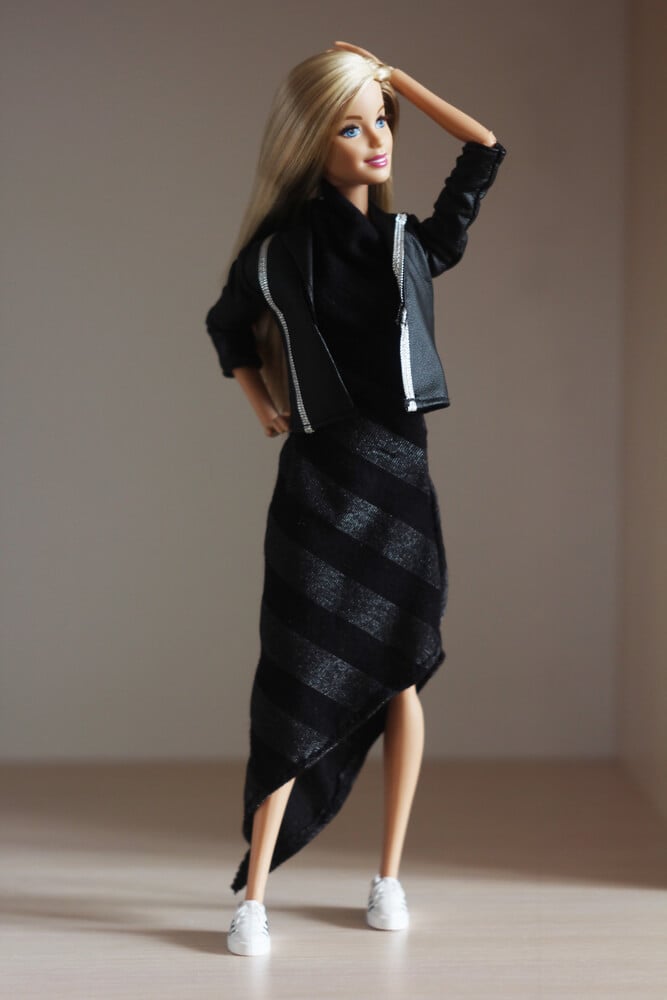
A separate Barbie series, distinct from Holiday Barbie, reproduced classic doll outfits, and the 1995 Solo in the Spotlight ornament recreated the black sequined gown from the 1960 doll. The series had opened in 1994 with a Debut 1959 ornament, and Solo in the Spotlight is often the second piece collectors seek after that first edition.
The black gown’s painted sparkle rubs away with handling and the microphone is easy to lose. Boxed examples sell for a reasonable premium over loose ones, and collectors who already own the original doll tend to pay more for a clean matching ornament.
Lionel 700E Hudson Steam Locomotive From 1996
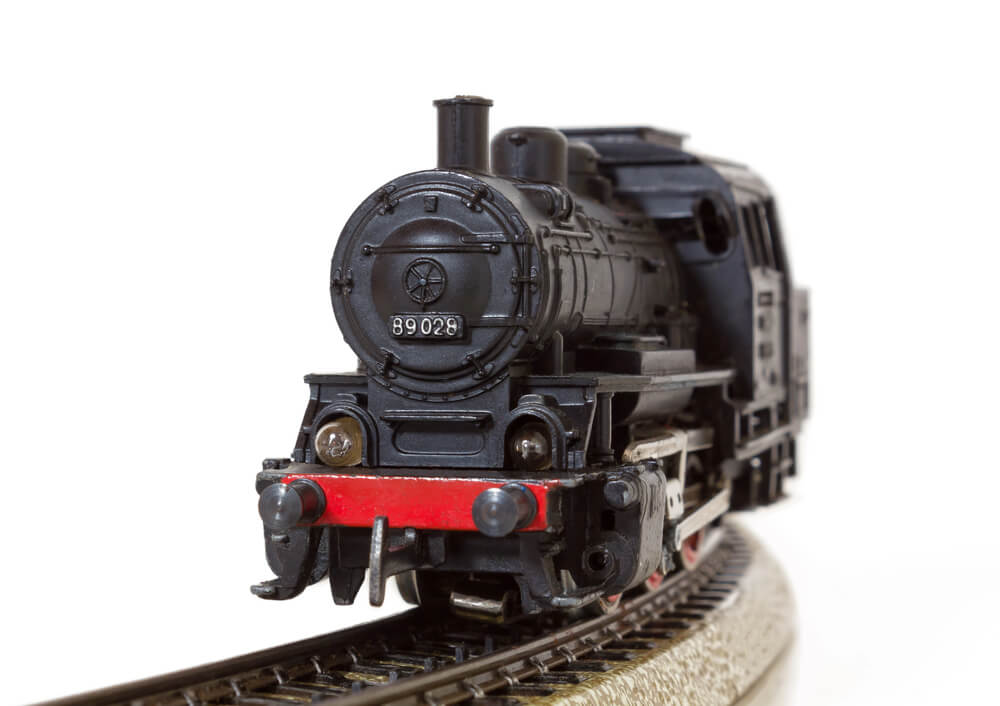
The Lionel Train series began in 1996 with the 700E Hudson Steam Locomotive, a die-cast reproduction of one of Lionel’s most celebrated prewar engines. Train collectors and ornament collectors overlap heavily, and the first Lionel Keepsake piece sits on both groups’ lists.
The Henry Ford holds the 1996 locomotive, and the Train Collectors Association has written about the Hallmark Lionel releases, which gives the series an unusually well-documented history. Boxed first editions have sold for well over retail, and bent handrails, chipped black paint on the boiler and a missing box are the condition issues that determine where a given example lands.
Millennium Falcon With Light From 1996
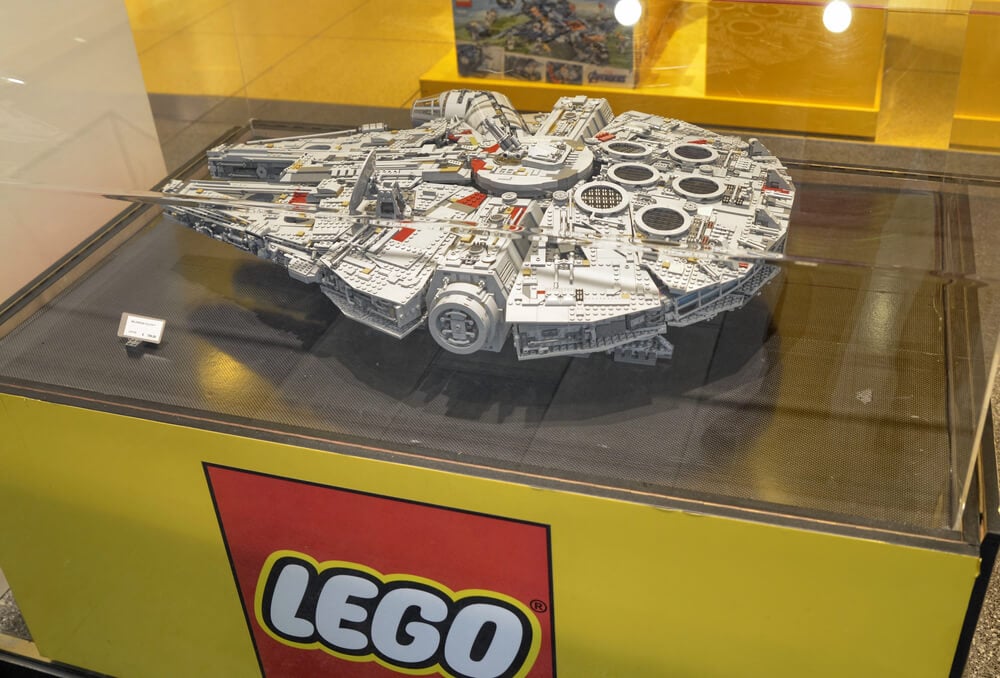
Hallmark’s Star Wars ornaments began in 1996 with the Millennium Falcon, a lighted Magic ornament released as interest in the franchise built ahead of the 1997 Special Edition rereleases. The Falcon’s engine glow depends on a working light string connection, and non-working examples are common.
As the first Star Wars Keepsake piece it is the one every later Star Wars ornament collector needs, and boxed, working examples have sold for several times the original price. Yellowed plastic, a frayed cord and a crushed box are the usual complaints, and the many later Falcon ornaments Hallmark has issued have not dampened demand for the original.
Yoda From the First Full Star Wars Year
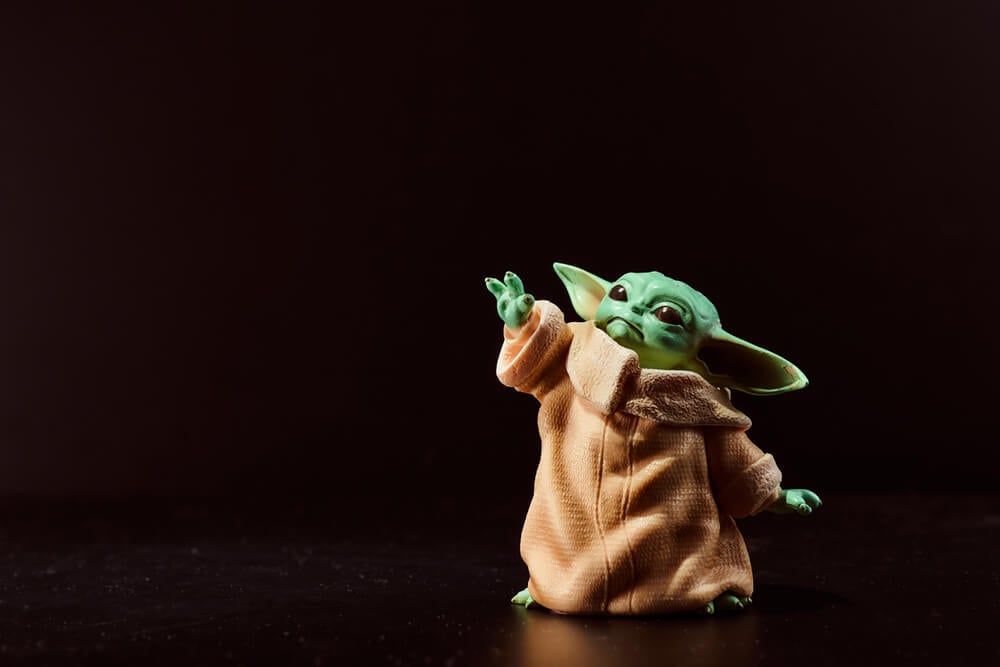
In 1997 Hallmark expanded the Star Wars line with several ornaments, including a Yoda figure and a Luke Skywalker that opened the Star Wars character series. The Henry Ford holds the 1997 Yoda, which places it in the first full year of Hallmark’s Star Wars program and makes it a reference point for collectors sorting out the early releases.
Yoda’s small sculpted figure shows paint rubs on the robe folds and ears, and the box art is a key part of its appeal for display collectors. Clean boxed examples sell for a steady premium, while loose Yodas with worn paint are plentiful and inexpensive.
Lighthouse Greetings First Edition From 1997
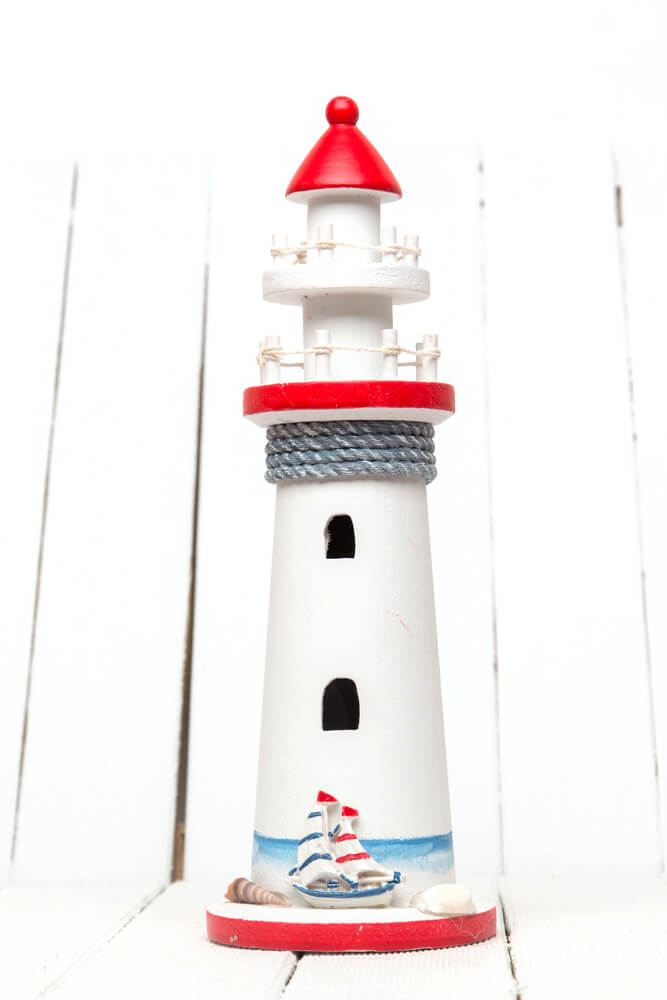
Lighthouse Greetings began in 1997 with a lighted lighthouse on a rocky base, and the series continued with a new lighthouse design each year. The Magic light feature is central to the ornament’s charm, and the beacon needs a working connection to a light string.
The 1997 first edition has sold for well above later entries in the series, especially sealed in its box with the cord intact. Collectors of coastal and nautical decor pursue these pieces alongside Keepsake regulars, which broadens the buyer pool.
Faded paint on the rocks and a cracked lantern housing are the faults that pull a given example down the price range.
Mischievous Kittens First Edition and Its Colorway Variant

The Mischievous Kittens series launched in 1999 with a kitten tangled in a holiday scene, and the first edition quickly became one of the most sought-after pieces of the late 1990s. A gray and white colorway repaint of the first kitten also exists, and that variant is hunted even more intensely than the standard release.
The series ran for years, so new collectors keep arriving at the 1999 opener. Sealed first editions have sold for several hundred dollars, with the repaint going higher still, and the small painted face and whiskers are where wear shows on loose examples that have been handled.
Puppy Love From 1999
Puppy Love is a long-running series featuring a different dog breed each year, and the 1999 edition is one of the pieces the Henry Ford holds in its Keepsake collection. Dog lovers collect the series by breed as much as by year, which means individual releases spike in value when their breed happens to be popular.
The small sculpted puppies lose paint on the nose and ears, and the ribbon or accessory each one carries is easy to misplace. Boxed examples bring a steady premium, and early entries in the series sell for well above the later ones when complete and clean.
Boxes Hold Half the Value
Every entry above comes back to the same point, which is that the cardboard matters nearly as much as the ornament inside it. Hallmark boxes carry the stock number, the series marking and the year, and they are the single fastest way to confirm what a piece is.
A first-year 1973 glass ornament can lose roughly half its value without one, and the pattern holds across the entire catalog. Collectors hunt these pieces because Hallmark built scarcity into a mass-market product, through single-year club exclusives, numbered series openers and limited editions.
The result is a hobby where a two-dollar yarn figure and a plugged-in starship sit on the same want list. Sellers who kept the boxes, the paperwork and the light cords are the ones who get paid for it.
More from Go2Tutors!

- The Romanov Crown Jewels and Their Tragic Fate
- 13 Historical Mysteries That Science Still Can’t Solve
- Famous Hoaxes That Fooled the World for Years
- 15 Child Stars with Tragic Adult Lives
- 16 Famous Jewelry Pieces in History
Like Go2Tutors’s content? Follow us on MSN.