15 Economic Bubbles Most People Never Heard About
Everyone knows about the dot-com crash and the housing bubble, but economic history is littered with bizarre speculative frenzies that make those famous crashes look almost sensible by comparison. From ostrich feathers to bicycle shares, humans have repeatedly convinced themselves that the most unlikely things were worth their weight in gold.
These forgotten bubbles prove that people will speculate on absolutely anything when greed and optimism collide, creating markets that seem absurd in hindsight but felt perfectly logical to investors at the time. Here is a list of 15 economic bubbles most people have never heard about.
Poseidon Bubble (1969-1970)
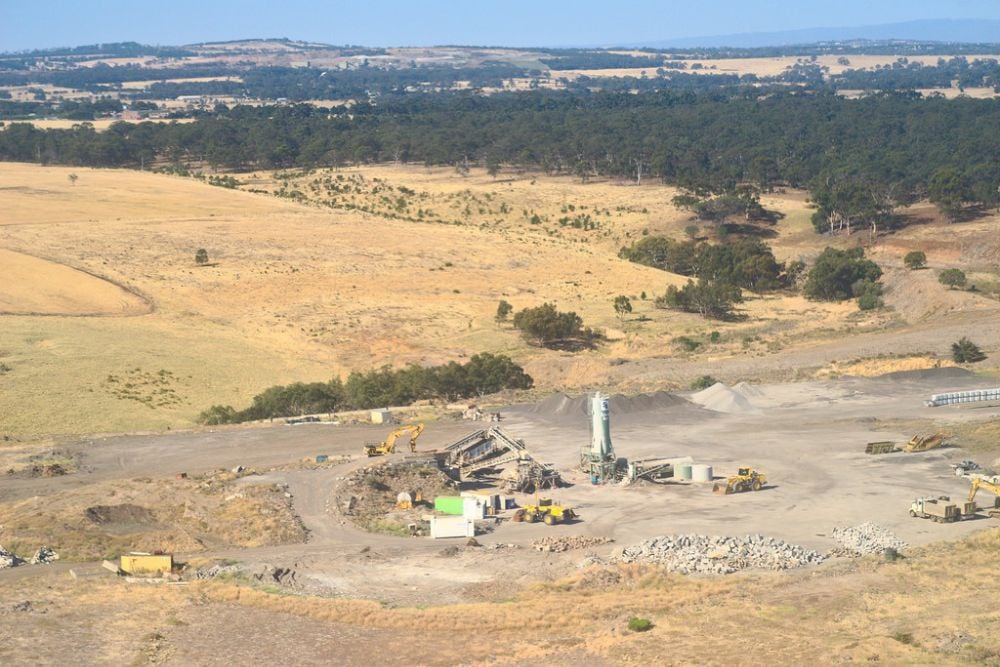
The Poseidon bubble was a stock market bubble in which the price of Australian mining shares soared in late 1969, then crashed in early 1970. It began when Poseidon NL announced promising signs of a nickel discovery in September 1969.
The company’s shares shot up from 80 cents to over $280 before reality set in and the promised riches never materialized.
Ostrich Feather Mania (1900-1914)

When the Titanic sank in 1912, the most valuable cargo on board was a shipment of feathers that was insured for $2.3 million in today’s money. In 1912 only diamonds were worth more by weight than feathers.
The fashion craze for elaborate feathered hats created a speculative market that collapsed when World War I changed fashion trends and made such luxury items seem frivolous.
Railway Mania (1840s Britain)

This wasn’t just about trains being popular—it was a complete speculative frenzy where investors poured money into railway companies with no viable business plans. Parliament approved over 9,000 miles of new railway construction in a single year, most of which was never profitable or even completed.
Bicycle Mania (1890s)

The invention of the safety bicycle created a speculative bubble in bicycle manufacturing companies that rivaled any tech boom. Investors threw money at any company with ‘bicycle’ in its name, driving share prices to ridiculous heights before the market realized that not everyone needed multiple bikes.
Florida Land Boom (1920s)
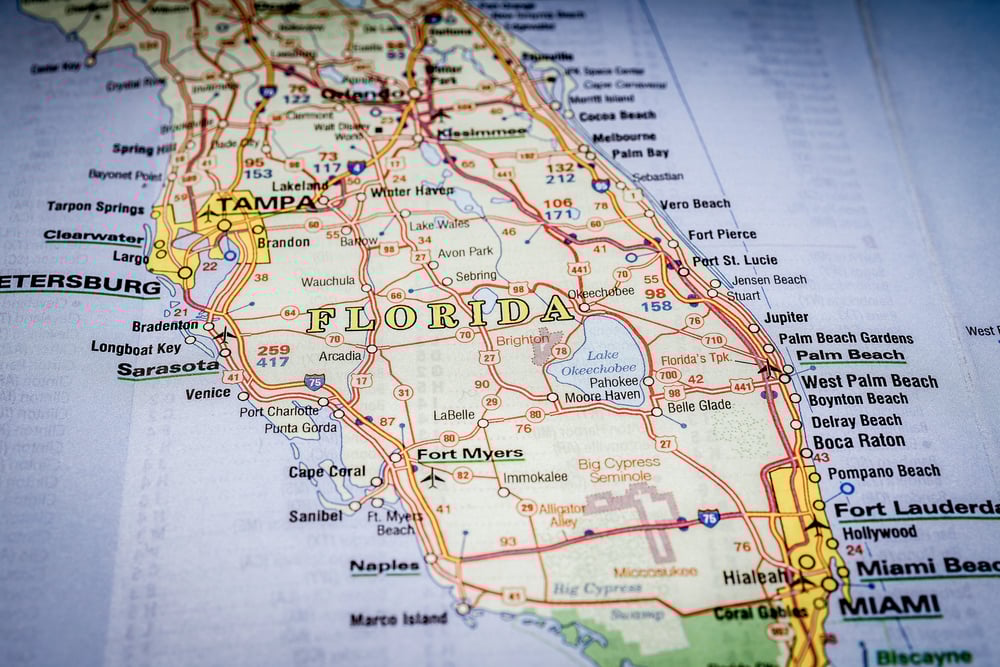
Before the 1929 stock market crash, Florida experienced its own real estate bubble when developers convinced investors that swampland would become the next Miami Beach. People bought property sight unseen through mail-order catalogs, often discovering they’d purchased underwater lots.
Uranium Boom (1950s)

The promise of atomic energy created a speculative frenzy in uranium mining stocks that dwarfed the actual demand for the material. Small-town prospectors became millionaires on paper before reality hit and most uranium companies proved worthless.
Rare Earth Metals Bubble (2010-2011)

Concerns about China controlling rare earth supplies led to massive speculation in mining companies claiming to have these materials. Share prices soared before investors realized that most of these companies had no viable extraction methods or even confirmed deposits.
Chinese Garlic Bubble (2010)

Speculation in garlic futures drove prices up 40-fold in China as investors hoarded the crop expecting continued price increases. When reality set in and people realized it was still just garlic, prices crashed and left warehouses full of rotting bulbs.
Tronox Mineral Sands Bubble (2000s)
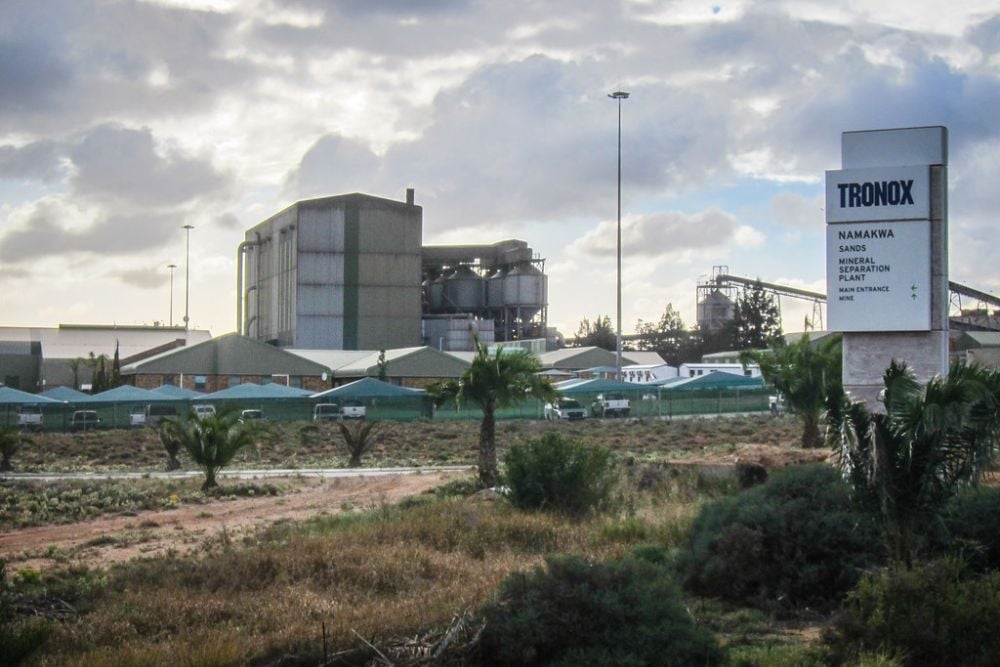
The growing demand for titanium dioxide created a speculative bubble in mineral sands companies, with Tronox leading the charge. Investors poured money into companies claiming vast mineral sand deposits before discovering that extraction costs made most projects unprofitable.
Emu Farming Bubble (1990s)

Promoters convinced thousands of investors that emu farming would be the next big agricultural opportunity, claiming the birds were valuable for their meat, oil, and leather. The reality was that there was virtually no market for emu products, leaving investors with expensive birds they couldn’t sell.
Beanie Baby Investment Craze (1990s)
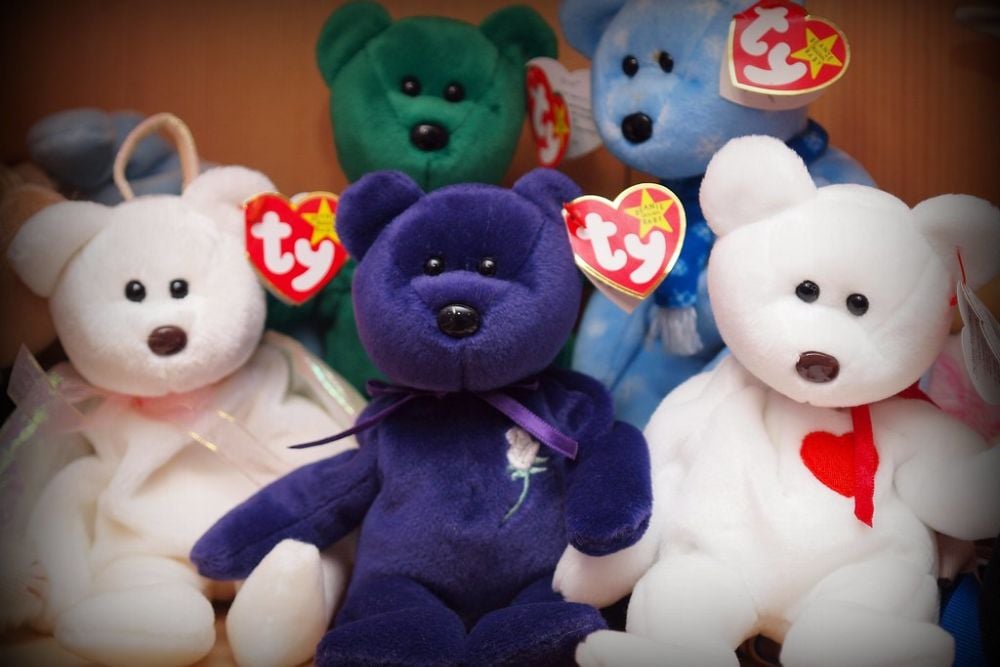
While often dismissed as a toy fad, the Beanie Baby market became a legitimate speculative bubble with investors treating small stuffed animals like precious commodities. People mortgaged houses to buy rare bears, creating a secondary market with price guides and investment strategies.
Japanese Golf Membership Bubble (1980s)

Golf club memberships in Japan became speculative investments worth more than houses, with some selling for over $3 million. The bubble was so extreme that companies bought memberships as corporate assets before the market collapsed and left golf courses worthless.
Dot-Com Pet Supply Bubble (1999-2001)
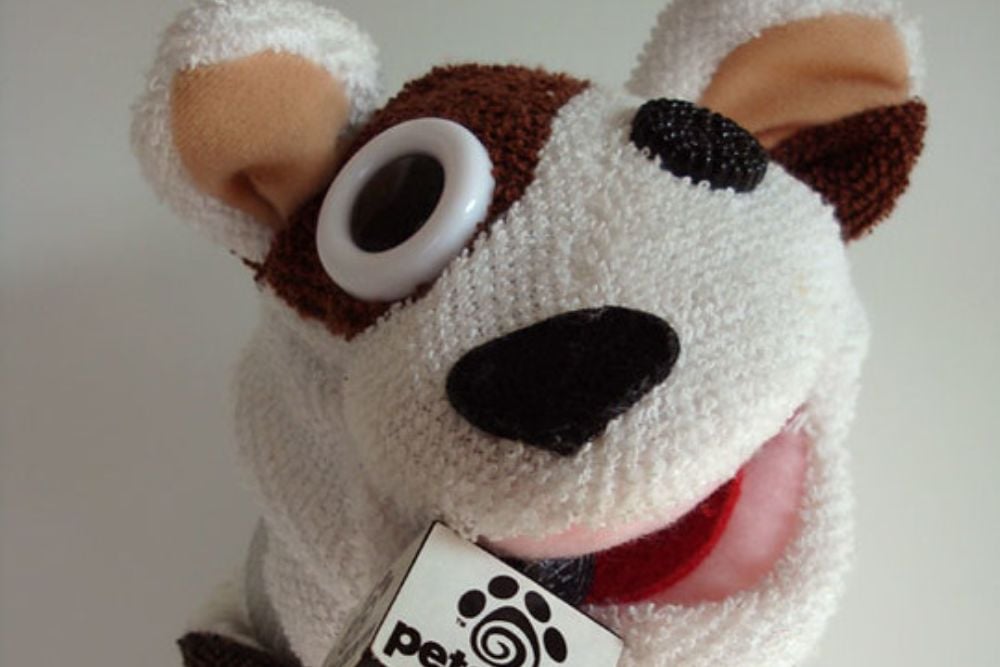
Within the larger dot-com bubble was a specific mania for online pet supply companies, with investors convinced that people would abandon pet stores for internet shopping. Companies like Pets.com burned through millions before realizing that heavy pet food wasn’t ideal for online retail.
Silver Thursday Manipulation (1980)

The Hunt brothers attempted to corner the global silver market, driving prices from $11 to over $50 per ounce before regulations and margin calls caused a spectacular crash. Their manipulation created a brief bubble that wiped out their fortune and nearly crashed major commodity exchanges.
Chinese Real Estate Investment Trust Bubble (2005-2008)

Before China’s well-known property issues, there was a specific bubble in Chinese REITs that promised investors exposure to commercial real estate growth. International investors poured money into trusts that often owned non-existent or overvalued properties, leading to massive losses when the truth emerged.
When Logic Takes a Holiday

These forgotten bubbles remind us that speculation has no limits when human psychology meets market mechanics. Each generation seems to think they’ve learned from past mistakes, yet continues to create new bubbles in whatever asset class captures their imagination next.
The common thread isn’t the specific commodity or stock, but rather the universal human tendency to believe that this time really is different, and that extraordinary returns are possible if you just get in early enough. Whether it’s ostrich feathers or cryptocurrency, the pattern remains remarkably consistent—initial excitement, media hype, speculative frenzy, and then the inevitable crash that leaves everyone wondering how they got caught up in something so obviously ridiculous.
More from Go2Tutors!

- The Romanov Crown Jewels and Their Tragic Fate
- 13 Historical Mysteries That Science Still Can’t Solve
- Famous Hoaxes That Fooled the World for Years
- 15 Child Stars with Tragic Adult Lives
- 16 Famous Jewelry Pieces in History
Like Go2Tutors’s content? Follow us on MSN.