29 Antique Engagement Rings Worth Appraising
A ring that sat in a dresser drawer for sixty years can be worth less than its gold weight or more than the house it was found in. The difference usually comes down to the cut of the stone, the era of the mounting and whether a maker’s mark hides inside the band.
Most heirs never look that closely.
Appraisers do. They read the facets under a loupe, check the shank for resizing seams and send the center stone off for a laboratory report before putting a number on paper.
What follows is a field guide to the rings that most often justify that trouble.
Old Mine Cut Diamonds
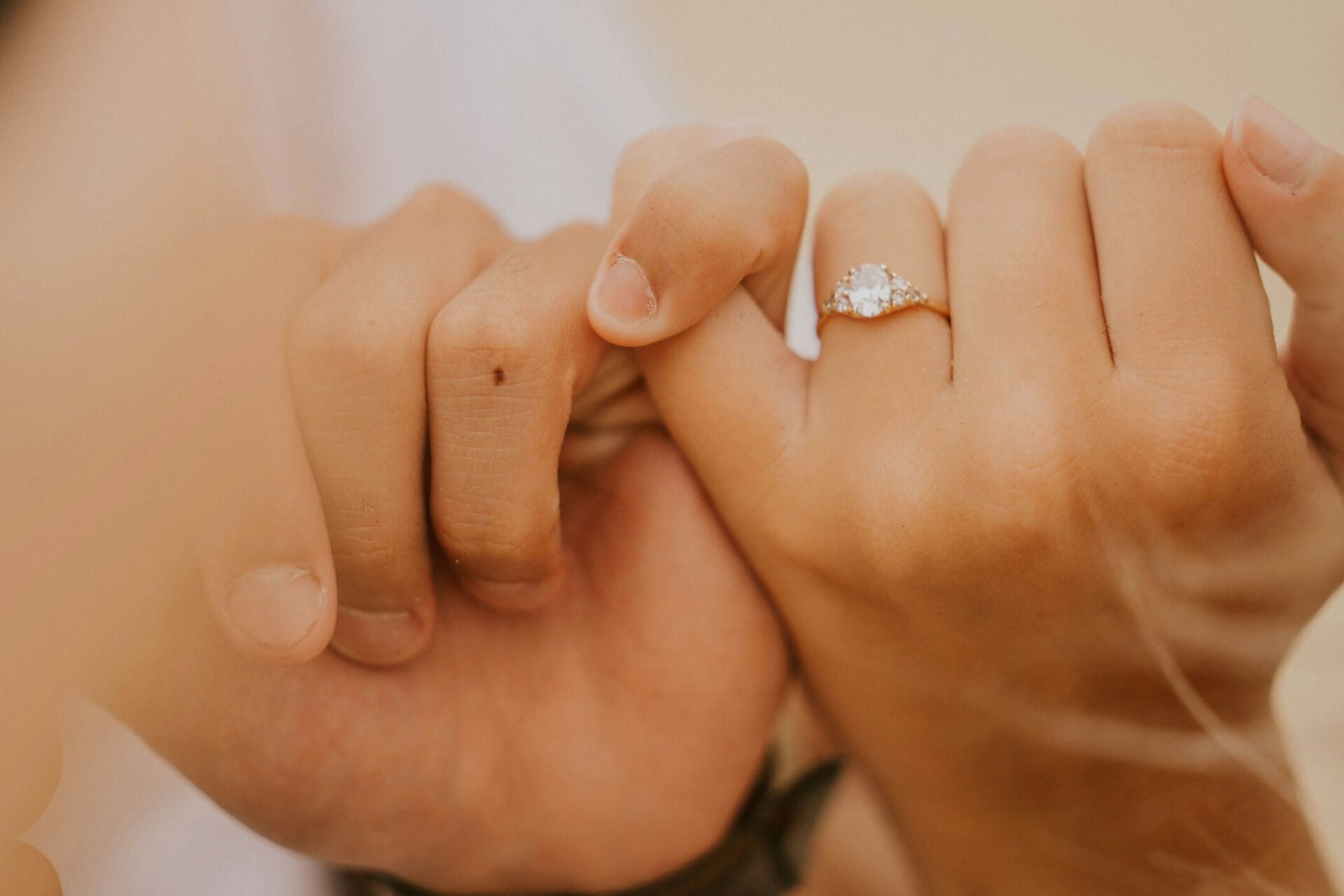
Cut by hand from the early 1700s until the late 1800s, old mine cut diamonds have a squarish cushion outline, a small table, a high crown and a large flat culet that shows as a dark dot when viewed from above. Cutters shaped each stone to follow the rough crystal, so no two match, and the chunky facets throw broad flashes of light rather than the fine sparkle of modern brilliants.
Dealers now pay a premium for well-formed examples because the cut is no longer produced. Chipped girdles, abraded facet edges and stones that have been recut to a modern shape all lower the figure an appraiser will write.
Old European Cut Diamonds
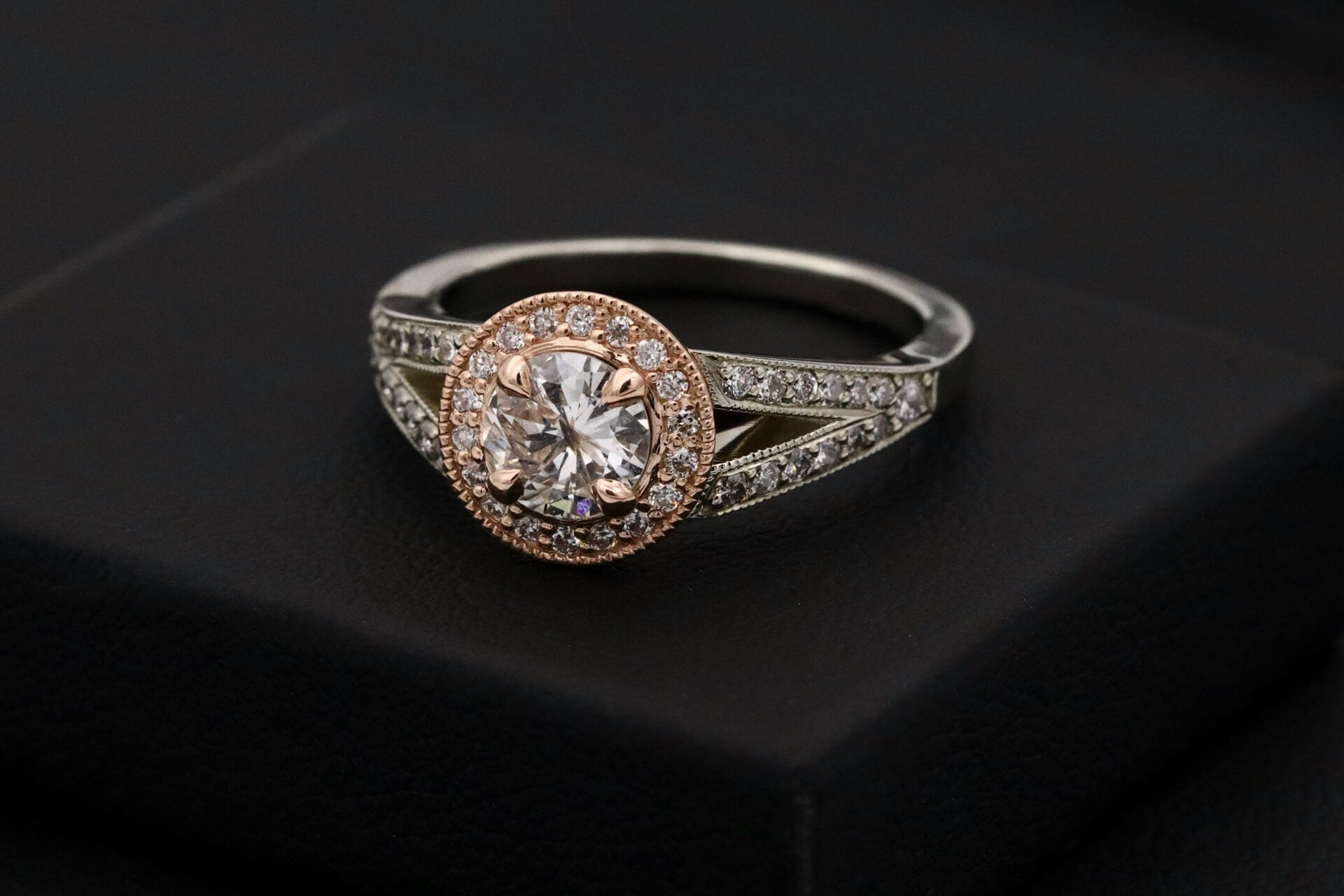
The old European cut replaced the old mine cut in the late nineteenth century once steam-powered bruting machines allowed cutters to round the girdle. The round outline, small table and open culet persisted until about 1940, which makes the cut a reliable marker for Victorian, Edwardian and Art Deco rings.
Appraisers measure the crown angle and table percentage to confirm the stone is period rather than a later replacement. A one carat old European cut with good color and clarity might be estimated between 4,000 and 9,000 dollars loose in 2026, though a grading report, visible wear and any recutting move that range considerably.
Transitional Cut Diamonds
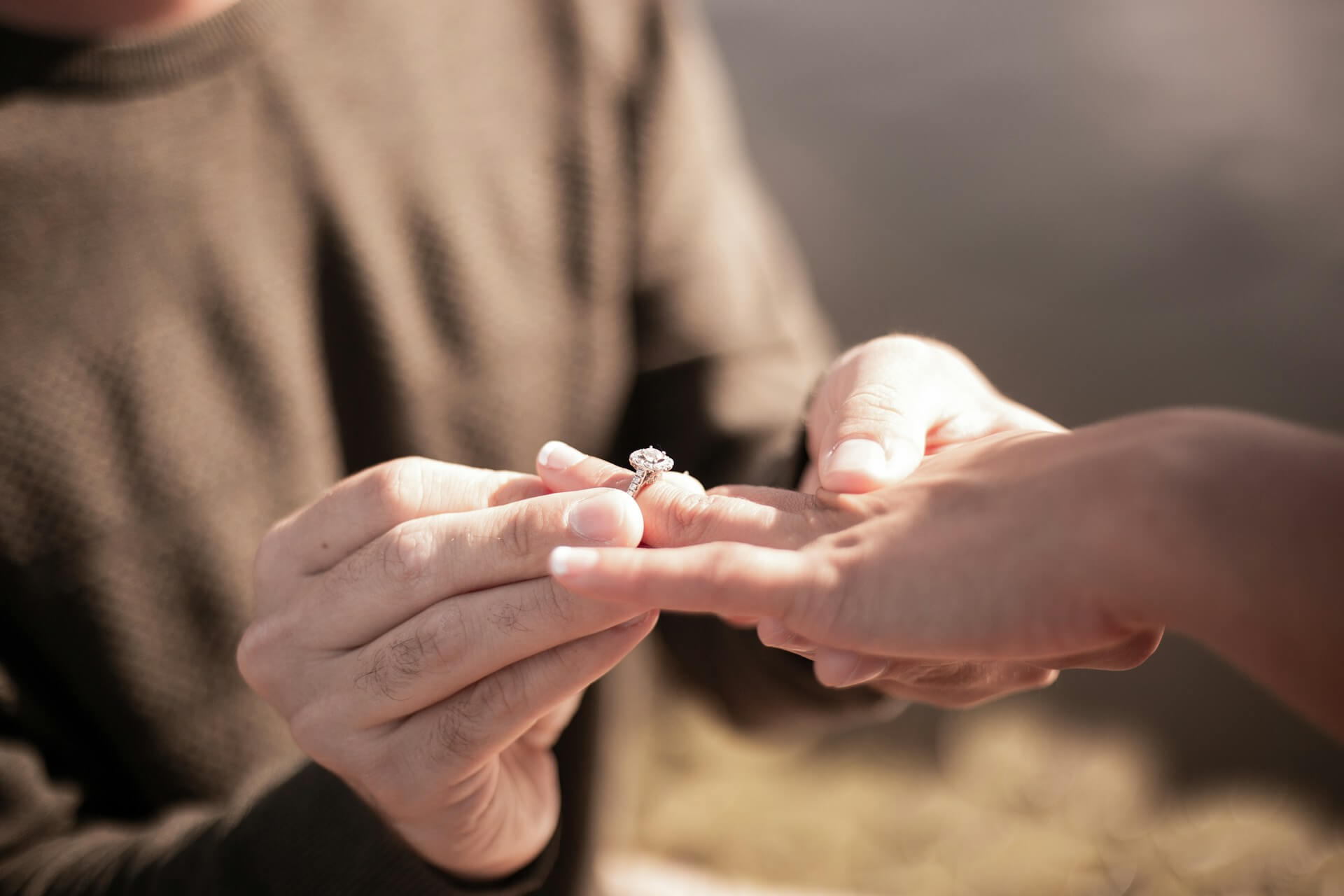
Between roughly 1920 and 1940, cutters experimented with larger tables, smaller culets and lower crowns on the way toward the modern round brilliant. The result is called a transitional cut, and it combines the fire of an old European cut with brighter light return.
Because the style was short-lived and has no formal standard, laboratory reports often describe such stones simply as round brilliant with an open culet. Collectors prize transitional cuts in Art Deco mountings, where the stone and setting can be shown to belong together.
An appraiser will note whether the culet is original or has been closed by later polishing.
Rose Cut Diamonds
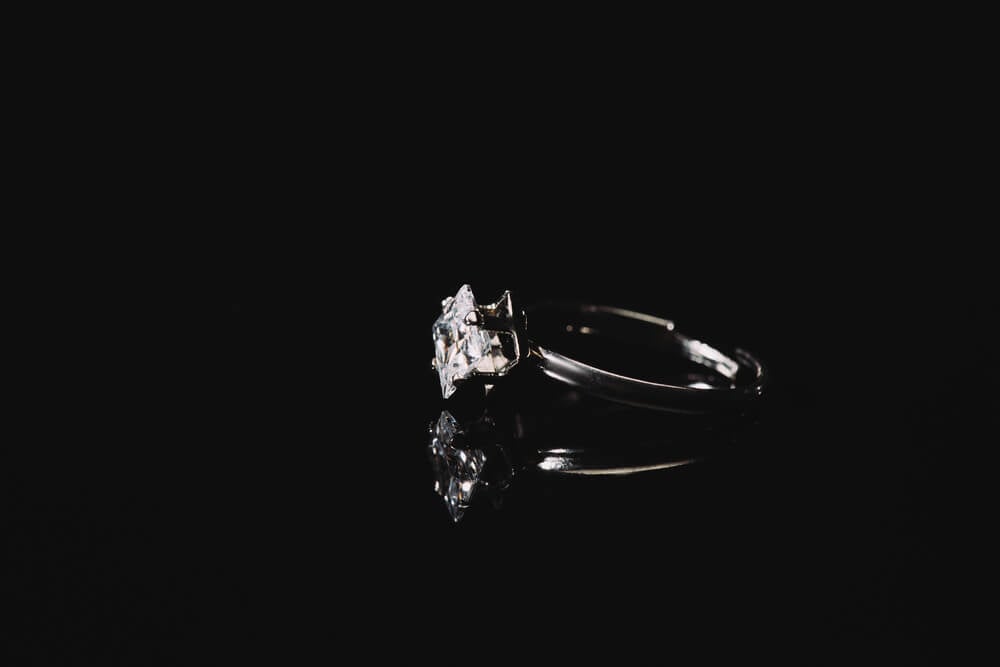
Rose cuts date to the 1500s and remained common through the Georgian and Victorian eras. The stone has a flat base, a domed top covered in triangular facets and no pavilion at all, so it depends on a foil or polished metal backing to reflect light.
Early rose cuts were often set in silver over gold with closed backs. Because the cut wastes little rough, many rose cuts are thin and look larger than their weight suggests, which appraisers account for by measuring rather than guessing carats.
Antique rose cut rings in good condition sell in a wide band from a few hundred to several thousand dollars, with foil damage and missing stones dragging values down.
Asscher Cut Diamonds
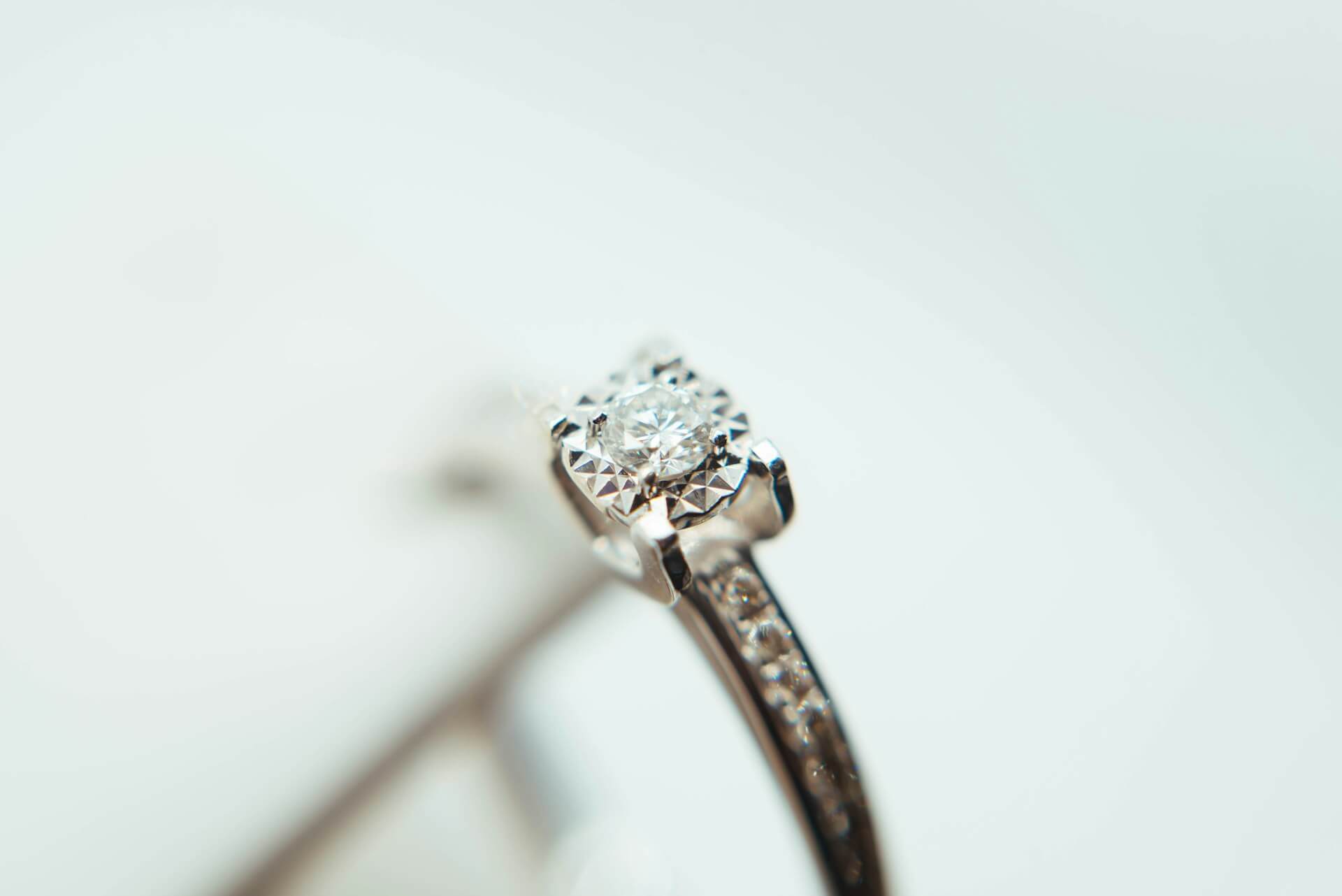
Joseph Asscher of Amsterdam introduced the Asscher cut in 1902, a square step cut with cropped corners, a high crown and a small table that draws the eye down into the stone like a hall of mirrors. The firm’s workshop also cleaved the Cullinan diamond in 1908, which gave the name lasting prestige.
Original Asscher cuts from the early 1900s differ from the later Royal Asscher version, which carries extra facets and a laser inscription. Period stones in Art Deco platinum mountings are among the most sought after antique engagement rings on the market, and the appraisal depends on whether the stone can be documented as an early example.
Georgian Closed-Back Foil Settings
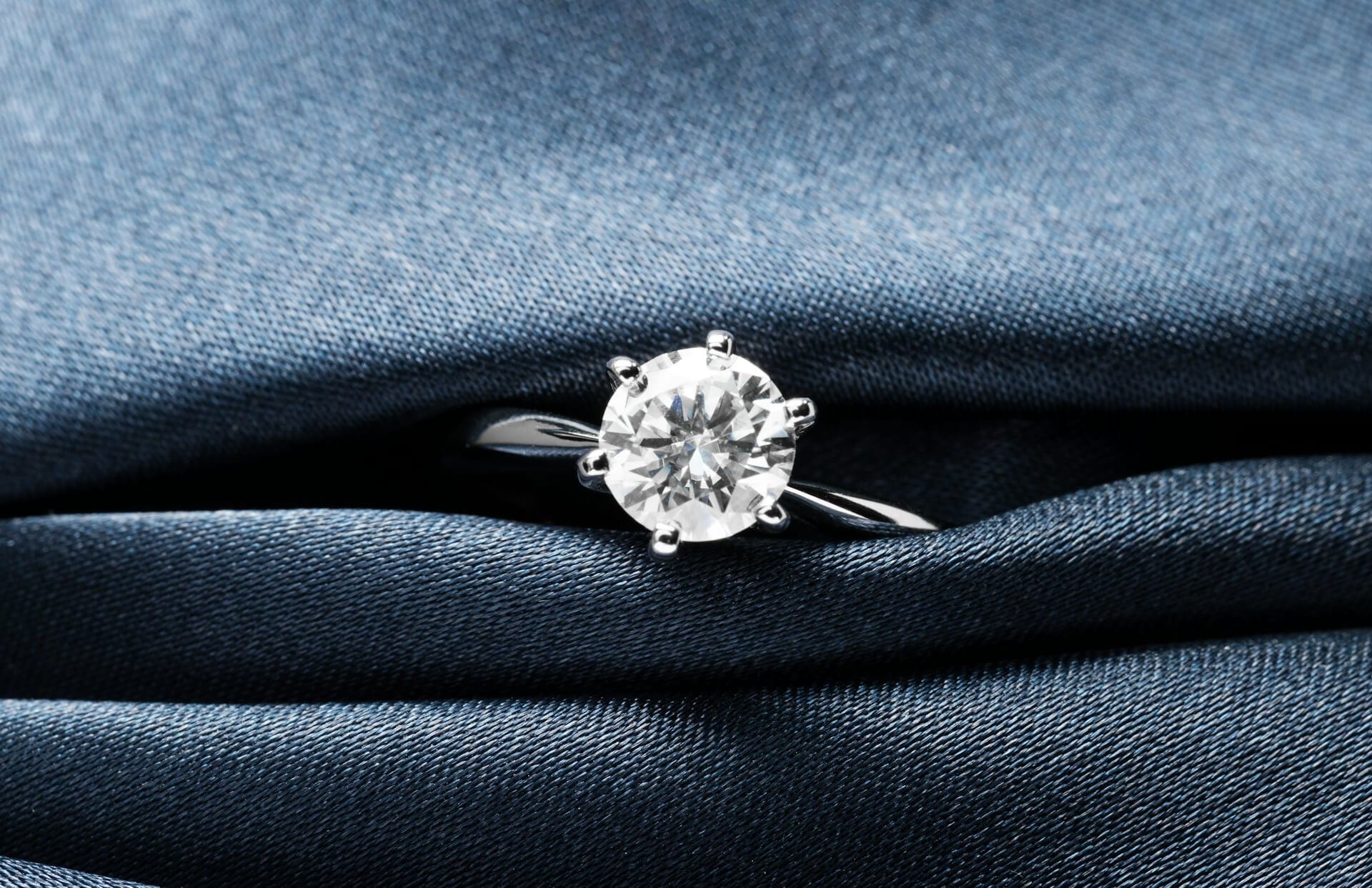
Georgian rings made between about 1714 and 1837 were typically set in silver-topped gold with the backs of the stones enclosed in metal. Jewelers slid a sheet of colored or silvered foil behind each stone to brighten it, a trick that worked beautifully until water seeped in and tarnished the foil.
Appraisers examine the back of the setting for dark spots, lifted bezels and signs that the closed back was later opened. Diamonds in these rings are usually rose or old mine cuts, and paste glass was common, so a refractometer test comes before any valuation.
Intact Georgian foil rings with original stones are scarce enough to attract specialist buyers.
Victorian Cluster and Halo Rings
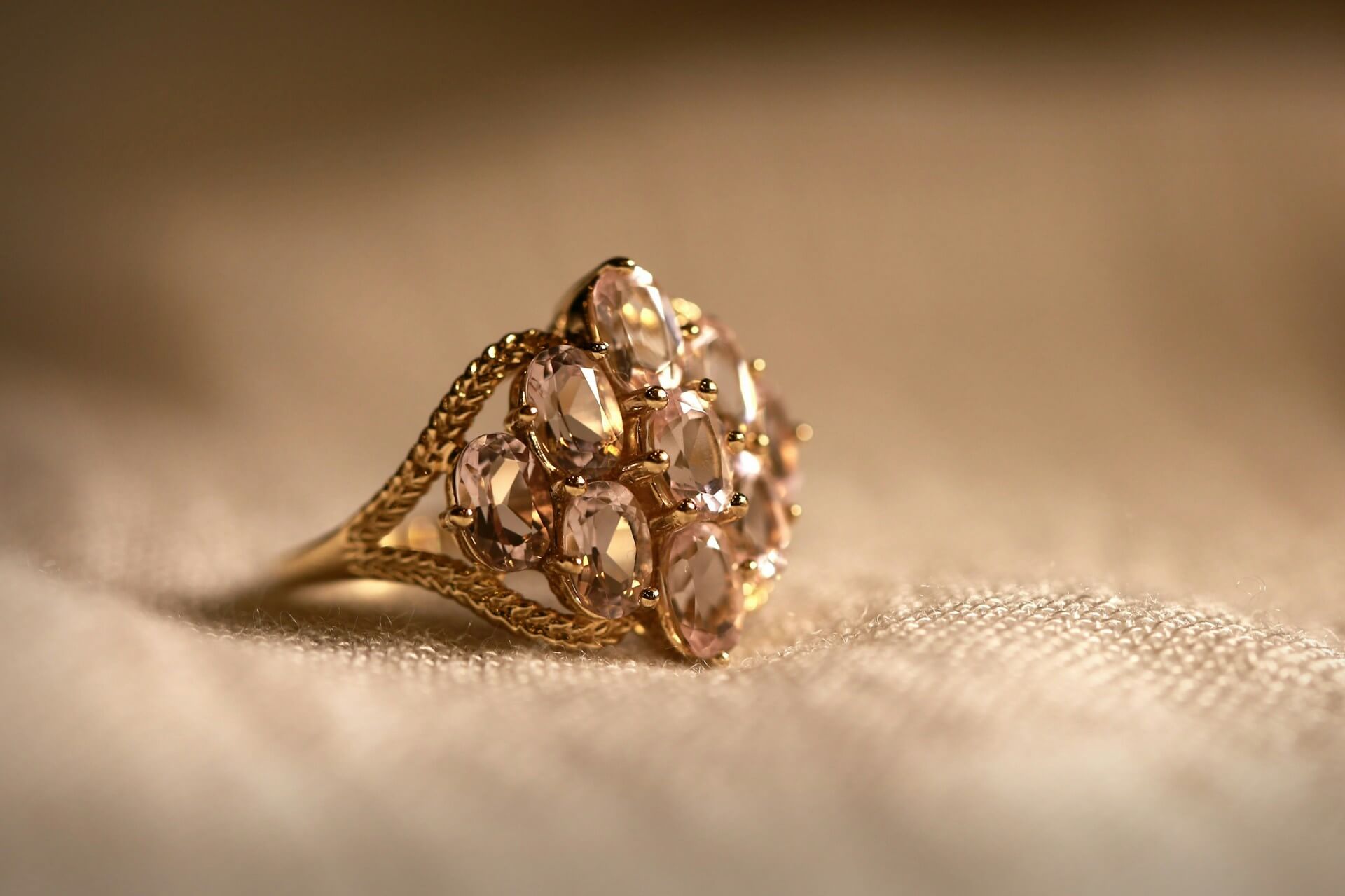
Victorian jewelers surrounded a center stone with a ring of smaller old mine cut diamonds, a form known as a cluster or halo. Daisy clusters with a colored center, often a garnet, sapphire or opal, were popular from the 1860s onward and were made in 15 and 18 karat gold.
The small stones were frequently cut down from larger diamonds, so they can be irregular and slightly mismatched, which is a sign of authenticity rather than a flaw. Appraisers count the surrounding stones, check that none have been replaced with modern brilliants and look for worn claws.
A later halo copying the style rarely has the same hand-cut character.
Victorian Snake Rings
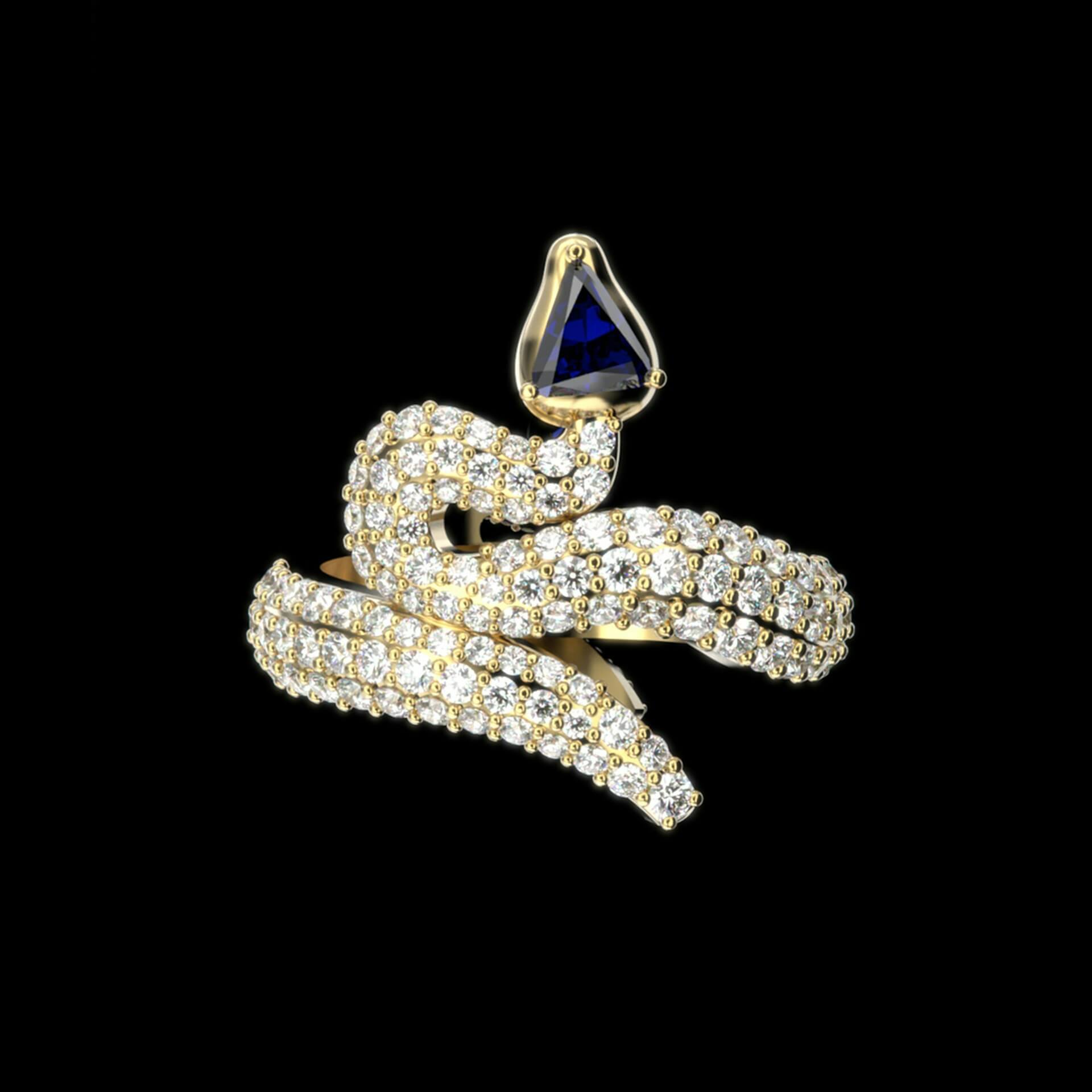
Prince Albert gave Queen Victoria a serpent ring set with an emerald in 1839, and the motif became a fixture of Victorian jewelry for decades. Snake rings coil once or twice around the finger with the head set with a diamond, turquoise or garnet and the eyes picked out in rubies or seed pearls.
The serpent stood for eternal love in the symbolism of the era, which made the form acceptable as an engagement ring. Values in 2026 run from a few hundred dollars for a plain gold coil to several thousand for a gem-set example with enamel scales.
Worn chasing, replaced eyes and resized bands all reduce the number.
Acrostic REGARD and DEAREST Rings
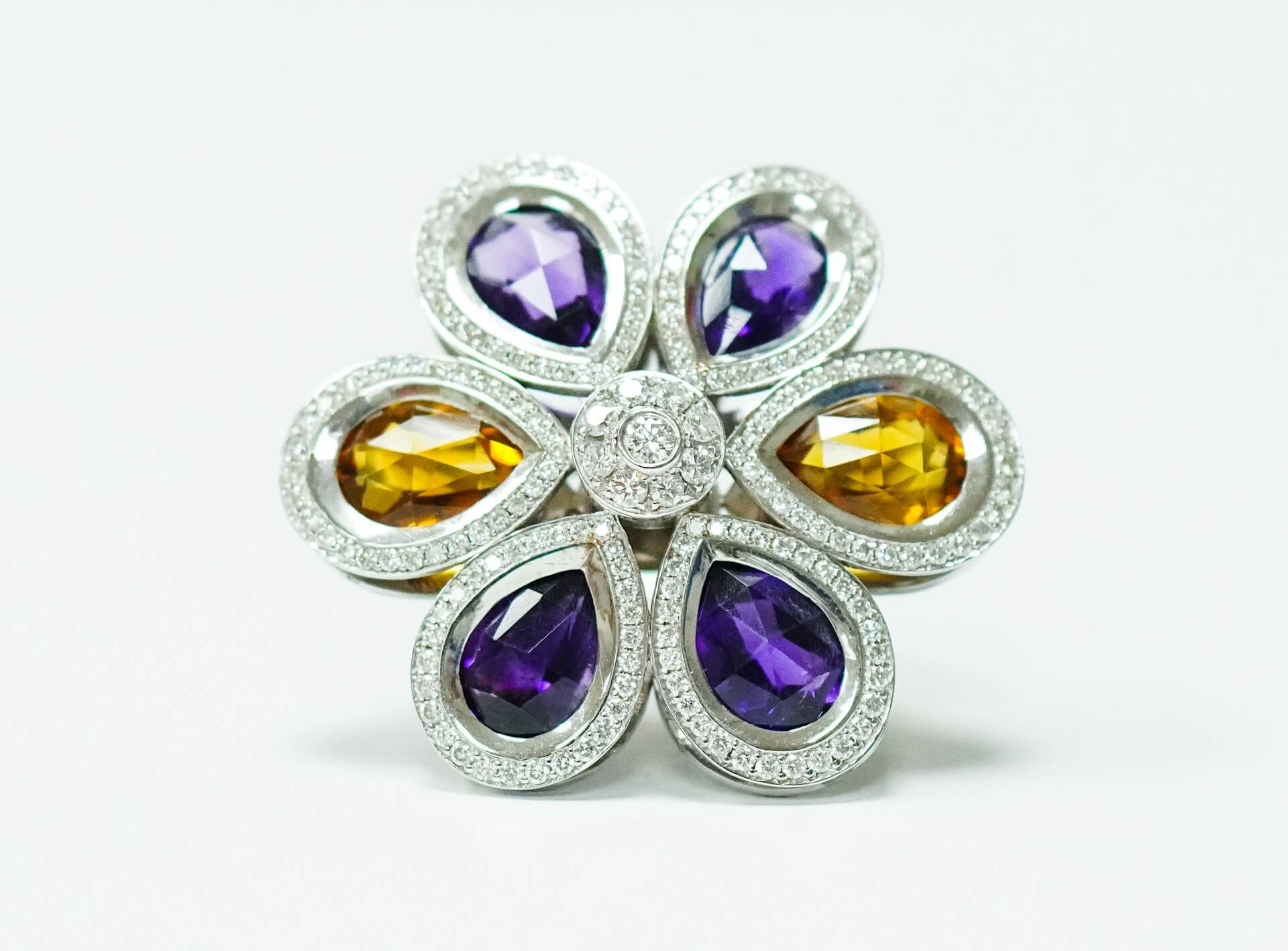
Acrostic rings spell a word with the first letter of each gemstone. REGARD uses ruby, emerald, garnet, amethyst, ruby and diamond, while DEAREST uses diamond, emerald, amethyst, ruby, emerald, sapphire and turquoise. The fashion began in France in the early 1800s and spread through Georgian and Victorian England, where the rings served as betrothal tokens before diamond solitaires were expected.
Appraisers verify that every stone is the correct species, since a swapped garnet for ruby breaks the word and the value with it. Complete, untouched examples in original gold mounts are the ones that bring strong prices at auction, and later reproductions are common.
Gypsy and Star Settings
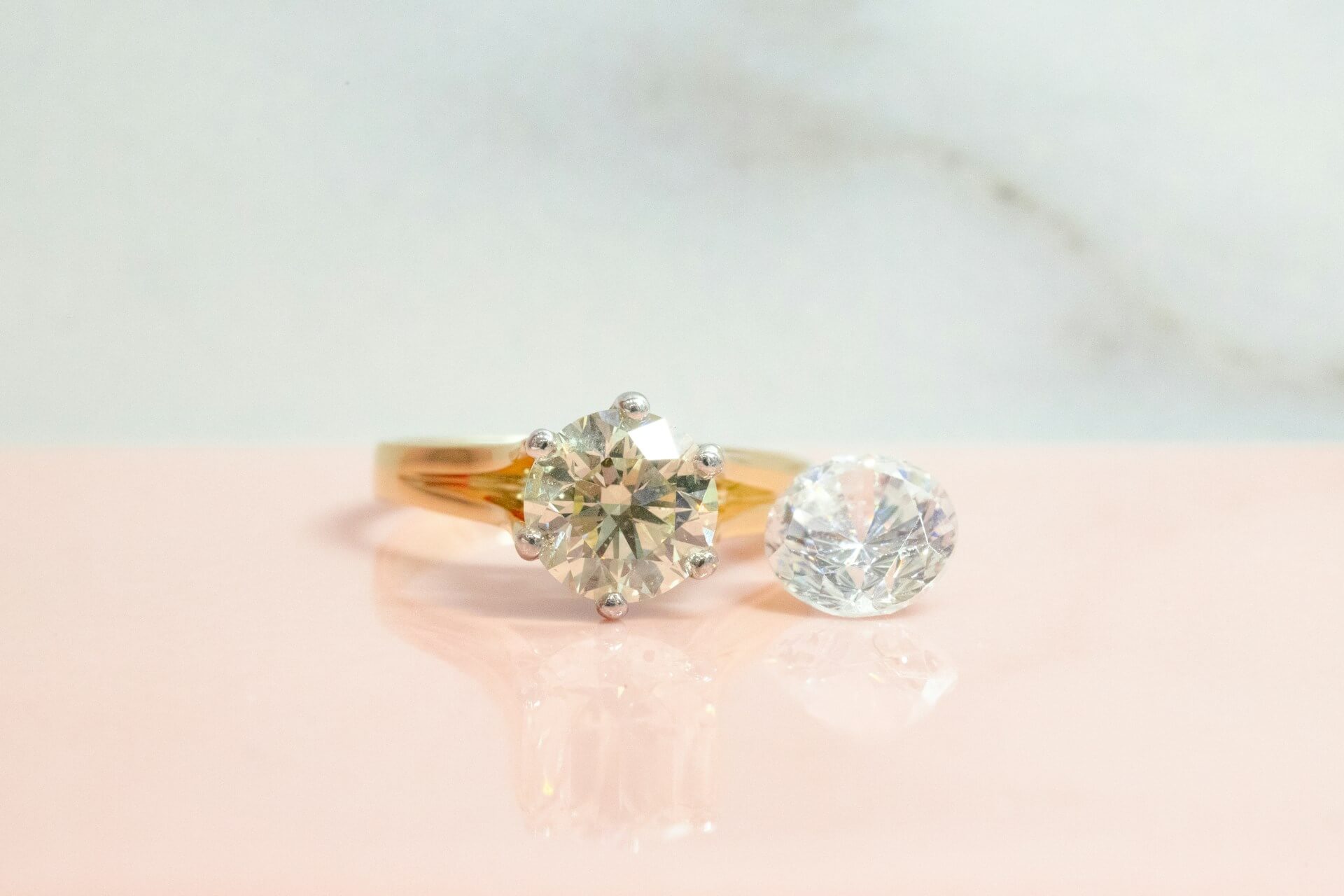
A gypsy setting sinks the stone flush into the band so that only the table shows, and a star setting adds engraved rays around the stone. Both became popular in the 1880s and 1890s for men and women alike, because the low profile protected the diamond from knocks.
Many were made in heavy 18 karat gold and set with old mine or old European cuts. The engraving wears smooth over a century of use, so crisp stars suggest either careful storage or later re-engraving.
Appraisers like these rings because resizing is easy to spot where the band has been cut and soldered.
Edwardian Platinum Filigree and Millegrain
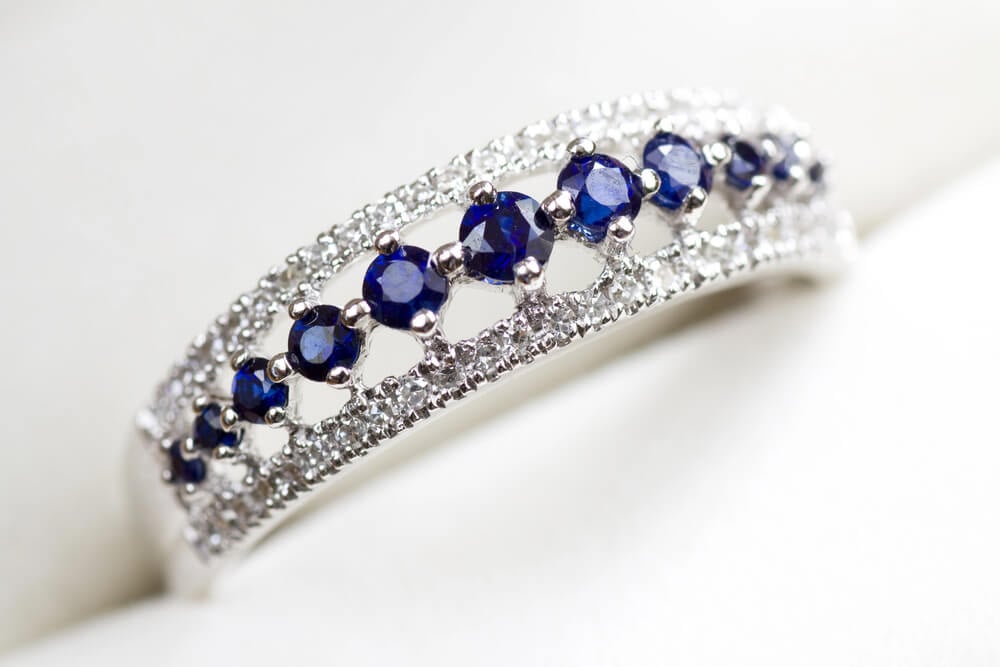
Jewelers adopted platinum for fine work around 1900, once high-temperature torches made the metal workable, and Edwardian rings from about 1901 to 1915 show what the metal could do. Lace-like filigree, knife-edge bands and millegrain borders of tiny beads along every edge gave the rings a look of white embroidery.
Old European cut diamonds were set in platinum galleries over 18 karat gold backs in many examples. Appraisers test the metal first, because similar white designs were later made in white gold, which is worth less.
Broken filigree and millegrain worn flat are the usual condition problems on rings that otherwise deserve a high valuation.
Art Deco Geometric Rings
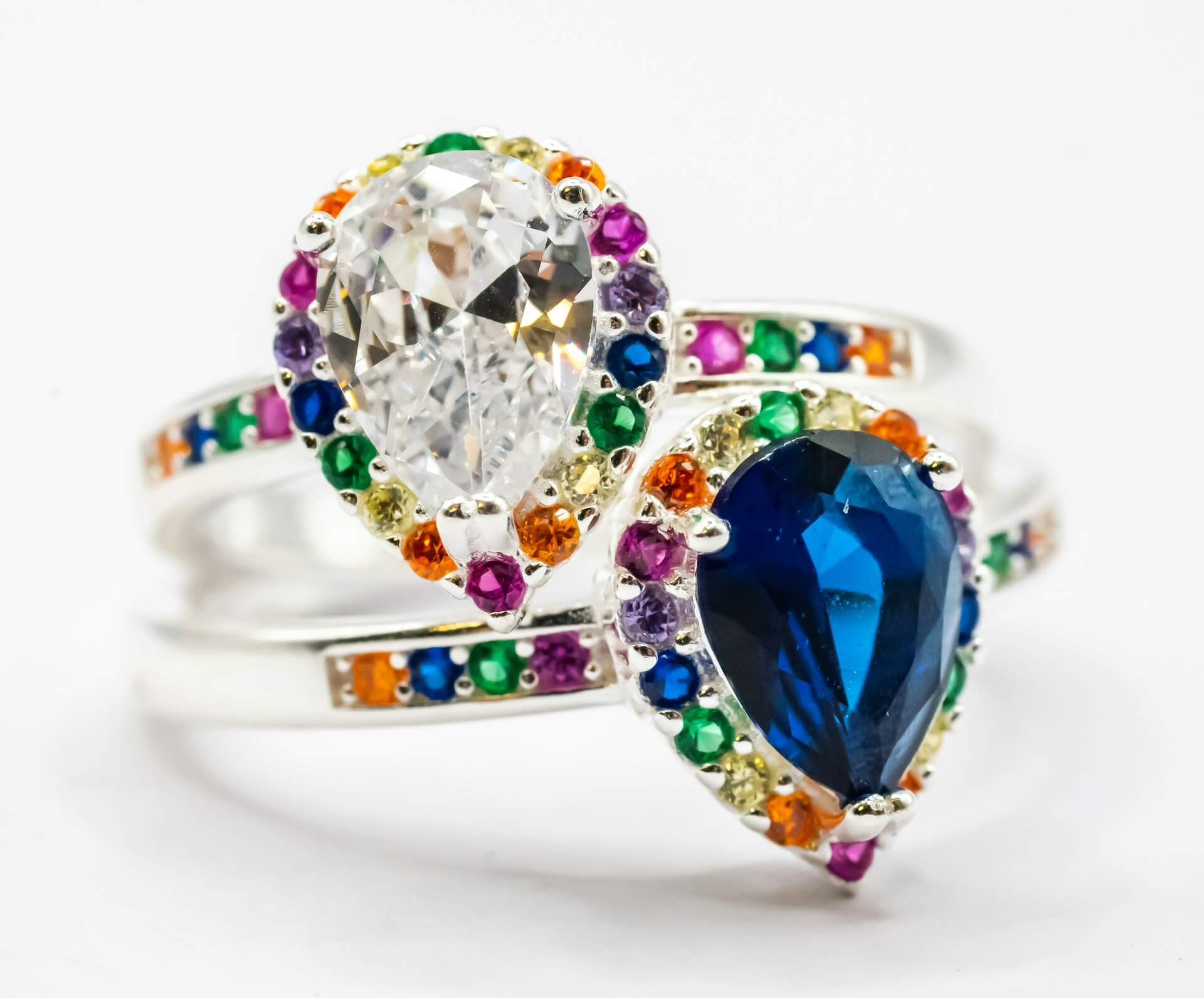
Rings made from about 1920 to 1935 traded the curves of the Edwardian era for squares, octagons, chevrons and stepped shoulders. Platinum remained the metal of choice, and center stones were often old European, transitional or Asscher cuts surrounded by baguettes and black onyx.
The style borrowed from skyscrapers, Egyptian discoveries after 1922 and machine-age design. Art Deco rings are among the most imitated antique styles, so appraisers check for cast rather than hand-fabricated construction and for modern round brilliants where older cuts should be.
A signed example by a known house multiplies the estimate, while an unsigned ring is valued on its stones and workmanship.
Art Deco Caliber-Cut Sapphire Accents
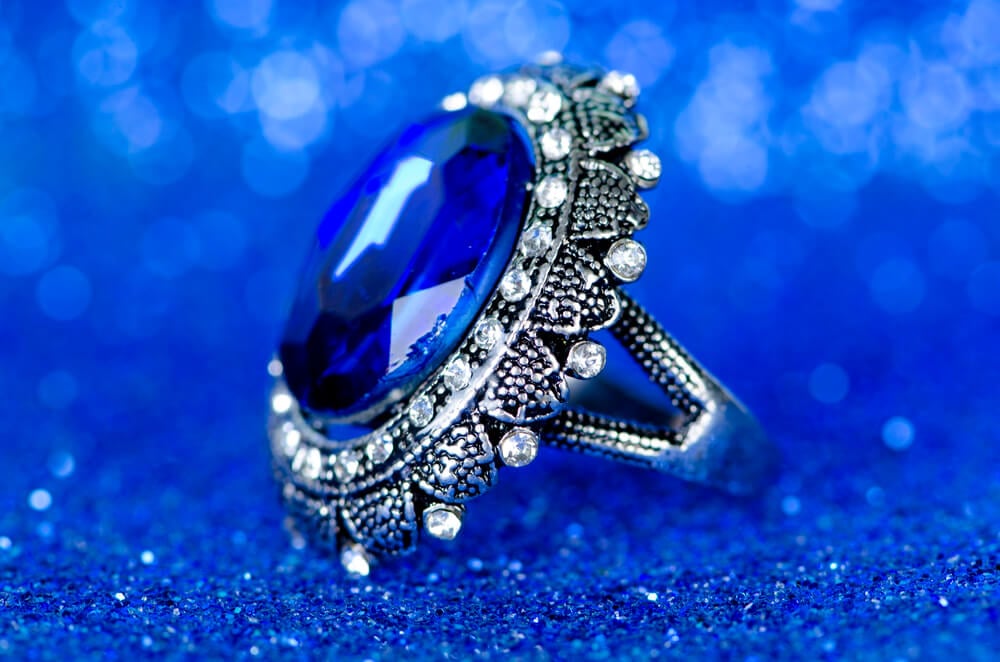
Caliber-cut stones are small sapphires, rubies or emeralds cut to fit a specific channel in a setting, often as tapered rectangles or crescents that follow a curved shoulder. Art Deco jewelers used them to outline a diamond center with a sharp line of blue or red.
Cutting each stone to measure was slow and costly, which is why the technique shows up on better rings of the 1920s. A single lost caliber stone is hard to replace, since a new one must be cut to the exact shape.
Appraisers look for color matching across the row and for synthetic sapphires, which were already in use by the 1920s and lower the value.
Toi et Moi Rings
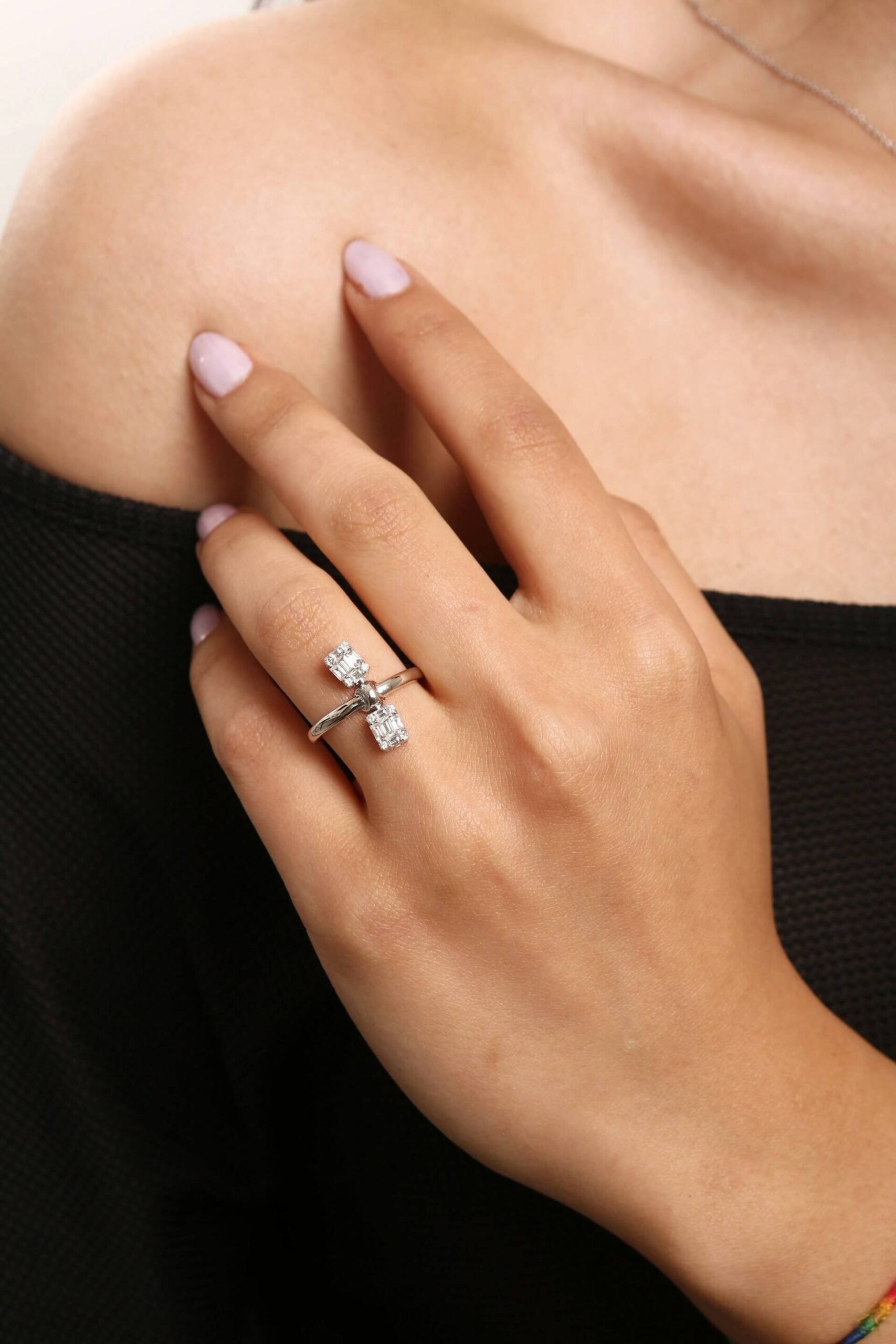
A toi et moi ring sets two stones side by side, usually in a diagonal bypass, to stand for two people. The best known example is the sapphire and diamond ring Napoleon Bonaparte gave to Josephine, which sold at auction in France in 2013 for about 949,000 dollars, many times its estimate.
Georgian and Victorian versions pair a diamond with a colored stone, and Edwardian ones often match two diamonds of equal size. Appraisers evaluate each stone separately, then consider the mounting.
A pair of well-matched old cuts in an untouched platinum bypass setting earns a higher number than two stones that were obviously brought together later.
Three-Stone Rings
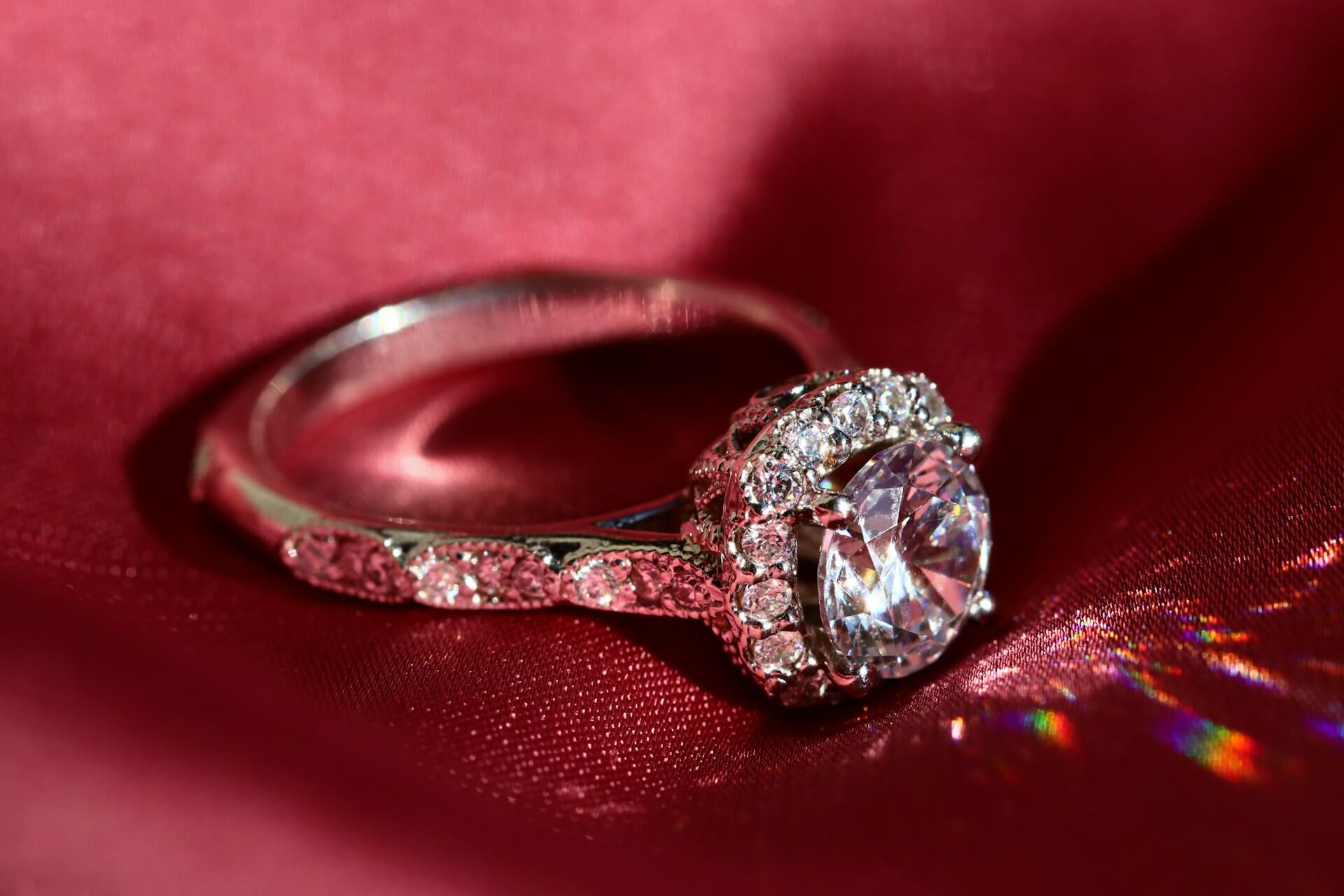
Trilogy or three-stone rings carry a larger center flanked by two smaller stones, a layout seen in Victorian gold settings and Edwardian platinum ones alike. Victorian examples frequently mix a diamond with sapphires or rubies, while twentieth century versions favor three graduated old European cuts.
The format was read as past, present and future long before advertising campaigns adopted the phrase. Appraisers weigh the center stone separately and then judge whether the side stones are original, since replacements are common after loss or damage.
A ring whose three stones share the same cutting style and color grade is far more likely to be intact.
Retro Rose Gold Rings of the 1940s
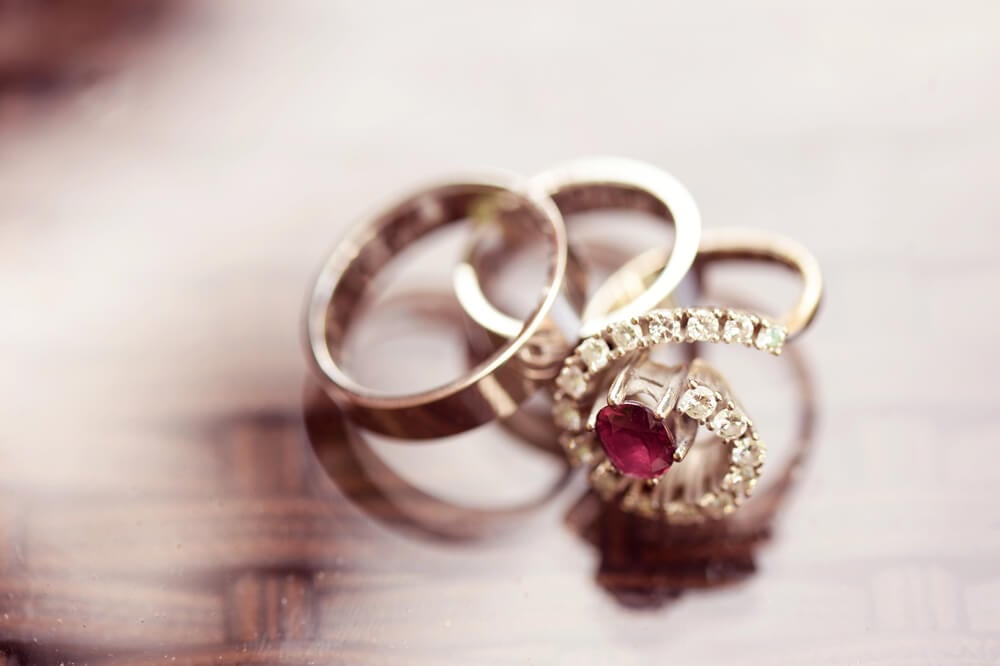
Wartime shortages pushed platinum into military use, so jewelers of the 1940s turned to rose and yellow gold in bold, sculptural forms. Retro rings are big, with scrolls, bows and fan shapes, and they often carry a modest diamond or a synthetic ruby or sapphire, since fine gems were scarce.
The pink tone comes from copper in the alloy, and the lower gold content of some wartime pieces shows up in testing. Values in 2026 depend on weight, design and whether the stones are natural. Polishing that softens the crisp edges of the scrollwork reduces what collectors will pay for an otherwise good piece.
Tiffany Six-Prong Setting
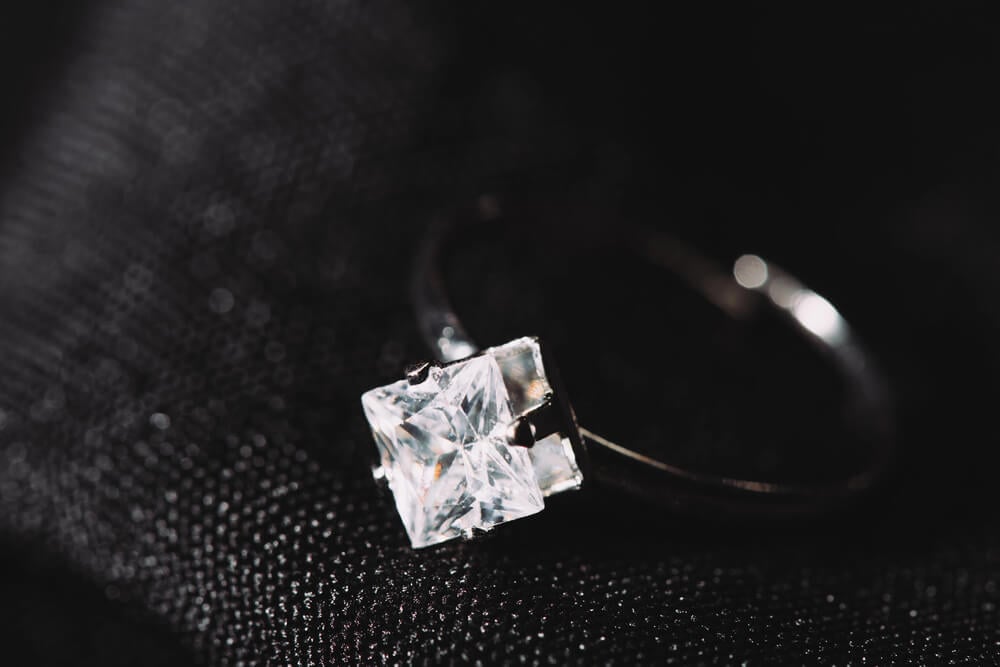
In 1886 Tiffany and Co. introduced a solitaire mounting that lifted the diamond above the band on six slender prongs, letting light reach the stone from every side. The design became the model for the modern engagement ring, and early examples in platinum with old European cut diamonds are now collected as antiques in their own right.
A genuine period ring carries the Tiffany mark on the inside of the shank, and the prongs are hand finished rather than cast. Appraisers compare the mark against known examples because the setting has been copied for more than a century.
Original Tiffany paperwork and the blue box add measurably to the estimate.
Cartier Signed Rings
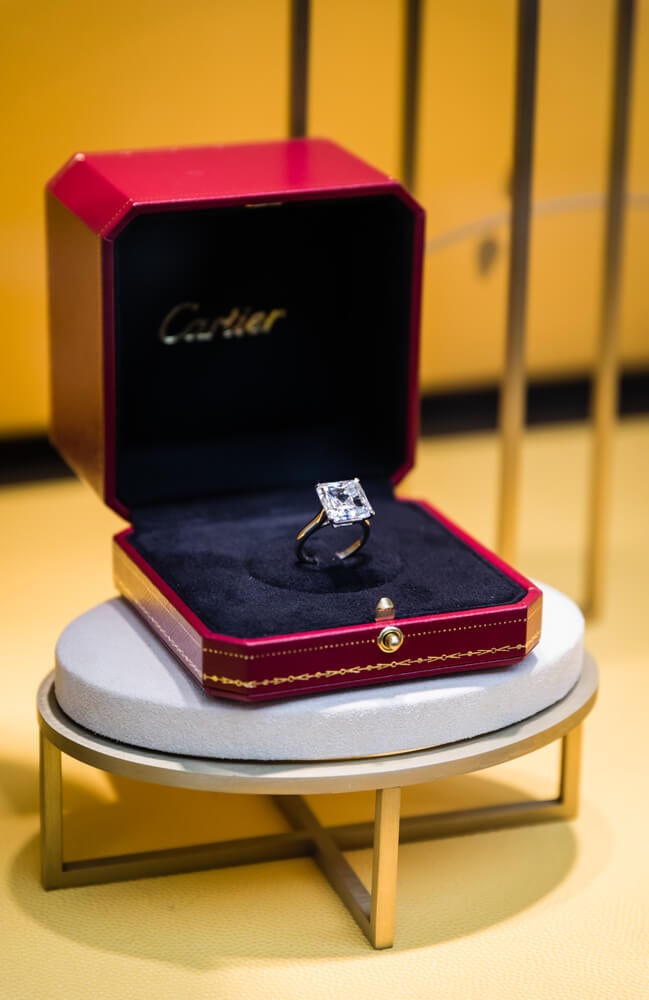
Louis Cartier made platinum settings fashionable in Paris around 1900, and the house’s rings from the Belle Epoque through the Art Deco years are among the most valuable signed pieces an appraiser sees. Cartier marks include the house name, a serial number and French assay stamps, and the firm can sometimes confirm a number against its archives.
The Trinity ring of three interlocking bands dates from 1924 and shows up often in estates. A Cartier engagement ring with its original stone and an archive confirmation has sold at auction for far more than the same stone unsigned.
Resized bands that cut through the serial number are a common and costly problem.
Van Cleef and Arpels Mystery Set
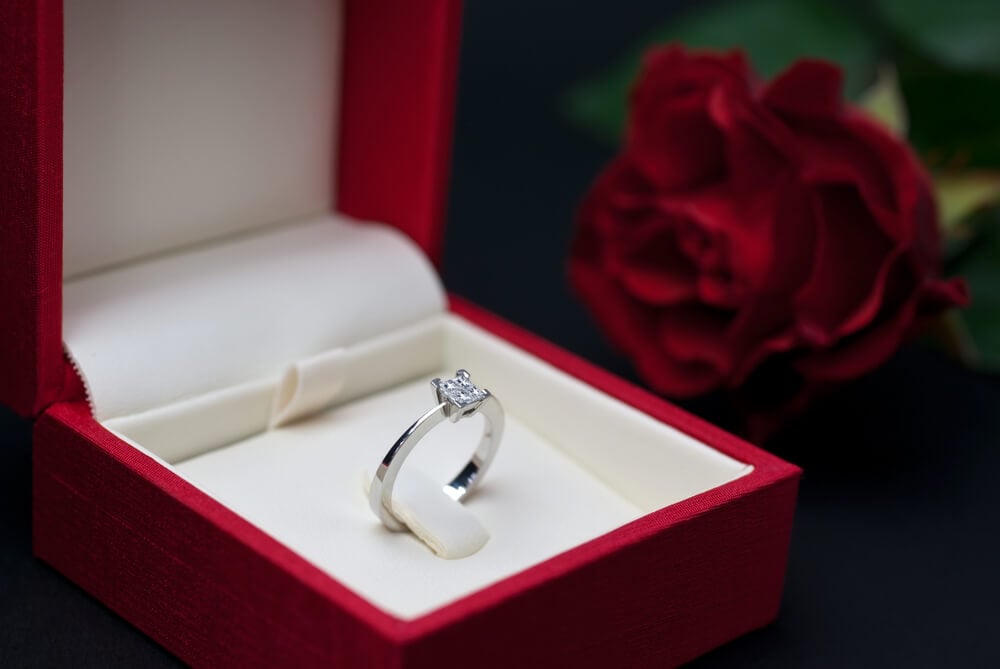
Van Cleef and Arpels patented the Mystery Set technique in 1933, in which rubies or sapphires are grooved and slid onto a hidden grid of gold rails so that no metal shows between the stones. The method is slow, demanding and rarely attempted outside the house, so a ring with invisibly set stones that carries the maker’s signature is a serious find.
Vintage Van Cleef and Arpels rings also appear in simpler diamond solitaire and cluster forms with the firm’s mark and a number. Appraisers check that every stone in a Mystery Set piece is present and that none has been glued back, which is the usual sign of past damage.
Raymond Yard Rings
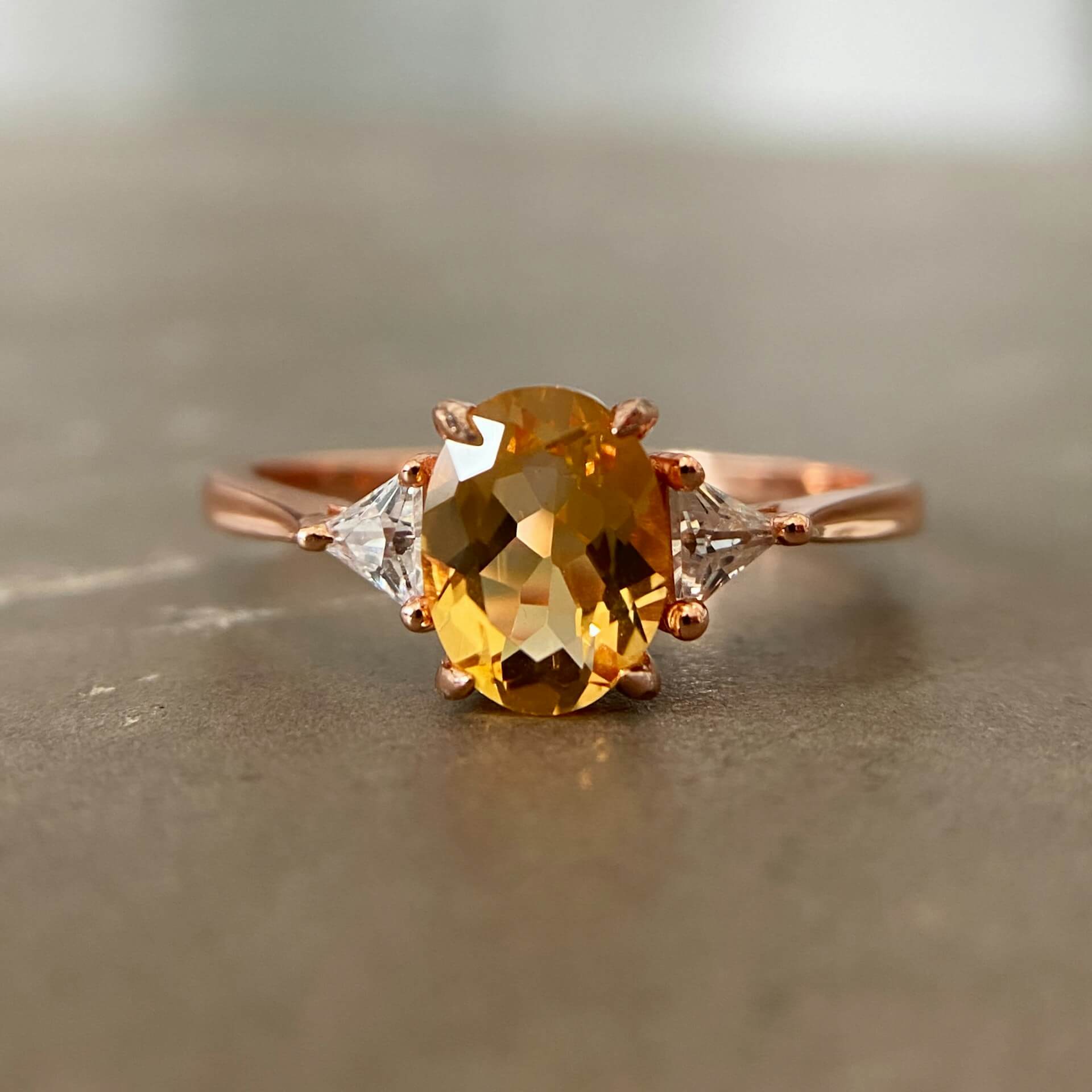
Raymond C. Yard opened his own New York firm in 1922 with backing from John D. Rockefeller Jr., and the firm’s own history says he began as a doorman at Marcus and Co. before working his way up to salesman. Yard rings from the 1920s and 1930s are known for restrained platinum settings, fine old European and Asscher cut diamonds and immaculate hand work, and the firm still operates today.
The signature is typically a small engraved Yard inside the band. Because Yard pieces were sold to a wealthy clientele, many retain original stones of high quality. A Yard engagement ring with its stone intact and the mark legible earns a strong estimate from any appraiser.
Buccellati Rings
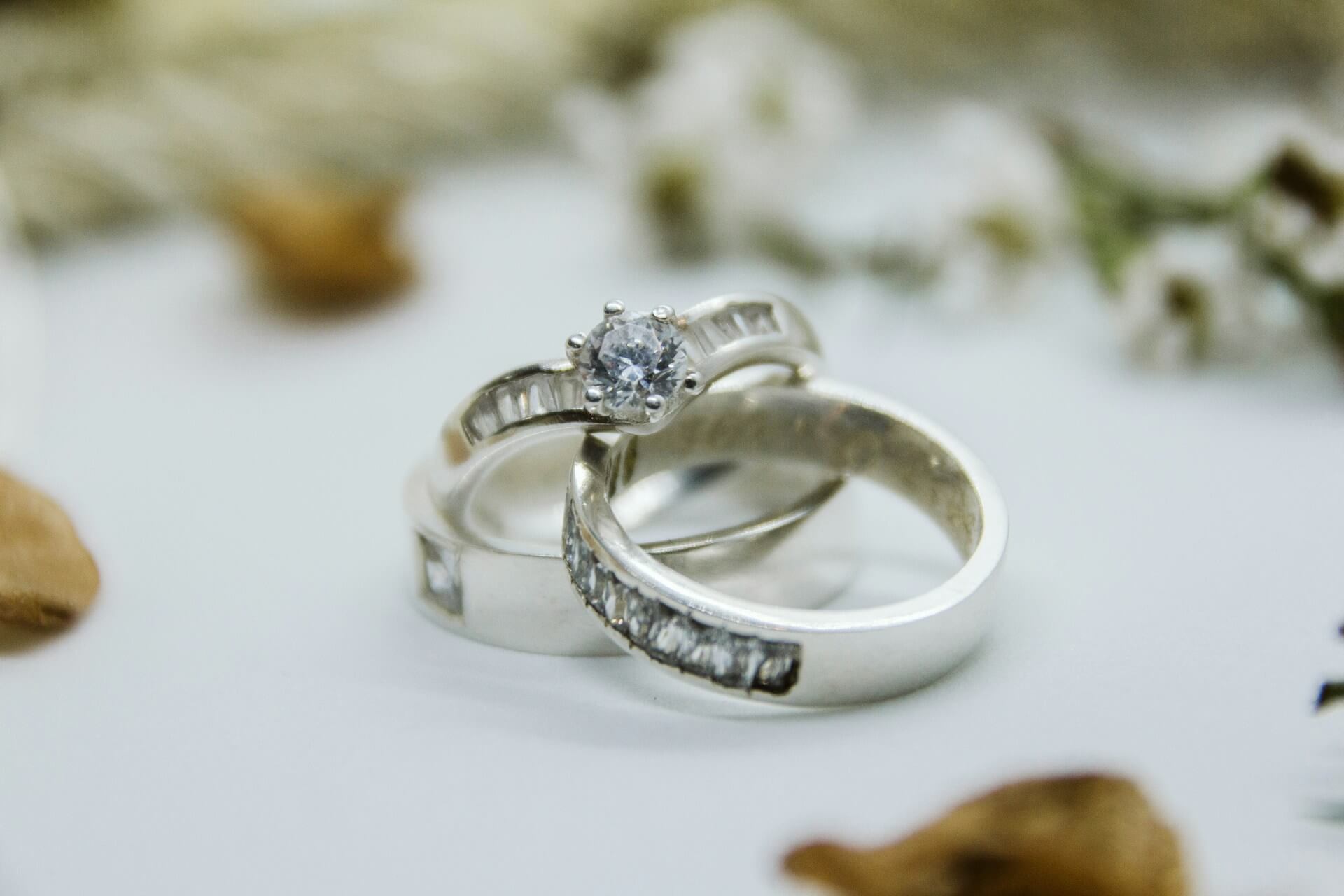
Mario Buccellati opened his Milan shop in 1919 and became known for engraving gold with textures that resemble lace, linen and tulle, using techniques borrowed from Renaissance goldsmiths. Buccellati engagement rings often set an old cut or rose cut diamond in a hand-engraved white or yellow gold mount with honeycomb or rigato patterns.
The surface work is the value, so a ring that has been heavily polished to remove scratches may have lost much of what made it a Buccellati. The firm signs its pieces, and Italian gold marks help date them.
Appraisers look at the engraving under magnification to confirm hand work rather than casting.
Black, Starr and Frost Rings
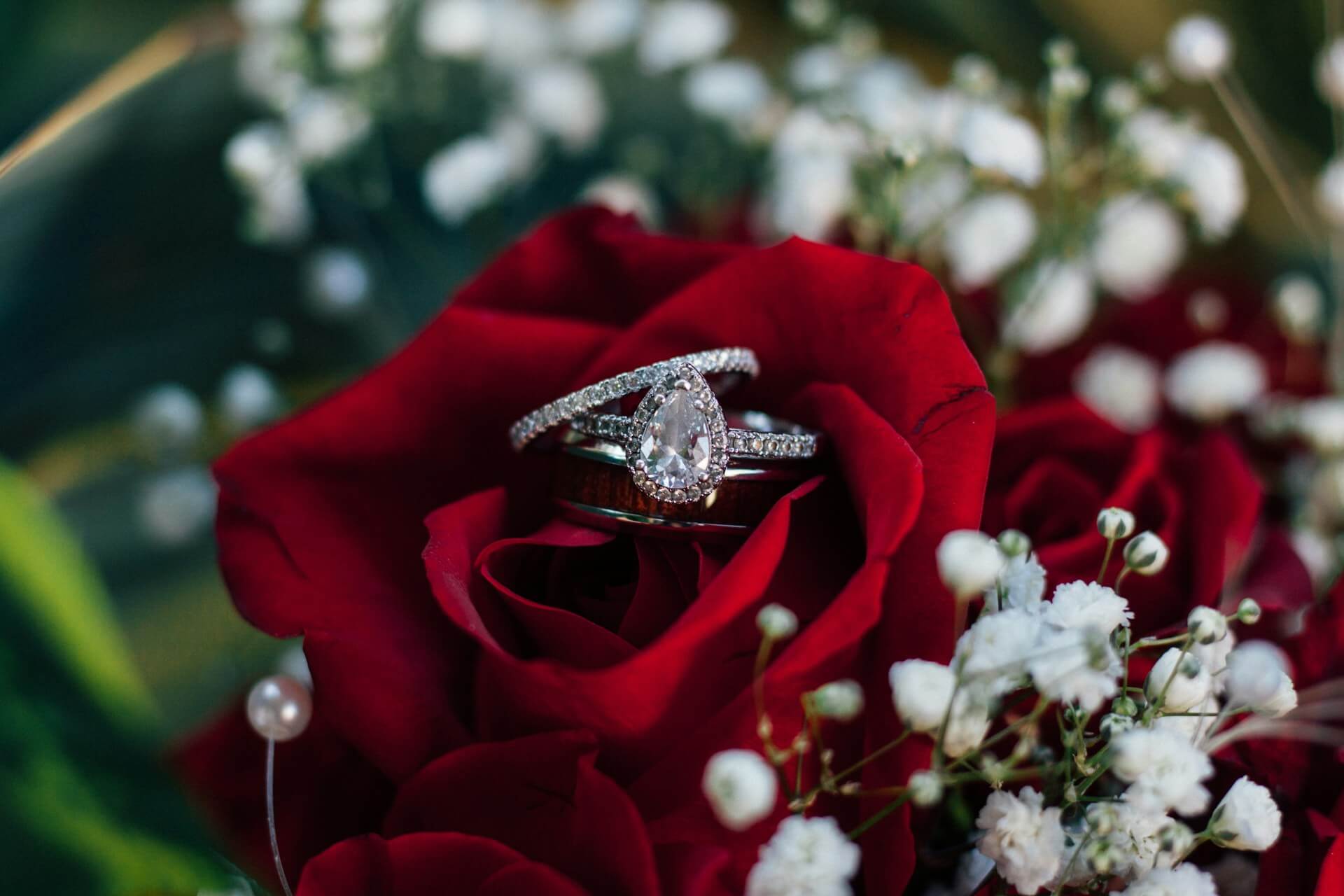
Black, Starr and Frost traces its origins to a New York shop opened in 1810, which makes it one of the oldest jewelry houses in the United States. The firm’s Edwardian and Art Deco rings in platinum, often set with old European cut diamonds and caliber-cut sapphires, carry the house name inside the band.
Because the company passed through several mergers and name changes, the exact wording of the mark helps an appraiser date a ring to within a few years. Signed pieces from the early twentieth century have sold at auction for multiples of their unsigned equivalents, provided the mark is crisp and the stones original.
Burmese Ruby Rings
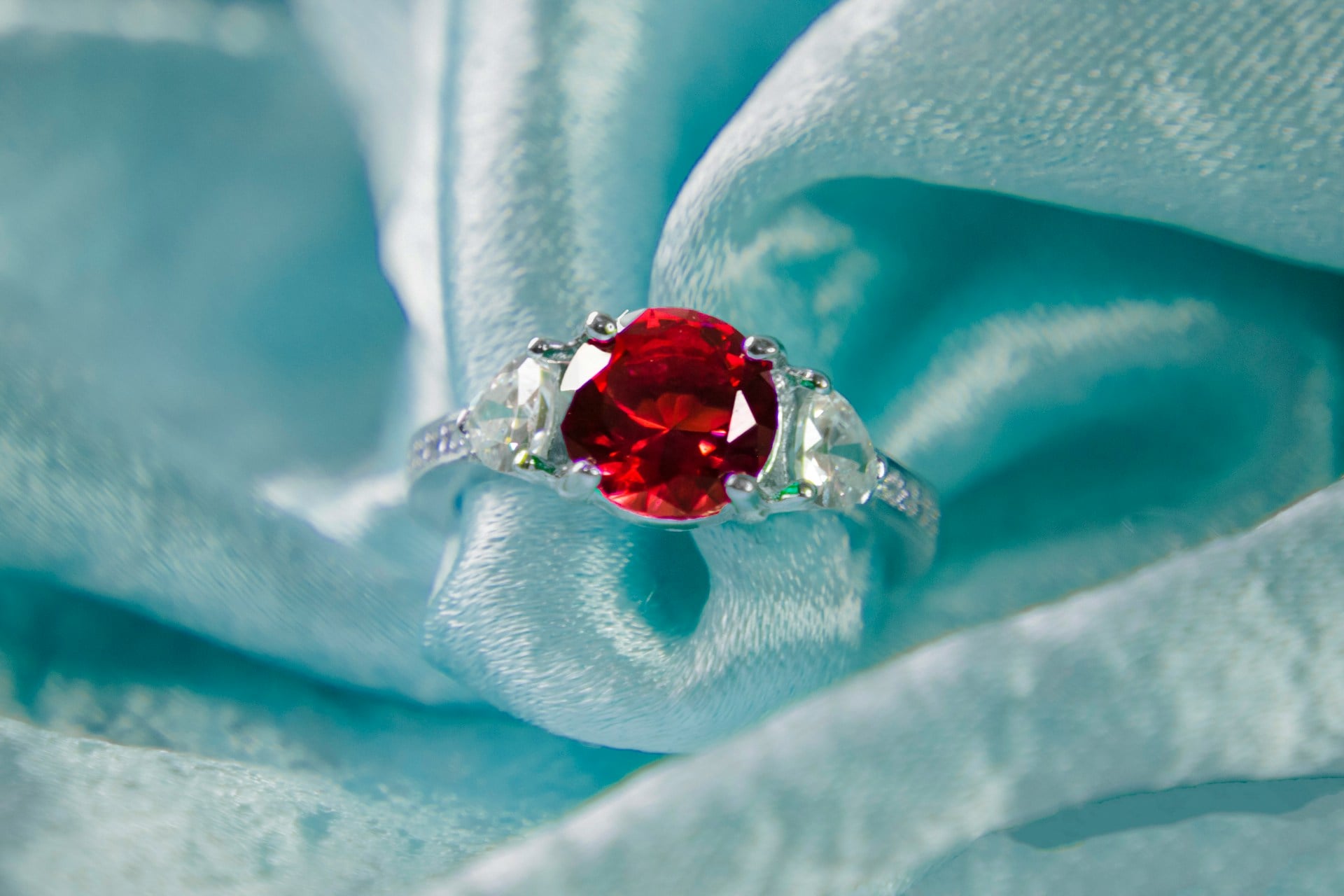
Rubies from the Mogok valley in Myanmar have been mined for centuries and are prized for a saturated red with a slight blue tint that the trade calls pigeon blood. The Sunrise Ruby, a 25.59 carat Burmese stone, sold at Sotheby’s Geneva in 2015 for about 30 million dollars, which remains a reference point for the top of the market.
Antique rings from the Victorian and Edwardian eras sometimes carry unheated Burmese rubies that predate modern treatment, and a laboratory report confirming origin and no heat is the single document that most changes the appraisal. Chips at the girdle and abrasion on the table lower the figure.
Kashmir Sapphire Rings
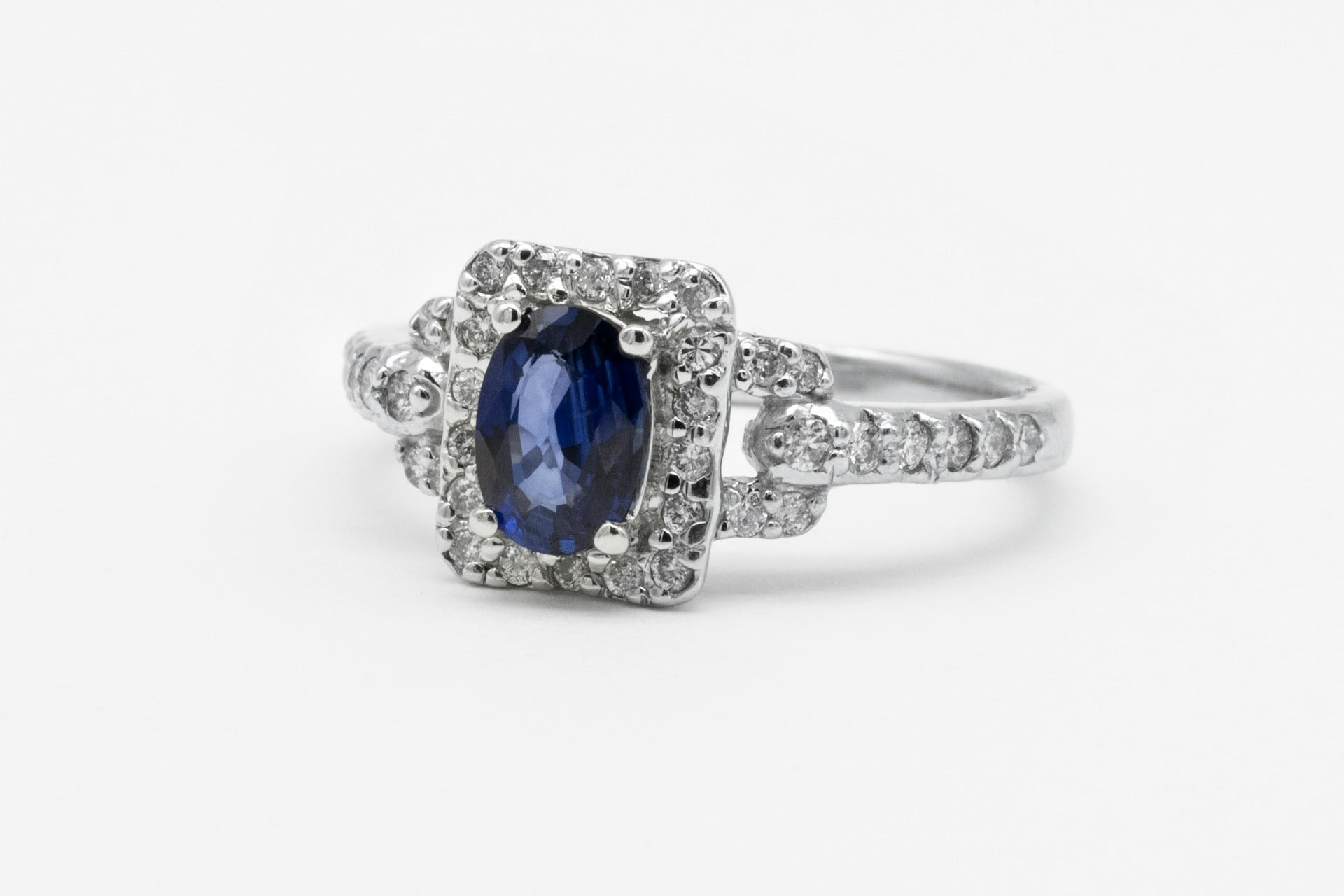
A landslide in the Padar region of Kashmir around 1881 exposed sapphires of a velvety cornflower blue that has never been matched, and the deposit was largely worked out within a few years. Stones from that short window made their way into Victorian and Edwardian rings across Europe and America, often without anyone recording the source.
A gemological laboratory can identify Kashmir origin from inclusions and trace chemistry, and the report can turn a pretty blue ring into a six-figure asset. Appraisers treat any fine old sapphire of the right color as a candidate for testing.
Heat treatment, which Kashmir stones generally lack, is a disqualifying finding.
Colombian Emerald Rings
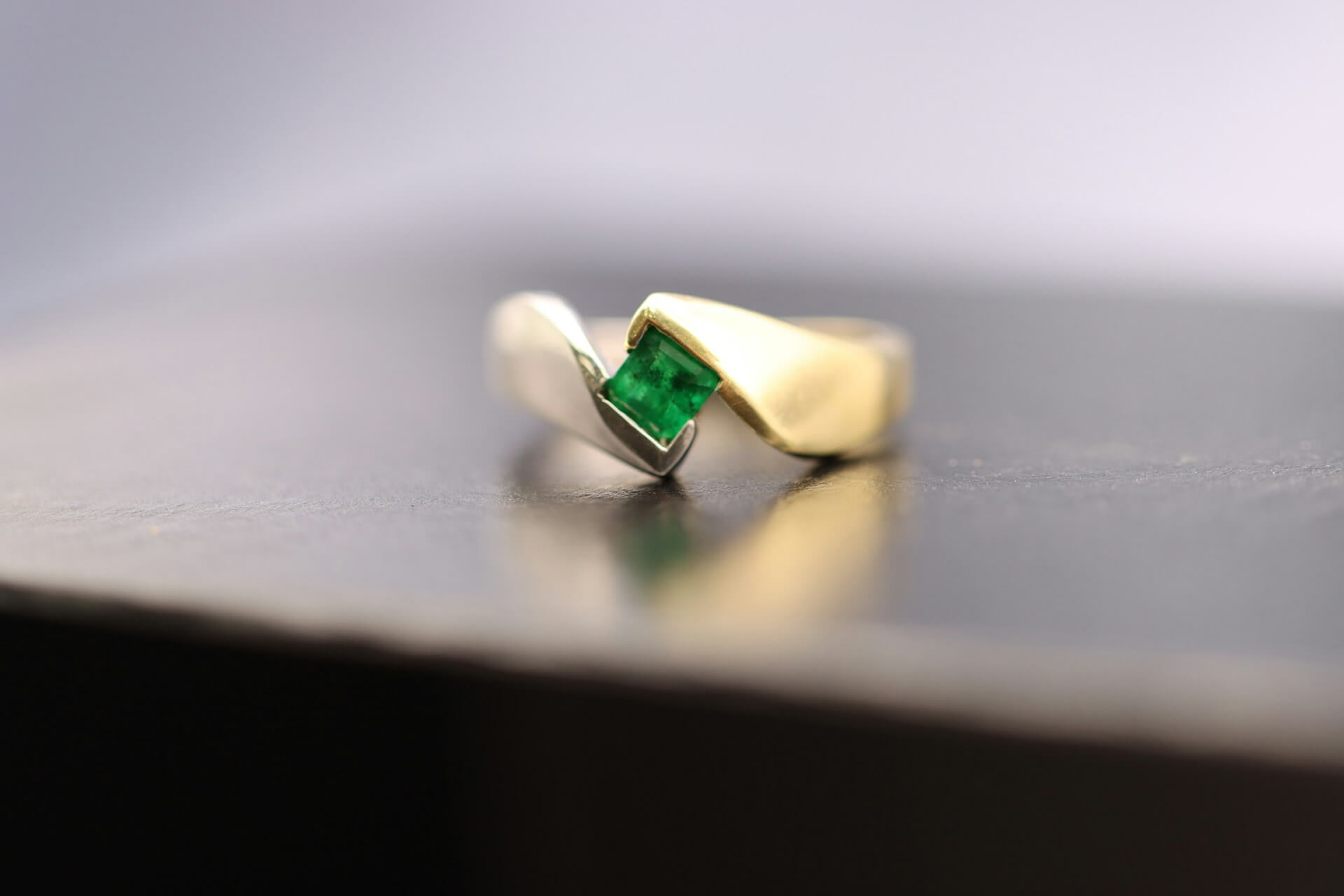
Emeralds from the Muzo and Chivor mines of Colombia have supplied European jewelers since the Spanish reached the region in the sixteenth century. The best show a pure green with a hint of blue and a softness of color that gemologists attribute to the stone’s chromium and vanadium content.
Antique emerald rings were cut in step or cabochon forms and set in gold or platinum, often with diamond surrounds. Nearly all emeralds contain fractures that are filled with oil or resin, so a laboratory report stating the degree of filling matters as much as origin.
Minor oil is accepted in the trade, while modern resin filling in an antique stone lowers the appraisal.
Natural Pearl Rings
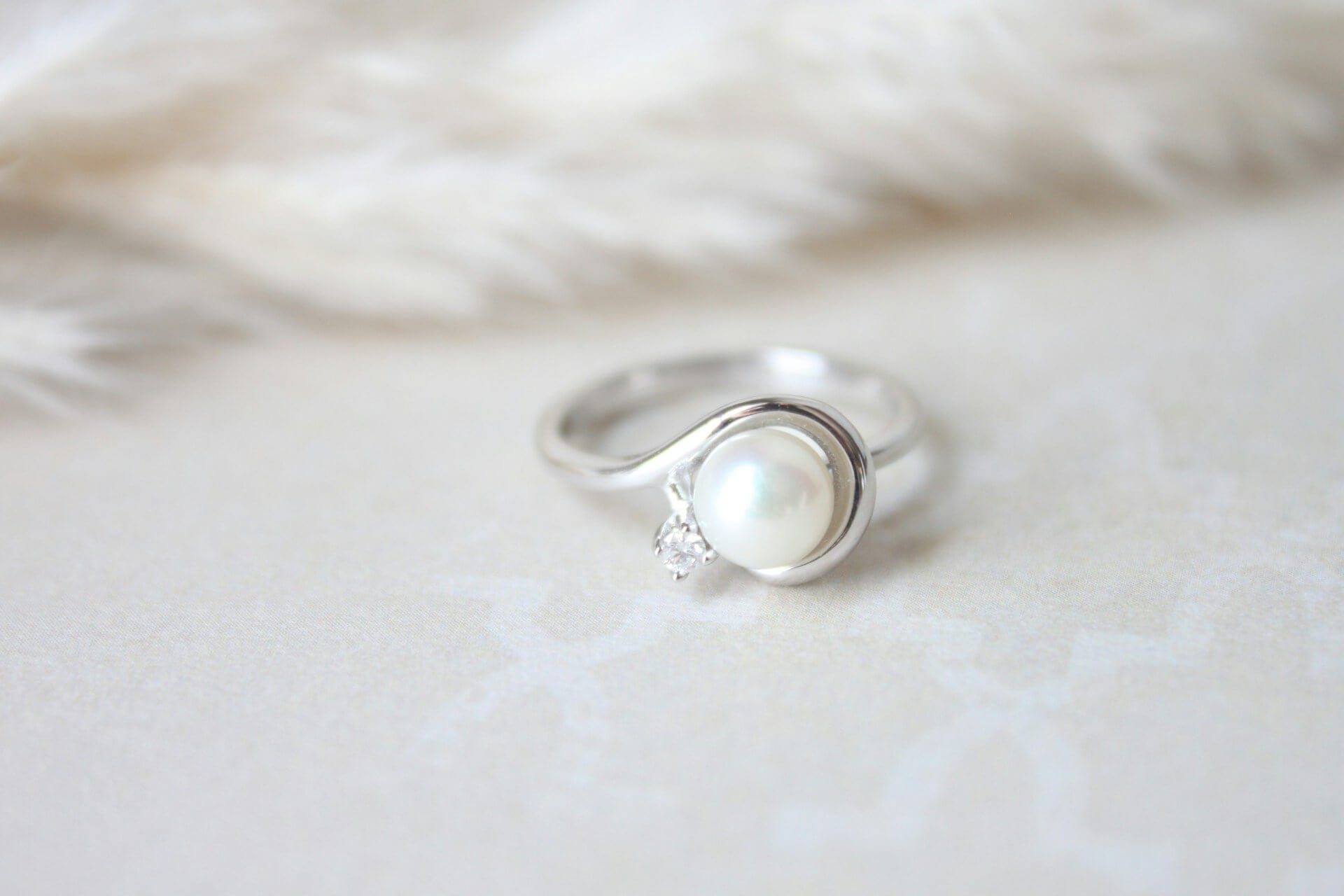
Before cultured pearls became widespread in the 1920s, every pearl in a ring was natural, found by divers in the Persian Gulf, Sri Lanka or elsewhere. Georgian, Victorian and Edwardian rings set with a single pearl flanked by old cut diamonds were common engagement choices.
A natural pearl can be distinguished from a cultured one by X-ray, which shows a solid center rather than a bead nucleus, and the test is worth the cost on any pearl ring that predates 1920. Natural pearls of good size and luster have sold at auction for far more than their cultured equivalents.
Worn nacre, drilling damage and a dull surface all weigh against the estimate.
Russian Alexandrite Rings
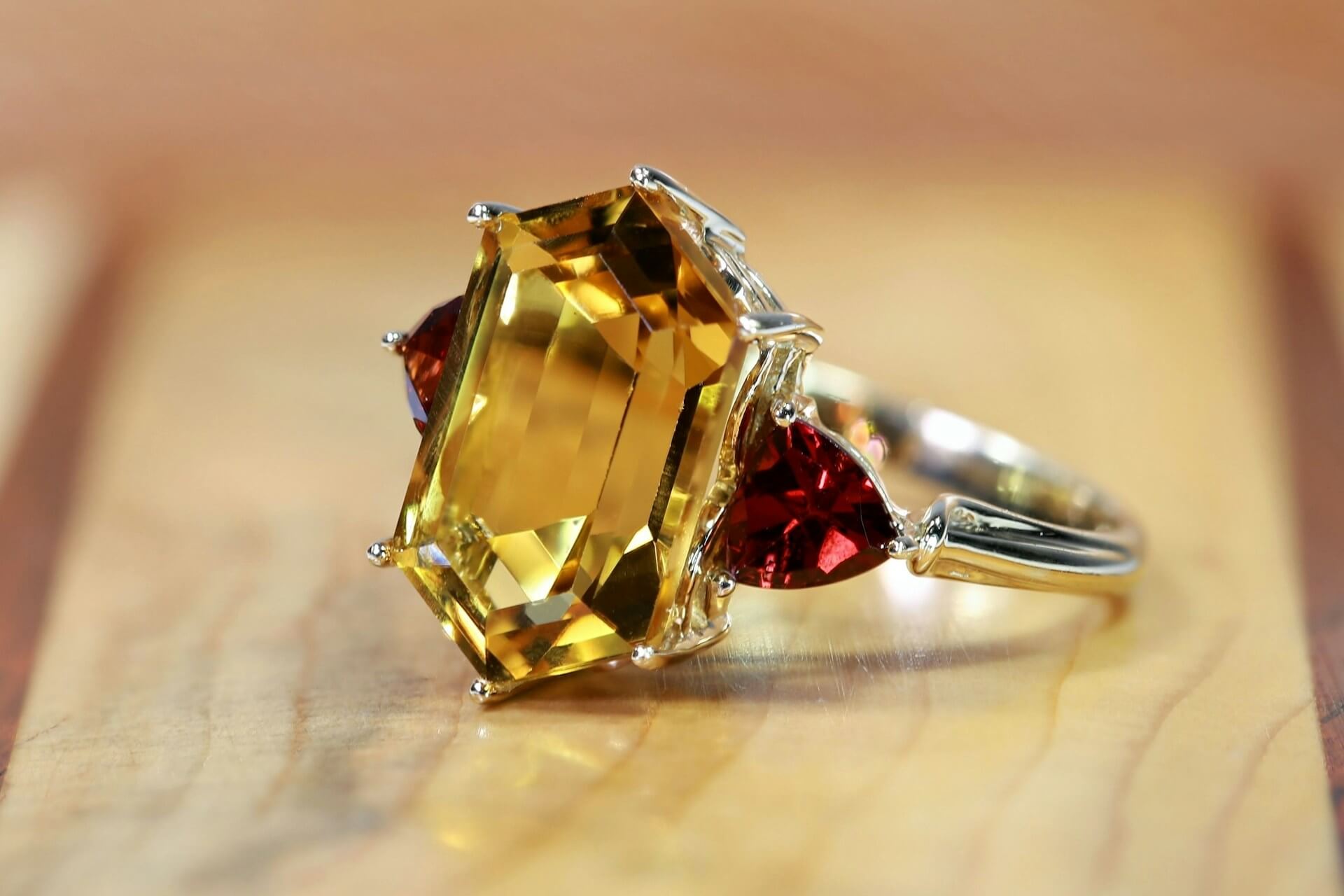
Alexandrite was found in the emerald mines of the Ural Mountains in the 1830s and named for the future Tsar Alexander II. The stone shifts from green in daylight to red under candlelight or incandescent bulbs, a color change that made it a favorite for Victorian rings made before the Russian deposits ran low.
Genuine antique Russian alexandrite is rare, and most pieces sold as such are either synthetic, color-change garnet or later Brazilian or Sri Lankan material. A laboratory report confirming natural origin is essential, and a strong, clean color change pushes the value into the thousands per carat.
Scratches and chips are frequent on a stone this old.
Black Opal Rings
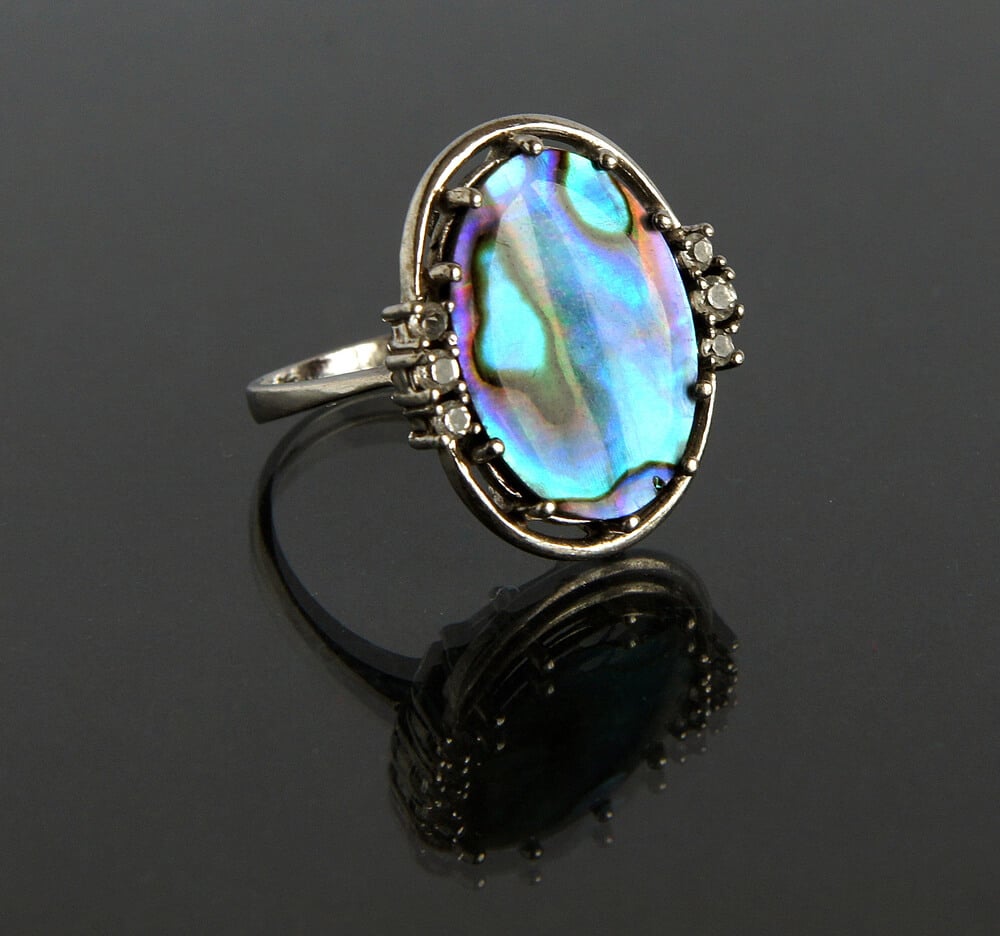
Black opal from Lightning Ridge in New South Wales was first mined commercially in the early 1900s, so antique rings set with it belong mostly to the Edwardian and Art Deco periods. The dark body tone makes the play of color stand out in reds, greens and blues that no other opal matches.
Appraisers grade pattern, brightness and body tone, and they check for crazing, the network of fine cracks that develops when an opal dries out. Doublets and triplets, where a thin slice of opal is glued to a dark backing, are common and worth far less than solid stones.
Fine solid black opal in a period mount earns a serious estimate.
Natural Fancy Colored Diamond Rings
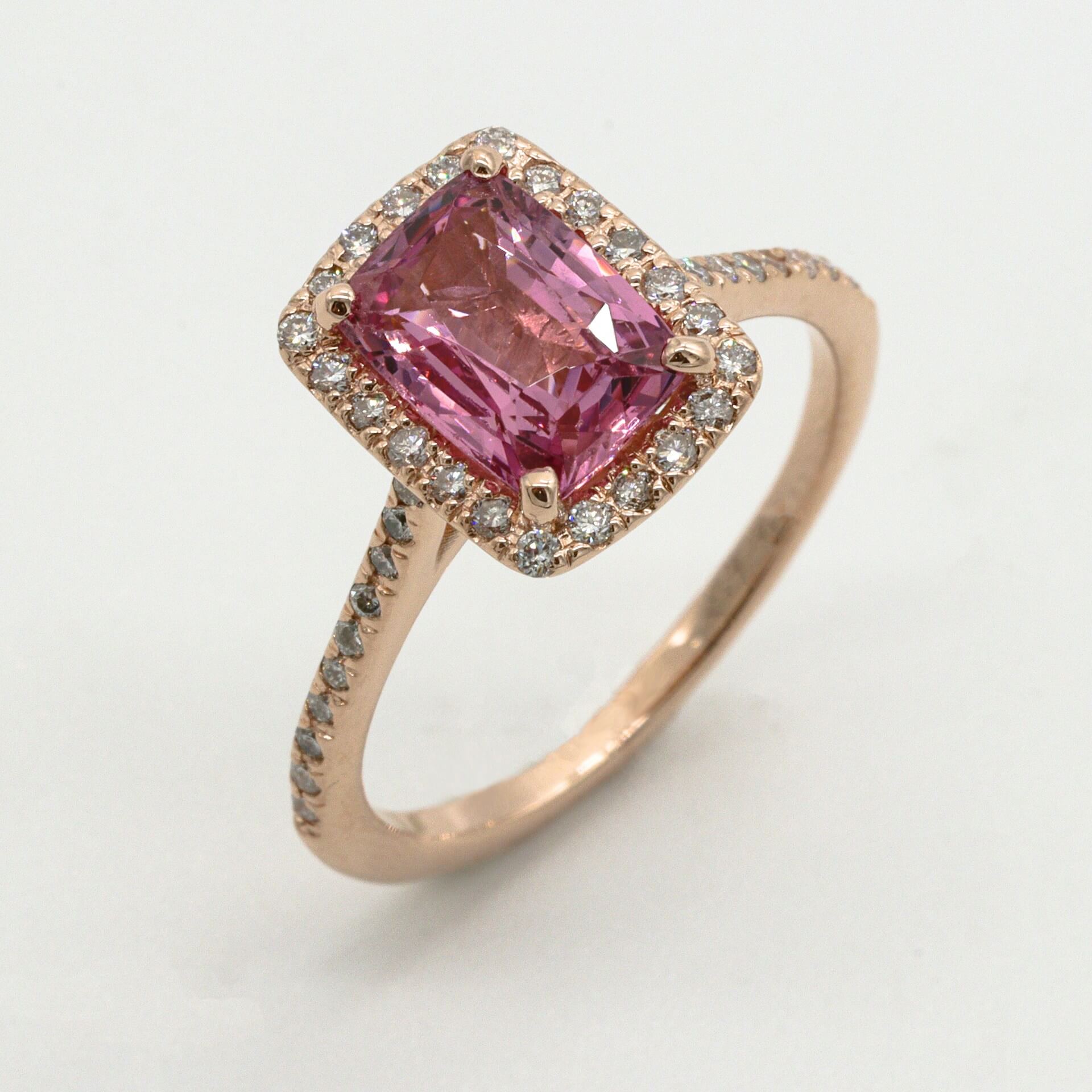
Only a small share of diamonds show natural color in pink, blue, yellow, green or orange, and antique rings occasionally hold one that was set long before such stones were graded or marketed. Old cuts hide color less effectively than modern brilliants, so a Victorian old mine cut with a distinct pink or blue tint deserves a laboratory report confirming natural rather than treated color.
Fancy pink and blue diamonds have sold at auction for well over a million dollars per carat in exceptional cases. An appraiser will separate the value of the stone from the mounting, since the ring itself may be ordinary.
Recutting an old colored diamond rarely improves its worth.
Prongs, Hallmarks and the Paperwork That Follows Them
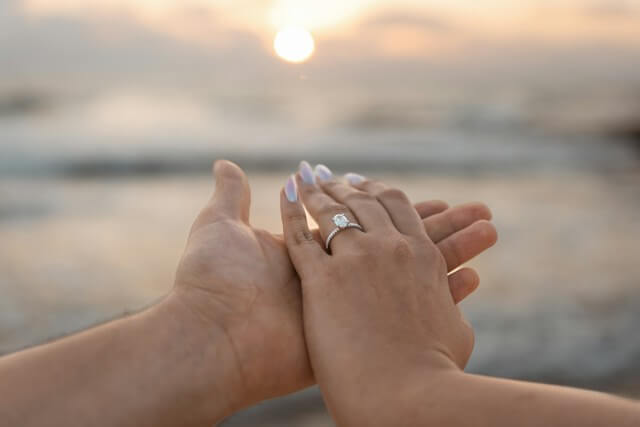
Every ring on this list rewards the same three steps. An appraiser examines the mounting for its metal, its construction and any maker’s mark, a laboratory grades the stone and states its origin and treatment, and the two documents together support the number.
Without them, a Kashmir sapphire is just a blue stone and a Cartier solitaire is just a diamond in platinum.
Condition sits underneath all of it. Resized shanks, replaced stones, polished-away engraving and missing paperwork each take something off the figure, and together they can take most of it.
The rings worth the most are usually the ones that were worn gently and never improved, which is a quieter kind of luck than finding a famous name inside the band.
More from Go2Tutors!

- The Romanov Crown Jewels and Their Tragic Fate
- 13 Historical Mysteries That Science Still Can’t Solve
- Famous Hoaxes That Fooled the World for Years
- 15 Child Stars with Tragic Adult Lives
- 16 Famous Jewelry Pieces in History
Like Go2Tutors’s content? Follow us on MSN.