15 Fun Facts About the First New Year Celebrations
People have marked the passing of time for thousands of years, but the ways they did it look nothing like what you see today. The first New Year celebrations happened in places and times that might surprise you, with traditions that ranged from sacred rituals to wild parties.
These ancient festivities shaped how cultures understood time itself and left their mark on modern celebrations.
The Babylonians Started It All

Around 4,000 years ago in ancient Mesopotamia, the Babylonians threw the first recorded New Year celebration. They called it Akitu, and it lasted for eleven days.
The festival kicked off in late March, right when the spring crops started growing. This timing made sense because their survival depended on successful harvests, so they celebrated when nature itself seemed to begin again.
It Wasn’t About Resolutions

The Babylonian Akitu festival focused on something much bigger than personal goals. During these eleven days, the Babylonians crowned a new king or symbolically renewed their current king’s power.
They also performed elaborate rituals to help their gods defeat the forces of chaos. The entire community participated in ceremonies, parades, and performances that reinforced their shared beliefs and social order.
March Made More Sense Than January

For the Romans, the year originally began in March. The calendar only had ten months, and March through December made up the entire year.
Winter just existed as an unnamed period between December and March. This system reflected agricultural realities—March was when farmers could start working the land again after winter.
The names September, October, November, and December actually mean seventh, eighth, ninth, and tenth month because they counted from March.
Julius Caesar Changed Everything
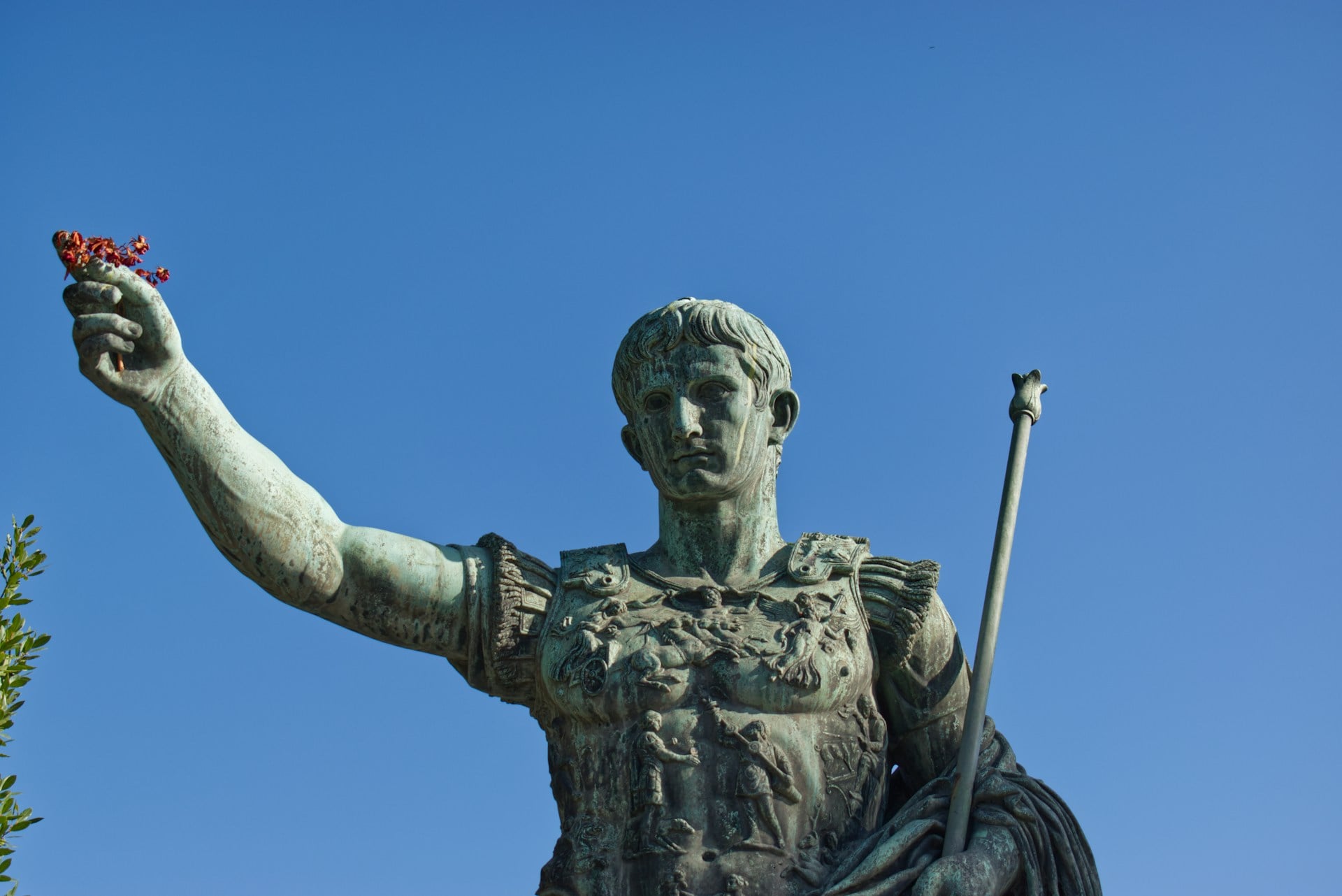
In 46 BCE, Julius Caesar reformed the Roman calendar and moved New Year’s Day to January 1st. He named January after Janus, the two-faced Roman god who looked backward into the past and forward into the future.
Caesar also added days to make a 365-day year with a leap year every four years. But not everyone adopted this change immediately. Different cultures stuck with their own New Year dates for centuries.
January 1st Disappeared for a While

After the Roman Empire fell, Christian Europe rejected January 1st as New Year’s Day because of its pagan associations. Different regions celebrated the new year on different dates.
Some chose March 25th, the Feast of the Annunciation. Others picked December 25th, Christmas Day.
England celebrated New Year’s Day on March 25th until 1752, which meant that March 24, 1700 was followed by March 25, 1701 in their calendar system.
The Chinese Beat Everyone to Fireworks

Ancient Chinese New Year celebrations date back over 3,000 years to the Shang Dynasty. Legend says the holiday began as a way to scare off a mythical beast called Nian that terrorized villages at the turn of the year.
People discovered that loud noises and the color red frightened the monster away. This led to traditions of setting off firecrackers, hanging red decorations, and making as much noise as possible during celebrations.
Persian New Year Predates Most Others
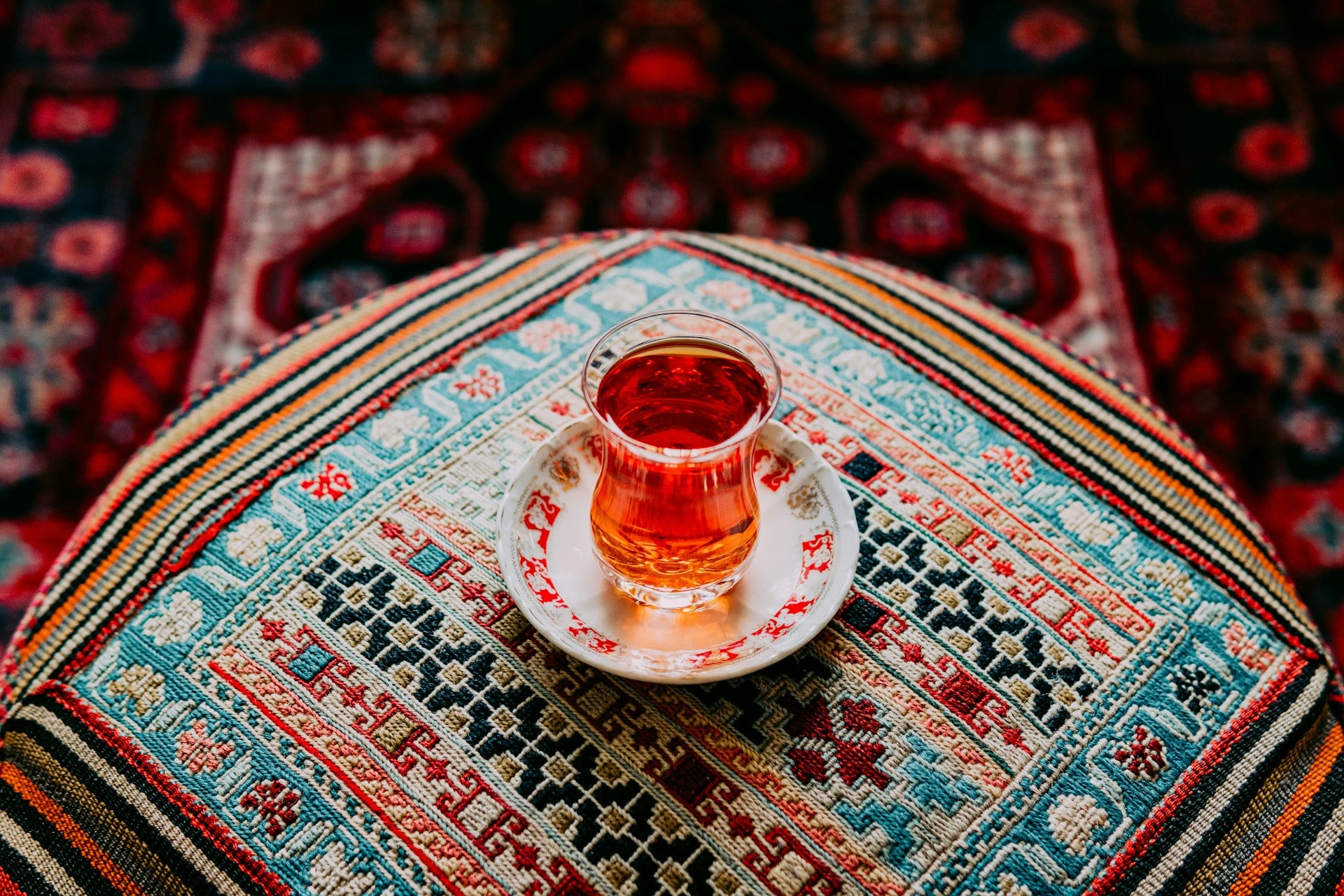
Nowruz, the Persian New Year, has been celebrated for over 3,000 years. It falls on the spring equinox, usually around March 20th or 21st.
Ancient Persians saw this astronomical event as the perfect moment to mark the beginning of a new cycle. The celebration involves elaborate preparations including setting up a Haft-Seen table with seven symbolic items whose names start with the letter “S” in Persian.
Ancient Egyptians Celebrated When the Nile Flooded
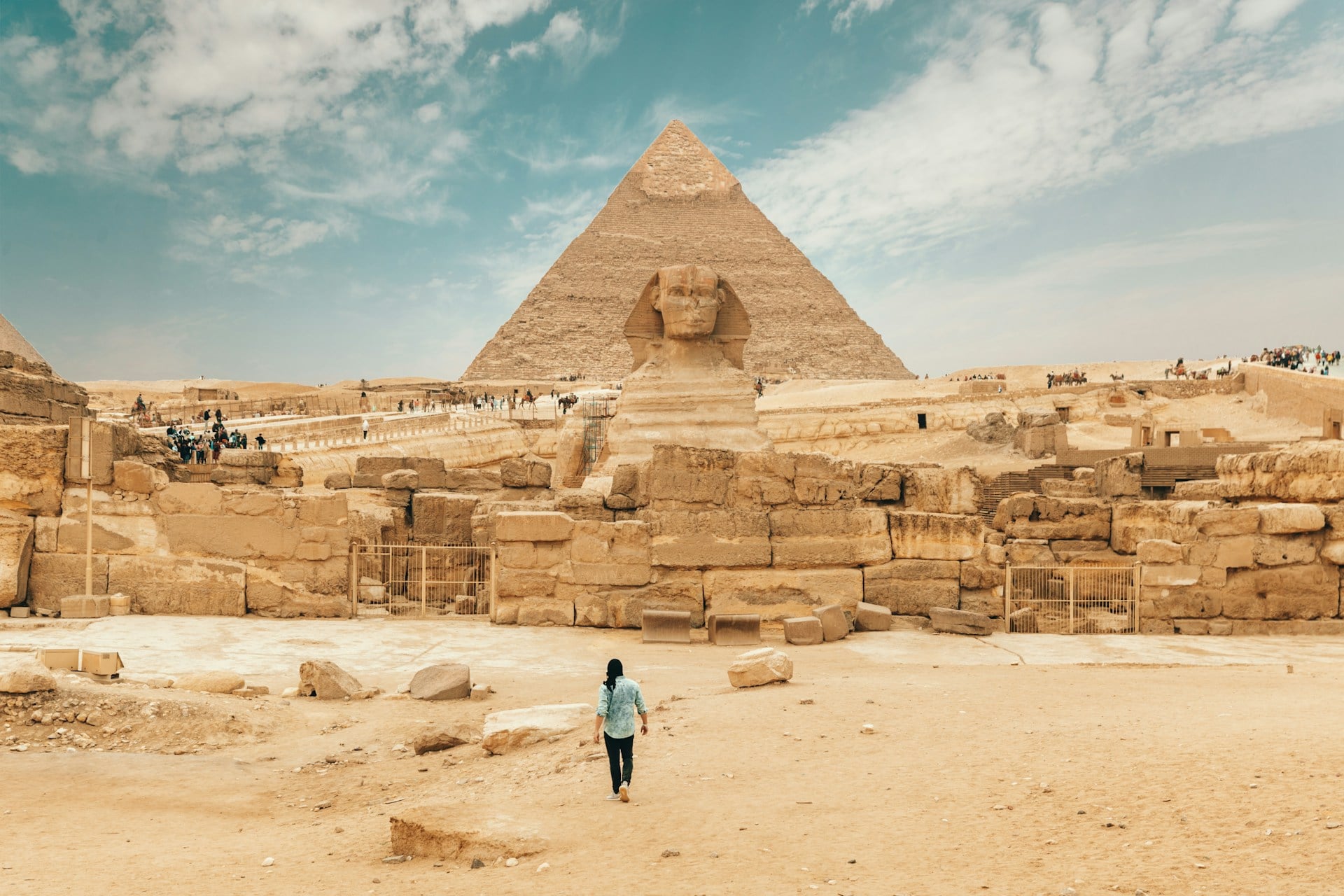
The ancient Egyptian calendar synchronized with the annual flooding of the Nile River, which typically occurred in mid-July. This flood brought rich soil that made farming possible in the desert, so it represented the literal rebirth of the land.
The Egyptian New Year, called Wep Renpet, celebrated this life-giving event. Priests would use the star Sirius to predict when the flooding would begin.
Scottish Hogmanay Has Pagan Roots

Scotland’s New Year celebration, Hogmanay, traces back to ancient winter solstice festivals held by the Norsemen. These Vikings occupied parts of Scotland for centuries and brought their Yule traditions with them.
The word “Hogmanay” itself probably comes from old Norse or Gaelic words for the end of the year. The celebration grew even more important in Scotland after Christmas was banned there for nearly 400 years starting in the 1640s.
First Footing Determined Your Luck

An ancient Scottish and Northern English tradition called “first footing” said that the first person to enter your home after midnight on New Year’s determined your luck for the coming year. The ideal first footer was a tall, dark-haired man bearing gifts of coal, salt, shortbread, and whisky.
These items symbolized warmth, flavor, food, and good cheer. Fair-haired visitors were considered unlucky, possibly because of associations with Viking raiders.
Greeks Hung Onions on Their Doors
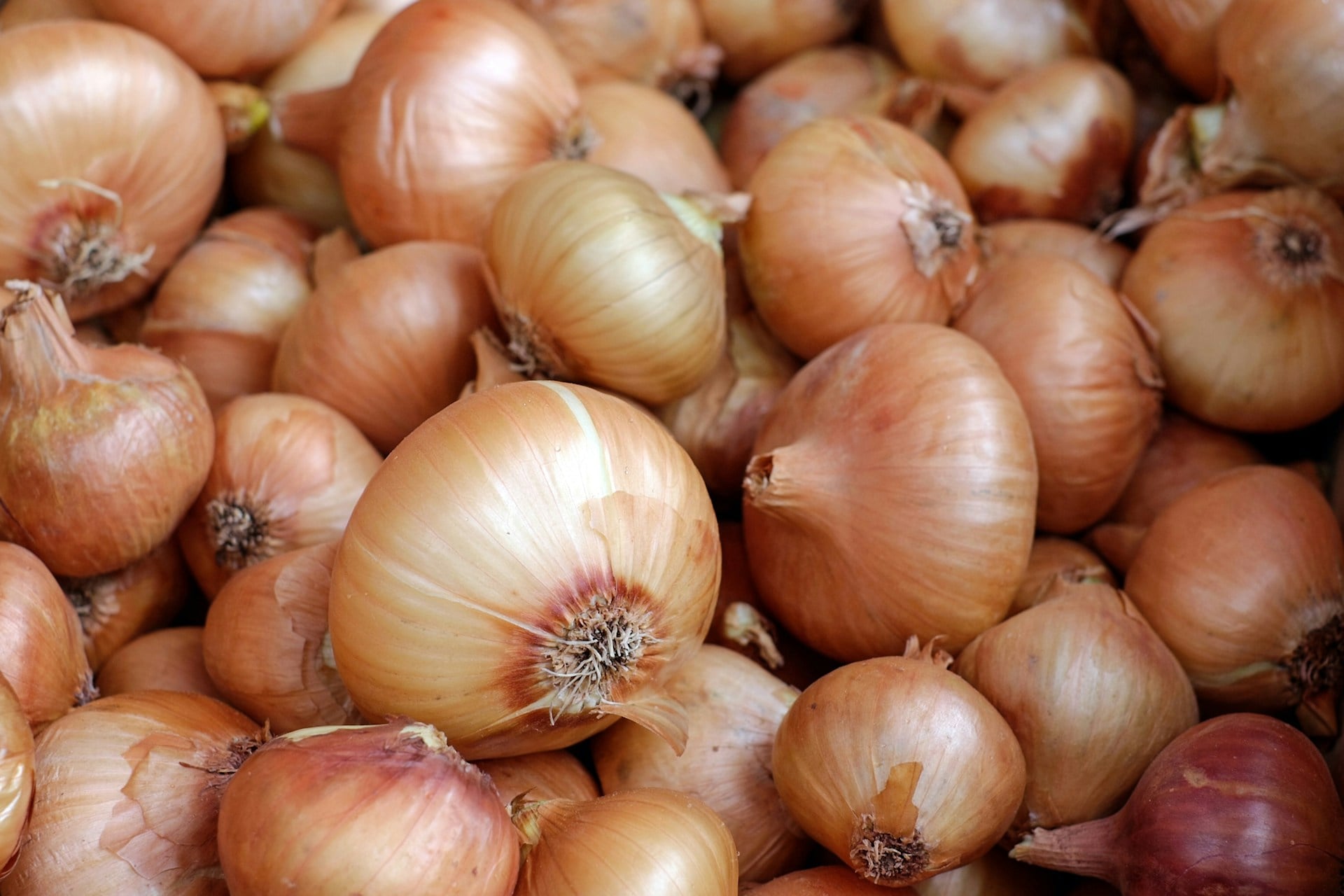
In ancient Greece, people hung onions on their front doors during New Year celebrations. The onion symbolized rebirth because of its layers and the way it sprouted new growth.
Parents would wake their children on New Year’s morning by tapping them on the head with an onion to ensure good health and growth in the coming year. This tradition still continues in some Greek families today.
The Jewish New Year Happens in Autumn

Rosh Hashanah, the Jewish New Year, falls in September or October depending on the lunar calendar. This timing connects to the biblical account of creation, which tradition places in the fall.
The celebration focuses on introspection, prayer, and repentance rather than parties. People eat symbolic foods like apples dipped in honey to represent hopes for a sweet new year, and challah bread is baked in round shapes to symbolize the cycle of the year.
Medieval Europeans Exchanged Gifts at New Year
During medieval times, Europeans gave gifts at New Year rather than Christmas. This tradition came from ancient Roman practices.
The Romans exchanged branches from sacred groves as good luck tokens on the first day of the year. Later, these evolved into more elaborate gifts.
Kings expected presents from their subjects as a form of tribute. The practice slowly shifted to Christmas over several centuries.
Water Throwing Brings Fresh Starts

Several cultures developed traditions of throwing water on New Year’s Day to symbolize cleansing and renewal. In some parts of Puerto Rico, people throw buckets of water out of windows at midnight to wash away the old year and bad spirits.
Thai and Southeast Asian countries celebrate Songkran, their traditional New Year, with massive water fights that can last for days. The water represents purification and starting fresh.
The Orb Drop Started as a Time Signal

The iconic Times Square orb descent kicked off in 1907, though its roots were more functional than festive. Back then, without radios or TV screens, knowing the exact hour wasn’t simple.
Various towns relied on time orbs – large orbs that fell precisely at noon or midnight, allowing folks to set their watches right. Docked vessels depended on these signals daily.
After NYC outlawed pyrotechnics in 1907, planners sought a fresh alternative for the annual gathering, merging maritime tradition with urban spectacle to shape what now marks the year’s end.
Time Always Brings Fresh Starts

Each society gazing skyward – tracking constellations or sensing autumn give way to frost – carved out moments meant to signal renewal. Pause arrived when life slowed just enough for reflection on cycles beyond mere hunger or shelter.
Dates shifted across lands, ceremonies took countless forms, yet the urge to honor closure and new paths never faded. This quiet pull ties your breath now to those ancient circles near flickering flames, waiting as cold loosened its grip, daring to imagine warmth ahead.
More from Go2Tutors!

- The Romanov Crown Jewels and Their Tragic Fate
- 13 Historical Mysteries That Science Still Can’t Solve
- Famous Hoaxes That Fooled the World for Years
- 15 Child Stars with Tragic Adult Lives
- 16 Famous Jewelry Pieces in History
Like Go2Tutors’s content? Follow us on MSN.