29 Vintage Pins and Campaign Buttons Worth Keeping
A pin-back button is about the cheapest object a campaign or company can hand out, which is why millions of them were made and almost none were saved. The few that survived in a drawer or a candy tin turn out to be a compact record of American elections, fairs, fads, and causes, and the rarest of them sell for the price of a house.
Value depends on rarity, condition, and demand, and a scratched or rusted celluloid is worth a fraction of a clean one. The pins below range from genuine treasures to modest keepers, but all of them are worth a second look before anyone tosses the jar.
The 1920 Cox-Roosevelt Jugate
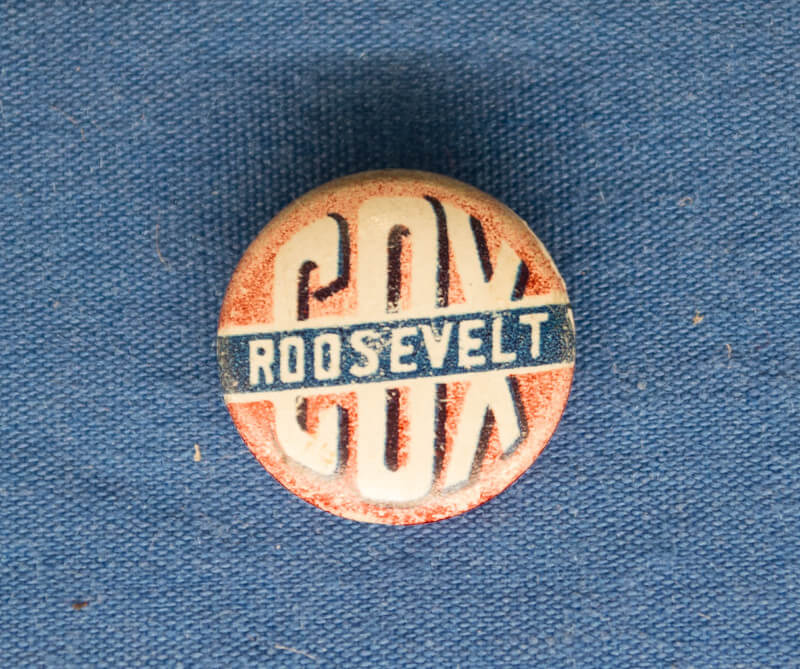
The 1920 Democratic ticket of James Cox and Franklin Roosevelt lost in a landslide, and the campaign produced so few buttons showing both men that the jugate became the hobby’s most famous rarity. A 1.25-inch example sold at Hake’s Auctions in 2022 for $185,850, a world record for any pin-back button, and a one-inch version brought $100,300 the following year.
All known examples are believed to have been salesman’s samples rather than campaign stock.
1896 McKinley and Bryan Celluloids
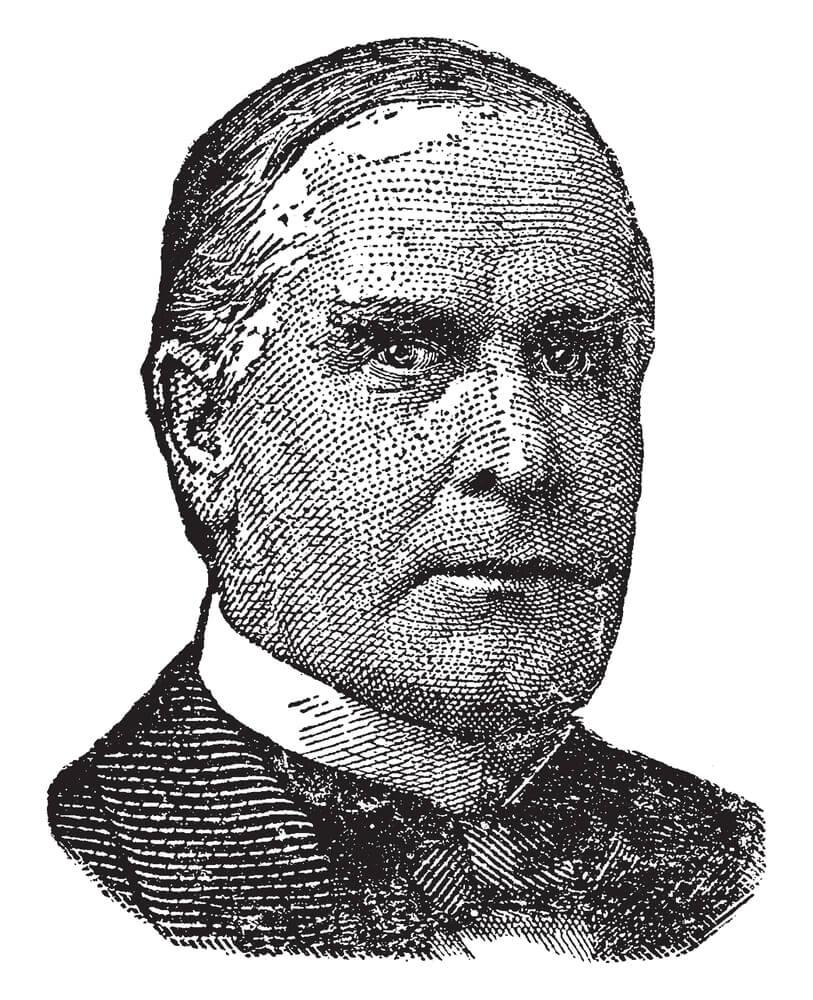
The modern pin-back button was patented by Whitehead and Hoag in 1896, and the McKinley versus Bryan race that year was the first to use them widely. The early celluloid buttons with paper inserts under a clear cover are the foundation of the hobby.
Common designs are affordable, but unusual slogans and large sizes from that first campaign bring serious money.
Lincoln 1860 Ferrotypes
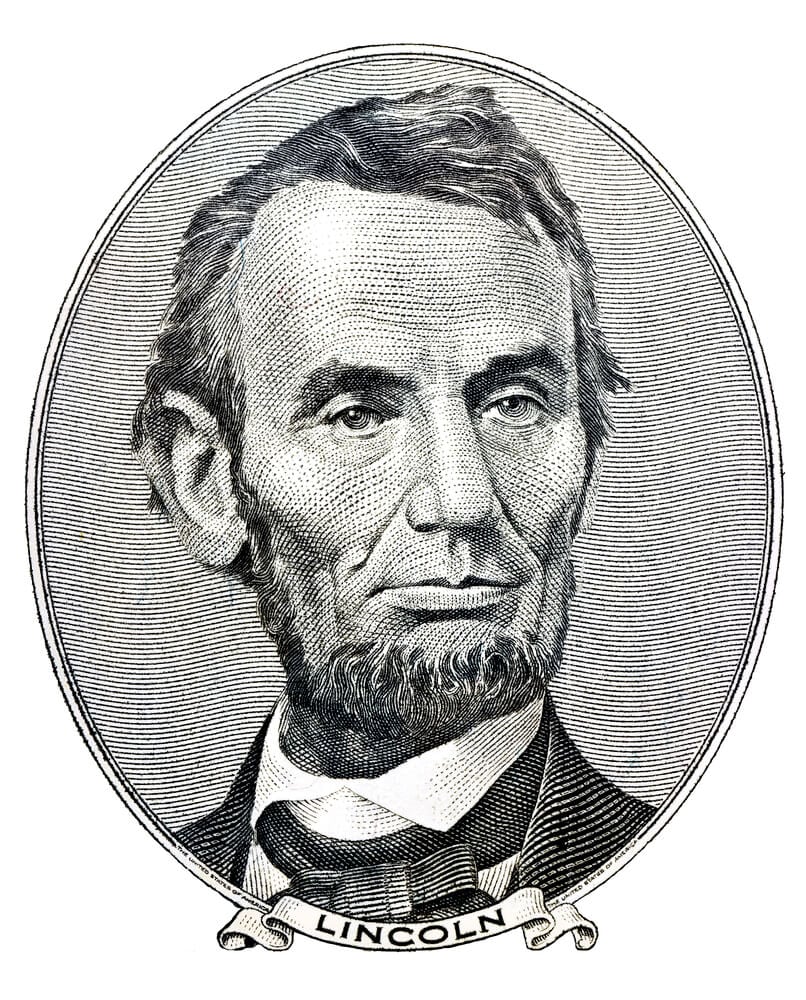
Before celluloid, campaigns used ferrotypes, small tintype photographs set in brass frames and worn as pins. Abraham Lincoln’s 1860 campaign produced ferrotypes showing his clean-shaven face alongside running mate Hannibal Hamlin.
Genuine examples are rare and valuable, and the market is full of reproductions, so authentication matters.
McKinley Gold Bug Pins
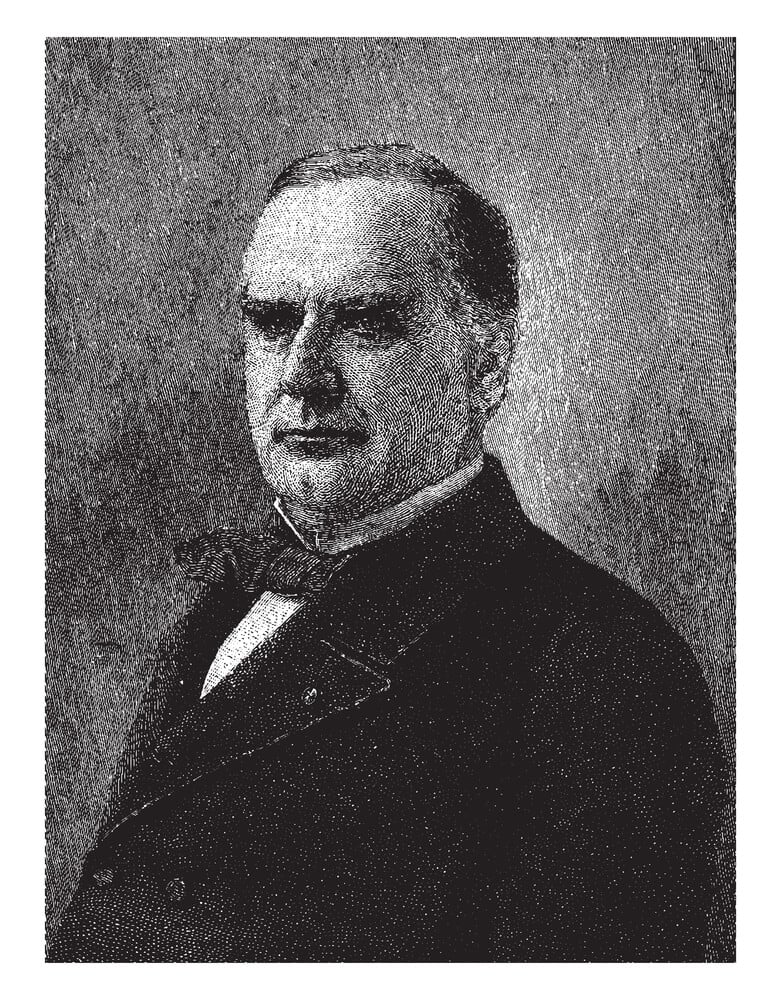
William McKinley’s 1896 campaign ran on the gold standard, and supporters wore mechanical gold-colored “gold bug” pins whose wings opened to reveal the candidates’ portraits. The novelty design was widely copied in cheaper forms.
Working mechanical examples with both portraits intact are a prized find for political collectors.
Bryan 16-to-1 Silver Pins
William Jennings Bryan’s free silver platform was summed up by the ratio sixteen to one, and his supporters wore pins and badges with that slogan, often in silver-colored metal. The silver bug pins were the Democratic answer to the gold bug.
Unusual variations and mechanical examples bring the most, and the slogan alone makes any 1896 Bryan pin identifiable.
Theodore Roosevelt 1904
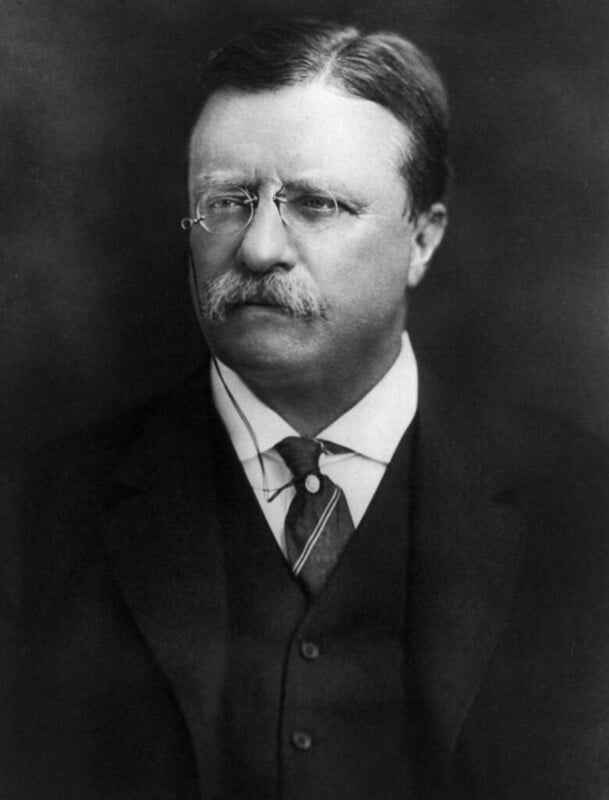
Roosevelt’s 1904 campaign produced a large number of celluloid buttons featuring his portrait, his spectacles, and the Rough Rider image. Common portrait buttons are plentiful and inexpensive, but the ones with unusual slogans, color lithography, or large sizes are collectible.
Roosevelt’s enduring popularity keeps demand steady.
Woodrow Wilson Campaign Buttons
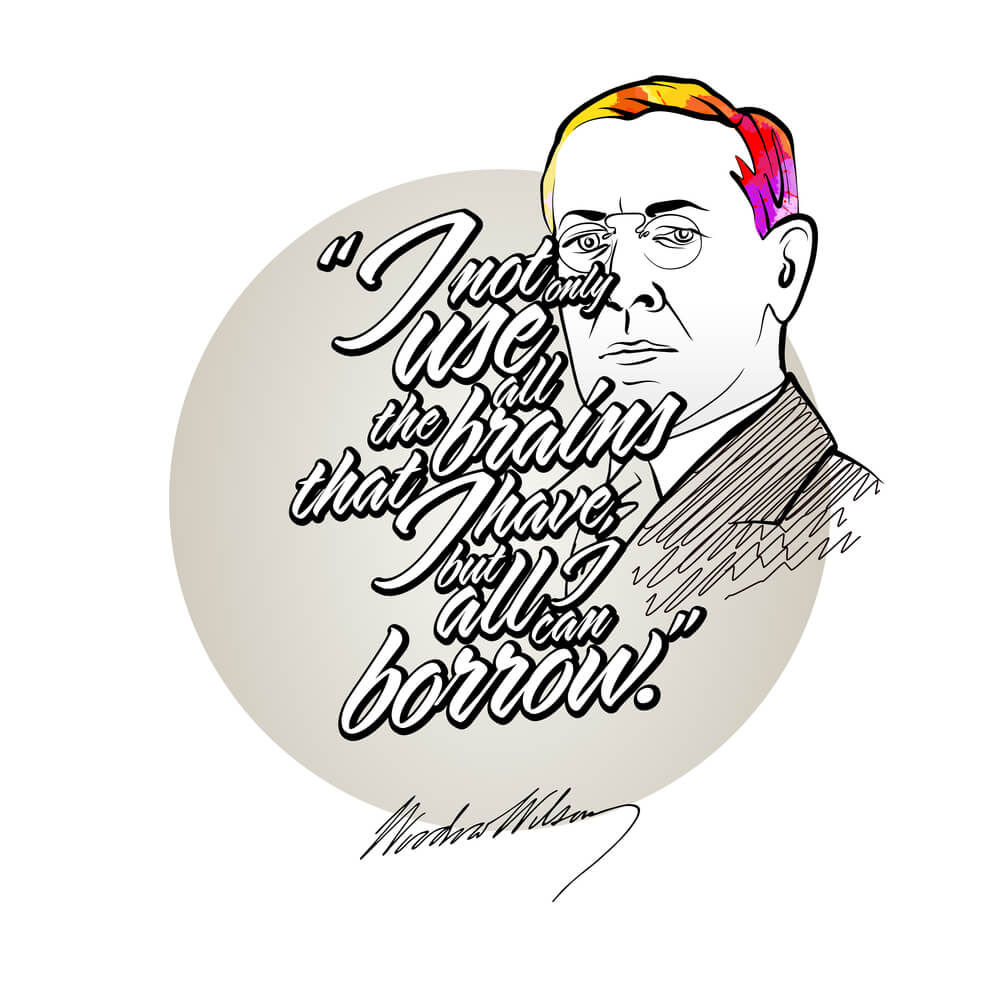
Wilson’s 1912 and 1916 campaigns produced buttons with his portrait and slogans like the 1916 line about keeping the country out of war. The 1916 jugates with running mate Thomas Marshall are scarcer than the single portraits.
Clean examples in larger sizes bring more, and the Wilson-Marshall pairings are the ones to watch for.
Harding and Coolidge 1920
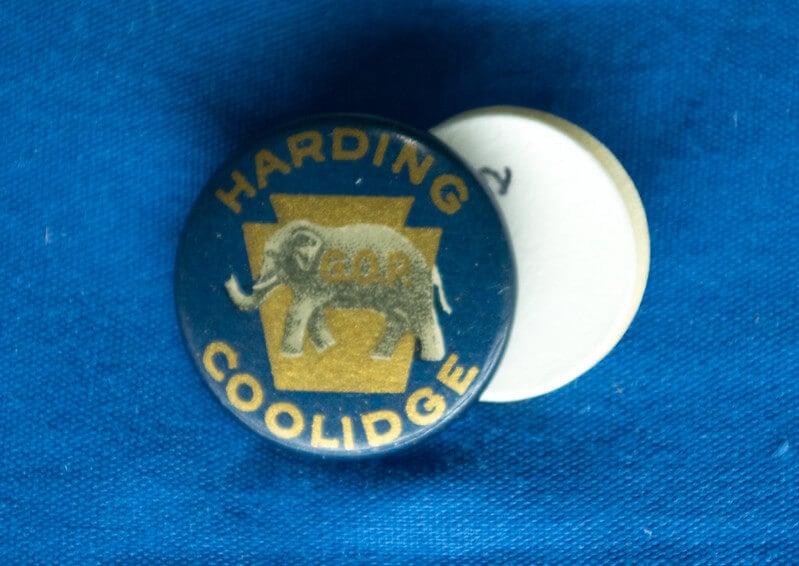
The winning side of the 1920 election produced far more buttons than the Cox ticket, so Harding-Coolidge jugates are common and affordable. That contrast makes them a useful lesson in how rarity, not the election result, drives value.
Unusual designs and large celluloids are the exceptions that bring more.
Coolidge and Dawes 1924
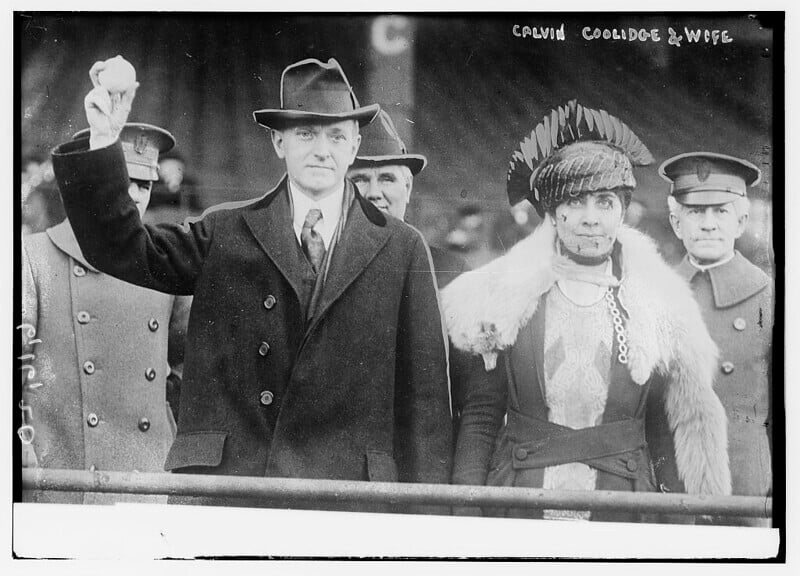
The 1924 Coolidge campaign used the slogan “Keep Cool with Coolidge,” and buttons with that line are among the most recognizable of the decade. Jugates with Charles Dawes are scarcer than the single portraits.
The slogan buttons remain affordable and are a good entry point for new collectors.
Hoover 1928
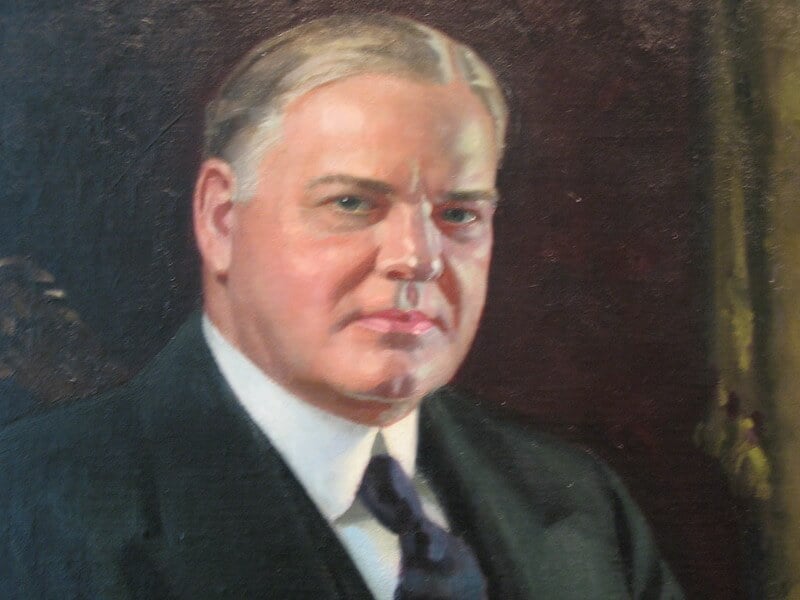
Herbert Hoover’s 1928 campaign produced buttons with his portrait and slogans promising prosperity, and the irony of those slogans after 1929 has made them popular with collectors. Common examples are inexpensive, but the jugates with Charles Curtis and the rarer anti-Hoover buttons from 1932 bring more.
Franklin Roosevelt 1932
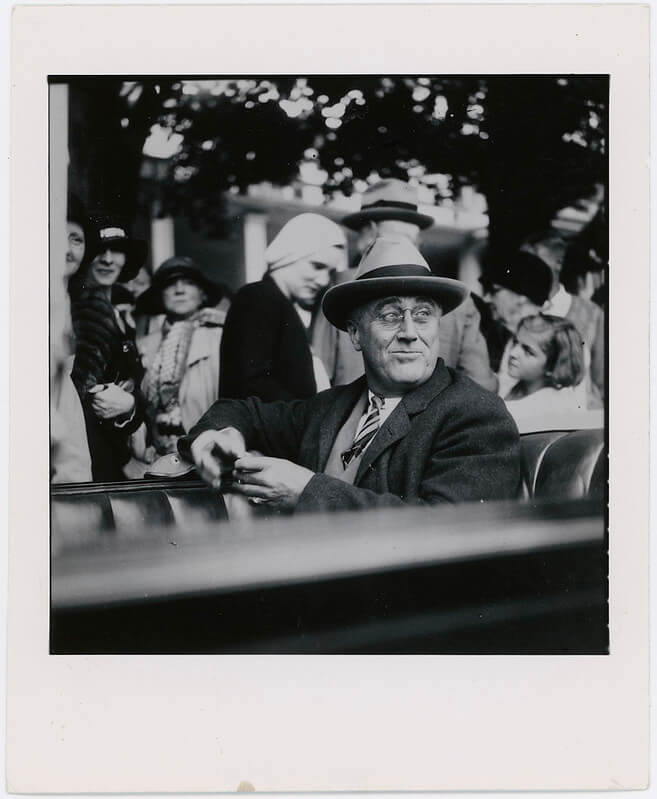
Roosevelt’s first presidential campaign in 1932 produced buttons with his portrait and slogans about a new deal and repeal of Prohibition. The 1932 jugates with John Nance Garner are more valuable than the later Roosevelt campaigns, which produced buttons in enormous quantities.
Any Roosevelt button is worth checking for the year.
Landon Sunflower Pins
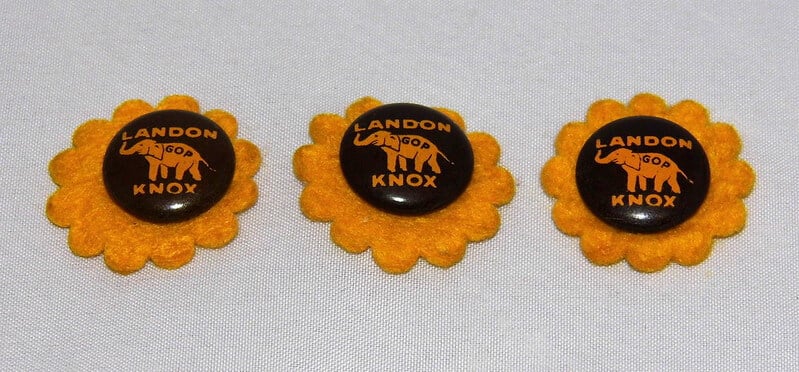
Alf Landon’s 1936 campaign against Roosevelt used the Kansas sunflower as its emblem, and supporters wore yellow sunflower pins in metal and felt. The design is distinctive and instantly recognizable.
Landon lost badly, and the sunflower pins are now a popular collectible precisely because of their cheerful futility.
Willkie 1940
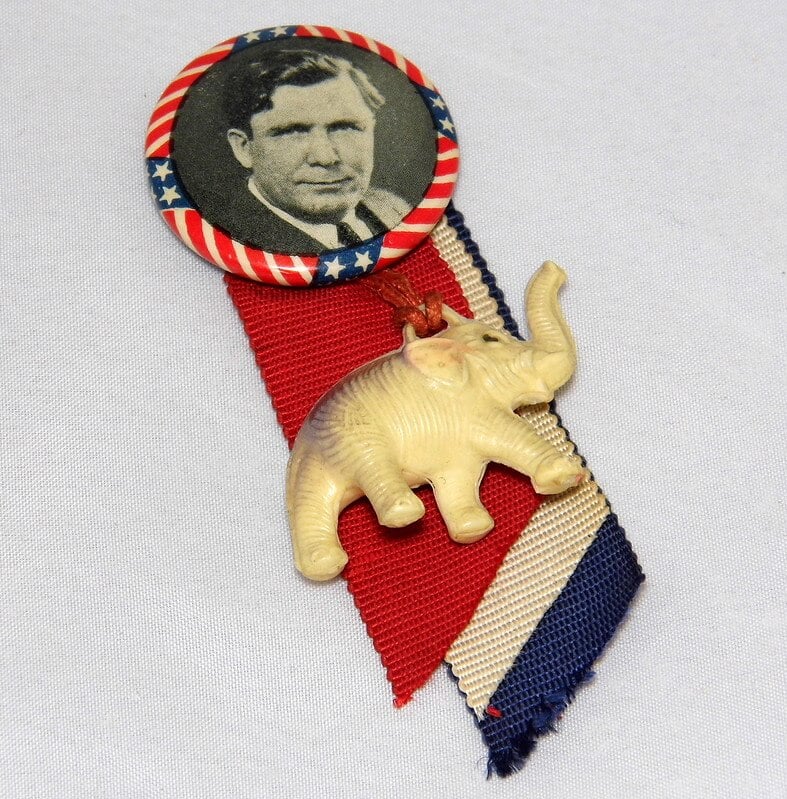
Wendell Willkie’s 1940 campaign produced an enormous variety of buttons with slogans, many of them anti-Roosevelt and some quite pointed. The sheer number of designs makes Willkie buttons a collecting specialty on their own.
Most are affordable, and the unusual slogans and anti-third-term designs are the ones with value.
Dewey 1948
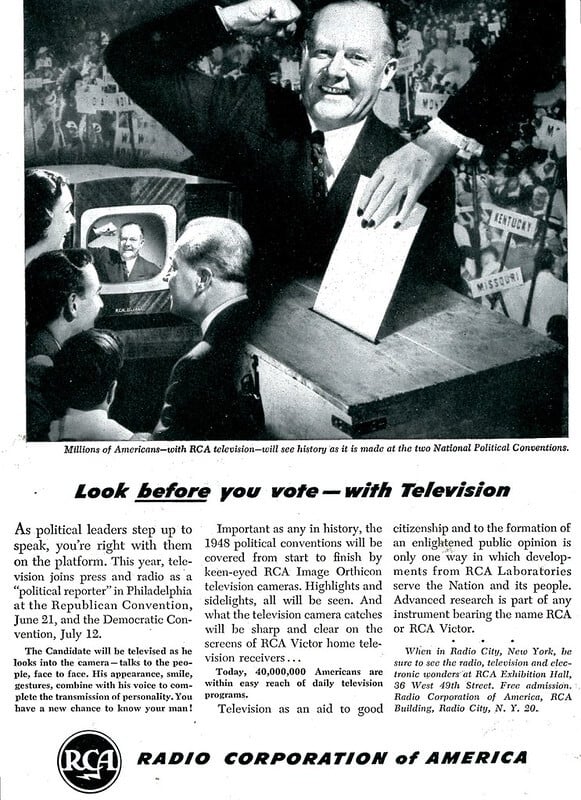
Thomas Dewey’s 1948 campaign buttons are collectible for the same reason the “Dewey Defeats Truman” headline is famous, as artifacts of a confident campaign that lost. Dewey-Warren jugates are reasonably common.
Truman buttons from the same year are scarcer, since his campaign had less money for merchandise.
I Like Ike
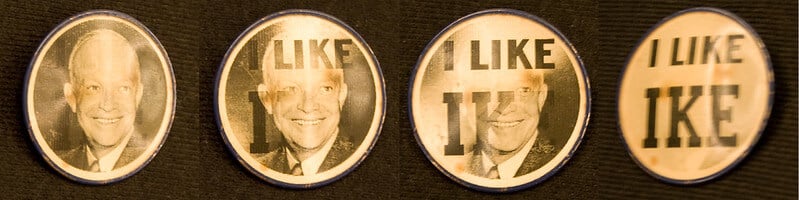
Eisenhower’s 1952 and 1956 campaigns produced the “I Like Ike” button in enormous quantities, and the slogan became one of the most famous in American political history. Common versions are inexpensive, but the variations in color, size, and design run into the hundreds.
Collectors assemble sets of the variations, and the rarer ones bring real money.
Kennedy 1960
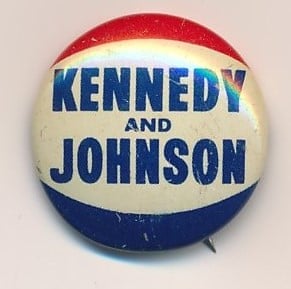
John Kennedy’s 1960 campaign buttons are heavily collected, and the Kennedy-Johnson jugates and the buttons with Jacqueline Kennedy’s image are the most sought after. The campaign produced many designs, and reproductions have flooded the market since 1963.
Authentic 1960 examples with period manufacturing details are what matter.
Goldwater AuH2O
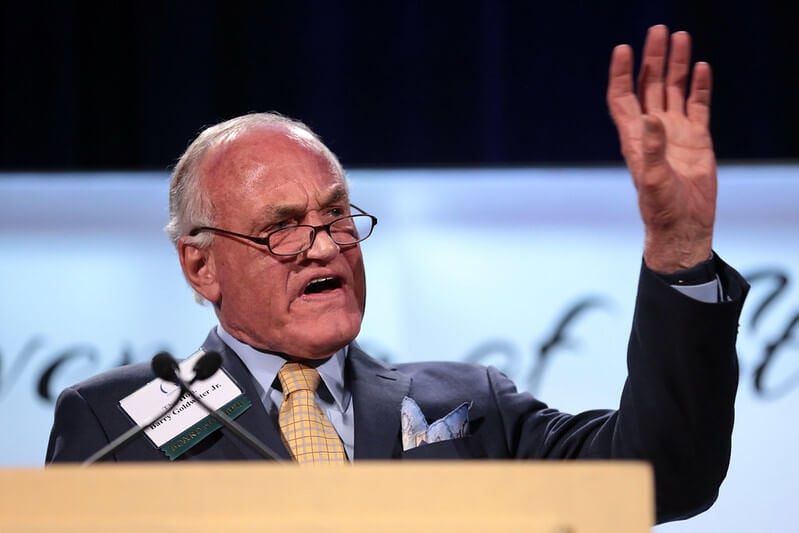
Barry Goldwater’s 1964 campaign used the chemical symbols for gold and water as a visual pun, and the AuH2O buttons remain a favorite for their cleverness. The campaign also produced buttons with the slogan “In Your Heart You Know He’s Right” and the opposition’s reply about his far right.
Both sides are collected together.
Johnson 1964
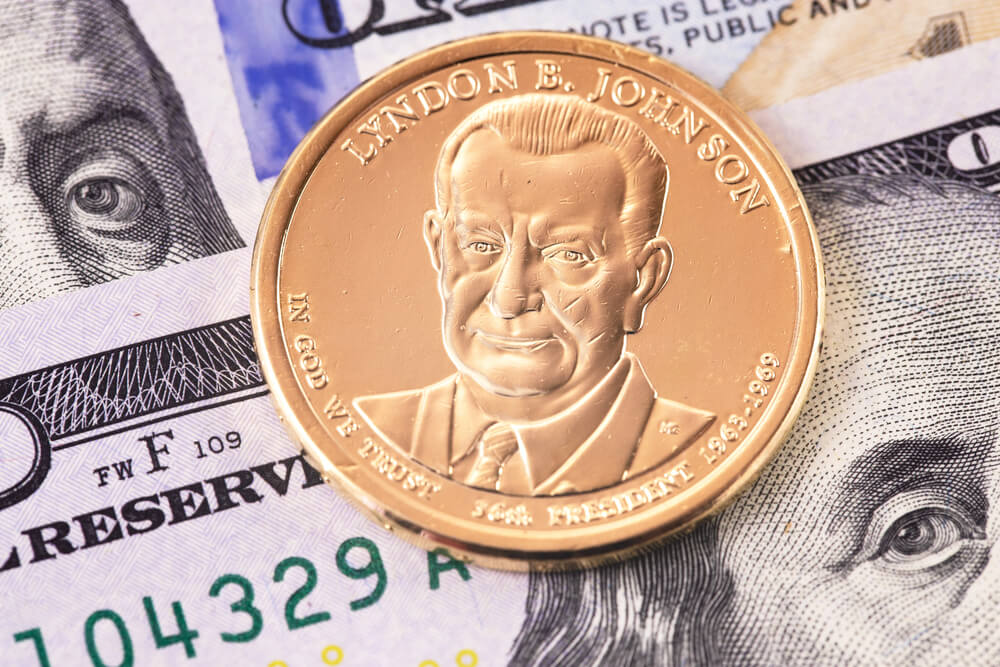
Lyndon Johnson’s 1964 campaign buttons used the slogan “All the Way with LBJ” and produced jugates with Hubert Humphrey. Common examples are plentiful, but the buttons with unusual designs and the ones tied to specific state campaigns are collectible.
The Johnson-Humphrey jugates in large sizes bring the most.
Humphrey 1968
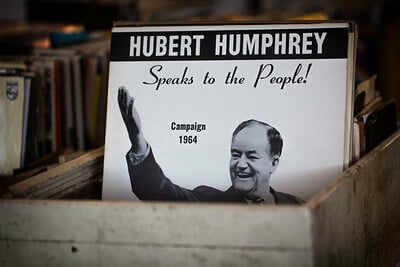
Hubert Humphrey’s 1968 campaign came together quickly after a chaotic convention, and the buttons reflect a campaign scrambling for merchandise. Humphrey-Muskie jugates are collectible, and the buttons from the primary season for Robert Kennedy and Eugene McCarthy are collected alongside them.
The Kennedy primary buttons in particular have strong demand.
McGovern-Eagleton 1972
George McGovern named Thomas Eagleton as his running mate in 1972 and replaced him with Sargent Shriver eighteen days later, which makes the McGovern-Eagleton buttons a short-lived rarity. They were produced for less than three weeks before the ticket changed.
Jugates showing Eagleton are scarcer than the Shriver versions and bring a premium.
Mondale-Ferraro 1984
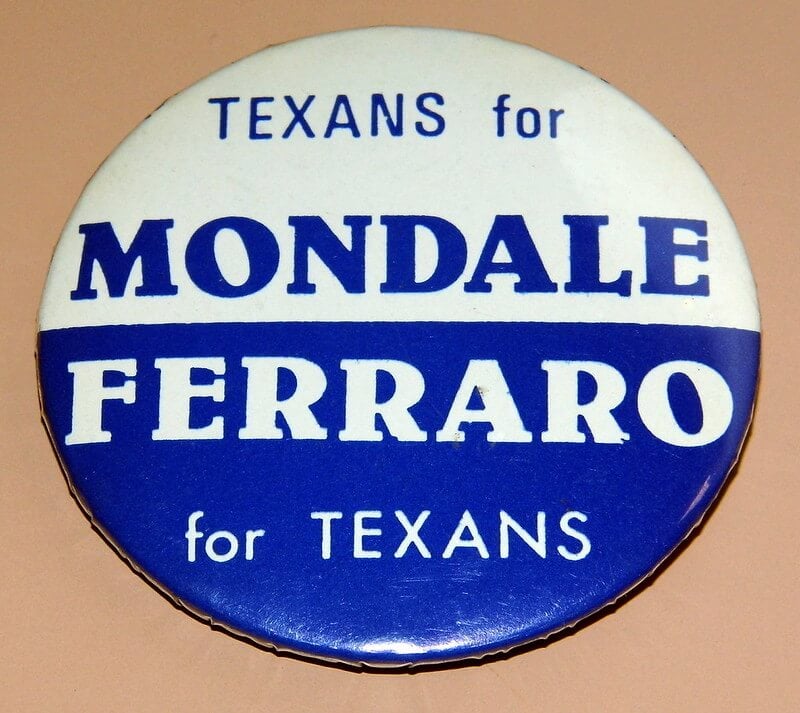
The 1984 Democratic ticket put Geraldine Ferraro on a major party ticket for the first time, and the Mondale-Ferraro buttons are collected as a milestone. The campaign lost badly, which limited the volume of merchandise.
Jugates with both candidates are the ones collectors seek, and the historic nature of the ticket keeps demand steady.
Votes for Women Suffrage Pins
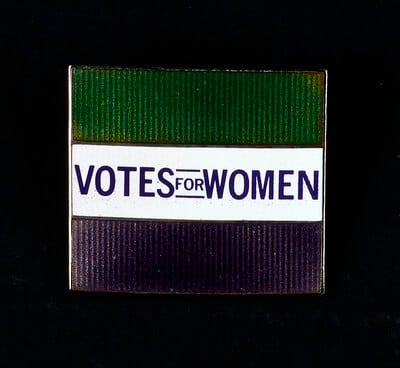
Suffrage pins with slogans like “Votes for Women” were produced from the 1900s through 1920 in celluloid, enamel, and brass, often in the movement’s purple, white, and gold colors. Genuine period pins are scarce and valuable, and reproductions are common.
The enamel pins from the National Woman Suffrage Association and its affiliates are the top tier.
Lindbergh 1927 Pins

Charles Lindbergh’s 1927 transatlantic flight produced a flood of celebratory pins and buttons showing his portrait and the Spirit of St. Louis. They were sold at parades and fairs across the country that summer.
Clean examples with crisp lithography are collectible, and the unusual designs with the plane in color bring more.
1939 World’s Fair Pins
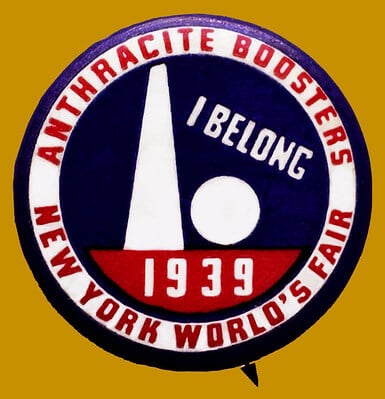
The 1939 New York World’s Fair produced pins and buttons featuring the Trylon and Perisphere in the fair’s orange and blue colors. Souvenir pins were sold throughout the grounds and exist in large variety.
Common designs are affordable, while enamel pins and the ones from specific exhibits and pavilions are the ones with value.
Olympic Pins
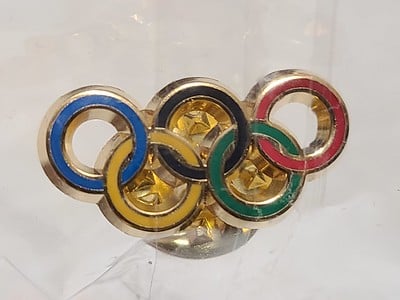
Olympic pin trading became a serious hobby at the 1980 Lake Placid Games and exploded at Los Angeles in 1984, where pins were traded in the streets outside the venues. Sponsor pins, national committee pins, and media pins from those early games are collectible.
Earlier Olympic pins from the 1930s through the 1960s are scarcer and bring more.
Hard Rock Cafe Pins
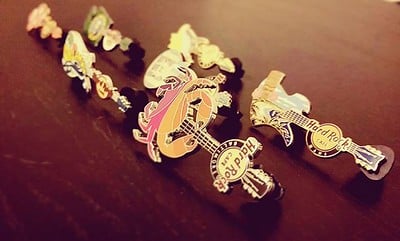
Hard Rock Cafe began selling enamel pins at its locations in the 1980s, and the early pins from the first London and American cafes are the collectible ones. Limited editions, staff pins, and pins from closed locations bring the most.
The hobby has its own catalogs and conventions, and rare early pins have sold for hundreds.
Early Disney Trading Pins
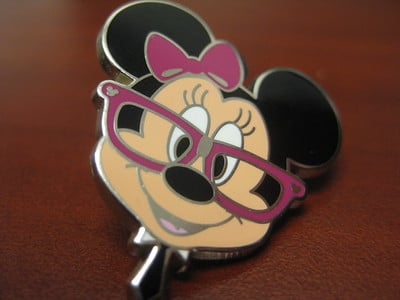
Disney launched official pin trading at its parks in 1999, but enamel pins from the parks and the company date back decades earlier. Early cast member pins, pins from the 1950s and 1960s Disneyland era, and the first limited editions from the 1999 launch are the valuable ones.
Fakes are common, so backstamps and manufacturing details are examined closely.
Apollo 11 Pins
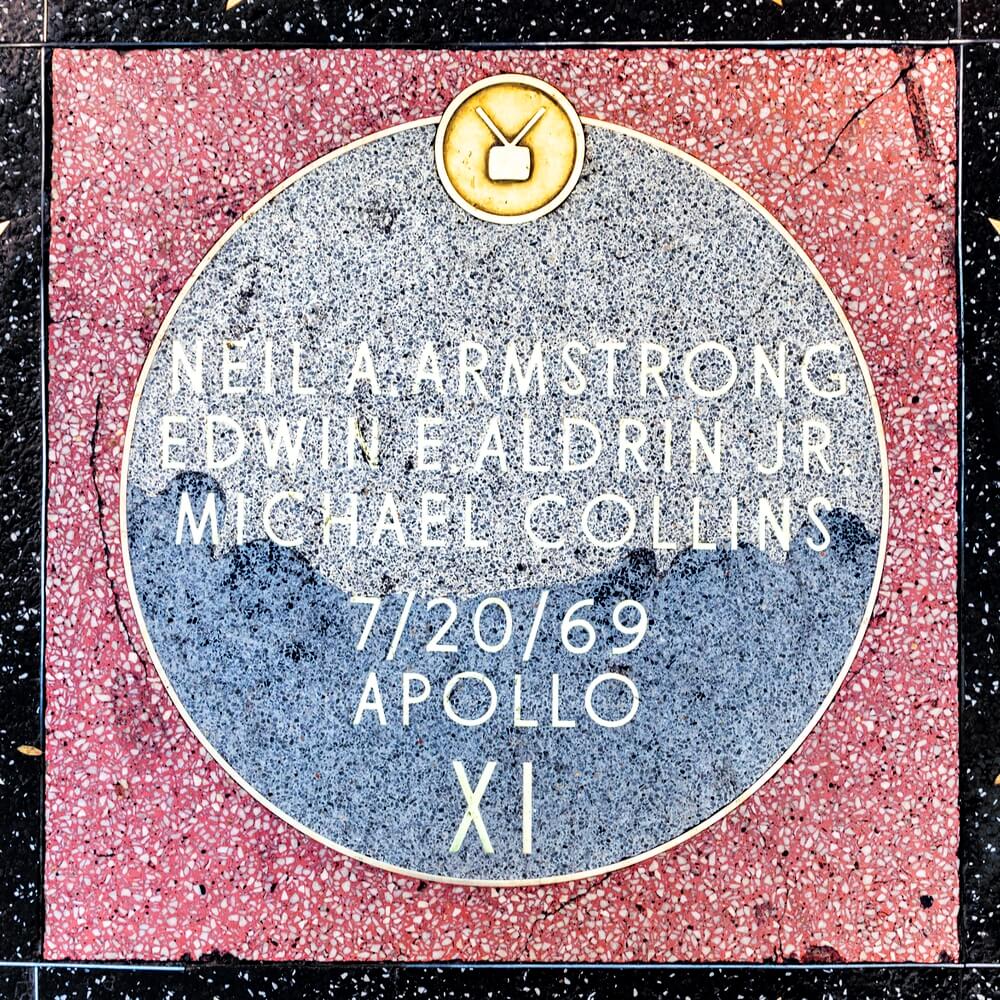
The 1969 Moon landing produced commemorative pins and buttons showing the mission patch, the astronauts, and the lunar module. Pins issued by NASA contractors and the ones given to employees are more valuable than the souvenir versions sold to the public.
Clean examples with the original card or box bring the most.
Union and Labor Pins
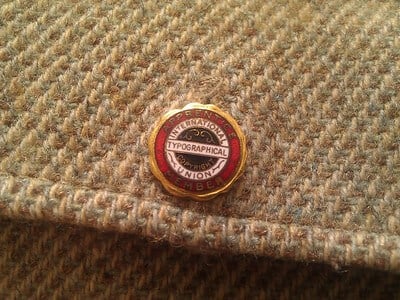
Labor unions issued dues pins, membership buttons, and convention badges from the late nineteenth century onward, often in enamel with the union’s emblem and year. Early pins from railroad brotherhoods, mining unions, and the Industrial Workers of the World are collected by labor historians as well as pin collectors.
Rare locals and early dates are what bring value.
A History Pinned to a Lapel
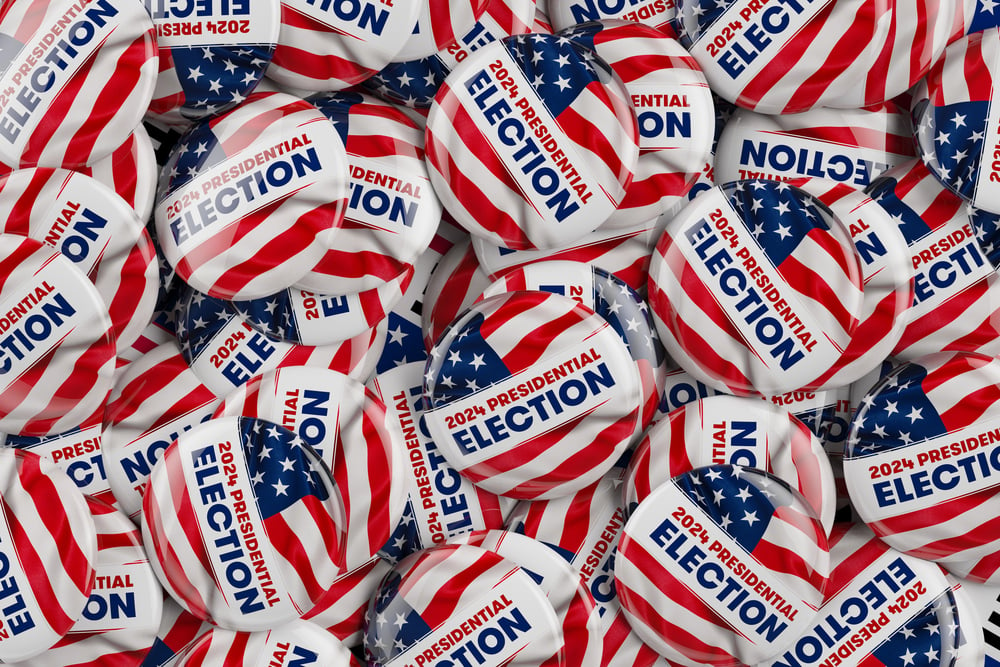
Every button on this list was made to be worn for a week and forgotten, and the ones that survived did so by accident, pinned to a hat in a closet or dropped in a jar of odds and ends. That accidental survival is what makes the hobby possible, and it is why a losing campaign’s forgotten button can outvalue a winning one a hundred times over.
Collectors are not really buying celluloid and tin. They are buying the moment a stranger decided to announce an allegiance on their coat, and the rarity of that moment having been preserved.
The jar in the drawer is worth emptying onto the table.
More from Go2Tutors!

- The Romanov Crown Jewels and Their Tragic Fate
- 13 Historical Mysteries That Science Still Can’t Solve
- Famous Hoaxes That Fooled the World for Years
- 15 Child Stars with Tragic Adult Lives
- 16 Famous Jewelry Pieces in History
Like Go2Tutors’s content? Follow us on MSN.