Sitcoms That Predicted Real Events
Television comedies are meant to make us laugh, not look into the future. But sometimes writers accidentally stumble onto something that actually happens years later.
These moments feel strange when you watch them again, almost like the show knew what was coming. Some predictions are funny coincidences, while others seem too accurate to ignore.
Either way, they make for great TV moments that people still talk about long after the episodes aired. Let’s look at some of the most surprising times sitcoms got it right.
The Simpsons and Donald Trump’s presidency

The longest-running animated sitcom nailed one of the biggest political surprises in modern history. Back in 2000, an episode called ‘Bart to the Future’ showed Lisa Simpson becoming president after Donald Trump had left office.
The show treated his presidency as a disaster that left the country broke. Sixteen years later, Trump actually won the 2016 election, and people couldn’t believe the writers had called it.
The episode became one of the most talked-about predictions in TV history.
Parks and Recreation and the Cubs winning the World Series

This cheerful workplace comedy set a specific date for when the Chicago Cubs would finally win the World Series. In a 2015 episode, a character mentions the Cubs winning it all in 2016.
The team hadn’t won since 1908, so this seemed like a joke that would never come true. But in November 2016, the Cubs actually broke their curse and won the championship.
The timing was so perfect that fans wondered if the show had somehow influenced reality.
30 Rock and the Harvey Weinstein scandal

Tina Fey’s comedy about a sketch show made a joke that turned out to be darker than anyone realized. In a 2012 episode, Jenna Maroney casually mentions she turned down a role because she refused to do certain things for Harvey Weinstein.
At the time, it seemed like a throwaway line about Hollywood. Five years later, the real Weinstein scandal broke and shocked the world.
The joke suddenly felt less funny and more like a warning that went unheard.
Family Guy and Bruce Jenner’s transition

Seth MacFarlane’s animated comedy made a reference that seemed random at the time but became reality years later. In a 2009 episode, Stewie makes a joke about Bruce Jenner wearing women’s clothing.
The line was played for laughs with no real context behind it. In 2015, Caitlyn Jenner publicly came out as transgender and began her transition.
The old episode resurfaced online, and people debated whether it was a prediction or just an unfortunate coincidence.
The Simpsons and the voting machine malfunction

Springfield’s favorite family predicted another political moment that actually happened. A 2008 episode showed Homer trying to vote for Barack Obama, but the machine kept switching his vote to John McCain.
The scene was meant to be a funny satire about election problems. That same year, real voting machines in several states had the exact same glitch.
Some machines actually did change votes from Obama to McCain, just like the cartoon showed.
Arrested Development and the Tiger King story

This cult comedy made jokes about eccentric big cat owners years before they became famous. The Bluth family encounters characters who keep exotic animals and get involved in bizarre schemes.
The show poked fun at this weird corner of American culture throughout its run. Then in 2020, Tiger King became a massive hit on Netflix, and suddenly those Arrested Development jokes felt oddly familiar.
The show had captured the strange world of private zoos before most people knew it existed.
The Simpsons and the smartwatch invention

Apple’s most popular accessory appeared in Springfield long before Steve Jobs introduced it. A 1995 episode showed characters using watches that could make phone calls and do other smart functions.
The technology seemed like pure science fiction at the time. When Apple released the Apple Watch in 2015, people noticed how similar it looked to what The Simpsons had imagined.
The show had basically designed a product that would come out twenty years later.
Community and the rise of virtual reality classrooms

This quirky college comedy explored an idea that became very real during the pandemic. In a 2014 episode, the study group uses virtual reality headsets to attend classes and interact with each other.
It was presented as a funny gimmick that highlighted how technology can’t replace human connection. Fast forward to 2020, and schools everywhere moved to virtual learning because of COVID-19.
The episode suddenly felt less like comedy and more like preparation.
The Simpsons and Lady Gaga’s Super Bowl performance
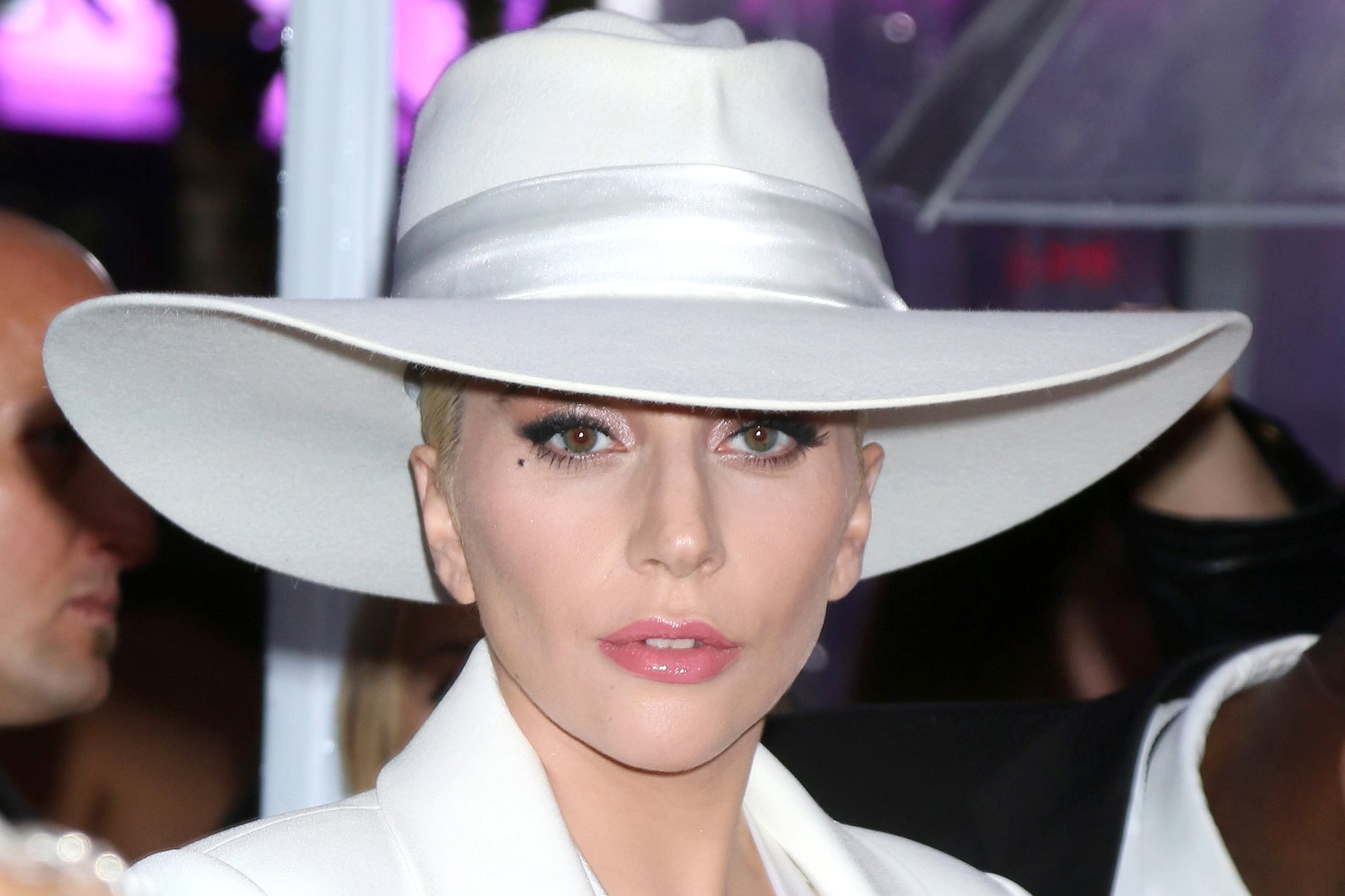
Springfield predicted another pop culture moment with surprising accuracy. A 2012 episode featured Lady Gaga performing while suspended in the air on wires, flying over the crowd.
The performance was outrageous and over-the-top, exactly what you’d expect from both Lady Gaga and The Simpsons. Five years later, she actually performed at the Super Bowl halftime show using almost the same setup.
She flew through the air on cables in a way that looked remarkably similar to the cartoon version.
The Fresh Prince and Will Smith slapping someone on stage

This beloved sitcom had a moment that now feels uncomfortable to watch. In several episodes, Will Smith’s character would slap or hit people for comedic effect, often in front of audiences.
The show treated these moments as harmless fun that got big laughs. In 2022, Will Smith walked on stage at the Oscars and slapped Chris Rock in front of millions of viewers.
The incident shocked everyone and changed how people viewed those old Fresh Prince scenes.
30 Rock and NBC’s programming disasters

The show about making a sketch comedy regularly joked about terrible decisions by NBC executives. Characters would pitch ridiculous show ideas that seemed too dumb to ever be real.
But over the years, NBC actually greenlighted programs that were just as bad or worse than the fictional ones. The network’s real-life struggles with ratings and quality control made those old 30 Rock jokes feel more like documentaries.
The show was making fun of problems that only got bigger after it ended.
The Simpsons and the autocorrect fail

Homer’s family showed us a technology problem before smartphones made it universal. In a 1994 episode, a computer tries to help someone type but keeps changing words to the wrong thing.
The joke was about how technology that’s supposed to help can actually make things worse. Now everyone with a phone knows the frustration of autocorrect changing perfectly fine words into something embarrassing.
The episode captured a daily annoyance decades before it became part of life.
How I Met Your Mother and the concept of ghosting

This sitcom about finding love in New York explored a dating behavior that later got its own name. Characters would talk about people who just disappeared without explanation after a few dates.
The show treated it as a weird thing some people did, not a universal experience. Years later, ghosting became the official term for this behavior, and dating experts started writing articles about it.
The show had documented a trend that would define modern dating.
The Office and the rise of remote work

Dunder Mifflin’s paper company dealt with remote work before it became the norm. Several episodes showed characters working from home and struggling with video calls that froze or cut out.
The show used these moments for comedy, highlighting how awkward and imperfect remote work could be. When COVID-19 forced millions to work from home in 2020, those old Office episodes suddenly became training videos.
Everything the show joked about became daily reality for people everywhere.
Friends and the popularity of coffee shop culture

This New York sitcom basically predicted how coffee shops would take over American culture. Central Perk was where the gang spent most of their free time, treating it like a second home.
The show made hanging out at a coffee shop look cool and normal, not just something people did for caffeine. After Friends became huge, coffee shop culture exploded across America.
Starbucks and local cafes started designing spaces where people could relax for hours, just like the characters did.
Seinfeld and the smartphone obsession
This show about nothing captured how technology would change social interactions. Multiple episodes dealt with people being rude or distracted by their gadgets, even though smartphones didn’t exist yet.
Seinfeld and friends would complain about answering machines, pagers, and early cell phones taking over conversations. Now those complaints sound exactly like what people say about being on their phones all the time.
The show understood that technology would make us less present, even before screens got small enough to carry everywhere.
The Simpsons and the three-eyed fish mutation
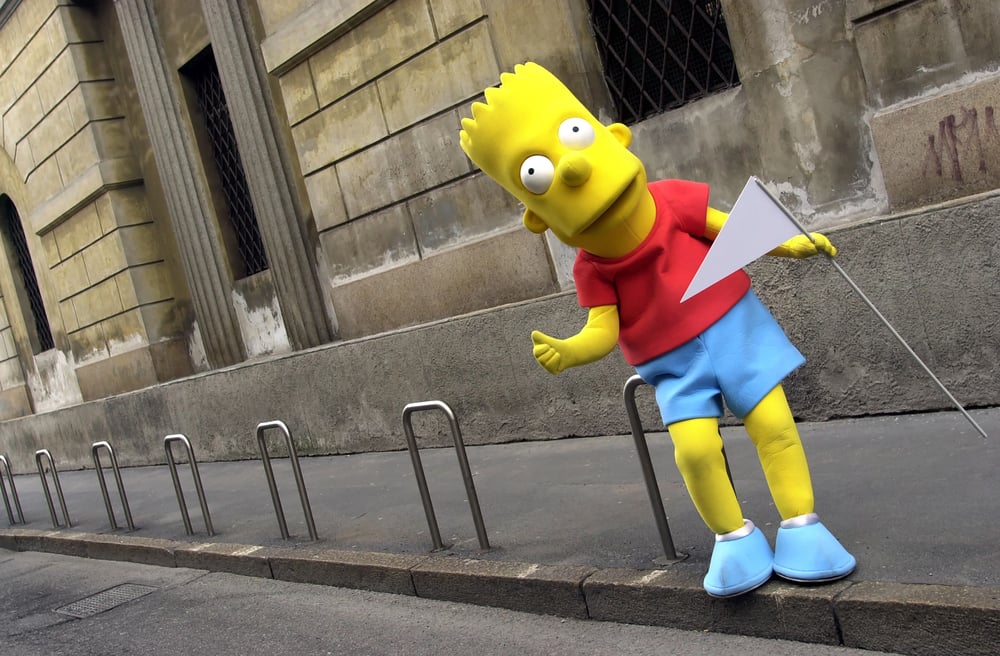
A strange thing happened on TV long ago – Springfield got a glowing fish with three eyes because of its reactor. This creature, called Blinky, stood for dirty water and careless bosses.
Back then, it felt like pure silliness made for laughs. Years later, someone pulled a similar odd fish from a river south of the equator.
Close to a working atomic station, the animal had developed an extra eye. Science suggests warm runoff messed with its growth, much like fiction once showed.
When comedy becomes prophecy

Funny how some old TV episodes never aimed at forecasting tomorrow, yet they somehow mirrored where we were drifting. Observant storytellers notice tiny shifts in daily life, stretching them until everyone laughs.
Often, though, those exaggerated bits start matching reality. When a throwaway line on screen sounds absurd today, pause a moment.
Humor spots paths ahead long before serious voices describe them.
More from Go2Tutors!

- The Romanov Crown Jewels and Their Tragic Fate
- 13 Historical Mysteries That Science Still Can’t Solve
- Famous Hoaxes That Fooled the World for Years
- 15 Child Stars with Tragic Adult Lives
- 16 Famous Jewelry Pieces in History
Like Go2Tutors’s content? Follow us on MSN.



