26 Ceramic Christmas Trees and Holiday Pieces Worth Money
The glowing ceramic Christmas tree that sat on a grandmother’s end table was usually made by her, in a ceramics class, from a commercial mold and a bag of plastic lights. That homemade origin is exactly why the trees have become collectible, since no two are quite alike and the good ones were fired, glazed, and wired with real care.
The same resurgence has lifted an entire category of mid-century holiday ceramics, from Japanese-made angels to collector plates that families bought one a year. Values vary enormously with condition, completeness, and maker, so the figures below are opening estimates rather than promises.
Atlantic Mold Ceramic Trees
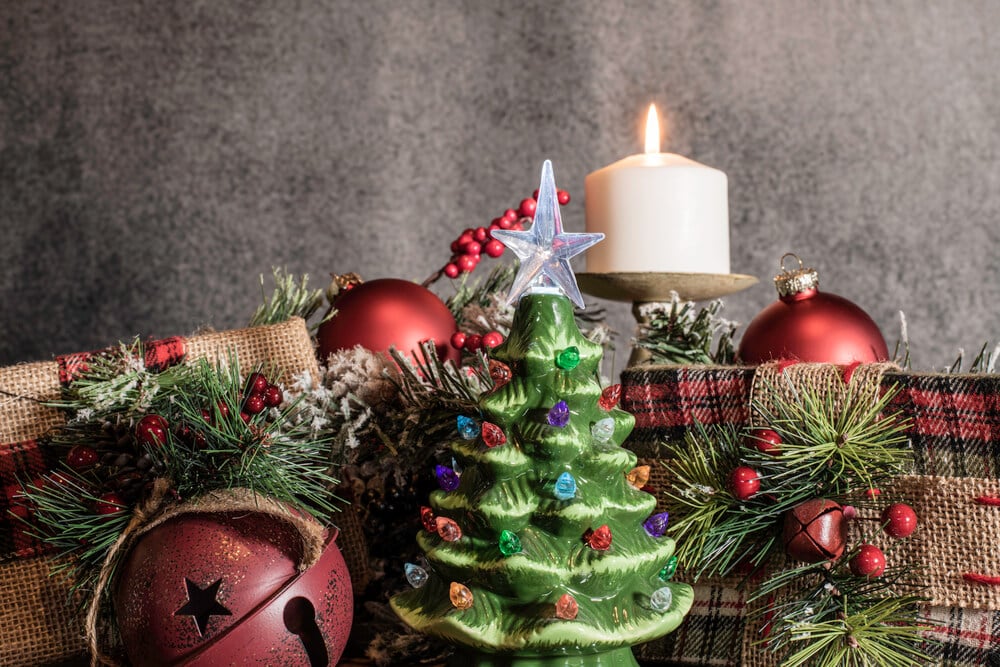
Atlantic Mold copyrighted its ceramic Christmas tree mold in 1958, and that date appears stamped on the bottom of countless trees, which confuses sellers into thinking every tree is from the 1950s. The company closed in 1999 and sold its molds, so the style is still being produced.
Vintage examples with the original glass bulbs and a working base list for several hundred dollars at the larger sizes, while damaged or relit trees bring far less.
Nowell’s Mold Trees
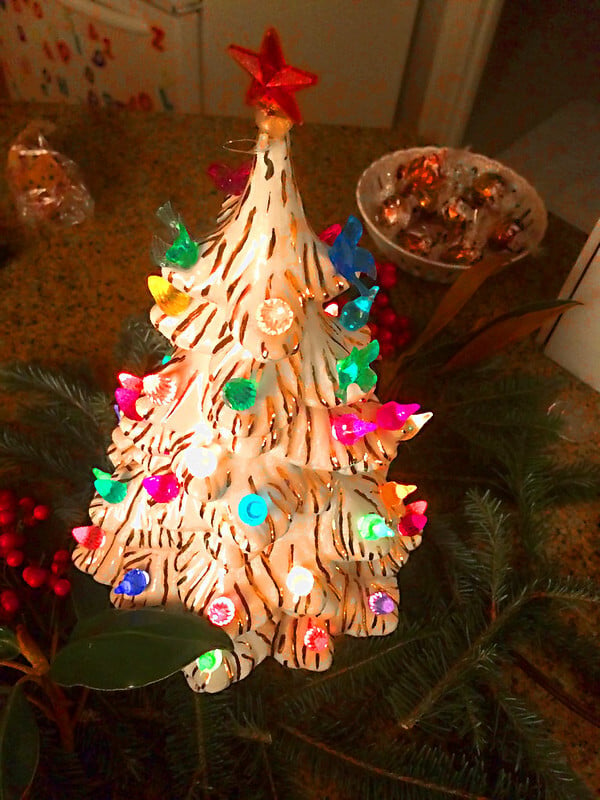
Nowell’s was the other major mold maker, and its trees are recognizable by slightly different branch tips and a base that often carries the Nowell’s name. Collectors prize the taller versions and the ones with unusual glazes, and a complete tree with its original star tops the range.
Condition matters more than the brand, since a chipped tip or a cracked base cuts the value sharply.
Holland Mold Trees
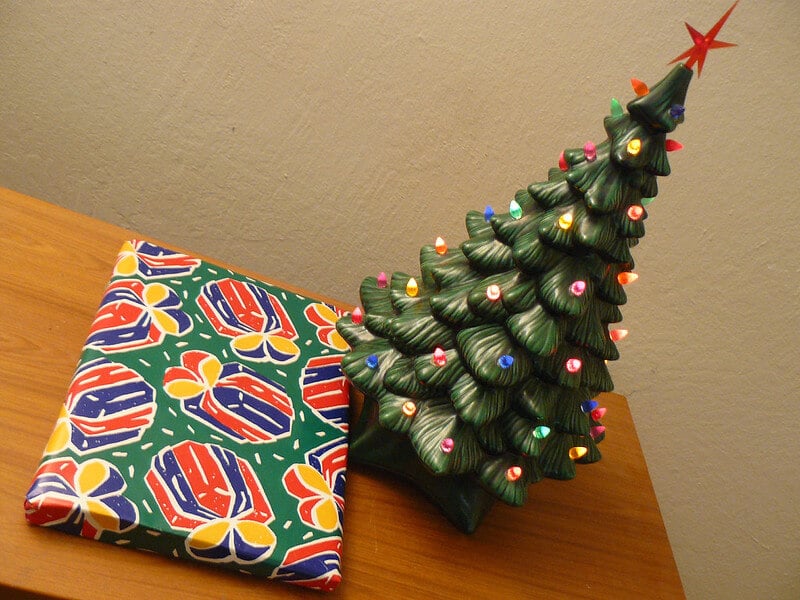
Holland Mold produced a distinctive tree with a slightly flared base, and many examples are signed and dated by the hobbyist who made them. The dates and signatures add provenance that mass-produced pieces lack.
Trees from the 1960s and 1970s in clean condition with all their lights sell well, particularly in uncommon glaze colors.
Flocked White Ceramic Trees
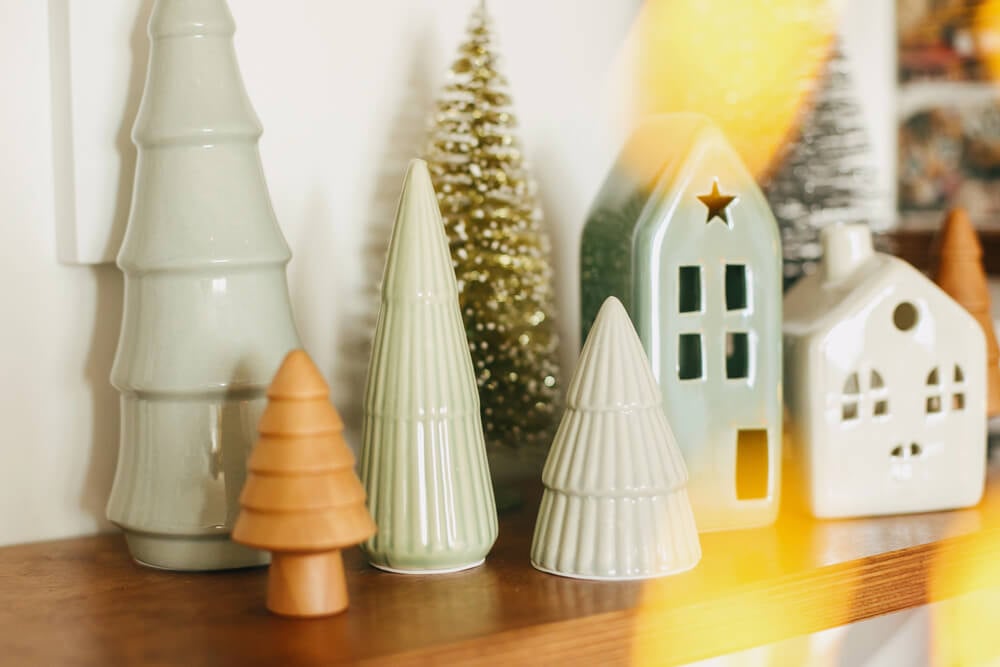
White trees with a flocked or textured snow finish were a smaller run than the standard green, and they photograph beautifully, which has driven demand. The flocking is fragile and often worn, so an intact one is a find.
White trees with colored lights and a clean base command a premium over green trees of the same size.
Musical-Base Trees
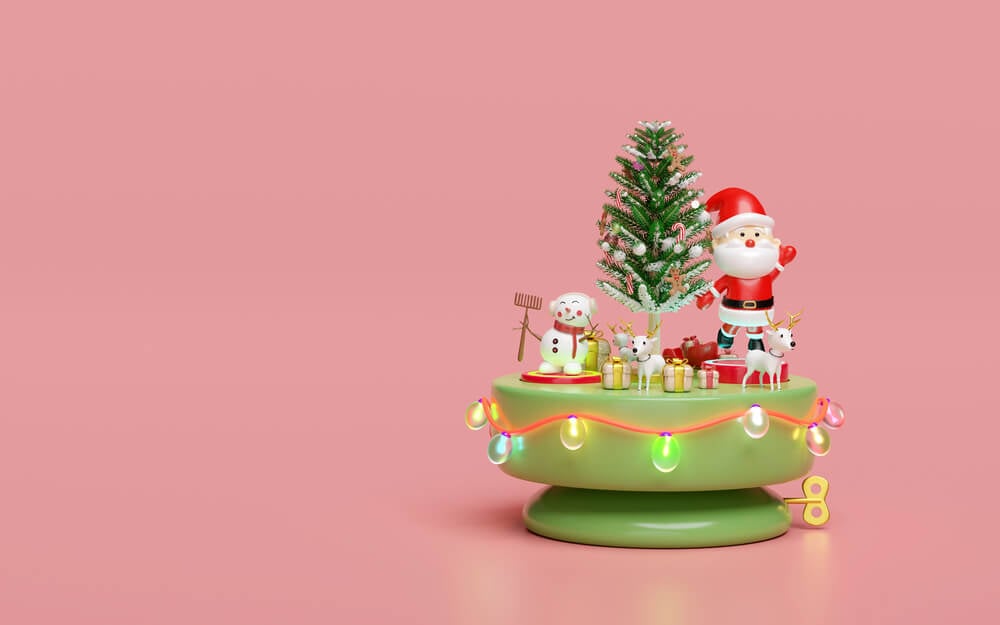
Some trees were built on a base with a wind-up music box that played a carol while the tree glowed. The mechanisms were cheap and frequently broke, so a working musical tree is scarce.
Buyers should expect to pay substantially more for a tree with a functioning movement than for a silent one, and should verify that the music box is original.
Trees With Perched Birds
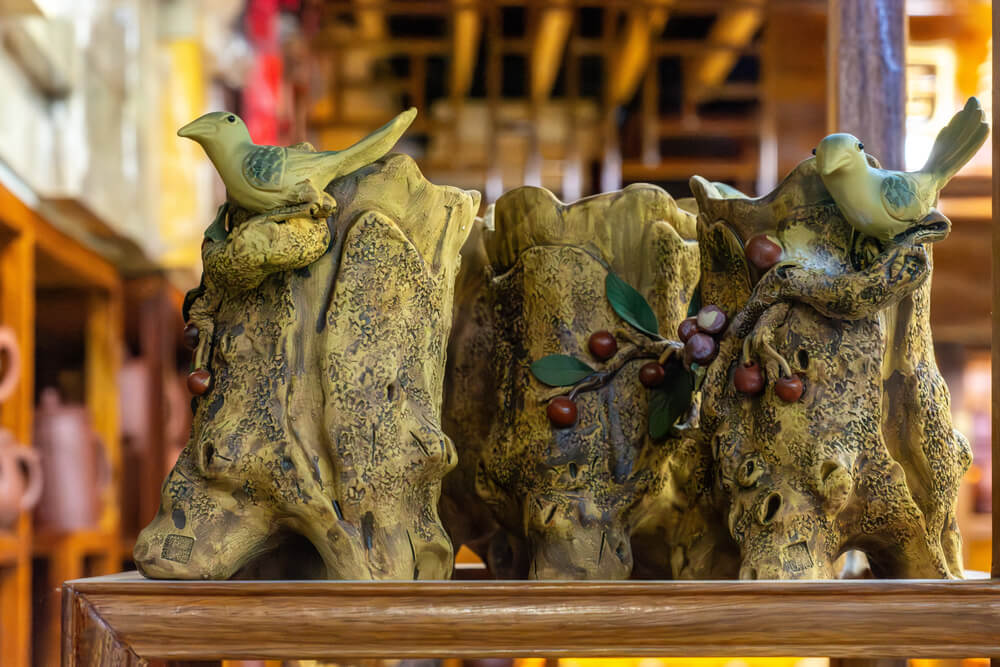
A variation added small ceramic birds perched on the branch tips in place of some of the plastic bulbs. The birds were separately molded and glued, which means many have broken off over the decades.
A tree with its full complement of birds intact is one of the harder variations to find in good condition.
Lefton Christmas Angels
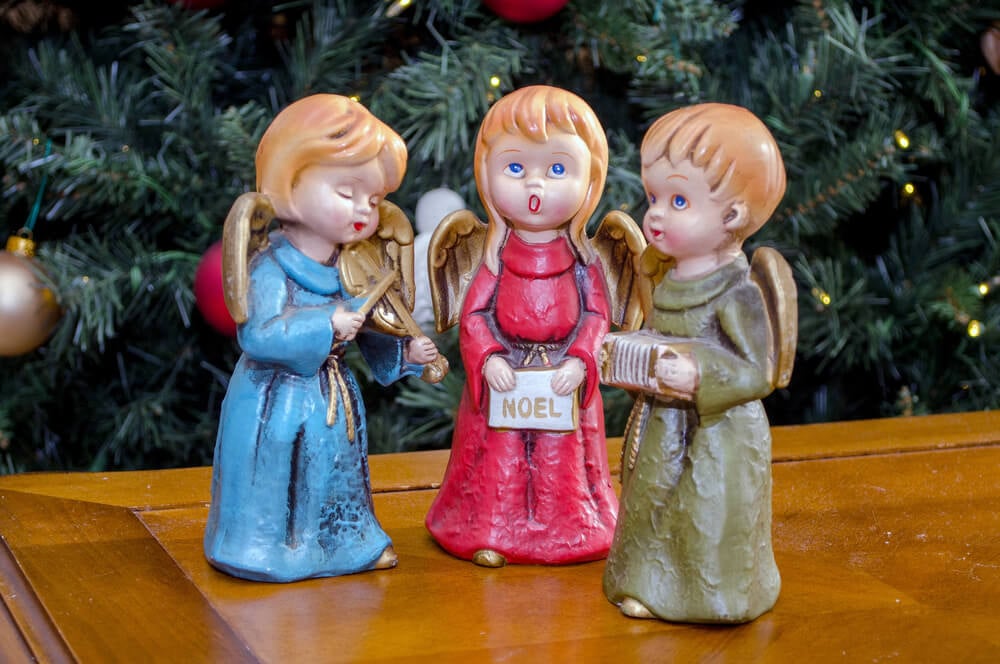
Lefton imported Japanese-made ceramic angels and figurines through the 1950s and 1960s, and the Christmas pieces in holly-trimmed robes are the most collected. The paper or foil labels were often removed, and a piece with its label is worth noticeably more.
Common angels sell for modest amounts, while rarer sets and larger figures reach into the hundreds depending on condition.
Napco Christmas Girls
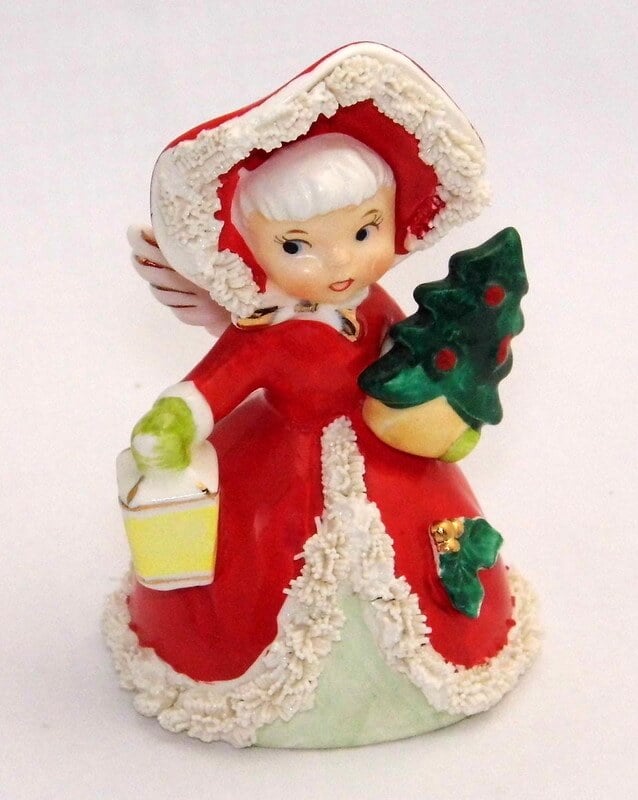
Napco, the National Potteries Company, imported ceramic figurines of girls in red Christmas dresses with pine sprigs and muffs, along with planters and candy dishes in the same style. These were sold at dime stores and florists, and many were given as gifts with a plant inside.
Mint examples with the original foil sticker are the ones collectors chase, and chips to the delicate hands or hats lower the value sharply.
Holt-Howard Winking Santa Pieces
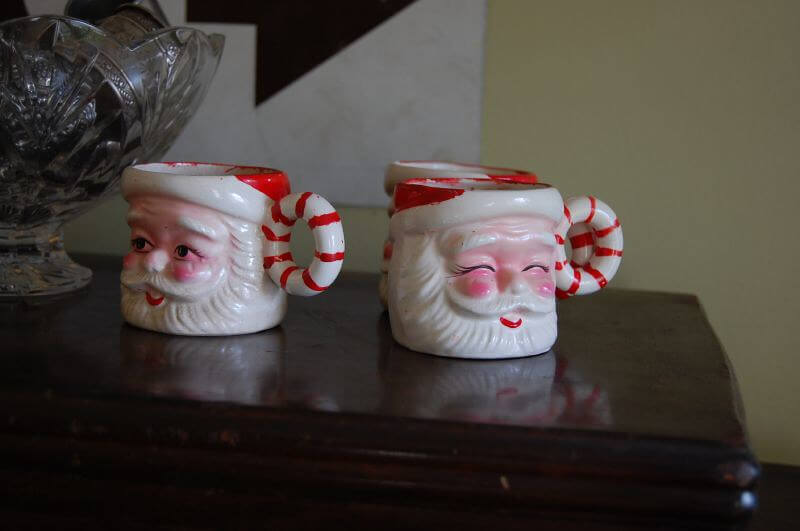
Holt-Howard produced a line of whimsical ceramic Santas with one eye closed in a wink, including mugs, pitchers, salt and pepper shakers, and candle holders. The pieces were made in Japan in the late 1950s and early 1960s and are marked on the base.
A complete set of the winking Santa mugs or a pitcher in excellent condition is a strong seller, and the rarer items in the line bring the most.
Josef Originals Christmas Figures
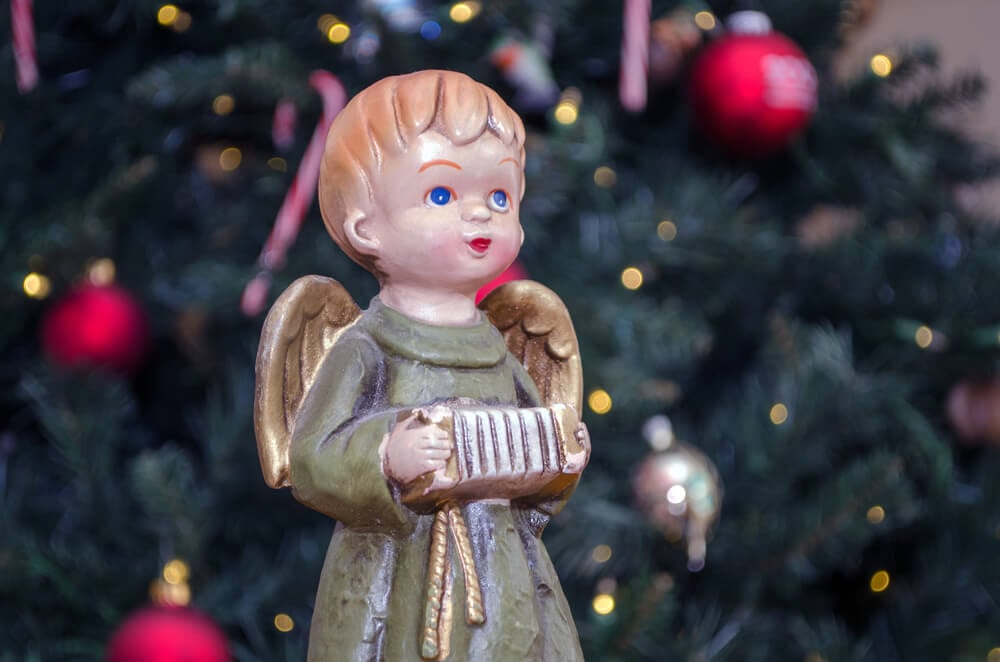
Josef Originals figurines, designed by Muriel Joseph George, include a line of Christmas angels and children that are collected for their distinctive black-eyed faces. Pieces made in California in the 1940s and 1950s are worth more than the later Japanese production.
Collectors check for the original label and the painted mark on the base, and condition is everything with the delicate hands and wings.
Inarco Ceramic Santas
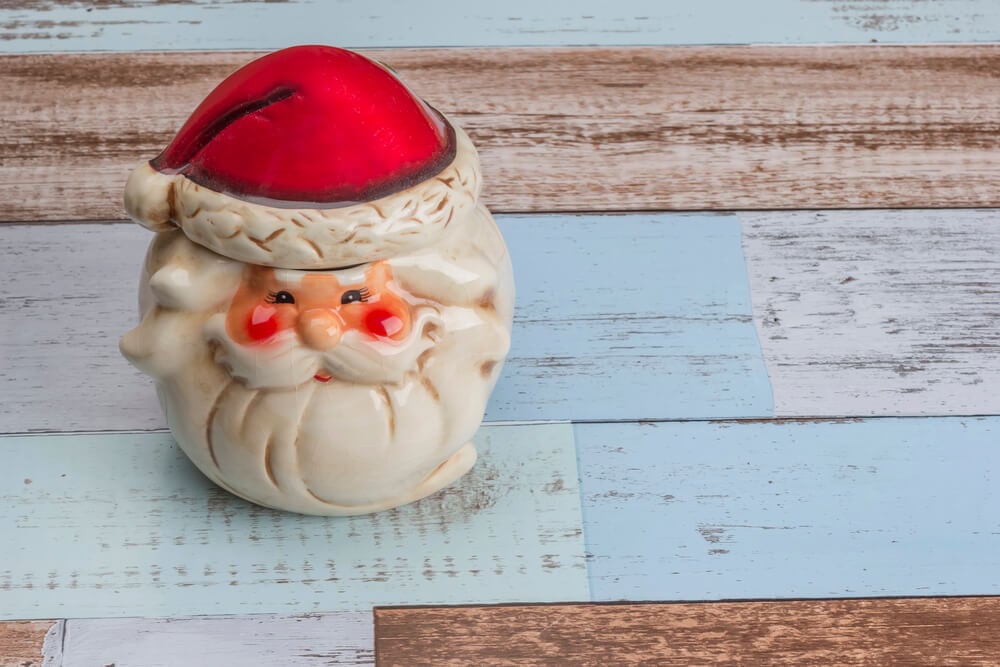
Inarco imported Japanese ceramics in the 1960s, including Santa mugs, planters, and figurines with a distinctive rosy-cheeked look. The pieces were inexpensive at the time and often used as florist containers, so many were thrown out when the plant died.
Clean examples with the Inarco label have found a steady collector market.
Spode Christmas Tree China
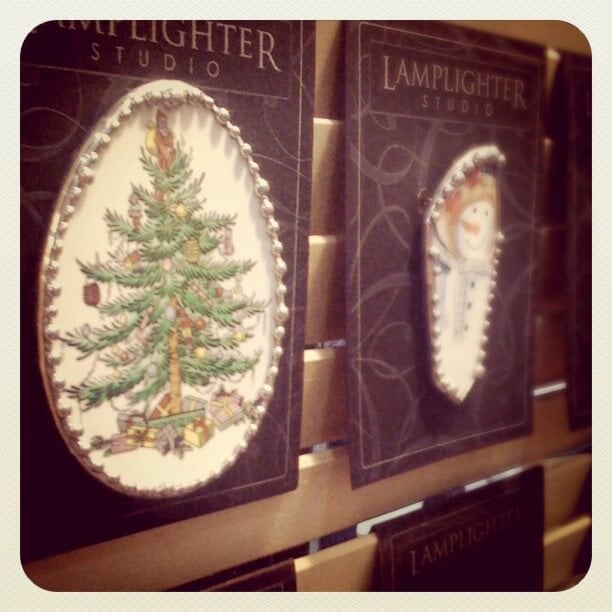
Spode introduced its Christmas Tree pattern in 1938, and it has been in production ever since, which means the market separates vintage English-made pieces from newer production. Early pieces with the older backstamps are the ones worth money, particularly serving pieces and unusual shapes.
A full vintage dinner service can sell for a considerable sum, while individual common plates are affordable.
Lenox Holiday Pieces
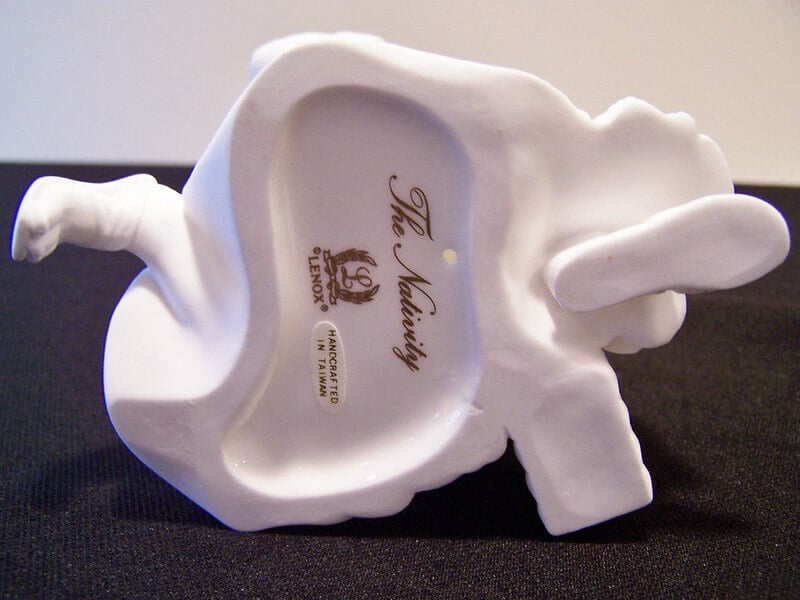
Lenox has produced Christmas china and ornaments for decades, and retired patterns and early annual ornaments are the collectible end of the line. The porcelain is marked and dated, which makes identification simple.
Discontinued serving pieces in the Holiday pattern and early dated ornaments in their original boxes bring the best prices.
Fitz and Floyd Santa Teapots
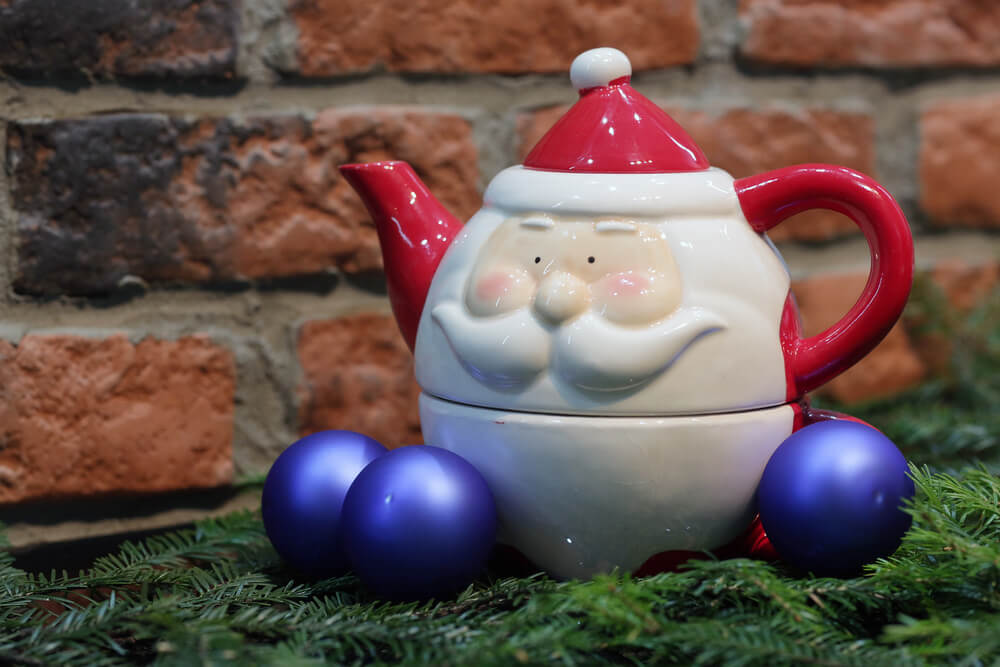
Fitz and Floyd produced elaborate figural Christmas ceramics in the 1980s and 1990s, including teapots, cookie jars, and tureens shaped like Santas and holiday scenes. The pieces were expensive when new and were often kept in their boxes, which has preserved many in excellent condition.
Limited edition figural pieces are the most sought after, and the original box adds meaningfully to value.
Early Department 56 Snow Village
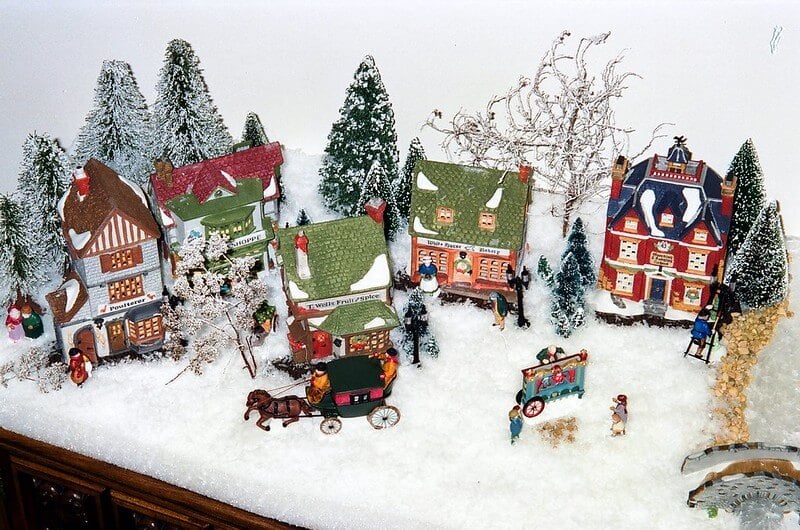
Department 56 introduced its lighted ceramic Snow Village in 1976 with a small set of buildings, and those first-year pieces are the ones collectors want. Later production ran into the thousands of designs, so most pieces are common, but early retired buildings in original boxes with their sleeves have sold for hundreds.
Chips, missing light cords, and repainted details all reduce value.
Goebel Hummel Nativity Sets
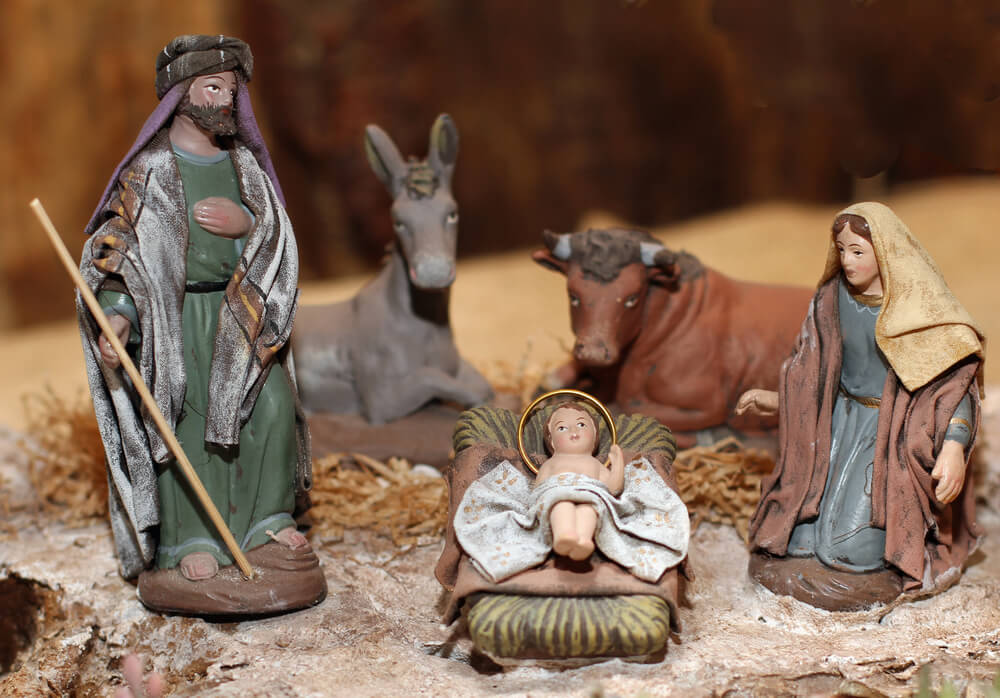
Goebel’s Hummel nativity sets, based on the drawings of Sister Maria Innocentia Hummel, were sold piece by piece and assembled over years. Complete large sets from the 1950s and 1960s with the early trademarks are valuable, and the stable adds to a set when original.
Individual figures are common, but the full set with rare animals and the three kings is what brings a serious price.
Bing and Grondahl Christmas Plates
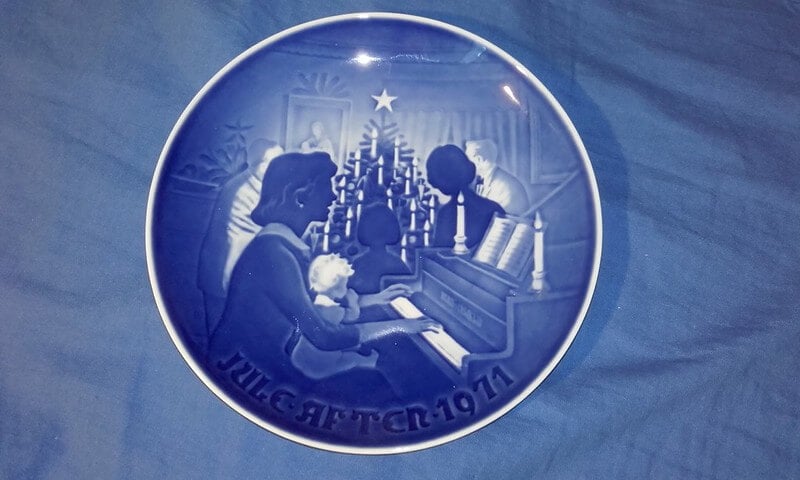
Bing and Grondahl of Copenhagen issued the first annual Christmas plate in 1895, and the series has continued without interruption since. The earliest plates are the valuable ones, with the 1895 plate reaching into the thousands at auction.
Plates from the mid-twentieth century onward were produced in large numbers and sell for modest amounts, so the year matters enormously.
Royal Copenhagen Christmas Plates
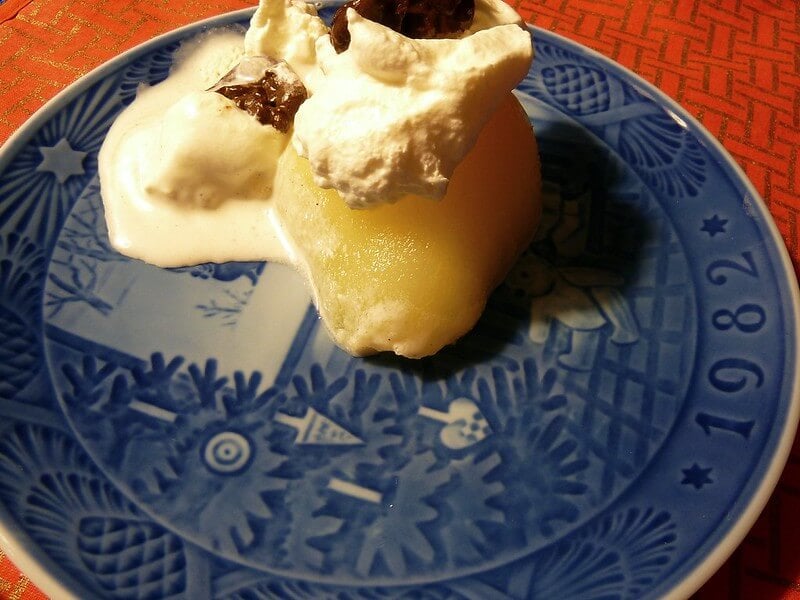
Royal Copenhagen followed in 1908 with its own annual blue and white Christmas plate, and the early years are the prize. The 1908 plate and the scarcer years during the world wars command the highest prices.
Later plates are plentiful, and a shelf of them from the 1970s is worth far less than their original owners assumed.
Shiny Brite Glass Ornaments
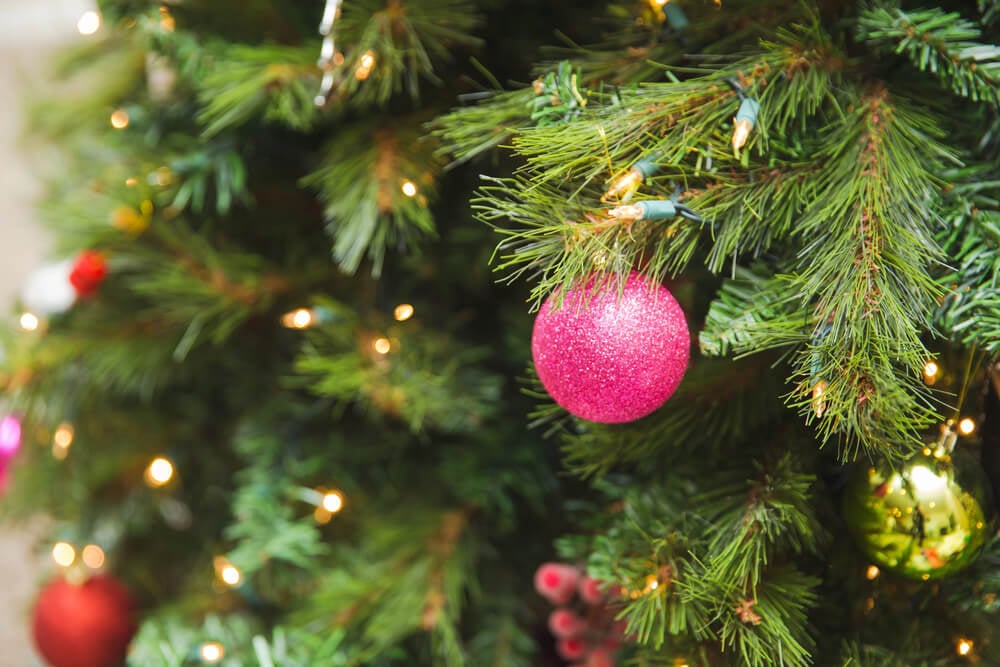
Shiny Brite ornaments were made in the United States from the late 1930s, and the wartime versions with unsilvered glass and paper caps are a distinct collectible. Boxed sets in original Shiny Brite packaging are what buyers want, and unusual shapes and indent designs bring more than plain round orbs of color.
Wear to the silvering and lost caps are common and reduce value.
Christopher Radko Ornaments
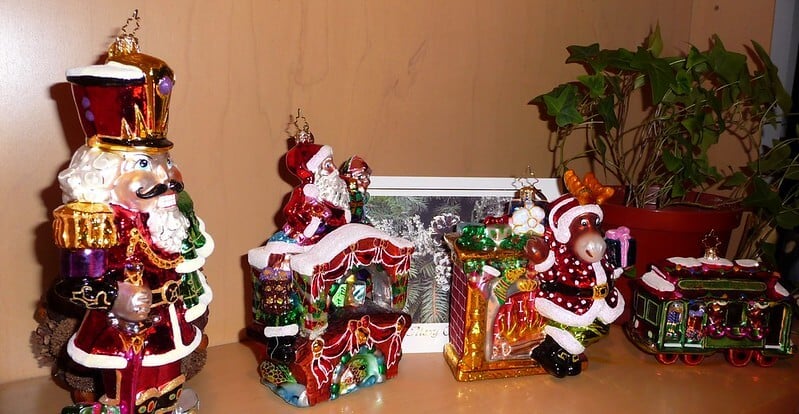
Radko began producing hand-blown glass ornaments in Poland in the mid-1980s, and the early, limited designs are now collectible. Retired pieces in original boxes with tags sell for many times their issue price, and the rarest early designs have reached into the thousands.
Later mass-produced designs are common, so the year and edition size determine value.
Gurley Christmas Candles
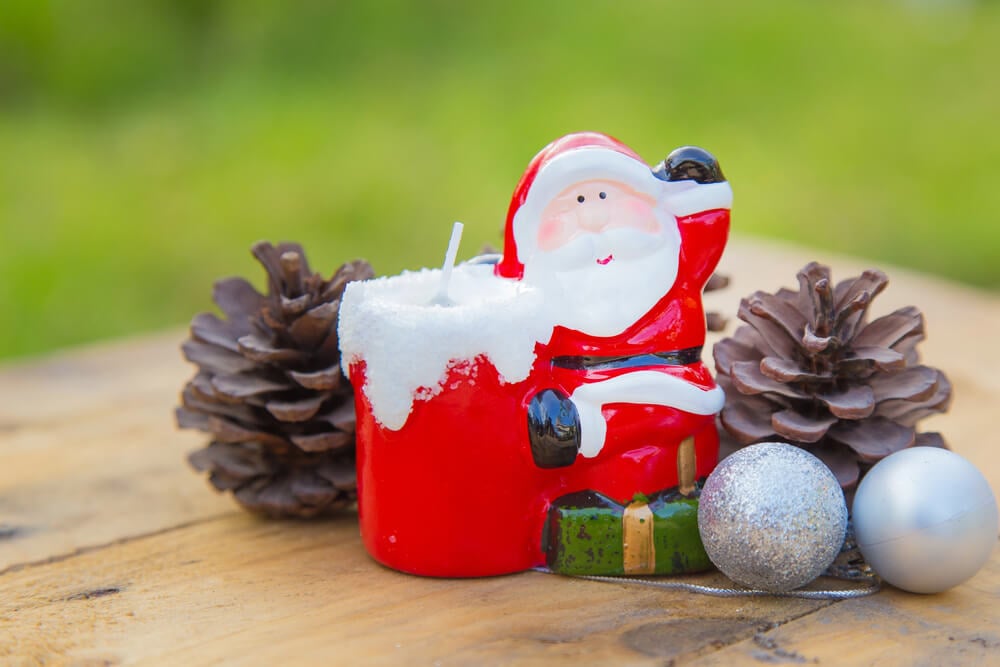
Gurley Novelty made small figural wax candles shaped like carolers, Santas, angels, and trees, sold at dime stores for pennies from the 1940s through the 1970s. They were meant to be burned and most were, so unburned examples with the original paper label on the base are the collectible ones.
Individual candles are inexpensive, but complete boxed sets and the larger figures bring more.
Pfaltzgraff Christmas Heritage
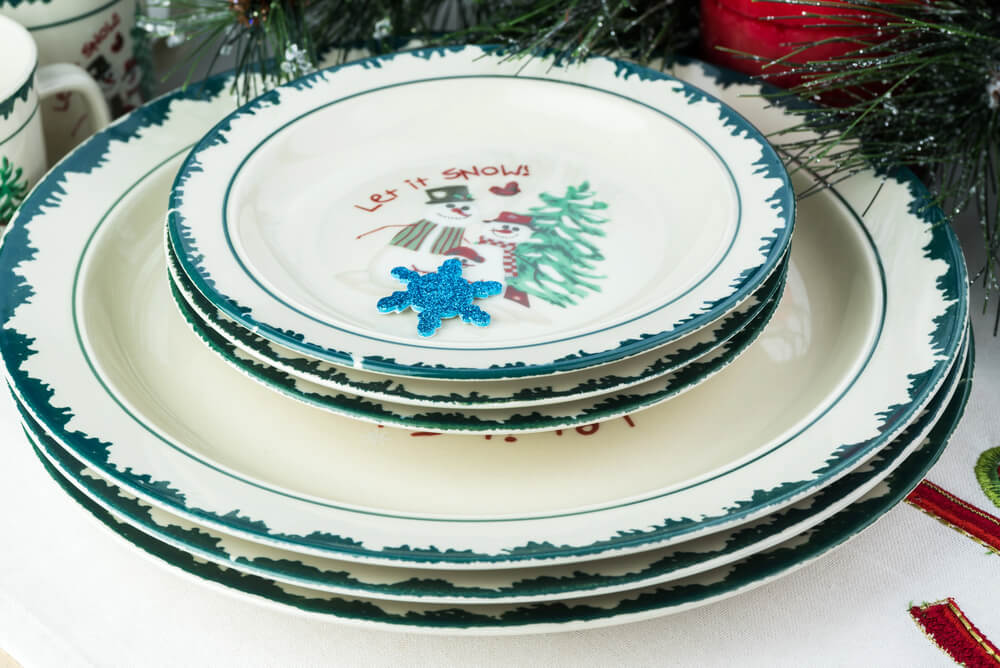
Pfaltzgraff’s Christmas Heritage stoneware, with its green holly and red berries on a cream ground, was a department store staple of the 1980s and 1990s. The pattern was retired, and serving pieces, canisters, and unusual shapes have become collectible.
Place settings remain affordable, while the harder-to-find accessories and complete sets are what sell for real money.
Early Hallmark Keepsake Ornaments
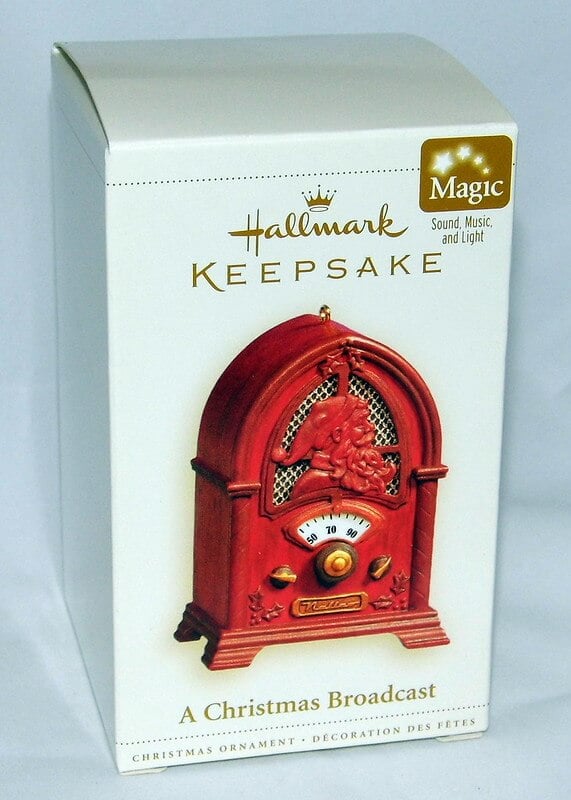
Hallmark launched its Keepsake Ornament line in 1973 with a handful of glass and yarn designs, and those first-year pieces are the foundation of a large collecting hobby. Early ornaments in their original boxes, particularly the first-edition series pieces from the 1970s and early 1980s, sell for far more than their original price.
Without the box, values drop sharply.
Lefton Holly Dinnerware
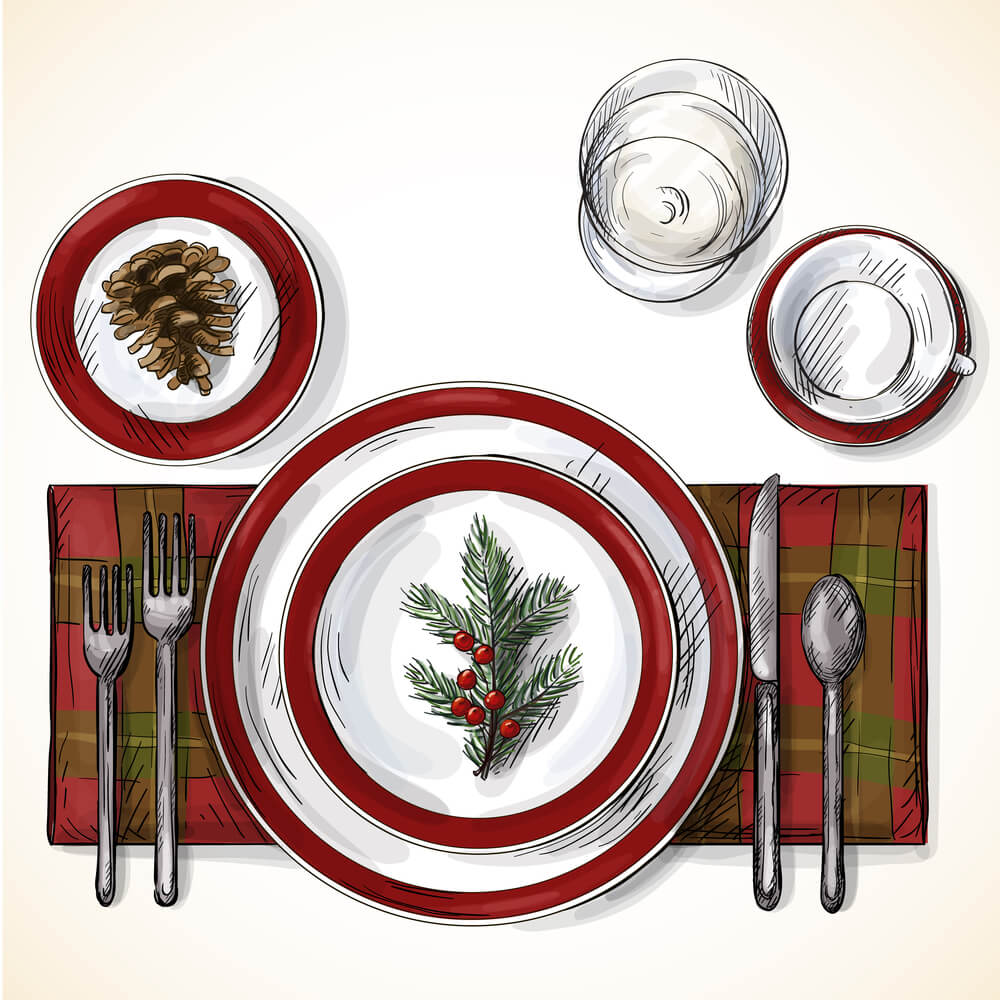
Lefton’s green holly and red berry pattern on white china was sold as serving pieces, cups, and candy dishes through the 1960s and 1970s. Mugs and small plates are common, but the covered dishes, punch bowls, and larger serving items are scarce.
Pieces with the original foil label and no crazing in the glaze are the ones collectors pay for.
Japanese Ceramic Choir Boys
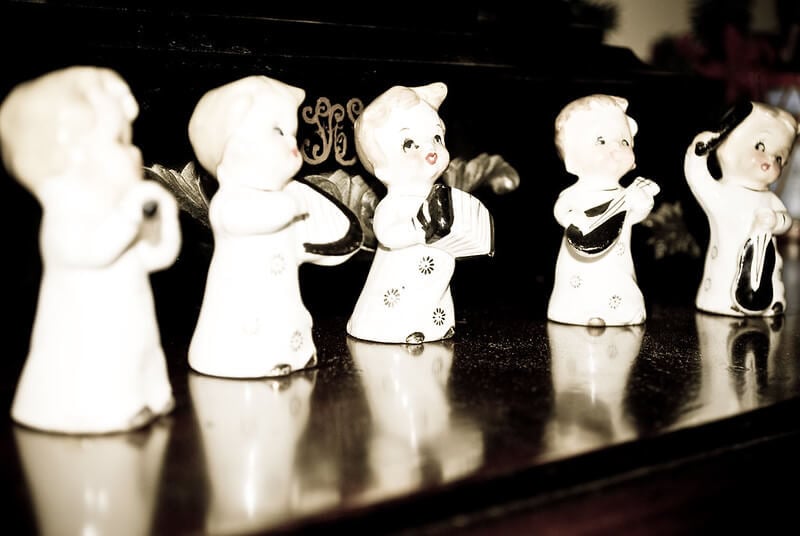
Choir boy figurines in red robes with hymnals were made by the thousands in postwar Japan for Lefton, Napco, and other importers. Sets of three or four in graduated sizes were common Christmas decorations, and complete matched sets are what buyers want.
Individual figures sell for a few dollars, while a full set with labels and no chips can bring a respectable sum.
Arnels Mold Snow-Capped Trees

Arnels was another mold company whose trees often featured a snow-capped variation, with white glaze applied to the branch tips over the green body. The two-tone look is popular with decorators, and well-executed examples with crisp snow lines sell at a premium.
Sloppy or heavy snow application is common and hurts the price.
What the Glow Was Worth All Along
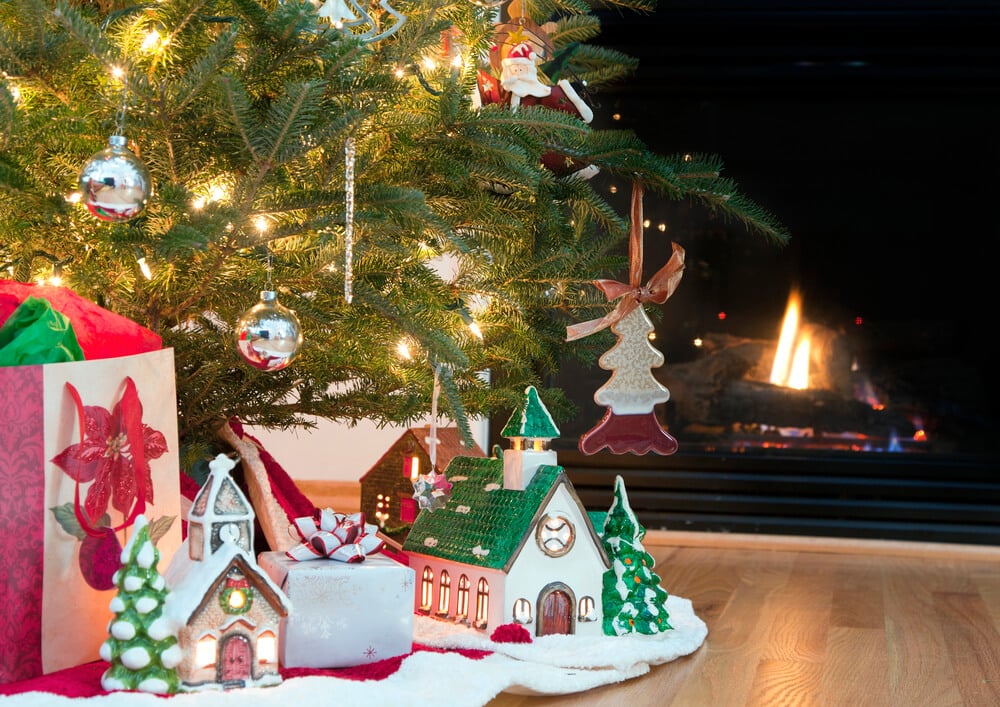
Nobody who made a ceramic tree in a church basement class in 1972 expected it to be worth anything, and for decades it was not. The value came from scarcity created by attrition, as trees were dropped, bases were lost, and the plastic lights were thrown out during a move.
What survived intact became rare simply by surviving.
That same pattern runs through every item on this list. The pieces were inexpensive, sentimental, and mass-produced, and they are collectible now because they were loved hard enough to break.
The ones worth money are the ones that somehow were not.
More from Go2Tutors!

- The Romanov Crown Jewels and Their Tragic Fate
- 13 Historical Mysteries That Science Still Can’t Solve
- Famous Hoaxes That Fooled the World for Years
- 15 Child Stars with Tragic Adult Lives
- 16 Famous Jewelry Pieces in History
Like Go2Tutors’s content? Follow us on MSN.