Photos of Drinks That Became Cultural Icons
Some drinks taste good. Others become symbols.
A rare few get photographed so many times, in so many places, by so many people, that the image itself carries more meaning than the drink ever could. These aren’t just beverages — they’re shorthand for a lifestyle, a moment, a feeling people wanted to belong to.
Here are the drinks whose photos took on a life of their own.
The Coca-Cola Bottle in a Stranger’s Hand
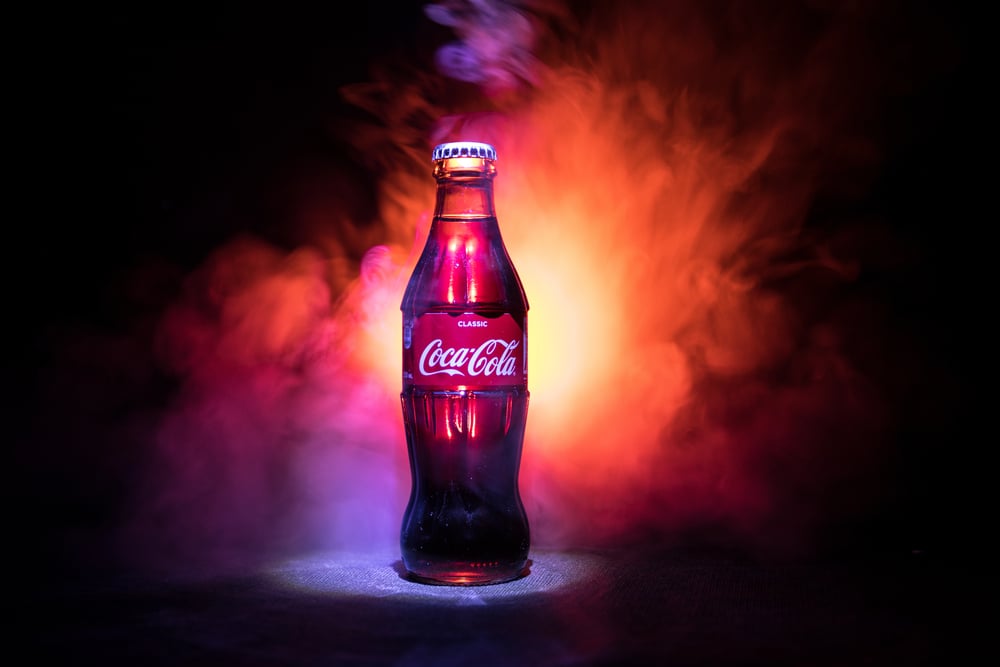
A curve defines the glass Coke bottle most – its narrow middle catching light differently. Moisture gathers along its surface, slow and uneven. A red patch sticks to one side, bold without trying.
You’ve seen it in old diner photos, maybe near a cracked jukebox. Even in faraway places where machines stand half-buried in dust.
Artists copied it too, like Warhol, who gave it space on canvas. Just an outline is enough for people to name it fast.
Few things earn that kind of instant recall. Much less something made just to hold liquid.
Something about that image stuck around. Not only because of the label but due to how everywhere it felt.
Drop a clear Coke bottle on any surface – dusty village shop or city ledge – and it whispers comfort, U.S. roots, within reach. It spoke without words.
Champagne Flutes at All Celebrations
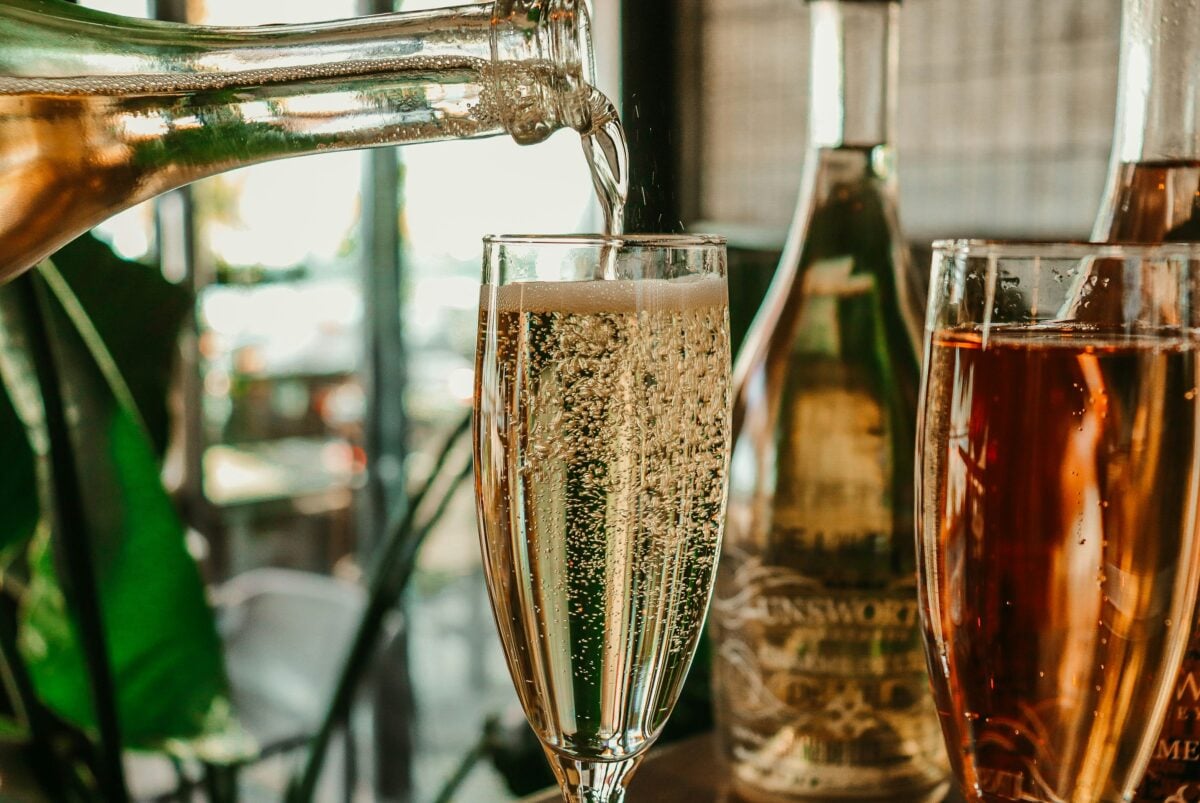
Picture this glass. Its shape isn’t about flavor – wide ones bring out more taste. Yet the tall, slim flute captures light just right.
Bubbles climb straight up, neat and steady. From ten feet away, through a lens, it screams party. Looks win where function loses.
Champagne flutes appear in pictures when people celebrate – weddings, midnight on January first, school endings, even meetings where suits gather. What’s poured into them?
Hardly registered. It’s the shape of the cup that speaks.
Cameras caught onto that truth long ago.
The Bright Green Starbucks Cup Seen Far Off

N i c o l a
Back in the early 2000s, paparazzi shots kept showing that same familiar cup. Because stars were often spotted clutching one after grabbing caffeine.
On screen, people tossed its name into dialogue like it was second nature. That circular green emblem plus the corrugated sleeve?
They quietly signaled something specific: city life humming at full tilt. Not cheap.
Full of motion. Quietly chasing more.
That cup turned into something people showed off online long before hashtags made it obvious. A photo often caught the typo in the name written sideways.
Out there one frosty dawn, held far out, smoke curling up slow. It whispered, without words, I’ve got somewhere to go
Guinness Mid-Pour
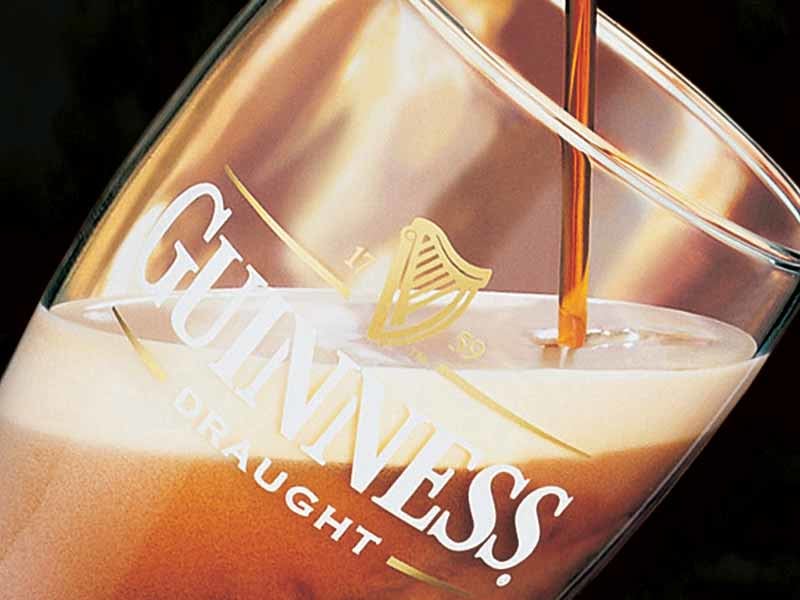
A Guinness being poured freezes time like nothing else on film. Dark liquid fills the glass slowly.
A frothy beige crown begins to rise, bit by bit. Waiting close to 120 seconds is part of the ritual.
Images captured in those moments feel restless, breathing, somehow awake. Pubs across Ireland shaped their look entirely on this idea.
Not only do people drink the beer, they watch it pour, stand by as it settles. Waiting turned into legend, something passed down through generations.
Snapshots of foaming pints traveled far, shared widely, long before social media ever appeared.
The Aperol Spritz in Afternoon Light

That bright orange drink loves being photographed, no question. Vivid color draws your eye first.
Oversized glass catches attention next. Always has a little extra on top – maybe an orange wedge, perhaps a green olive, just enough to feel complete.
Golden-hour sunlight makes it look sharpest. Water nearby helps, like a harbor or pool shimmering behind it.
Picture this drink, and you saw Italy unfold before your eyes. A whole crowd of travelers fell for it, drawn by what they glimpsed through lenses.
Warm squares hummed behind each glass, twilight stretched long, time moved differently there. Did the taste match? Not really the point.
What counted was how it looked – every single time.
The Cosmopolitan and Its Four-Season Run
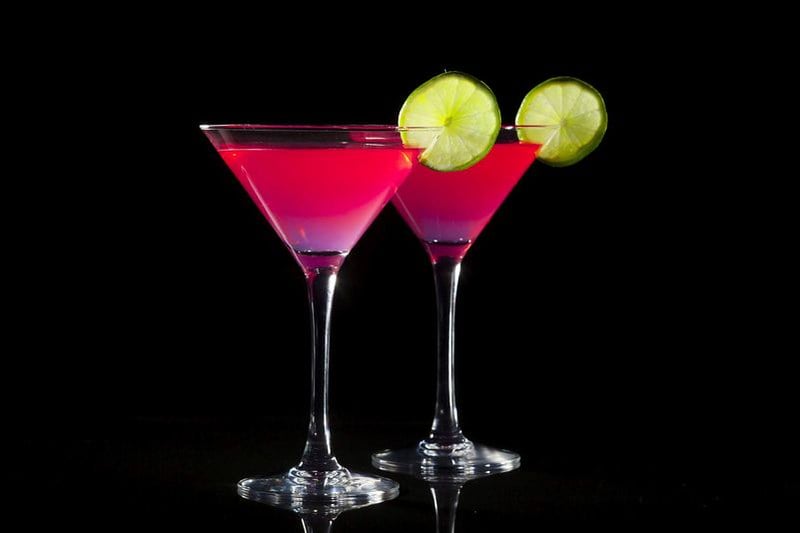
When certain television shows made the pink martini glass their drink of choice in the late 1990s, the Cosmopolitan had its moment. The image was specific: four women at a Manhattan bar, martini glasses raised, cranberry-pink liquid catching the light.
It looked like a particular kind of freedom. Photos of Cosmos still carry that cultural memory.
Order one now and you’re either being ironic or nostalgic, and the photograph you take will communicate exactly that to anyone who sees it.
Corona With a Lime Shoved in the Neck
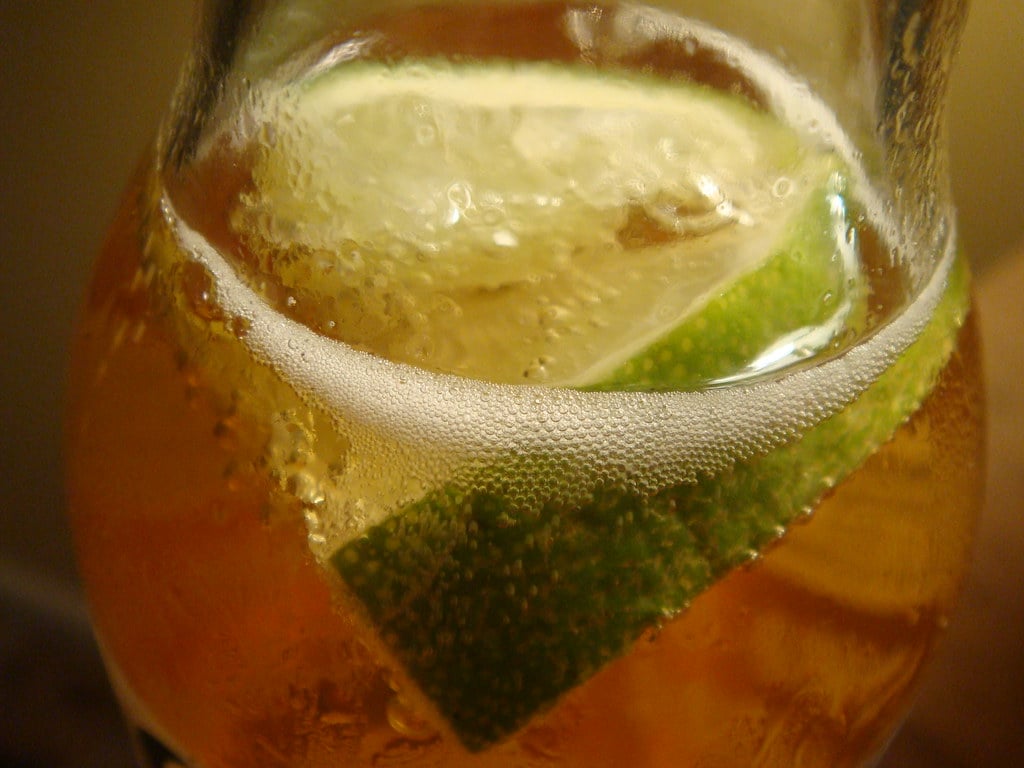
There’s technically no reason to put a lime wedge inside a Corona bottle. It doesn’t improve the flavor in any meaningful way.
But the image — clear bottle, pale golden beer, bright green lime forced into the neck — became one of the most reproduced drink photographs of the late 20th century. Beach bars ran with it.
Advertisements used it. People ordering at restaurants would ask for it without being prompted.
The lime became inseparable from the brand, which is remarkable because Corona never invented the pairing — it just happened, and the photograph made it permanent.
The Negroni on the Rocks
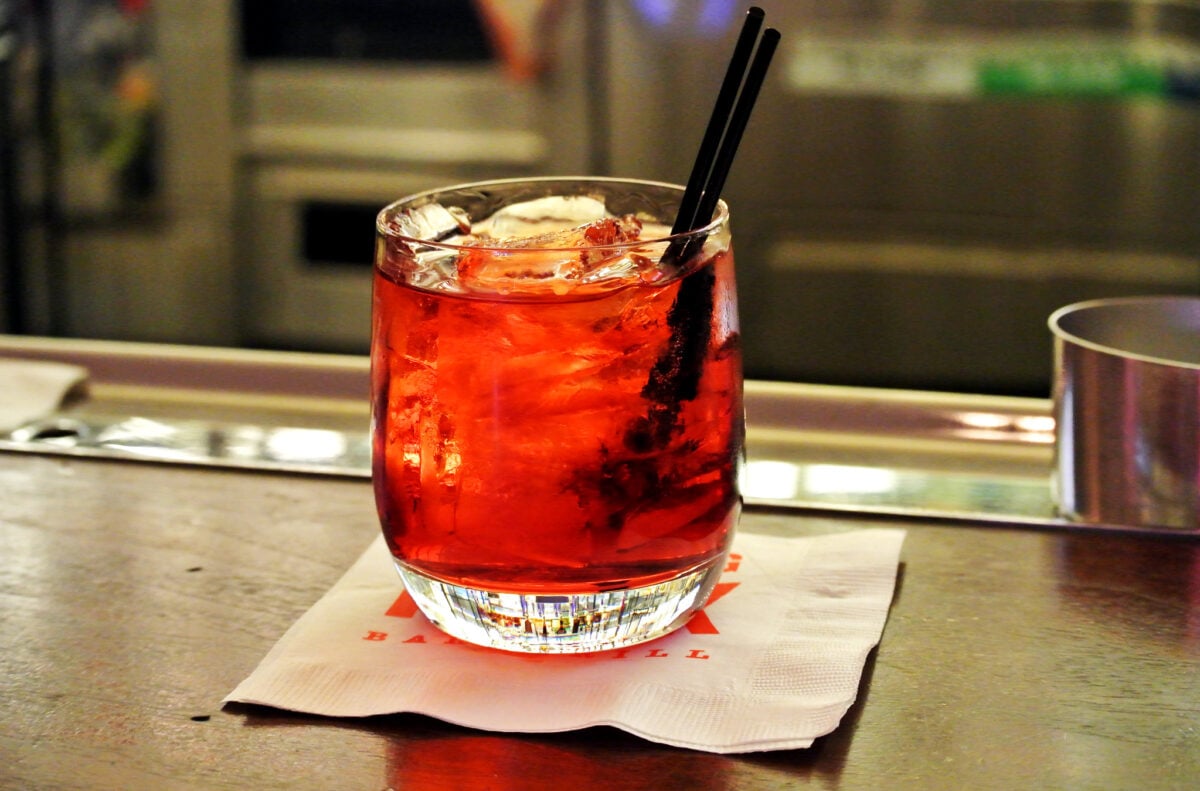
The Negroni has the kind of color that photographers dream about: deep amber-red, almost burgundy, usually served over a large square ice cube with an orange peel curled on top. It photographs like a painting.
Moody. Deliberate.
A little intimidating. As cocktail culture grew online, the Negroni became the drink people photographed to signal that they knew about drinks.
It was serious without being pretentious — at least in the photos. Whether the person drinking it actually wanted that combination of bitter and sweet was a separate matter entirely.
Bubble Tea and Its Transparent Identity
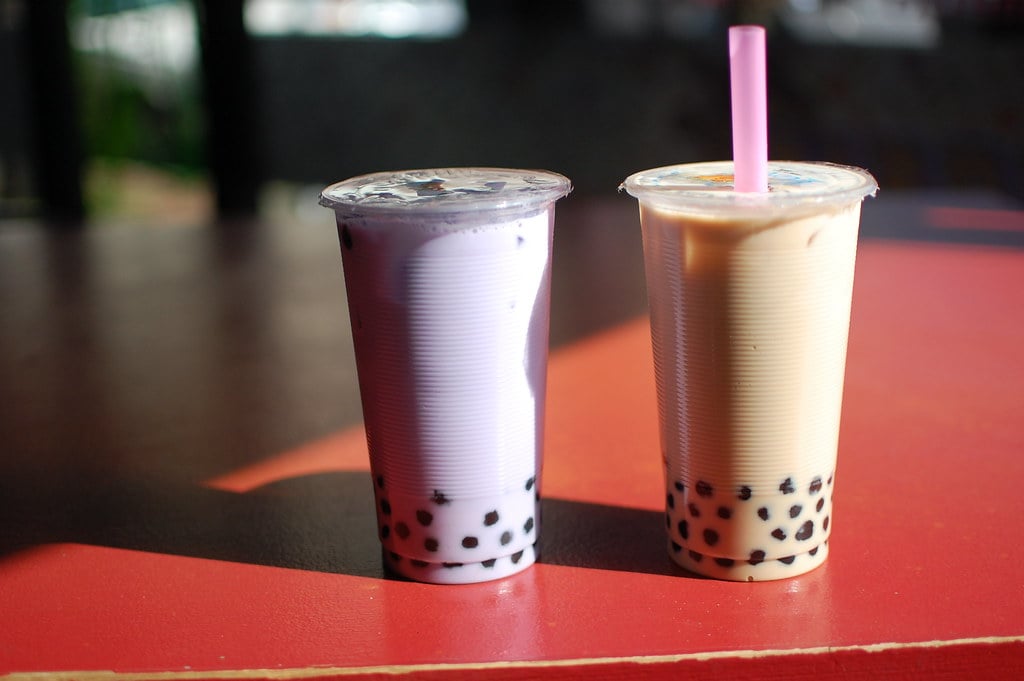
The genius of bubble tea, visually, is that everything is visible. The pastel liquid.
The large dark tapioca pearls sitting at the bottom. The wide straw.
Sealed plastic tops that hold it all in place. Every layer is on display, and photographs of it almost always show the drink from the side, letting all that color and texture tell the story.
Photos of bubble tea spread the drink from Taiwan across Asia, then across the world. The visual was the marketing.
You didn’t need to explain what it was — you just showed someone a photograph and their curiosity did the rest.
The Green Juice That Sold a Whole Philosophy

When cold-pressed juice places started opening in major cities, the green juice became something beyond a drink. Photos of dark green liquid in straight-sided bottles started appearing on feeds alongside workout photos and morning routines.
The aesthetic was clean, minimal, expensive-looking. People weren’t just buying the juice.
They were buying the photograph they’d take with it and what that photograph would say about how they lived. The drink itself was almost incidental.
The image was the product.
Red Bull and the Suggestion of All-Nighters
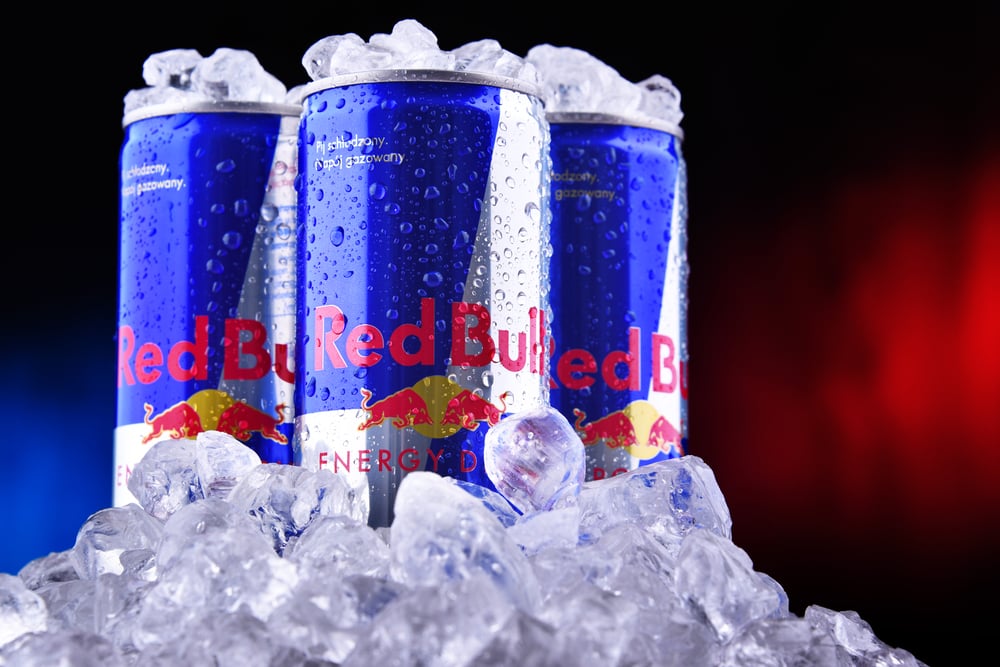
That red can show up in photos like a clue. Spot it beside a keyboard under dim light. It means nights stretched too long.
See it gripped in a crowd, lights behind. Now it hums with what might come.
Meaning shifts depending on where it sits. Context gives it voice.
Everywhere you looked back then – on cliffs, ramps, rooftops – the tiny silver can showed up, tagged by that charging bull. It wasn’t about flavor; nobody claimed it stood out in taste.
What fit was the look, how it matched the blur of motion frozen in photos where risk leaned forward and didn’t ask permission.
The Espresso in a Small Cup
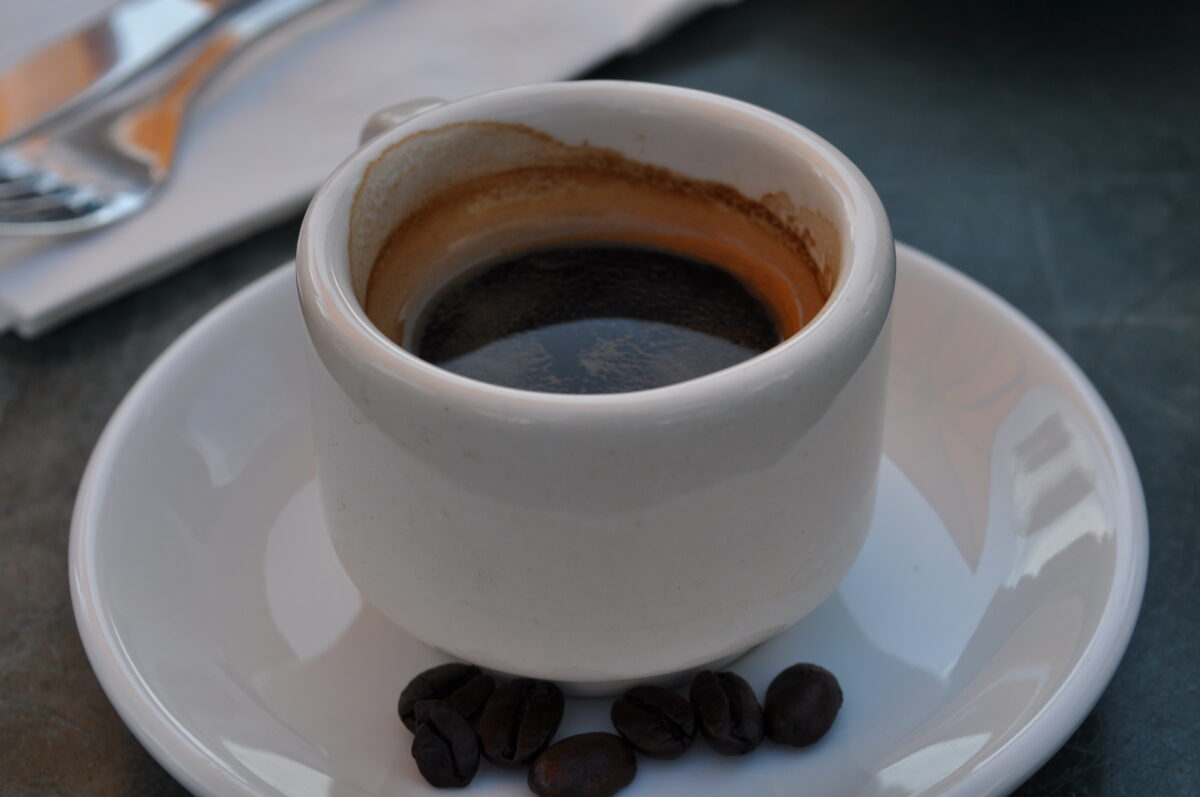
A single espresso fills a tiny porcelain cup, caught in a top-down view. Resting on stone or grainy wood, the image feels familiar.
That golden foam crowns the dark liquid. Nearby sits a little metal spoon.
A biscuit appears now and then. A tiny cup holds more than liquid.
This scene feels European, somehow tied to mornings that stretch out quiet and long. Uncommon shapes make it stand out in pictures – the vessel almost too small, the purpose strangely focused.
Images capture it easily, no explanation needed. The moment appears full of meaning, even when silent.
What you see already tells the story.
Milk Poured Into Coffee
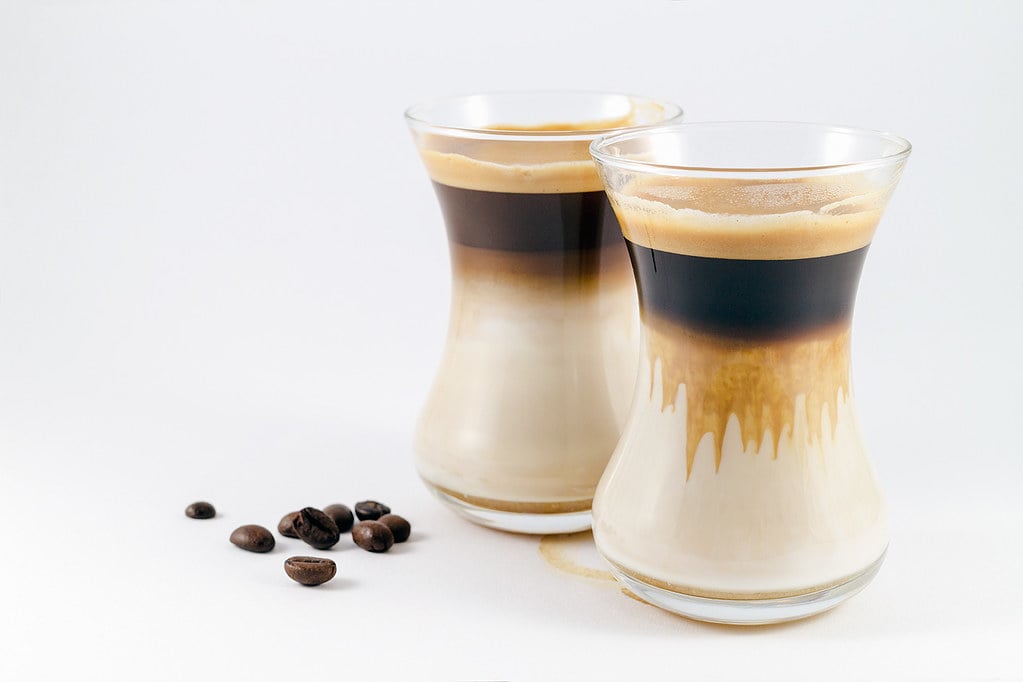
Midway through, a drop hangs – frozen – as milk spirals into black coffee. That image started as an experiment with timing and light.
Instead of fading, it caught attention, spreading quietly at first. A moment meant for testing cameras became something people copied, then remembered.
Later, baristas began chasing that same swirl, turning the accident into habit. Pouring routines started showing up online.
Before handing over cups, cafés snapped pictures. What mattered shifted – the act itself drew eyes, not just what landed in the cup.
Few drinks see their creation captured more than their outcome.
The Drink That Lasts Longer Than the Person
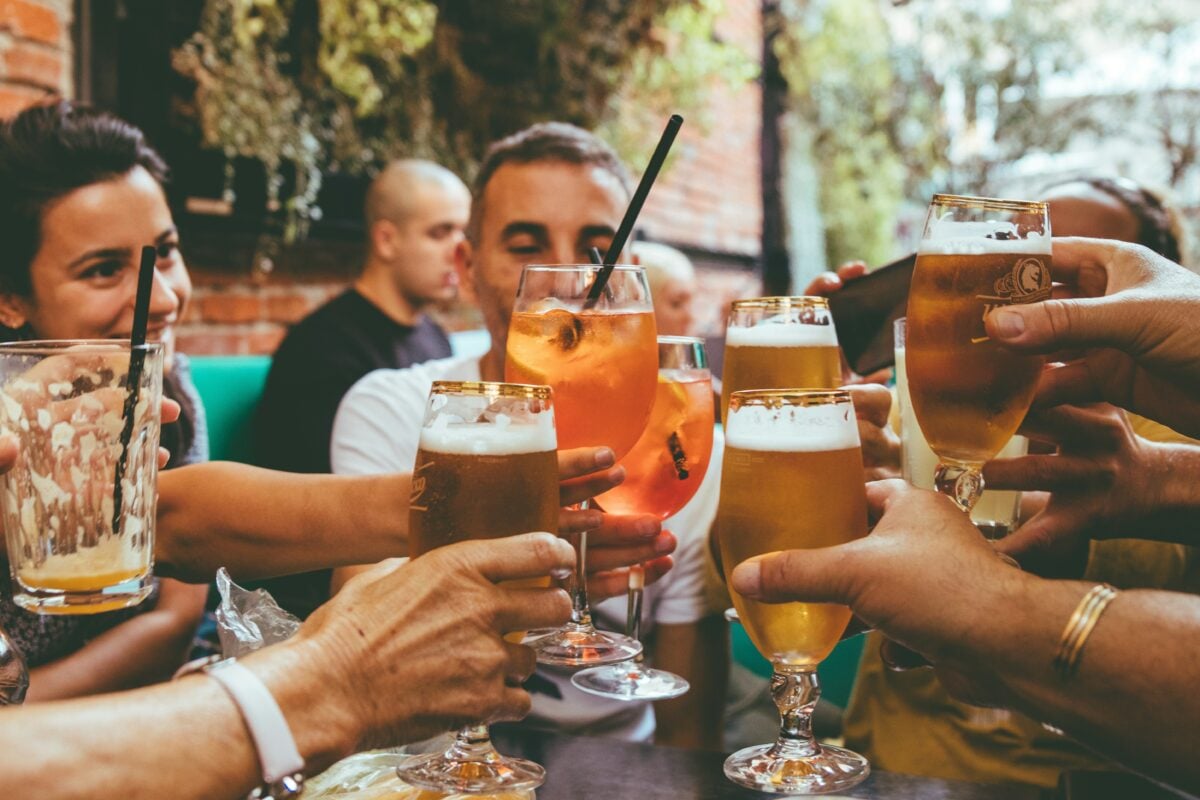
Here’s a twist you might not expect – every photo shows the liquid lasting longer in public mind than the person gripping it. Champagne beside Marilyn stays sharp in memory long after her face fades slightly.
A pro athlete with their branded bottle becomes less recognizable, but the bottle design sticks around. Even leaders holding mugs – faces blur, yet the steam rising from that cup remains vivid.
What flows inside the container often survives its holder. Sunlight hits an ice cube in a whiskey glass just right.
That old poster on the bar wall stays sharp in your head. Something about foam on dark beer feels familiar, even if you’ve never sipped one.
It lingers – not because it tastes special, but because seeing it pulls up memories anyway. An orange cocktail by a window doesn’t need context to feel like escape.
The shape of the bottle, the color against linen napkins – they whisper before they speak. Meaning sticks around after the glass empties. Recognition outlasts experience every time.
More from Go2Tutors!

- The Romanov Crown Jewels and Their Tragic Fate
- 13 Historical Mysteries That Science Still Can’t Solve
- Famous Hoaxes That Fooled the World for Years
- 15 Child Stars with Tragic Adult Lives
- 16 Famous Jewelry Pieces in History
Like Go2Tutors’s content? Follow us on MSN.