24 Vintage Dollhouses and Furniture Collectors Want
A dollhouse is a record of what people thought a home should look like. The German houses of the 1880s have parlors and servants’ stairs; the American tin houses of the 1950s have carports and breakfast bars.
Every generation built a miniature version of its own aspirations and handed it to a child.
The furniture inside is often worth more than the house, because tiny chairs were lost under sofas and tiny lamps snapped at the stem. Collectors pay for complete sets and original boxes, and condition dependency applies to every price mentioned below.
Bliss Lithographed Houses
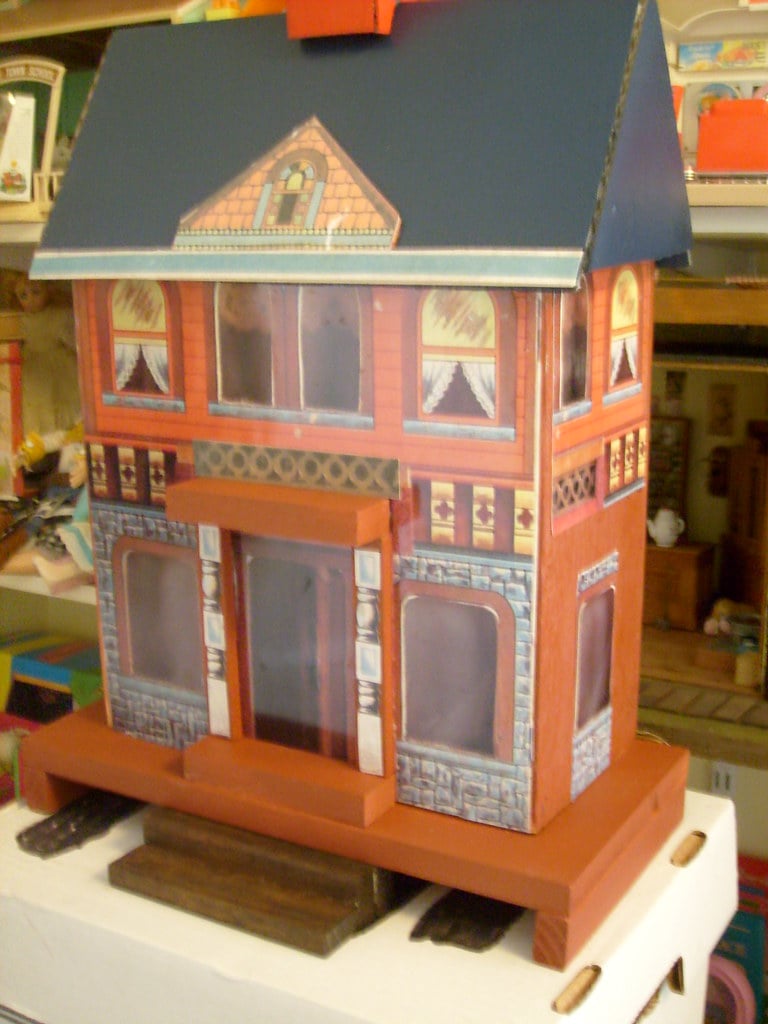
R. Bliss of Pawtucket, Rhode Island, made dollhouses from the 1890s into the early twentieth century with brightly printed paper glued to wood. The lithography is the entire appeal, and houses with bright, unfaded paper and intact turned porch posts are the prize.
Bliss houses are small, often only two rooms, and even a modest one in good color is a four-figure item.
Schoenhut Dollhouses
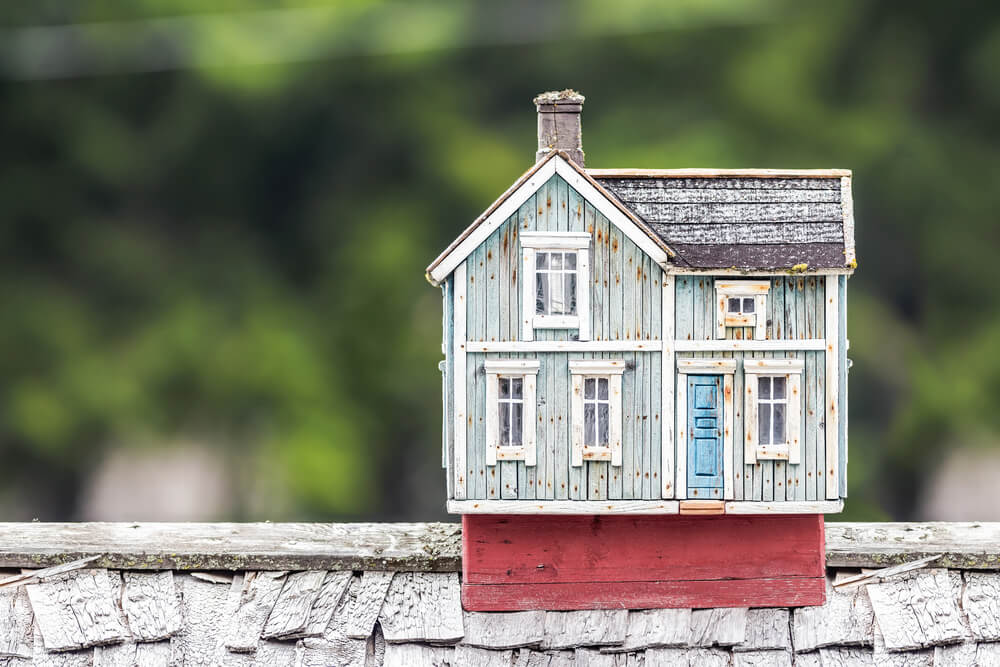
Schoenhut of Philadelphia, better known for its circus toys, made dollhouses from 1917 into the 1930s with embossed fiberboard walls and glass windows. The larger bungalows and mansions with original wallpaper and the Schoenhut paper label are the ones collectors chase.
Many lost their windows, and replacements are easy to spot.
Tootsietoy Metal Furniture
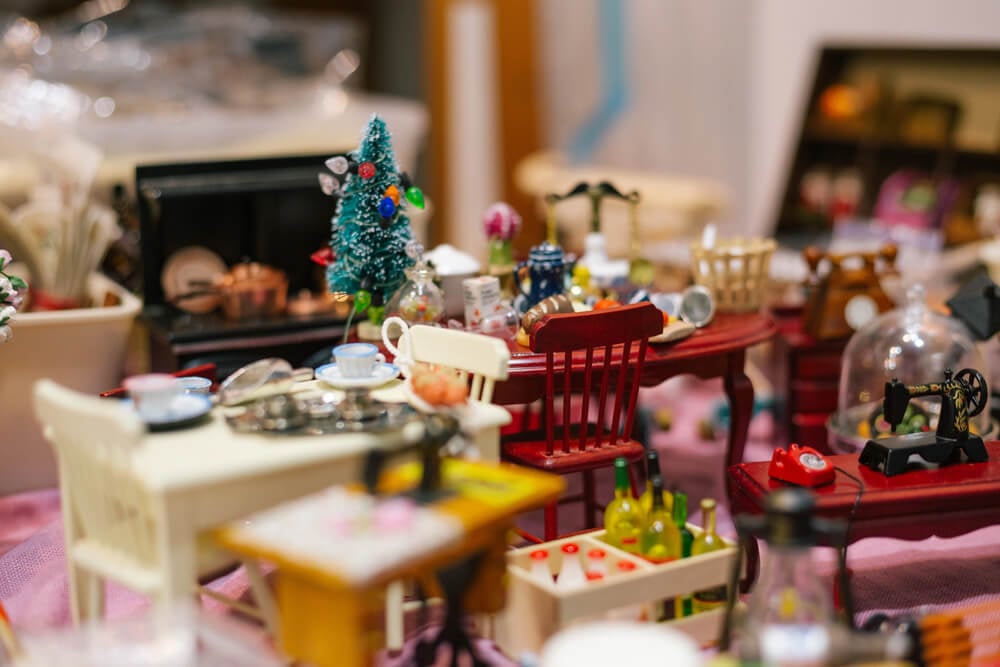
Dowst of Chicago produced Tootsietoy die-cast furniture from the 1920s through the 1930s in boxed room sets, painted in pastel colors. The sets included tiny pianos, floor lamps, and bathroom fixtures, and complete boxed rooms are what bring money.
Individual pieces are cheap, which is why original boxes multiply the value.
Marx Tin Litho Houses
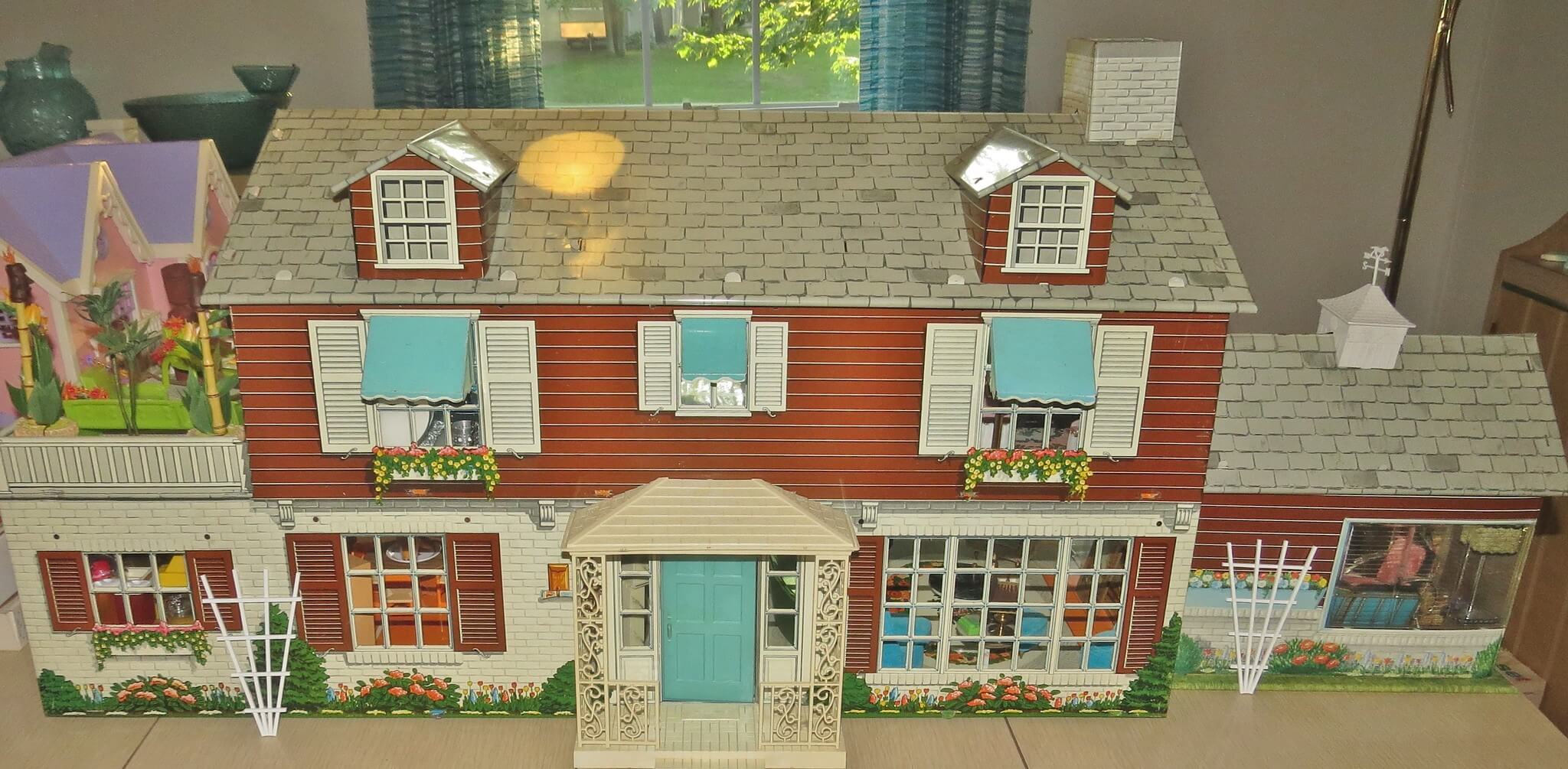
Louis Marx made lithographed tin dollhouses by the million in the 1950s, and most American baby boomers grew up with one. The common models are affordable, but the two-story colonials with a breezeway, the Disney-themed houses, and any example with the original box bring real interest.
Rust and dents are the usual problems, and bright, unscratched lithography is the standard.
Marx Little Hostess Furniture
Marx’s Little Hostess line of the 1960s was hard plastic furniture with a level of detail far above its tin houses, including a grandfather clock and a canopy bed. The pieces were sold in boxed sets and are collected individually now.
Complete sets in their original boxes are the goal, and the darker wood-tone pieces are the most sought.
Renwal Furniture
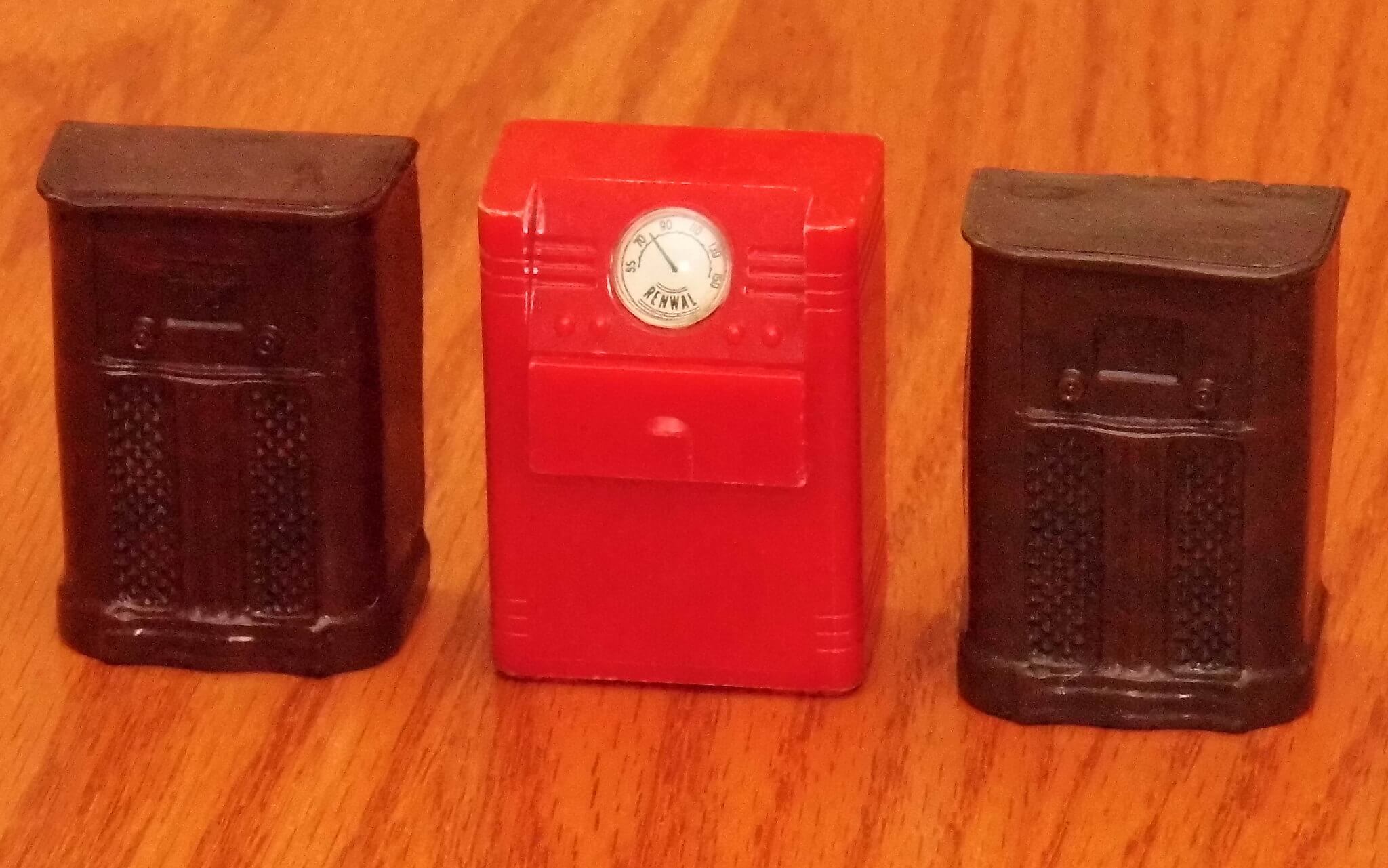
Renwal of New York made hard plastic furniture in the 1940s and 1950s, and its pieces are the ones most often found in Marx houses. Renwal is distinguished by moving parts: drawers that open, a piano with a lid, and a refrigerator with shelves.
Early examples in the original pastel colors with all the moving parts intact are the collectible ones.
Plasco Furniture
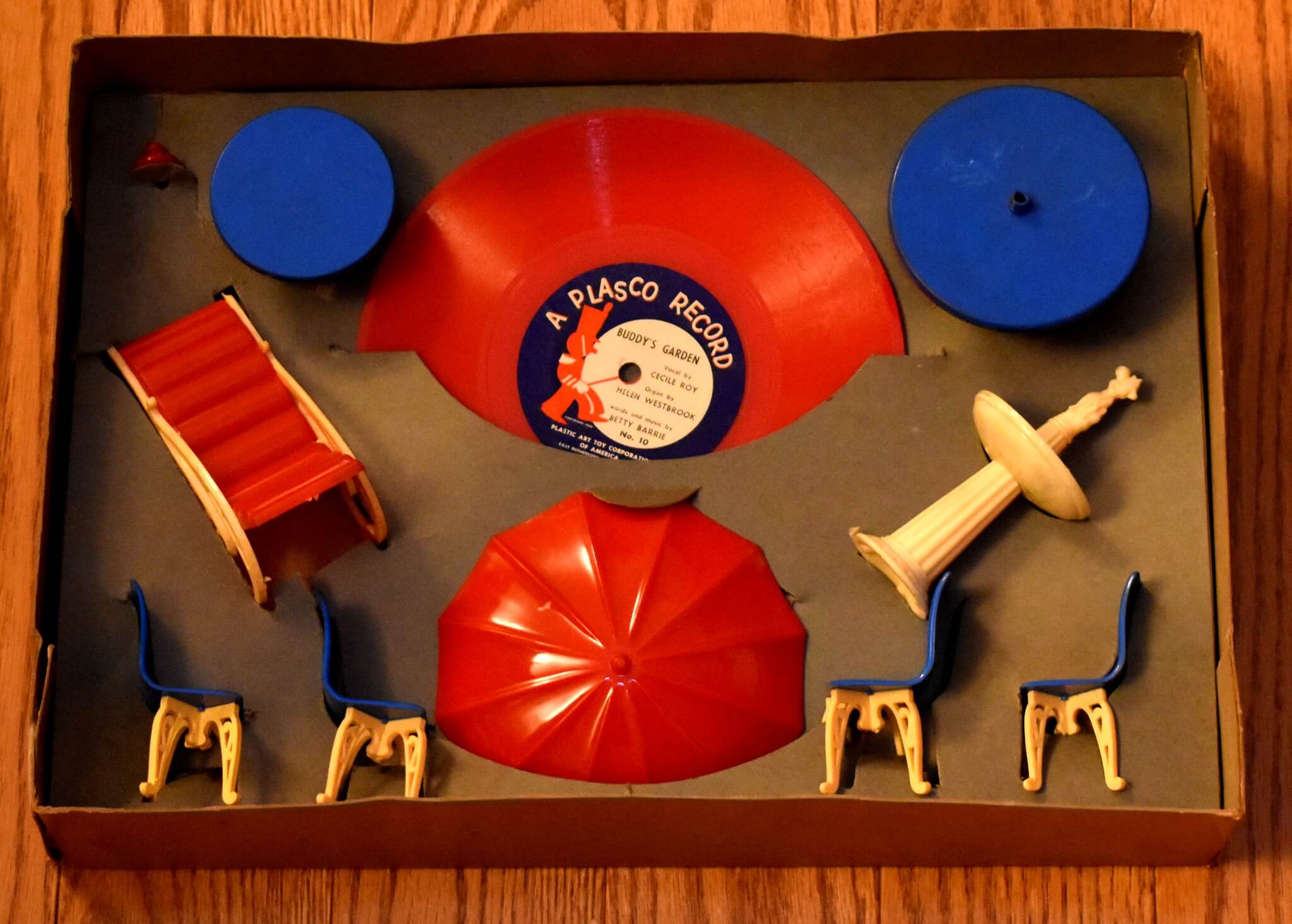
Plasco, made by the Plastic Art Toy Corporation, competed with Renwal in the late 1940s and was sold in boxed room sets that came with their own fold-out room settings. The furniture is slightly larger than Renwal and the colors are more muted.
Boxed Plasco rooms with the original cardboard backdrop are scarce and valued.
Ideal Petite Princess
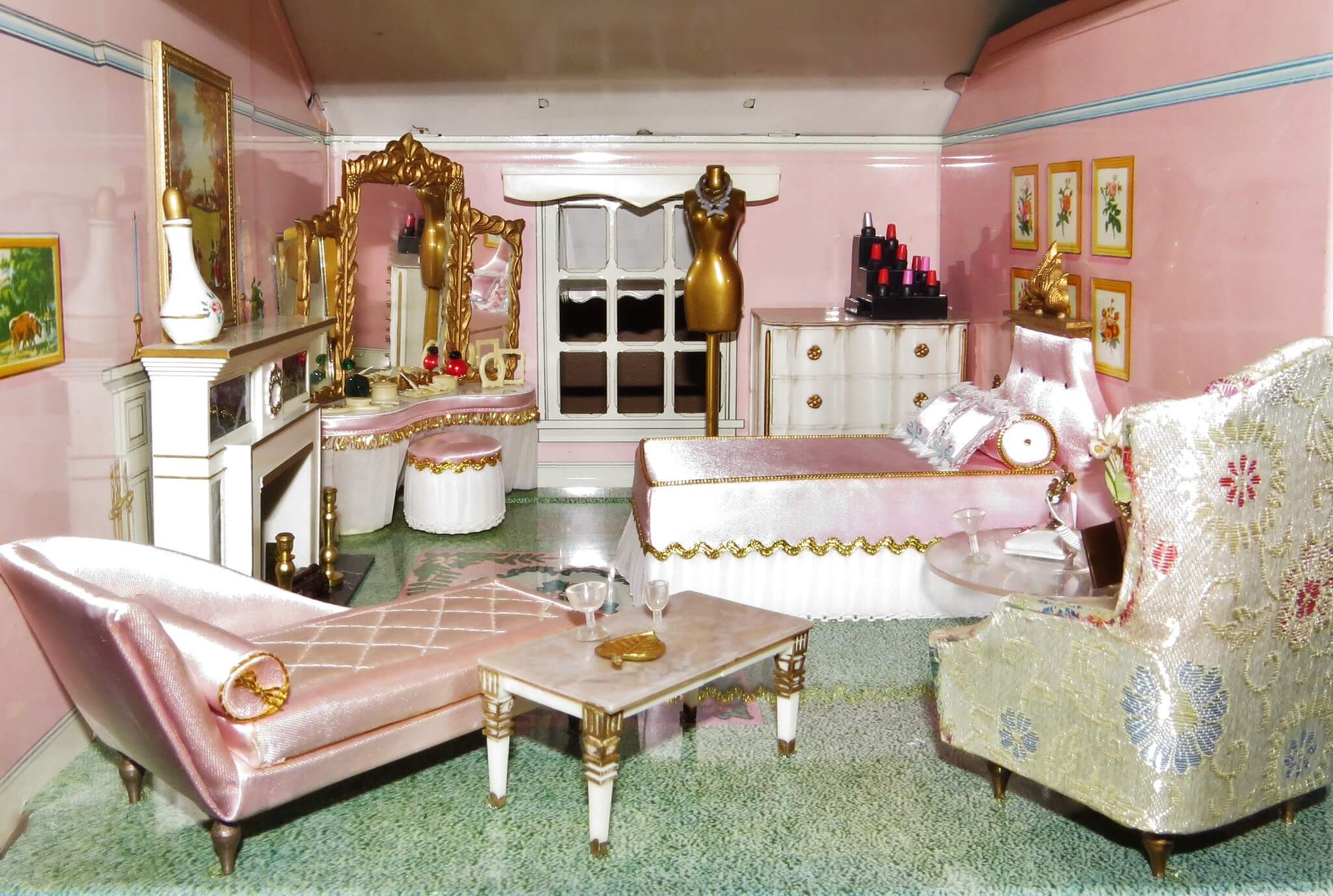
Ideal’s Petite Princess line from 1964 was upscale plastic furniture in a French style, sold in individual boxes with velvet-flocked chairs and gilt accents. It was expensive when new and sold for only a few years.
Boxed Petite Princess pieces and the companion Fantasy Rooms are strongly collected, and the harder-to-find items such as the fountain and the grand piano bring the most.
Ideal Young Decorator Furniture
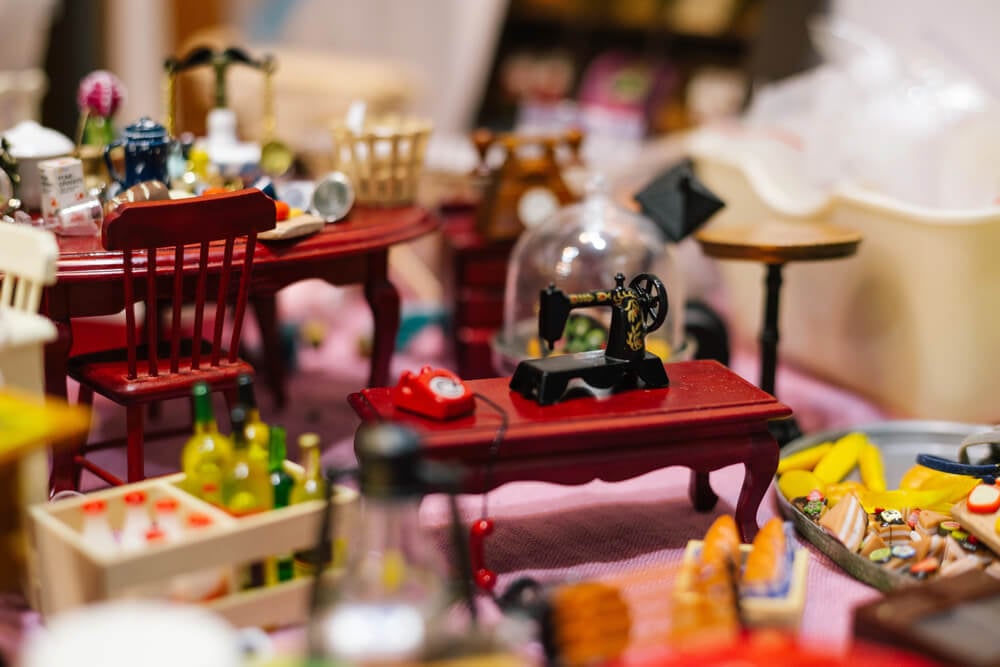
Before Petite Princess, Ideal made the Young Decorator line in 1950, hard plastic furniture in a larger scale with working doors and drawers. The scale was unusual and the line was short-lived, so it is less common than Renwal.
Complete pieces in clean plastic draw a steady following.
Strombecker Wooden Furniture
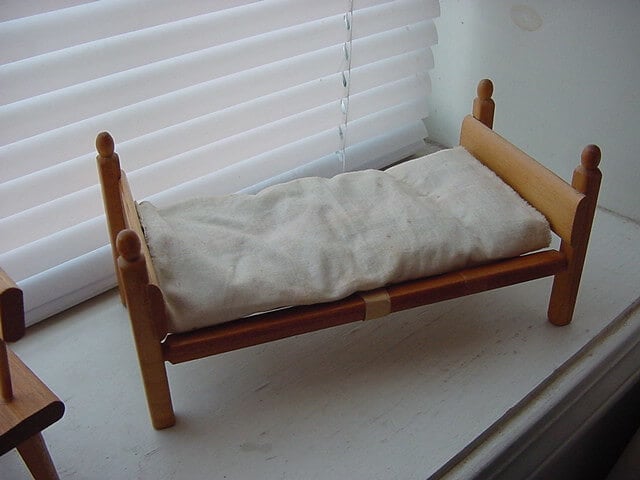
Strombecker of Moline, Illinois, made simple wooden dollhouse furniture from the 1930s into the 1950s, painted in solid colors. It was made in two scales, and the boxed sets with original labels are what collectors want.
The pieces are plain, which is part of their appeal, and the mid-century kitchen sets are especially popular.
Tynietoy
Tynietoy of Providence, Rhode Island, was founded in the 1920s and made colonial-style wooden furniture and houses by hand, painted and stenciled with real care. Tynietoy is at the top of the American market: a complete Tynietoy mansion is a serious investment, and individual pieces are marked with a stamp that collectors verify.
Pieces with original paint and decoration bring the most.
Tri-ang Houses
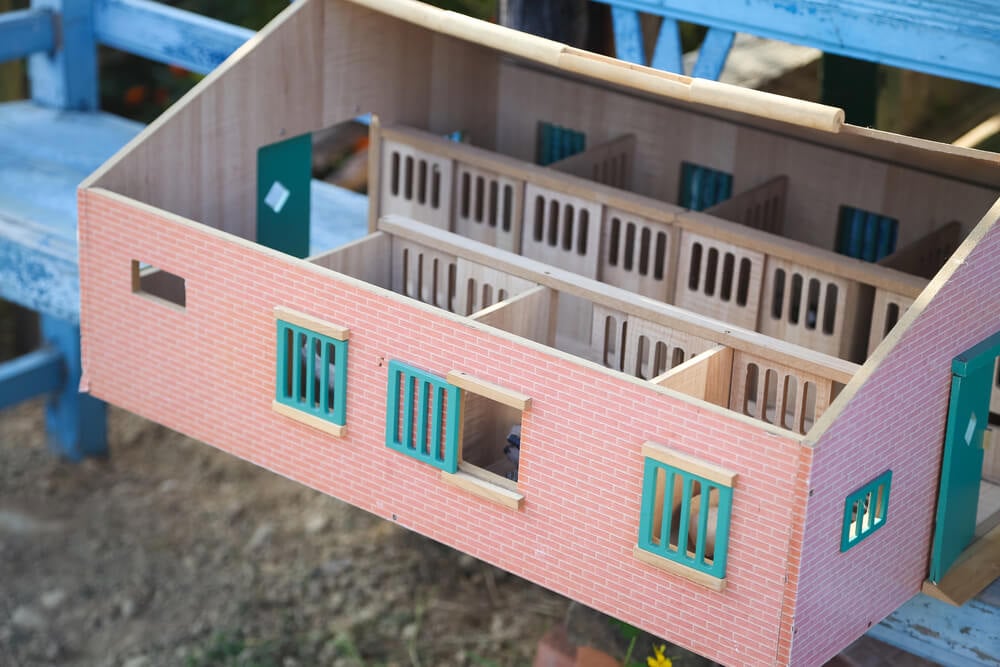
Lines Brothers of London made Tri-ang dollhouses from the 1920s through the 1960s, including the Tudor-style houses with mock half-timbering and metal windows. Tri-ang numbered its houses, and the larger numbers with garages and sun rooms are the sought-after ones.
Original Tri-ang furniture is scarce, so the houses are usually furnished with other makers’ pieces.
Dol-Toi Furniture
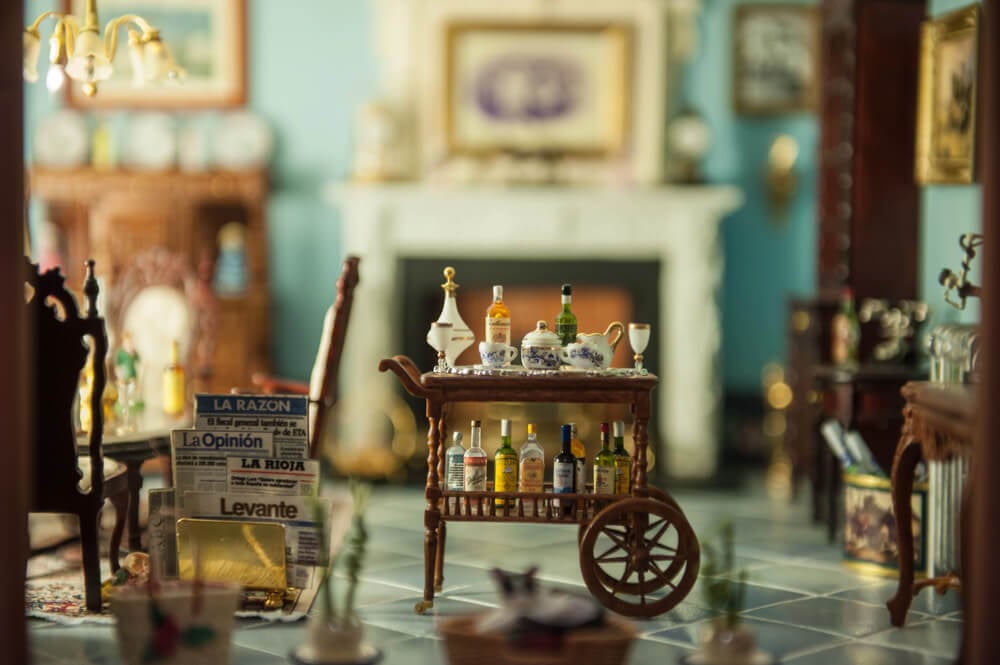
Dol-Toi was a British maker of small-scale wooden furniture from the 1940s to the 1970s, and its pieces furnished a generation of Tri-ang houses. The furniture is plain and slightly chunky, with painted detail.
Boxed Dol-Toi room sets with original labels are the collectible form, and the bathroom sets are often the hardest to complete.
Barton Furniture
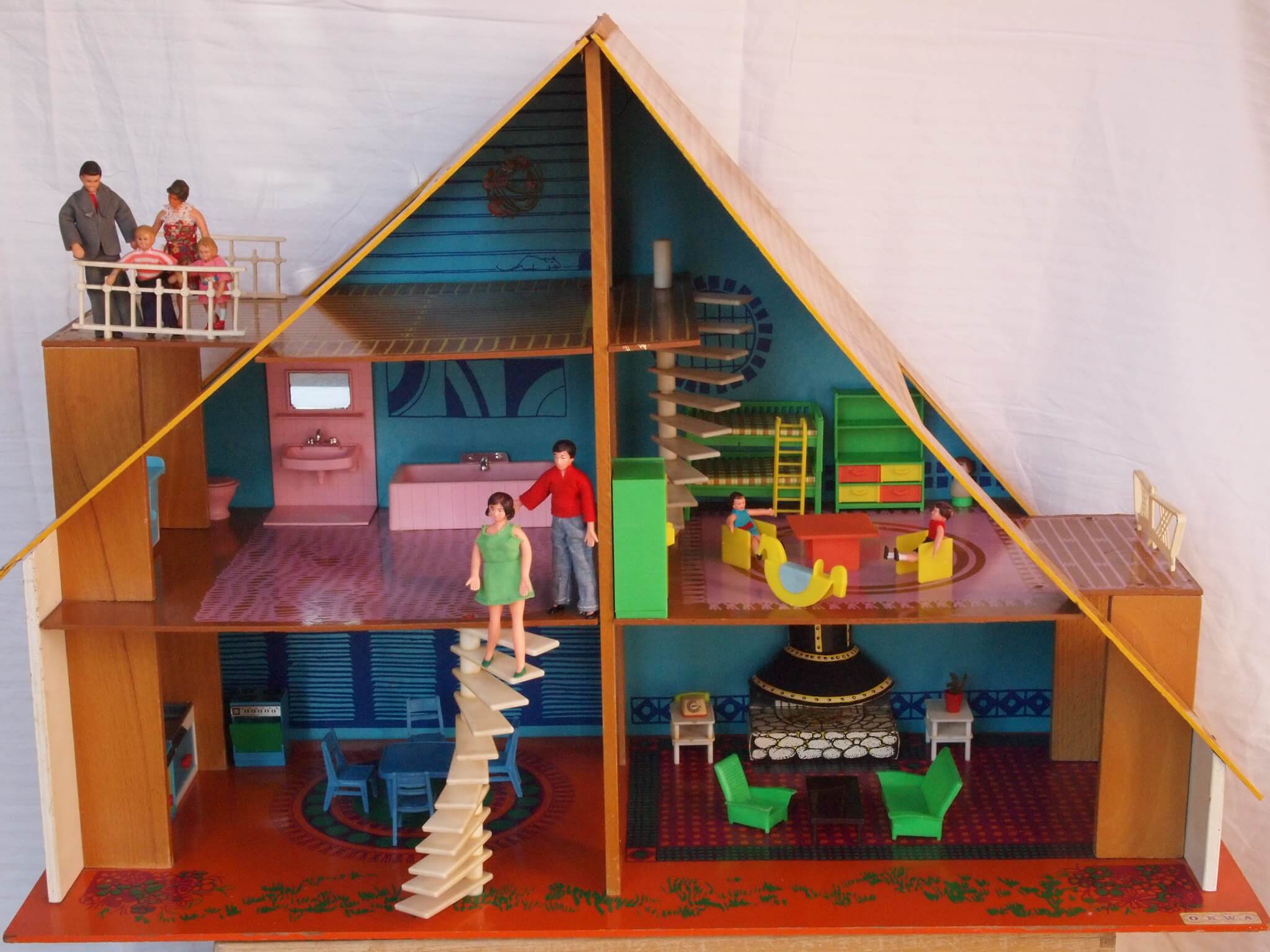
A. Barton of London made wooden dollhouse furniture from the 1940s to the 1980s, and it is the standard British furniture of the mid-century. Barton pieces are recognizable by their wood tones and the small printed labels, and the 1950s kitchens and nurseries are popular.
The firm later produced Caroline’s Home, which is collected separately.
Gottschalk Houses
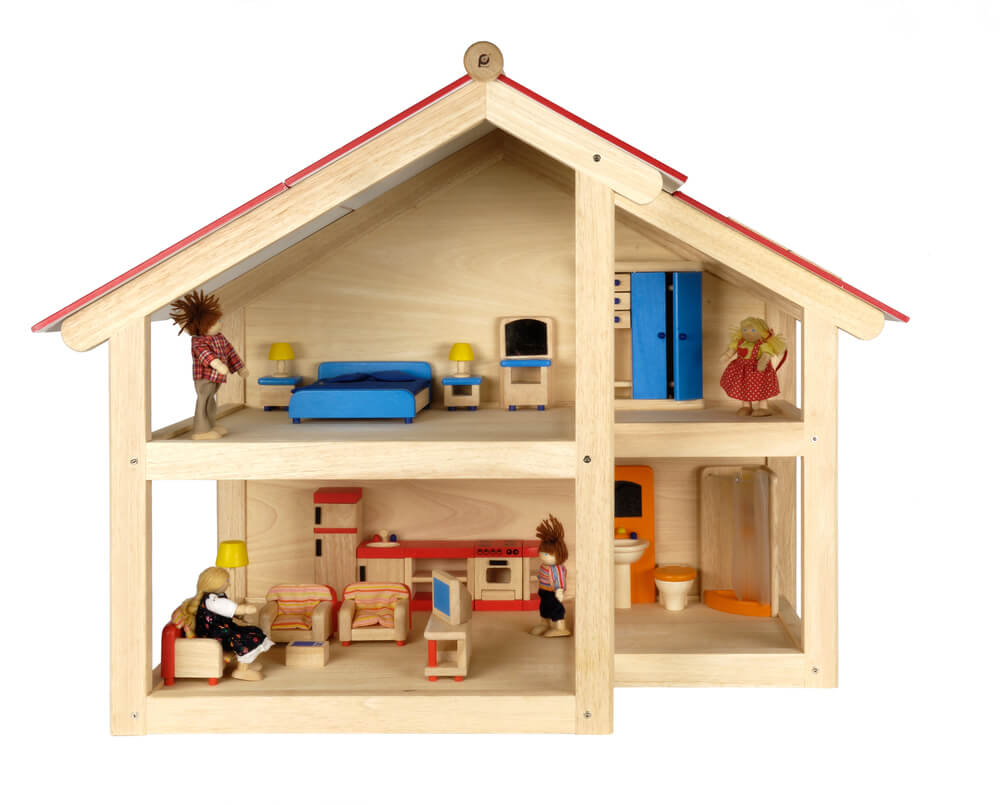
Moritz Gottschalk of Marienberg, Germany, made dollhouses from the 1860s to the 1930s, and the early ones with blue painted roofs are among the most valuable houses in the world. Gottschalk houses are identified by their stamped numbers and their lithographed facades.
A large blue-roof Gottschalk in original condition can bring five figures.
Christian Hacker Houses
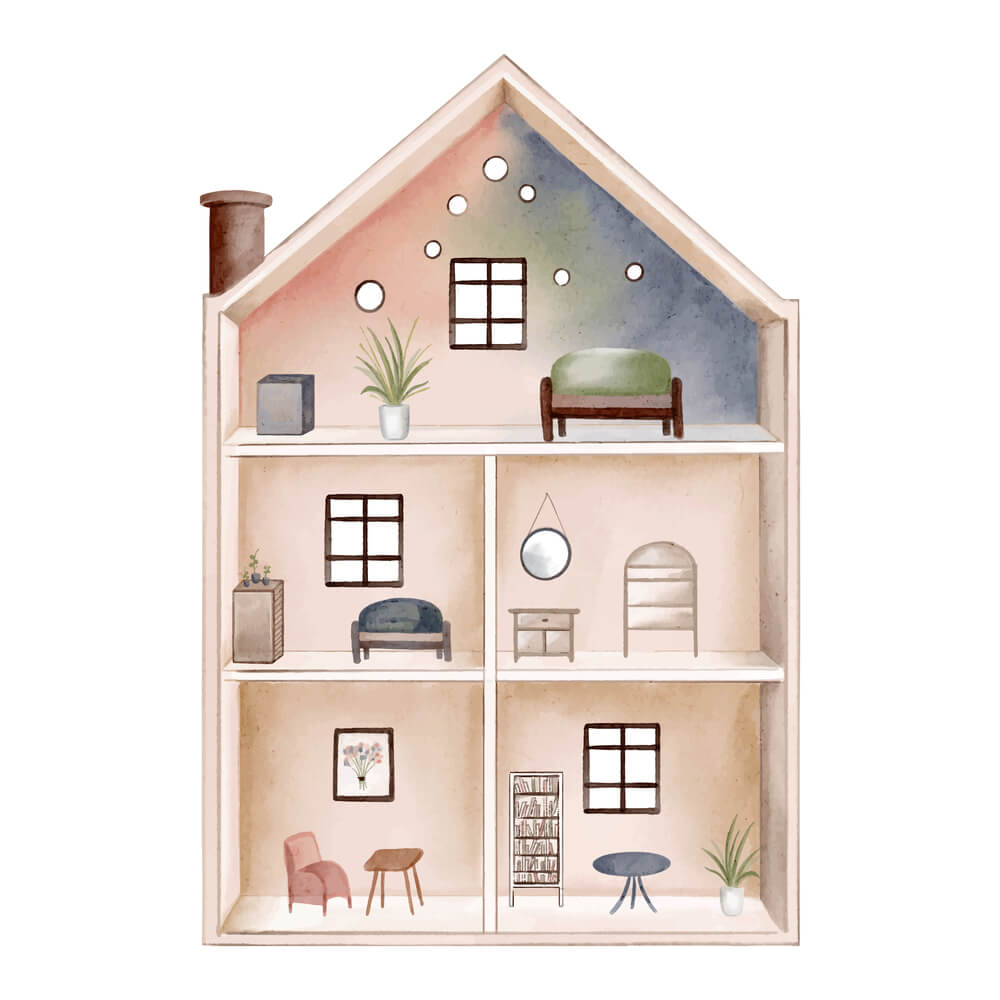
Christian Hacker of Nuremberg made grand houses in the late nineteenth century with mansard roofs and multiple rooms, often built in sections so the floors could be lifted apart. Hacker houses are marked with a stamp of crossed hammers over the initials.
They are rarer than Gottschalk houses and sit at the top of the German market.
Waltershausen Furniture
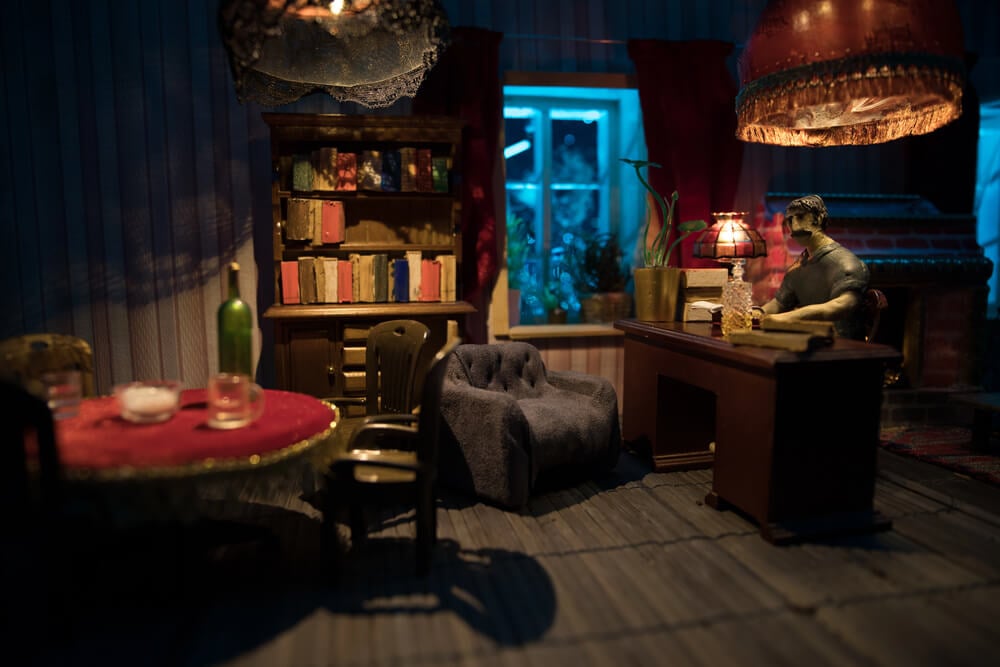
The German town of Waltershausen produced fine imitation-rosewood furniture in the nineteenth century, often called Biedermeier furniture by collectors, with gilt transfers and ivory-paper details. Makers such as Schneegass turned out sideboards, sofas, and pianos in miniature.
Pieces with the gilt decoration intact are scarce and command strong prices.
Kage Furniture
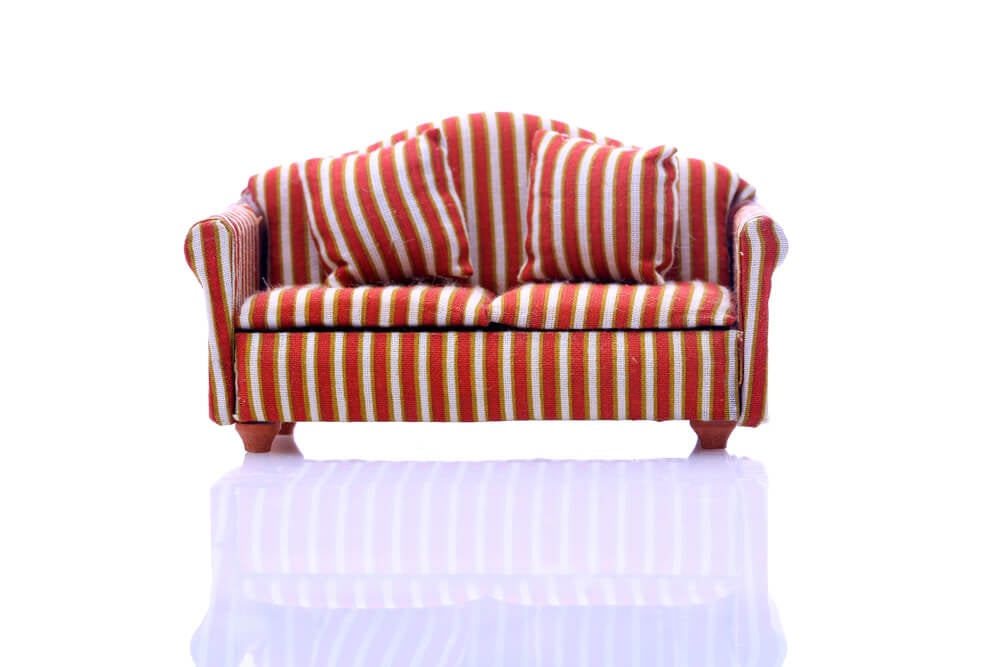
Kage of Manchester, Connecticut, made simple wooden furniture in the 1930s and 1940s, in a larger scale than Strombecker. The pieces are plain and sturdy, and the company’s name is less known, which keeps prices moderate.
Complete sets of Kage bedroom or living room furniture in original paint are the collectible form.
Nancy Forbes Furniture
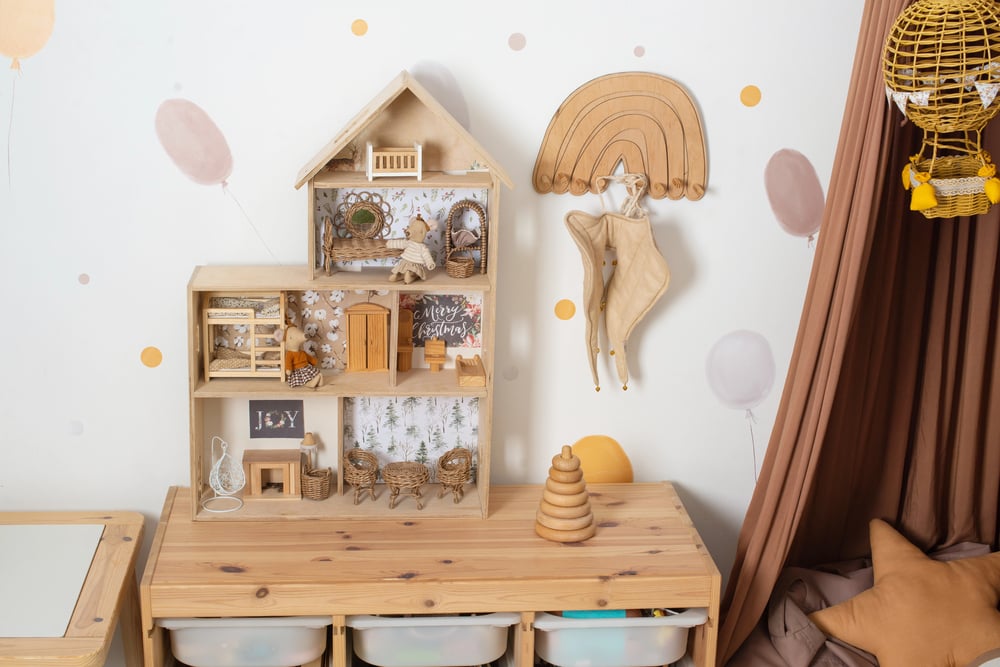
Nancy Forbes was a line of wooden dollhouse furniture made by Rapaport Brothers of Chicago in the 1940s, with painted detail and a few fabric accents. The line is less common than Strombecker and the boxed sets are the goal.
The pieces are recognizable by their slightly larger scale and bright colors.
Keystone of Boston Houses
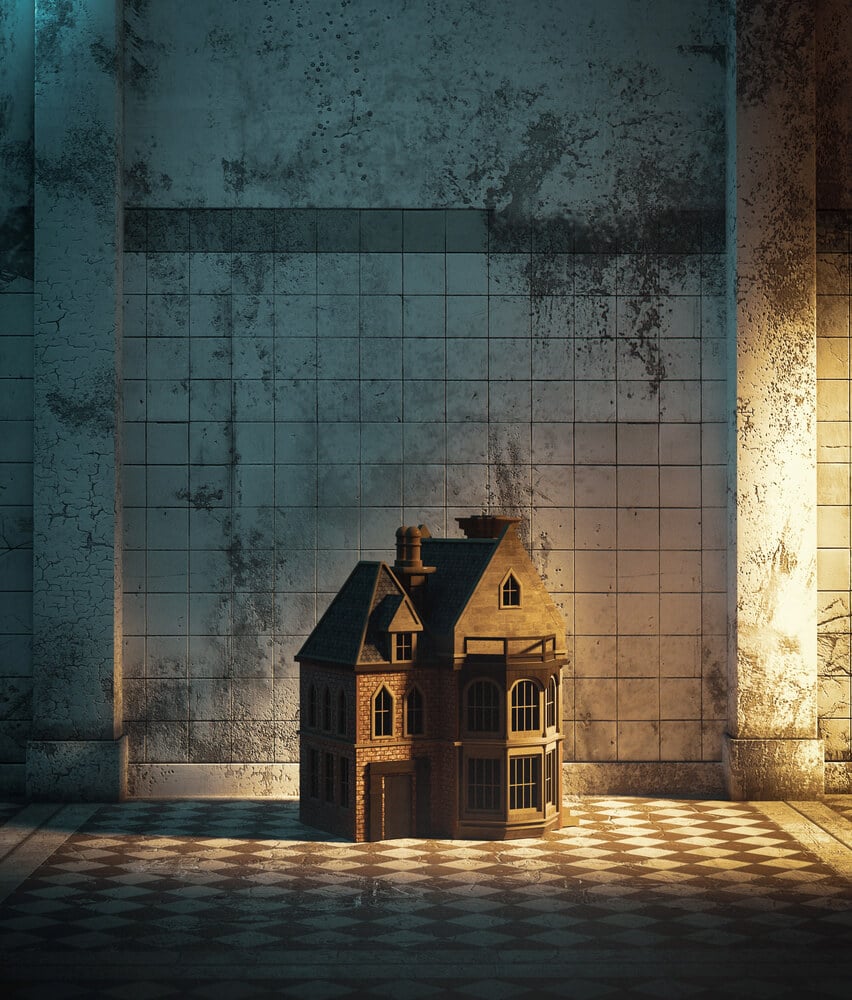
Keystone made wooden dollhouses in the 1930s and 1940s with printed exteriors and simple interiors, often with a garage. The houses were affordable when new and were sold in large numbers, so they remain reasonably priced.
Examples with the original garage doors and intact printed details are the ones that draw attention.
Rich Toys Houses
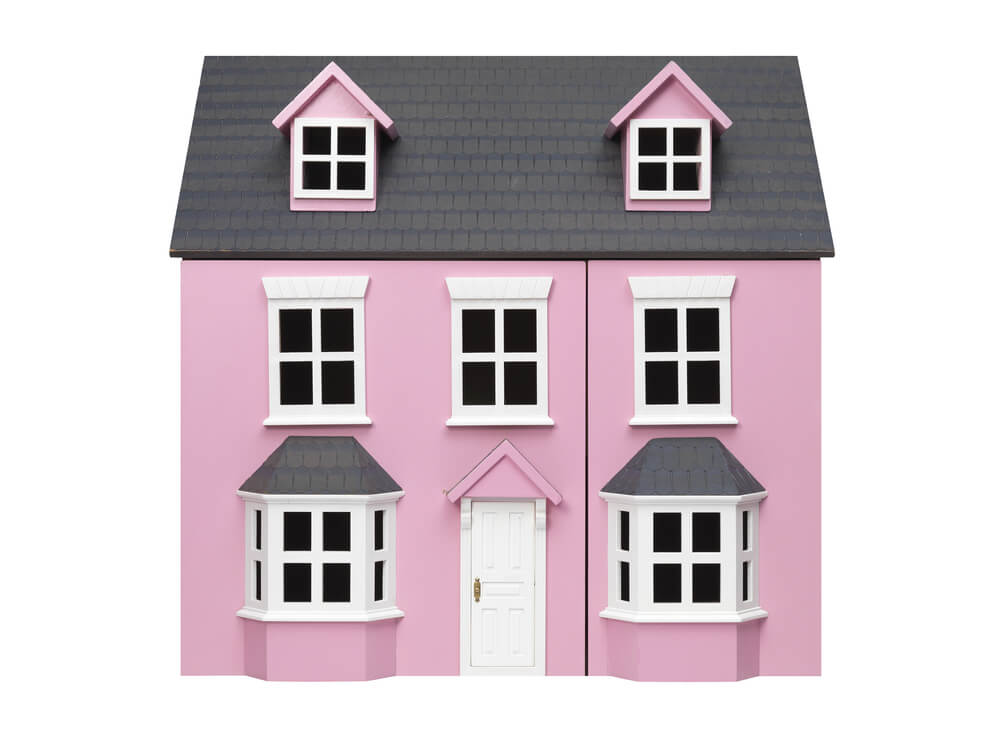
Rich Toys of Clinton, Iowa, made fiberboard dollhouses from the 1930s into the 1950s with lithographed exteriors and metal windows. The colonial and Cape Cod models are the most common, and the larger houses with a two-car garage bring more.
Rich houses are often confused with Keystone houses, and the printed details distinguish them.
Fisher-Price Dollhouses
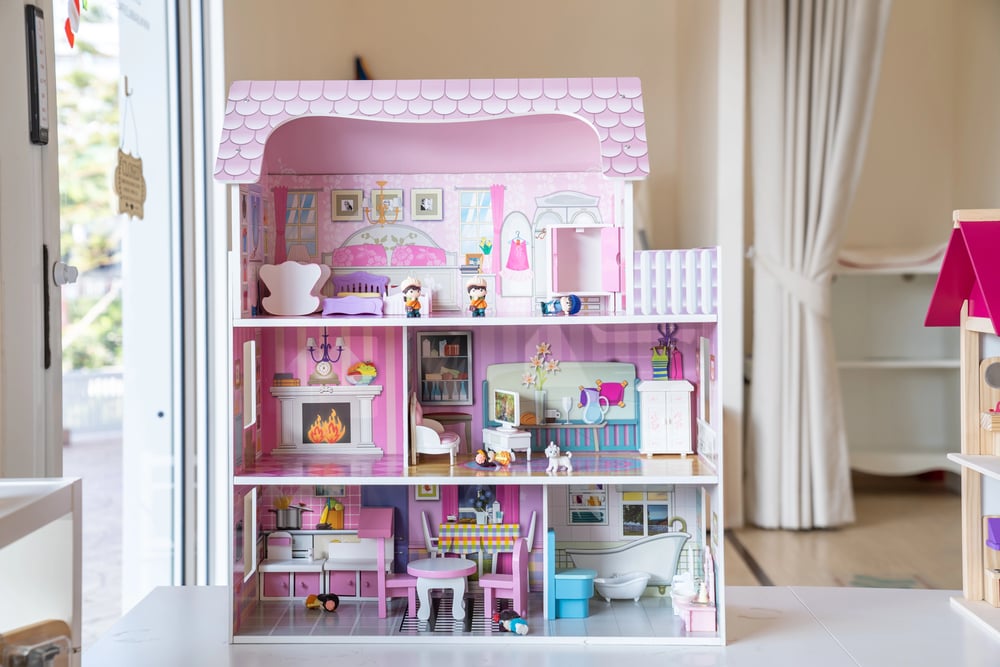
Fisher-Price entered the market in 1969 with the Play Family House, a yellow-roofed house with a working doorbell and a garage, aimed at toddlers. Early examples with the original Little People figures and furniture are collected intensely, and the first production with the wooden figures is the scarce one.
The 1980s Victorian house with its lithographed interior is also rising.
Arcade Cast-Iron Furniture
Arcade of Freeport, Illinois, made cast-iron dollhouse furniture in the 1920s and 1930s, including kitchens with Hotpoint stoves and bathrooms with Crane fixtures, licensed from real manufacturers. The pieces are heavy and the paint chips, so examples with bright original paint are prized.
Complete boxed kitchen sets are the top of the market.
The Littles
Mattel’s The Littles from 1980 was a line of die-cast metal furniture and small dolls, sold in boxed sets with houses that folded for storage. The metal furniture was detailed and durable, and the line was short-lived.
Boxed sets with the dolls and all the accessories are collected, and the complete house is the most sought item.
The House That Fits in a Hand
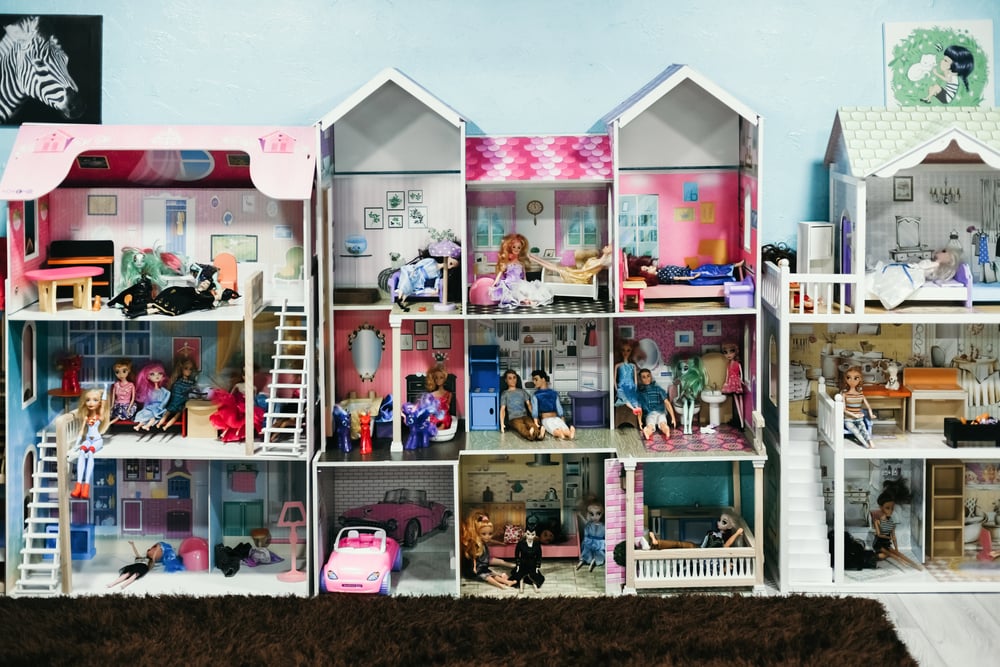
A dollhouse is the only toy that is also a floor plan, and that is why collectors read them like documents. The blue roof on a Gottschalk, the Hotpoint stove in an Arcade kitchen, the breezeway on a Marx colonial: each is a note about what a family wanted at a particular moment.
The furniture survives less often than the house, which inverts the usual logic. A single tiny Renwal piano with its lid intact can outsell the tin house it sat in, because the piano was fragile and the house was not.
The miniature world keeps its own accounts.
More from Go2Tutors!

- The Romanov Crown Jewels and Their Tragic Fate
- 13 Historical Mysteries That Science Still Can’t Solve
- Famous Hoaxes That Fooled the World for Years
- 15 Child Stars with Tragic Adult Lives
- 16 Famous Jewelry Pieces in History
Like Go2Tutors’s content? Follow us on MSN.