15 School Supplies That Became Status Symbols
Certain school supplies transcended their practical purposes and became powerful indicators of social standing among students, often determining who was considered cool and who wasn’t. These items created unofficial hierarchies in classrooms and hallways, with kids desperately wanting the ‘right’ brands or versions to fit in with their peers. The transformation from functional tool to status symbol usually happened when manufacturers began targeting children directly with colorful designs, celebrity endorsements, or features that went far beyond basic utility.
The intense desire for these supplies often puzzled parents who wondered why something as simple as a pencil case or folder could make such a difference in their child’s social life. Here is a list of 15 school supplies that became status symbols.
Trapper Keeper
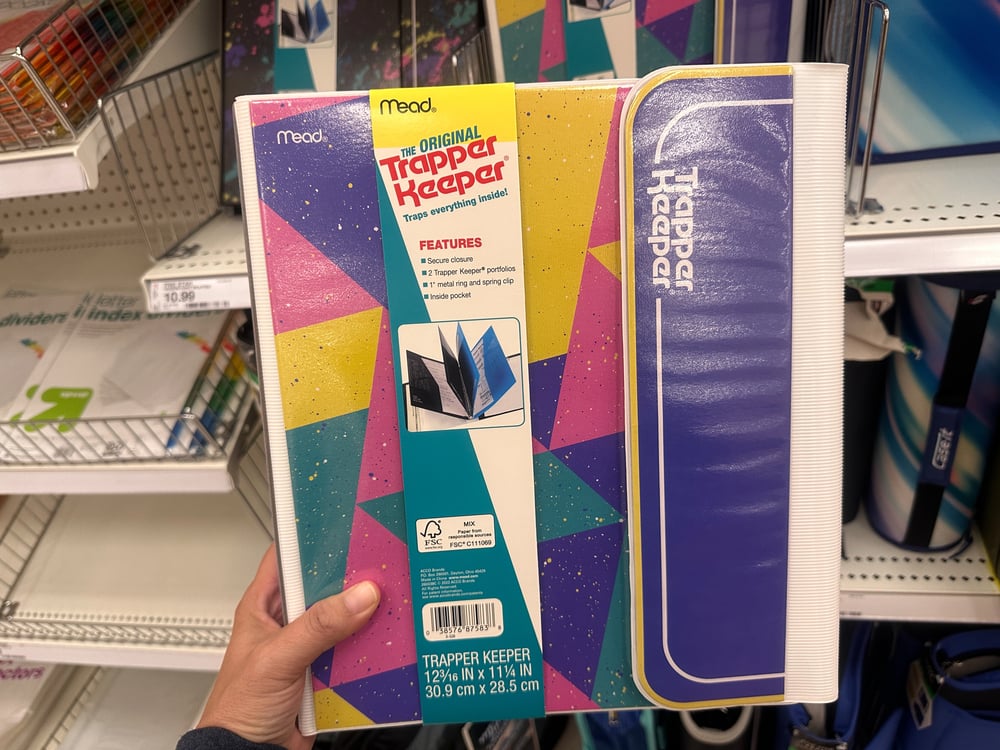
The Trapper Keeper revolutionized binder organization in the 1980s but quickly became the ultimate back-to-school status symbol with its velcro closure and futuristic design. Kids who owned the latest models with holographic covers automatically gained social currency in elementary and middle school hallways.
Lisa Frank Folders
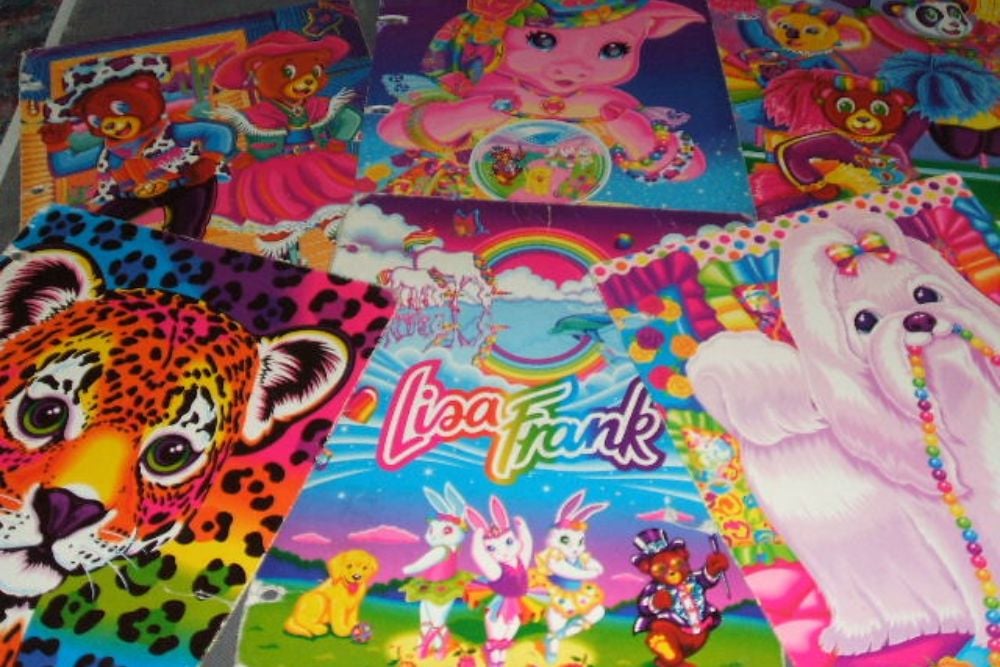
Lisa Frank’s rainbow unicorns, dolphins, and pandas turned ordinary pocket folders into coveted collectibles that defined 1990s elementary school culture. Many students—especially girls—competed to own the newest designs, creating an instant visual marker of who was plugged into the latest trends.
Gel Pens

The arrival of gel pens in multiple colors transformed note-taking from a mundane task into an artistic expression that determined social hierarchies in middle school classrooms. Students who owned complete sets of glittery, metallic, or neon gel pens could create eye-catching assignments that impressed both teachers and classmates.
Mechanical Pencils

The shift from wooden pencils to mechanical versions created a clear divide between students who had embraced modern technology and those still using ‘baby’ supplies. Kids competed to own the most advanced models with comfortable grips, multiple lead sizes, or built-in erasers that demonstrated their sophistication.
Designer Backpacks
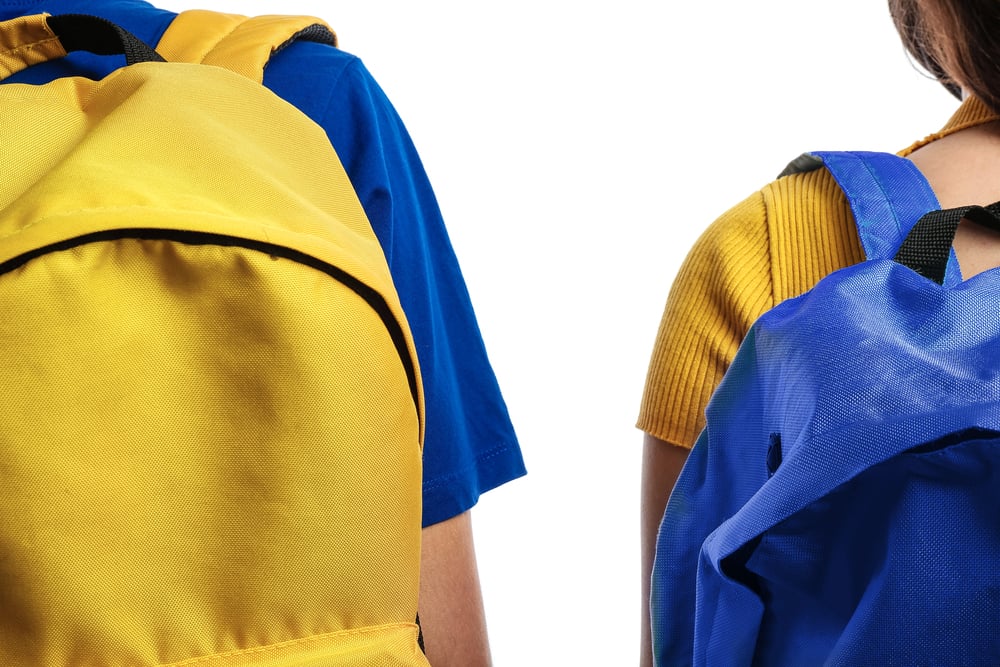
Brands like JanSport and Eastpak transformed the humble book bag into a fashion statement that communicated everything about a student’s taste and family income. Brand recognition became a kind of shorthand for social rank.
Calculators
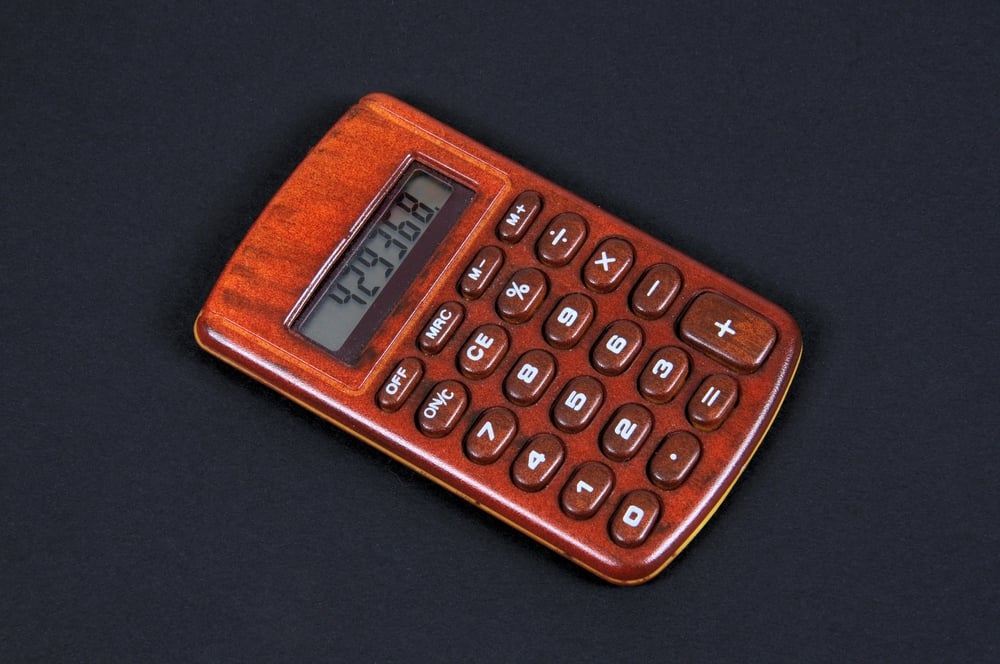
The progression from basic calculators to advanced graphing models created a hierarchy among math students, with those owning Texas Instruments or Casio graphing calculators gaining respect and envy. These expensive devices became symbols of academic seriousness and family investment in education.
Pencil Cases

What started as simple containers for writing supplies evolved into elaborate organizational systems with multiple compartments, zippers, and branded designs that reflected personal style. Students competed to own the most unique or functional pencil cases, from hard plastic versions to soft fabric designs featuring popular characters.
Rulers

Clear plastic rulers with colorful designs or built-in features like magnifying glasses transformed this basic measuring tool into a collectible item that students displayed prominently on their desks. The shift from plain wooden rulers to decorative plastic versions created opportunities for self-expression and social signaling.
Erasers

Novelty erasers in shapes ranging from food items to cartoon characters turned error correction into a form of artistic expression among elementary school students. Kids collected these miniature sculptures, trading them like valuable commodities and using them to signal their interests and personality traits.
Highlighters

The introduction of highlighters in multiple colors beyond basic yellow created new opportunities for students to demonstrate their organizational skills through color-coded notes. Students who owned complete sets of highlighters could create visually impressive study materials that impressed teachers and intimidated classmates.
Binders

Three-ring binders evolved from simple organizational tools into complex systems with clear cover sleeves that allowed students to display their personality through inserted photos or artwork. The thickness and quality of binders became status markers, with students competing to own the most durable versions.
White-Out

Correction fluid became a status symbol when brands began offering versions with improved formulas, precision applicators, or decorative bottles that made error correction feel almost luxurious. Students who owned the latest white-out technology could fix mistakes cleanly and efficiently, demonstrating attention to detail.
Protractors
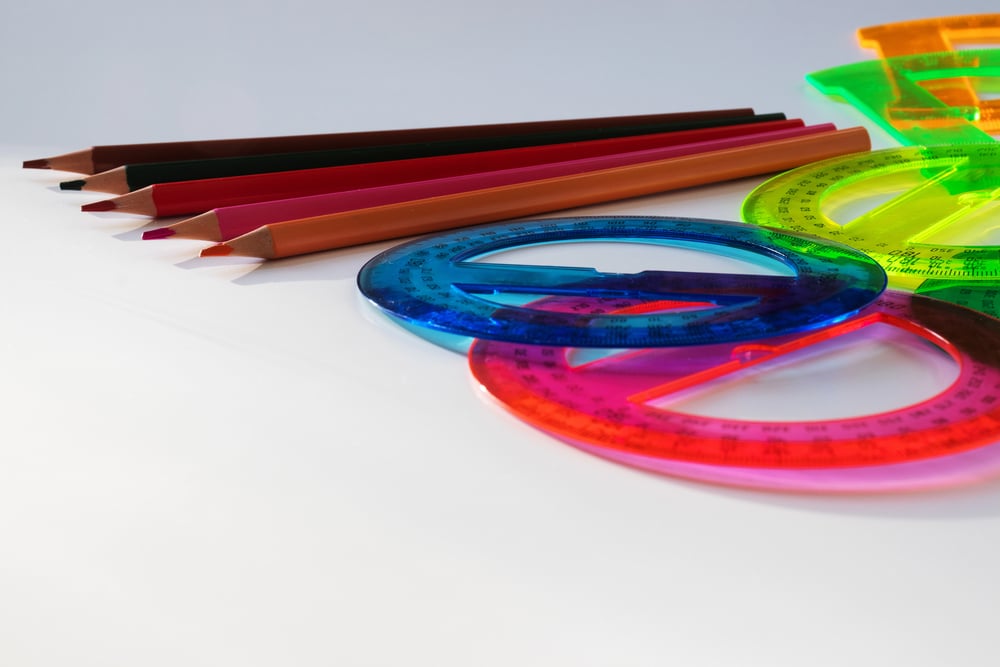
Geometry tools like protractors gained status when manufacturers began producing versions with enhanced features like flexible arms, built-in compasses, or transparent materials. Students who owned professional-quality protractors gained respect in math classes and often found themselves lending their tools to less prepared classmates.
Sticky Notes

Post-it notes transformed from office supplies into student status symbols when manufacturers introduced them in multiple colors, sizes, and patterns. Students who used sticky notes effectively for planning and note-taking demonstrated sophistication in their study methods that impressed both teachers and peers.
Sharpeners
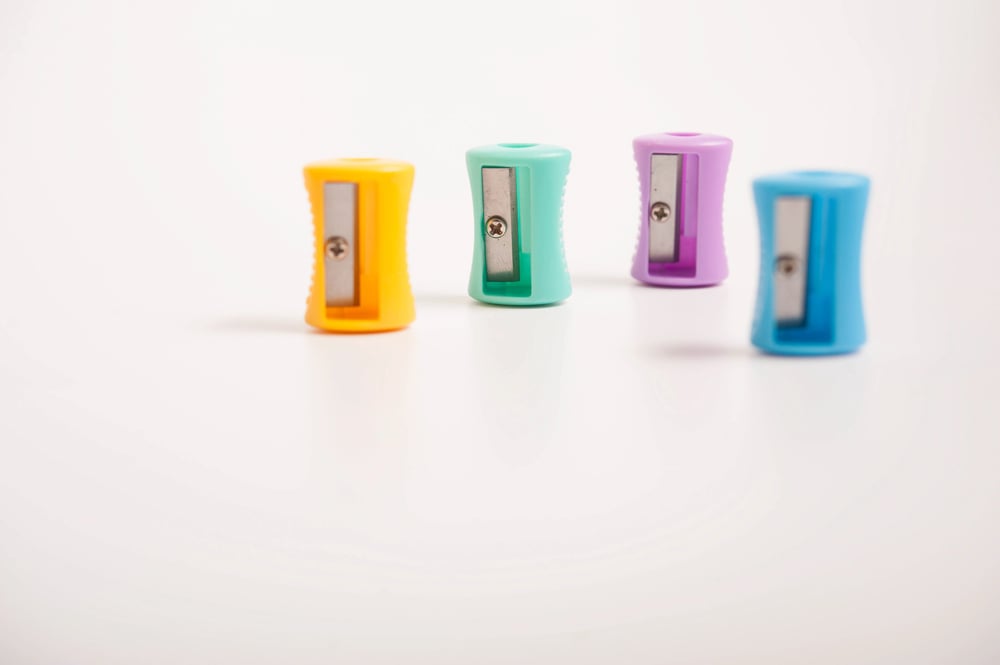
Electric pencil sharpeners and high-quality manual versions with comfortable grips and precise mechanisms elevated this basic tool into a coveted classroom accessory. The quality of pencil point achieved by different sharpeners became a matter of pride, with students comparing the precision and smoothness of their sharpened pencils.
When Supplies Define Social Standing
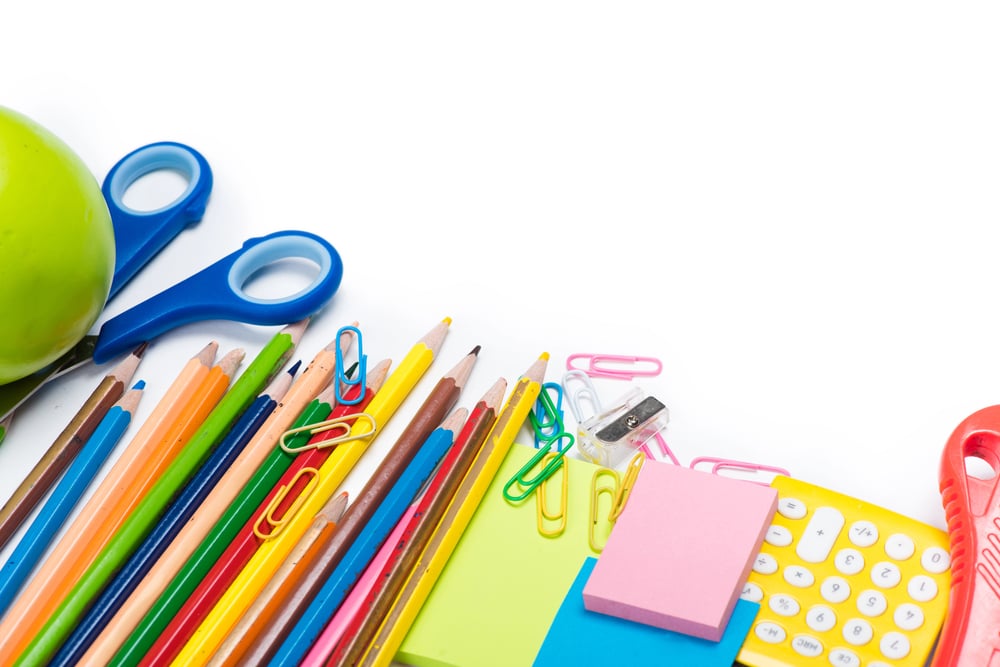
These status symbol school supplies remind us that children create social hierarchies around almost anything, transforming the most mundane objects into markers of belonging and acceptance. The intense emotions surrounding these items reflected deeper needs for identity, friendship, and recognition that went far beyond their practical classroom functions.
Parents who dismissed these concerns as materialistic often missed the real social dynamics at play, where the right supplies could mean the difference between inclusion and isolation for their children. These seemingly silly obsessions taught important lessons about consumerism, peer pressure, and the human need to belong that extended far beyond the classroom walls.
More from Go2Tutors!

- The Romanov Crown Jewels and Their Tragic Fate
- 13 Historical Mysteries That Science Still Can’t Solve
- Famous Hoaxes That Fooled the World for Years
- 15 Child Stars with Tragic Adult Lives
- 16 Famous Jewelry Pieces in History
Like Go2Tutors’s content? Follow us on MSN.