27 Old Guitars and Instruments Worth Big Money
An instrument is one of the few objects that gets better with use. Spruce tops open up, lacquer checks, and a guitar that has been played for sixty years sounds different from one that has not.
That is the foundation of the vintage market, and it is why a 1959 Les Paul that cost a few hundred dollars new can now cost more than a house.
The rules are the same as in any collectible field: originality, condition, and provenance decide the price, and a replaced part can cut the value in half. Every figure below depends on condition first.
1959 Gibson Les Paul Standard
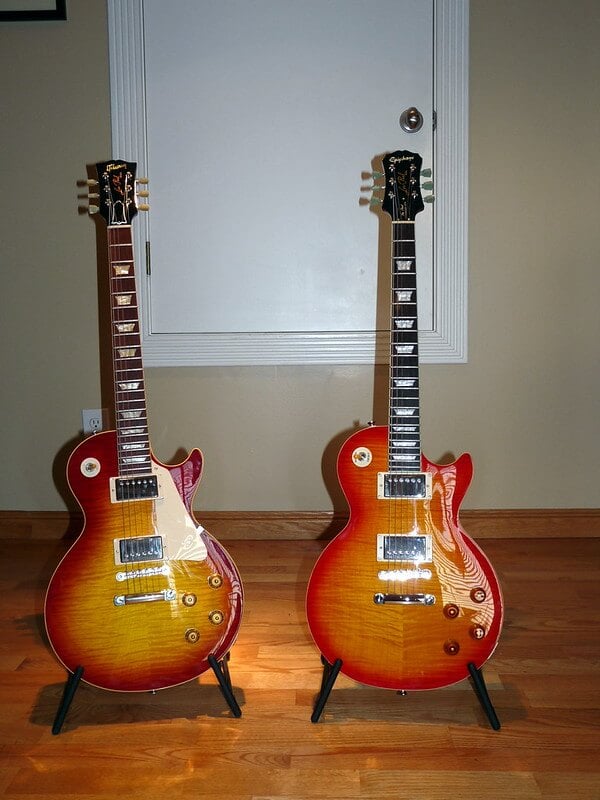
The 1958 through 1960 sunburst Les Paul Standard is the most valuable production electric guitar, and 1959 is the year collectors treat as the peak, with its figured maple top and the neck profile players prefer. Only around 1,700 sunbursts were made across the three years, and the ones with dramatic flame tops bring the most.
Prices for clean examples run well into six figures, and famous ones have sold for far more.
1958 Gibson Explorer and Flying V
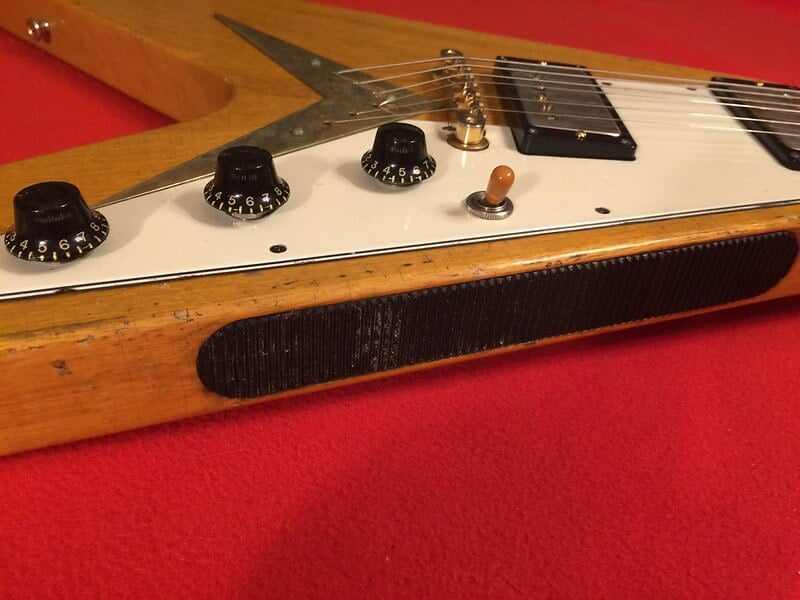
Gibson’s 1958 modernist designs, the Explorer and the Flying V, were built from korina wood and sold so badly that production stopped within two years. Fewer than 100 Explorers and around 100 Flying Vs were shipped in the original run.
An original korina Explorer is among the rarest American electrics and sits comfortably in six figures.
Prewar Martin D-45
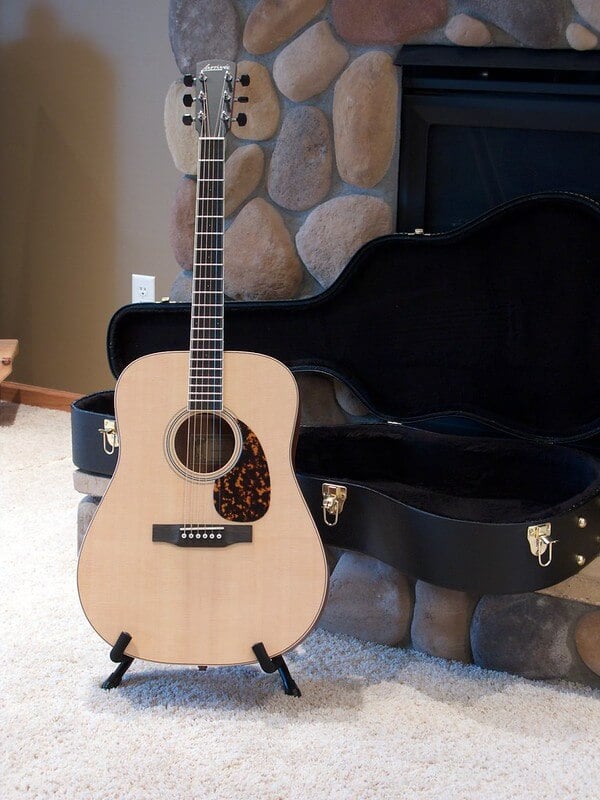
Martin built only 91 D-45 dreadnoughts between 1933 and 1942, with abalone inlay around the top, back, sides, and fingerboard. They are the most valuable production flat-top guitars in the world, and examples have sold in the mid six figures.
The first D-45 was built for Gene Autry in 1933, and the model’s reputation has never faded.
Prewar Martin D-28 Herringbone
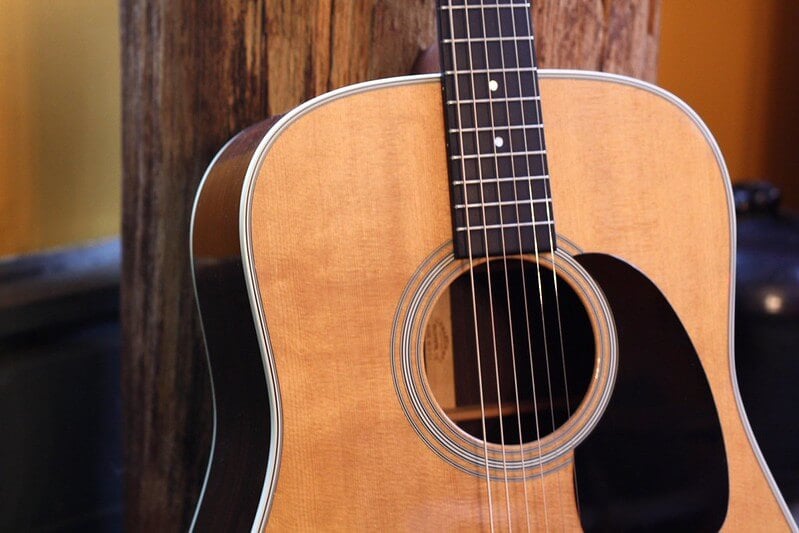
The D-28 with herringbone trim, built before Martin dropped the herringbone purfling in 1947, is the sound of bluegrass and folk. Prewar examples with the original scalloped bracing are the ones players and collectors fight over.
A clean 1930s herringbone D-28 is a six-figure guitar, and even the 1940s examples are far above $50,000.
1954 Fender Stratocaster
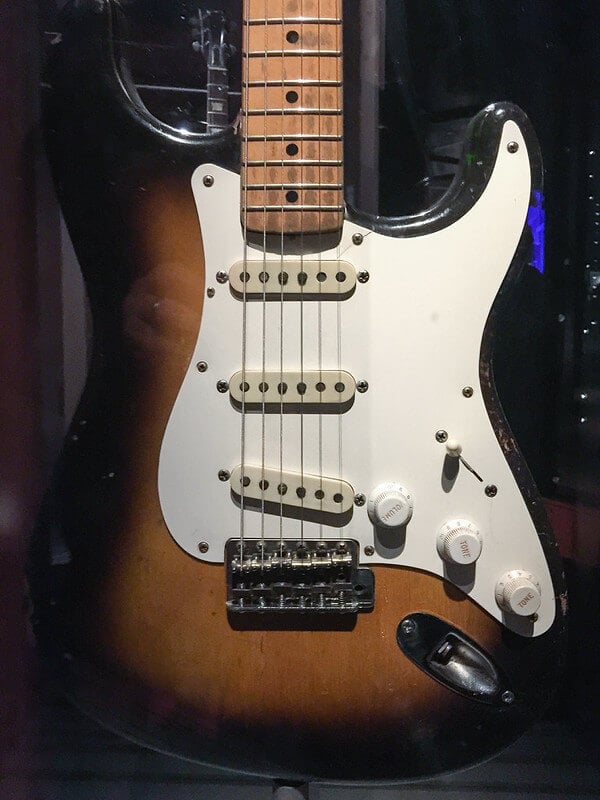
The Stratocaster was introduced in 1954, and first-year examples with the early details, including the round string tree and the serial number on the tremolo cover, are the most valuable Strats. Leo Fender’s design became the most copied electric guitar in history.
Original 1954 Strats are six-figure instruments, and any pre-1965 Strat in original condition is worth serious money.
1950 Fender Broadcaster
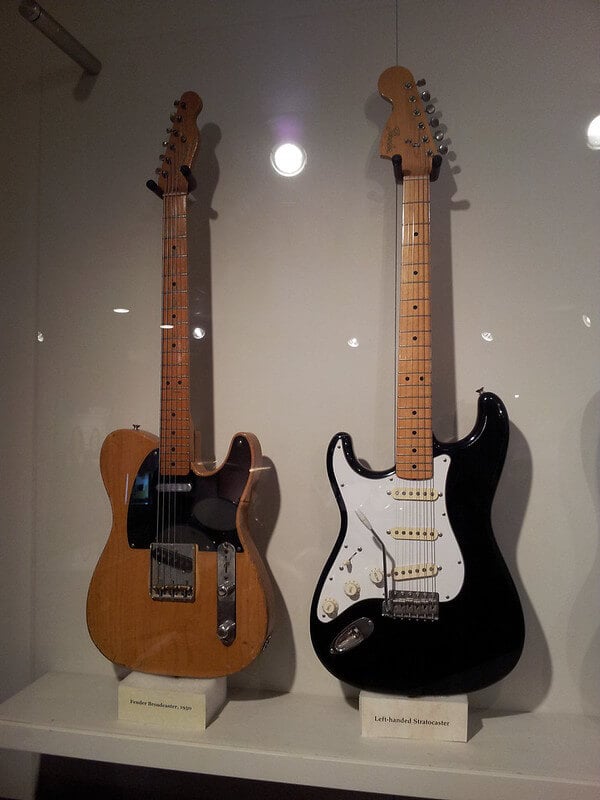
The Broadcaster was Fender’s first solid-body production guitar, renamed the Telecaster in 1951 after Gretsch objected to the name. Only a few hundred Broadcasters were made, and for a brief period Fender shipped guitars with no model name at all, now called Nocasters.
Both are among the most valuable Fenders, and clean Broadcasters bring six figures.
1958 Gibson ES-335
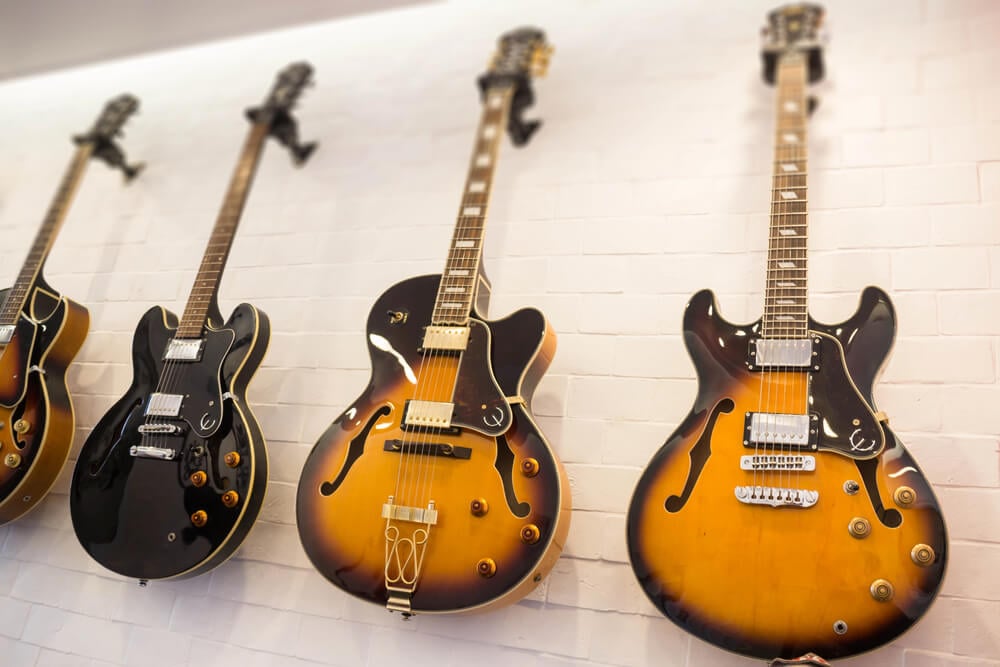
The semi-hollow ES-335 arrived in 1958, and the first examples with unbound necks and dot fingerboard inlays are the collectible ones. The dot-neck 335s of 1958 through 1961 are prized by players for their sound and by collectors for their scarcity.
Blonde examples, made in small numbers, bring far more than sunburst.
1930s Gibson Super 400
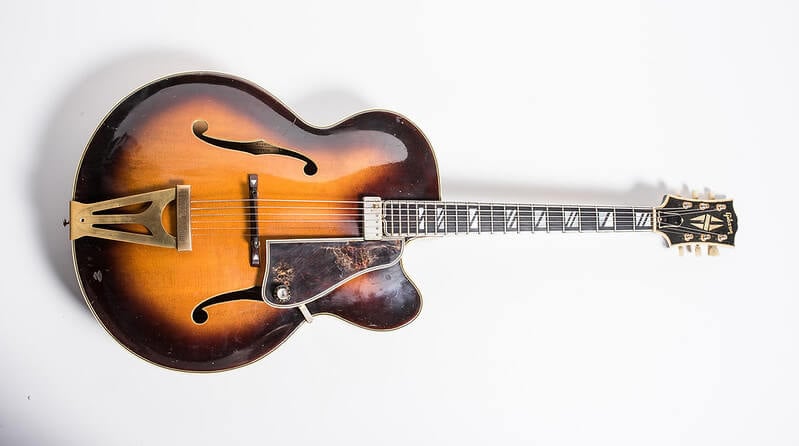
Gibson introduced the Super 400 in 1934 as the largest and most expensive archtop in its catalog, at 18 inches across. It was built for big-band rhythm playing and finished with elaborate inlay.
Prewar Super 400s in good condition are five- and six-figure guitars, and the earliest examples with the original tailpiece are the most sought.
Gibson Advanced Jumbo
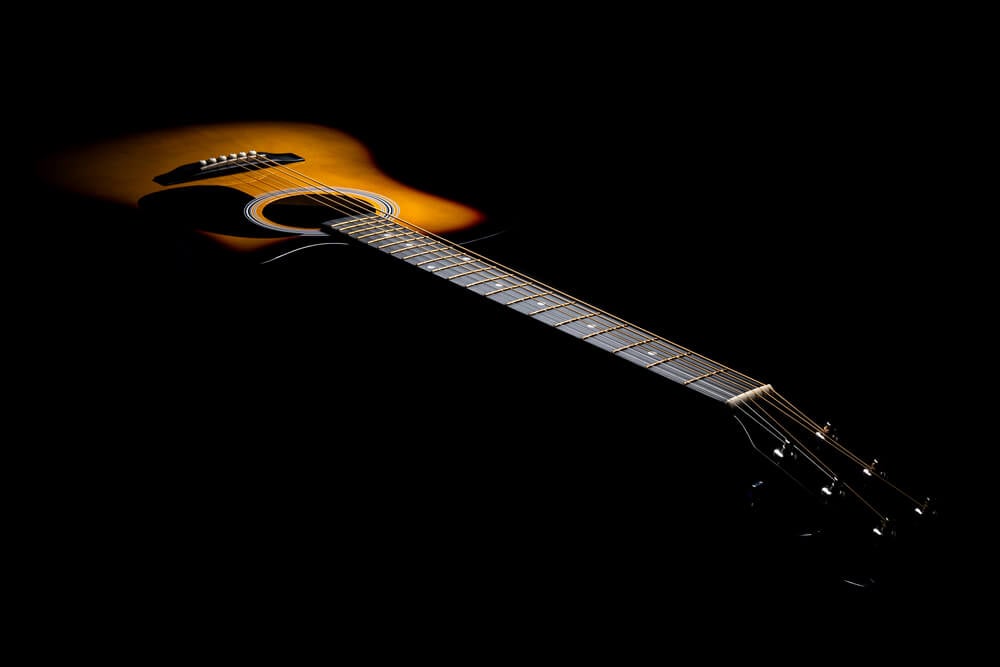
Gibson built the Advanced Jumbo, a rosewood dreadnought, from 1936 to 1940 in small numbers, around 300 in all. It is widely considered Gibson’s finest prewar flat-top and a rival to the Martin D-28.
Because so few were made, original Advanced Jumbos are rarely offered and bring six figures when they are.
D’Angelico Archtops
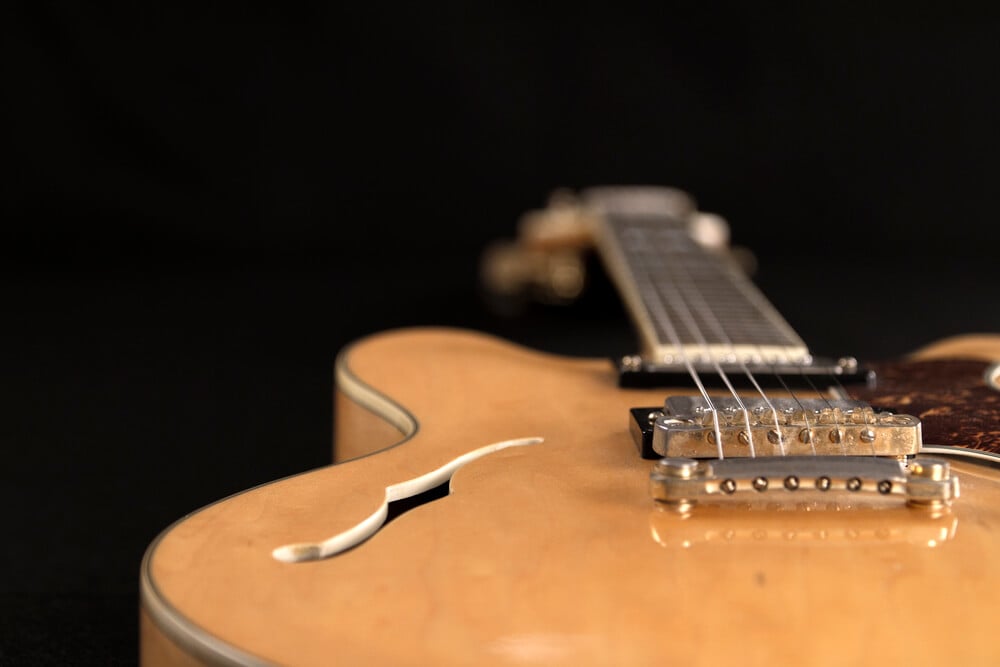
John D’Angelico built archtop guitars by hand in New York from 1932 until his death in 1964, numbering around 1,164 instruments. His New Yorker and Excel models are the summit of American archtop building.
A D’Angelico New Yorker in original condition is a six-figure guitar, and the earliest examples are the most valuable.
Stromberg Master 400
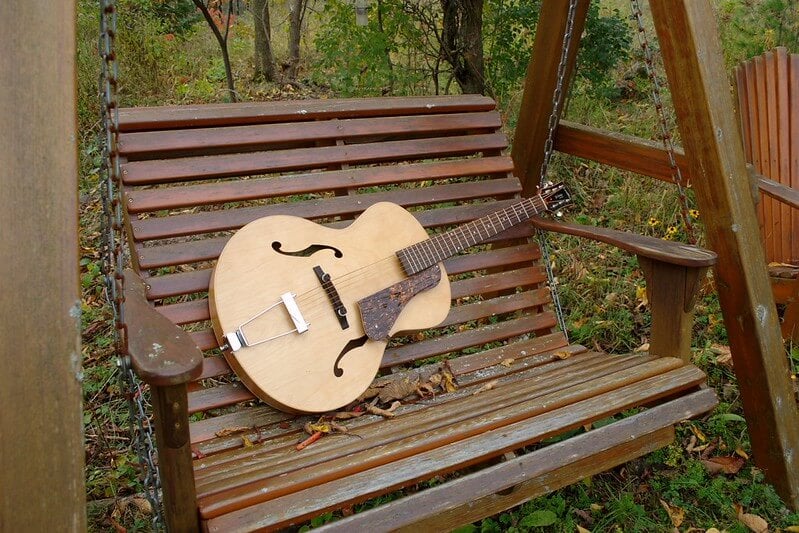
Charles and Elmer Stromberg of Boston built a small number of enormous archtops, and the Master 400, at 19 inches wide, was built for cutting through a big band. Fewer than 700 Strombergs of all models are thought to have been made.
A Master 400 is one of the rarest and most valuable archtops, and examples seldom come to market.
Pre-CBS Fender Guitars
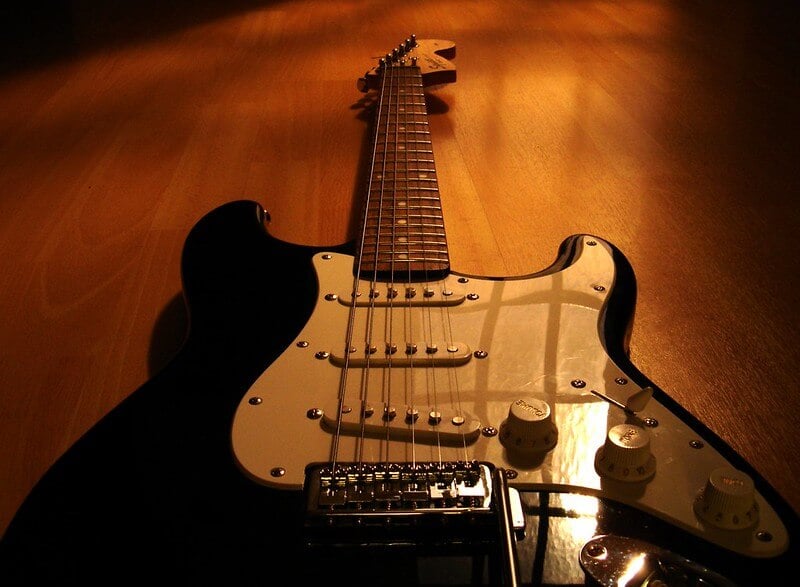
CBS bought Fender in January 1965, and guitars made before the sale are collected as pre-CBS. The early 1960s Stratocasters, Jazzmasters, and Jaguars with slab rosewood fingerboards and custom colors are the ones that bring the most.
A custom-color pre-CBS Strat in original finish is a high five-figure guitar at minimum.
1950s Gretsch White Falcon
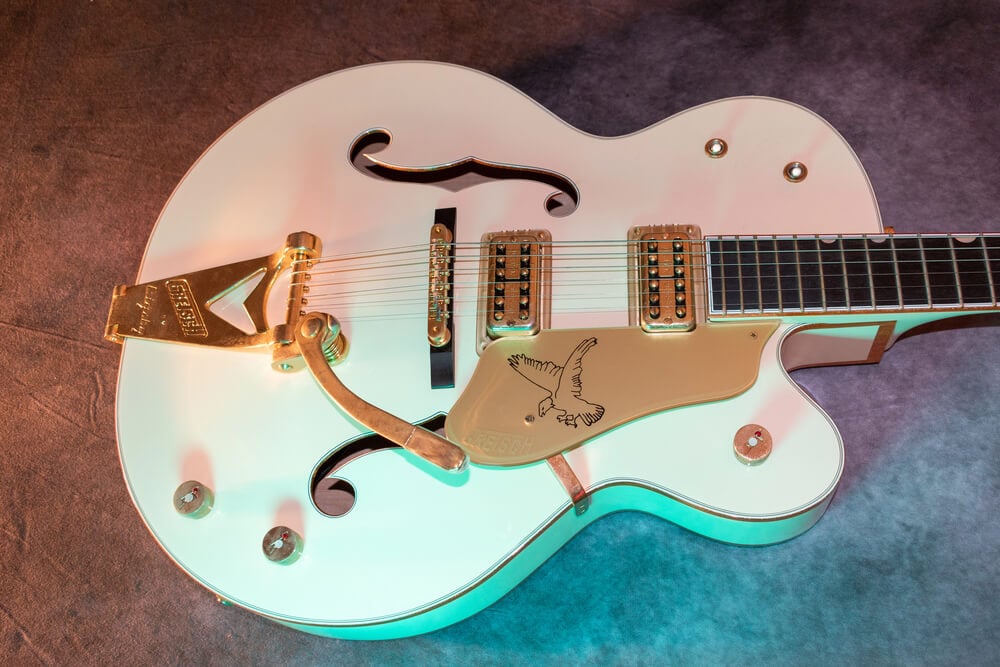
Gretsch introduced the White Falcon in 1955 as a showpiece, finished in white with gold sparkle binding and gold-plated hardware. It was the most expensive guitar in the catalog, and the single-cutaway examples from the 1950s are the collectible ones.
Original 1950s White Falcons bring high five figures and above.
1964 Rickenbacker 360/12
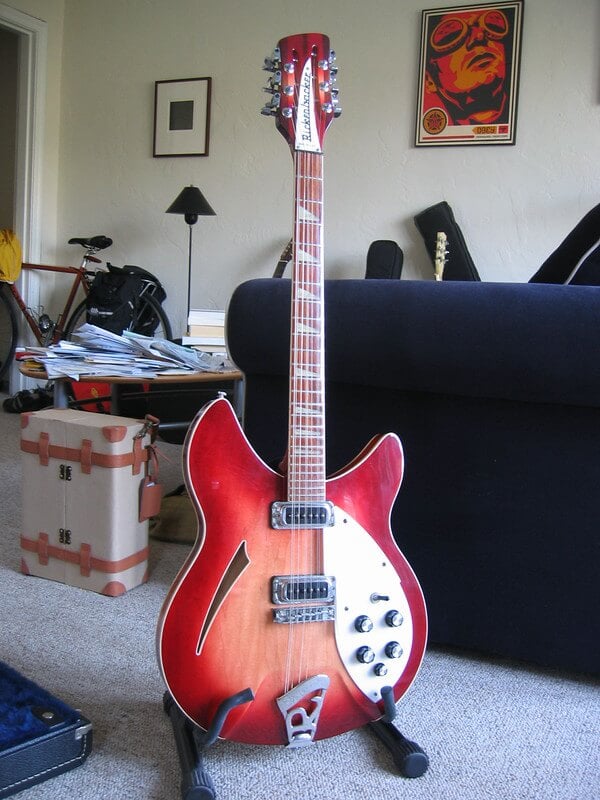
Rickenbacker’s twelve-string 360/12 became famous in 1964 when George Harrison played one, and the chiming sound defined a generation of guitar music. The earliest examples with the rounded top edges and the original features are the most valuable.
A 1964 360/12 in original condition is a five-figure guitar with a steady upward trend.
1950s Gibson Les Paul Goldtop
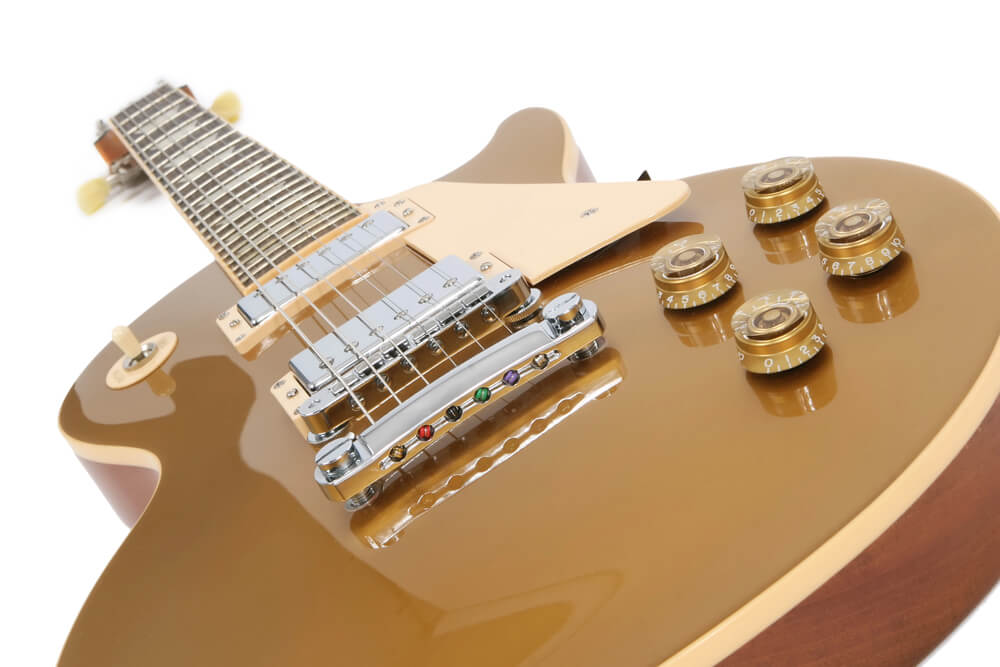
Before the sunburst, the Les Paul was finished in gold, and the 1952 through 1957 goldtops are collected by year and feature. The 1957 goldtop with the first humbucking pickups is the most valuable, since it combines the gold finish with the electronics of the sunburst.
Clean 1957 goldtops are six-figure guitars, and earlier examples are strong five figures.
Prewar Gibson Mastertone Banjo
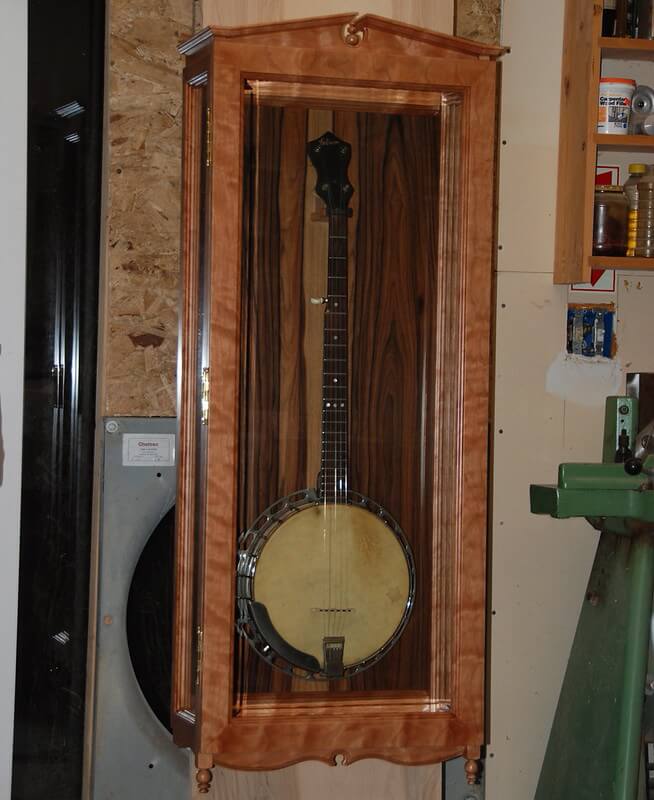
Gibson’s Mastertone banjos of the 1930s with a flathead tone ring are the holy grail of bluegrass, because Earl Scruggs played one. Original prewar flathead Mastertones are scarce and have sold for six figures.
Many were converted from archtop or tenor banjos, so an original five-string flathead is the rarest configuration.
Lloyd Loar Gibson F-5 Mandolin
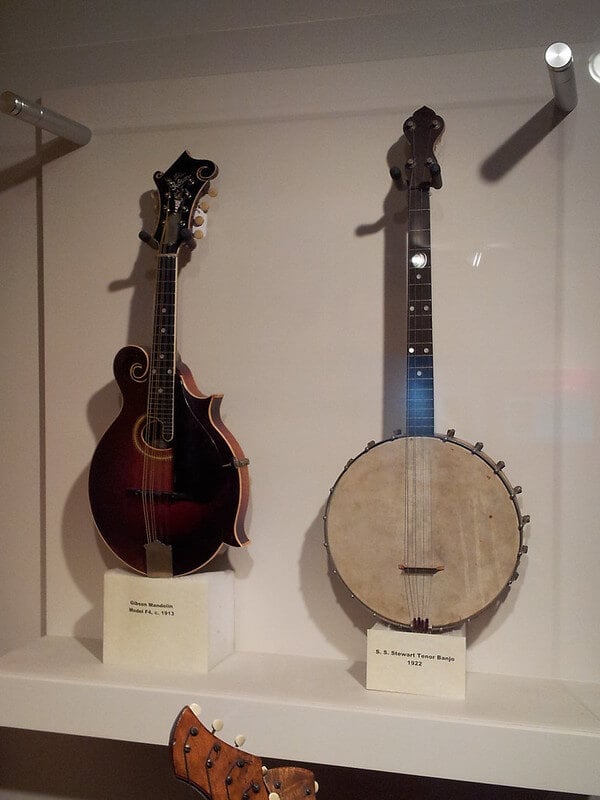
Between 1922 and 1924 Gibson’s acoustic engineer Lloyd Loar signed a small number of F-5 mandolins, each with a label bearing his signature and the date. Loar-signed F-5s are the most valuable mandolins in the world, and examples have sold for well over $200,000.
Bill Monroe played a 1923 Loar, which cemented the instrument’s legend.
Stradivarius Violins
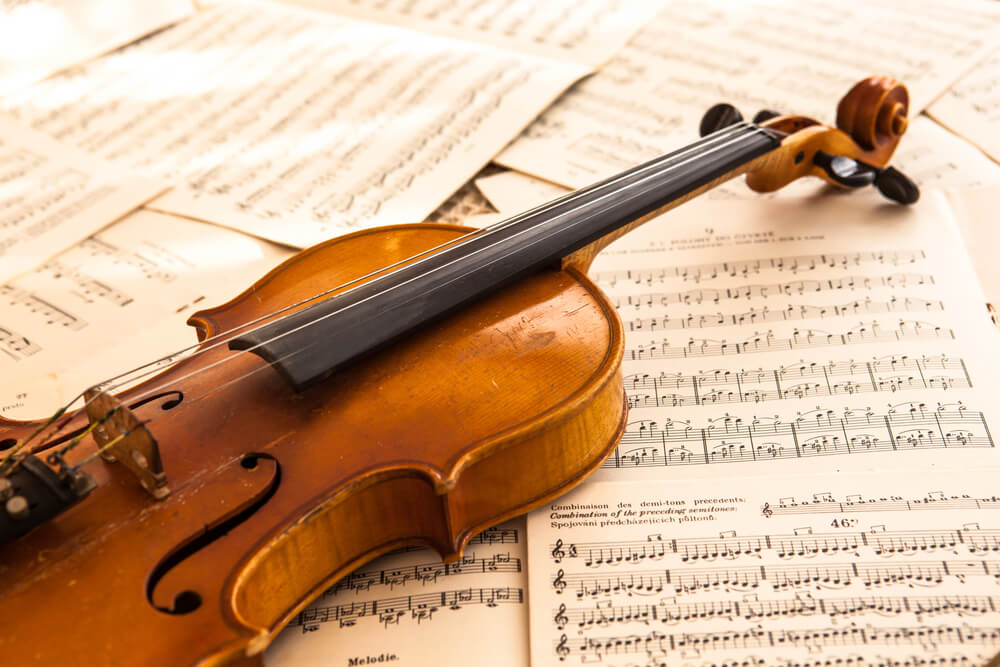
Antonio Stradivari made around 1,100 instruments in Cremona, and roughly 650 survive. The Lady Blunt Stradivarius sold for $15.9 million at a charity auction in 2011, a record at the time.
Stradivari violins are sold through dealers and foundations as often as auctions, and the finest examples are valued in the tens of millions.
Guarneri del Gesù Violins
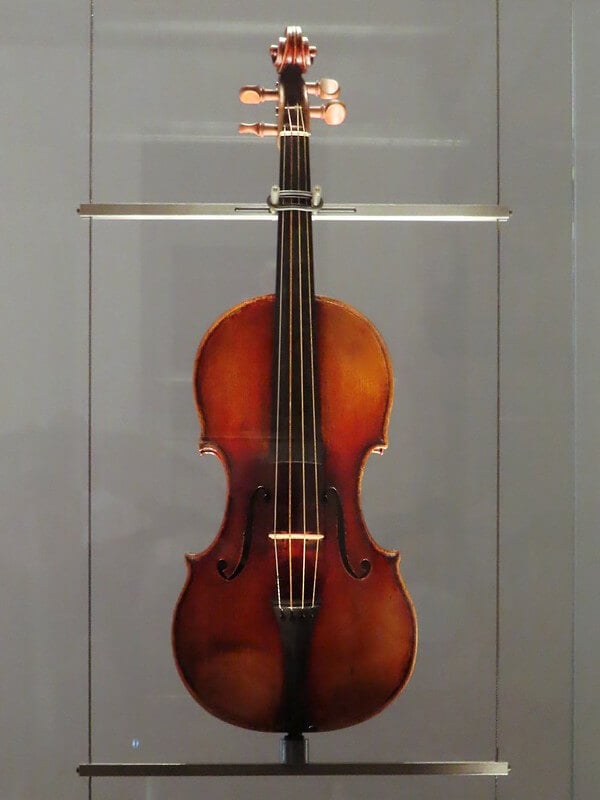
Giuseppe Guarneri, known as del Gesù, made far fewer violins than Stradivari, with around 150 surviving. Many soloists prefer the darker, more powerful sound of a Guarneri, and the Vieuxtemps Guarneri was reported sold for more than $16 million in 2012.
A del Gesù violin is one of the most valuable objects a musician can hold.
Steinway Model D Grand Pianos
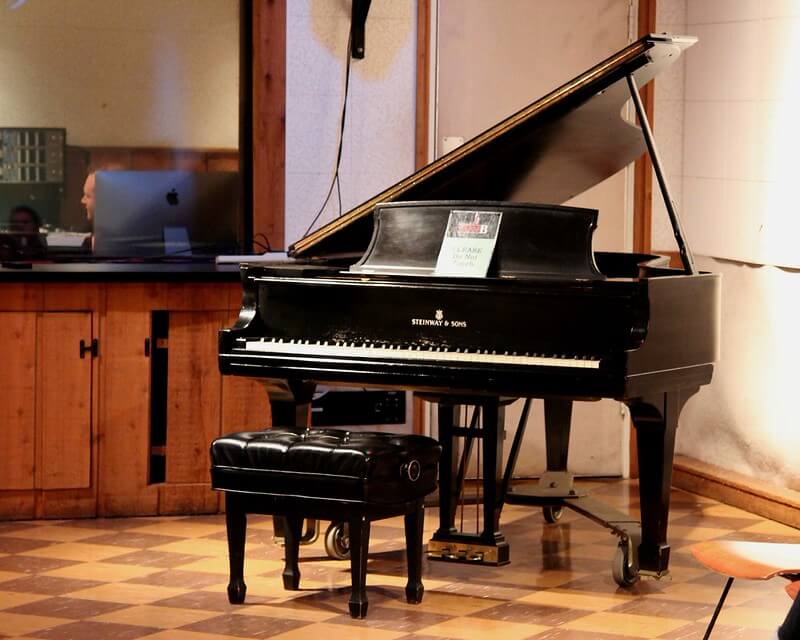
Steinway’s concert grand, the Model D, is the standard instrument on concert stages worldwide, and vintage examples from the early twentieth century are valued for their craftsmanship. A rebuilt golden-era Steinway D can sell for six figures, and the pianos with documented concert history bring more.
Rebuilding quality matters enormously, and buyers check who did the work.
Selmer Mark VI Saxophone
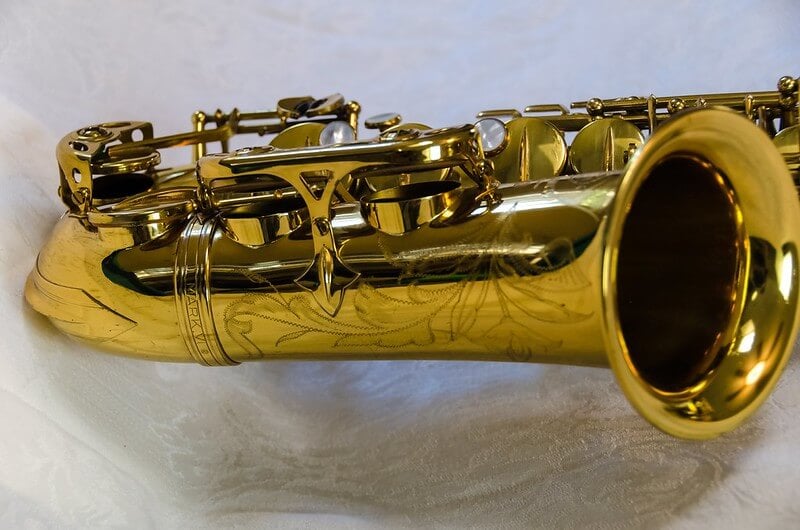
The Selmer Mark VI, produced from 1954 to 1974, is the saxophone most professionals consider the finest ever made. Serial numbers from the late 1950s and early 1960s are the most sought, and original lacquer examples bring the highest prices.
A clean Mark VI tenor is a five-figure instrument, and alto and baritone examples are close behind.
Selmer Maccaferri Guitars
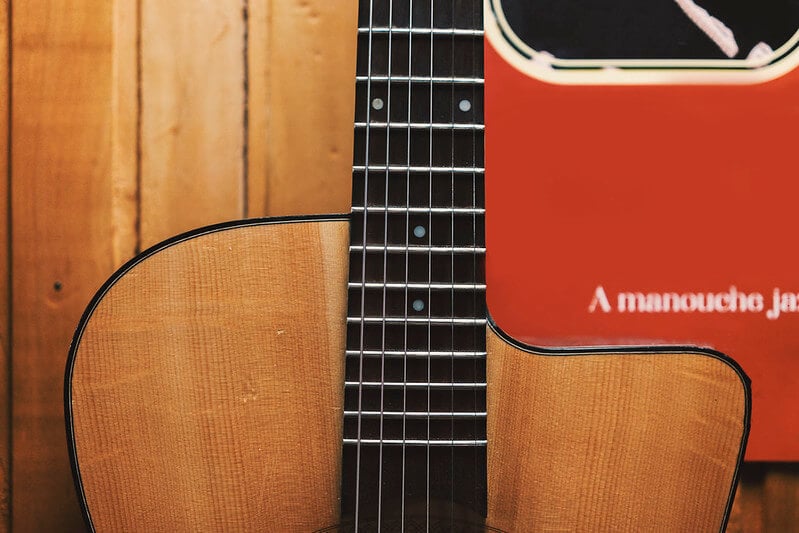
The Selmer guitars designed by Mario Maccaferri in the early 1930s, and the later Selmer models with the oval sound opening, are the instruments of Django Reinhardt and the sound of Gypsy jazz. Fewer than 900 Selmer guitars were built in all.
Original Selmers are six-figure instruments, and the examples with documented connections to known players bring far more.
Höfner 500/1 Violin Bass
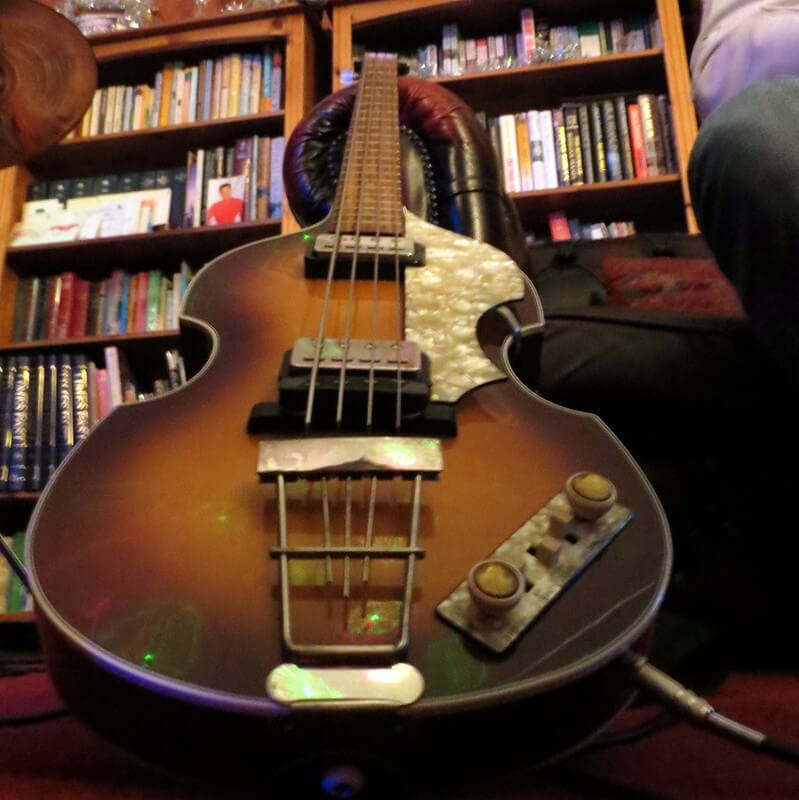
The Höfner 500/1 became famous in Paul McCartney’s hands, and the early 1960s examples with the original pickups and the thin neck are the collectible ones. The 1961 and 1962 versions are the scarcest.
A clean early 1960s Höfner 500/1 is a five-figure instrument, and the model is still in production, so the vintage details are what matter.
1950s Fender Precision Bass
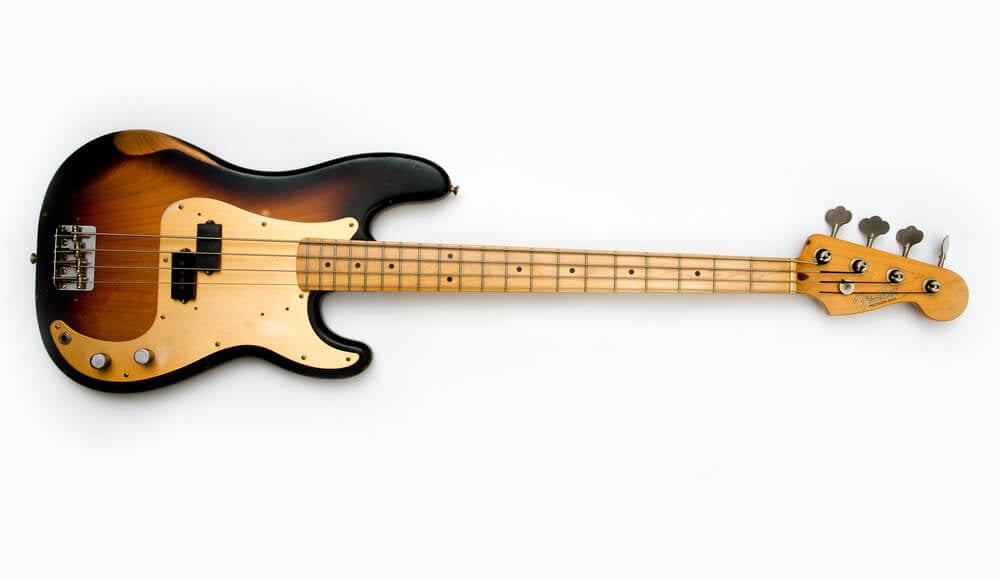
Leo Fender introduced the Precision Bass in 1951, the first mass-produced electric bass, and the early slab-body examples from 1951 to 1954 are the most valuable. The 1957 redesign with the split pickup is the one still in production.
Early Precisions in original finish are high five-figure instruments and the first-year examples bring more.
National Tricone Resonators
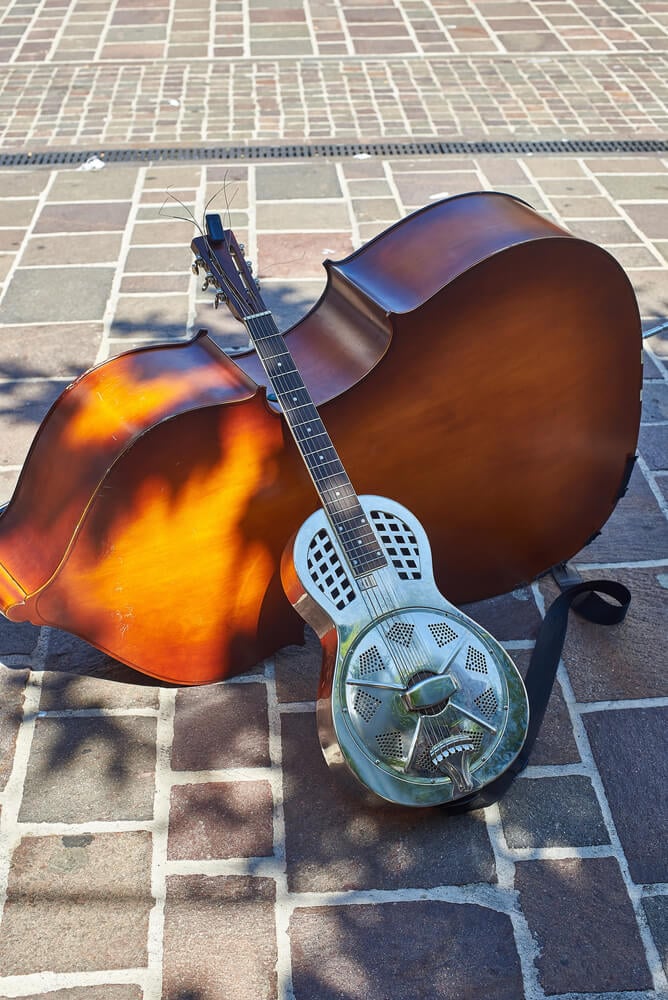
National’s tricone resonator guitars of the late 1920s, with three aluminum cones inside a German-silver body, were built to be heard over a dance band before amplification. The engraved Style 4 is the top of the range and a five-figure guitar.
Nationals are also collected for their Art Deco engraving, which varies by style number.
Prewar Dobro Guitars
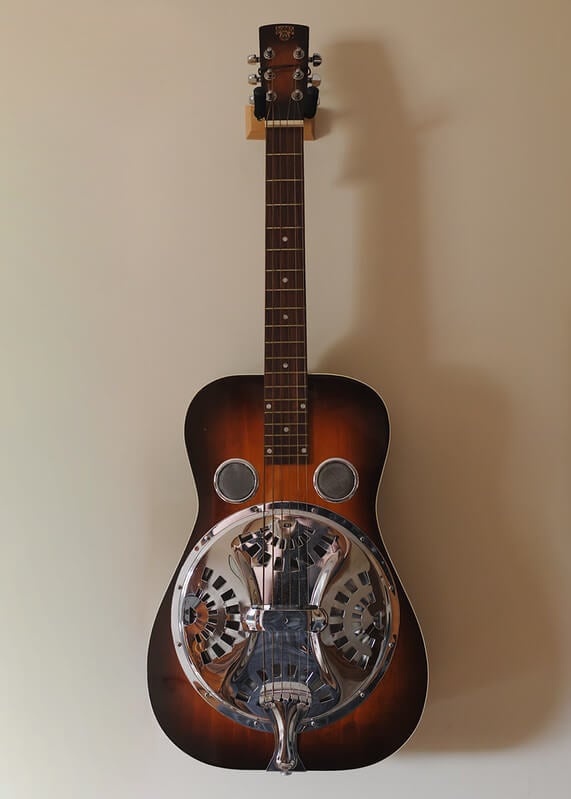
The Dopyera brothers left National and founded Dobro in 1928, building wood-bodied resonators with a single spun cone. Prewar Dobros, especially the higher-grade models with decorative details, are collected by bluegrass and blues players.
The earliest examples from the Los Angeles factory bring the most, and original cones are checked first.
Martin 5K Ukulele
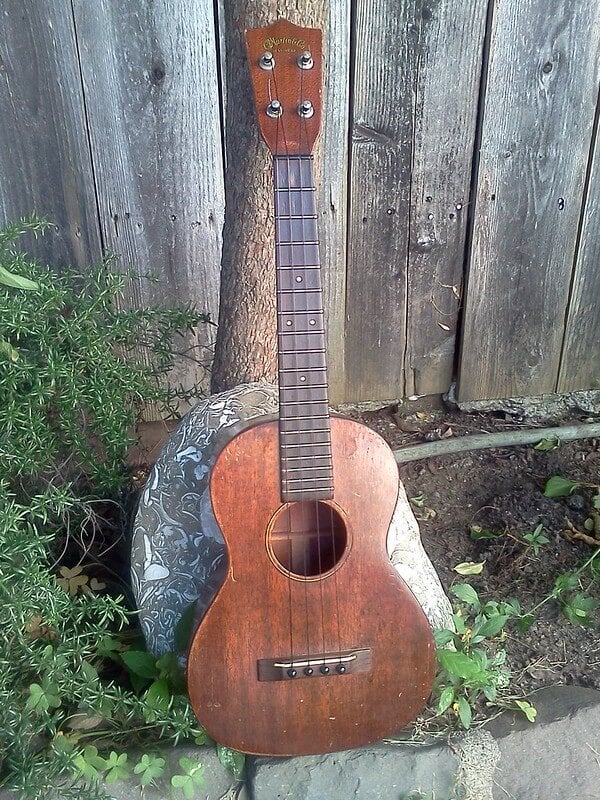
Martin’s 5K ukulele, built from Hawaiian koa with pearl inlay from the 1920s, was the most expensive ukulele of its day and remains the most valuable. Original 5Ks are scarce and routinely bring five figures.
The instrument’s small size belies its price, which rivals many of the company’s guitars.
The Sound of Scarcity
The instruments here were built to be played, and most of them were. A 1959 Les Paul that spent its life on a stage carries the wear of a thousand nights, and the market has decided that wear is not a defect but a record.
Original lacquer, original pickups, and original frets are the proof that the record is unbroken.
What unites a Stradivarius and a Broadcaster is a maker who got something right at a moment when few were watching. Stradivari sold to local players; Leo Fender sold to country bands.
Neither could have guessed the prices their work would bring, and neither needed to, because the work is the reason.
More from Go2Tutors!

- The Romanov Crown Jewels and Their Tragic Fate
- 13 Historical Mysteries That Science Still Can’t Solve
- Famous Hoaxes That Fooled the World for Years
- 15 Child Stars with Tragic Adult Lives
- 16 Famous Jewelry Pieces in History
Like Go2Tutors’s content? Follow us on MSN.