Roots That Look Like Human Figures
Nature has a strange way of surprising people. Trees grow for decades, sometimes centuries, and their roots twist underground in ways nobody can predict.
Every once in a while, those roots break through the surface or get exposed by erosion, and they take shapes that make people stop and stare. Some look like hands reaching out of the earth.
Others resemble faces, bodies, or even entire scenes that seem too detailed to be accidental. These formations happen all around the world, and they’ve sparked countless stories, legends, and more than a few viral photos.
Let’s look at some of the most interesting examples of roots that decided to look a little too much like us.
Mandrake roots and their screaming reputation
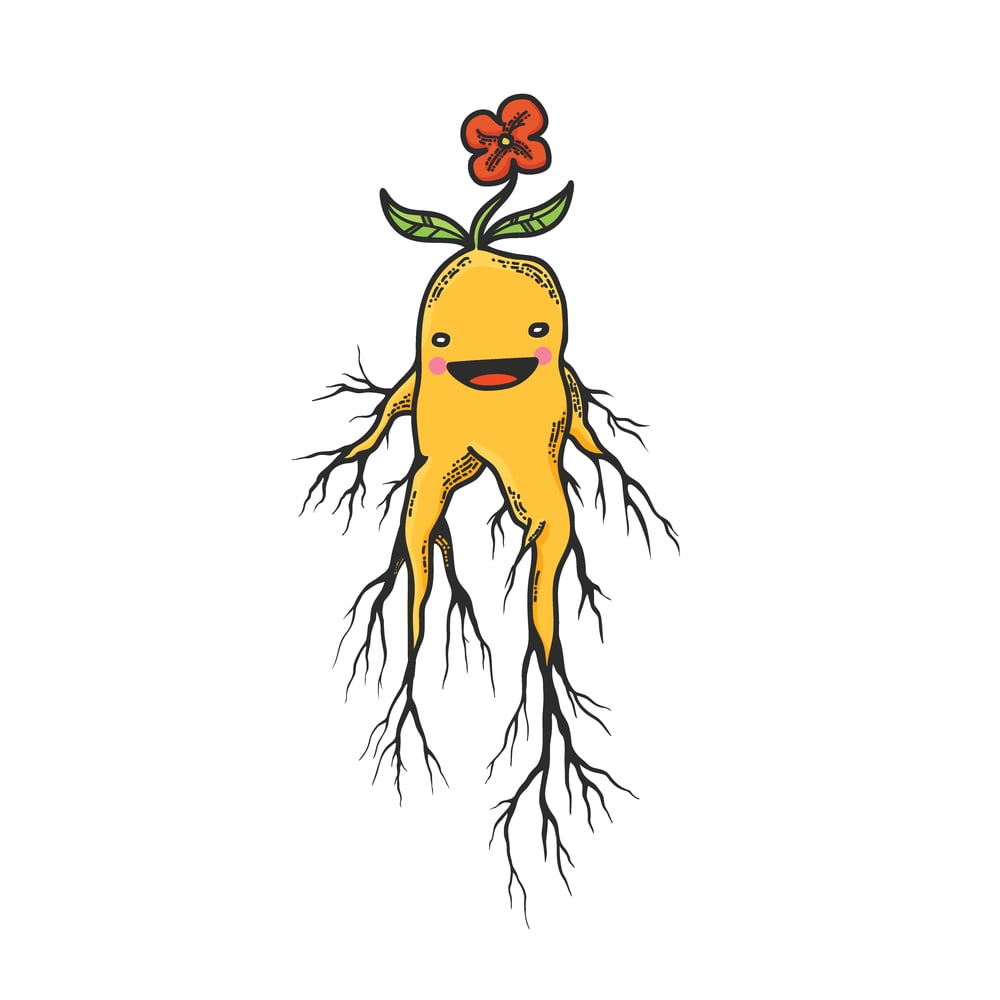
Mandrake plants have thick, forked roots that often split into shapes resembling human legs and torsos. Ancient Europeans believed these roots would scream when pulled from the ground, and that scream could kill anyone who heard it.
People tied dogs to the plants and had them do the pulling instead. The roots were dried, carved, and sold as charms for protection or fertility.
Nowadays, gardeners still get startled when they dig up a mandrake that looks like a tiny person curled up in the soil.
The Ginseng root trade
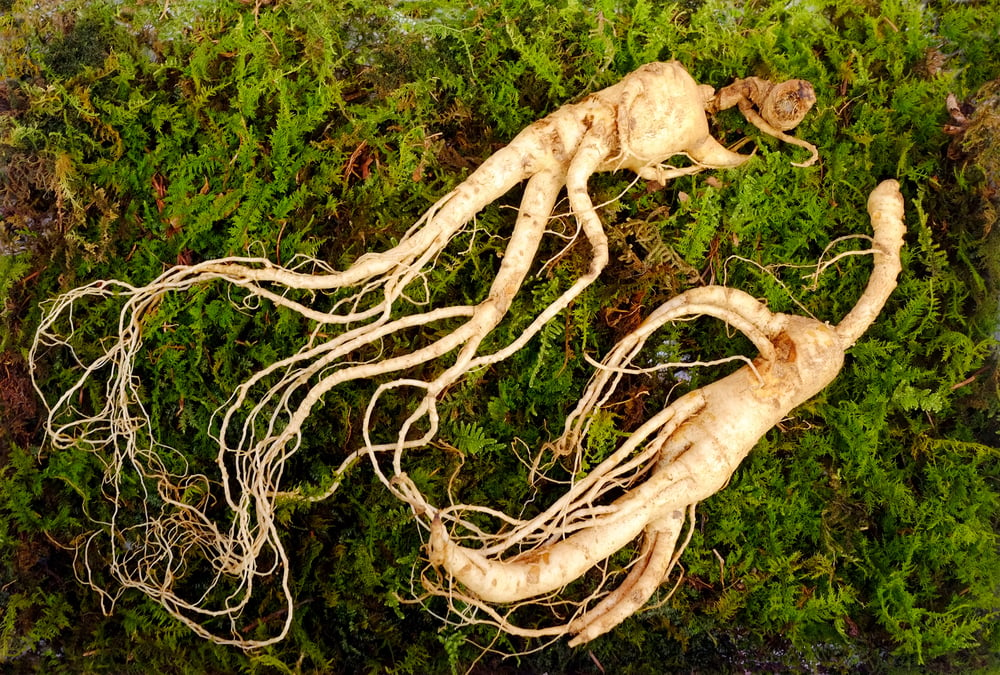
Ginseng roots grow wild in forests across Asia and North America, and the most valuable ones are those that look human. Collectors call these ‘man-shaped’ roots, and they can sell for thousands of dollars.
The more the root resembles a body with arms and legs, the higher the price climbs. Traditional medicine practitioners believe the human-like shape means the plant absorbed more healing energy from the earth.
Wild ginseng takes years to develop these shapes, which makes finding one feel like discovering treasure.
Tree roots forming faces in old forests
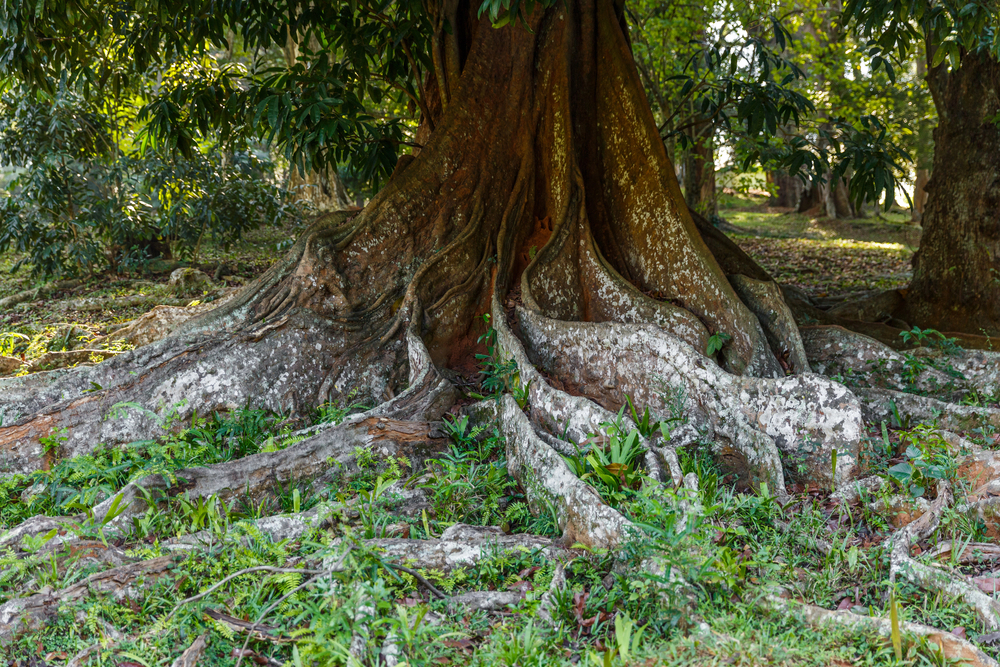
Old-growth forests sometimes reveal tree roots that have grown around rocks or other obstacles in ways that create facial features. Eyes, noses, and mouths appear where bark has worn away or where the wood has split.
Hikers in places like the Pacific Northwest stumble upon these faces regularly. The roots don’t set out to look human, but erosion and time work together to carve out expressions that can look happy, angry, or surprisingly sad.
The Balete tree phenomenon in the Philippines
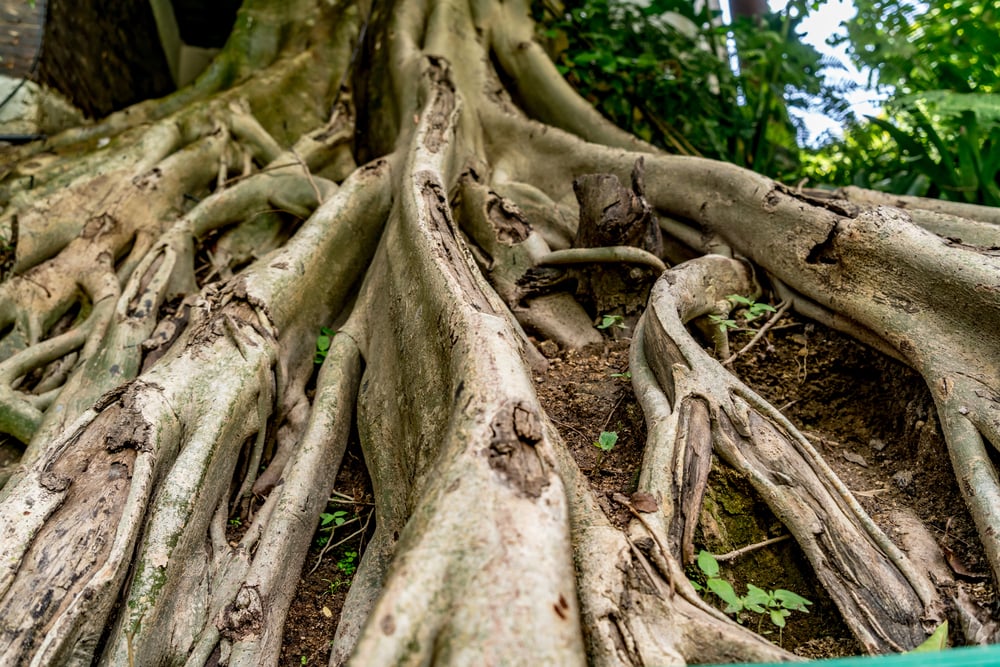
Balete trees send down aerial roots that eventually touch the ground and thicken into secondary trunks. In the Philippines, these roots sometimes form clusters that look like groups of people standing together.
Local folklore says spirits live inside these formations, and many Filipinos won’t cut down a Balete tree or disturb its roots. The trees can grow for hundreds of years, and their root systems become increasingly complex and human-like as they age.
Banyan tree roots creating cathedral spaces
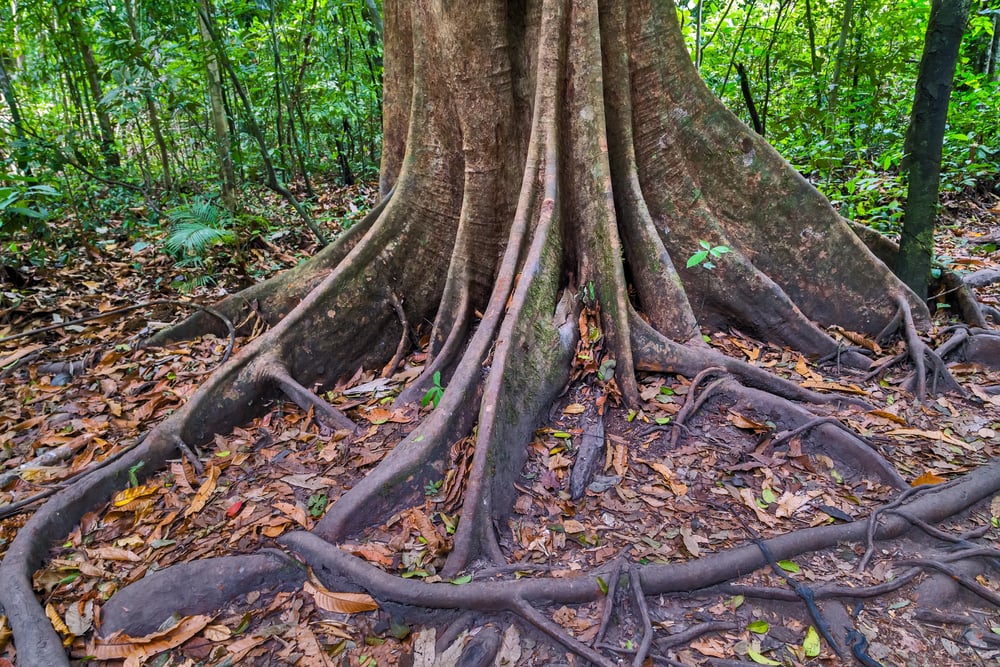
Banyan trees drop roots from their branches that grow thick enough to become new trunks. These hanging roots often take on shapes that resemble human limbs or torsos as they descend.
In India, some ancient banyans have root systems so extensive that they create spaces underneath that look like natural temples. The roots form columns that seem architectural rather than organic.
Visitors report feeling like they’re walking through a structure built by giants rather than grown by a tree.
Driftwood roots on beaches
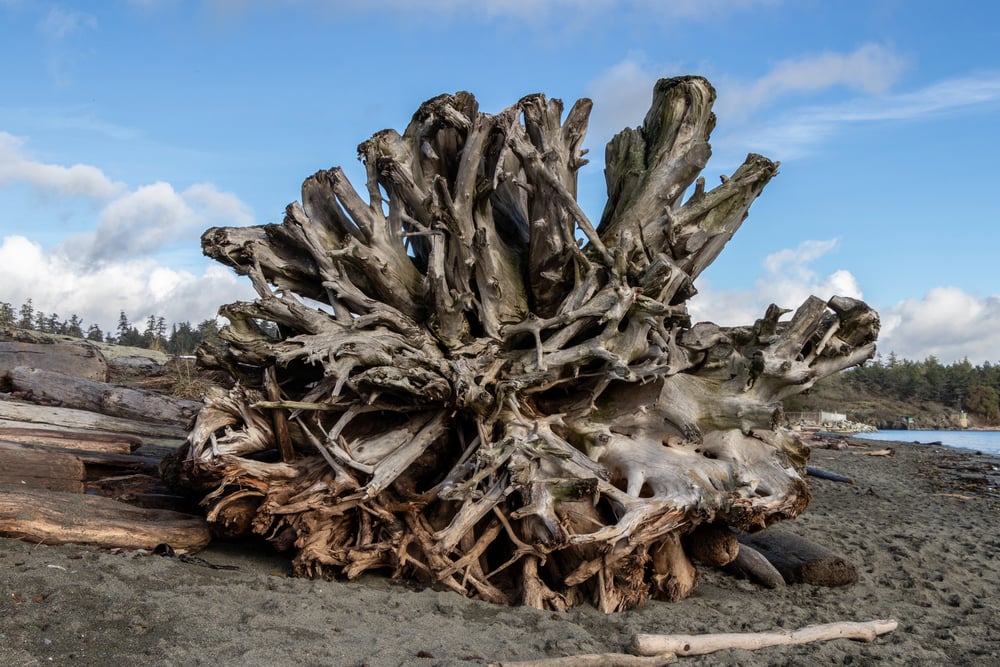
Ocean waves strip bark from fallen trees and sand away the softer wood, leaving behind the hardest parts of the root system. These weathered roots wash up on beaches looking remarkably human.
Some resemble dancers frozen mid-movement. Others look like people reaching upward or crawling along the sand.
Artists collect these pieces and display them as natural sculptures. The combination of saltwater, sand, and time creates shapes that seem intentionally carved.
Cypress knee formations in swamps
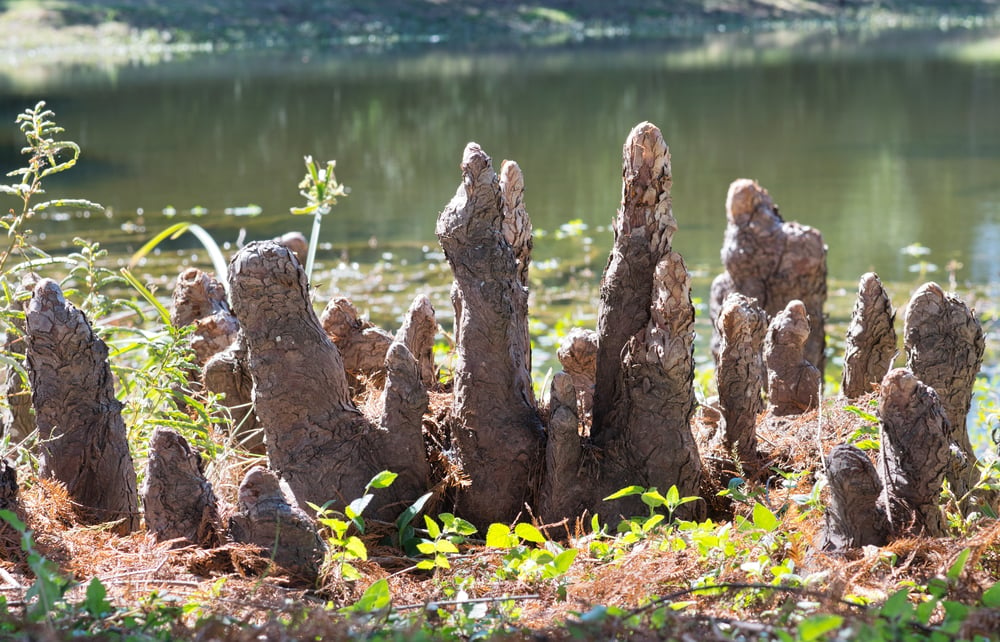
Bald cypress trees grow in swamps and send up knobby projections from their roots called knees. These knees break the water surface and sometimes take shapes that look like hunched figures or groups of small people gathered together.
In Louisiana and Florida swamps, entire groves of cypress knees create scenes that look like crowds. The knees help the tree get oxygen in waterlogged soil, but their appearance has inspired local legends about swamp spirits and hidden communities.
Root systems exposed by erosion in canyons
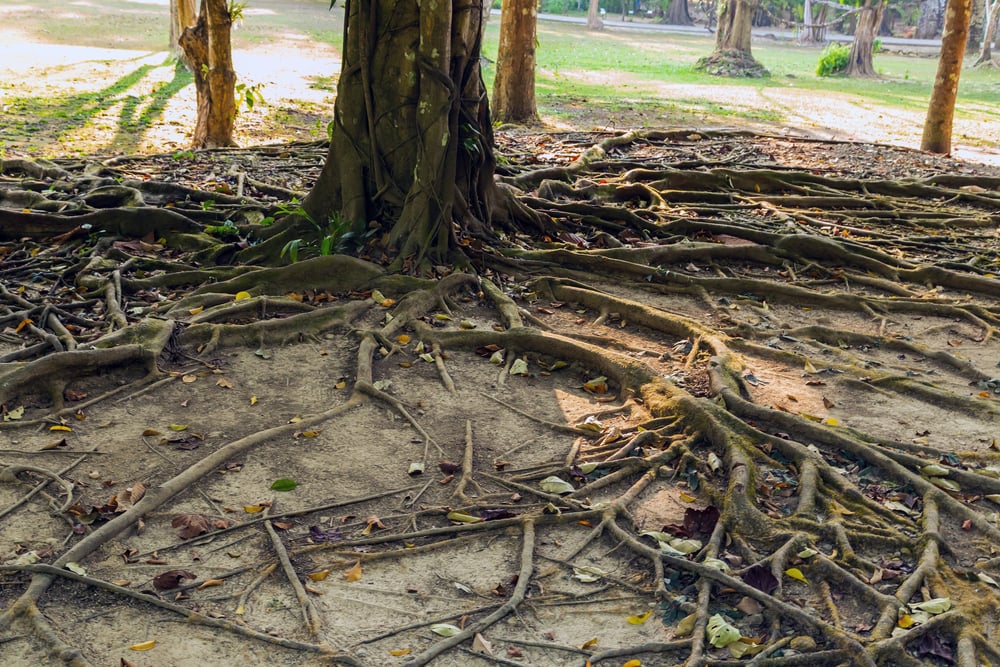
Flash floods and wind erosion in desert canyons sometimes expose root systems that hung onto cliffsides for decades. These roots spread out in patterns that can look like skeletal hands or entire bodies pressed against rock faces.
Hikers in places like Utah and Arizona photograph these formations regularly. The roots died long ago but remain preserved by the dry climate, creating permanent sculptures that seem to emerge from the stone itself.
Japanese pine roots shaped by cultivation
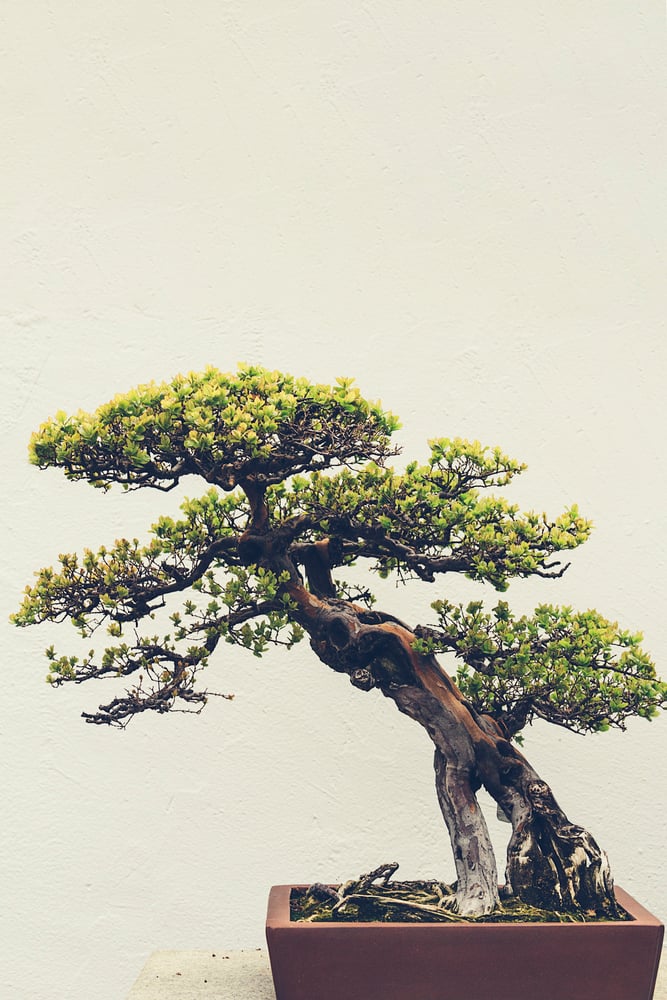
Bonsai masters in Japan have spent centuries training pine tree roots to grow in specific patterns. Some traditional styles encourage roots to spread across the surface in ways that mimic human forms.
These aren’t accidents but deliberate artistic choices that take decades to achieve. The practice requires constant attention and pruning to guide the roots into the desired shapes.
Museums display ancient bonsai with root systems that clearly show human figures, animals, or mythological creatures.
Mangrove roots forming walls and tunnels

Mangrove forests grow in tropical coastal areas, and their prop roots create dense networks above the water. In some locations, these roots grow so thick and intertwined that they form tunnel-like passages.
The roots often cluster in patterns that look like groups of figures holding hands or standing in circles. Kayakers paddling through mangrove channels report feeling like they’re moving through a crowd rather than a forest.
Root grafts creating connected shapes

Sometimes roots from different trees grow into each other and fuse together. This process can create shapes that look like multiple people holding hands or embracing.
The grafted roots share nutrients between trees and can survive even if one tree dies. Forests with lots of root grafting develop underground networks that occasionally surface in human-like configurations.
Scientists study these connections to understand how trees communicate, but hikers just see faces and figures in the wood.
Willow roots along riverbanks
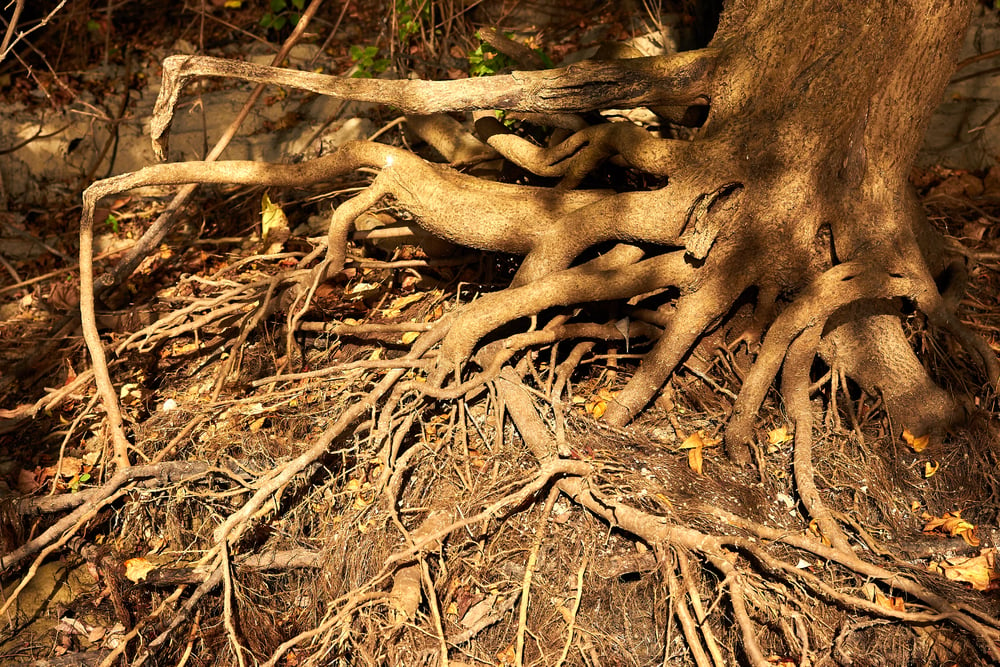
Willow trees grow along water and their roots spread out in search of moisture. These roots often break through riverbanks in tangles that look like arms reaching into the current.
The flexible nature of willow wood means the roots can bend and twist into surprisingly detailed shapes. Artists have used willow roots to create sculptures without cutting or carving, just by training the living roots as they grow.
Ancient olive tree roots in the Mediterranean
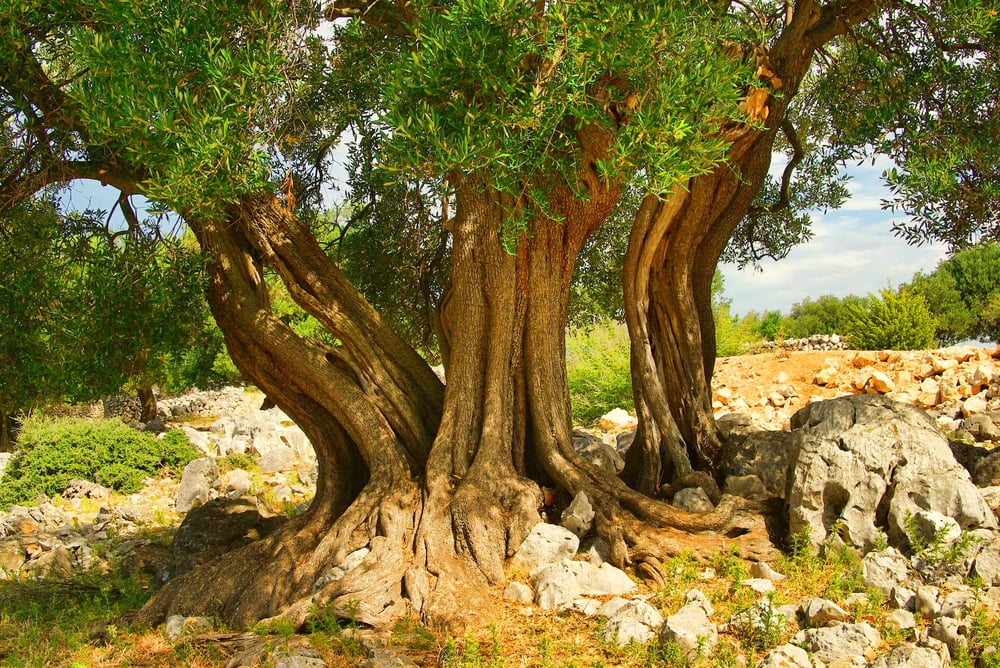
Olive trees in Greece, Italy, and Spain can live for over a thousand years. Their root systems grow enormous and often break through the surface in gnarled formations.
Many of these ancient roots have worn into shapes that clearly resemble human figures, especially faces. Some trees have roots that look like wise old men with distinct features.
Locals build small shrines around particularly striking examples, treating them as natural works of art.
Redwood burl roots
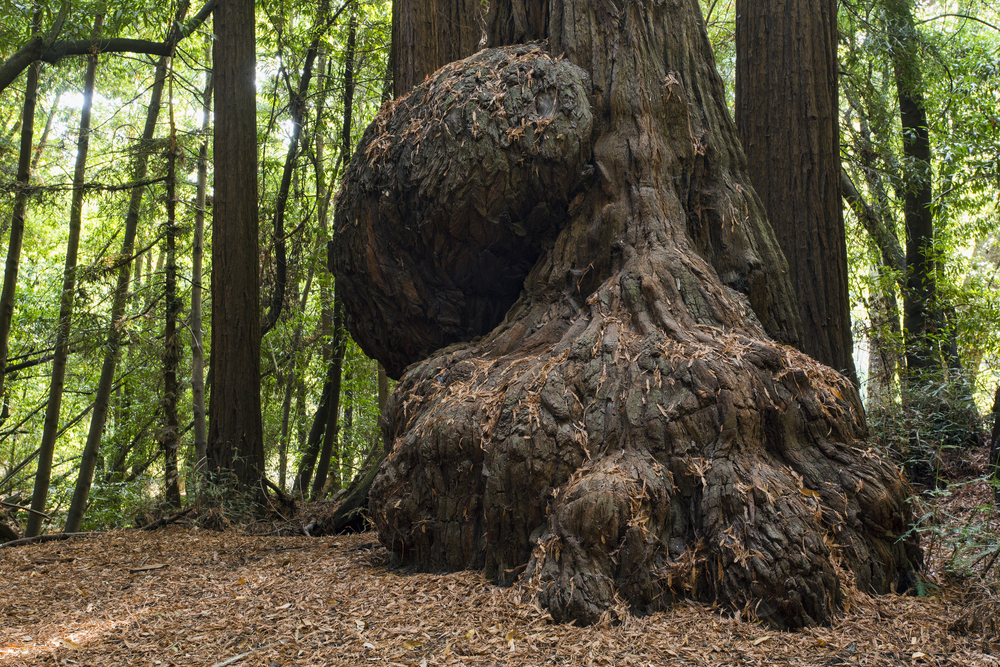
Coast redwoods occasionally sprout burls – odd lumps packed with sleeping buds. If these burls emerge on shallow roots, they often round into forms resembling faces or coiled figures.
Instead of leaving them be, thieves dig them up since collectors pay well. Yet each stolen piece wipes out a one-of-a-kind shape shaped by centuries underground.
Even in guarded forests, some stumps hold burls carved by nature to mirror human-like outlines rising from tangled roots.
Tropical strangler fig designs
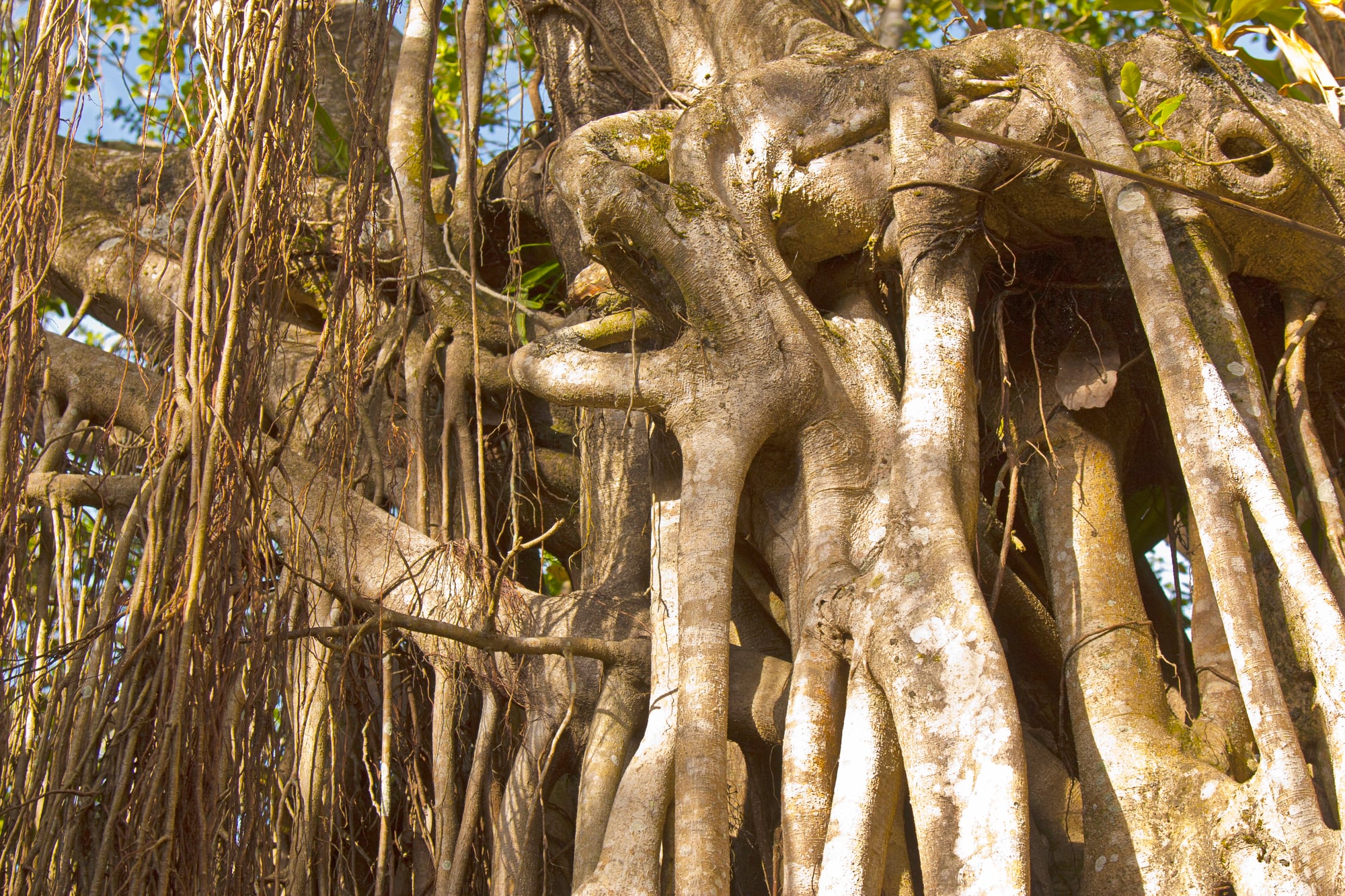
Strangler figs begin high up in trees, dropping roots toward the soil. Over time, those roots wrap around their host – sometimes ending its life – leaving behind empty shells.
As they grow down, the roots may twist into shapes resembling folks gathered in a ring, arms linked, facing inward. Throughout tropical forests in places like Brazil or Borneo, such odd-looking forms earn names, draw visitors, and show up in stories.
Tree roots that broke loose when trunks toppled over
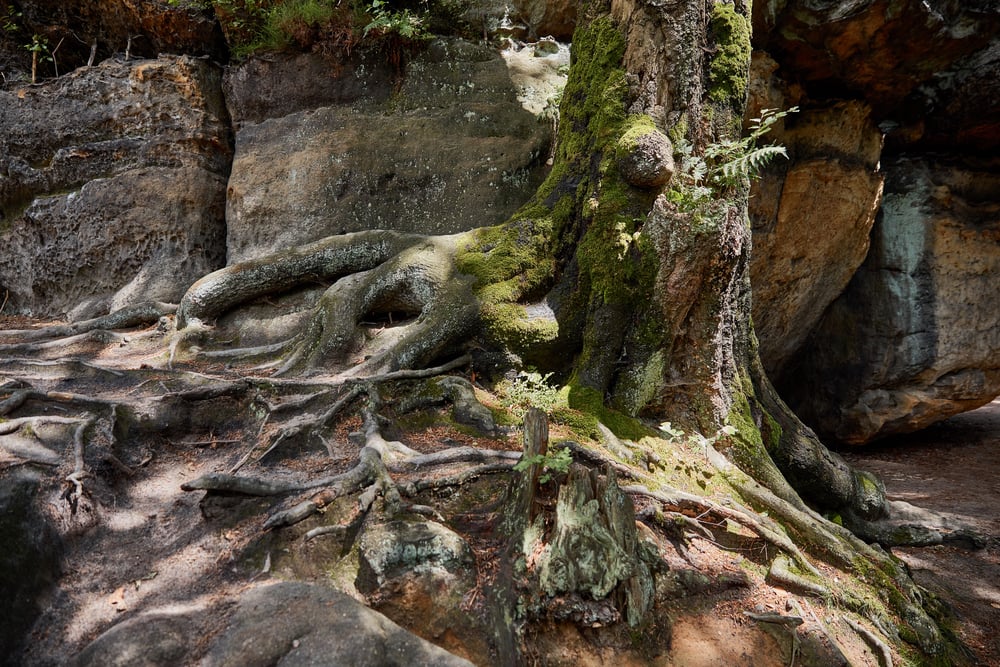
When big trees topple, their root clumps get yanked upward, revealing what’s been hidden below ground. Once uncovered, these networks lose moisture but keep their form.
Inside some matted roots, you can spot distinct outlines – like people or creatures. Rangers and path crews often stumble on downed trunks where roots resemble eerie faces or whole bodies.
As thin tendrils rot away, the stronger parts stand out more, making those shapes clearer.
Root networks shaped by native hands
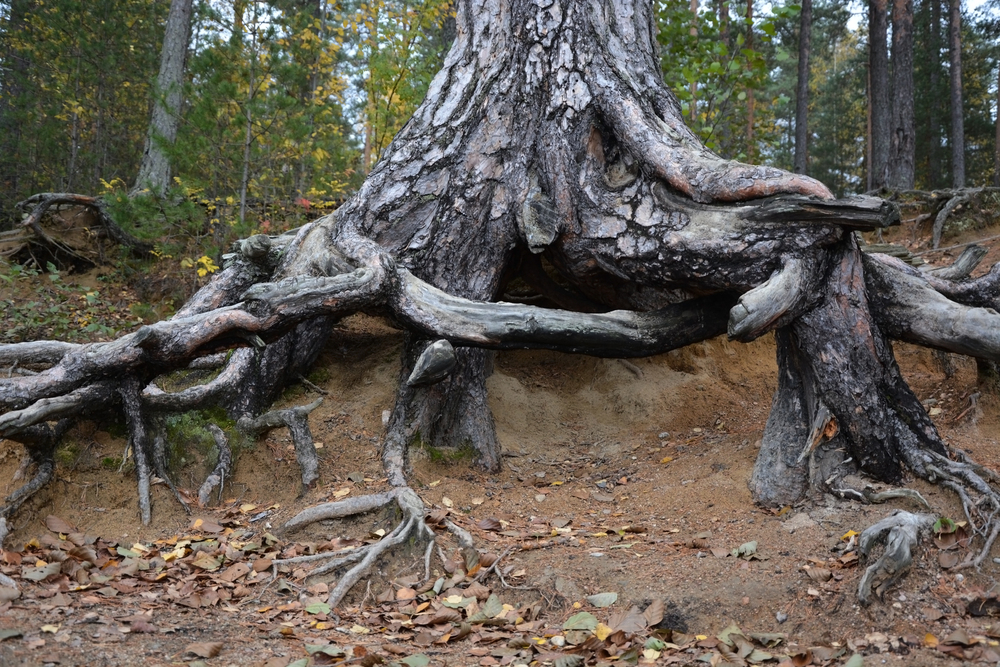
Some native groups shaped tree roots on purpose to make faces and forms. Not added pieces – just changes made to trees alive or just fallen.
They worked around how the roots already twisted and bent. Today, plenty remain hidden deep in woods, mixing handwork with wild growth so creatures seem meant to rise from soil.
Fossil roots stuck in layers of stone
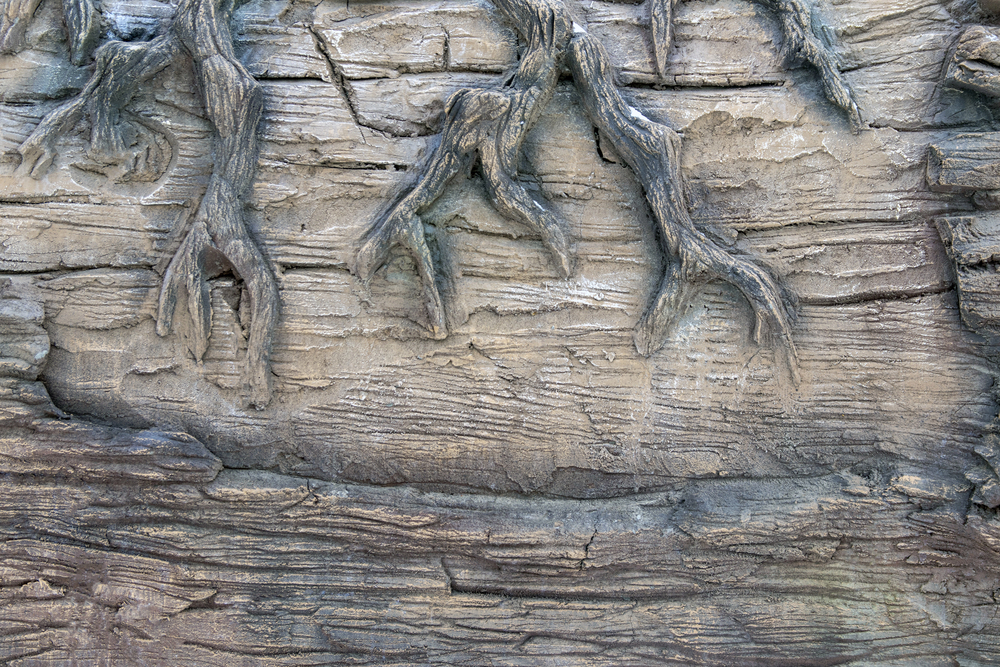
Now and then, old tree roots end up locked inside stone layers. As those stones wear down over time, the hardened roots appear in forms surprisingly close to people.
In spots such as Petrified Forest National Park, you can spot root networks left behind by trees long gone – millions of years dead – but still shaped like bodies. Minerals slowly took over each bit, keeping bends and splits so clear they seem like motionless silhouettes.
Where the wild blends into dreamy thoughts
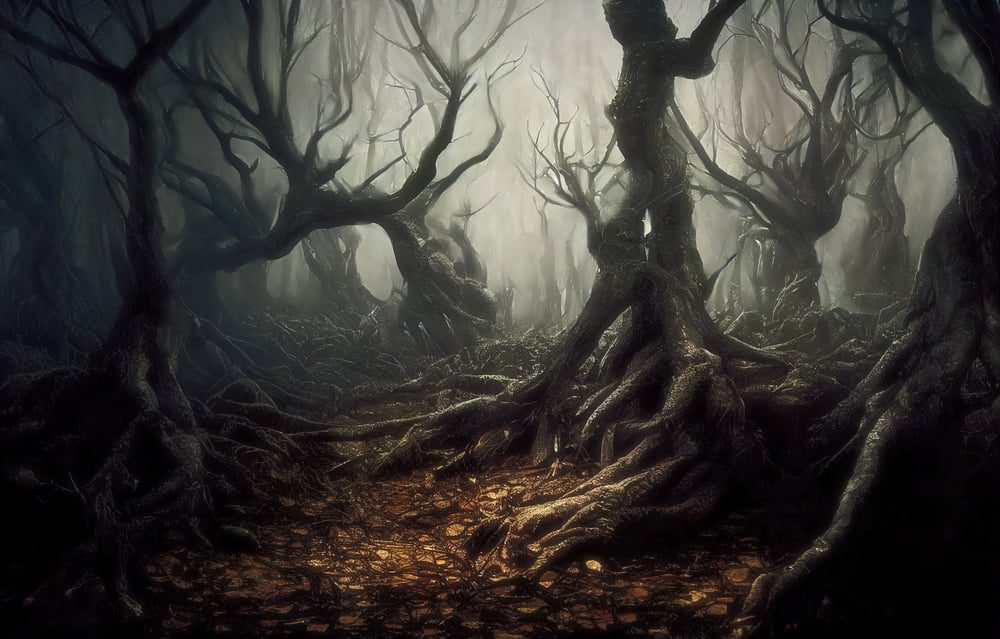
Trees aren’t trying to mimic humans, yet they wind up looking like them way more than random luck would suggest. Our brains are wired to spot known shapes wherever we glance – roots offer tons of raw material for that game.
It could be a mandrake seeming poised to stroll off or a cluster of cypress knees forming what feels like a group huddle; such oddities hint at how effortlessly nature stumbles into beauty. Next time you see a gnarled root with an eerie likeness to someone, pause for another moment.
Maybe nature isn’t copying us – but somehow nails the impression regardless.
More from Go2Tutors!

- The Romanov Crown Jewels and Their Tragic Fate
- 13 Historical Mysteries That Science Still Can’t Solve
- Famous Hoaxes That Fooled the World for Years
- 15 Child Stars with Tragic Adult Lives
- 16 Famous Jewelry Pieces in History
Like Go2Tutors’s content? Follow us on MSN.