Farm Inventions That Fed the World
For most of human history, nearly everyone worked the land and still came up short in a bad year. A single failed harvest could empty a village.
The machines, chemicals, and breeding tricks that changed this were rarely glamorous, and several began as repairs or side projects. Many of them came from tinkerers with grease on their hands rather than from laboratories.
Some were fought over in court, and a few were given away for free. Together they turned scarcity into surplus.
The Steel Plow That Cut Through Sticky Prairie Soil
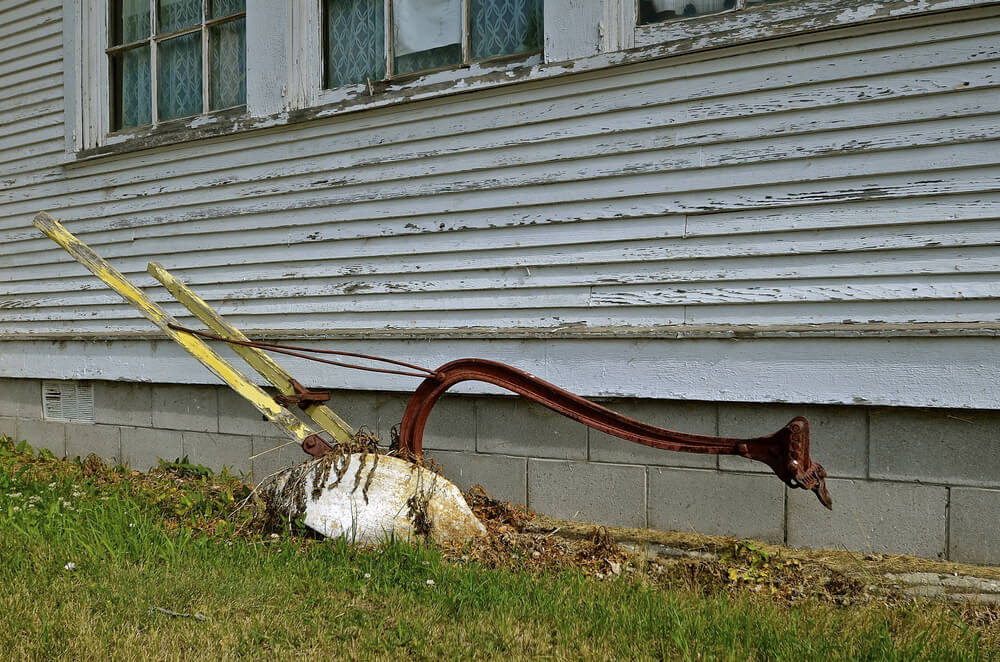
Early settlers in the Midwest found that cast-iron plows clogged with the heavy, sticky prairie soil. In 1837, blacksmith John Deere in Grand Detour, Illinois, built a plow from a broken saw blade, using polished steel that let the dirt slide off.
The design allowed farmers to break the dense sod of the plains without stopping every few feet to scrape the blade clean. Deere’s name eventually became one of the largest in farm machinery.
The Reaper That Replaced a Row of Men With Scythes
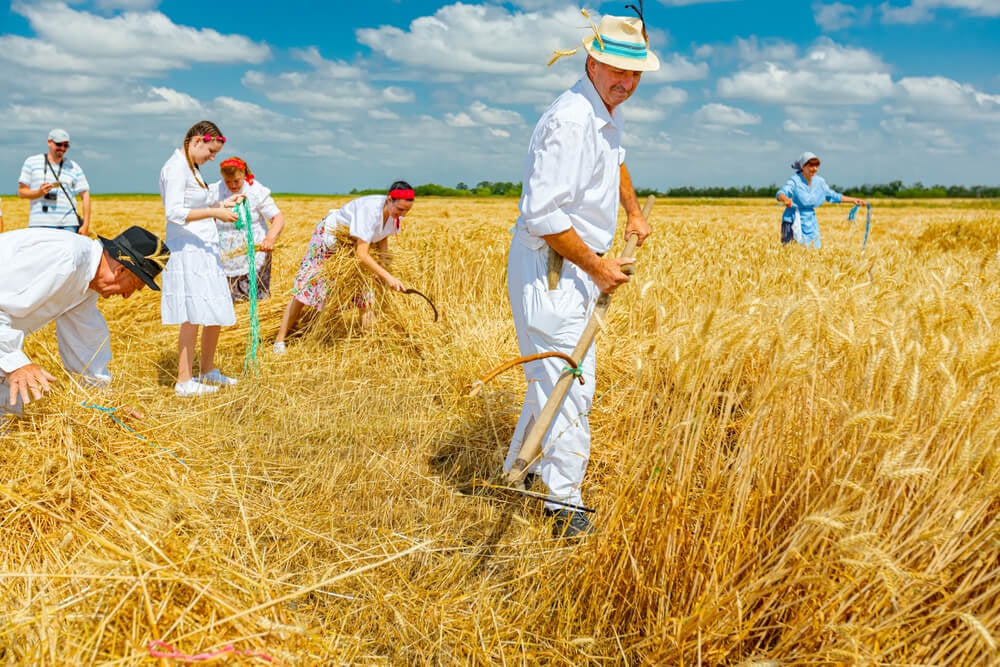
Cutting grain by hand limited how much wheat a family could plant, because the harvest window was short and the work was brutal. Cyrus McCormick demonstrated a horse-drawn mechanical reaper in Virginia in 1831, building on the unsuccessful attempts of his father, Robert.
Obed Hussey patented a rival machine in 1833, and the two men spent years in a bitter contest over who deserved credit. Historians still treat the reaper as a shared achievement rather than the work of one man.
The Seed Drill That Put Crops in Straight Lines
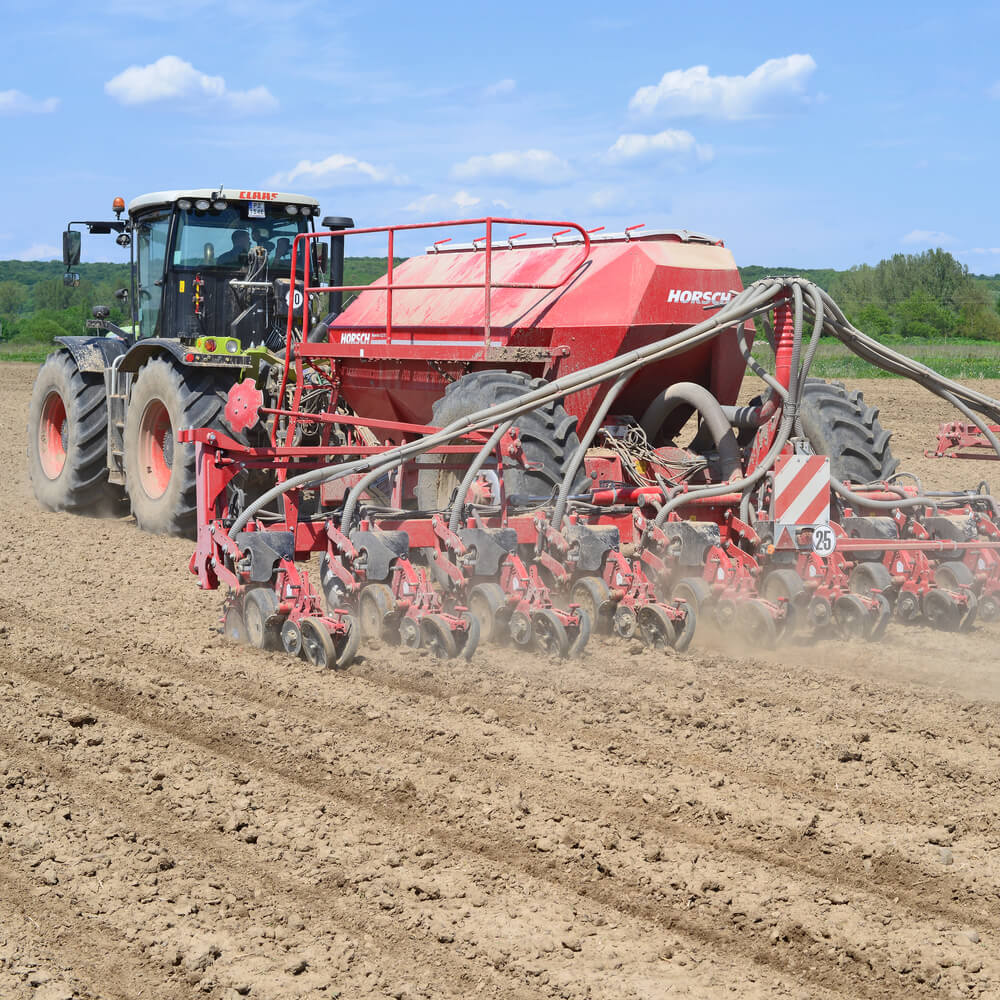
Farmers once scattered seed by hand, wasting much of it on birds and bare ground. English agriculturist Jethro Tull developed a horse-drawn drill around 1701 that placed seed in neat rows at a controlled depth.
Simple seed-planting devices existed in other parts of the world long before, but Tull’s version became a symbol of the shift toward orderly, measured farming in Britain. Rows also made it possible to hoe between plants, which cut down weeds.
The Threshing Machine That Ended Months of Flail Work
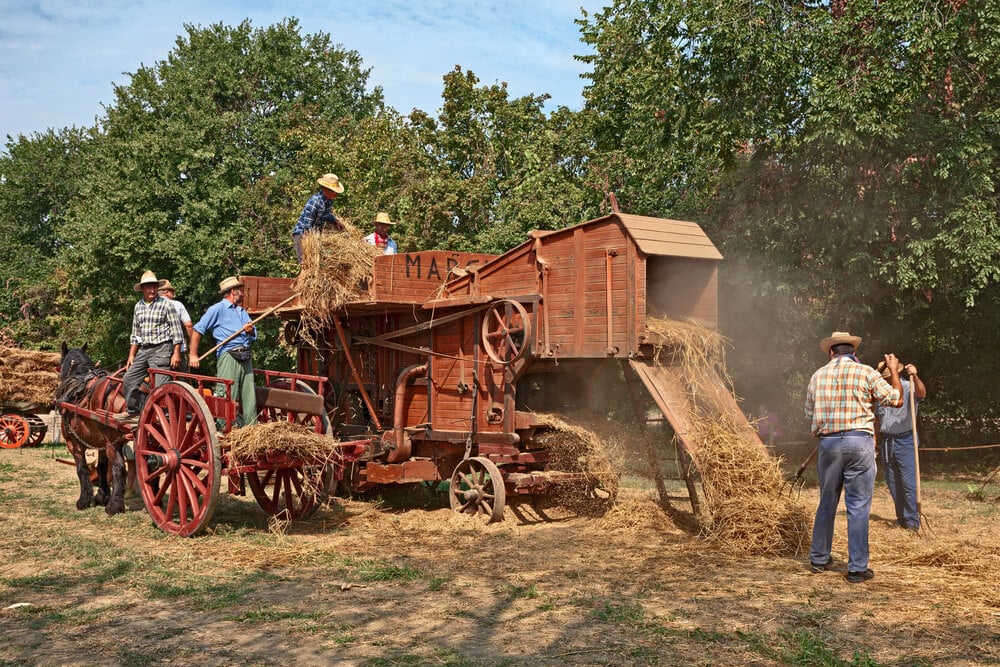
Separating grain from straw once meant beating bundles with flails through the winter. Scottish millwright Andrew Meikle patented a threshing machine in 1786 that used a rotating drum to do the beating mechanically.
The machine spread through Britain and beyond, and it freed up enormous amounts of labor during the slow months. It also stirred resentment, since rural workers who depended on winter threshing wages saw their income threatened.
The Grain Elevator Built on the Buffalo Waterfront
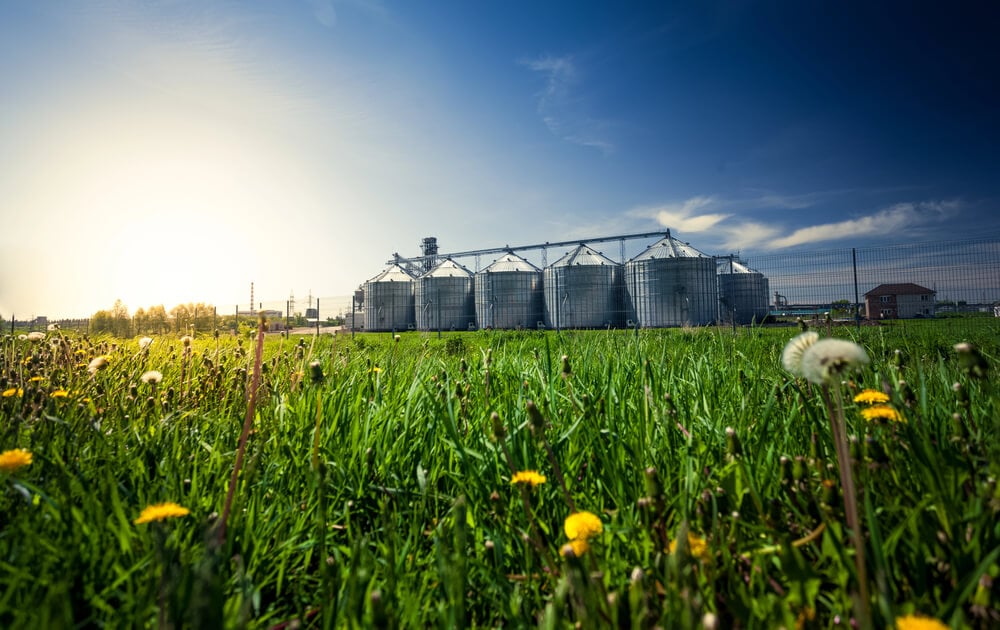
Moving grain from lake ships to storage once required crews of men with shovels and baskets. In 1842, Joseph Dart and engineer Robert Dunbar built a steam-powered elevator in Buffalo, New York, that lifted grain from vessels with a loop of buckets.
The system made it practical to store and ship Midwestern grain by the shipload. The tall silhouette of the elevator later became a fixture of rail yards and ports across North America.
Barbed Wire, the Fence That Tamed the Open Range
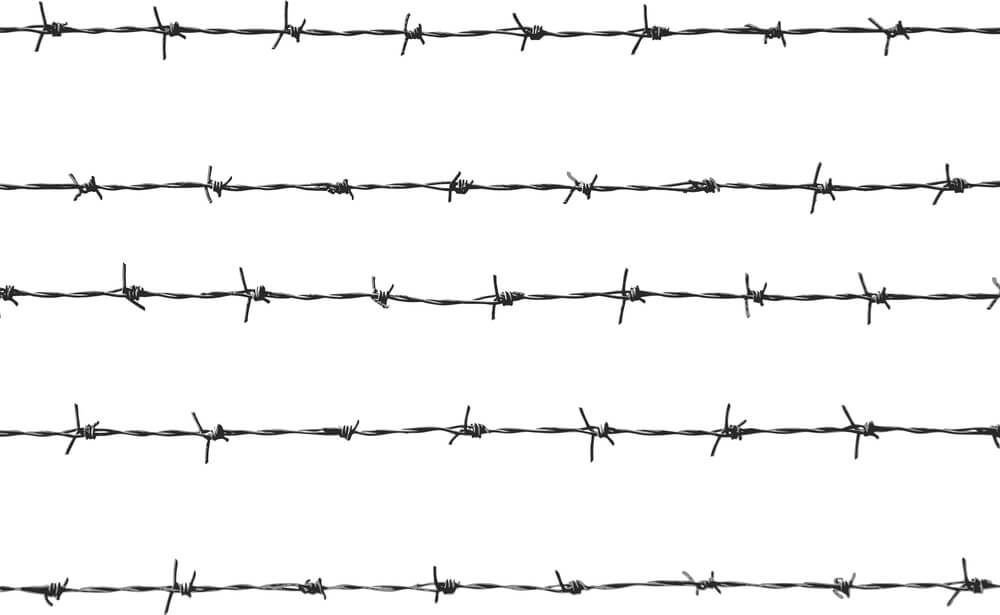
Wood was scarce on the Great Plains, which made traditional fencing costly and left crops at the mercy of roaming cattle. Illinois farmer Joseph Glidden of DeKalb received a patent on November 24, 1874, for a barbed wire design that proved cheap and easy to manufacture.
Other inventors had competing designs, and the patent fights that followed lasted for years. Once fencing became affordable, farmers could protect planted fields across huge stretches of prairie.
The Combine Harvester That Merged Three Jobs Into One
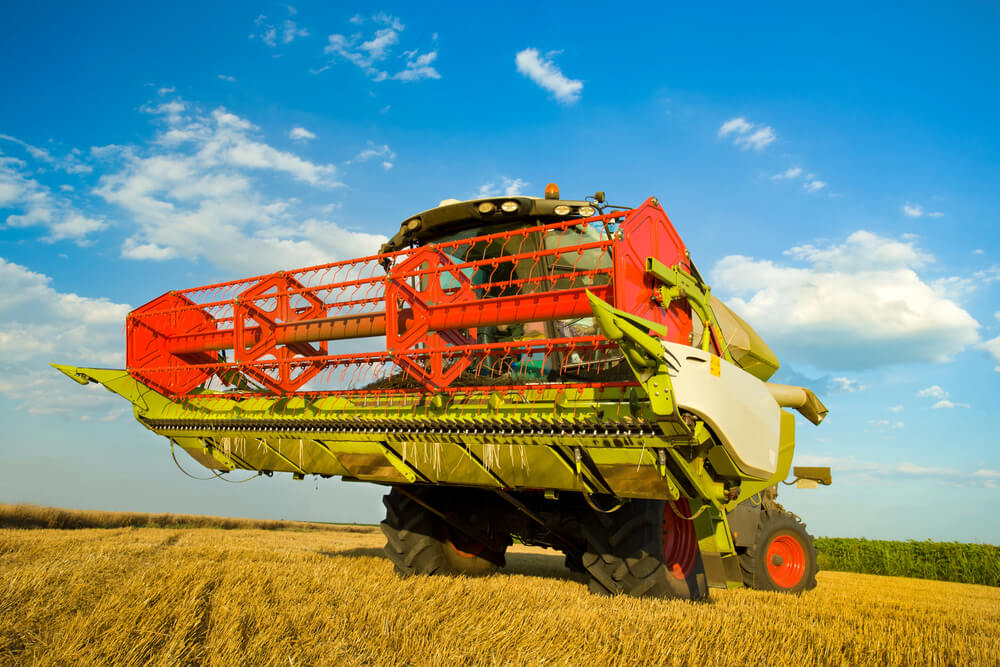
Reaping, threshing, and cleaning grain were separate tasks for centuries. Michigan inventor Hiram Moore patented a machine in 1836 that performed all three in a single pass through the field.
It was enormous and awkward, but the idea proved sound, and later versions in California were pulled by large teams of horses or mules. Self-propelled combines eventually replaced the animals and made harvesting a job for a handful of people.
The Hart-Parr Tractor That Gave the Machine Its Name
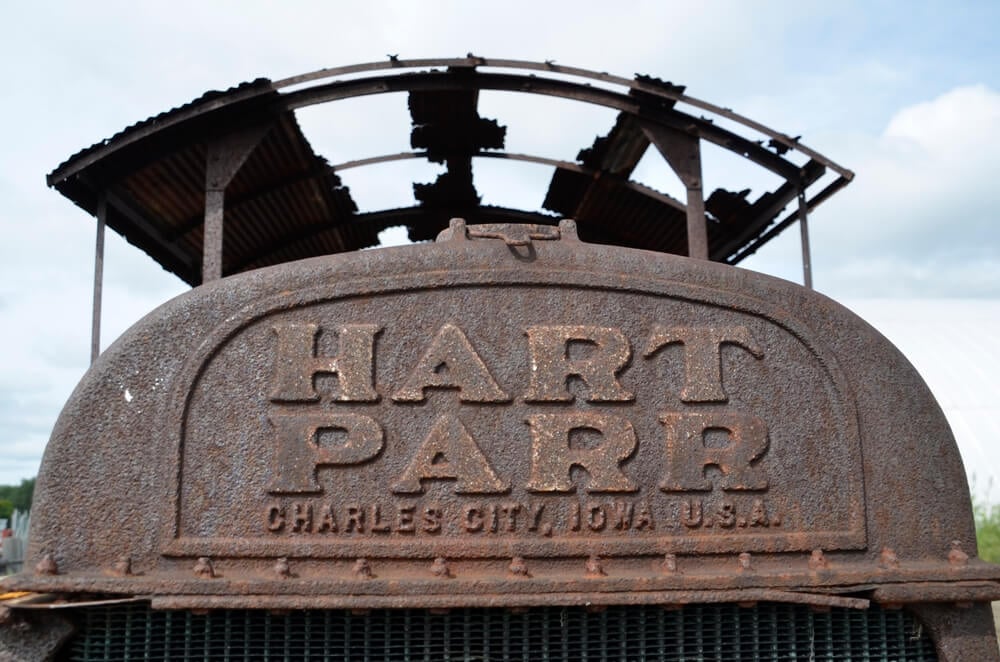
Charles Hart and Charles Parr, who met as engineering students at the University of Wisconsin, founded a company in Charles City, Iowa, in 1901 to build gasoline-powered farm engines. Their company is widely credited with selling the first tractors in meaningful numbers in the United States.
The word tractor itself came out of the firm’s marketing in the early 1900s, replacing the clumsy term gasoline traction engine. The machine ended the era in which farm output was limited by how much a team of horses could pull.
The Cream Separator That Beat Gravity
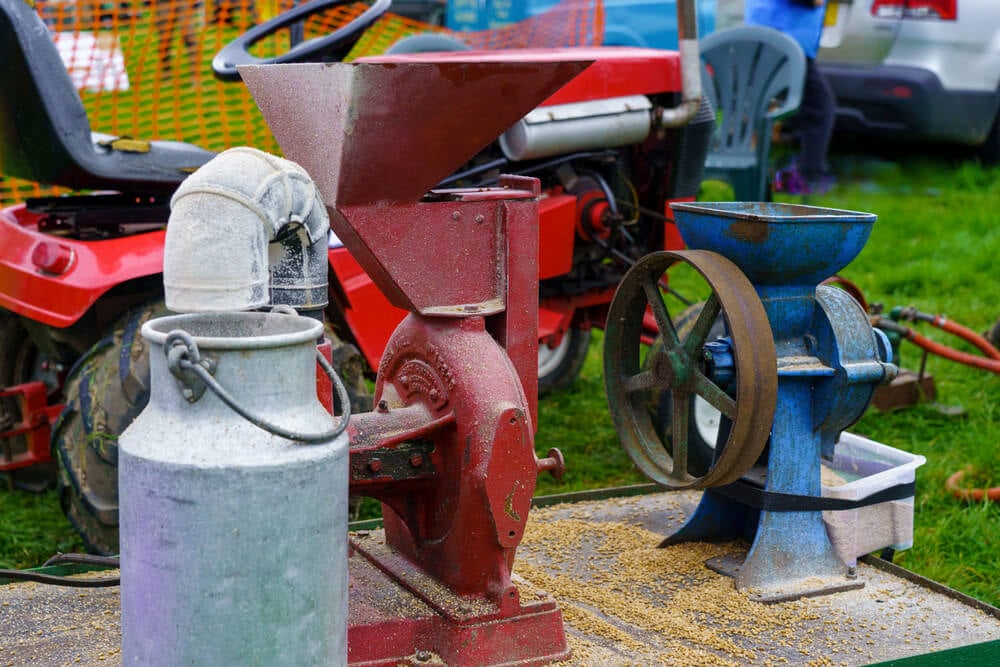
Before the late 1800s, dairy workers let milk sit for hours so the cream would rise to the top. Swedish engineer Gustaf de Laval developed a centrifugal separator in 1878 that pulled cream from milk in minutes.
The device made butter production faster and more consistent, and it helped turn dairying from a household chore into a commercial industry. The company he built around it still operates today.
Pasteurization, Born in a Wine Cellar
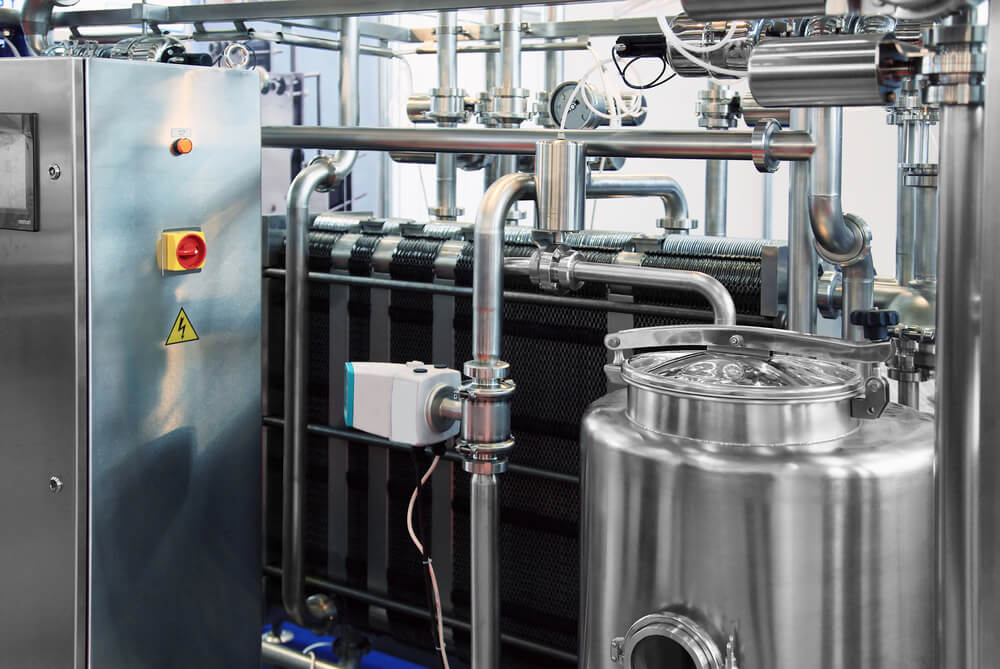
Louis Pasteur did not set out to make milk safer. In the 1860s, he studied how to stop wine from spoiling and found that gentle heating could kill the organisms responsible.
The same principle was later applied to milk, sharply reducing diseases carried in the dairy supply. Heat treatment also let perishable food travel farther and last longer, which supported larger cities.
The Babcock Test, Given Away to Make Milk Pricing Fair
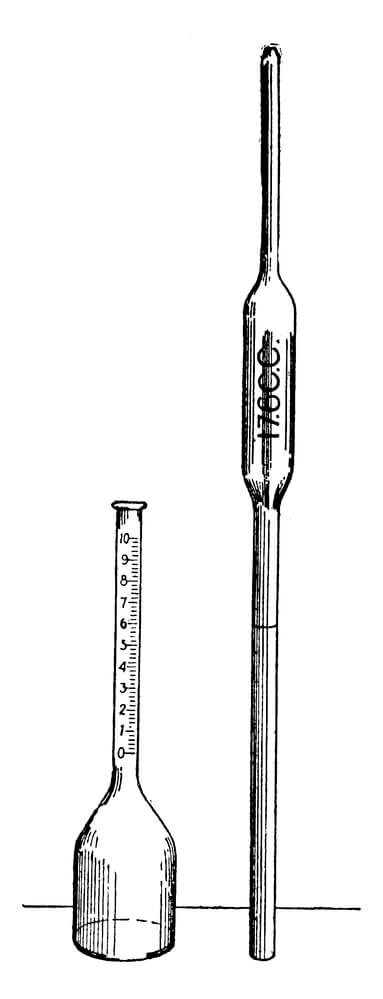
Dairy farmers were once paid by volume, which encouraged dilution and rewarded watery milk. In 1890, Stephen Babcock of the University of Wisconsin devised a simple method to measure butterfat in milk.
He chose not to patent it, so creameries and farmers everywhere could use it freely. Payment by butterfat content pushed producers to breed and feed for richer milk.
The Refrigerated Rail Car That Sent Fresh Meat East
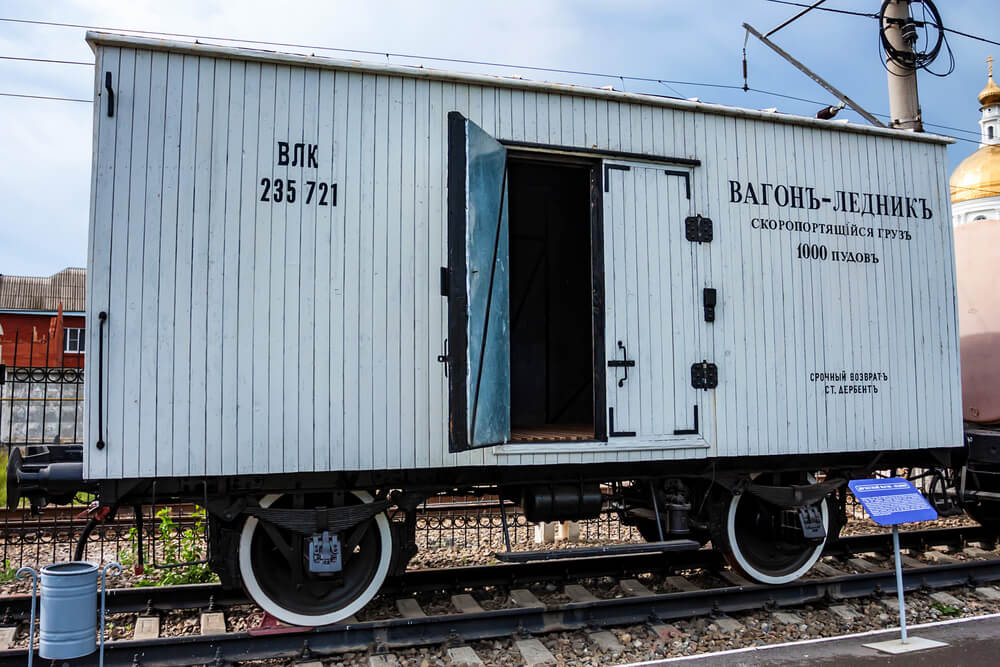
Cattle used to be shipped live to eastern cities, losing weight and sometimes dying along the way. Chicago packer Gustavus Swift helped make refrigerated railroad cars practical for carrying dressed beef in the 1870s.
Ice-cooled cars allowed butchering near the ranges and shipping only the meat. The system tied western ranches to eastern dinner tables and set the template for national food distribution.
The Windmill That Opened the Dry Plains
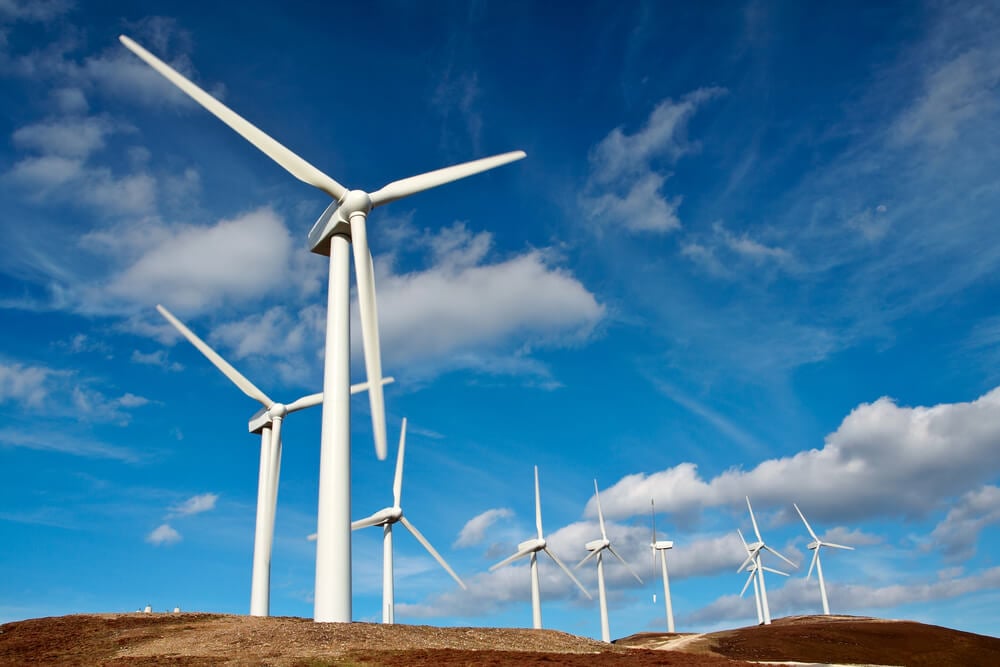
Livestock cannot graze on land with no reliable drinking water. Daniel Halladay introduced a self-regulating farm windmill in 1854 that pumped water from underground without anyone standing by to adjust it.
In 1888, the Aermotor company in Chicago released a steel-wheeled design that was lighter and more efficient. These pumps let ranchers and farmers settle areas far from rivers and lakes.
The Haber-Bosch Process That Pulled Fertilizer From the Air
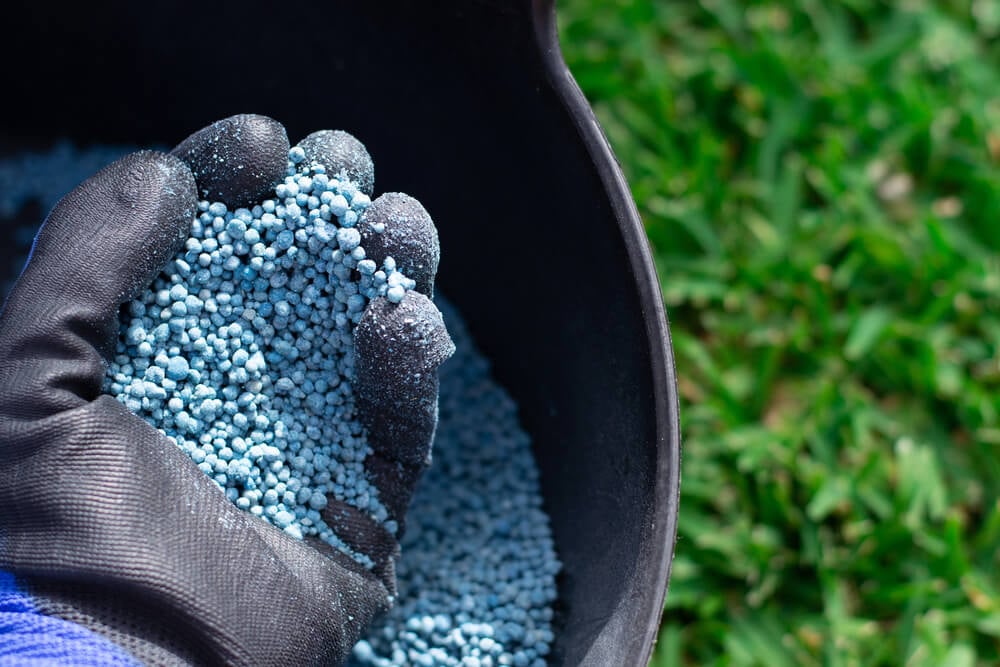
Plants need nitrogen, and for centuries farmers relied on manure, legumes, and imported guano to supply it. German chemist Fritz Haber showed in 1909 that ammonia could be made from nitrogen in the air and hydrogen, and Carl Bosch at BASF scaled it up into an industrial process.
A large plant at Oppau, Germany, began producing ammonia in 1913. Scientists often estimate that roughly half of the world’s people now depend on food grown with fertilizer made this way.
Hybrid Corn, Which Farmers Had to Buy Again Every Year
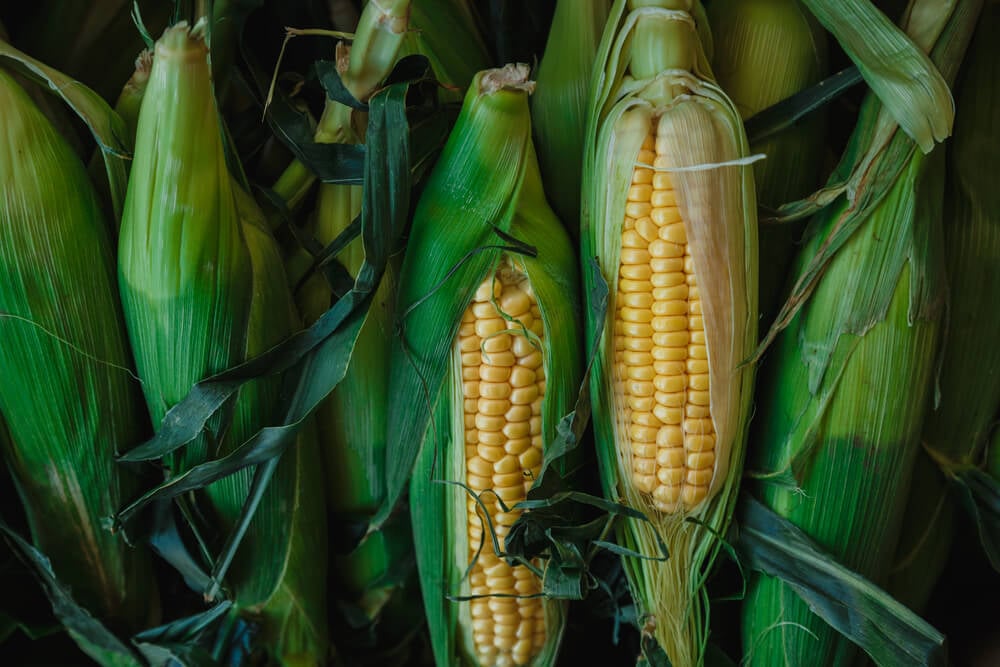
George Shull of the Carnegie Institution reported in the early 1900s that crossing inbred corn lines produced unusually vigorous plants. Donald Jones of Connecticut later devised the double-cross method, which made hybrid seed cheap enough to sell widely.
Henry A. Wallace of Iowa founded Hi-Bred Corn Company in 1926 to market the seed. Because the second generation of hybrid corn performs poorly, farmers began buying fresh seed every season.
Dwarf Wheat, the Short Plant Behind the Green Revolution

Tall wheat varieties tend to fall over when given extra fertilizer, wasting the yield. Norman Borlaug, working in Mexico, bred high-yielding semi-dwarf wheat using dwarfing genes from the Japanese variety Norin 10.
The short, sturdy plants carried heavy heads of grain without collapsing. After the seeds reached Pakistan and India in the 1960s, harvests rose sharply, and Borlaug received the Nobel Peace Prize in 1970.
The Center Pivot That Drew Green Circles on the Plains
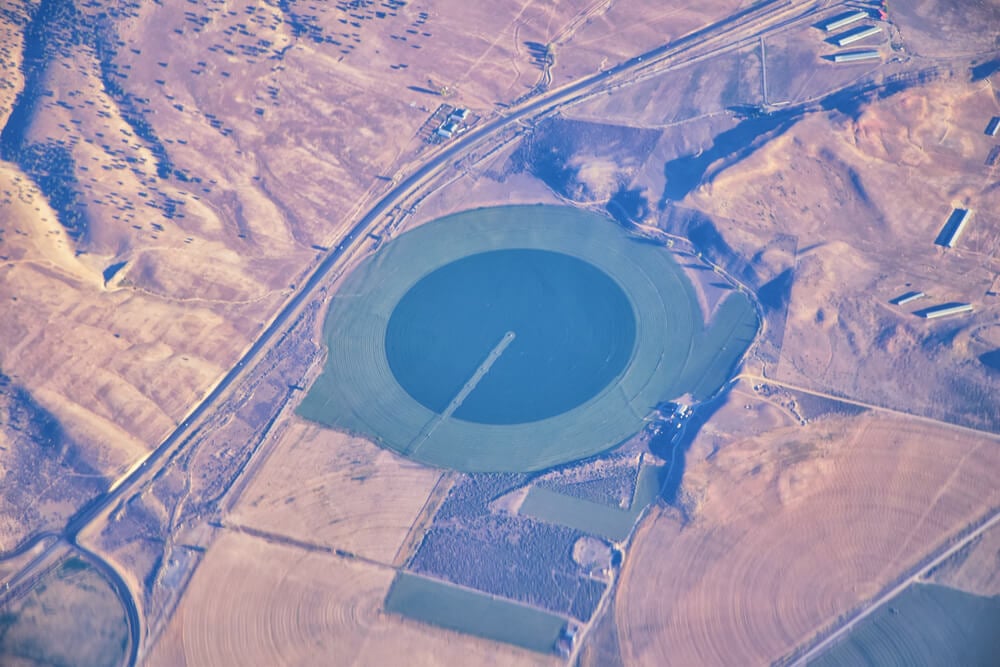
Flood irrigation wastes water and demands level ground. Colorado farmer Frank Zybach developed the center-pivot sprinkler in the 1940s, using a rotating pipe supported by wheeled towers that swings around a central point.
The system allowed farmers to water hilly or sandy land that had once been unusable. Its signature circular fields became visible from airplanes and satellites across the American High Plains.
The Baler That Packed Hay Into Tidy Bundles
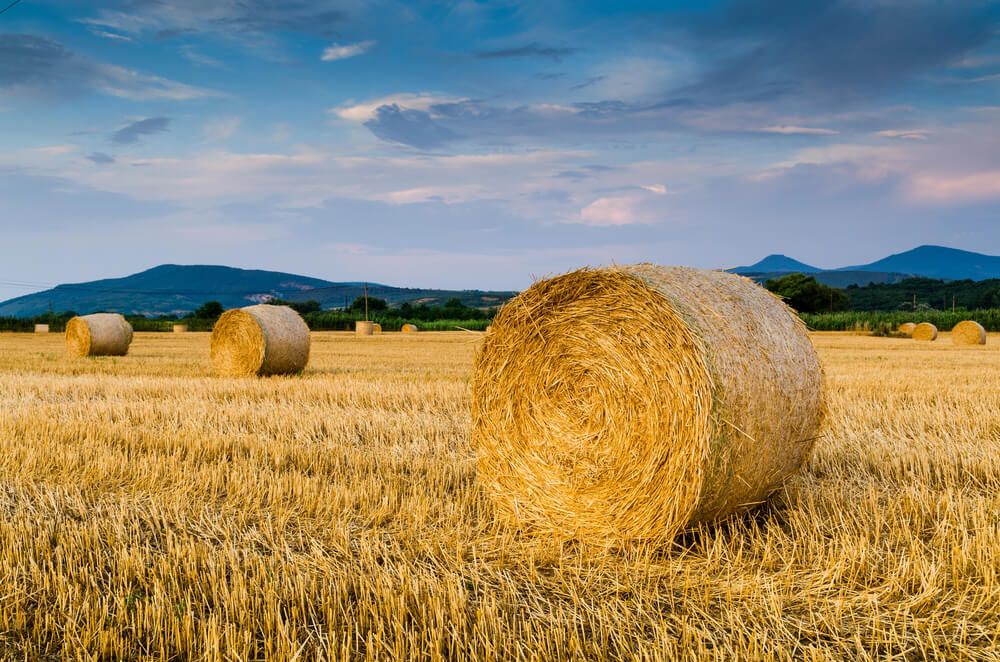
Loose hay took up huge amounts of space and needed hours of labor to move and store. Pennsylvania farmer Edwin Nolt invented a self-tying baler in the late 1930s, and the New Holland company brought it to market.
The machine compressed hay into dense, uniform packages and tied them off automatically. Reliable winter feed meant livestock could be kept through cold months that had once forced farmers to sell animals off.
Drip Irrigation, Water Delivered One Drop at a Time
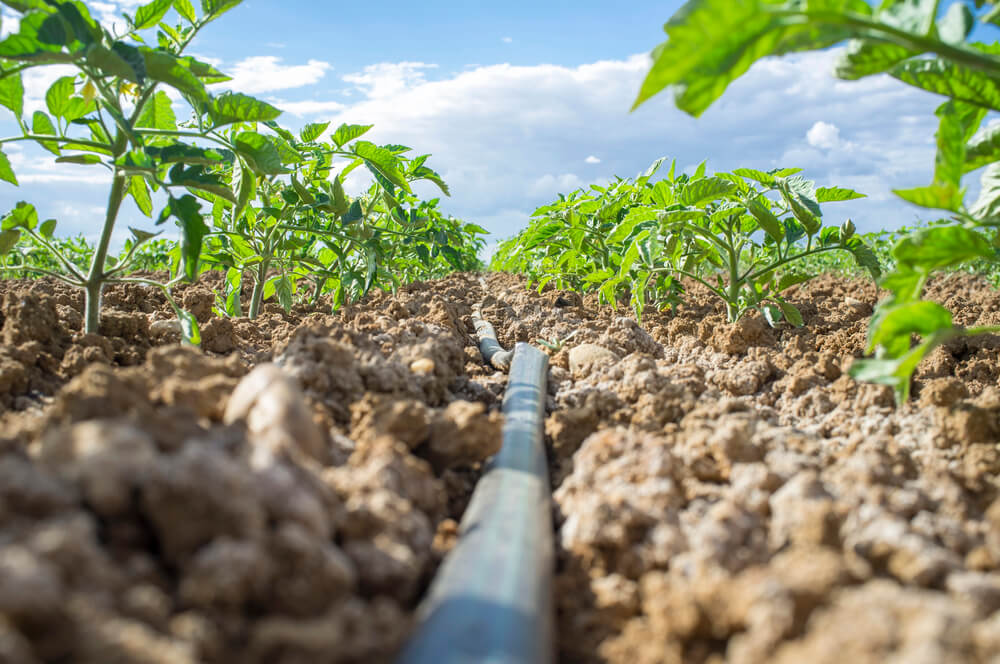
Israeli engineer Simcha Blass is credited with developing practical drip irrigation after noticing that a slowly leaking pipe fed a nearby tree better than expected. His ideas led to the founding of Netafim at Kibbutz Hatzerim in 1965.
Water goes directly to the roots rather than being sprayed across entire fields, which cuts evaporation and runoff. The method let farmers grow crops in desert conditions that had defeated earlier irrigation.
When Hunger Became an Engineering Problem
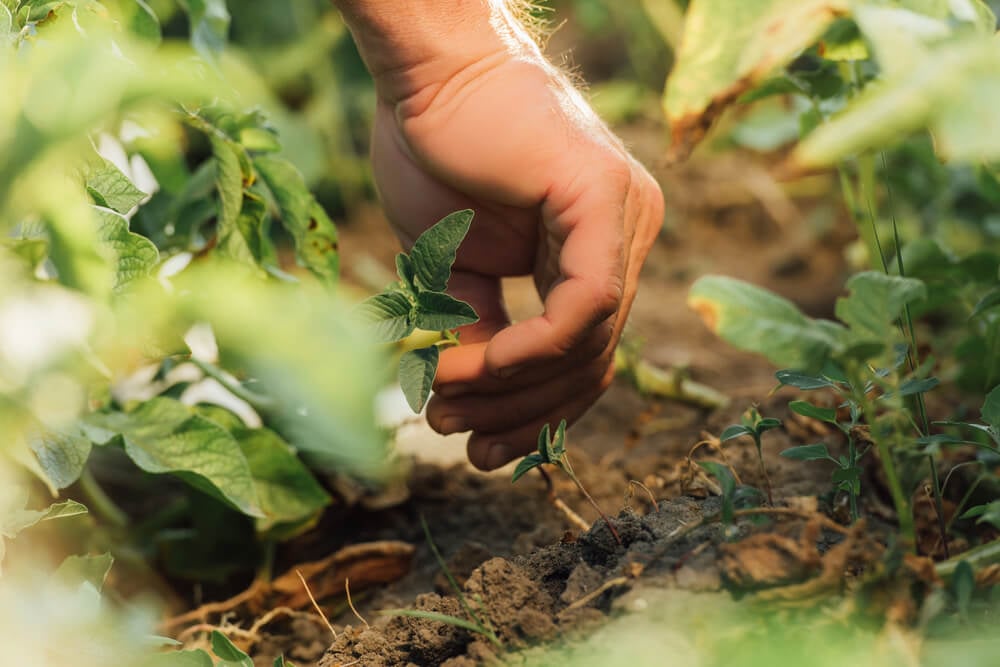
Looking across these inventions, a pattern emerges. Almost none of them involved discovering a new crop or a new animal.
Instead, each removed a specific bottleneck, whether it was the slowness of the harvest, the lack of water, or the shortage of nitrogen in the soil. That pattern is also why the story is unfinished.
Every gain created a new constraint, from fertilizer runoff to dwindling groundwater. The next generation of farm inventions will likely look less like bigger machines and more like smarter fixes to the problems the old ones left behind.
More from Go2Tutors!

- 27 Silver Dollars and Half Dollars Worth Keeping
- 28 Restaurant Menu Items Nobody Orders Anymore
- 17 Places Built in Seemingly Impossible Spots
- 27 Vintage Rings Worth More Than They Look
- 25 Restricted Sites Tourists Can’t Enter
Like Go2Tutors’s content? Follow us on MSN.