26 Old Football Helmets Collectors Buy
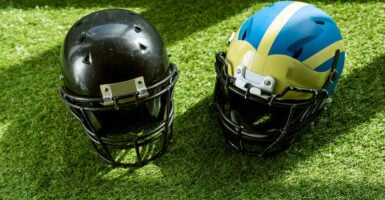
Before the modern shell, the gridiron looked very different. Early players wore leather caps with almost no padding, and the evolution from those soft helmets to today’s engineered shells is a story told in plastic, paint, and decals.
Collectors chase these helmets for the history, the team logos, and the wear that proves they were on the field. Authenticity and condition drive prices, and game-used examples with documented provenance sit at the top of the market.
Early Leather Helmets
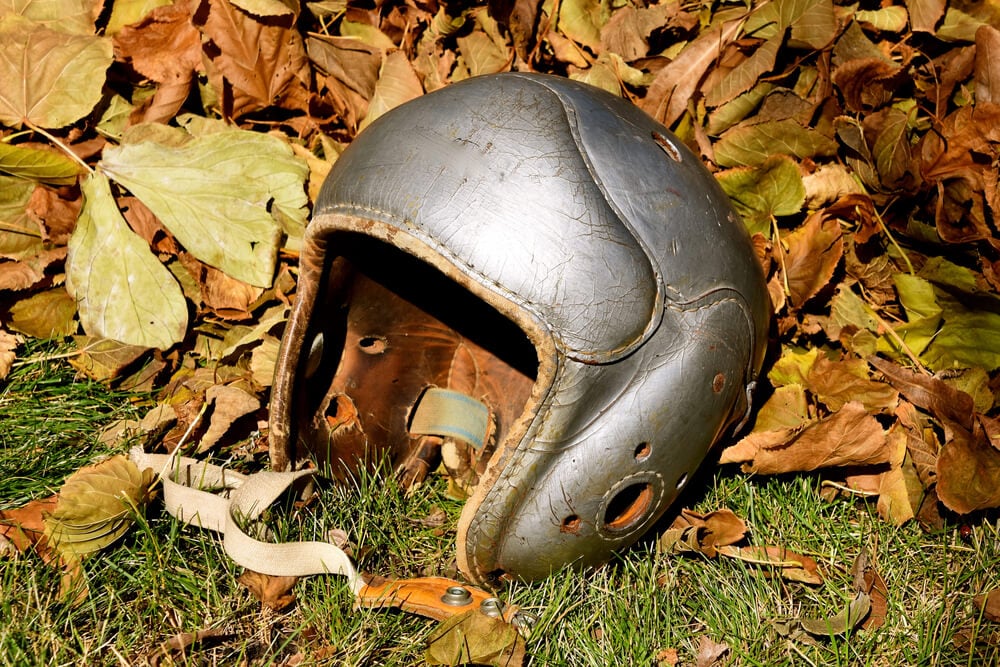
Admiral Joseph Mason Reeves commissioned the first helmet for the 1893 Army-Navy game after a doctor warned him another kick to the head could be fatal. Early leather caps were crude and offered little real protection.
Surviving pieces from this period are scarce museum-grade items.
1920s and 1930s Leather Helmets
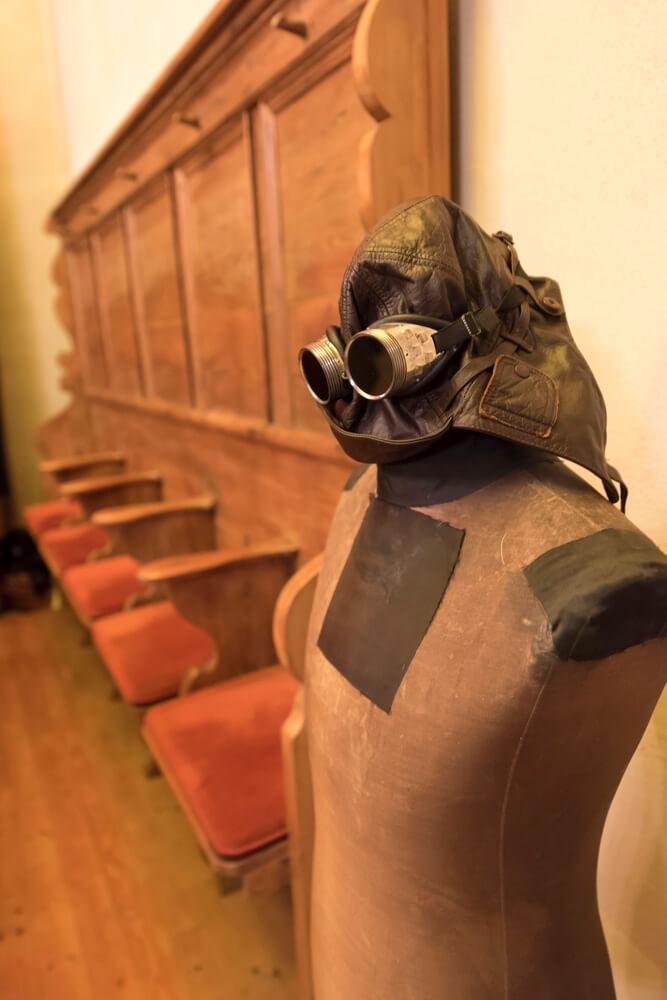
By the 1920s and 1930s, leather helmets had ear flaps and sewn seams. Players wore them with little padding.
Helmets were not required for college play until 1939.
The Riddell Plastic Helmet

John T. Riddell developed a plastic helmet around 1939 and 1940, using a Tenite II shell. It offered a major leap in protection.
The NFL approved plastic helmets in 1949, with George Halas among those pushing for the change.
The 1948 Rams Horns
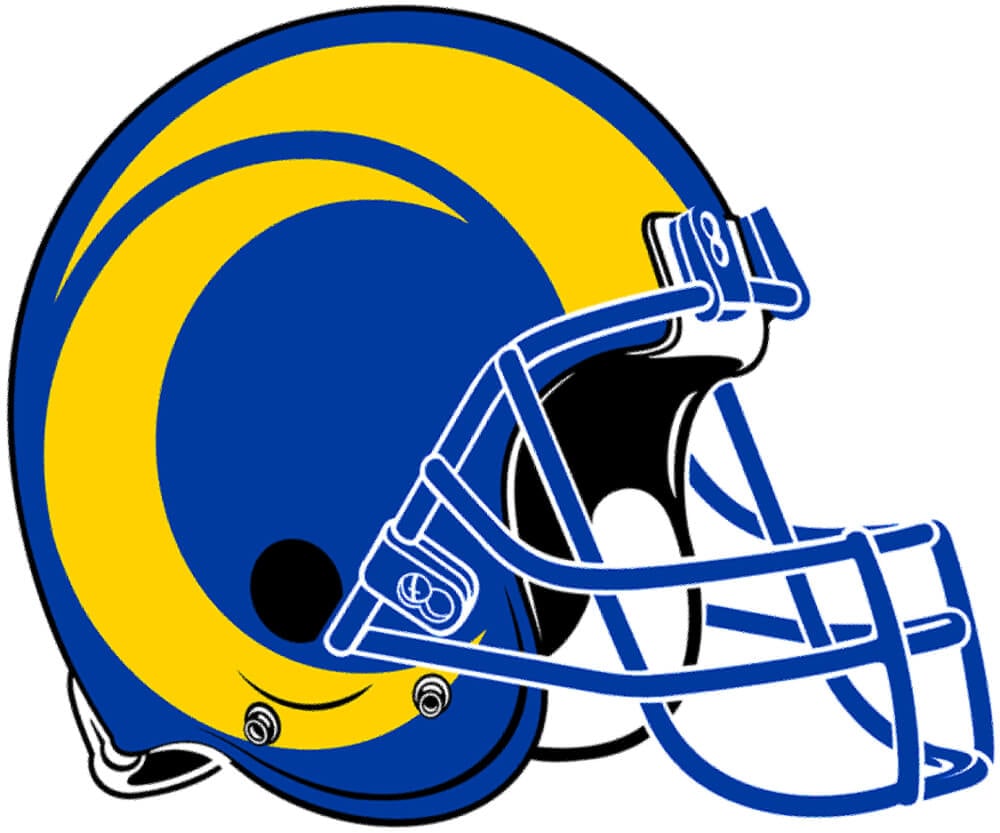
Fred Gehrke painted horns on Rams helmets in 1948, making them the first NFL helmets with a logo. The job took him the summer of 1948 to complete, and the paint chipped easily.
By 1949, Riddell baked the design into plastic helmets.
The Riddell RK4
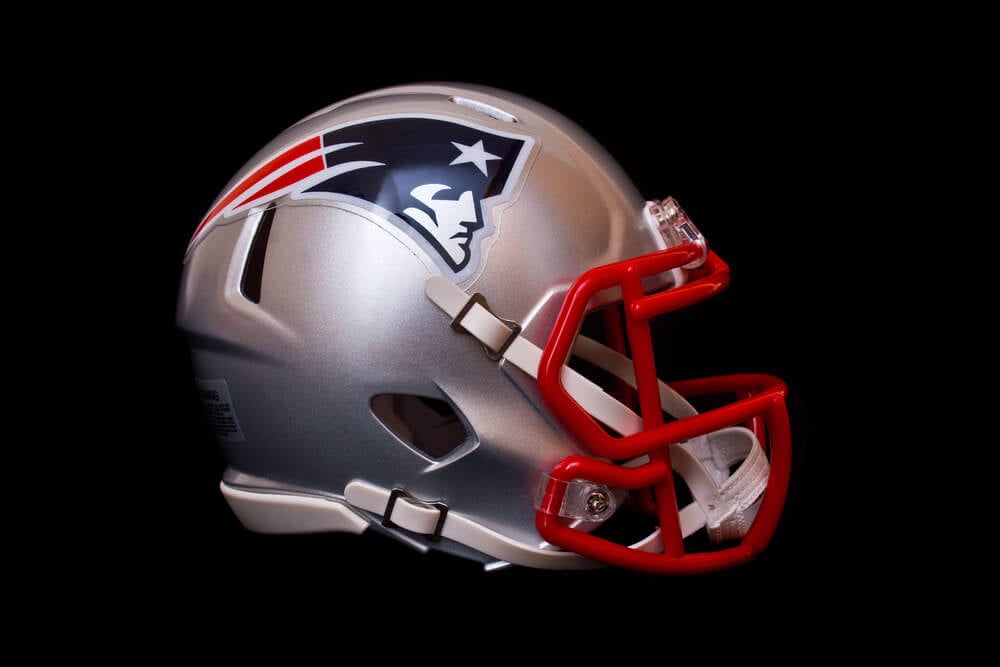
The RK4 was a 1950s staple that came in a range of team colors. A red RK4 from the 49ers has been listed by collectors at around $1,562.
Its simple suspension and thin shell define the era.
The Single Face Bar

A single face bar appeared in 1955 to protect players’ mouths and noses. It was a simple solution to a growing problem.
By 1962, all NFL players wore facemasks.
The Kra-Lite II
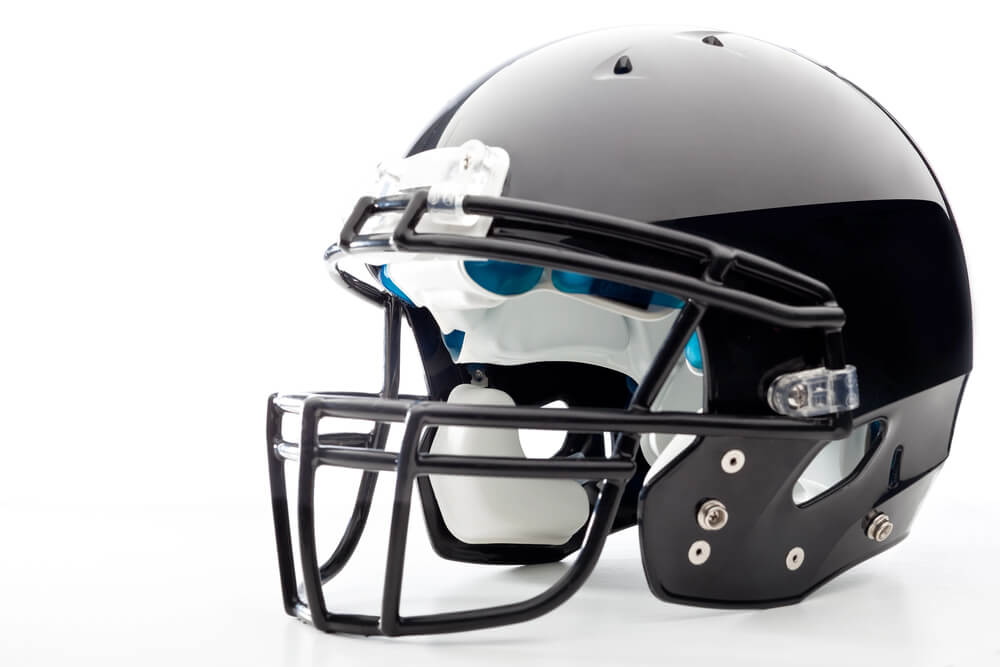
The Kra-Lite II was a lightweight helmet used in the early 1970s. A Chargers helmet worn by quarterback John Hadl in 1972 has been listed at roughly $2,516.
Its sleek lines and padded interior reflect a new engineering approach.
The TK-2

The TK-2 suspension helmet was used into the 1970s. An example from the Eagles worn by Woodeschick around 1970 has come to market.
Collectors favor it for its classic shape.
The Steelers One-Sided Logo
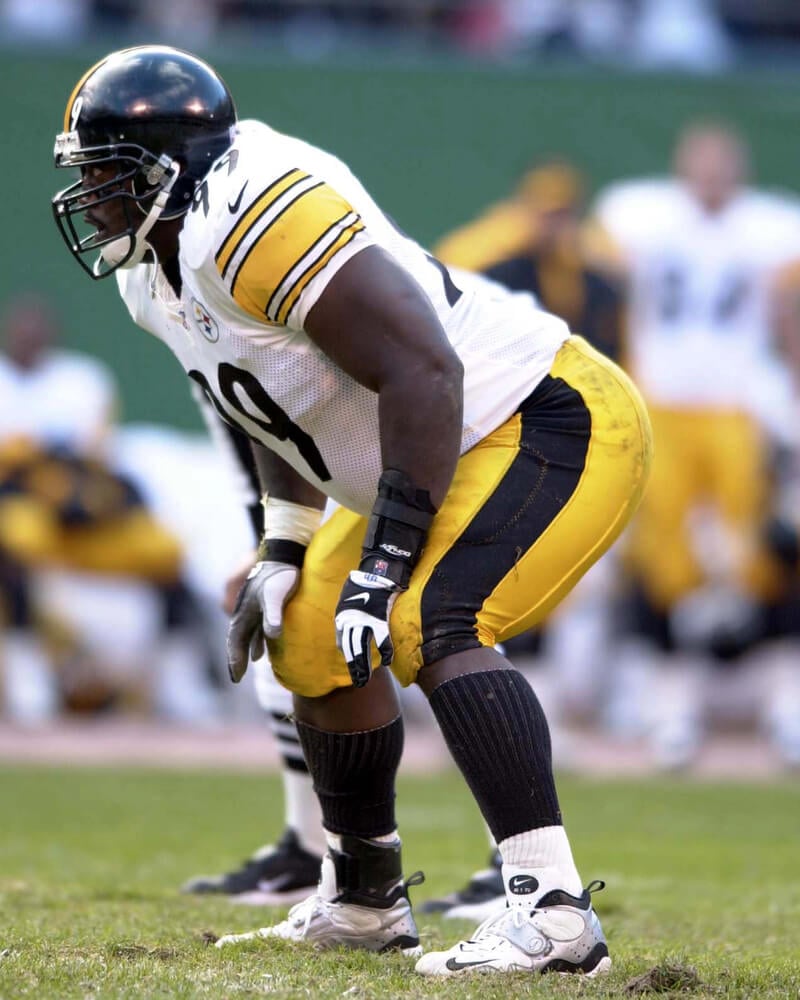
In the late 1960s, the Steelers put their emblem only on the right side of the helmet. It was a quirk that few other teams copied.
The look is highly recognizable for fans.
The Cleveland Browns Plain Orange
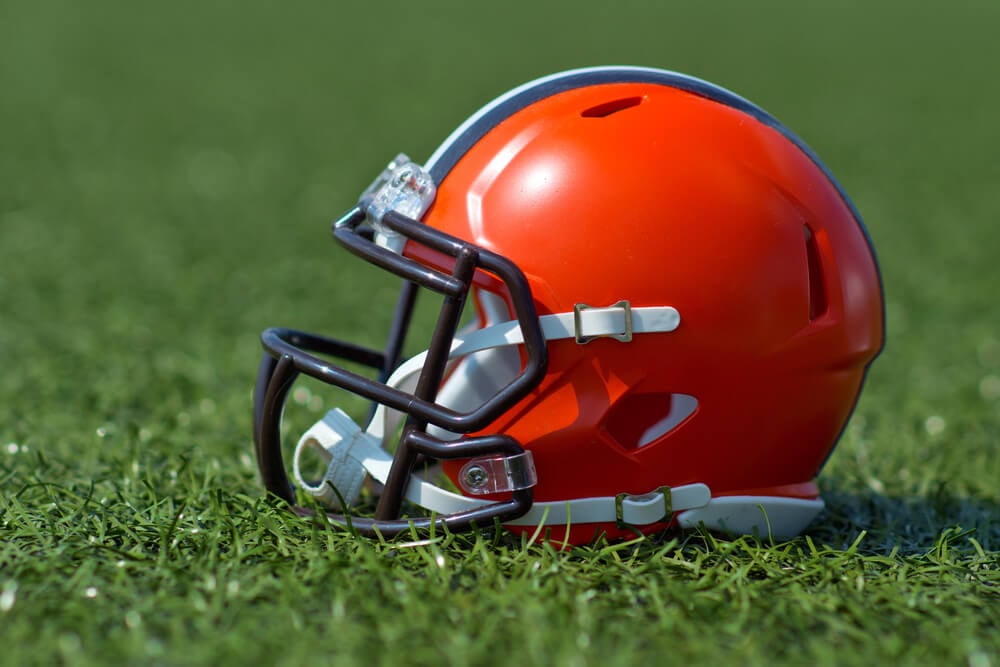
The Browns wear a plain orange shell with no logo. It is one of the most distinctive looks in the NFL.
Vintage Browns helmets come in various shades.
The Baltimore Colts Horseshoe
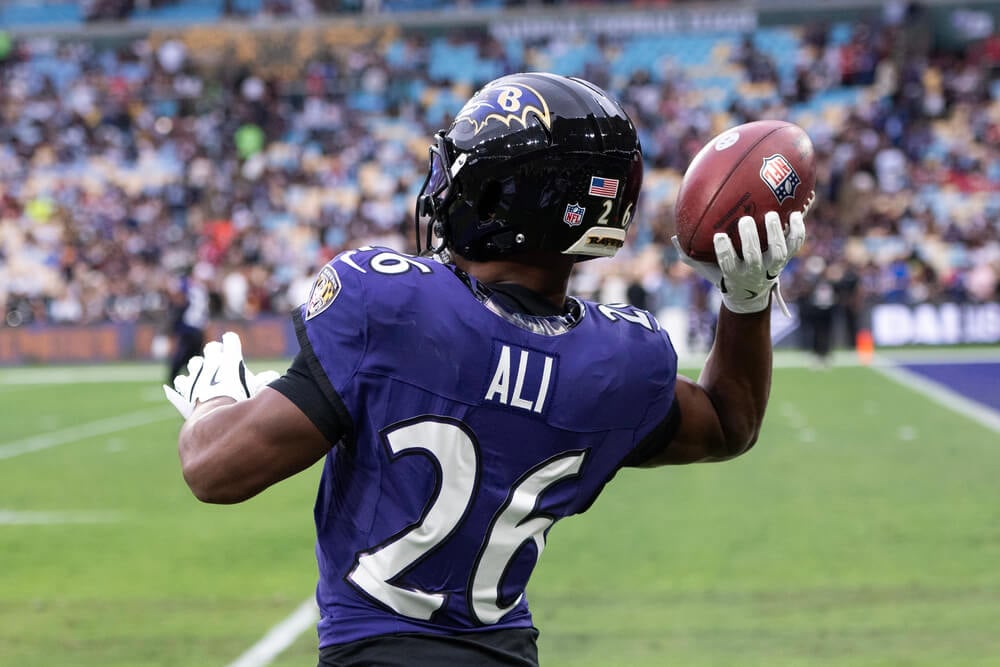
The Colts’ horseshoe logo remains a classic of the NFL. It appeared on blue shells for decades.
The design was linked to the Johnny Unitas era.
The Dallas Cowboys Star
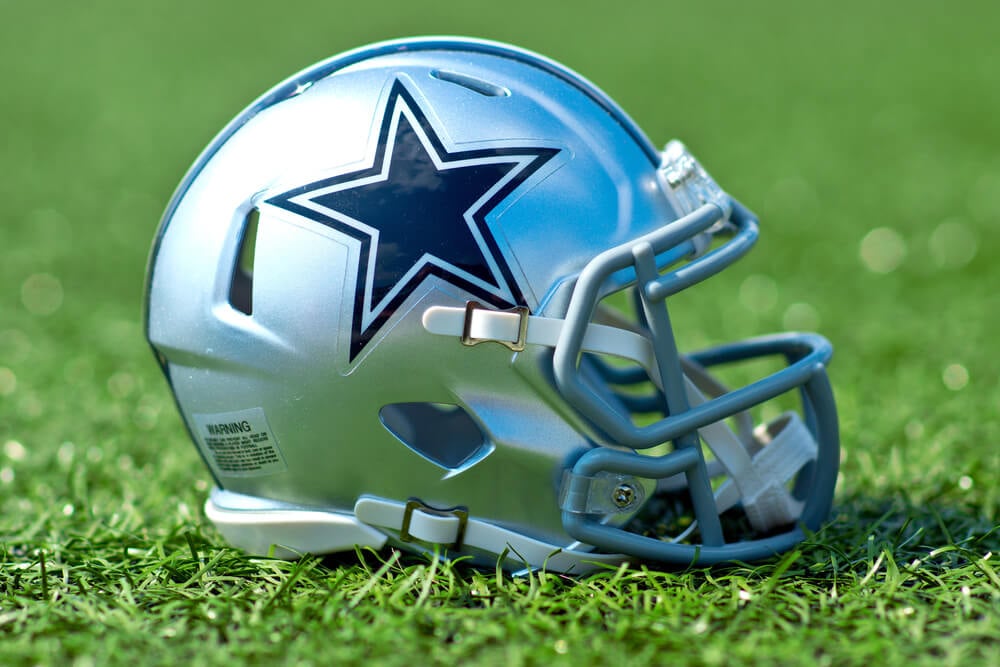
The Cowboys’ blue star on a silver helmet is among the league’s most iconic images. The metallic finish catches the stadium lights.
Early versions with the original paint are especially coveted.
The Green Bay Packers G
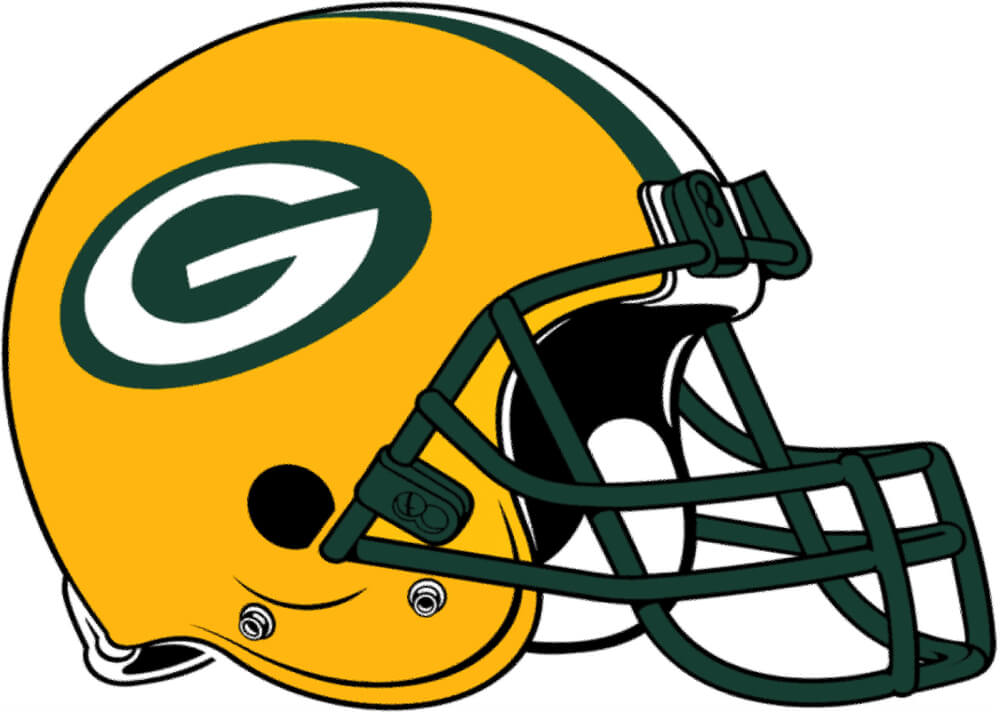
The Packers adopted their G logo in 1961. It stands for the franchise’s long legacy.
Vintage helmets carry the original decals.
The Eagles Wings
The Eagles introduced wings on their helmets in 1948. The design remains a fan favorite.
Replicas are common, but originals show their age.
The Vikings Horns
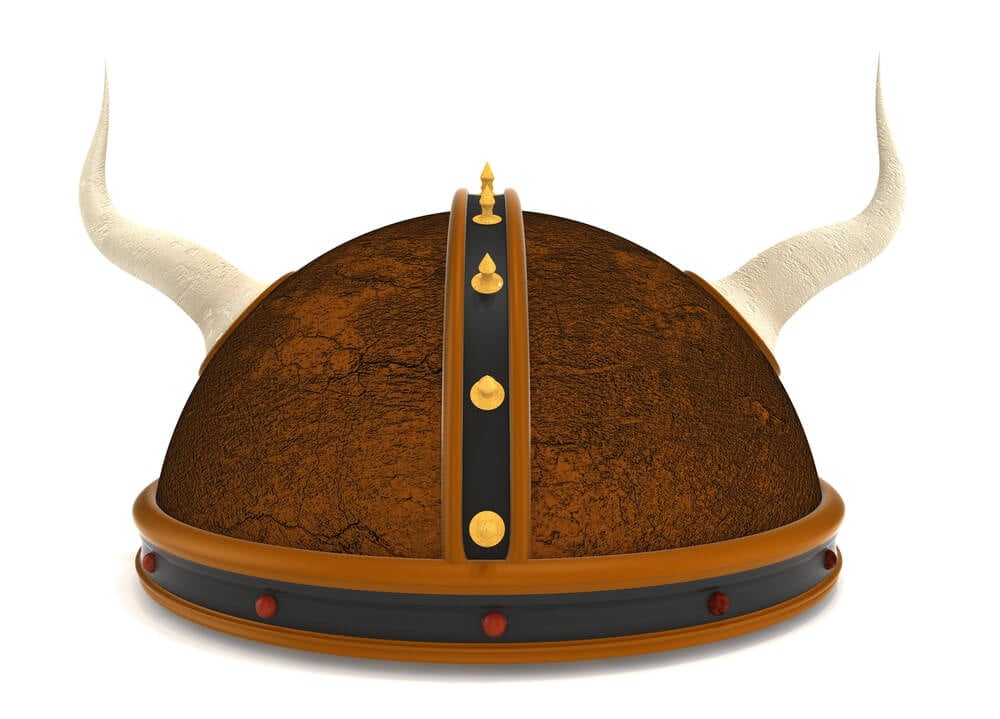
The Vikings introduced their horn design in 1961, the franchise’s first year. The white horns on a purple shell are unmistakable.
Collectors prize the early shells.
The Raiders Pirate
The Raiders adopted the pirate logo in 1963 on a silver and black shell. The look matched the team’s tough reputation.
Original pieces from the 1960s are rare.
The Chiefs Arrowhead
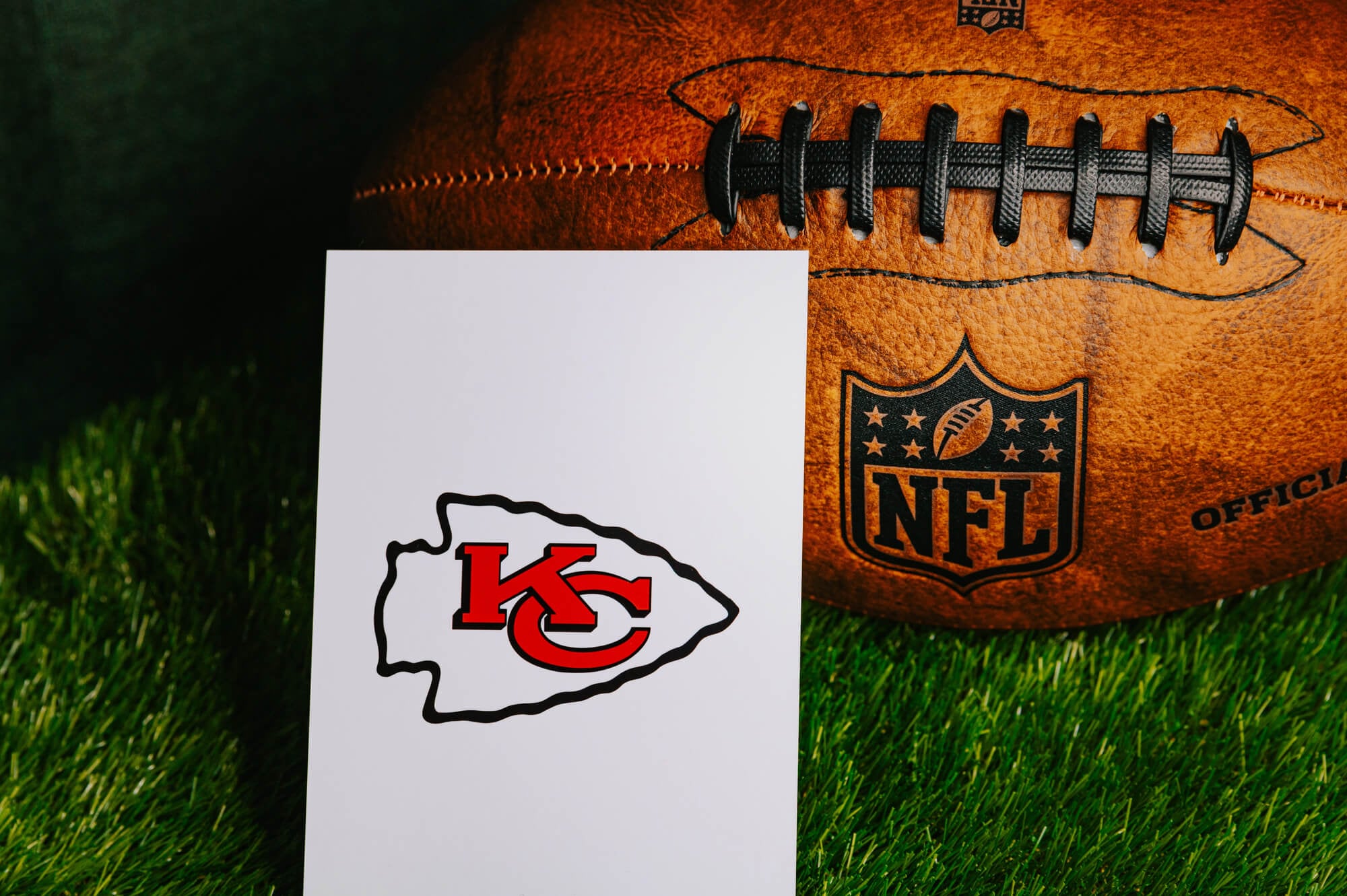
The Chiefs introduced the arrowhead in 1963 when they were in Kansas City. The red and white scheme has changed little.
Vintage versions have a unique feel.
The Dolphins
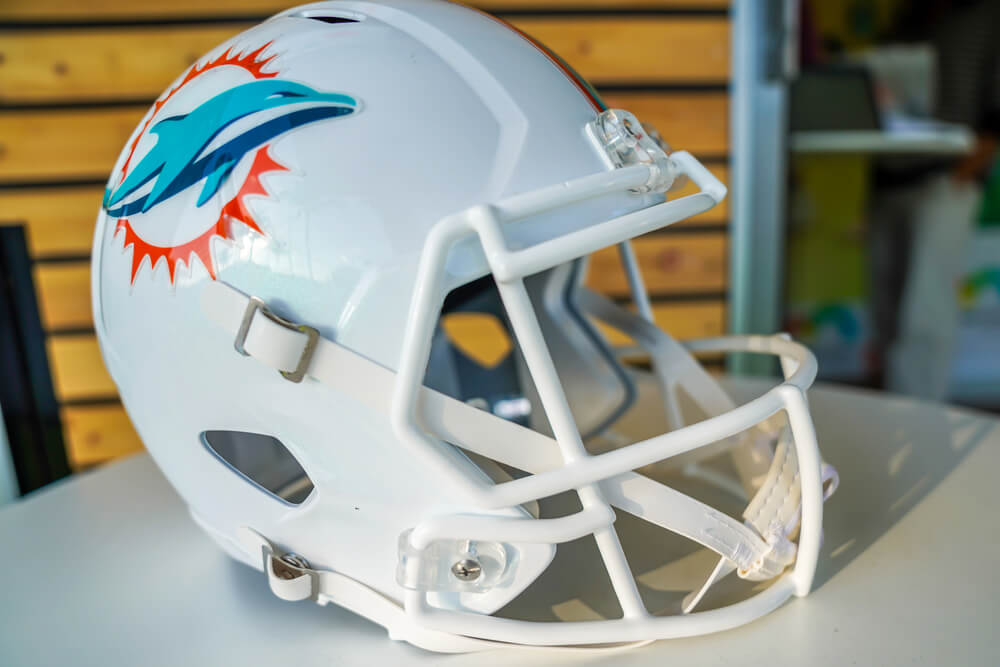
The Miami Dolphins debuted in 1966 with a leaping dolphin logo. The aqua and orange palette was unusual for the time.
Early helmets are scarce.
The Houston Oilers Derrick

The Oilers featured an oil derrick on a light blue helmet. The design is a favorite among fans of throwback gear.
Original helmets bring strong prices.
The 1976 Buccaneers TK2
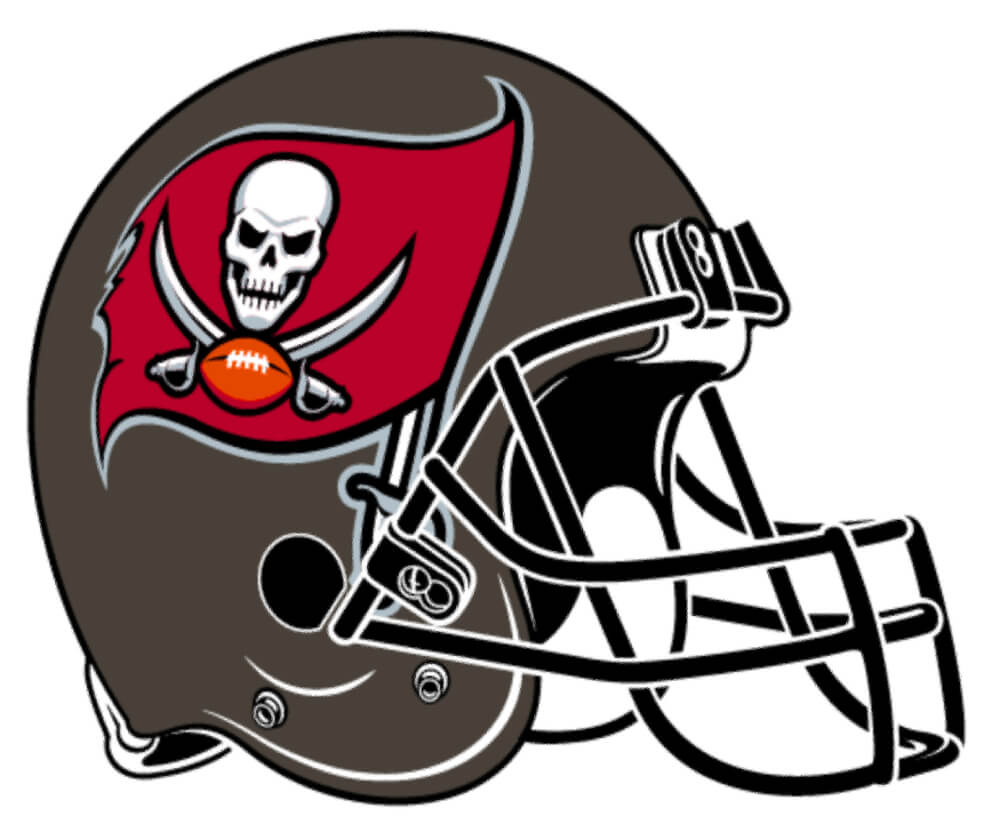
The Buccaneers played their first season in 1976. A game-worn TK2 helmet worn by Joe Blahak has been seen on the market.
Their early losses made them famous.
The Rawlings Airflow
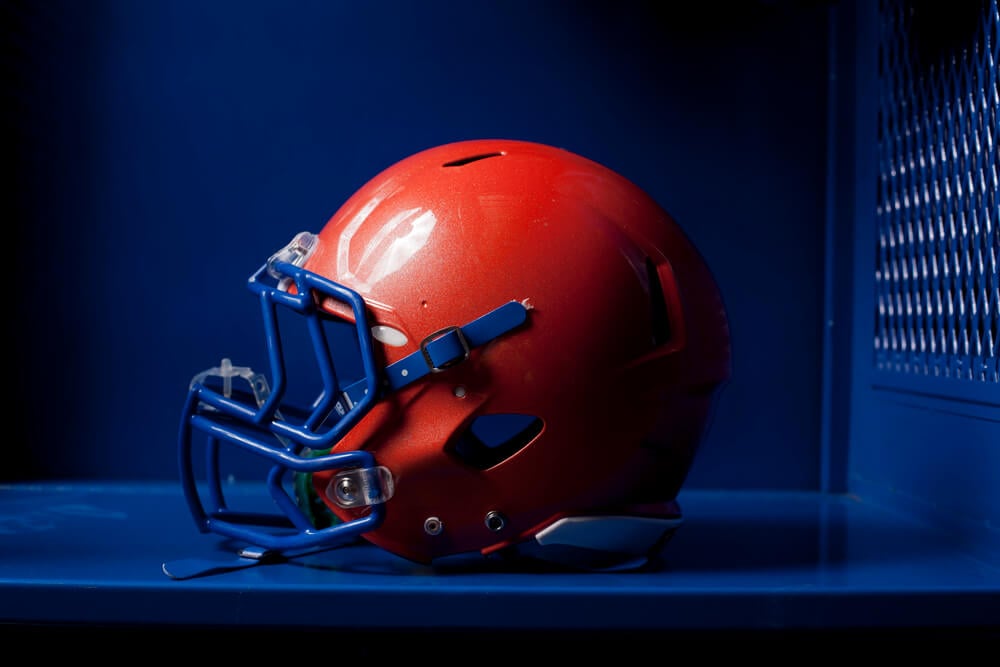
Rawlings produced the Airflow helmet in the 1970s. A Bills example has been listed by dealers.
It has an unmistakable look.
The VSR-3

The VSR-3 was used in the 1980s, including by the Buccaneers. It had a rounder, more modern shape.
Collectors treat it as a transition piece.
The Bike Padded Helmet

Bike helmets from circa 1990 were used by teams such as the Patriots. They offered improved padding and air bladders.
The brand name was well known to players.
The Michigan Winged Helmet
Fritz Crisler introduced the winged design for Michigan in 1938. The pattern is among the most recognized in college sports.
Vintage pieces are valuable.
The Ohio State Buckeye Stickers

Ohio State began awarding buckeye stickers to helmets in 1968. Players earned them for good plays.
Original helmets with the decals intact are special.
The Harrison Super Bowl Helmet
James Harrison’s helmet from Super Bowl XLIII was auctioned in 2012. The game featured his famous 100-yard interception return.
Game-worn pieces from big moments are the pinnacle of collecting.
Protection Meets Identity
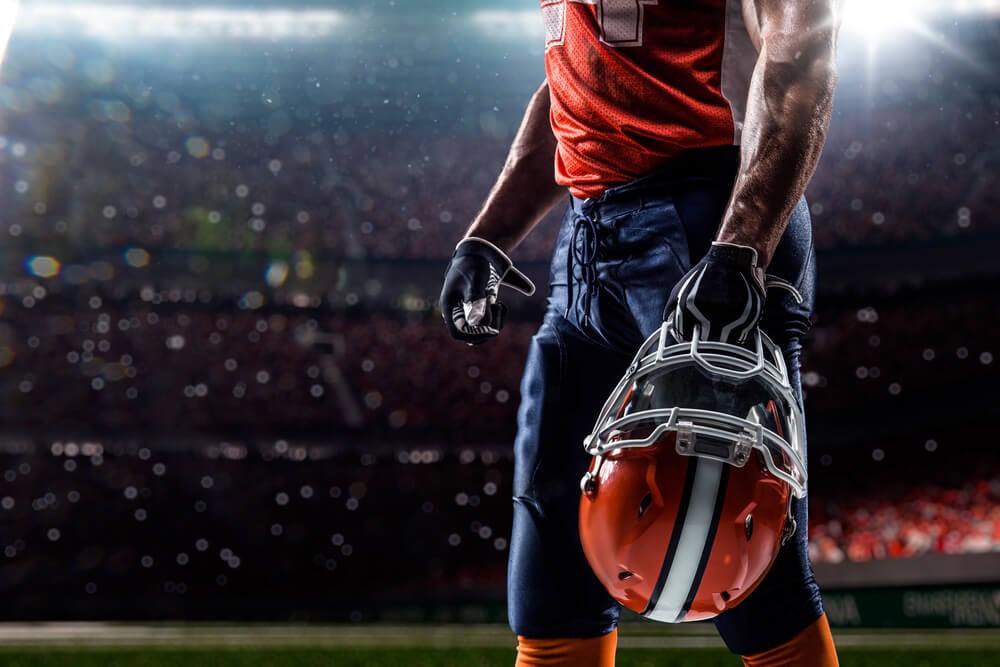
The helmet began as a safety device and became a billboard. Each new design reflects both engineering advances and the branding of the team.
That blend is why they remain so compelling. When shopping, check for original paint, correct decals, and signs of genuine use.
Reproductions are common, and a documented history is worth paying for. A helmet with a story will always outshine one without.
More from Go2Tutors!

- 27 Silver Dollars and Half Dollars Worth Keeping
- 28 Restaurant Menu Items Nobody Orders Anymore
- 17 Places Built in Seemingly Impossible Spots
- 27 Vintage Rings Worth More Than They Look
- 25 Restricted Sites Tourists Can’t Enter
Like Go2Tutors’s content? Follow us on MSN.