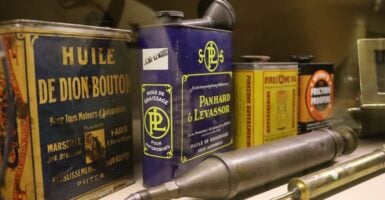
23 Drugstore Products Grandma Always Bought
Open a grandmother’s bathroom cabinet, and the shelves usually told a story. Tins, tubes, and brown bottles sat in rows, each with a purpose and a smell that could travel down a hallway. Many of them had been there since before anyone in the family was born.
Most of these products were invented in the 1800s or early 1900s, then survived because people simply refused to switch. Here are the staples that earned their permanent spot.
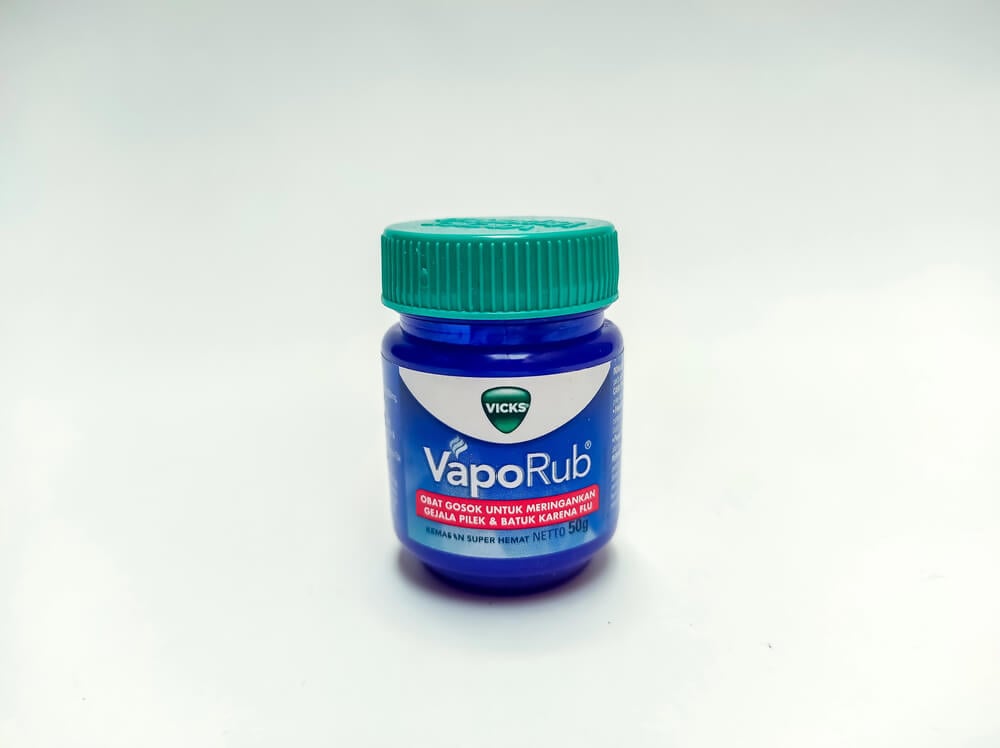
Vicks VapoRub
— Photo by whaiz.all.qadri@gmail.com
Lunsford Richardson, a North Carolina pharmacist, developed the salve in the 1890s and named the brand after his brother-in-law, Joshua Vick. It began as Vick’s Magic Croup Salve before the VapoRub name took over.
The blend of camphor, menthol, and eucalyptus oil produced a scent so strong that it became shorthand for every childhood sick day.
Bag Balm
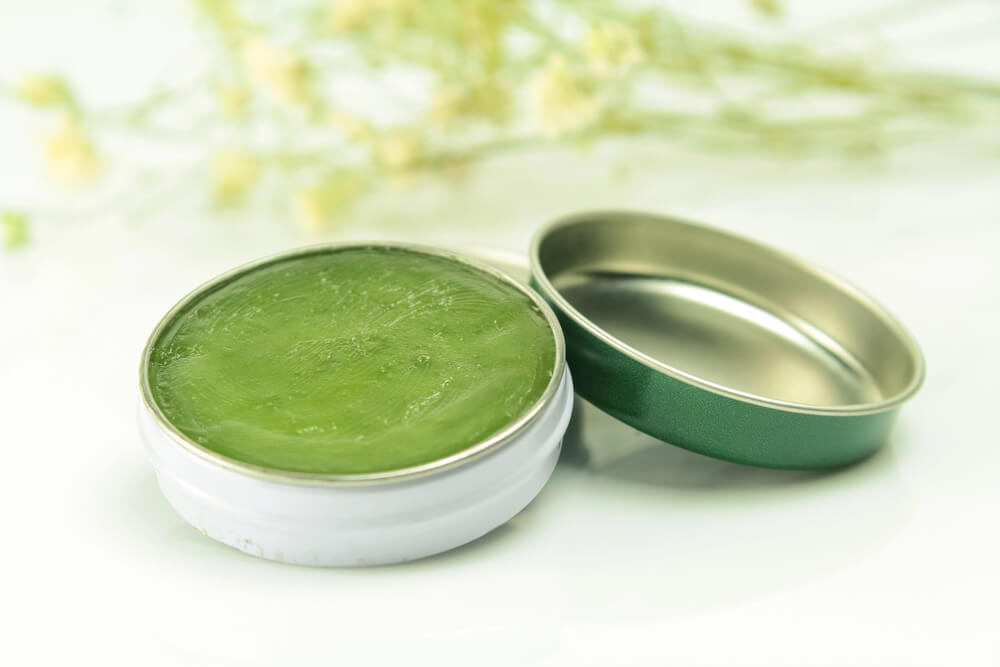
This green tin has been made in Vermont since 1899, and it was created for the cracked udders of dairy cows. Farm families noticed that it worked just as well on their own chapped hands, and the product slowly moved from the barn to the bathroom shelf.
Decades later, social media rediscovered it as a trendy moisturizer, which would have amused every dairy farmer who ever owned a tin.
Noxzema
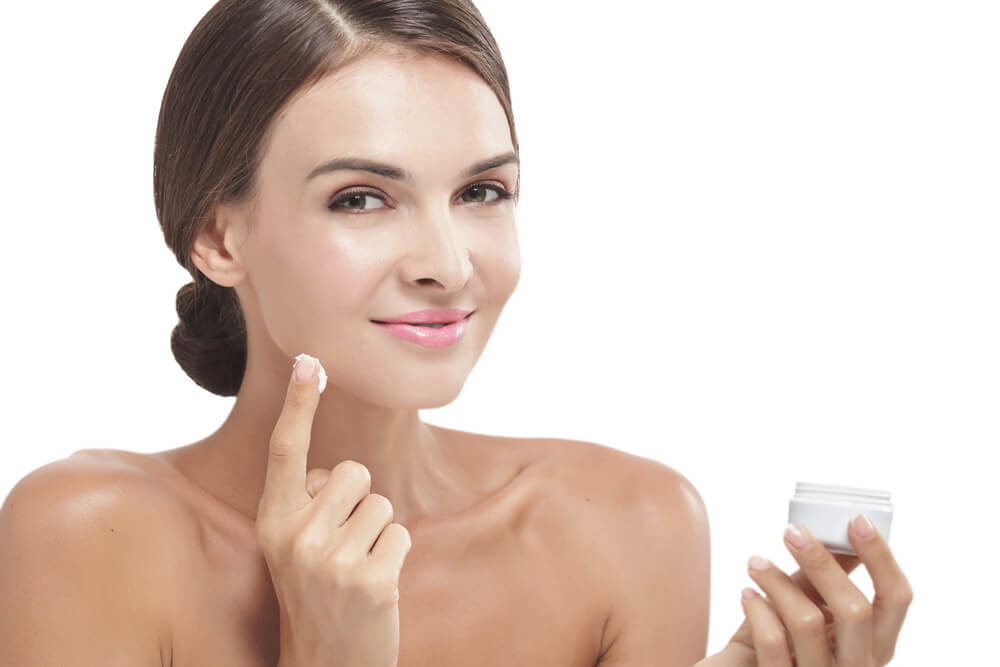
A Baltimore pharmacist named George Bunting first sold the cream as Dr. Bunting’s Sunburn Remedy around 1914. According to the usual telling, a customer remarked that it knocked out eczema, and the company later built the brand name from that comment.
The medicinal tingle and the blue jar made it a fixture of face-washing routines for generations.
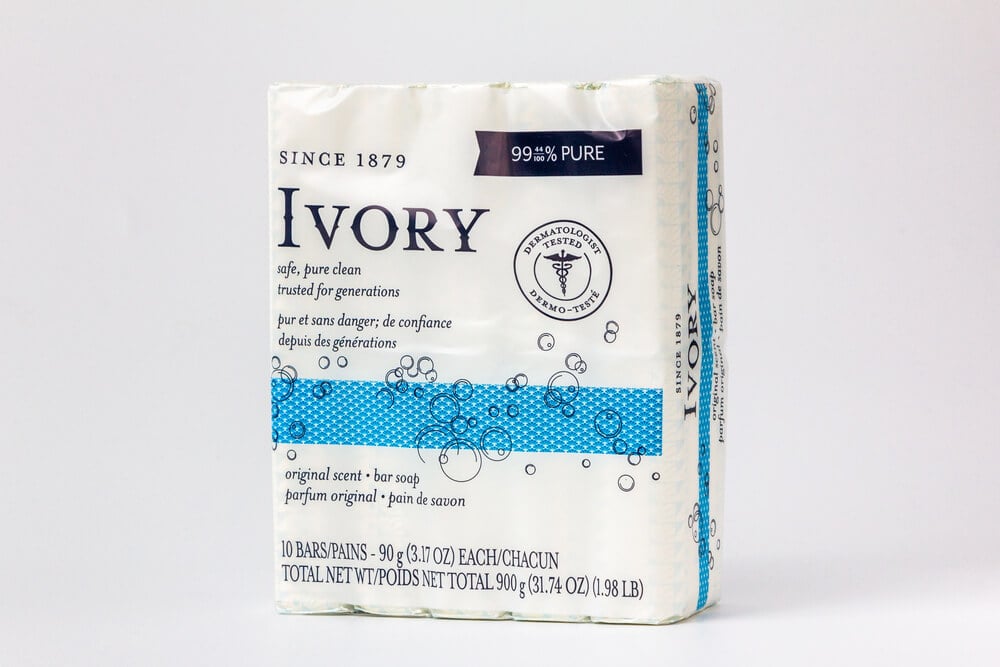
Ivory Soap
— Photo by wolterke
Procter & Gamble introduced Ivory in 1879, and its most famous trait is that it floats. Air is whipped into the soap during manufacturing, which makes the bar lighter than water.
Grandmothers appreciated that a bar dropped into a full tub could be found again without fishing around in the suds.
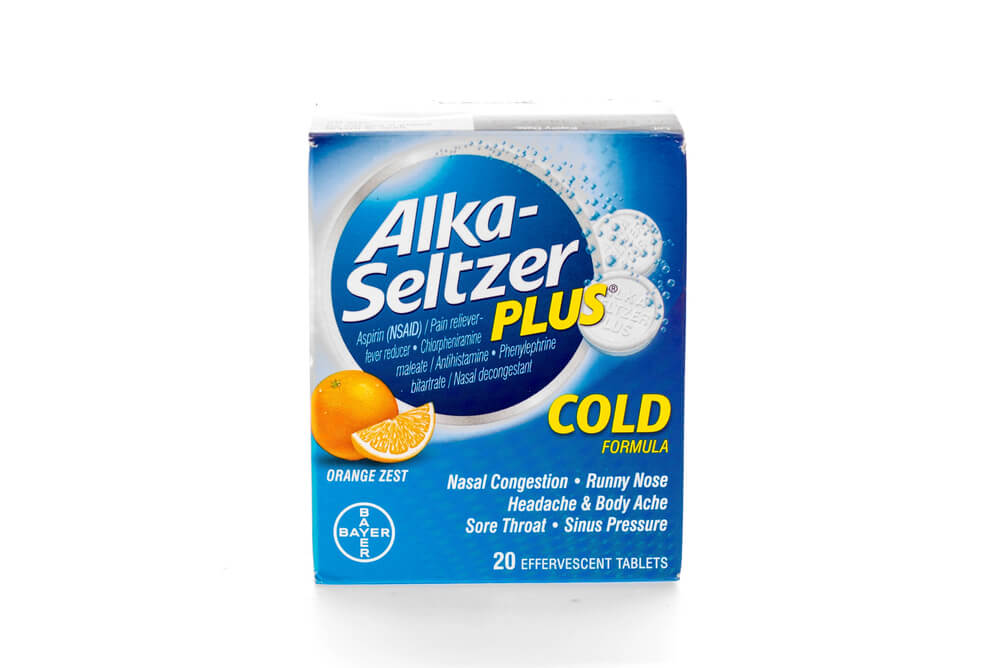
Alka-Seltzer
— Photo by homank76
Miles Laboratories of Elkhart, Indiana, put the tablets on sale in December 1931. The idea reportedly grew from the company’s president seeing newspaper staff dissolve aspirin and baking soda in water during a flu epidemic.
The fizzing glass became a familiar sight at kitchen tables after big holiday dinners.
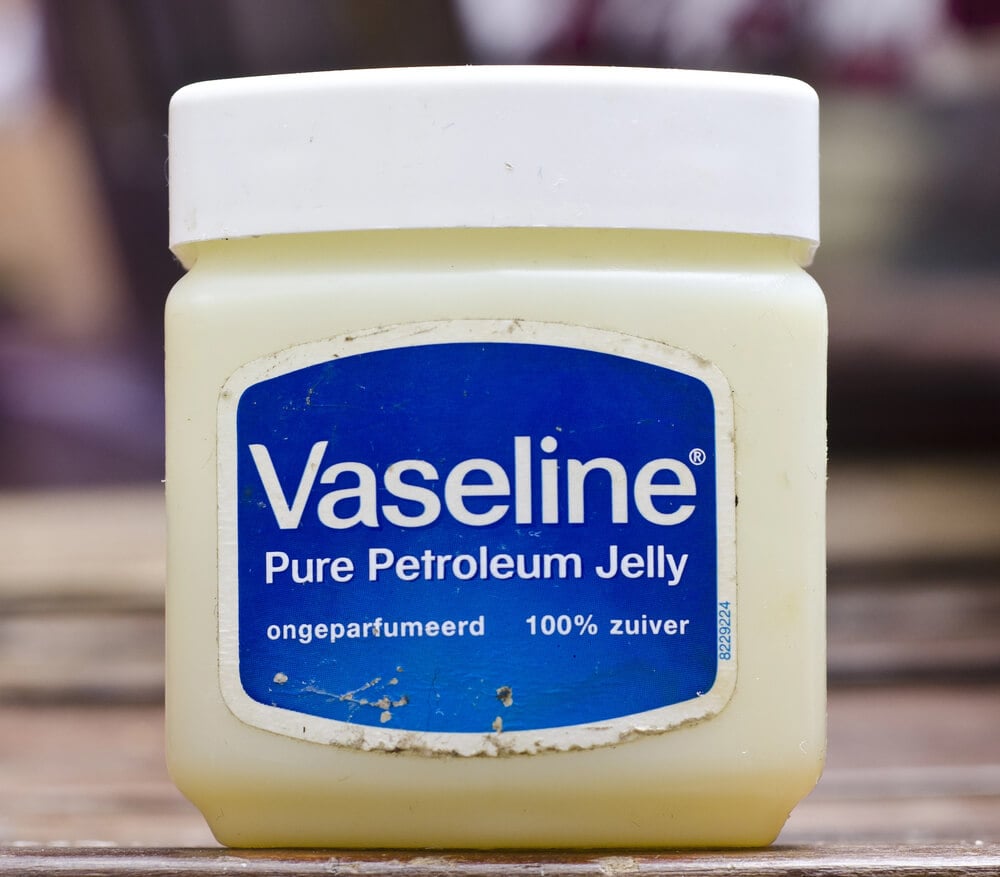
Vaseline
— Photo by brendan_howard
Robert Chesebrough, a chemist, began selling the petroleum jelly in 1870. He had noticed oil workers rubbing the residue that built up on drilling rigs onto their cuts and burns, and he figured out how to purify it.
Grandmothers put the little jar to work on chapped lips, dry elbows, and squeaky hinges alike.
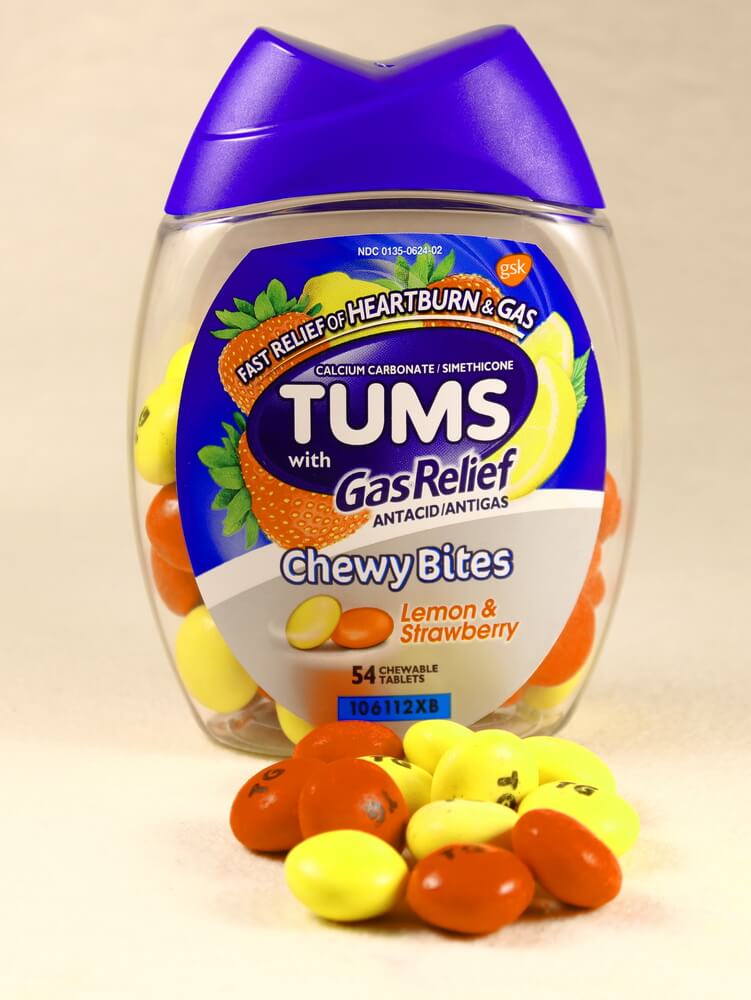
Tums
— Photo by ruhuntn@hotmail.com
A St. Louis pharmacist named James Howe introduced the chalky antacid tablets in 1930. The name was a play on the word stomach, and the active ingredient is calcium carbonate.
The candy-like roll made it easy to tuck into a purse, which is exactly where plenty of grandmothers kept it.
Smith Brothers Cough Drops
William and Andrew Smith sold their cough drops from Poughkeepsie, New York, beginning in the 1800s. The box famously showed both bearded brothers, and their faces became among the most recognizable trademarks in America.
The beards did more marketing work than any slogan, and the flavor stayed unchanged for generations.
Q-tips
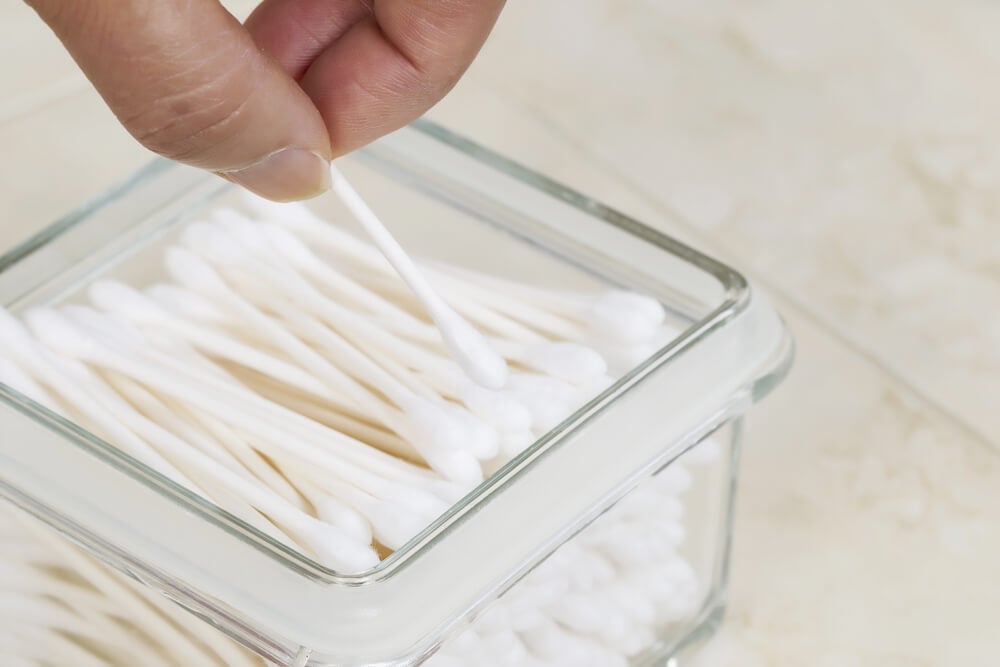
Leo Gerstenzang watched his wife wrap cotton around a toothpick to clean their baby, and he turned the idea into a product around 1923. The earliest version was sold under the name Baby Gays before it was renamed Q-tips.
The Q stood for quality, a detail grandmothers probably never paused to consider while reaching for the box.
Chap Stick
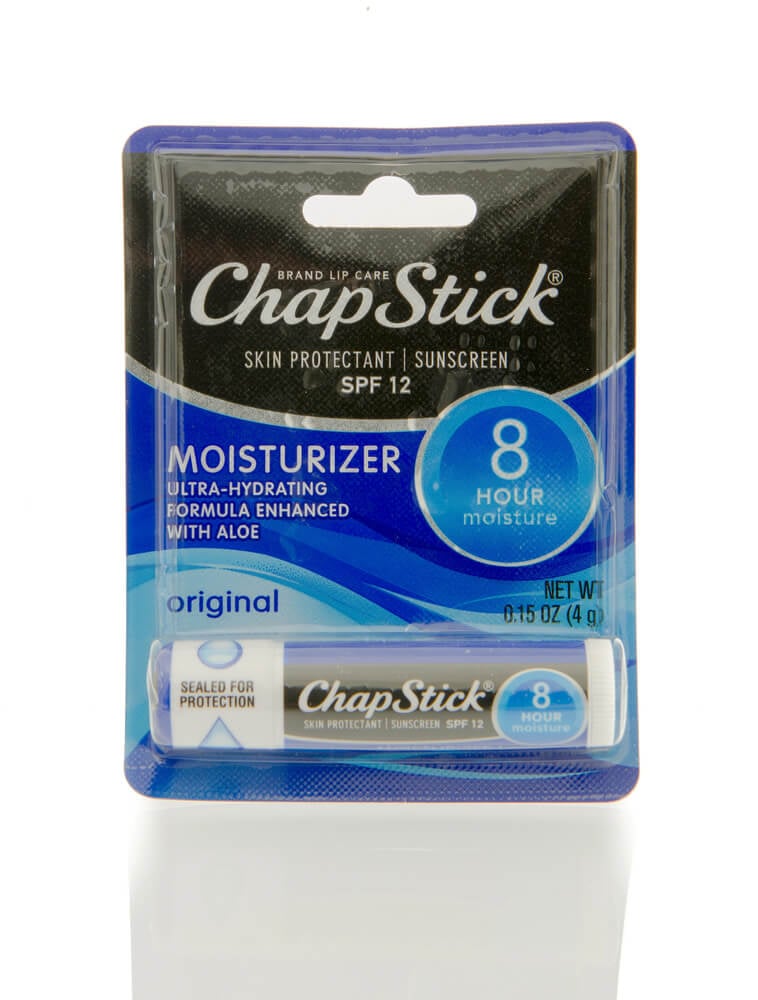
Dr. Charles Browne Fleet of Lynchburg, Virginia, invented the lip protectant in the late 1800s. He sold the rights to John Morton for five dollars, and Morton went on to build a company around it in Lynchburg.
That five-dollar sale remains one of the most lopsided bargains in drugstore history.
Mercurochrome
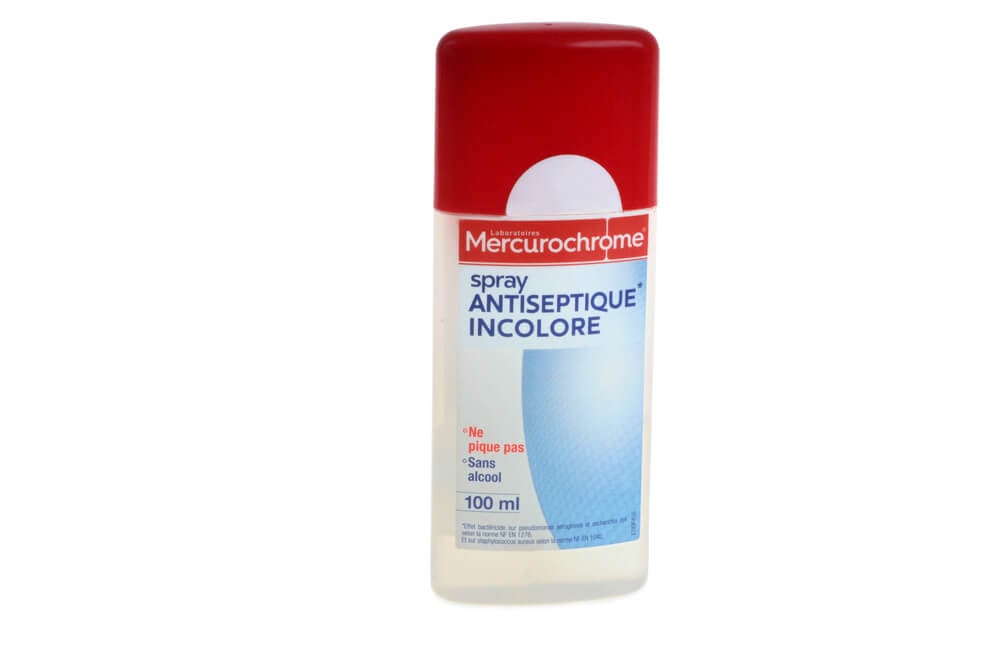
Hugh Young, a surgeon at Johns Hopkins, developed the bright red antiseptic around 1918. Generations of children remember the orange-red stain it left on scraped knees, often applied with a little glass dauber built into the cap.
The FDA’s reclassification of the product in 1998 pushed it off American shelves, largely because of its mercury content.
Epsom Salt
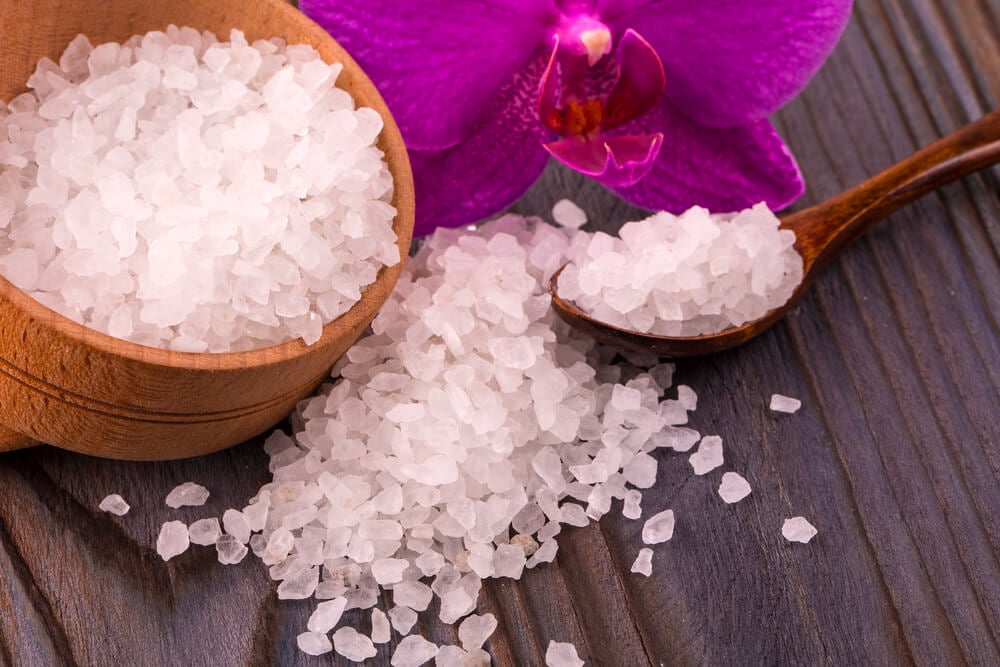
Epsom salt takes its name from the town of Epsom in Surrey, England, where the mineral-rich spring water was first noticed in the early 1600s. It is magnesium sulfate, not a true salt in the table sense.
Grandmothers dissolved it in warm tubs to soak tired feet, and the habit has hardly changed in four centuries.
Absorbine Jr.

W. F. Young of Springfield, Massachusetts, first sold Absorbine as a liniment for horses. In 1908, he introduced a milder version for people and labeled it Absorbine Jr.
The green liquid was rubbed into sore muscles and, according to its long advertising history, used for plenty of other aches too.
Mentholatum
— Photo by homank76
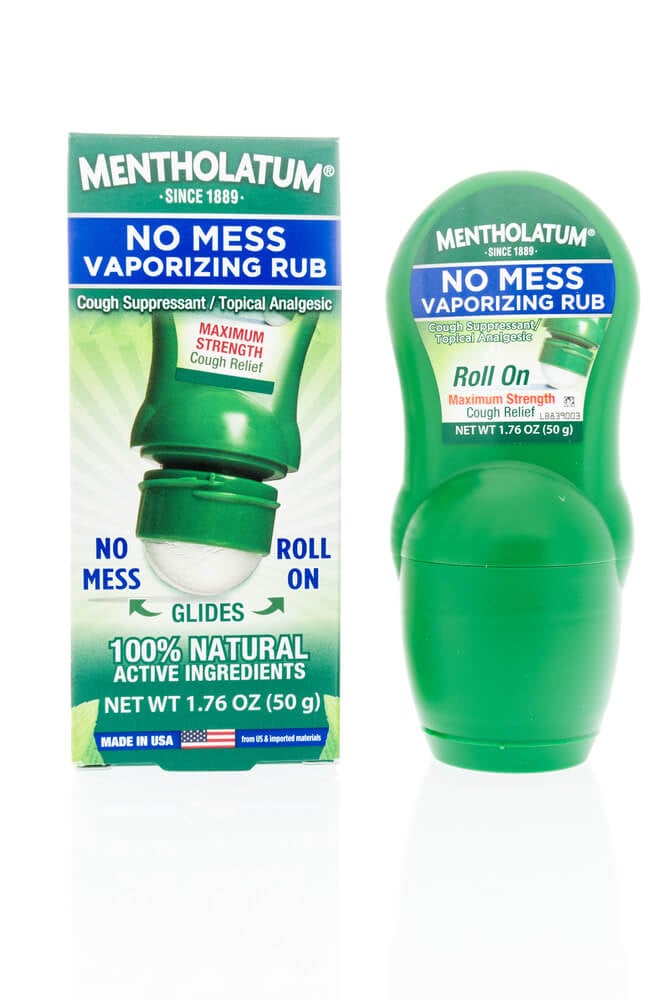
Albert Alexander Hyde founded the company in Wichita, Kansas, in the 1890s. The ointment’s mascot, a nurse in a white cap known as the Little Nurse, appeared on the jar for decades.
The cooling scent made it a standard for stuffy noses and chapped skin.
Kleenex
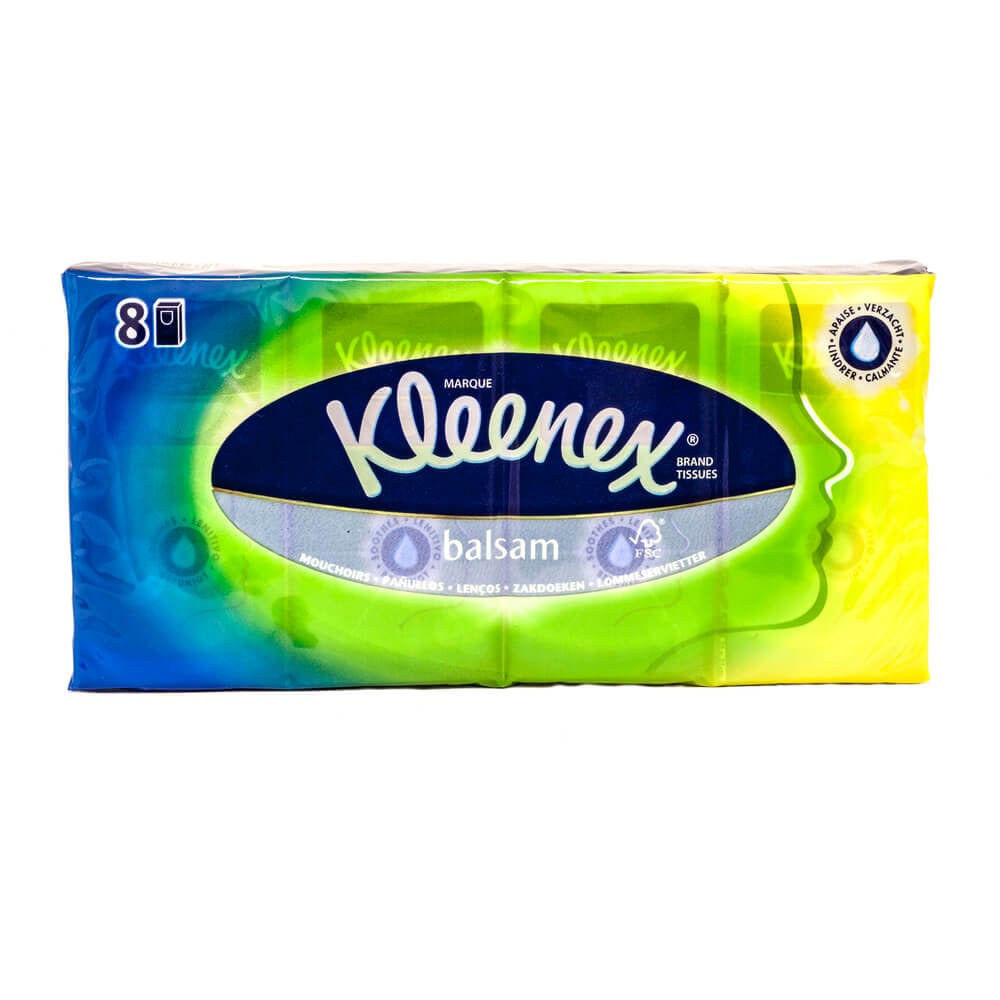
Kimberly-Clark introduced Kleenex in 1924, and it was originally marketed as a disposable way to remove cold cream. Customers began using the tissues for blowing their noses instead, and the company eventually switched its advertising to match.
The pop-up box soon became a fixture on end tables and in purses everywhere.
Dr. Scholl’s
— Photo by majorstockphoto
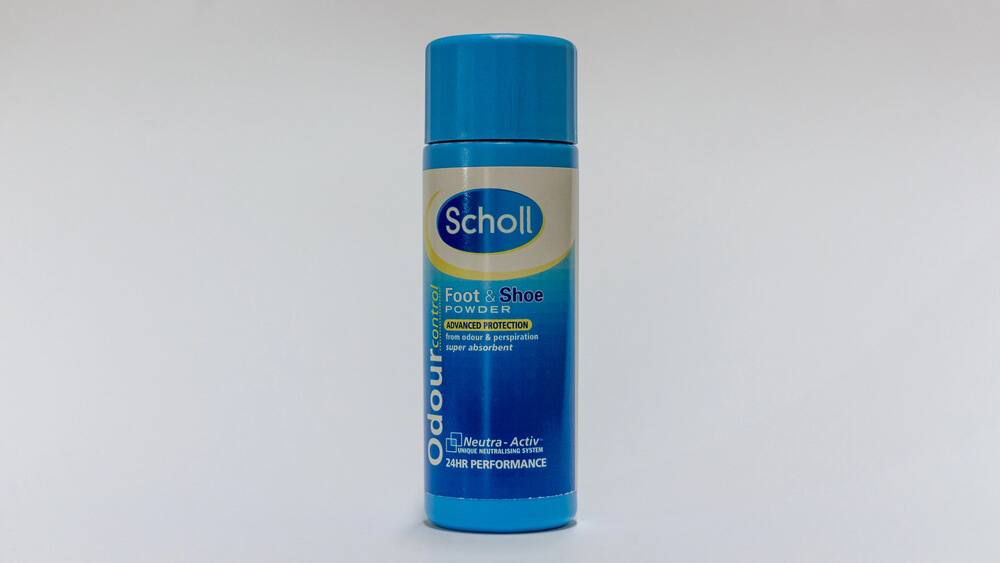
William Mathias Scholl began selling arch supports from Chicago in 1906 under the name Foot Comfort. He had worked in a shoe store as a young man, and later earned a medical degree to give his products credibility.
Cushioned pads, insoles, and corn remedies carrying his name filled a drugstore aisle that older customers knew by heart.
Old Spice
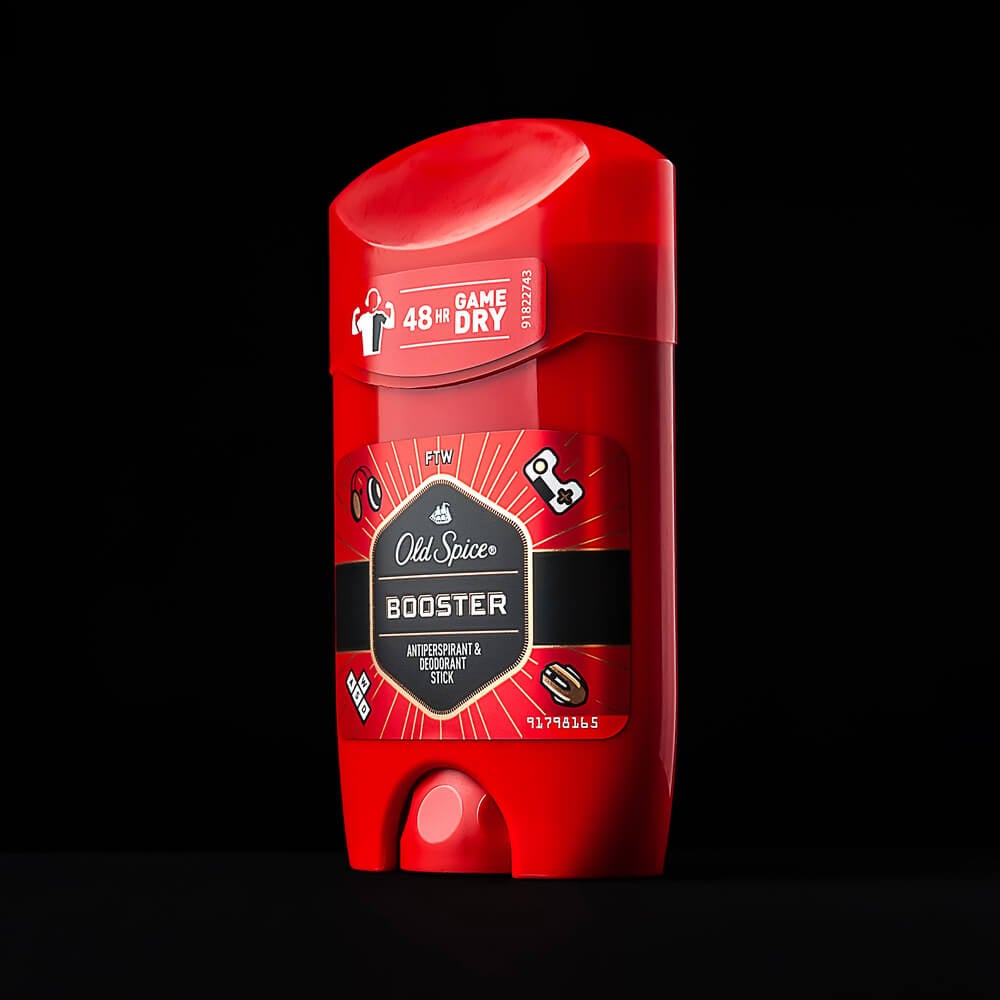
— Photo by novephotocom.gmail.com
William Lightfoot Schultz founded the Shulton company, and Old Spice debuted in 1937 as a fragrance for women. A men’s version followed the next year and became the product most people remember.
The ship on the white bottle made it a classic gift for fathers and grandfathers on every holiday.
Bayer Aspirin
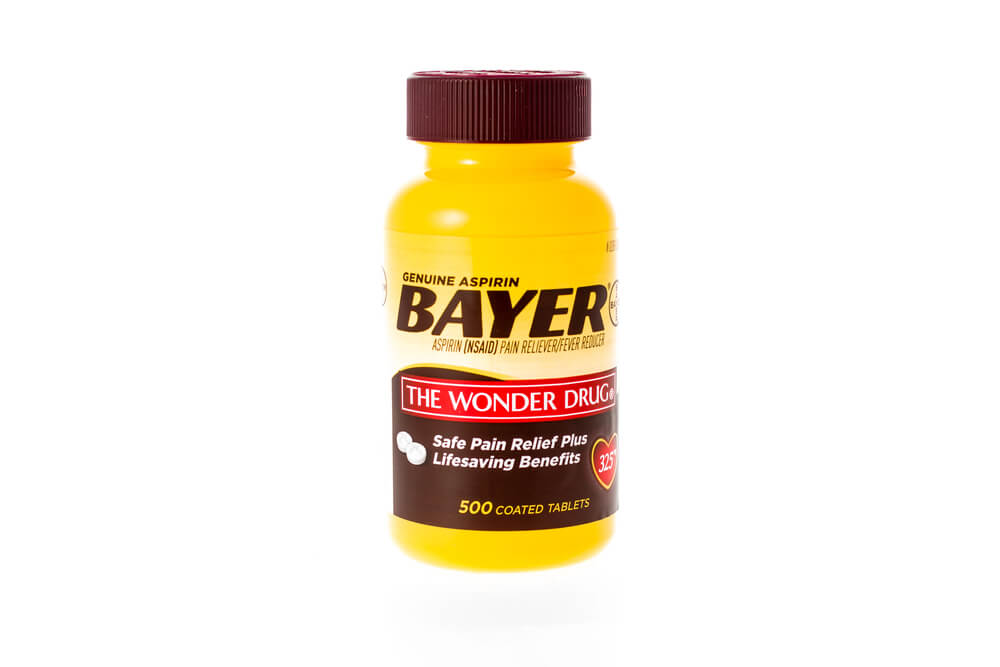
— Photo by homank76
Felix Hoffmann, a chemist at Bayer in Germany, made a usable form of acetylsalicylic acid in 1897, and the company trademarked the Aspirin name in 1899. After World War I, Bayer lost the American rights to the trademark in 1919, which is why aspirin is now a generic term in the United States.
Those familiar tins sat in medicine cabinets for most of the twentieth century.
Listerine
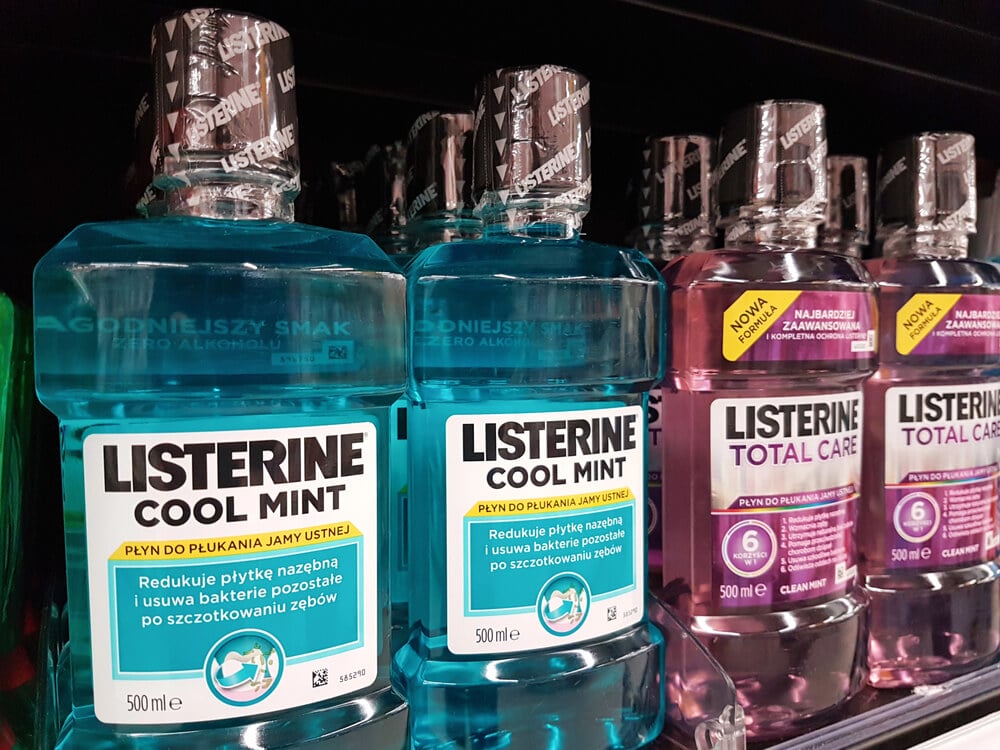
Joseph Lawrence, a chemist in St. Louis, formulated Listerine in 1879 and named it after Joseph Lister, the pioneer of antiseptic surgery. It was first used as a surgical antiseptic before being promoted as a mouthwash.
The amber liquid and its sharp sting became the standard way to finish a nightly routine.
Band-Aid
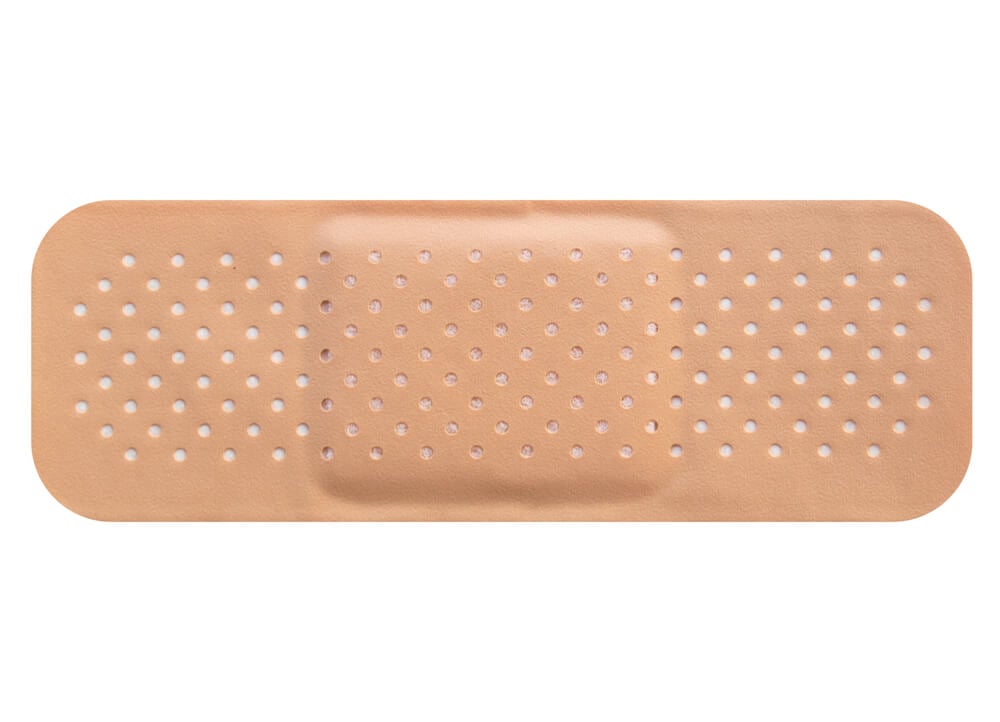
Johnson & Johnson introduced the adhesive bandage in 1920, after a company employee devised a ready-made strip for his wife, who often cut her fingers in the kitchen. Early versions were handmade, and sales were slow at first.
The brand name eventually became a common word for any small adhesive bandage.
Ben-Gay
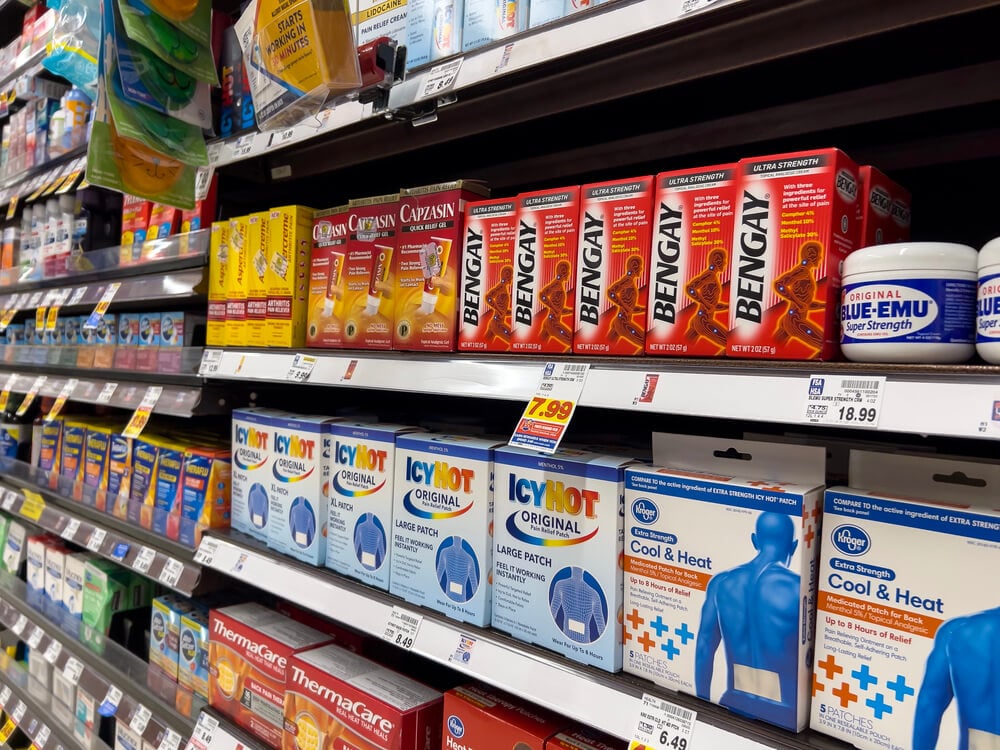
The balm traces back to a French pharmacist, Dr. Jules Bengue, who developed it in the late 1890s. The ingredients included methyl salicylate and menthol, and the product was brought to the United States in the early 1900s.
Its signature wintergreen smell could announce a grandmother’s arthritis before she had a chance to mention it.
Pepto-Bismol
— Photo by homank76
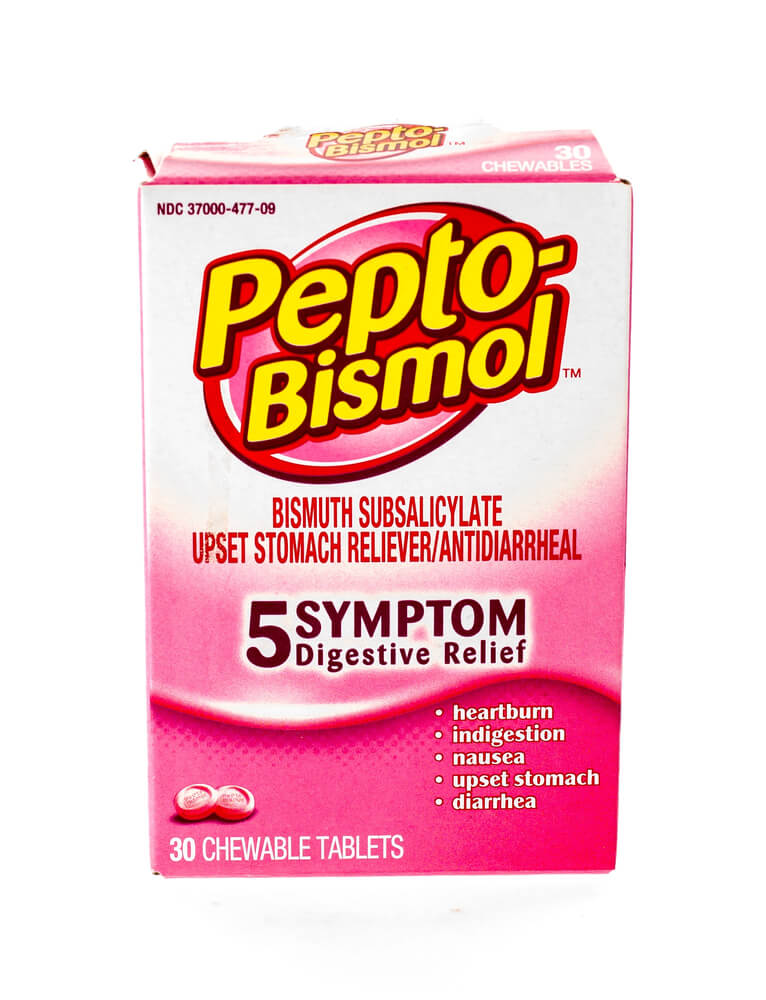
Norwich Pharmacal Company, based in Norwich, New York, built the pink liquid around bismuth subsalicylate. Early versions were sold in the early 1900s, and the Pepto-Bismol name came a bit later.
The color has remained one of the most recognizable in the drugstore, appearing alongside stomach upsets for more than a century.
Ex-Lax
— Photo by ColleenMichaels
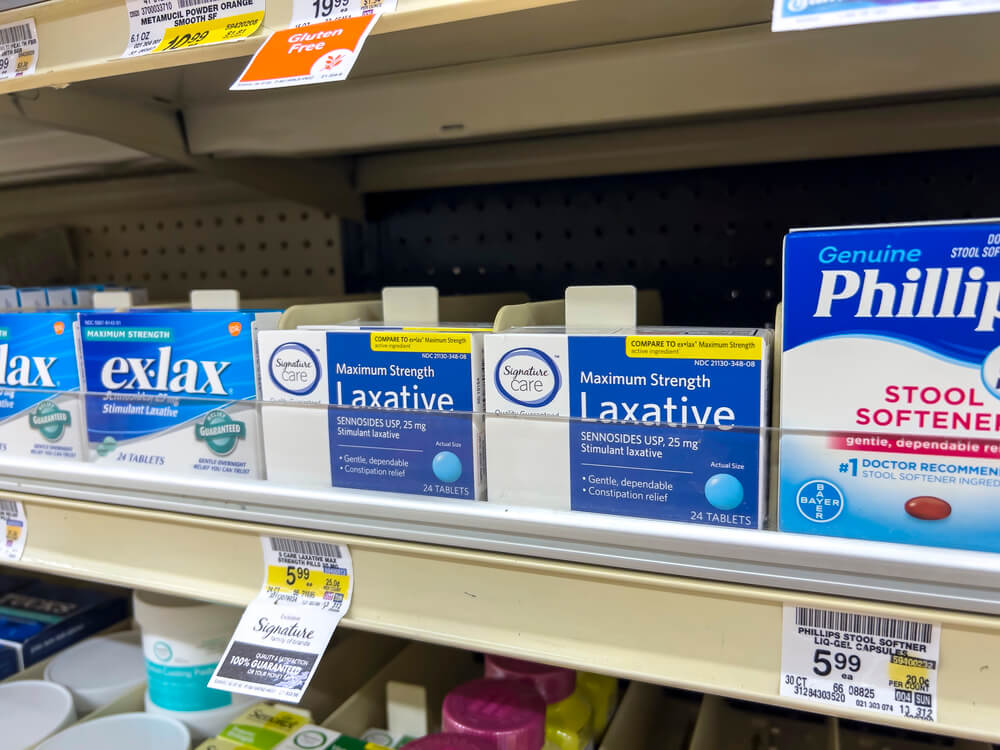
Ex-Lax appeared in 1906 and was made in Brooklyn, New York. Its main selling point was the chocolate flavor, which made the medicine look and taste like a candy square.
That disguise worked well on children, which is why many grandmothers had to hide the box on a high shelf.
What the Medicine Cabinet Remembers
Most of these products were not high technology. They were simple formulas with reliable results, sold in sturdy tins and glass jars that could sit on a shelf for years. Their packaging barely changed, so a grandchild opening a cabinet decades later would recognize them instantly.
That consistency is the real draw. A familiar smell can bring back a bedroom, a kitchen, or a particular kind of afternoon more vividly than a photograph. The drugstore staples of grandma’s era were part of the household, and their scent is still a way back to a place that no longer exists.
More from Go2Tutors!

- 27 Silver Dollars and Half Dollars Worth Keeping
- 28 Restaurant Menu Items Nobody Orders Anymore
- 17 Places Built in Seemingly Impossible Spots
- 27 Vintage Rings Worth More Than They Look
- 25 Restricted Sites Tourists Can’t Enter
Like Go2Tutors’s content? Follow us on MSN.