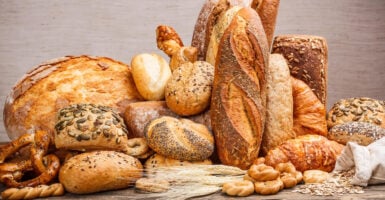
27 Bakery Treats Grandma Bought on Saturdays
The bell over the door rang, the glass case glowed, and a woman in a good coat took a numbered ticket like it was a matter of national importance. Saturday was bakery day, and nobody in the family questioned it.
What came home in that white box, tied with string, was a small history of immigrant kitchens and old-world pastry traditions, shrunk to fit a neighborhood storefront. Here is what was usually inside.
Cream Horns With a Cone-Shaped Secret
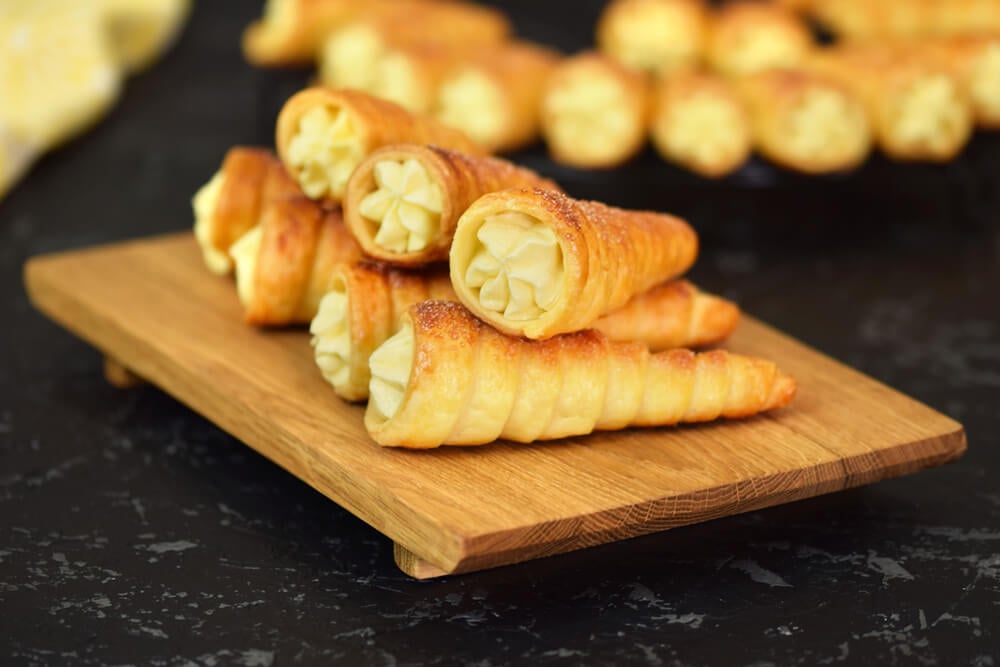
Cream horns begin as strips of puff pastry wound around metal cone molds and baked until they shatter at the slightest touch. Once cooled, the molds slide out and the hollow spiral is piped full of sweet whipped cream or a fluffy filling.
Some bakeries dusted them with powdered sugar, and others dipped the tips in chocolate. The structure is the entire trick, since a horn filled too early turns soggy in minutes.
Napoleons With a Feathered Top
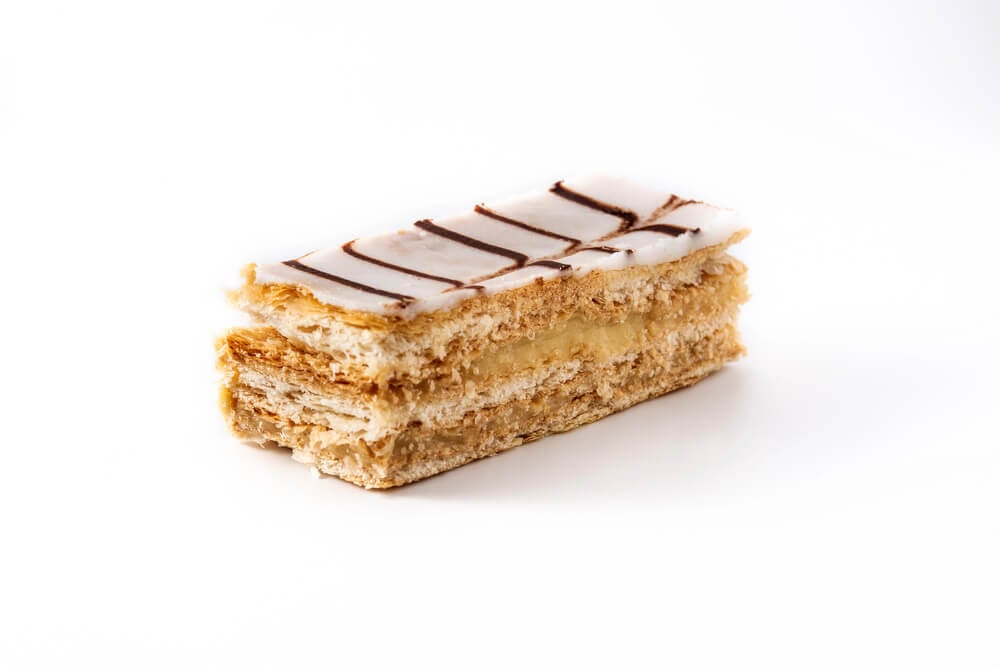
A napoleon stacks sheets of puff pastry with pastry cream, then caps the top with white icing striped with chocolate and dragged into a feathered pattern. In France the same dessert goes by mille-feuille, meaning a thousand leaves, a nod to its many thin layers.
Cutting one cleanly takes a serrated knife and a gentle sawing motion, because pressing straight down sends the filling out the sides. Eating one neatly has always been impossible, and bakers have long accepted that.
Eclairs and the Lightning Name
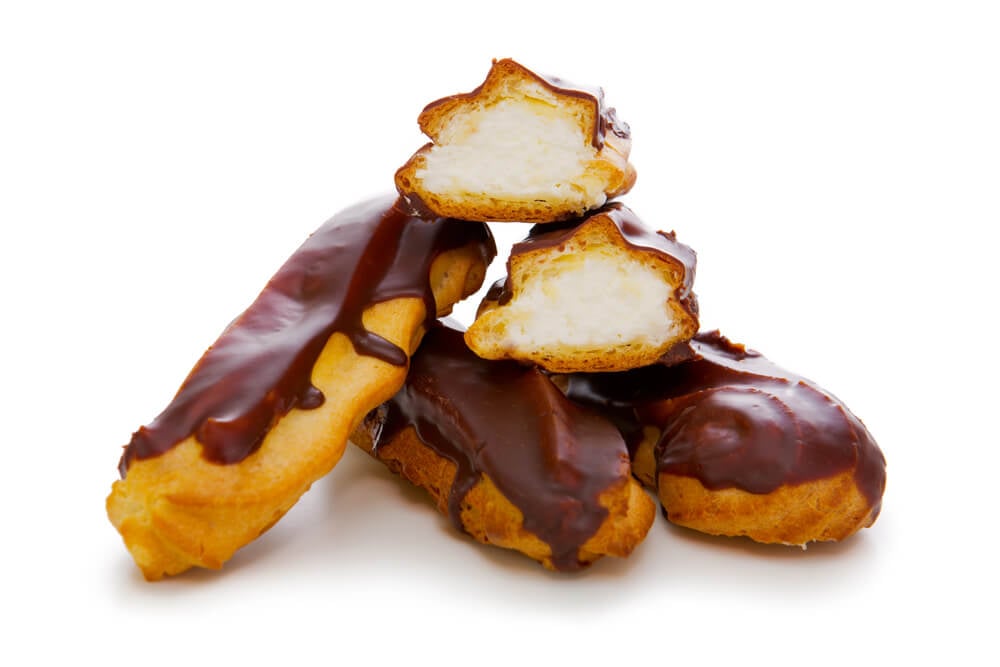
The French word eclair means lightning, and the pastry is a finger of choux dough, piped long, baked hollow, and filled with cream. A glossy chocolate glaze across the top is the classic finish at an American counter.
Choux dough has no chemical leavening at all; steam inside the dough does the lifting. That trapped steam is what leaves the interior empty and ready for filling.
Cinnamon Rolls Baked Shoulder to Shoulder
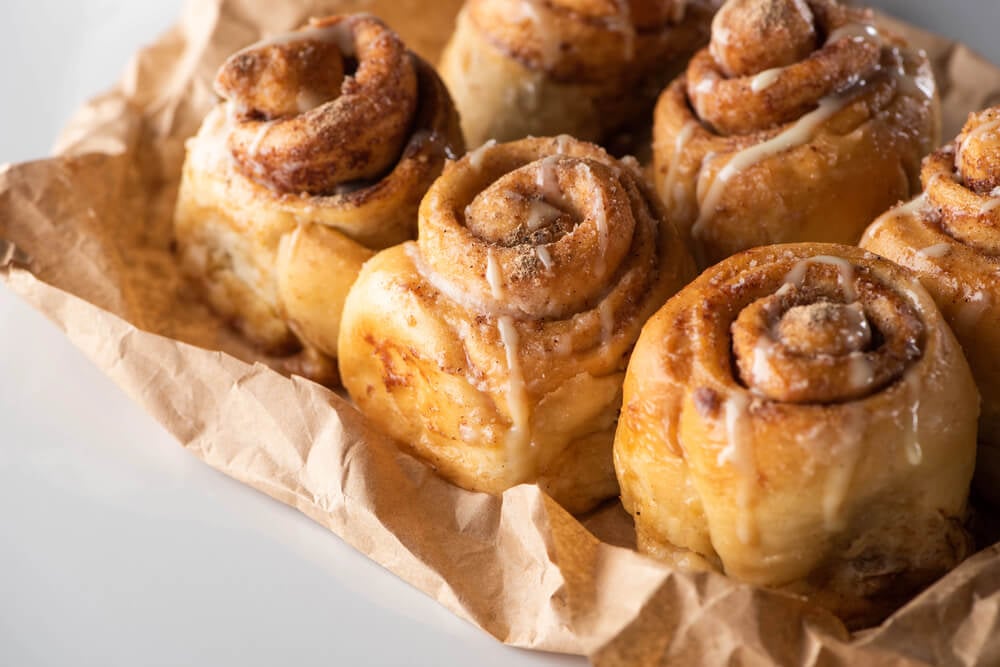
Cinnamon rolls are a rolled sheet of sweet yeast dough, brushed with butter, covered in cinnamon sugar, sliced into spirals, and baked snugly together in a pan. Because they bake touching, the rolls in the center stay softer than the ones on the edge.
Bakery versions came with a thick white icing that melted into every crevice. Regulars knew to ask for a center roll if they wanted tenderness and an edge roll if they wanted chew.
Danish Pastry and Its Viennese Name
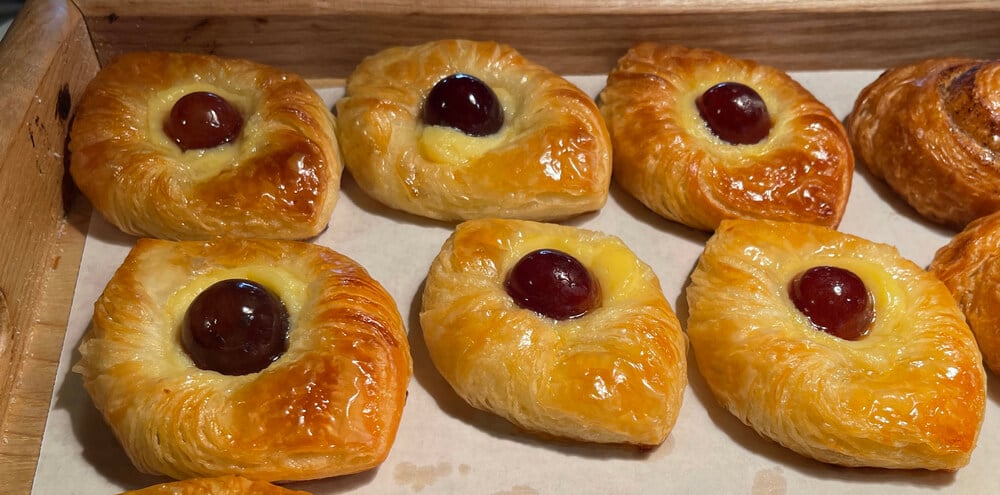
In Denmark, the buttery laminated pastry known to Americans as a Danish is called wienerbrød, which translates to Viennese bread. The name points to Vienna, and the technique of folding butter into yeast dough is often credited to Austrian bakers who worked in Denmark.
Fruit, cheese, and almond paste fillings sat in the center of pinwheels, envelopes, and braids. A fresh one shed flaky layers across the table like confetti.
Jelly Doughnuts, Berlin by Way of the Block
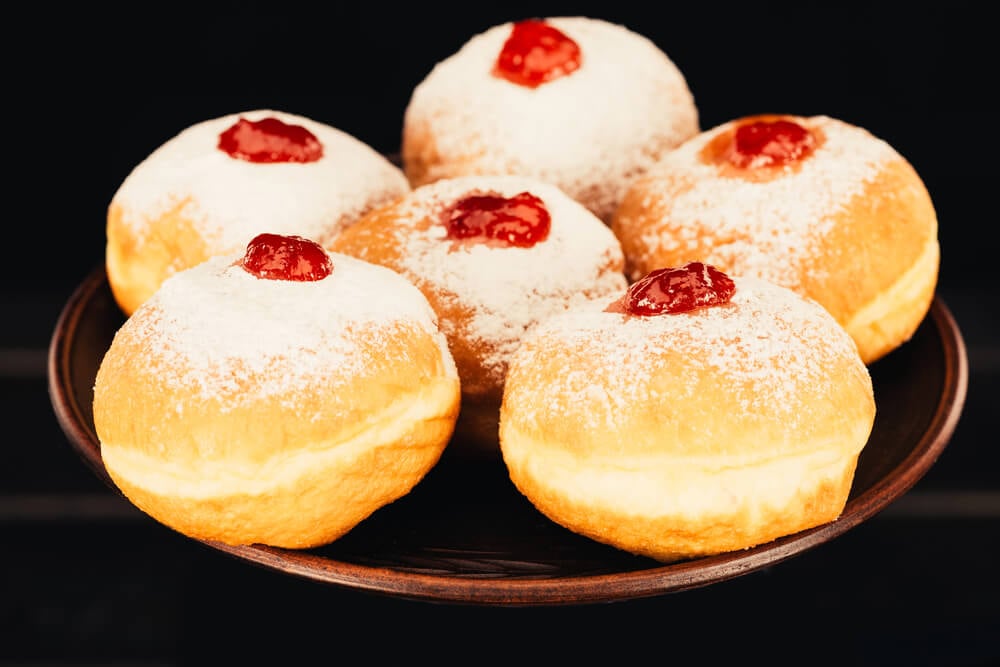
The jelly doughnut is a fried yeast dough pocket injected with jam and rolled in granulated sugar. In Germany a close relative is called a Berliner, and in Polish bakeries it is the pączek, traditionally eaten on the last Thursday before Lent.
Detroit and Chicago have long celebrated Pączki Day with lines out the door. The jam goes in after frying, which is why the best ones feel heavier than they look.
Bear Claws and Their Almond Hearts
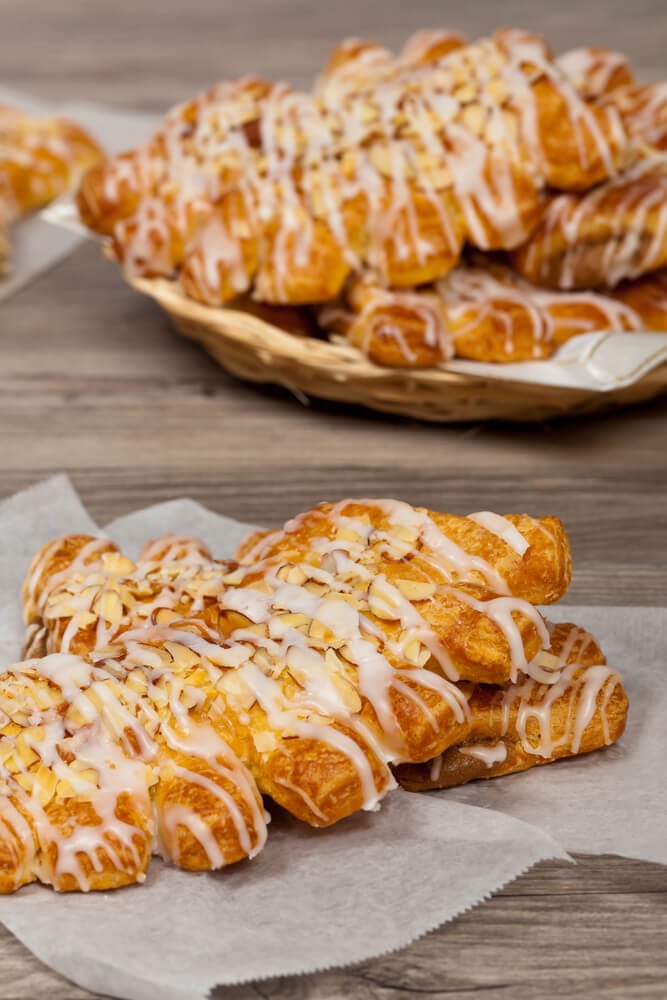
A bear claw is a rectangle of sweet dough folded around an almond filling, with slits cut along one side so it fans into a paw-like shape when baked. Sliced almonds and a sugar glaze usually finished the top.
The slits do real work, since they let the filling expand without splitting the dough. A good bear claw is dense, nutty, and big enough to share, though few people ever did.
Coffee Cake Built for the Second Cup
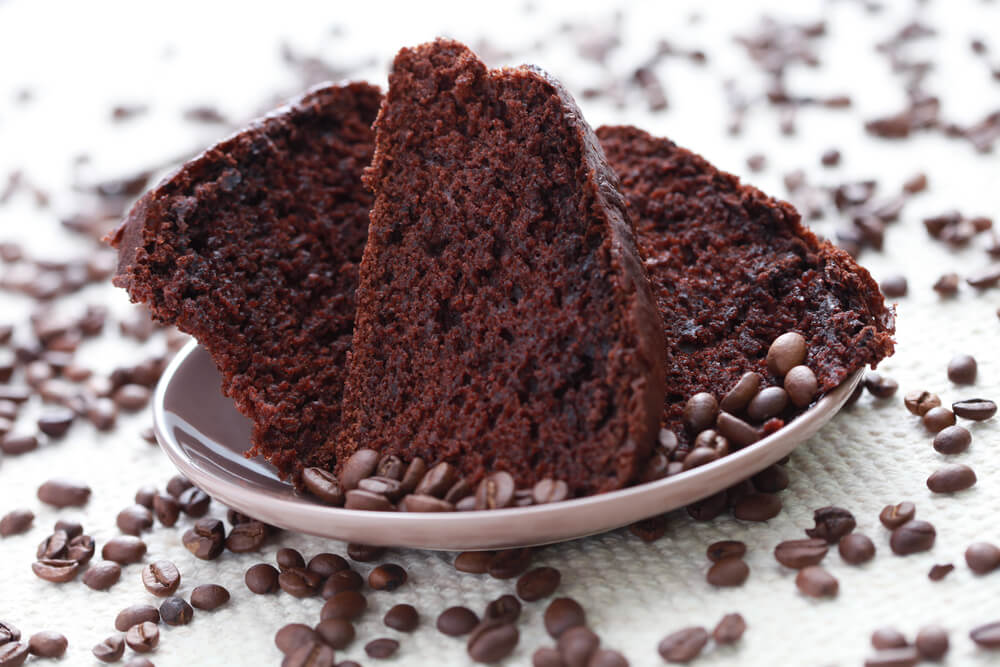
Coffee cake earned its name as a cake meant to be eaten with coffee, not one flavored with it. Most versions at the counter were tender, sour cream-style cakes carrying a streusel of butter, flour, sugar, and cinnamon across the top.
A few had a ribbon of cinnamon running through the middle. A wedge wrapped in wax paper traveled well, and that mattered on a Saturday full of errands.
New York Crumb Cake and Its Overbearing Topping
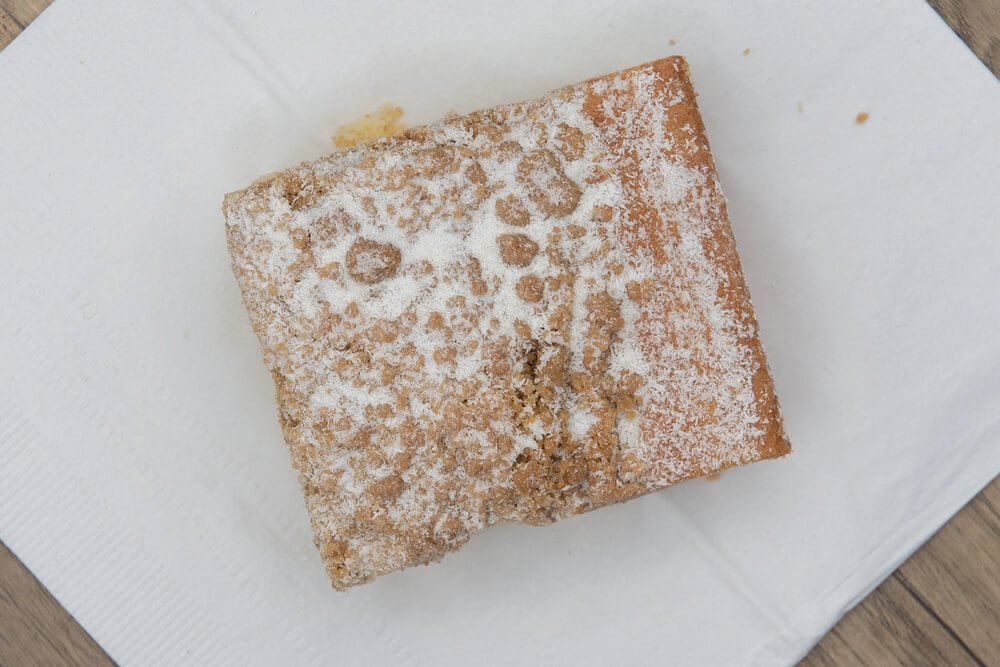
New York style crumb cake flips the usual proportions, with a layer of buttery crumbs that often rivals the thickness of the cake underneath. The crumbs are large, cinnamon-scented, and dusted with powdered sugar after baking.
Plenty of bakery regulars ate the topping first and declared the cake merely a delivery vehicle. Ask for a corner piece and expect a bag full of fallen crumbs by the time it gets home.
Kolaches, the Czech Pastry That Took Over Texas
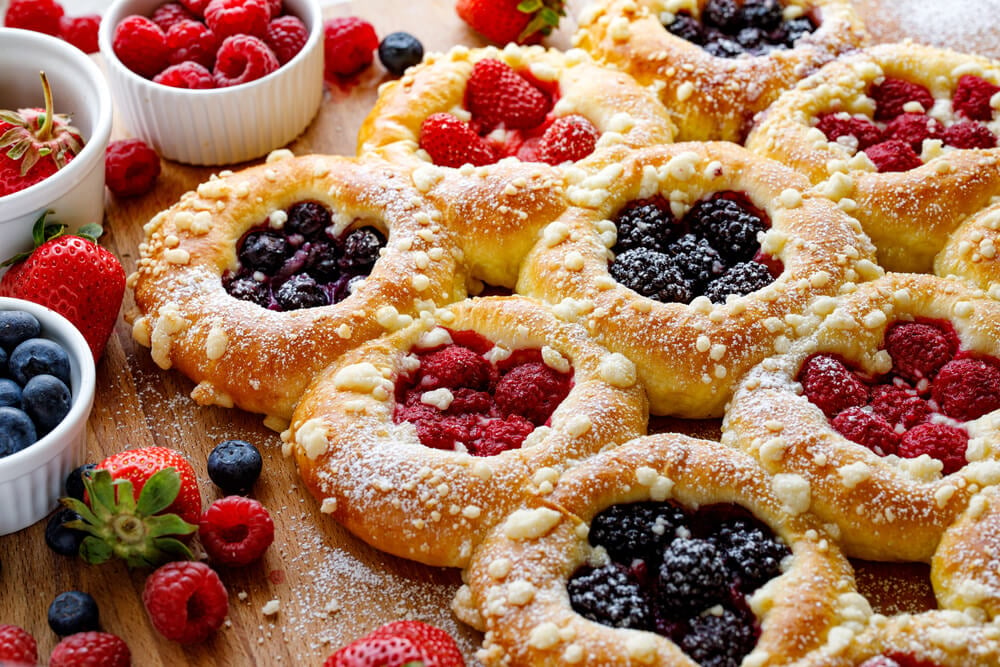
Kolaches are soft, slightly sweet yeast buns pressed with a well in the center and filled with poppy seed, prune, apricot, or sweetened cheese. Czech immigrants carried them to the American Midwest and Texas, and Texas still treats them as a regional institution.
Plenty of Texas bakeries now sell savory versions stuffed with sausage, though purists consider those a different animal. The traditional kind came with fruit and a dusting of powdered sugar, and they disappeared fast.
Rugelach, Small Crescents With Big Opinions
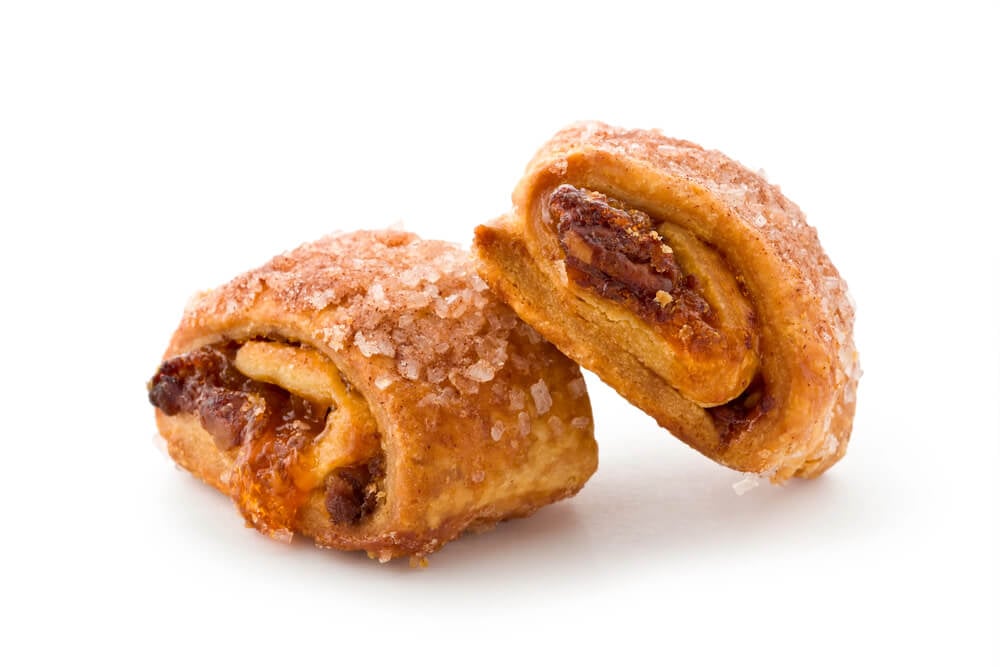
Rugelach are small pastries made by rolling triangles of dough around a filling into a crescent. American versions typically use a cream cheese dough, with fillings such as apricot jam, cinnamon, raisins, and chopped walnuts.
The pastry is closely tied to Eastern European Jewish baking. A bakery box of assorted rugelach often settled arguments, because every filling had a loyal defender.
Babka, the Twisted Loaf With Ribbons of Chocolate
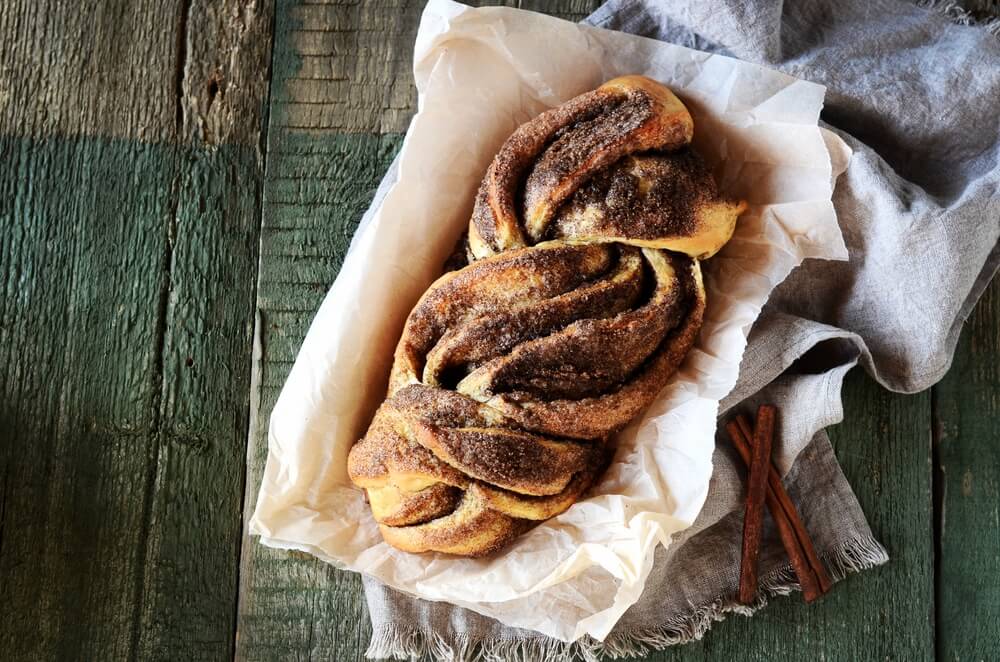
Babka is a rich yeast cake from Eastern European Jewish baking, filled with chocolate or cinnamon, then rolled, split lengthwise, and twisted so the filling shows in dark ribbons. It bakes in a loaf pan and is often finished with a sugar syrup for shine.
Slicing it reveals the pattern, which is half the appeal. Bakery staff would wrap a loaf in paper, and it rarely lasted until Monday.
Palmiers, Also Called Elephant Ears
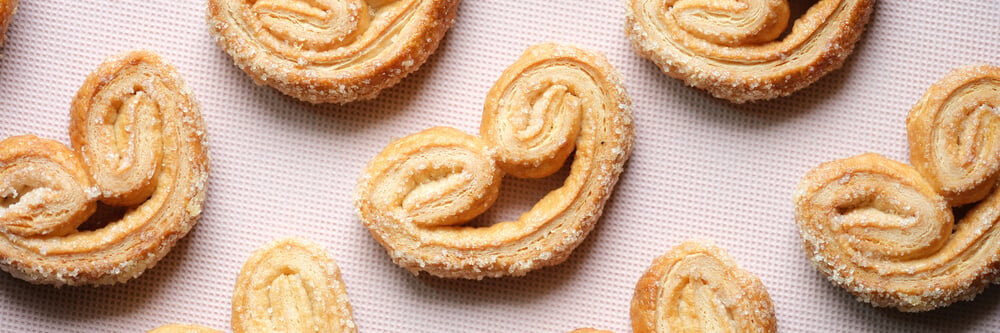
A palmier is made by folding sugared puff pastry toward the center from both sides, slicing it into strips, and baking until the sugar caramelizes. The French name means palm tree, while American counters usually called them elephant ears for their wide, flat shape.
Only two ingredients are strictly necessary, puff pastry and sugar. The crackling, caramelized edges were the reason to buy one.
Apple Turnovers With a Folded Lid
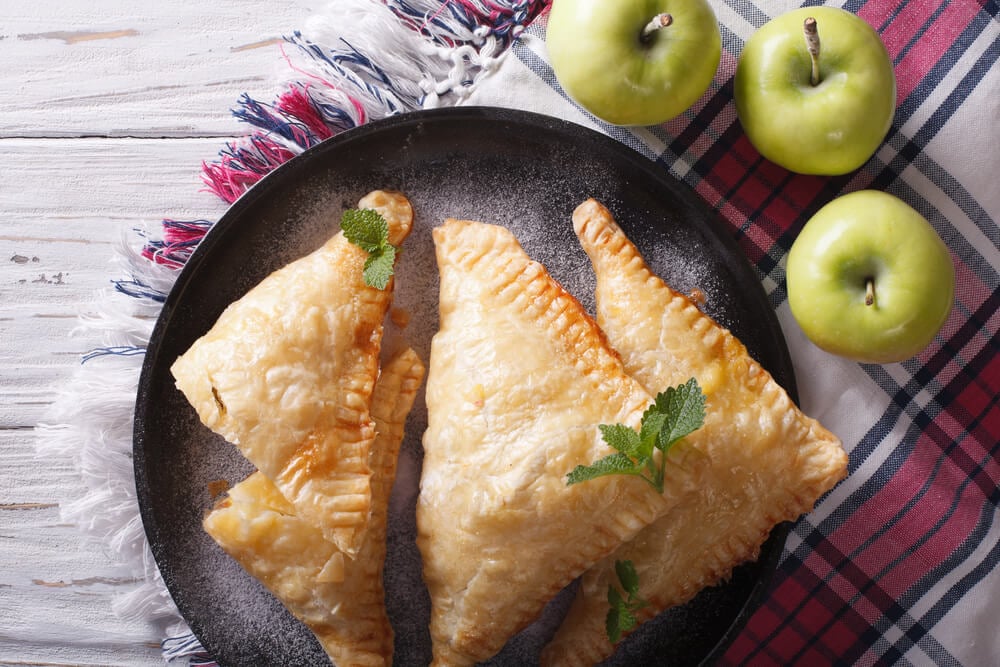
An apple turnover folds a square of puff pastry over a filling of cooked, cinnamon-spiced apples and seals the edges into a triangle. Steam vents cut into the top let the filling breathe while the layers puff and brown.
A brush of egg wash or a drizzle of icing gave it a shine. The first bite always released a wisp of hot apple-scented steam.
Rainbow Cookies in Italian Flag Colors
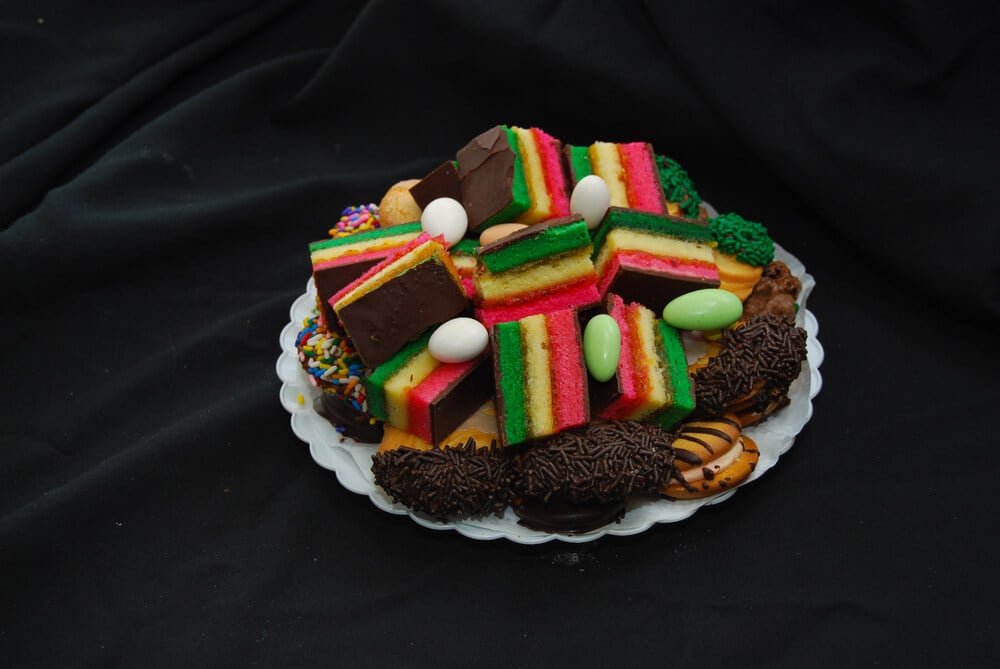
Rainbow cookies are three thin almond-flavored cake layers, tinted red, white, and green, sandwiched with apricot or raspberry jam and sealed in chocolate. Those colors match the Italian flag, and the cookies are a staple of Italian-American bakeries.
They are cut into small rectangles, so one box holds dozens. The jam keeps the dense almond layers from tasting dry, and the chocolate coating sets into a thin, snappy shell.
Linzer Cookies Named for an Austrian City
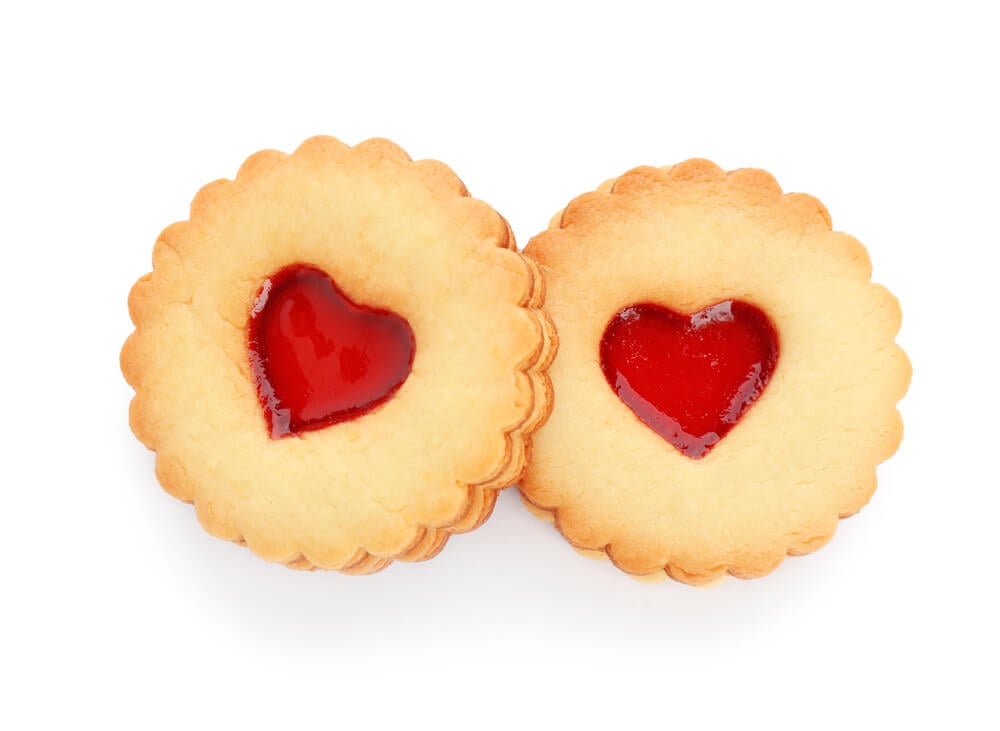
Linzer cookies carry the name of Linz, Austria, and borrow the flavors of the Linzer torte, with a buttery nut-based dough and a jam filling. Two cookies are sandwiched together, with a cutout on the top one to show the jam underneath.
Raspberry was the classic choice, and powdered sugar was dusted over the top. The little window of jam made them the prettiest cookie on the tray.
Black-and-White Cookies, Half Vanilla, Half Chocolate
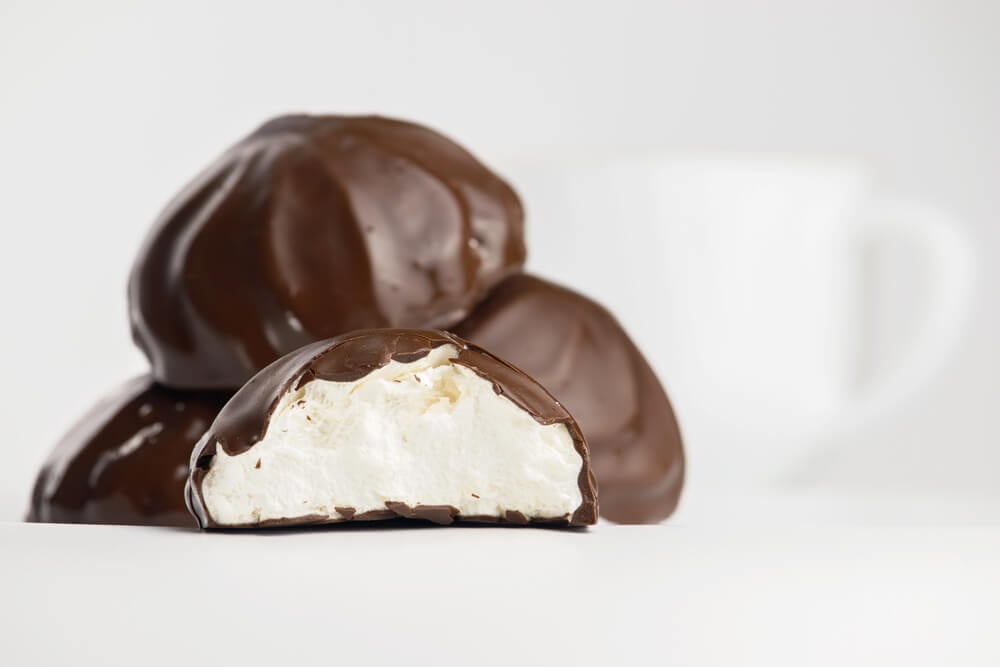
The black-and-white cookie is a large, soft, cake-like round with a flat underside that is iced half in vanilla and half in chocolate. In upstate New York, especially around Utica, a similar cookie is known as a half-moon.
The cookie itself tastes closer to a muffin top than a crisp biscuit. Most people ate them in a single sitting, and the ritual of nibbling both colors is half of the joy.
Petit Fours in Pastel Icing
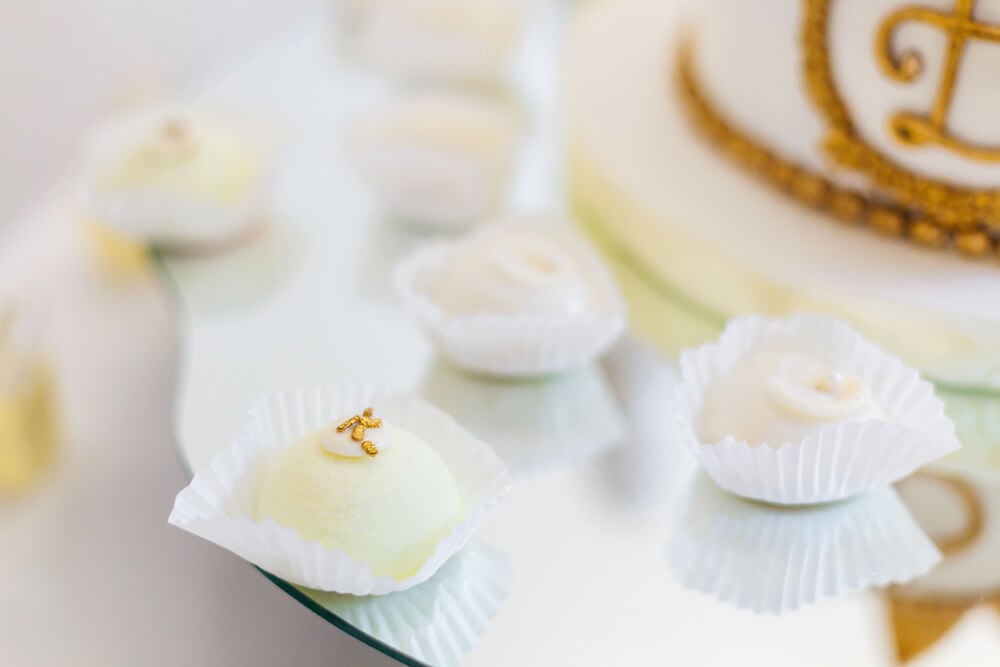
Petit four is French for small oven, and the American bakery version is a bite-sized cake, often layered with jam or buttercream and coated in poured fondant. The icing came in pastel pink, yellow, and mint green, with a piped flower or leaf on top.
They showed up at bridal showers, funerals, and Sunday dinners. Their tiny size gave grandmothers permission to take two.
Parker House Rolls From a Boston Hotel
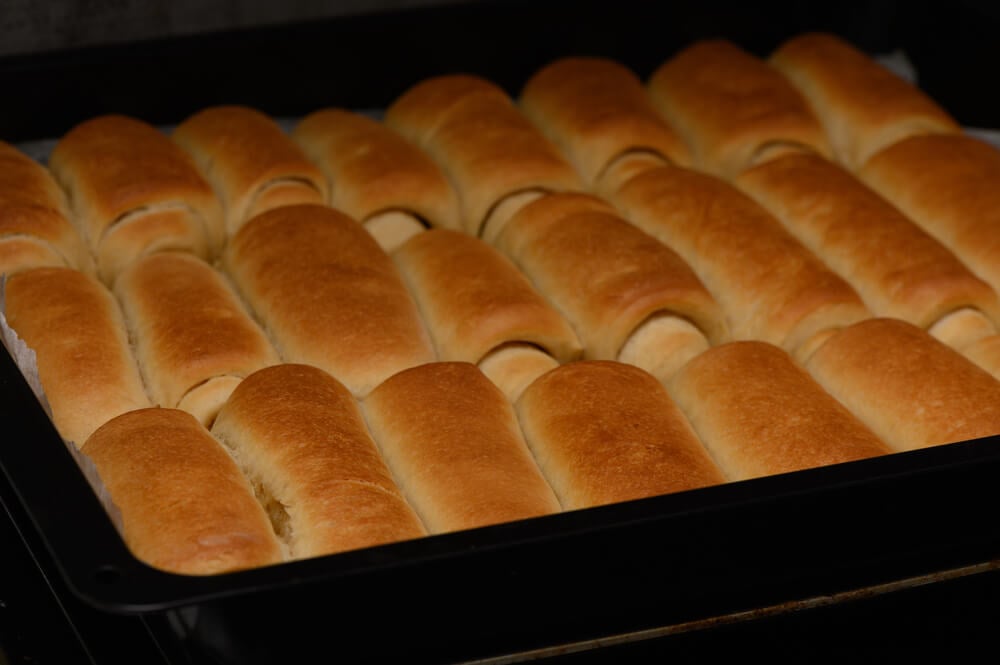
Parker House rolls are soft, buttery dinner rolls folded in half before baking, which gives each one a pocket and a slight pillow shape. They are named for the Parker House hotel in Boston, now known as the Omni Parker House, which opened in 1855.
The tops are brushed with butter and often finished with a pinch of salt. Bakeries sold them by the dozen, and the dozen vanished before the roast was even carved.
Hot Cross Buns and the Cross on Top
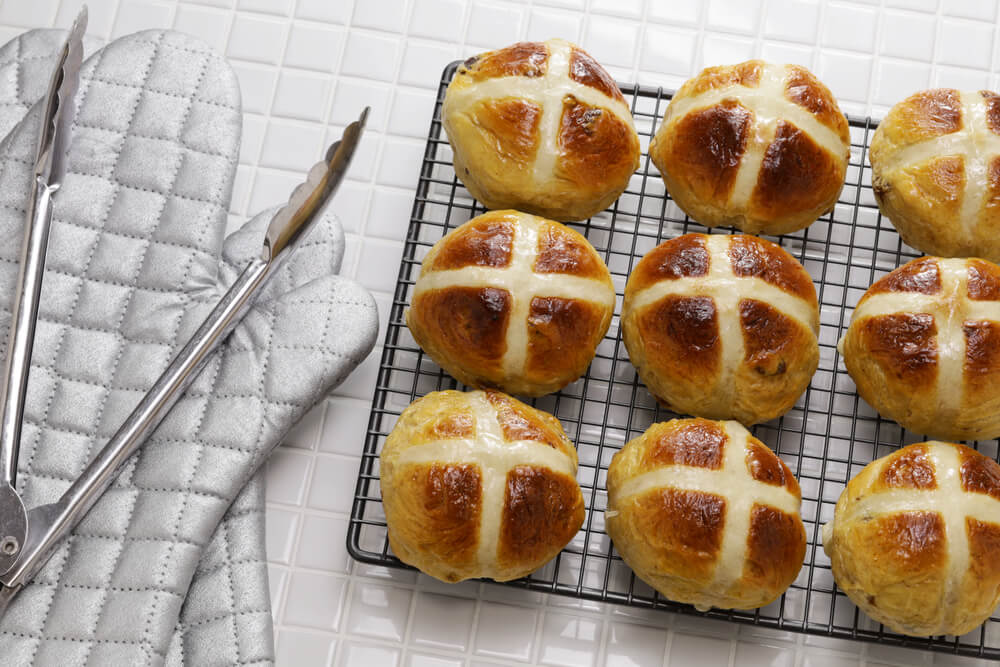
Hot cross buns are spiced yeast buns studded with currants or raisins, marked with a cross of icing or dough on top. They are tied to Good Friday and the season of Lent, and the bakery case filled with them in the weeks before Easter.
An old nursery rhyme about them has been sung for generations. Getting a fresh batch before noon on Saturday was a seasonal victory.
Kaiser Rolls With a Pinwheel Top
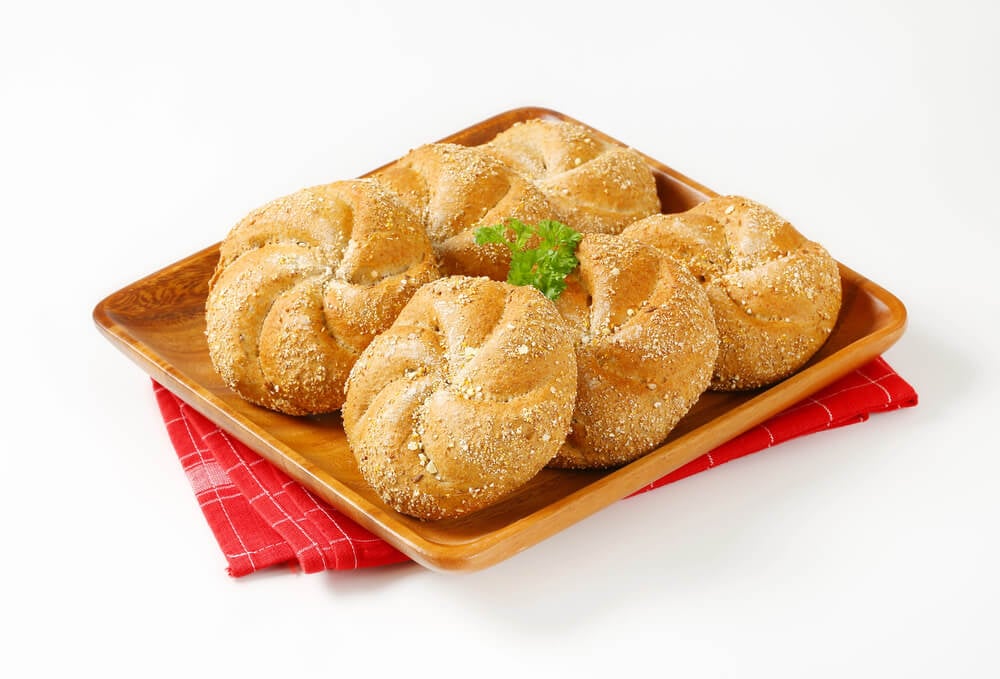
A Kaiser roll has a crisp crust, a soft interior, and a pinwheel pattern on the top, made by folding the dough over itself into a knot-like shape. The roll is associated with Austria, and its name refers to the Kaiser, or emperor.
Often sprinkled with poppy seeds, it became the standard sandwich roll in many American delis. Bakeries sold a bag of them every weekend for the next day’s lunch.
Jewish Rye With Caraway and a Hard Crust
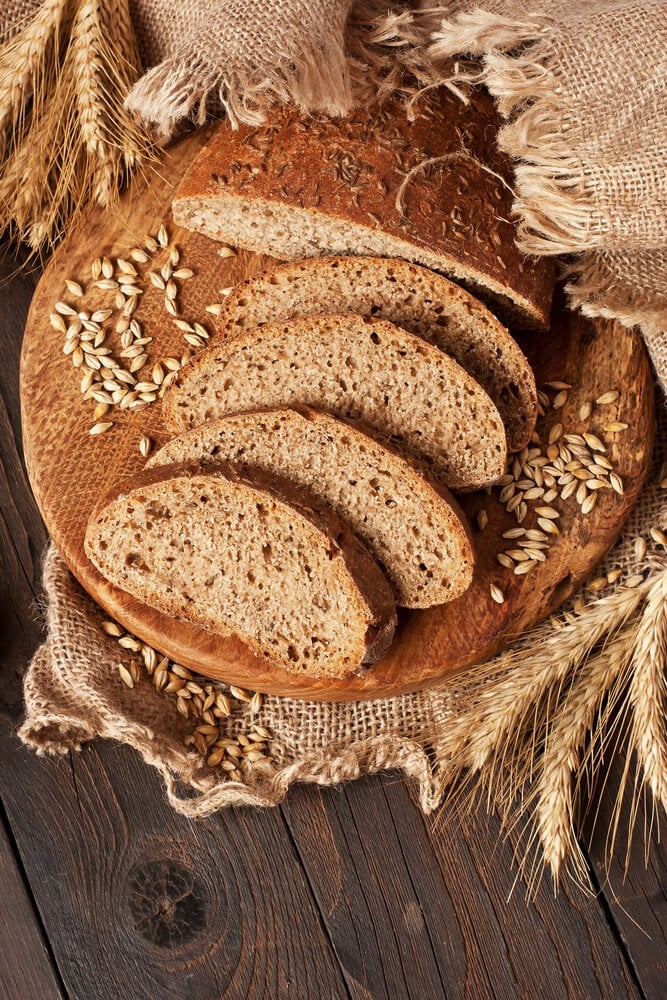
Jewish rye is a sturdy loaf with a chewy crumb and a crackly crust, often seeded with caraway. It is the classic bread for pastrami and corned beef, which is why delis went through loaves by the stack.
Bakers slashed the top before baking so the loaf could expand as it browned. Bought on Saturday, it was meant to be sliced thin and eaten through the week.
Challah, the Braided Bread of the Sabbath
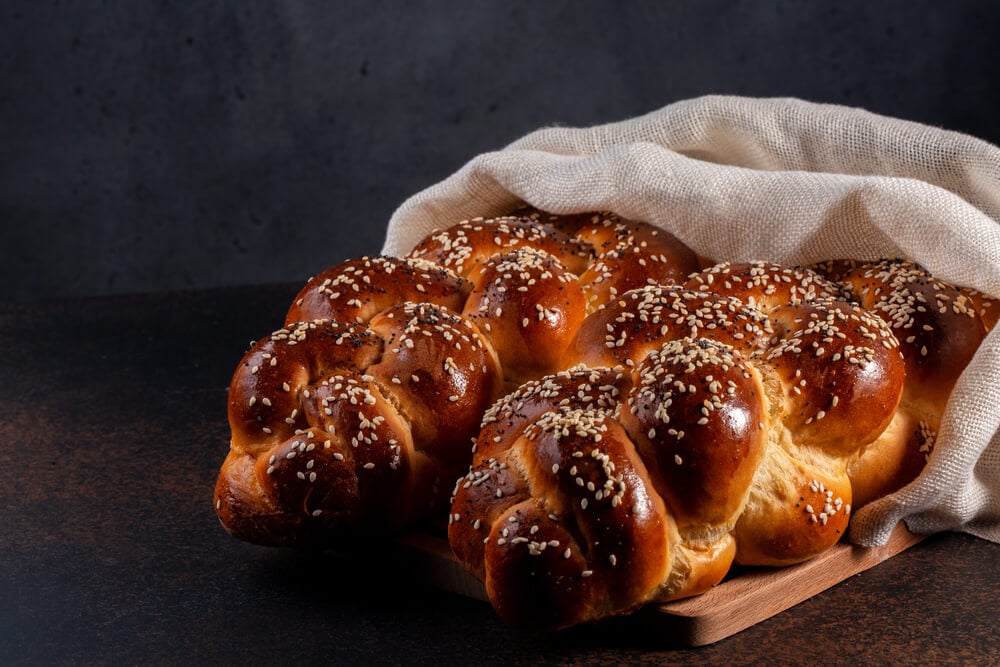
Challah is an egg-enriched bread, braided before baking so the crust turns a deep, glossy gold. Jewish families traditionally set two loaves on the table for the Sabbath.
Poppy or sesame seeds often topped the braid, and a round version appears at the new year. Bakeries made them fresh on Fridays, and a loaf left over on Saturday made exceptional toast.
Angel Food Cake With No Butter at All
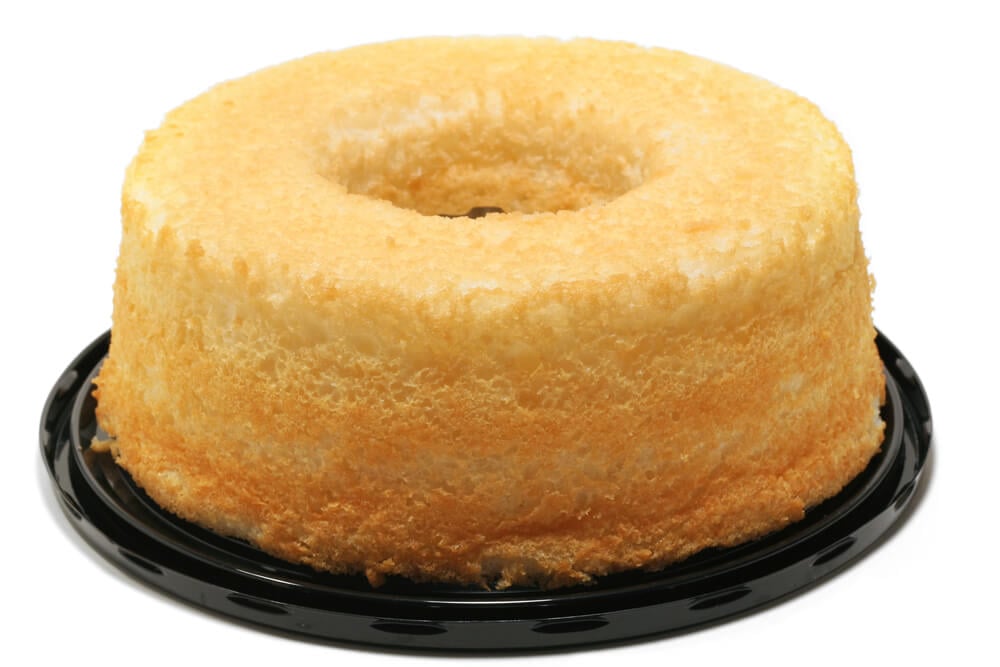
Angel food cake is built from whipped egg whites, sugar, and flour, with no butter and no yolks, which keeps it pale and feather-light. It bakes in a tube pan and is cooled upside down so the airy structure does not collapse under its own weight.
The cake’s sponge-like crumb makes it a favorite with strawberries and whipped cream. A bakery slice wobbled slightly on the plate and tasted like sweet air.
Pound Cake, Named for Its Weight
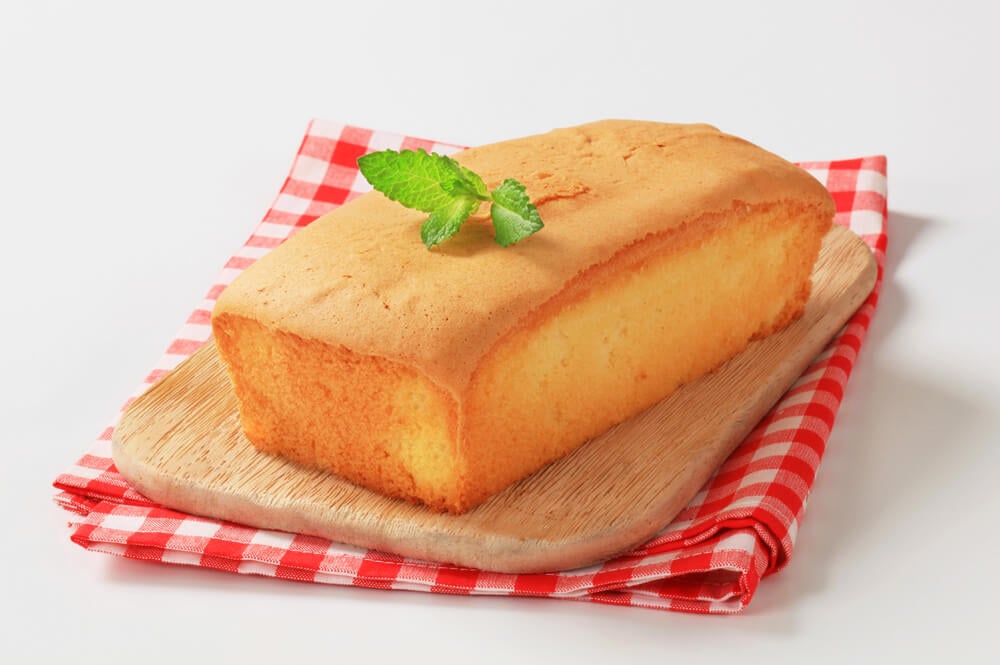
Traditional pound cake got its name from its recipe, which called for a pound each of butter, sugar, eggs, and flour. The result is a tight, buttery crumb that slices cleanly and keeps for days.
Because the batter relies on beaten eggs and creamed butter rather than baking powder, the texture is fine and dense rather than fluffy. Bakeries sold it by the loaf or in thick slices, plain and perfect.
Lemon Bars on a Shortbread Base
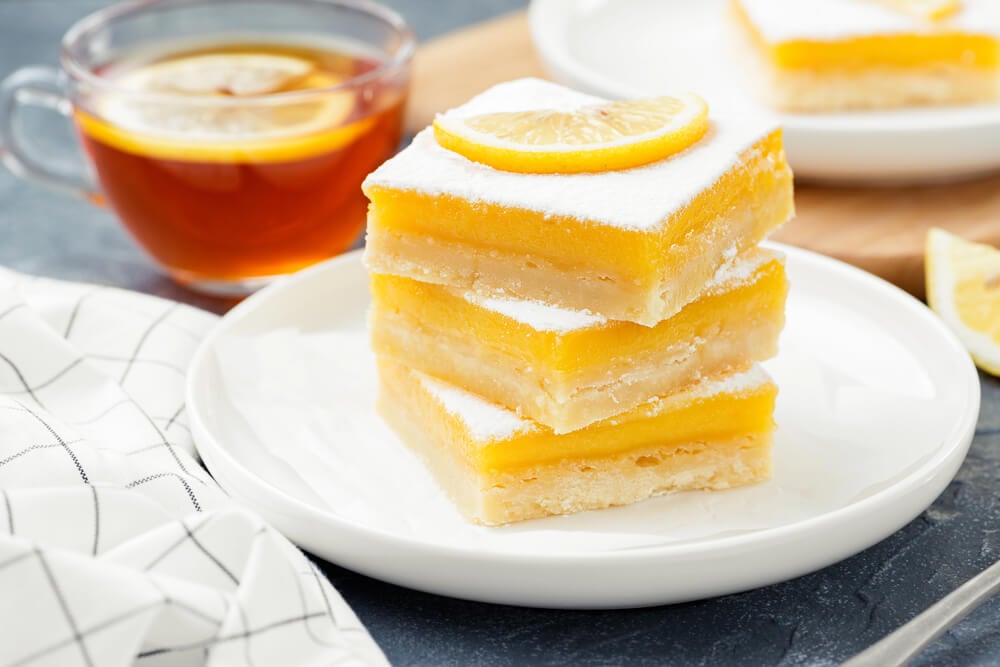
Lemon bars pair a buttery shortbread crust with a layer of baked lemon curd, then finish with a dusting of powdered sugar. The filling sets as it bakes, giving it a creamy, slightly wobbly texture.
The contrast between sharp citrus and sweet shortbread is the entire point. Squares were cut from a large sheet pan and handed over in waxed paper.
Cannoli From a Sicilian Tradition
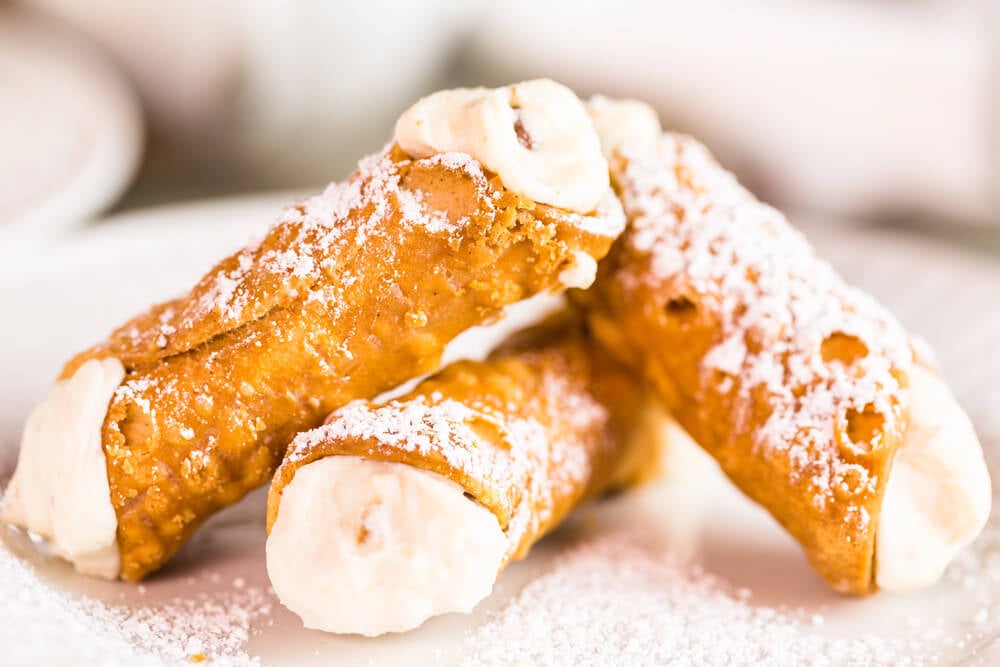
Cannoli are fried pastry tubes filled with sweetened ricotta, and they come from Sicily. The shell is crisp and blistered, which is why a good bakery fills it to order rather than ahead of time.
Chocolate chips or candied fruit often decorated the ends of the filling. A cannoli filled too early went soft, and Italian bakers treated that as a personal insult.
What the White Box Really Carried
Nobody planned the Saturday box as a lesson in culinary history, but that is what it was. Austrian rolls, Czech buns, Jewish loaves, Italian cookies, French pastries, and Boston dinner rolls shared one case because the families who baked them shared a neighborhood.
The case was a map of who lived on the block.
The treats have not vanished, but the ritual is thinner now. Many bakeries have closed, and the paper box tied with string is a rarer sight.
Anyone who still has a local counter can recover the habit with a single Saturday morning, a ticket in hand, and a willingness to wait in line.
More from Go2Tutors!

- 27 Silver Dollars and Half Dollars Worth Keeping
- 28 Restaurant Menu Items Nobody Orders Anymore
- 17 Places Built in Seemingly Impossible Spots
- 27 Vintage Rings Worth More Than They Look
- 25 Restricted Sites Tourists Can’t Enter
Like Go2Tutors’s content? Follow us on MSN.