29 Toy Safety Rules That Changed Childhood
Almost every rule printed on a toy box exists because something went wrong first. A recall, a lawsuit, or a hospital report usually sat behind each warning label that parents now skim without a second thought. The playthings of earlier generations were sharper, heavier, more toxic, and occasionally radioactive.
What follows is a tour through the laws, standards, and scandals that rewired the toy aisle. Some were passed by Congress after a single tragic case, while others came from regulators working through test fixtures and spreadsheets. Together they explain why modern childhood looks so different from the one in old photographs.
The Atomic Energy Lab That Came With Real Uranium
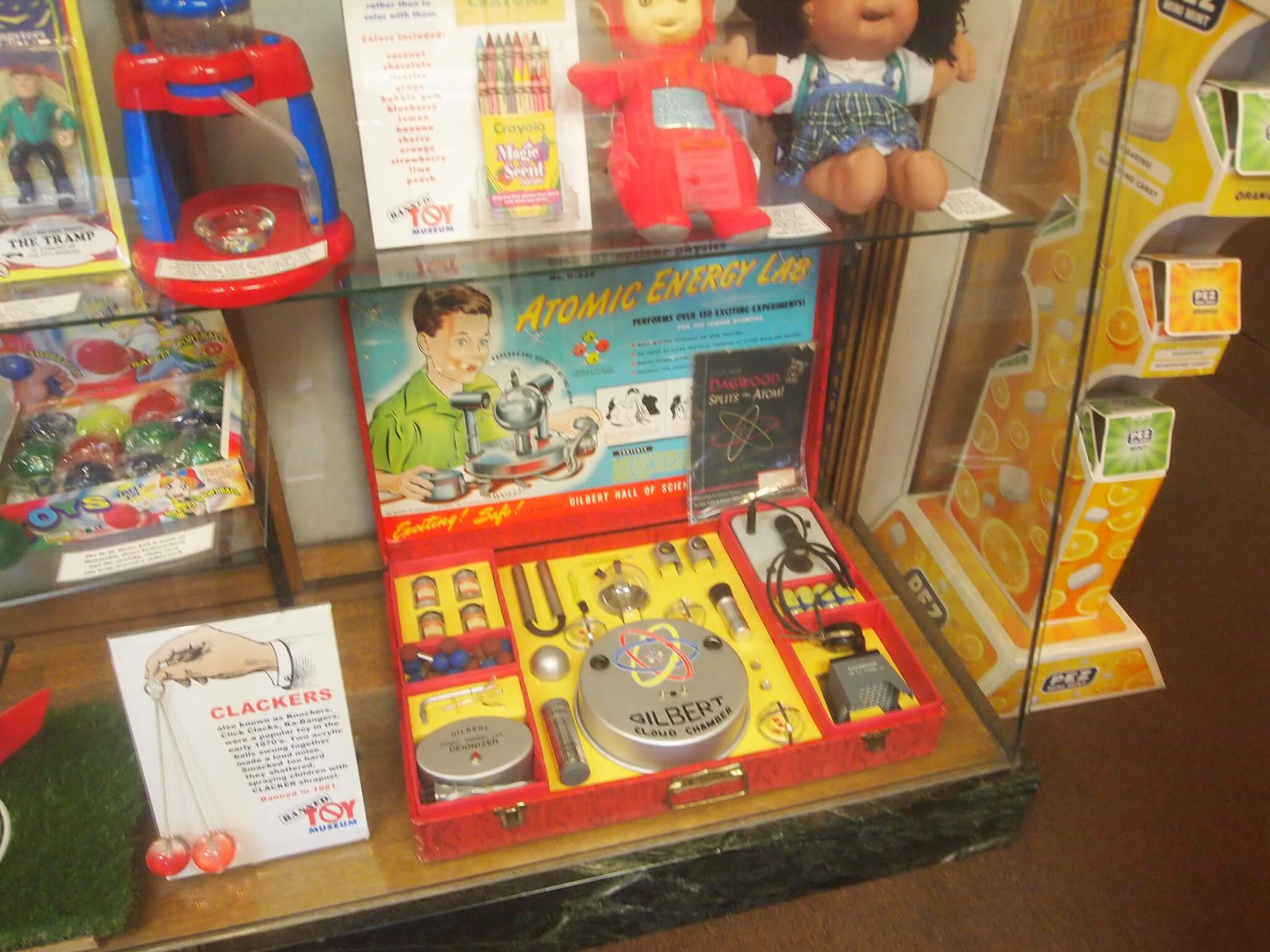
In 1950, the A.C. Gilbert Company released the Gilbert U-238 Atomic Energy Lab, a science kit aimed at young experimenters. It shipped with samples of genuine uranium ore, a Geiger counter, and an electroscope for watching radiation in action.
Sales were modest, and the kit disappeared from catalogs after only a short run. It now sits at the extreme end of toy history as proof of how little oversight children’s products once faced.
The 1960 Law That Put Warnings on Everything
The Federal Hazardous Substances Act, signed in 1960, required cautionary labels on household products that could poison, burn, or irritate. It was written with cleaners and solvents in mind rather than playthings.
Later amendments pulled children’s products under its authority, which is why the act is still cited in toy regulations today. The signal words that now appear on packaging, such as Danger and Warning, grew out of this law.
The 1969 Act That Let Regulators Ban Toys Outright

Before 1969, the federal government could act mainly against toys carrying chemical dangers. The Child Protection and Toy Safety Act widened that authority to cover electrical, mechanical, and thermal hazards.
Suddenly a toy that shocked, sliced, or overheated could be pulled from sale on the government’s say-so. The Food and Drug Administration held that power at first, and the job later moved to a brand-new agency.
The Pajama Rules and the Chemical That Backfired

Federal flammability standards for children’s sleepwear arrived in the early 1970s after a run of serious burn injuries from loose, fast-burning garments. Manufacturers met the standard partly by treating fabric with a flame retardant called Tris.
In 1977, the Consumer Product Safety Commission banned Tris-treated children’s garments after the chemical was linked to cancer in animal studies. The episode became a lasting example of a safety fix that created a new hazard.
The Agency That Took Over in 1973
Congress created the Consumer Product Safety Commission through the Consumer Product Safety Act of 1972, and the agency began operating in 1973. It absorbed toy oversight from the Food and Drug Administration and gained the power to ban products it judged unreasonably dangerous.
Few agencies have shaped the contents of a toy chest more thoroughly. Its authority to demand recalls turned an industry that once policed itself into one answering to inspectors.
The 1978 Ban on Lead Paint for Toys

In 1978, the Consumer Product Safety Commission banned paints and surface coatings containing more than 0.06 percent lead from use on toys and furniture. The limit was designed to stop children from chewing or licking painted surfaces and absorbing a neurotoxin along the way.
Compliance mostly held for decades in the United States. The surge of imported toys in the 2000s showed how easily the rule could be dodged by factories abroad.
The Rattle Rule Built Around a Throat
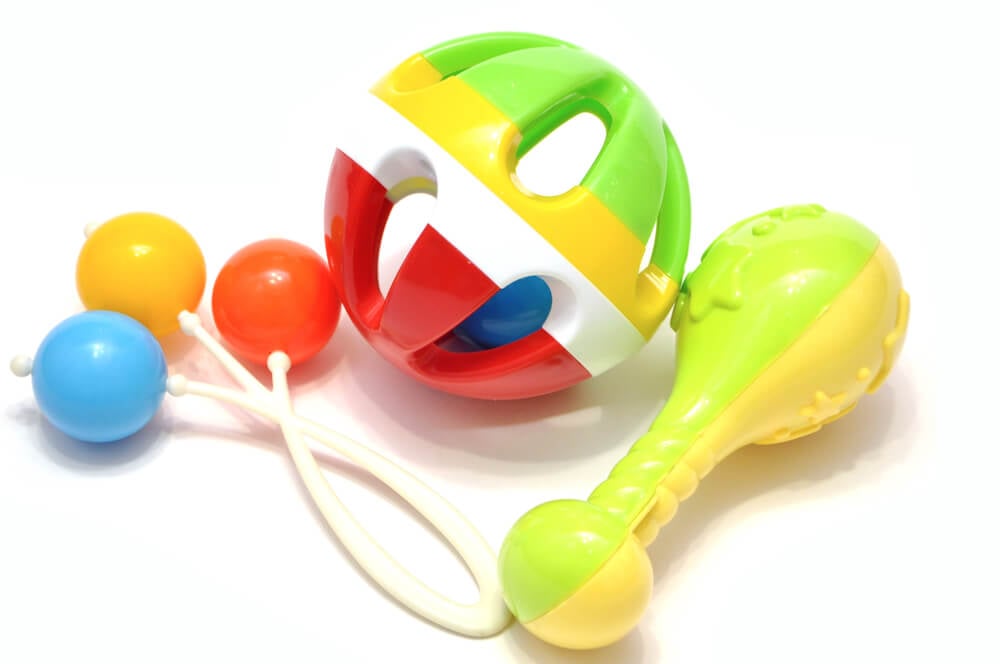
Rattles were once a common cause of infants choking when handles or heads lodged in the throat. A federal rule for rattles, found in the Code of Federal Regulations at 16 CFR 1510, now requires them to fail to fit inside a throat-shaped test fixture.
Manufacturers also must pass impact and torque tests meant to keep a rattle from breaking into dangerous pieces. The rule explains why modern rattles tend to be chunky and oversized.
The Sharp Points and Edges Test
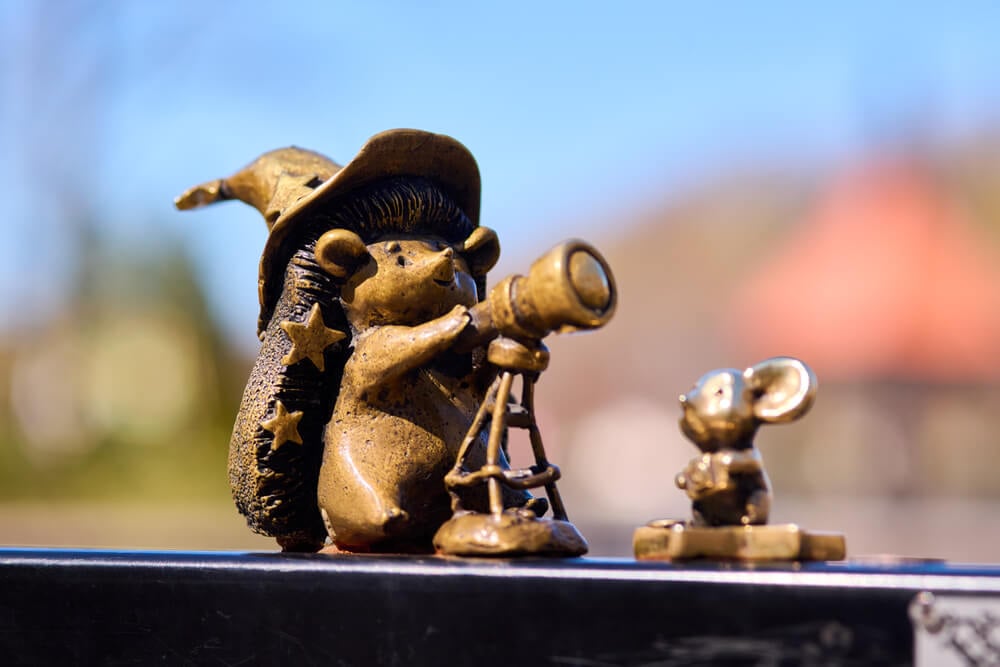
Under federal regulations, toys intended for children younger than 8 cannot contain accessible sharp points or sharp edges. Inspectors check them using specified test fixtures rather than relying on a tester’s impression of what feels pointy.
This is why plastic dolls and toy cars have rounded corners and softened tips. A toy that fails the test cannot legally be sold, no matter how popular it might be.
The Small Parts Cylinder
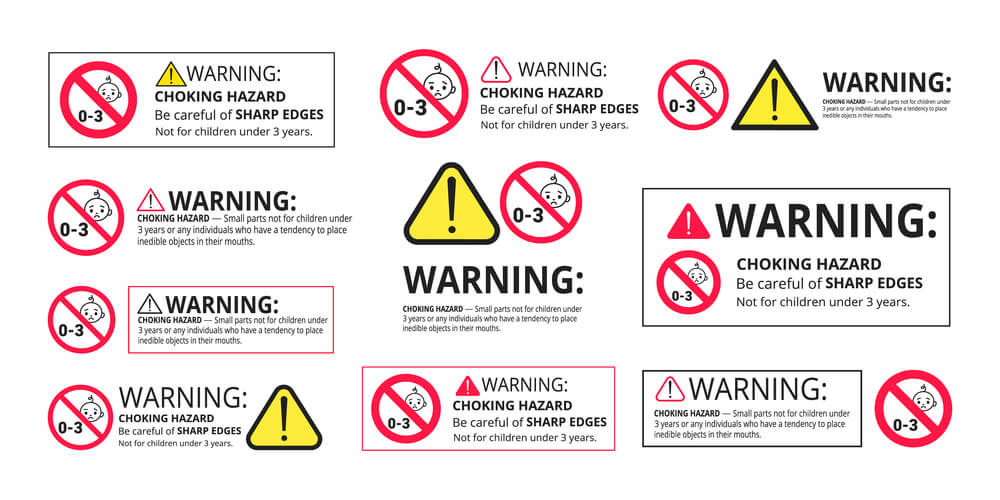
The federal small parts regulation, 16 CFR 1501, bans toys for children under 3 if any piece fits inside a test cylinder roughly 1.25 inches wide. The cylinder acts as a stand-in for a toddler’s throat, so passing or failing takes only seconds.
Toys that fail are not allowed on the market for the under-3 age group at all. Parents measuring a stray button against a film canister are unknowingly using the same logic.
The Lawn Dart Ban of 1988
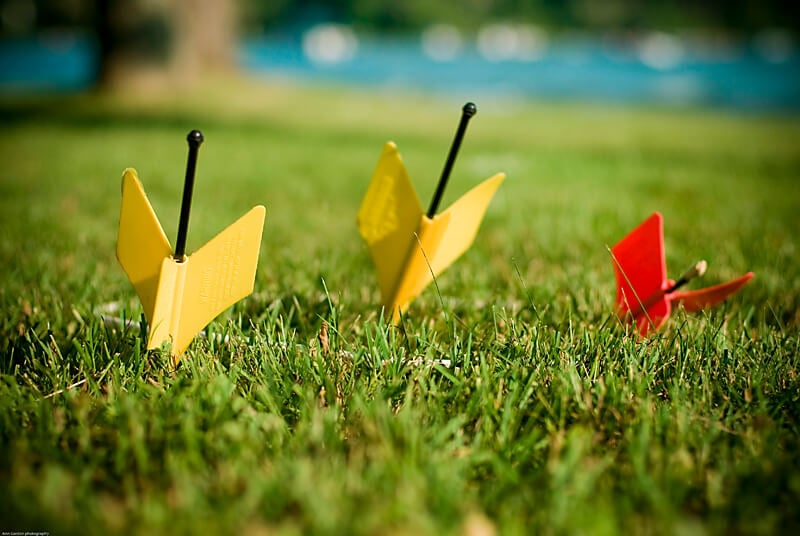
In December 1988, the Consumer Product Safety Commission voted to ban lawn darts, the 12-inch weighted spears that adults had tossed at ground targets in backyards for years. At least three children had died from puncture wounds, and many more had been treated in emergency rooms.
A federal lawsuit also pressed Sears to stop selling them. The darts remain one of the few lawn games the government ever banned outright.
The Orange Tip Law for Toy Guns
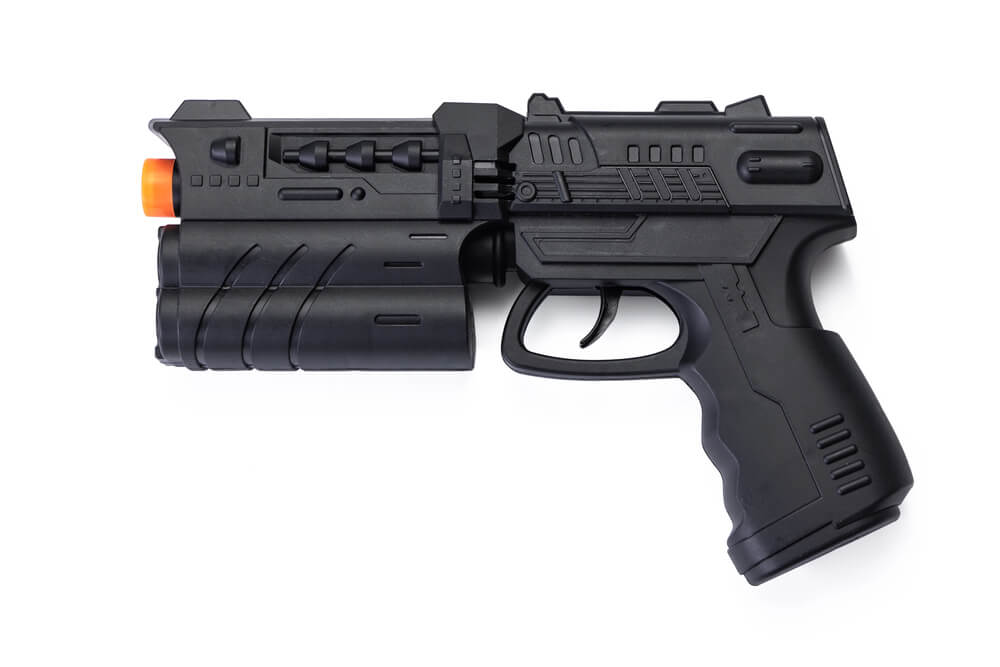
A federal law enacted in 1988 requires toy guns, including cap guns, to carry a blaze orange plug in the barrel so they cannot be mistaken for real firearms at a glance. Water guns and several other types were exempted from the requirement.
The measure came after police shootings in which officers had confused toy weapons with the genuine article. Paint jobs that hide or remove the orange tip are illegal in themselves.
The Choking Hazard Label of 1994
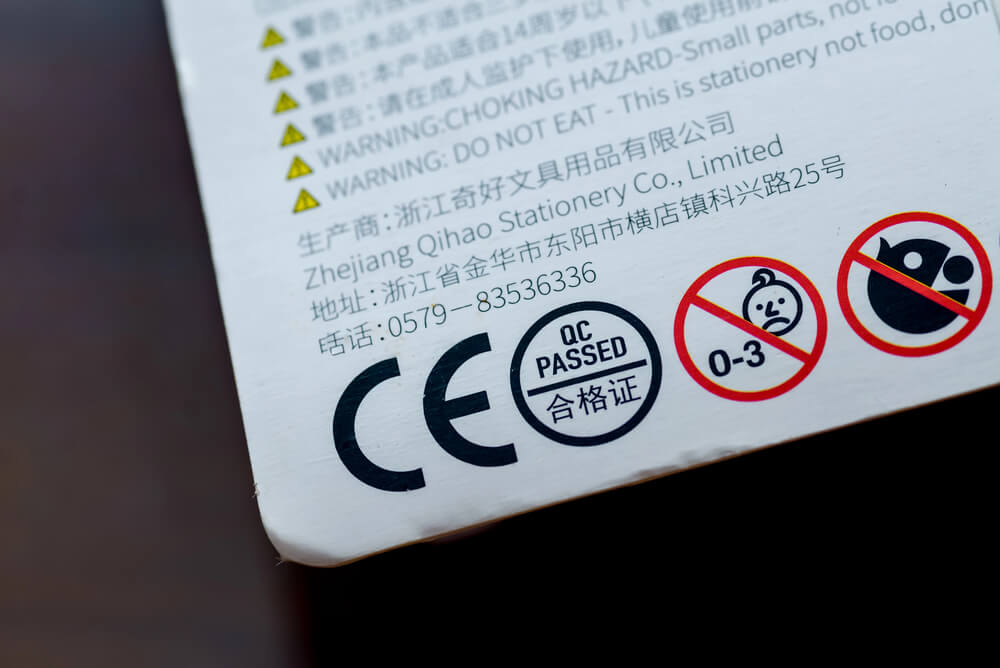
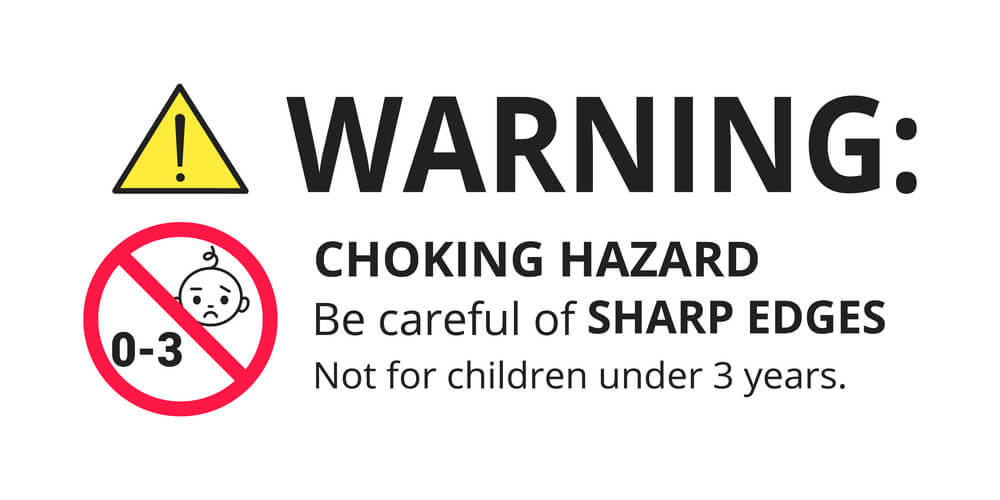
The Child Safety Protection Act, signed in 1994, required toys with small parts and marbles intended for ages 3 to 6 to carry a choking hazard warning. The text begins with the words Warning: Choking Hazard and then describes the small parts and age limit.
Congress also banned certain small items for children younger than 3 in the same legislation. Parents who notice the black-and-yellow warning on packaging are reading the product of a single law.
The Chocolate Eggs Kept Out of America
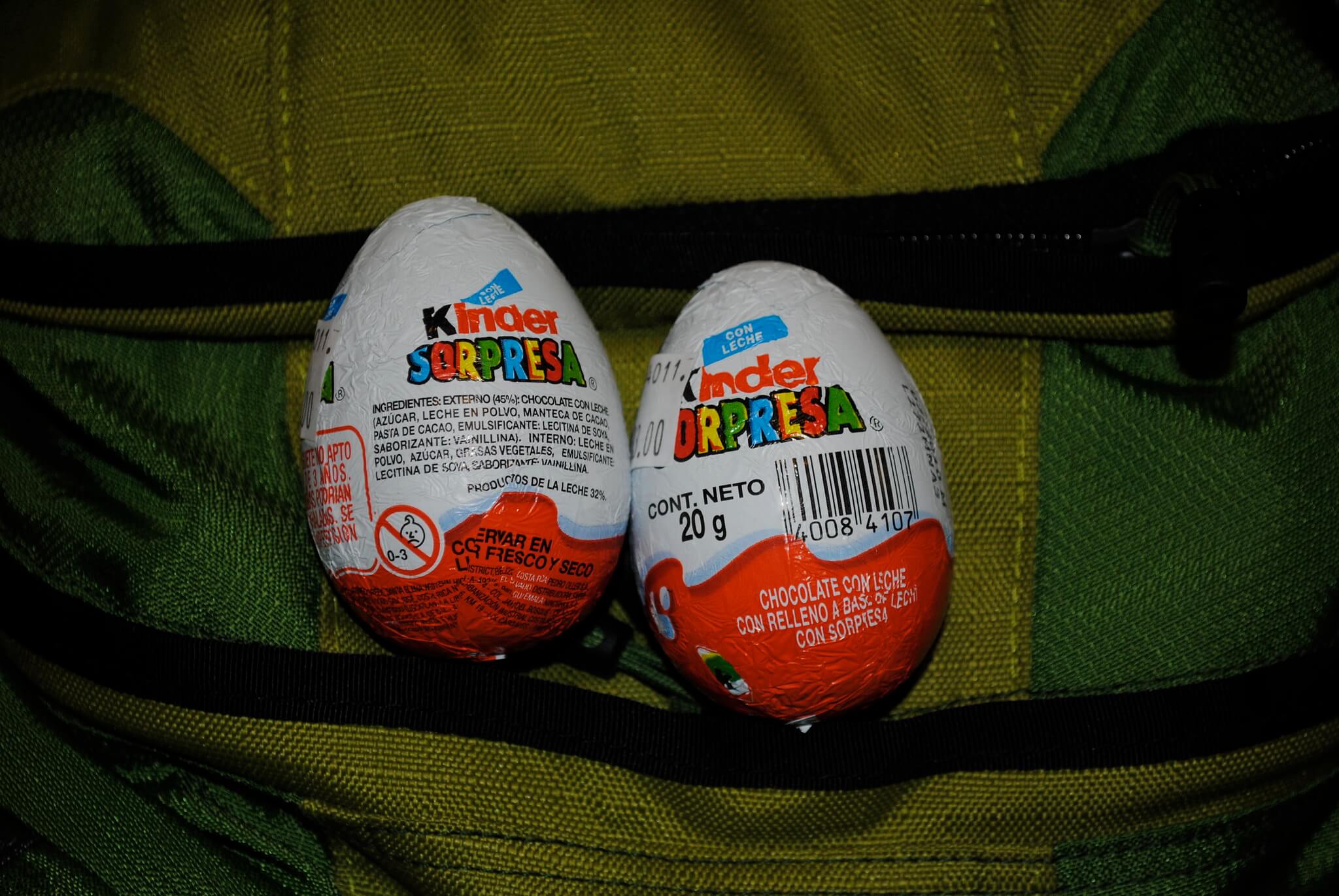
A 1938 federal food law prohibits candy that has a non-nutritive object embedded inside it. That is why Kinder Surprise eggs, which hide a plastic capsule inside chocolate, are banned from sale in the United States despite their popularity elsewhere.
Customs officers have seized shipments of the eggs at the border. A redesigned product called Kinder Joy, which keeps the toy in a separate compartment, was allowed to reach American shelves.
The Doll That Ate Hair and Fingers
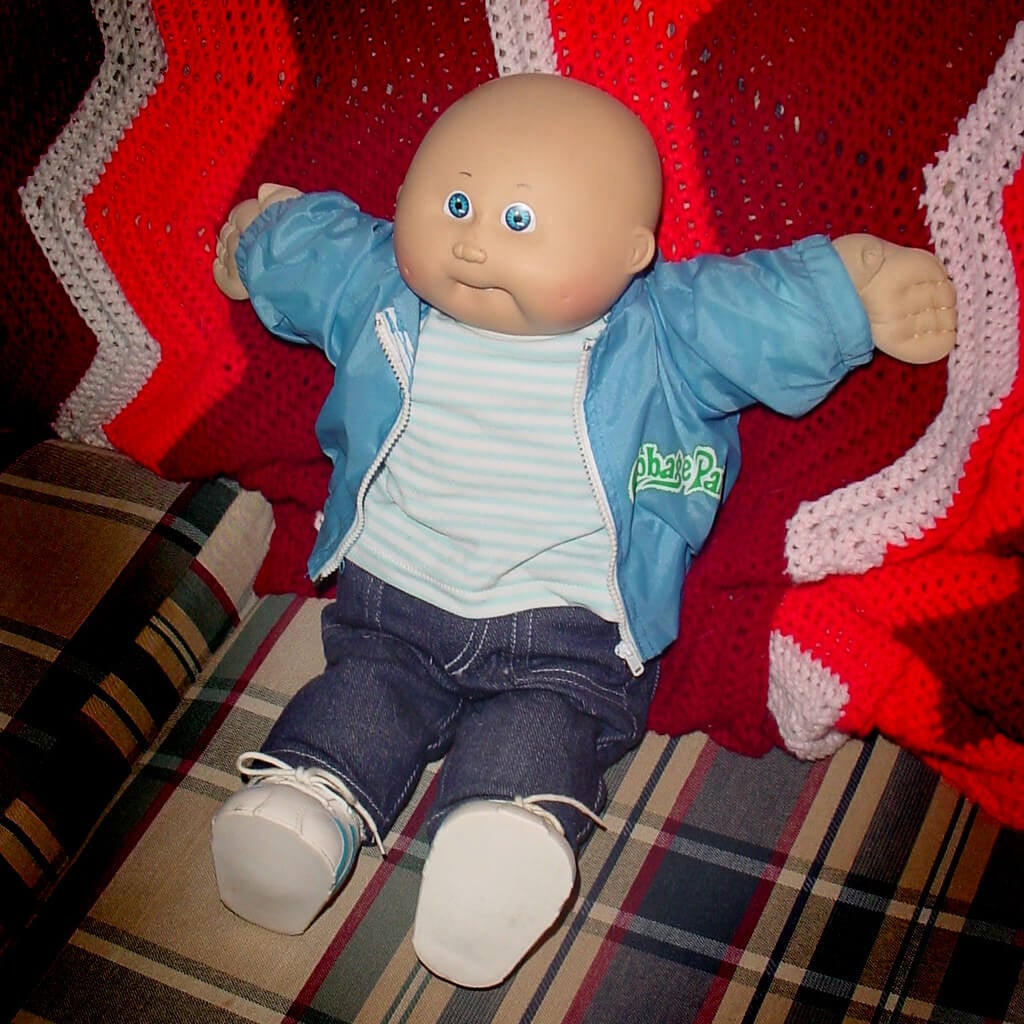
Mattel’s Cabbage Patch Kids Snacktime Kids dolls of 1996 featured a motorized mouth that chewed plastic food. Reports emerged of hair and fingers getting caught in the mechanism.
In January 1997, Mattel and the Consumer Product Safety Commission announced a voluntary refund program for the dolls. The case remains a standard example in discussions of toys that were interactive in the wrong direction.
The Flying Doll That Took Aim at Faces
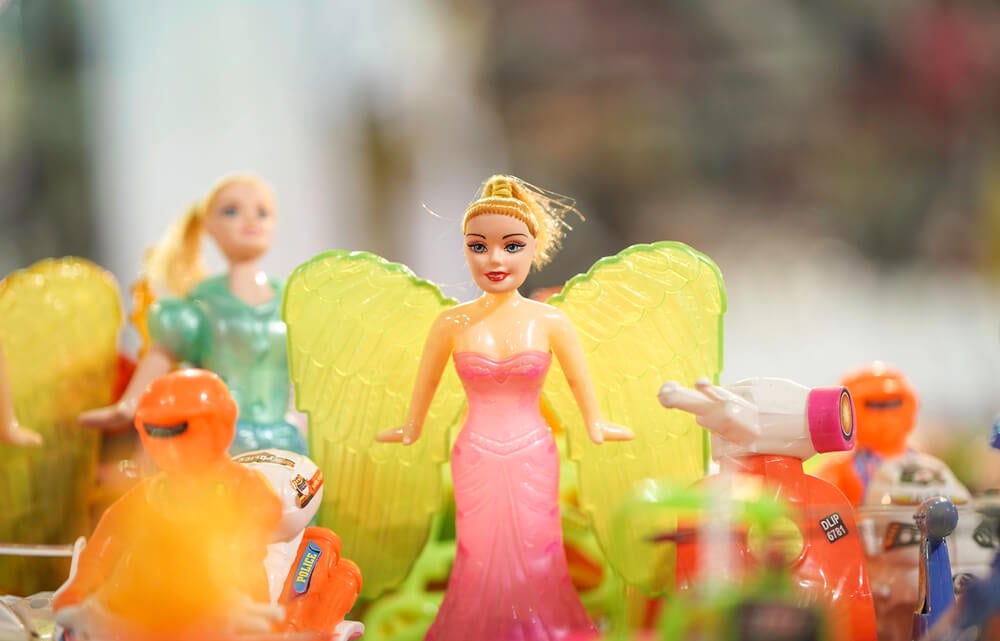
Sky Dancers, a flying fairy doll from Galoob, launched into the air when a child yanked a pull string on its base. The dolls could fly unpredictably, and injuries were reported, including to children’s eyes.
The product was recalled in June 2000. In 2001, Galoob was fined $400,000 for delays in reporting the defect to the Consumer Product Safety Commission.
The Charm Bracelet That Killed a Child

In March 2006, a four-year-old boy in Minneapolis died of lead poisoning after swallowing a heart-shaped charm that came with a pair of Reebok shoes. Testing later found the charm to be mostly lead, about 99 percent.
Reebok recalled the bracelets, and in 2008 it agreed to a record $1 million civil penalty under the Federal Hazardous Substances Act. The case pushed lead in children’s jewelry to the center of public attention.
The Thomas the Tank Engine Recall
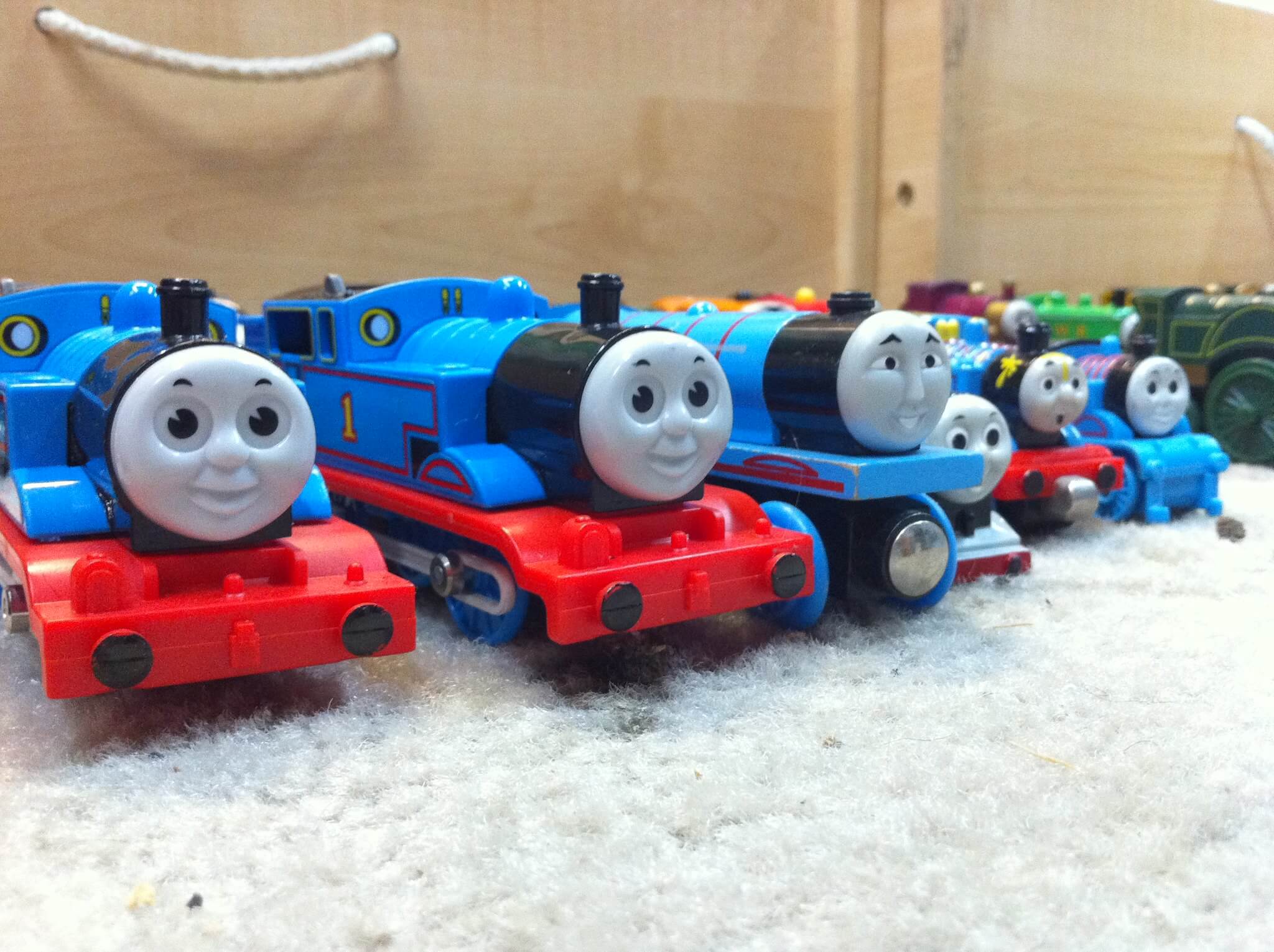
In June 2007, RC2 Corporation recalled roughly 1.5 million Thomas & Friends wooden railway toys because their paint contained excess lead. The trains were beloved, simple, and a staple of preschool playrooms, which made the news especially hard on parents.
The recall was one of several in 2007 that shook confidence in imported toys. It became part of the pressure that led Congress to rewrite the country’s toy laws.
The Easy-Bake Oven That Gripped Small Fingers
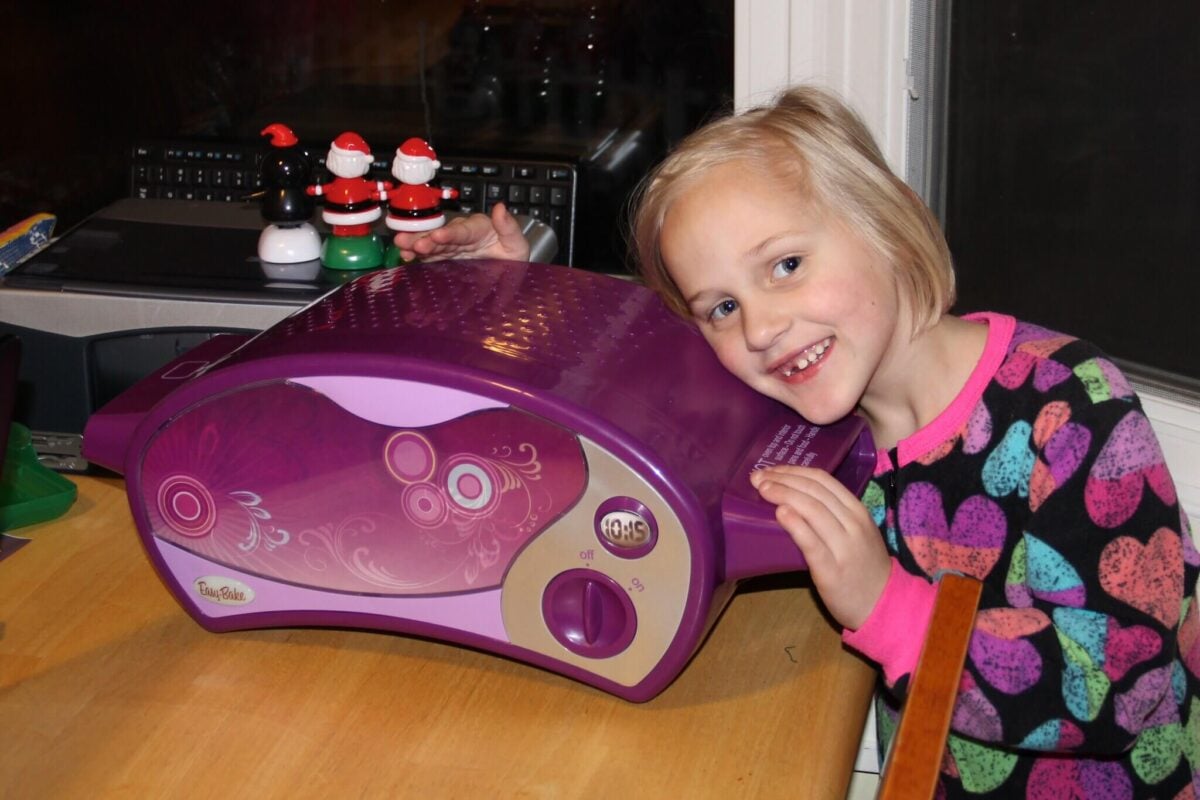
Hasbro recalled about 985,000 Easy-Bake Ovens in early 2007 after children’s fingers became trapped in the oven’s opening. A second recall followed in July after a child suffered a partial finger amputation.
The ovens, which cook with a heating element rather than a flame, were redesigned to prevent entrapment. The story is a reminder that a toy designed to be hot can create hazards that are not about the heat at all.
The Craft Beads That Metabolized Into a Drug
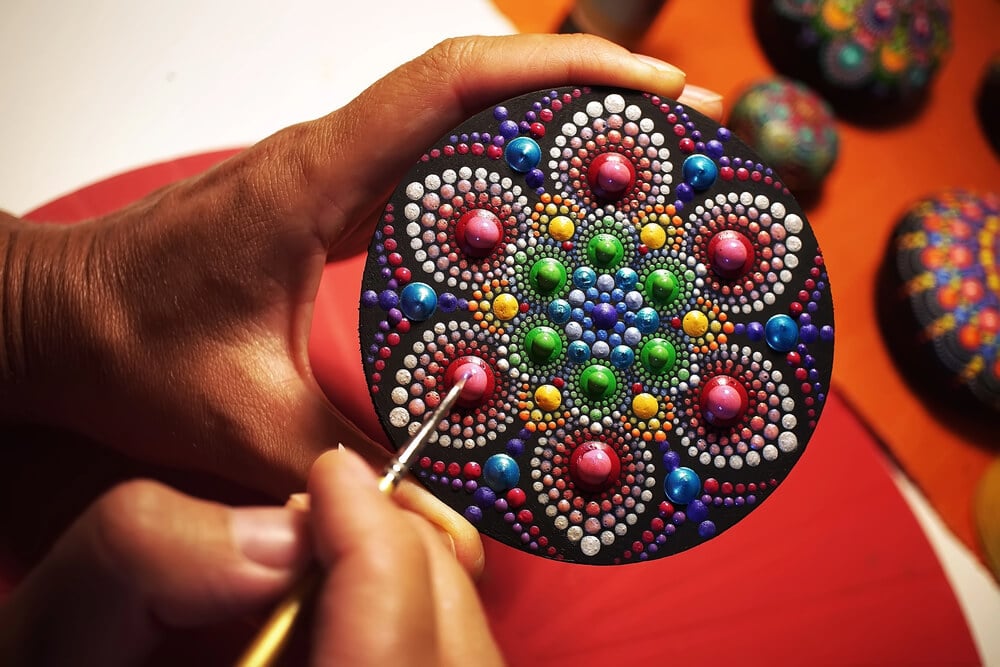
Aqua Dots, a craft toy from Spin Master, were beads that fused together when sprayed with water. The coating on the beads contained a chemical that the body converts into the drug GHB, and children who swallowed them became seriously ill.
The product was recalled in November 2007. In 2012, Spin Master agreed to pay a $1.3 million civil penalty for failing to report the problem promptly.
The Consumer Product Safety Improvement Act of 2008
Signed on August 14, 2008, the Consumer Product Safety Improvement Act rebuilt the toy rulebook after the recalls of 2007. It capped lead in the substrate of children’s products at 600 parts per million, then lowered the cap to 300 ppm in 2009 and to 100 ppm in 2011.
The law also raised the maximum civil penalties for violations. It is the single most sweeping change to American toy regulation since the 1970s.
The Phthalate Limit in Soft Plastics
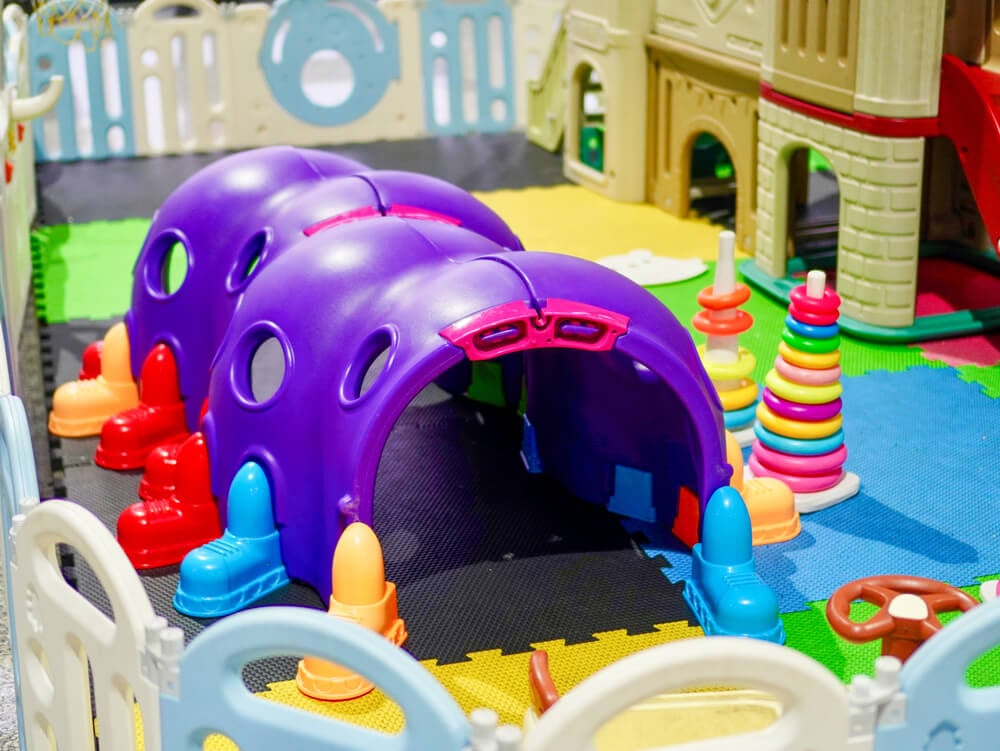
Phthalates are chemicals that make vinyl soft and bendable, which made them common in teething rings, dolls, and bath toys. The 2008 law permanently prohibited three of them, DEHP, DBP, and BBP, in concentrations above 0.1 percent in children’s toys and child care articles.
Additional phthalates were later restricted by the Consumer Product Safety Commission. Squeezable toys no longer feel quite the way they did in the 1990s.
The Rule That Made Toys Prove Themselves

Under the 2008 law, children’s products must be tested by a laboratory accepted by the Consumer Product Safety Commission before reaching store shelves. The manufacturer or importer then must issue a Children’s Product Certificate stating that the product complies.
A children’s product is defined as one designed mainly for children 12 or younger. Before this requirement, many compliance claims rested on little more than the maker’s word.
The Tracking Label on Every Children’s Product
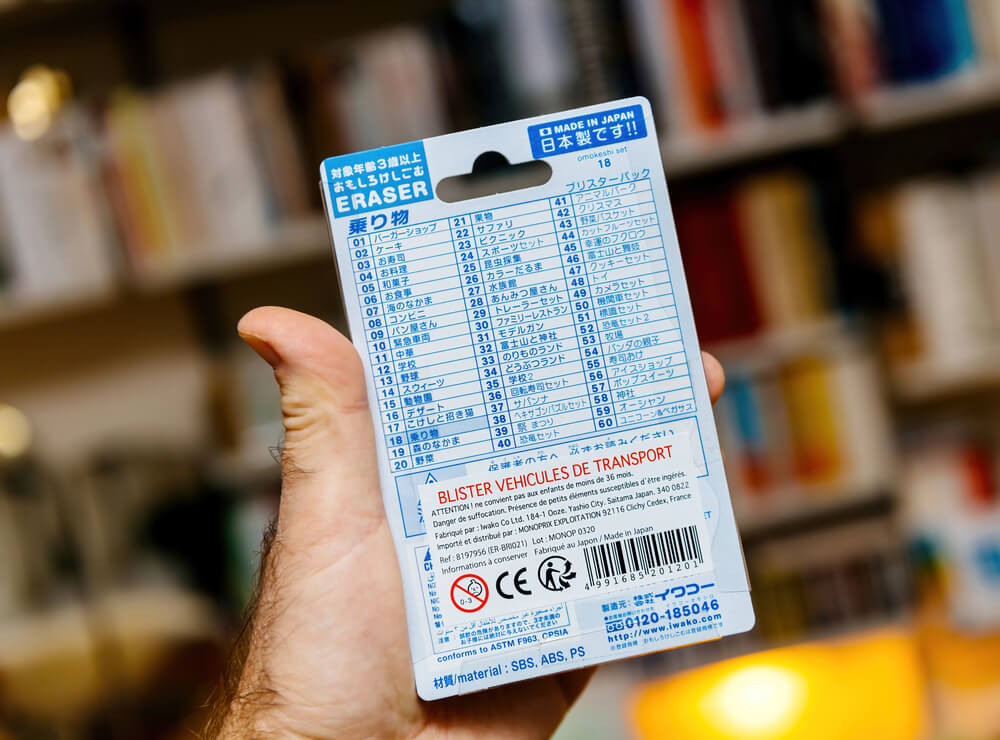
The 2008 law also requires children’s products to carry permanent marks that identify the manufacturer, production location, and batch details. This provision took effect in 2009.
When a defect emerges, the markings let regulators and parents tell affected items from safe ones without discarding an entire product line. The tiny printed codes on a toy’s underside are a direct product of the recalls of 2007.
The Standard That Became Law Overnight

ASTM F963 began as a voluntary industry standard in the 1980s, covering everything from sharp edges to flammability to noise. The 2008 law made it a mandatory federal toy standard, effective in February 2009.
Since then, toy makers have been legally required to comply with the document rather than treating it as a suggestion. It remains the main technical reference for toys sold in the United States.
The European Directive That Created the CE Mark on Toys
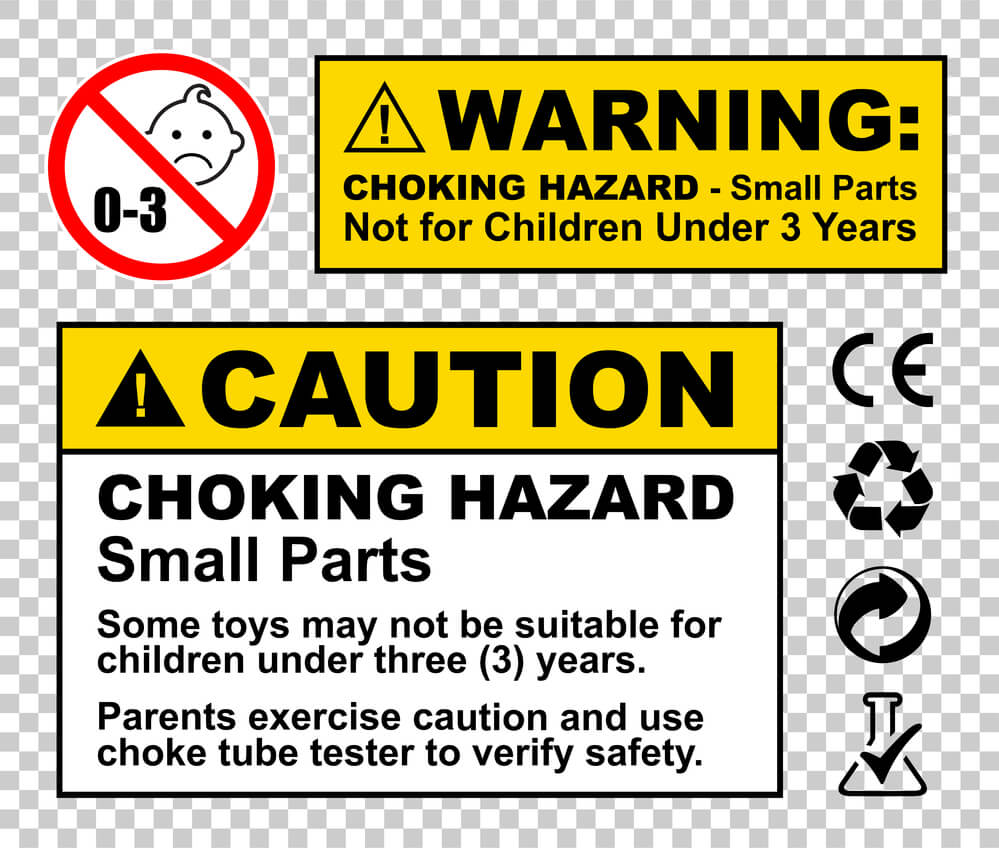
In 1988, the European Economic Community adopted its first Toy Safety Directive, setting essential safety requirements that toys had to meet across member states. Toys were among the earliest product categories to carry the CE marking, a symbol now familiar on all sorts of goods.
The directive replaced a patchwork of national rules with a single standard for the common market. A toy that passed in Germany could now be sold in Spain without separate approval.
The 2009 Directive That Banned Toxic Ingredients

Directive 2009/48/EC replaced the earlier European rule and tightened limits on chemicals in toys. It banned substances classified as carcinogenic, mutagenic, or toxic to reproduction, with narrow exceptions, and it restricted certain allergenic fragrances.
Its provisions phased in from 2011, with the chemical rules following in 2013. The directive became the template that many other countries use when they write their own toy laws.
The Magnet Rules That Followed a Wave of Ingestions

High-powered magnets were sold as desk toys and puzzle sets, and children swallowing several at once could suffer severe intestinal damage because the magnets pull together through tissue. The Consumer Product Safety Commission issued a rule in 2014, but a federal appeals court vacated it in 2016.
In 2022, the agency finalized a new magnet safety standard that bans loose, strong magnets in consumer products by setting a flux index limit of 50. Larger magnetic building tiles are unaffected because they are too big to swallow easily.
Reese’s Law and the Battery Compartment Screw

Reese’s Law, signed in August 2022, is named for Reese Hamsmith, an 18-month-old who died after swallowing a button battery. It required the Consumer Product Safety Commission to set rules for products using button cell and coin batteries.
The resulting standard calls for battery compartments that need a tool to open, or two independent hand movements, and for warning labels on packaging. That tiny screw in the back of a talking toy is the legacy of a single child’s death.
The European Regulation That Targets Forever Chemicals

Regulation (EU) 2025/2509, published in December 2025, replaces the 2009 directive with a stronger legal framework for toy safety. It restricts PFAS, the persistent so-called forever chemicals, and brings in a digital product passport for toys.
The new rules reach online sales by requiring that products sold through marketplaces meet the same requirements. Manufacturers have a transition period before every provision applies.
The Rules Written After the Damage
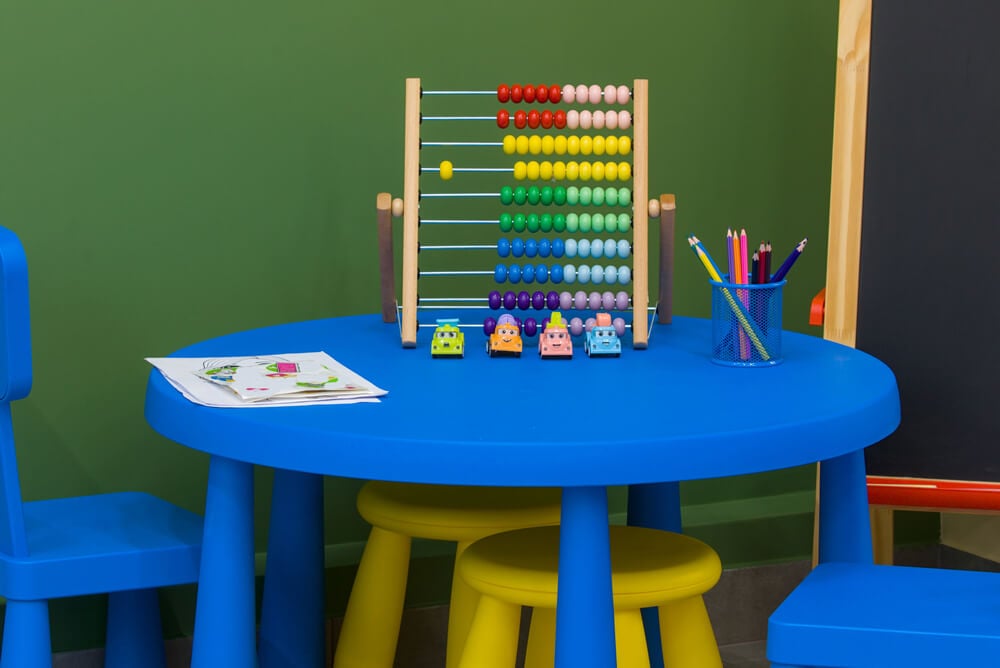
Nearly every entry on this list followed a harm that had already occurred, whether a death, a recall, or a headline. Regulators rarely get ahead of toy designers, who keep inventing new ways to delight children and endanger them in the same breath.
That is why the rulebook keeps growing, one category at a time, each addition marking the place where an earlier version failed. The safer childhood that resulted was built from small, mundane requirements: a cylinder, a label, a screw, a lab report.
None of them make a toy more fun, which is exactly why they are easy to overlook. Their effect shows up in what does not happen, and a generation of parents has rarely had to think about the dangers these rules removed.
More from Go2Tutors!

- 27 Silver Dollars and Half Dollars Worth Keeping
- 28 Restaurant Menu Items Nobody Orders Anymore
- 17 Places Built in Seemingly Impossible Spots
- 27 Vintage Rings Worth More Than They Look
- 25 Restricted Sites Tourists Can’t Enter
Like Go2Tutors’s content? Follow us on MSN.