14 Old School Tools No One Uses Anymore
Remember when your desk drawer was filled with items that seemed indispensable? Technology has rapidly transformed our daily lives, leaving once-essential tools gathering dust in attics and basements across America.
These artifacts from yesteryear tell the story of our not-so-distant past, when problem-solving required physical tools rather than digital solutions. Here is a list of 14 old school tools that have virtually disappeared from modern life:
Rotary Phones
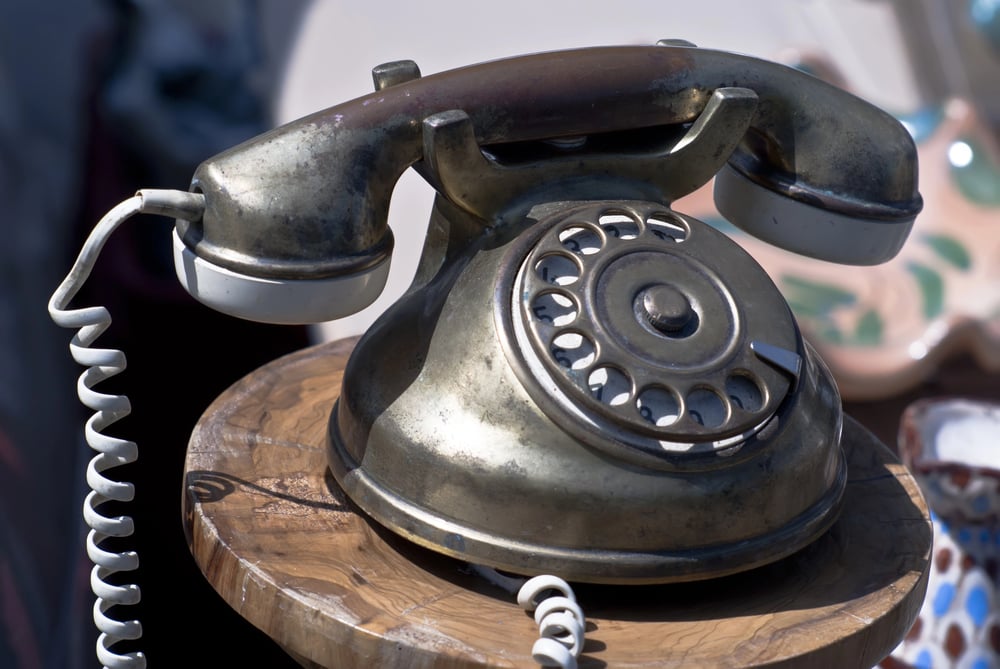
Those clunky devices with finger holes and satisfying clicks have gone the way of the dinosaur. Kids today wouldn’t know how to operate one if their lives depended on it.
The familiar sound of the dial returning to position after each number created a rhythm to calling that smartphones simply can’t replicate.
Card Catalogs
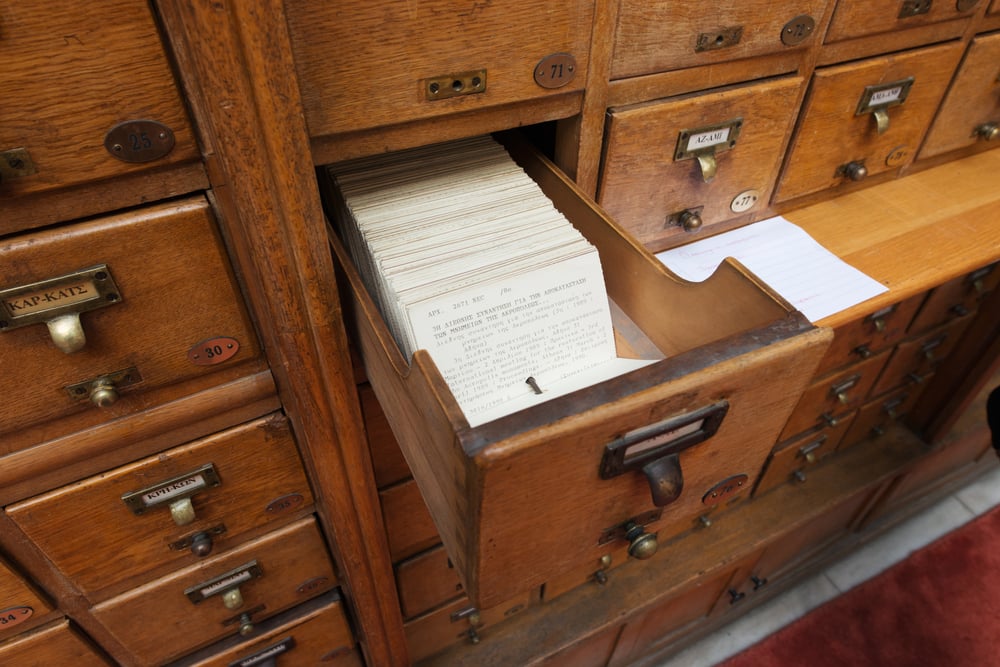
Libraries once housed massive wooden cabinets filled with thousands of meticulously organized index cards. Finding a book meant flipping through these cards and writing down the Dewey Decimal number.
Now we simply type a few words into a search bar and get instant results.
Typewriters

The clickety-clack of keys striking paper was once the soundtrack of offices everywhere. Making a typing mistake meant either starting over or using correction fluid.
Modern word processors have made the physical act of typing virtually mistake-free, though many writers still miss the tactile satisfaction of hammering out words on those sturdy machines.
Pay Phones
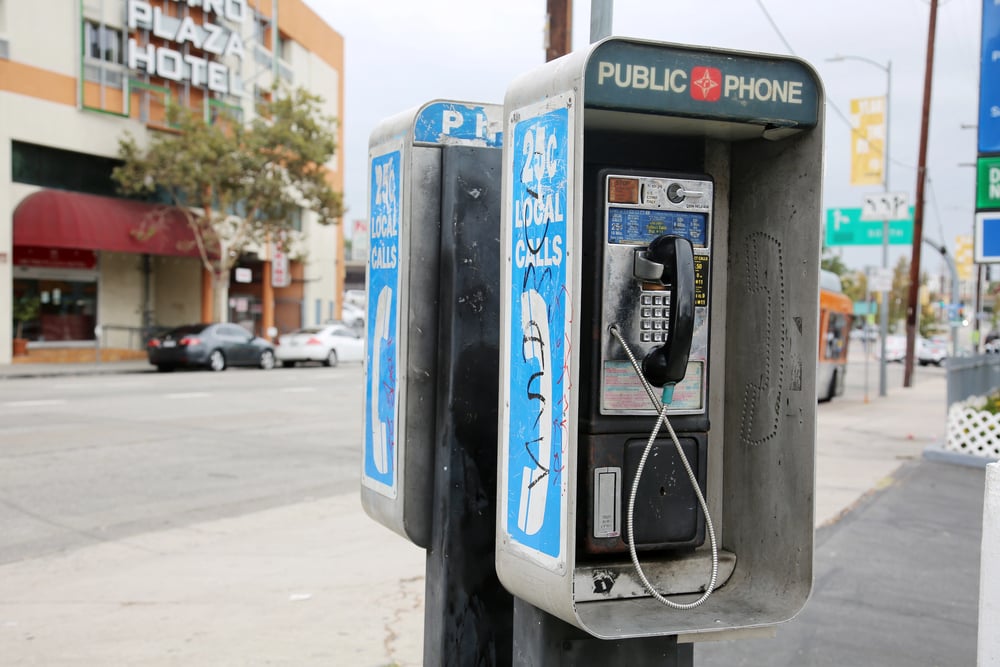
Street corners and building lobbies used to feature these communication lifelines, often surrounded by phone books on chains. People carried quarters specifically for emergency calls. Superman even had his favorite booth for quick changes.
Today, you’d be hard-pressed to find a working pay phone anywhere in most American cities.
Film Cameras

Remember waiting days or weeks to see if your vacation photos turned out well? Film cameras required patience and skill, with no instant preview of your shots.
Each roll offered just 24 or 36 chances to capture perfect moments, creating a sense of value that digital photography has largely eliminated.
Like Go2Tutors’s content? Follow us on MSN.
Fax Machines
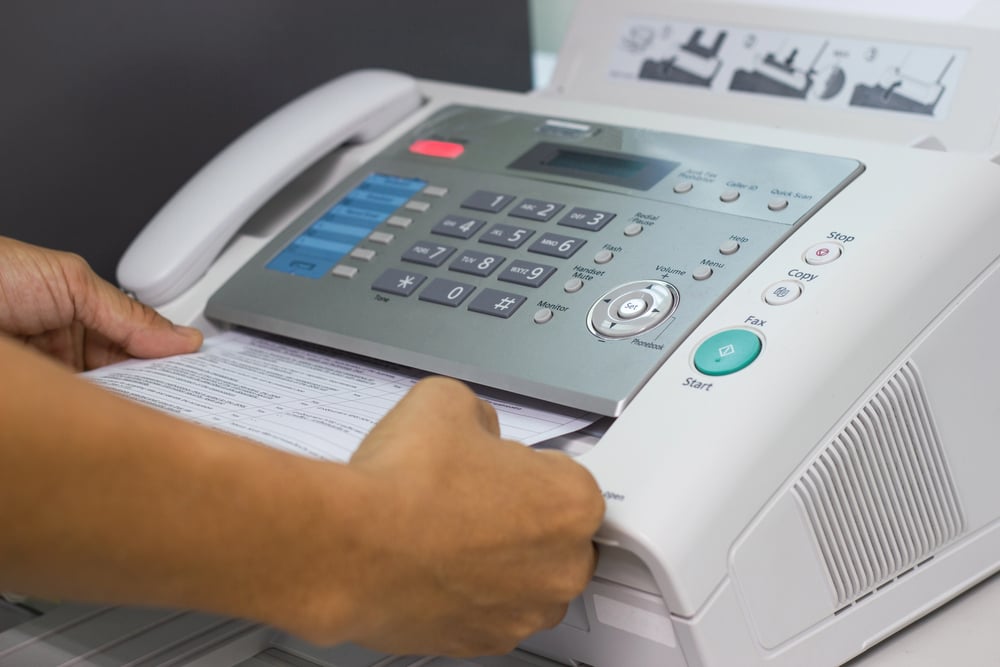
Offices once hummed with these noisy paper-spitting contraptions that seemed magical in their ability to send documents across the country. The distinctive connection tone became universally recognized.
Despite their near extinction, some medical offices and government agencies stubbornly cling to fax technology like the last survivors of a technological apocalypse.
Paper Maps

The glove compartment of every car once contained folded road maps that, once opened, seemed impossible to refold correctly. Navigation requires planning routes in advance and sometimes pulling over to figure out where you went wrong.
GPS and mapping apps have made getting lost almost impossible for anyone with a smartphone.
PDAs (Personal Digital Assistants)
Before smartphones, these palm-sized devices let businesspeople organize contacts, calendars, and notes digitally. The Palm Pilot and its stylus-based interface were revolutionary for its time.
These electronic organizers were the bridge between paper planners and today’s all-in-one mobile devices.
VHS Tapes
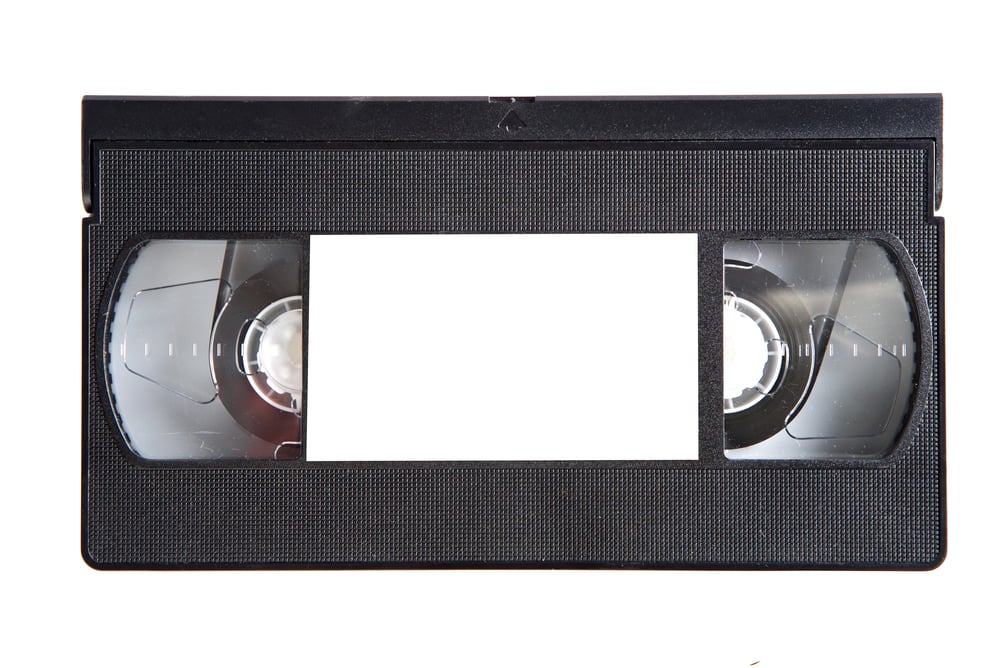
Home movie nights once required rewinding these bulky cassettes and dealing with tracking issues. Video rental stores were weekend destinations where families browsed physical shelves for entertainment.
The “be kind, rewind” stickers seem as antiquated now as instructions for feeding a horse would have seemed then.
Rolodex
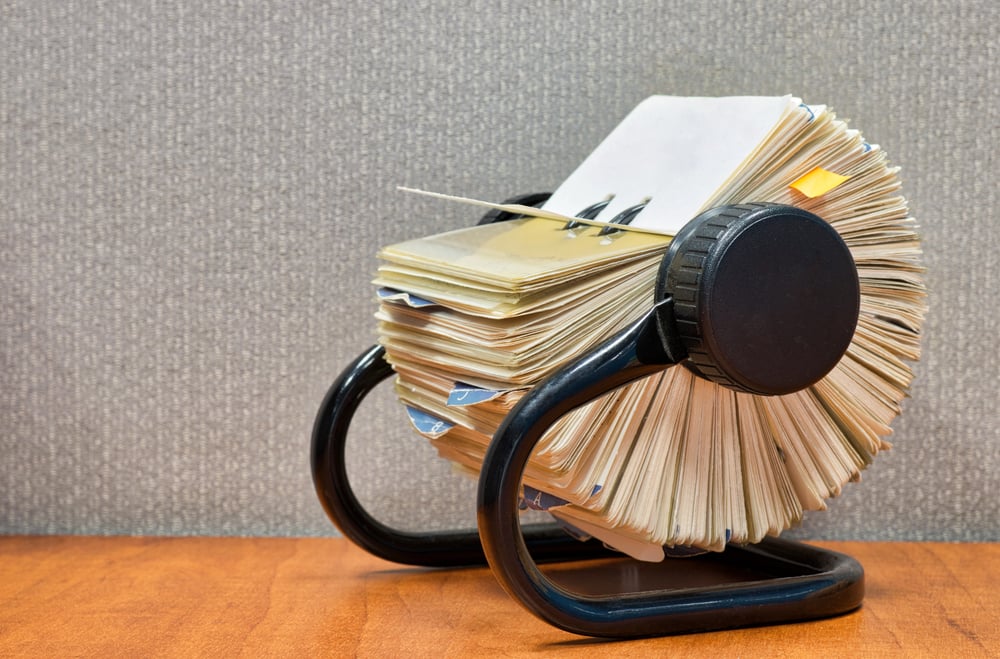
This rotating contact management system was the cornerstone of business networking for decades. Adding a new contact meant writing information on a card and filing it alphabetically.
Your Rolodex represented your professional network in physical form, a concept that LinkedIn has digitized but never quite replicated.
Slide Rules
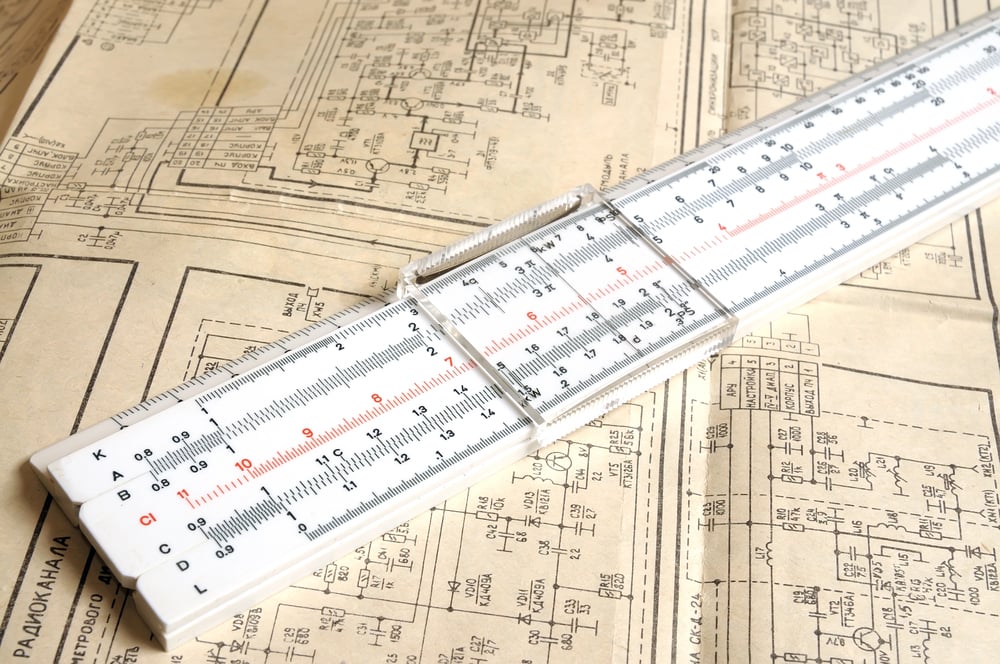
Engineers and scientists performed complex calculations with these mathematical sticks before pocket calculators came along. Mastering the slide rule required significant training and practice.
These elegant tools allowed humans to build bridges, skyscrapers, and even send astronauts to the moon without electronic assistance.
Like Go2Tutors’s content? Follow us on MSN.
Pagers
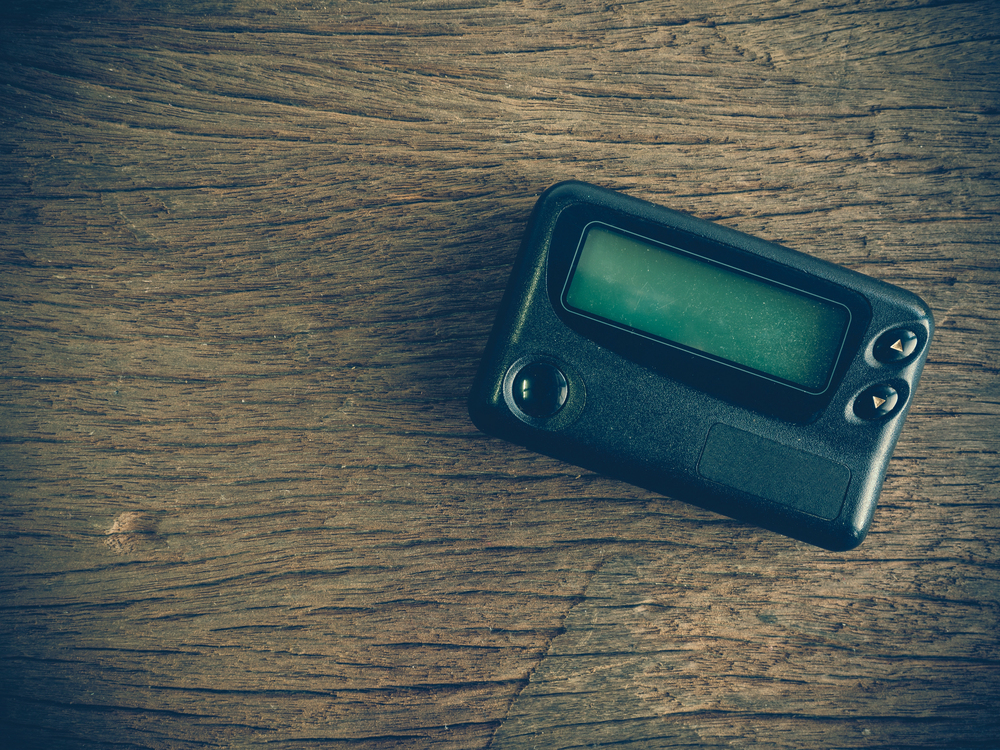
These small devices that clipped to belts allowed people to receive simple messages when away from phones. Doctors and emergency personnel relied on them heavily.
The distinctive beep of a pager could cause immediate anxiety, as it often signaled urgent business that required finding a telephone.
Microfiche Readers

Libraries and archives stored vast amounts of information on tiny film strips viewed through these specialized machines. Researching old newspapers or documents meant sitting at these viewers for hours, manually scrolling through frames.
The entire newspaper archive that once filled a dedicated room can now fit on a single hard drive.
Overhead Projectors

Classrooms and meeting rooms featured these light-box projectors that displayed transparent sheets. Teachers wrote on clear acetate with special markers, often returning home with colorful fingers.
The soft hum and warm glow of these machines created a distinctive atmosphere that digital projectors have replaced with their silent efficiency.
The Digital Transition

The rapid disappearance of these tools represents one of the most dramatic technological shifts in human history. Most became obsolete within a single generation.
While functionality has improved, something intangible has been lost in the transition from physical to digital – perhaps the satisfaction of mastering a specialized tool or the permanence of physical media.
Our old tools reveal much about how we lived, worked, and solved problems.
They remind us that progress often means leaving behind familiar objects that once seemed utterly essential to daily life. Next time you swipe through your smartphone to make a call, check a map, or take a photo, spare a thought for the dedicated tools these functions once required.
More from Go2Tutors!

- The Romanov Crown Jewels and Their Tragic Fate
- 13 Historical Mysteries That Science Still Can’t Solve
- Famous Hoaxes That Fooled the World for Years
- 15 Child Stars with Tragic Adult Lives
- 16 Famous Jewelry Pieces in History
Like Go2Tutors’s content? Follow us on MSN.



