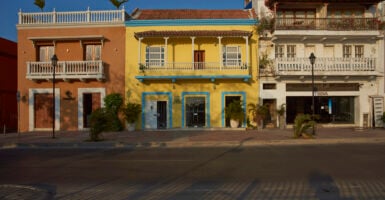
27 Colonial Buildings Still in Use Today
Most buildings from the colonial era ended up as ruins, postcards, or parking lots. A stubborn few never got the memo that their empires had ended. They still hold court, pass collection plates, pour drinks, and sort mail.
The structures below were raised by the British, Spanish, Dutch, French, and Portuguese on four continents. Each one still does real work today, and several do almost exactly what their builders intended.
The Old State House Boston Built for Royal Governors
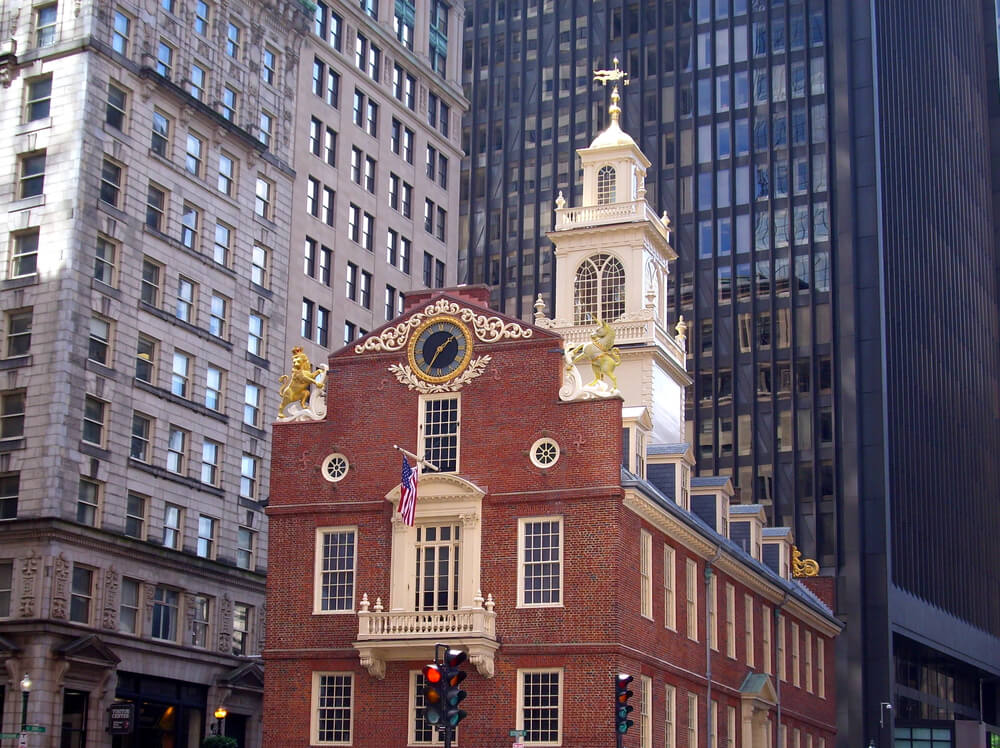
Completed in 1713, the Old State House was where the royal governor’s council and the colonial legislature conducted business in Massachusetts. The Declaration of Independence was read to Bostonians from its balcony in July 1776.
Today it operates as a museum, and its basement doubles as an entrance to a working subway station. Commuters now step out of a transit stop into the same building where colonial officials once argued over taxes.
The Old Ship Church That Still Holds Sunday Services
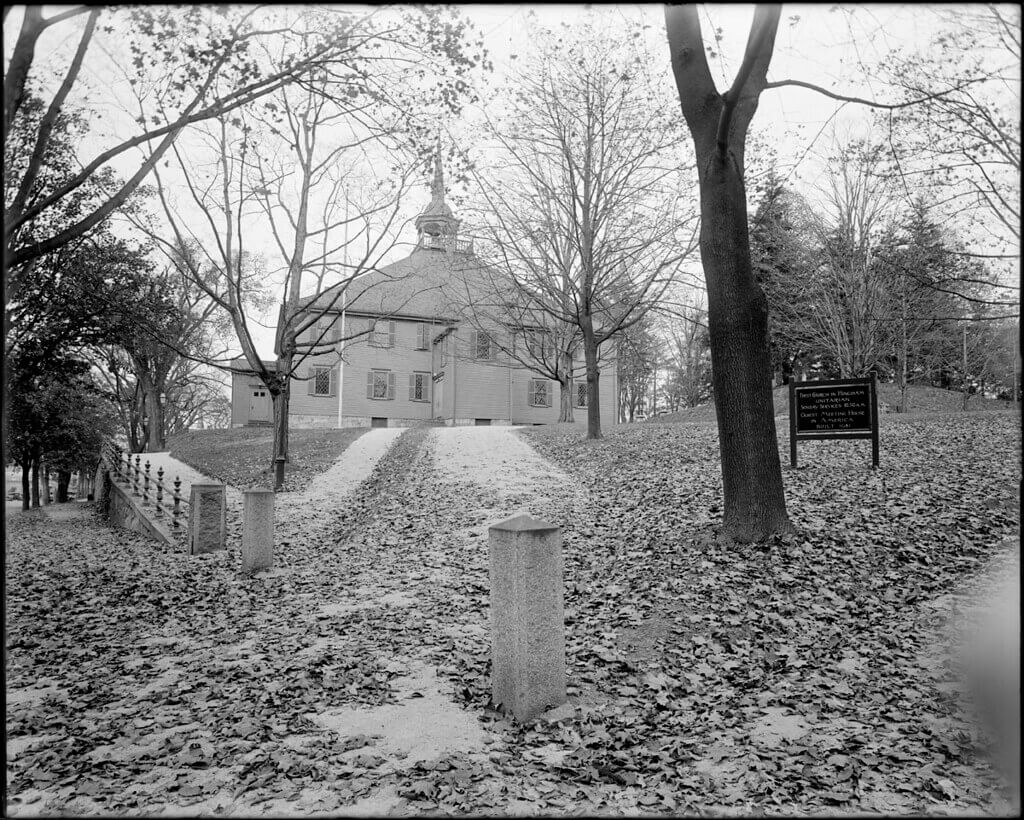
The meetinghouse in Hingham, Massachusetts, was built in 1681 and is still home to a living congregation, First Parish in Hingham. Its roof framing looks like the hull of a ship turned upside down, which probably explains the nickname.
The pews, the pulpit, and the heavy timber ceiling are reminders that Puritan worship was designed to be plain and loud. Few buildings in North America have hosted weekly services for longer.
The White Horse Tavern on Marlborough Street
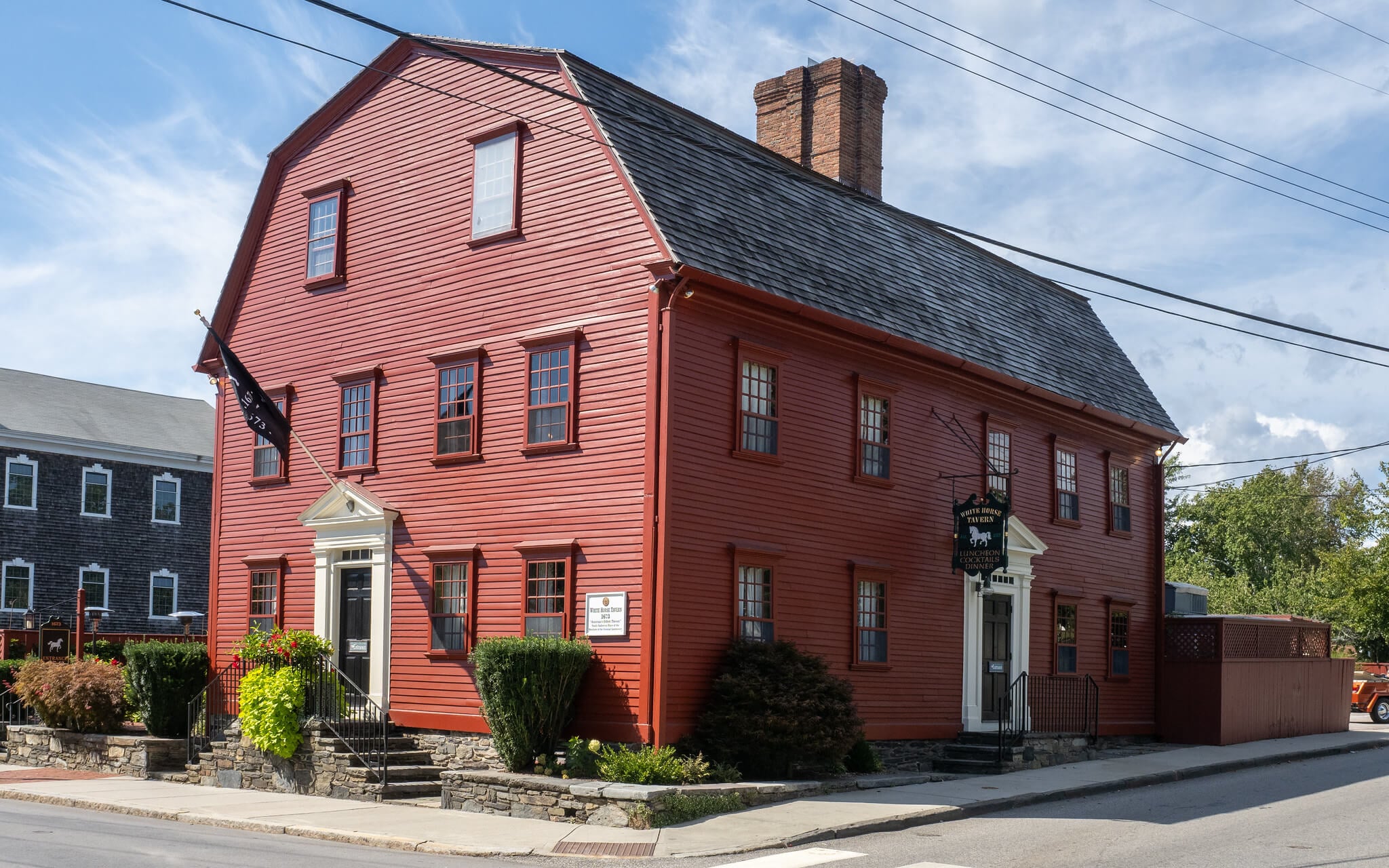
The White Horse Tavern in Newport, Rhode Island, received a tavern license in 1673 and has been connected with food and drink in some form ever since. Its low ceilings, wide-plank floors, and walk-in fireplaces look much as they must have to colonial patrons.
The building has been through stretches as a private home and a boarding house, but it now serves lunch and dinner again. Reservations are recommended, which would have baffled its first customers.
Touro Synagogue, Where Washington Promised No Sanction to Bigotry
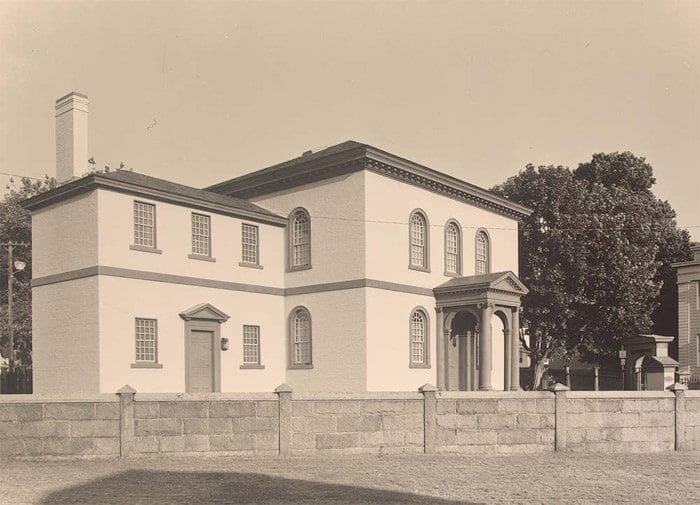
Dedicated in 1763 in Newport, Rhode Island, Touro Synagogue was designed by architect Peter Harrison and remains an active house of worship. In 1790, President George Washington wrote a letter to the congregation promising that the government of the United States would give “to bigotry no sanction, to persecution no assistance.”
The letter is read aloud in the building every year. The congregation, Jeshuat Israel, still prays beneath the original colonial-era interior.
The Old Dutch Church of Sleepy Hollow
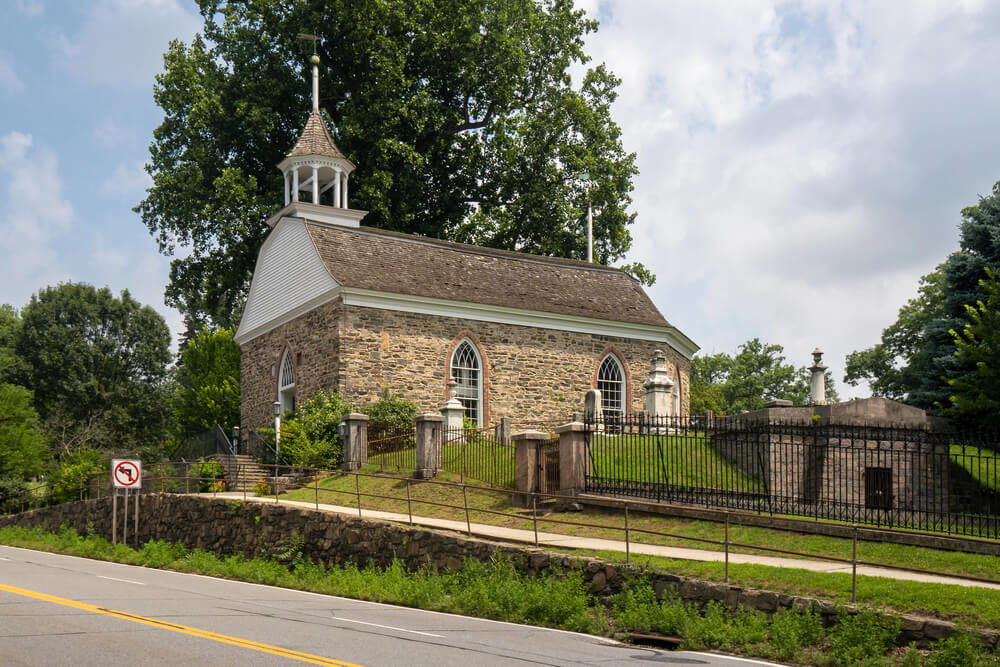
Built in 1685 in what is now Sleepy Hollow, New York, this stone church was financed by Frederick Philipse, a wealthy Dutch colonial landowner. Washington Irving put it in “The Legend of Sleepy Hollow,” and the neighboring burial ground appears in the story as well.
The Reformed congregation still gathers there for Sunday worship. Visitors come for the ghost story, but the pews are filled by people who simply want to attend church.
The Palace of the Governors in Santa Fe
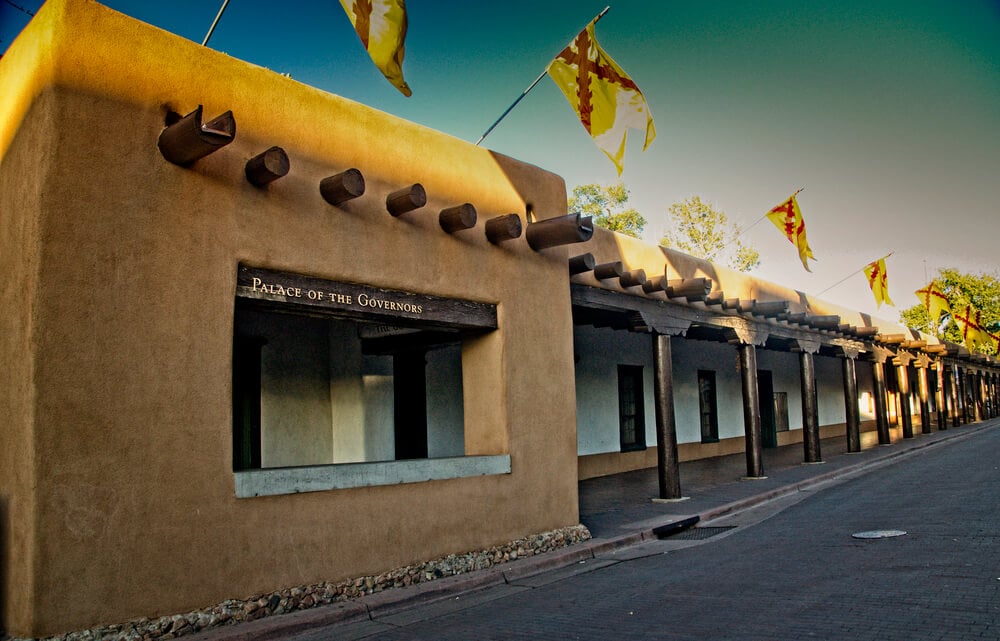
Construction on the adobe Palace of the Governors began around 1610, soon after Santa Fe was founded as the Spanish capital of New Mexico. Territorial governor Lew Wallace is said to have written parts of “Ben-Hur” while living there in the late 1870s.
The building now anchors the New Mexico History Museum. Native American artisans still sell jewelry and pottery under its long portal every day, continuing a tradition of marketplace trade on the Plaza.
The Cabildo in New Orleans
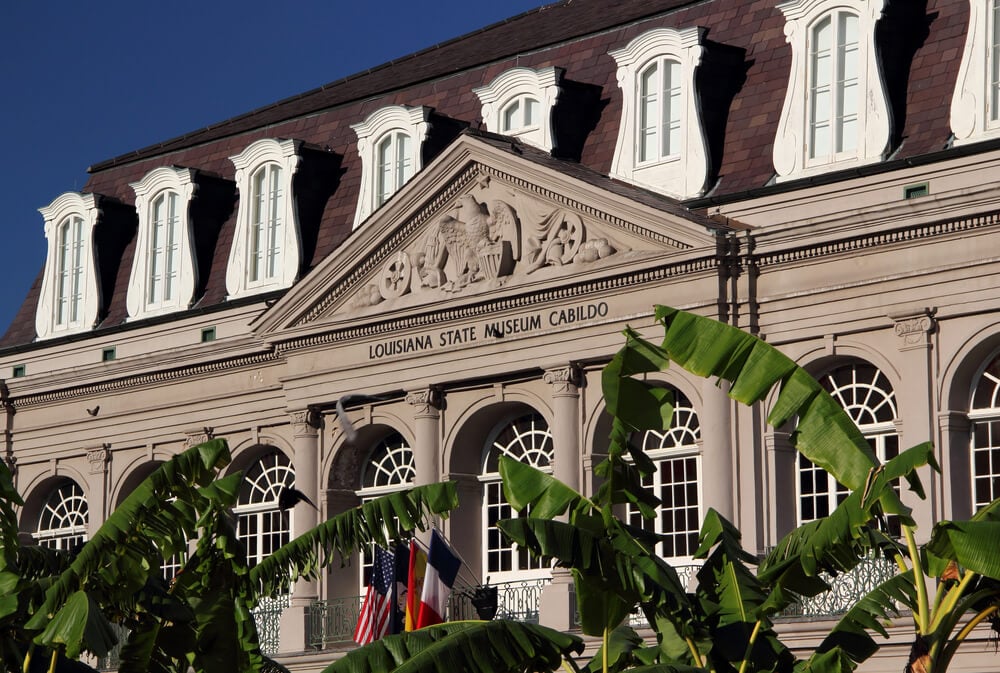
The Spanish built the Cabildo between 1795 and 1799 to serve as the seat of colonial government in New Orleans. In 1803, it hosted the transfer ceremonies that handed Louisiana from Spain to France and then to the United States.
The building was later home to the Louisiana Supreme Court. Now it is part of the Louisiana State Museum, with exhibits about the state’s history facing Jackson Square.
La Fortaleza, Still Home to Puerto Rico’s Governors
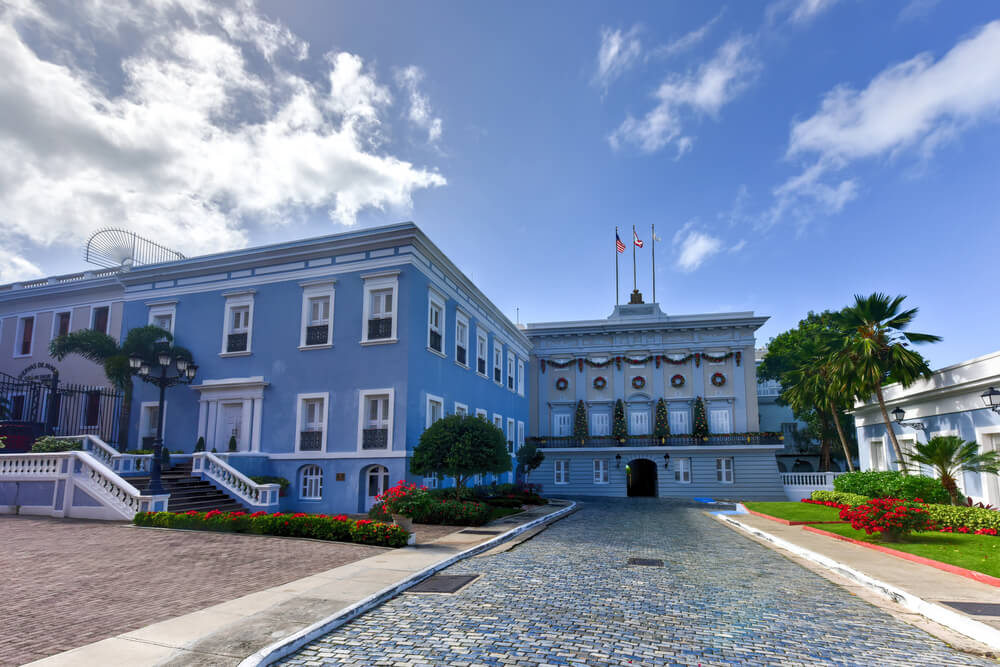
Spanish builders began work on La Fortaleza in San Juan in 1533, originally as a fortress to defend the harbor. The structure was gradually altered into a governor’s palace, and it remains the official residence of Puerto Rico’s governor.
UNESCO included it in a World Heritage listing in 1983 along with the historic fortifications of old San Juan. Elected officials have been sleeping in a building that predates the idea of the United States by about two and a half centuries.
Hospicio Cabañas, the Orphanage That Became a Mural Gallery
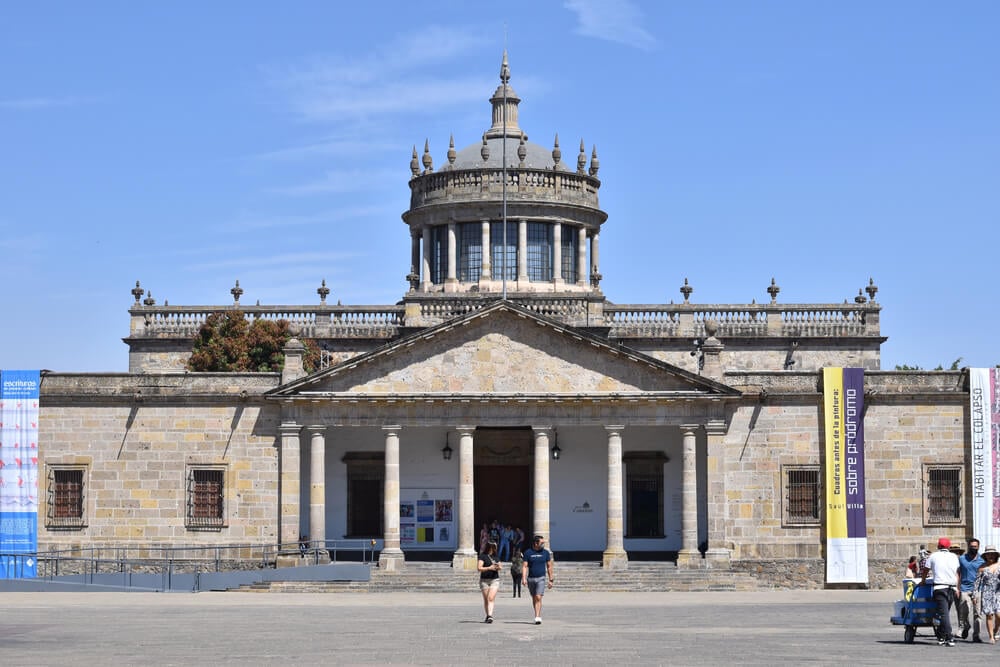
Completed in 1810 in Guadalajara, Mexico, the Hospicio Cabañas was built to shelter orphans, the elderly, and the sick. It was designed around 23 interior courtyards, which kept the sprawling complex airy and navigable.
In 1936 and 1939, José Clemente Orozco painted a famous series of murals in its chapel dome. Today it functions as a cultural institute and museum, and it received UNESCO World Heritage status in 1997.
Casa de Aliaga, a Lima Mansion Held by One Family
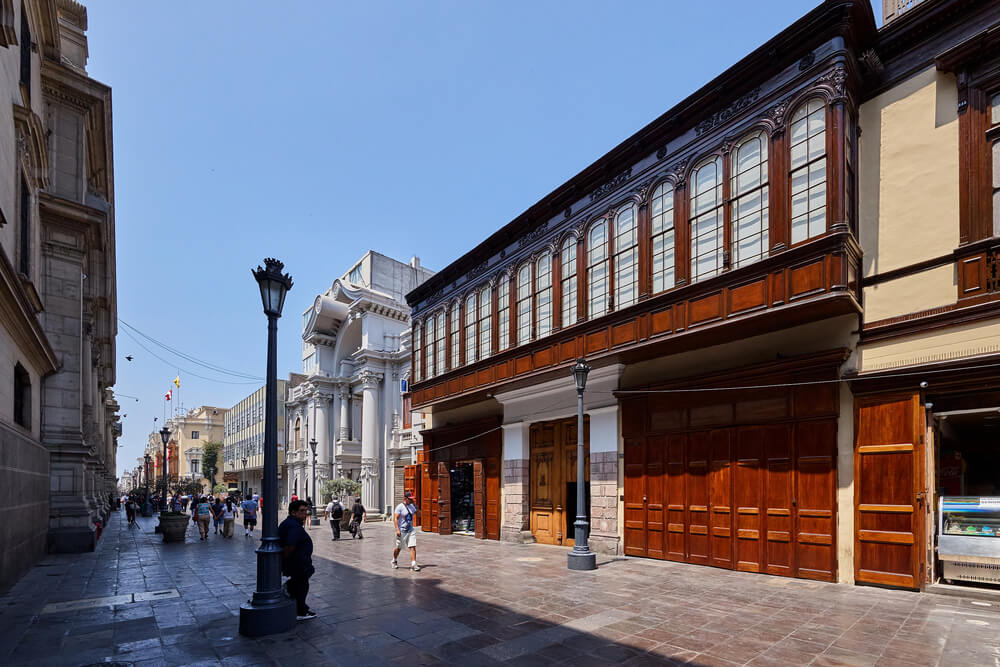
Conquistador Jerónimo de Aliaga received the land for this Lima house from Francisco Pizarro in the 1530s. His descendants have occupied the property for some 17 generations, according to the family.
Visitors can tour rooms furnished with colonial and later antiques, but the building remains a private family home first. Few houses anywhere can claim a family tree that stretches back to the founding of their city.
The Palace of the Inquisition in Cartagena
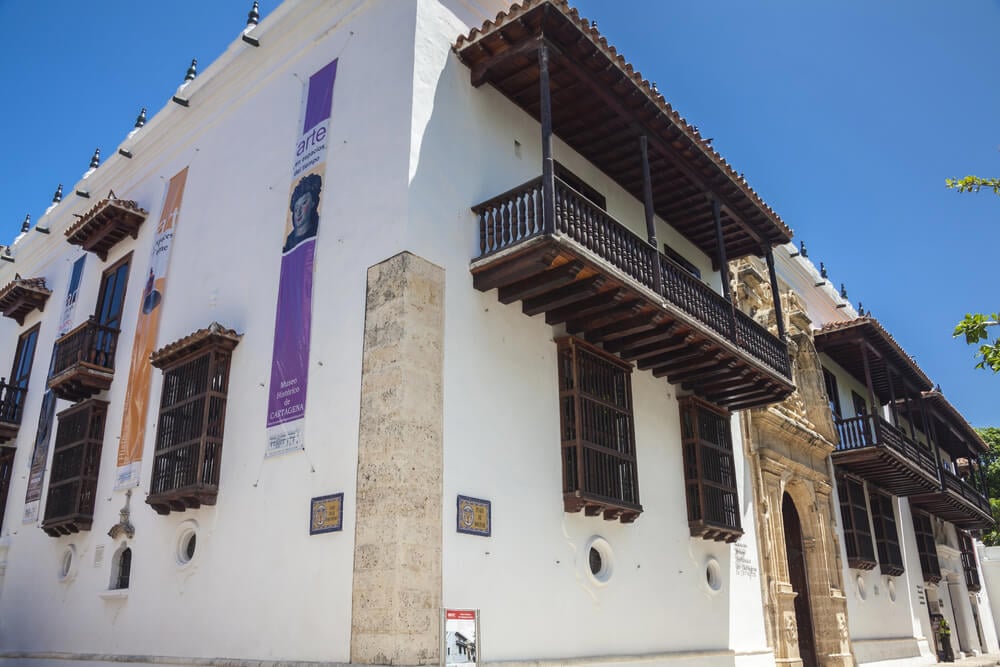
The Spanish Inquisition set up a tribunal in Cartagena, Colombia, in 1610, and the palace that houses its history was completed in 1770. Its elaborate Baroque stone portal is among the most photographed doorways in the old city.
Inside, a museum displays the interrogation instruments once used on suspected heretics. The building is a plain reminder that an arresting facade does not guarantee a pleasant interior.
Paço Imperial in Rio de Janeiro
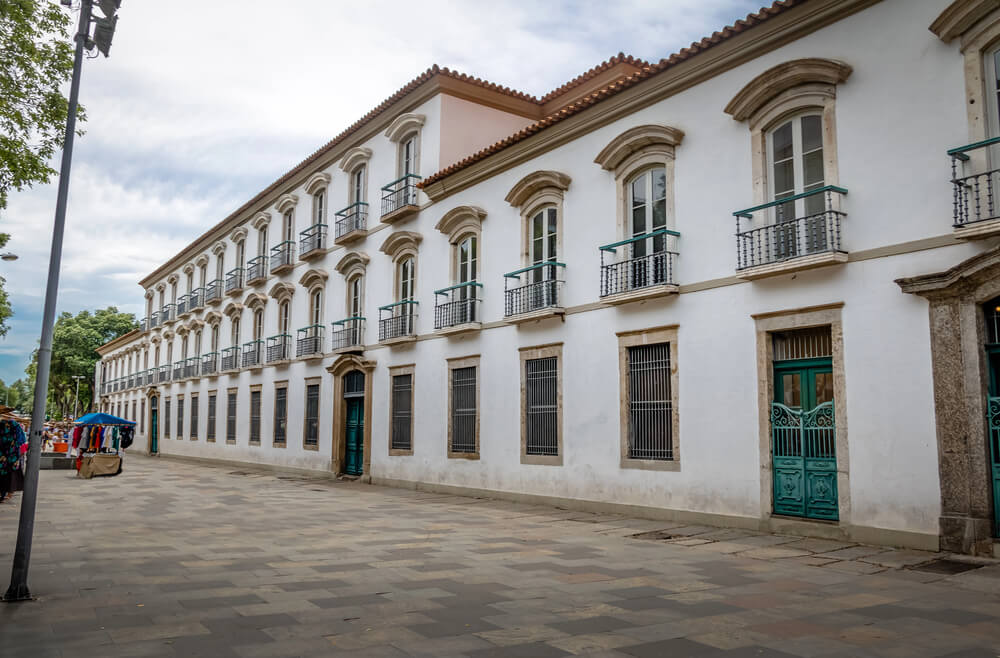
Built in 1743 as the residence of Portuguese colonial governors, the Paço Imperial overlooks Praça XV in Rio de Janeiro. When the Portuguese royal court fled Napoleon and arrived in Brazil in 1808, the building became a royal palace.
It is now a cultural center with exhibitions, a bookstore, and a restaurant. The building has served three different eras of government and now serves coffee.
La Compañía de Jesús in Quito
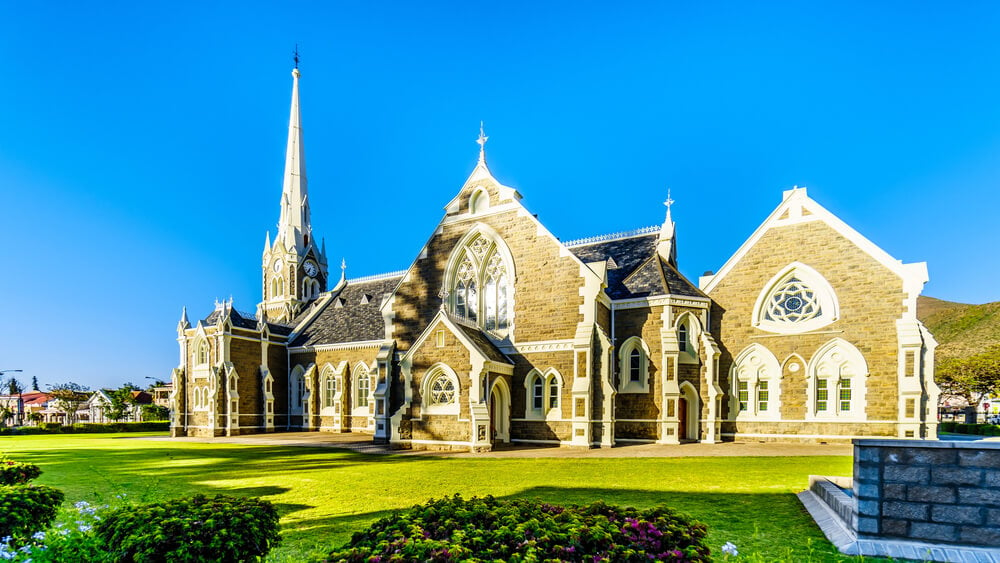
The Jesuits began building this church in Quito, Ecuador, in 1605, and construction took roughly 160 years, finishing in 1765. The interior is lavishly covered in gold leaf, and even the carved columns appear to glitter.
The church is still an active place of worship, and it also draws crowds of visitors who pay an entry fee. It is a rare case where a project that ran spectacularly late was worth the wait.
Mikvé Israel-Emanuel Synagogue in Willemstad
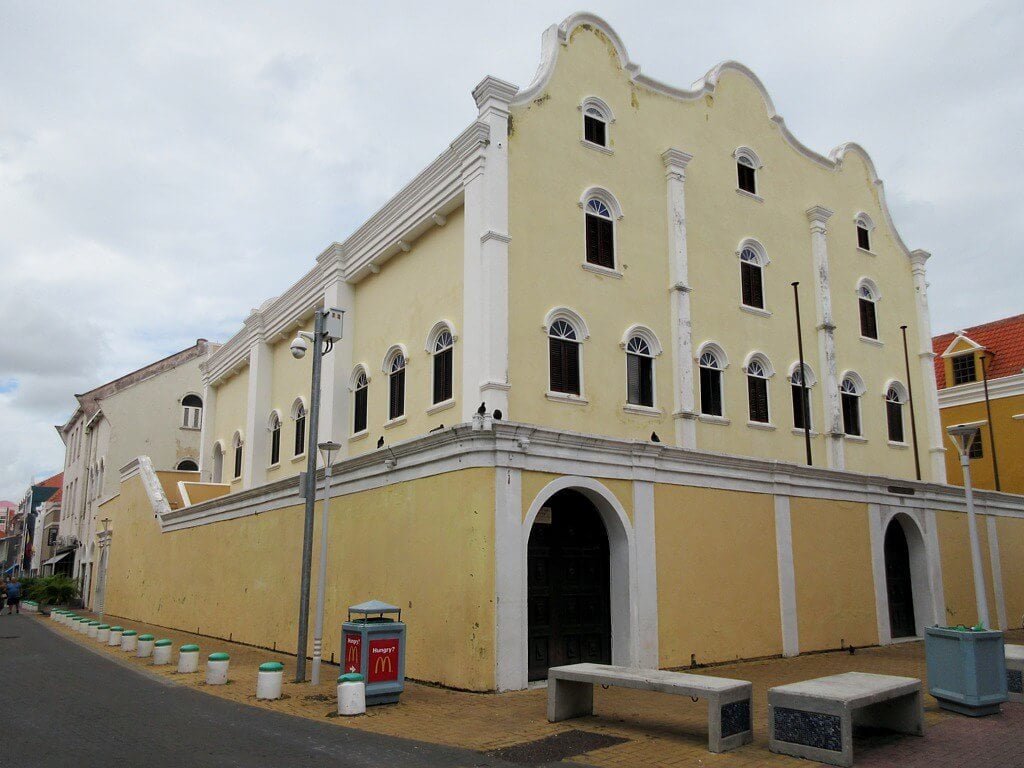
The congregation behind this synagogue in Curaçao was founded in 1651, and the current building in Willemstad was dedicated in 1732. Its floor is covered in sand, a tradition often linked to the desert wanderings of the Israelites and to the muffled prayers of Jews who worshipped in secret during the Inquisition.
The congregation still holds services in the sanctuary. Caribbean sunlight, mahogany furniture, and the soft crunch of sand underfoot make for a very particular Sabbath.
St. Paul’s Church in Halifax
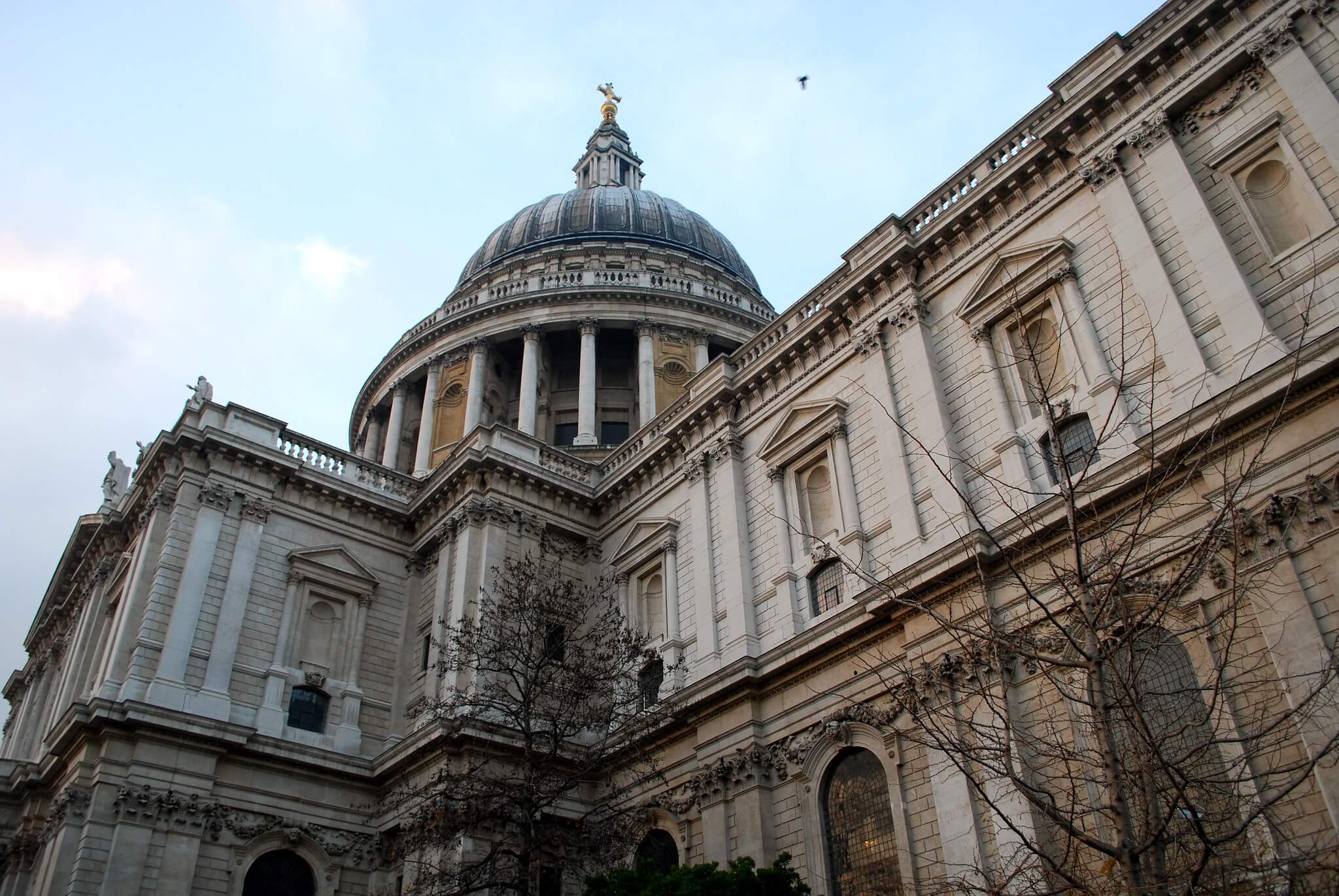
Built in 1750, the year after Halifax was founded, St. Paul’s served the British garrison and settlers of Nova Scotia. During the Halifax Explosion of 1917, flying debris embedded in the church and a window was left with a shape that people still describe as a human profile.
The church was repaired and the congregation never left. Anglican services continue inside the same timber frame that has withstood more than 270 years.
The Castle of Good Hope in Cape Town
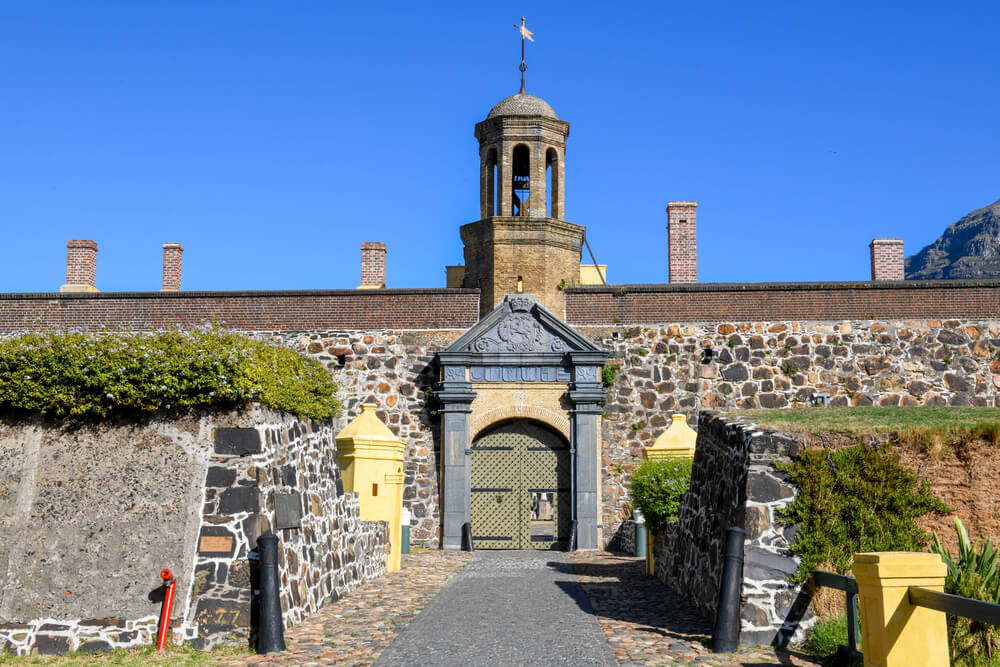
The Dutch East India Company constructed the Castle of Good Hope between 1666 and 1679 as a base for its supply station at the Cape. Its five bastions are named for the titles of the Prince of Orange: Leerdam, Buren, Katzenellenbogen, Nassau, and Oranje.
The fortress still houses military offices and ceremonial functions, alongside museums and a visitor center. Plenty of modern headquarters would struggle to match its record of constant occupancy.
Wolvendaal Church in Colombo
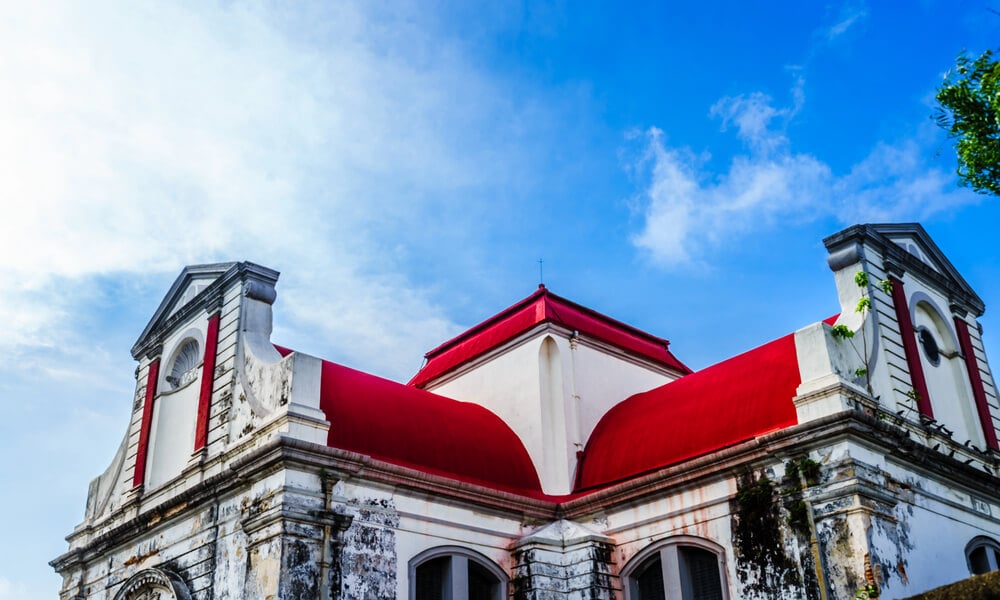
Dutch colonial rulers finished the Wolvendaal Church in Colombo in 1749. The cross-shaped building has thick walls, a heavy wooden pulpit, and a floor paved with tombstones from the Dutch period.
Services are still conducted in the church, which is now linked to the Presbyterian tradition in Sri Lanka. Parishioners literally walk on the graves of the colonial officials who once ran the island’s coast.
Fort Jesus in Mombasa
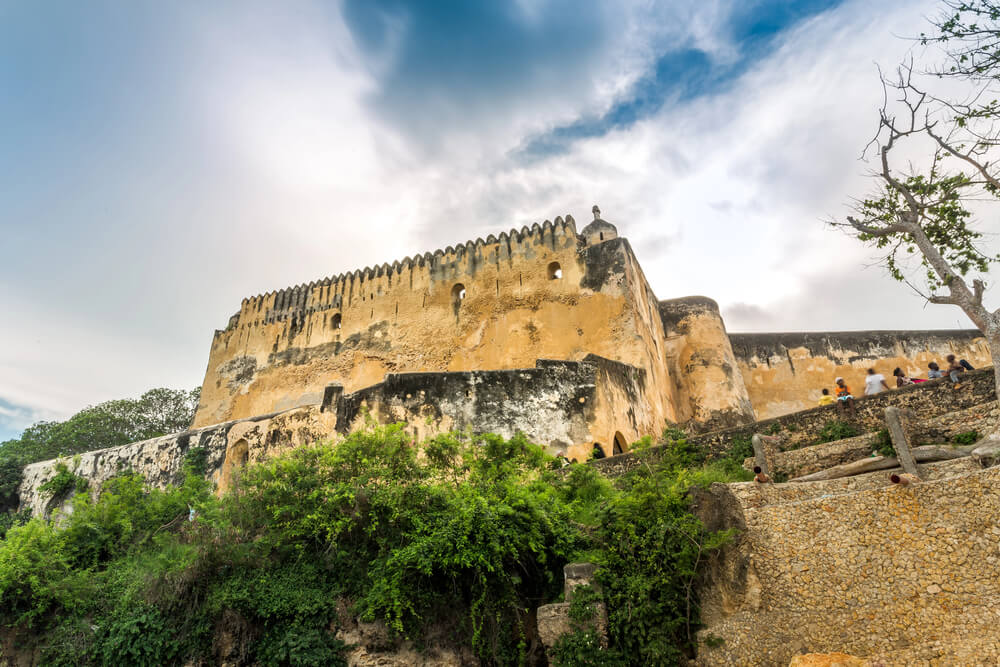
The Portuguese built Fort Jesus between 1593 and 1596 on the coast of what is now Kenya. The design is credited to Giovanni Battista Cairati, an Italian architect who served the Portuguese crown.
The fort changed hands repeatedly over the following centuries, and today it operates as a museum under the National Museums of Kenya. UNESCO named it a World Heritage site in 2011.
The Basilica of Bom Jesus in Goa
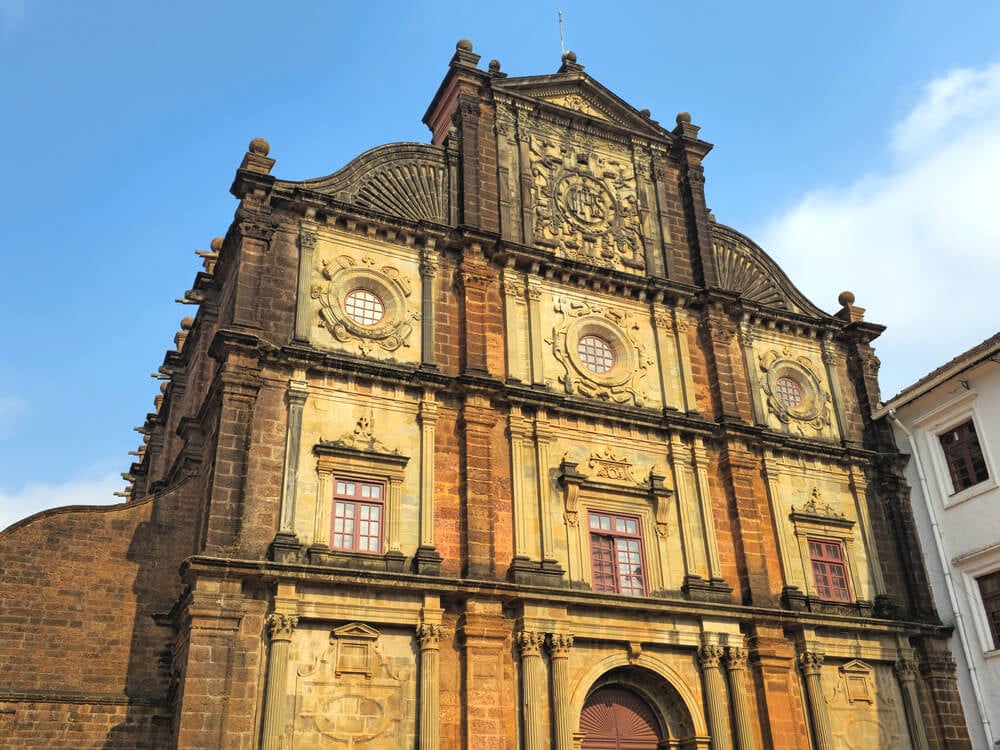
The Basilica of Bom Jesus was consecrated in 1605 in Old Goa, then the heart of Portuguese India. It holds the remains of Saint Francis Xavier in a silver casket, and the body is brought out for public viewing on rare occasions.
The church is a functioning place of worship with daily Mass. Pilgrims arrive from across India and far beyond to see a building that has remained devotional for more than four centuries.
San Agustin Church in Manila
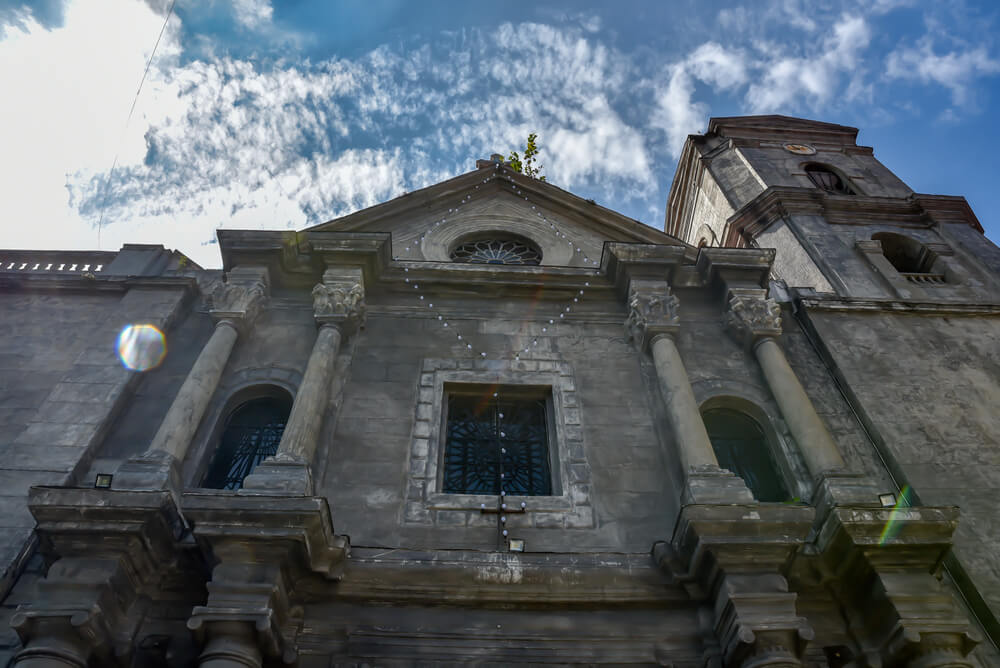
Completed in 1607 in the walled district of Intramuros, San Agustin was built by Spanish Augustinians. It endured earthquakes over the centuries and the 1945 Battle of Manila, which leveled much of the surrounding area.
Its ceiling is a painted trompe l’oeil, created in the late 1800s by two Italian artists to imitate carved stonework. The church remains an active parish and is part of a UNESCO World Heritage listing.
Chhatrapati Shivaji Maharaj Terminus in Mumbai
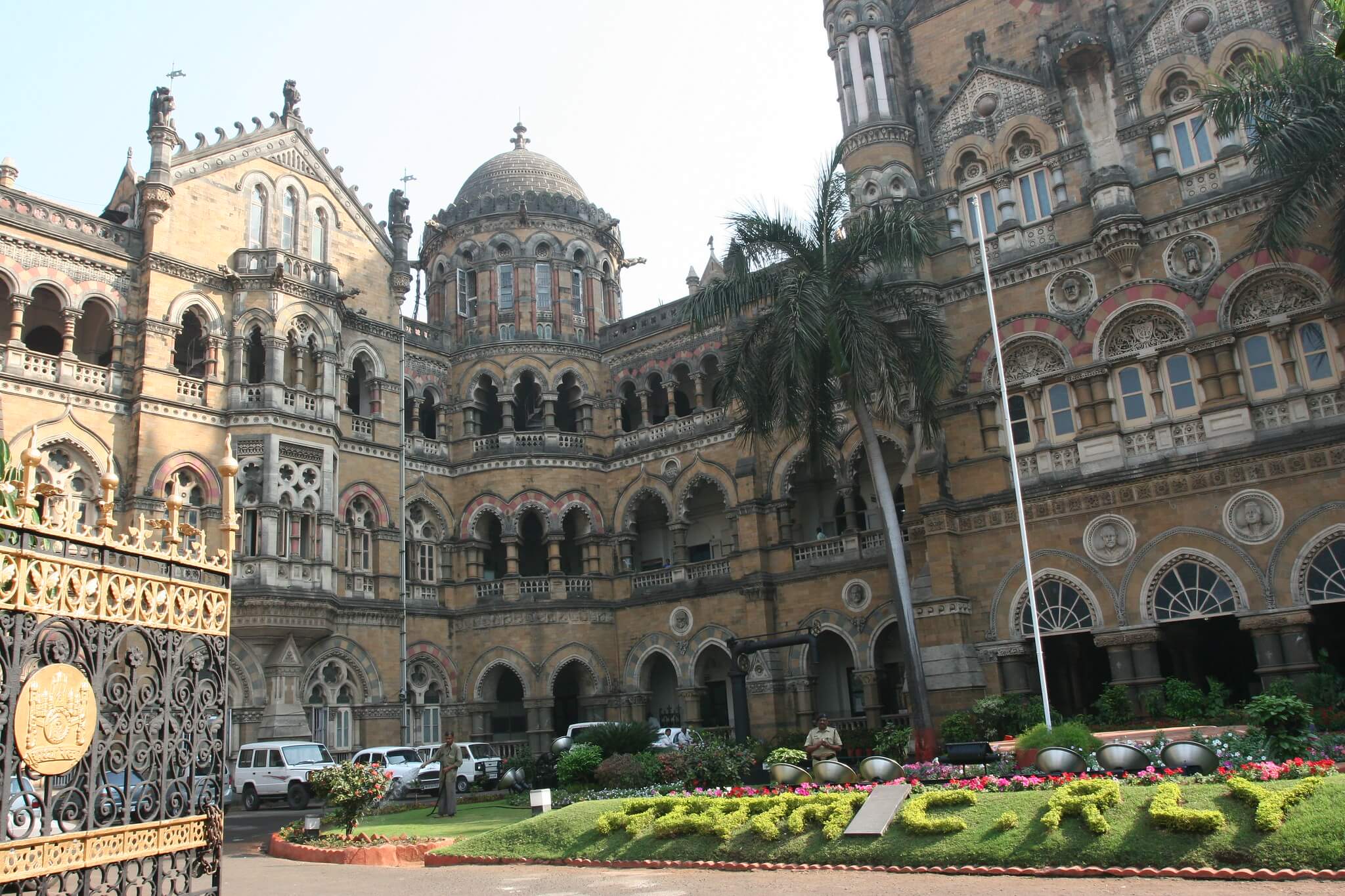
Designed by British architect Frederick William Stevens, this railway station was completed in 1888 and was originally named Victoria Terminus. It mixes Victorian Gothic with Indian architectural motifs, and UNESCO added it to the World Heritage list in 2004.
The building still handles enormous numbers of commuters every day as a station and as headquarters for the Central Railway. It is a Gothic cathedral that happens to run on a timetable.
The Madras High Court in Chennai
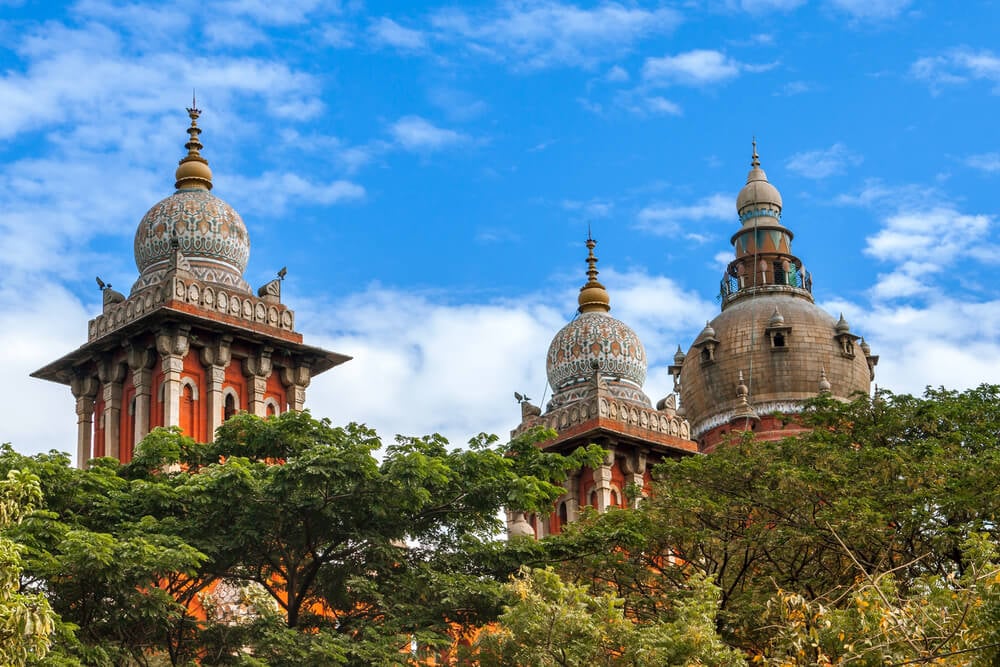
Completed in 1892, the Madras High Court is a red Indo-Saracenic complex with domes, arches, and towers. Its tower served as a lighthouse until 1977, giving Chennai a navigation aid on top of a courthouse.
The court continues to hear cases in the same building today. Few courthouses can claim to have guided ships and judged people in the same century.
Fort St. George in Chennai
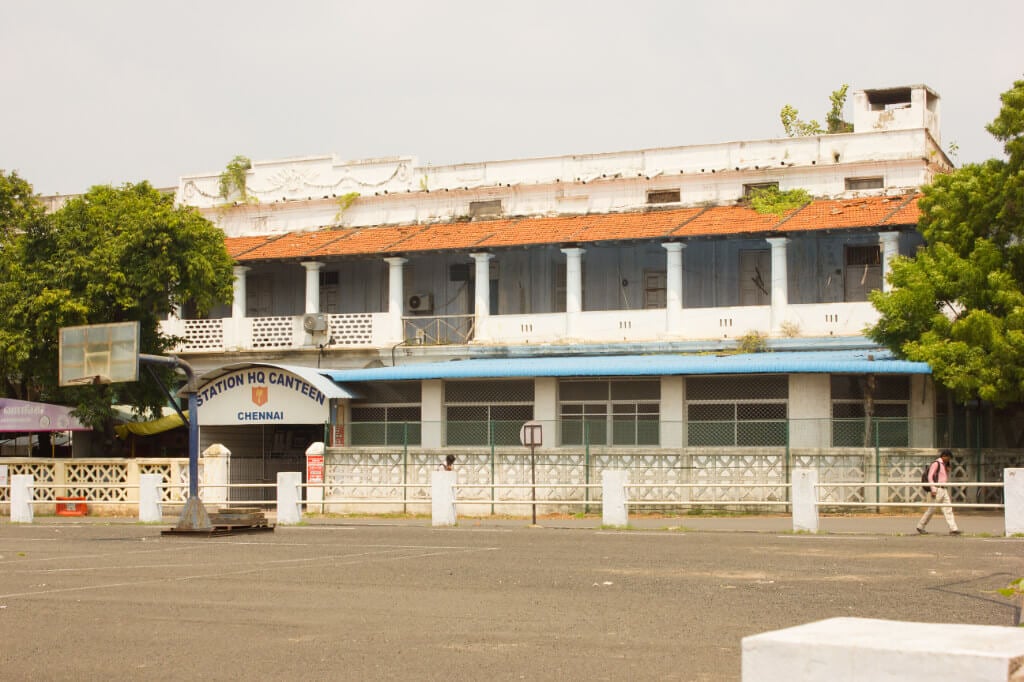
The East India Company founded Fort St. George in 1644, making it one of the earliest British fortified settlements in India. Inside its walls sit the Tamil Nadu Secretariat and a museum, along with St. Mary’s Church, consecrated in 1680.
State government officials now do their paperwork in a fortress that was built to resist attack. The setup shows how quickly trade posts turned into administrative centers.
Raffles Hotel in Singapore
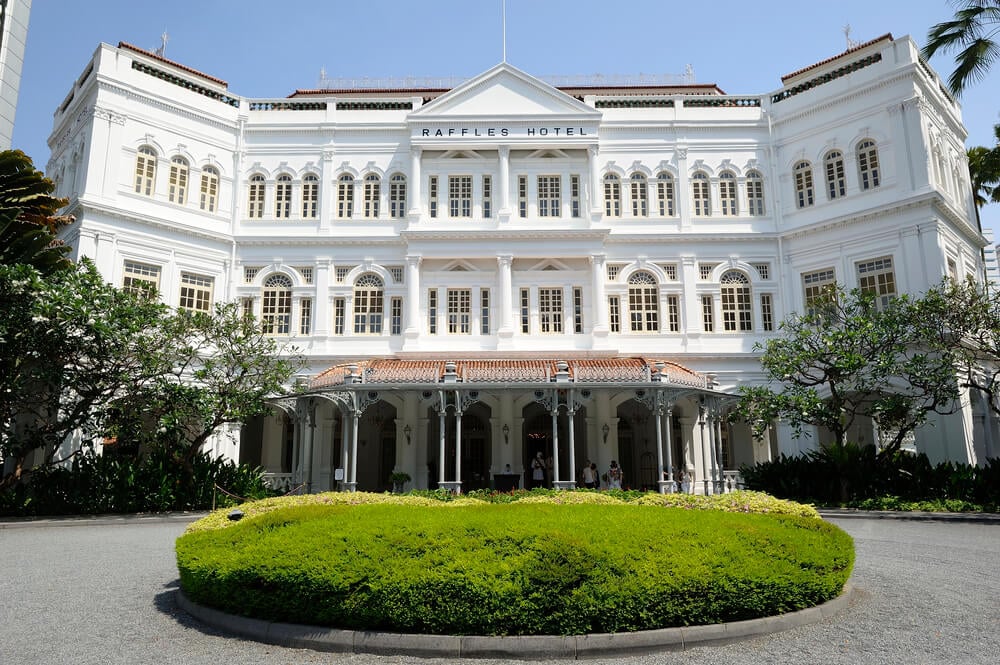
The Sarkies brothers opened Raffles Hotel in Singapore in 1887, and it grew into a symbol of colonial elegance. The Singapore Sling is generally credited to bartender Ngiam Tong Boon at the Long Bar around 1915.
After a major restoration, the hotel reopened in 2019 and continues to take guests. Travelers can still pay a considerable sum to sleep within the same white colonial facade.
The Former Supreme Court Building in Hong Kong
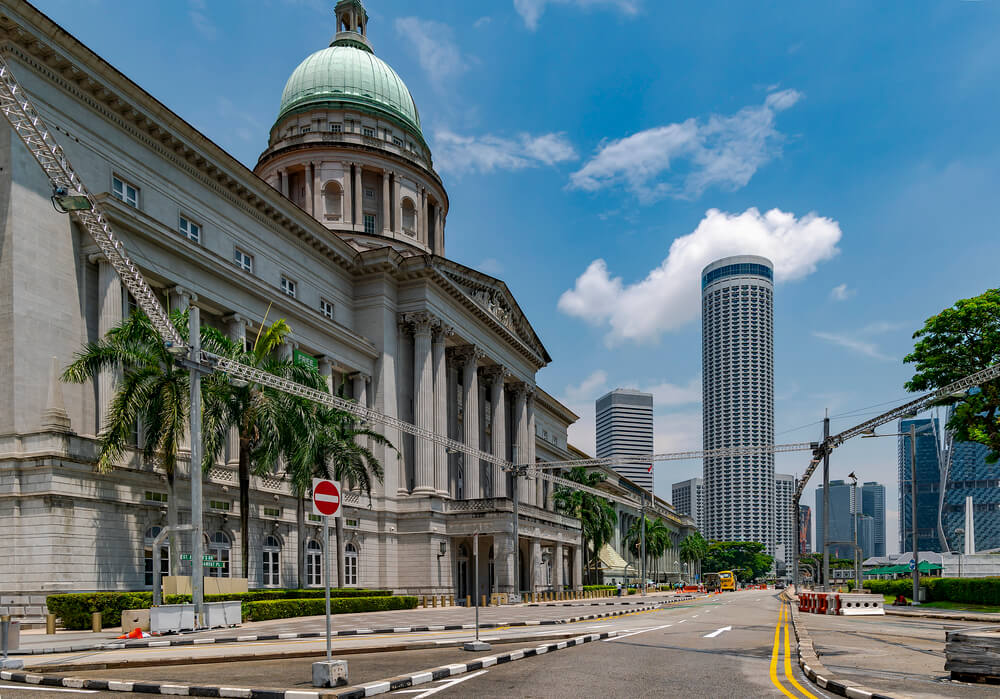
Opened in 1912, the neoclassical building in Central was constructed during British rule. A statue of Themis, the Greek goddess of justice, stands blindfolded on the pediment.
It housed the Legislative Council from 1985 to 2011, and since 2015 it has been home to the Court of Final Appeal. The structure has therefore hosted both lawmakers and judges, and the granite columns have survived each handover.
The Saigon Central Post Office
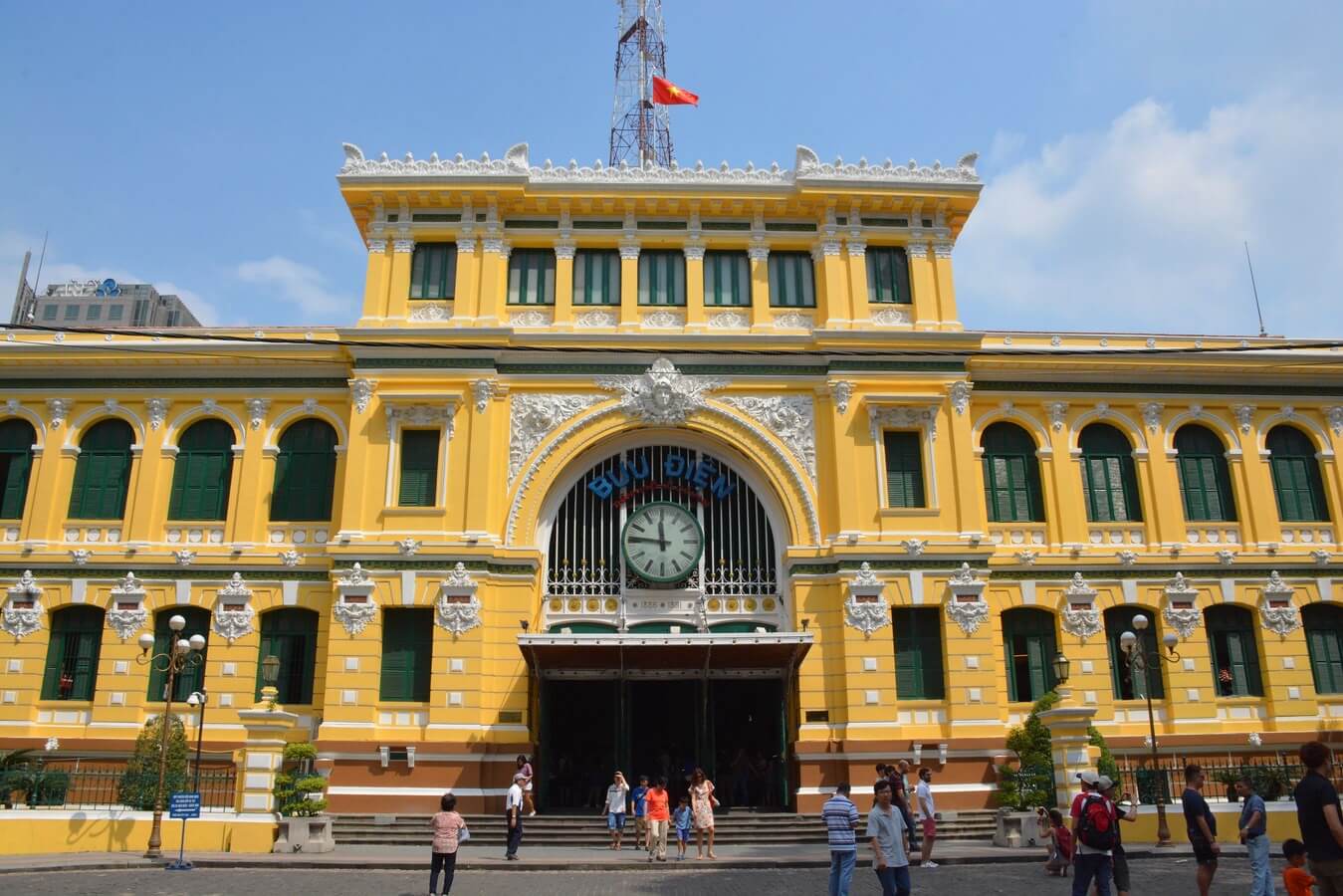
French colonial authorities built the Saigon Central Post Office between 1886 and 1891 to a design by architect Alfred Foulhoux. The arched hall features iron framing, a vaulted ceiling, and a large map of the region from the colonial era.
It still sells stamps, handles mail, and offers public letter writing services for customers. Tourists photograph it constantly, though a surprising number also buy postcards and actually mail them.
St. James’ Church in Sydney
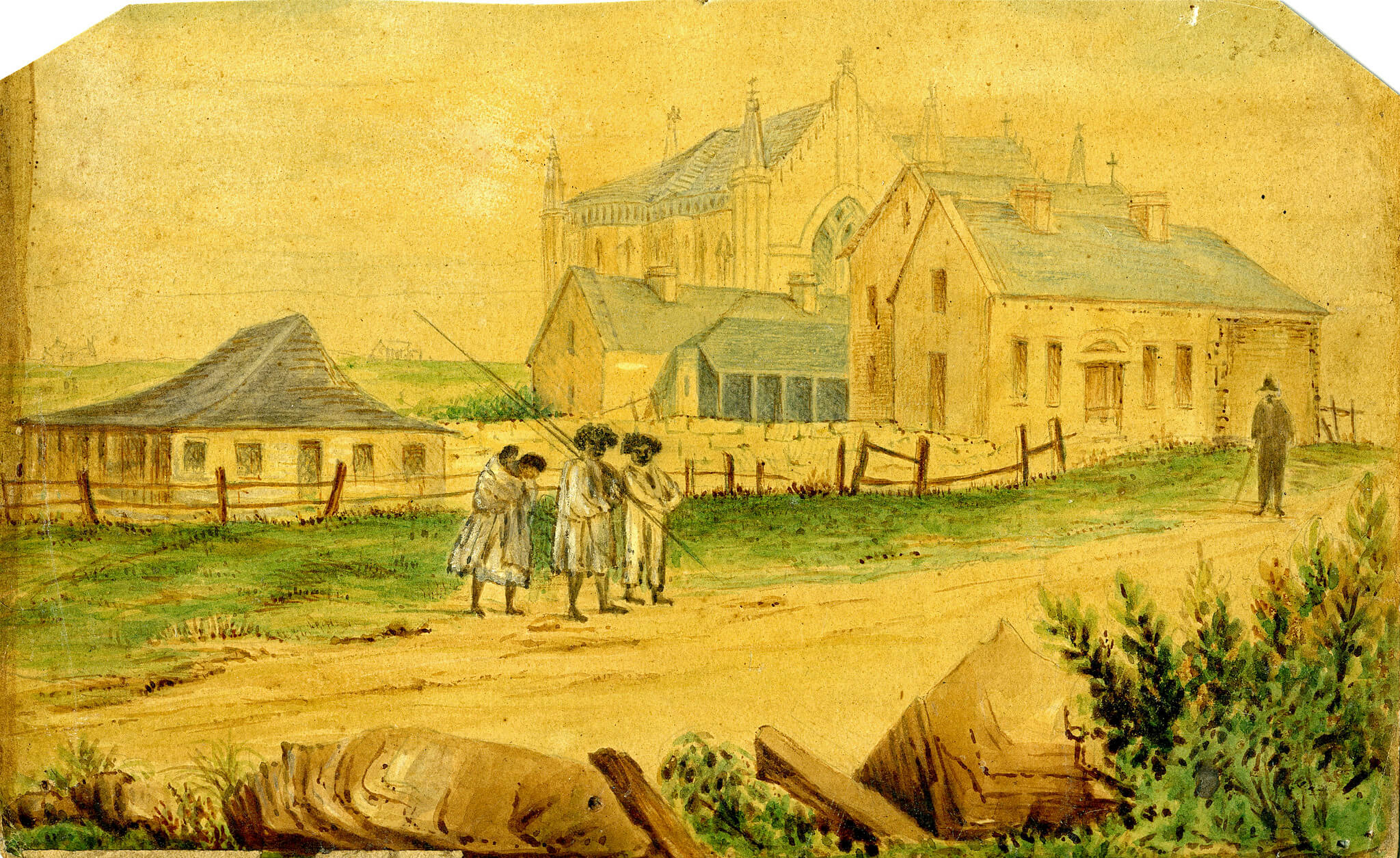
Architect Francis Greenway, a convict transported to New South Wales, designed St. James’ Church in Sydney, and it was consecrated in 1824. The building was originally conceived as a courthouse before the plans were changed to a church.
It is an active Anglican parish and has a crypt beneath the nave. Few churches began as law courts, and fewer still were designed by a convict.
Stones That Kept Their Jobs
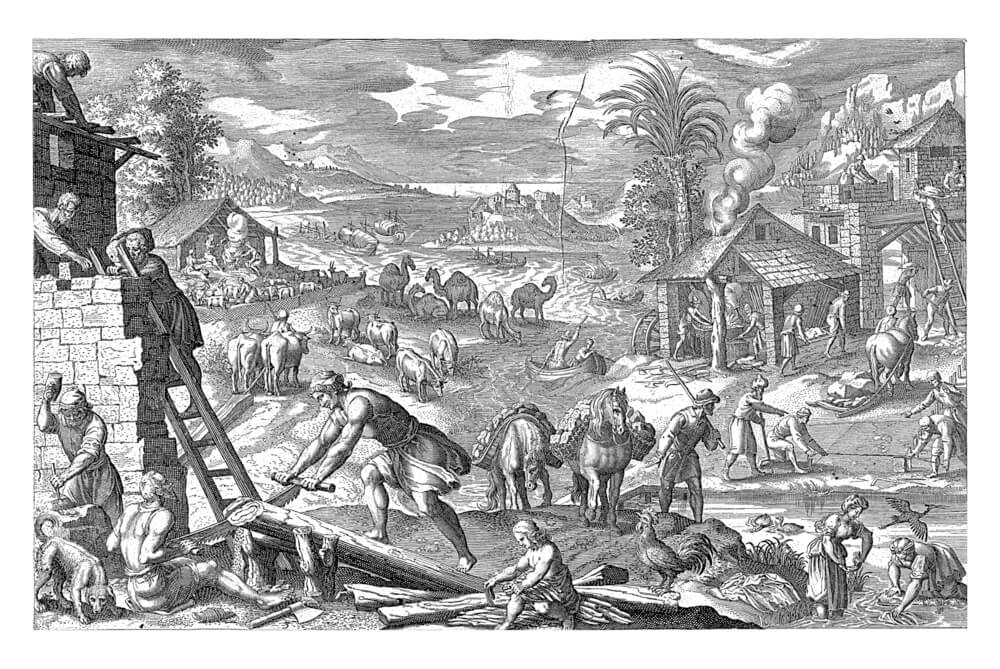
What links these buildings is not their colonial origin but their usefulness. A courthouse needs a courtroom, a church needs a nave, and a tavern needs a bar, and these structures kept supplying exactly that.
When a building keeps meeting a real need, someone repairs the roof, and the repairs add up to survival. The history behind them is not always comfortable, because many were built on land taken by force and by systems that exploited local people.
Keeping them in service does not erase that story, and the best of them now carry it openly in museums, plaques, and congregations that look very different from the founders. A building that still works is a conversation between past and present, held in daily use rather than behind a velvet rope.
More from Go2Tutors!

- 27 Silver Dollars and Half Dollars Worth Keeping
- 28 Restaurant Menu Items Nobody Orders Anymore
- 17 Places Built in Seemingly Impossible Spots
- 27 Vintage Rings Worth More Than They Look
- 25 Restricted Sites Tourists Can’t Enter
Like Go2Tutors’s content? Follow us on MSN.