15 Unusual Camouflage Tactics That Worked
Throughout history, military strategists and clever individuals have discovered that sometimes the most outrageous disguises work better than conventional ones. Most people think of camouflage as leafy patterns and earth tones, yet the reality is far more creative and bizarre.
From ancient warriors wearing animal skins to modern military units pretending to be circus performers, these tactics prove that thinking outside the box can literally save lives. Here’s a list of 15 unusual camouflage tactics that actually worked in real situations.
Blue and Green Roman Spy Ships

Before Julius Caesar conquered Britain, he needed intelligence about the coastline and defenses. His solution was surprisingly simple yet effective: paint the spy ships blue and green to match the water and vegetation along the shore.
The sailors even wore matching uniforms in these same colors. This early example of maritime camouflage allowed Roman reconnaissance vessels to gather crucial information while blending seamlessly with their surroundings — giving Caesar a significant tactical advantage.
Buffalo Hide Hunting Disguises

Native American hunters perfected one of the most practical camouflage methods ever devised. They’d drape themselves in buffalo hides and crawl on all fours to approach herds without causing alarm.
This technique was so effective that it allowed hunters to get within spear range of their prey, though it required incredible patience. The disguise worked because buffalo were accustomed to seeing other buffalo moving around their herd — making the camouflaged hunters nearly invisible.
Like Go2Tutors’s content? Follow us on MSN.
Fake Observation Trees

During World War I, French forces developed an ingenious solution to the problem of battlefield reconnaissance. They created realistic fake trees with hidden observation posts inside, allowing soldiers to monitor enemy movements from an elevated position.
These camouflage trees were so convincing they could be placed in plain sight without arousing suspicion. The technique was later adopted by Allied forces — proving invaluable for gathering intelligence on enemy positions.
Irish Bush Camouflage

Irish hunters developed a unique approach by covering themselves with actual branches and foliage to blend into wooded areas. Unlike modern ghillie suits, this method used fresh vegetation that matched the immediate environment perfectly.
The hunters would literally become part of the forest, remaining motionless for hours while prey moved within striking distance. This technique required incredible patience — yet delivered remarkable results for those who mastered it.
Like Go2Tutors’s content? Follow us on MSN.
Fog Grey Civil War Ships
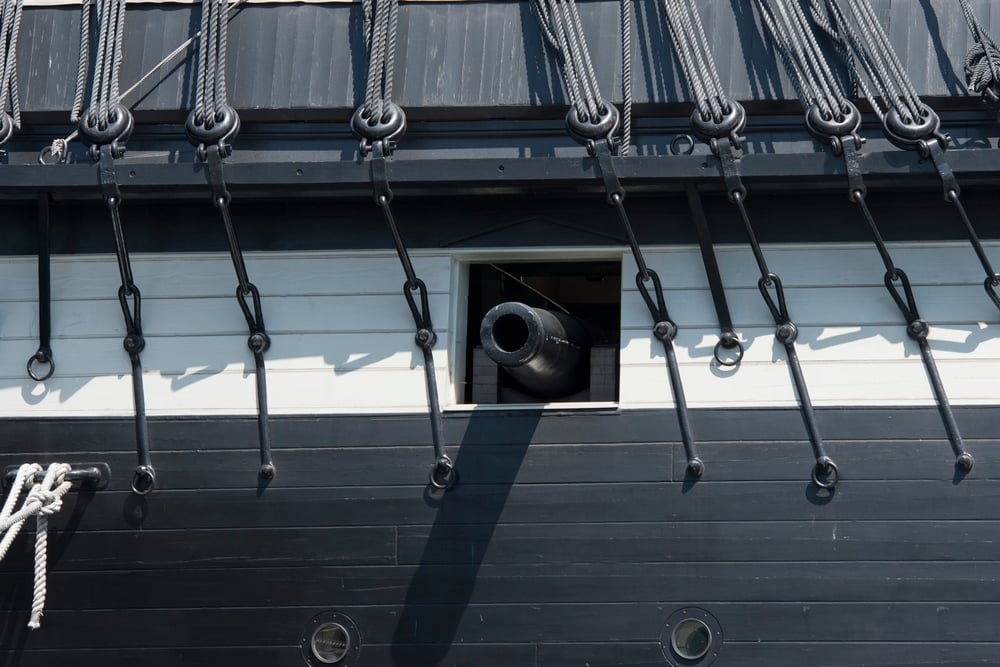
During the American Civil War, naval commanders discovered that painting ships fog grey made them nearly invisible during dawn and dusk operations. This color choice proved so effective it became standard practice for vessels operating in misty coastal waters.
Ships painted in this unusual shade could approach enemy positions undetected, launch surprise attacks — then disappear back into the morning haze before defenders could mount an effective response.
Dazzle Painting on Warships
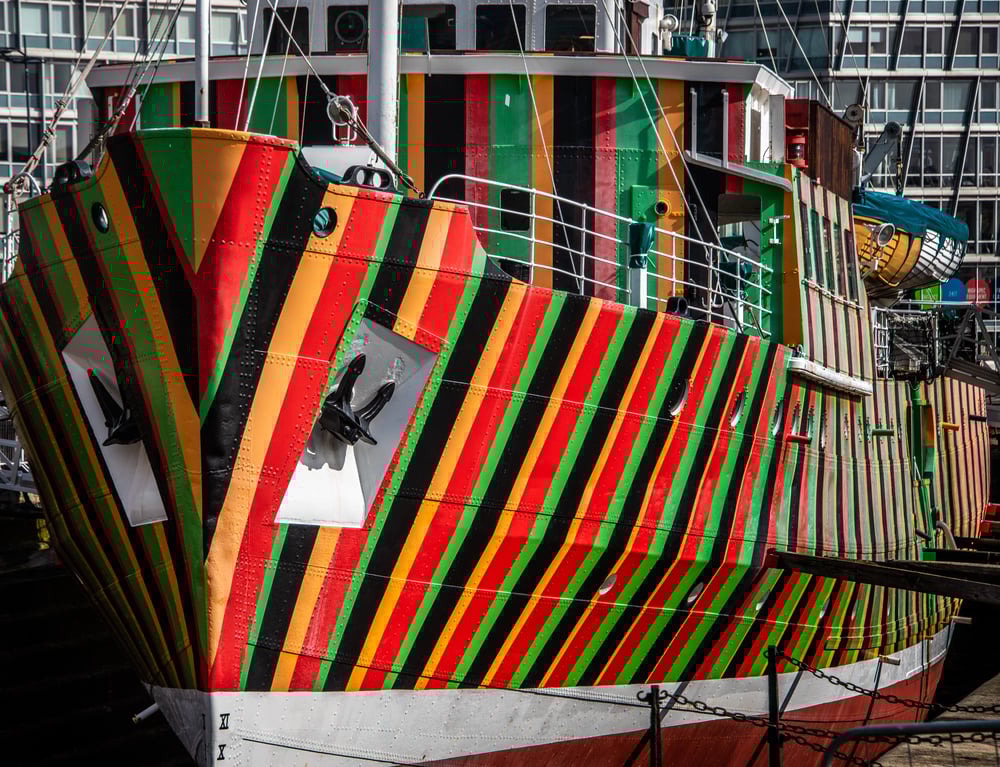
World War I introduced one of the most counterintuitive camouflage concepts ever implemented. Instead of hiding ships, dazzle painting used bold geometric patterns in contrasting colors to confuse enemy gunners about a vessel’s speed, direction, and distance.
These wild designs made ships look like floating abstract art pieces — yet they worked by making it nearly impossible for submarine periscope operators to calculate accurate torpedo firing solutions.
Snow Cave Concealment
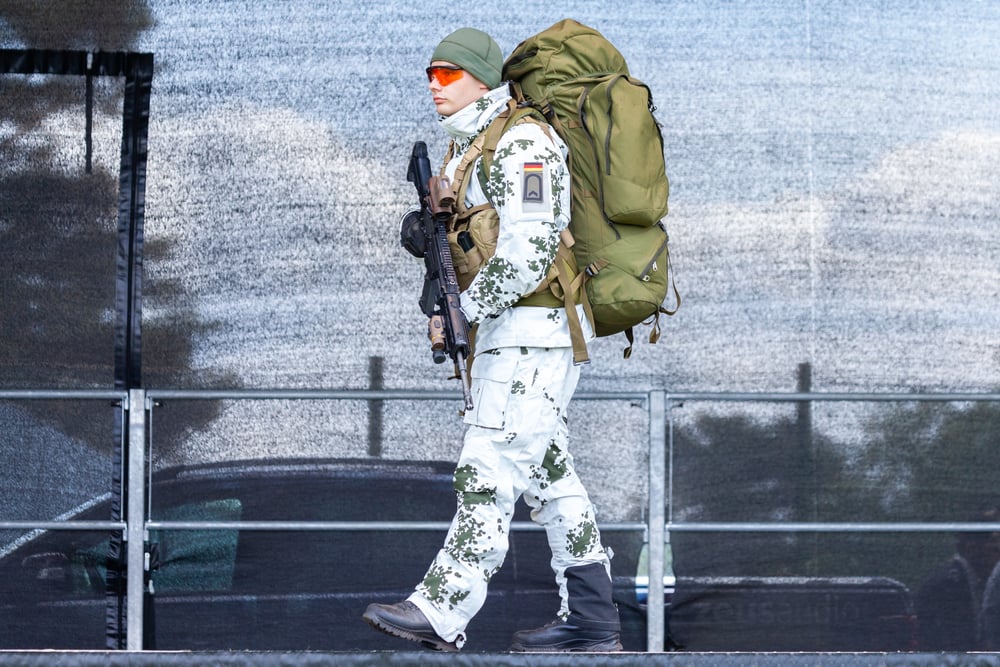
Arctic warfare specialists developed techniques for creating nearly invisible shelters in snowy terrain. These weren’t simple snow forts but sophisticated camouflaged positions that could house entire squads while remaining undetectable from just a few feet away.
The key was understanding how snow naturally accumulates — then creating structures that mimicked these patterns. Soldiers could emerge from what appeared to be empty snowfields to launch surprise attacks.
Like Go2Tutors’s content? Follow us on MSN.
Artist-Designed Military Deception

The French military became the first to hire professional artists and theater designers to create camouflage during World War I. These creative professionals, known as ‘camoufleurs,’ brought theatrical expertise to warfare — designing everything from fake landscapes to dummy artillery positions.
Their artistic training in color theory, perspective, and visual illusion proved invaluable for creating deceptions that could fool enemy observers even from close range.
Splinter Pattern Disruption
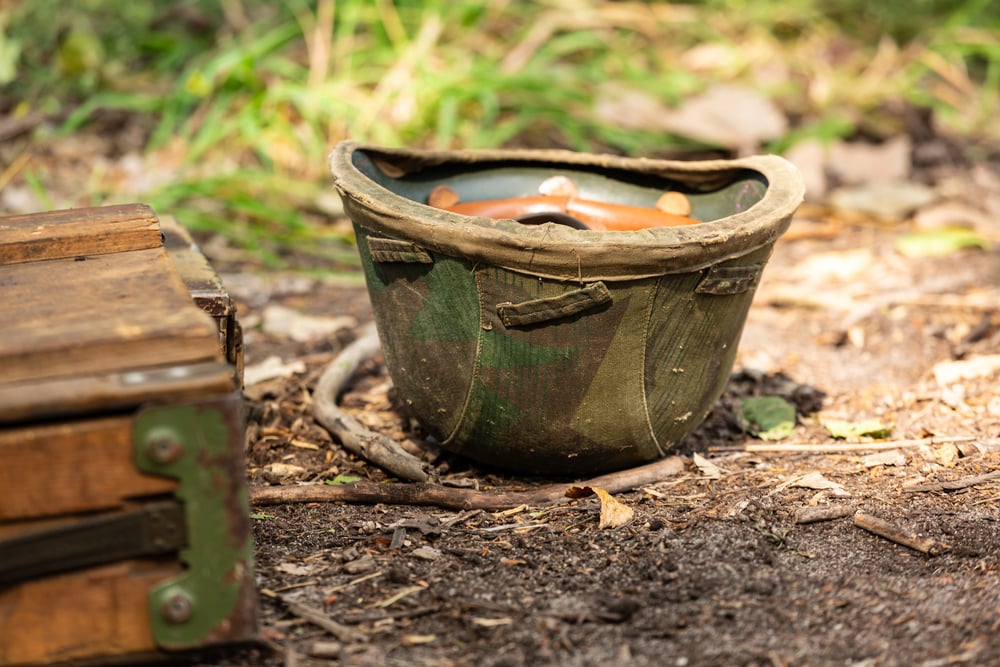
German forces during World War II developed angular camouflage patterns designed specifically to break up the human silhouette. Unlike natural patterns that tried to mimic environments, splinter camouflage used sharp geometric shapes to confuse the eye about where a soldier ended and the background began.
This mathematical approach to concealment was particularly effective in urban environments — where natural patterns would’ve stood out like a sore thumb.
Moving Decoy Formations
Soviet forces perfected the art of creating fake military units that appeared to move and operate like real ones. These elaborate deceptions included dummy tanks, fake radio transmissions — even soldiers tasked with maintaining the illusion of a full division.
The decoy units drew enemy attention while real forces moved undetected to their actual objectives. Some phantom armies were so convincing they influenced major strategic decisions, though the resources required were enormous.
Like Go2Tutors’s content? Follow us on MSN.
Reversed Uniform Tactics
Some military units discovered that wearing enemy uniforms could provide perfect camouflage in certain situations. While controversial, this tactic allowed small reconnaissance teams to move freely through enemy-controlled areas by simply walking openly among enemy forces.
The psychological aspect was crucial since people see what they expect to see. Enemy soldiers wearing the right uniform in the right place were often completely ignored, though the risks were substantial if discovered.
Seasonal Color Adaptation

Finnish forces during the Winter War developed rapid camouflage-changing techniques to match seasonal conditions. They could transform their appearance from summer forest patterns to winter white camouflage in minutes using reversible clothing and equipment covers.
This flexibility allowed the same units to remain effectively hidden year-round, adapting to changing environmental conditions faster than their enemies could adjust search patterns. The technique proved especially valuable during Finland’s harsh transition seasons.
Industrial Camouflage Networks

British factories during World War II were disguised to look like residential areas from the air. Entire industrial complexes were covered with fake houses, painted roads, and artificial gardens that created the illusion of suburban neighborhoods.
Some facilities even had crews whose job was to hang laundry and tend fake gardens to maintain the domestic appearance. This urban camouflage protected vital war production from aerial bombardment, though maintaining the illusion required constant attention to detail.
Like Go2Tutors’s content? Follow us on MSN.
Human Terrain Mimicry
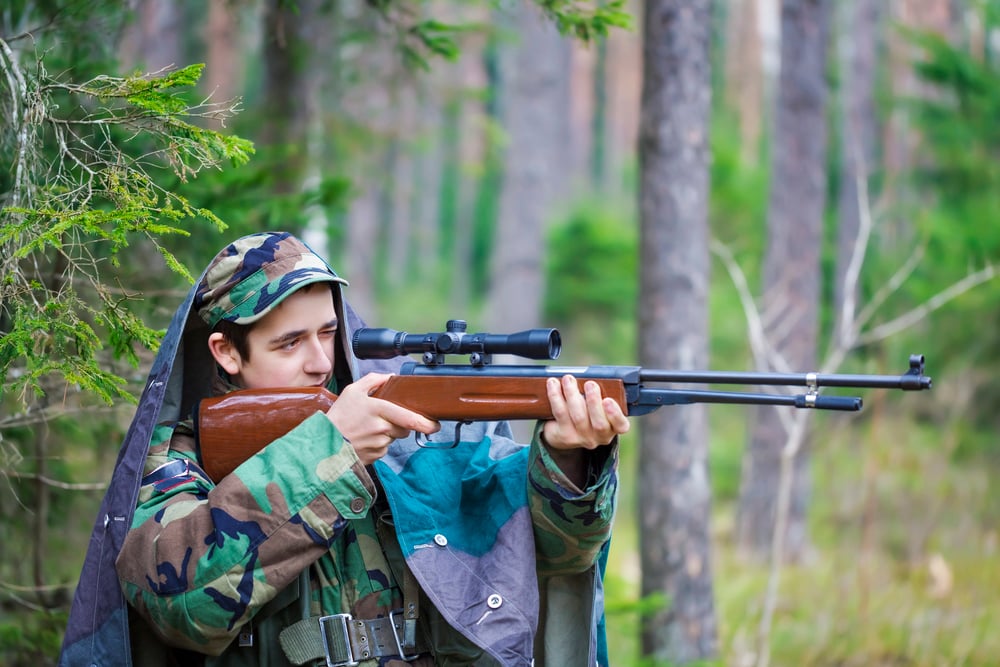
Special forces units developed techniques for becoming part of the landscape by mimicking natural terrain features. Soldiers would position themselves to look like rocks, fallen logs, or patches of vegetation while remaining motionless for extended periods.
This wasn’t just about wearing the right colors but understanding how natural objects cast shadows and reflect light. The best practitioners could remain undetected even when enemy forces walked within arm’s reach, though the physical demands were grueling.
Sound Camouflage Coordination

Military units learned to coordinate their movements with natural sounds to mask their approach. Tank columns would advance during thunderstorms while infantry moved during periods of heavy wind.
Artillery barrages were timed to coincide with industrial noise from nearby factories. This auditory camouflage proved just as important as visual concealment, allowing large forces to move undetected through areas under enemy observation, though timing had to be perfect.
The Art of Invisible Warfare

These unusual camouflage tactics reveal a fundamental truth about human perception and warfare. The most effective concealment often comes not from becoming invisible but from becoming something else entirely.
Something so ordinary or expected that it doesn’t register as a threat. Modern military forces continue building on these historical lessons, developing new technologies and techniques that would seem like magic to the innovative warriors who first discovered that the best hiding spot might be right out in the open.
More from Go2Tutors!

- 16 Historical Figures Who Were Nothing Like You Think
- 12 Things Sold in the 80s That Are Now Illegal
- 15 VHS Tapes That Could Be Worth Thousands
- 17 Historical “What Ifs” That Would Have Changed Everything
- 18 TV Shows That Vanished Without a Finale
Like Go2Tutors’s content? Follow us on MSN.



