29 Children’s Magazines From Before the Internet
Before screens, the mailbox was the most exciting place in the house. A thin envelope meant puzzles to solve, stories to read twice, and proof that someone had remembered a child by name.
These 29 magazines cover nearly 150 years of that ritual, from Victorian parlors to the cartoon-crowded newsstands of the 1990s. Some are still printing. Others vanished long ago, yet the people who read them can still describe the covers.
St. Nicholas

Launched in 1873, St. Nicholas became the gold standard for American children’s publishing. Its St. Nicholas League handed out gold and silver badges to young contributors, and the honor rolls eventually carried the names of William Faulkner, for a drawing, and F. Scott Fitzgerald, for a photograph. Rudyard Kipling’s Jungle Book stories also appeared in its pages before the magazine folded in the early 1940s.
The Youth’s Companion
Based in Boston, this magazine ran from 1827 to 1929, which means several generations of grandparents grew up on it. It was also where the Pledge of Allegiance first appeared in print, in 1892. The Companion eventually merged with its rival, The American Boy, and disappeared as an independent title.
Wee Wisdom
Myrtle Fillmore, cofounder of the Unity movement, launched Wee Wisdom in August 1893 and edited it for years. It lasted until 1991, a run of 98 years, and never once turned a profit. Its mix of poems, puzzles, and character-building lessons reached many children who never realized a religious organization stood behind it.
The American Boy
Detroit publisher Sprague began The American Boy in November 1899 on the theory that boys deserved a magazine that did not talk down to them. Adventure fiction filled its large pages. In 1929 it absorbed The Youth’s Companion, and it ran until 1941.
Boys’ Life
The Boy Scouts of America began publishing Boys’ Life in 1911, and it quickly became the most recognizable magazine in a scout’s backpack. Norman Rockwell served as its art editor as a teenager, from 1913. Its Think and Grin joke page trained generations of readers in groaning at puns.
Child Life

Rand McNally launched Child Life in 1921 under the subtitle The Children’s Own Magazine. Each issue combined verse, short stories, games, and paper dolls with cut-out decorations meant to be snipped, not saved. The magazine kept that format for decades.
American Girl

Girl Scouts published its own magazine from 1917 until 1979, first as The Rally and then as American Girl. The 1922 issues included the first printed Girl Scout cookie recipe. It has no connection to the doll line that borrowed the name decades later.
Jack and Jill
Curtis Publishing, the company behind The Saturday Evening Post, launched Jack and Jill in 1938 with textbook editor Ada Campbell Rose in charge. The magazine carried no advertising at first and did not accept outside ads until 1962. In 2009 it absorbed another longtime title, Children’s Digest.
Highlights for Children

Garry and Caroline Myers published the first issue in June 1946, and a Hidden Pictures puzzle has appeared in every issue since. The Goofus and Gallant strip arrived in 1948 and made two contrasting boys the shorthand for good manners and bad. The magazine took no advertising, which is part of why it became a fixture in waiting rooms.
Ranger Rick
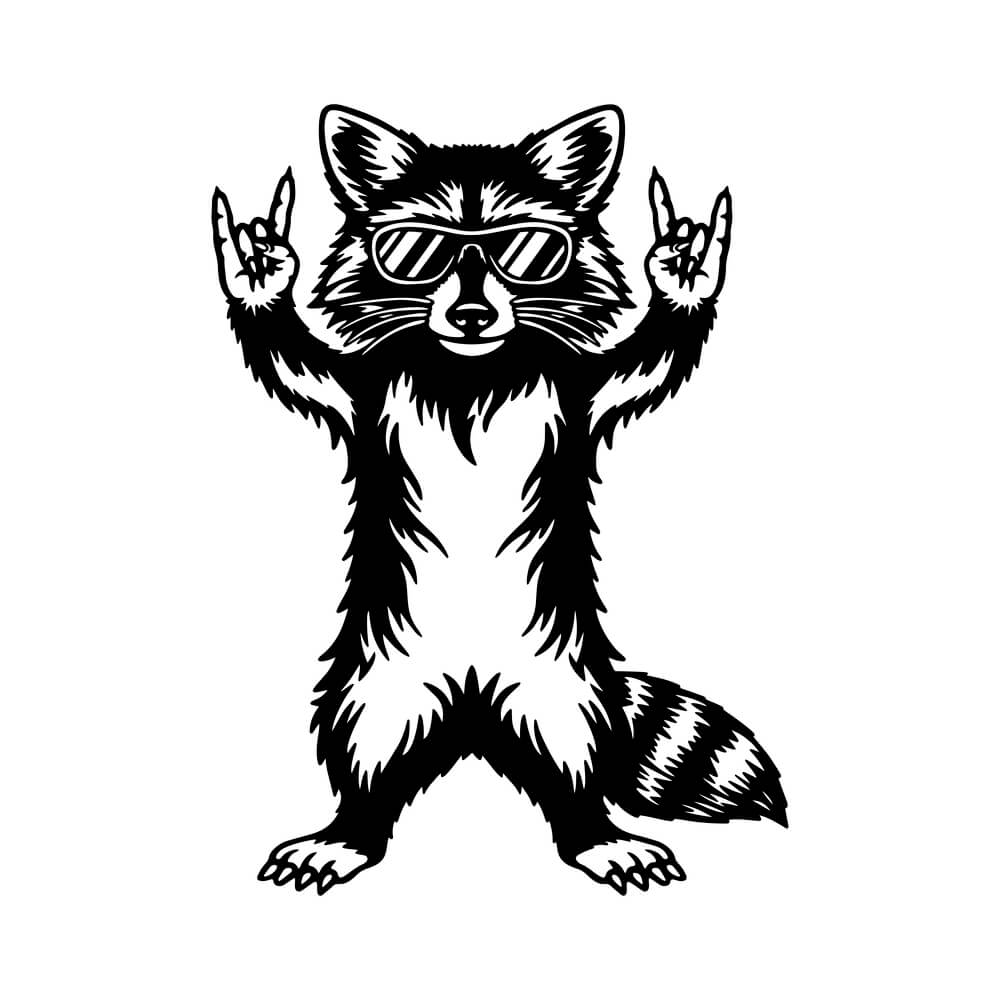
The National Wildlife Federation published the first issue of Ranger Rick’s Nature Magazine in January 1967. Its raccoon mascot had already starred in a 1959 book, written by a federation executive under a pen name. In the first issue he was shown putting out a forest fire.
Sesame Street Magazine
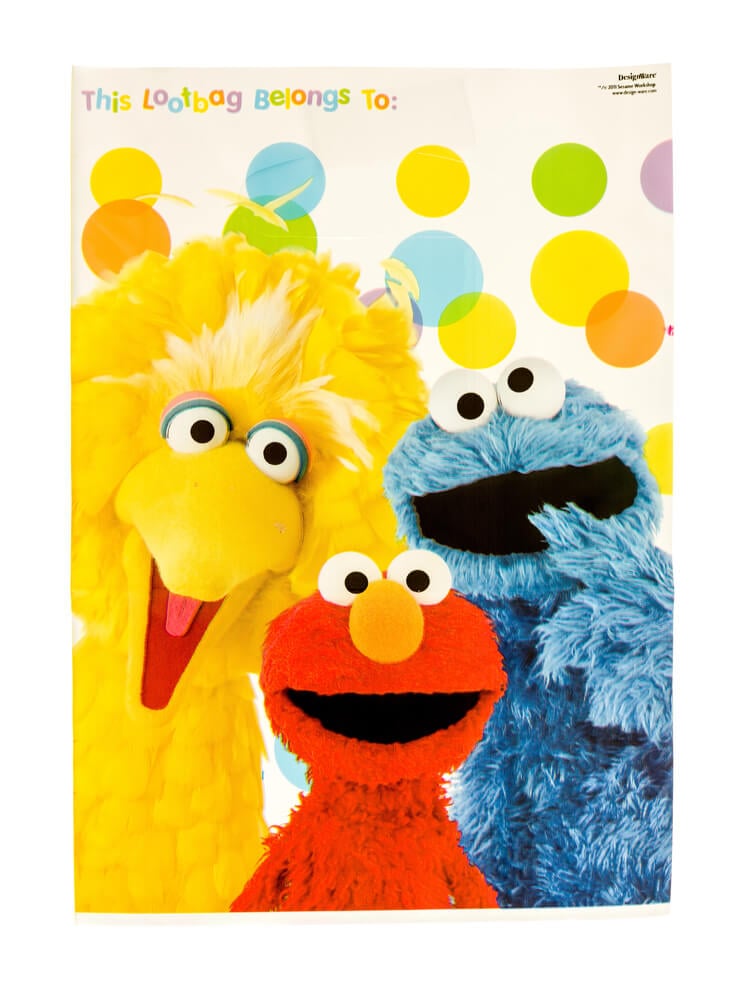
The Children’s Television Workshop published the first issue in October 1970, aimed at children under five and their parents. Each issue was organized around a single theme, and the magazine was tested with young readers much as the television show was. By 1990 its circulation had climbed to roughly 1.2 million.
Cricket
Marianne Carus created Cricket in 1973 after teachers told her no literary magazine for children existed. Volume 1, Number 1 arrived in September 1973, with Trina Schart Hyman as art director and Newbery winner Lloyd Alexander on the editorial board. It carried no advertising, and admirers called it the New Yorker for children.
Stone Soup
Stone Soup published its first issue in May 1973 in Santa Cruz, California, and it has a rule that sets it apart: everything inside is written or drawn by children. Founders William Rubel and Gerry Mandel ran it through the nonprofit Children’s Art Foundation. The contributors were 13 or younger, and the editors treated their work as literature rather than cute.
Dynamite

Scholastic published Dynamite from March 1974 to March 1992, and it became the most successful magazine the company ever produced. The first cover featured Hawkeye and Radar from the television show MAS*H. It reached kids through teachers and book club orders, so opening a fresh issue at school felt like a small holiday.
National Geographic World

National Geographic replaced its weekly School Bulletin with World in September 1975. The magazine carried no advertising until 2002, when it was renamed National Geographic Kids. It worked as a younger sibling of the yellow-bordered original, built for readers who were not yet ready for the adult version.
OWL
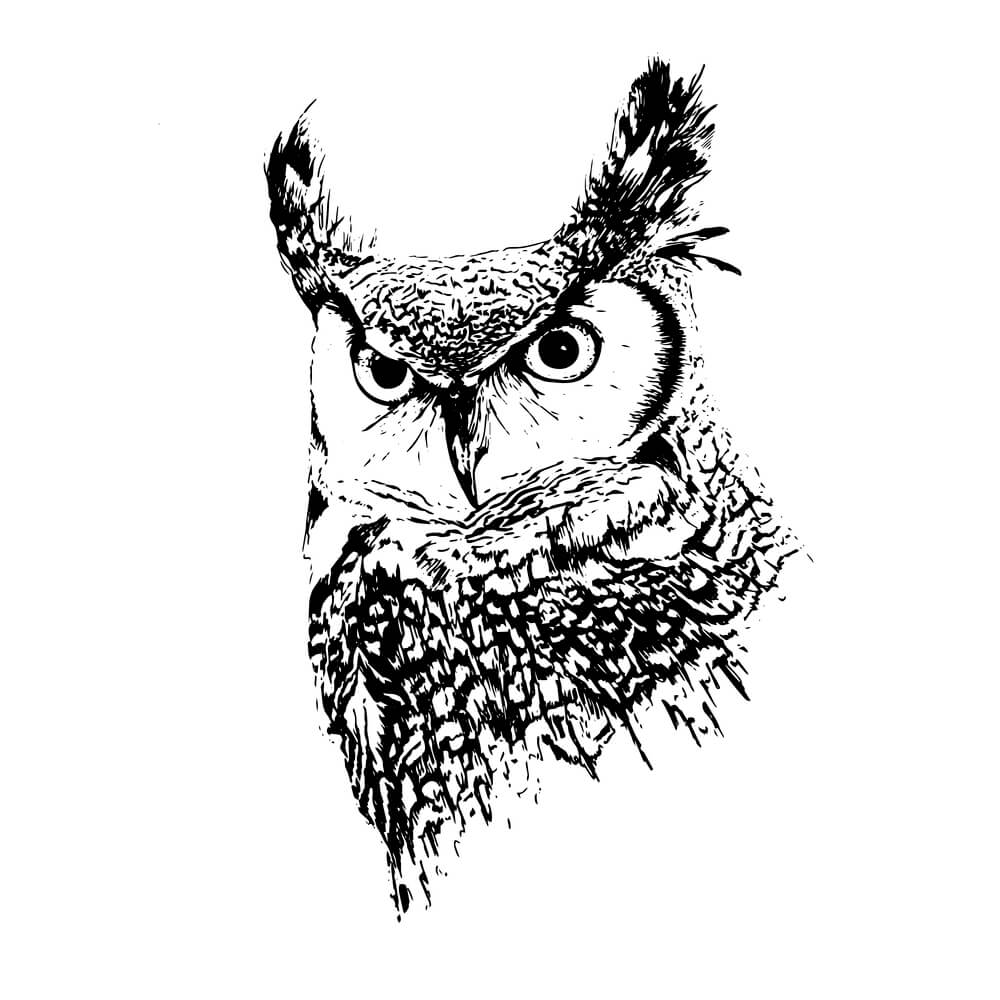
OWL came from Toronto, where the Young Naturalist Foundation launched it in 1976 under editors Annabel Slaight and Mary-Anne Brinkmann. The name stands for Outdoors and Wild Life. Its science and nature focus later widened to cover a larger variety of topics.
Chickadee

OWL’s younger sibling, Chickadee, debuted in January 1979 for readers up to about eight. The magazine published the hands-on science column Dr. Zed, which now continues in its pages. It spent decades as a Canadian staple that taught early readers to look closely at ordinary things.
Cobblestone

Hope Pettegrew and Frances Nankin, both from New Hampshire, formed their corporation in June 1979 and raised $110,000, a tiny sum for a new magazine. The first issue appeared in January 1980. Every issue focused on one American history topic, and the magazine took no advertising.
Zoobooks

Zoobooks began in 1980, and its first issue was devoted to elephants. Each later issue covered a single animal or group of animals with diagrams, species comparisons, and fact sidebars. Kids who collected the set ended up with a small, accidental encyclopedia of the animal kingdom.
Ladybug
In the early 1990s, Cricket’s publisher added age-specific siblings, and Ladybug targeted the youngest independent readers. It kept the parent magazine’s no-compromise attitude toward art and writing, and it gave children who had just learned to read something worthy of the effort.
Babybug
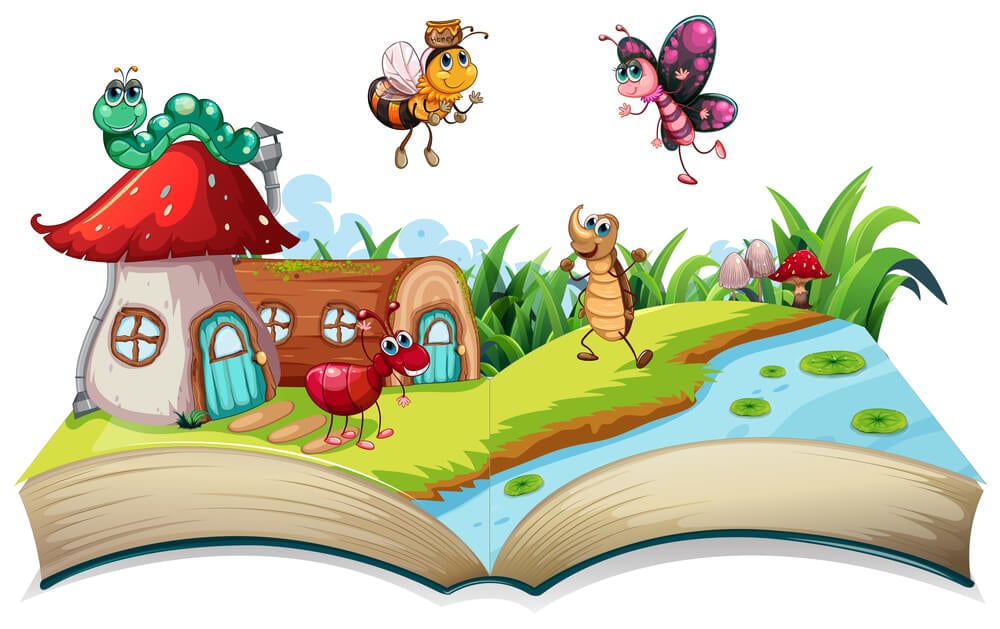
Babybug was another 1990s addition to the Cricket family, designed for the very youngest children. It served an audience that cannot read at all, which meant the pictures had to carry every ounce of meaning. Parents bought it as a first magazine, long before most children could name the letters on the cover.
Sports Illustrated for Kids
The first issue arrived in January 1989 with Michael Jordan on the cover. Each copy included a perforated sheet of nine trading cards, which made the magazine a collectible as well as a read. It used simpler vocabulary than its parent title and leaned hard on humor.
Disney Adventures
Published from November 1990 to November 2007, Disney Adventures used a digest format about the size of Reader’s Digest. It launched partly to promote the Disney Afternoon television lineup, and its comics featured the characters from those shows. By the time Disney ended it, paid circulation stood at around 1.2 million.
My Weekly Reader

My Weekly Reader first appeared in 1928 and reached children through classrooms rather than newsstands. Teachers handed out grade-level editions, so a second grader and a fifth grader read different versions of the same week’s news. For many children it was the first newspaper they ever held.
Faces

Faces debuted in 1984 from the same Peterborough, New Hampshire, publisher as Cobblestone and was produced in cooperation with the American Museum of Natural History. It did for anthropology what its sibling did for history, organizing each issue around a single people or culture. Readers learned how families in other parts of the world lived, ate, and celebrated.
Penny Power
Consumers Union published Penny Power to teach children about money, shopping, and advertising. It treated young readers as consumers who could compare products and spot a sales pitch. Reviewers in the mid-1980s ranked it alongside Cobblestone and Faces as one of the better magazines for young people.
Bananas

Scholastic published Bananas from 1975 to 1984 as the teenage counterpart to Dynamite. Celebrity features and pop culture filled its pages. Star Trek: The Motion Picture earned a Bananas cover, a sign of how seriously the genre was taking over the playground.
Arcade

Arcade began life as a section inside Dynamite before growing into its own title, and it covered the early video game boom for children. Issues from 1982 and 1983 survive in game history collections. It documented a hobby that was only a few years old and already consuming allowances.
Kid City

Children’s Television Workshop created Kid City for ages 6 to 10, the readers who had outgrown Sesame Street Magazine. Like its predecessor, each issue centered on a theme. It kept the same publisher’s habit of mixing education with entertainment.
The Small Event in the Mailbox
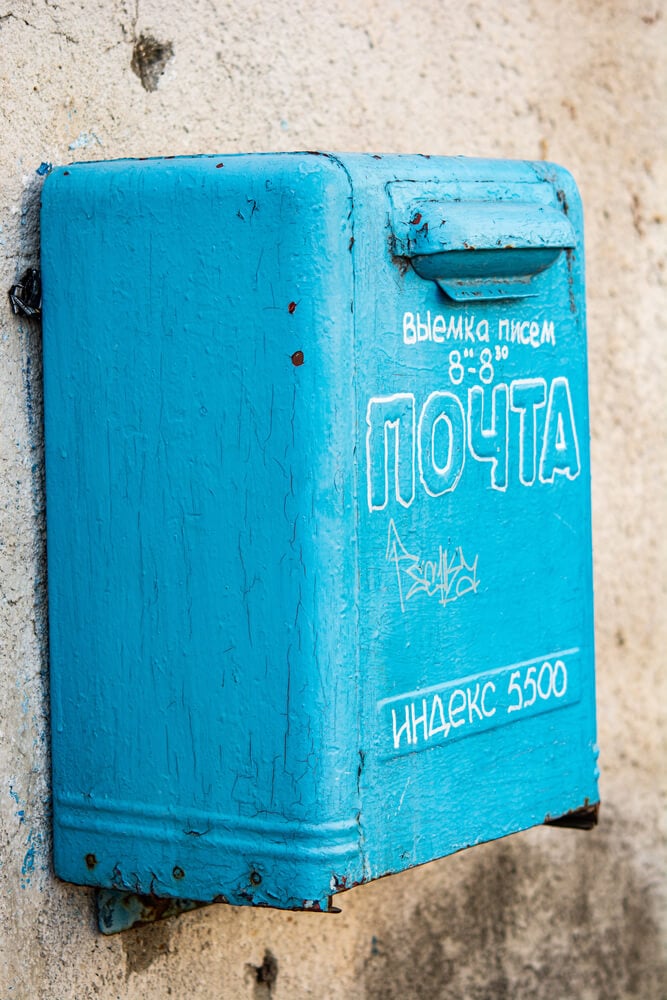
Every one of these magazines worked because it arrived on a schedule. A child waited for the issue the way adults wait for a season finale, and the waiting was part of the pleasure. When it landed, the puzzles got attempted that afternoon, the stories got read in bed, and the back pages sometimes stayed taped to a wall for years.
The medium also treated children as readers with taste. St. Nicholas published writers who would later become giants, Cricket refused to sell advertising, and Stone Soup trusted ten-year-olds to produce literature. Many of these titles faded, but the idea that a child deserves something well made has survived the move to screens.
More from Go2Tutors!

- 27 Silver Dollars and Half Dollars Worth Keeping
- 28 Restaurant Menu Items Nobody Orders Anymore
- 17 Places Built in Seemingly Impossible Spots
- 27 Vintage Rings Worth More Than They Look
- 25 Restricted Sites Tourists Can’t Enter
Like Go2Tutors’s content? Follow us on MSN.