28 Inventions That Changed How Groceries Reach Homes
A tomato picked in California can sit on a kitchen counter in Maine a few days later. Nothing about that trip is natural, and nearly every step of it was invented by someone trying to solve a much smaller problem.
Some of those problems were about rot, some were about breakage, and a surprising number were about shoppers who refused to touch anything new. The fixes were mostly modest, such as a bag, a box, a cart, or a rail car with a bunker full of ice.
Glass Jars Sealed by Nicolas Appert
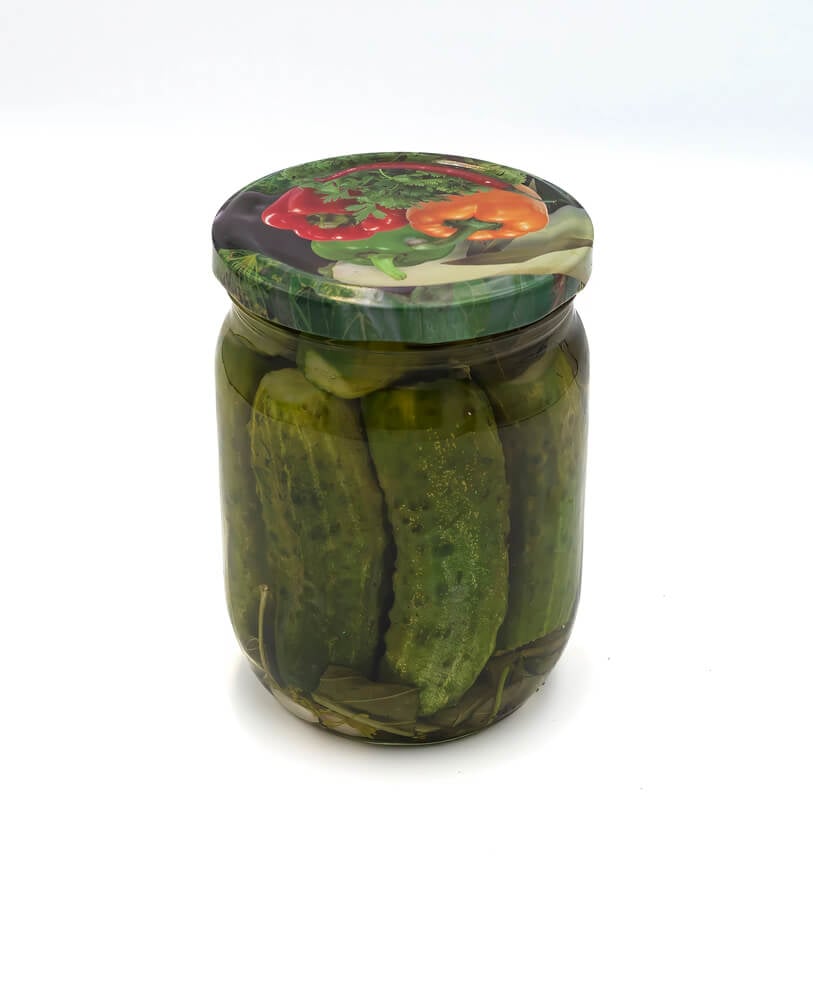
Nicolas Appert, a French confectioner, learned that food sealed in glass jars and heated in boiling water could stay edible for months. He published his method in 1810, after the French government offered a prize for a way to feed armies on the march.
Appert had no idea why it worked, because the microbes behind spoilage would not be understood for decades. His workshop near Paris packed soups, vegetables, and even milk into corked bottles, and the pantry slowly stopped depending on the season, which gave every later preservation method a working model to improve.
Tin Cans Take Preserved Food on the Road
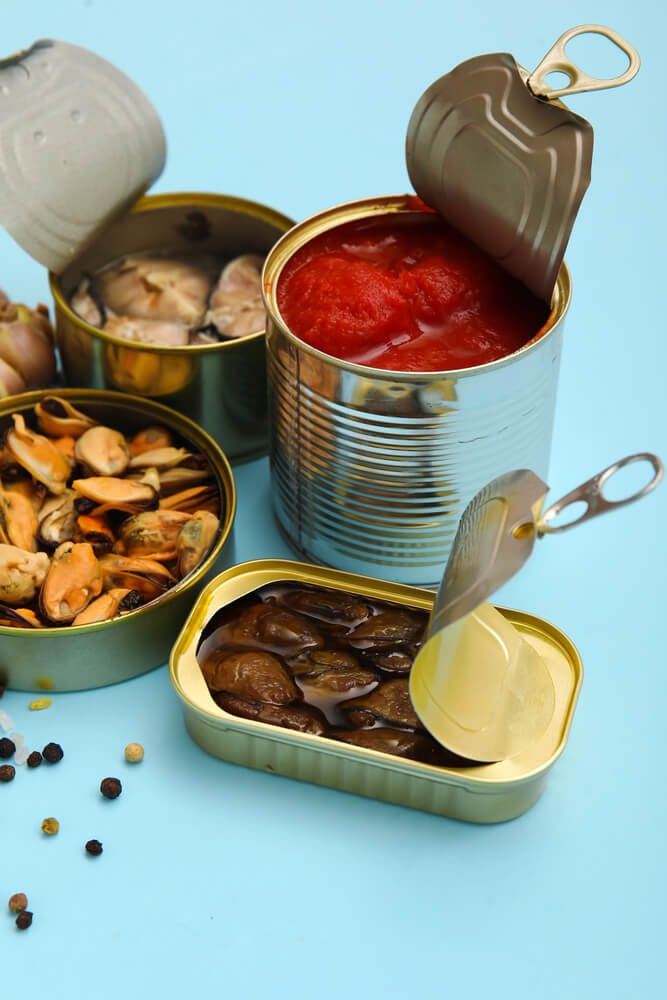
Glass broke easily on wagons and ships, so in 1810 an English merchant named Peter Durand patented the idea of sealing food in tin containers. Engineers Bryan Donkin and John Hall then turned it into a working business in London.
Early cans were thick, heavy, and soldered shut by hand, and some labels reportedly advised opening them with a hammer and chisel. Even so, canned meat and vegetables could travel for months without a cooler, and that made it possible for a food factory in one country to supply a kitchen in another.
Ezra Warner Finally Opens the Can
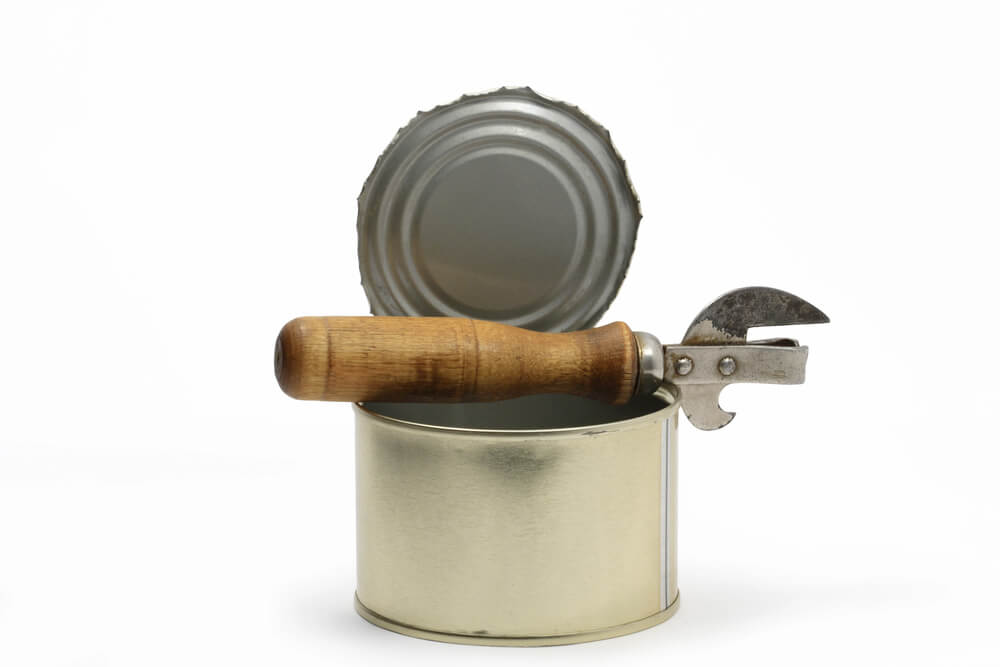
Cans existed for nearly fifty years before anyone patented a tool designed to open them. In 1858 Ezra Warner of Waterbury, Connecticut, finally did, with a bladed point that pierced the lid and a curved edge that sawed around the rim.
It was crude, and it suited stores and soldiers better than gentle home cooks. A later wheel design made opening a can an ordinary kitchen chore, which explains why canned goods could eventually become a staple instead of a novelty for sailors and explorers.
Margaret Knight Gives Paper Bags a Flat Bottom
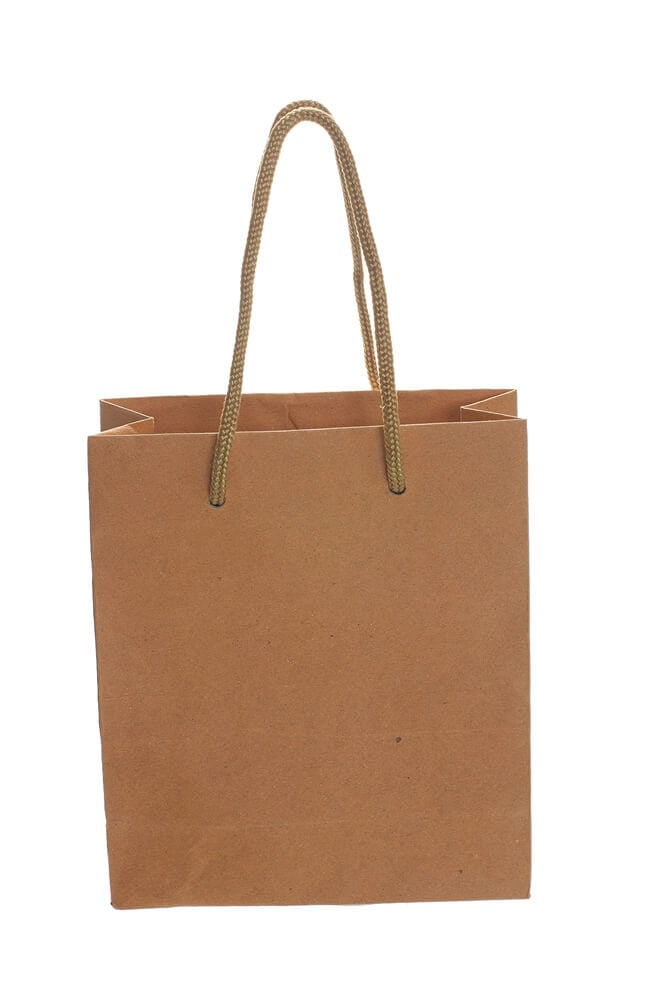
Before 1871, a paper bag was essentially a flat envelope that collapsed when anything heavy went inside. Margaret Knight, who worked in a paper bag factory, built a machine that folded and glued bags with square, flat bottoms that stood up on a counter.
A machinist who had seen her prototype claimed the idea as his own, and she proved her authorship in court with her drawings and notes. The result was a sturdy sack that clerks could fill quickly and shoppers could carry home without it splitting.
Ice-Cooled Rail Cars Ship Fresh Beef East
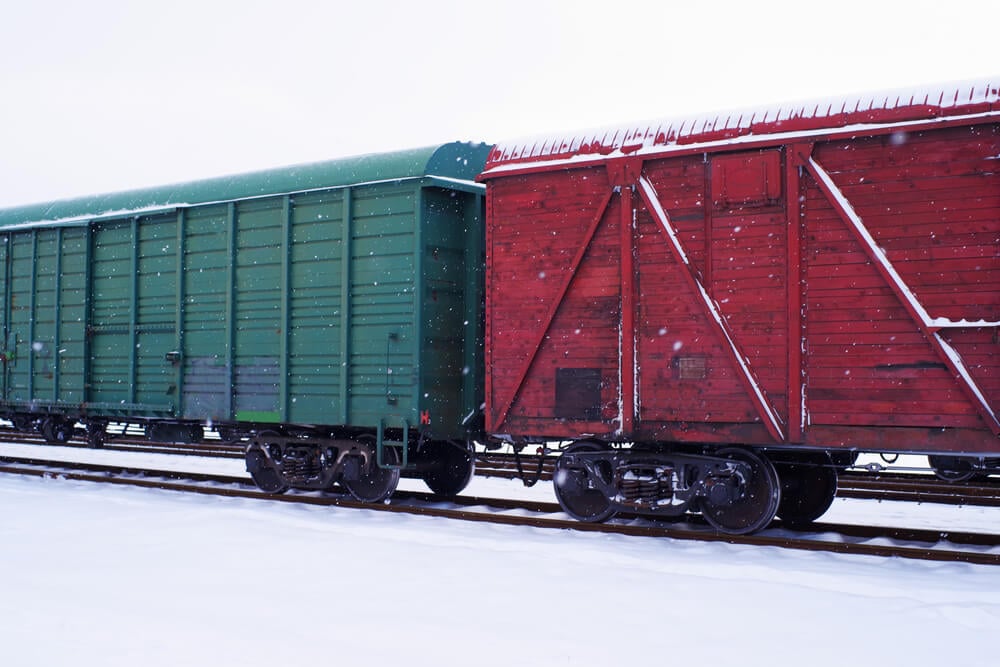
In the 1870s, Chicago meat packer Gustavus Swift pushed for rail cars cooled by ice so that dressed beef could travel to eastern cities instead of live cattle. Bunkers at each end held the ice, and re-icing stations along the tracks kept the cargo cold across long distances.
Local butchers resisted, since the new system threatened their slaughterhouse trade. Yet the economics won out, and refrigerated rail cars soon carried fruit, dairy, and vegetables as well, which broke the old link between where food grew and where it could be eaten fresh.
Frederick McKinley Jones Puts a Cooling Unit on a Truck
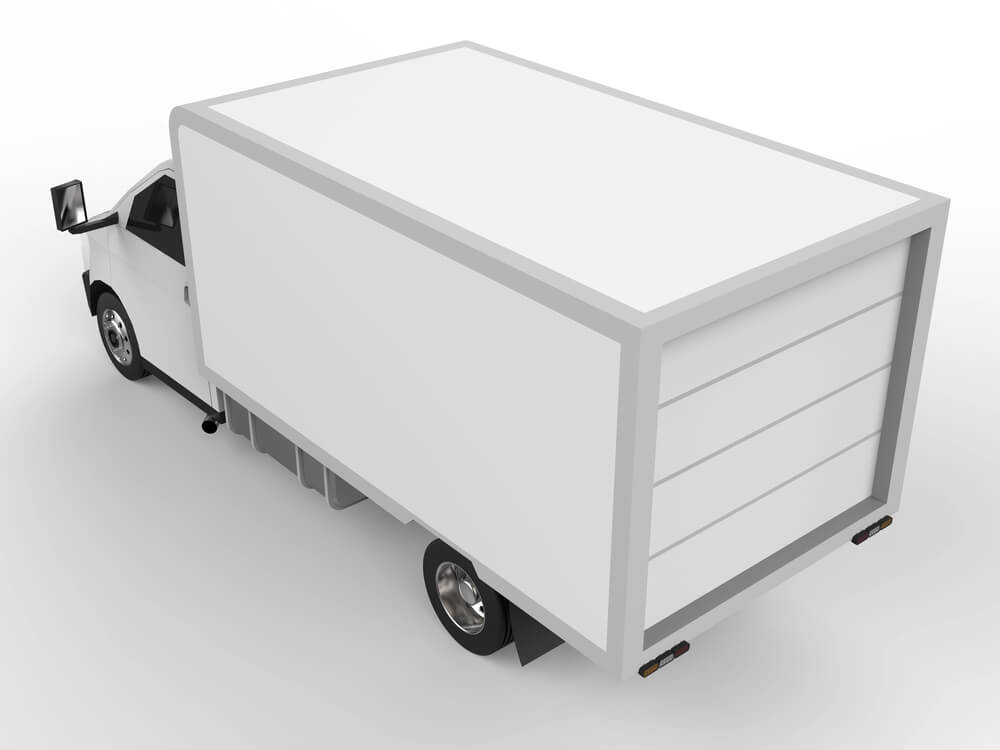
Frederick McKinley Jones, a self-taught engineer who left school as a boy, patented a roof-mounted cooling unit for trucks around 1940. He built it with businessman Joseph Numero, and the partnership became Thermo King. Before that, trucking perishable food meant packing ice around the load and hoping the drive stayed short.
Jones’s unit held a set temperature on the road, and the military adopted it for wartime shipments. Grocery stores gained dependable deliveries of frozen and chilled goods, no matter how far the warehouse stood from the shelf.
Clarence Birdseye Freezes Food Fast
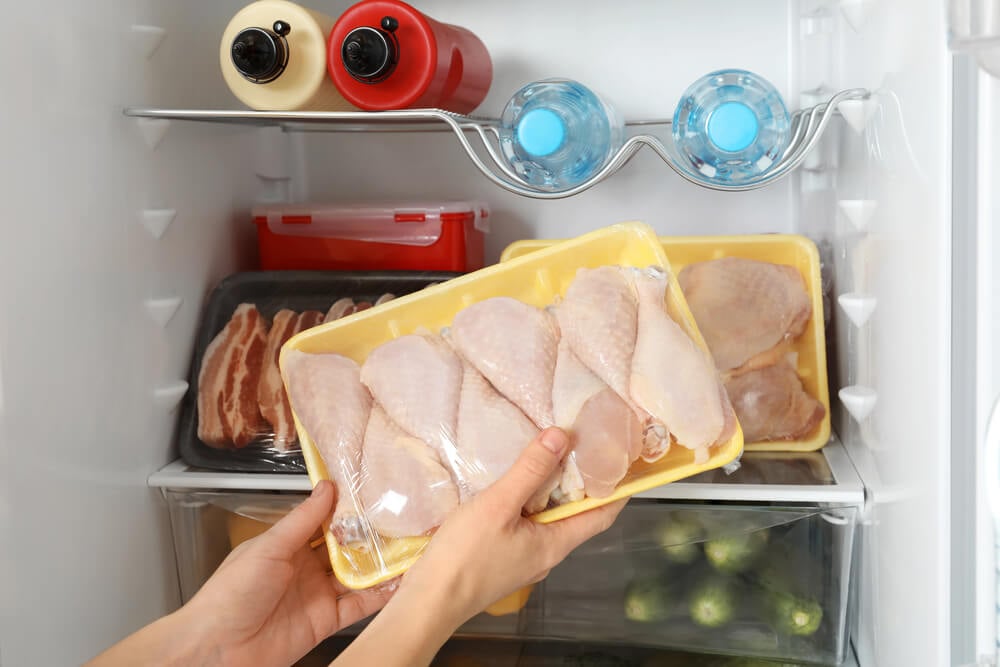
Clarence Birdseye noticed during his years in Labrador that fish frozen in bitter Arctic wind tasted fresh when thawed weeks later. He realized that quick freezing forms small ice crystals that spare the texture of food, while slow freezing leaves mush.
After building machines to copy the effect, he tested frozen packages in stores in Springfield, Massachusetts, in March 1930. Shoppers needed freezer cases to buy them, so stores had to install new equipment, and frozen aisles slowly grew from a gamble into an anchor of the modern supermarket.
Louis Pasteur Heats Away the Germs
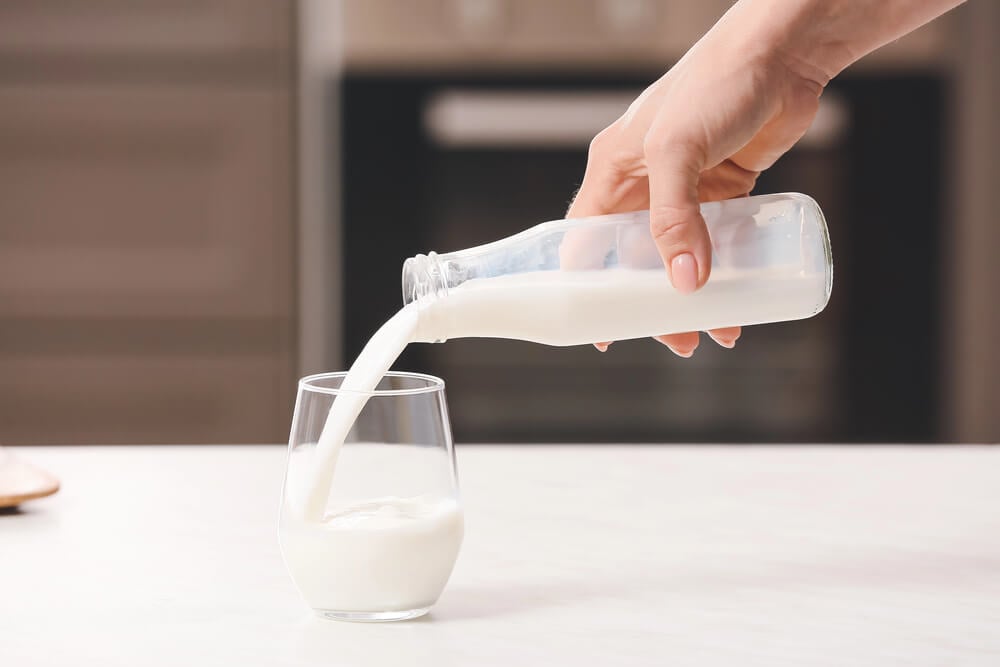
During the 1860s the French chemist Louis Pasteur showed that gentle heating could kill the microbes that spoiled wine, without ruining the drink. Dairy producers later borrowed the principle for milk, which had long been a carrier of serious illness in crowded cities, and the method took its inventor’s name.
Pasteurized milk could be bottled, trucked, and sold across a region with far less risk. Laws in many places eventually required it, and a staple that once had to come from a nearby cow could finally travel from a distant dairy to a corner store, which is how city households gained a safer daily supply.
Piggly Wiggly Lets Shoppers Fetch Their Own Food
In September 1916 Clarence Saunders opened a Piggly Wiggly in Memphis, Tennessee, and invited customers to pick items off shelves themselves. Until then, shoppers handed a list to a clerk who gathered everything from behind the counter.
Saunders routed buyers through a turnstile and a one-way path past every product, which made impulse purchases far more likely. He never gave a clear explanation for the odd name. Fewer clerks meant lower prices, and the self-service model he patented spread quickly and reshaped how nearly every store was laid out.
King Kullen Builds the Supermarket
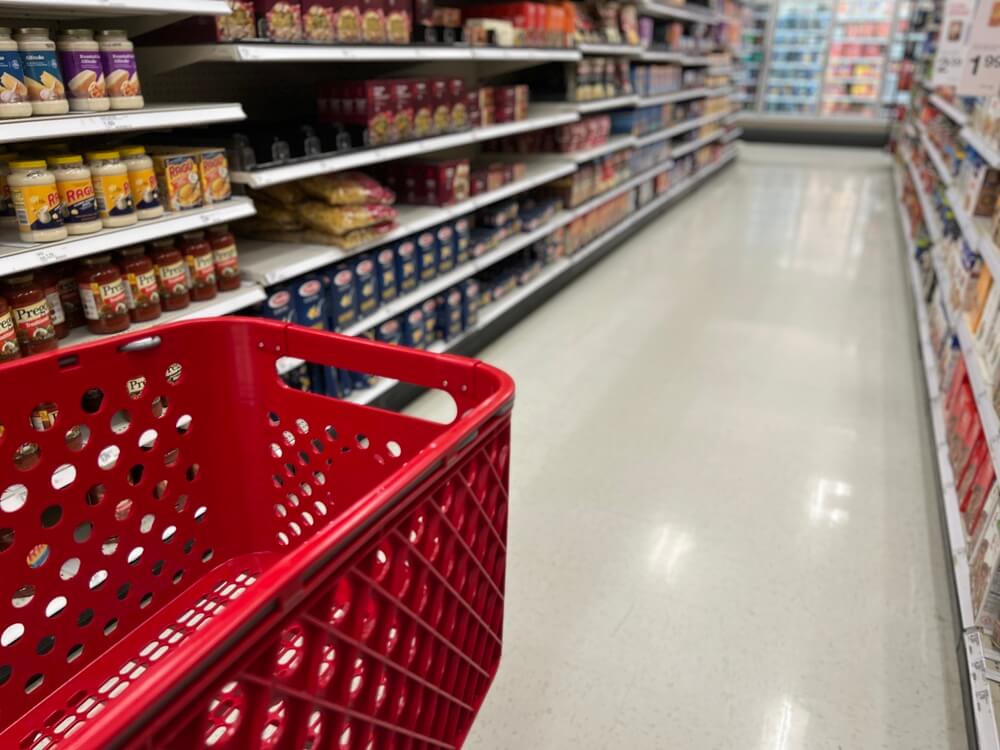
In 1930 Michael J. Cullen opened King Kullen in a former garage in Queens, New York. He stocked thousands of items under one roof, kept prices low, and offered a large parking lot to attract drivers from surrounding neighborhoods.
His slogan promised to pile it high and sell it low, and his ads called the store the world’s greatest price wrecker. Customers accepted fewer services in return for savings, and that bargain became the template for the modern supermarket, where a family buys a week of food in a single trip.
Sylvan Goldman Puts Wheels Under the Basket
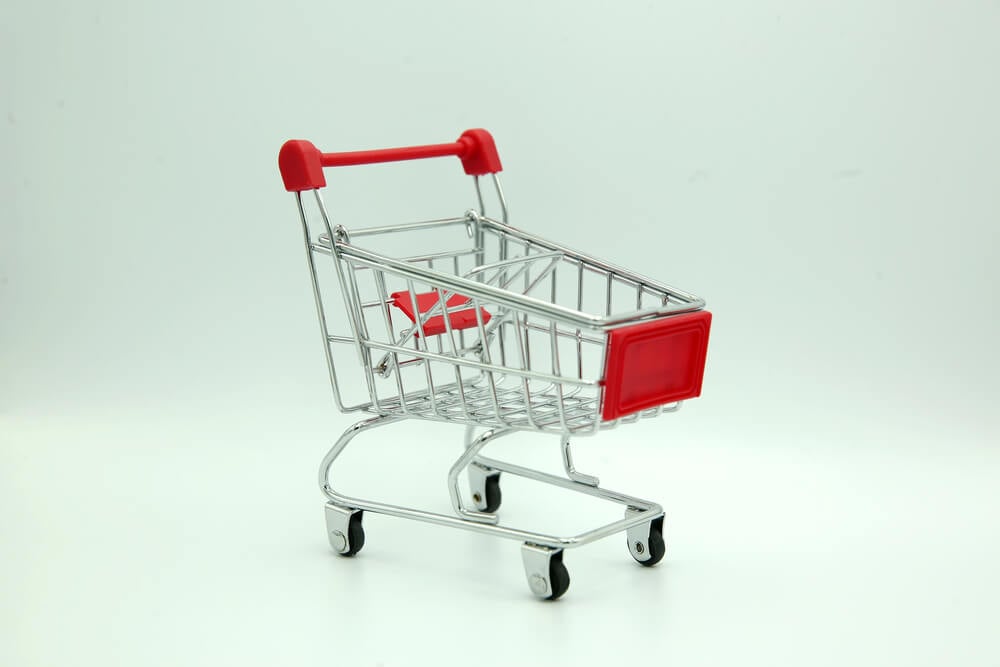
Sylvan Goldman, who ran the Humpty Dumpty grocery chain in Oklahoma City, noticed that shoppers stopped buying once their hand baskets got heavy. In 1937 he asked workers to build a folding chair with wheels and wire baskets, and the first shopping carts appeared.
Shoppers hated them at first, since they looked like baby carriages, so Goldman hired people to push carts around the store and look happy about it. Within a short time customers were filling carts well past what they could have carried, and basket size became a sales number.
James Ritty Rings Up the First Cash Register
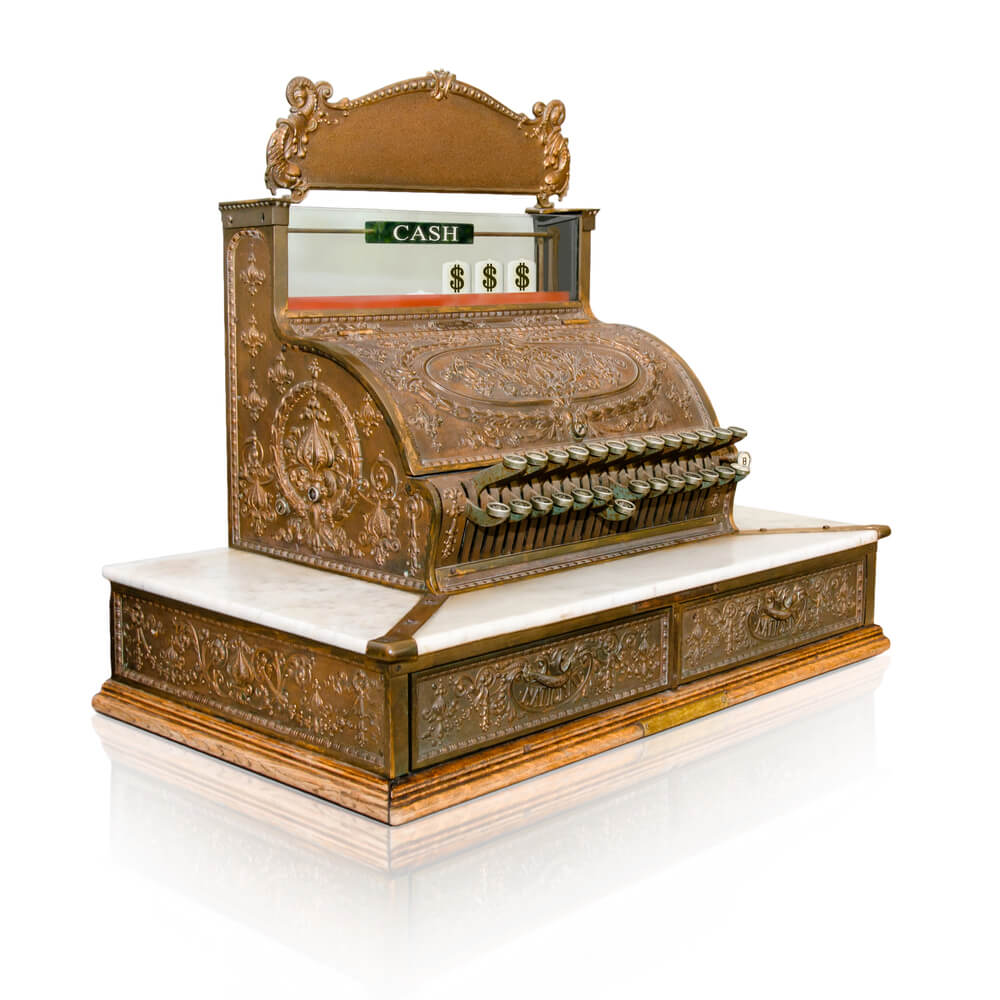
James Ritty, a saloon owner in Dayton, Ohio, grew tired of staff pocketing his takings and built a mechanical register in 1879. He had taken inspiration from a device that counted a ship’s propeller turns during a steamer trip. His machine rang a bell and displayed the amount of every sale to everyone watching.
Grocers adopted the register because it recorded each transaction, tracked daily sales, and discouraged theft, and the later addition of printed receipts gave shoppers a record of what they bought and what they paid.
Barcode Scanners Read a Pack of Gum
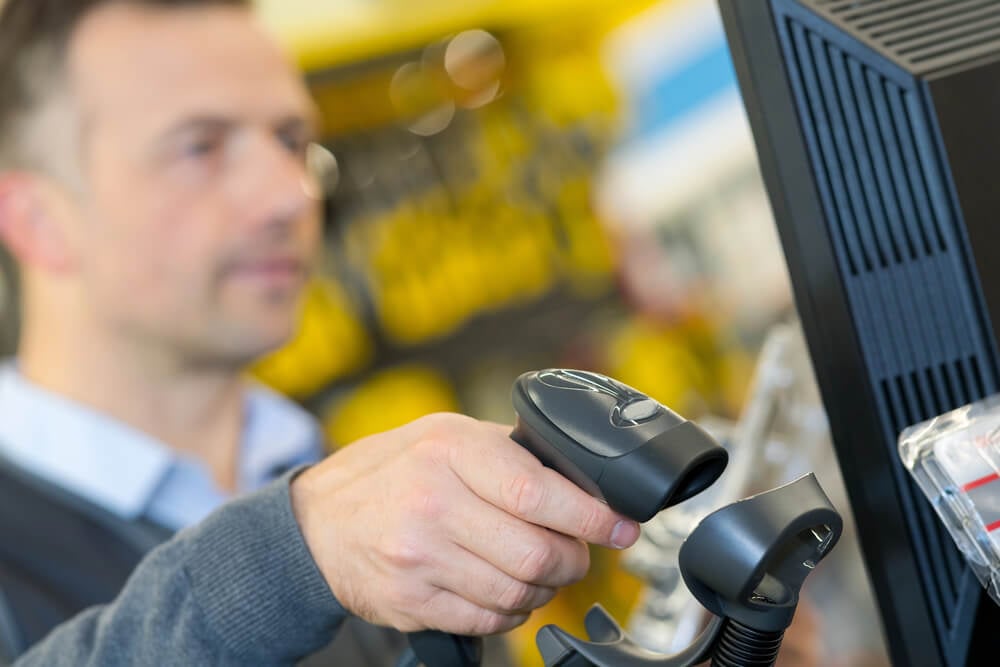
On June 26, 1974, a cashier at the Marsh supermarket in Troy, Ohio, ran a pack of Wrigley’s Juicy Fruit gum across a scanner built by NCR. The scanner read a printed pattern of bars, which became the first universal product code scan in a grocery store.
Before then, every item needed a price sticker and a clerk to key in each number by hand. Scanning sped up checkout, tracked inventory instantly, and let stores know exactly what was selling, and that data eventually reshaped what ended up on shelves.
Sten Gustaf Thulin Turns Plastic Into a Carrier Bag
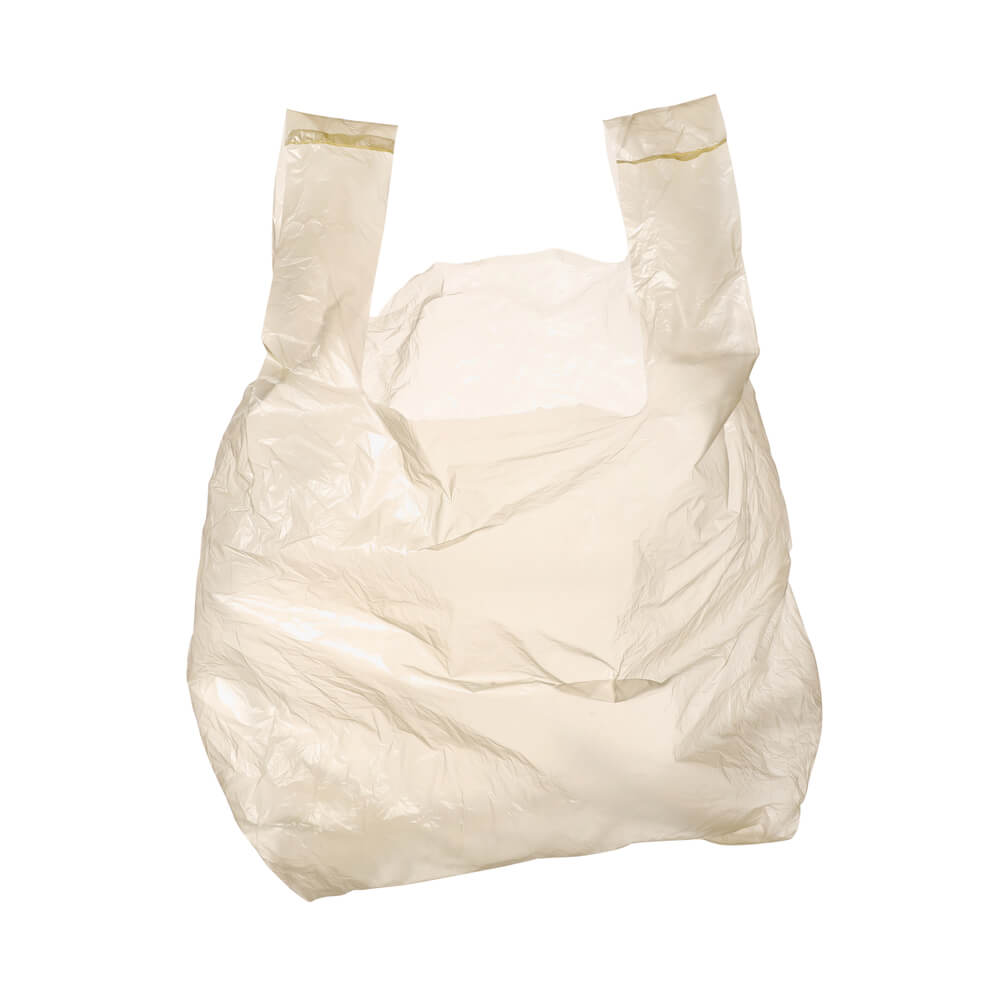
Swedish engineer Sten Gustaf Thulin developed a one-piece polyethylene shopping bag in the 1960s, with the handle stamped out of the same sheet of plastic. It was cheaper than paper, stronger when wet, and light enough that a clerk could pack a week of purchases in a few seconds.
Supermarkets embraced it over the following decades, and paper bags nearly vanished from checkout lanes. The lightweight sack made it easy for shoppers to carry more groceries per trip, though it also created the waste problem that stores and cities still argue about.
John Van Wormer Folds Milk Into a Gable-Top Carton
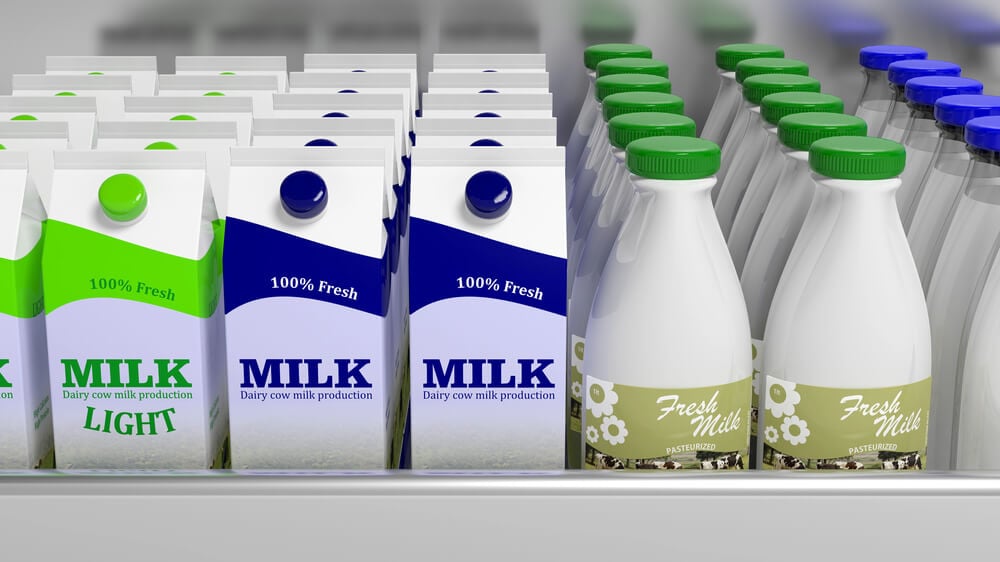
Milk once came in glass bottles that delivery drivers collected, washed, and refilled. In 1915 John Van Wormer of Toledo, Ohio, introduced a folded paperboard carton with a peaked top, sealed with wax. The gable-top design could be shipped flat, assembled at the dairy, filled, and thrown away after use.
Without bottles to return, dairies could ship farther and stores could stack milk higher, and the carton, which was light and cheap, trimmed the weight of every case of milk, which cut freight costs along the entire supply chain.
Joseph Coyle Cushions the Egg
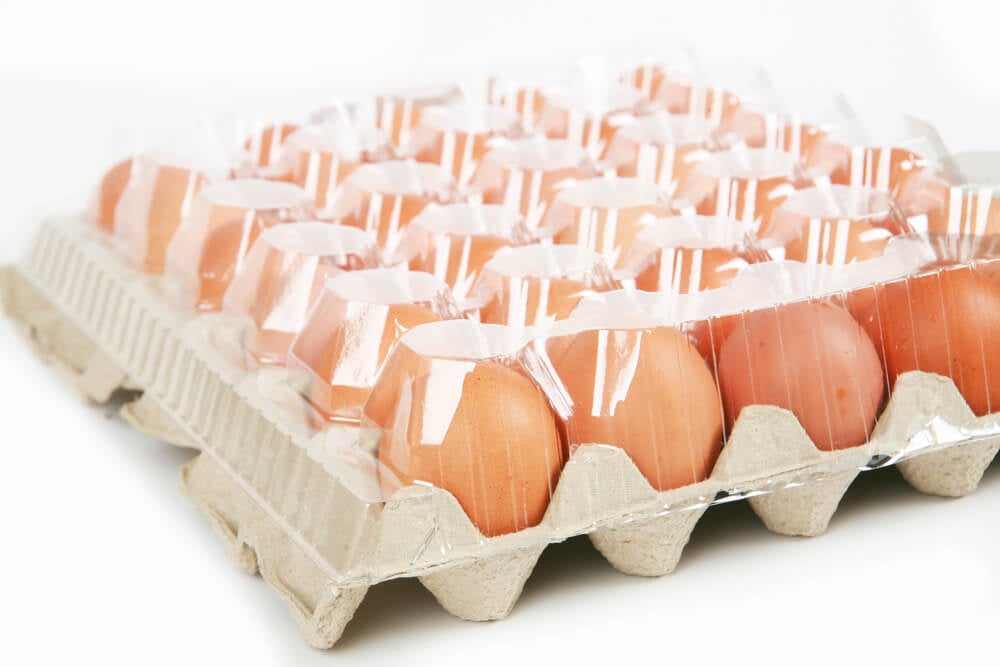
Joseph Coyle, a newspaper editor in Smithers, British Columbia, heard a hotel owner complain that a local farmer’s eggs kept arriving cracked. In 1911 he designed a cardboard carrier with separate cells, so each egg sat apart from its neighbors.
The tray proved sturdy enough for delivery wagons and later for trucks, and grocers began selling eggs by the dozen in neat cartons. Shoppers could see every egg at a glance and check for cracks before buying, which turned a fragile product into one that handled long trips.
Malcom McLean Loads the Shipping Container

Malcom McLean, a North Carolina trucking operator, grew frustrated by how slowly dockworkers loaded ships one box and barrel at a time. In April 1956 his converted tanker Ideal X sailed from Newark with 58 metal truck bodies stacked on deck.
Cranes lifted entire trailers on and off with little handling, so cargo no longer had to be sorted by hand at every port. Shipping costs dropped sharply, and imported coffee, bananas, and canned goods began reaching shelves at prices that older methods could never have matched.
Pallets and Forklifts Move Goods in Bulk
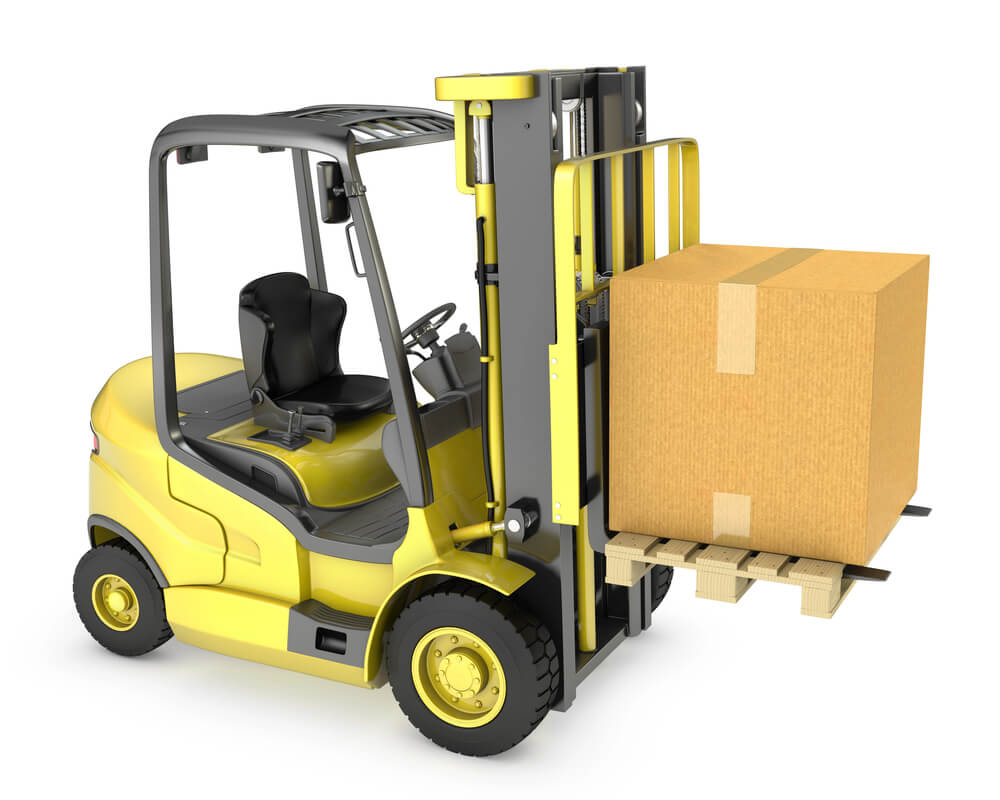
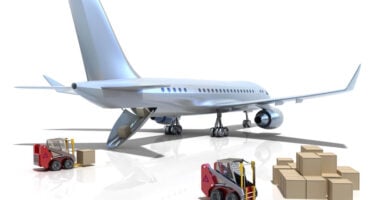
A forklift slides two steel forks beneath a wooden pallet and lifts an entire stack of cases at once. Powered lift trucks emerged in the early twentieth century, and pallets spread widely during the supply operations of World War II. In the United States, the standard grocery pallet measures 48 inches by 40 inches, which lets suppliers, trucks, and warehouses all use the same size.
A single driver can now move loads that once required a crew with hand trucks, so food arrives at stores in hours instead of days.
The Interstate System Opens Highways to Long-Haul Trucks
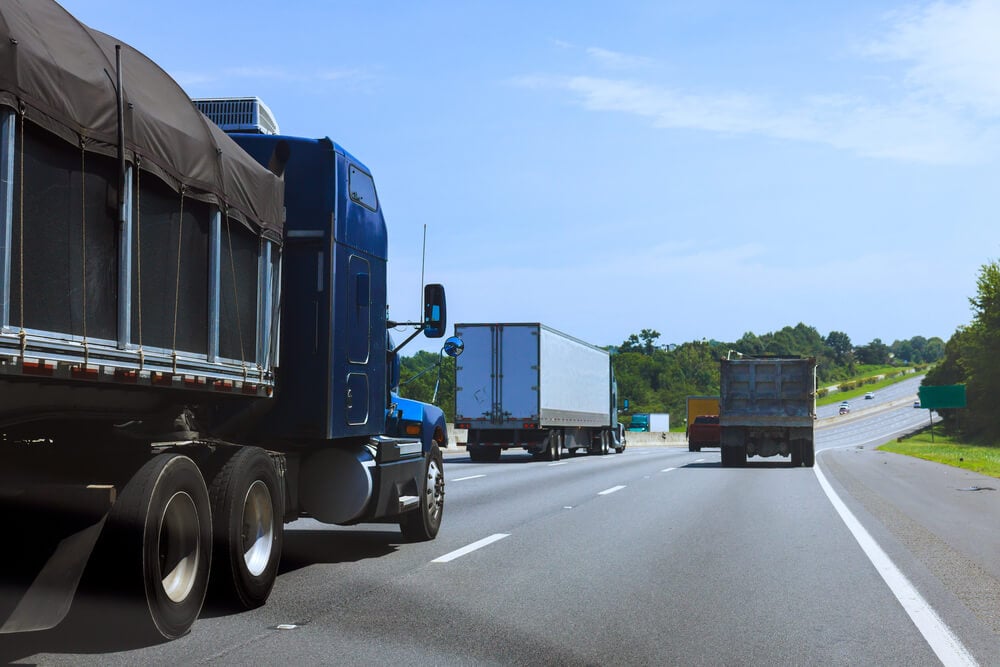
President Eisenhower signed the Federal-Aid Highway Act in 1956, which created the interstate system. He had a personal reason for backing it, since he took part in an army convoy across the country in 1919 that needed about two months.
Controlled-access roads let trucks maintain steady speeds for hundreds of miles without passing through every town. Long-haul trucking grew into a major industry, and warehouses could be located far from farms and cities, which is why a supermarket in Ohio can stock citrus from Florida.
Peapod Brings the Grocery List to a Computer Screen

Brothers Andrew and Thomas Parkinson founded Peapod in 1989 in the Chicago area, years before most households had a web connection. Early customers used a modem and special software to build an order from a list of products. Workers then picked those items from local supermarket shelves and delivered them to the door.
It was slow, expensive, and unfamiliar, yet Peapod proved that a computer could stand in for an aisle. Nearly everything about modern online ordering, from the shopping list to the scheduled delivery window, grew from that early experiment.
Instacart Turns Every Supermarket Into a Warehouse

Instacart launched in San Francisco in 2012, founded by Apoorva Mehta. Instead of building warehouses, the company hired independent shoppers who walked the aisles of existing stores, picked the items an app customer chose, and delivered them the same day.
That approach avoided the huge cost of new facilities that sank earlier online grocers. It also let a family order something as small as a single lemon alongside a full week of groceries, and delivery became a feature that nearly every major retailer felt obliged to offer.
Otto Rohwedder Slices and Wraps the Loaf
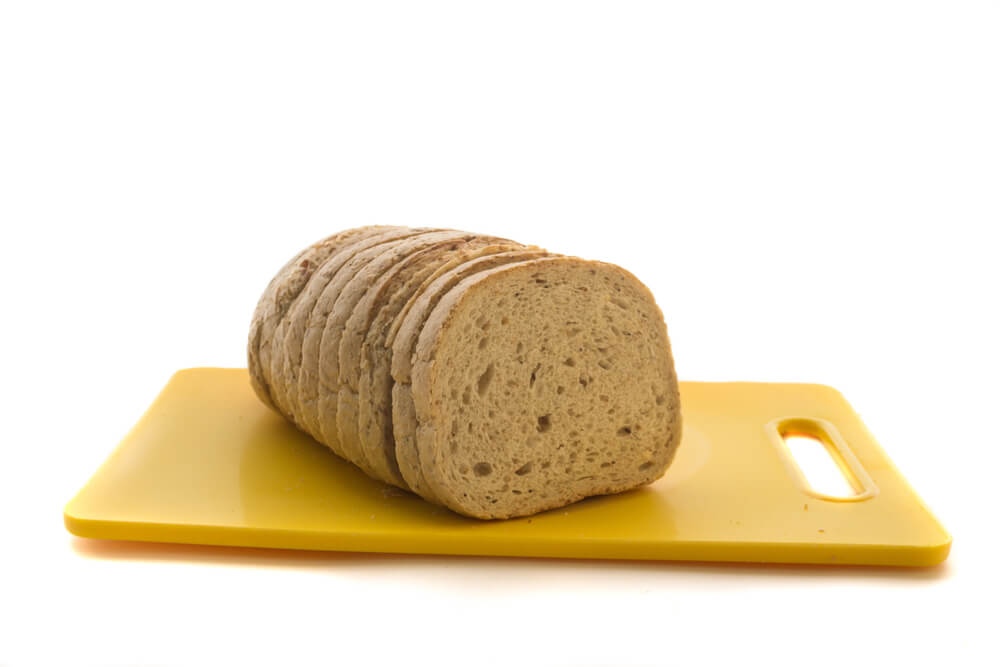
Otto Rohwedder, an inventor who had worked as a jeweler, built a machine that sliced a loaf and wrapped it in one process. On July 7, 1928, the Chillicothe Baking Company in Chillicothe, Missouri, sold the first commercially sliced bread.
Wrapping was a necessity, because sliced bread dried out far faster than an uncut loaf. Bakers feared that customers would reject it, yet sales climbed quickly, and uniform slices made toasters and sandwiches a daily habit, which is the origin of the phrase about the best new thing.
Monitor Top Refrigerators Reach the Family Kitchen
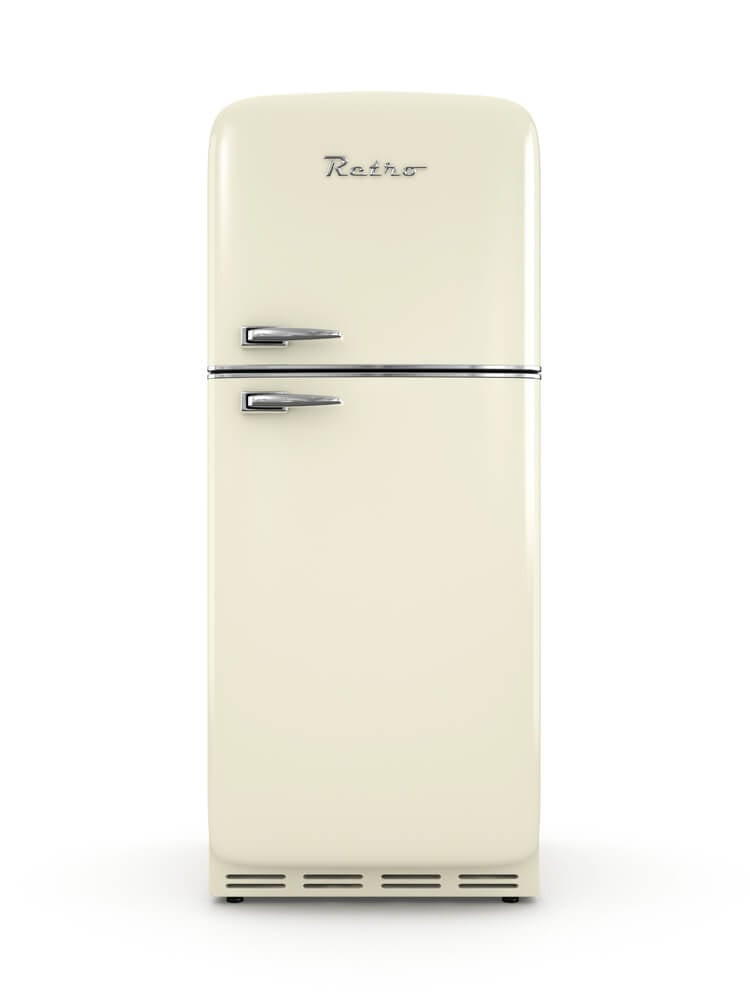
General Electric introduced its Monitor Top refrigerator in 1927, so named for the round compressor housing mounted on its roof. Until then, most families relied on an iceman who delivered blocks to a wooden icebox.
A sealed electric unit held food at a steady cool temperature for days. Shoppers could buy milk, meat, and produce in larger quantities and make fewer trips to the market. Daily visits to the grocer gave way to a weekly routine, so the home refrigerator reshaped how often people shopped as much as what they ate.
Chest Freezers Make Bulk Buying Practical
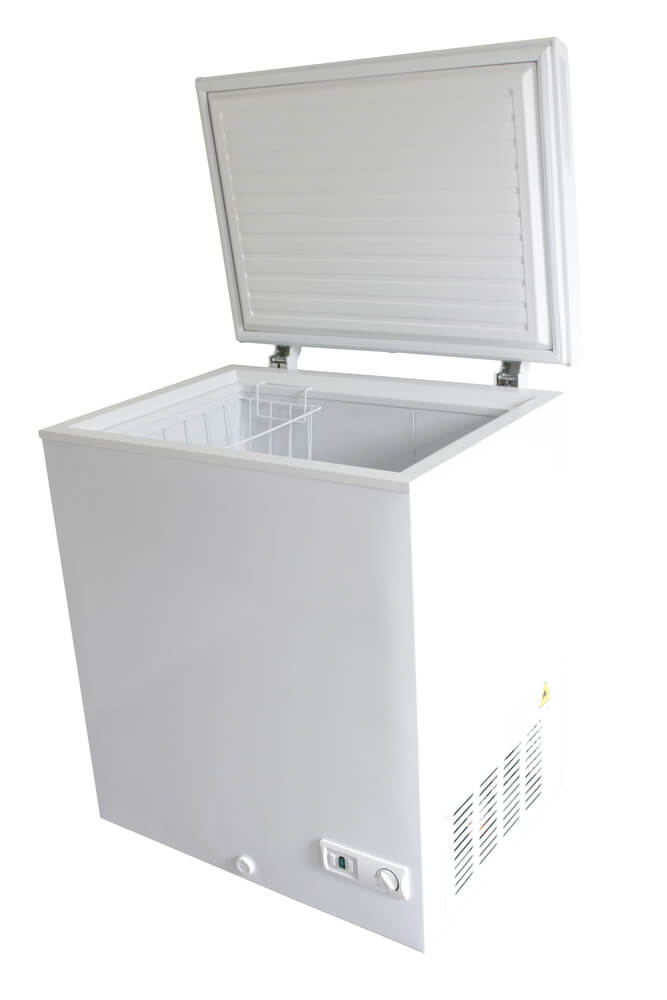
After World War II, household freezers moved from rented community lockers into basements and garages. A chest freezer let families buy a side of beef, a bushel of vegetables, or a few weeks of frozen dinners at a sale price.
Grocers responded with bulk offers and stocked more frozen products. Because a freezer could hold food for months, meal planning no longer had to match what a store had on the shelf that week. Shopping trips became less frequent, and a good sale could be stored for a winter of dinners.
Ruben Rausing Folds Liquids Into Aseptic Cartons
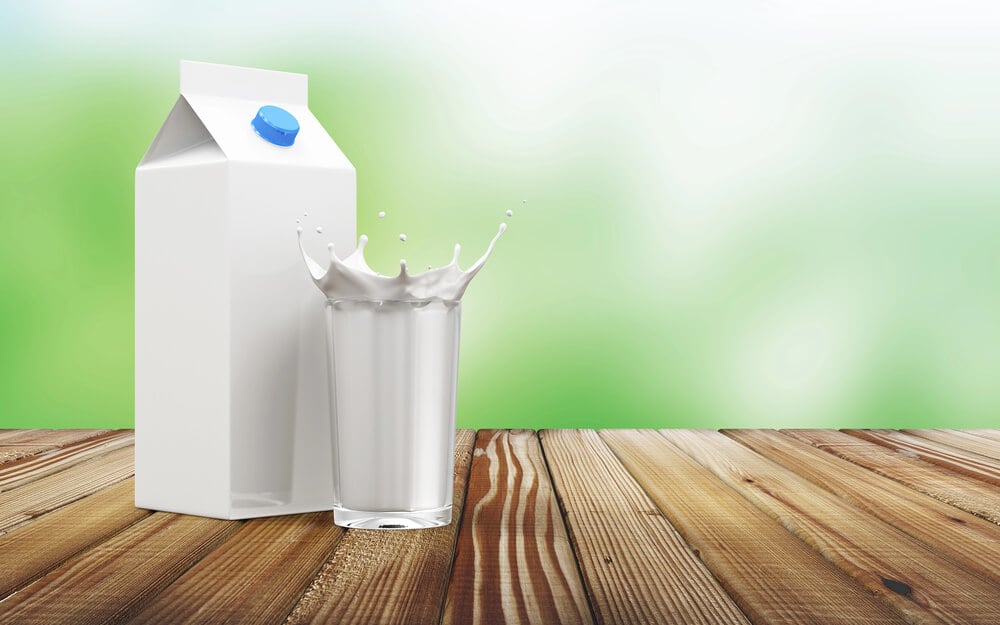
Ruben Rausing, a Swedish packaging entrepreneur, founded Tetra Pak and developed tetrahedron-shaped paper cartons for liquids in the 1950s. The company later perfected aseptic filling, in which food and packaging are sterilized separately and then joined in a germ-free process.
A sealed carton could keep milk or juice safe on an ordinary shelf for months without refrigeration. That freed distributors from the cold chain for many products. Shipments could travel by ordinary truck to places that lacked reliable electricity, and stores could stock milk in aisles far from any refrigerated case.
SS Dunedin Carries Frozen Mutton Across the World
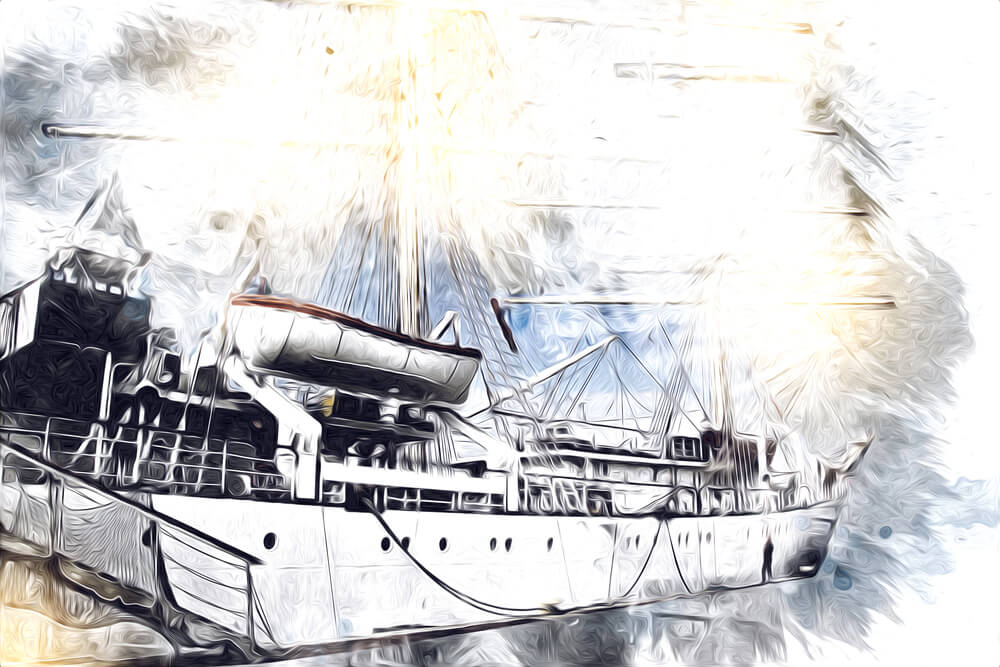
Early in 1882 the sailing ship Dunedin left New Zealand for London with frozen mutton and lamb in a hold fitted with refrigeration machinery. The voyage took months, and the meat arrived in good condition, proving that distance no longer doomed perishable cargo.
New Zealand sheep farmers gained a lucrative export market, and British consumers gained cheap protein that had never been available so far from the pasture. The ship herself vanished at sea in 1890, but the idea endured on every route afterward, and refrigerated ships went on to carry meat, dairy, and fruit around the globe.
Percy Spencer Warms Food With Radar Technology
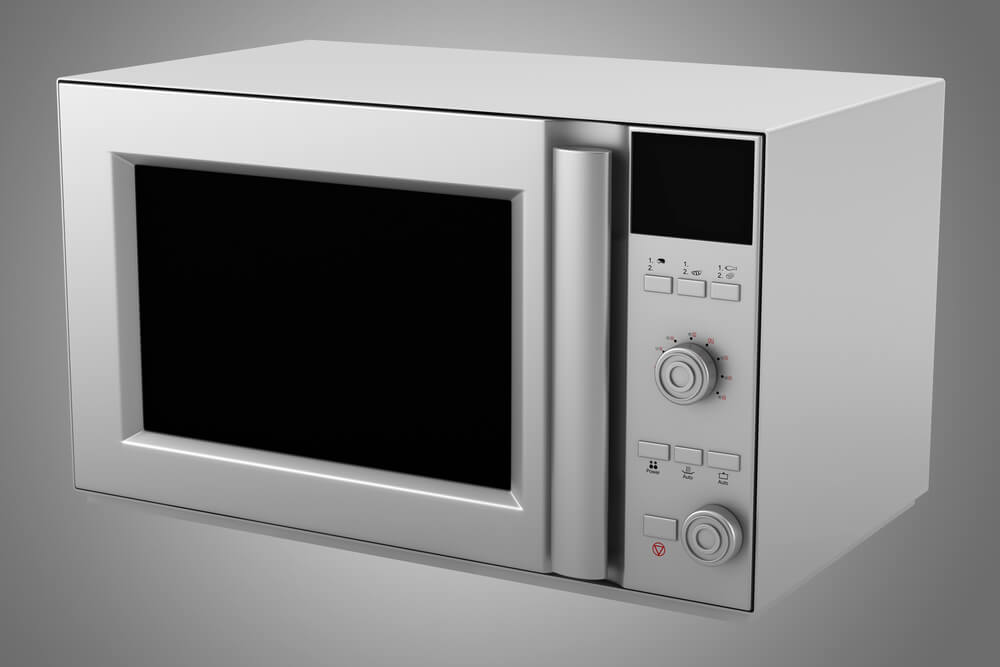
Percy Spencer, an engineer at Raytheon, noticed in the mid-1940s that a candy bar in his pocket melted while he stood near a radar tube. He tested popcorn and an egg next, and the experiments led to the first microwave oven.
Early models were large and costly, standing about as tall as a refrigerator, but compact versions reached homes in later decades. Manufacturers then designed frozen meals, popcorn bags, and trays for microwaves, and grocery freezers filled with products meant to go from shelf to plate in minutes, a category that barely existed before.
Gail Borden Boils Milk Down Into a Can
— Photo by thinglass
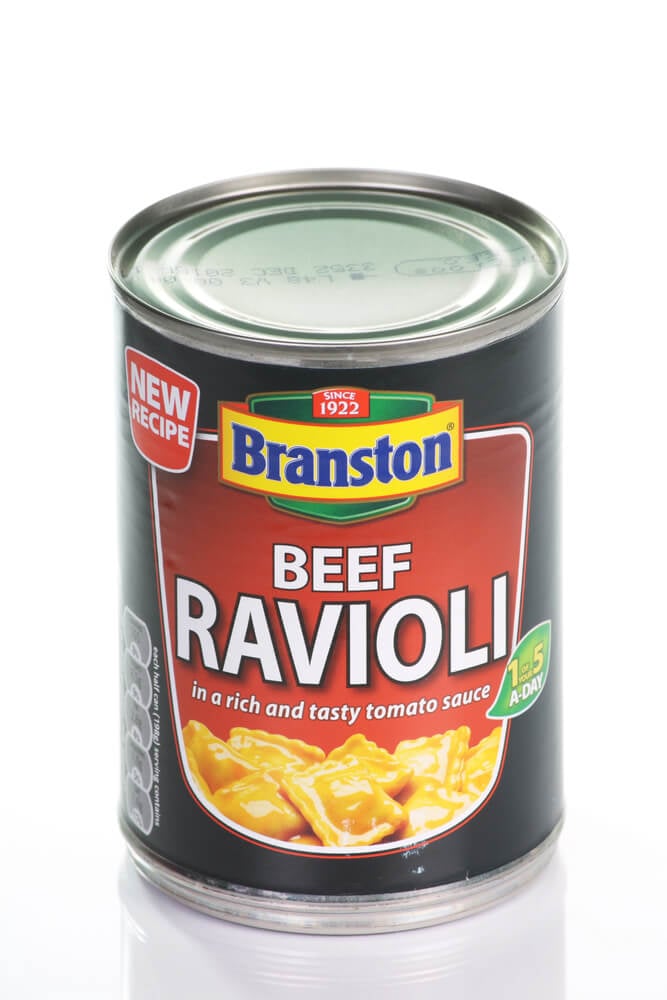
Gail Borden patented a process for condensed milk in 1856, using a vacuum pan to evaporate water at a low temperature. Adding sugar and sealing the result in a can produced a product that kept far longer than fresh milk.
Demand surged during the Civil War, when the Union Army bought it for its soldiers. Canned milk became a reliable item for homes and cities with unreliable dairy supplies. It also showed that even one of the most perishable foods could be made shelf-stable, long before refrigeration reached the average household.
Groceries Learned to Travel Without Spoiling
— Photo by pftrip
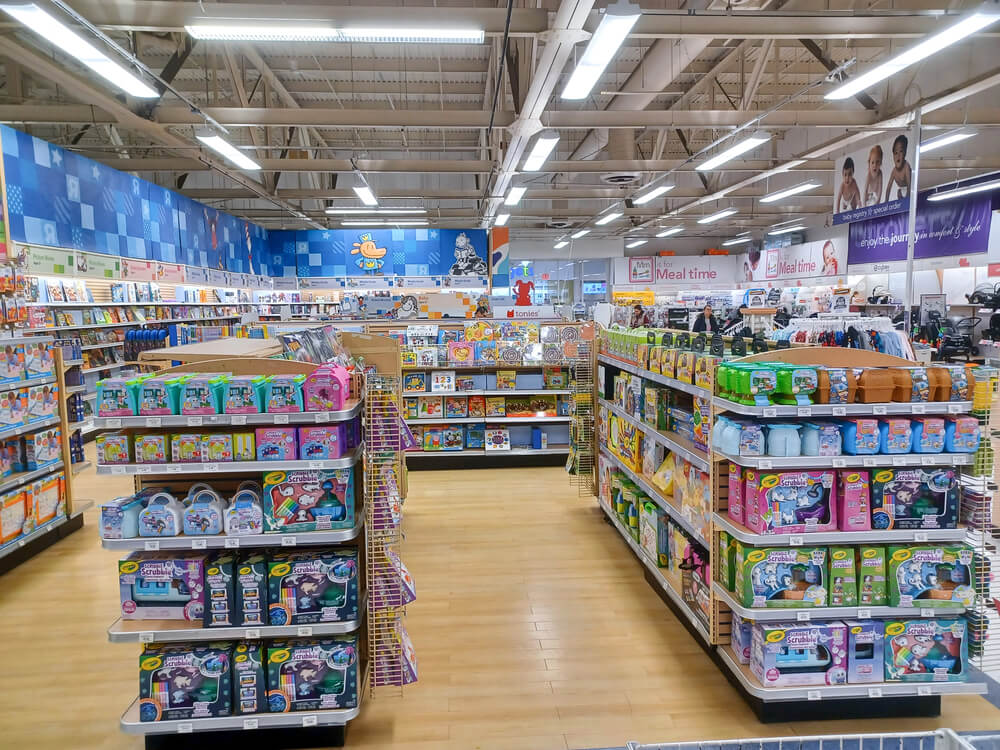
Looking across these inventions, a pattern emerges. Almost none were designed to improve a grocery trip. Each was built to fight a single enemy, whether spoilage, breakage, theft, or the cost of handling things one at a time. The pieces added up because each one made the next more useful, so a refrigerated truck needed a highway, a highway needed a pallet, and a pallet needed a forklift.
What shoppers see today is the end of a long relay. The carton in a refrigerator or the bag of frozen vegetables in a cart carries decades of small fixes, and each one pulled the farm a little closer to the kitchen table. The next breakthrough will probably look just as ordinary, and just as hard to live without once it arrives.
More from Go2Tutors!

- 27 Silver Dollars and Half Dollars Worth Keeping
- 28 Restaurant Menu Items Nobody Orders Anymore
- 17 Places Built in Seemingly Impossible Spots
- 27 Vintage Rings Worth More Than They Look
- 25 Restricted Sites Tourists Can’t Enter
Like Go2Tutors’s content? Follow us on MSN.