Old Lunch Counter Equipment That Became Collectible
Nobody bought a milkshake spindle or a sundae glass as an investment. These things were bought to be used hard, wiped down a thousand times a week, and replaced when they gave out.
That the survivors now turn up in auction catalogs and museum collections is one of the odder turns in the history of kitchen hardware. Behind the counter of the average mid-century lunch spot sat a small arsenal of mixers, brewers, dispensers, and glassware, much of it built in the American Midwest by companies that took durability seriously.
The best of it outlived the restaurants that bought it, and collectors have noticed.
The Hamilton Beach 936 Spindle Mixer
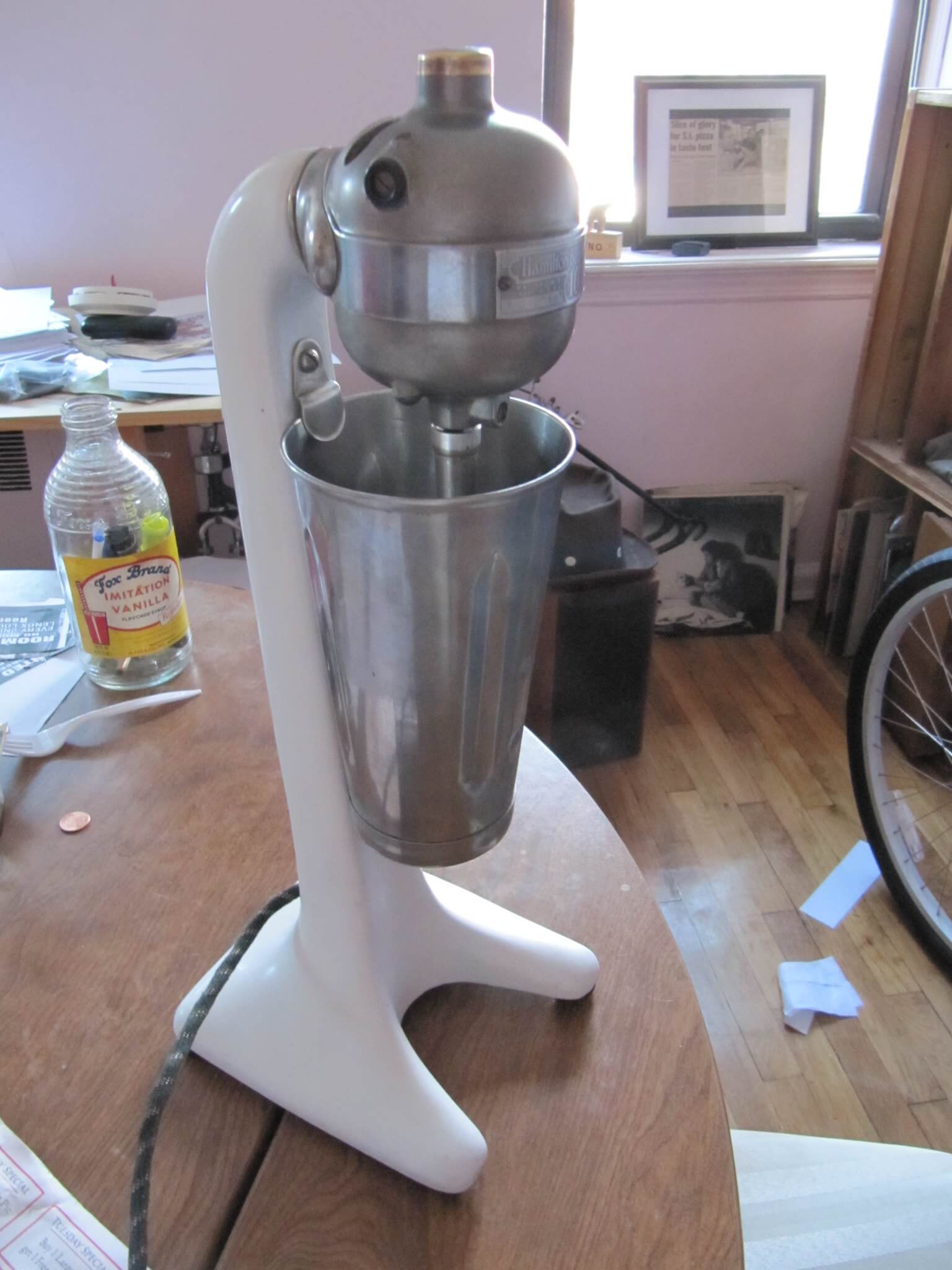
The Hamilton Beach 936 is the sort of machine that looks like it was designed to be dropped from a roof and survive. It is a commercial single-spindle drink mixer, and vintage versions branded Hamilton Beach Scovill turn up regularly in online auctions, often with the original steel cup.
The model number has had remarkable staying power: restaurant supply catalogs still list a 936 today. Collectors pay attention to whether the motor runs, whether the original cup is present, and how much of the finish is left, since value depends heavily on condition.
Jadeite Green Hamilton Beach Milkshake Mixers
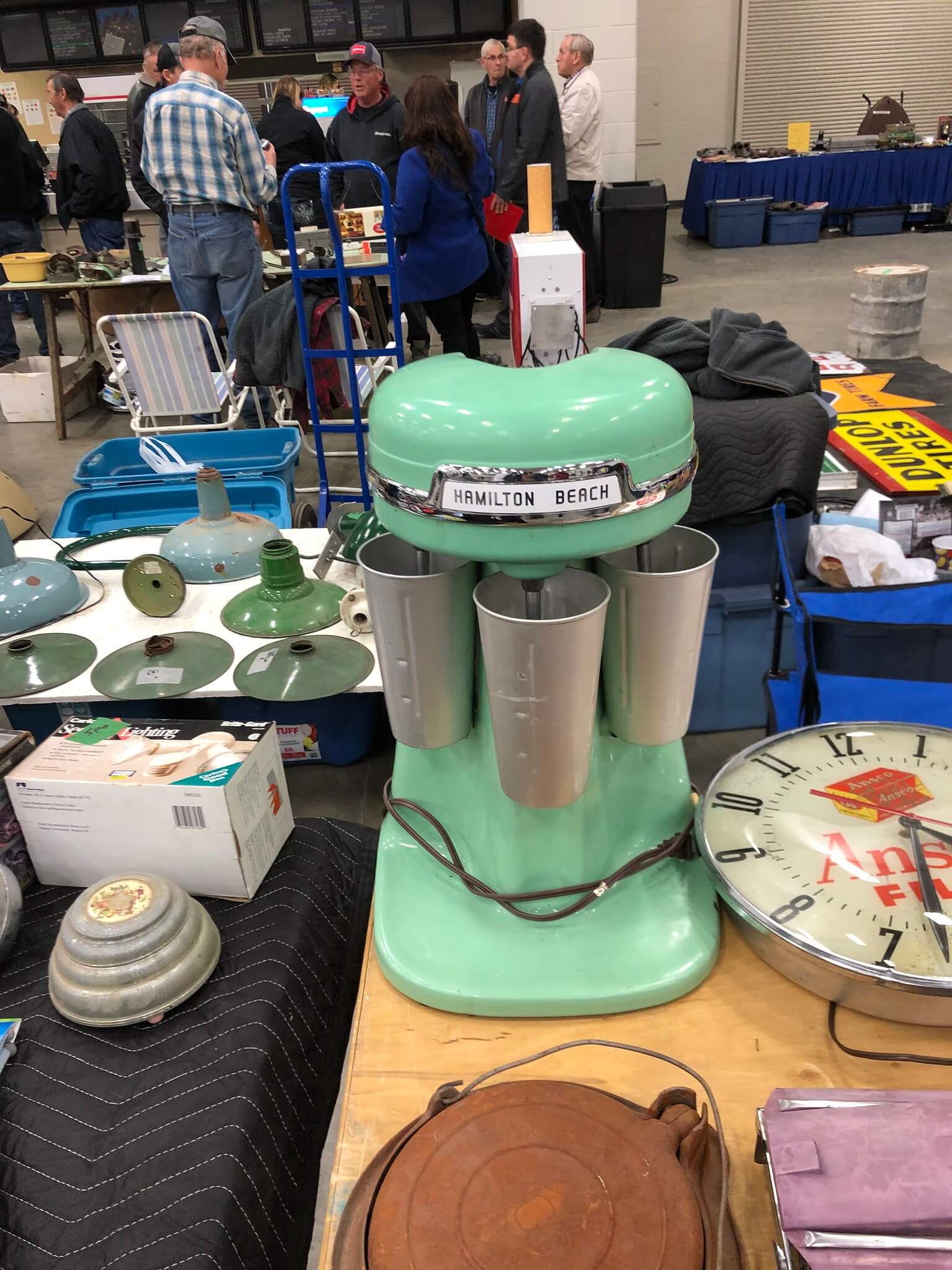
e green, including the Model 33, appear in vintage listings dated to the 1940s and attract buyers who care more about color than horsepower.
A mixer in this shade on a diner counter looked like kitchenware designed by someone who wanted it to be noticed. Intact paint, a sound cord, and a working motor matter a great deal, because value depends heavily on condition.
The Waring Miracle Mixer, Model B
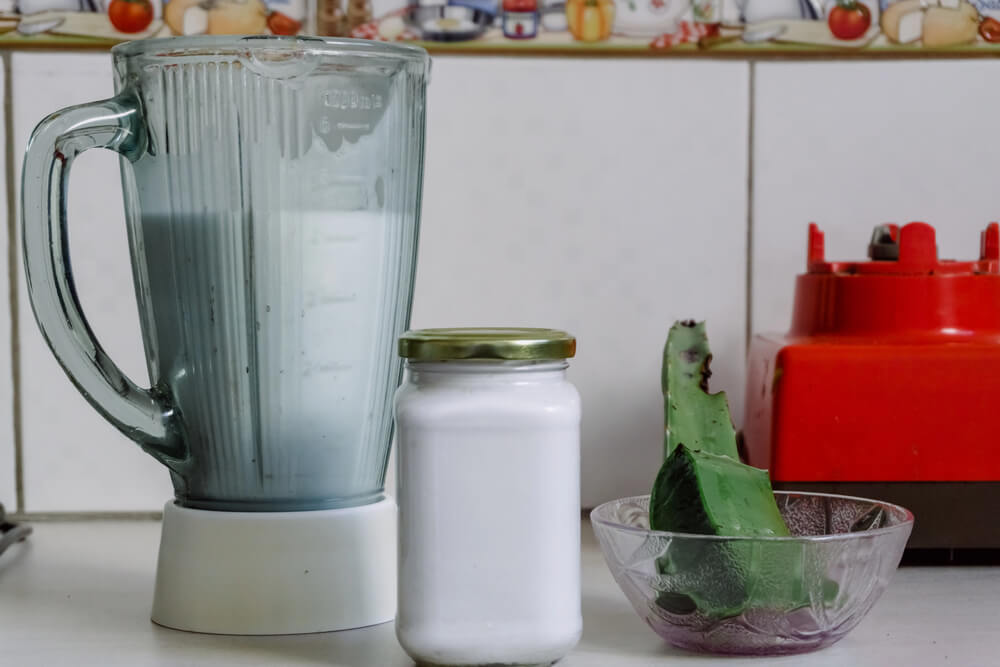
The blender that conquered home kitchens began as a soda fountain tool. Bandleader Fred Waring financed the early machine, sold as the Waring Miracle Mixer, and a Model B now sits in the collection of the Birmingham Museum of Art.
The Smithsonian’s National Museum of American History also holds a Waring Blendor, and the company later promoted the machine as a laboratory instrument, with a photograph of Dr. Jonas Salk using one. Early examples with their glass jars and original bases are the ones collectors chase, and condition shapes value considerably.
Horlick’s Malted Milk Dispensers and Mixing Jars
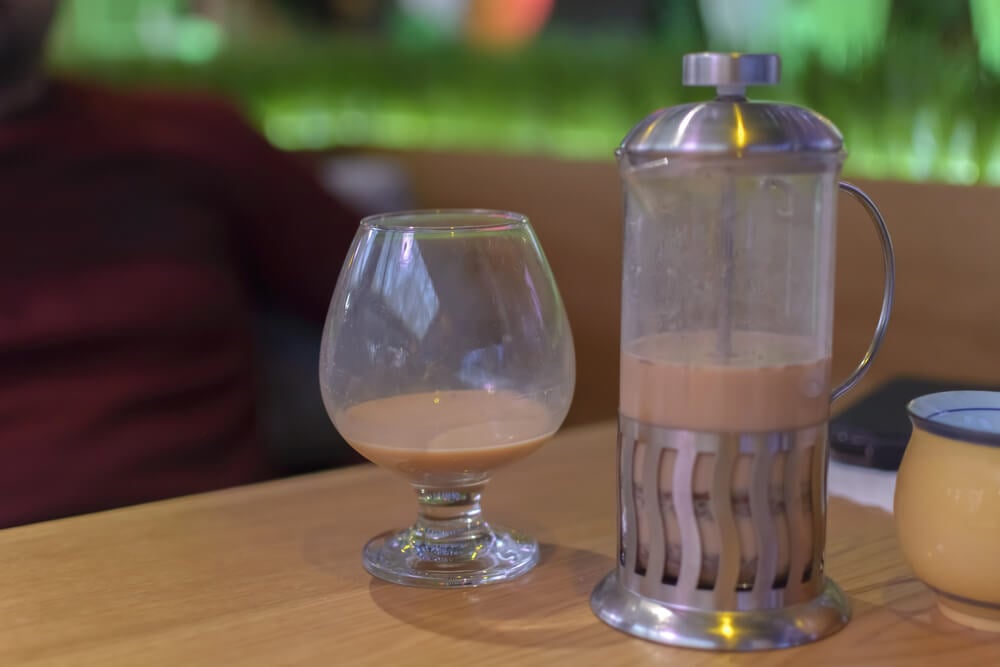
Malted milk powder made the milkshake into a malt, and the name behind it was Horlick’s of Racine, Wisconsin. The Horlick Malted Milk Company was listed in the Wisconsin State Register of Historic Places in December 2019, a sign of how deeply the brand is tied to the state.
Soda fountains relied on Horlick’s-marked glass mixing jars with metal strainers and on countertop malt dispensers, and both turn up in antique shops today. Chips in the glass and missing lids cut value sharply, so condition counts for as much as the logo.
Marble Soda Fountains From Liquid Carbonic and Bastian-Blessing
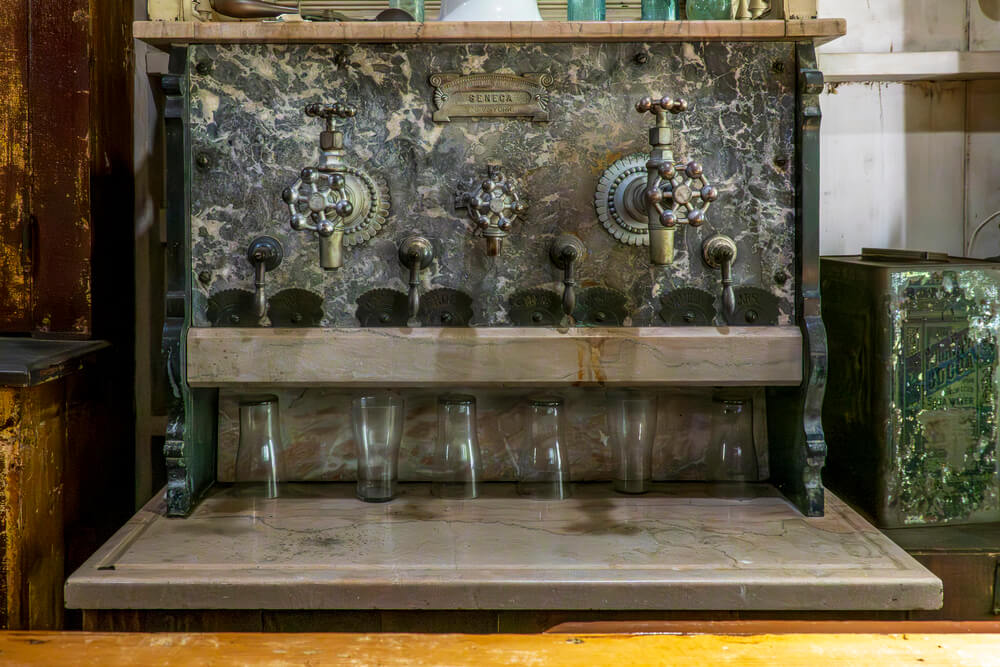
The great soda fountains were built in Chicago workshops by firms such as Liquid Carbonic and Bastian-Blessing, and they were designed as showpieces as much as equipment. Antique examples have drawn attention from auction houses and collecting publications, and Coca-Cola Enterprises once donated an antique soda fountain to the University of Georgia College of Pharmacy.
A complete fountain with its original marble, taps, and plumbing is a very different object from a stripped shell. Condition and completeness are everything, and restoration costs can be steep.
The Seeburg Wall-O-Matic 100, Model 3W1
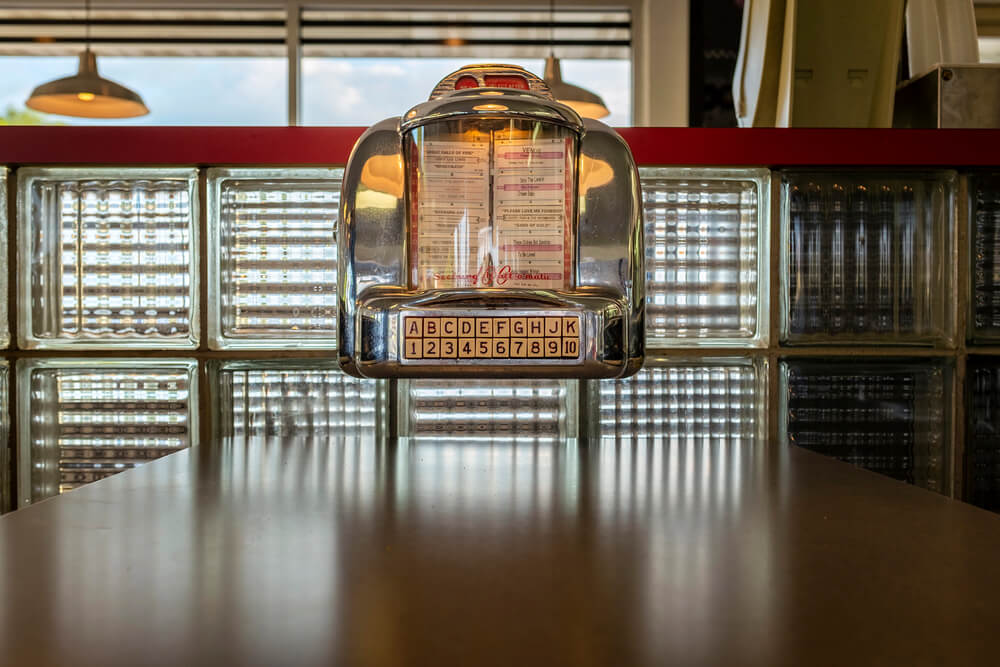
Before a customer could play a song, the record had to be chosen from a booth or counter, and the Seeburg Wall-O-Matic 100 made that possible without leaving the stool. The 3W1 wallbox is cataloged by the Museum of the Game and by the Radio Museum, and the diner chain Johnny Rockets popularized the look by using them.
Reconditioned boxes have even been fitted with wireless transmitters and Bluetooth retrofits so they can control modern systems. A Seeburg Wall-O-Matic music system was also sold as its own lot at an RM Sotheby’s auction, and condition and working internals drive value.
The Wurlitzer 3020 Wallbox
Wurlitzer’s 3020 wallbox dates to 1946 and is a favorite on collector forums and in Collectors Weekly features. Its glass dome and chrome trim gave every booth the feel of a miniature jukebox, and reproduction domes and parts are still traded among restorers.
Wurlitzer also built other wallbox models such as the 3031, so enthusiasts keep careful track of which unit pairs with which jukebox. Missing coin mechanisms and cracked glass lower value, and condition matters more than the nameplate.
Rock-Ola Tri-Vue and Hi-Fidelity Wall Boxes
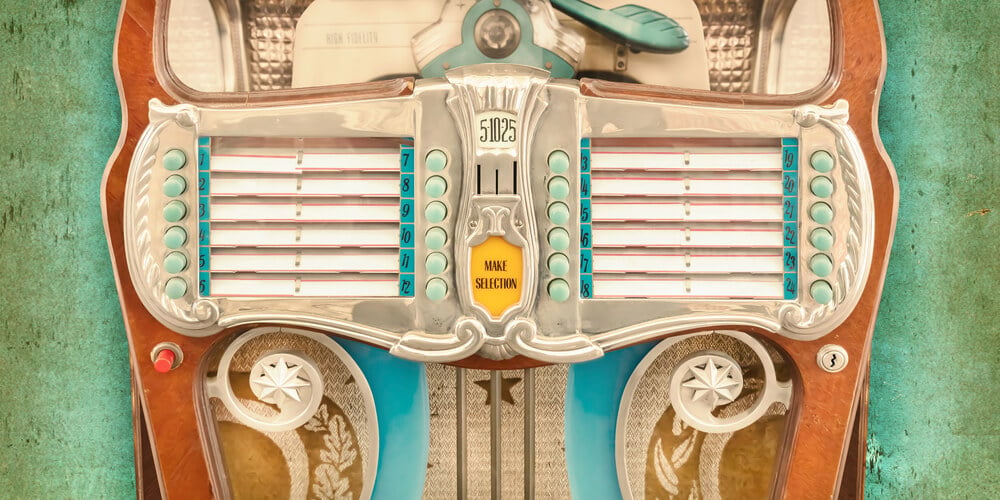
Rock-Ola, a Chicago company, built wall boxes that matched its jukeboxes, including the Tri-Vue Stereo Wall Box, model 507, and a Hi-Fidelity 120 wall box from 1953 that the Made in Chicago Museum has featured. Compatibility is a constant headache: forum threads ask which wall box pairs with a Rock-Ola 443 or a 450.
That puzzle is part of the appeal for hobbyists who like solving mechanical riddles. Chrome fronts are tough to replace, so condition and originality largely determine value.
The Bunn Pour-Over Coffee Brewer
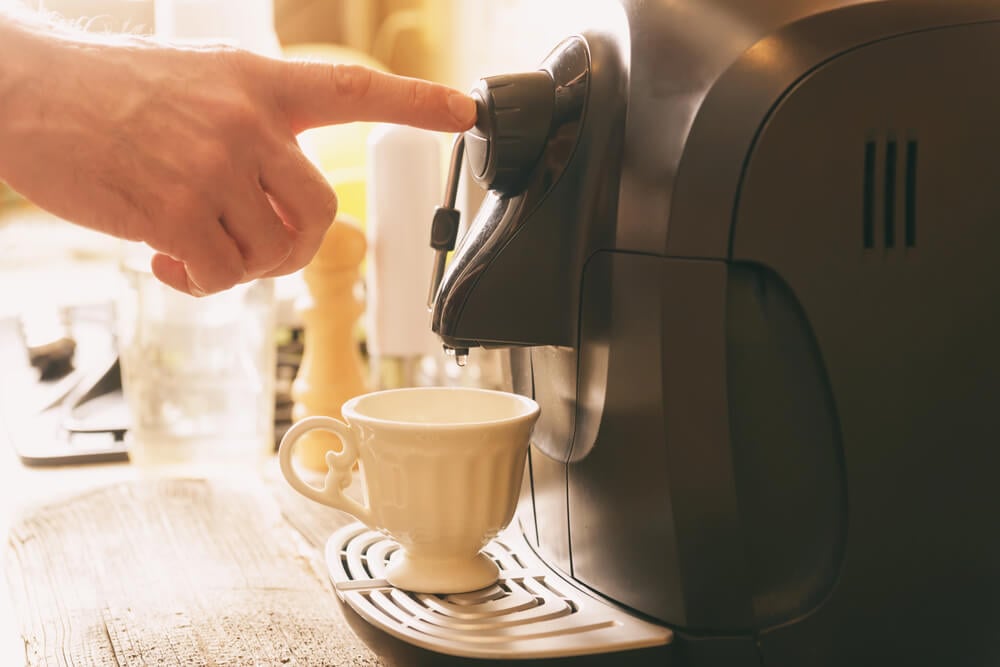
George Bunn of Springfield, Illinois, changed diner coffee by pairing a paper filter with a pour-over machine that could brew a pot quickly without a percolator’s bitterness. The Bunn-O-Matic Corporation grew out of that idea, and its late-1950s machines are now the antecedent of the stainless brewers seen in almost every coffee shop.
Early units come up occasionally in vintage kitchen listings and local history collections. Value depends on the original warming plates, wiring, and glass decanters being intact.
Silex Glass Vacuum Coffee Makers
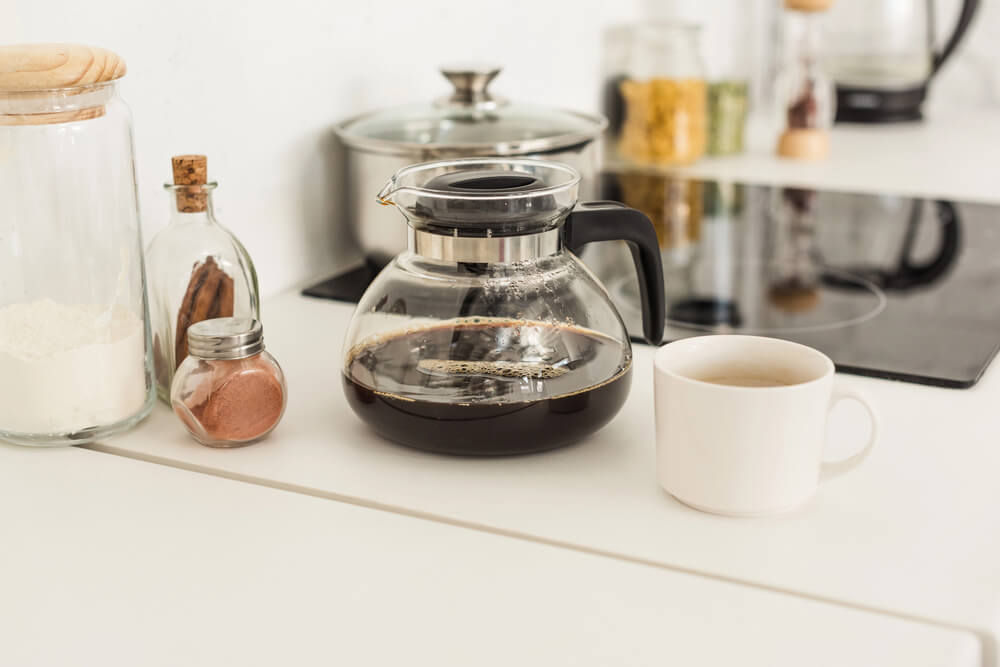
A glass vacuum brewer turned making coffee into a small scientific demonstration. The Silex Company produced these pots, and the Corning Museum of Glass holds Silex coffee makers in its collection.
Surviving brewers are fragile, since the glass globes crack and the rubber gaskets perish, so complete sets are far rarer than the pieces would suggest. Collectors pay more for matching parts and clean glass, and condition drives value.
The Toastmaster Model 1A1 Pop-Up Toaster
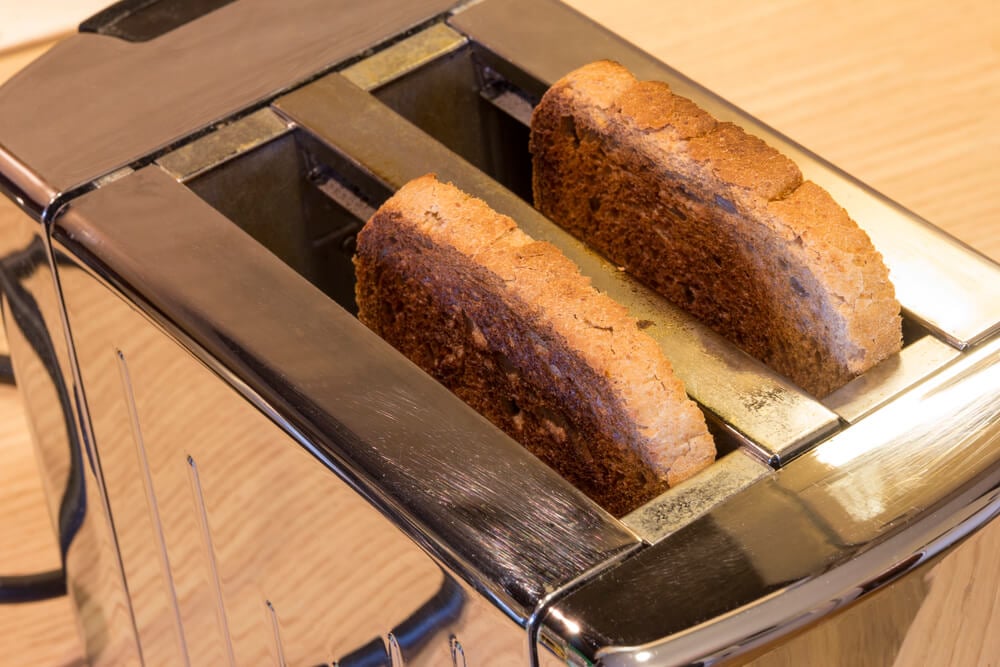
Before sliced bread became standard, the pop-up toaster was invented for restaurants, where burned toast was a daily annoyance. Charles Strite developed the pop-up idea in Minnesota, and the Waters-Genter Company sold it as the Toastmaster.
The Henry Ford museum holds a Toastmaster Model 1A1 toaster dated 1929 to 1930. Early toasters with original cords and intact finishes are scarce, and value depends heavily on condition and whether the heating elements still function.
Libbey Tulip Sundae Glasses
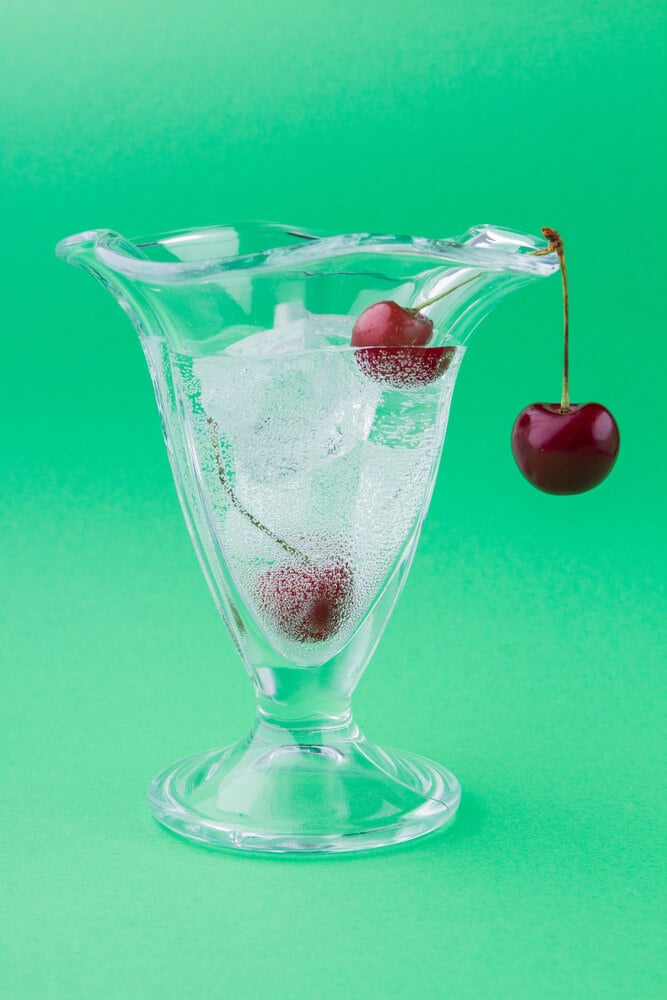
The tulip sundae glass is the shape most people picture when they imagine a soda fountain. Libbey made them in sizes sold under catalog numbers like 5101 and 5115, and the 6.5-ounce 5115 is still sold to restaurants.
Vintage glasses in the fountain trade carry no special marking that most buyers notice, which makes thrift stores a good hunting ground. Chips along the rim lower value, so condition matters even for glass that costs little.
Libbey Banana Split Dishes
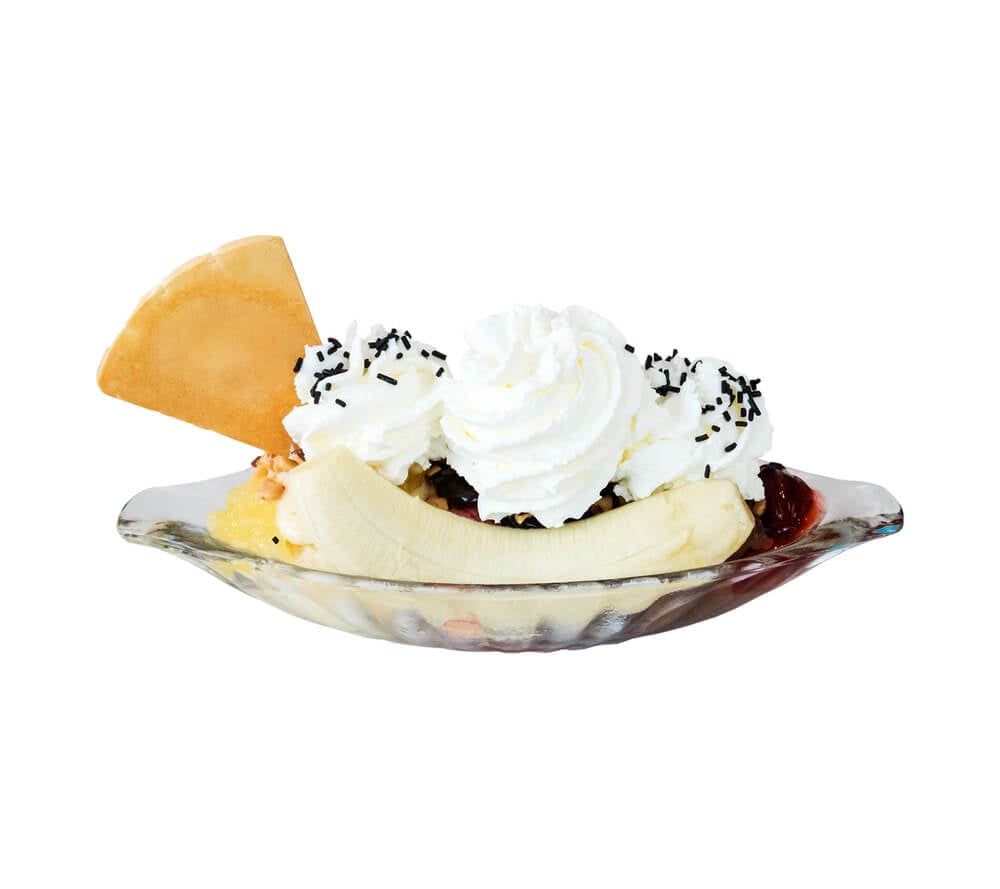
A banana split needed its own vessel, a long, shallow boat that could hold three scoops and a split fruit. Libbey made banana split glass dishes for the fountain trade, and the design has barely changed since it was developed.
The shape is so specific that antique dealers can spot one from across a room. Cracks, cloudiness from dishwashers, and chipped edges all reduce value, which depends heavily on condition.
Anchor Hocking Fountainware in Cobalt Blue
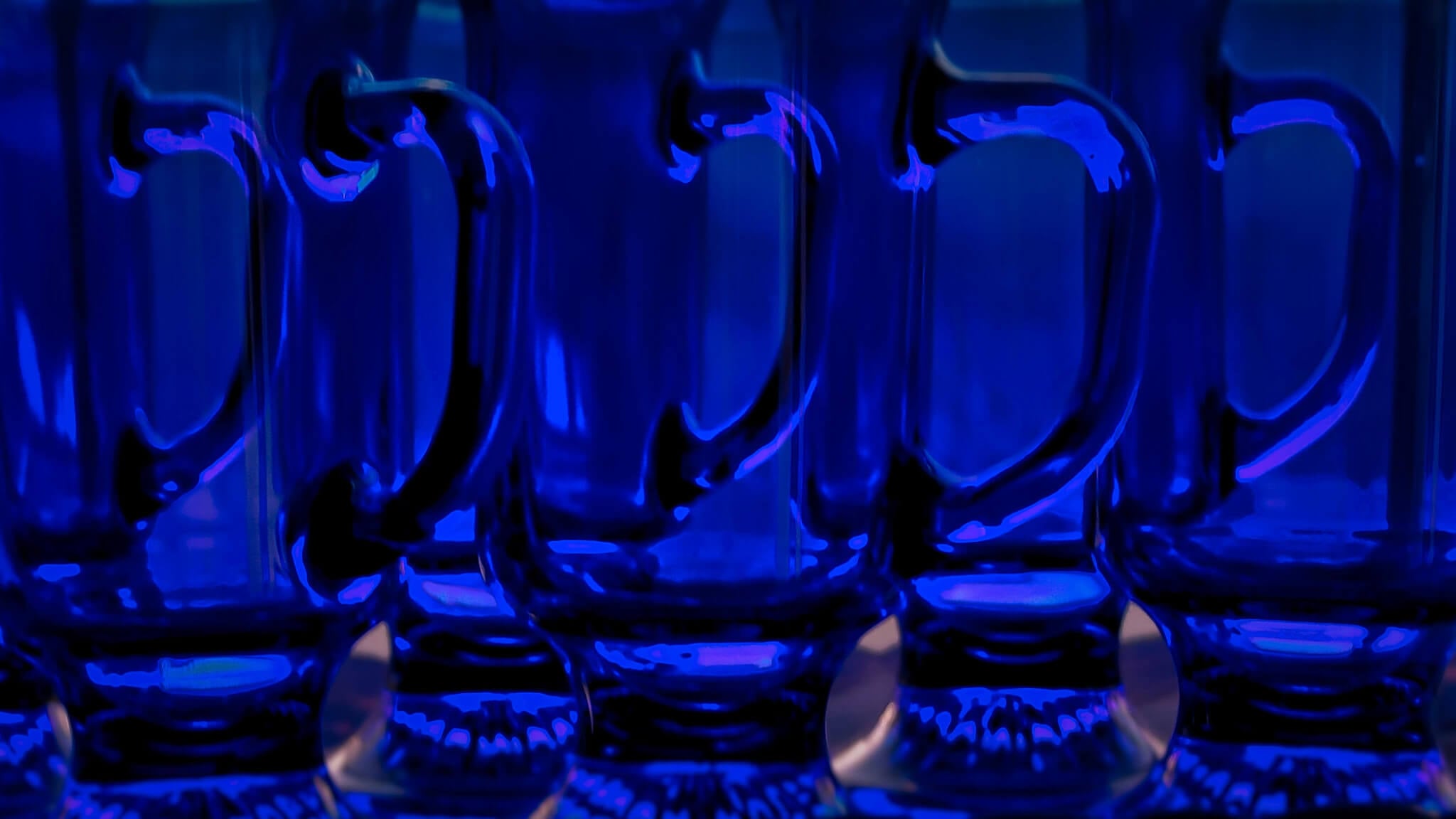
Anchor Hocking produced a line of glassware under the Fountainware name, and the cobalt blue tulip sundae bowls are among the more eye-catching pieces. Sets of vintage tulip sundae glasses by Anchor Hocking circulate in online markets, sometimes in groups of eight.
Cobalt is a color most diners never used, which is part of why it appeals to collectors who like contrast against a pastel kitchen. Chips and heavy scratching matter, and value depends on condition.
Diner Counter Stools in The Henry Ford Collection
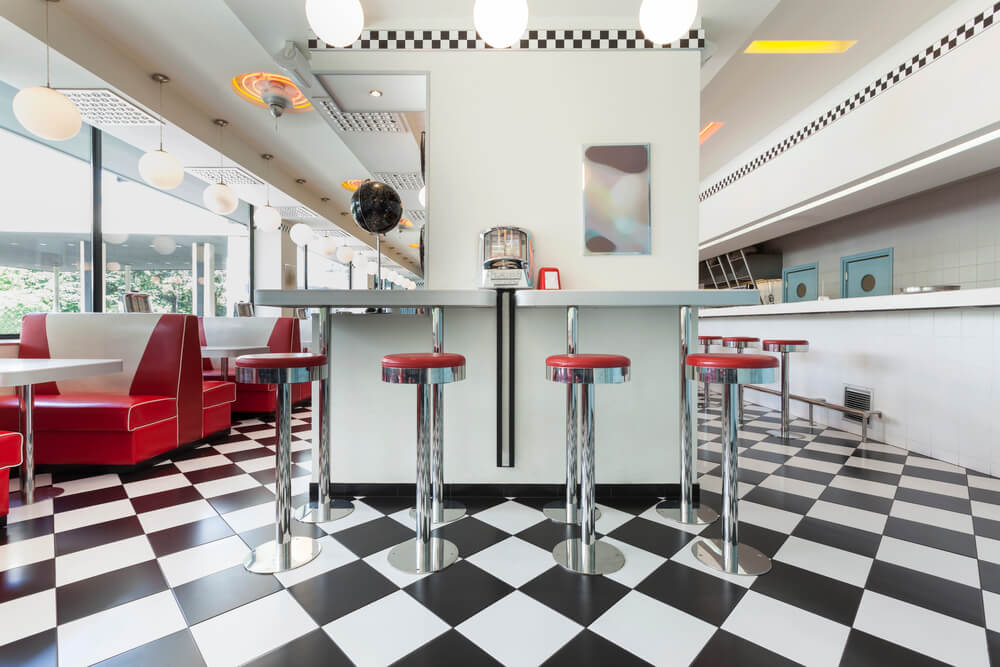
Diner stools have been treated as museum objects. The Henry Ford holds counter stools used in the Black and Gold Diner in Roslindale, Massachusetts, in 1942, the Colonial Diner in Brockton, and Corriveau’s Diner in Gilmanton, New Hampshire, in 1947.
The museum acquired a large collection of diner material in 2019, and its collection includes a 1925 to 1929 diner stool. Stools with original cushions and bases, rather than replacements, command attention, and condition largely sets value.
Chromodern Chrome Swivel Fountain Stools
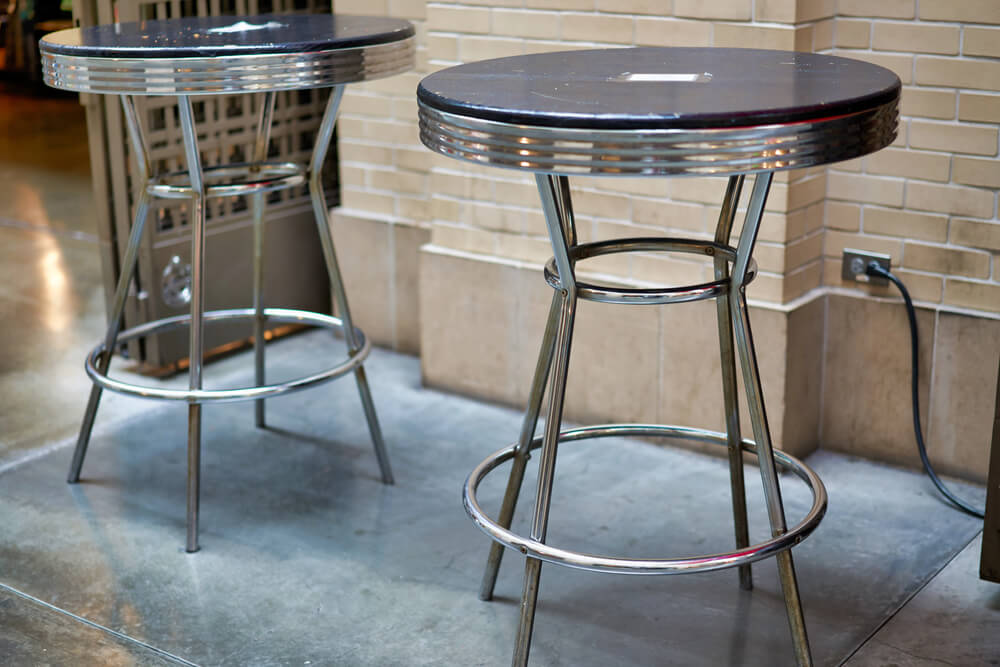
Chromodern Chair Co. made chrome swivel stools that dealers describe as soda fountain, ice cream bar, and diner seating. Pairs and sets in orange, red, and other upholstery colors appear on high-end vintage furniture sites.
A stool that still swivels smoothly on its original base is an object worth keeping. Torn vinyl and pitted chrome reduce value substantially, so condition is the main factor.
The Berkel Red Slicer
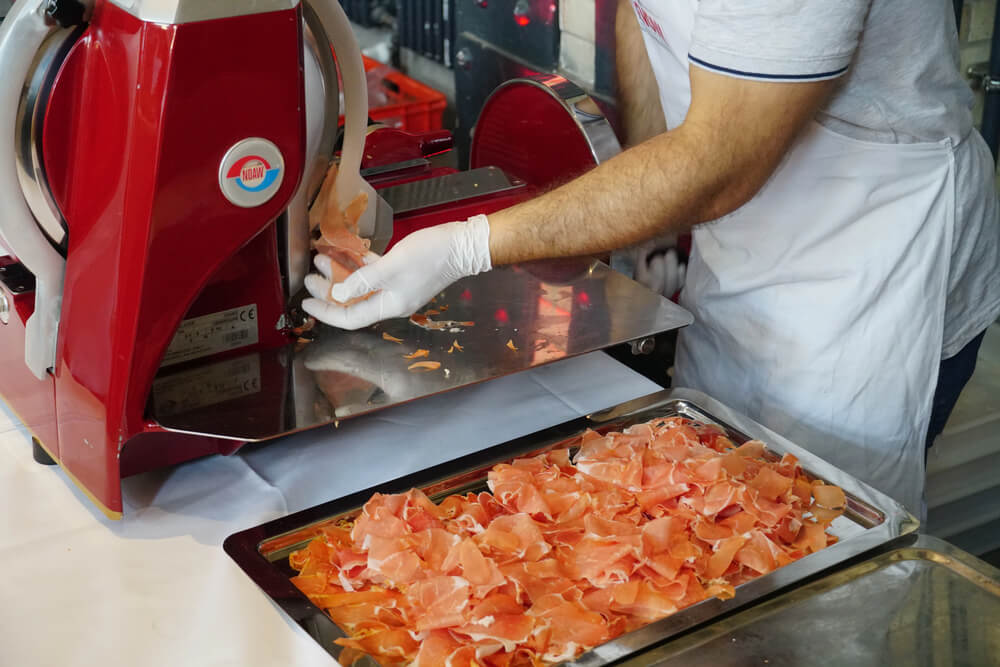
The red Berkel slicer, made by the Dutch company founded in Rotterdam, was a fixture behind delicatessen counters and in lunch counter kitchens. Models such as the 115 and the 21 are listed in antique and design markets, often finished in the familiar red enamel.
A mid-century Berkel looks like sculpture on a counter, and that look drives most of its collector appeal. Blade condition, safety guards, and paint wear affect value, and condition decides the rest.
The National Cash Register Model 442
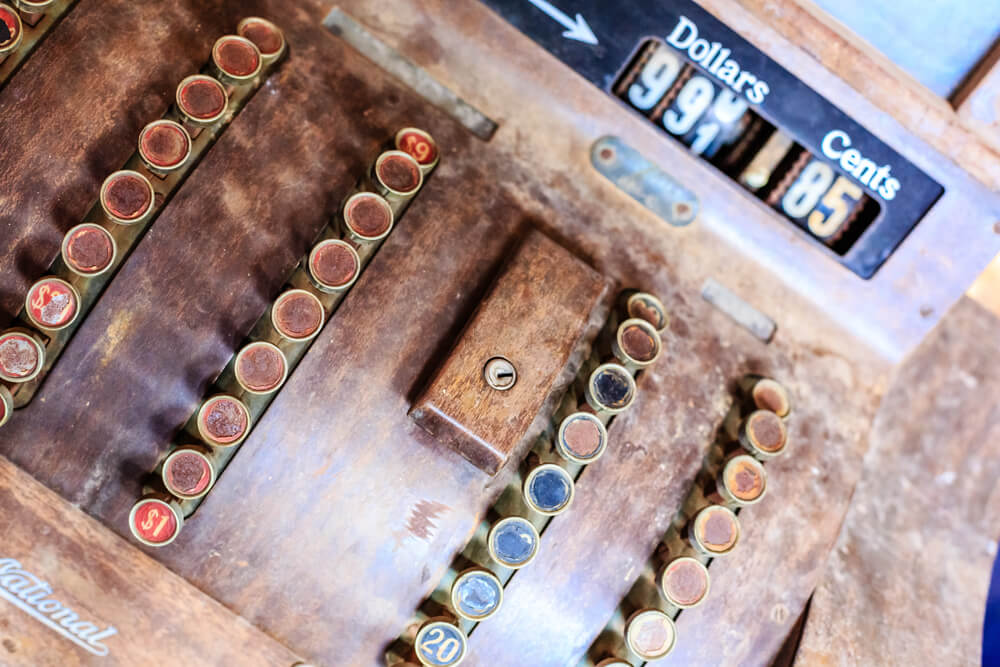
A counter did not feel complete without a brass cash register, and the National Cash Register Company of Dayton, Ohio, made the best known of them. The Model 442 appears in antique listings as a country store and candy store register from around 1900.
Its ornate brass and mechanical keys appeal to buyers who care about craftsmanship that no modern till can match. Original finish, working keys, and the presence of the drawer matter, and value depends heavily on condition.
The Hobart H-5 Stand Mixer
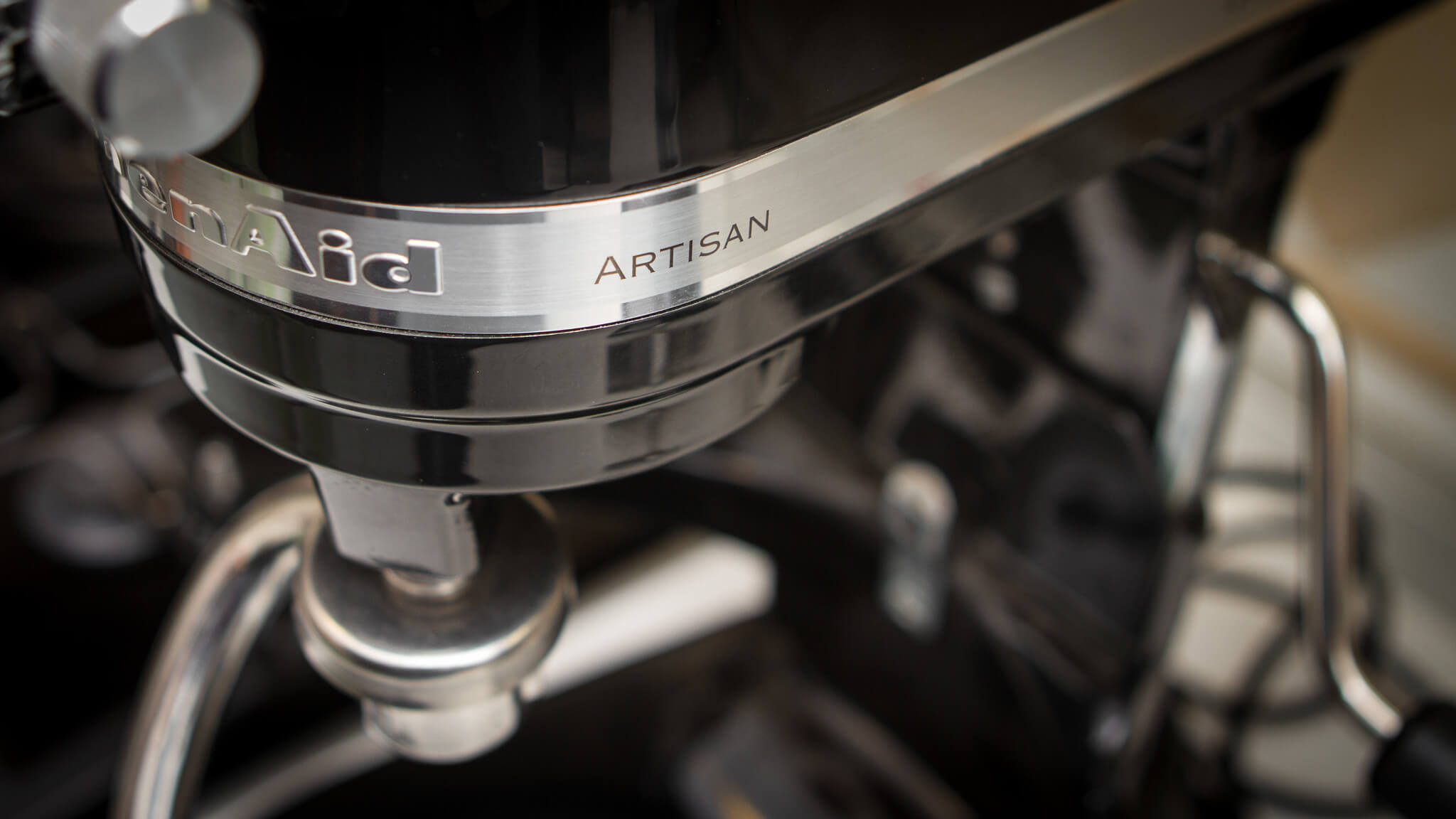
Hobart developed the H-5 mixer in 1914 for commercial kitchens, and the same engineering led to the KitchenAid home mixer in 1919. Lunch counter kitchens used Hobart mixers to prepare dough, batter, and whipped toppings.
Collectors prize the early machines for their industrial heft and their place in appliance history. Original attachments, intact gears, and sound paint are key, and condition determines value.
Glasco Slider Coca-Cola Coolers
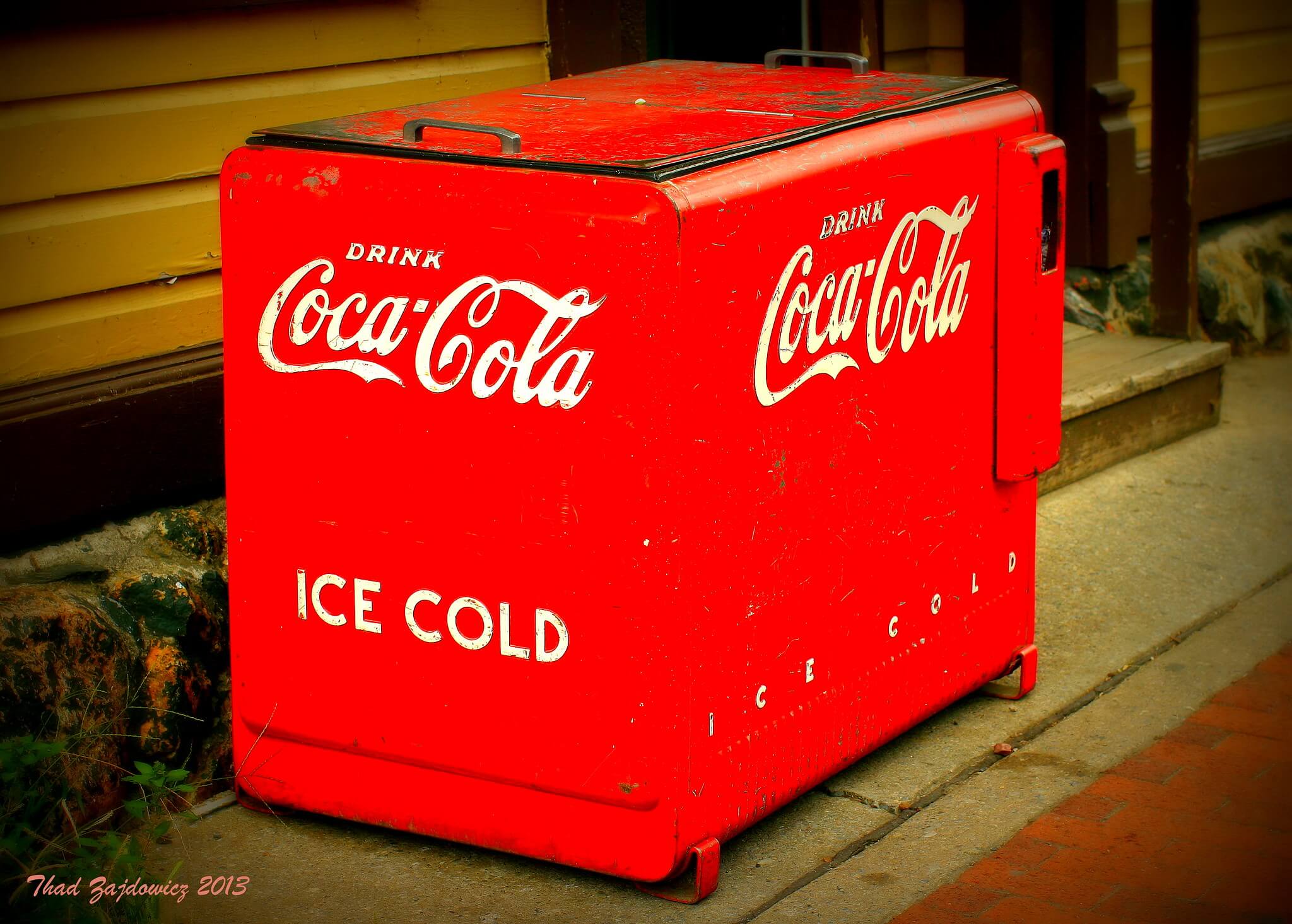
Countertop and floor coolers by Glasco, such as the GBV-50 slider model, carry the Coca-Cola name and a sliding lid that customers pushed aside to reach cold bottles. Mid-century examples have been sold through design dealers as bar furniture.
Restoration is expensive, because compressors, paint, and decals all need work. An unrestored cooler with original graphics can be worth more to collectors than a repainted one, and condition drives value.
The Afterlife of Working Machines
Almost every item on this list was built for repetition, not admiration. The same traits that made them good counter equipment, such as heavy steel, simple controls, and chrome that could be wiped clean, now make them good survivors.
That history also explains why collectors care so much about condition and originality. Replacement parts, repainting, and missing components can erase the quality that made a piece appealing in the first place.
Equipment that once earned its keep behind a counter now earns it on a shelf, and the best examples still look ready for a lunch rush.
More from Go2Tutors!

- 27 Silver Dollars and Half Dollars Worth Keeping
- 28 Restaurant Menu Items Nobody Orders Anymore
- 17 Places Built in Seemingly Impossible Spots
- 27 Vintage Rings Worth More Than They Look
- 25 Restricted Sites Tourists Can’t Enter
Like Go2Tutors’s content? Follow us on MSN.