30 Old Film Projectors Collectors Still Restore
Somewhere in a garage or a church basement, a projector is waiting for a new belt. These machines were built to be serviced with a screwdriver and a patient afternoon, which is why so many of them keep coming back to life decades after the last reel was threaded.
The models below cover regular 8mm, Super 8, and 16mm, from American workhorses to Japanese and European makers. Each one has a following of people who clean the gates, swap the lamps, and run old home movies again.
Bell & Howell Specialist Autoload Filmosound
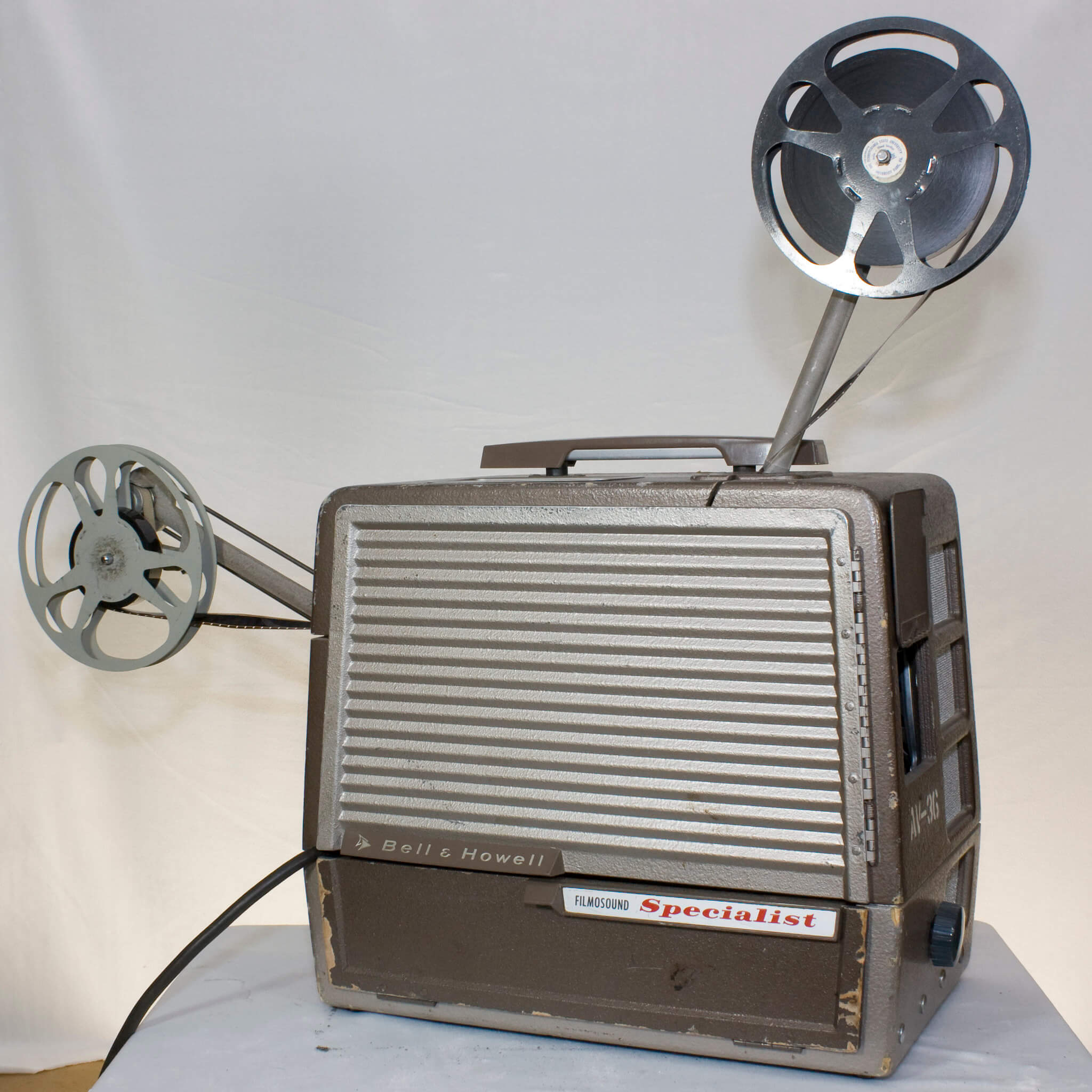
Bell & Howell promoted its Specialist Autoload Filmosound in a sales film made in 1963, and the self-threading idea was the headline feature. The 16mm sound machine was aimed at schools and businesses, so many survivors carry institutional wear and old repair tags.
Collectors prize examples that still thread cleanly and have an intact amplifier, since a unit with a failed exciter lamp or tired belts needs real work before it plays sound. Complete units with their original speaker and cords are easier to restore than ones with missing pieces.
Kodak Pageant Sound Projector
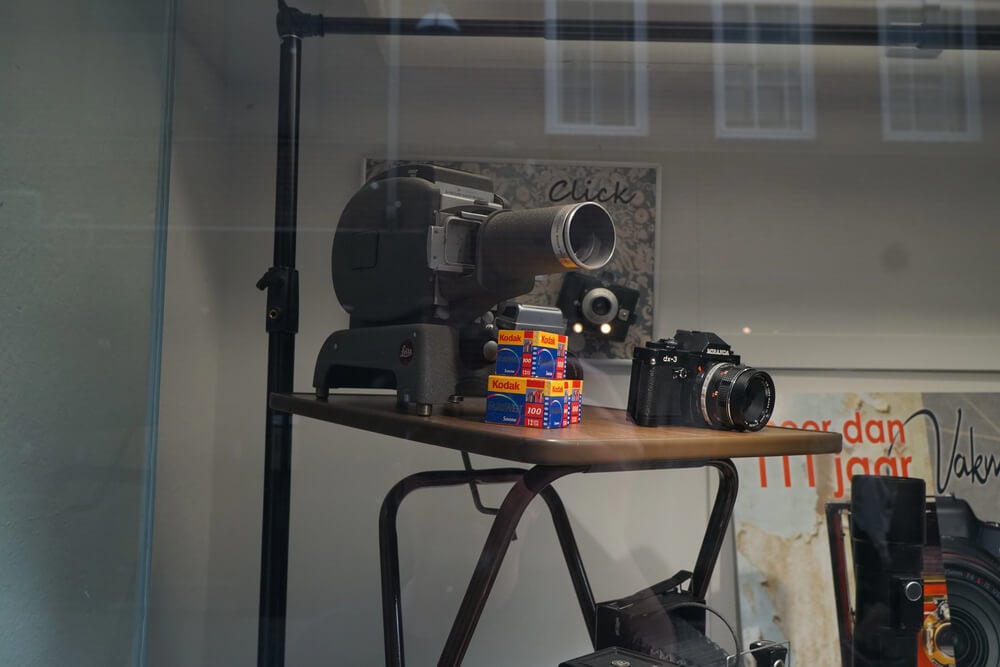
Kodak advertised its Pageant sound projector in 1959, and the 16mm line later grew into models such as the AV-255-S held by the Science Museum Group. These projectors were sold to classrooms, so heavy use shows up in scratched cases and worn threading paths.
Restorers look for machines with an unbroken speaker, undamaged lens, and an exciter lamp that still lights. A unit with a cracked case or a missing take-up arm costs time and parts to put right.
Kodak Instamatic M100
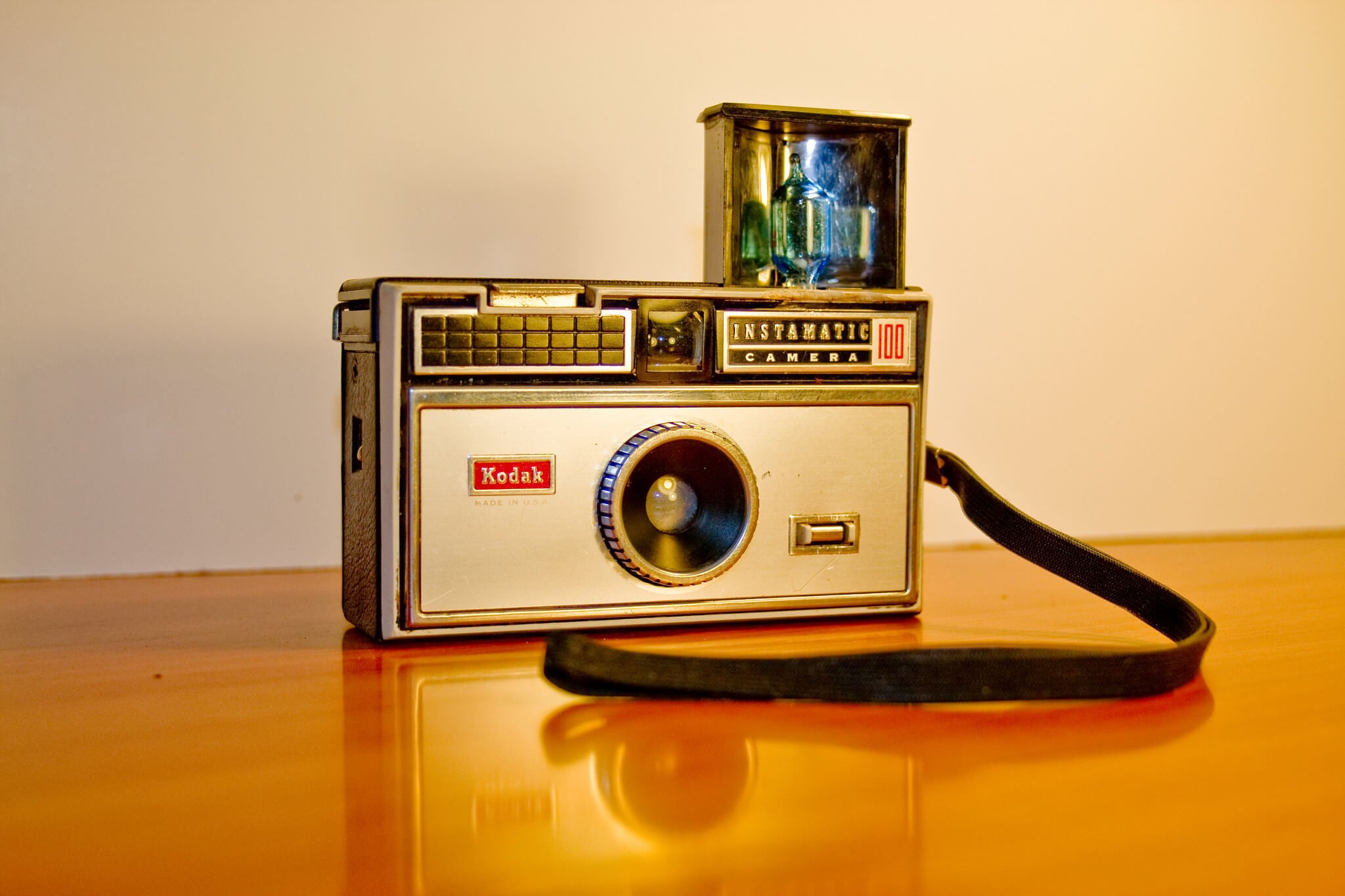
Super 8 arrived in 1965, and the Instamatic M100 is listed as marketed that same year, which makes it an early example of Kodak’s projector design for the new format. Early machines like this one lean on rubber belts and small plastic parts that have aged badly.
A projector with its original lamp housing, intact gate, and no melted or cracked plastic is worth far more to a restorer than one with brittle, warped pieces. The age of the first Super 8 generation means a belt change is usually the first job.
Kodak Instamatic M95
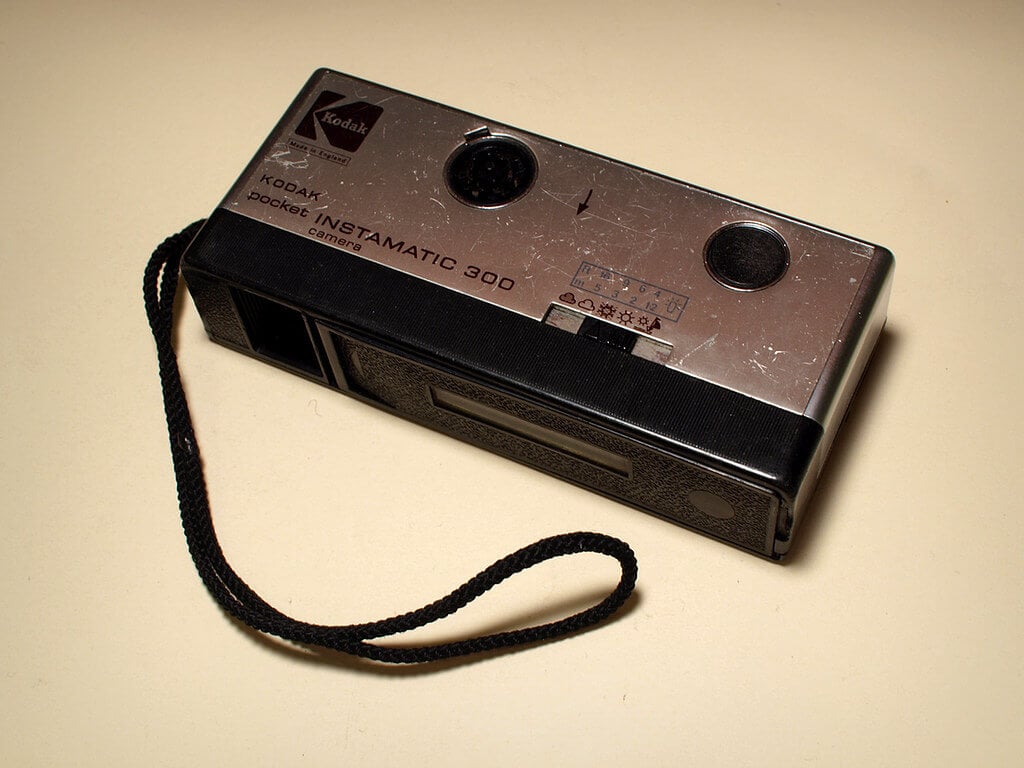
The Instamatic M95 is listed as marketed in 1967, two years after Kodak introduced Super 8. Machines in this family often turn up with hardened belts and lenses clouded by years of dust.
Complete examples with the original power cord and a clean optical path are the ones people rescue first, while units with sun-faded or chipped housings sell for less. The M95 rewards restorers who like simple, accessible mechanisms.
Kodak Ektasound 245
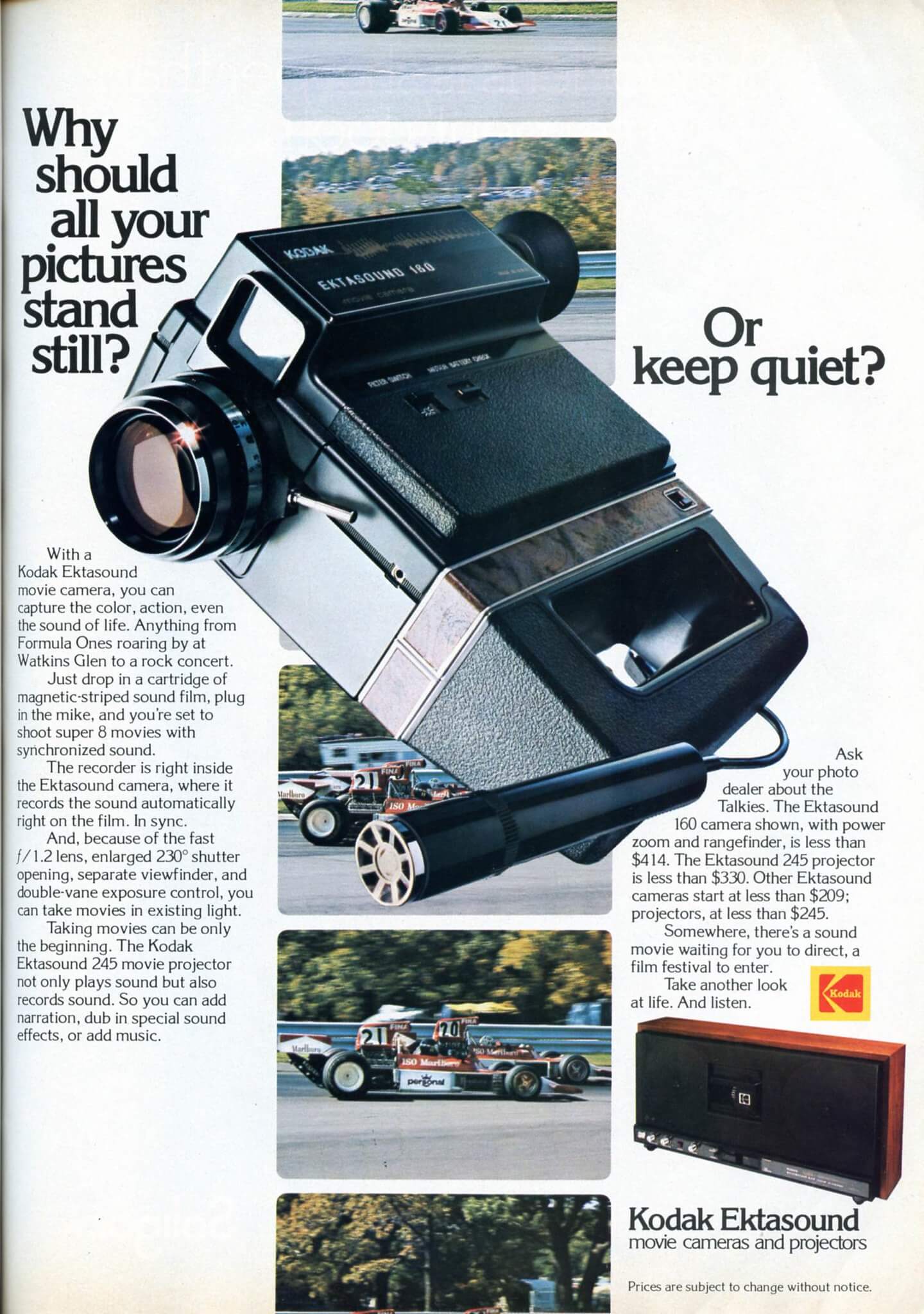
The Ektasound 245 is listed as marketed in 1973 and 1974, when Kodak was pushing sound Super 8 with cartridges and magnetic stripe. That means the heads and pressure pads matter as much as the belts, and a worn playback head can leave a projector mute.
Collectors prefer examples with original manuals and accessories, since a stripped-down machine can be harder to confirm as fully working. Unlike silent projectors, a sound unit with a dead amplifier can be a larger repair than a belt swap.
Kodak Moviedeck 477
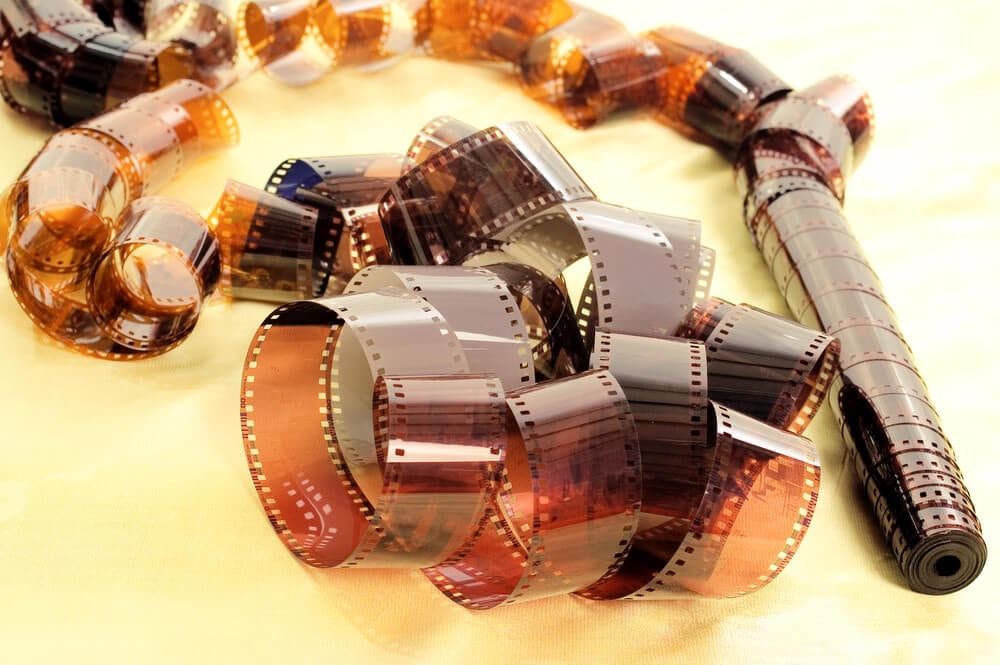
The Moviedeck 477 is listed as marketed in 1976, late in Kodak’s Super 8 projector era. By then, plastic housings were common, so cracks and yellowing are the usual cosmetic complaints.
Restorers value units that still run quietly and show no rubbed-off controls, while any with broken knobs or chewed cords need patience. As one of the later Kodak models, the 477 is often easier to find in decent shape than the 1960s machines.
Eumig Mark M
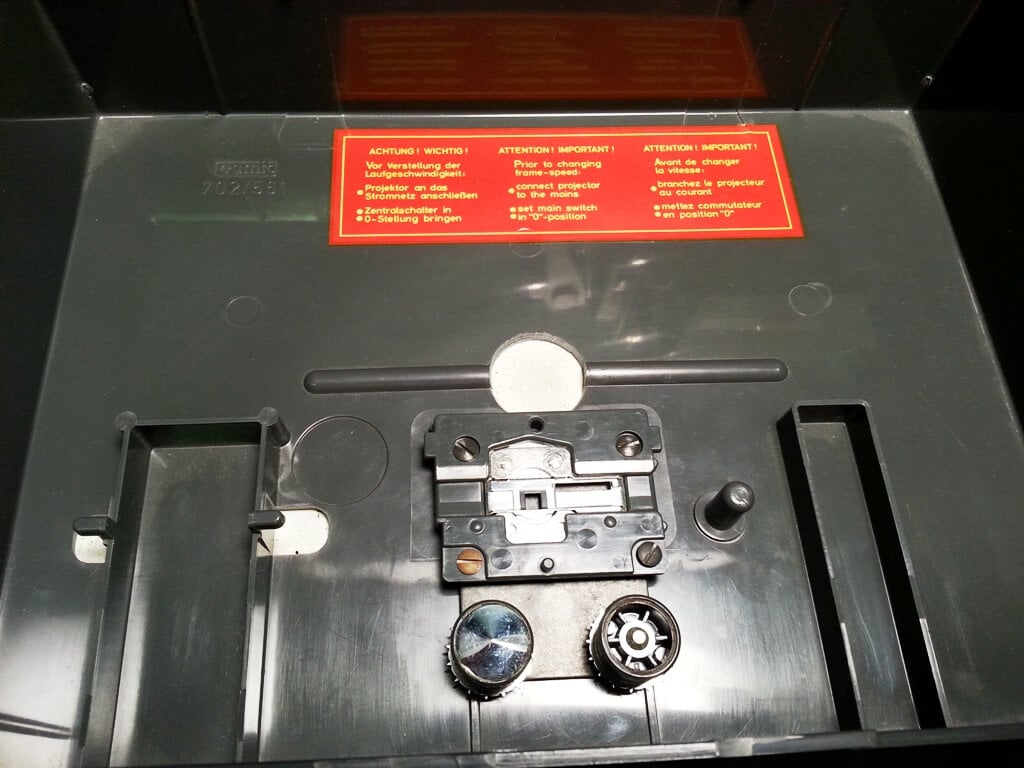
The Eumig Mark M is listed as marketed in 1965, from the Vienna company Eumig, which built a reputation for compact 8mm equipment. Collectors like Eumig for the build quality, but the age of any rubber parts still decides whether a machine will run smoothly.
Original lens caps, cases, and cords raise a unit’s appeal, and mold or grime in the gate area calls for a careful teardown. A clean example with a working lamp is a sound candidate for revival.
Eumig Mark DL
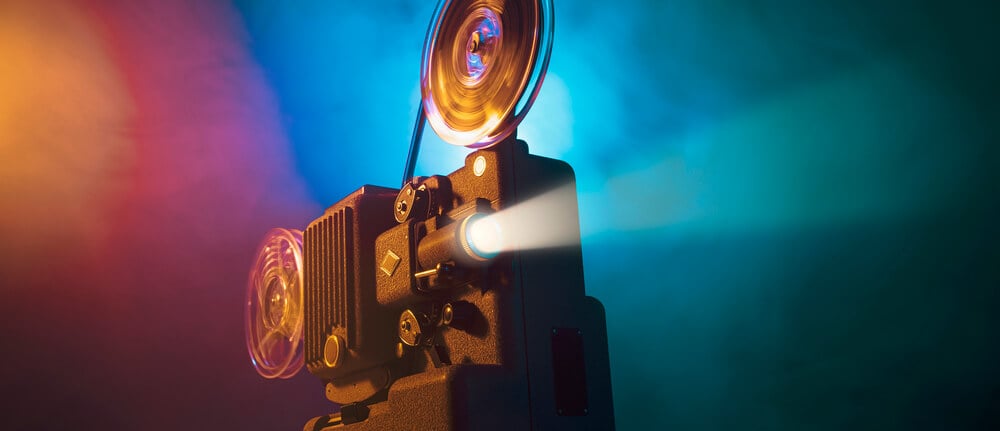
Listed as marketed in 1967, the Eumig Mark DL belongs to the family that made the Austrian brand a household name among home-movie fans. As with other Eumig machines, a tired belt or dried lubricant can make an otherwise handsome machine sluggish.
Collectors favor units with unscratched cabinets and original reels, and cosmetic scars lower the appeal of a machine that already needs work. A complete Mark DL rewards the restorer who avoids forcing seized parts.
Eumig Mark 608 D
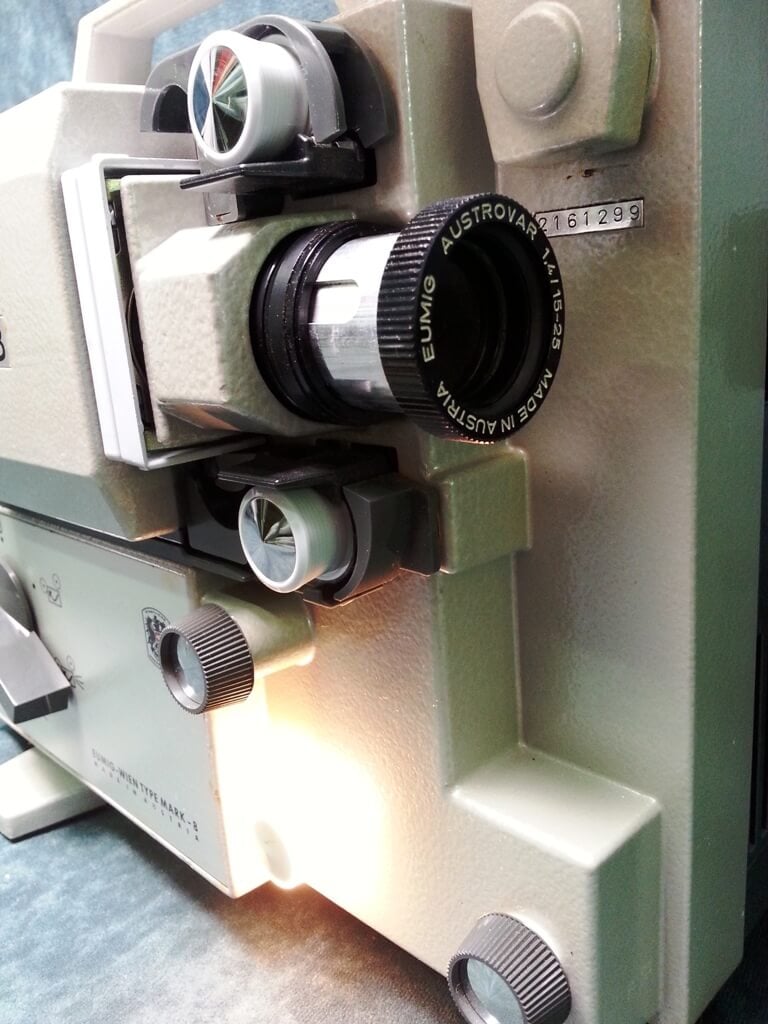
The Mark 608 D is listed as marketed in 1974 and 1975, in the era when Eumig was adding sound to its Super 8 line. Because the machine reproduces sound, the exciter lamp, amplifier, and capacitors all affect whether it works, and aging electrolytic capacitors are a familiar cause of hum or silence.
Examples with their original cables and clean lenses are easier to bring back. A unit with a failed amplifier board and cracked controls needs far more than a lamp swap.
Eumig Mark 8
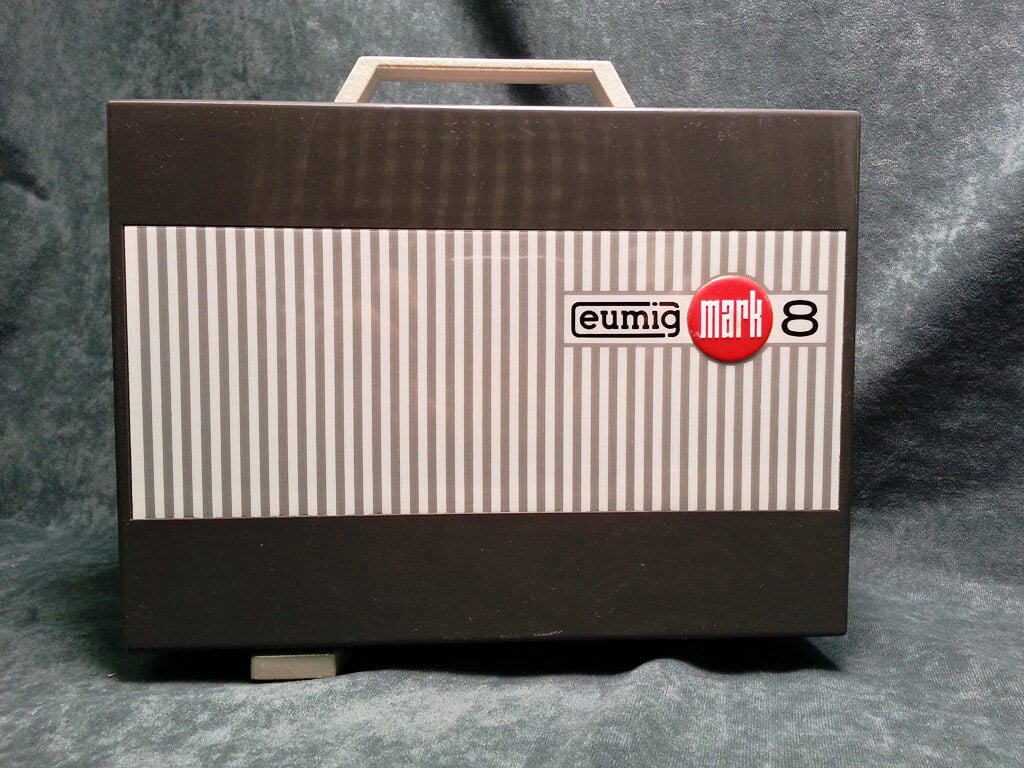
Listed as marketed in 1966 and 1967, the Mark 8 shows how Eumig evolved its 8mm line in the middle of the decade. Machines this age often have hardened belts and sticky mechanisms, so the first service is rarely optional.
A unit with its original lens and no rust on the metal parts is far more attractive than one stored in a damp attic. Collectors who find a clean one usually keep it as a runner rather than a shelf piece.
Bolex 18-5
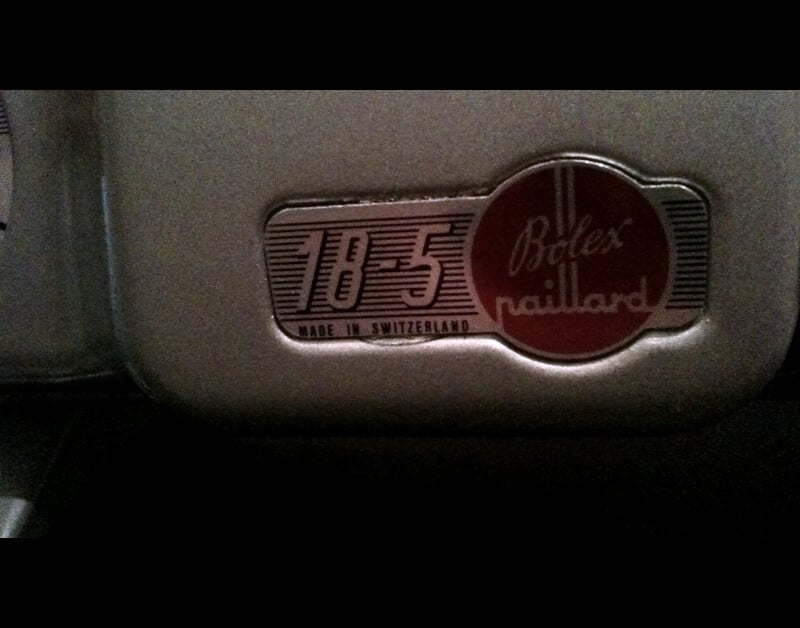
The Swiss-made Bolex 18-5 is listed as marketed in 1965, and the Science Museum Group holds one in its collection. Bolex built its name on cameras, and the projector carries the same fussy precision, which makes it a favorite with restorers who like Swiss engineering.
A tired belt, aged lubricant, or a dim lamp is the common checklist, while a unit with a damaged lens barrel or missing parts is a harder project. Examples with their original case and cord command more interest than stripped ones.
Elmo GS-1200
The Elmo GS-1200 is a Japanese Super 8 sound projector with such a loyal following that restorers have published guides to fixing what they call its fatal flaw. A dedicated Super 8 wiki page covers the stereo version, and the GS1200P is listed as marketed in 1983.
Because the machine handles sound, belts, lamps, and amplifier parts can all need attention. Examples with their original accessories and unfaded cabinets are far more desirable than worn units with broken controls.
Elmo ST-1200M
The ST-1200M is listed as marketed in 1978, from the Japanese maker Elmo, which supplied many schools and hobbyists. Elmo machines are often praised for sturdy construction, but the sound circuitry and belts still age with the machine.
A working unit with a clean lens and no signs of lamp-housing damage is a good restoration candidate, while one with a corroded power supply needs more effort. Original cords and cases raise the appeal of a decent runner.
Eiki Slot-Load 16mm
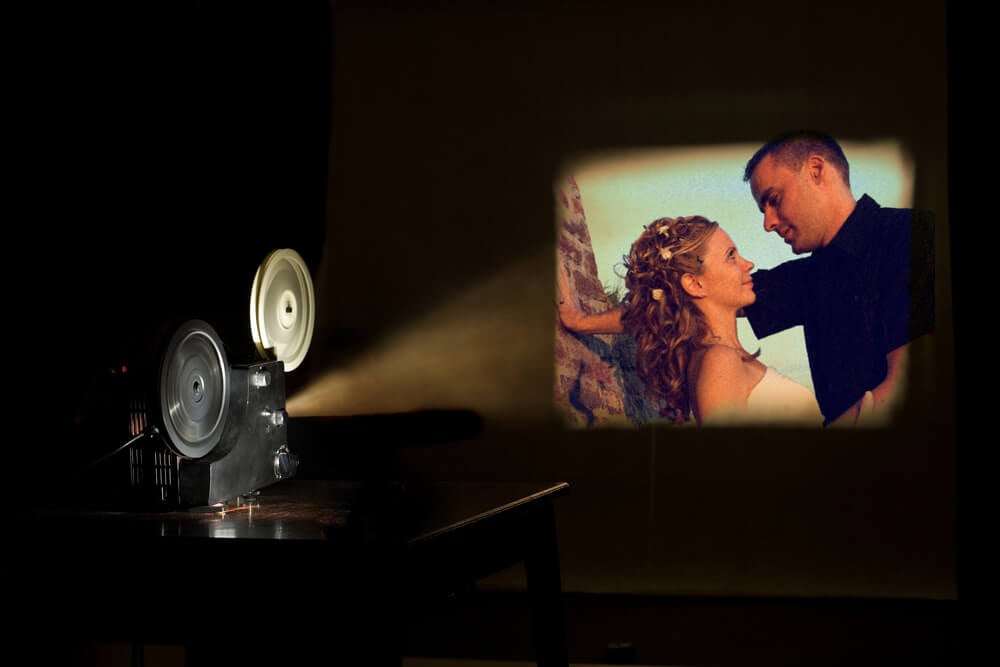
Eiki, a Japanese maker, built slot-load 16mm projectors such as the Super Slim Line SSL-0, and a Northwest Film Forum workshop in 2022 focused on the 3580 SSL. Film-tech forum threads have discussed film damage when threading slot-load machines, so careful use matters as much as repair.
A unit with a clean film path and no scratches from poor threading is worth more than one with chewed rollers. Restorers also check lamps, belts, and amplifier parts, since neglect shows quickly in a school-surplus machine.
Ampro Stylist
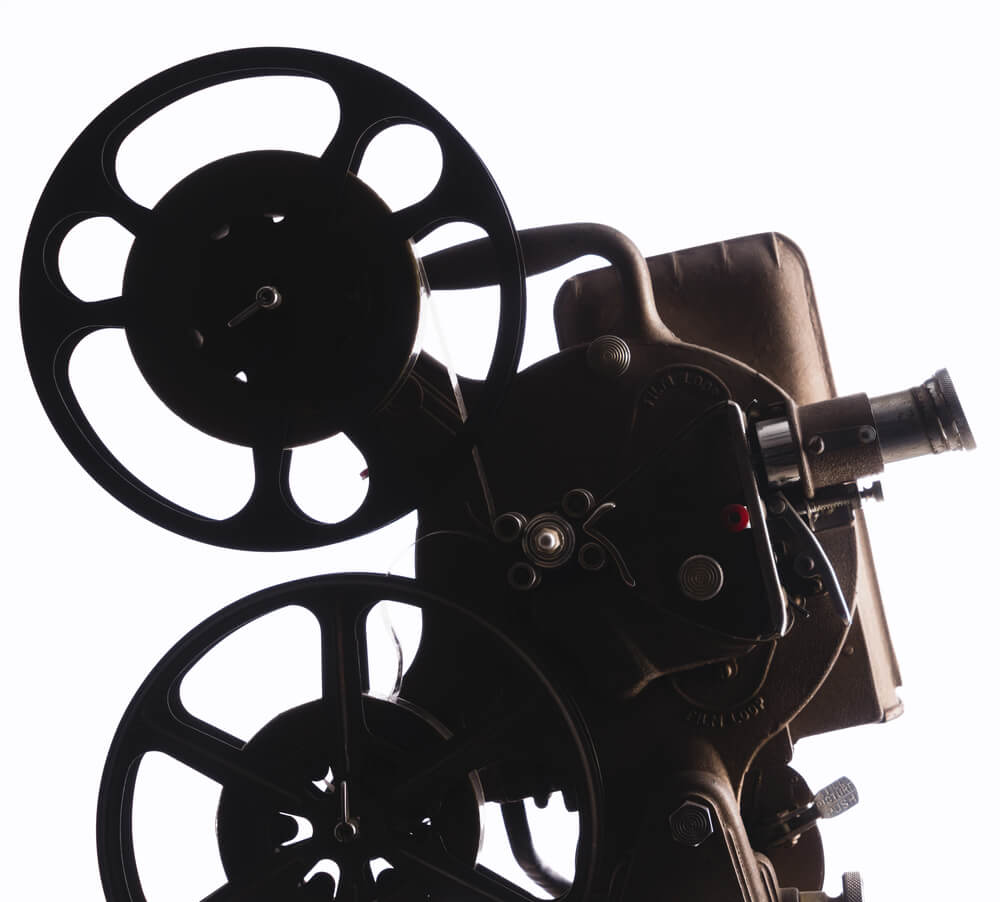
The Ampro Stylist is a 16mm sound projector, and the Science Museum Group holds an example in its collection. Ampro, based in Chicago, built a long line of projectors for the educational and business market, and a Stylist Major also appears in a Curzon collection.
Surviving examples often show years of classroom use, so the usual list covers belts, lamps, and amplifier tubes or capacitors. A machine with an intact case and original cord is a much better candidate than one with dents and missing covers.
Victor Animatograph 16mm
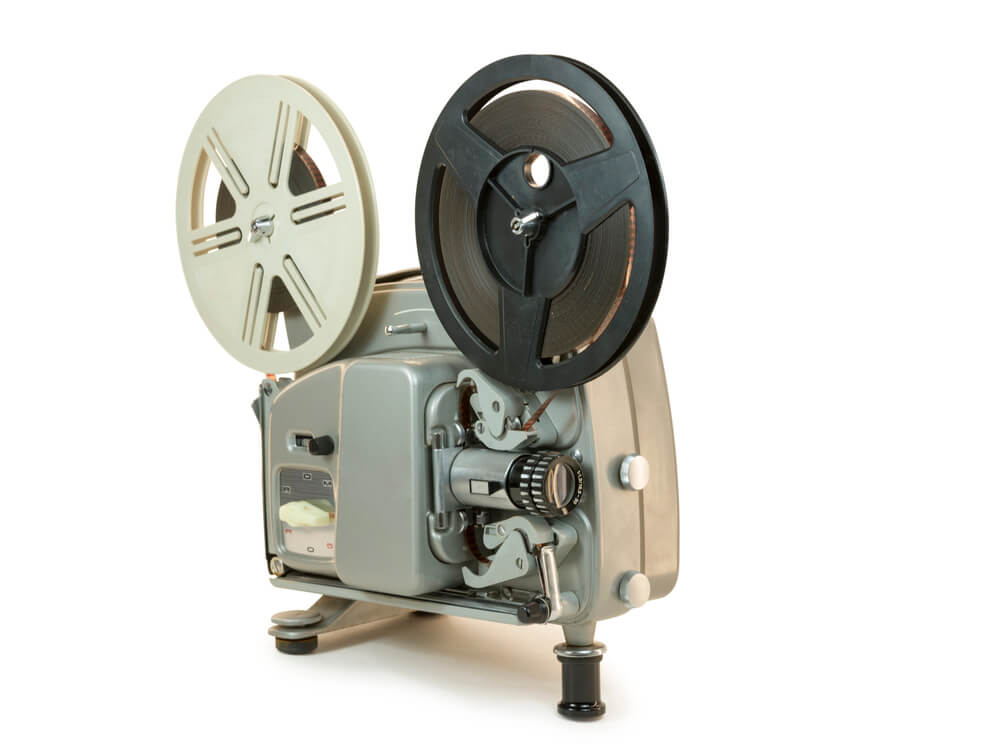
Alexander F. Victor founded the Victor Animatograph Company in Davenport, Iowa, and the firm became a major maker of 16mm projectors before it later turned into Kalart Victor. A Victor with its original case, cord, and unscratched lens is a better candidate than one with a damaged finish or a missing part.
Many survivors need new belts and lamps, and the amplifier section may need capacitor work. Collectors enjoy the Davenport pedigree, since it ties the machine to a local manufacturer.
Revere Model 85
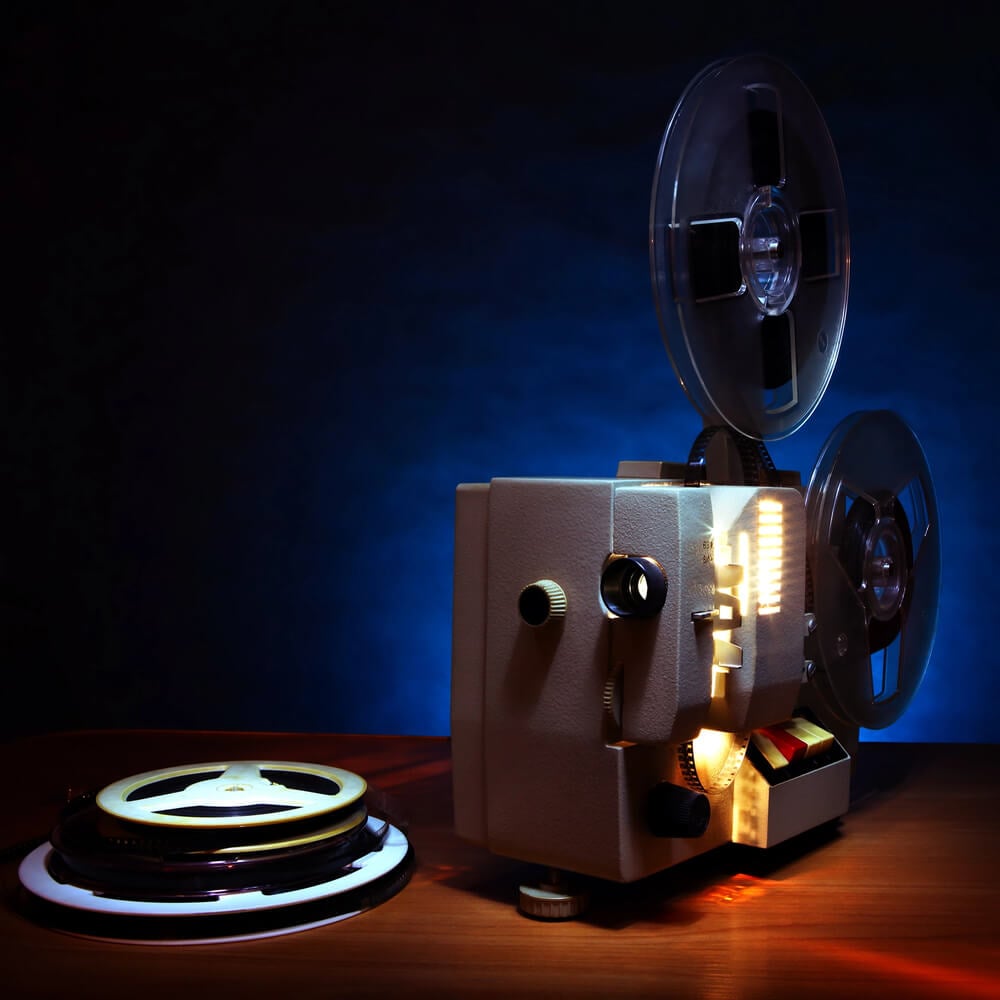
The Revere Model 85, made by the Revere Camera Company of Chicago, is an 8mm projector associated with the 1940s. A Revere Eight Model 85 is held in the Eastman Museum collection, and collectors still hunt them for their Art Deco looks.
Examples with intact cords, original reels, and clean glass are rare enough to attract attention, while old rubber parts and cracked insulation are common faults. A projector with a damaged finish loses appeal, though it can still be a fun mechanical project.
Keystone K-109
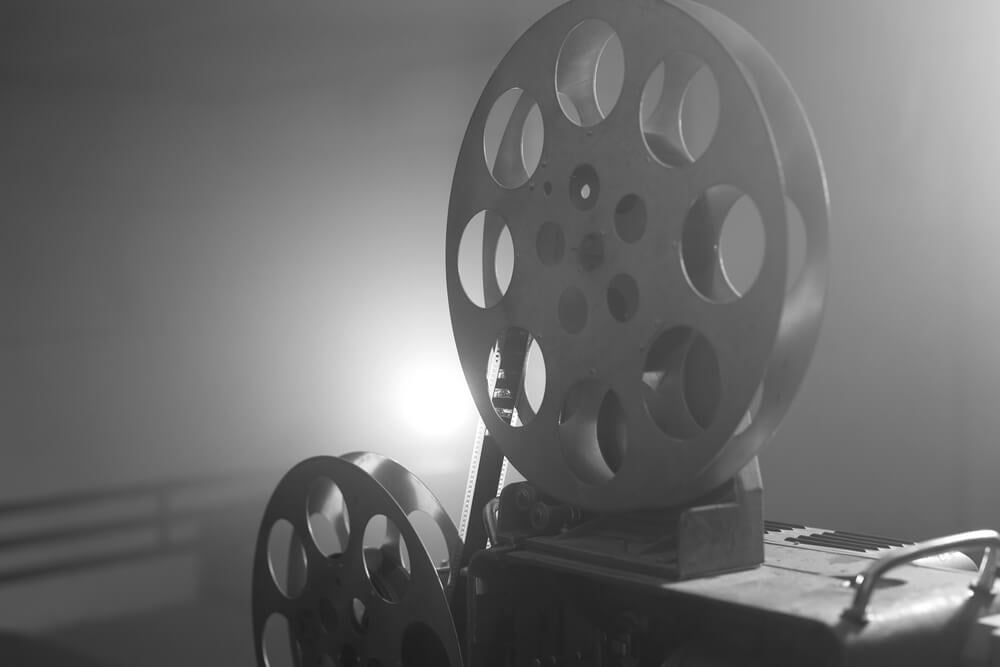
The Keystone K-109 is an 8mm projector from the Keystone Camera Company, and forum threads show beginners buying them as first machines. Locked feed spools are a recurring complaint, so a unit that turns freely is more desirable than one that needs mechanical work.
The K-109 shares an era with the Commander Deluxe K-108, and collectors tend to prefer examples with the original case. A cracked housing or frayed cord lowers the appeal, though the simple mechanism keeps repairs reasonable.
Siemens 2000
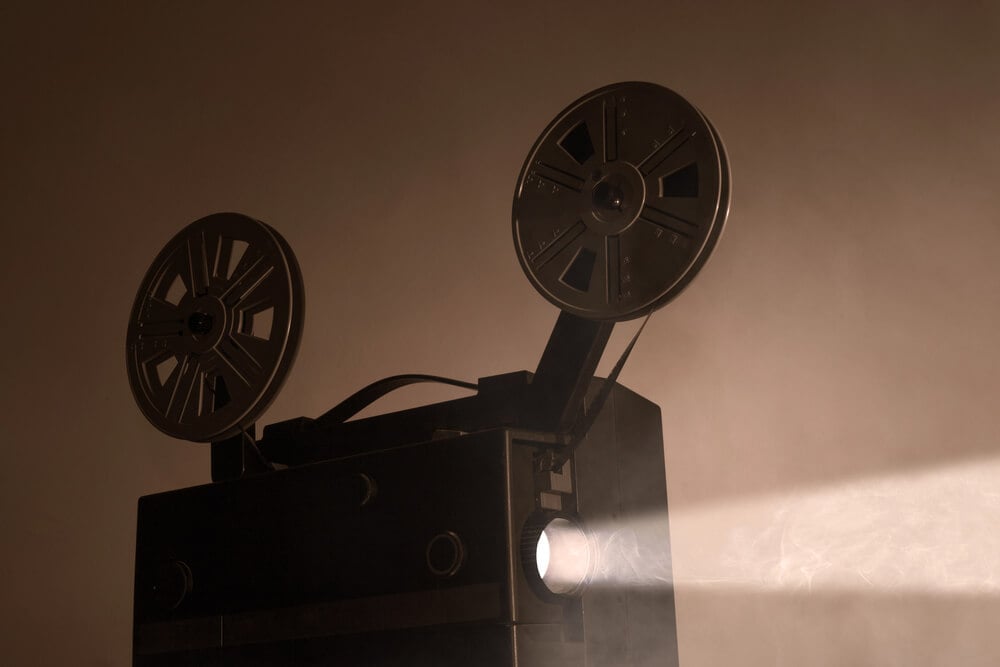
The Siemens 2000 is a 16mm projector from Siemens and Halske, and the Science Museum Group dates a 2000 ZE3 to around 1960. Collectors prize it for German engineering and for the way it was built for serious projection use.
A machine with intact optics, working motor, and original manuals is far more attractive than one with seized bearings or replaced parts. The expected failures are belts, lamps, and electronic components in the sound section.
Heurtier P6-24 Bifilm
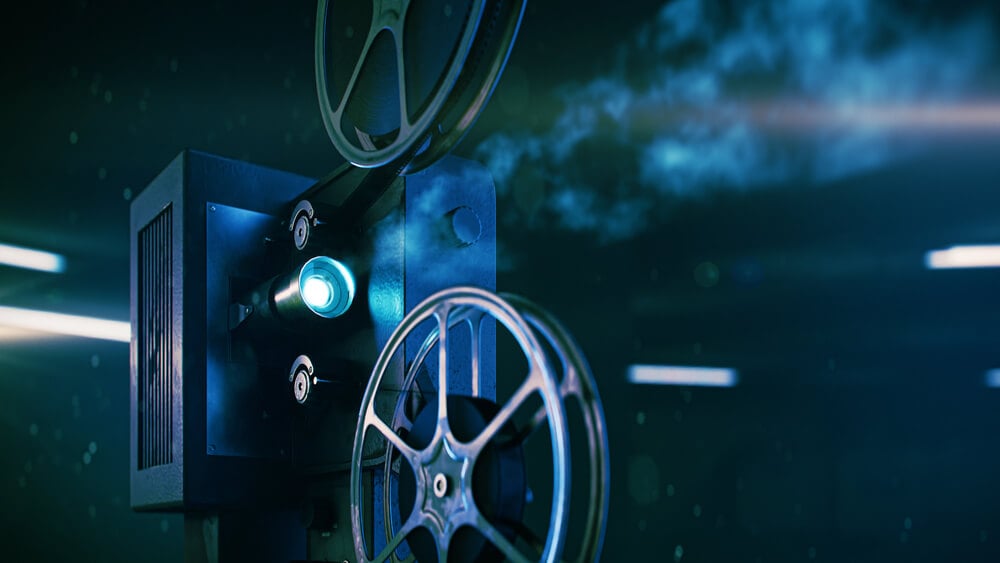
The Heurtier P6-24 Bifilm is listed as marketed in 1965 and comes from the French maker Heurtier. The Bifilm name points to the idea of handling more than one small-gauge format, which made it a versatile machine in its day.
Restorers prefer examples with unbent gates and original lenses, and a machine with warped plastic or broken controls is a bigger undertaking. Belts and lamps are the first things to check on any unit of this age.
Heurtier Stereovox
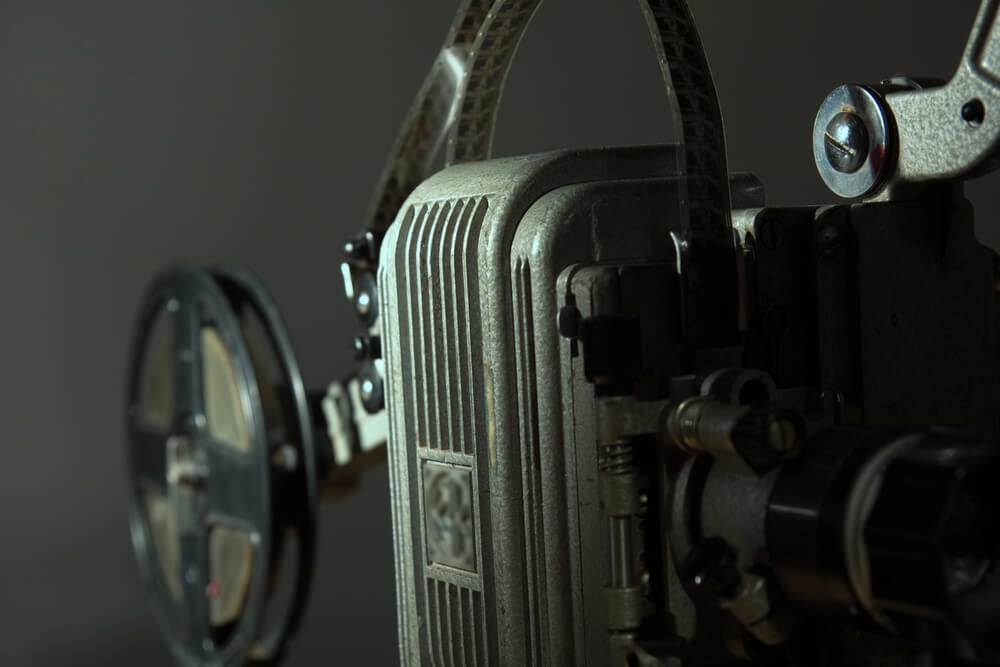
The Stereovox is listed as marketed in 1976 and carries the Heurtier name into stereo sound for small-gauge film. Stereo adds heads, amplifiers, and speakers to the list of parts that can fail, so a working example is worth more than a silent one.
Collectors look for complete units with their speakers and cables, and a machine with damaged circuitry or a missing lid is a harder find to revive. The stereo wiring is where most restorers spend their time.
Noris Record
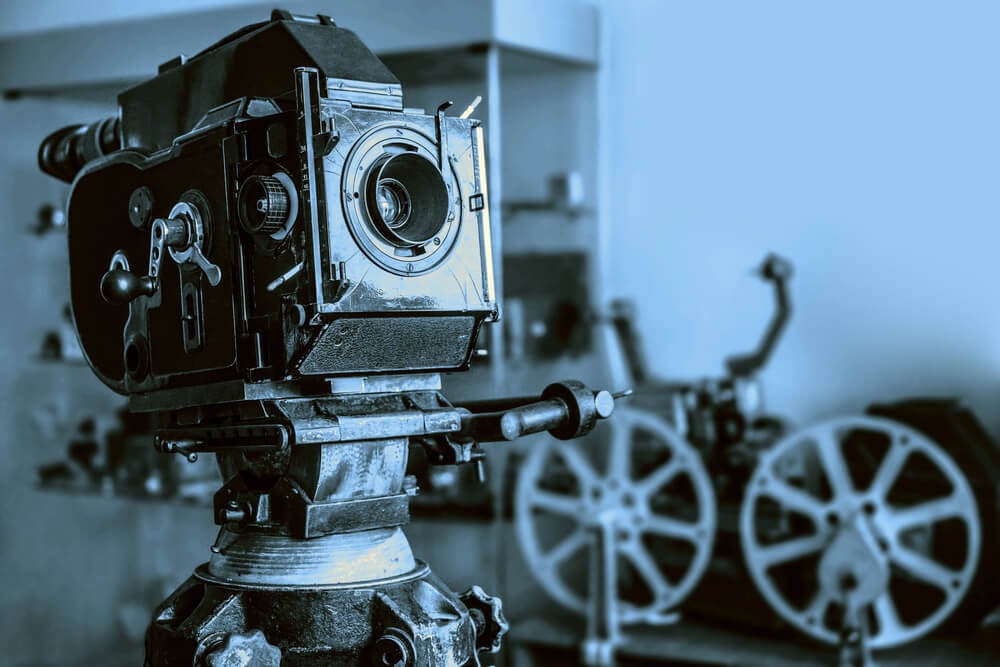
The Noris Record is listed as marketed in 1966 and 1967, from a German maker with a long line of Record-branded models. Collectors like the family for its approachable mechanics, and condition decides whether it runs without fuss.
A projector with original lens and a clean lamp compartment is a strong candidate, while one with a cracked housing or seized belts is a project. Surviving units with their cords and cases are rarer than loose bodies.
Noris Präsident
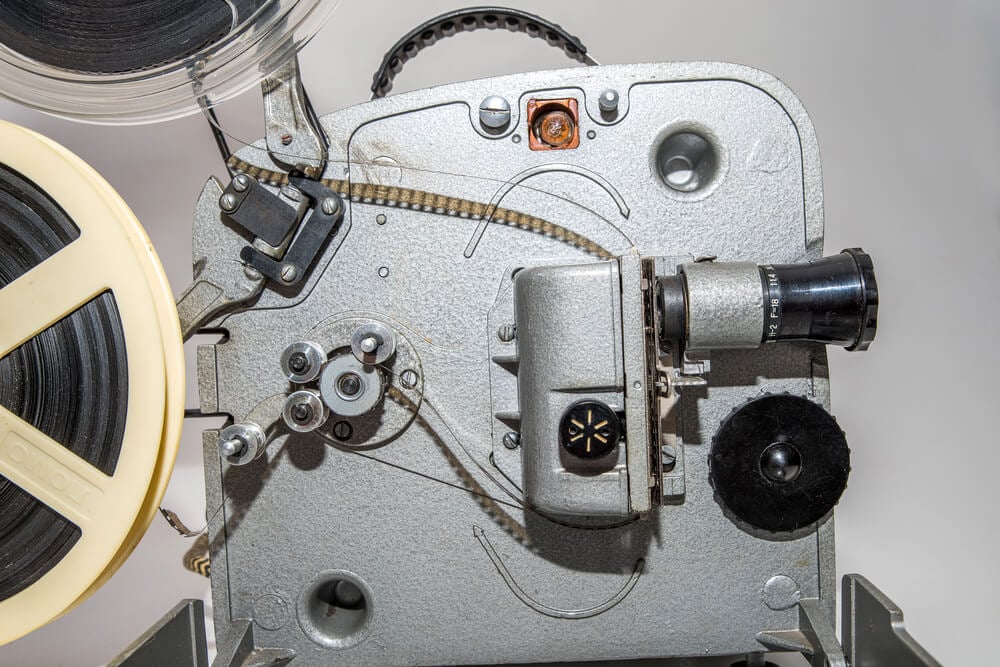
The Noris Präsident is listed as marketed in 1968 and 1969, and the grand name hints at how Noris positioned its upper models. A machine like this is judged on the smoothness of its transport and the brightness of its lamp, both of which depend on maintenance.
Examples with intact finishes and original accessories are more desirable than worn bodies. Belts and bulbs are the first suspects when one refuses to run.
Noris Norisound 110
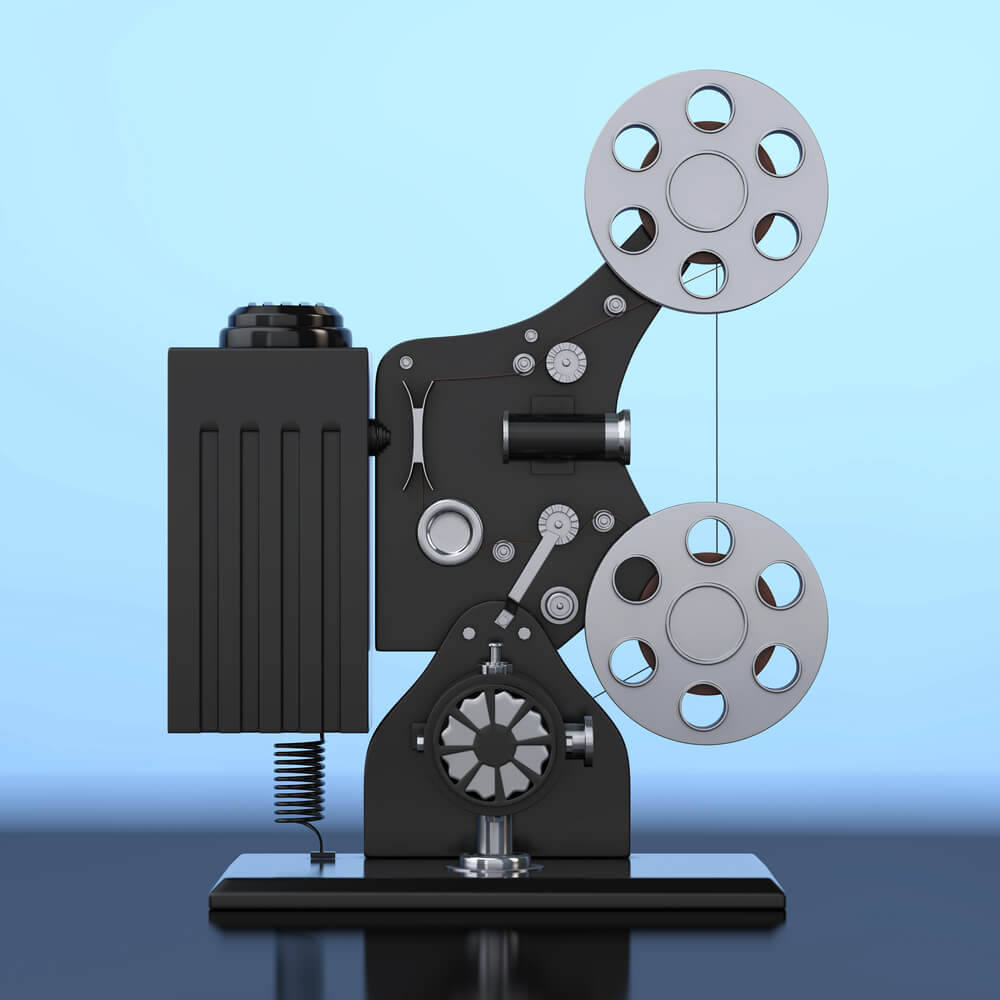
The Norisound 110 is listed as marketed in 1975, and the name signals sound capability in a small-gauge projector. Since it handles audio, the exciter lamp, heads, and amplifier components can all fail, and a unit that plays both picture and sound is a complete find.
Collectors favor examples with unfaded cabinets and original cables. A machine with a dead amplifier and cracked controls needs more than a basic cleaning.
Chinon 2000
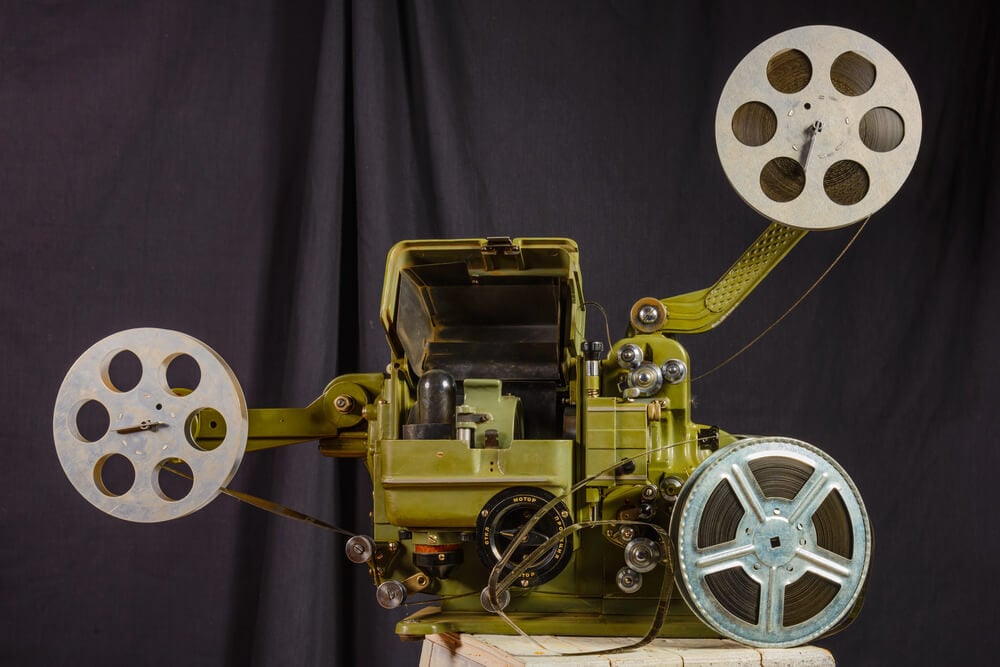
The Chinon 2000 is listed as marketed in 1969 and 1970, from the Japanese company Chinon, better known for cameras. Early Chinon projectors tend to be lightweight, so cracked plastic and warped housings are the usual cosmetic problems.
A working example with a clean lens and no corrosion on its contacts is a sound basis for restoration. Belts and lamps are the typical needs for a machine of its generation.
Chinon Sound 7000 MV
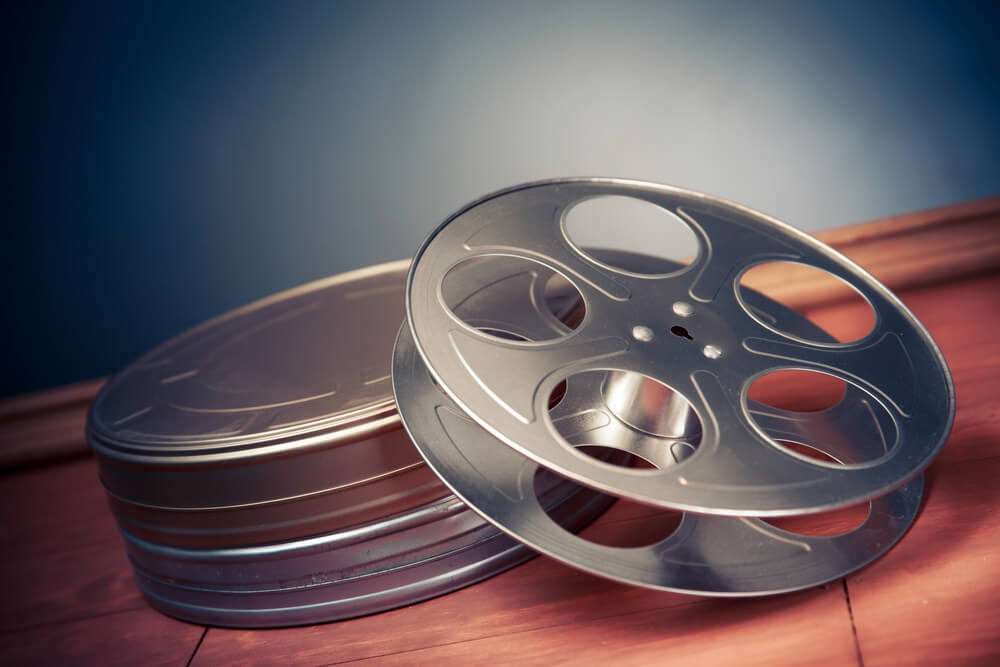
The Sound 7000 MV is listed as marketed in 1977 and 1978, and it belongs to Chinon’s run of Super 8 sound projectors. Sound models add magnetic heads, amplifiers, and capacitors to the repair list, so complete units with intact electronics are the ones people chase.
A projector with a clean transport and clear audio is more desirable than one with hum and crackle. Cosmetic damage matters less than whether the sound section works.
Chinon 8000
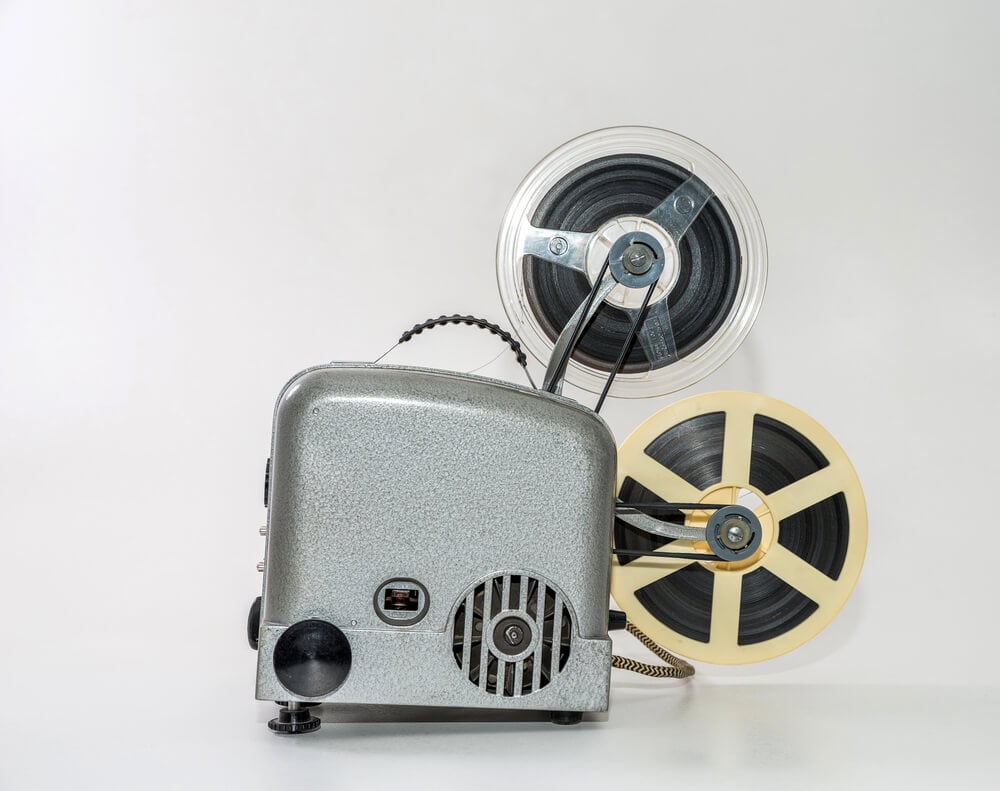
The Chinon 8000 is listed as marketed in 1974, in the same decade that Japanese makers flooded the Super 8 market. Because so many were sold, condition is the main separator between a prized example and a spare-parts body.
Look for original cords, a clear lens, and no cracks in the housing. Belts and lamps are the usual restoration items.
Bell & Howell 346A
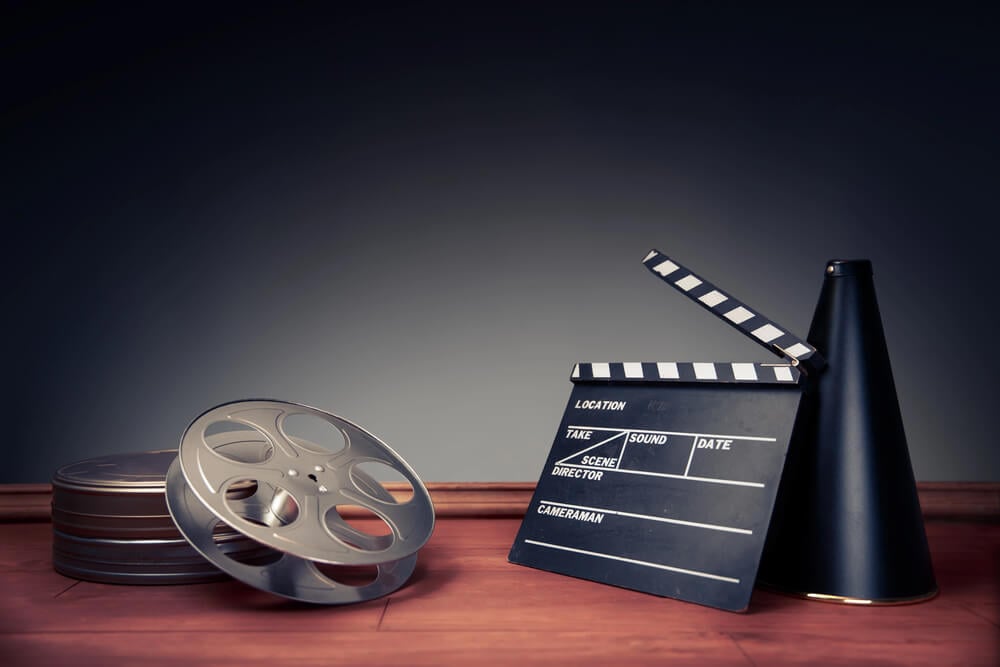
The Bell & Howell 346A is listed as marketed in 1965, from the Chicago maker whose cameras and projectors were staples of mid-century home movies. Collectors prize Bell & Howell for sturdy construction, but the age of rubber belts and the condition of the gate decide how well one runs today.
A unit with original case and cord is more appealing than one that has been poorly repaired. Rust on metal parts and brittle plastic lower its attraction.
Bell & Howell Autoload Filmosound 8
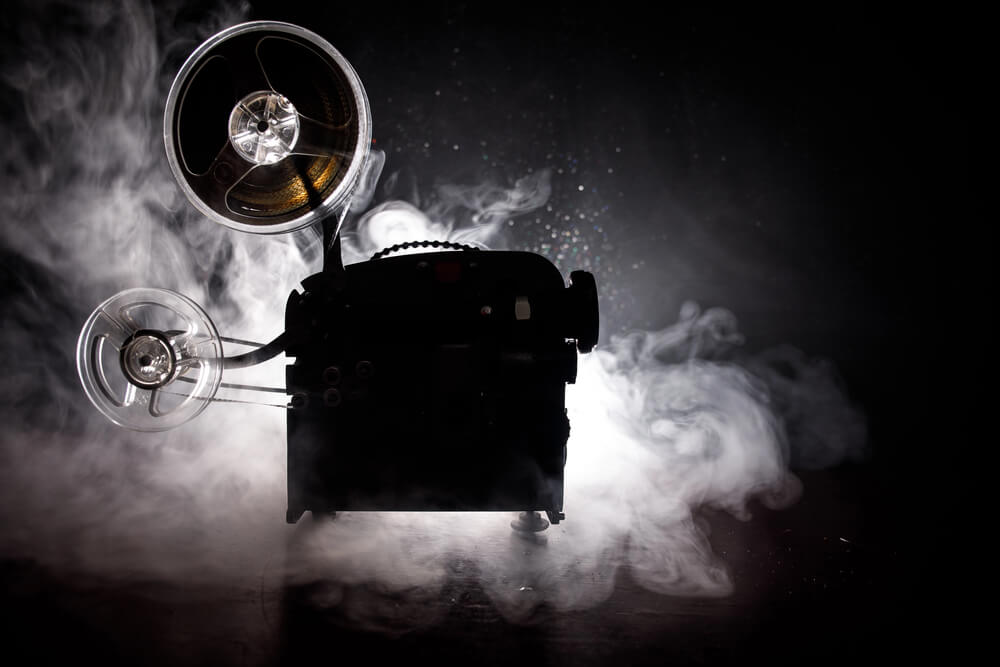
The Autoload Filmosound 8 combined Bell & Howell’s self-threading idea with sound for small-gauge film. Sound machines add exciter lamps, heads, and amplifier parts to the failure list, so a projector with working audio is a real prize.
Collectors look for complete units with their speakers and manuals, while examples with missing covers or broken threading mechanisms are harder to restore. A well-kept one shows how much engineering went into making threading easier.
Kodascope Model D

Kodak introduced the Kodascope in 1923 alongside Cine-Kodak for 16mm film, and the Model D is held in an archive at Toronto Metropolitan University. These early home projectors are among the oldest machines collectors still try to run.
Original cords are often brittle or unsafe, and old rubber parts rarely survive, so careful rewiring is part of many restorations. Examples with their original cases and undamaged finishes carry extra interest, though condition and safety come first.
Machines Built to Be Repaired
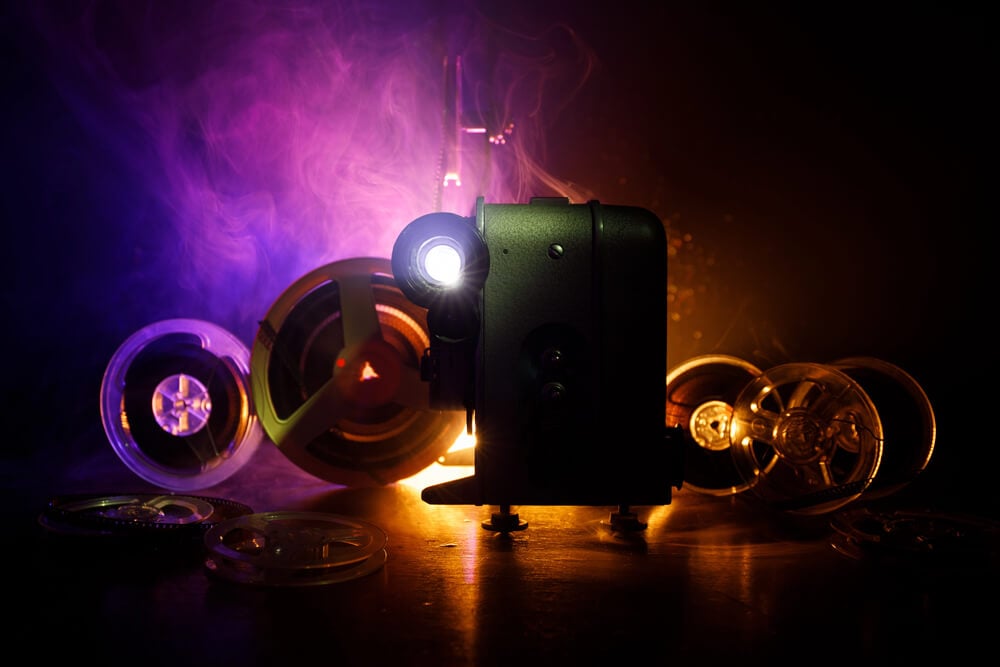
Every projector here shares a design philosophy that modern electronics have abandoned. Belts can be replaced, lamps can be sourced, and capacitors can be swapped with a soldering iron, which is why machines from the 1940s still run alongside ones from the 1970s.
The fixes tend to be mundane, and the satisfaction comes from the hum when a stubborn mechanism turns over. The hobby also keeps film itself in circulation, since family reels and school prints need working equipment to be seen.
Condition separates the keepers from the donors, but even tired units supply parts that keep better ones alive.As long as someone is willing to clean a gate and thread a reel, these projectors have another screening in them.
More from Go2Tutors!

- 27 Silver Dollars and Half Dollars Worth Keeping
- 28 Restaurant Menu Items Nobody Orders Anymore
- 17 Places Built in Seemingly Impossible Spots
- 27 Vintage Rings Worth More Than They Look
- 25 Restricted Sites Tourists Can’t Enter
Like Go2Tutors’s content? Follow us on MSN.