15 Old Checkbooks That Preserve Business History
A checkbook looks like a dull object until someone reads it closely. Every check records a payee, an amount, a date, and a bank, and a drawer of them tells the story of a business more honestly than a brochure ever could.
Taxes, bank failures, new numbering systems, and changing technology all left marks on the paper. Collectors and local historians prize these books for the details they preserve.
Condition decides almost everything about value, since stains, tears, missing stubs, and faded ink all lower what a buyer will pay.
Civil War Revenue-Stamped Checks
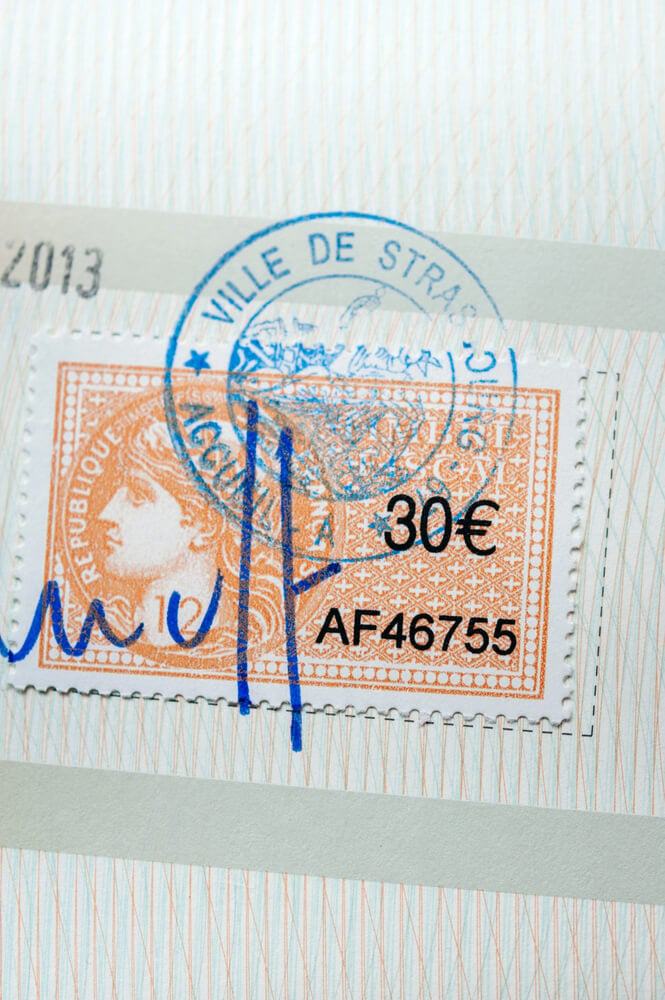
The Revenue Act of 1862, signed by Abraham Lincoln on July 1, placed a two-cent tax on bank checks over $20 to help pay for the Civil War. People dodged the tax by writing several smaller checks, so Congress extended it to every check in 1864.
Revenue stamps were abolished in 1883, and checks from this era with stamps intact and clear cancellation marks are worth more than those with torn or missing stamps.
Spanish-American War Checks
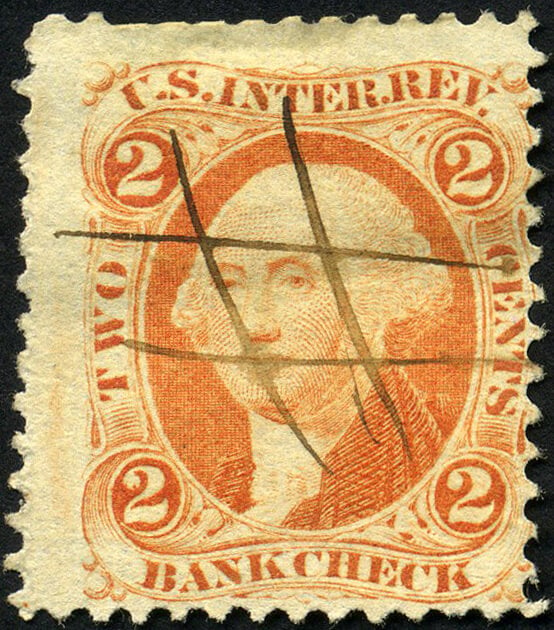
A new War Revenue Law brought back a two-cent tax on checks processed on or after July 1, 1898, and banks required stamps to be affixed. A check written in June but cashed in July often shows a stamp added at the bank, which tells a small story about timing.
Pieces with their original stamps in place and clean cancellations bring higher prices than those with damaged paper.
The 1932 Check Tax
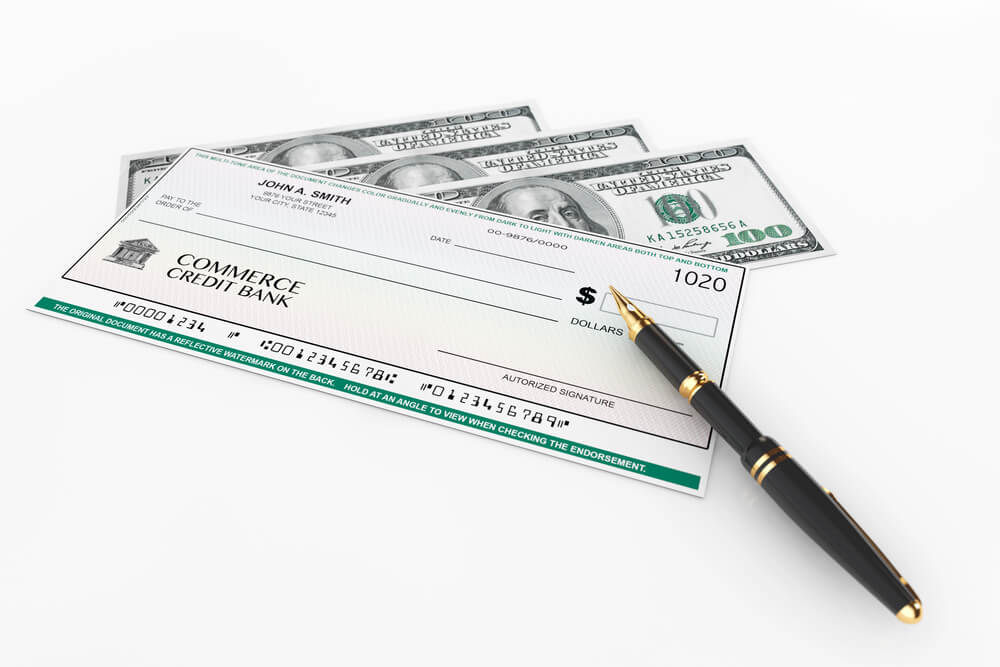
Congress imposed a two-cent tax on bank checks from June 1932 through December 1934. The bank, not the writer, withheld the two cents from each check and sent the money to the government, so these checks carry no stamps.
A Depression-era checkbook from these years shows how much a tax of two cents could affect household habits, and clean copies with legible stubs are the most useful to researchers.
Checks From the 1933 Bank Holiday
President Franklin Roosevelt declared a national bank holiday in March 1933, closing banks across the country for days. Businesses issued scrip and relied on alternatives while normal checking was suspended.
A checkbook with stubs from that week can show the hesitation of a business owner counting on payments that could not clear, and pages that are crisp and unfaded are the most desirable.
Checks From Failed Banks
Thousands of American banks failed in the early 1930s, and checks drawn on those institutions survive as relics of the era. A business that paid a supplier with one of these checks may have discovered the bank had closed before the payee could deposit it.
Such pieces are collected for the bank name, and condition, signatures, and legibility of the printed vignette set the price.
Stub-Style Checkbooks
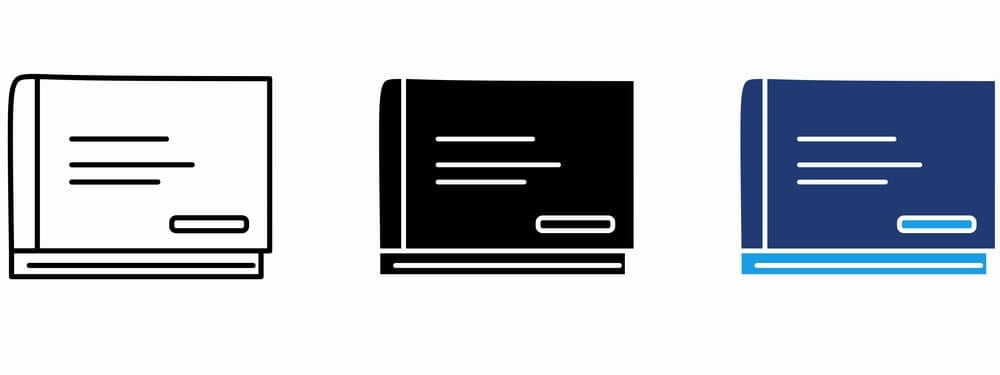
Early bound checkbooks kept a stub beside each check, with space to record the date, payee, and amount. The writer tore the check out along a perforation and kept the stub as a record.
A fully filled-out book is a ready-made ledger, and a business history researcher can read an entire year of payments, though water damage or crumbling paper limits how much can be recovered.
Payroll Voucher Checks
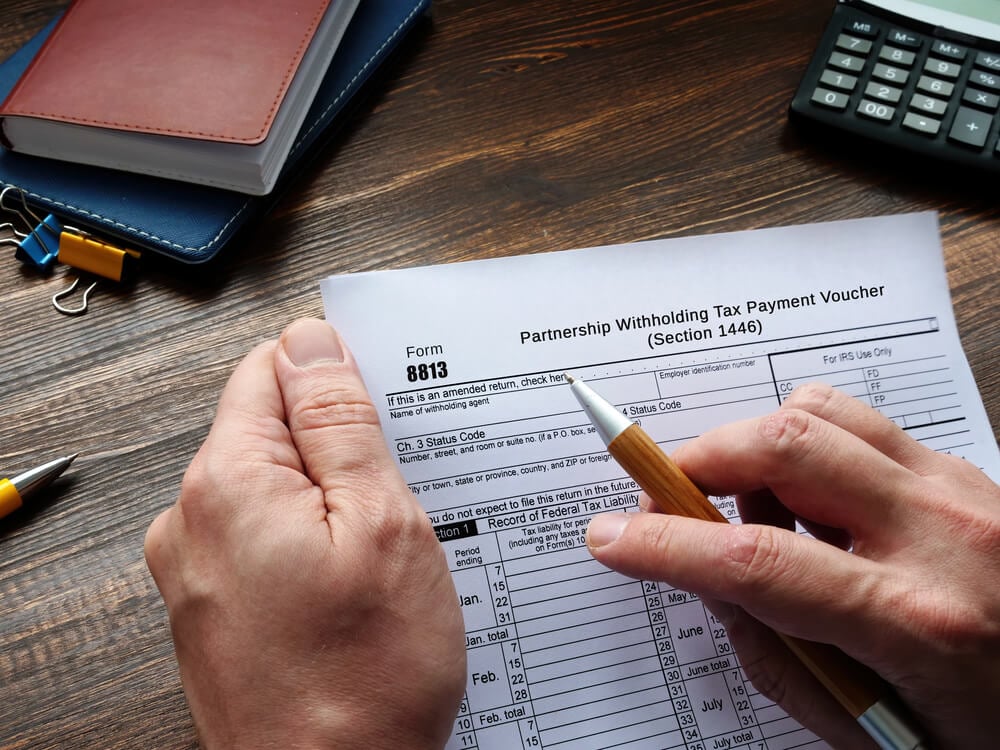
Many companies issued payroll checks with a detachable stub listing wages and deductions. After federal income tax withholding began in 1943, the stub became a record of what came out of every paycheck.
Unused voucher checks with company logos are worth more than used ones, and a clean stub with the original perforation intact is the mark of a good example.
Check Protector Impressions

Mechanical check protectors, such as the Todd Protectograph, pressed or punched the amount into the paper so that it could not easily be altered. A check with the protector’s distinctive impression is a sign that a business took fraud seriously.
Collectors value checks where the impression is sharp and unfaded, and a worn or washed-out impression reduces the appeal.
ABA Transit Numbers
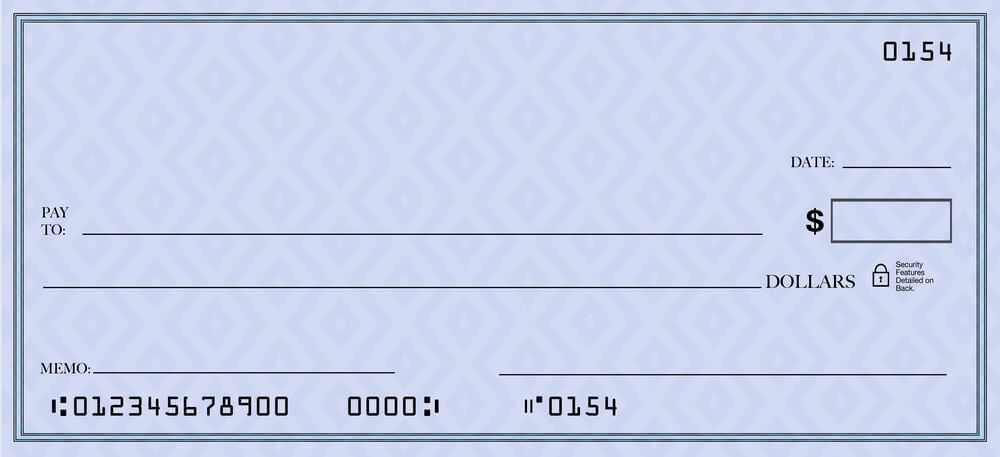
The American Bankers Association introduced its numbering system for banks in 1910, and the fraction printed in the upper corner of a check identified the institution and its routing. These numbers helped banks sort checks and speeded up clearing.
A check with a clear, legible number lets a historian trace which bank handled the payment, while stains or smudges can erase that detail.
Magnetic Ink Checks
In the late 1950s the American Bankers Association chose the E-13B font as the standard for the magnetic ink characters printed along the bottom of a check. The odd, blocky numbers allowed machines to read account and routing numbers at speed.
Checks from the first years of the system mark the shift from hand sorting to automation, and clean, unfolded examples are the best preserved.
Checks With Telephone Exchange Names

Business checks once listed phone numbers that began with a word, such as PEnnsylvania 6-5000, the number of New York’s Hotel Pennsylvania that inspired a 1940 song. The first letters of the word were dialed along with the number, and the exchange name told customers which part of town a business served.
These checks are a snapshot of a pre-area-code era, and printed letterhead that is clear and unfaded adds value.
Checks With Postal Zone and ZIP Codes
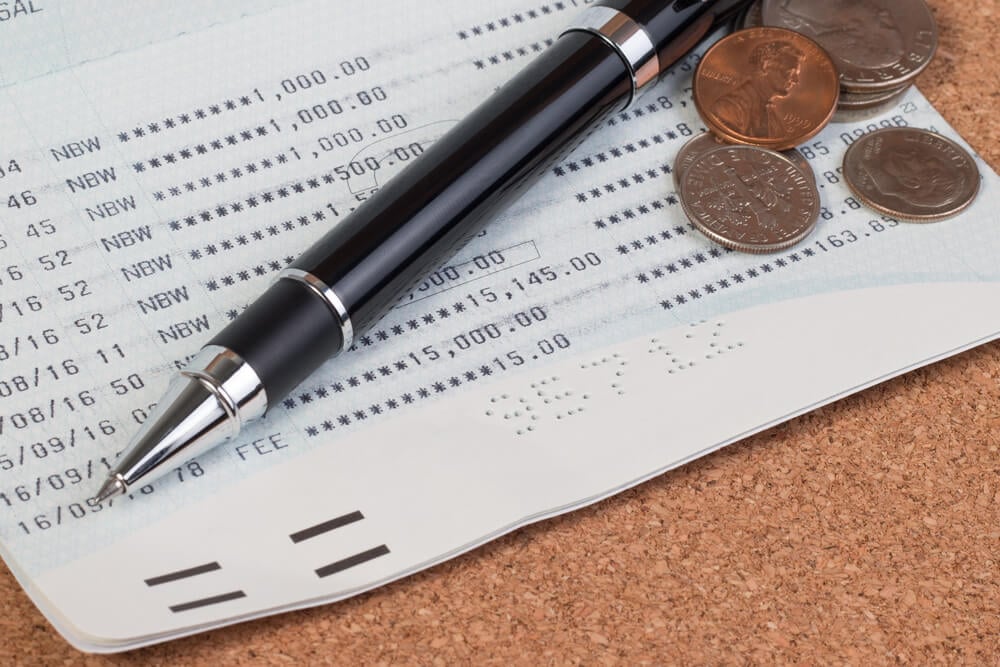
The Post Office introduced two-digit postal delivery zones in 1943 and the five-digit ZIP Code on July 1, 1963. A business check printed before the change shows an address with no code, one printed during the middle period shows a zone number, and a later check shows a ZIP.
Checks that show a transition are interesting to historians, and condition, including a clean printed address, affects the price.
Counter Checks
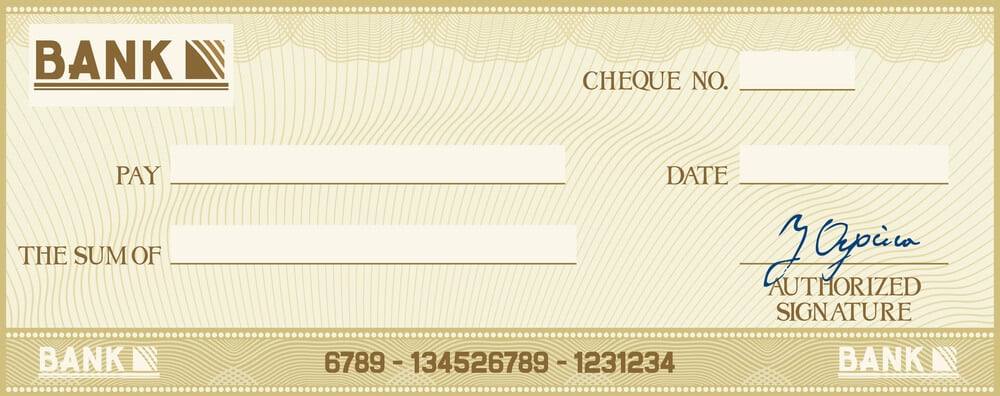
Banks supplied blank counter checks to customers who forgot their checkbook, and the writer filled in the account details by hand. The checks were often thin and plain, with space for the bank’s name printed at the top.
Few survived because they were meant to be used once, so any intact specimen with the writer’s signature and the bank’s clean stamp is a find.
Returned Item Stamps

When a check bounced, the bank stamped it with a reason, such as insufficient funds or account closed, and sent it back. The stamp and the handwritten notes that followed on the back are a record of a business’s money troubles.
A returned check with a legible stamp and a clear date is the most informative, and ink smears or paper damage limit what a reader can learn.
Certified Checks
A bank could certify a check by stamping it and having an officer sign, promising the money was set aside. Businesses used certified checks for large purchases, deposits, and payments to suppliers who did not trust an ordinary check.
An intact example with a crisp stamp and signature shows how trust was built into a payment, and tears, tape repairs, or fading reduce its value.
Paper That Remembers the Price of Money
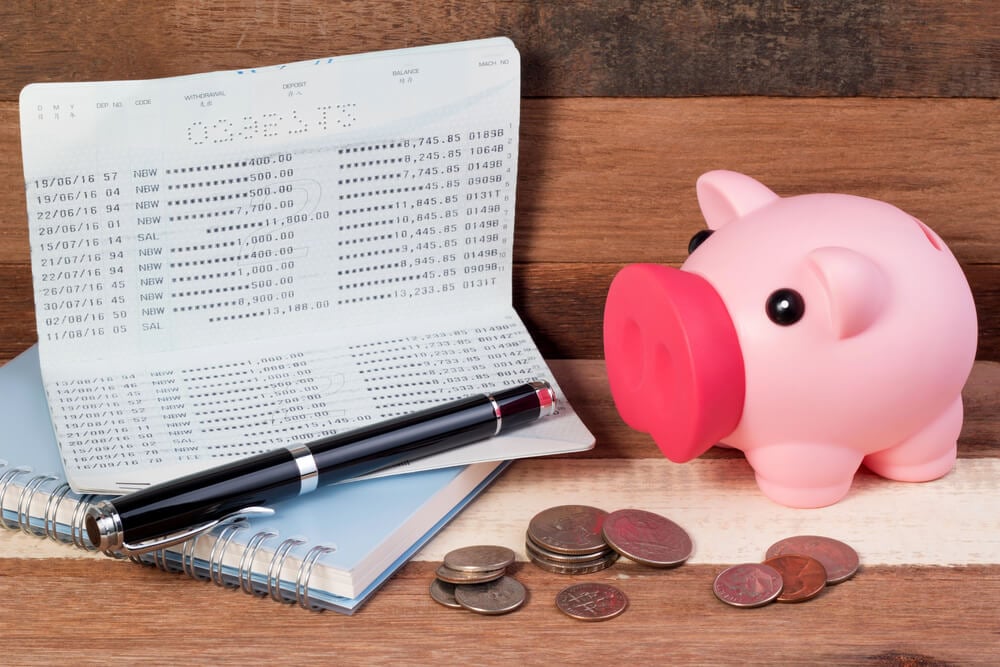
Old checkbooks hold a surprising amount of history in small spaces. Each tax, each numbering change, and each bank failure left a mark that a patient reader can still find.
A drawer of them can show a business surviving a depression, adjusting to new rules, or struggling with a problem that never made the newspaper. For collectors and historians, the pleasure comes from reading rather than owning.
The details of a single stub can open a window on a shop, a mill, or a family company that is long gone.
Condition will always decide the price, but the information on the page is what makes the paper worth keeping.
More from Go2Tutors!

- 27 Silver Dollars and Half Dollars Worth Keeping
- 28 Restaurant Menu Items Nobody Orders Anymore
- 17 Places Built in Seemingly Impossible Spots
- 27 Vintage Rings Worth More Than They Look
- 25 Restricted Sites Tourists Can’t Enter
Like Go2Tutors’s content? Follow us on MSN.