16 Forbidden Traditions That Were Practiced in Secret for Centuries
Throughout history, societies have drawn invisible lines between acceptable public behavior and practices deemed too dangerous, heretical, or subversive to acknowledge openly. Yet human nature rarely accepts such boundaries without resistance.
Behind closed doors, in hidden chambers, and under cover of darkness, communities have preserved traditions that official authority sought to eliminate. These weren’t mere acts of rebellion, though defiance certainly played a role.
Many of these forbidden practices carried deep spiritual significance, ancient wisdom, or cultural identity that believers refused to abandon despite harsh penalties. Some traditions survived through careful disguise, others through elaborate codes of secrecy that passed from generation to generation.
The risk was often severe — imprisonment, exile, or death — yet people chose preservation over safety. What emerges from this underground history is a testament to human persistence and the power of belief systems to endure long after they’ve been declared extinct.
The Eleusinian Mysteries
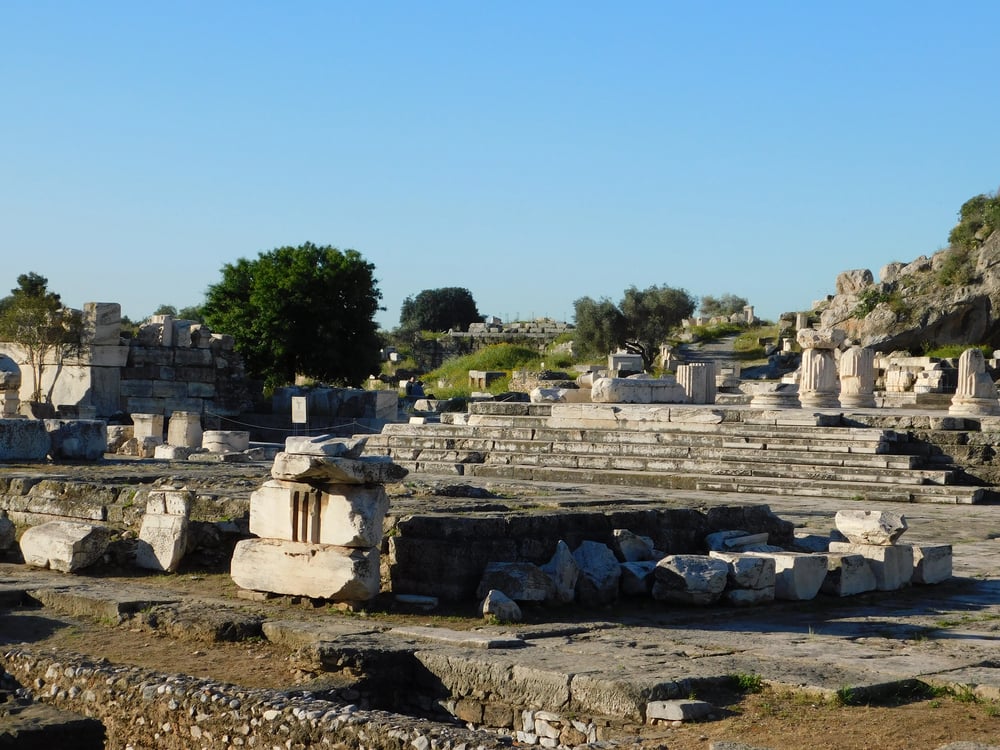
The most secretive religious rites of ancient Greece carried penalties so severe that death was preferable to betrayal. Participants traveled to Eleusis outside Athens, underwent purification rituals, and experienced something so profound that it fundamentally changed their understanding of life and death.
The silence held for over a thousand years. What exactly happened inside those sacred halls remains unknown.
The few references that survive speak in riddles. Modern scholars can only guess that initiates witnessed dramatic reenactments of agricultural cycles, consumed hallucinogenic substances, or experienced elaborate psychological conditioning that simulated death and rebirth.
Gnostic Christianity

So the early church had a problem: competing versions of Christianity that claimed access to secret knowledge (gnosis) that regular believers couldn’t handle. These weren’t minor theological disagreements — Gnostic texts described a completely different cosmology where the material world was created by a false god, where salvation came through enlightenment rather than faith, and where some humans carried divine sparks that could be awakened through hidden teachings.
And the kicker: many claimed these secrets came directly from Christ himself, passed down through private instruction to his closest disciples. Church fathers responded with the literary equivalent of a sledgehammer, declaring these texts heretical and ordering their destruction (though they kept copies for themselves to better argue against them, which tells you something about how compelling the ideas were).
But Gnostic communities didn’t simply disappear — they went underground, preserving their texts in desert caves and continuing their practices in secret gatherings that could easily be mistaken for orthodox Christian worship if discovered. Which was exactly the point.
Celtic Druidism

Roman authorities understood the political threat clearly enough. Druids weren’t simply priests conducting harmless nature worship — they formed the intellectual backbone of Celtic resistance, serving as judges, educators, and keepers of laws that predated Roman occupation.
Their sacred groves became meeting places where tribal leaders planned rebellion. The Romans banned druidic practices throughout their territories.
Death penalty for participation. Complete destruction of sacred sites.
Yet the tradition adapted rather than died. Druidic knowledge transferred to traveling bards and storytellers who embedded ancient wisdom in seemingly innocent folklore.
Sacred rituals moved to remote locations where Roman patrols rarely ventured. Christian conversion added another layer of secrecy, but also unexpected protection.
Many druidic practices blended so seamlessly with folk Christianity that they became invisible, preserved within harvest festivals and seasonal celebrations that church authorities eventually endorsed.
Chinese Secret Societies

Consider what happens when imperial authority becomes unbearable but open rebellion means certain death: you create networks that look like something else entirely. Chinese secret societies mastered this art for centuries, building elaborate systems of mutual aid, political resistance, and spiritual practice that operated parallel to official power structures.
The White Lotus Society exemplified this approach, combining Buddhist and Taoist beliefs with revolutionary politics under cover of agricultural cooperatives and trade guilds. Members used coded language in daily conversation, recognition signals that appeared as common courtesy, and meeting rituals that could be explained as business discussions if discovered.
The society’s influence stretched across provinces and social classes, creating an invisible government that sustained itself for generations (which explains why various dynasties spent enormous resources trying to eliminate organizations they could barely identify, let alone infiltrate). But here’s what made these societies genuinely formidable: they weren’t just hiding from authority — they were replacing it.
Members received justice through society tribunals, economic support through underground networks, and spiritual guidance through teachers who preserved traditions dating back centuries. Fair enough that imperial forces struggled to compete with organizations that actually served their communities’ needs.
Jewish Kabbalah

Orthodox rabbis restricted Kabbalistic study to married men over forty with extensive Talmudic knowledge. The reasoning was sound: these mystical teachings dealt with direct divine experience, dangerous spiritual practices, and cosmological secrets that could lead to madness or heresy in unprepared minds.
Formal barriers weren’t suggestions. Underground study circles ignored these restrictions completely.
Young scholars, women, and converts gathered secretly to explore texts like the Zohar and practice meditation techniques designed to induce prophetic visions. They developed coded languages for discussing forbidden concepts in public, created hidden libraries, and established teaching lineages that operated independently of rabbinical authority.
Christian persecution added deadly urgency to this secrecy. Inquisition authorities viewed Jewish mysticism as particularly threatening, seeing connections to witchcraft and demonic communion. Kabbalistic practitioners faced torture and execution if discovered.
Yet the tradition not only survived but flourished, influencing Christian mysticism, Islamic Sufism, and Renaissance occultism through careful cross-cultural exchange.
Sufi Mysticism
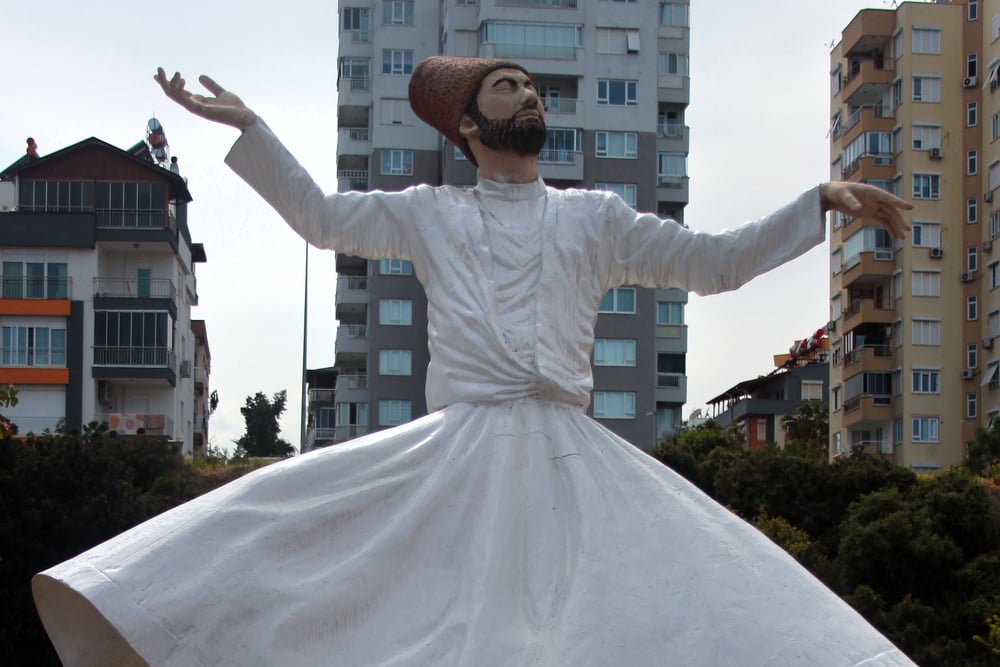
The orthodox establishment wasn’t having it. Sufi claims of direct divine experience bypassed religious authority entirely — if individuals could achieve union with God through personal practice, what need was there for institutional mediation? Worse, Sufi poetry and music attracted massive popular followings that sometimes seemed more interested in ecstatic dancing than proper prayer.
Persecution varied by region and century, but followed predictable patterns (public denunciations, destruction of meeting places, imprisonment of teachers, official prohibition of Sufi literature). So Sufi orders adapted by embedding their practices within acceptable religious forms.
Whirling dervishes performed in contexts that could be interpreted as conventional worship. Teaching stories circulated as entertainment rather than spiritual instruction. Sacred music hid behind secular performance.
The disguise worked so well that Sufi influence spread throughout Islamic culture while appearing to disappear entirely. Poetry by Rumi and Hafez became beloved even among those who missed their mystical significance completely.
Alchemical Practice
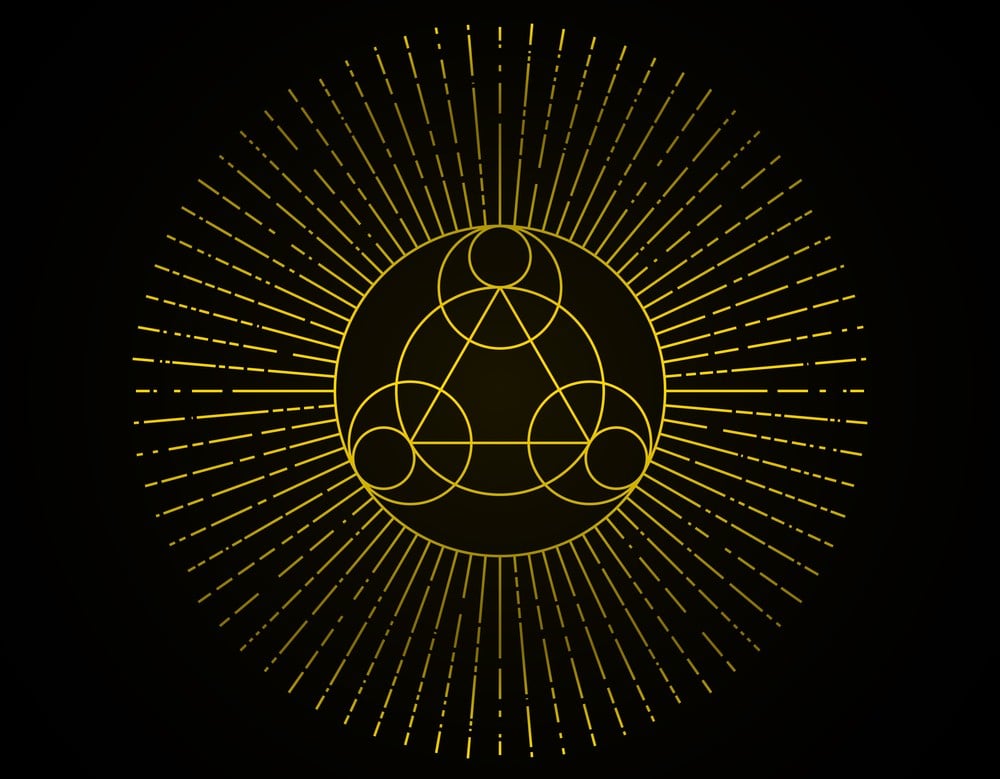
Alchemy walked a knife’s edge between science and sorcery, making it perpetually suspect to both religious and secular authorities. Christian theologians worried that alchemical transformation mimicked divine creation — the attempt to turn base metals into gold seemed dangerously close to claiming godlike power. Meanwhile, rulers feared the economic disruption that successful gold-making would cause.
Alchemists responded by developing the most elaborate code system in intellectual history. Texts described chemical processes through mythological allegories, astronomical symbols, and spiritual metaphors that rendered them incomprehensible to outsiders.
Laboratory work happened in hidden chambers disguised as ordinary workshops. Knowledge passed through master-apprentice relationships that required years of training to decode properly.
Yet this secrecy preserved more than metallurgical techniques. Alchemical practice maintained experimental methodology, careful observation of natural processes, and theoretical frameworks that eventually contributed to modern chemistry.
The hidden tradition kept scientific inquiry alive during periods when open investigation faced severe restrictions.
Indigenous Shamanic Traditions

Colonial authorities understood the threat correctly: shamanic practices maintained indigenous identity, social structures, and resistance networks that undermined conversion efforts. So they banned everything — ceremonies, plant medicines, traditional healing, even the languages used for sacred songs.
Penalties ranged from imprisonment to death, applied with the systematic thoroughness that only religious conviction could inspire. Communities responded with strategies refined over generations of cultural survival.
Sacred ceremonies moved to remote locations beyond colonial oversight. Healing practices disguised themselves as folk medicine that colonizers could dismiss as harmless superstition.
Shamanic knowledge embedded itself in storytelling traditions that appeared to be simple entertainment. Perhaps most cleverly, many traditions adopted Christian symbolism while preserving indigenous meaning underneath.
Saints replaced traditional spirits in public discourse while private practice remained unchanged. Catholic feast days provided cover for seasonal ceremonies.
Christian prayers incorporated indigenous languages and concepts that priests couldn’t recognize. The camouflage was so effective that some traditions survived centuries of suppression without losing essential elements.
Medieval Heretical Movements
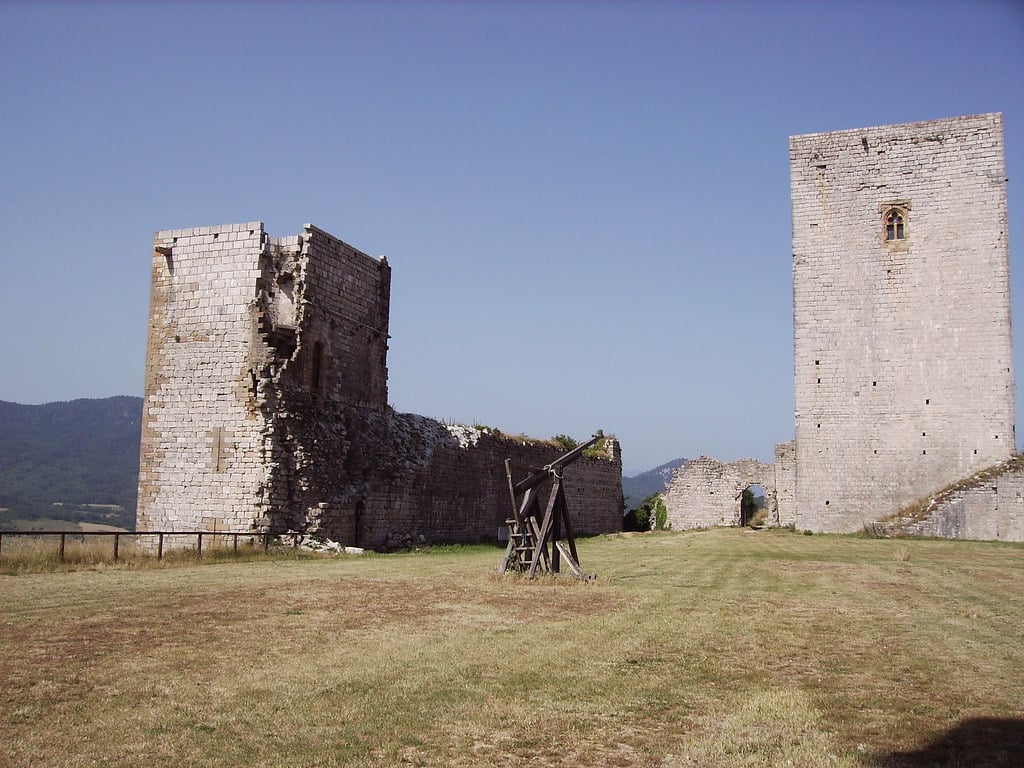
Think about the audacity required to look at medieval church authority and decide it needed replacing entirely. The Cathars did exactly that, creating alternative Christian communities that rejected papal authority, priestly mediation, and the material world itself.
Their perfect ones (perfecti) lived in voluntary poverty, practiced vegetarianism, and claimed direct access to divine truth through personal purification. The church’s response was predictably brutal — the Albigensian Crusade killed hundreds of thousands of Cathars and their supporters, making it clear that theological disagreement carried lethal consequences (when asked how to distinguish orthodox Christians from heretics during the siege of Béziers, the papal representative reportedly said to kill them all and let God sort it out, which pretty much captures the spirit of things).
But Cathar beliefs didn’t vanish with their communities. Surviving adherents scattered across Europe, preserving core teachings through careful oral transmission and coded texts.
The tradition influenced later Protestant reforms, mystical movements, and philosophical systems that challenged institutional religious authority. So it turns out that ideas, unlike people, are remarkably difficult to kill with swords.
Norse Heathenry
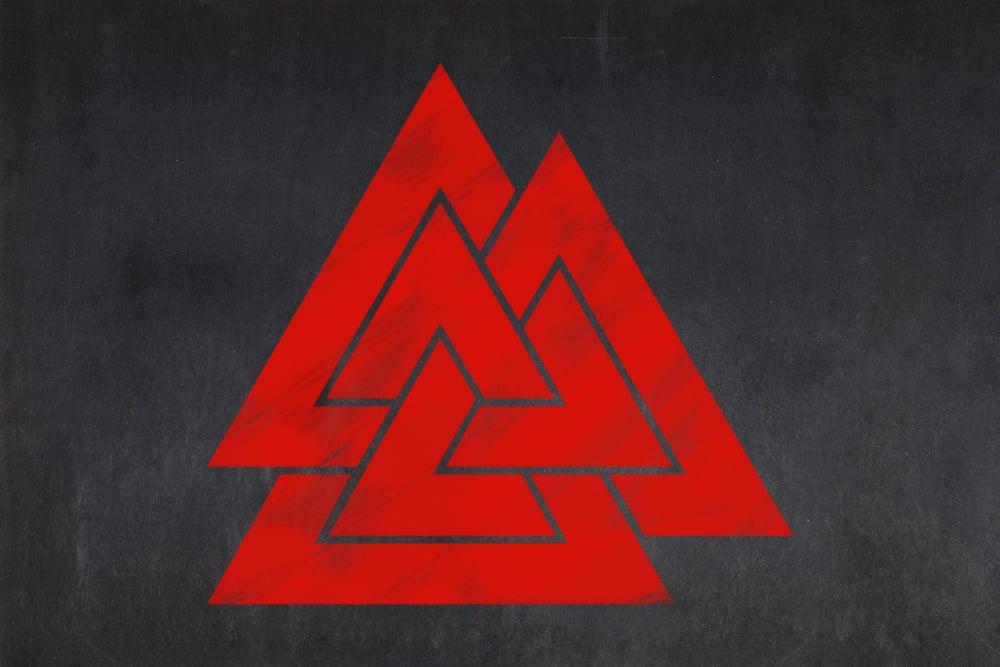
Christian conversion of Scandinavia took centuries, not decades, largely because Norse religious practice adapted to survive rather than confronting the new faith directly. When kings converted and banned pagan worship, the old gods simply moved to different venues.
Thor’s hammer became a protective amulet that could pass for a Christian cross if viewed from the right angle. Seasonal celebrations shifted dates slightly to align with church festivals. But the real preservation happened in Iceland, where Christian authorities had less direct control and literary tradition remained stronger.
Families maintained genealogies that traced descent from pagan gods. Poets composed verses that celebrated pre-Christian heroes using mythological references that appeared to be mere historical curiosity.
The sagas preserved detailed accounts of pagan practice disguised as adventure stories. This wasn’t simply nostalgic storytelling. Archaeological evidence suggests that pagan burial practices, ritual offerings, and sacred site maintenance continued well into the Christian period.
Norse heathenry survived as lived tradition, not just cultural memory.
Tantric Practices
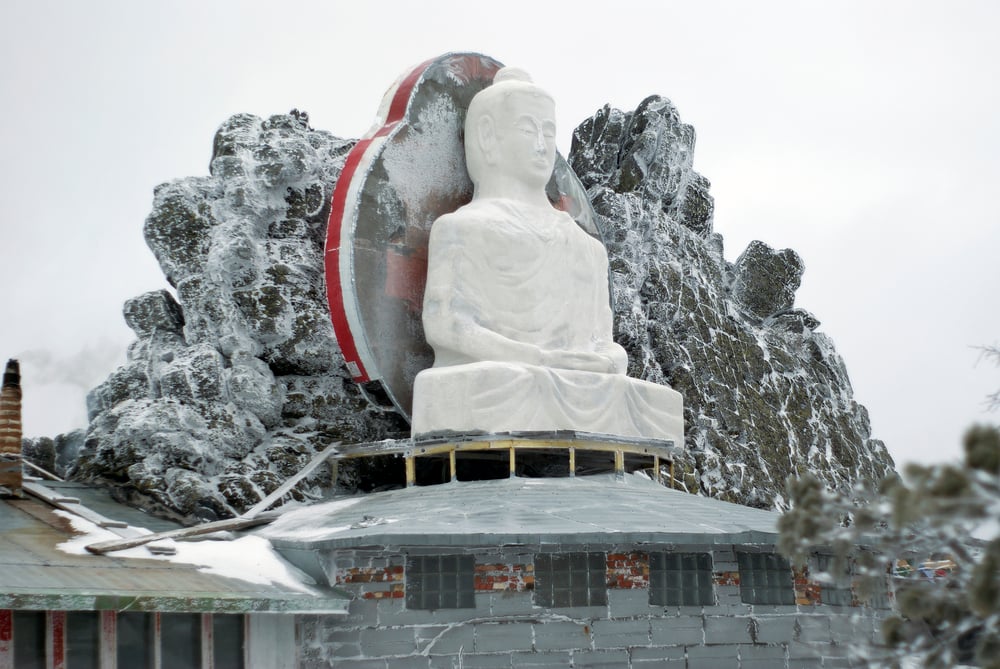
Orthodox Hindu and Buddhist establishments viewed Tantric practices with deep suspicion — and for good reason, from their perspective. Tantric schools taught that enlightenment could be achieved through engagement with rather than renunciation of material experience (including activities that conventional morality strictly forbade: consumption of meat and alcohol, intimate practices that violated caste boundaries, rituals involving substances considered polluting).
So Tantric practitioners developed elaborate initiation systems that protected both the tradition and its adherents from external interference. Students underwent years of preliminary training before accessing advanced teachings.
Secret languages and symbolic systems made texts incomprehensible to outsiders. Practice groups met in remote locations or disguised their activities as conventional religious gatherings.
The secrecy worked both ways: it protected practitioners from persecution while maintaining the intensity that made the Tantric experience transformative. These weren’t watered-down versions of orthodox practice — they were concentrated, dangerous, and designed to produce rapid spiritual change through methods that required careful guidance and absolute discretion.
European Witchcraft
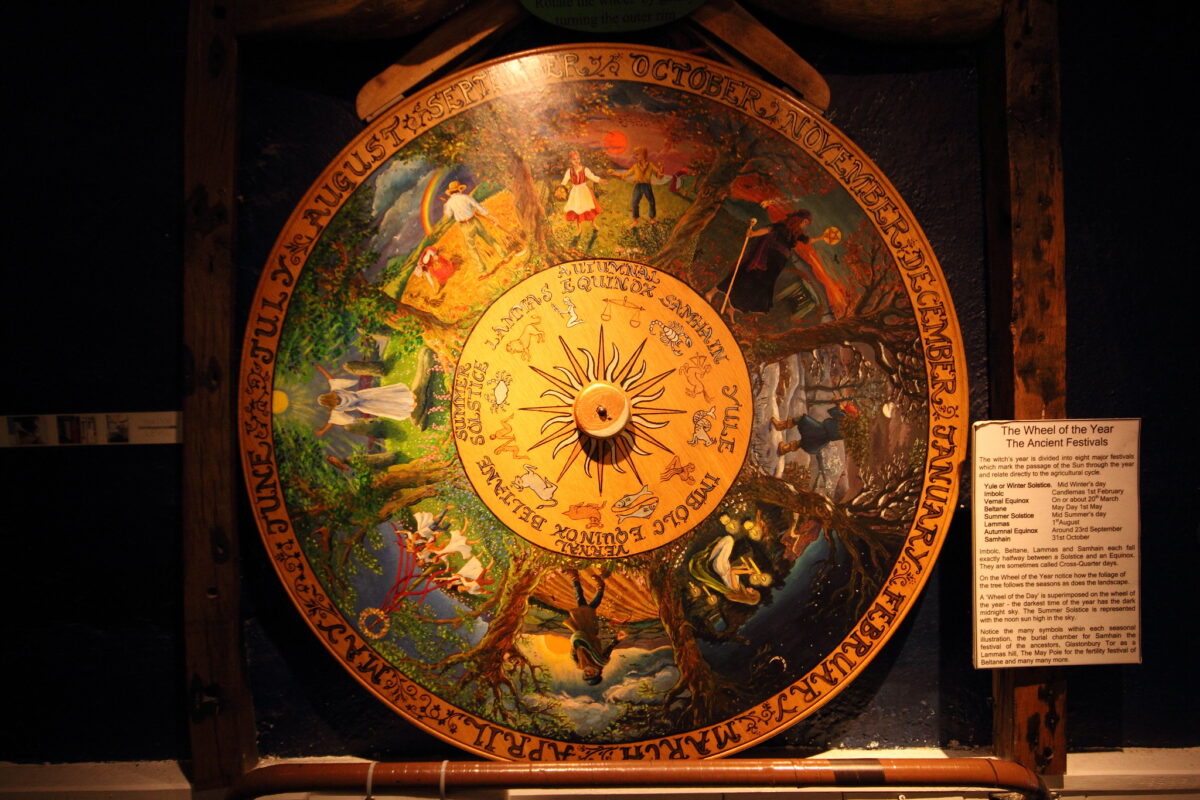
Here’s what the historical record actually shows about European witchcraft: most accused practitioners were guilty of nothing more than folk healing, midwifery, or being inconveniently knowledgeable about herbal medicine. But some evidence suggests that certain communities did maintain pre-Christian practices, nature-based healing systems, and alternative spiritual traditions that church authorities would certainly have considered diabolical.
The witch trials created a climate where any deviation from orthodox Christian practice became potentially fatal (and where personal grudges could be settled through accusations of supernatural malice, which explains much about why the persecutions spread so rapidly and targeted so many women who threatened local power structures). Yet archaeological finds and surviving manuscripts suggest that traditional healing knowledge, seasonal celebration practices, and earth-based spirituality continued in many rural areas throughout the persecution period.
These traditions survived by becoming invisible: herbalism practiced as folk medicine, seasonal rituals embedded in agricultural cycles, healing ceremonies disguised as prayers for sick livestock. The practitioners who survived were those who learned to hide in plain sight.
Manichaean Religion

The Roman Empire, Sassanid Persia, and early Christian authorities agreed on almost nothing — except that Manichaeism posed an unacceptable threat to established order. This dualistic religion taught that existence consisted of ongoing battle between forces of light and darkness, that knowledge could liberate divine sparks trapped in material bodies, and that salvation required understanding secret cosmological truths rather than faith in institutional authority.
Manichaean communities responded to persecution by developing sophisticated concealment strategies. Sacred texts were buried in desert locations where they remained hidden for over a millennium.
Teachers traveled constantly to avoid detection, using trade routes and diplomatic missions as cover for missionary work. Local communities practiced in private homes and adapted their rituals to resemble whatever religious tradition dominated their region.
The strategy succeeded far beyond what historical records suggest. Manichaean ideas influenced Islamic mysticism, Christian Gnosticism, and medieval heresies across vast geographic territories.
The religion that appeared to vanish under persecution had actually transformed into underground networks that preserved core teachings for centuries.
Hermetic Tradition
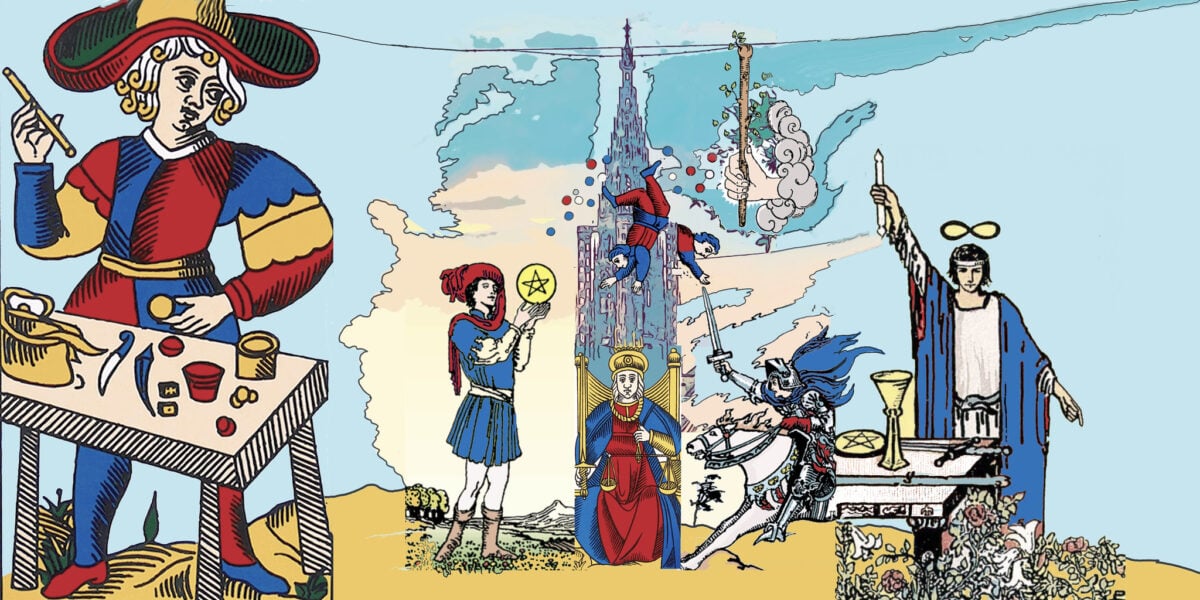
Renaissance authorities faced a dilemma with Hermetic texts: these ancient Egyptian writings contained philosophical and scientific insights that clearly advanced human knowledge, yet their magical and alchemical content threatened both Christian orthodoxy and social stability. The compromise was predictable — scholars could study Hermetic philosophy openly while practicing its operative aspects only in secret.
Underground Hermetic schools flourished throughout Europe, combining textual study with practical experimentation in alchemy, astrology, and natural magic. Members included prominent intellectuals, court physicians, and even clergy who saw no contradiction between Christian faith and ancient wisdom traditions.
They developed elaborate symbolic languages, practiced ritual techniques for spiritual development, and maintained libraries of forbidden texts. This hidden tradition directly influenced the Scientific Revolution, providing experimental methodology, mathematical approaches to natural phenomena, and theoretical frameworks that conventional education systems couldn’t offer.
Figures like Newton, Kepler, and Paracelsus drew heavily on Hermetic sources while publicly maintaining orthodox positions.
Mystery Schools of Egypt
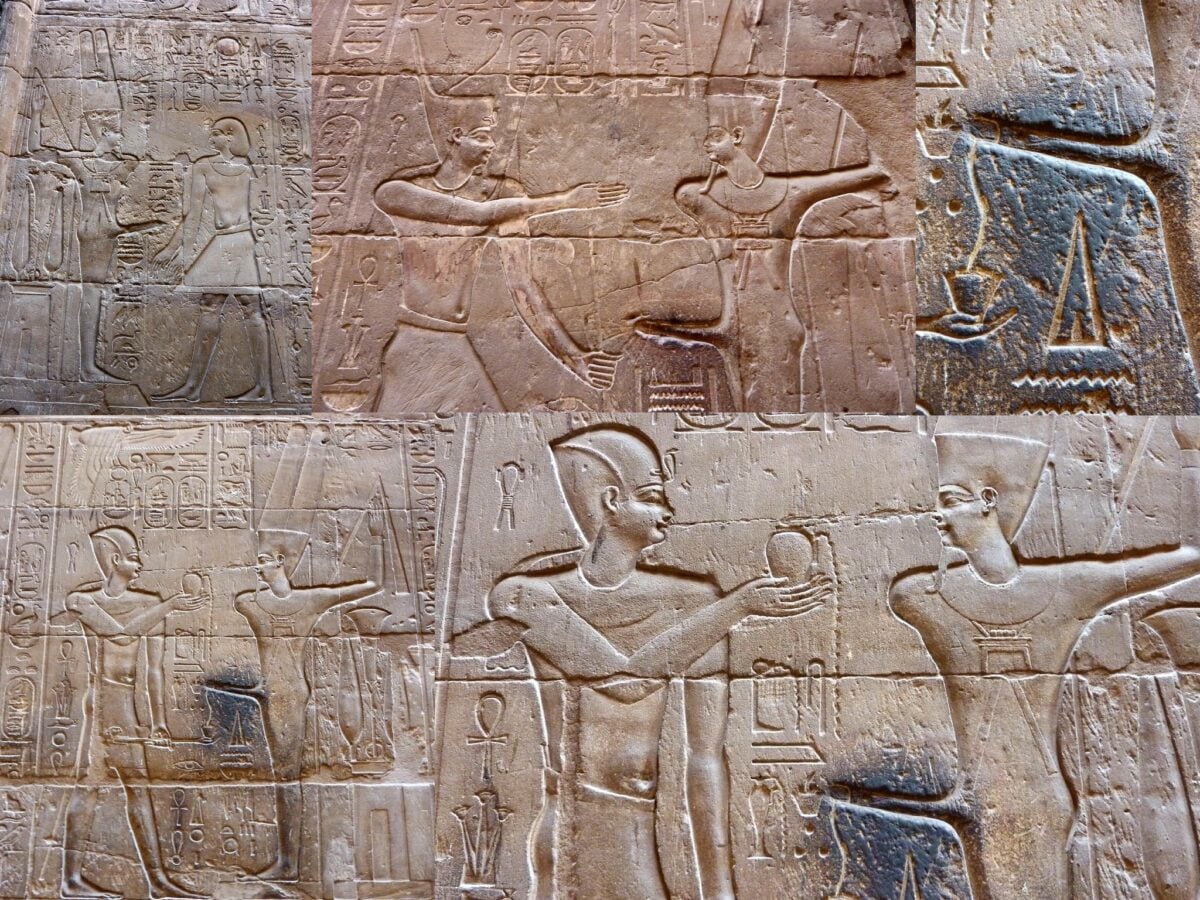
Egyptian priesthoods guarded their knowledge with deadly seriousness for good reason: temple schools preserved mathematical, astronomical, medical, and engineering expertise that gave Egypt strategic advantages over neighboring civilizations. Initiation into these mysteries required years of preparation, absolute secrecy, and gradual revelation of increasingly advanced techniques.
When foreign powers conquered Egypt, these schools faced systematic attempts at destruction. Persian, Greek, and Roman authorities understood that Egyptian knowledge systems posed political threats — temple astronomers could predict natural events that enhanced priestly authority, medical practitioners commanded popular loyalty that rivaled political leaders, and engineering knowledge enabled massive construction projects that demonstrated divine favor.
Yet the tradition adapted through careful dispersion rather than direct resistance. Priests established satellite schools throughout the Mediterranean, embedded sacred mathematics in architectural projects, and trained foreign students who carried Egyptian methods back to their home territories.
The mystery school tradition survived by becoming international rather than exclusively Egyptian.
Zoroastrian Fire Worship
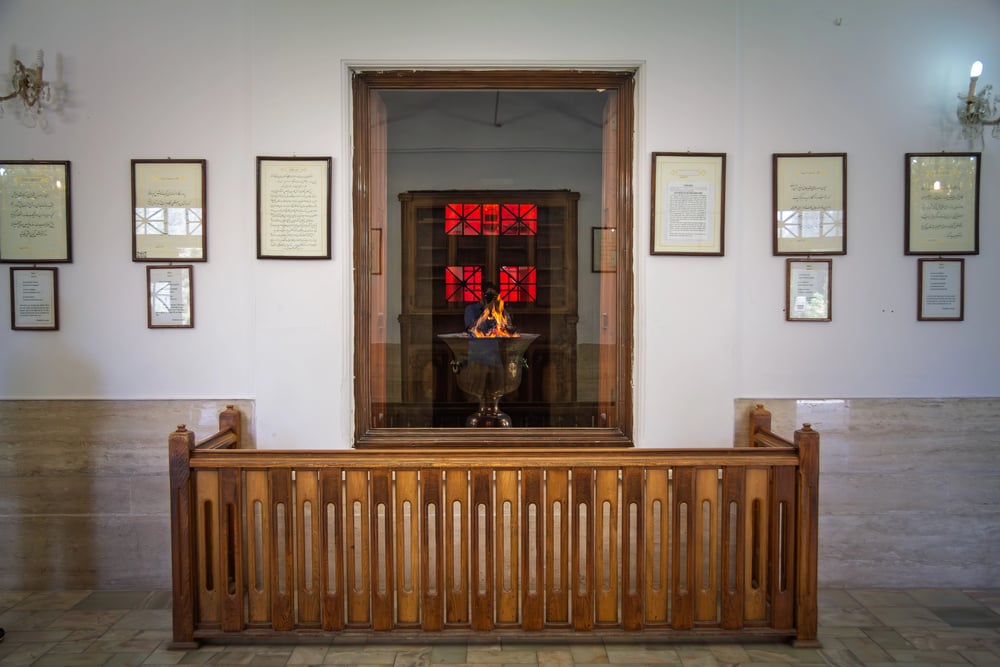
Islamic conquest of Persia created an existential crisis for Zoroastrian communities: their fire temples, sacred mountains, and ritual practices formed the foundation of Persian cultural identity, yet continuing these traditions openly meant facing persecution as pagans refused conversion. The community’s response demonstrated remarkable strategic thinking.
Fire worship continued in modified forms that could be interpreted as acceptable within Islamic law. Sacred flames were maintained in private homes rather than public temples. Ritual purification practices adapted to align with Islamic cleanliness requirements.
The solar calendar and seasonal celebrations disguised themselves as agricultural festivals. Meanwhile, Zoroastrian communities established extensive merchant networks that enabled cultural preservation through economic integration.
Trading families carried ritual knowledge across vast distances, maintained communication between scattered communities, and funded secret schools where traditional learning continued. The religion that appeared to vanish from public view had actually become a thriving underground culture.
The Thread That Binds

What strikes you about these hidden traditions isn’t just their survival against overwhelming odds, but how they shaped the very cultures that tried to eliminate them. Christianity absorbed pagan festivals, Islamic mysticism carried forward pre-Islamic practices, and modern science emerged from alchemical laboratories that operated in deliberate secrecy.
Perhaps the real story isn’t about forbidden traditions at all — it’s about the impossibility of truly erasing human ideas once they’ve taken root in communities willing to preserve them. These weren’t museum pieces kept alive by scholars, but living practices that continued because they served real human needs that official alternatives couldn’t meet.
The secrets are still there, embedded in folk customs that seem innocent enough, hiding behind acceptable facades that would fool casual observation. What looks like the victory of orthodox authority often turns out to be successful camouflage by traditions that learned to survive by becoming invisible rather than extinct.
More from Go2Tutors!

- The Romanov Crown Jewels and Their Tragic Fate
- 13 Historical Mysteries That Science Still Can’t Solve
- Famous Hoaxes That Fooled the World for Years
- 15 Child Stars with Tragic Adult Lives
- 16 Famous Jewelry Pieces in History
Like Go2Tutors’s content? Follow us on MSN.