9 Remote Places That Take Weeks to Reach
In our interconnected world where same-day deliveries and instant communication have become the norm, it’s easy to forget that vast portions of our planet remain profoundly isolated. These remote outposts exist beyond the reach of convenience, requiring extraordinary dedication and determination from those who wish to visit them.
The journey to these distant destinations isn’t measured in hours, but in days or weeks of travel across treacherous terrain, unpredictable oceans, or vast wilderness. Here is a list of 9 remarkably remote places where simply arriving becomes an expedition in itself, requiring weeks of travel and challenging conventional notions of accessibility in our modern world.
Pitcairn Island
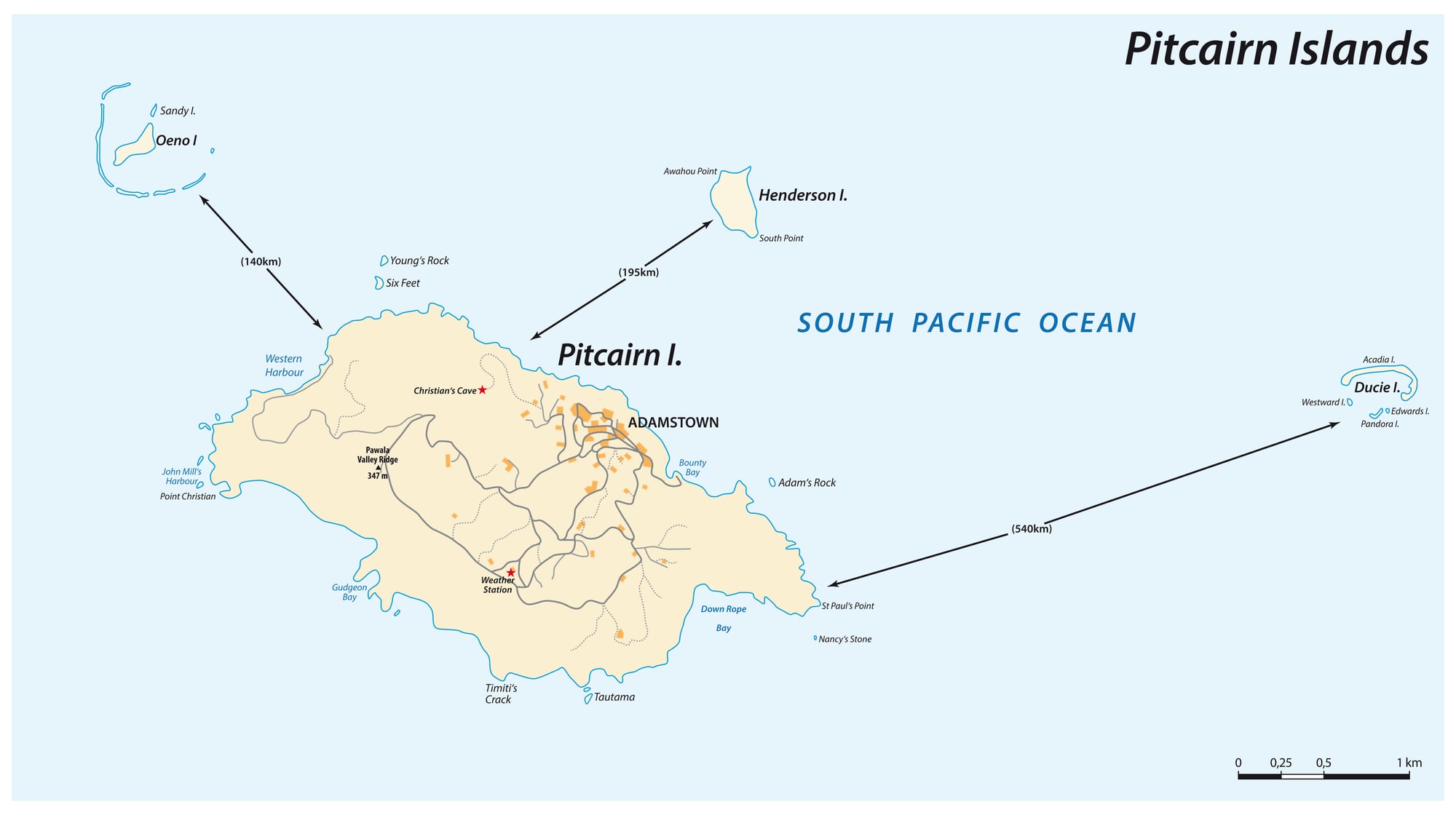
Located roughly halfway between New Zealand and Peru in the South Pacific, this tiny British Overseas Territory is home to just 50 people, primarily descendants of the HMS Bounty mutineers. Reaching Pitcairn requires flying to Tahiti, then to Mangareva in the Gambier Islands, followed by a 32-hour boat journey that only runs once every three months.
The island has no airstrip, no safe harbor for large vessels, and visitors must climb from small boats up a steep cliff face just to set foot on its shores.
Tristan da Cunha
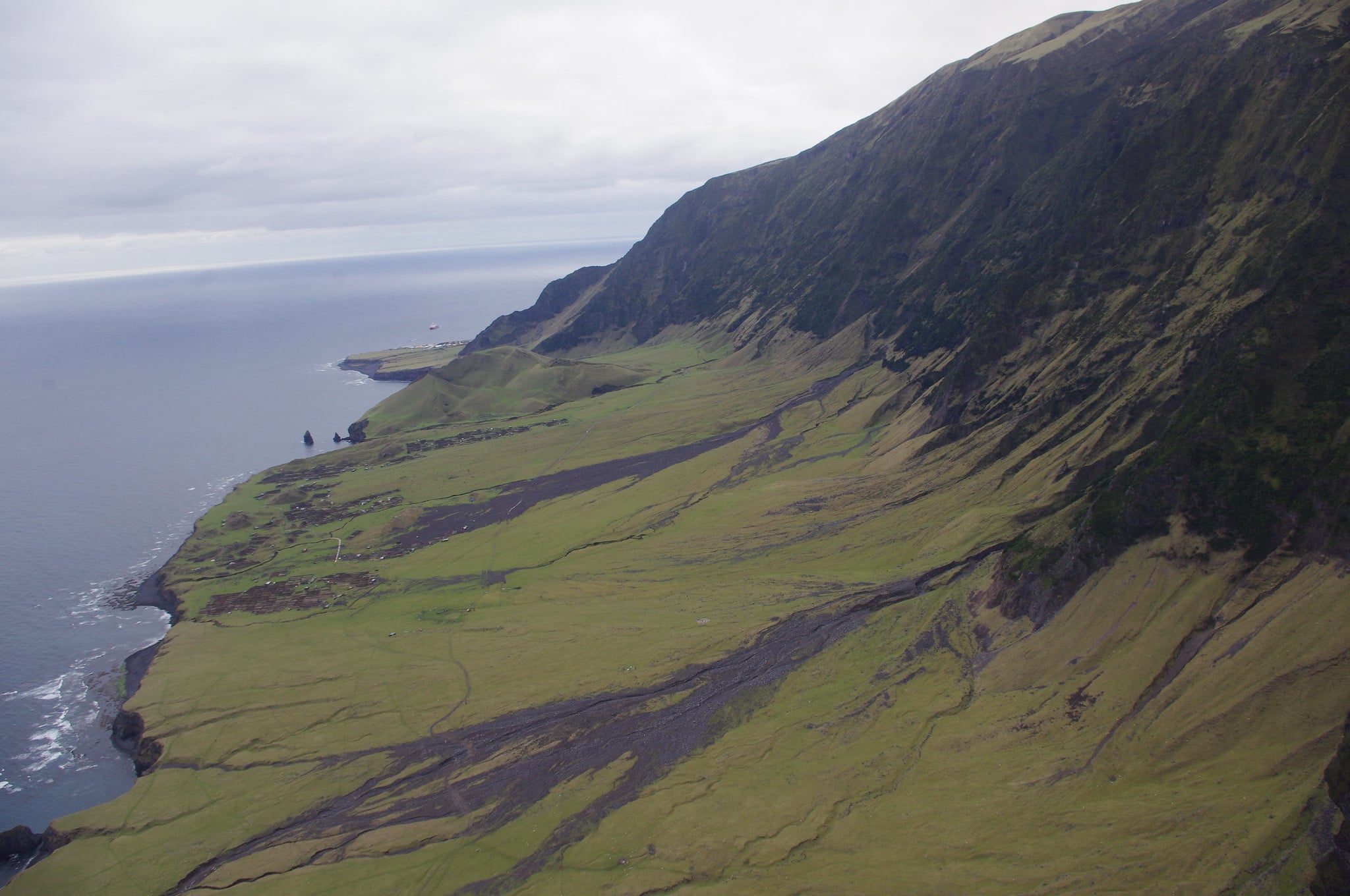
Widely considered the most remote inhabited island on Earth, this volcanic outcrop in the South Atlantic lies 1,500 miles from the nearest mainland (South Africa) and 2,000 miles from South America. The journey typically begins with a six-day boat trip from Cape Town aboard one of the few fishing or research vessels that service the island approximately eight times per year.
With no airport and surrounded by notoriously rough seas, the 250 residents of this British territory live in profound isolation with limited contact with the outside world.
Like Go2Tutors’s content? Follow us on MSN.
McMurdo Station, Antarctica
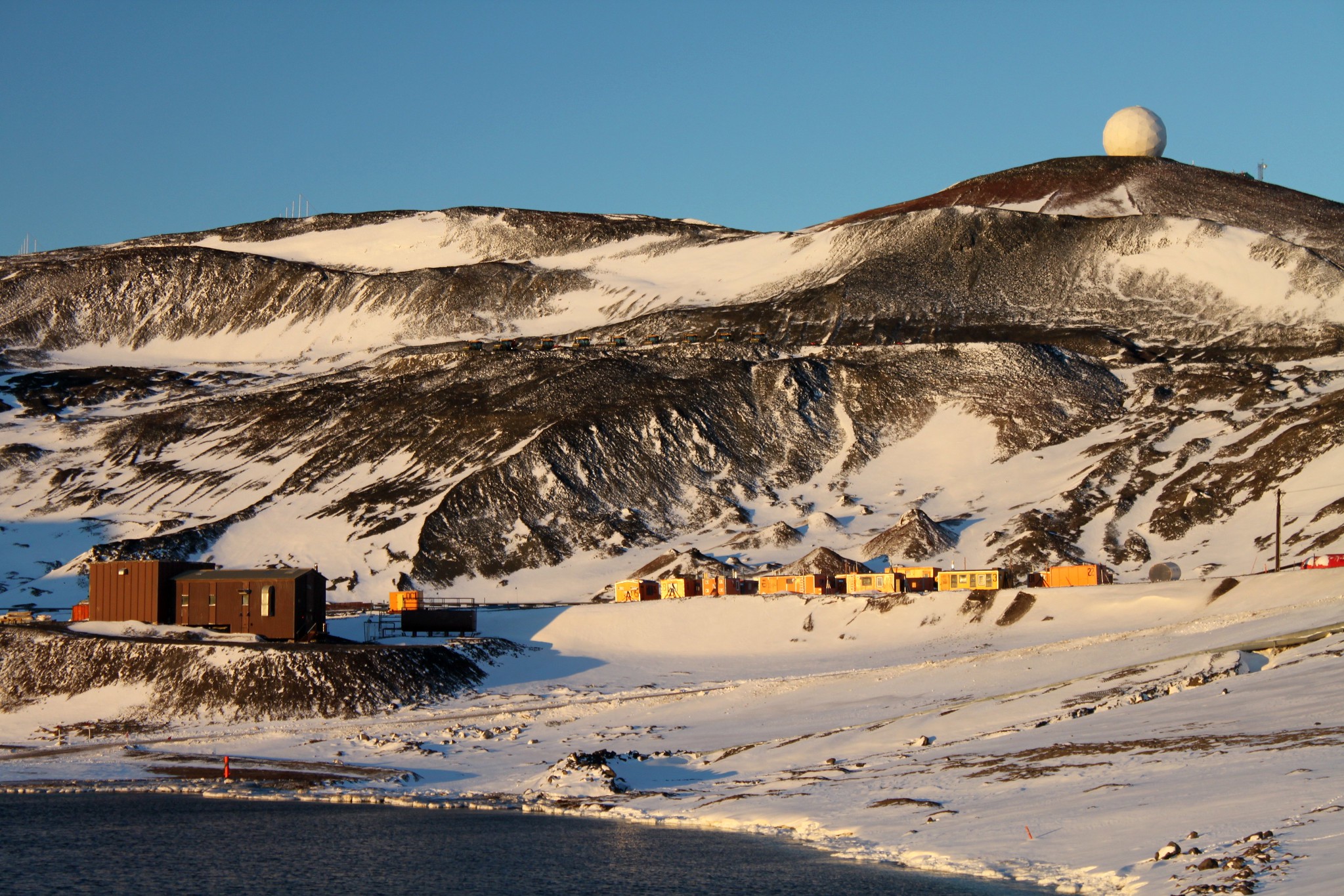
America’s largest Antarctic research facility accommodates up to 1,200 personnel during the summer months, but reaching it requires careful planning and patience. Visitors typically fly to Christchurch, New Zealand, then board military transport aircraft to McMurdo, weather permitting.
During winter months when darkness engulfs the continent and temperatures plummet to minus 60 degrees Fahrenheit, the station becomes completely inaccessible for up to six months at a stretch, creating one of the longest isolation periods of any human settlement.
Motuo County, China
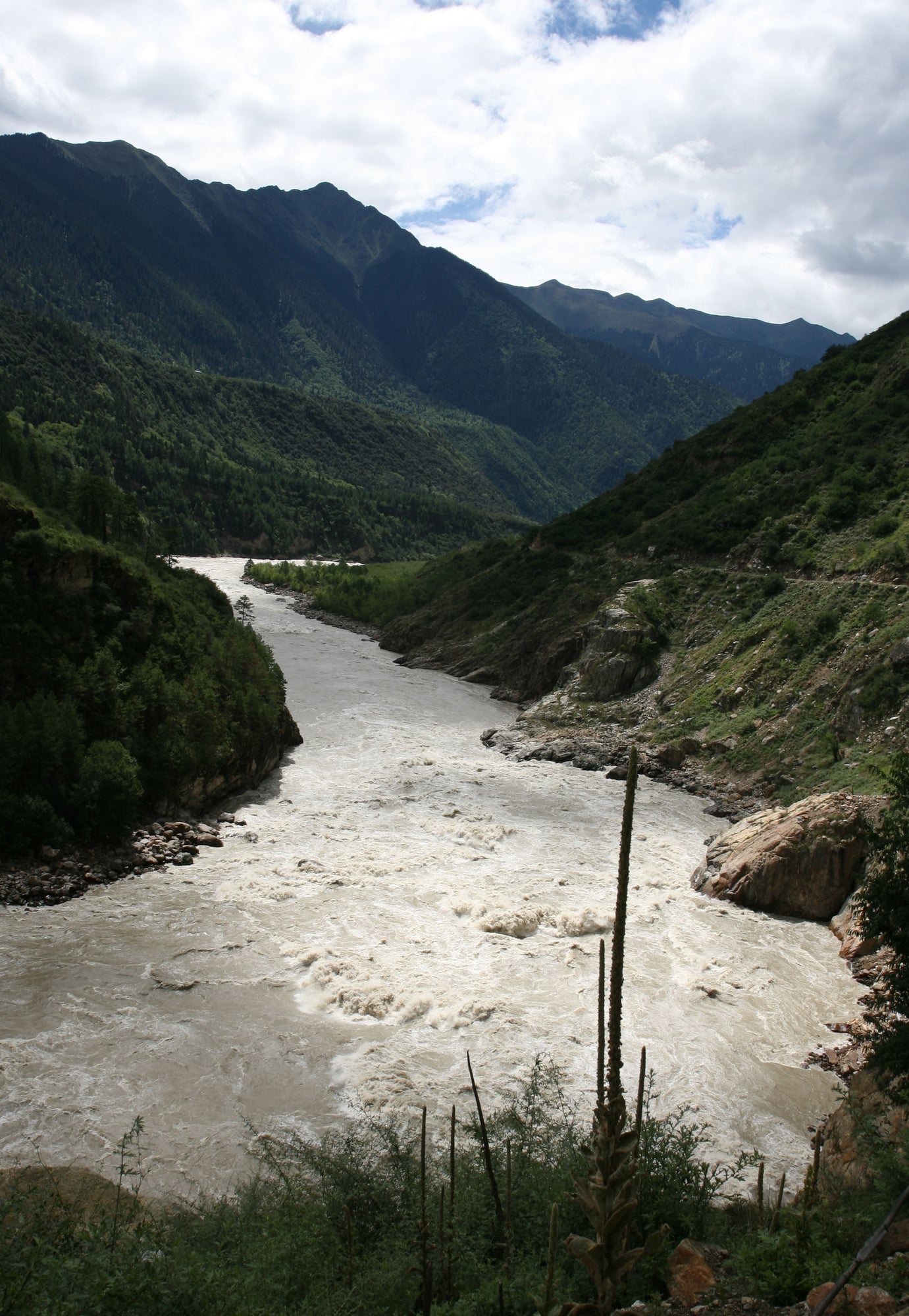
Until 2013, this was the last county in China without road access, nestled among the Himalayan peaks in Tibet. Even with the newly constructed highway, reaching Motuo remains extraordinarily difficult as monsoon rains and landslides regularly destroy sections of the road for months at a time.
Travelers must often hike through dense forests, cross a suspension bridge over the roaring Brahmaputra River, and traverse mountain passes exceeding 12,000 feet in elevation during a journey that can take weeks depending on weather conditions.
Ittoqqortoormiit, Greenland
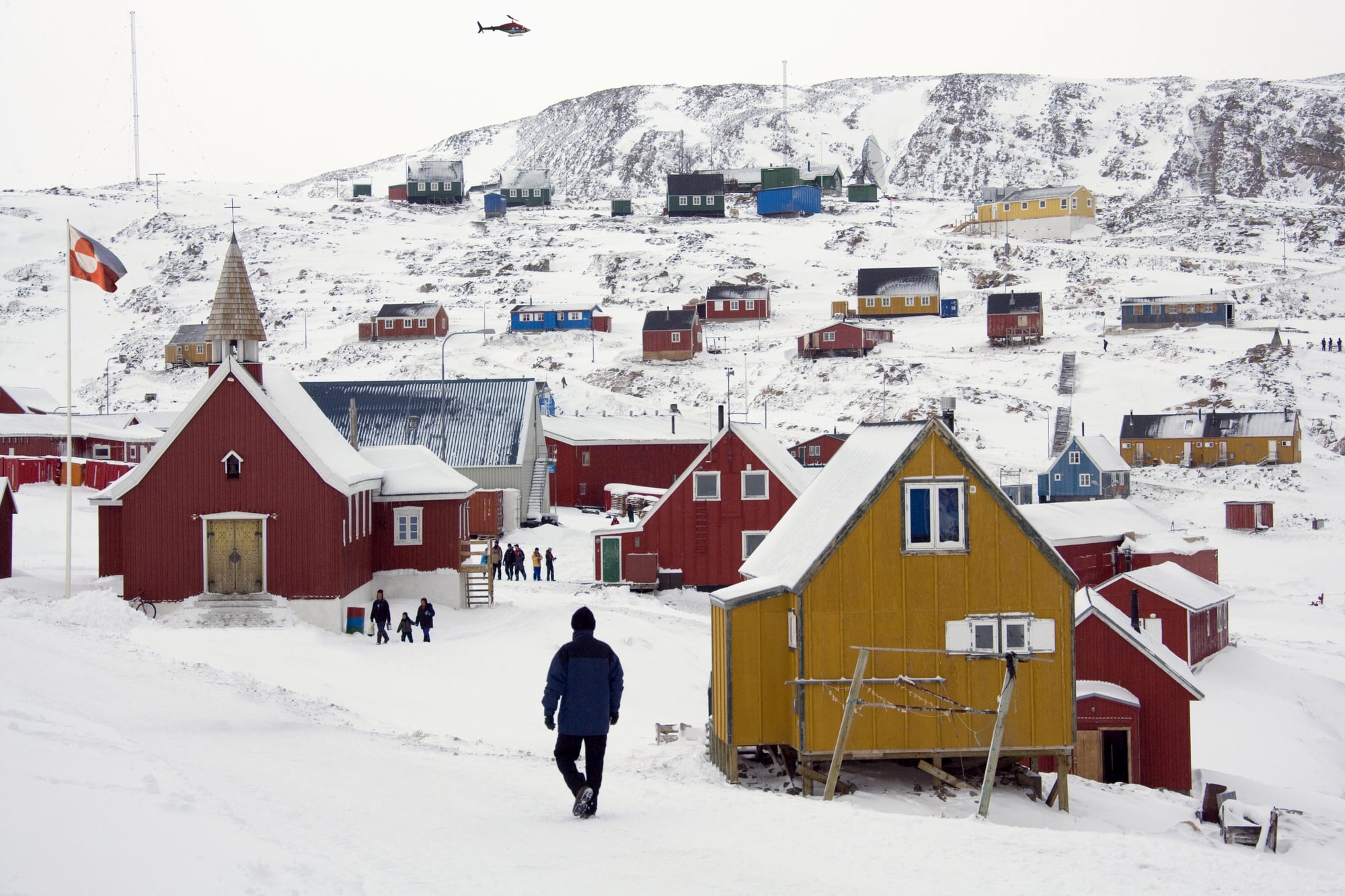
Home to approximately 350 residents, this hunting and fishing community on Greenland’s eastern coast is surrounded by the world’s largest national park. Reaching it requires flying to Iceland, then catching a specialized small aircraft to the nearby Nerlerit Inaat Airport, followed by a helicopter ride to the settlement itself.
During winter, sea ice blocks ship access for nine months of the year, and polar bears outnumber humans in the surrounding region, creating an isolation so profound that even mail delivery operates on an irregular schedule.
Like Go2Tutors’s content? Follow us on MSN.
Alert, Nunavut
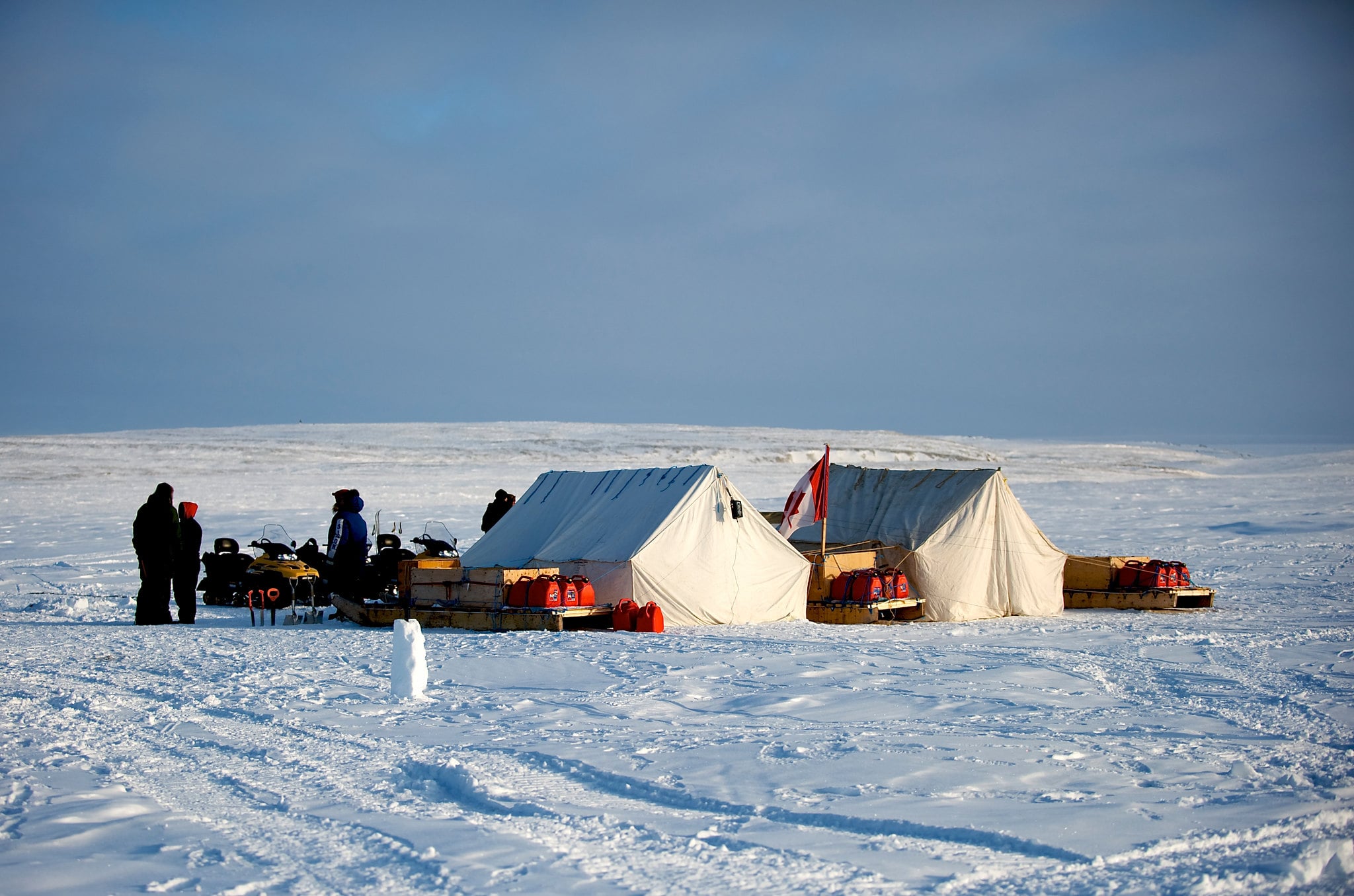
Situated on the northern tip of Ellesmere Island, just 500 miles from the North Pole, Alert is the northernmost permanently inhabited place on Earth. Access to this Canadian Forces Station requires multiple specialized military flights through Thule Air Base in Greenland, with the final leg traversing some of the most extreme Arctic conditions on the planet.
Visitors must time their journey carefully as total darkness envelops the station for five months each winter, and temperatures can remain below minus 40 degrees for weeks at a stretch.
Easter Island

While commercial flights now reach this mysterious Pacific island famous for its monolithic stone statues, its profound isolation remains staggering. Located 2,300 miles from Chile’s coast and 2,500 miles from Tahiti, Easter Island is one of the most geographically isolated inhabited places on Earth.
Flights operate just a few times weekly, and weather disruptions can strand visitors for extended periods, explaining why the indigenous Rapa Nui people developed such a distinctive and enigmatic culture in their splendid isolation.
Kerguelen Islands
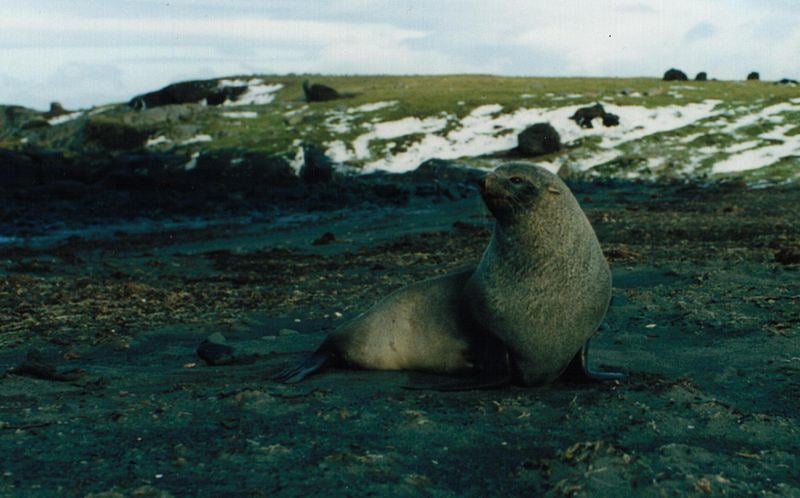
These windswept sub-Antarctic islands in the southern Indian Ocean are among France’s most remote territories, nicknamed the “Desolation Islands” by early explorers. Access requires securing passage on one of the four annual supply ships departing from Réunion Island, each voyage taking about a month to cover the 2,000 miles of notoriously rough seas.
With no airstrip and some of the most consistently violent winds on the planet, the islands host only a small research station, and civilian visits require special government permission.
Like Go2Tutors’s content? Follow us on MSN.
Supai Village, United States
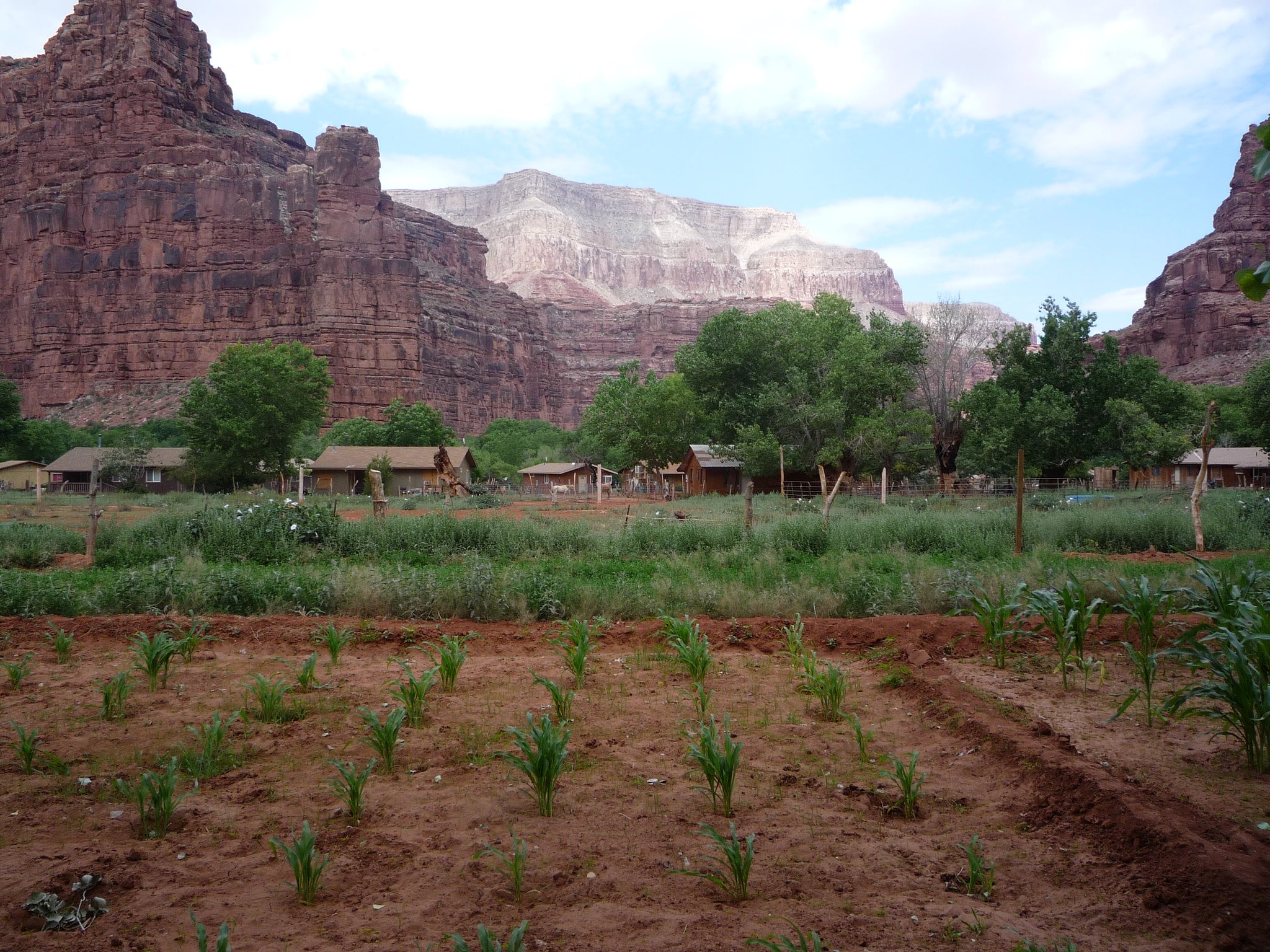
Located at the bottom of the Grand Canyon and home to the Havasupai Tribe, this is the only place in America where mail still arrives by mule train. The village has no roads connecting it to the outside world, requiring visitors to either hike 8 miles down steep canyon trails, ride mules, or take a helicopter that operates on a limited schedule.
During monsoon season, flash floods can completely cut off access for weeks at a time, and reservations to visit must be made nearly a year in advance due to strict limitations on tourist numbers.
The Journey Is the Destination
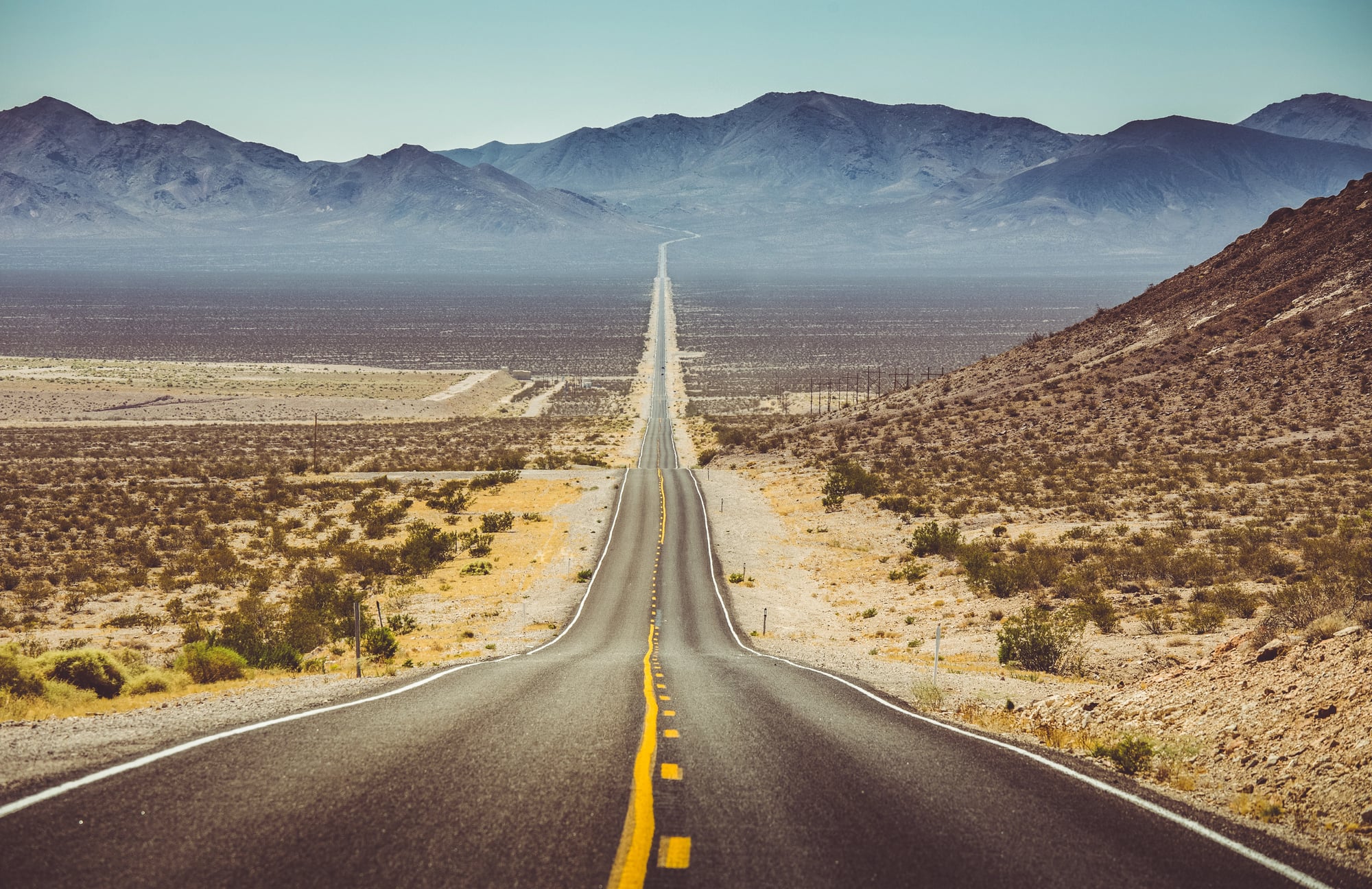
These extraordinarily remote places remind us that despite our seemingly shrinking world of international flights and digital connectivity, vast regions remain beyond convenient access. The profound isolation of these locations has preserved unique cultures, pristine environments, and a sense of genuine adventure increasingly rare in our hyperconnected era.
For those with the determination to reach them, these destinations offer something increasingly precious—the experience of truly leaving the known world behind, even if just for a while, and connecting with places where isolation isn’t merely a feature but the defining characteristic that has shaped every aspect of life for generations.
More from Go2Tutors!

- 18 Unexpectedly Valuable Collectibles You Might Have Lying Around
- 15 Things Every Teenager in the ’70s Did That Teens Today Wouldn’t Understand
- 15 Strange Things People Have Tried to Ban (And Failed)
- 15 Inventions That Were Immediately Banned After Being Created
- 20 Actors Who Were Almost Cast in Iconic Roles
Like Go2Tutors’s content? Follow us on MSN.