Secret Locations Built During the Cold War
The bunkers are still there. Most of them, anyway. Hidden beneath mountains, tucked into forests, disguised as ordinary buildings in suburban neighborhoods. For nearly half a century, two superpowers prepared for a war that would end civilization as we knew it, and they built accordingly.
These weren’t just military bases or government offices. They were elaborate hideouts designed to keep essential personnel alive and functional while the world burned above them. Some cost billions of dollars. Others were abandoned before completion, leaving behind concrete monuments to paranoia and nuclear anxiety. A few remain classified to this day.
The Cold War ended more than three decades ago, but its architectural legacy persists in places you’d never expect to find it.
Raven Rock Mountain Complex
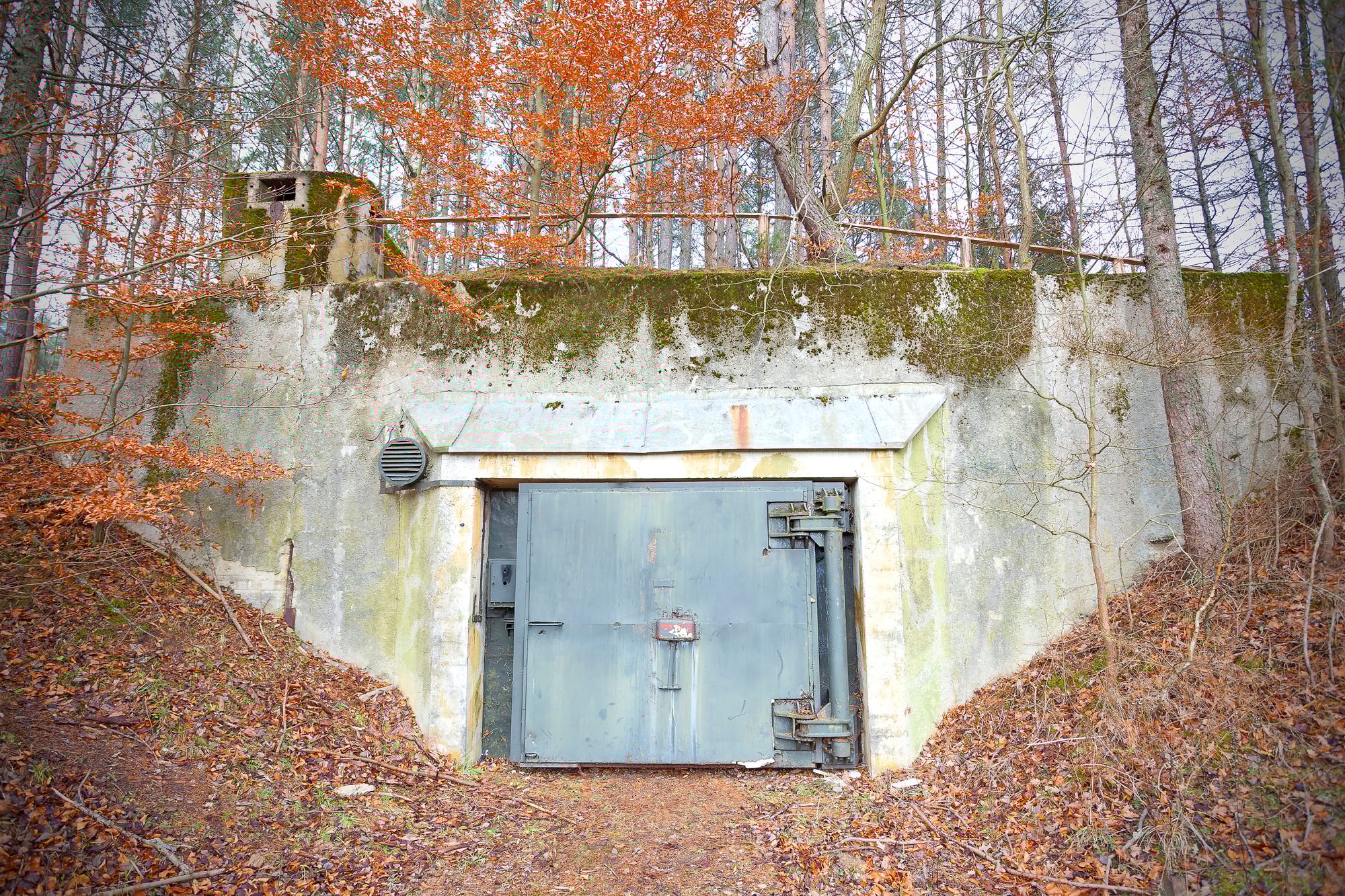
The mountain swallows you whole. Drive along Pennsylvania Route 16 near the Maryland border, and you’ll pass what looks like an unremarkable peak covered in trees — but inside Raven Rock Mountain sits a city designed to outlast the apocalypse.
Built starting in 1951, this underground complex stretches across multiple acres carved directly into granite. The facility was designed to house thousands of military personnel and civilian leaders during a nuclear attack, complete with its own power plant, water treatment facility, and enough supplies to last months.
And yet (because paranoia breeds more paranoia), even this wasn’t considered secure enough: the military built multiple backup sites, each more elaborate than the last, creating a network of bunkers that could theoretically keep the government running even if several were destroyed simultaneously.
The Pentagon still uses Raven Rock today. Which makes sense, really — you don’t spend decades and billions of dollars creating the perfect hiding place just to abandon it when the immediate threat passes.
Cheyenne Mountain Complex
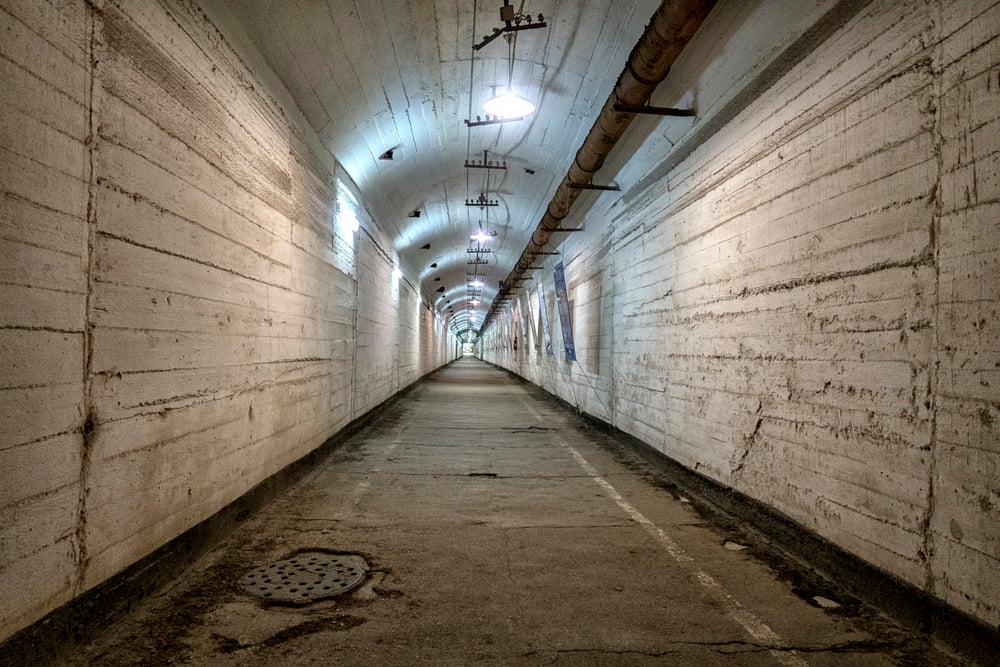
Nuclear war runs on precise timing, and someone had to keep track of every missile in the sky.
NORAD built Cheyenne Mountain to solve this problem. The complex sits inside a Colorado peak, protected by blast doors that weigh 25 tons each and are designed to seal shut in seconds. The entire facility rests on springs to absorb shock waves. Fifteen buildings sit inside the mountain, connected by tunnels that feel more like underground streets than hallways.
This place wasn’t built for comfort — it was built to function. The air filtration system can handle chemical and biological attacks. The power systems have multiple backups. Even the cafeteria was designed to keep feeding people for months without resupply. Every detail anticipated the worst-case scenario and then planned for something worse than that.
Mount Weather Emergency Operations Center
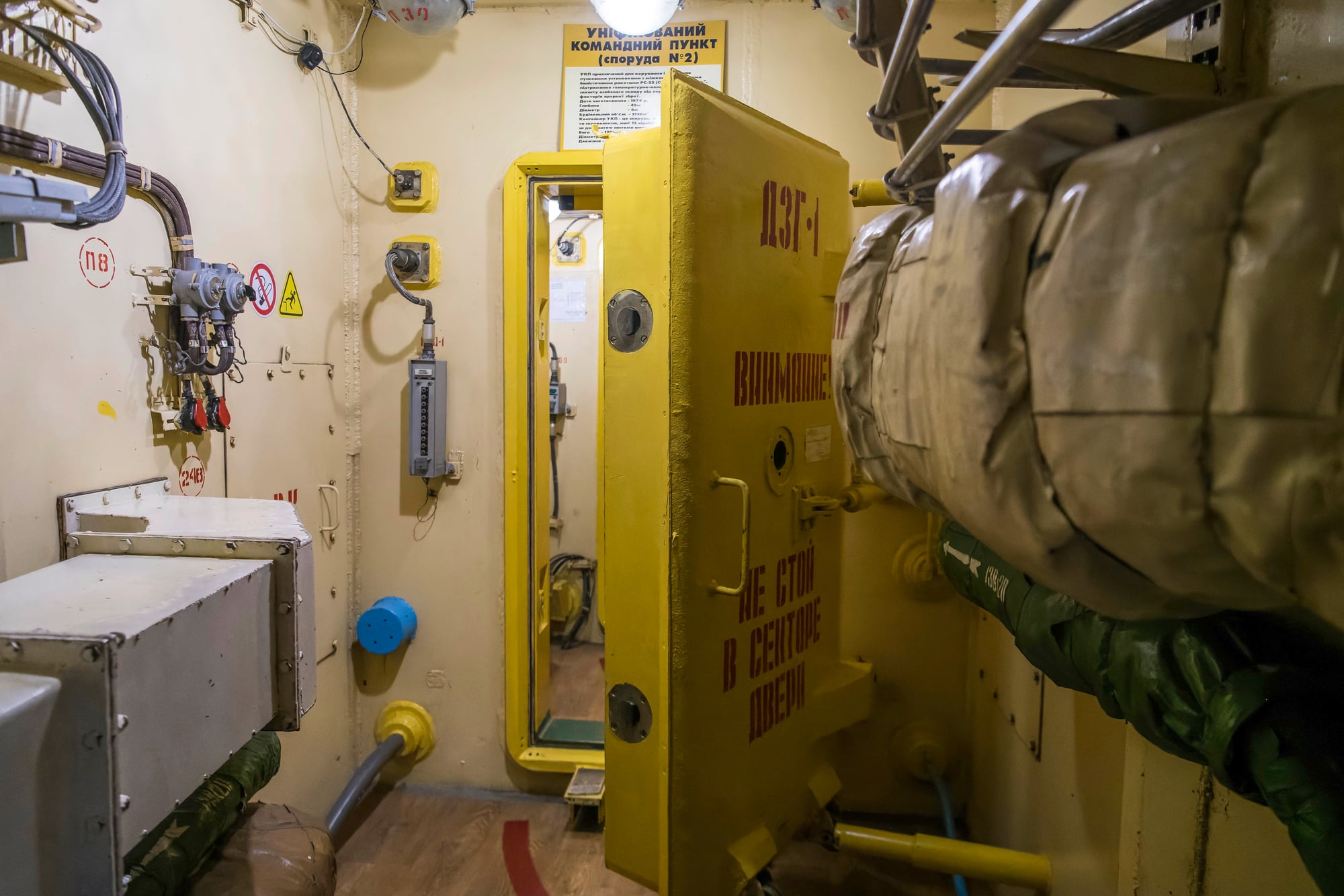
There’s something carefully controlled about a government facility with officially acknowledged existence but heavily restricted access, especially when it sits an hour from Washington D.C. and employs hundreds of people who drive there every day.
Mount Weather operates as a classified federal emergency operations center. While its general existence is publicly known, the government maintains strict controls over disclosure of its specific capabilities and operational procedures on national security grounds.
The facility is carved into a Virginia mountainside and reportedly contains everything from dormitories to a television studio, because during emergencies, coordinated broadcast communications with surviving populations would be essential.
The facility, unlike some Cold War bunkers that have been partially declassified or converted to other uses, remains fully operational and its detailed functions remain classified. This reflects the ongoing assumption that comprehensive emergency government operations capability must be maintained, raising the practical question of what exact scenarios continue to drive such extensive preparation.
But then again, that’s probably the point. The facility that works best is the one with controlled information about its capabilities.
Greenbrier Congressional Bunker
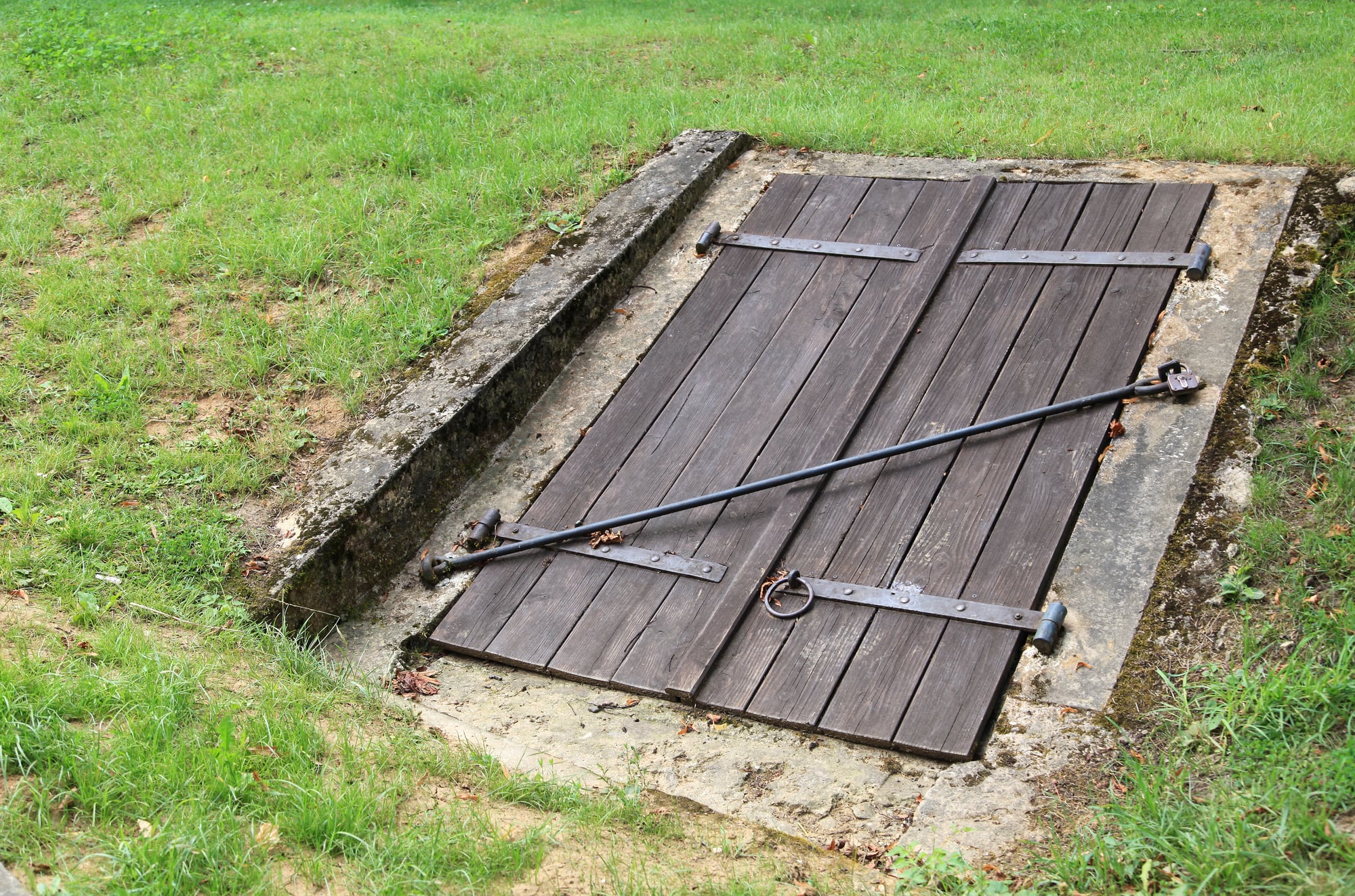
The Greenbrier resort in West Virginia hosted presidents and foreign dignitaries for decades. Golf tournaments, state dinners, the usual diplomatic theater. Behind a false wall in the conference center, however, sat something considerably less hospitable.
For thirty years, the government maintained a bunker designed to house the entire U.S. Congress during nuclear war. The facility included dormitories, a medical center, and meeting rooms where senators and representatives could theoretically continue governing while radioactive fallout settled above them.
The setup was elaborate but cramped. Sleeping quarters were assigned based on seniority, which meant junior congresspeople would have shared bunks like summer camp counselors. The irony wasn’t lost on anyone: the people who voted on military budgets and foreign policy would spend the end of the world arguing about room assignments.
The bunker was decommissioned after its existence was revealed in 1992. Tours are available now, though the guides still won’t discuss certain areas.
Annapolis Naval Academy Bunker
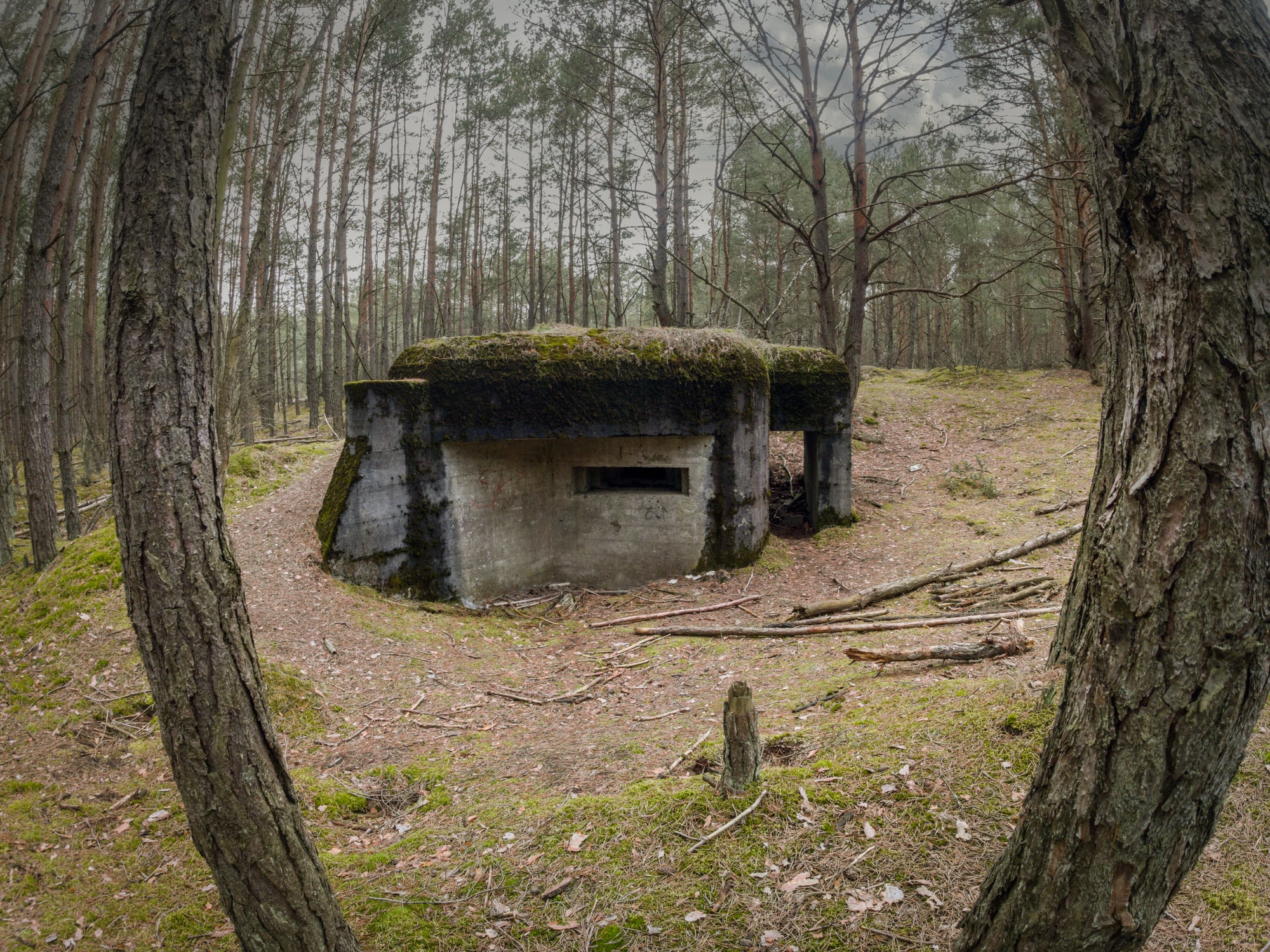
Sometimes the most obvious hiding places are the most effective ones. While other agencies built bunkers in remote mountains, the Navy decided to put their emergency command center beneath one of the most recognizable military institutions in the country.
The bunker sits under the Naval Academy campus in Maryland, disguised as part of the regular infrastructure. Students walked over it daily without knowing it existed. The facility was designed to coordinate naval operations during extended nuclear conflict, with communication systems that could reach submarines anywhere in the world.
Naval strategy during the Cold War assumed that surface ships wouldn’t survive the initial exchange, making submarines the primary military asset for any extended conflict. This bunker was built to manage a war fought entirely underwater — coordinating missile launches, supply operations, and reconnaissance missions for months or years while the surface world recovered from devastation.
Titan Missile Silos
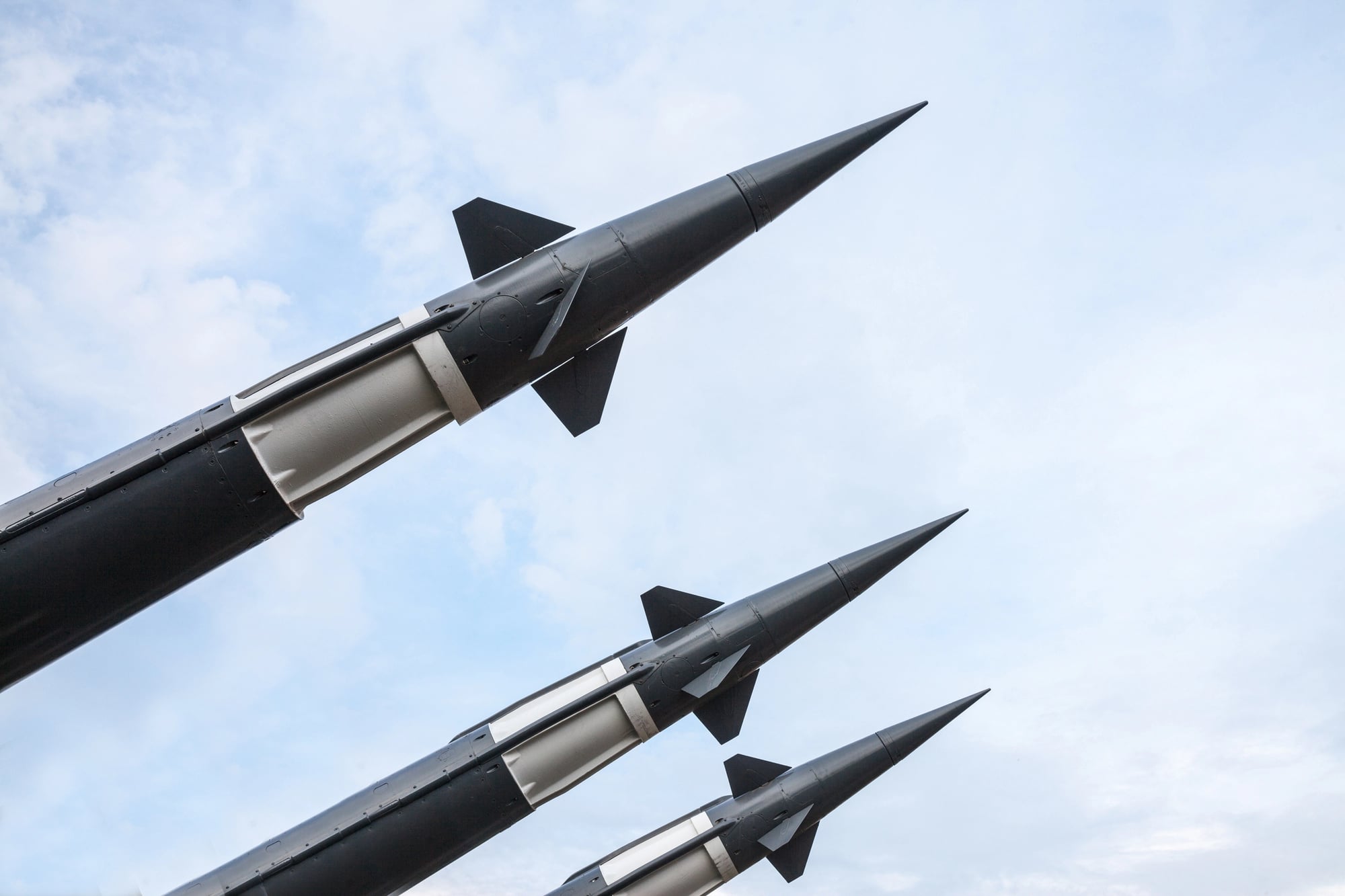
The logic of nuclear deterrence required that retaliation remain possible even after a surprise attack, which meant missile silos had to be built tough enough to survive direct hits and still launch their payloads.
Titan II silos were marvels of paranoid engineering (and they had to be, considering what they were designed to accomplish). Each silo was essentially a hardened concrete tower buried 150 feet underground, with blast doors, independent power systems, and environmental controls that could keep two-person crews alive for weeks. The missiles themselves were 100-foot-tall liquid-fueled rockets carrying nine-megaton warheads — weapons powerful enough to destroy entire metropolitan areas.
And yet the most unsettling aspect wasn’t the destructive capability but the routine nature of maintaining them: thousands of military personnel worked regular shifts in these facilities for decades, performing maintenance on weapons they sincerely hoped would never be used.
So they kept the missiles ready while praying they’d never receive launch orders. Which is a particular kind of psychological burden that’s difficult to imagine carrying for an entire career.
Most Titan silos were decommissioned and destroyed after the Cold War ended, though a few have been preserved as museums where you can tour the control rooms and launch chambers.
Underground Pentagon
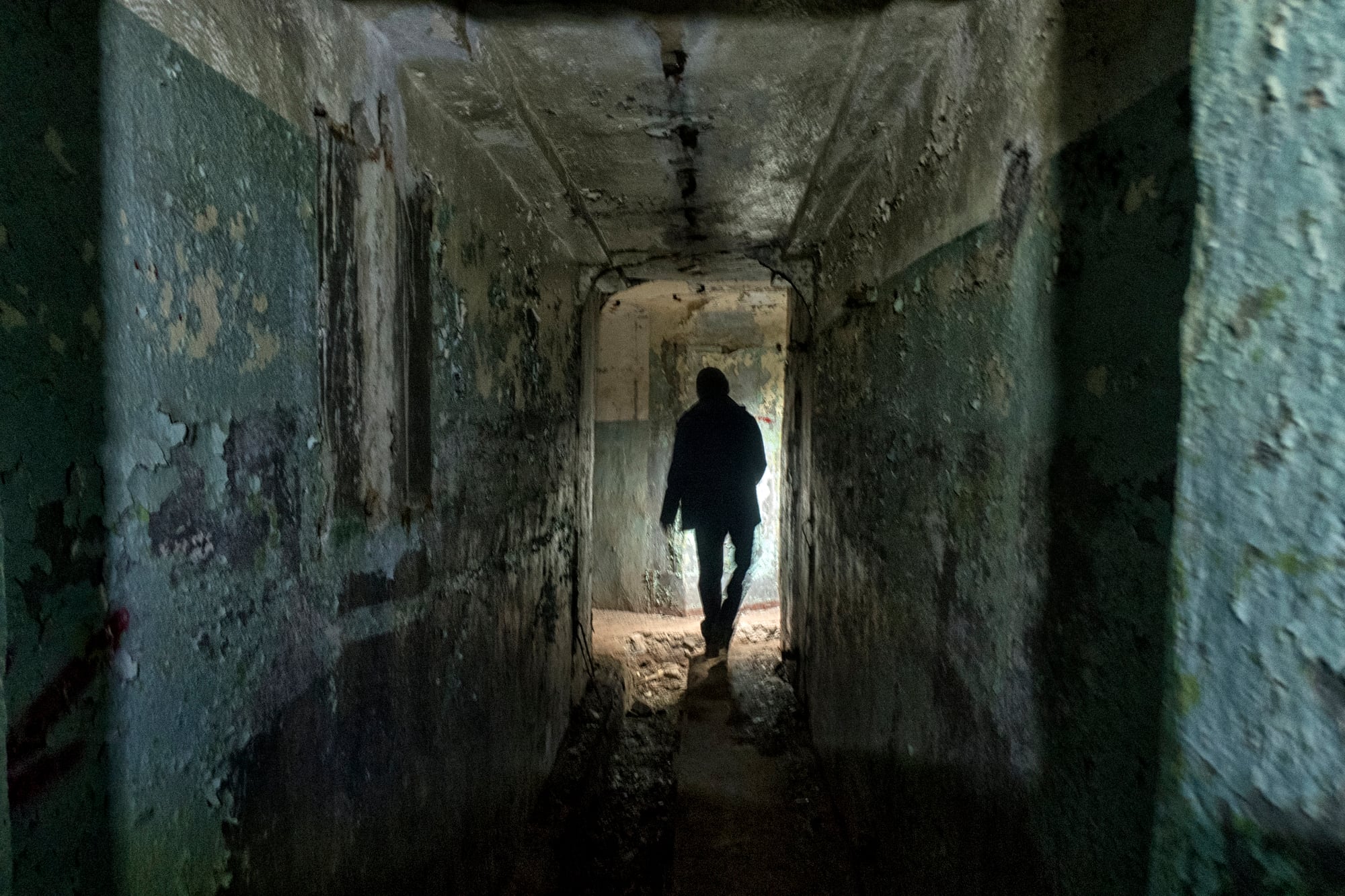
The Pentagon you see above ground is impressive enough — five floors, five rings, enough office space for 25,000 employees. The Pentagon you don’t see is something else entirely.
Construction began on underground levels during World War II and continued throughout the Cold War. These subterranean floors house communication centers, emergency command facilities, and secure meeting rooms designed to function independently of the main building. The underground sections connect to tunnels that reportedly lead to other government facilities, though the exact layout remains classified.
What makes this bunker unusual is its integration with daily operations. Unlike remote mountain complexes that would only be used during emergencies, the Pentagon’s underground levels serve regular functions while maintaining the capability to become a wartime command center. Staff meetings happen in conference rooms that could theoretically coordinate global military operations during nuclear conflict.
The facility represents a particular Cold War mindset: the assumption that government operations would continue during and after nuclear war, requiring infrastructure that could support both routine bureaucracy and civilizational crisis.
Strategic Air Command Bunker
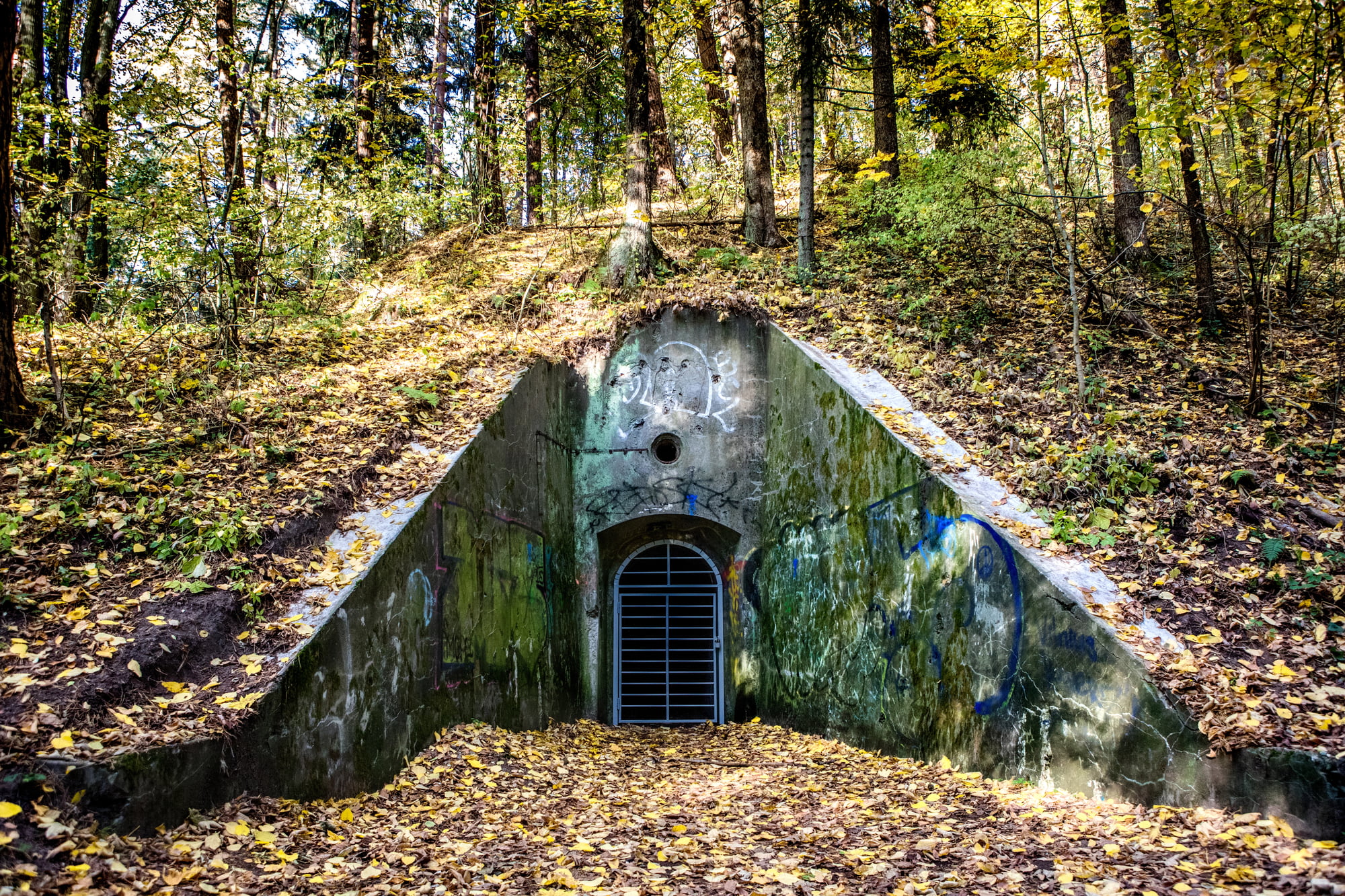
Offutt Air Force Base in Nebraska sits in the geographic center of the United States, which made it the logical location for coordinating nuclear bomber operations across both coasts.
The Strategic Air Command bunker was built deep underground with facilities to house hundreds of personnel during extended operations. The complex included communication systems capable of reaching aircraft anywhere in the world, weather monitoring equipment to track radioactive fallout patterns, and enough supplies to maintain operations for months without resupply.
This facility was designed around a specific nightmare scenario: coordinating retaliatory nuclear strikes while under continuous attack. The bunker had multiple communication systems, redundant power sources, and blast-resistant construction capable of withstanding direct hits from enemy missiles. Even the air filtration system was built to handle multiple types of contamination simultaneously.
But here’s what made it different from other bunkers: it was designed to coordinate attacks, not just survive them.
NORAD Combat Operations Center
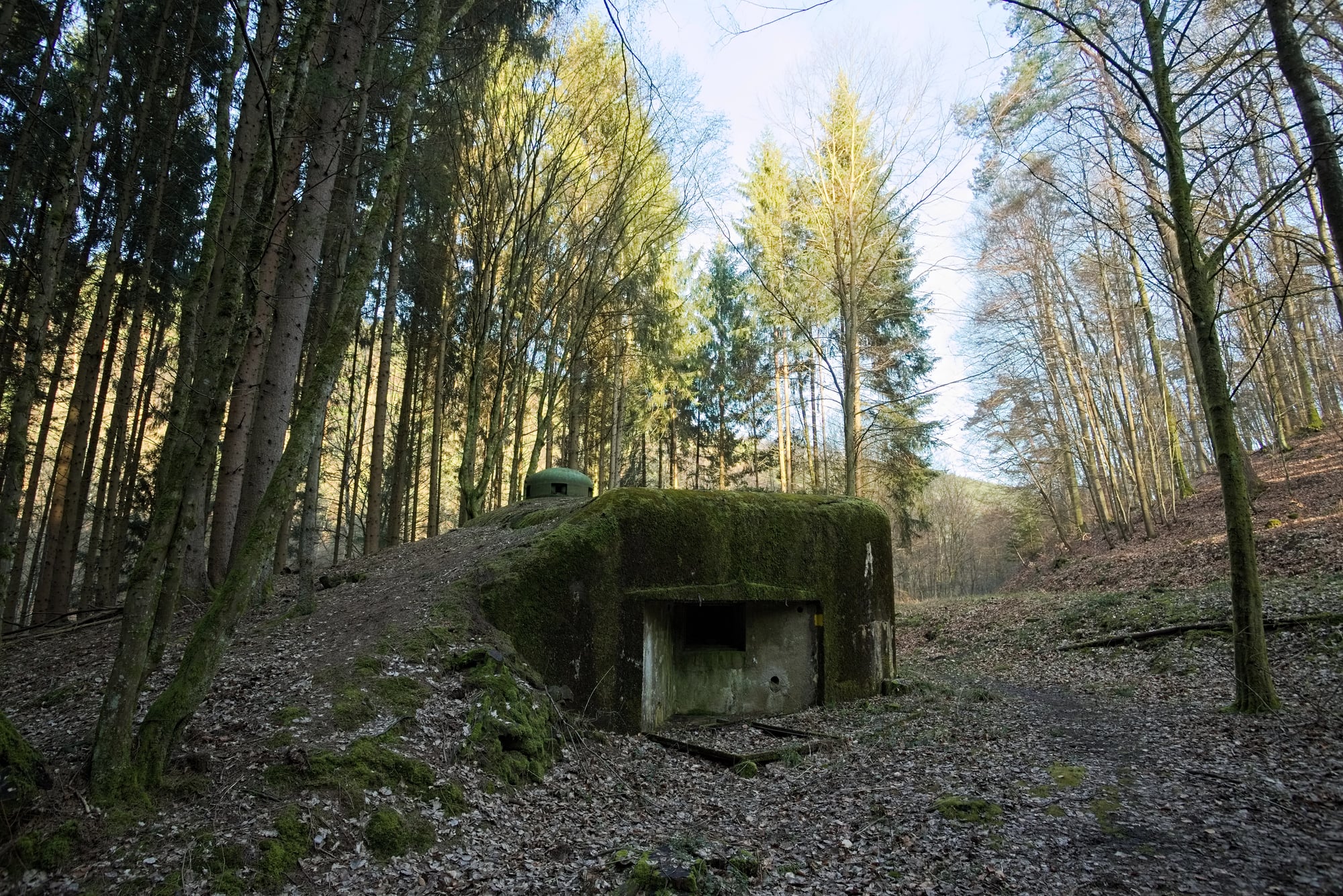
Before Cheyenne Mountain, NORAD operated from a building that looked like any other office complex on a Colorado air force base. The problem was obvious: you can’t coordinate continental air defense from a facility that won’t survive the first wave of attacks.
The solution was comprehensive. NORAD moved its entire operation inside a mountain, but they built it as a fully functional military headquarters rather than a basic survival bunker. The facility includes multiple command centers, communication rooms capable of coordinating with military units worldwide, and computer systems that track thousands of aircraft simultaneously.
The most striking feature isn’t the blast doors or the mountain setting — it’s how normal everything looks once you’re inside. The command center resembles a high-tech office building, complete with conference rooms, workstations, and a cafeteria. Staff work regular shifts monitoring air traffic and potential threats.
Alternate Pentagon (Site R)
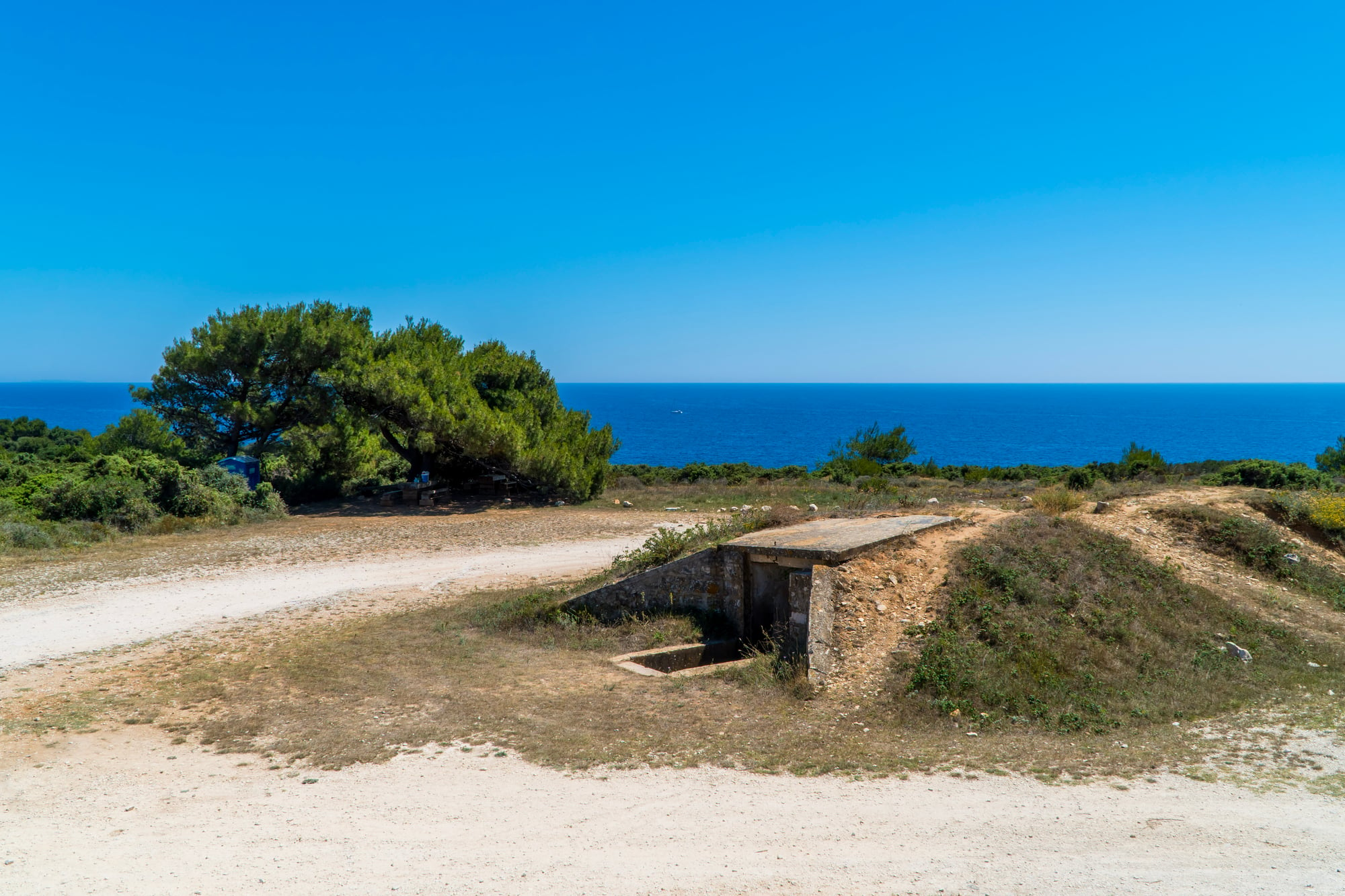
The phrase “Alternate Pentagon” sounds like something from a science fiction novel, but it accurately describes a facility built in Pennsylvania during the 1950s to house Defense Department operations if the original Pentagon was destroyed.
Site R was carved into Raven Rock Mountain with facilities designed to duplicate the Pentagon’s essential functions. The complex includes conference rooms, communication centers, and office space for thousands of personnel. Unlike temporary bunkers designed for short-term survival, this facility was built to serve as a permanent replacement for the Defense Department’s headquarters.
The construction required removing thousands of tons of granite and installing infrastructure equivalent to a small city. Power systems, water treatment, air filtration, food storage — everything needed to keep military operations running indefinitely.
Deep Underground Command Centers
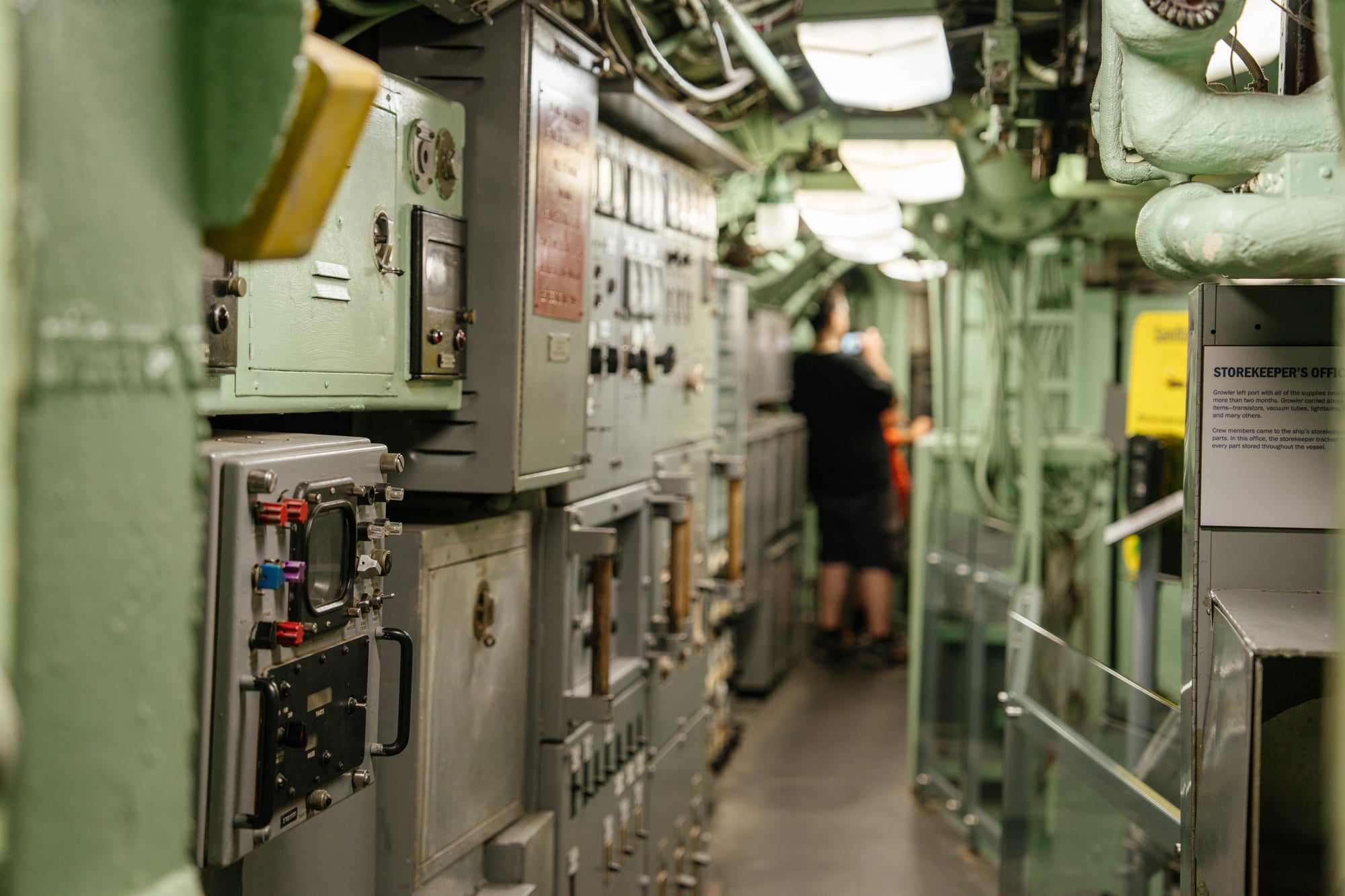
Some bunkers were built so deep that their exact locations remain classified decades after construction. These facilities were designed to survive direct hits from the largest nuclear weapons in the Soviet arsenal.
Construction required drilling through solid rock hundreds of feet below ground level, then installing facilities capable of supporting hundreds of personnel for extended periods. The engineering challenges were immense — not just excavation, but creating life-support systems that could function independently for months.
These installations were built with the understanding that surface infrastructure would be completely destroyed, requiring underground systems to maintain coordination and recovery operations.
Classified Naval Facilities
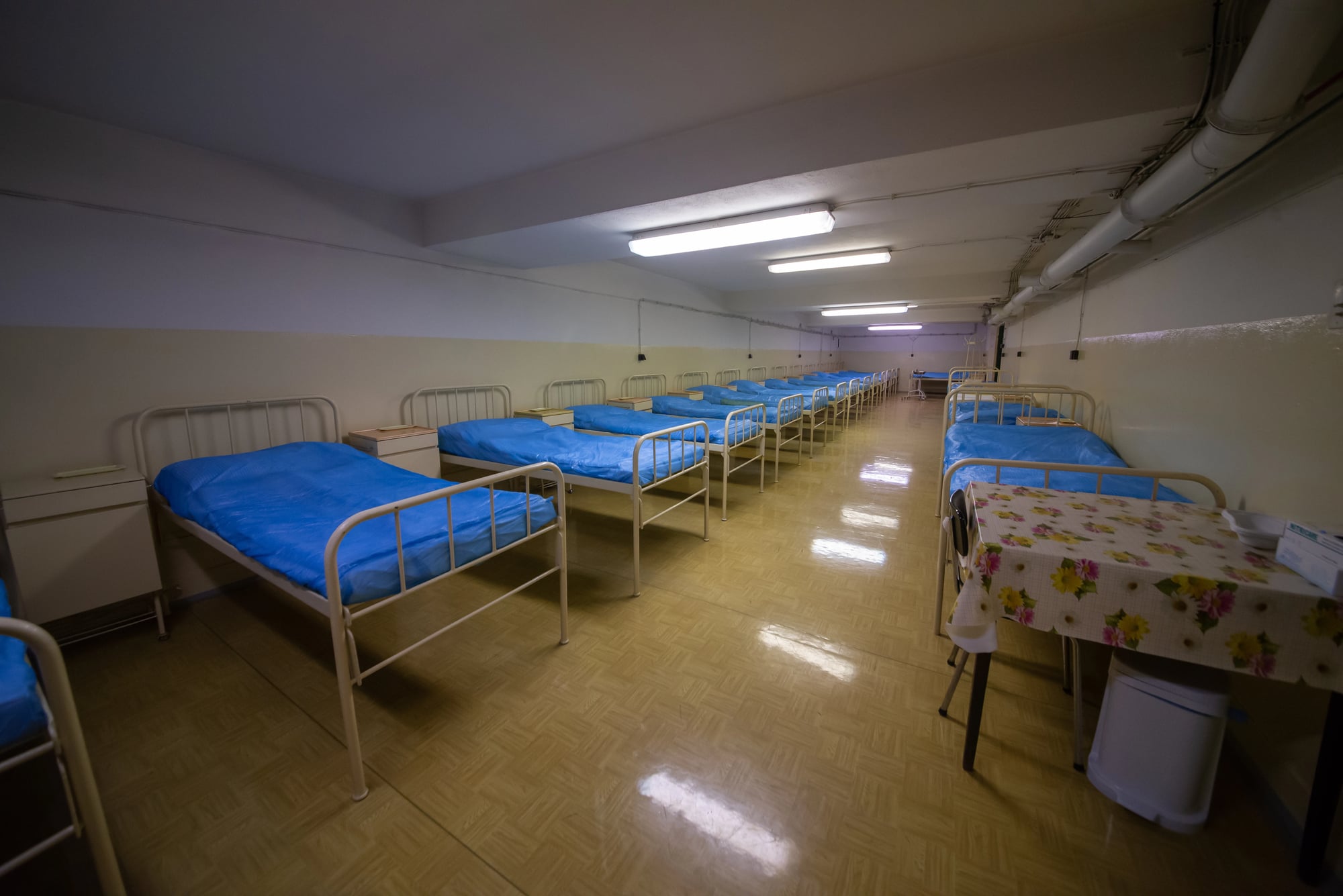
The Navy’s Cold War bunkers focused on mobility and communication rather than fixed command centers. Many remain classified, built to maintain contact with submarine fleets operating independently for months at sea.
These facilities included advanced radio systems, cryptographic equipment, and communication links capable of reaching submarines anywhere in the world. Locations were chosen for survivability and discretion, often disguised as civilian infrastructure.
They reflect a core Cold War assumption: that traditional communication networks would fail completely, requiring hidden systems to keep military coordination alive across vast distances.
Continuity of Government Sites
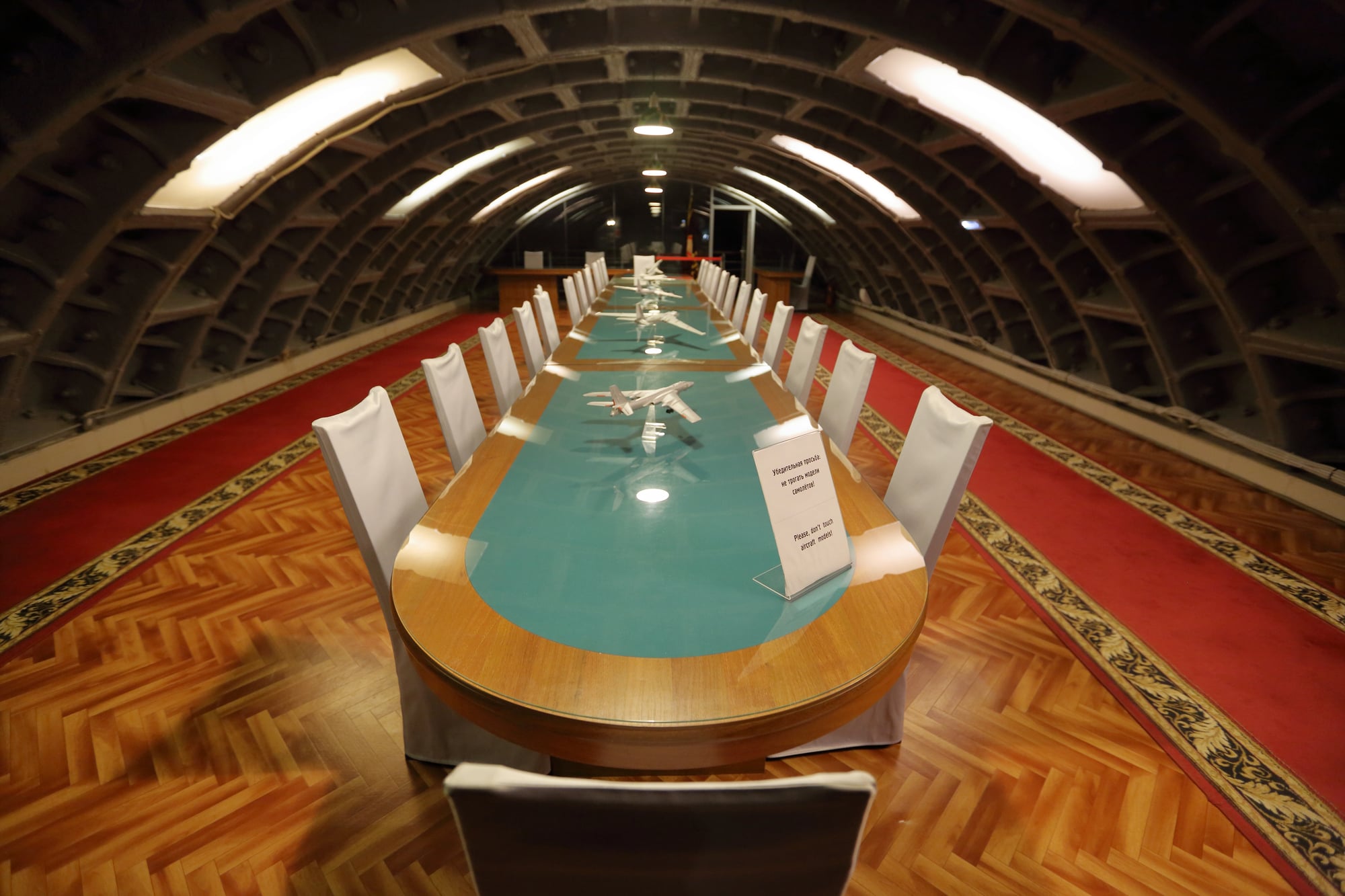
Beyond major bunkers, dozens of smaller facilities were built to maintain basic government functions during nuclear war. Known as Continuity of Government sites, they were scattered across the country and often hidden in plain sight.
Some were built under federal buildings. Others were disguised as commercial or research facilities. All were designed to keep essential administrative systems running — communication, logistics, coordination, and basic governance.
Even in nuclear war scenarios, someone would still need to process paperwork, distribute supplies, and coordinate recovery efforts. These bunkers were built for bureaucracy in the aftermath of catastrophe.
Echoes in Concrete
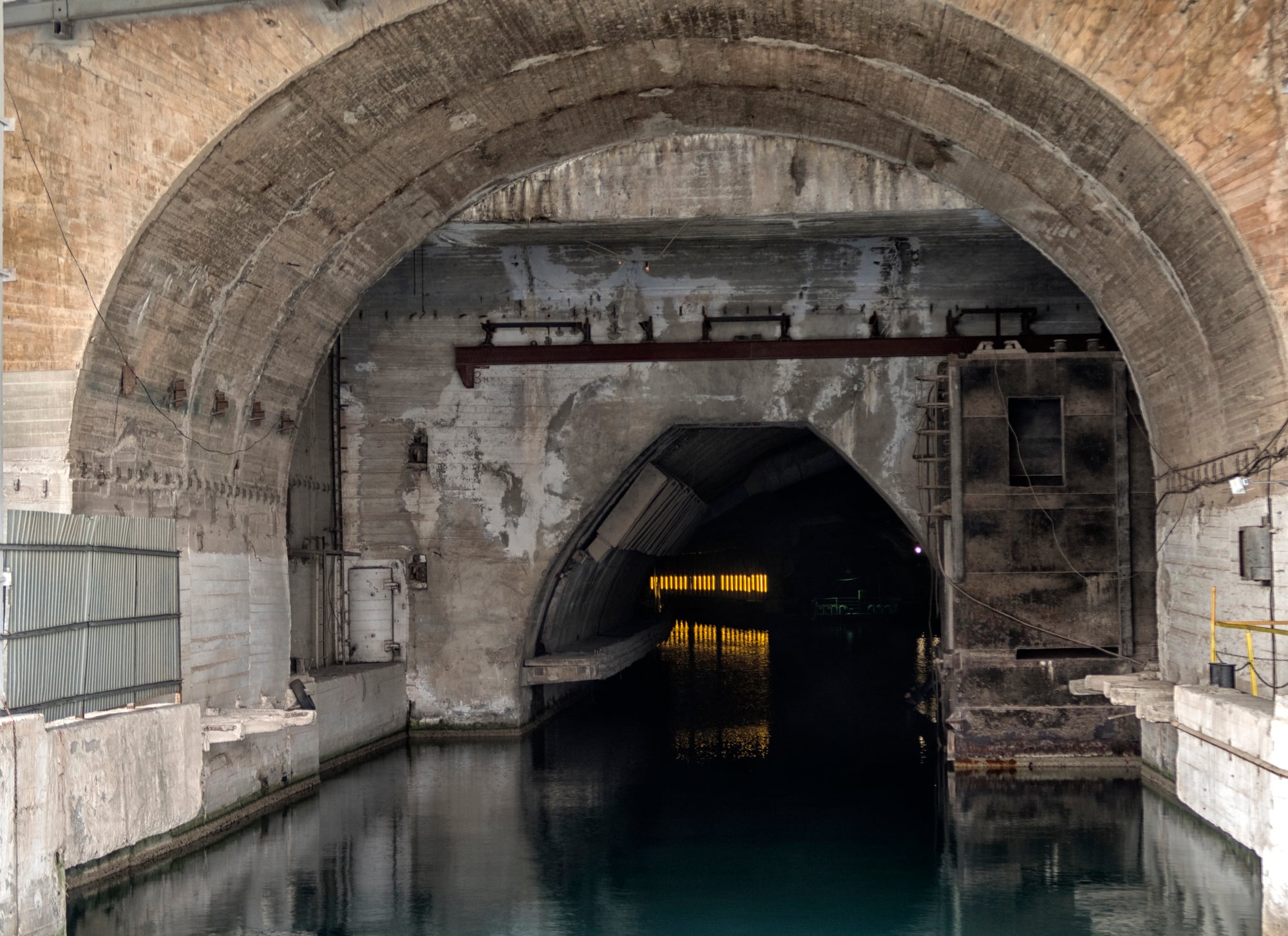
Walk through any of these facilities today and the silence feels deliberate. These places were built for conversations that never happened, to shelter people from attacks that never came, to coordinate responses to scenarios that remained forever theoretical.
The bunkers endure as monuments to a particular kind of anxiety — the methodical, expensive preparation for catastrophe. They represent billions of dollars and decades of work devoted to surviving something everyone hoped would never occur.
The most striking thing about these Cold War bunkers isn’t their size or sophistication, but their optimism. They were built by people who believed that government, military command, and organized society could survive nuclear war and eventually rebuild.
That assumption seems almost quaint now — not because the nuclear threat has disappeared, but because our understanding of complex systems suggests that some kinds of damage can’t be prepared for, no matter how deep you dig or how much concrete you pour.
But the bunkers remain, carved into mountains and hidden beneath familiar landscapes, ready for emergencies that may never come.
More from Go2Tutors!

- The Romanov Crown Jewels and Their Tragic Fate
- 13 Historical Mysteries That Science Still Can’t Solve
- Famous Hoaxes That Fooled the World for Years
- 15 Child Stars with Tragic Adult Lives
- 16 Famous Jewelry Pieces in History
Like Go2Tutors’s content? Follow us on MSN.