11 Toys Designed as Marketing for Non-Toy Products
Throughout retail history, companies have discovered that sometimes the best way to build brand loyalty isn’t through traditional advertising—it’s through play. Promotional toys have become collectible cultural artifacts representing an ingenious marketing strategy that turns customers into lifelong brand advocates.
Here’s a look at 14 memorable toys that were actually clever marketing tools for products that had nothing to do with the toy aisle.
McDonald’s Happy Meal Toys
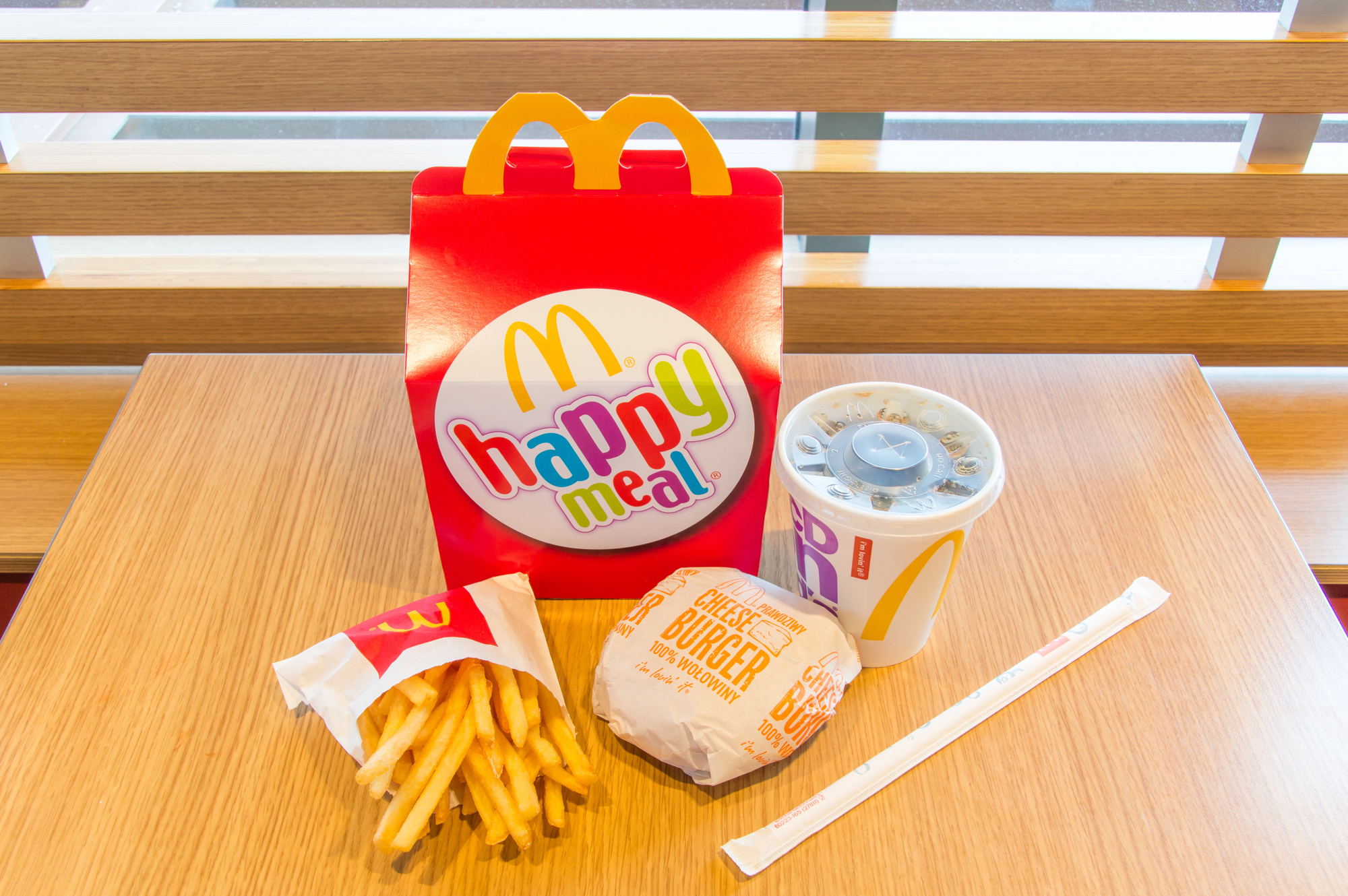
These miniature treasures transformed fast food into an experience kids begged their parents for – not for the burgers but for the toys inside. Since 1979, McDonald’s has distributed billions of these plastic promotional items.
The genius lies in their limited availability; movie tie-ins and themed collections create artificial scarcity that drives repeated visits to restaurants during promotional periods.
Kellogg’s Cereal Toys
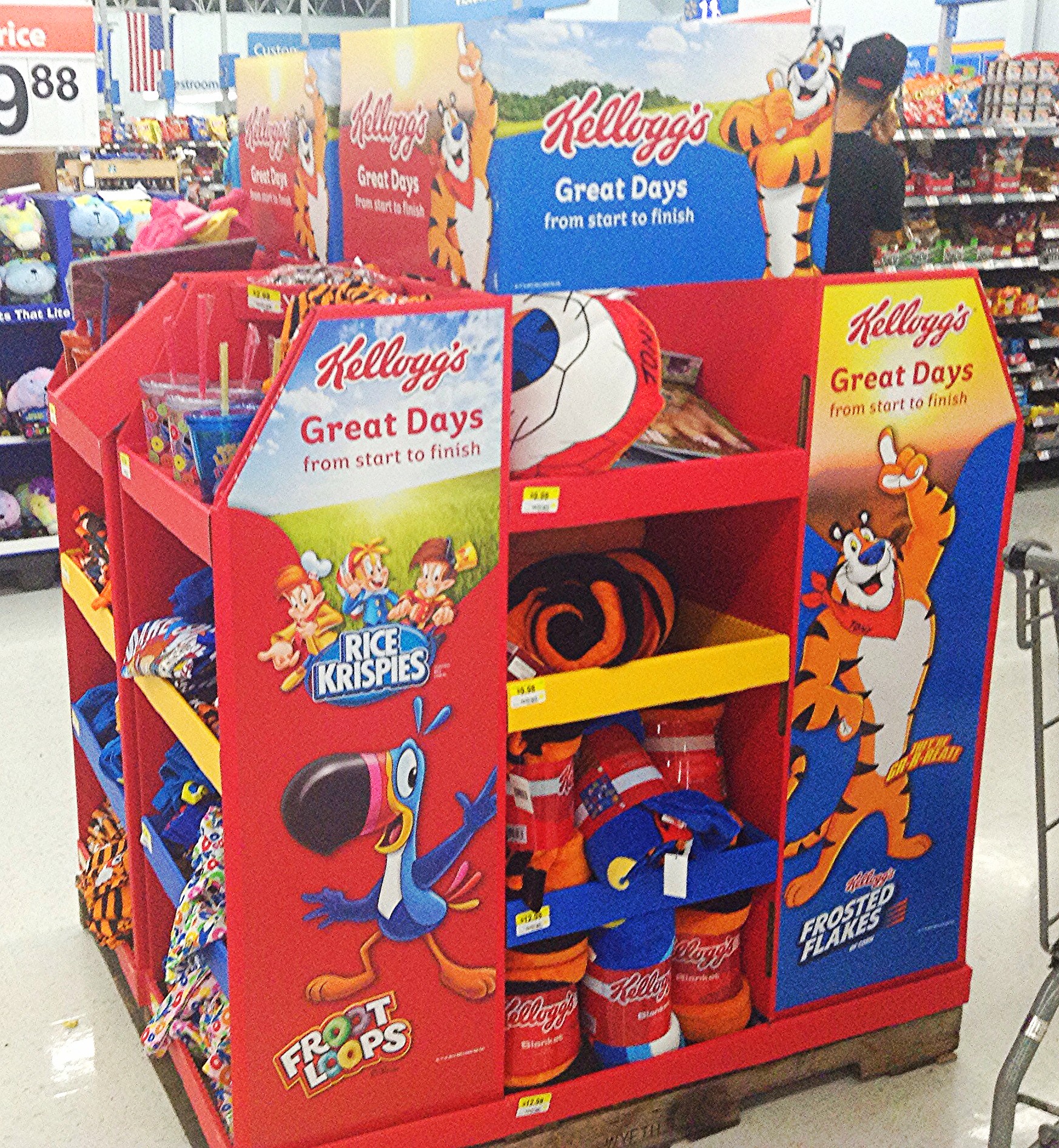
Cereal companies realized decades ago that kids wouldn’t nag parents for nutritional value – they wanted the prize at the bottom of the box. Kellogg’s pioneered this approach with everything from secret decoder rings to small plastic figures.
Parents might choose cereal based on health claims, but children develop brand recognition through the excitement of digging for buried treasure among cornflakes and rice puffs.
Coca-Cola Polar Bears
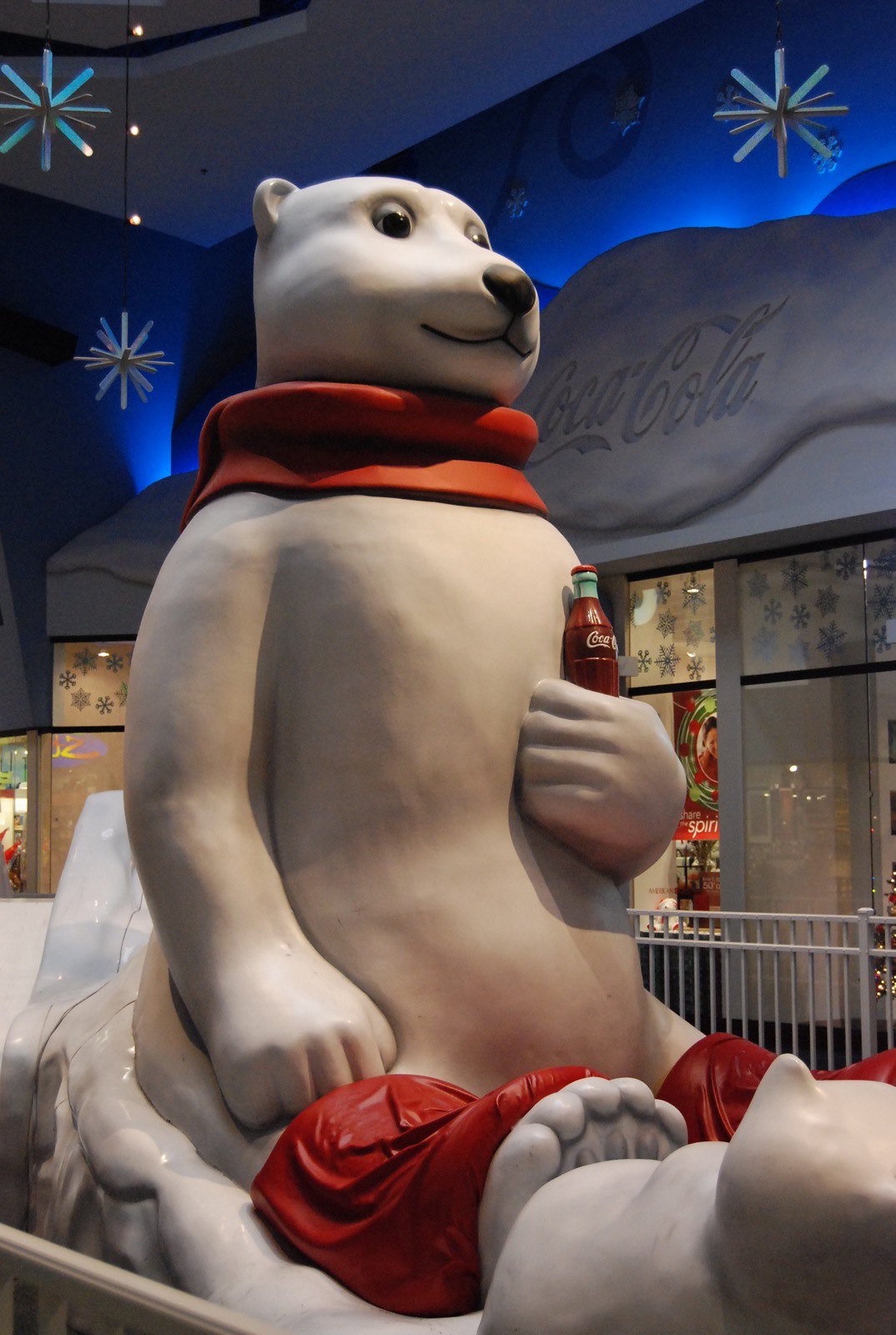
The soft drink giant turned its holiday advertising mascots into hugely popular plush toys – cementing an emotional connection that transcended the beverage itself. These cuddly white bears became Christmas traditions in many households, creating positive brand associations from childhood.
The stuffed animals served as year-round ambassadors for a product that otherwise might only be consumed occasionally.
Hess Toy Trucks
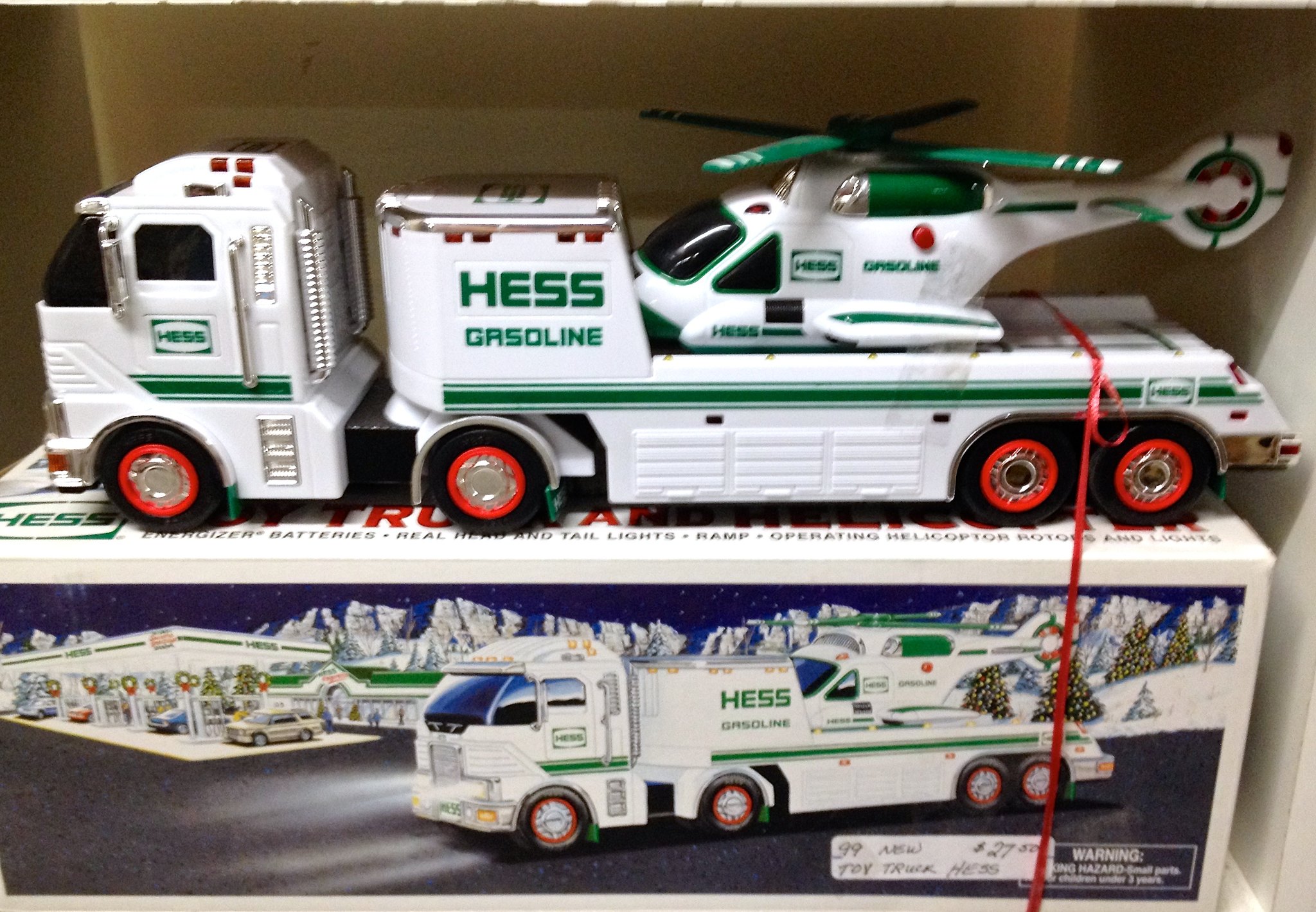
What started as a simple holiday promotion for a gas station chain became an American tradition spanning decades. Each year since 1964, Hess has released limited-edition toy trucks that parents and grandparents queue up to purchase.
These detailed vehicles weren’t just advertisements—they became holiday traditions passed between generations, creating petroleum customers for life through sentimental attachment to childhood toys.
Pillsbury Doughboy Dolls
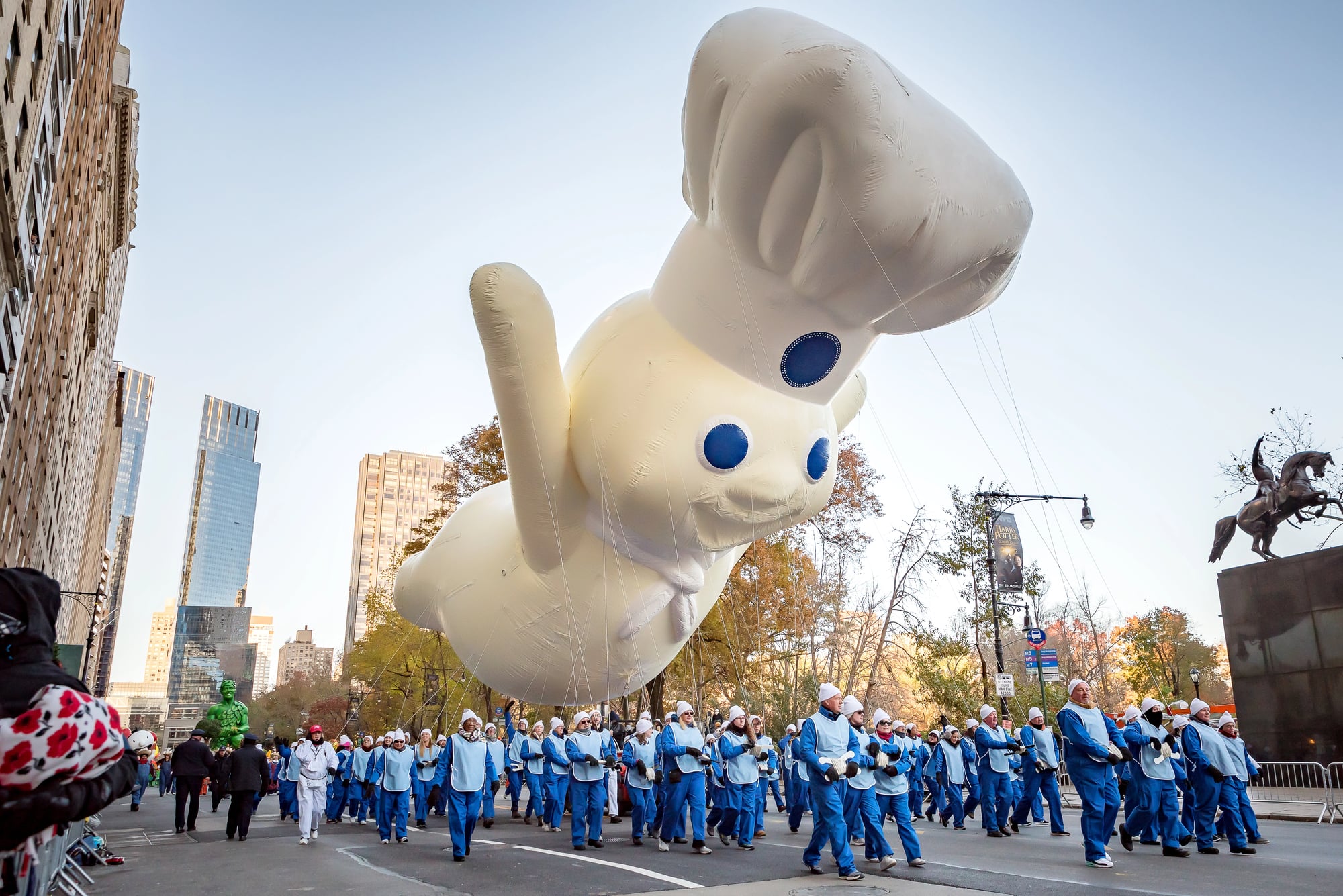
The giggly mascot from TV commercials became a squeeze toy that brought the brand into children’s playrooms. This anthropomorphized ball of dough transformed a basic refrigerated food product into a character kids recognized and loved.
The plush dolls even emitted the trademark “hoo-hoo” giggle – making grocery shopping an opportunity for brand reinforcement as children spotted their toy’s likeness on packaging.
Michelin Man Figures
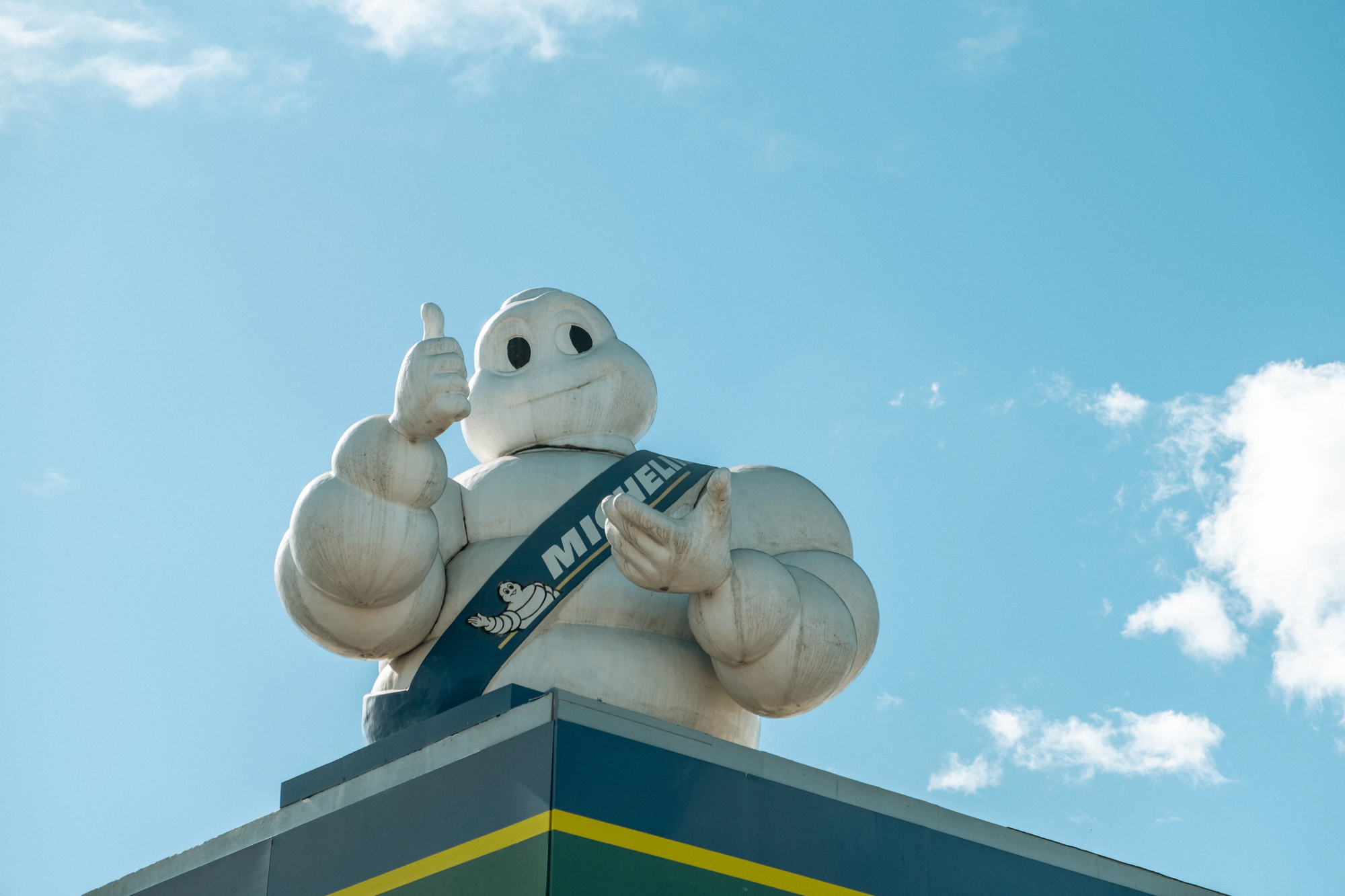
The tire company’s puffy white mascot Bibendum has appeared as toys since the early 1900s – possibly one of the earliest examples of this marketing strategy. These figures turned an industrial product most consumers think about only when replacing worn tires into something with personality and charm.
The toys humanized rubber products while building recognition for the distinctive character that still appears in modern advertisements.
Oscar Mayer Wienermobile Toys
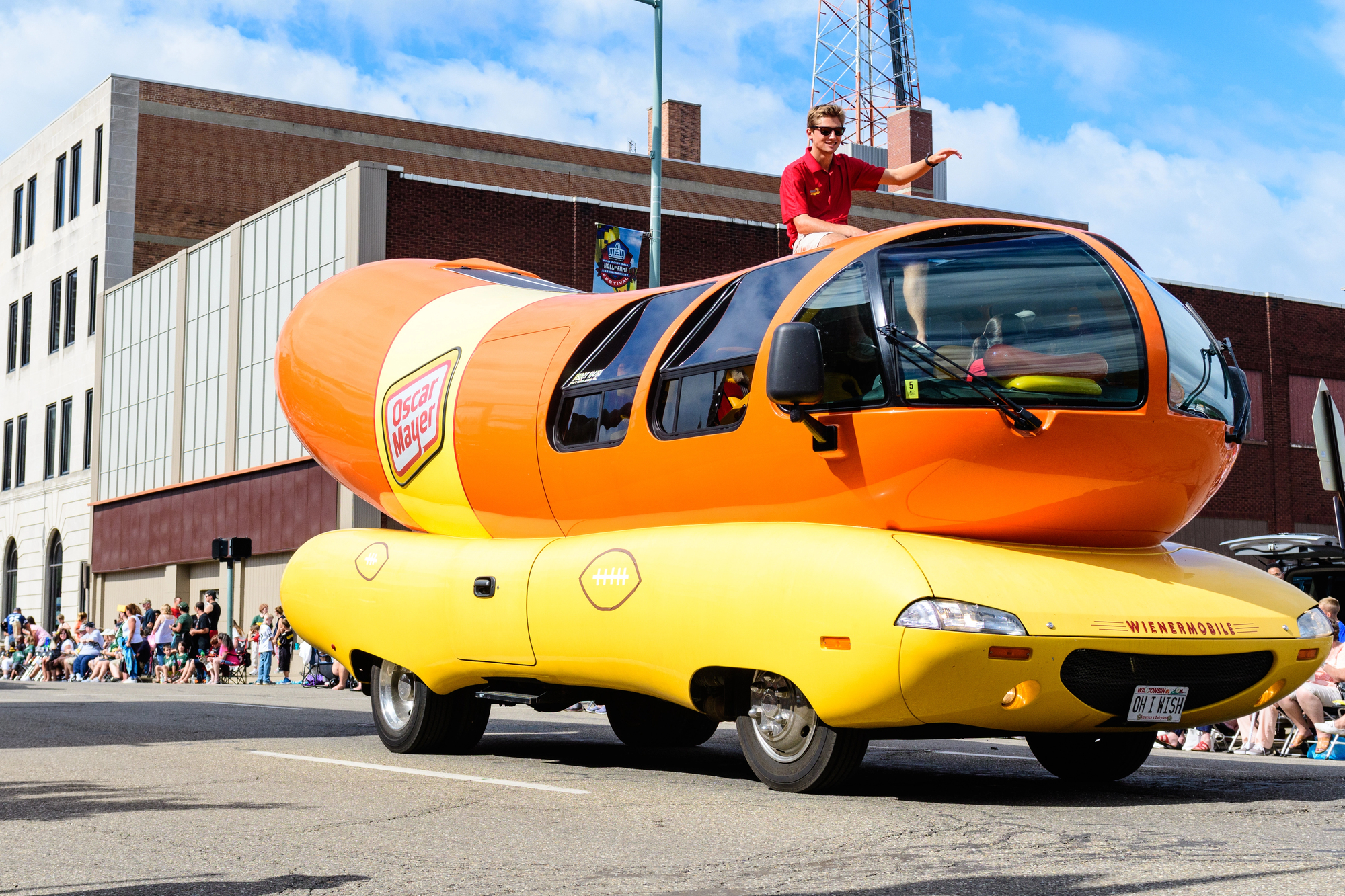
This distinctive hot dog-shaped vehicle spawned countless toy versions that brought processed meat marketing into playtime. The miniature Wienermobiles became collectors’ items despite essentially being advertisements for lunch meat.
Children who played with these toys developed brand recognition that would follow them to grocery store deli counters throughout adulthood.
Planters Mr. Peanut Figures
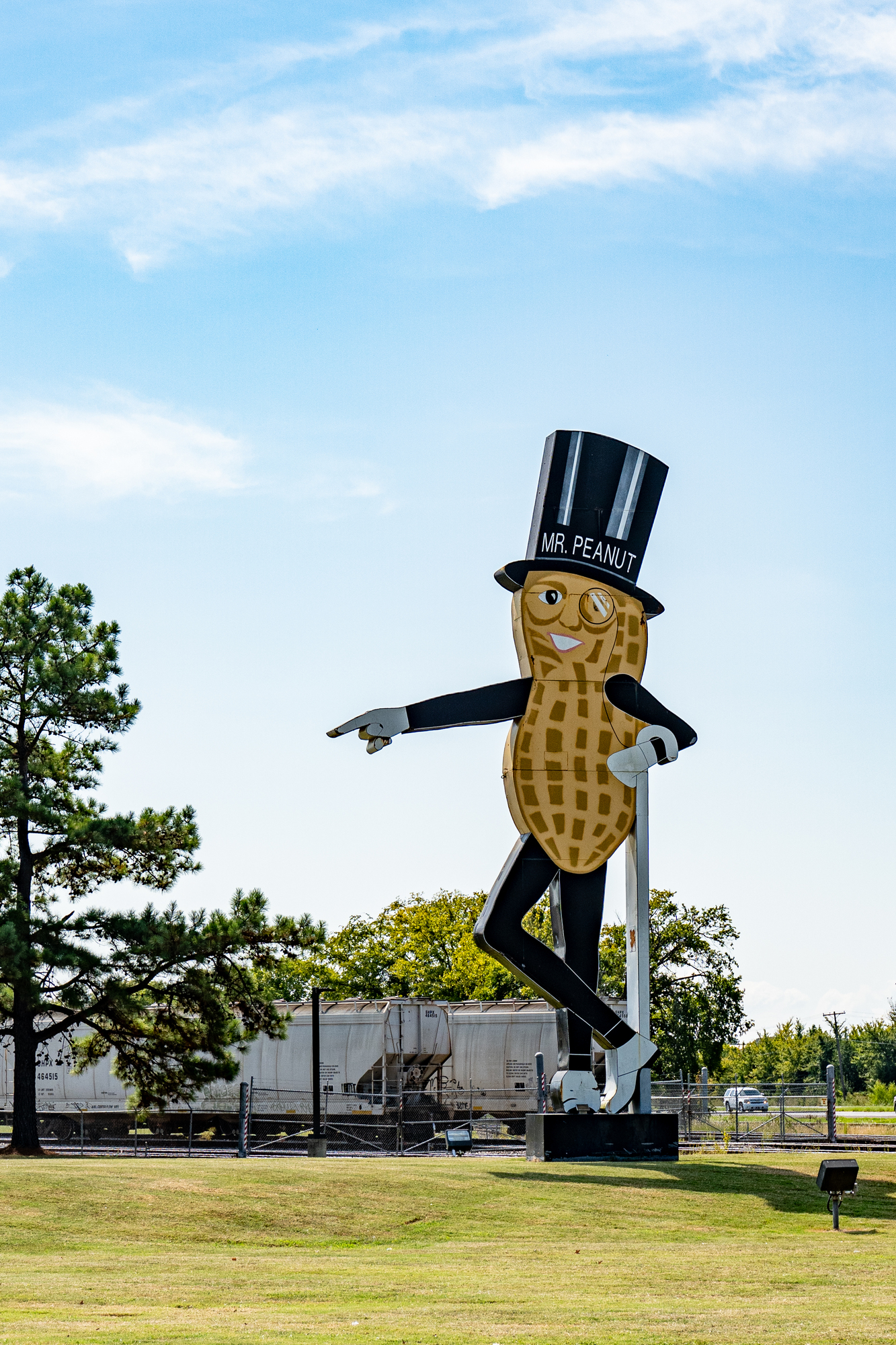
The monocled, top-hatted legume mascot representing a nut company became a beloved toy figure in many variations. These anthropomorphized peanut toys created brand recognition for a snack food that otherwise might be overlooked among countless similar products.
Children developed an affinity for a sophisticated peanut gentleman years before they might make independent purchasing decisions about cocktail nuts.
PEZ Dispensers
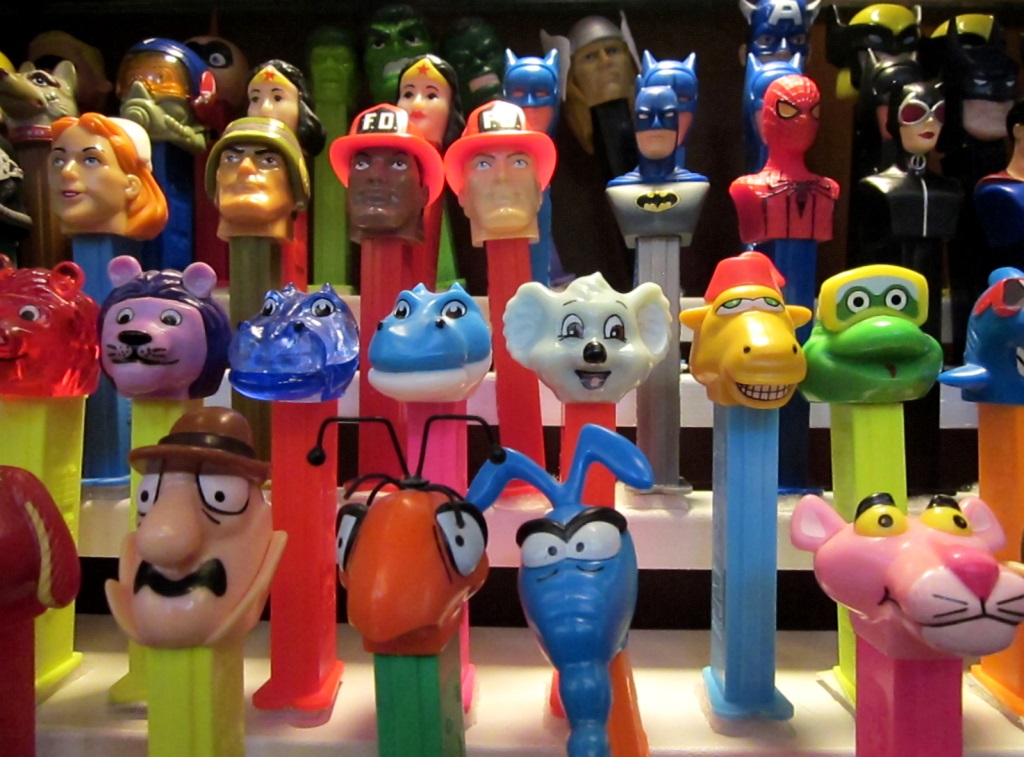
Though now a candy category unto themselves, PEZ dispensers were originally marketing tools for small breath mints. The genius of the toy-like dispensers transformed a forgettable mint into a collectible phenomenon.
By licensing popular characters and creating unique designs, a simple breath freshener became a cultural institution that customers purchased primarily for the container rather than the product inside.
Campbell’s Soup Kid Dolls
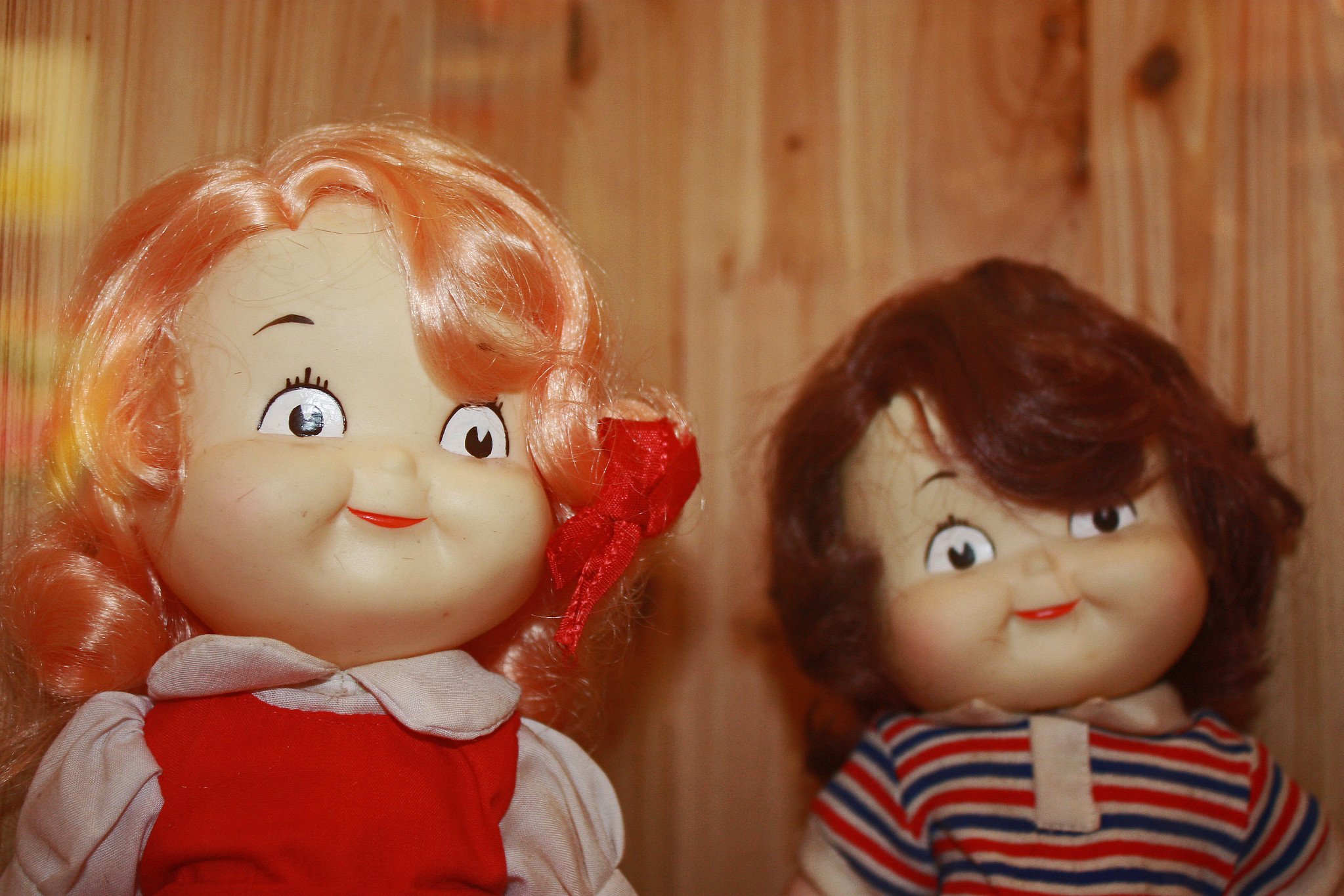
The cherubic faces from famous soup can labels became beloved dolls that brought food marketing into the playroom. These rosy-cheeked characters transformed a pantry staple into something with emotional appeal.
Parents might choose soup based on nutrition or convenience, but children form attachments to the brand through character recognition reinforced through both advertising and playtime.
World of Coca-Cola Trading Pins
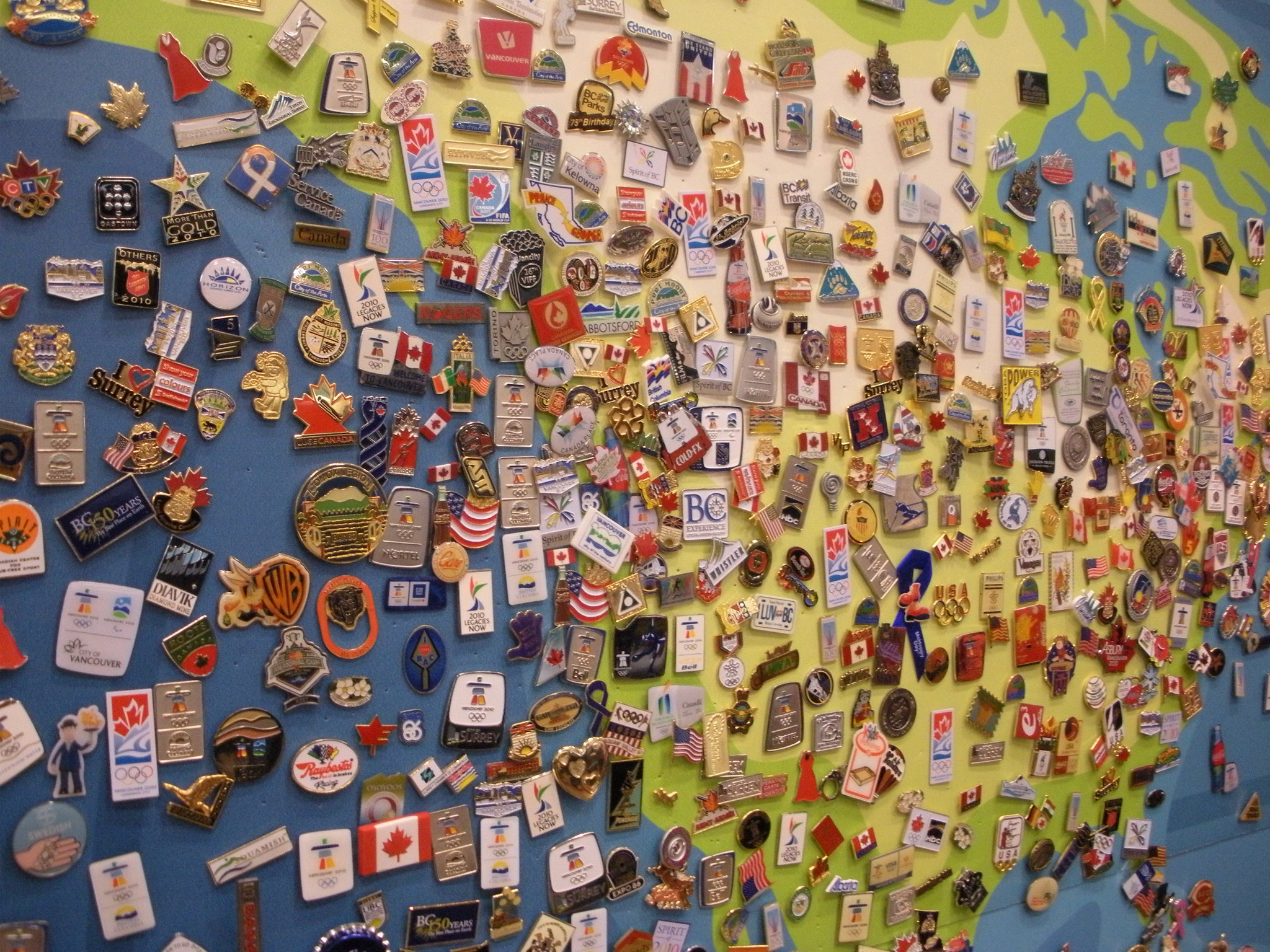
The soft drink company turned its logo and bottle designs into collectible enamel pins that became genuine playthings among trading enthusiasts. This cleverly transformed corporate imagery into desirable objects with social currency among collectors.
The limited editions and exclusive designs created artificial scarcity that drove active pursuit of what were essentially miniature advertisements.
From Marketing to Memory Makers
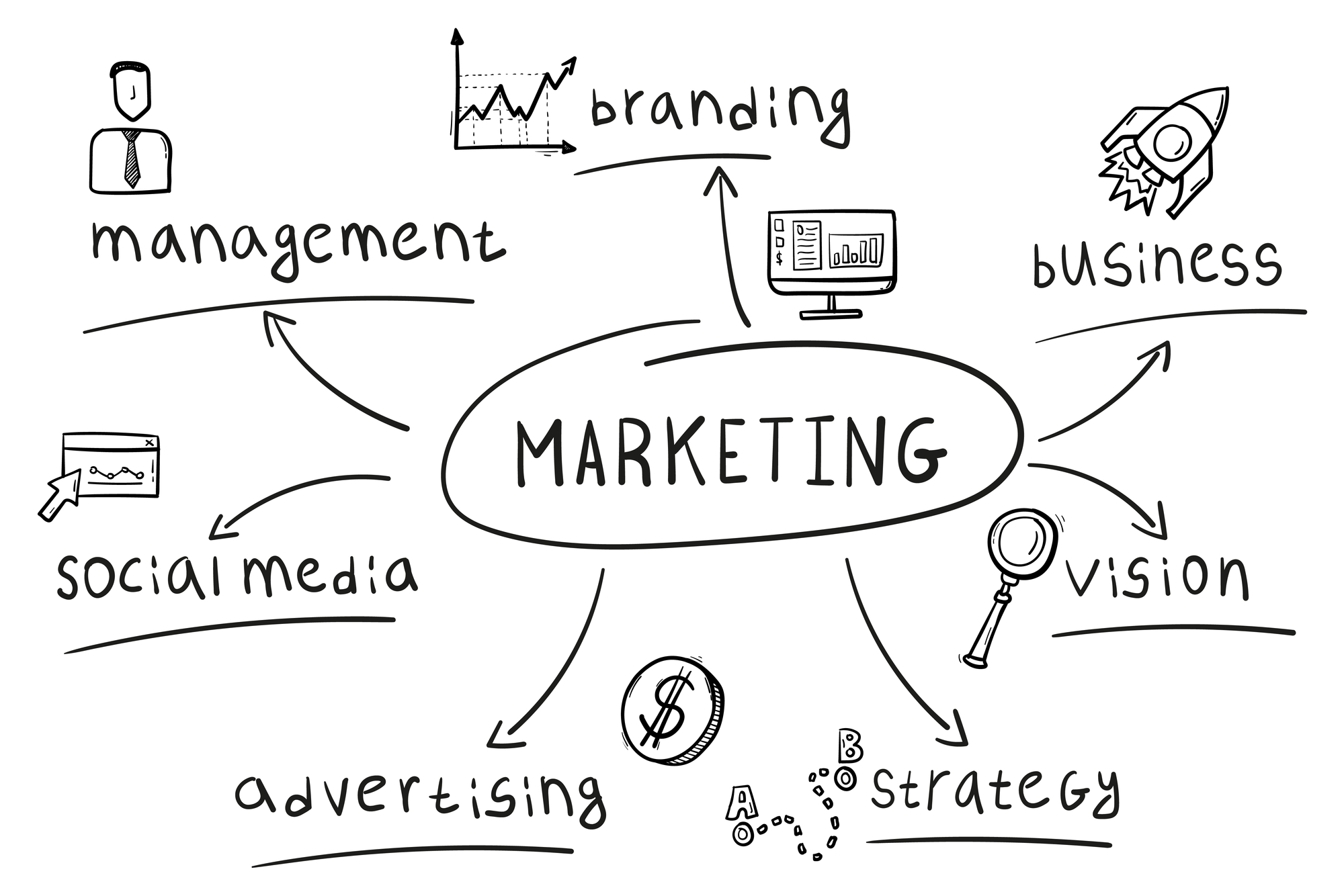
These promotional toys reveal a sophisticated understanding of how emotional connections formed in childhood can influence purchasing decisions throughout life. While traditional advertising attempts to persuade, these playthings build relationships through positive experiences and nostalgia.
Though originally designed to sell unrelated products, many have transcended their marketing origins to become genuine cultural artifacts, collectibles, and cherished childhood memories—perhaps the most successful advertising outcome possible.
More from Go2Tutors!

- The Romanov Crown Jewels and Their Tragic Fate
- 13 Historical Mysteries That Science Still Can’t Solve
- Famous Hoaxes That Fooled the World for Years
- 15 Child Stars with Tragic Adult Lives
- 16 Famous Jewelry Pieces in History
Like Go2Tutors’s content? Follow us on MSN.