Rare Facts About Abandoned Cities Worldwide
Abandoned cities stand as haunting reminders of human ambition, natural disasters, and the unexpected turns history can take. These ghost towns scatter across every continent, each telling a unique story about why thriving communities suddenly emptied.
From nuclear disasters to diamond rushes gone bust, the reasons people walked away from entire cities reveal fascinating truths about civilization’s fragility. Hundreds of abandoned cities exist worldwide, some dating back centuries while others fell silent within living memory.
Here’s a list of 12 rare facts about abandoned cities that reveal the dramatic circumstances behind their demise.
Pripyat Evacuated 49,000 People in 36 Hours
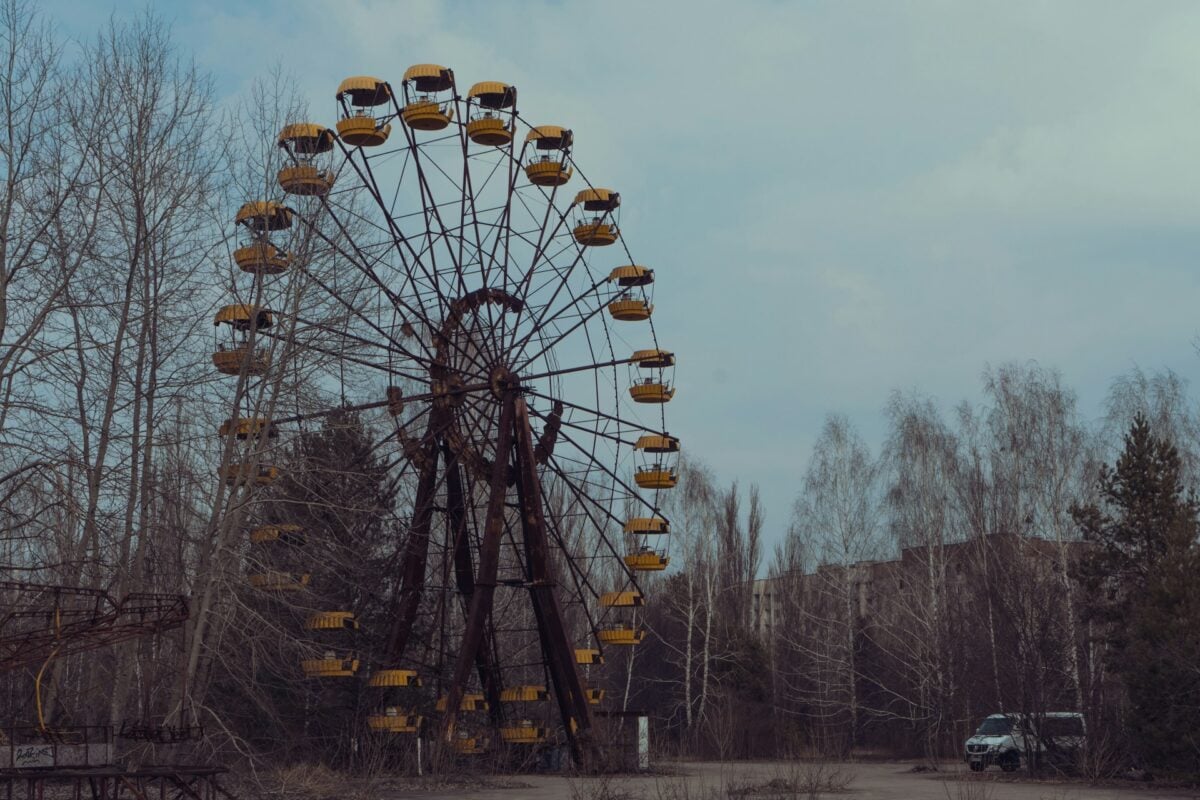
After the Chernobyl nuclear reactor exploded on April 26, 1986, authorities waited 36 hours before evacuating nearby Pripyat. The city, built to house around 50,000 people, saw about 49,000 residents evacuated in waves, told to pack light and expect to return within days.
Most left everything behind, and stories tell of personal belongings and unfinished business frozen in time throughout the city. Scientists estimate it could take several centuries before Pripyat becomes safe for permanent habitation again.
Kolmanskop Produced Nearly 12% of Global Diamond Output

At its peak in 1912, this Namibian desert town produced nearly 12% of global diamond output at its peak in 1912, cranking out a million carats annually. Wealthy residents built German-style mansions complete with a ballroom, hospital, and the first X-ray machine in the Southern Hemisphere.
When richer diamond deposits were discovered 170 miles south in 1928, residents abandoned Kolmanskop practically overnight, leaving the Namib Desert to slowly bury their luxury homes in sand.
Like Go2Tutors’s content? Follow us on MSN.
Hashima Island Packed 5,200 People Into 16 Hectares

Known as Battleship Island for its distinctive shape, Hashima became one of the most densely populated places on Earth during its coal mining heyday. The tiny island crammed over 5,200 residents into high-rise apartment blocks on just 16 hectares, about 39 acres, of rock.
After the mine closed in 1974, workers left so quickly that televisions and other belongings from the mid-20th century still sit inside the condemned apartments.
Varosha Froze in 1974 and Partially Reopened Decades Later
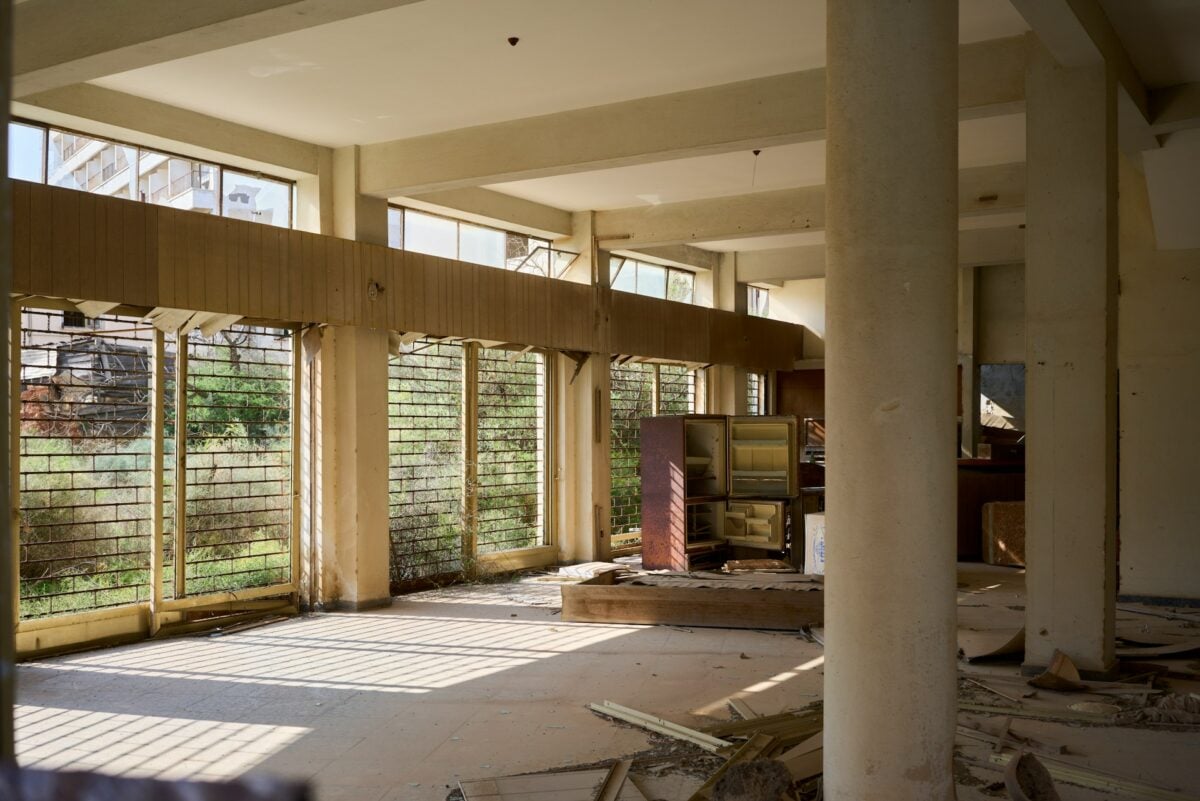
This glamorous Cypriot resort town once hosted celebrities like Elizabeth Taylor and Brigitte Bardot on its pristine beaches. When Turkey invaded Cyprus in 1974, Varosha’s 15,000 residents fled, assuming they’d return once fighting stopped.
The area became a heavily guarded no man’s land, though parts were partially reopened in 2020. Much of the resort remains fenced off, with decades-old vehicles and vintage clothing still visible as eerie time capsules.
Craco Survived Centuries Only to Fall to Nature
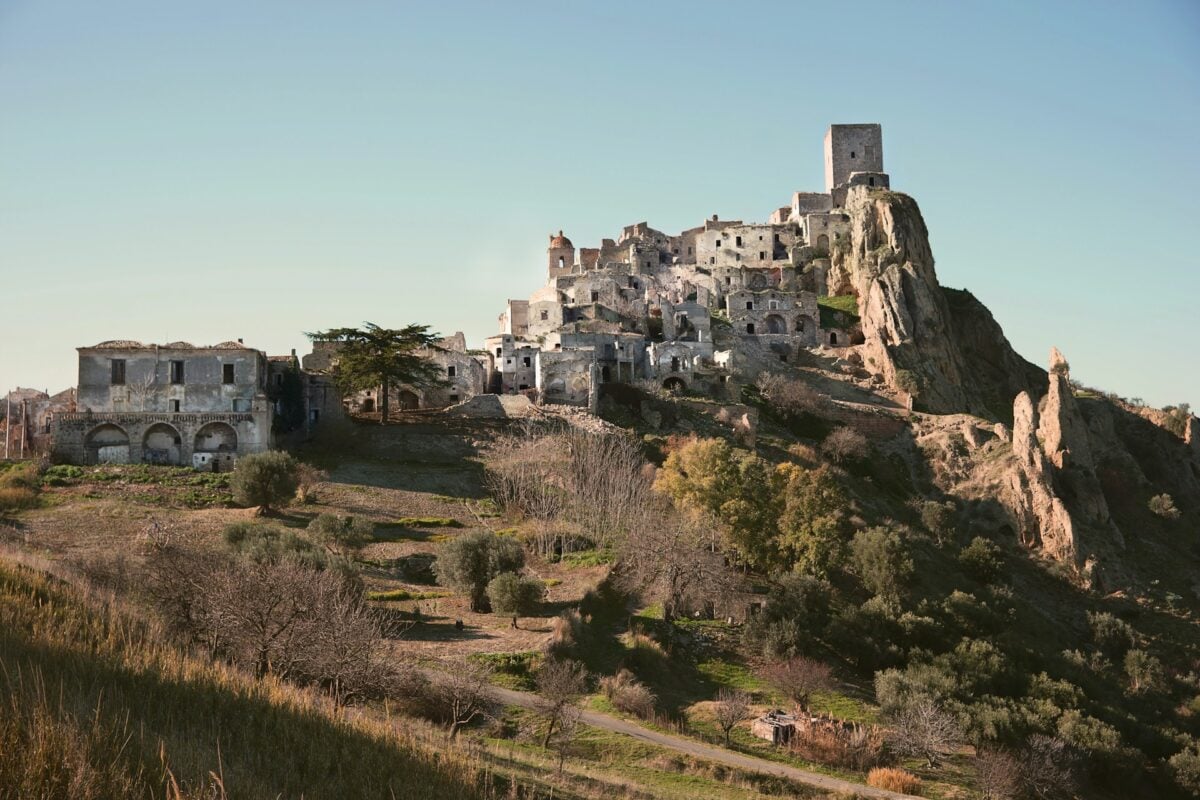
Founded in 540 AD, the Italian hilltop village of Craco weathered plagues, wars, and medieval crime for over 1,400 years. The town was largely abandoned by the early 1980s due to landslides and the 1980 Irpinia earthquake.
What finally drove residents away wasn’t human conflict but relentless geological instability. The photogenic ruins have since appeared in multiple films, including the 2008 James Bond movie Quantum of Solace.
Like Go2Tutors’s content? Follow us on MSN.
Oradour-sur-Glane Remains Untouched as a Memorial
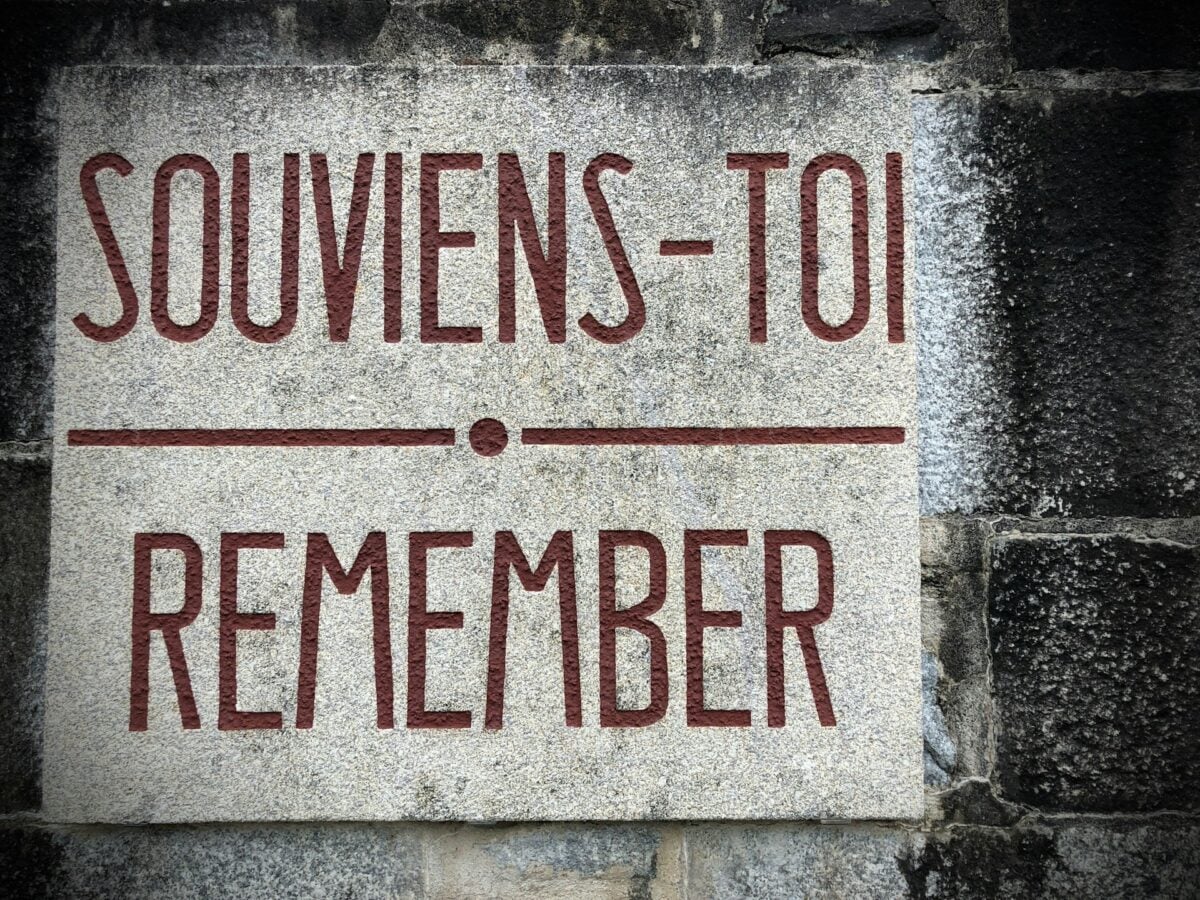
On June 10, 1944, Nazi SS troops massacred 642 residents of this French village and burned most structures to the ground in what’s believed to have been revenge for local Resistance support. French authorities deliberately left the ruins exactly as they were—complete with burned-out buildings, rusting 1940s vehicles, and stopped watches—as a permanent memorial to those murdered during the occupation.
Fordlandia Failed Because Ford Ignored the Jungle

Henry Ford bought 2.5 million acres of Brazilian rainforest in 1928 to create a rubber plantation town that would supply his automobile factories. He designed it like a Midwestern American town, complete with swimming pools, golf courses, and mandatory square dancing.
The plantations failed due to leaf blight and poor planning, workers rioted over terrible conditions, and the entire expensive experiment collapsed within two decades.
Bodie Once Had 65 Saloons and a Terrible Reputation
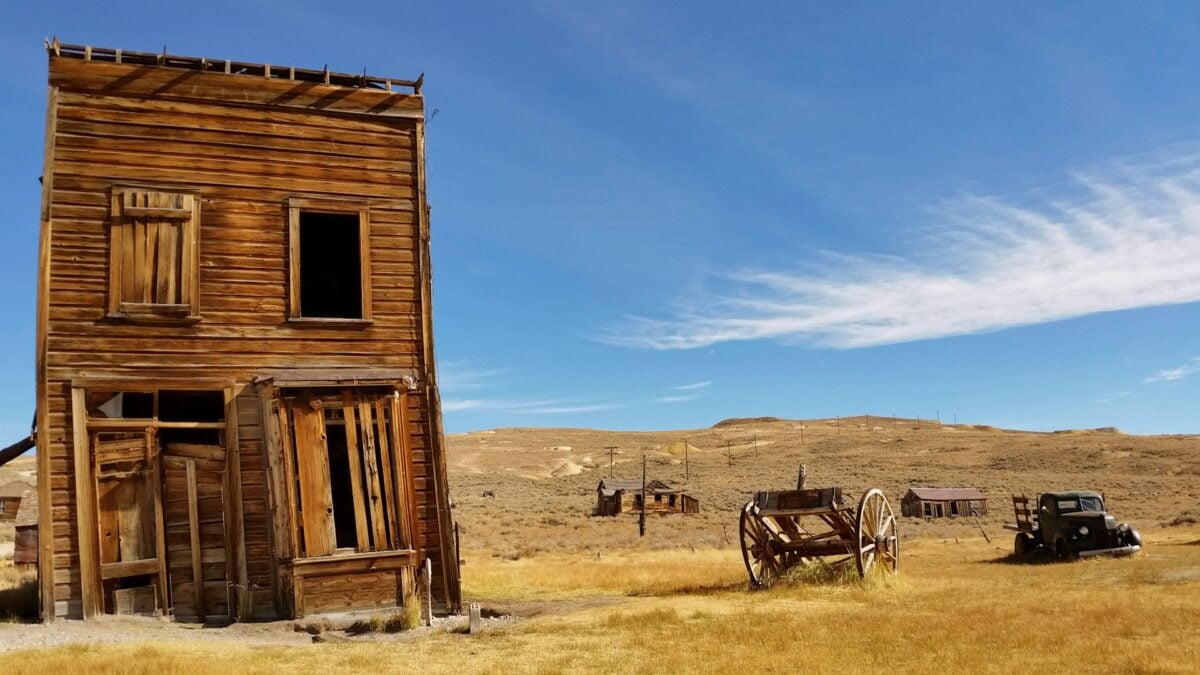
This California gold rush town peaked in the 1880s with nearly 10,000 residents and a reputation as one of the wildest, most lawless places in the American West. Local lore claims a girl once wrote in her diary, ‘Goodbye God, I’m going to Bodie,’ though the authenticity of this quote remains debated.
By the 1940s, everyone had left, and it’s now preserved in a state of ‘arrested decay’ as a historic site.
Like Go2Tutors’s content? Follow us on MSN.
Kayaköy Lost Around 2,000 Greek Residents Overnight
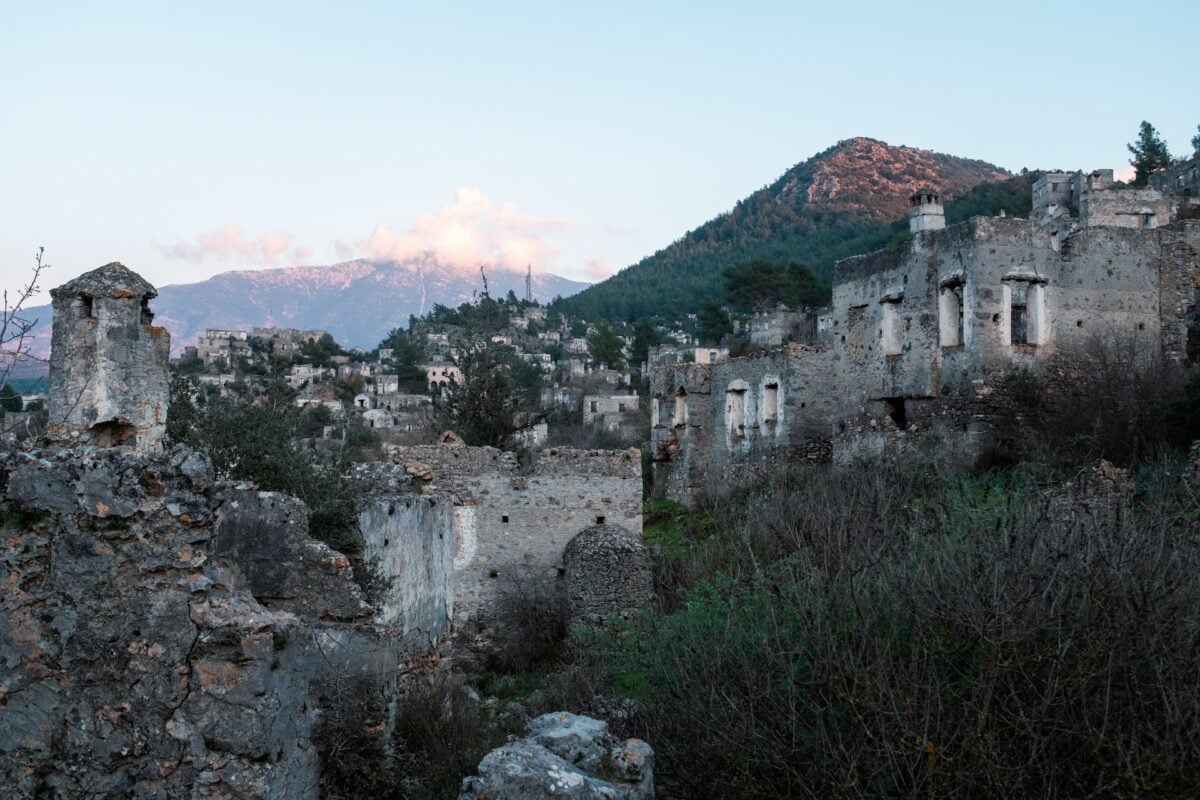
This Greek village in Turkey thrived for centuries until the 1923 Treaty of Lausanne forced a massive population exchange between Greece and Turkey following the Greco-Turkish War. Kayaköy’s population of around 2,000 Greek residents was shipped to Greece, while ethnic Turks from Greece were supposed to settle there instead.
Most refused to move into the abandoned homes, leaving hundreds of Greek-style houses standing empty as haunting ruins on a hillside.
Centralia Has Been Burning Since 1962

A coal seam fire that started beneath this Pennsylvania town in 1962 is still burning today, making the ground unstable and prone to collapse. Smoke seeps through cracks in the earth, sinkholes suddenly open without warning, and underground temperatures can reach over 1,000 degrees.
Most residents relocated in 1984, and the town was condemned in 1992, though fewer than a dozen residents remain by legal exception as of the 2010s.
Pyramiden Got Abandoned Along With the Soviet Union

This Arctic coal mining town in Norway once housed Soviet workers and their families at one of the northernmost settlements on Earth. When the Soviet Union collapsed in the 1990s and coal mining became unprofitable, residents abandoned Pyramiden in 1998.
A statue of Lenin still watches over the empty buildings, and some structures are now preserved for tourism today, creating surreal photo opportunities in a ghost town frozen by Arctic cold.
Like Go2Tutors’s content? Follow us on MSN.
Vijayanagara Was One of the World’s Largest Cities

Around 1500, this Indian city was one of the world’s largest cities, with estimates up to 500,000 residents around 1500. The capital of the Vijayanagara Empire boasted incredible temples, markets, and fortifications until Muslim armies captured and destroyed it in 1565.
The ruins at Hampi, now a UNESCO World Heritage Site, reveal the staggering scale of what was lost.
Why Abandoned Cities Matter Today

These empty streets and crumbling buildings aren’t just eerie tourist attractions—they’re cautionary tales about overreliance on single industries, environmental dangers, and the impermanence of even our grandest settlements. Every abandoned city reminds us that no community is guaranteed permanence, and that the bustling metropolises of today could become tomorrow’s ghost towns if we’re not careful about sustainability, safety, and planning for an uncertain future.
More from Go2Tutors!

- 16 Historical Figures Who Were Nothing Like You Think
- 12 Things Sold in the 80s That Are Now Illegal
- 15 VHS Tapes That Could Be Worth Thousands
- 17 Historical “What Ifs” That Would Have Changed Everything
- 18 TV Shows That Vanished Without a Finale
Like Go2Tutors’s content? Follow us on MSN.