15 Paper Map Skills Lost to GPS Navigation
Walking into a roller rink during the 1970s and 80s meant stepping into a world where disco beats mixed with flashing lights and the steady rhythm of wheels on hardwood. The music wasn’t just background noise—it was the heartbeat that kept everyone moving in synchronized circles around the rink.
Certain songs had magical powers that could transform even the most hesitant skaters into confident groove machines. These weren’t your typical radio hits, though many crossed over to mainstream success.
Roller rink DJs knew exactly which tracks would pack the floor and keep the energy flowing all night long. Here is a list of 15 songs that became legendary for their ability to fill roller rink dance floors across America.
Reading Topographic Contour Lines
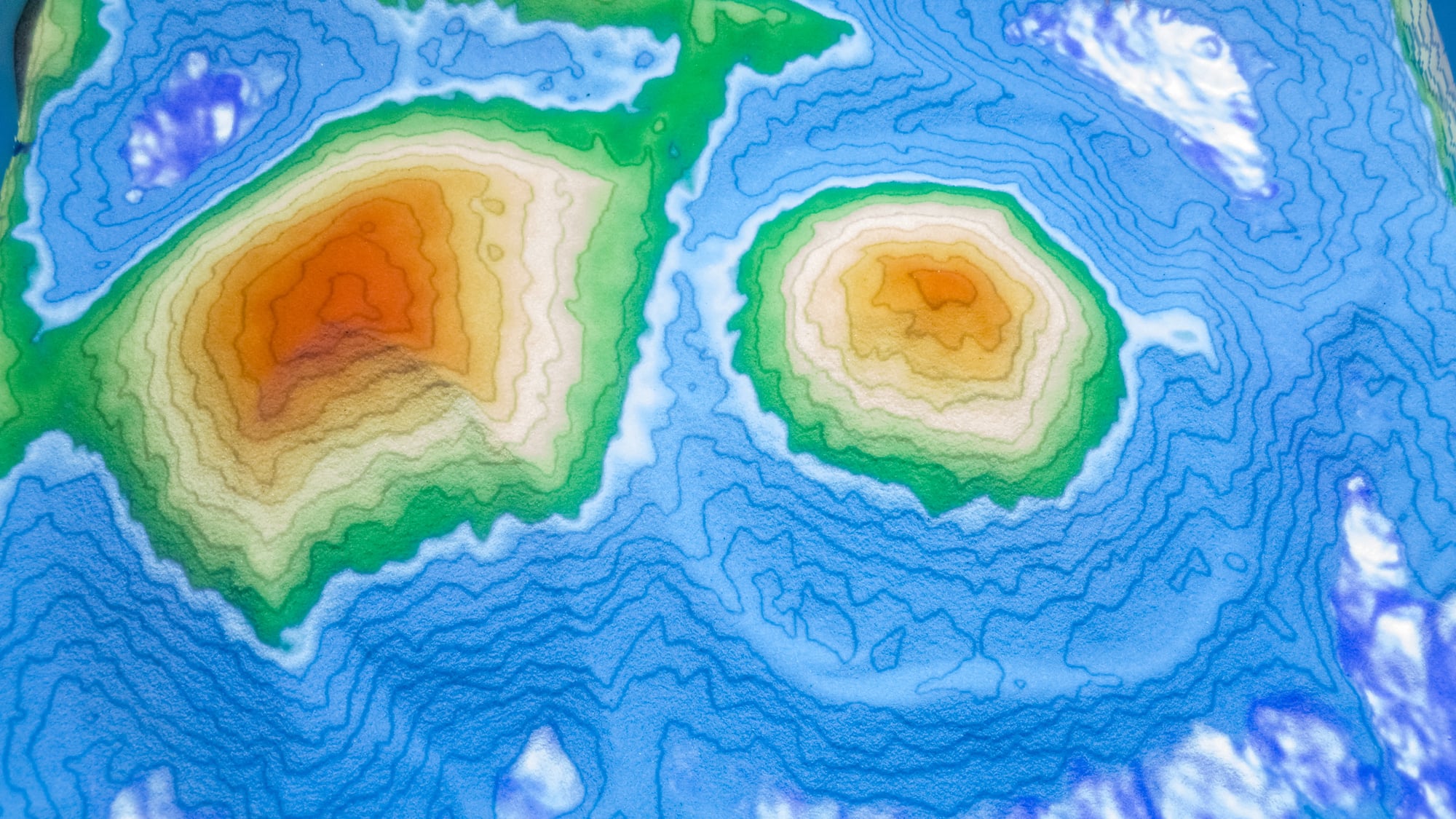
Serious map interpretation skills separated casual travelers from experienced navigators when understanding elevation changes through contour lines was essential. Specific elevation levels were represented by each line — steeper terrain showed through closer spacing while gradual slopes had wider gaps.
This knowledge became absolutely crucial for hikers and outdoor enthusiasts planning routes that avoided dangerous climbs or impossible descents, making topographic literacy a wilderness safety requirement.
Calculating Scale and Distance
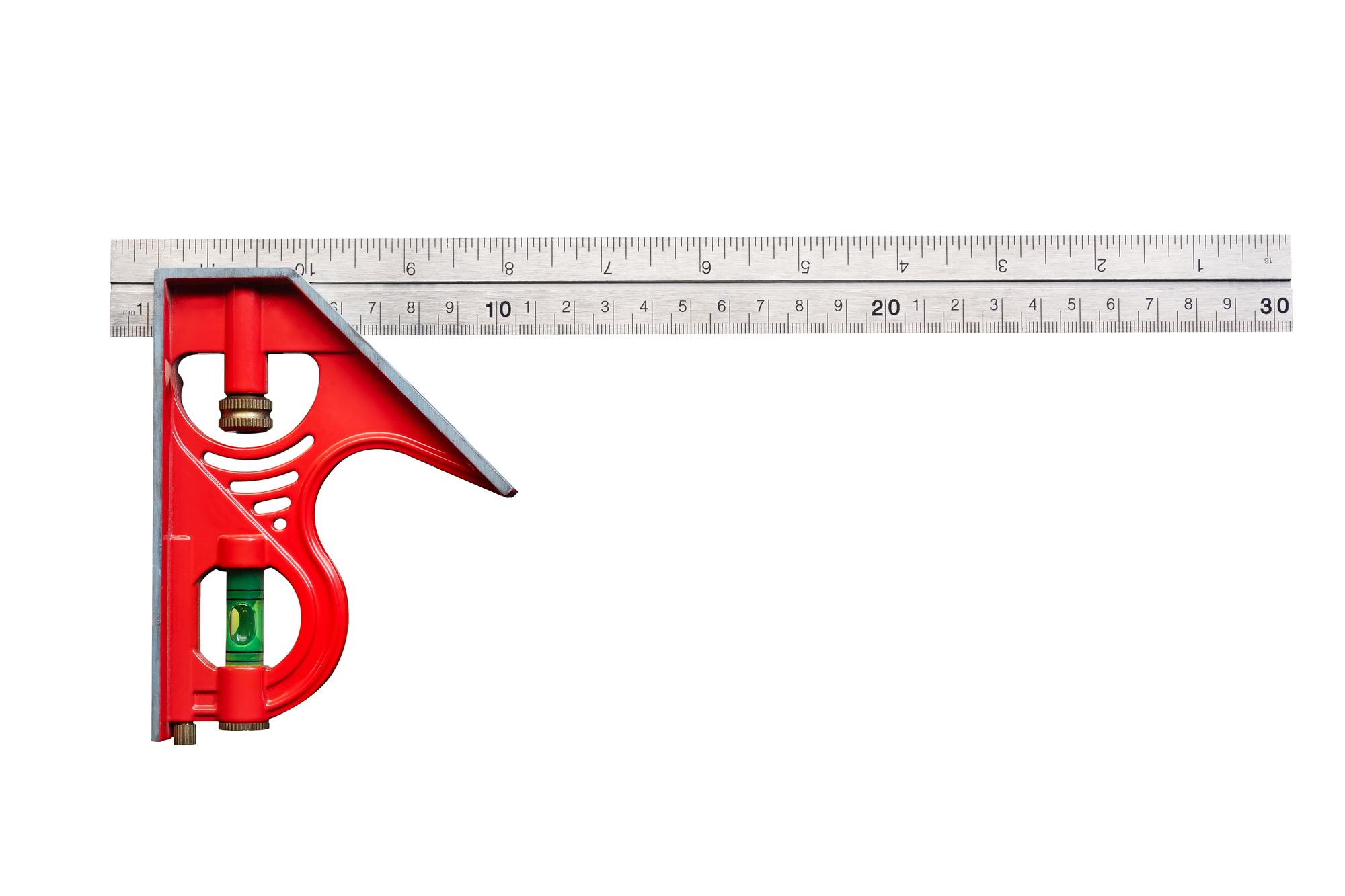
Mathematical thinking that GPS has completely eliminated from modern travel was once demanded when measuring actual distances using map scales. Scale ratios like 1:24,000 appeared on paper maps — one inch equaled 2,000 feet in reality, though converting these measurements required both math skills and spatial reasoning.
Rulers, string, and careful calculations were involved in road trip planning to estimate driving times and fuel needs before digital mapping automated such computations.
Like Go2Tutors’s content? Follow us on MSN.
Triangulating Position Using Landmarks
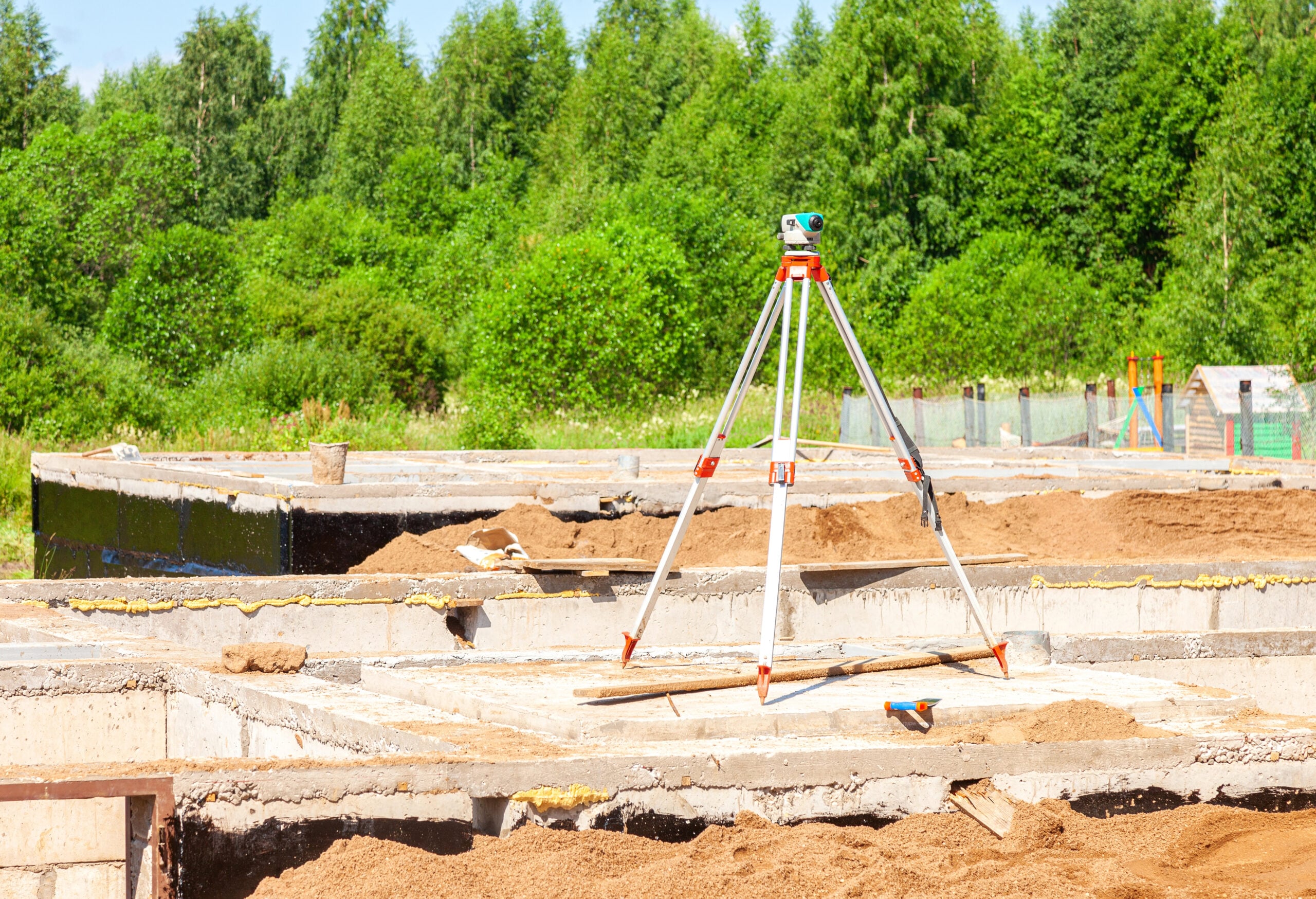
Multiple visible landmarks had to be identified and cross-referenced with map symbols through triangulation techniques when finding your exact location without GPS was necessary. Spotting distinctive features like water towers, church spires, or mountain peaks was involved in this process — imaginary lines were then drawn from your position to create intersecting reference points.
Military personnel and surveyors became masters of this skill for navigation in unfamiliar territory where precise positioning could determine survival.
Using a Compass with Declination Adjustment

Varying degrees separate magnetic north from true north depending on geographic location — a concept called declination that paper map users had to understand and compensate for. Declination information was included on maps that required compass adjustments to ensure accurate navigation — wilderness areas made this particularly crucial where wrong directions could prove fatal.
Understanding both magnetic fields and map projection systems was demanded by this skill, knowledge that most people never needed to acquire.
Folding Maps Without Destroying Them
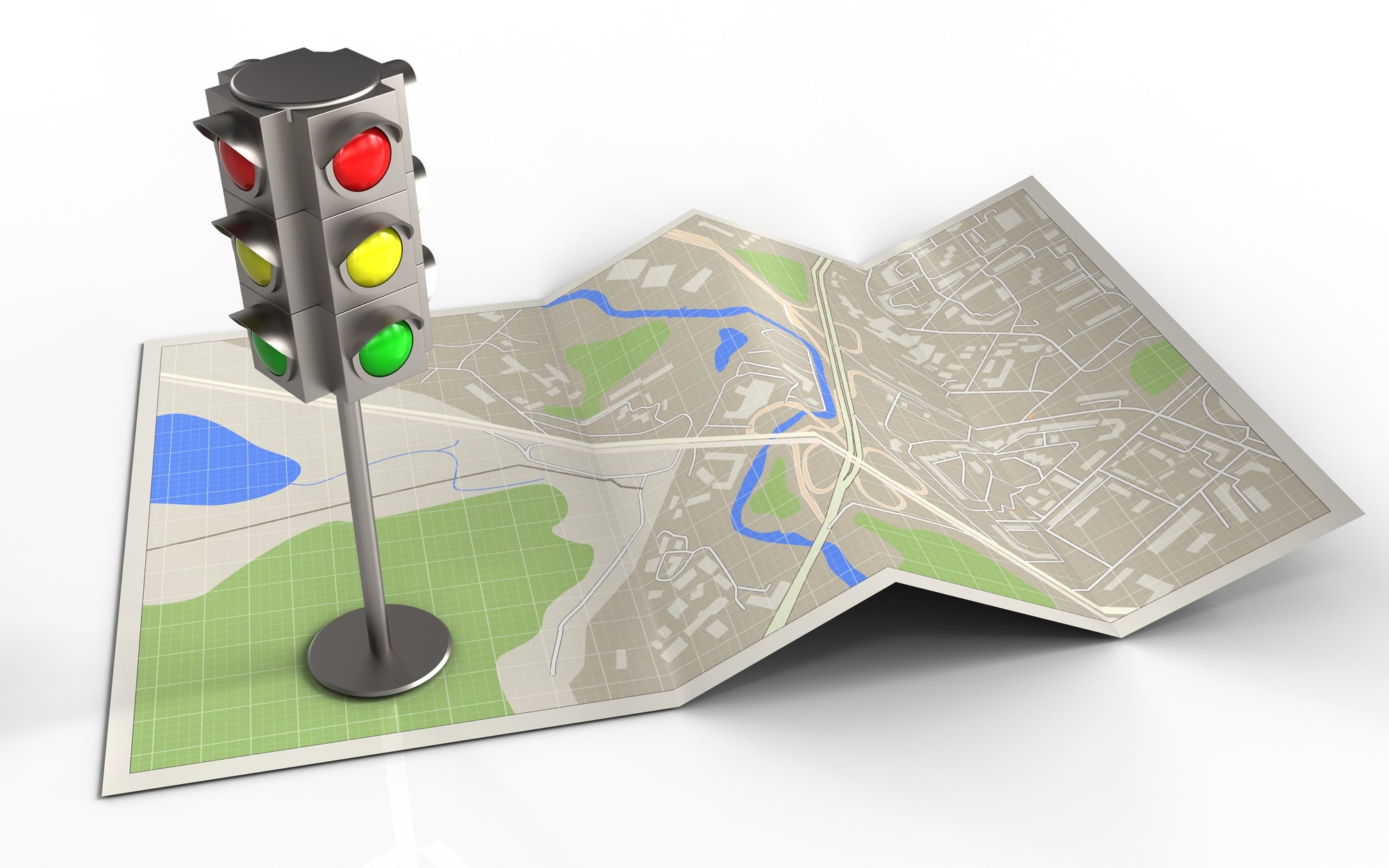
Large paper maps challenged even patient individuals when properly folding them back to their original configuration was attempted, yet incorrect technique meant torn corners and illegible sections. Years of functional use were maintained through accordion folds, reverse creases, and strategic folding sequences — skills requiring practice and genuine patience.
Proper folding techniques were often demonstrated by gas station attendants to frustrated customers struggling with unwieldy state highway maps.
Like Go2Tutors’s content? Follow us on MSN.
Reading Grid References and Coordinates
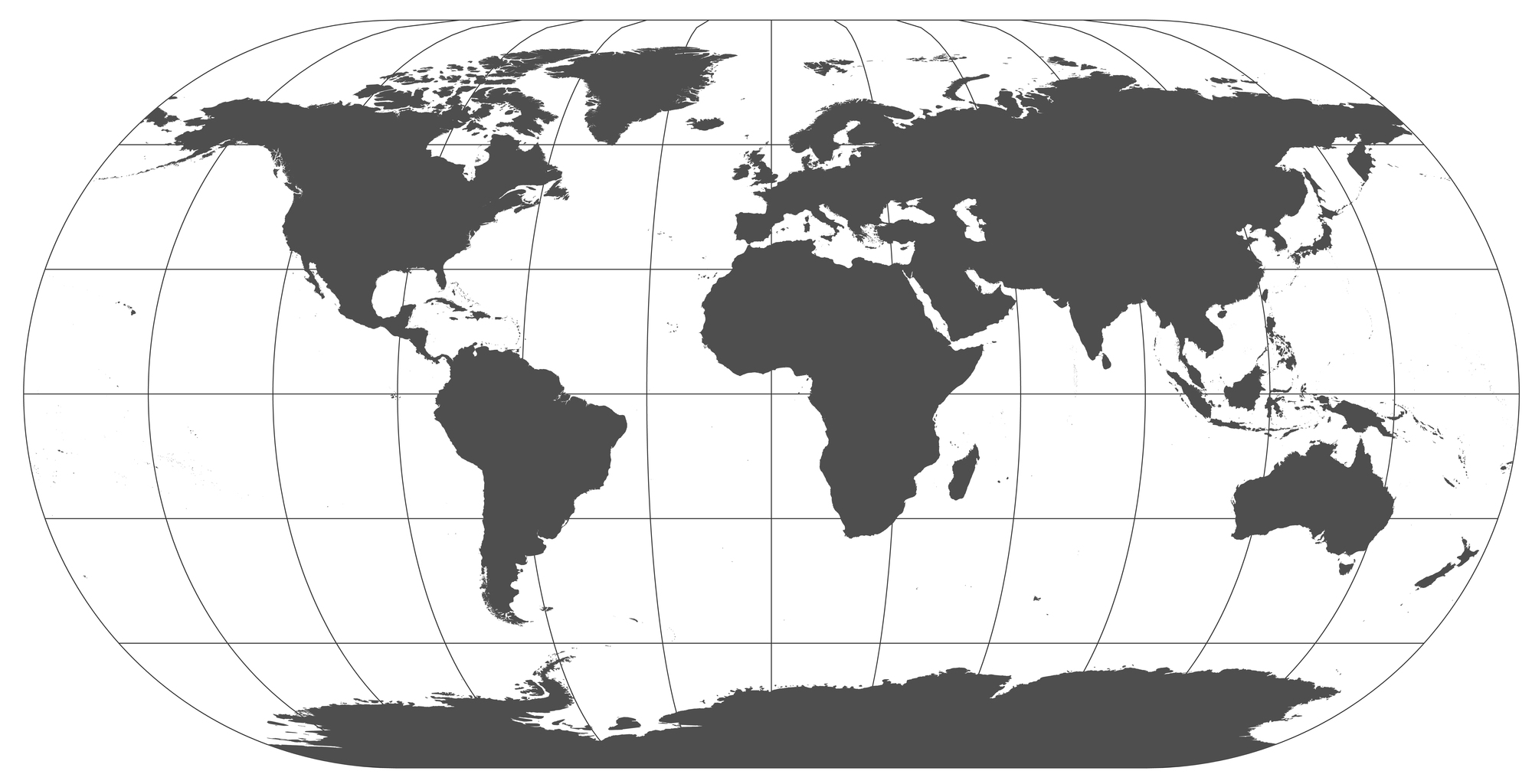
Precise location identification was enabled through military-style grid systems using letter-number combinations that divided maps into manageable squares for navigation purposes. Accurate position reporting over radio communications was made possible by understanding how to read and communicate grid references — search and rescue operations found this particularly important.
Grid layouts and coordinate structures required memorization through these alphanumeric systems that civilians rarely encountered outside specialized training.
Interpreting Symbol Legends
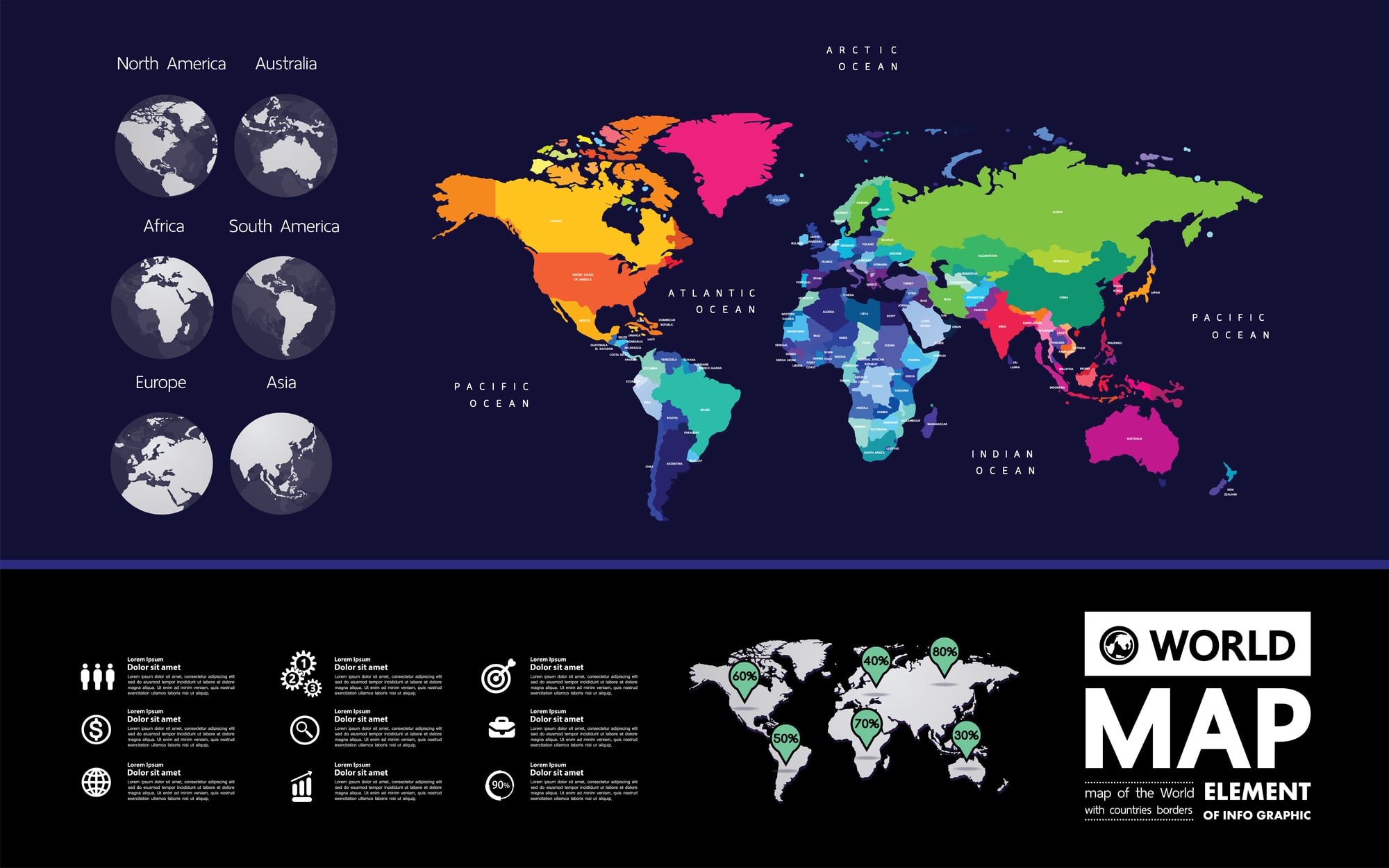
Dozens of symbols representing everything from campgrounds to historical sites were contained in paper maps, requiring users to memorize or constantly reference legend keys for accurate interpretation. Varying symbol systems were used by different map publishers — AAA maps differed significantly from USGS topographic maps, creating confusion for travelers switching between types.
Experienced map readers were separated from novices through symbol literacy, as important route information was often hidden in tiny graphic representations.
Planning Multi-Stop Route Optimization
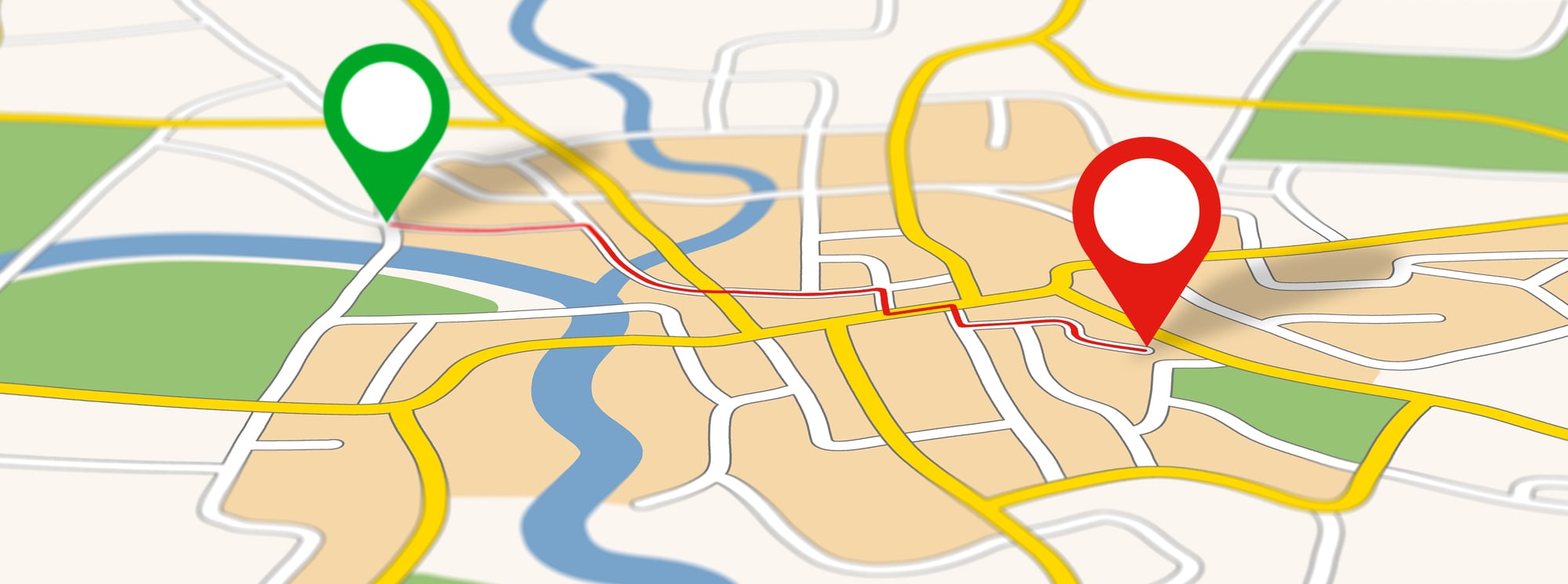
Entire map regions required study to identify optimal routing sequences that minimized backtracking and travel time when efficient travel between multiple destinations was needed. Visualizing traffic patterns, understanding highway systems, and calculating time versus distance trade-offs were involved in this skill — all performed manually.
Sophisticated mental mapping abilities were developed by business travelers and delivery drivers, allowing quick route adjustments based on changing circumstances or unexpected delays.
Like Go2Tutors’s content? Follow us on MSN.
Understanding Map Projections and Distortion
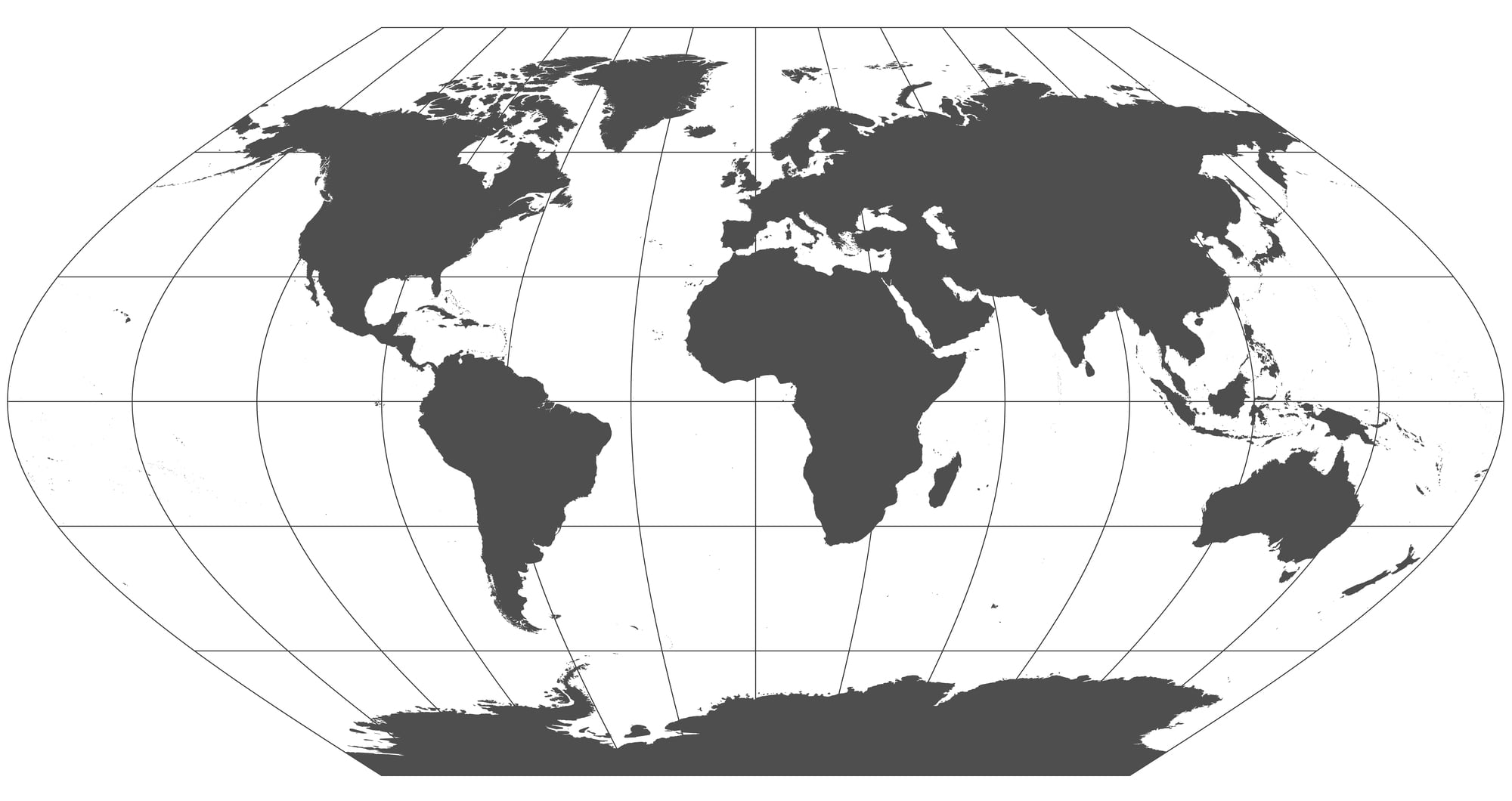
Geographic areas represented on different map projections created varying levels of distortion — knowledge that significantly affected distance calculations and directional accuracy. Polar regions were stretched by Mercator projections while accurate equatorial measurements were maintained — information that experienced navigators understood for long-distance travel planning.
Why straight lines on maps didn’t always represent the shortest actual distances between points was explained through this cartographic knowledge.
Cross-Referencing Multiple Map Sources
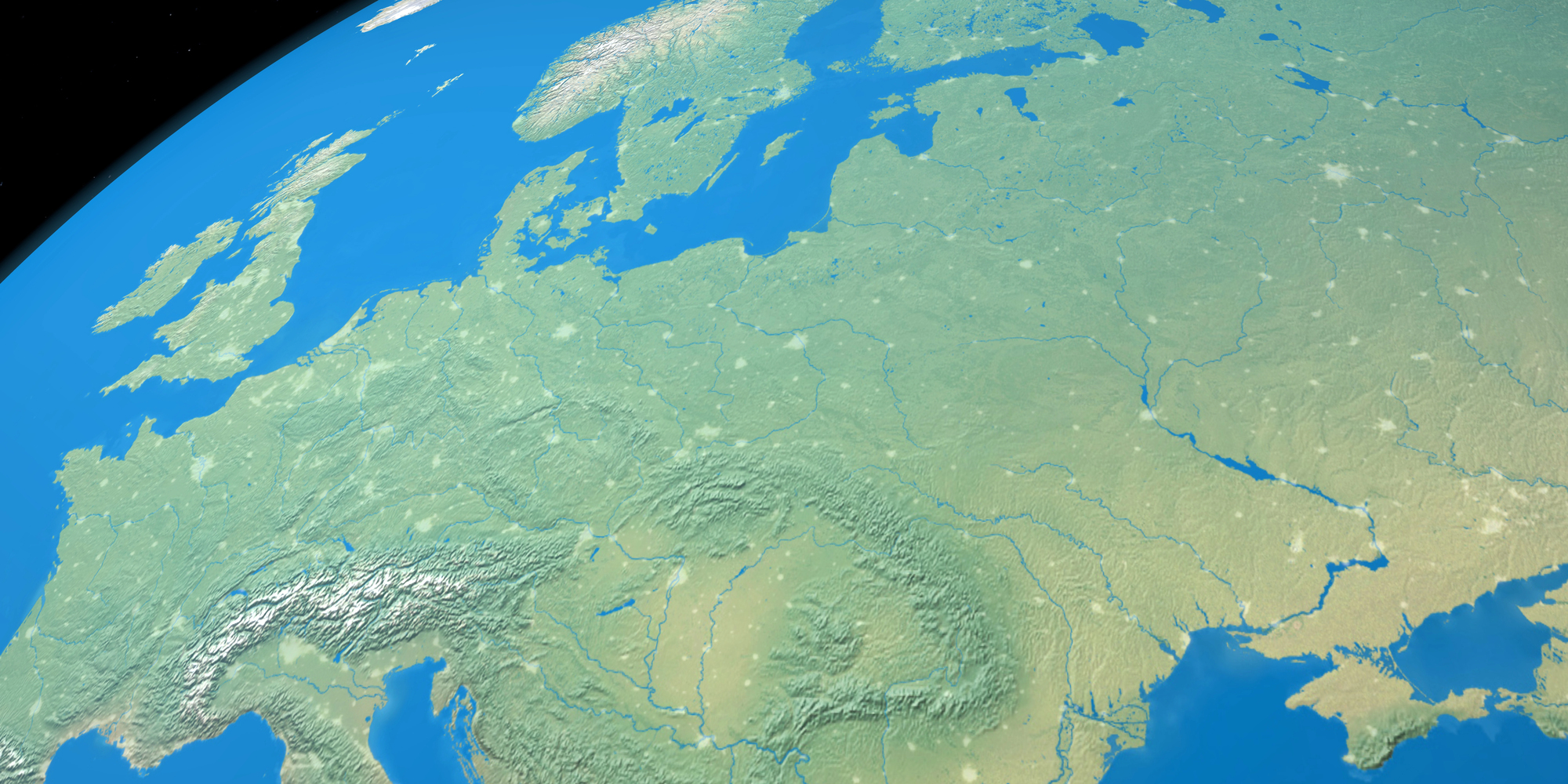
Highway maps, topographic surveys, and local street guides often required a combination to create complete route pictures when complex navigation was attempted across varied terrain. Different details were provided by each map type — highways were shown on road maps but elevation changes were missed while terrain was revealed by topographic maps but current road information was lacking.
Multiple sources were synthesized by skilled navigators into coherent navigation strategies accounting for various travel factors and potential obstacles.
Estimating Travel Time Without Traffic Data
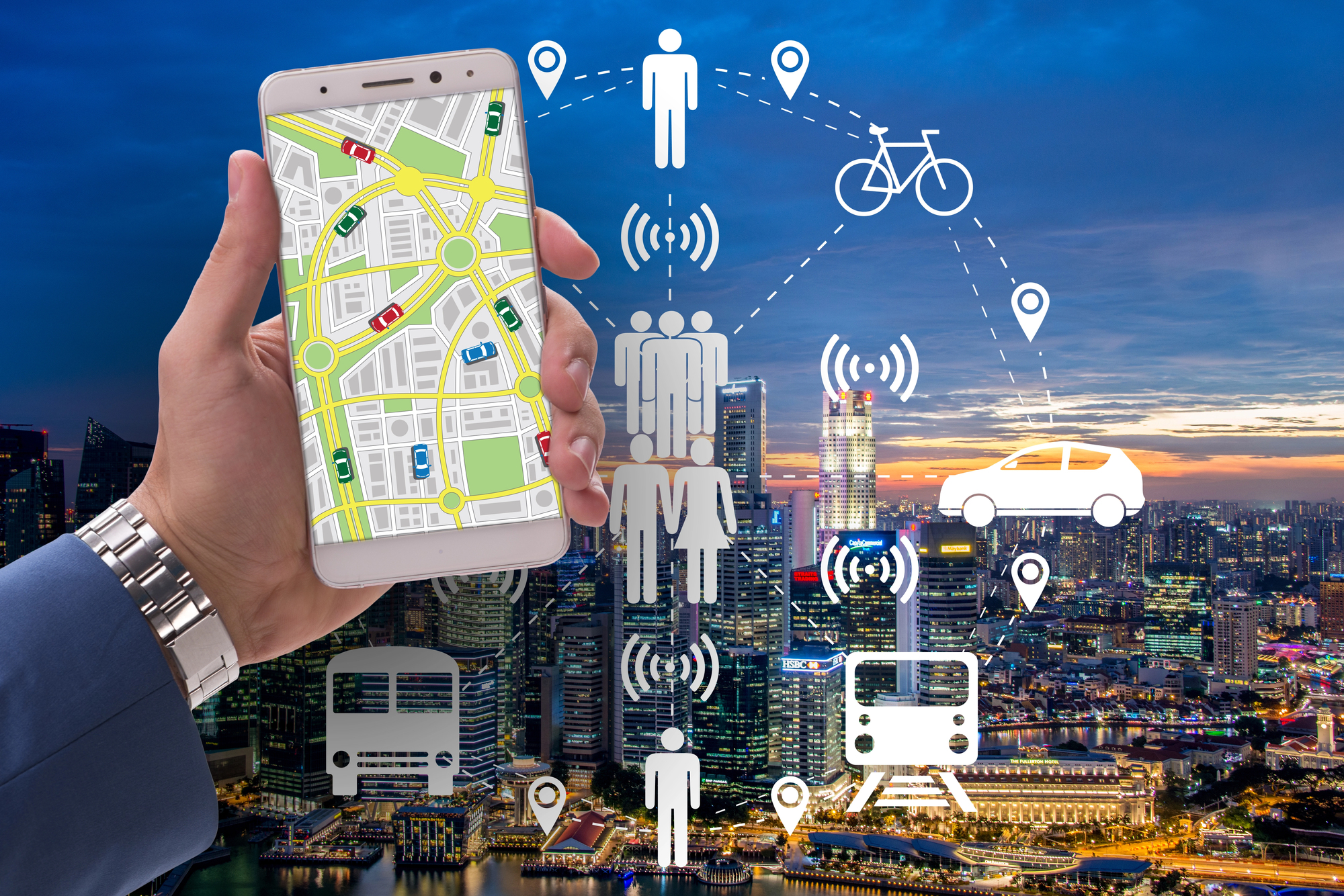
Vehicle capabilities, road conditions, and typical traffic patterns based purely on map analysis and personal experience were required when calculating realistic arrival times over years of travel. An intuitive sense for how long different route types would take was developed by paper map users — mountain roads versus interstate highways demanded completely different time calculations.
Weather conditions, vehicle limitations, and driver fatigue were factored into estimates that GPS now calculates automatically with real-time traffic data.
Like Go2Tutors’s content? Follow us on MSN.
Dead Reckoning Navigation
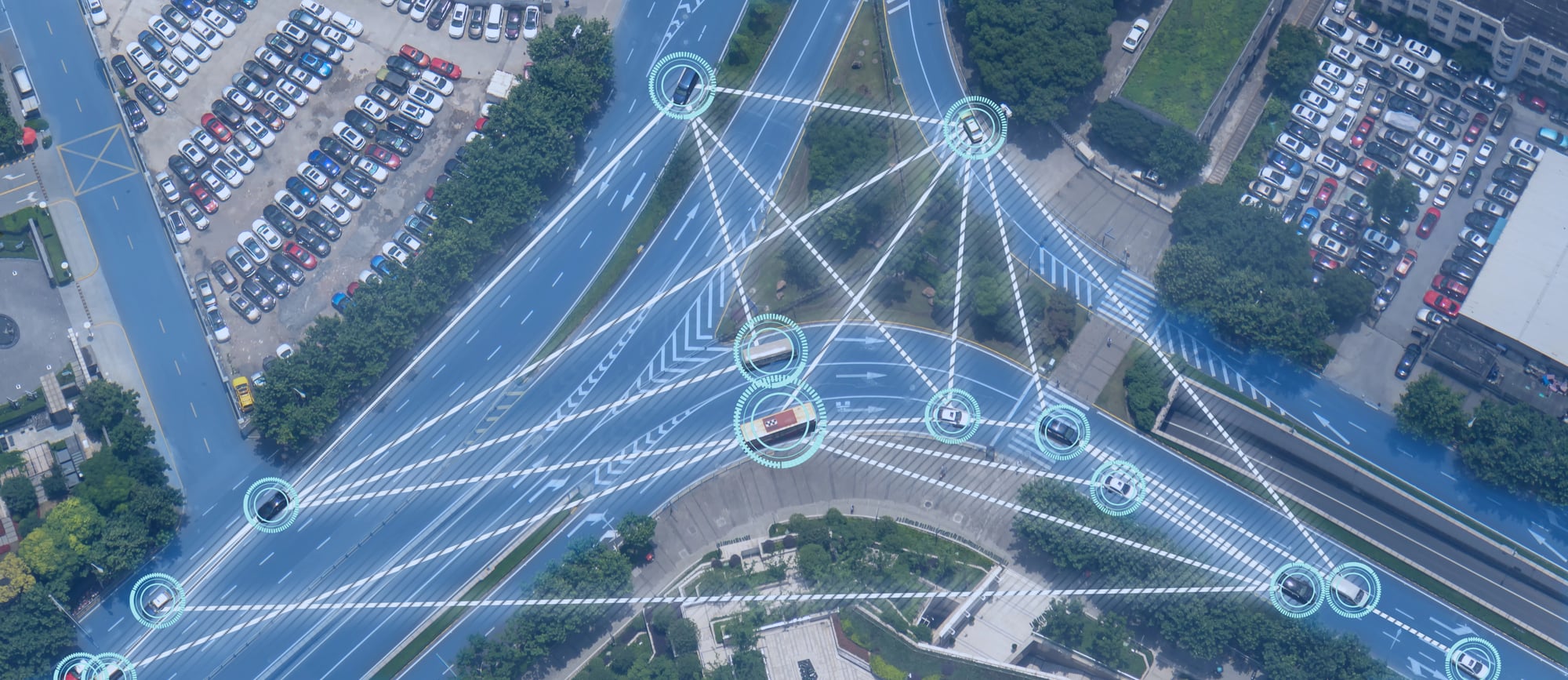
Distance traveled and direction changes required constant updating of your location when maintaining position awareness during travel was necessary, particularly important when landmarks disappeared or visibility decreased. Speed, time, and compass headings were tracked through this technique to estimate current position even when visual references weren’t available.
Navigation between known points was mastered by pilots and mariners through dead reckoning, skills that transferred effectively to automotive travel in unfamiliar territories.
Reading Elevation Profiles
Mountain passes, steep grades, and altitude changes that could affect vehicle performance or travel safety were prepared for when understanding how terrain elevation changed along planned routes was essential. Dramatic height changes along specific highways were often shown through elevation profile charts included on paper maps, information crucial for truck drivers or travelers with mechanical limitations.
Dangerous situations where vehicles encountered grades beyond their capabilities or travelers faced unexpected altitude sickness were prevented through this skill.
Backtracking and Route Recovery
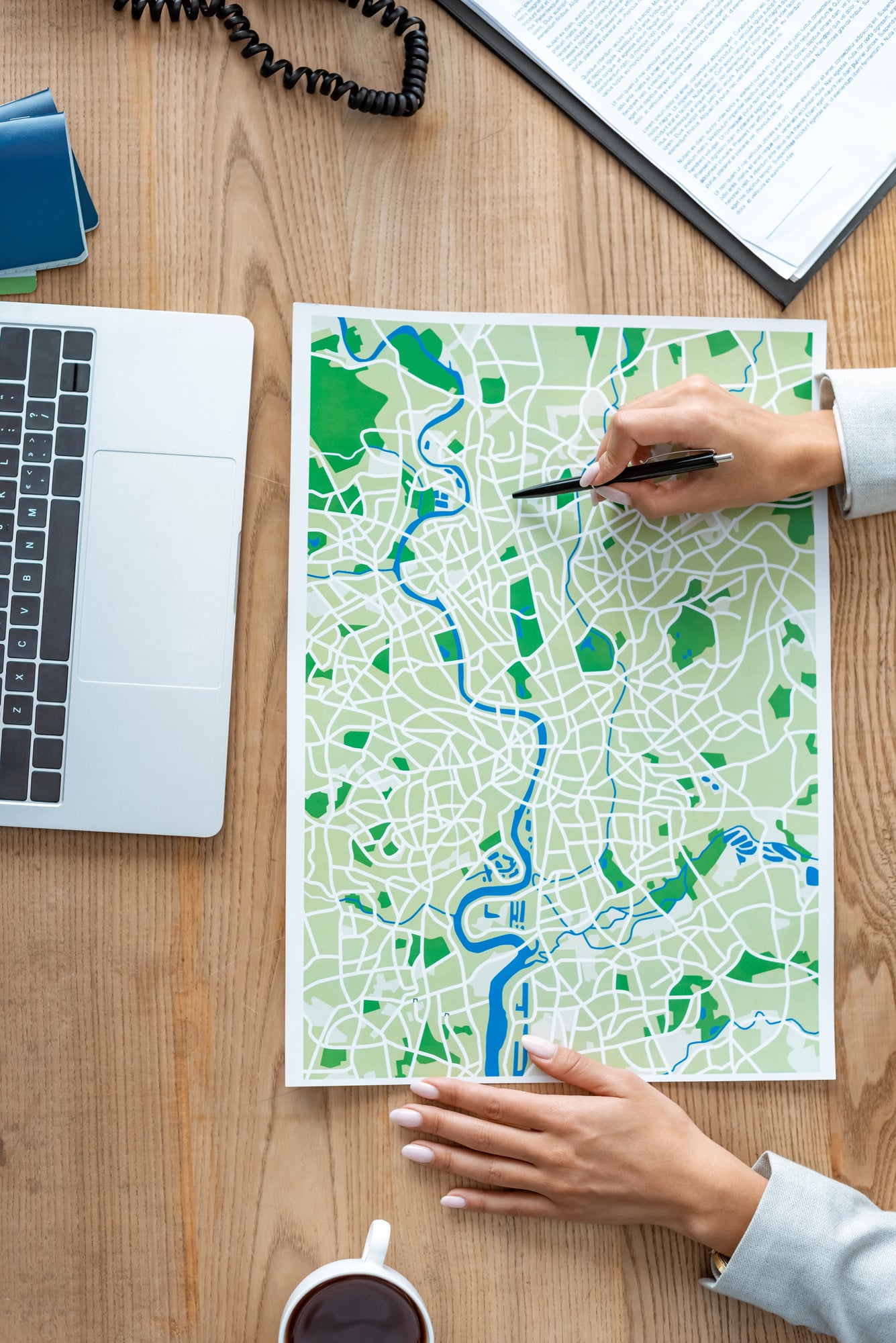
Systematic backtracking skills were required when getting lost with paper maps meant returning to known locations before attempting alternative routes — abilities demanding patience and logical thinking under pressure. Steps were retraced to the last confirmed position, then map details that might have caused initial navigation errors were carefully re-examined through recovery processes.
Persistence and spatial reasoning were taught through these problem-solving skills that GPS navigation eliminates by automatically recalculating routes when wrong turns occur.
Like Go2Tutors’s content? Follow us on MSN.
Mental Map Building

Detailed mental representations of geographic regions were developed by experienced paper map users, allowing navigation even when maps weren’t immediately accessible during travel emergencies. Highway numbers, landmark sequences, and relative positions of cities and features across large areas were remembered through this cognitive mapping over time.
Experience improved mental maps and provided backup navigation capabilities that proved invaluable when paper maps were lost, damaged, or unavailable during critical moments.
When Digital Replaced Analog
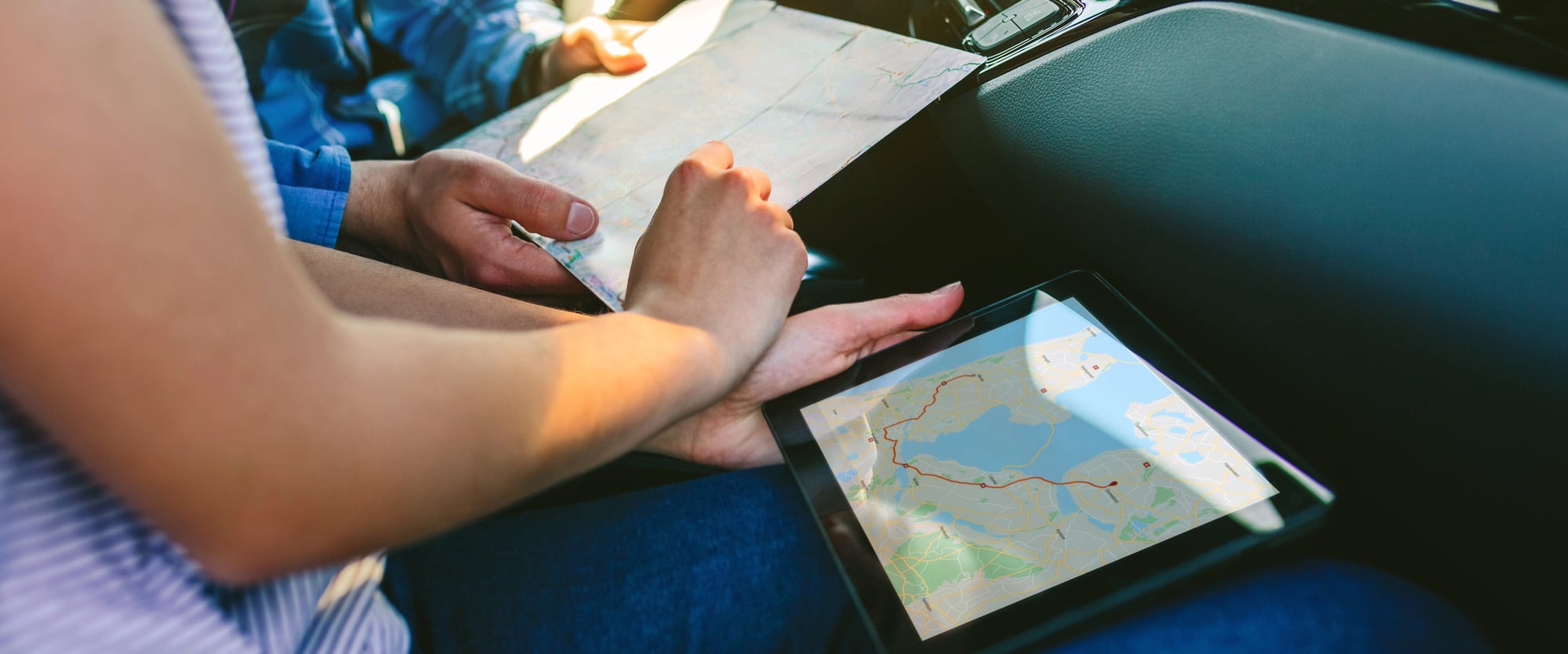
More than technological convenience is represented by the transition from paper maps to GPS navigation — spatial reasoning skills that once defined competent travelers across generations have been lost. Patience, mathematical thinking, and deep geographic understanding were required by these abilities that smartphones have rendered unnecessary for most people today.
Obvious advantages in accuracy and real-time updates are provided by GPS, yet something valuable disappeared when we stopped developing cognitive mapping skills that connected us more intimately with the physical world we navigate daily. Any destination can be reached by today’s travelers without truly understanding the geographic relationships that make their journeys possible, trading spatial literacy for digital convenience in ways that previous generations would find both amazing and slightly troubling in equal measure.
More from Go2Tutors!

- 18 Unexpectedly Valuable Collectibles You Might Have Lying Around
- 20 Little-Known Historical Battles That Had Huge Consequences
- 20 Historical Artifacts That Scientists Can’t Explain
- 15 Inventions That Were Immediately Banned After Being Created
- 20 Actors Who Were Almost Cast in Iconic Roles
Like Go2Tutors’s content? Follow us on MSN.