18 Legendary Racing Cars
Racing has always been about pushing limits, but some cars didn’t just push boundaries—they obliterated them completely. These machines didn’t win a few races and call it good.
They rewrote the rulebook, changed how engineers thought about design, and created legends that still give enthusiasts goosebumps decades later. We’re talking about cars that dominated entire seasons, introduced revolutionary technology, or achieved the impossible when everyone said it couldn’t be done.
Some became famous through sheer speed, others through innovative engineering, and a few earned their place by beating the odds in spectacular fashion. Here’s a list of 18 legendary racing cars that didn’t just compete—they conquered, innovated, and left tire marks on history itself.
McLaren MP4/4

The 1988 Formula 1 season belonged entirely to this Honda-powered beast driven by Ayrton Senna and Alain Prost. Winning 15 out of 16 races isn’t dominance—it’s complete annihilation of the competition.
Senna and Prost spent most of the season racing each other rather than anyone else, which says everything about how far ahead this car was. The MP4/4 represents the peak of turbo-era F1 technology before regulations neutered the fun.
Ford GT40

Born from Henry Ford’s wounded ego after Enzo Ferrari snubbed his buyout offer, the GT40 became America’s answer to European racing superiority. Four consecutive Le Mans victories from 1966 to 1969 proved that Detroit could build world-beaters when properly motivated.
The famous 1-2-3 finish at Le Mans in 1966 remains one of motorsport’s most satisfying revenge stories. This car turned American muscle into precision racing machinery.
Ferrari 250 GTO

Only 39 were ever built, and today they’re worth more than small countries’ GDP for good reason. The GTO dominated GT racing from 1962 to 1964, winning its class at Le Mans twice and generally making life miserable for competitors.
Its combination of racing success and drop-dead gorgeous styling created the template for what a legendary Ferrari should be. When one sold for over $48 million at auction, it proved that racing pedigree never goes out of style.
Porsche 917
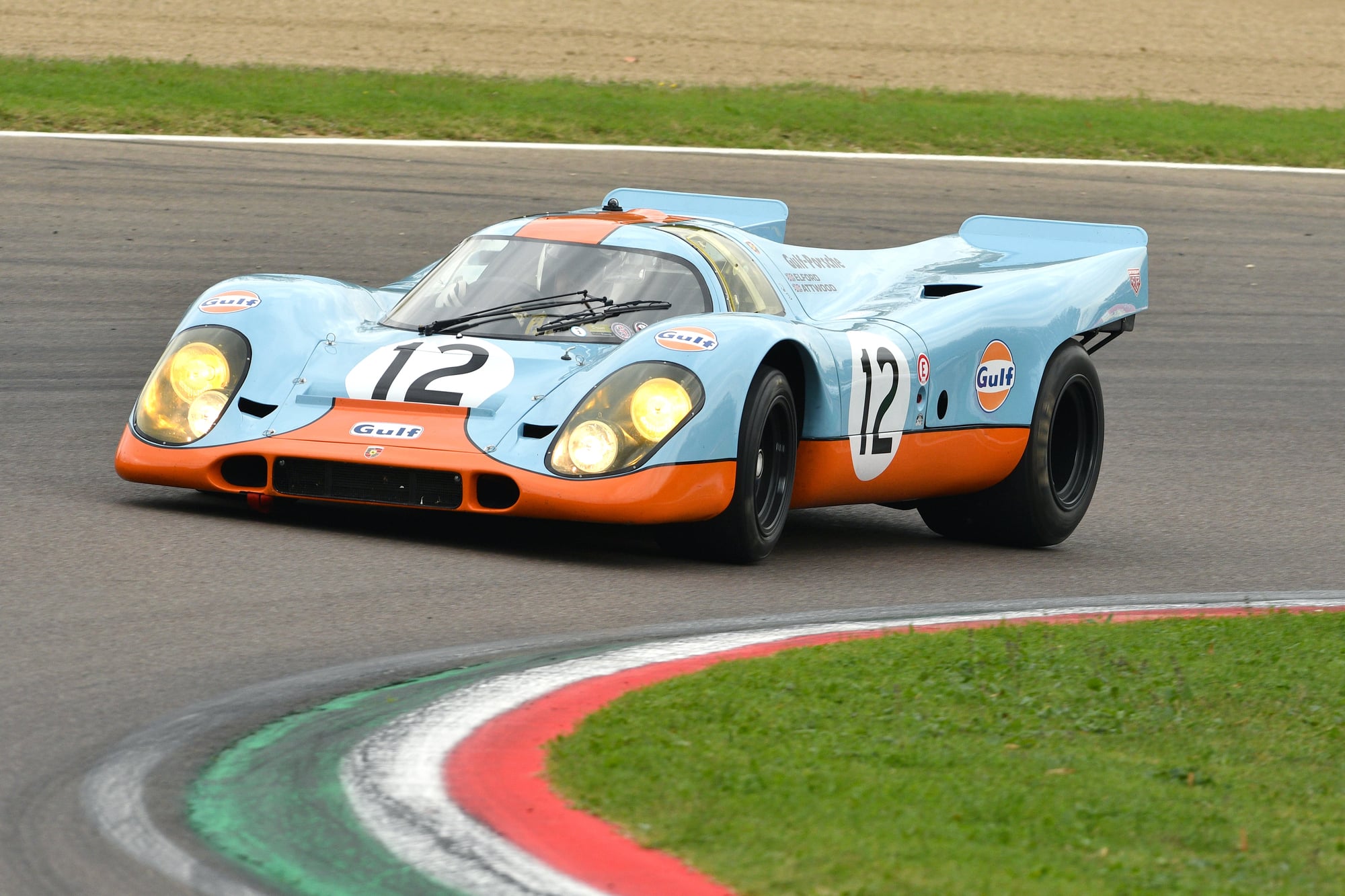
Steve McQueen made this car famous in the movie “Le Mans,” but the 917 earned its reputation on track long before Hollywood came calling. In 1970 and 1971, it dominated endurance racing with a top speed that scared even professional drivers.
The car was so fast that drivers complained about losing consciousness during high-speed runs. Porsche had finally built something that could match Ferrari’s mystique with pure, terrifying performance.
Lancia Stratos
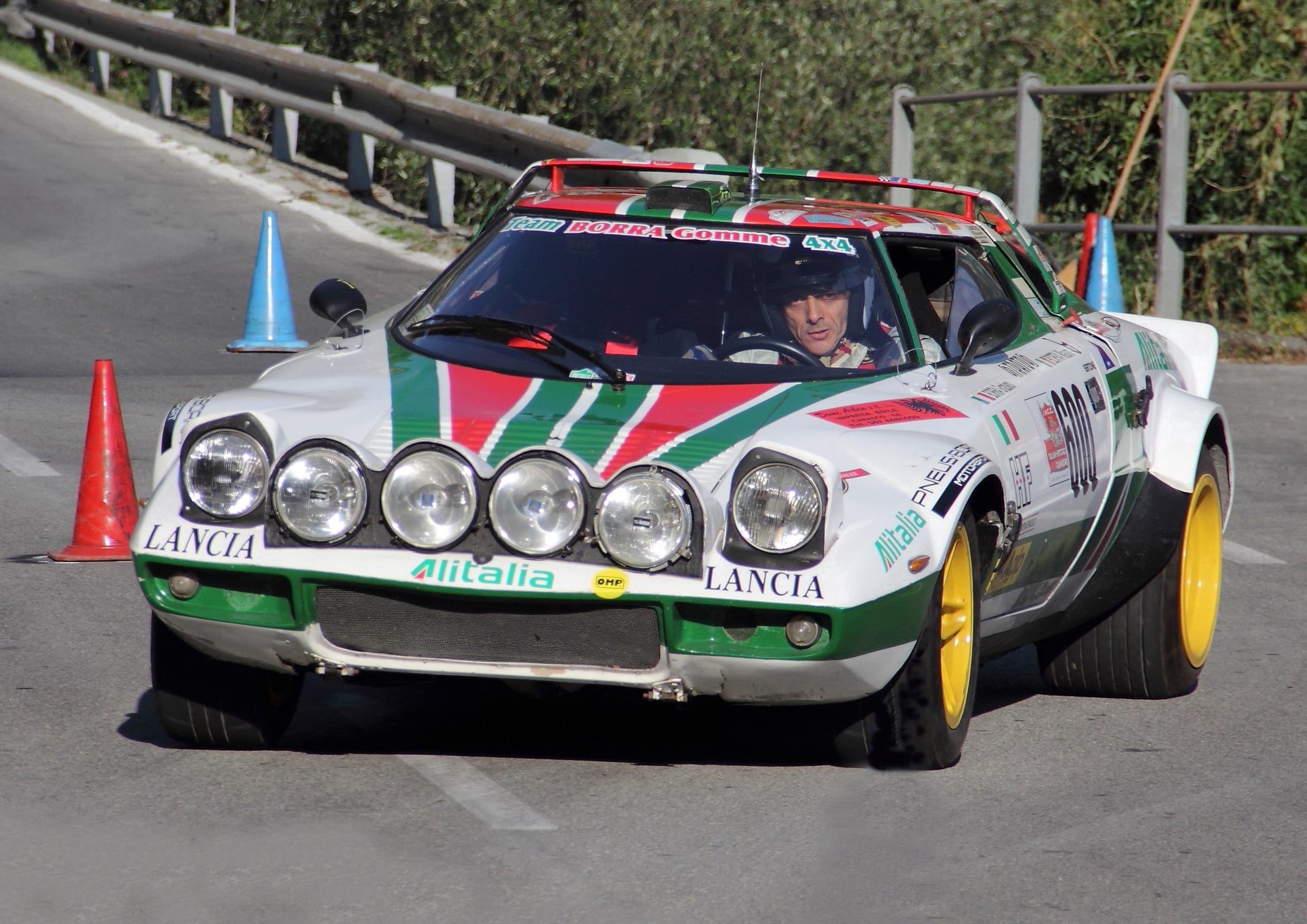
The first car designed from scratch specifically for rallying, and it shows in every aggressive line and purposeful detail. Between 1974 and 1981, the Stratos won 18 World Rally Championship events and claimed four consecutive constructor titles.
Its mid-mounted Ferrari V6 engine and dramatic wedge shape made it instantly recognizable flying through forest stages. The Stratos proved that purpose-built rally cars could dominate modified road cars.
Audi Quattro
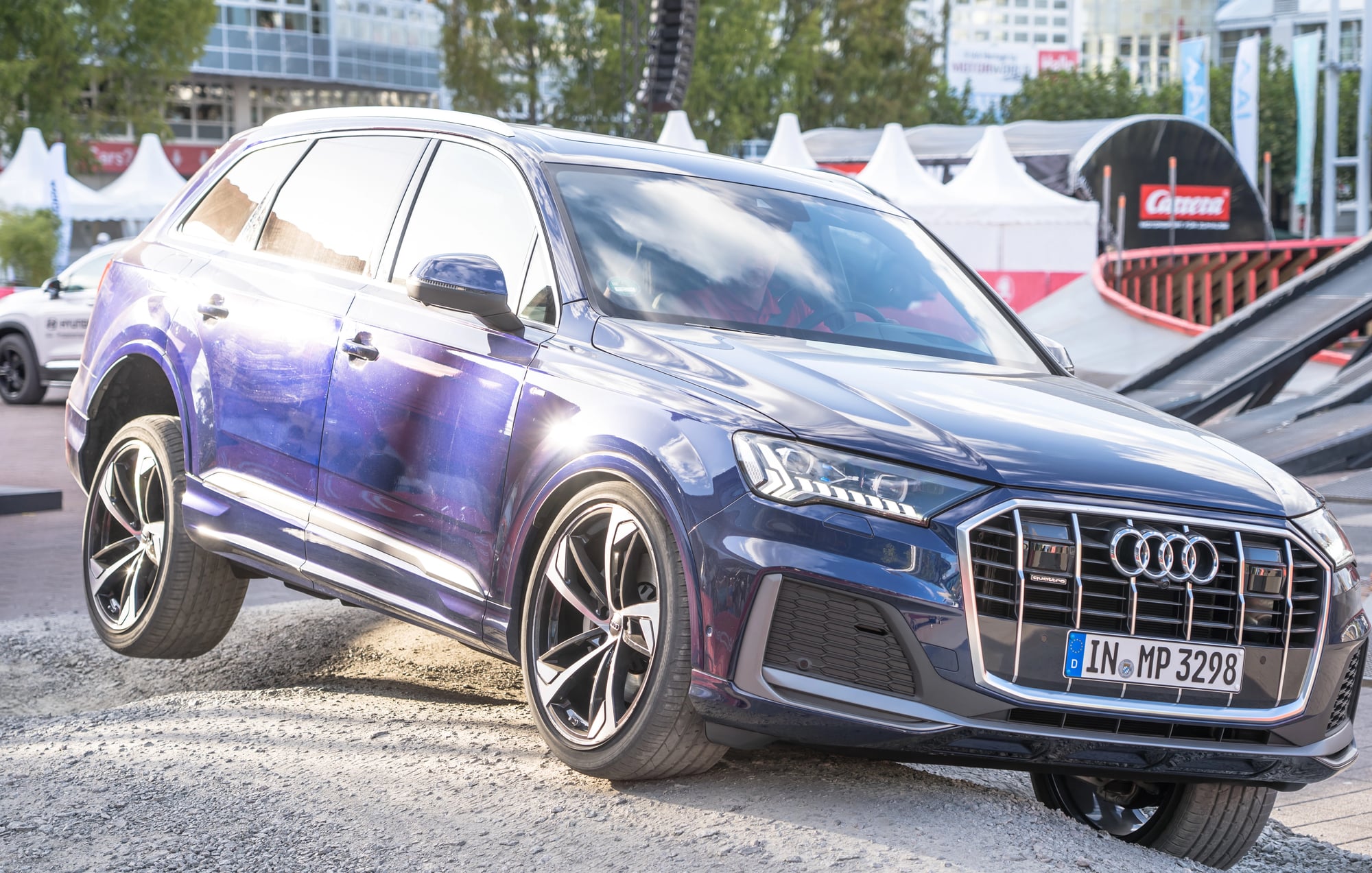
All-wheel drive wasn’t new when Audi introduced the Quattro, but nobody had made it work this effectively in rallying. The car’s grip advantage was so overwhelming that competitors scrambled to develop their own AWD systems just to stay relevant.
Two manufacturer championships and 23 rally wins later, the Quattro had fundamentally changed motorsport forever. Even today, “quattro” remains synonymous with all-weather performance.
Lotus 72

From 1970 to 1975, this black-and-gold beauty competed in 75 Grand Prix races and won 20 of them. The most impressive part is that Lotus barely modified the original design during its six-year run—it was that good from the start.
The 72 introduced ground effects aerodynamics to Formula 1 and featured innovative packaging that influenced race car design for decades. Its longevity proved that brilliant engineering beats constant development.
BMW M3 E30

With over 1,400 race wins to its name, the E30 M3 might be the most successful touring car ever built. It won world championships, European championships, and pretty much every other touring car series it entered during the late 1980s and early 1990s.
BMW homologated just enough road cars to meet racing requirements, then proceeded to dominate everything with four doors. The M3 proved that a well-engineered sedan could embarrass purpose-built sports cars.
Mazda 787B

The only rotary-powered car to win Le Mans outright, and it happened in 1991 when everyone expected the German manufacturers to dominate. The 787B wasn’t the fastest car in the race, but its reliability and fuel efficiency allowed it to win while others broke down.
The distinctive wail of its four-rotor engine remains one of the greatest sounds in motorsport history. Mazda proved that innovative thinking could triumph over bigger budgets and more cylinders.
Shelby Cobra Daytona Coupe
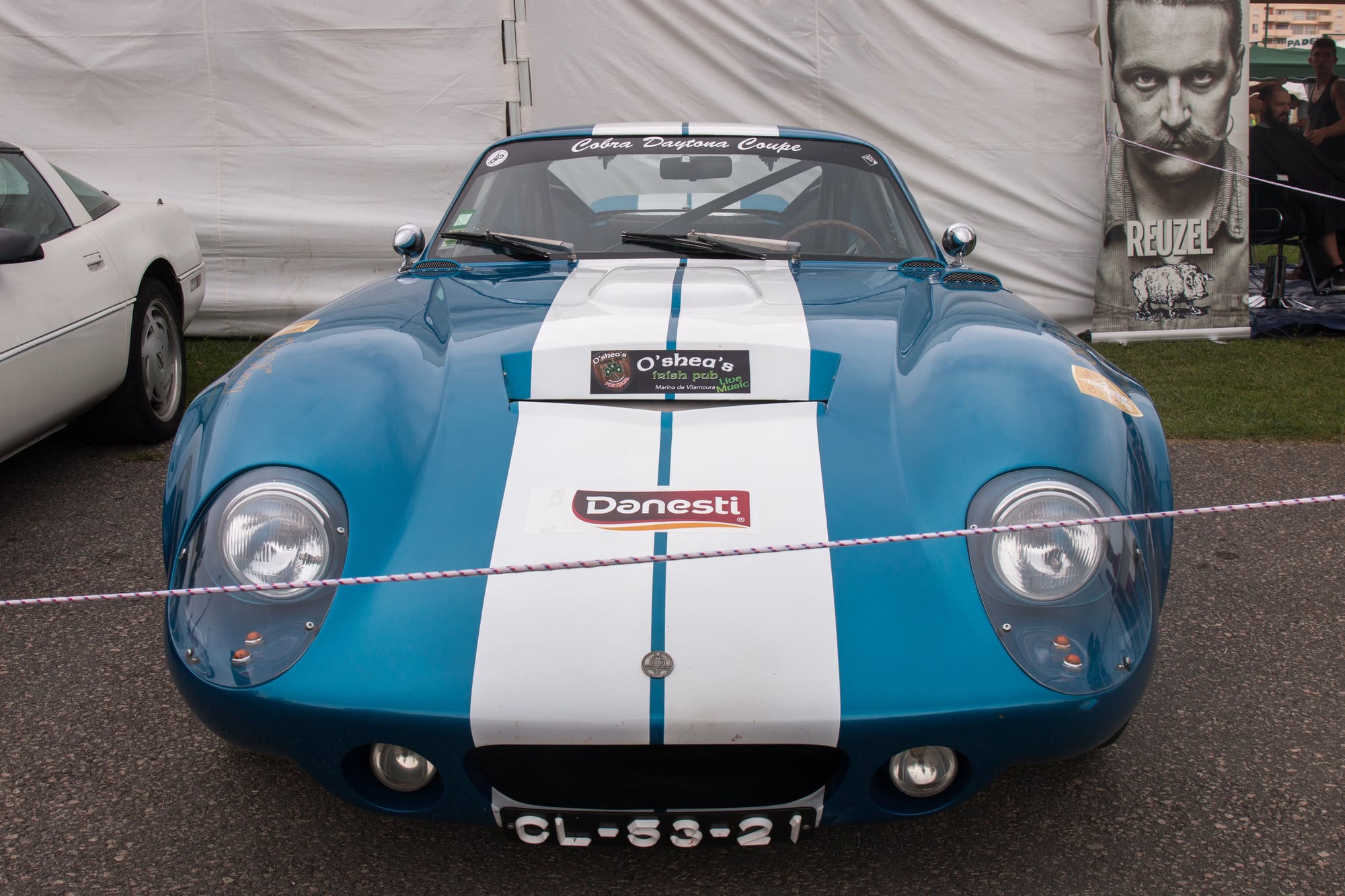
Carroll Shelby built this aerodynamic coupe specifically to beat Ferrari at Le Mans, and it worked perfectly. In 1964, the Daytona Coupe won both the 12 Hours of Sebring and its class at Le Mans, dealing a serious blow to Ferrari’s GT dominance.
With only six examples built, each one represented American determination to prove that horsepower plus clever engineering could beat European sophistication. The Daytona Coupe remains the most successful American sports car in international competition.
Porsche 956

Seven overall Le Mans victories and 24 championships in 12 years of competition—the 956 didn’t just dominate endurance racing, it owned it completely. The car introduced ground effects aerodynamics to sports car racing and featured technology that was years ahead of its time.
Even today, the 956 looks like it could win races, which says everything about Porsche’s design brilliance. Its success established Porsche as the definitive endurance racing manufacturer.
Audi R8
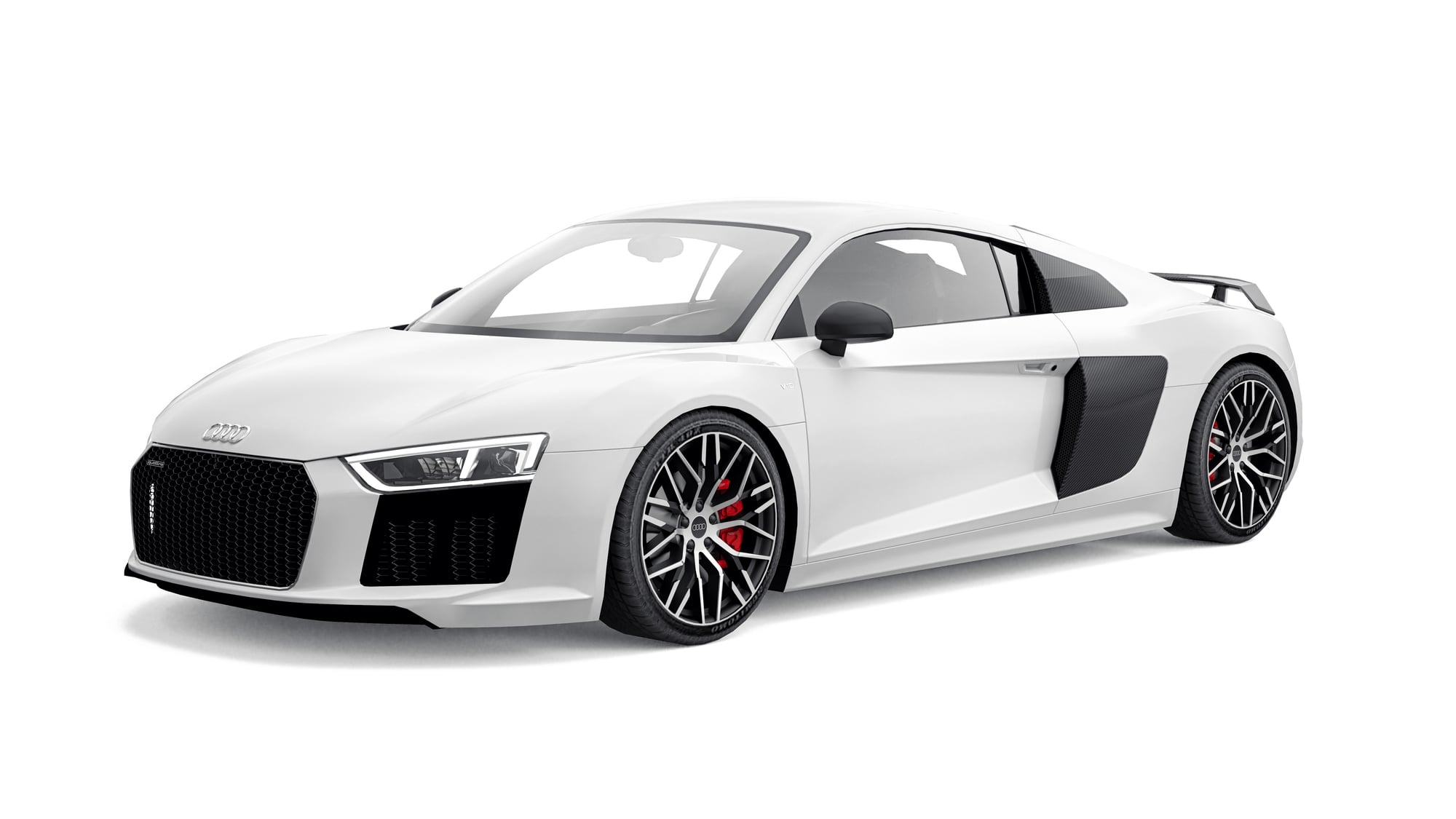
Between 2000 and 2005, this Le Mans prototype won 63 of the 79 races it entered, including five Le Mans victories in six years. The R8 combined cutting-edge technology with bulletproof reliability, a combination that proved nearly unbeatable in endurance racing.
Its advanced traction control and lightweight construction set new standards for prototype racing cars. Audi used the R8’s success to establish itself as a premium performance brand.
Lotus 49
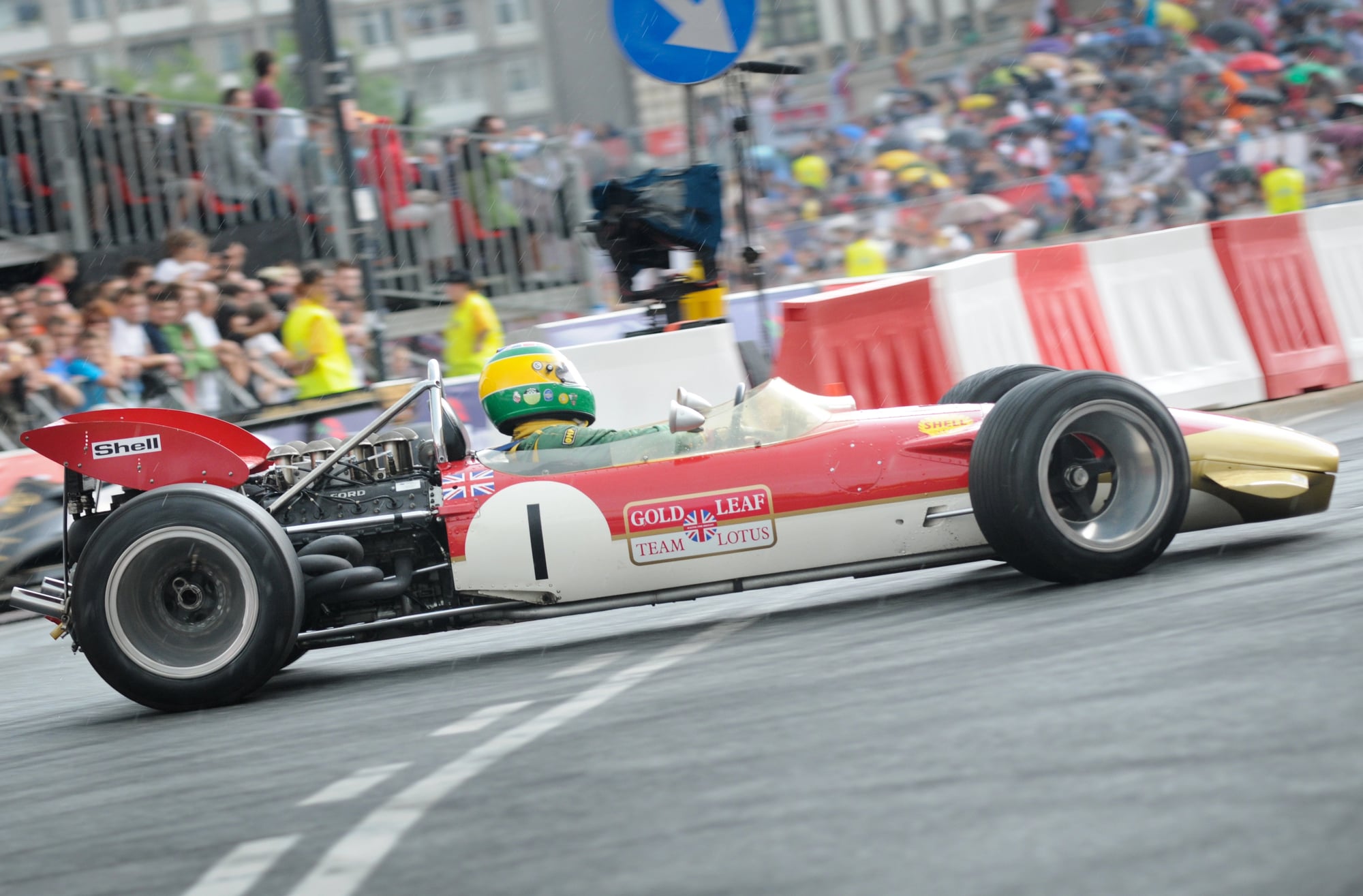
Jim Clark won on this car’s F1 debut in 1967, setting the tone for what became one of the most influential race cars ever built. The 49 was incredibly advanced for its time, featuring the first stressed-member engine installation and handling that made good drivers great.
Its distinctive green-and-yellow Lotus colors became synonymous with innovative engineering and driver skill. The 49 proved that clever design could overcome bigger budgets and more powerful engines.
Tyrrell P34

The six-wheeled wonder only won one race—the 1976 Swedish Grand Prix—but it remains one of the most radical designs in motorsport history. Tyrrell’s theory was that smaller front wheels would reduce drag and improve braking, and for a brief moment, it actually worked.
The P34 finished third in the 1976 constructor’s championship before tire development issues ended the experiment. Sometimes being legendary means being spectacularly different, even if success is brief.
Jaguar D-Type

This gorgeous machine dominated Le Mans in the 1950s, winning three consecutive times from 1955 to 1957. The D-Type’s combination of beautiful styling and serious performance made it the definition of a proper sports car.
Its innovative monocoque construction and aerodynamic bodywork influenced race car design for decades. The D-Type proved that British engineering could create cars that were both fast and achingly beautiful.
Williams FW14

Active suspension, traction control, and semi-automatic transmission made the 1992 FW14 nearly two seconds per lap faster than its competitors. The car was so technologically advanced that most of its innovations were promptly banned by Formula 1 officials who feared the sport was becoming too dependent on electronics.
Nigel Mansell dominated the 1992 season in a car that represented the peak of F1 technical development. The FW14 showed what was possible when budgets and regulations allowed unlimited innovation.
Peugeot 205 T16

Group B rallying produced some terrifying machines, but few were as successful or as memorable as the 205 T16. This mid-engined monster could accelerate from 0 to 60 mph faster than most modern supercars, all while navigating forest roads at insane speeds.
The T16’s combination of all-wheel drive, turbo power, and minimal weight created a recipe for both success and spectacular crashes. When Sébastien Loeb drove a modified version up Pikes Peak in 8 minutes and 13 seconds, it proved the design’s enduring brilliance.
McLaren F1 GTR

The road car was already the world’s fastest production vehicle, so turning it into a race car seemed like overkill—until it won Le Mans in 1995. The F1 GTR’s victory proved that a well-designed road car could beat purpose-built prototypes when properly developed.
Gordon Murray’s obsession with weight reduction and aerodynamic efficiency created a machine that excelled in both straight-line speed and handling. The F1 GTR remains the most successful road-car-based racing machine ever built.
Racing Immortality
These 18 machines represent more than just successful race cars—they’re monuments to human ambition, engineering brilliance, and the relentless pursuit of speed. From the McLaren MP4/4’s near-perfect 1988 season to the Mazda 787B’s rotary-powered triumph at Le Mans, each car carved its own path to legendary status through innovation, dominance, or sheer audacity.
The Ford GT40 proved that revenge could fuel engineering excellence, while the Tyrrell P34 showed that sometimes the craziest ideas produce the most memorable results. Whether they won through technological superiority, brilliant strategy, or pure determination, these cars changed motorsport forever and continue to inspire engineers and drivers decades after their last race.
In a world where modern racing often feels sanitized by regulations and corporate committees, these legends remind us of an era when brilliant minds could still build something genuinely revolutionary and let it loose on the world’s greatest racetracks.
More from Go2Tutors!

- The Romanov Crown Jewels and Their Tragic Fate
- 13 Historical Mysteries That Science Still Can’t Solve
- Famous Hoaxes That Fooled the World for Years
- 15 Child Stars with Tragic Adult Lives
- 16 Famous Jewelry Pieces in History
Like Go2Tutors’s content? Follow us on MSN.