13 Ancient Recycling Systems That Wasted Absolutely Nothing
Before ‘reduce, reuse, recycle’ became a rallying cry, ancient civilizations had already perfected the art of zero waste. These societies couldn’t afford to throw anything away—there simply wasn’t an ‘away’ to throw it to.
Materials, water, organic remnants—everything held value. Their brilliant systems weren’t driven by environmental awareness but by raw necessity.
Here is a list of ancient recycling systems that would shame our modern attempts.
Roman Urine Collection
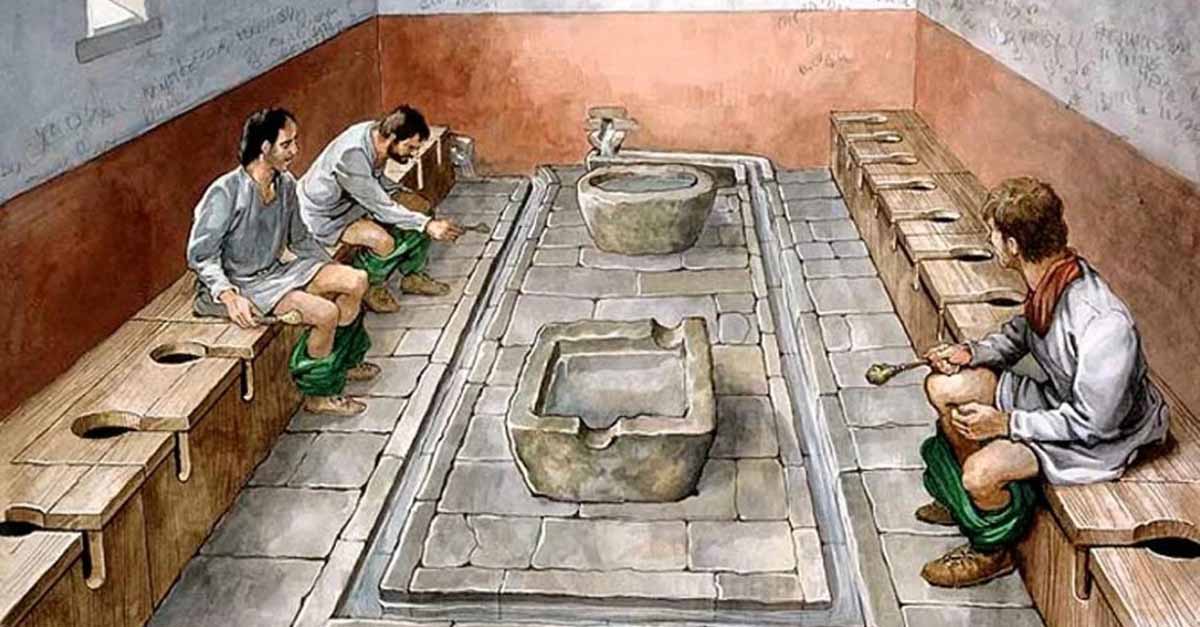
Romans transformed human waste into liquid treasure through sophisticated collection networks. Public latrines called ‘foricae’ served as more than restrooms—they launched complex recycling chains that turned waste into profit.
Collectors gathered urine in massive containers, then sold it to fullers who relied on its ammonia content for cleaning woolen garments. The system proved so lucrative that Emperor Vespasian slapped a tax on urine collection.
Japanese Nightsoil Networks
Japan’s nightsoil system created a perfect circular economy that endured for centuries—urban waste became rural gold. Farmers would journey to cities with fresh produce, returning home with carefully collected human waste that they’d compost into extraordinarily rich fertilizer.
Cities fed the countryside; the countryside fed the cities. This efficiency allowed Japan to maintain soil fertility for over 4,000 years without depleting farmland.
Like Go2Tutors’s content? Follow us on MSN.
Medieval Bone Recycling
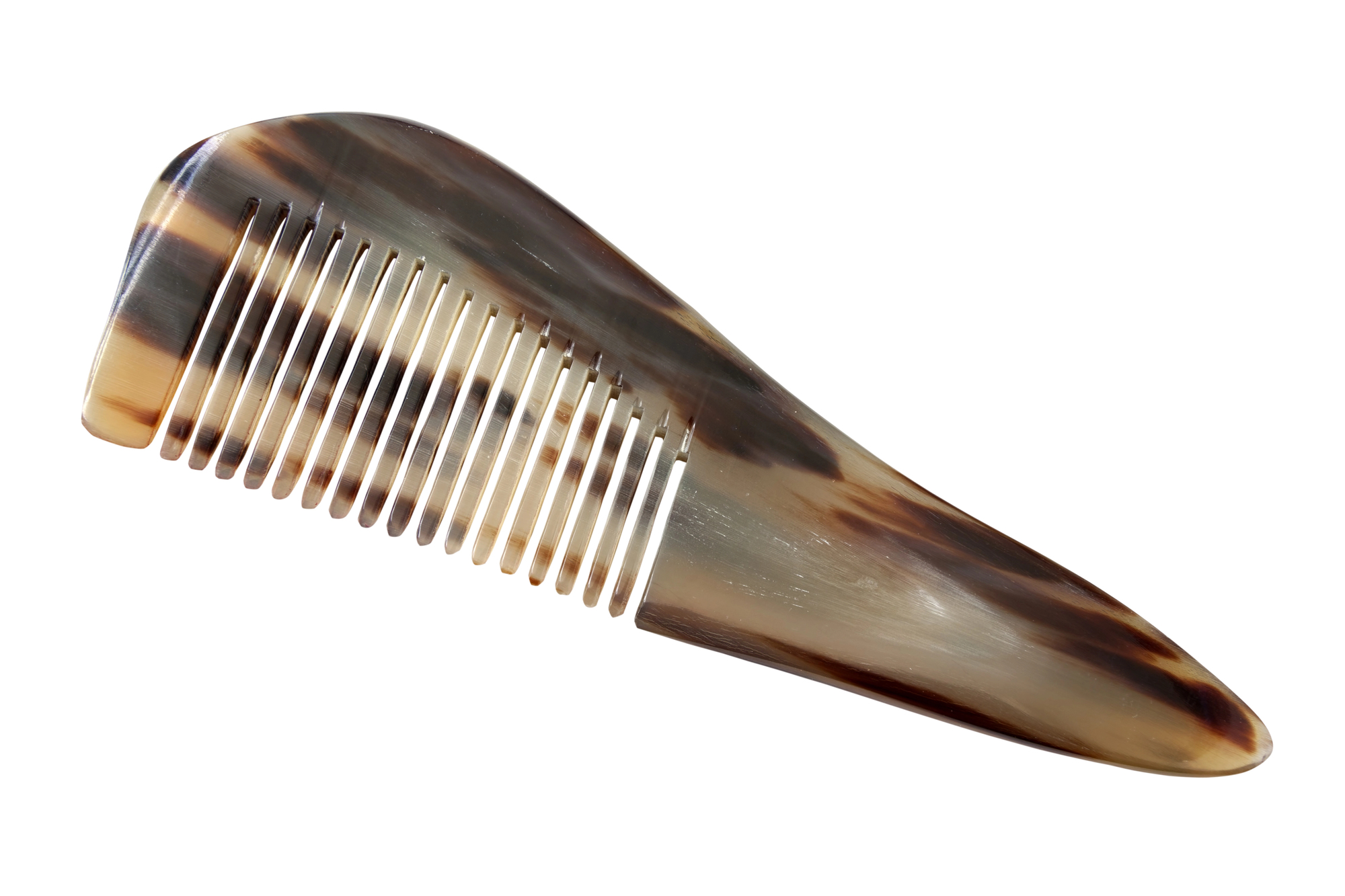
Medieval communities extracted every possible use from animal bones—creating recycling networks that would impress today’s sustainability experts. Butchers sold bones to craftsmen who carved them into buttons, dice, combs, tool handles.
Even bone dust wasn’t discarded—it became fertilizer or mortar additive. The tiniest fragments served as polishing agents for metalwork or soap additives.
Aztec Chinampas
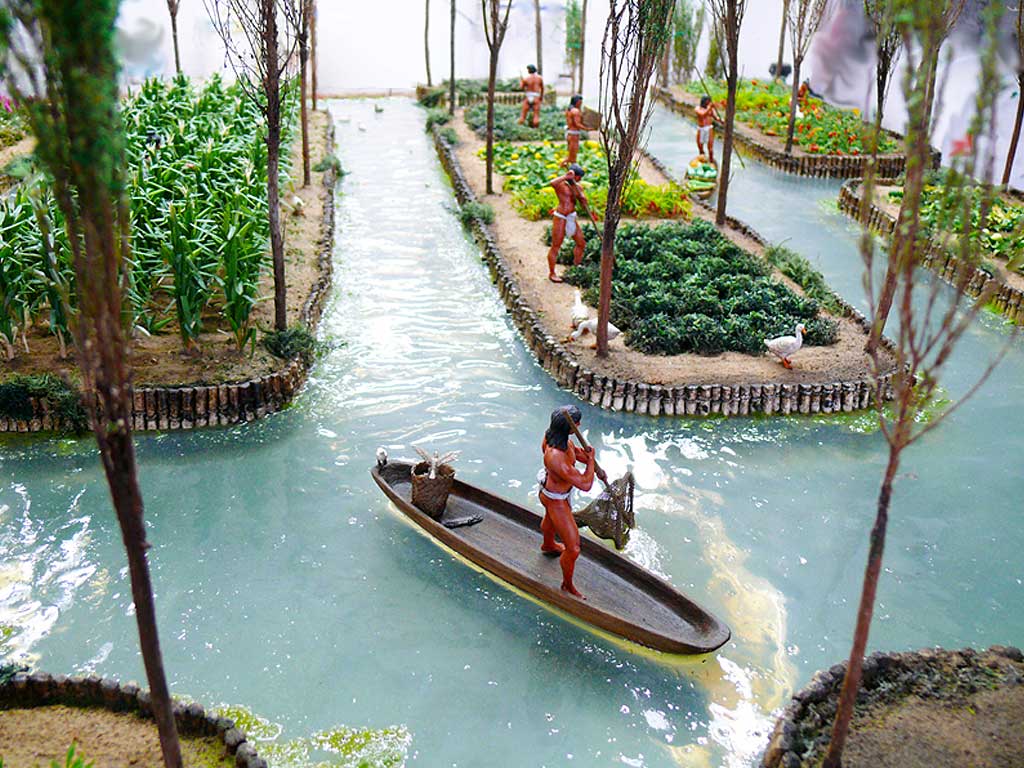
Aztecs engineered floating gardens called chinampas—transforming lake muck into incredibly productive agricultural systems. These artificial islands consisted of layered mud, decaying vegetation, human waste—creating soil so fertile that multiple harvests per year became routine.
Kitchen scraps, human waste, everything cycled into food production. Chinampas achieved remarkable efficiency: 25 square miles of lake surface could feed 200,000 people.
Ancient Egyptian Papyrus Reuse
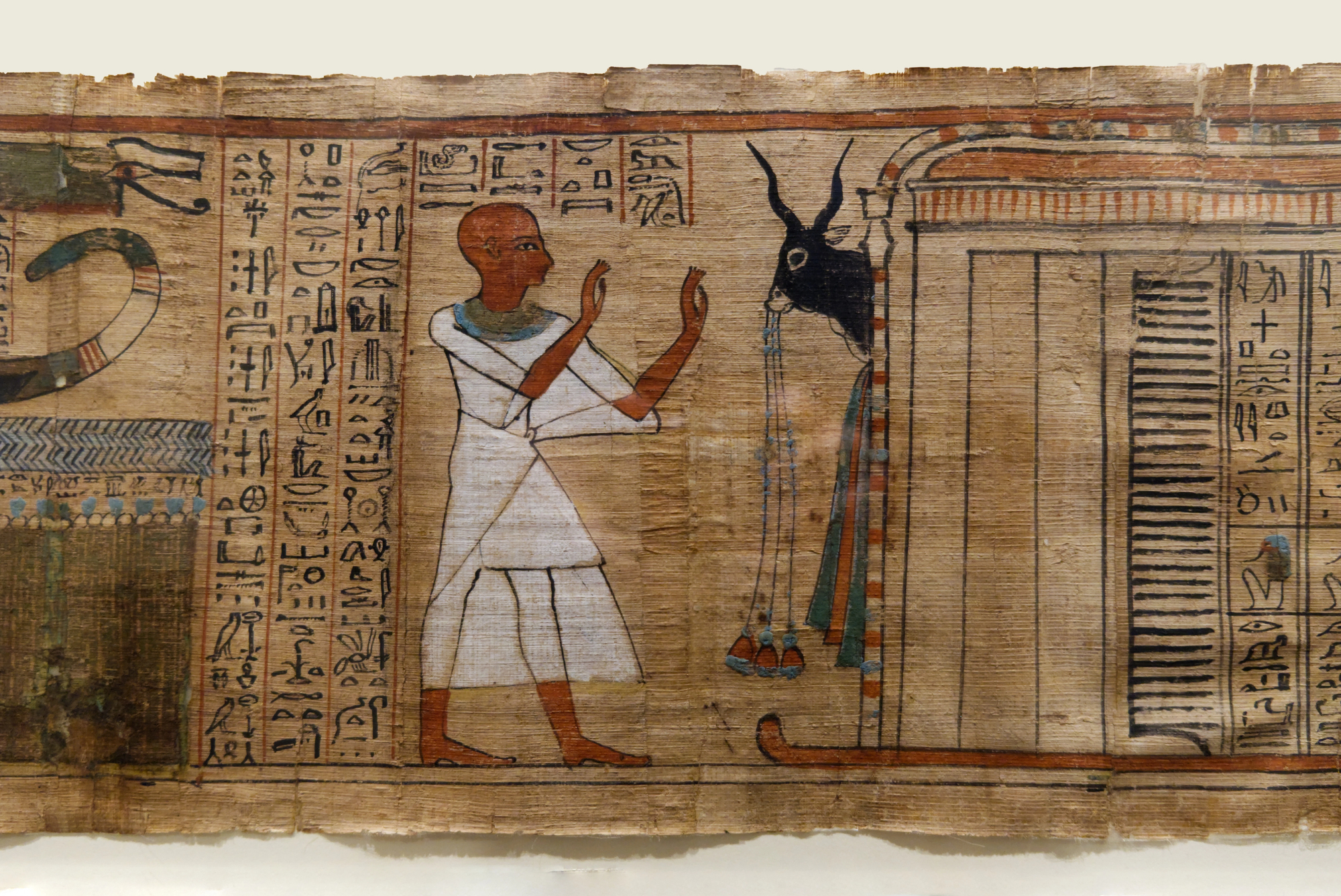
Egyptians treated papyrus like precious metal—reusing every sheet until it disintegrated. Scribes washed off old text, writing fresh documents on cleaned surfaces, creating palimpsests containing multiple information layers.
When papyrus became too worn for writing, it served as mummy wrapping or cushion stuffing. Fibrous remains were composted or burned as fuel.
Like Go2Tutors’s content? Follow us on MSN.
Viking Ship Breaking

Vikings pioneered systematic ship recycling long before modern shipbreaking yards existed. When longships ended their seafaring careers, every component was methodically dismantled for repurposing.
Iron nails became tools; seasoned timber was prized for construction requiring weather-resistant wood. Even tar and rope found new lives in vessels or buildings.
Chinese Waste Paper Mills
DepositPhotos
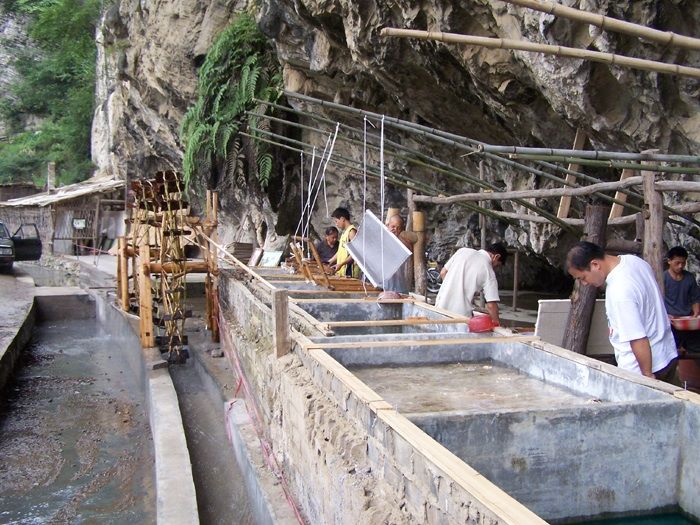
China invented paper recycling over 1,000 years before Western adoption—creating industries that transformed old documents into fresh writing surfaces. Buddhist monks collected used paper from temples, government offices, processing it through washing, pulping, and reforming techniques that removed ink while restoring fiber usability.
Early paper recycling was so advanced it supported entire communities of specialized workers. The system kept valuable cellulose fibers circulating for generations while reducing raw material demand.
Incan Textile Recycling
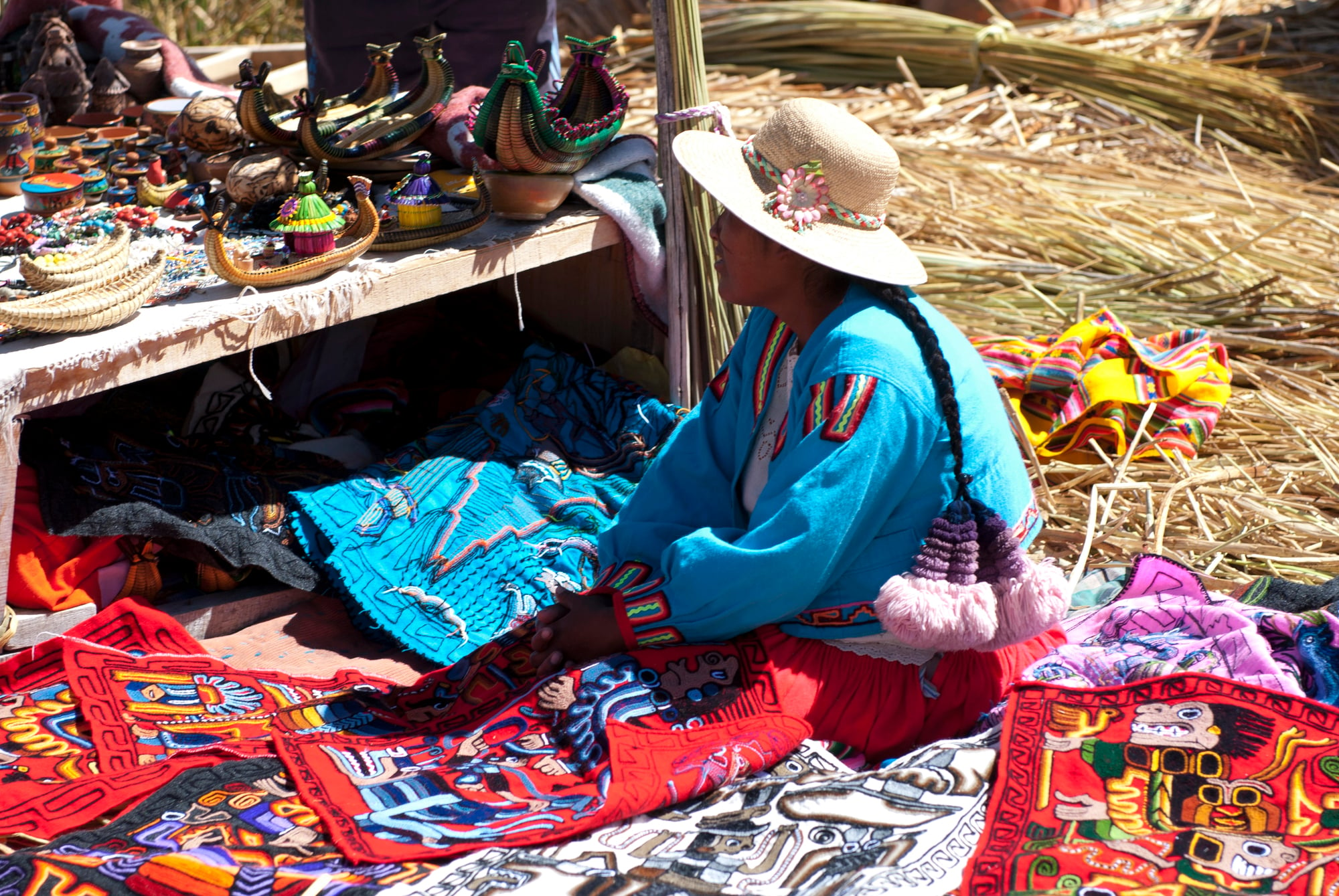
Incas developed textile recycling so thoroughly that archaeologists rarely discover discarded fabric in their sites. Worn clothing was unraveled thread by thread—each fiber sorted by quality, color before reweaving into new garments.
Lower-quality threads became ropes, bags; finest fibers were reserved for ceremonial wear. High-quality alpaca, vicuña wool served multiple generations.
Like Go2Tutors’s content? Follow us on MSN.
Greek Amphora Recycling
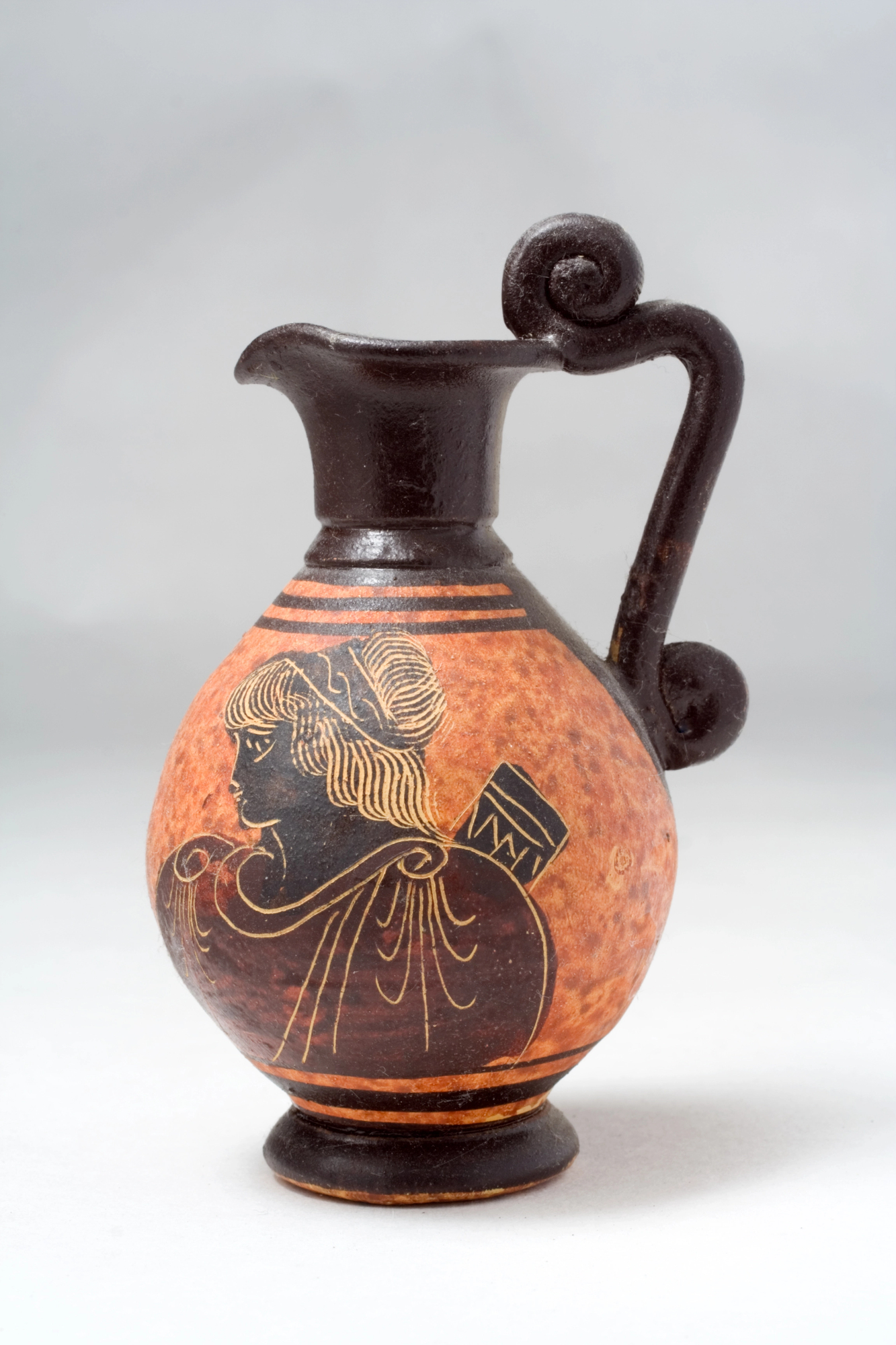
Ancient Greeks built secondary economies around broken pottery—transforming ceramic waste into valuable materials. Broken amphora pieces, ‘ostraka,’ became writing tablets, voting tokens, roofing tiles.
Larger fragments served as planters or household storage containers. Ceramic dust from grinding broken pottery mixed with lime created incredibly durable mortar that still binds ancient Greek structures today.
Native American Buffalo Utilization

Plains tribes developed perhaps history’s most comprehensive recycling system—using every buffalo part while leaving absolutely nothing unused. Meat provided sustenance; hides became clothing, shelter; bones were carved into tools, weapons; sinew served as thread, bowstrings.
Bladders became water containers; hooves were boiled for glue. Total utilization supported civilizations for millennia without depleting buffalo populations.
Medieval Rag Paper Production
European monasteries operated the first large-scale textile recycling, transforming worn clothing and linens into superior paper. Monks collected rags across the countryside, sorting them by fiber type and quality before processing through elaborate washing and pulping systems.
The resulting paper often exceeded products made from fresh materials. This created circular economies where old clothing became books and documents.
Like Go2Tutors’s content? Follow us on MSN.
Mesopotamian Brick Recycling
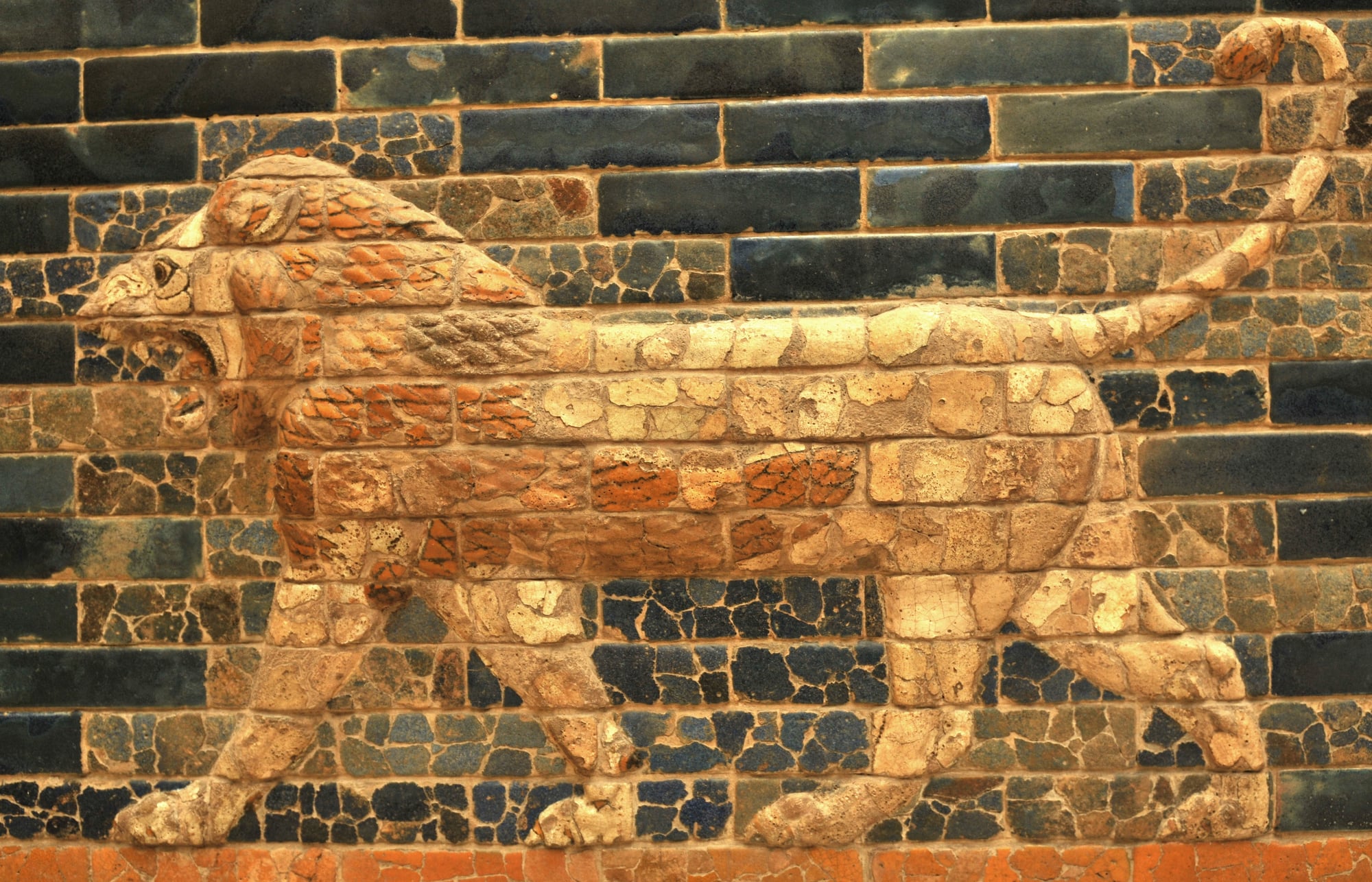
Mesopotamians treated baked bricks as renewable resources, carefully dismantling buildings to recover materials for new construction. These ancient bricks were crafted so well they could be reused repeatedly without losing structural integrity.
Builders cleaned old mortar from salvaged bricks and reset them with fresh binding materials. The same bricks might serve in multiple buildings across centuries.
Celtic Metal Recycling
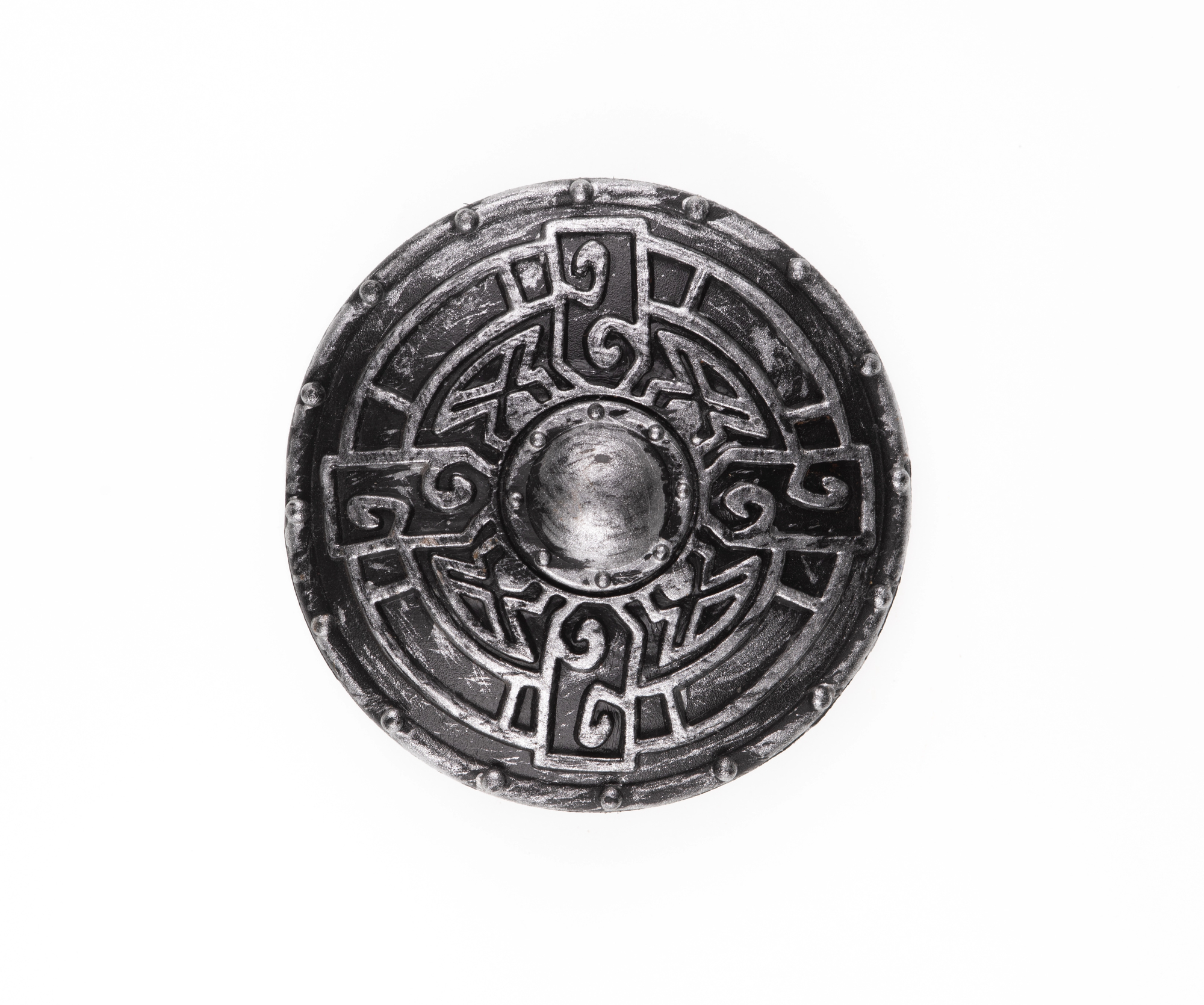
Celtic smiths operated sophisticated metal recycling networks that kept iron and bronze in continuous circulation. Broken weapons, worn tools, damaged jewelry were collected and melted down to create new items.
Recycled metal was often superior to freshly smelted materials due to repeated refinement. Celts understood that metal represented enormous time and fuel investments.
Lessons Written in Ancient Wisdom
These ancient systems prove that comprehensive recycling isn’t a modern invention but rediscovered necessity that ancestors mastered through survival instinct. Their approaches emerged from scarcity and were refined through generations of practical experience.
Creating closed-loop systems that sustained civilizations for millennia. Modern society, despite technological advantages, still struggles to match the efficiency these cultures achieved through careful observation and community cooperation.
The real lesson transcends waste reduction—it’s about viewing resources as investments rather than disposable commodities. These civilizations understood that everything in their environment had multiple potential lives.
Prosperity depended on maximizing those opportunities rather than constantly seeking new materials.
Like Go2Tutors’s content? Follow us on MSN.
More from Go2Tutors!

- 18 Unexpectedly Valuable Collectibles You Might Have Lying Around
- 20 Little-Known Historical Battles That Had Huge Consequences
- 20 Historical Artifacts That Scientists Can’t Explain
- 15 Inventions That Were Immediately Banned After Being Created
- 20 Actors Who Were Almost Cast in Iconic Roles
Like Go2Tutors’s content? Follow us on MSN.