17 Underground Tunnels That Saved Entire Cities
Throughout history, cities have faced countless threats—from invading armies to natural disasters and wartime bombings. While walls and fortifications protected from above, some of the most ingenious survival strategies lay hidden beneath the streets. Underground tunnels became lifelines, offering escape routes, supply channels, and safe havens when surface life became impossible.
These subterranean networks represent human ingenuity at its finest, turning the earth itself into a shield against destruction. Here is a list of 17 underground tunnels that literally kept entire populations alive when everything above ground fell apart.
Cu Chi Tunnels, Vietnam
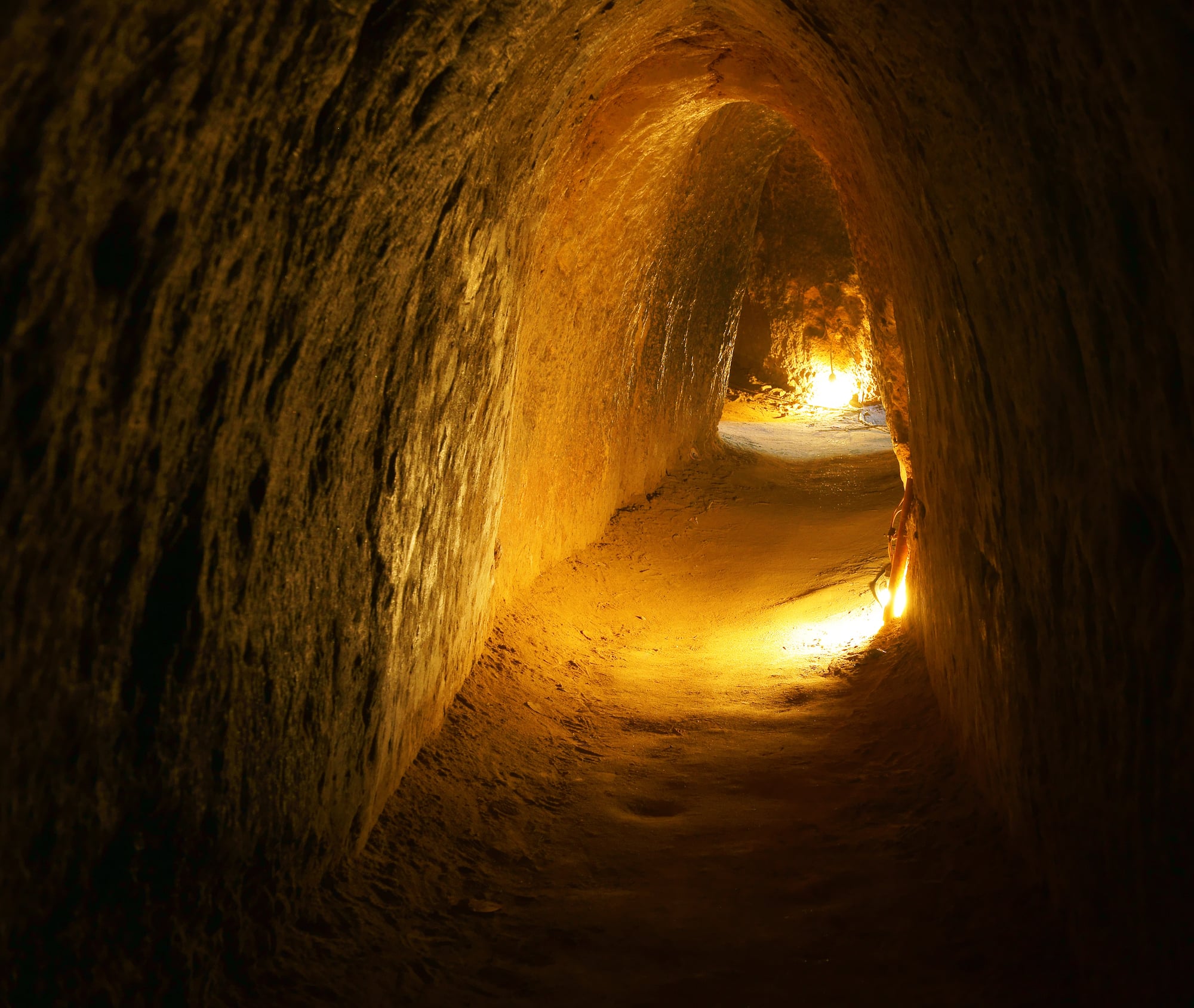
The Cu Chi tunnel system stretched over 150 miles beneath the Vietnamese countryside, creating an entire underground city during the Vietnam War. These narrow passages housed kitchens, hospitals, schools, and weapon factories, allowing thousands of people to live completely below ground for months at a time.
The tunnels were so effective that American forces controlled the surface while an entire community thrived just feet beneath their boots, emerging only at night to tend crops and gather supplies.
Wieliczka Salt Mine, Poland
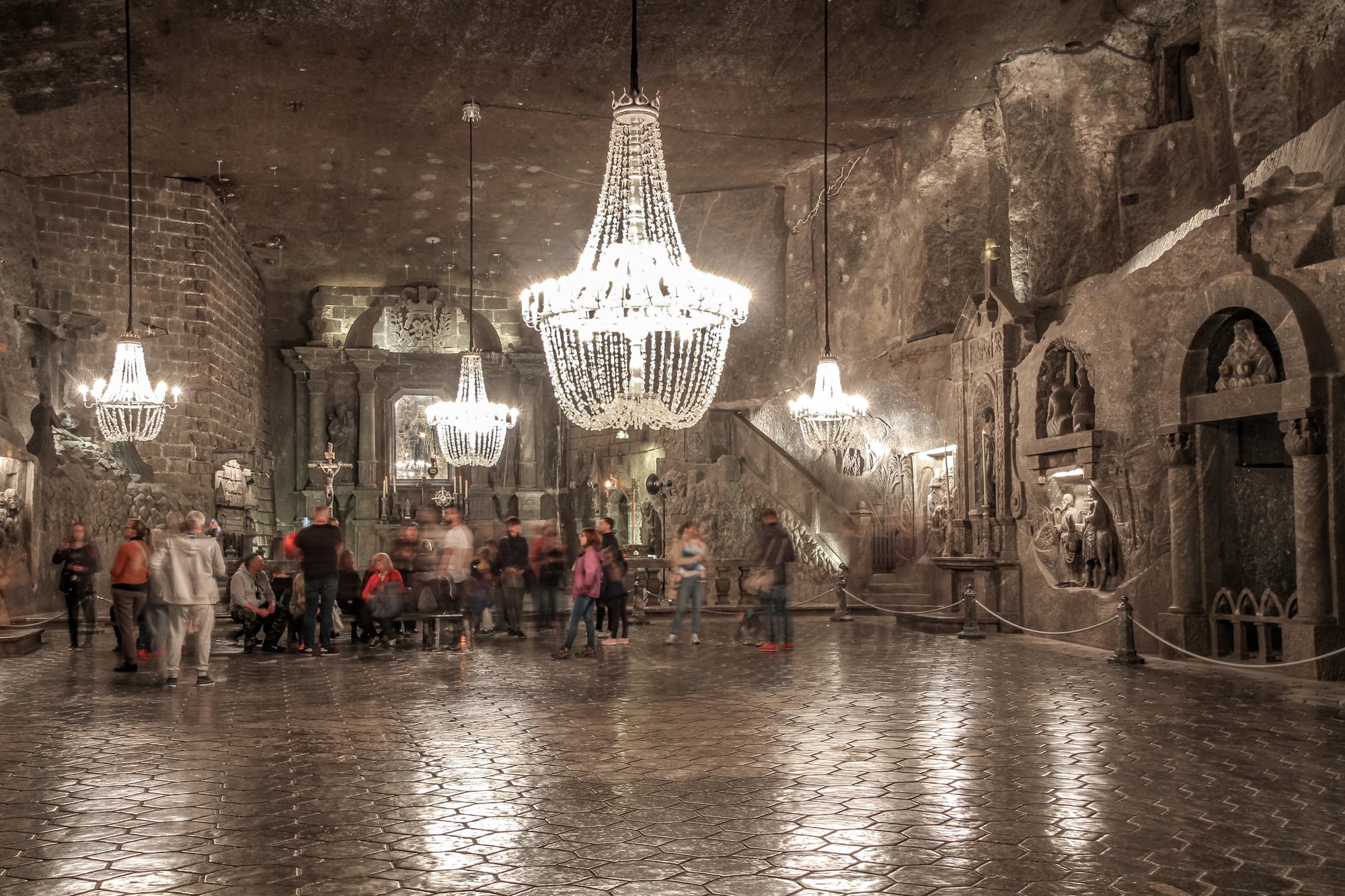
When Swedish forces besieged Krakow in the 1650s, the massive Wieliczka Salt Mine became an underground refuge for thousands of residents. The mine’s extensive chambers and tunnels, originally carved for salt extraction, provided perfect shelter from artillery bombardment and cavalry raids.
The network was so vast that entire families could live underground for weeks, sustained by stored food and the mine’s natural ventilation system that kept the air breathable even deep below ground.
Like Go2Tutors’s content? Follow us on MSN.
Derinkuyu, Turkey
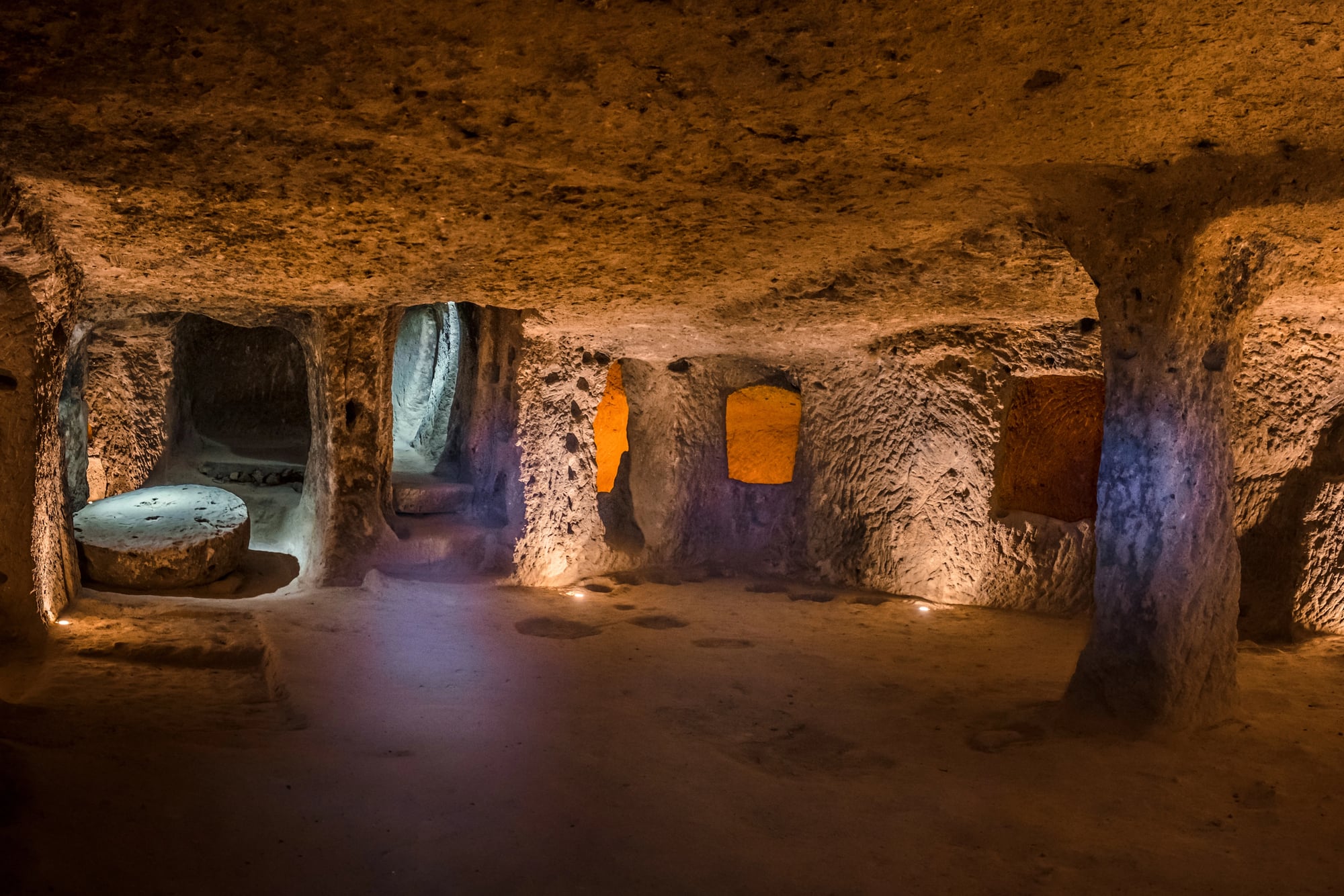
The ancient underground city of Derinkuyu could house up to 20,000 people across its 18 levels, reaching depths of 280 feet below the surface. Built by early Christians fleeing persecution, this subterranean maze included ventilation shafts, water wells, and communal areas that allowed entire communities to disappear from the surface world.
When Arab raids threatened the region, thousands would vanish into the earth through hidden entrances, emerging only after the danger passed.
London Underground during WWII
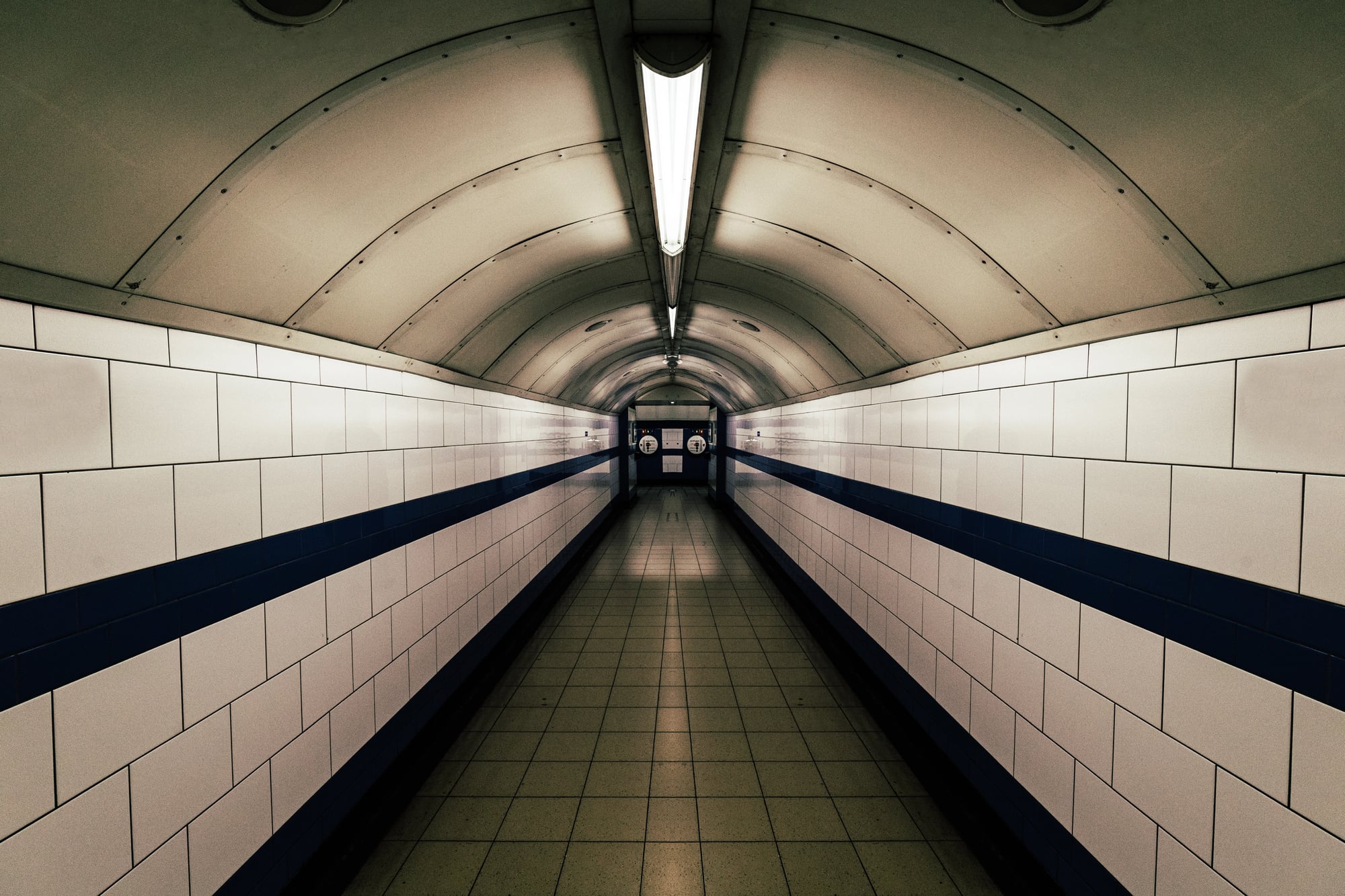
London’s tube stations transformed into massive air raid shelters during the Blitz, protecting up to 177,000 people nightly from German bombing campaigns. The deep-level tunnels provided natural protection from even direct hits, while their extensive network allowed people to move safely across the city without surfacing.
Families would claim their spots each evening, creating an underground community complete with makeshift beds, entertainment, and even underground libraries.
Odessa Catacombs, Ukraine
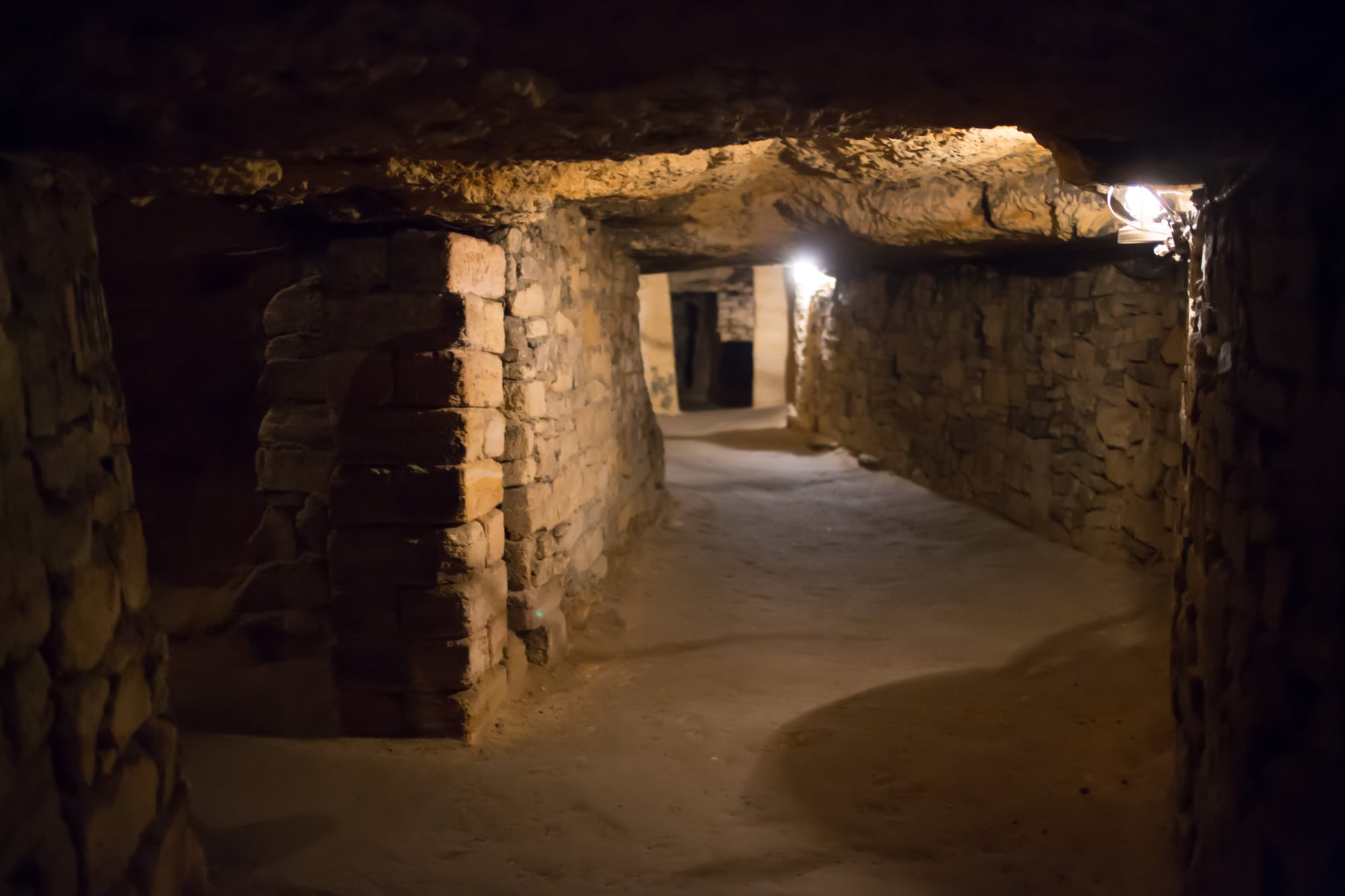
The limestone quarries beneath Odessa became a vast underground resistance network during World War II, sheltering thousands of civilians and Soviet partisans from Nazi occupation. These tunnels stretched for over 1,500 miles beneath the city, providing hiding places, weapon storage, and safe passage for resistance fighters.
The network was so complex that occupying forces never fully mapped or controlled it, allowing the underground community to operate throughout the entire war.
Like Go2Tutors’s content? Follow us on MSN.
Petra’s Water Tunnel System, Jordan
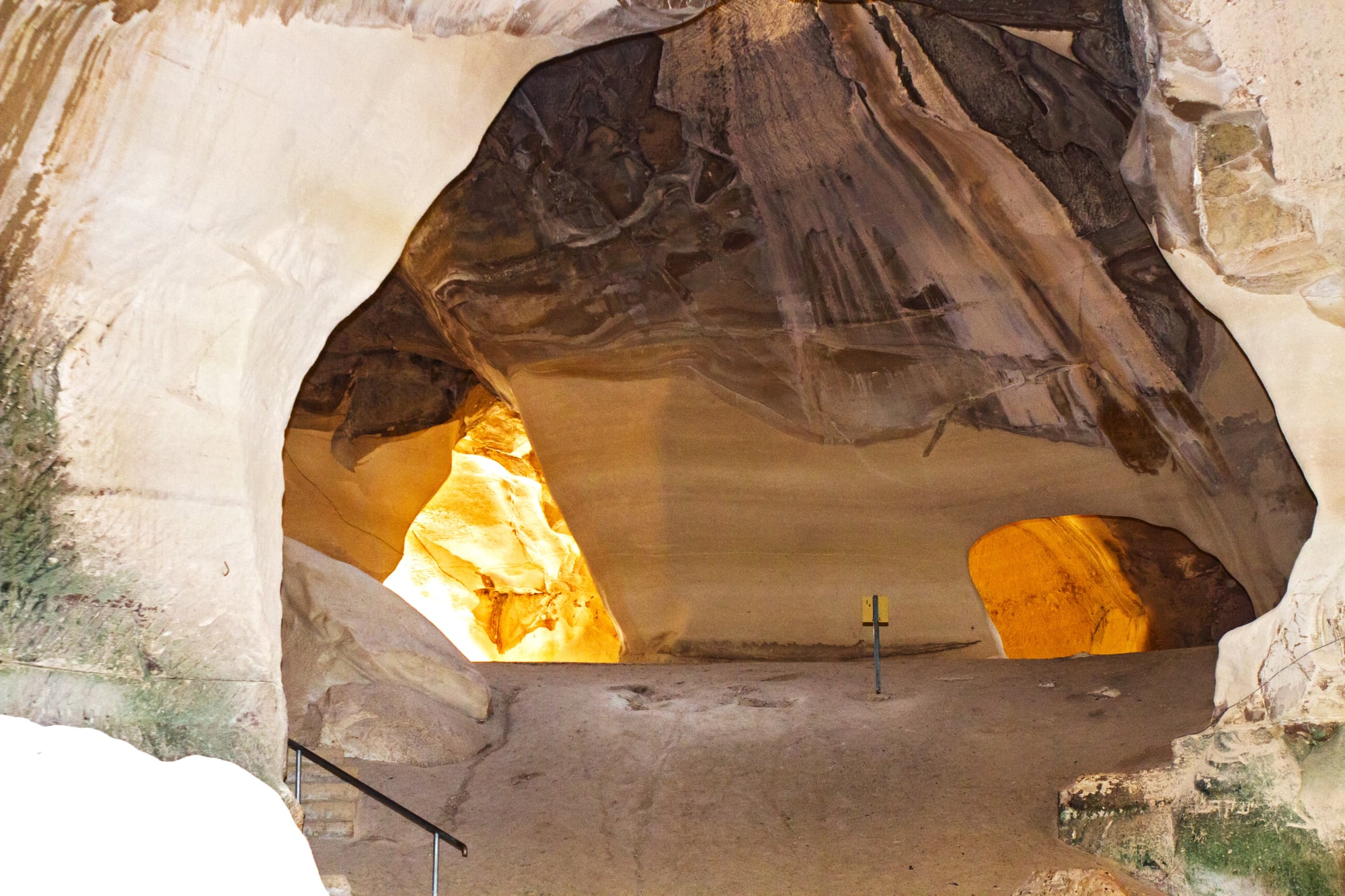
The Nabataeans carved an intricate tunnel system through solid rock to bring water into Petra, saving the city from desert sieges that could last for months. These channels could deliver thousands of gallons daily from distant springs, allowing the population to survive even when enemies controlled all surface water sources.
The system was so well-hidden and protected that attacking armies would abandon sieges rather than wait for the city’s water to run out.
Cappadocia Underground Cities, Turkey
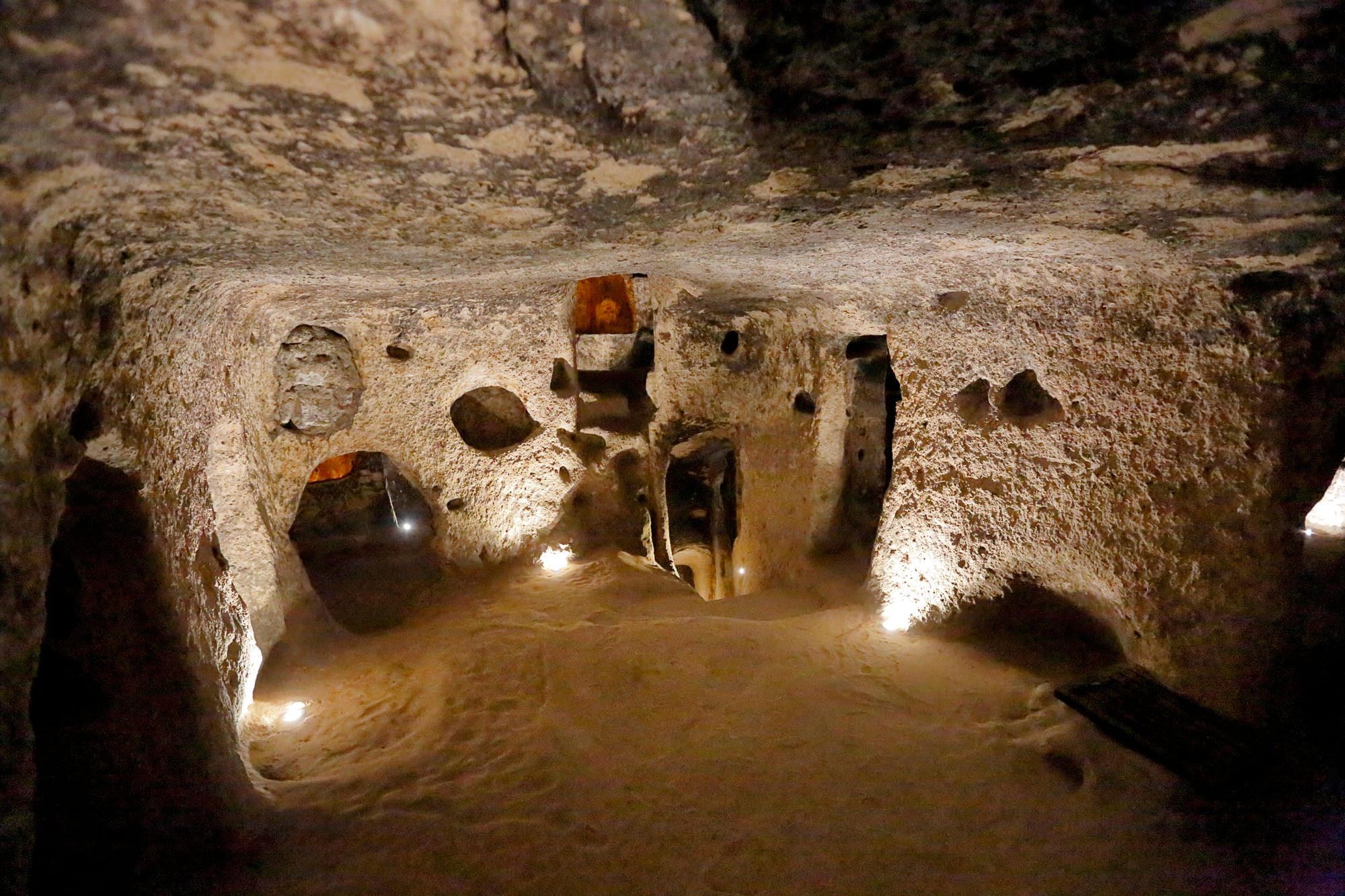
The volcanic rock formations of Cappadocia hide numerous underground cities that sheltered entire populations during Byzantine conflicts with Arab forces. Cities like Kaymakli could house 3,500 people across multiple levels, complete with stables for livestock and storage rooms for grain that could last through extended sieges.
The soft volcanic rock was easy to carve but hardened when exposed to air, creating durable chambers that protected communities for centuries.
Paris Catacombs Network, France
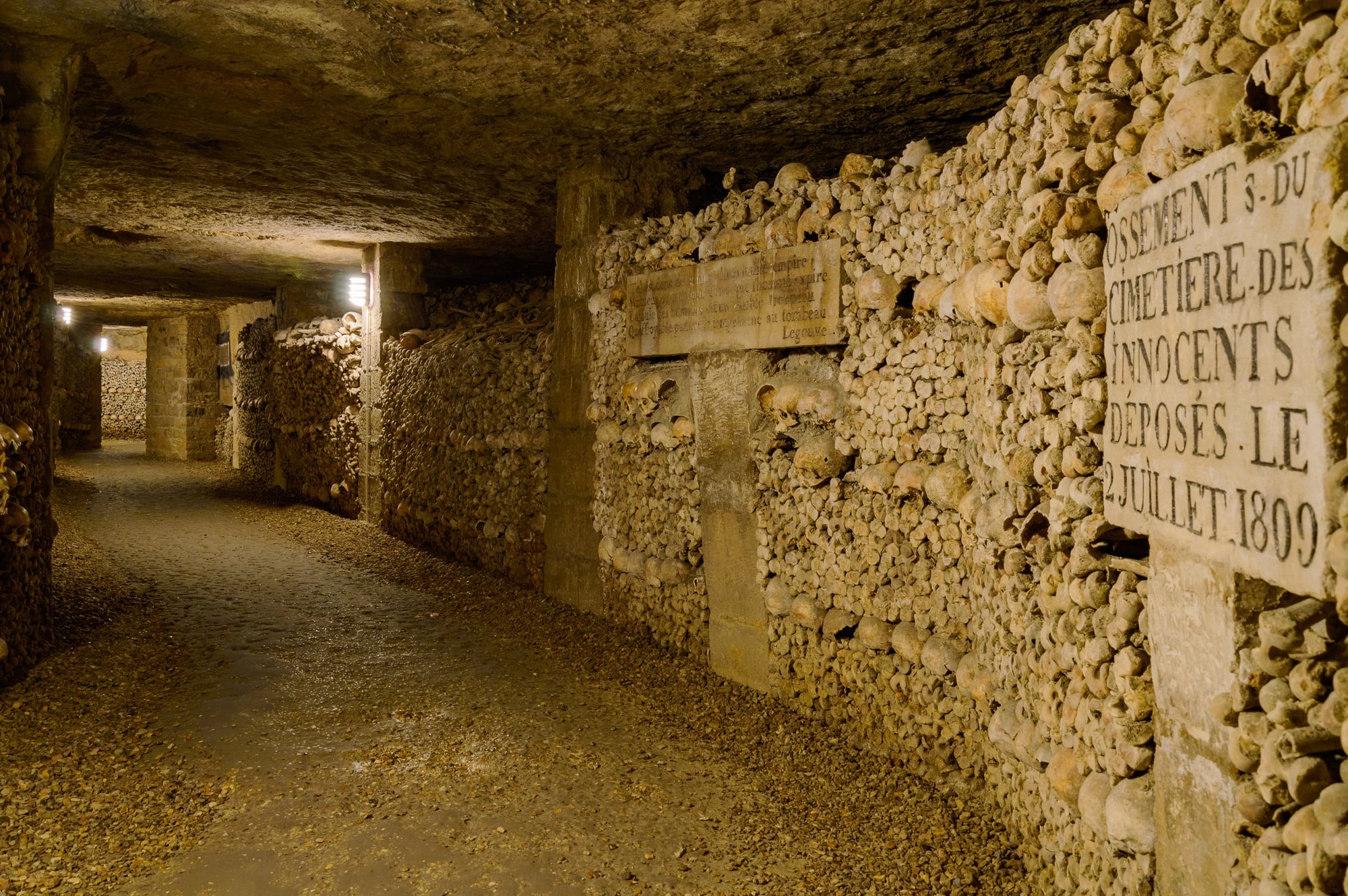
During the Paris Commune of 1871, revolutionaries used the extensive catacomb system to move troops and supplies while avoiding government forces above ground. These tunnels allowed defenders to appear suddenly throughout the city, strike quickly, and disappear back underground before authorities could respond.
The network was so extensive that it enabled coordinated resistance across Paris even when the surface was under complete military control.
Like Go2Tutors’s content? Follow us on MSN.
Edinburgh’s Underground City, Scotland
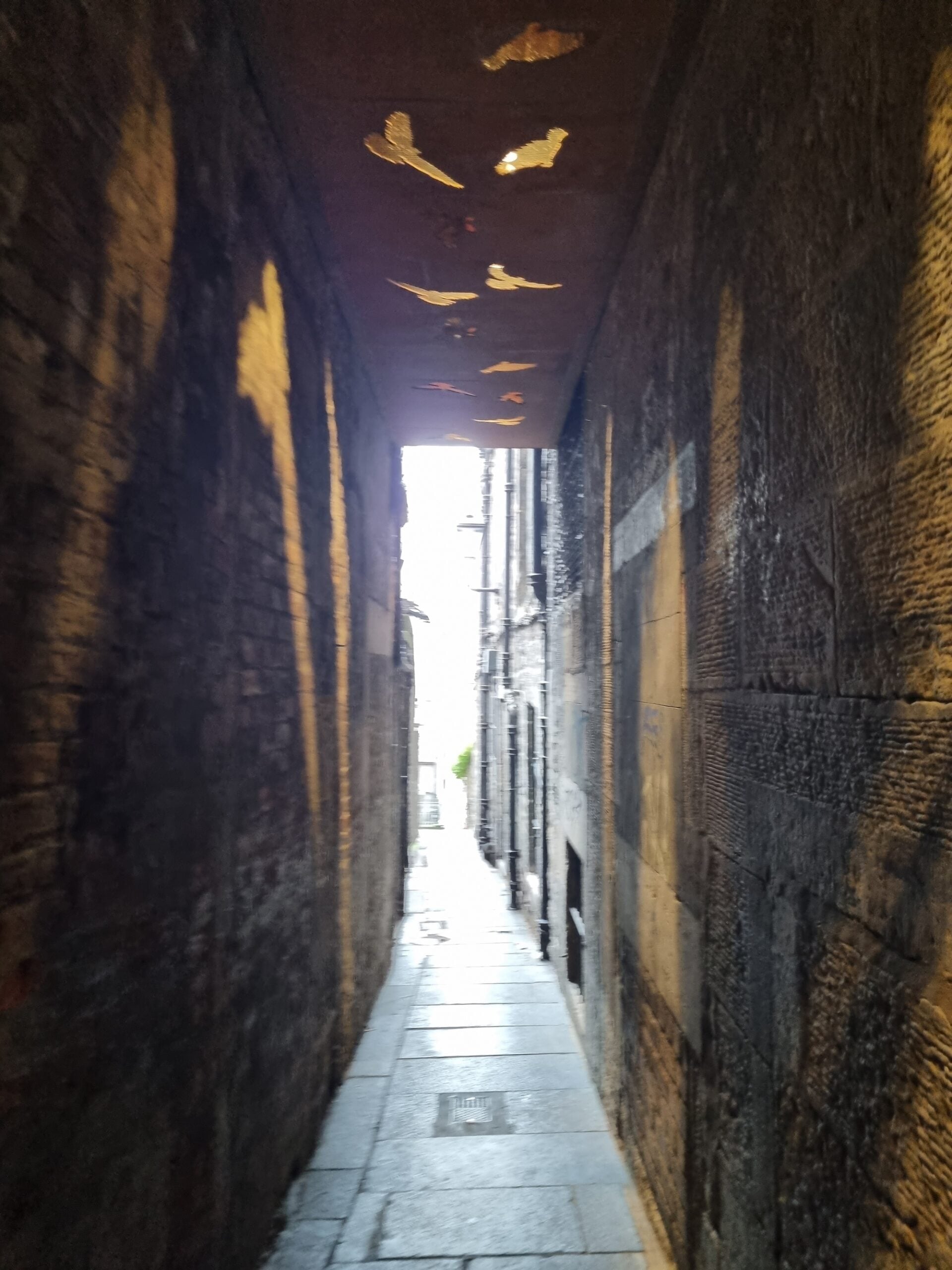
The Real Mary King’s Close and surrounding underground streets became a refuge during plague outbreaks in the 16th and 17th centuries. When the Black Death struck Edinburgh, entire families moved into these sealed underground areas to avoid infection, creating isolated communities that could survive independently.
The underground streets maintained their own economy and social structure, allowing people to wait out epidemics that devastated the surface population.
Zion National Park Narrows Escape Route, Utah
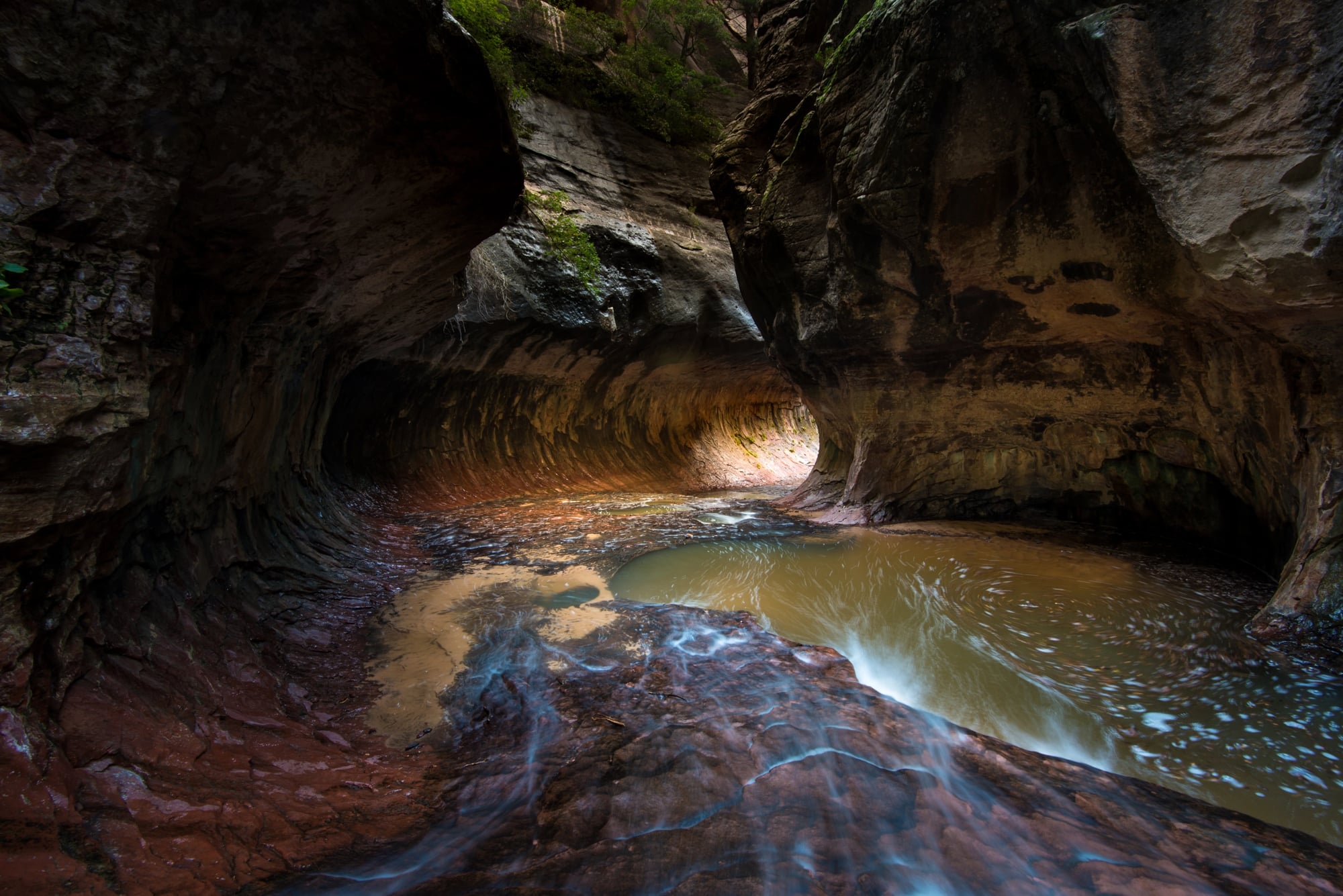
Native American tribes carved escape tunnels through the narrow canyon walls of what’s now Zion National Park, creating hidden passages that saved entire groups during conflicts with rival tribes and later European settlers. These tunnels were virtually invisible from the canyon floor but provided quick access to elevated positions and alternative routes out of the canyon.
Warriors could disappear into solid rock faces, emerging miles away to outflank pursuing enemies.
Montreal’s Underground City, Canada
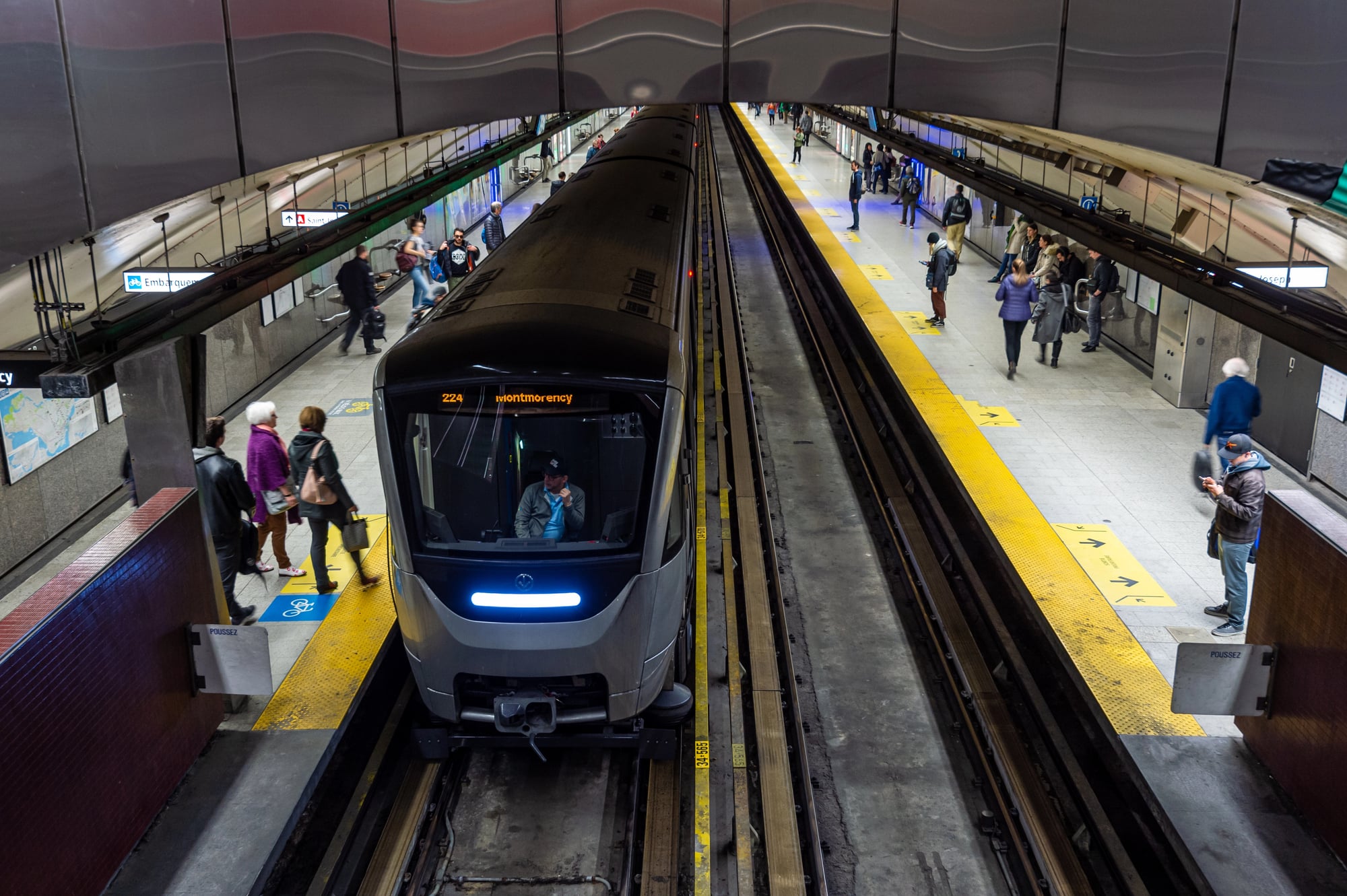
Montreal’s RESO network began as simple pedestrian tunnels but became crucial during the 1970 October Crisis when martial law threatened civil liberties. The system allowed people to move throughout downtown Montreal without surface surveillance, while its connection to metro stations provided rapid transit to safer areas.
During the harsh winter months, the tunnels became lifelines for the homeless and elderly who couldn’t survive the brutal cold above ground.
Like Go2Tutors’s content? Follow us on MSN.
Seattle Underground, Washington

After the Great Seattle Fire of 1889, the city rebuilt one level higher, leaving the original street level as an underground network that became crucial during the 1919 General Strike. When surface transportation shut down and tensions ran high, the underground passages allowed essential workers and supplies to move through the city undetected.
The tunnels connected key buildings and provided meeting spaces for labor organizers when surface gatherings became too dangerous.
Berlin’s U-Bahn Tunnels, Germany
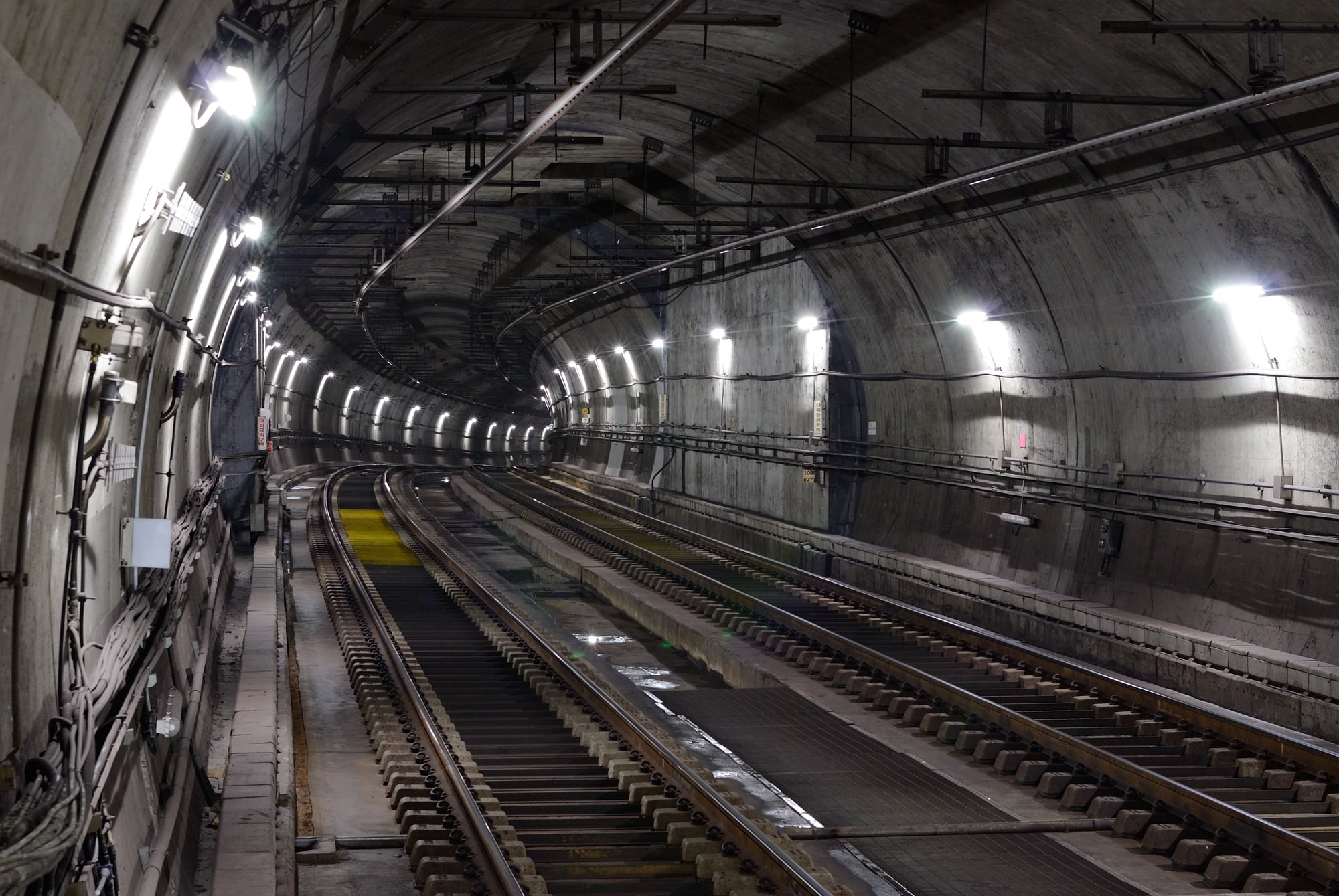
During the Cold War, West Berlin’s subway tunnels became escape routes for East Germans fleeing communist rule, with some stations serving as underground refugee processing centers. The tunnel system allowed people to cross the city invisibly, while abandoned sections provided hiding places for escape networks.
When the Berlin Wall divided families, these underground passages represented the only hope for reunification for thousands of separated people.
Rome’s Christian Catacombs, Italy
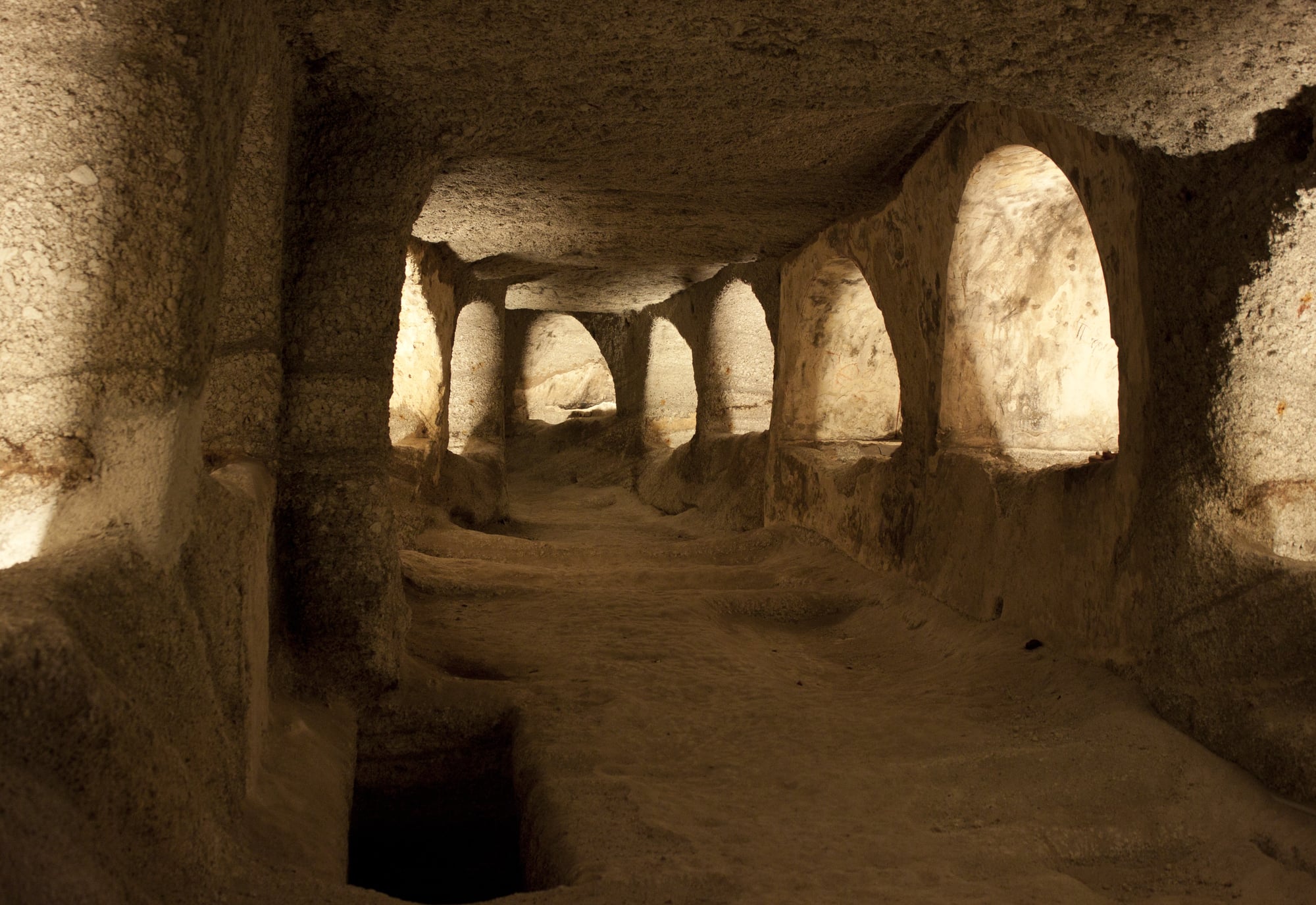
Early Christians created extensive underground burial networks that doubled as meeting places and refuges during Roman persecution campaigns. These tunnels could hide hundreds of worshippers during raids, while their religious purpose provided some legal protection under Roman burial laws.
The catacombs became underground churches where entire communities could practice their faith safely, emerging only when persecution decreased.
Like Go2Tutors’s content? Follow us on MSN.
Naples Underground, Italy
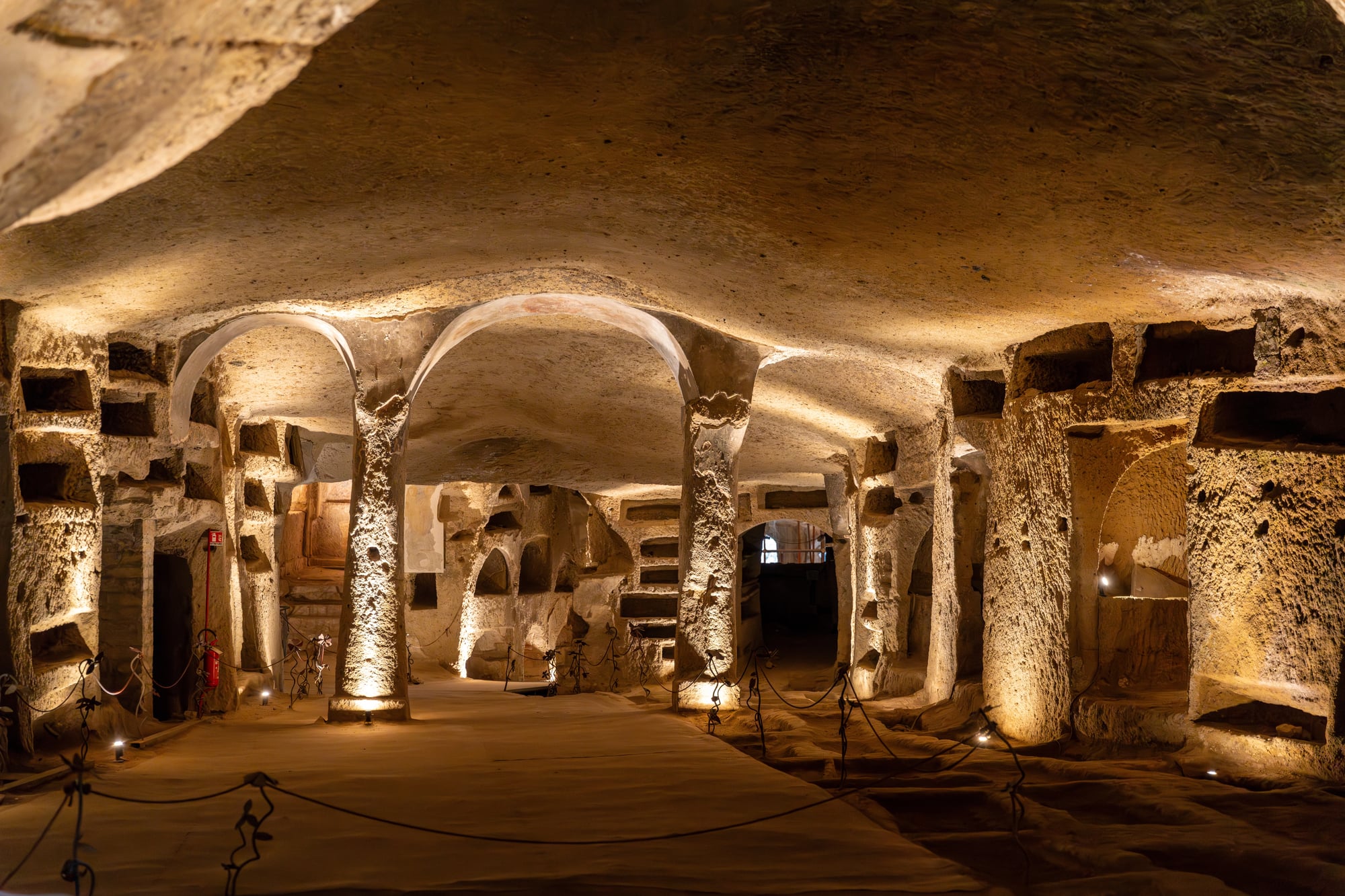
The ancient Greek and Roman quarries beneath Naples became air raid shelters during World War II, protecting over 4,000 people from Allied bombing campaigns. These caverns provided natural protection from direct hits while their depth kept them cool during the hot Italian summers.
The tunnels also served as storage for priceless artwork and cultural treasures that were moved underground to protect them from wartime destruction.
Lviv Underground, Ukraine
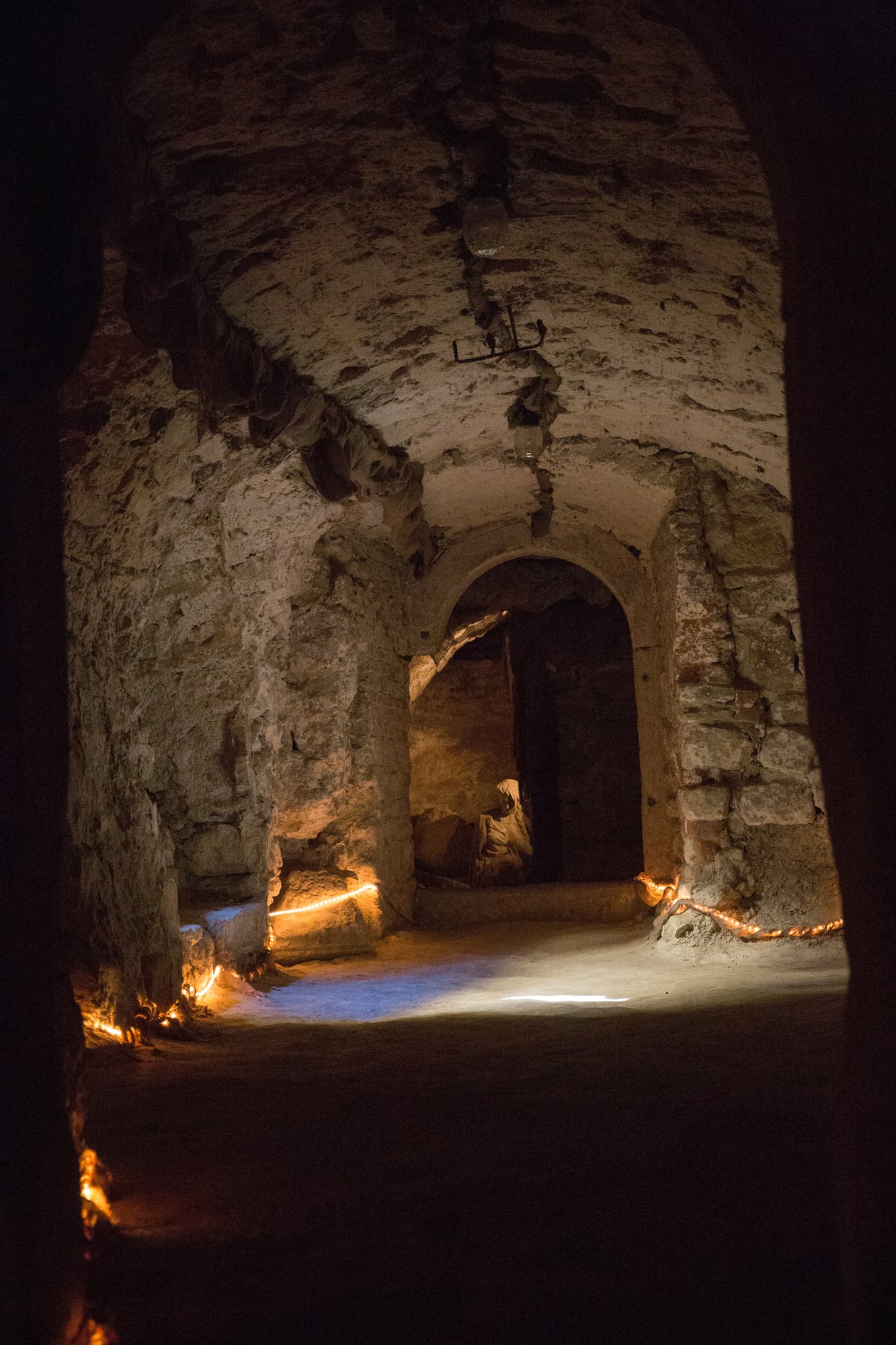
Medieval merchants in Lviv created underground storage and transit tunnels that became crucial during numerous sieges by Ottoman, Polish, and Russian forces. These passages connected major buildings and provided secure routes for moving goods and people during conflicts that could last for months.
The system was so well-designed that trade could continue underground even when the surface city was completely cut off from the outside world.
Gibraltar’s Great Siege Tunnels, British Territory

British forces carved tunnels through Gibraltar’s solid limestone during the Great Siege of 1779-1783, creating artillery positions and supply routes that made the fortress virtually impregnable. These tunnels allowed defenders to move cannons and supplies without exposure to Spanish fire, while providing secure communications across the entire rock.
The network became so extensive that the entire garrison could operate underground indefinitely, turning Gibraltar into an underground fortress city.
Like Go2Tutors’s content? Follow us on MSN.
When Darkness Becomes Light
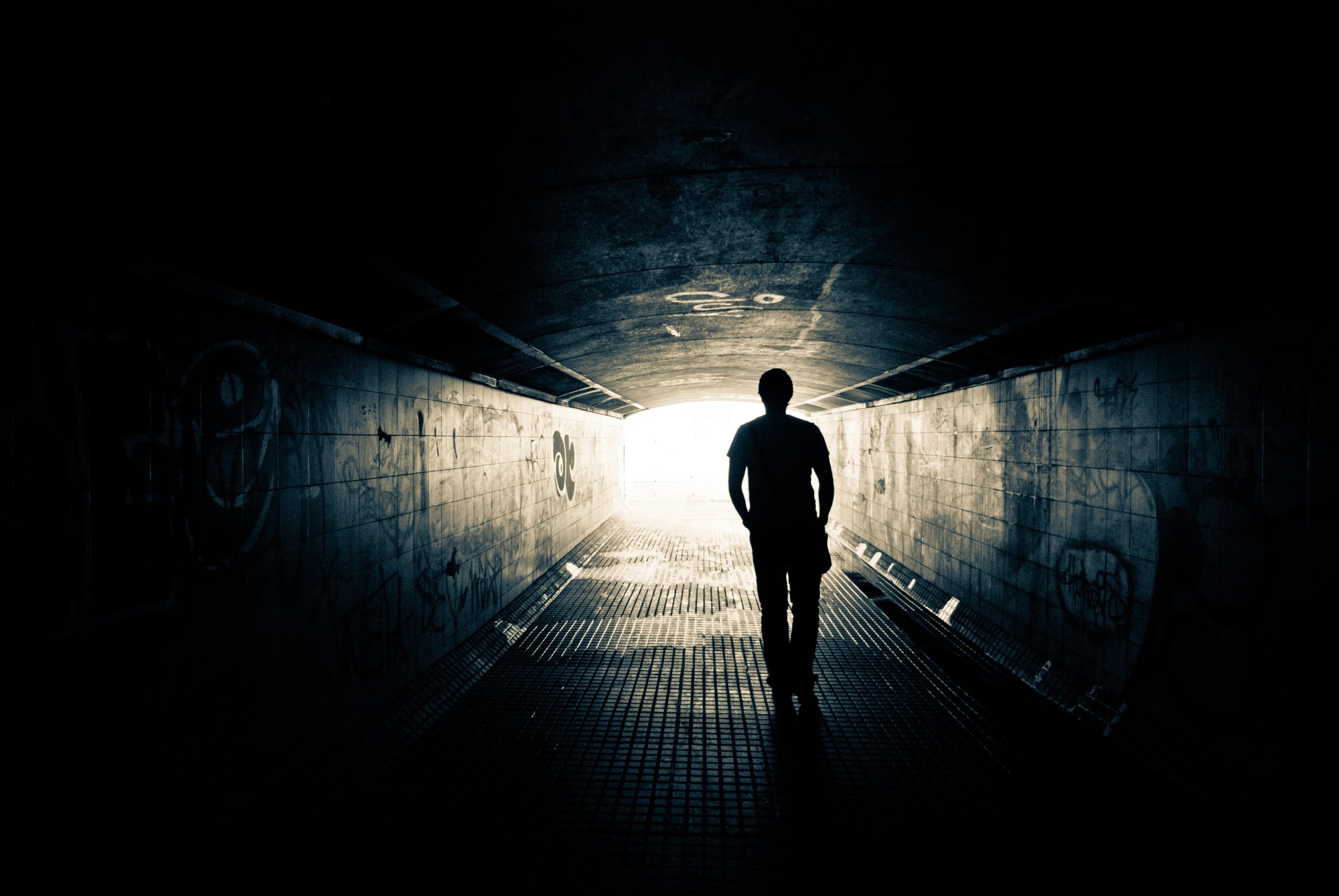
These underground networks remind us that survival often requires thinking beyond conventional solutions. Cities that seemed doomed found salvation in the earth itself, turning natural caves and hand-carved tunnels into lifelines that sustained entire populations.
Today, as urban planners face new challenges from climate change to social unrest, these historical examples offer valuable lessons about resilience and adaptation. The tunnels that once saved cities from ancient armies now inspire modern underground infrastructure that could protect future generations from whatever threats emerge above ground.
More from Go2Tutors!

- 18 Unexpectedly Valuable Collectibles You Might Have Lying Around
- 20 Little-Known Historical Battles That Had Huge Consequences
- 20 Historical Artifacts That Scientists Can’t Explain
- 15 Inventions That Were Immediately Banned After Being Created
- 20 Actors Who Were Almost Cast in Iconic Roles
Like Go2Tutors’s content? Follow us on MSN.