18 Wedding Traditions With Surprising Origins
Wedding traditions seem timeless and romantic until you dig into their actual origins. Most of these customs began for reasons that have nothing to do with love—they were about protection from evil spirits, financial transactions, or political alliances. What we now consider sacred romantic rituals often started as practical solutions to ancient problems or superstitions that made perfect sense centuries ago.
Understanding these origins doesn’t diminish modern weddings’ beauty, though it certainly adds perspective to why we do what we do. Many traditions evolved from darker purposes into celebrations of love and commitment. Here is a list of 18 wedding traditions with surprising origins that reveal how much marriage customs have changed throughout history.
White Wedding Dresses
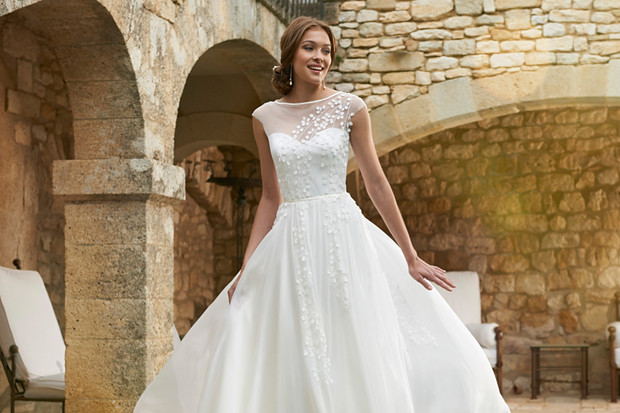
Queen Victoria popularized white wedding dresses when she married Prince Albert in 1840, though the choice had nothing to do with purity or virginity. Before Victoria, brides simply wore their best dress regardless of color—while white actually symbolized wealth since it was expensive and impractical.
Wedding Veils
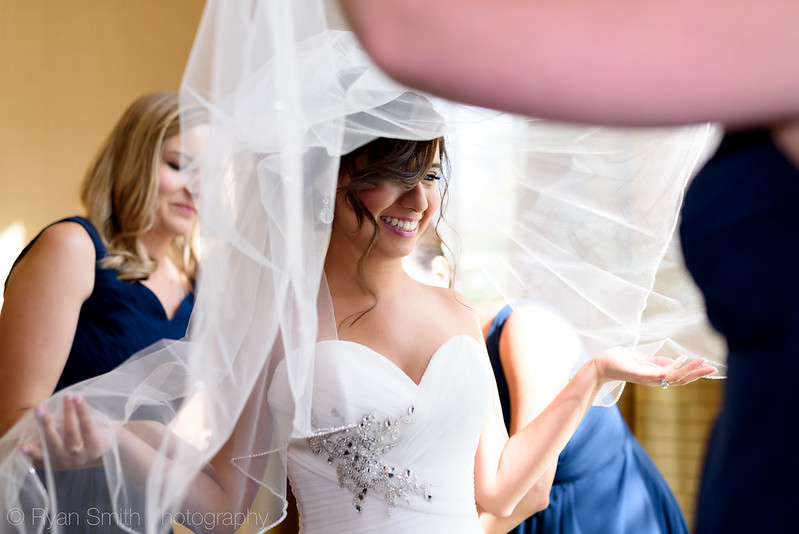
Ancient brides wore veils to hide from evil spirits who might be jealous of their happiness and try to harm them. The fabric provided magical protection against supernatural interference—while also preventing grooms from seeing arranged brides’ faces until after the ceremonies were complete.
Carrying the Bride Over the Threshold
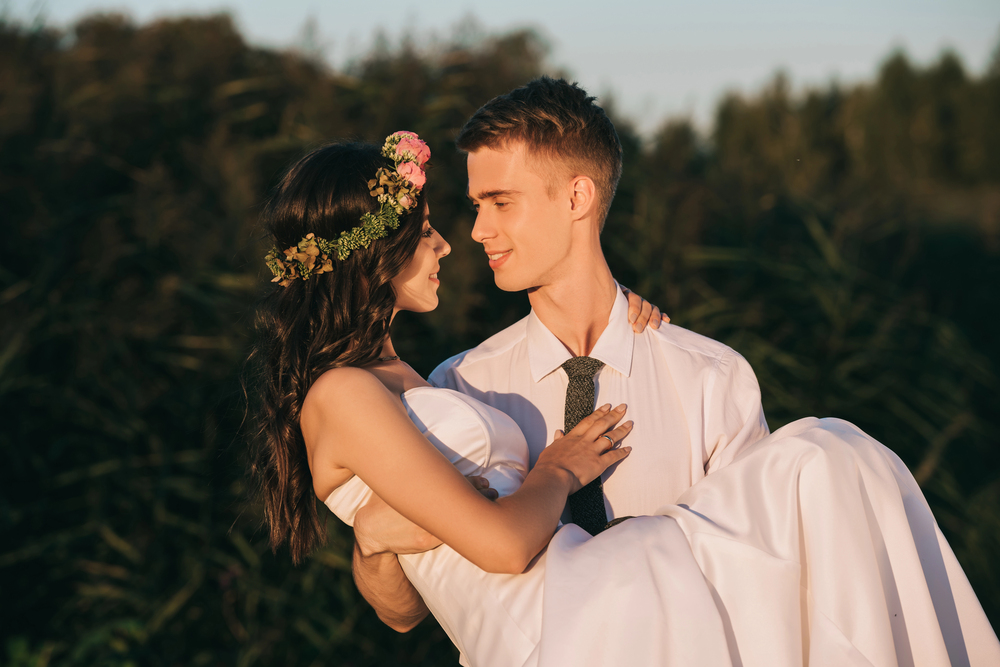
Roman grooms carried brides over thresholds because stepping on them was considered extremely unlucky for new marriages. The tradition protected brides from tripping, which Romans believed would doom the union—while demonstrating the husband’s strength. The romantic interpretation came much later when people forgot about the original superstition.
Wedding Rings on the Fourth Finger
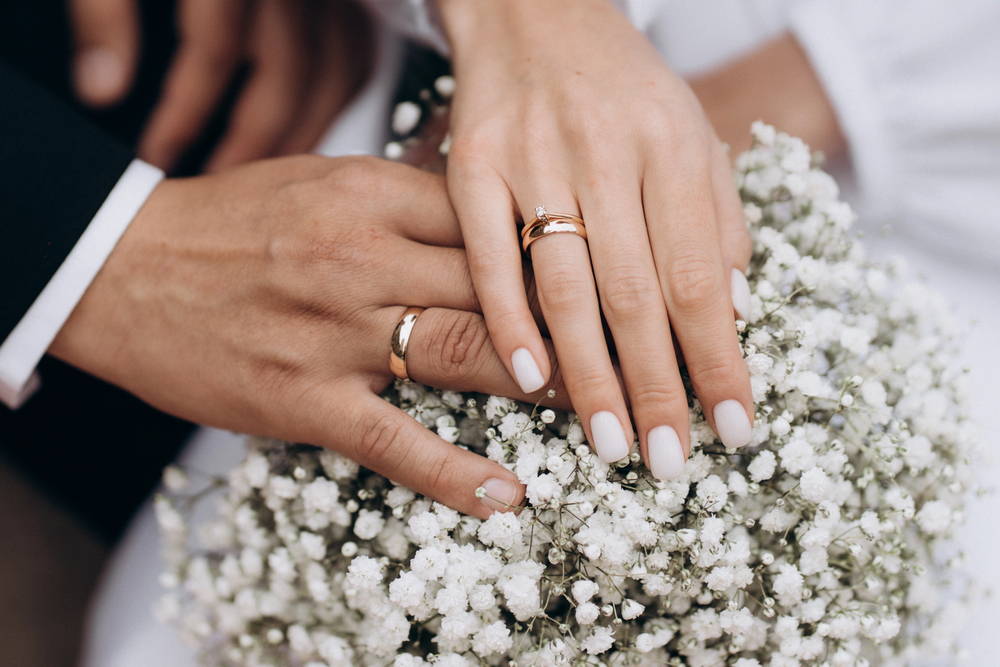
Ancient Egyptians believed a vein ran directly from the fourth finger to the heart, making it perfect for wedding rings. This “vena amoris” was completely fictional—though the romantic symbolism was so appealing that the tradition spread worldwide. Modern anatomy proves no such direct connection exists, yet couples continue choosing this finger for purely sentimental reasons.
Something Old, New, Borrowed, and Blue
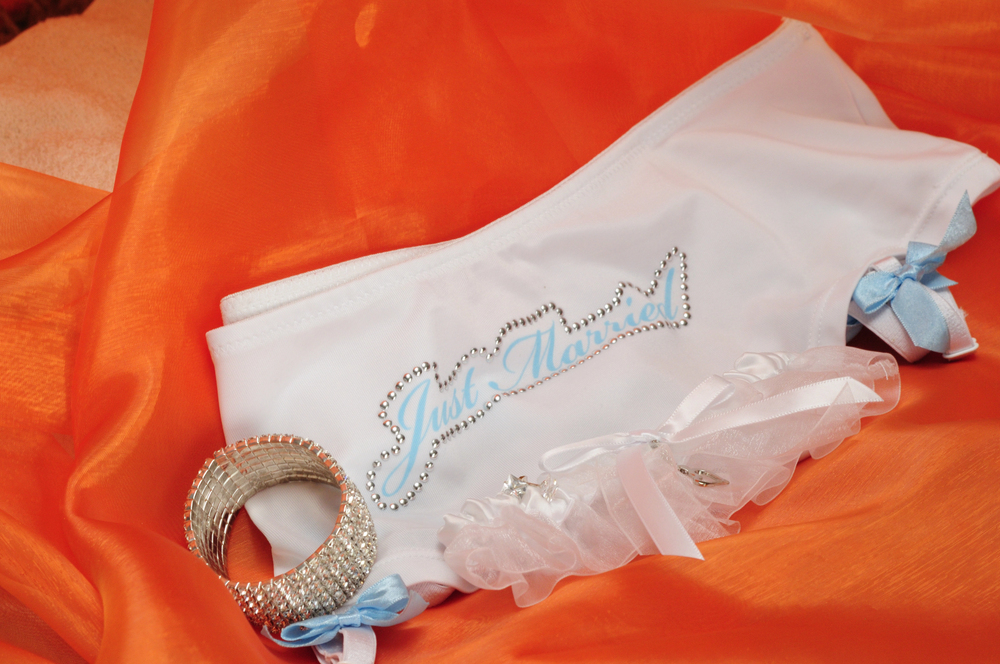
This tradition began as a recipe for good luck rather than a charming rhyme, with each item serving a protective purpose. “Old” connected the bride to her past, “new” represented her future, “borrowed” brought luck from a happily married friend, and “blue” symbolized purity. The complete verse was actually a spell designed to protect the marriage from various forms of bad luck.
Wedding Cakes
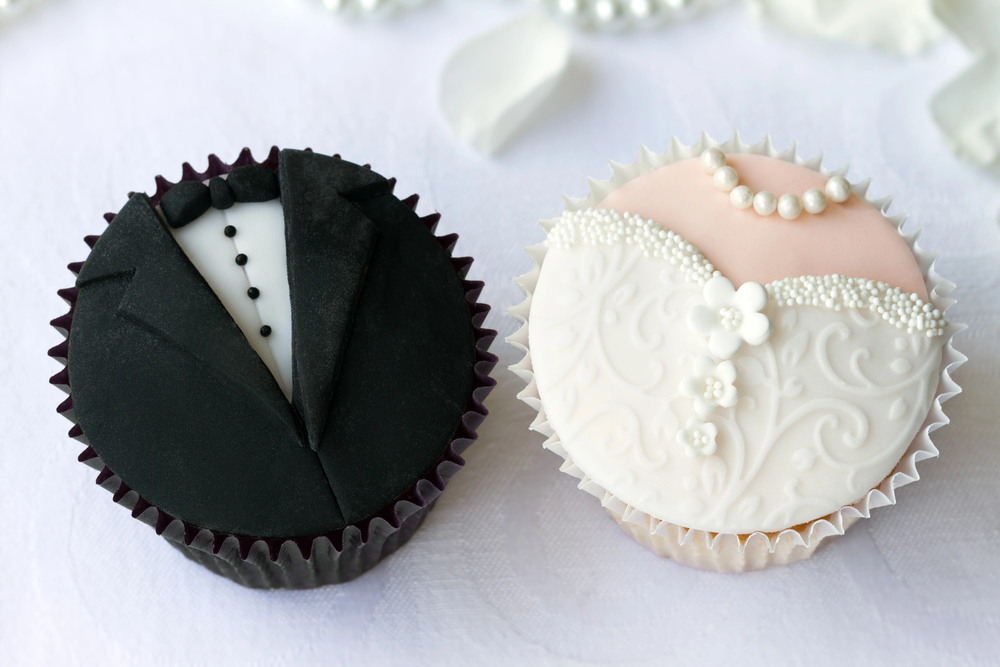
Ancient Romans broke wheat cakes over brides’ heads to ensure fertility, with guests scrambling to collect crumbs for luck. The tradition evolved into stacked cakes during medieval times—though couples tried to kiss over them without knocking them down rather than eating them. Modern tiered wedding cakes developed from this kissing challenge, while cake-cutting ceremonies replaced the original head-smashing ritual.
Bachelor Parties

Bachelor parties originated as Spartan dinners where grooms made solemn toasts before entering marriage and potentially dying in battle. The celebrations included heavy drinking because Spartans believed alcohol revealed a man’s true character—though they weren’t about wild behavior but farewell ceremonies. Modern bachelor parties retain the drinking element while completely abandoning the original military and spiritual significance.
Bridal Showers
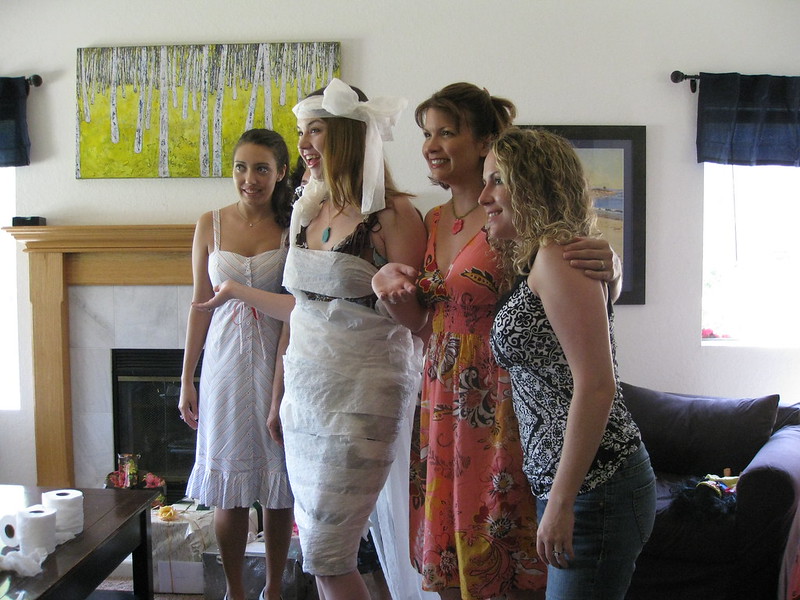
Bridal showers began in 16th-century Holland when fathers refused to provide dowries for disapproved marriages. Friends and neighbors “showered” brides with gifts to help them start married life without paternal support—making it a form of community rebellion. The tradition spread because it allowed communities to support love matches that families opposed for financial or social reasons.
Wedding Bouquets
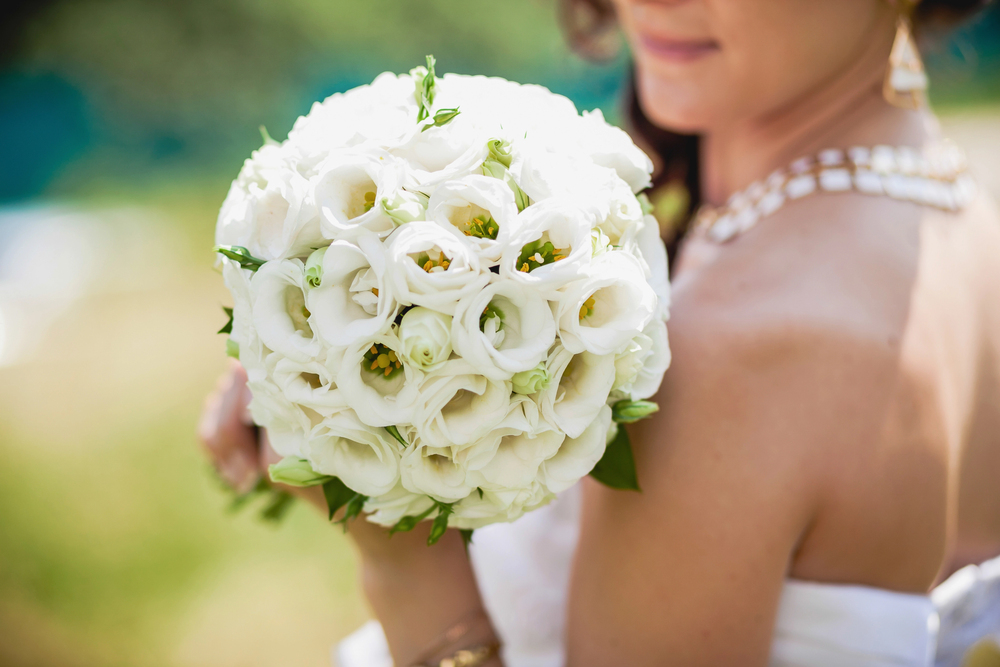
Medieval brides carried bouquets of herbs and garlic to ward off evil spirits and prevent plague rather than for beauty. The strong-smelling plants provided magical protection—while also serving practical purposes when people rarely bathed and gatherings could spread disease. Flowers gradually replaced herbs as superstitions faded, though the tradition of tossing bouquets maintains the original concept of sharing good fortune.
Honeymoons
Ancient Germanic tribes required newlyweds to drink honey wine for a full lunar month after weddings to ensure fertility. The “honey month” was believed crucial for conception—while also serving as a getting-to-know-you period in arranged marriages. Modern honeymoons maintain the romantic getaway concept while completely abandoning the original procreative and alcoholic requirements.
Best Man
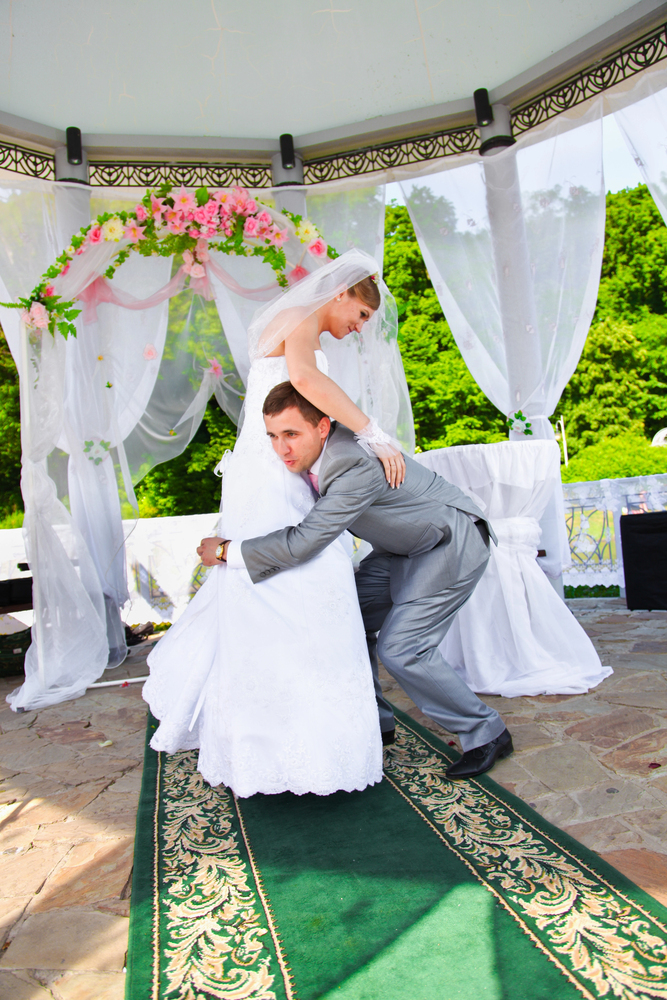
The best man’s original job was helping grooms kidnap brides from hostile families, which explains his traditional position on the groom’s right. This kept the groom’s sword arm free for potential combat—while the best man served as backup muscle for warfare situations. Modern best men retain the supportive role though their duties now involve rings and speeches rather than weapons and warfare.
Wedding Photographers
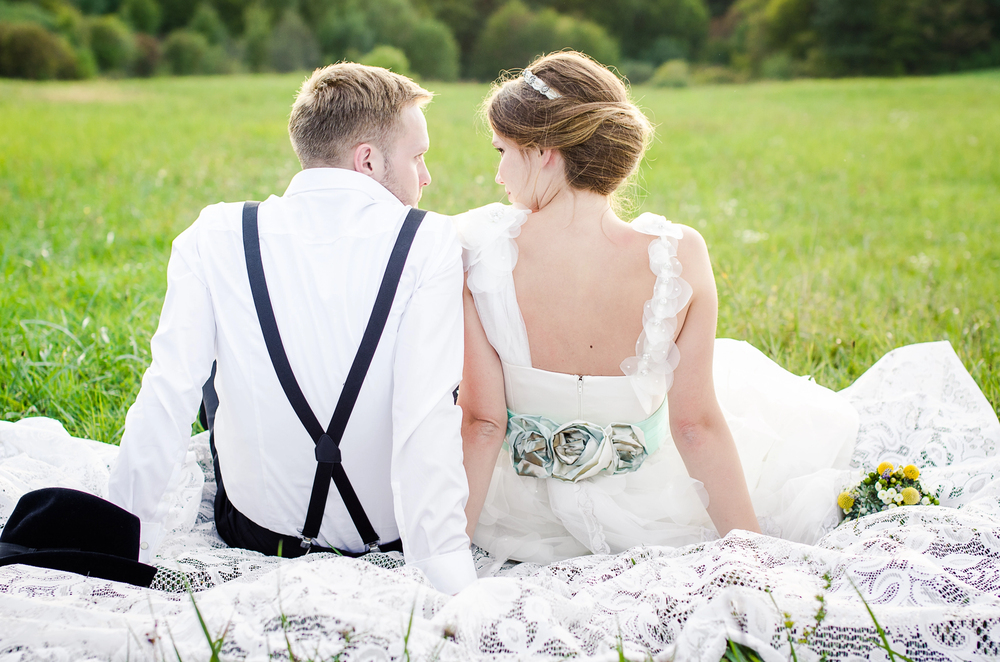
Wedding photography began in the Victorian era to document legal contracts and property transfers rather than capture romantic moments. The formal portraits served as official records of attendees—while proving that marriages actually took place for inheritance purposes. Candid wedding photography emerged much later when cameras became portable and couples wanted to capture emotions rather than just evidence.
Throwing Rice
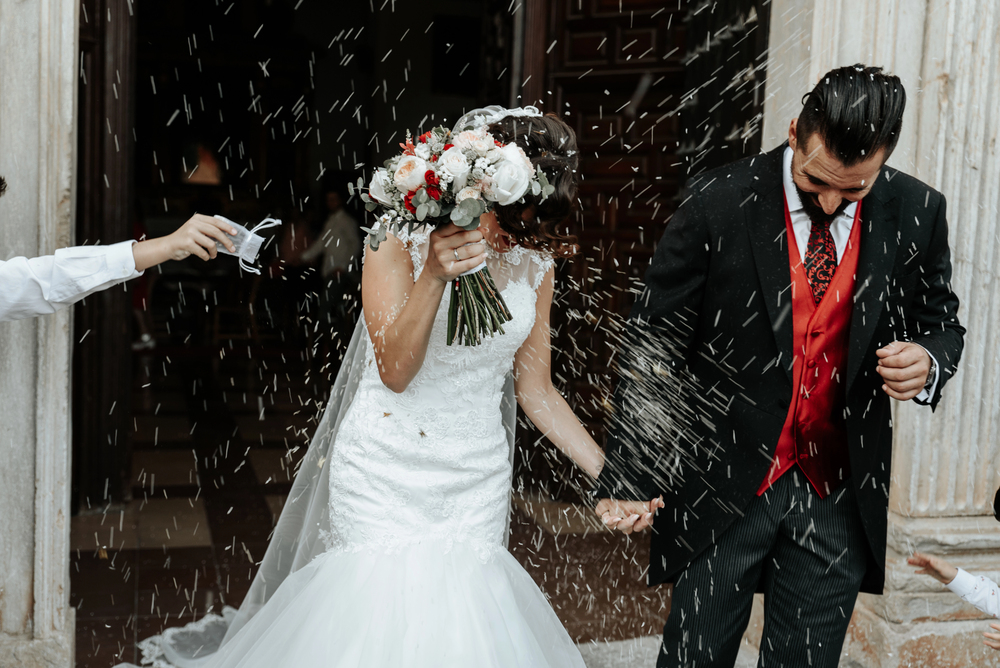
Guests threw rice at newlyweds to encourage fertility, since rice symbolized abundance and prosperity in ancient cultures. The tradition was believed to transfer the grain’s reproductive power to couples—while allowing communities to participate in blessing marriages. Modern alternatives like birdseed or bubbles maintain the celebratory element while addressing concerns about wildlife safety.
Wedding Favors
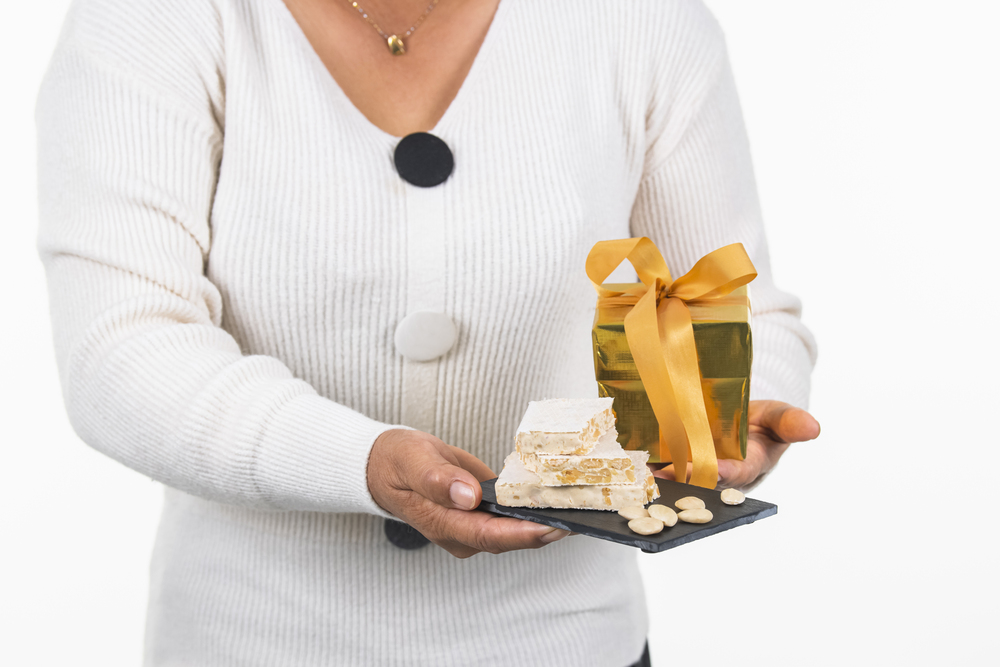
Wedding favors originated in European aristocracy where guests received small boxes of sugar or almonds to commemorate occasions. These expensive treats demonstrated family wealth and status—while sugar was so rare that receiving it was considered an enormous honor. The tradition evolved into personalized keepsakes though it retains the original concept of hosts showing appreciation for guests’ attendance.
Diamond Engagement Rings
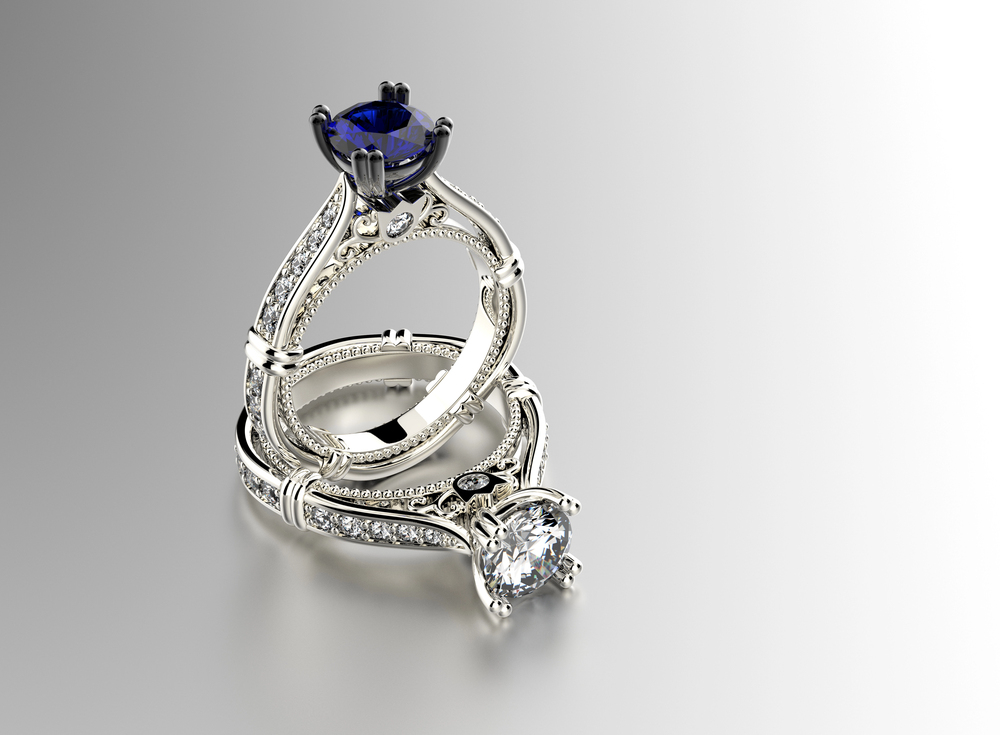
Diamond engagement rings became popular only after De Beers’ 1930s marketing campaign declared “A Diamond is Forever.” Before this advertising blitz, engagement rings featured various gemstones or no stones—while many couples skipped engagement rings entirely. The tradition is less than a century old despite feeling ancient and timeless.
Unity Candles
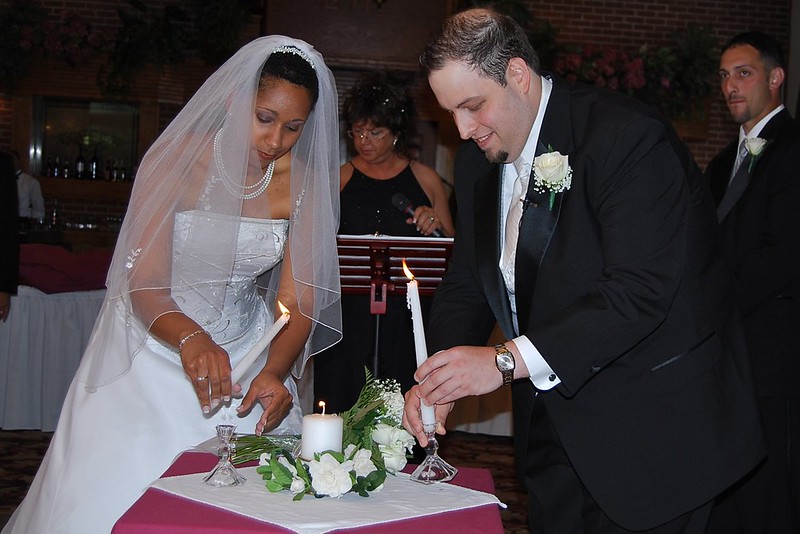
Unity candle ceremonies were invented by American wedding planners in the 1960s as photogenic rituals for television weddings. The tradition has no ancient or religious origins—though it quickly became popular because it provided visual symbols of two lives joining. Many couples now consider unity candles essential to their ceremonies despite the tradition being younger than many grandparents.
Groomsmen
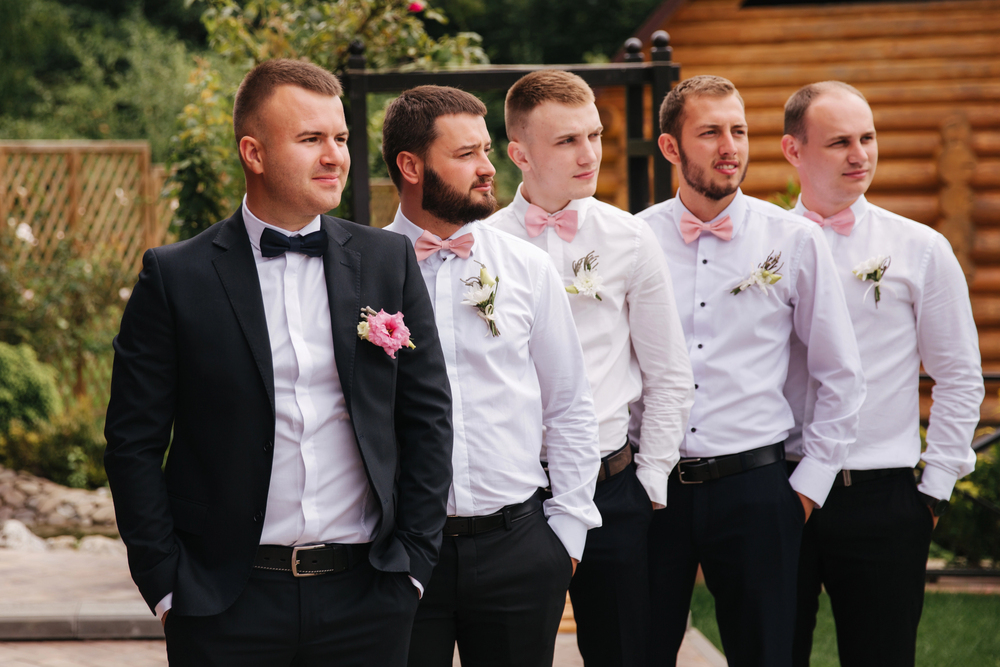
Groomsmen originally served as decoys to confuse evil spirits who might want to harm the grooms on wedding days. All men dressed identically to make it impossible for supernatural forces to identify actual grooms—while providing physical protection against rival suitors. Modern groomsmen maintain the matching attire tradition though their role has shifted from spiritual and physical protection to emotional support.
Wedding Processionals
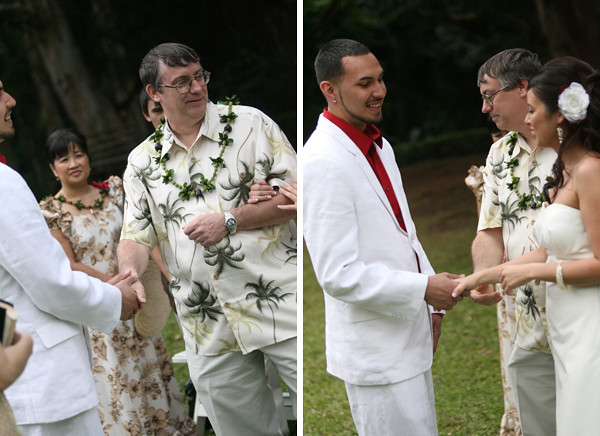
Wedding processionals developed from Roman ceremonies where brides were literally transferred from their father’s authority to their husband’s control. The formal march represented a property transaction rather than a romantic gesture—while fathers “giving away” daughters was a legal ownership transfer rather than a symbolic blessing. Modern processionals have transformed into celebrations of love and choice while maintaining the ceremonial structure of ancient business transactions.
Customs That Evolved Beyond Recognition
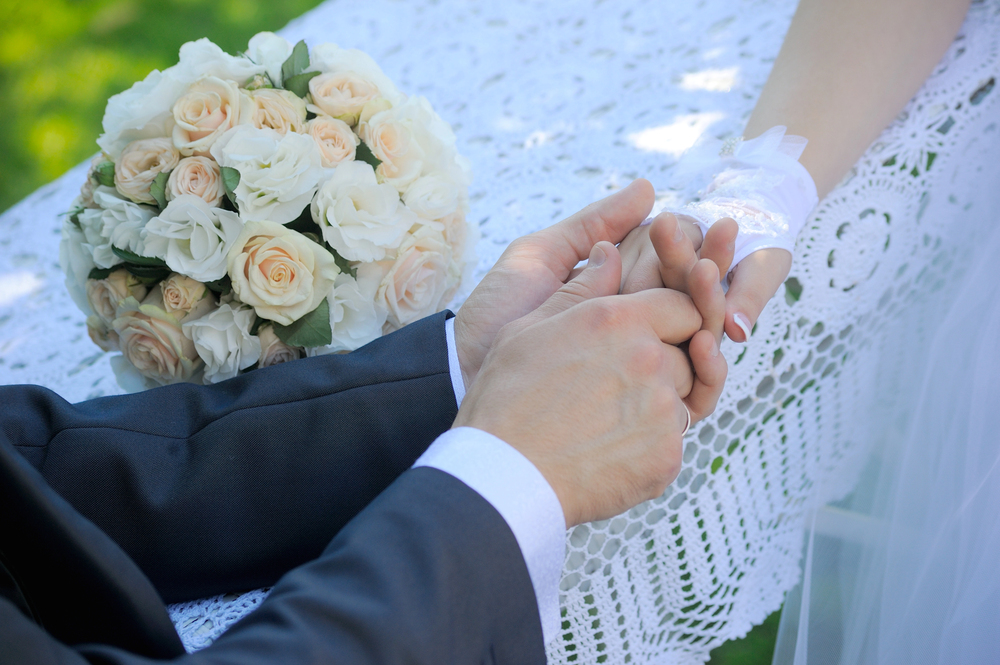
These wedding traditions prove how dramatically marriage customs have evolved from their original purposes into modern celebrations of love and commitment. What began as protection against evil spirits, property transfers, or fertility rituals has transformed into romantic gestures that couples embrace without understanding their darker origins. The evolution of these traditions reflects humanity’s ability to take practical or superstitious customs and infuse them with deeper meaning about love, partnership, and hope for the future. Modern weddings blend ancient customs with contemporary values, creating ceremonies that honor the past while celebrating present-day romance.
More from Go2Tutors!

- The Romanov Crown Jewels and Their Tragic Fate
- 13 Historical Mysteries That Science Still Can’t Solve
- Famous Hoaxes That Fooled the World for Years
- 15 Child Stars with Tragic Adult Lives
- 16 Famous Jewelry Pieces in History
Like Go2Tutors’s content? Follow us on MSN.