Quirky Inventions That Actually Worked
Most inventions solve problems in straightforward ways. Someone needs a better lightbulb, so they make one.
Someone wants faster transportation, so they build it. But then there are those ideas that seem ridiculous at first—things that make you wonder what the inventor was thinking.
The surprising part is how many of these odd concepts ended up changing the world or at least making life easier in unexpected ways.
The Slinky Started as a Failed Spring
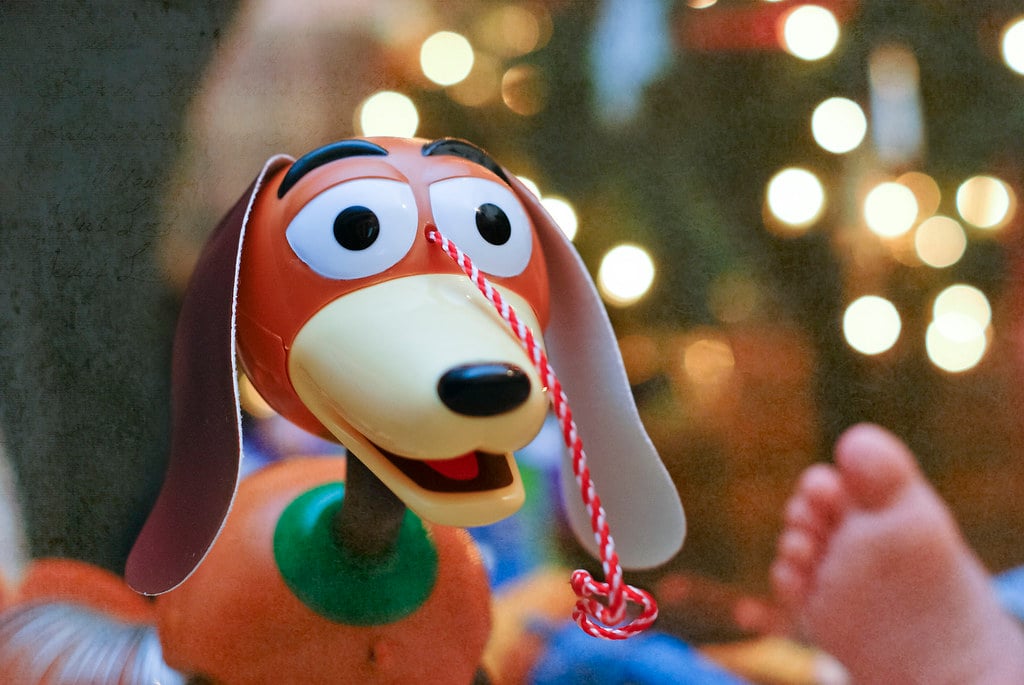
Richard James was trying to design springs that could stabilize sensitive ship equipment during World War II. One of his prototypes fell off a shelf and started “walking” down a stack of books, then onto a table, and finally to the floor.
Instead of seeing a failed spring, he saw a toy. His wife Betty came up with the name, and by 1945 they were selling Slinkys at Gimbels department store in Philadelphia.
The first 400 units sold out in 90 minutes. That walking spring became one of the most recognizable toys in history, all because someone looked at a mistake differently.
Bubble Wrap Was Supposed to Be Wallpaper
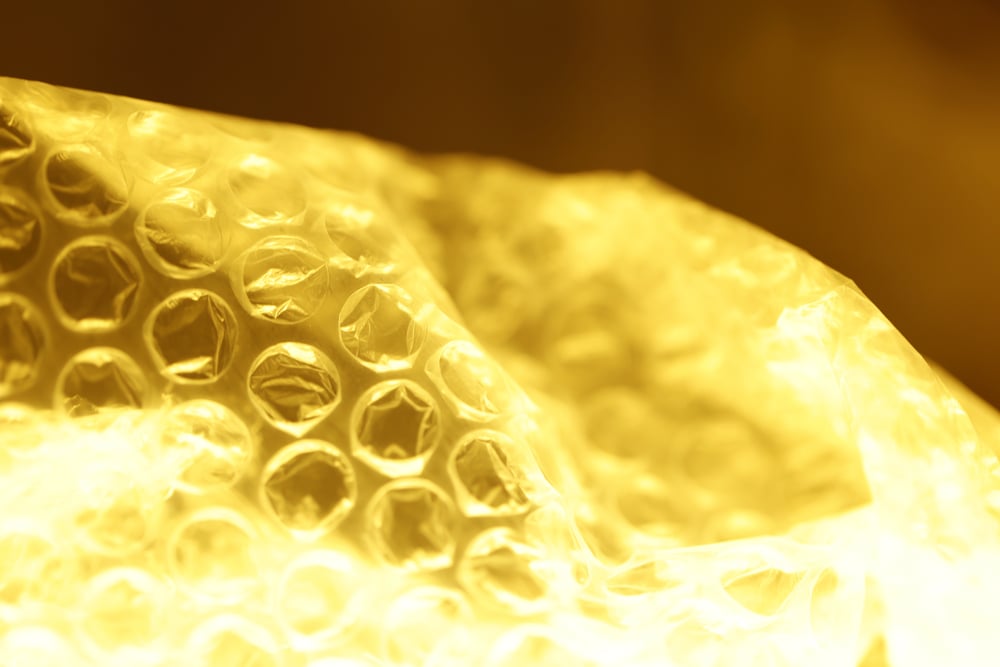
Alfred Fielding and Marc Chavannes sealed two shower curtains together in 1957, creating trapped air bubbles between them. They thought they’d invented textured wallpaper. When that didn’t catch on, they tried marketing it as greenhouse insulation.
That failed too. Three years later, IBM started shipping their new 1401 computer and needed protective packaging.
Bubble wrap finally found its purpose, and now the satisfying pop of those little air pockets has become almost as famous as the product’s protective qualities.
Play-Doh Cleaned Wallpaper Before It Entertained Kids
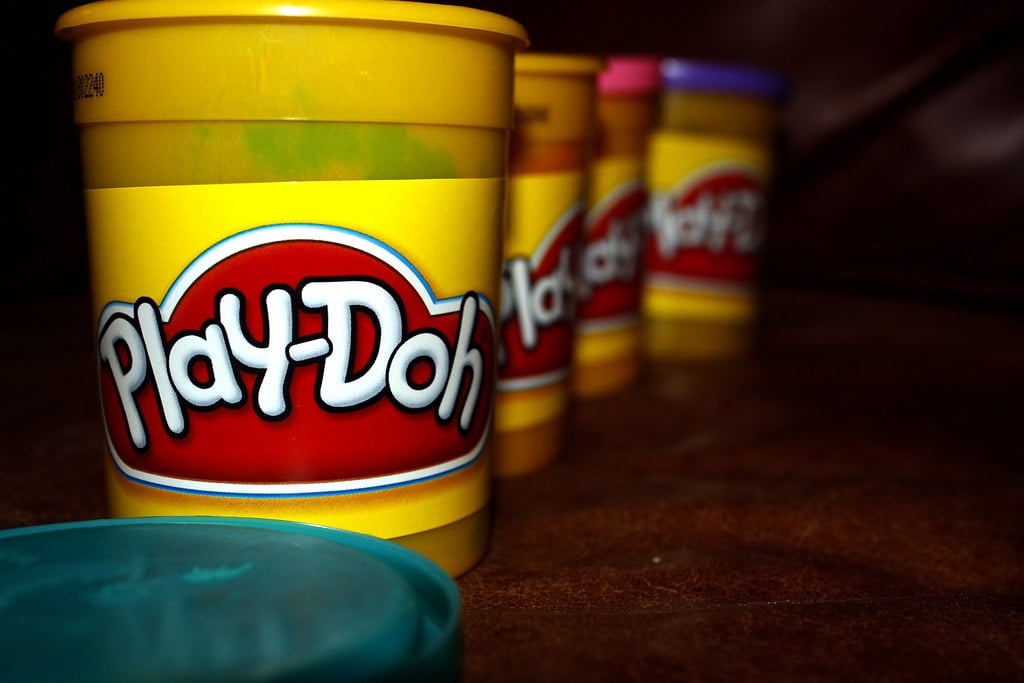
Kutol Products made a doughy substance in the 1930s that people used to clean coal residue from wallpaper. Coal heating was common then, so the product sold reasonably well.
But when homes switched to gas and electric heating, the wallpaper cleaner became obsolete. The company nearly went under until a nursery school teacher in New Jersey started using it for arts and crafts.
Her sister-in-law worked at Kutol and suggested removing the detergent, adding colors, and marketing it as a children’s toy. Play-Doh hit stores in 1956, and by 1958 it was sold in department stores across the country.
Velcro Came from a Dog Walk
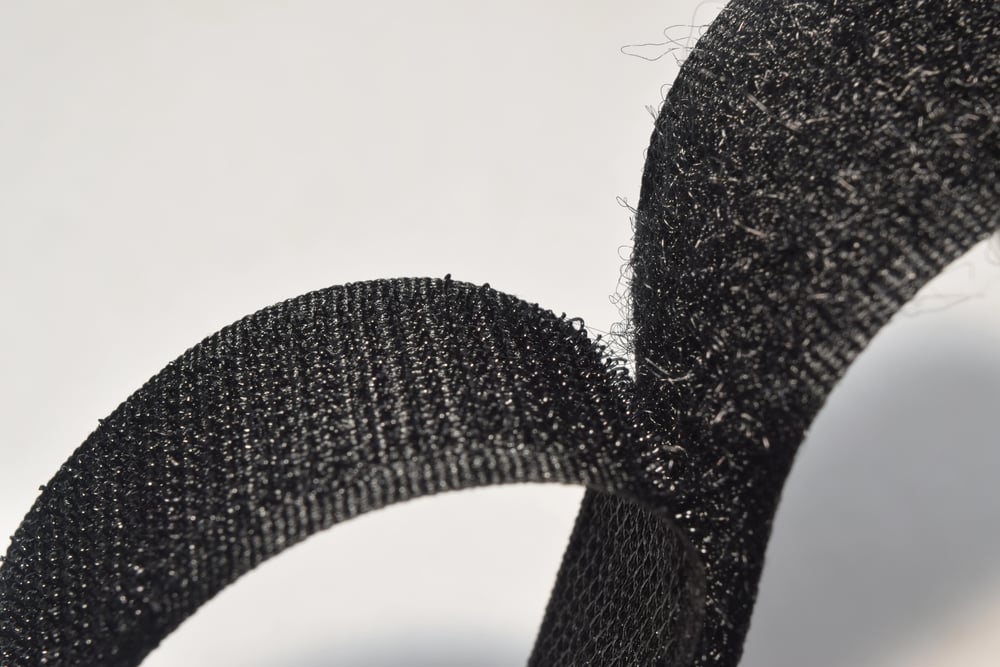
George de Mestral took his dog hiking in the Swiss Alps in 1941. When they got home, burrs covered the dog’s fur.
Instead of just pulling them off, de Mestral examined them under a microscope and saw tiny hooks that grabbed onto loops in the fabric and fur. He spent eight years developing a synthetic version—one side with thousands of tiny hooks, the other with loops.
People mocked the idea, but NASA used Velcro in space missions because it worked in zero gravity. Now you’ll find it on shoes, bags, medical devices, and probably somewhere in your home right now.
The Frisbee Was a Pie Tin
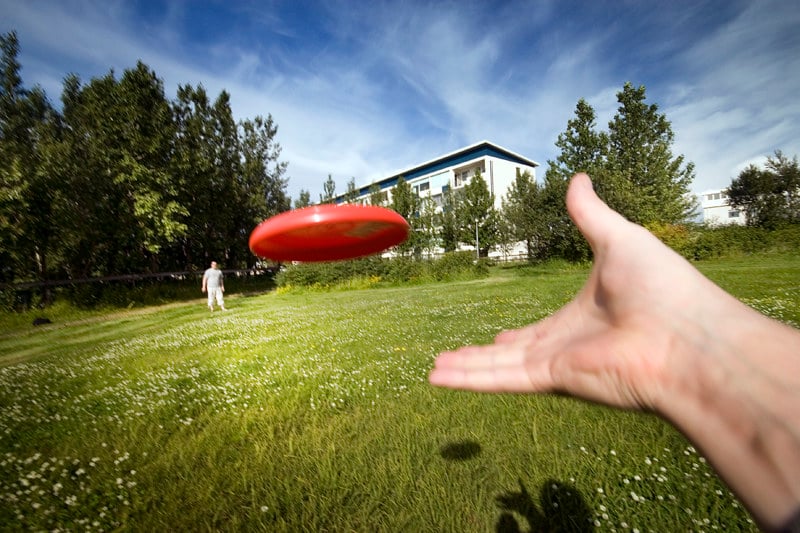
Students at Yale University in the 1940s would toss around empty pie tins from the Frisbie Baking Company. They’d yell “Frisbie!” to warn people before throwing them.
Walter Morrison saw the potential and designed a plastic version he called the Pluto Platter in 1955, thinking UFO interest would help sales. Wham-O bought the design in 1957 and renamed it the Frisbee (changing the spelling).
Morrison probably never imagined his plastic disc would become an Olympic sport (Ultimate Frisbee) or that dogs would love it as much as people do.
Super Glue Was Rejected Twice
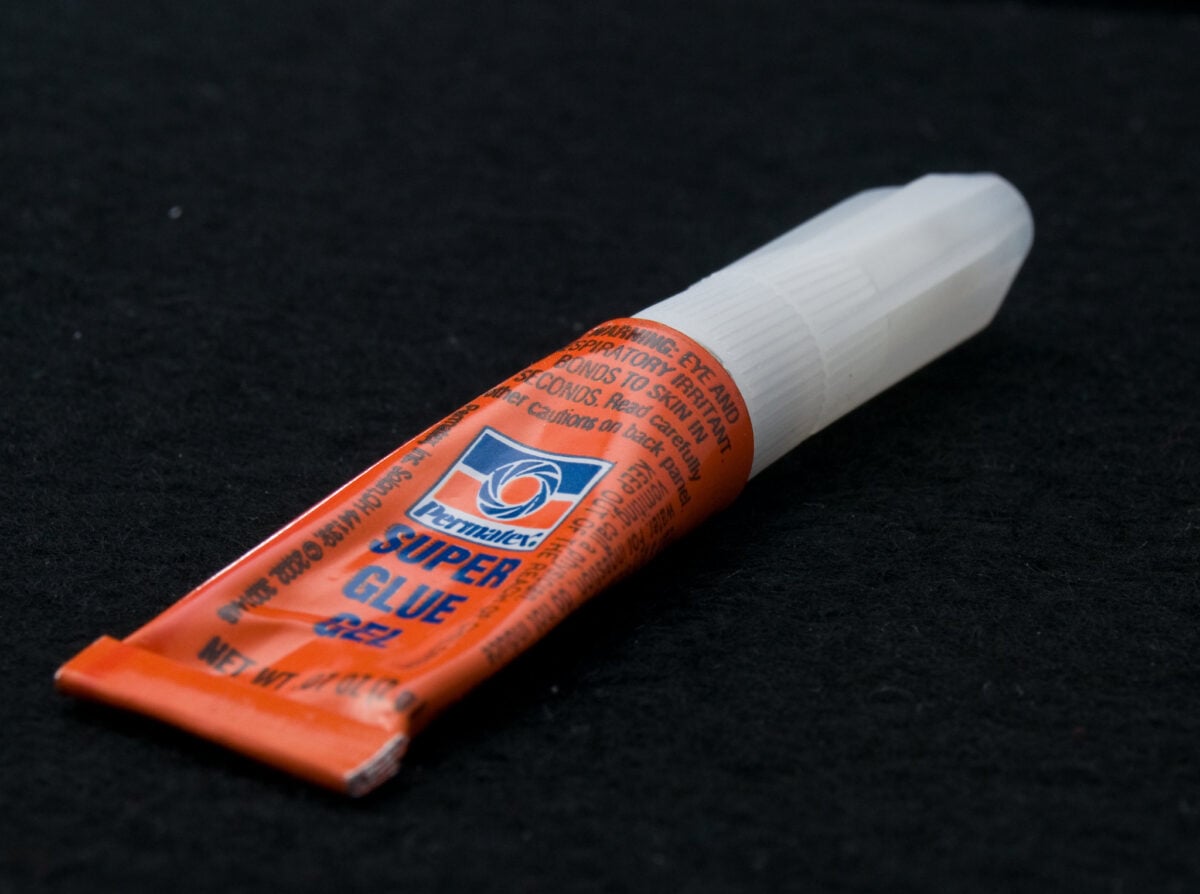
Harry Coover was trying to make clear plastic gunsights for rifles during World War II when he created cyanoacrylate in 1942. The substance stuck to everything it touched, making it useless for his purpose.
He set it aside. Six years later, he was supervising a project to develop heat-resistant jet canopy materials.
The team rejected cyanoacrylate again—too sticky. But this time Coover realized that extreme stickiness was the feature, not the bug.
Eastman Kodak started selling it as Super Glue in 1958, and it went on to close wounds in the Vietnam War when medics used it to seal injuries until soldiers could reach proper medical facilities.
The Microwave Oven Melted a Chocolate Bar
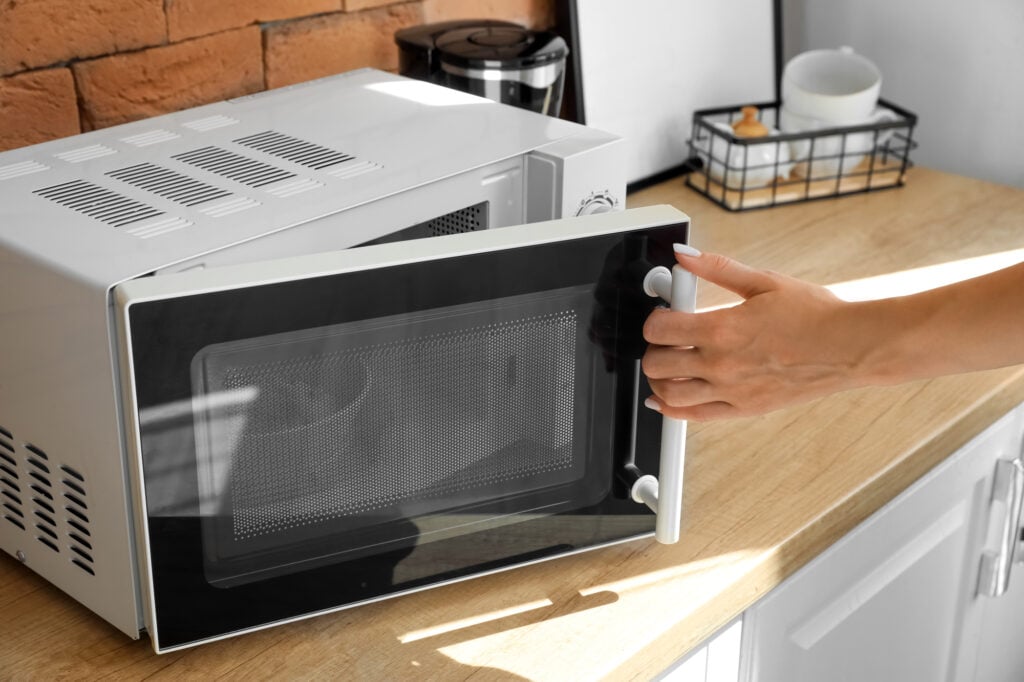
Percy Spencer was testing a military-grade magnetron in 1945 when the chocolate bar in his pocket melted. Instead of being annoyed about his ruined snack, he got curious.
He tried popcorn kernels next—they popped. Then an egg, which exploded. Spencer built a metal box to contain the electromagnetic waves and tested more foods.
Raytheon filed a patent in 1945, and the first commercial microwave oven called the Radarange went on sale in 1947. It stood nearly six feet tall and weighed 750 pounds.
The countertop version that people actually wanted came later, but it all started with melted chocolate.
Post-It Notes Failed as a Strong Adhesive
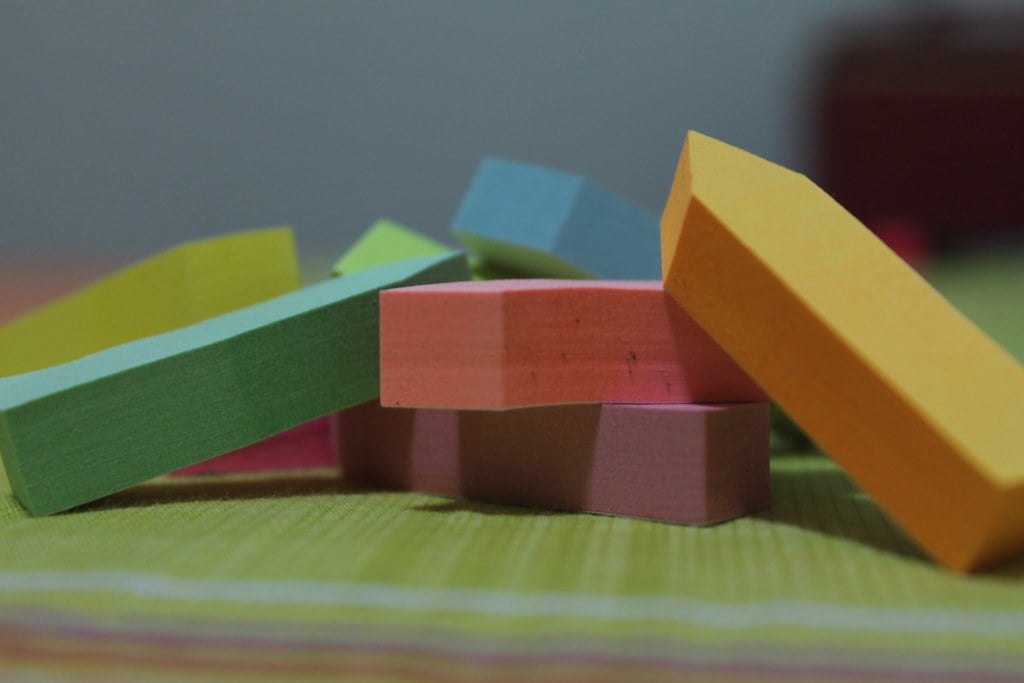
Spencer Silver worked for 3M in 1968, trying to develop a super-strong adhesive. He created the opposite—a glue that barely stuck to anything and could be peeled off easily.
3M didn’t know what to do with it. Six years later, Silver’s colleague Art Fry sang in a church choir and got frustrated when his bookmarks kept falling out of his hymnal.
He remembered Silver’s weak adhesive and used it to create bookmarks that stuck but didn’t damage pages. The company started distributing samples as “Press ‘n Peel” in 1977, but the name didn’t stick (unlike the product). Someone suggested “Post-It Notes,” and by 1980 they were sold nationwide.
Silly Putty Was a Failed Rubber Substitute
During World War II, the U.S. government needed synthetic rubber because Japanese forces had cut off natural rubber supplies. James Wright, an engineer at General Electric, mixed boric acid with silicone oil in 1943.
The result bounced, stretched, and copied the newsprint—but it didn’t work as rubber. GE sent samples to engineers worldwide, but nobody could find a practical use for it.
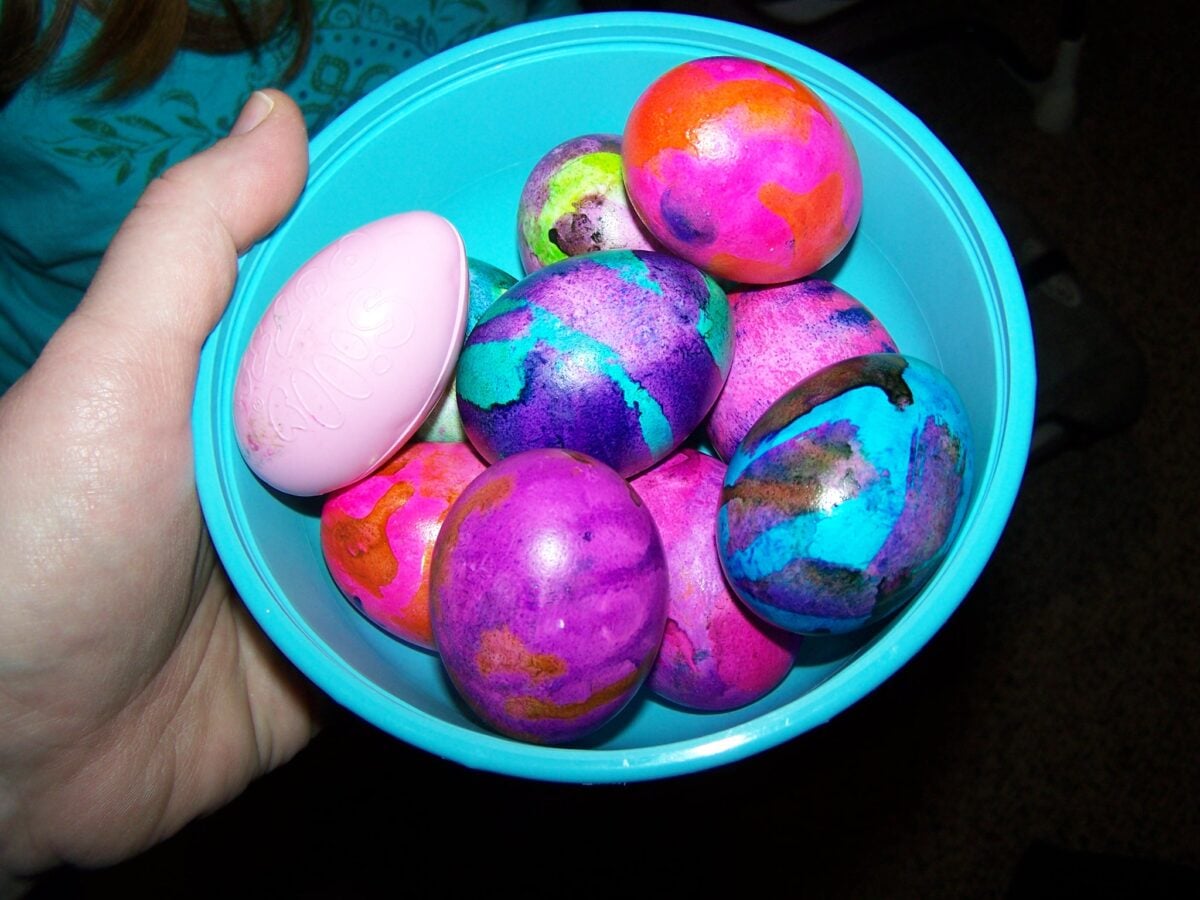
In 1949, a toy store owner named Ruth Fallgat saw its potential as a novelty item. Marketing consultant Peter Hodgson bought the production rights, packaged it in plastic eggs, and called it Silly Putty.
It became a bestseller, and Apollo 8 astronauts even took it to space to secure tools in zero gravity.
Potato Chips Started as Spite
George Crum worked as a chef at Moon’s Lake House in Saratoga Springs, New York in 1853. A customer kept sending his fried potatoes back to the kitchen, complaining they were too thick and soggy.
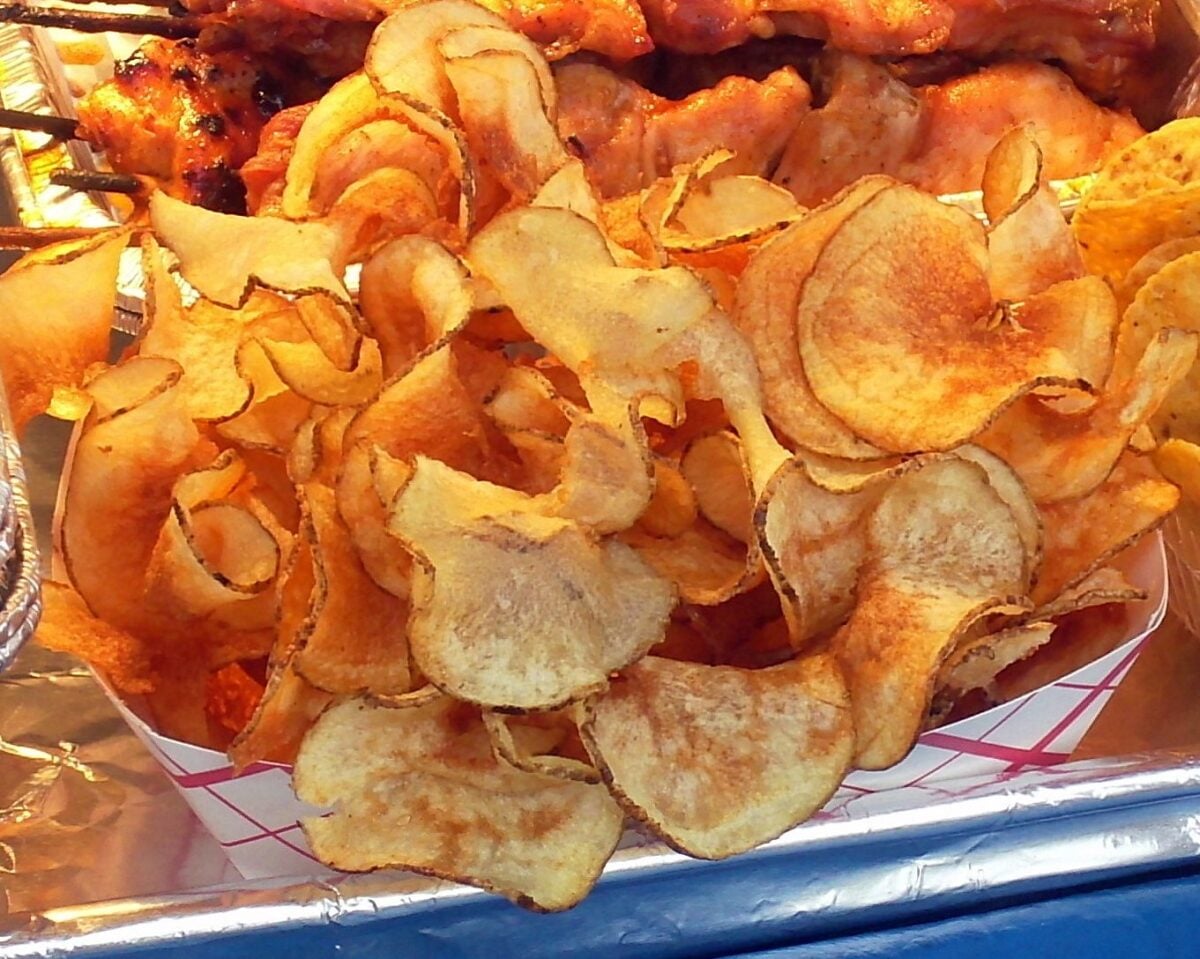
Frustrated, Crum sliced potatoes as thin as possible, fried them until they were too crispy to stab with a fork, and covered them in salt. He expected the customer to hate them. Instead, the customer loved them.
Other diners started requesting “Saratoga Chips,” and what began as an act of culinary revenge became one of America’s favorite snacks.
Pacemakers Were Discovered by Accident
Wilson Greatbatch was building a device to record heart sounds in 1956. He grabbed the wrong resistor from his toolbox—one that was 100 times too powerful for what he needed.
When he tested the circuit, it pulsed for 1.8 milliseconds, then stopped for one second, then pulsed again. The rhythm matched a human heartbeat.
Greatbatch realized he’d accidentally created something that could regulate heart rhythms. He spent two years refining the design, and in 1960, surgeons implanted the first pacemaker into a patient.
That wrong resistor has saved millions of lives.
Tea Bags Were Never Meant to Be Tea Bags

Thomas Sullivan was a New York tea merchant who sent samples to customers in small pouches in 1908. He used them because they were cheaper than the tins he usually sent.
Customers assumed they were supposed to steep the entire bag in water rather than opening it and pouring out the leaves. They started ordering more tea packaged that way because it was convenient.
Sullivan initially tried to explain the mistake, but customer demand changed his business model. He started making bags from gauze specifically designed for steeping.
The accidental innovation became the standard way people make tea.
Corn Flakes Were Created to Curb Certain Urges
John Harvey Kellogg ran a health sanitarium in Battle Creek, Michigan in the late 1800s. He believed bland food would reduce what he considered sinful thoughts and behaviors.
While trying to create digestible bread for patients in 1894, he and his brother Will left boiled wheat sitting out too long. When they rolled it anyway, it came out in flakes instead of dough.
They toasted the flakes and served them to patients, who actually enjoyed them. Will later realized that adding sugar would make the product more appealing to the general public—much to John’s dismay, since sugar defeated the original bland purpose.
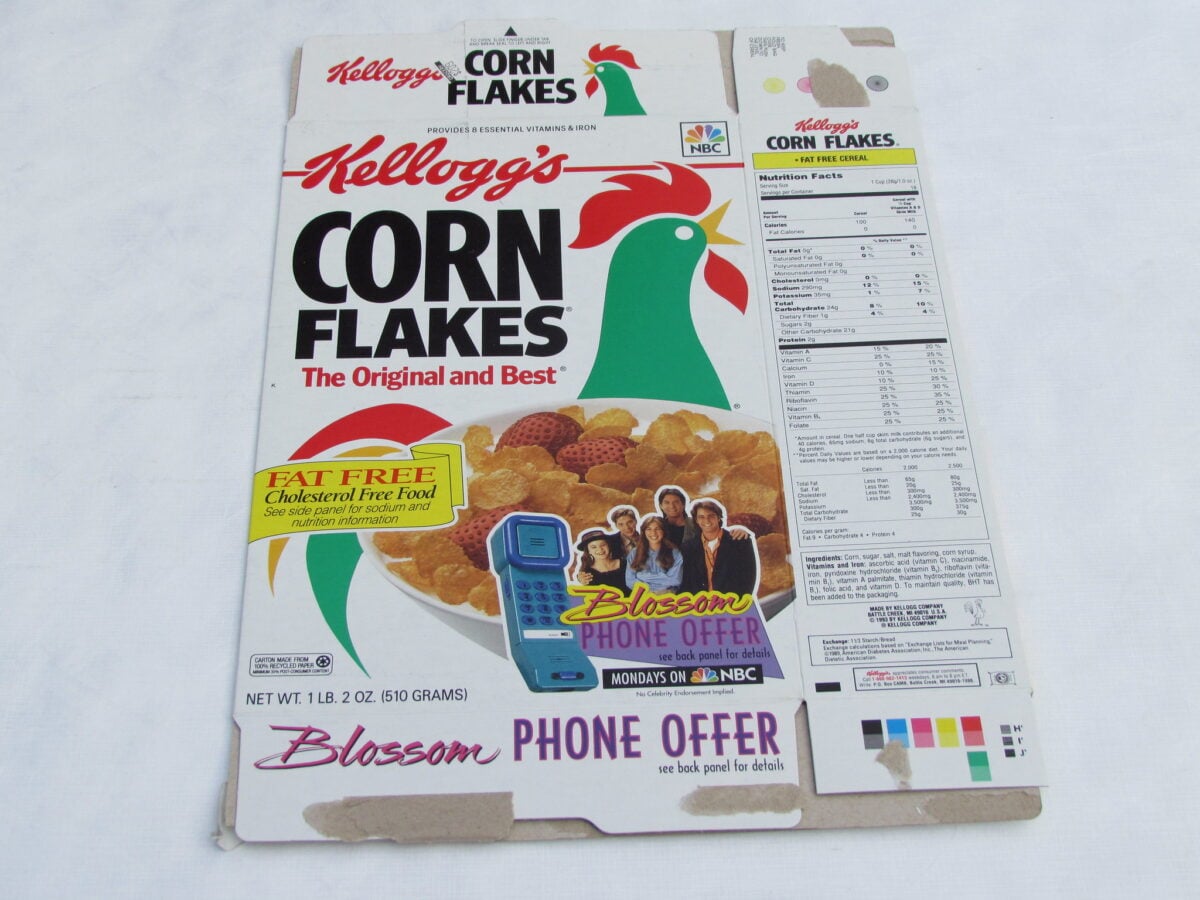
Kellogg’s Corn Flakes launched commercially in 1906, and the health food movement accidentally created the breakfast cereal industry.
When the Odd Becomes Ordinary
These inventions share something beyond their accidental origins. Each one succeeded because someone looked past the intended purpose and saw potential everyone else missed.
A failed glue became office supplies. A rejected spring became a toy.
A melted chocolate bar changed how people cook. The gap between “this is weird” and “this actually works” is often just a matter of perspective.
Next time something doesn’t go according to plan, it might be worth asking what else it could be. The best inventions sometimes start as the worst failures.
More from Go2Tutors!

- The Romanov Crown Jewels and Their Tragic Fate
- 13 Historical Mysteries That Science Still Can’t Solve
- Famous Hoaxes That Fooled the World for Years
- 15 Child Stars with Tragic Adult Lives
- 16 Famous Jewelry Pieces in History
Like Go2Tutors’s content? Follow us on MSN.



