19 Ancient Bartering Systems That Seem Crazy Today
Before money ruled the world, people had to get creative with how they traded goods and services. Bartering wasn’t just about apples for eggs—it stretched into some truly bizarre territory, depending on what a society valued at the time. What might seem odd or even laughable to us today made perfect sense in its day, driven by culture, scarcity, and survival.
Here is a list of 19 ancient bartering systems that are hard to imagine in today’s world—but they worked just fine back then.
Yak Butter in Tibet
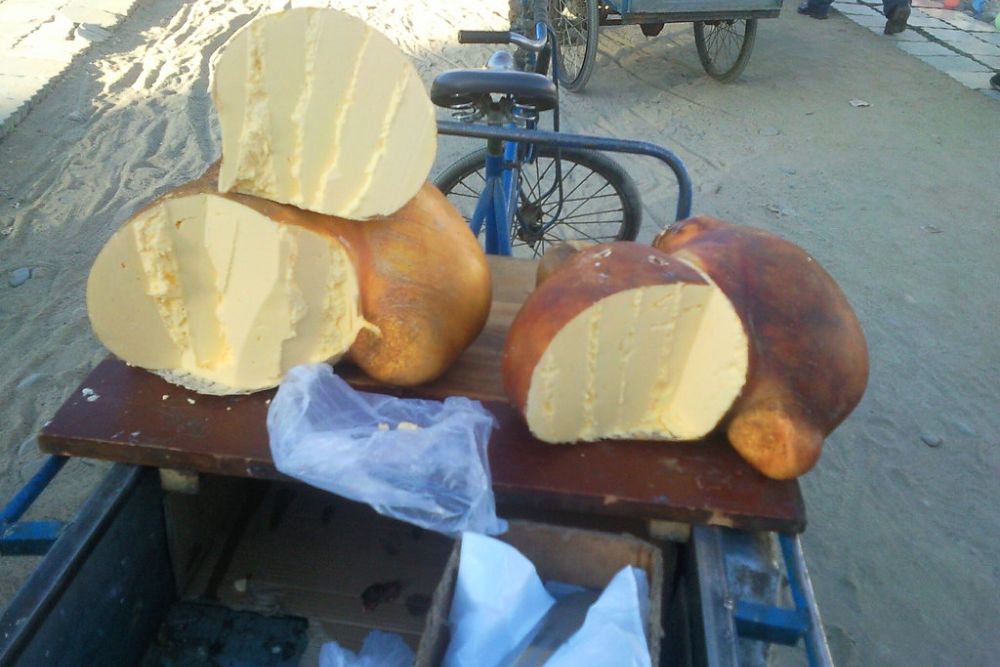
In the cold, mountainous terrain of Tibet, yak butter wasn’t just a food—it was currency. Families used it to trade for cloth, grain, and even pay taxes.
Its long shelf life and importance in local diets gave it real value, despite it being greasy and having a strong smell that most outsiders find overwhelming.
Salt in Ancient Rome
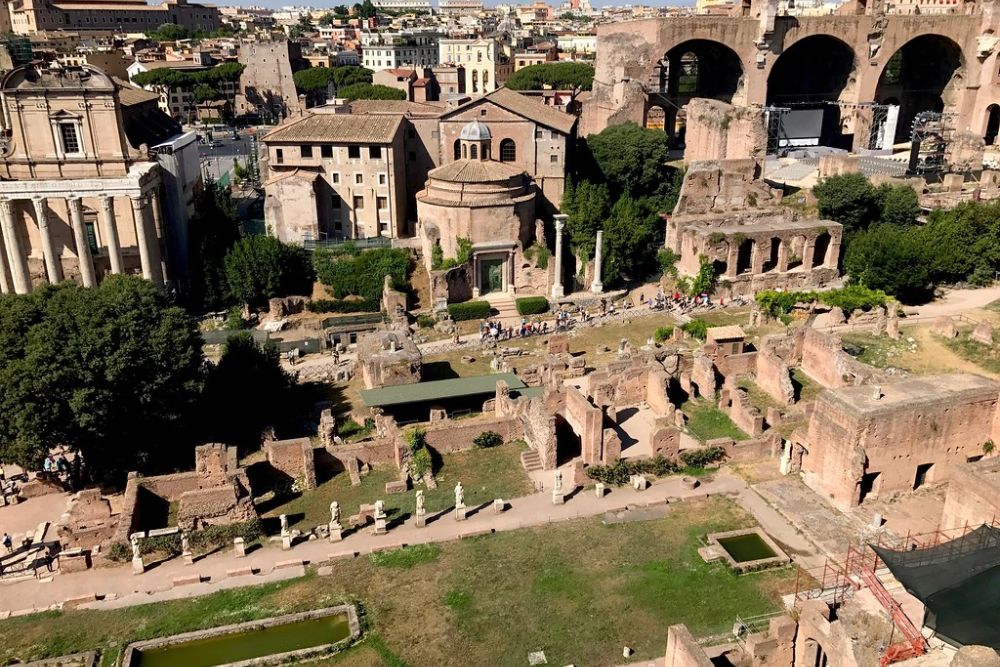
Salt was once so valuable in Rome that soldiers were partly paid with it. That’s where the word ‘salary’ comes from. It preserved food before refrigeration existed, making it crucial to survival.
Owning salt wasn’t a luxury—it was a necessity with trading power.
Like Go2Tutors’s content? Follow us on MSN.
Tea Bricks in China
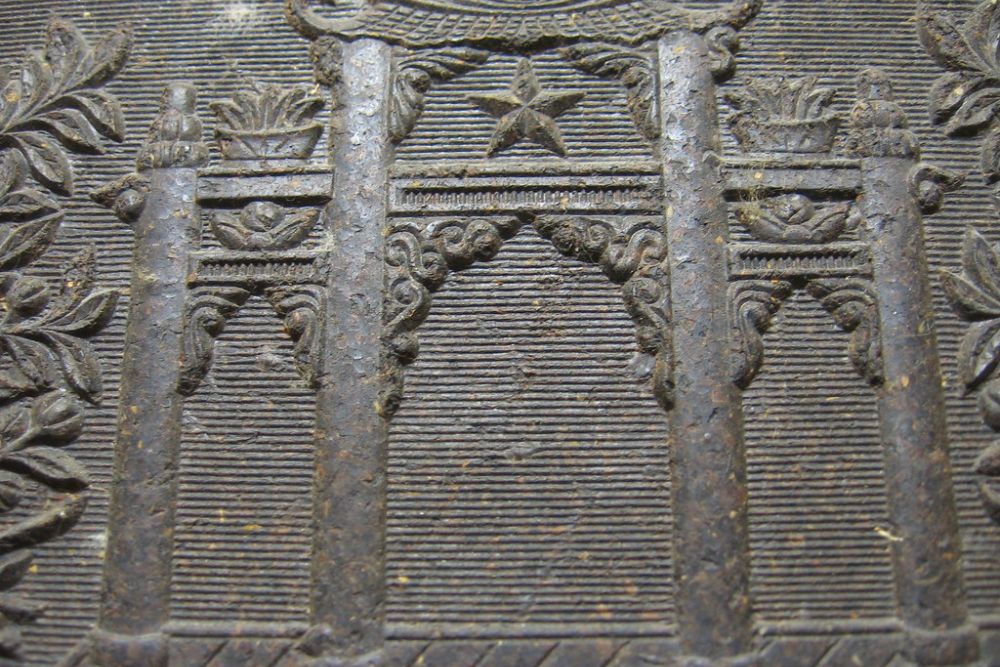
Compressed blocks of tea weren’t just for sipping—they doubled as money for centuries in parts of China, Mongolia, and Tibet. These bricks were durable, easy to stack, and didn’t spoil quickly.
Plus, you could literally drink your money if you needed to.
Iron Spades in Ancient China
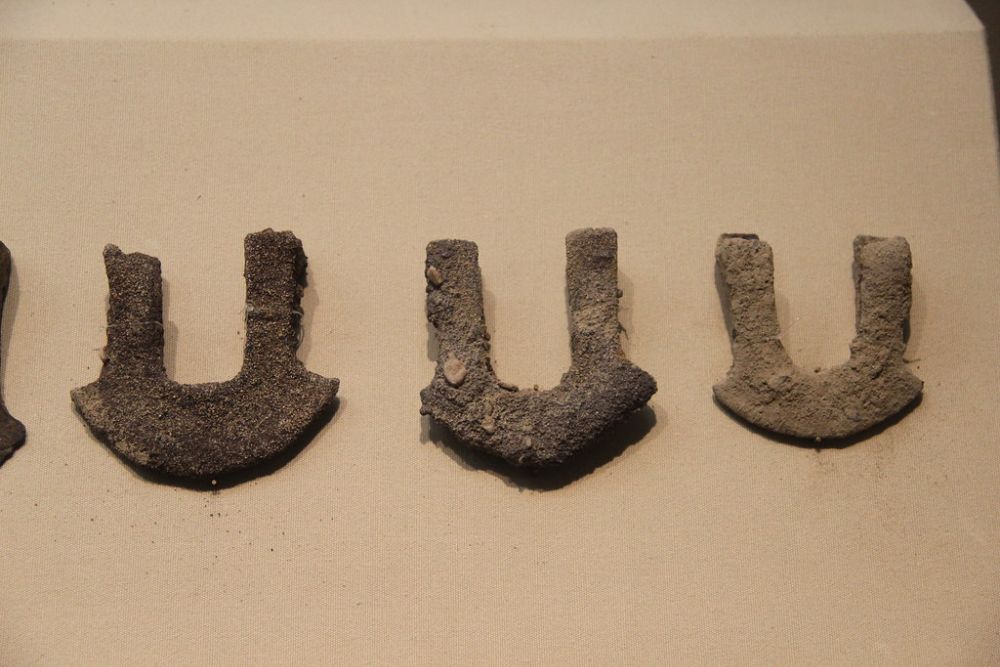
Before coins, people in China sometimes used iron spades as currency. These weren’t tools for digging—they were shaped like miniature farming tools but used strictly for trade.
It’s like walking into a market and pulling out a tiny hoe instead of a wallet.
Shells in Africa and Asia
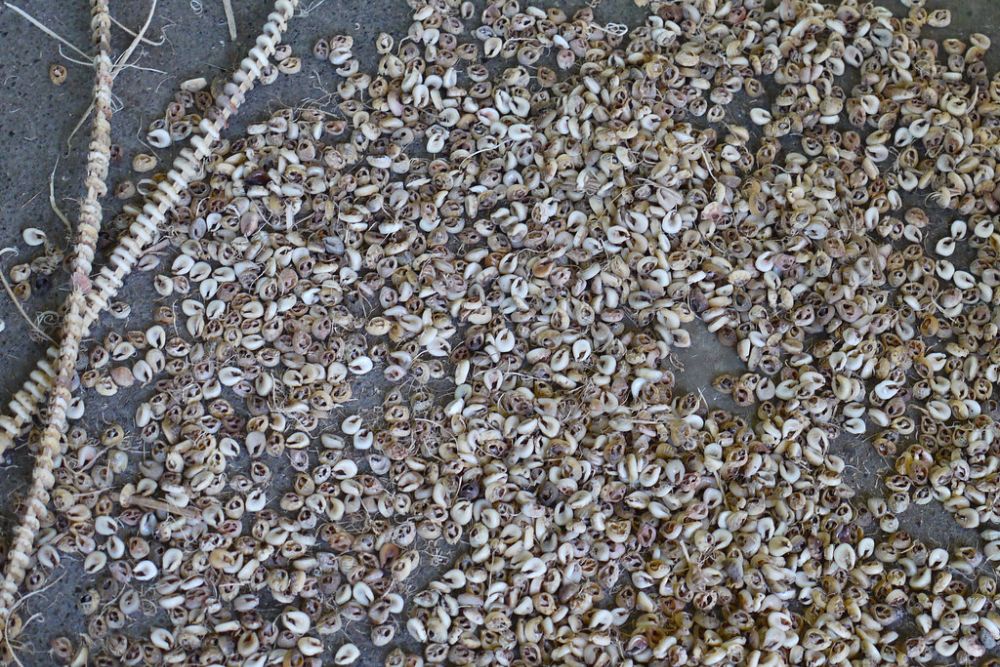
Cowrie shells, small and glossy, were used in various parts of Africa and Asia for trade. They were portable, hard to fake, and had a natural shine that people found attractive.
Entire marketplaces ran on these shells, which today might just be collected for decoration.
Like Go2Tutors’s content? Follow us on MSN.
Beaver Pelts in Colonial America
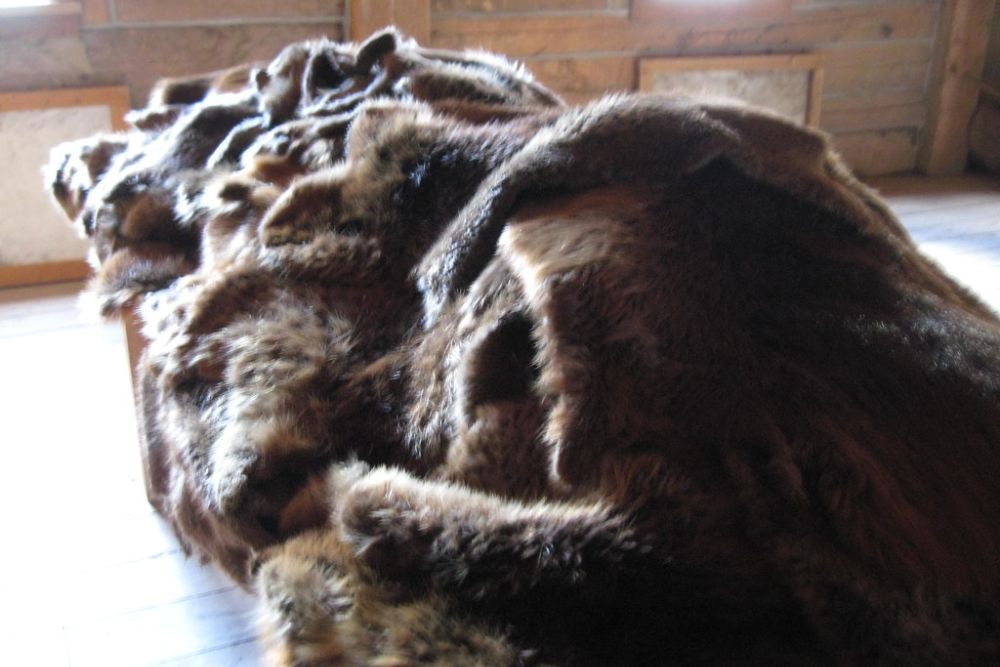
European settlers and Native American tribes commonly exchanged beaver pelts for tools, weapons, and food. The fur trade drove entire economies in North America.
A high-quality pelt could buy a lot, making beavers more than just critters building dams—they were economic powerhouses.
Cheese in the Middle Ages
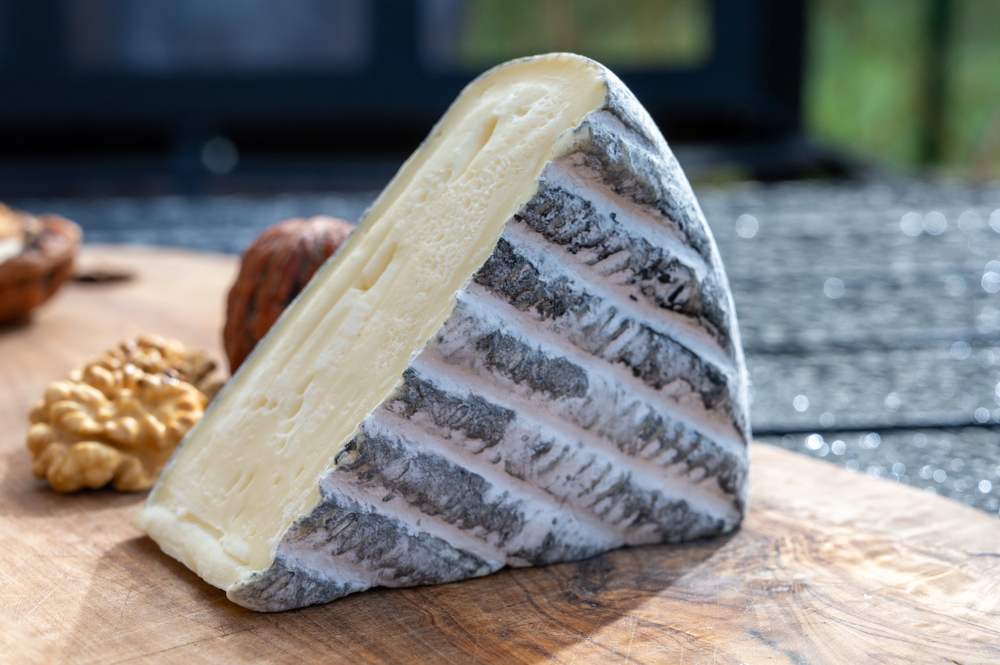
Monasteries and villages often used cheese as a trade item, especially hard varieties that aged well. It wasn’t just food—it was a stored form of dairy wealth.
For communities without regular coin flow, cheese could pay rent, buy tools, or serve as an offering to landlords.
Animal Teeth in Papua New Guinea
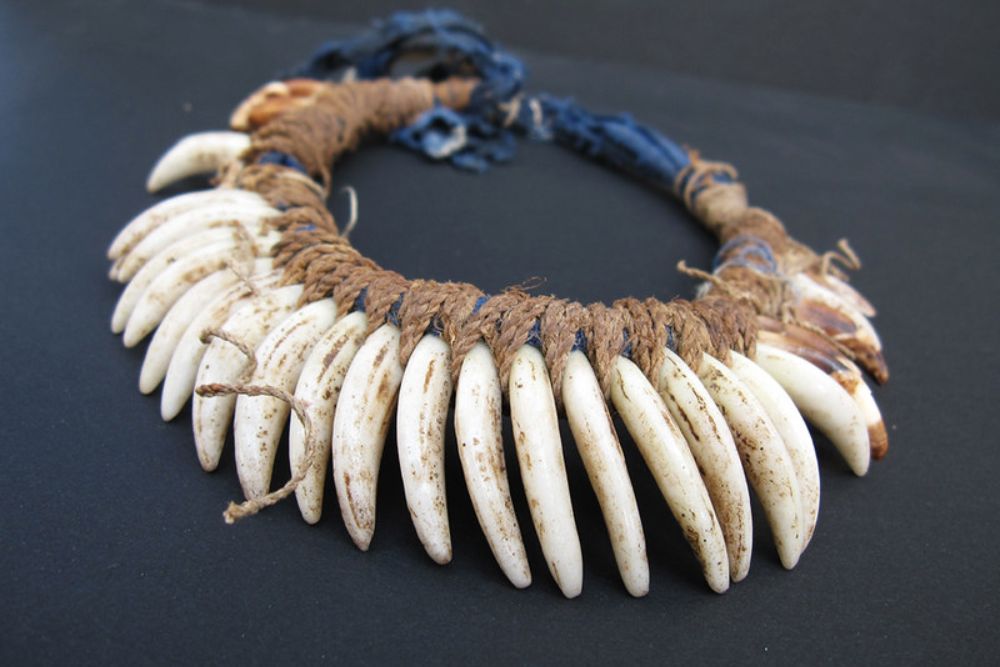
In some tribal regions, animal teeth—especially dog and pig teeth—served as a form of wealth. They were strung into necklaces or worn during ceremonies, symbolizing status and trade value.
While it may sound odd now, back then they were as good as gold in those circles.
Like Go2Tutors’s content? Follow us on MSN.
Whiskey in the American Frontier
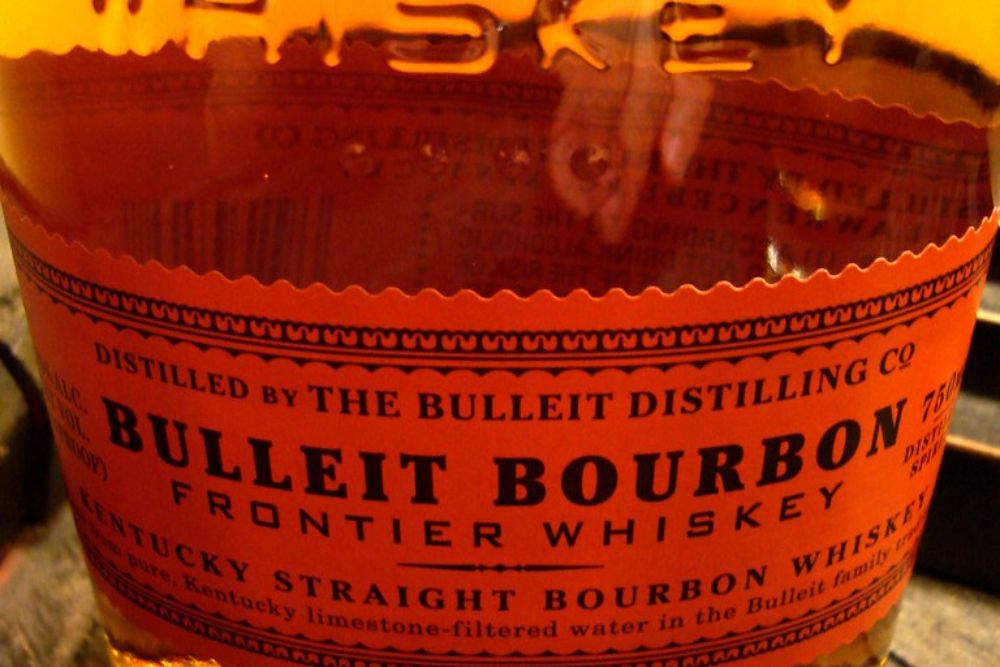
On the early American frontier, whiskey wasn’t just a drink—it was liquid currency. With coins scarce in rural areas, a jug of homemade whiskey could buy labor, supplies, or land.
It held value not just for consumption but for trade, making it a highly sought-after good.
Knives in the Congo
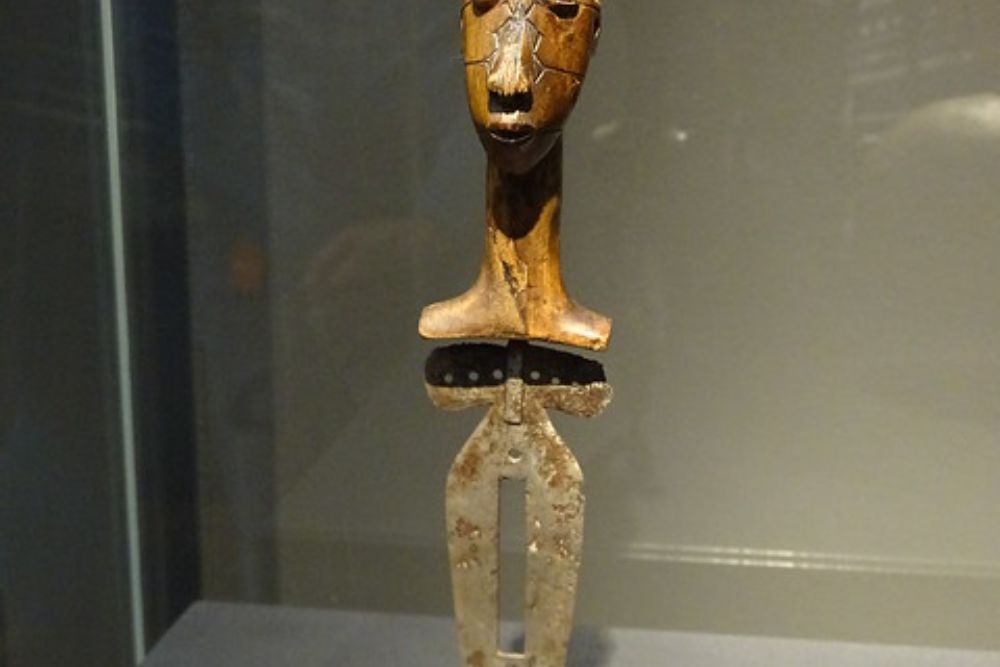
In parts of Central Africa, intricately crafted iron knives were used in trade. These weren’t makeshift tools; they were designed with specific forms that carried both functional and symbolic value.
Some were even too fancy to use, serving purely as status tokens for trade deals.
Wampum in Native American Tribes
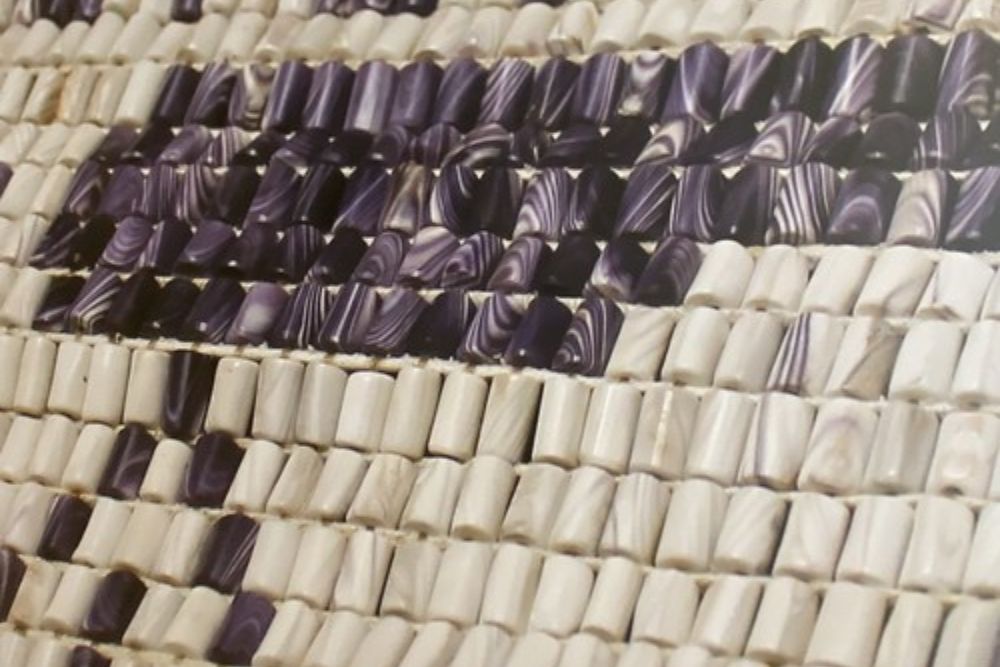
Wampum—beads made from polished shells—held cultural and economic importance for many Native American tribes. These beads were exchanged for goods, used in ceremonies, and even recorded important events.
For some tribes, the patterns of wampum conveyed complex messages, like a ledger you could wear.
Like Go2Tutors’s content? Follow us on MSN.
Livestock in Ancient Mesopotamia
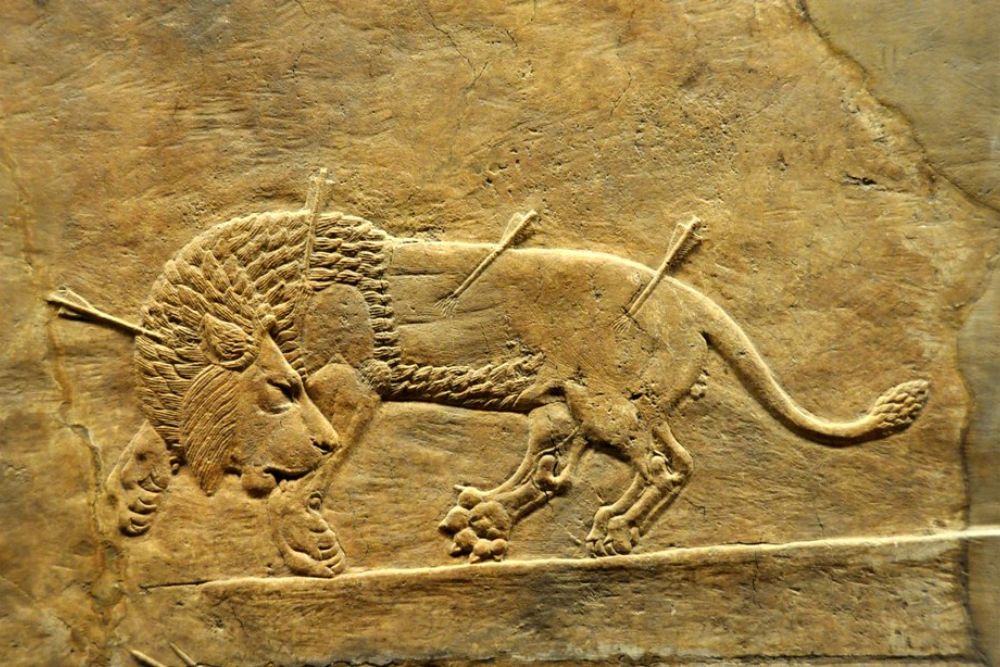
In Mesopotamia, wealth wasn’t stored in banks—it walked around on four legs. Cattle, goats, and sheep were not only central to survival but served as high-value trade items.
A single healthy ox could be traded for grain, tools, or even a piece of land.
Fish in the Pacific Islands

Communities across Polynesia and Micronesia used dried or fresh fish as barter items. In areas where fishing was a central part of life, fish had consistent value and were often exchanged for tools, coconuts, or woven goods.
It was a salty, scaly currency—but it worked.
Obsidian in Mesoamerica
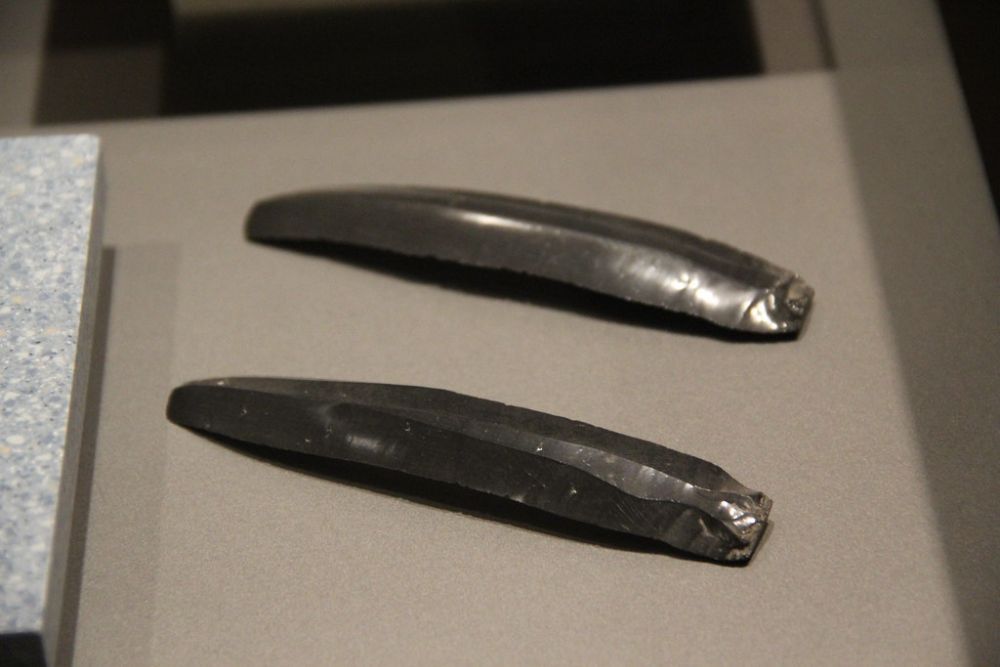
Before metal tools were widespread, obsidian was the sharpest edge you could get. In Mesoamerican cultures, it was a high-demand trade good used to make knives, arrowheads, and ceremonial items.
It came from specific volcanic regions, so it also served as a kind of exotic import.
Like Go2Tutors’s content? Follow us on MSN.
Pepper in Medieval Europe
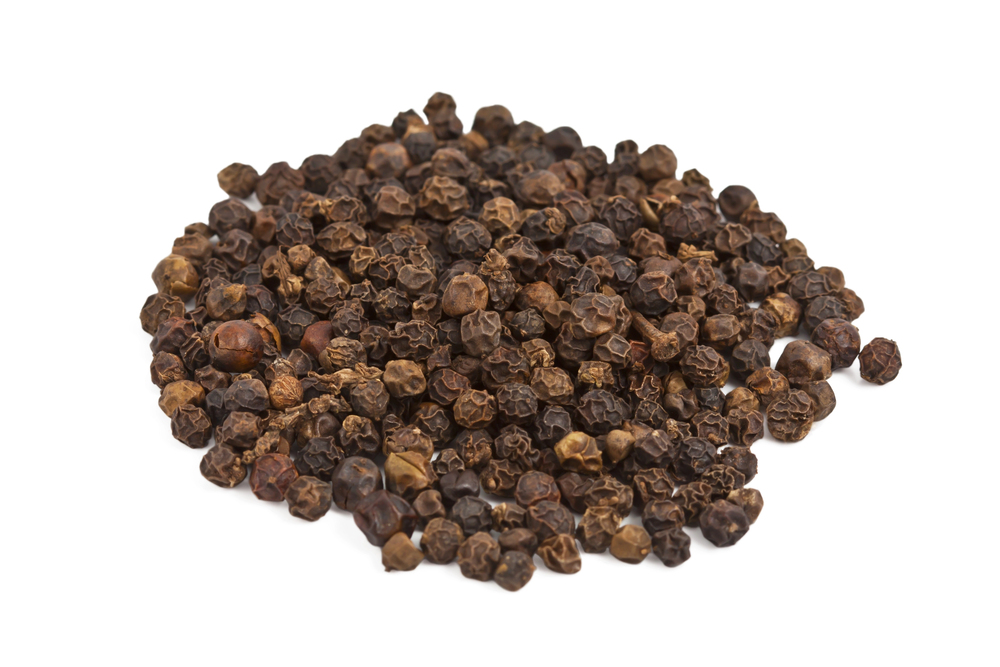
Long before it sat on every diner table, pepper was prized in Europe like treasure. It was imported from India and traded in tiny amounts for goods like wool, silver, or even land.
Its rarity and flavor turned it into a spice worth more than gold.
Camels in the Middle East
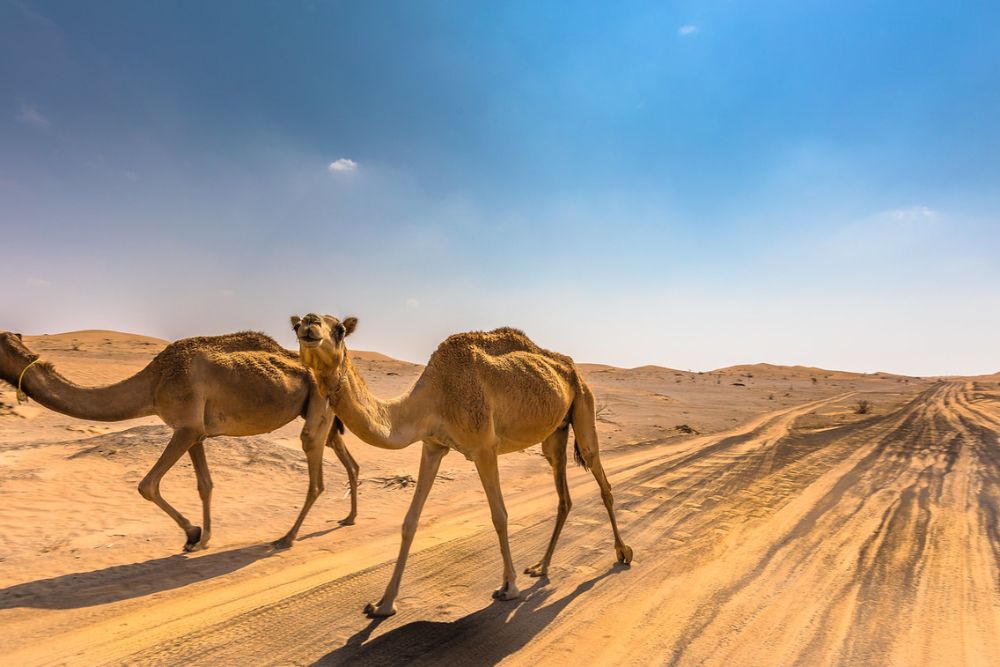
In desert regions, camels weren’t just pack animals—they were mobile wealth. Their ability to survive harsh climates made them invaluable.
People used them as dowries, trade items, and even political gifts, showing how deeply livestock was woven into economic systems.
Feathers in the Solomon Islands
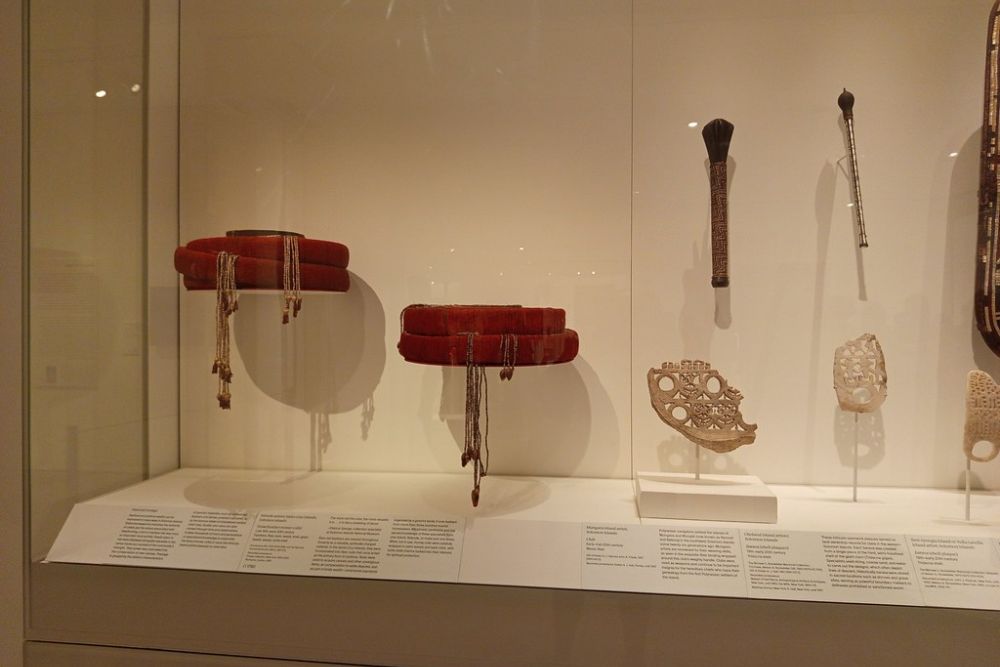
In some parts of the Solomon Islands, red feathers from specific birds held economic power. These feathers were used in ornaments, exchanged during ceremonies, and traded for essential goods.
Their vibrant color made them visually appealing, but scarcity is what gave them value.
Human Skulls in Ancient Oceania
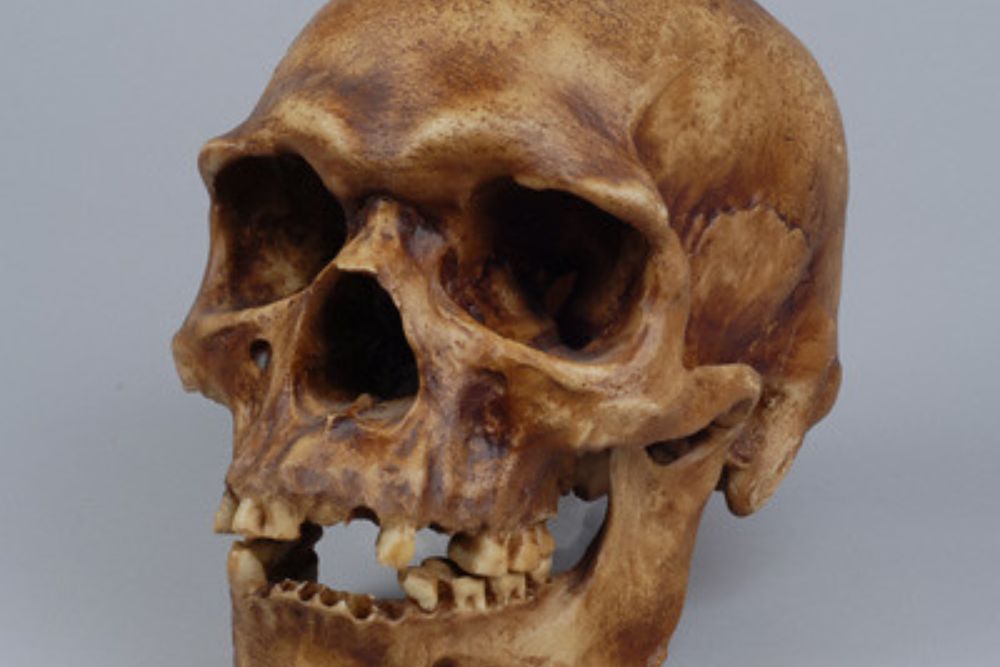
Yes, really—some cultures in Oceania used preserved skulls of ancestors in rituals and trade. They weren’t bartered like apples, but they did hold status and could be part of negotiation offerings.
These items held spiritual and economic meaning, often intertwined.
Like Go2Tutors’s content? Follow us on MSN.
Jade in Ancient China
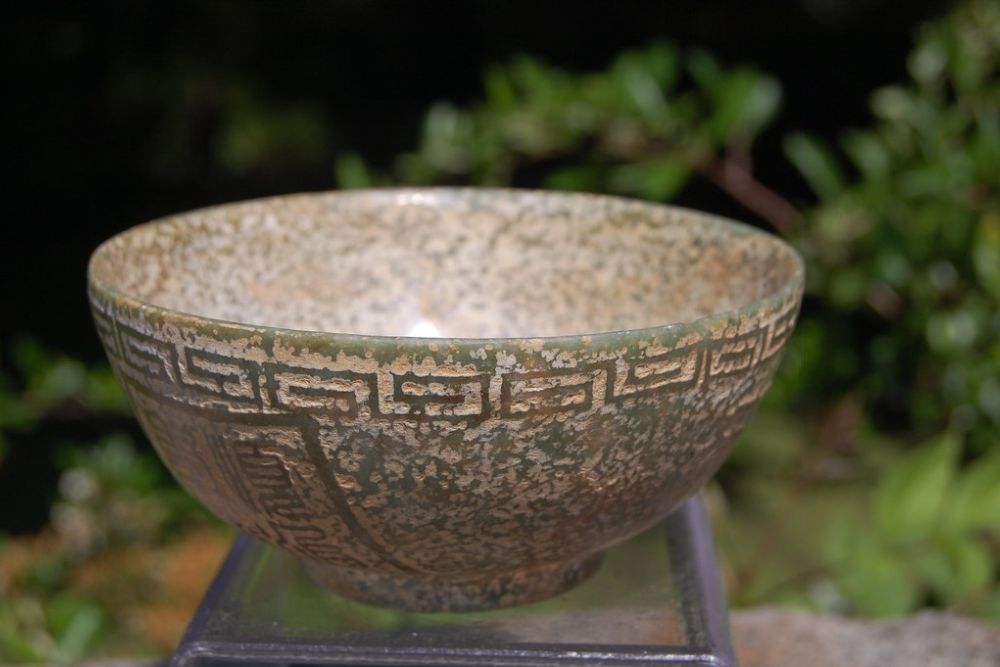
Jade was more than a pretty stone in ancient China—it was a symbol of power, purity, and wealth. It was traded between elites, used in burial sites, and exchanged for valuable goods.
The craftsmanship and spiritual beliefs tied to jade turned it into a long-lasting store of value.
When Currency Wasn’t Just Coins
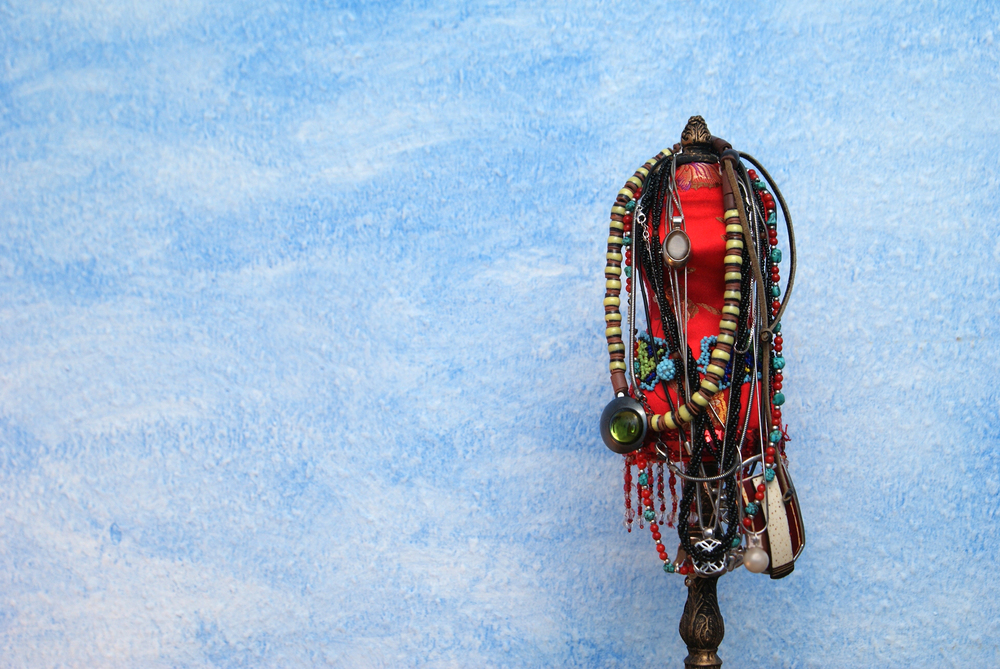
These trade systems may seem bizarre now, but they made sense in their time and place. Before the concept of standardized money took off, people leaned into what they had—whether it was feathers, fish, or fermented grain. Each item tells a story about what mattered to a culture and how value was shaped by need, geography, and belief.
It’s a reminder that currency has never been about the material itself. It’s about trust, value, and shared systems—no matter how strange they might look in hindsight.
More from Go2Tutors!

- 16 Historical Figures Who Were Nothing Like You Think
- 12 Things Sold in the 80s That Are Now Illegal
- 15 VHS Tapes That Could Be Worth Thousands
- 17 Historical “What Ifs” That Would Have Changed Everything
- 18 TV Shows That Vanished Without a Finale
Like Go2Tutors’s content? Follow us on MSN.