17 Strange but True Facts About the Building of the Hoover Dam
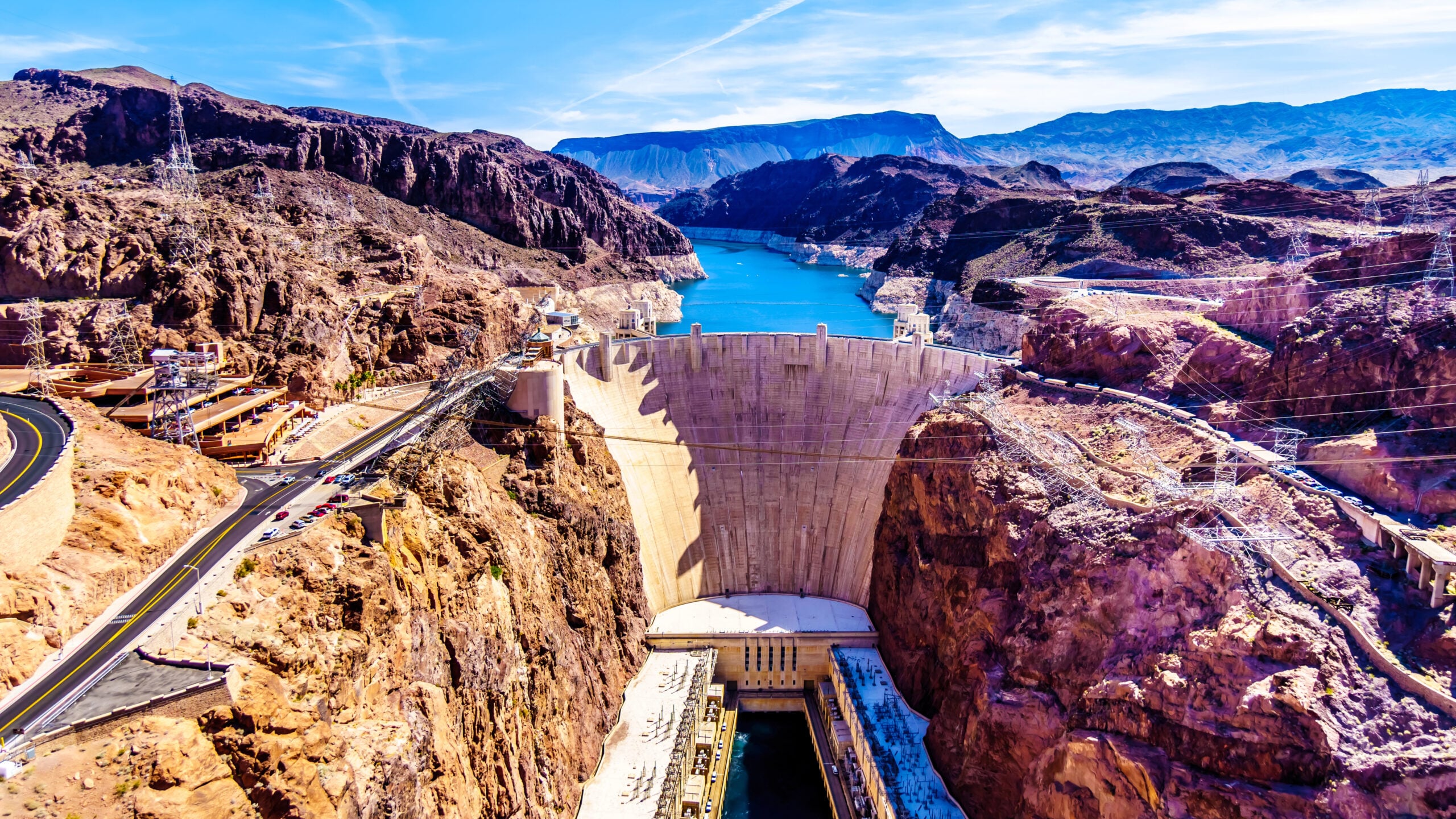
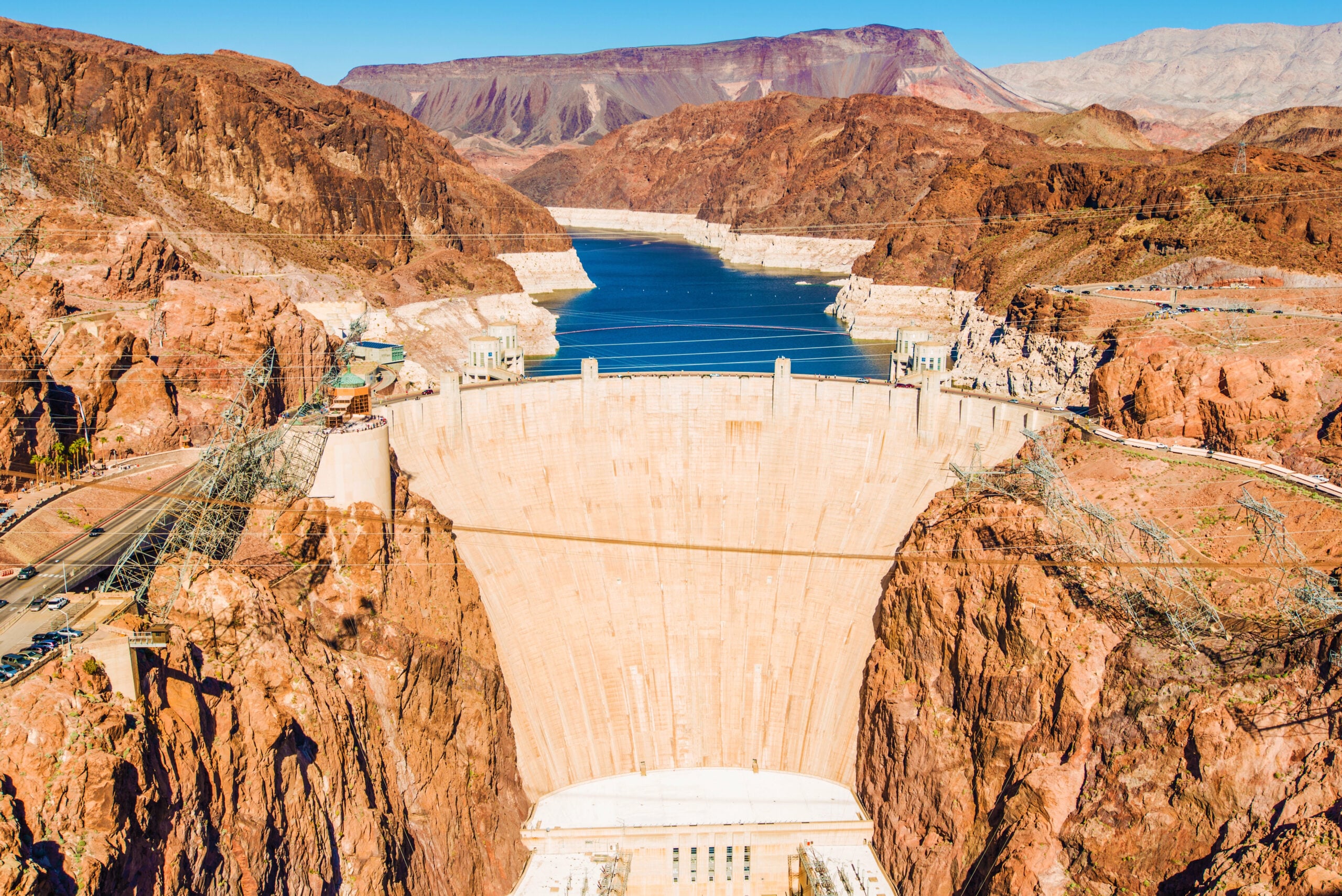
One of America’s greatest engineering feats is the Hoover Dam. It is a huge concrete arch-gravity construction that changed the American Southwest and tamed the untamed Colorado River.
This enormous structure, which was constructed between 1931 and 1936 during the Great Depression, stood for advancement and hope during one of the country’s most dire economic times. Its imposing walls and enormous turbines conceal an intriguing building tale of ingenuity, selflessness, and extraordinary human willpower.
These 17 odd but accurate facts regarding the construction of the Hoover Dam highlight the remarkable difficulties and unusual fixes that enabled this feat of engineering.
The First Casualty

The first person to die during the Hoover Dam project wasn’t a construction worker but a geological surveyor. J.G. Tierney fell from a barge while looking for an ideal spot to build the dam on December 20, 1922, years before construction officially began.
In a tragic coincidence, his son Patrick Tierney became the last official fatality when he fell from one of the intake towers exactly 13 years later to the day.
The Dam Has No Name
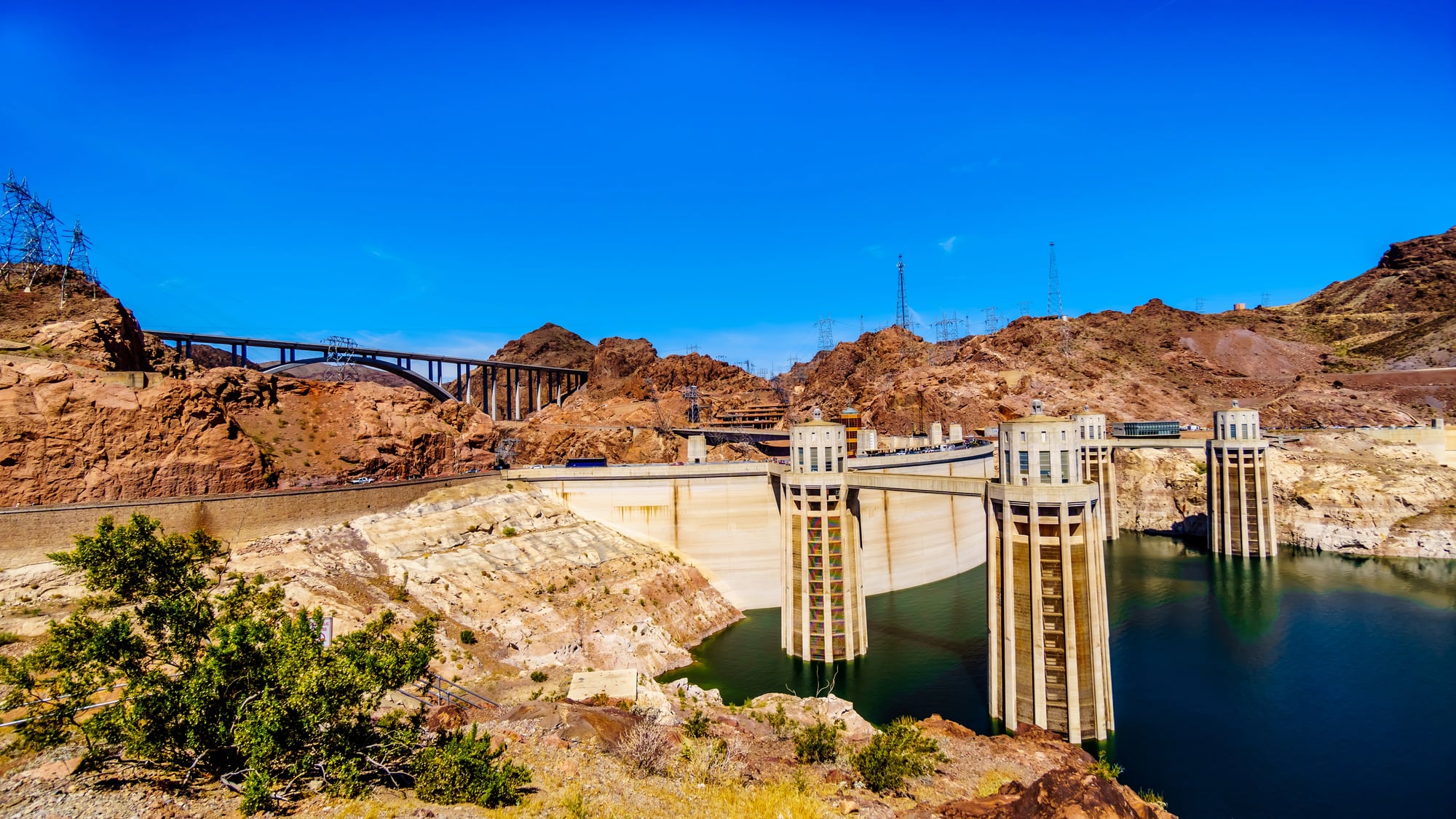
The massive structure wasn’t officially named Hoover Dam until 1947. When construction began, it was called Boulder Dam despite being built in Black Canyon, not Boulder Canyon as originally planned.
The name became a political football, with Secretary of the Interior Ray Lyman Wilbur naming it after sitting President Herbert Hoover in 1930, only to have it changed to Boulder Dam when Franklin Roosevelt took office. Congress finally settled the dispute by officially naming it Hoover Dam.
The Concrete Cooling System
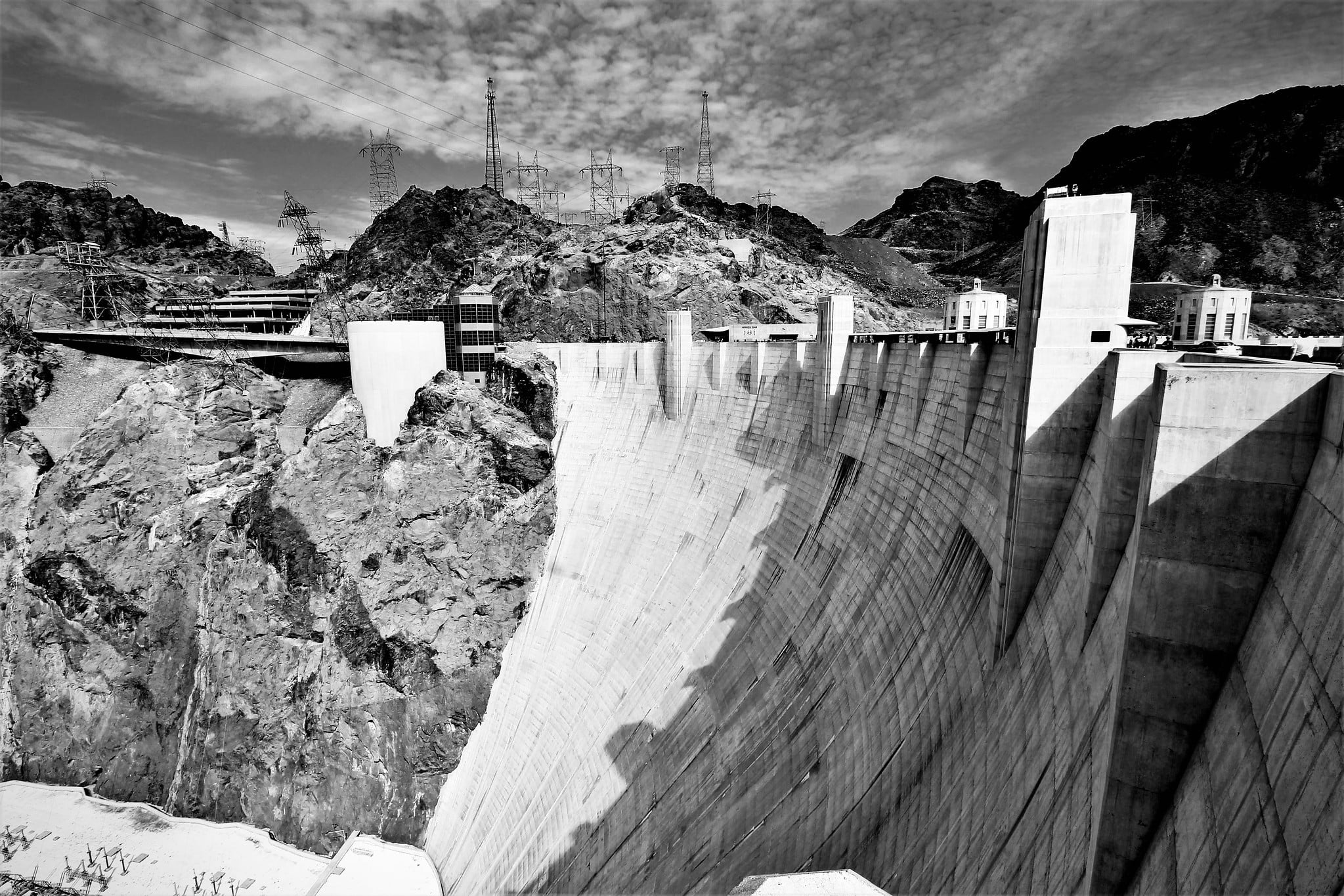
The concrete in the dam would have taken over 125 years to cool naturally. The heat generated by the chemical reaction as concrete cures would have caused the dam to crack and fail.
Engineers designed an innovative cooling system with over 582 miles of one-inch thin-walled steel pipes embedded through the structure. Cold water circulated through these pipes, allowing the concrete to cool in just two years instead of over a century.
The Hellish Working Conditions
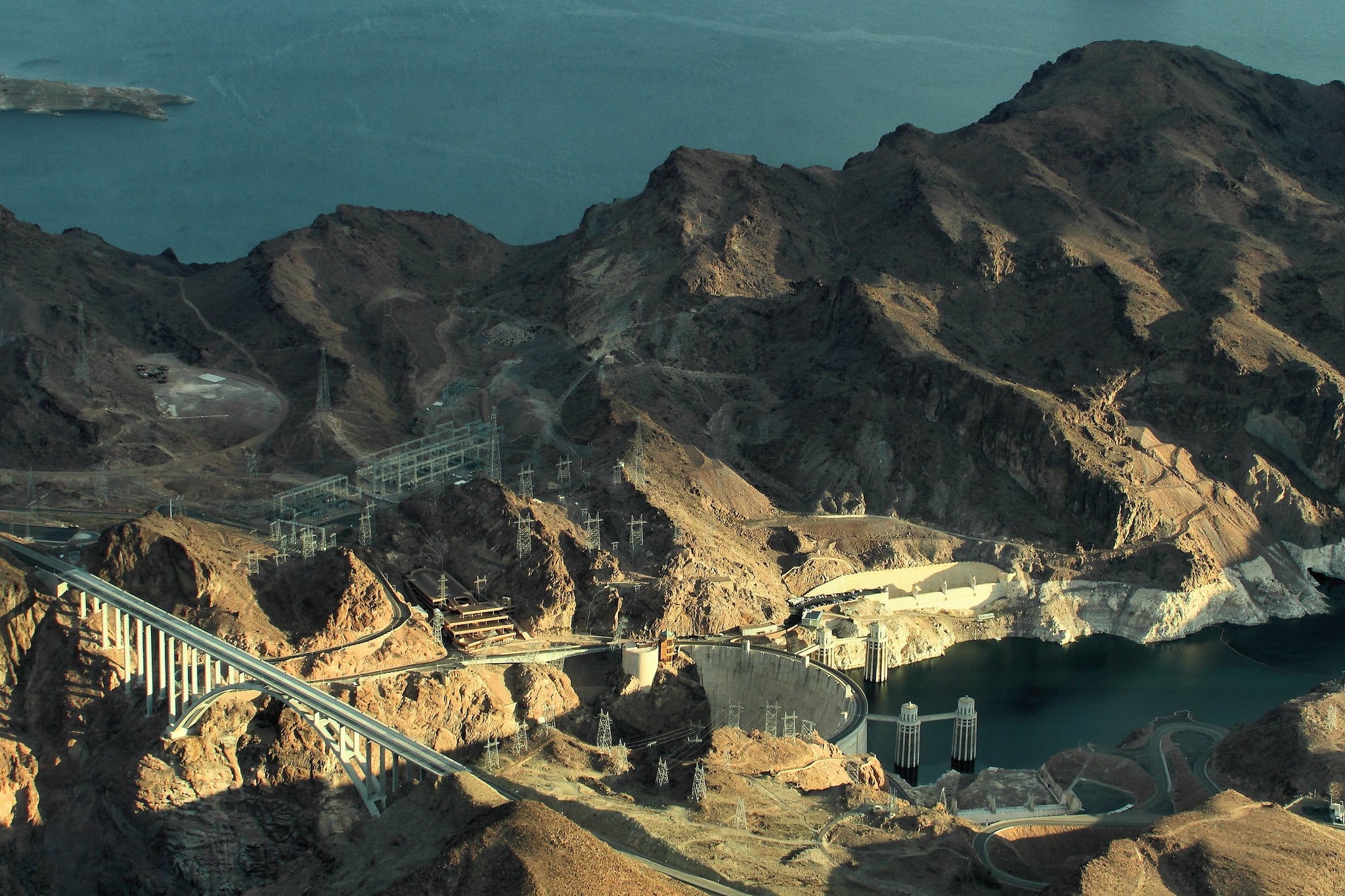
Workers toiled in temperatures reaching 140 degrees Fahrenheit inside the diversion tunnels. The combination of the naturally hot desert climate and the heat from the dynamite blasting created nearly unbearable conditions.
Many workers suffered from heat prostration, dehydration, and carbon monoxide poisoning from gasoline-powered equipment in the poorly ventilated tunnels, yet they kept working through these extreme conditions.
The Speed Record

The construction teams set world records for concrete placement. During peak production, a new pour started every 78 seconds, with crews working 24 hours a day.
Workers ultimately placed 3.25 million cubic yards of concrete, enough to build a two-lane highway from San Francisco to New York. This remarkable pace was essential to complete the massive project within the contracted timeframe.
The High Scalers
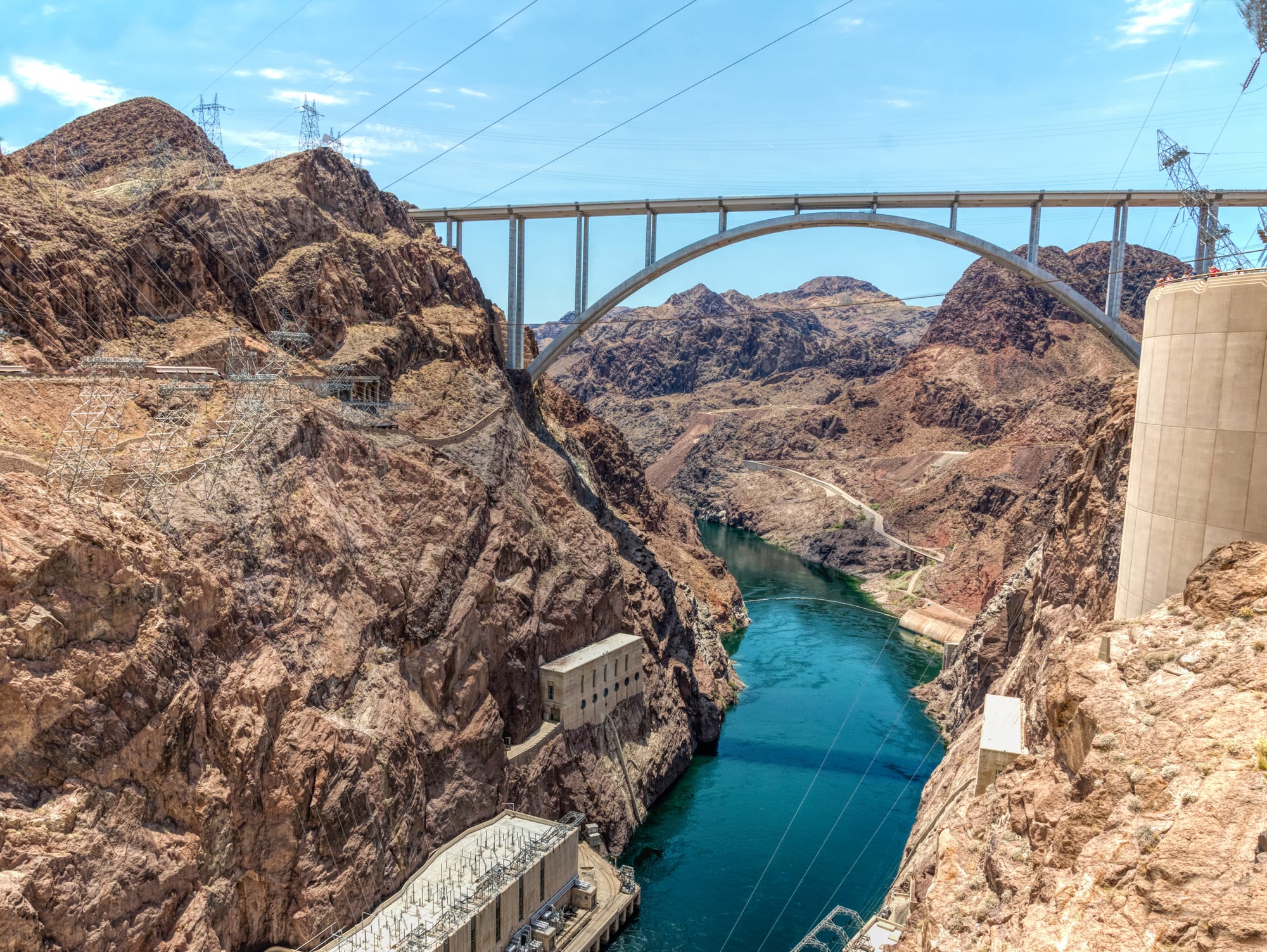
Among the most dangerous jobs were the ‘high scalers’ who dangled on ropes hundreds of feet above the canyon floor. These daredevil workers removed loose rock from the canyon walls using jackhammers and dynamite to prepare the surfaces for construction.
Many were former circus acrobats and sailors experienced with ropes, and they developed specialized techniques and equipment, including creating the first hard hats by coating cloth caps with tar.
The Death Toll Mythology
Contrary to popular belief, no workers were buried alive in the concrete. The persistent myth that bodies remain entombed in the dam is physically impossible because concrete was poured in relatively thin layers and continuously monitored.
The official death count stands at 96, though some historians argue the actual number may be higher due to deaths from pneumonia and other conditions not directly classified as construction accidents.
The Six Companies Consortium

The dam wasn’t built by the government but by a consortium called Six Companies, Inc. This group of construction companies joined forces because no single company had the resources to secure the $49 million performance bond required for the project.
The consortium included Utah Construction Company, Pacific Bridge Company, Henry J. Kaiser, and Bechtel, with the project launching the careers of industry titans like Henry Kaiser and Stephen Bechtel.
The Dam’s Own City

The government built an entire city just for the dam workers. Boulder City, Nevada was constructed from scratch in the desert to house the thousands of workers and their families.
Unlike typical boom towns, Boulder City was carefully planned with parks, churches, and schools. It was a federal reservation where alcohol and gambling were prohibited, making it a stark contrast to nearby Las Vegas, which flourished as workers sought entertainment on their days off.
The Innovative Cableways
Engineers developed a system of overhead cableways to move materials that resembled massive ski lifts. These aerial tramways could carry up to 25 tons of materials across the canyon with precision placement.
The cableway system included 12 miles of freezer-quality steel wire rope and was so efficient that buckets of concrete could be placed exactly where needed without touching human hands after loading.
The Diversion Tunnels

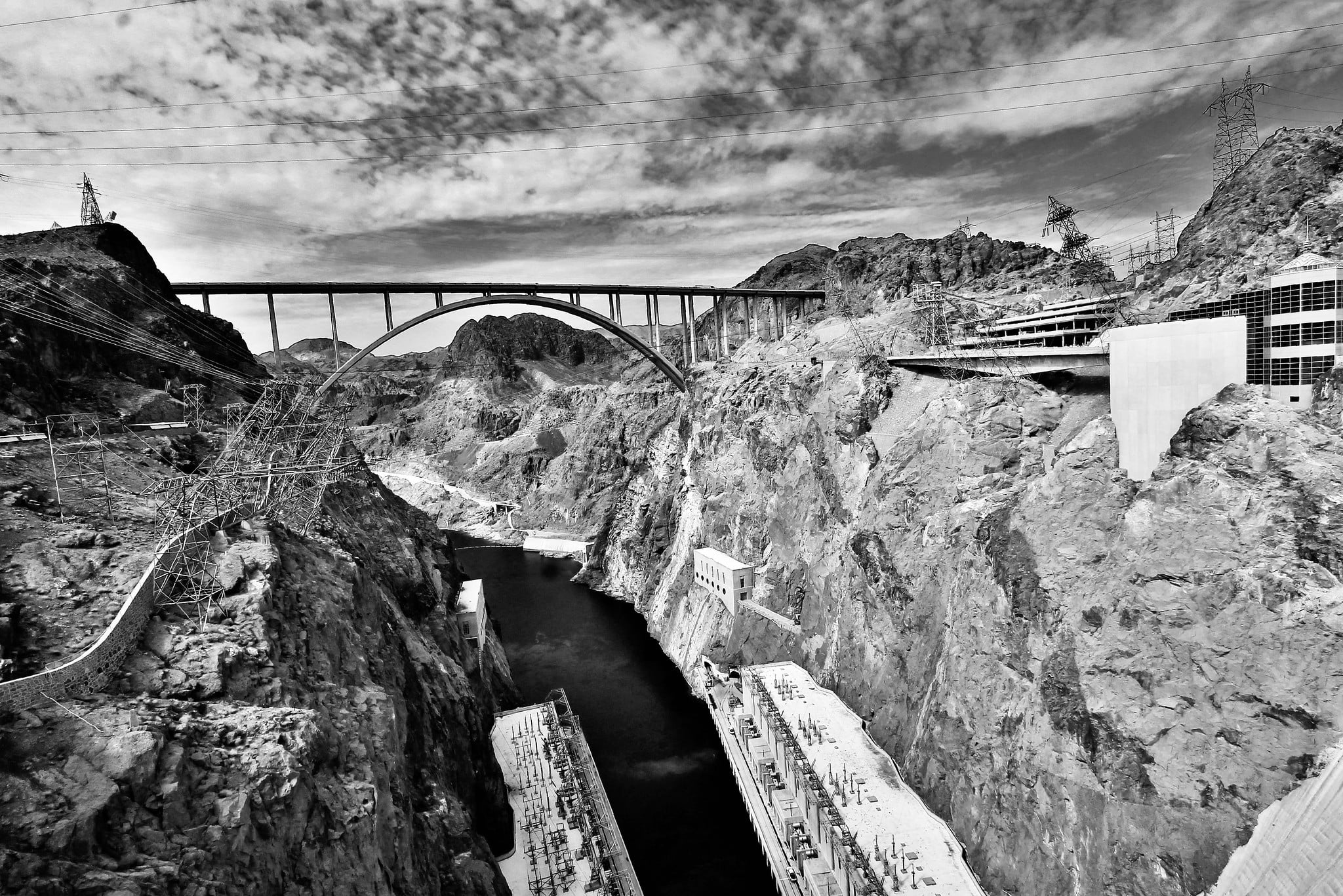
Before dam construction could begin, the Colorado River had to be diverted through four massive tunnels. Each tunnel measured 56 feet in diameter and extended 4,000 feet through the canyon walls.
Miners removed over 1.5 million cubic yards of rock for the tunnels, with each blast advancing progress by merely 10-15 feet. The tunnels themselves were monumental engineering achievements, completed months ahead of schedule despite the challenging conditions.
The Concrete Recipe

Engineers developed a specialized concrete mixture specifically for the dam. The concrete contained aggregates ranging from sand-sized particles to 9-inch stones, creating a texture similar to chunky peanut butter.
The mix was delivered to the site in special rail cars with external cooling, then transported by aerial cableways in 8-cubic-yard buckets that weighed 20 tons when full.
The Deadly Carbon Monoxide
Carbon monoxide poisoning claimed more lives than falling accidents. The exhaust from gasoline-powered equipment created deadly conditions in the diversion tunnels, with many workers succumbing to the invisible killer.
After multiple fatalities, engineers installed a ventilation system that completely replaced the air in the tunnels every four minutes. This system eventually became the standard for tunnel construction worldwide.
The Innovative Power System
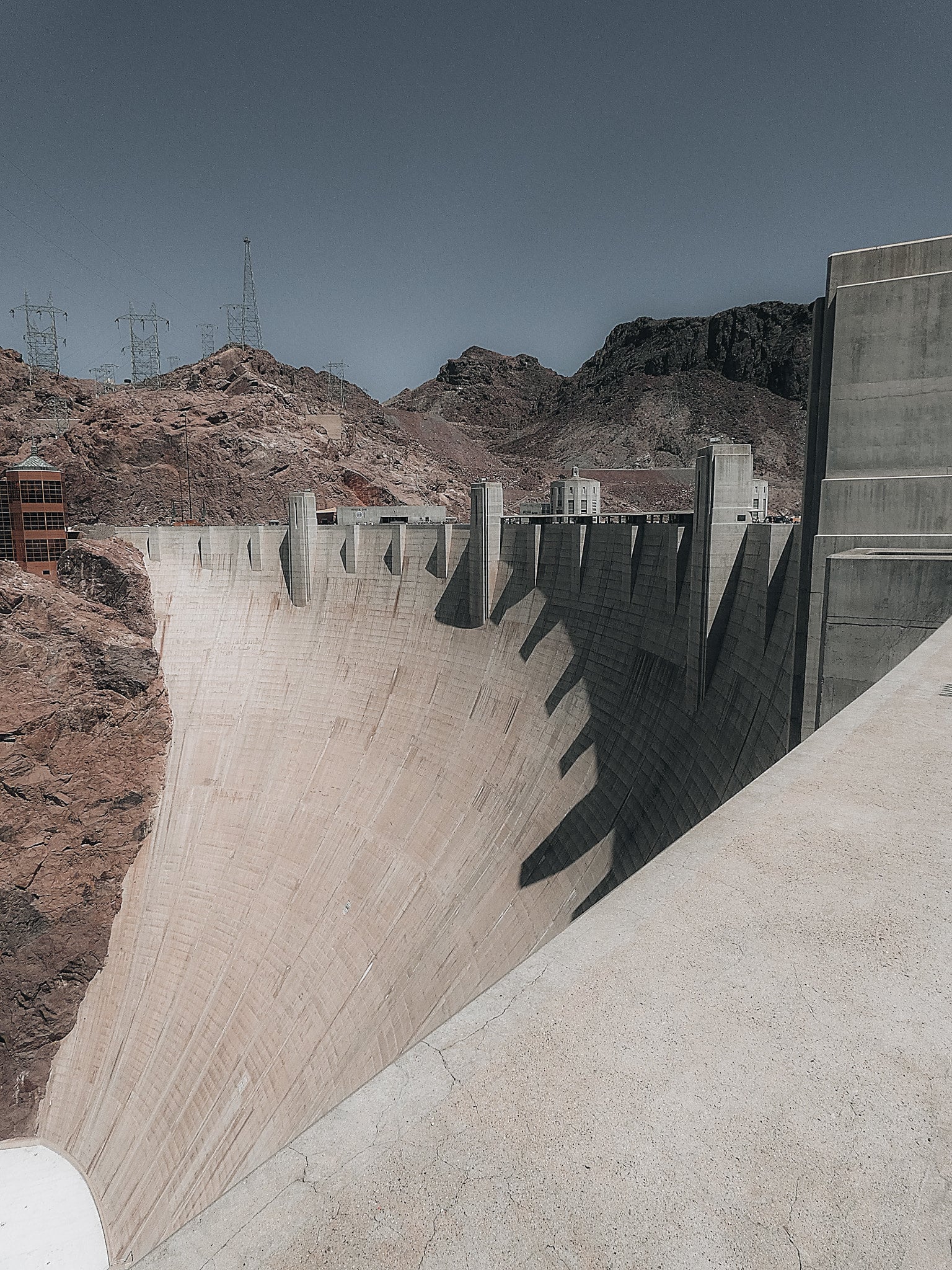
The dam’s power plant featured the largest generators ever built at that time. Each of the 17 main generators weighed 4 million pounds and produced enough electricity to power a city of 100,000 people.
The Francis turbines were so massive that special railroad cars had to be built just to transport the components to the site. Engineers had to develop new methods for insulating and cooling these enormous electrical systems.
The Depression Workforce
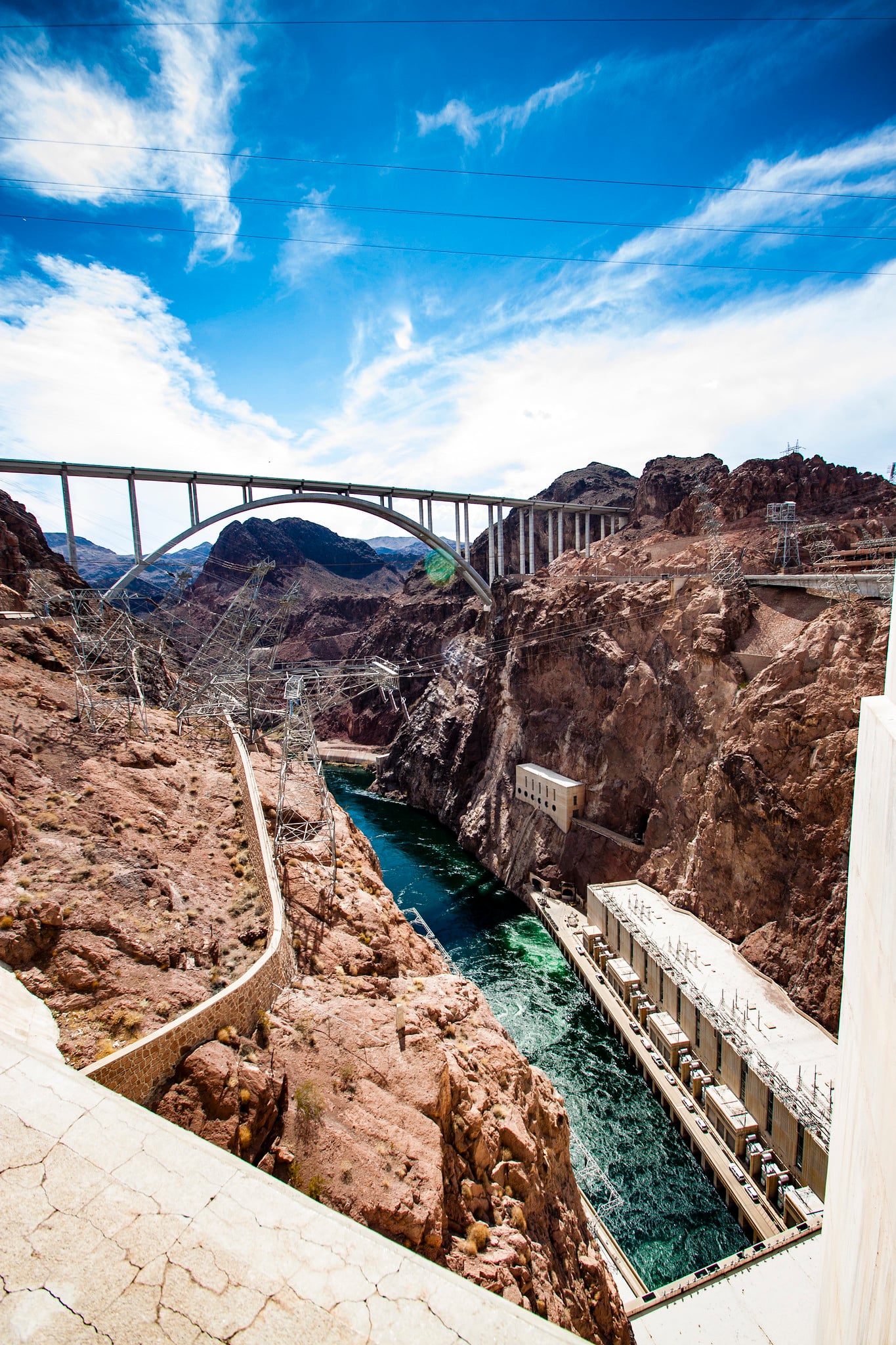
Nearly 5,000 people worked on the dam at peak construction, with men coming from all over America seeking employment. The project provided desperately needed jobs during the Great Depression, with workers earning an average of $4 per day (equivalent to about $80 today).
Competition was so fierce that thousands of desperate men and their families camped in the desert hoping to be hired, creating a humanitarian crisis that eventually required federal intervention.
The Mob Connection

Las Vegas grew from a tiny railroad town into an entertainment center because of the dam project. Workers seeking entertainment and escape from dry Boulder City flocked to Las Vegas on paydays.
This influx of thousands of men with cash in their pockets attracted organized crime figures who established gambling operations and speakeasies. The foundations of modern Las Vegas were literally built on Hoover Dam payrolls.
The Art Deco Styling
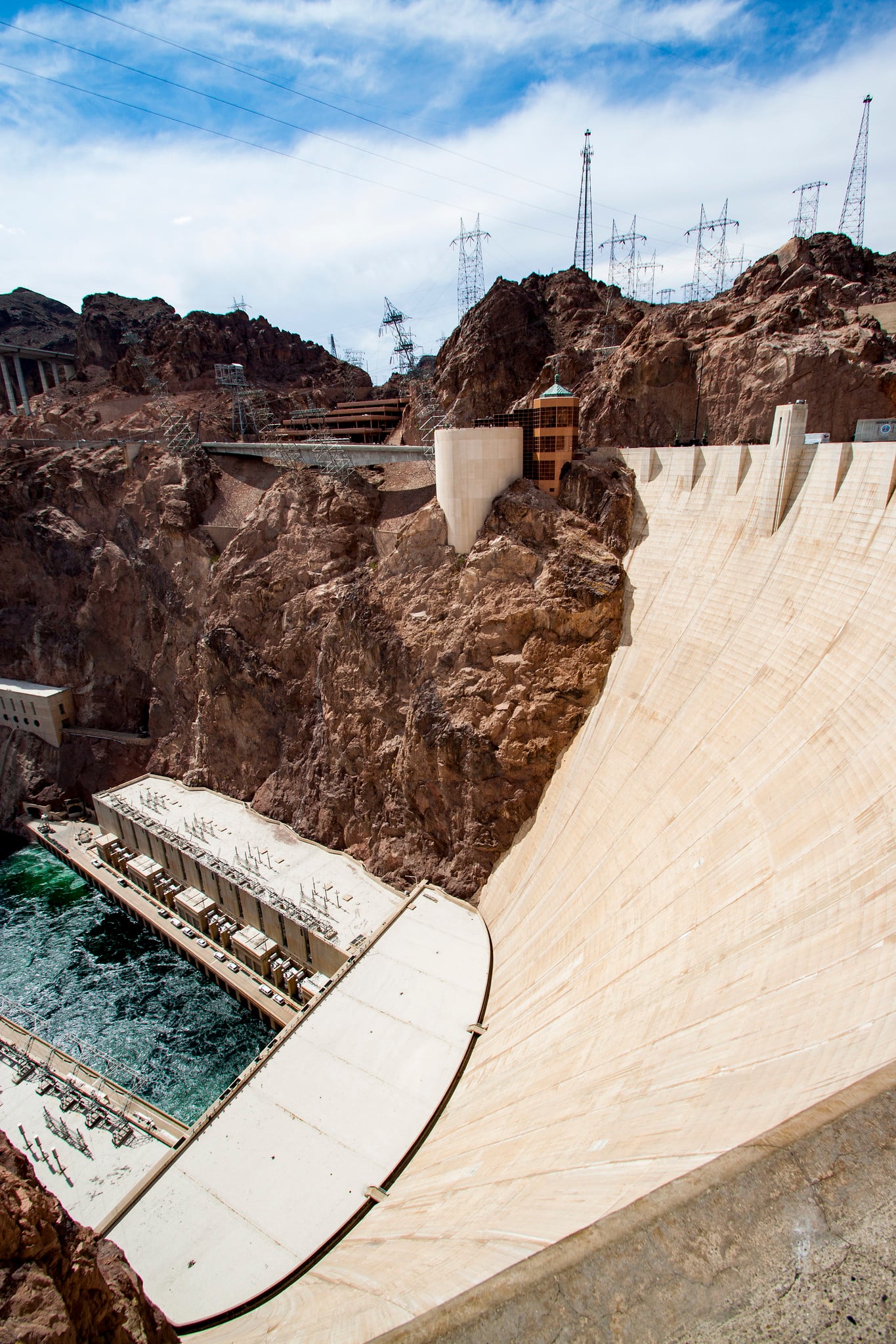
The dam has important aesthetic components in addition to being a useful construction. The government hired sculptor Oskar J.W. Hansen, who was born in Norway, to build the monument plaza and artist Allen Tupper True to design the terrazzo floors.
With geometric patterns covering the intake towers, spillways, and power plant, the edifice features Art Deco styling throughout. Cast in bronze, the well-known winged sculptures at the monument plaza symbolize “the spirit of man to accomplish things.”
The Lasting Legacy
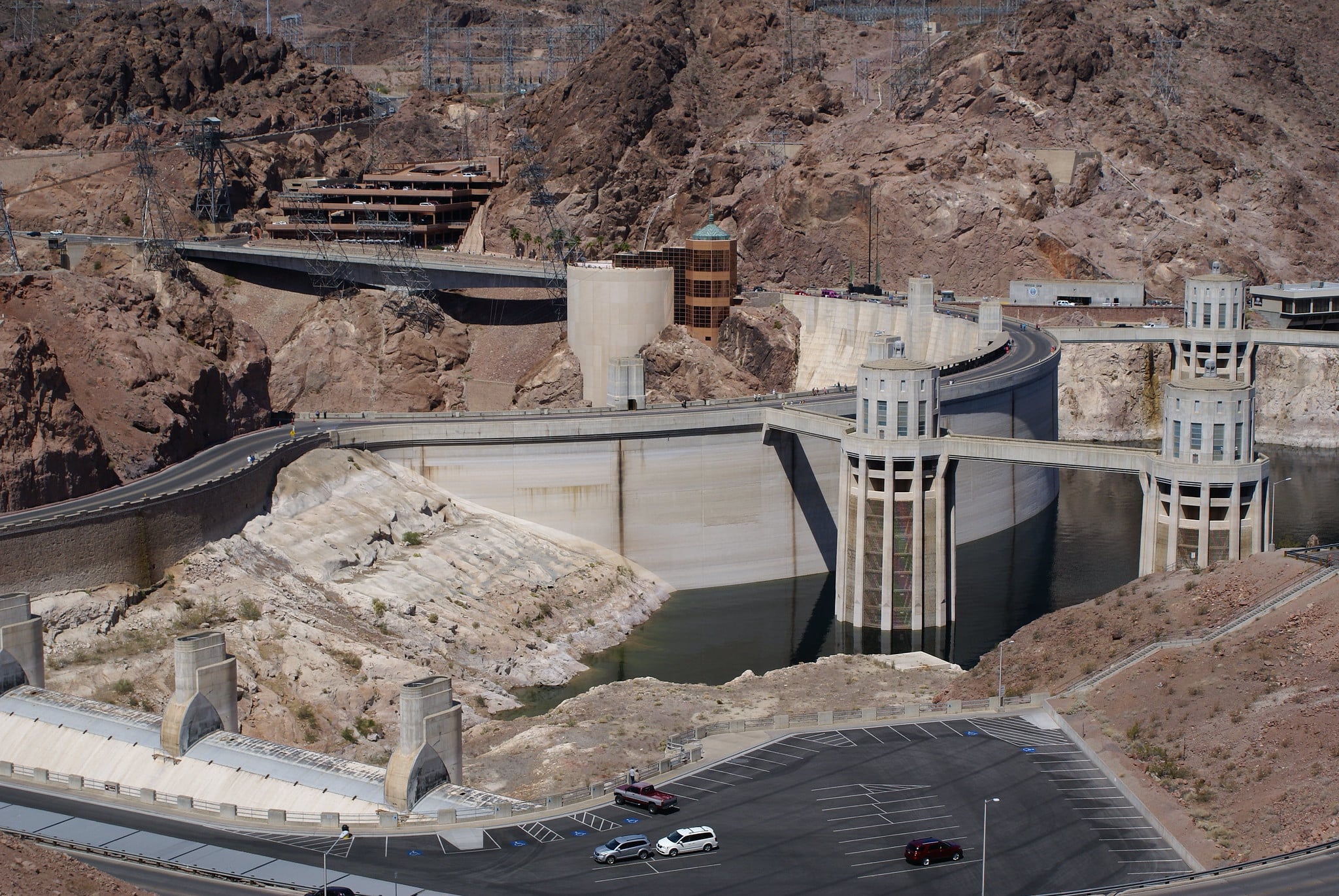
The Hoover Dam transformed the American Southwest in ways its builders could never have imagined. Beyond flood control and power generation, the dam created Lake Mead, America’s largest reservoir, which provides water for 25 million people across multiple states.
This massive infrastructure project demonstrated America’s capacity to overcome tremendous challenges through engineering innovation and human determination. The techniques pioneered during its construction continue to influence modern dam building worldwide, making the Hoover Dam not just a historical landmark but a living testament to American ingenuity.
The construction of the Hoover Dam represents one of humanity’s most impressive feats of engineering and collective effort. What began as a desperate measure to control flooding and provide jobs during the Depression evolved into a symbol of national pride and technological achievement.
Though built nearly a century ago, the dam continues to shape the Western United States, providing power, water, and recreation while standing as a monument to human perseverance in the face of seemingly impossible challenges.
More from Go2Tutors!

- The Romanov Crown Jewels and Their Tragic Fate
- 13 Historical Mysteries That Science Still Can’t Solve
- Famous Hoaxes That Fooled the World for Years
- 15 Child Stars with Tragic Adult Lives
- 16 Famous Jewelry Pieces in History
Like Go2Tutors’s content? Follow us on MSN.



