15 Foods That Were Once Illegal to Own
Believe it or not, some of the foods sitting in your fridge or pantry today were, at one point, banned. Not just frowned upon—actually illegal to buy, own, or eat. Some bans were based on public health concerns. Others? Just politics, economic pressure, or flat-out overreactions. Whatever the reason, these foods have some strange stories behind them.
Here’s a list of 15 foods that were once illegal to own. Some of them you’ve probably eaten this week. Others might still be off-limits in certain places.
Margarine
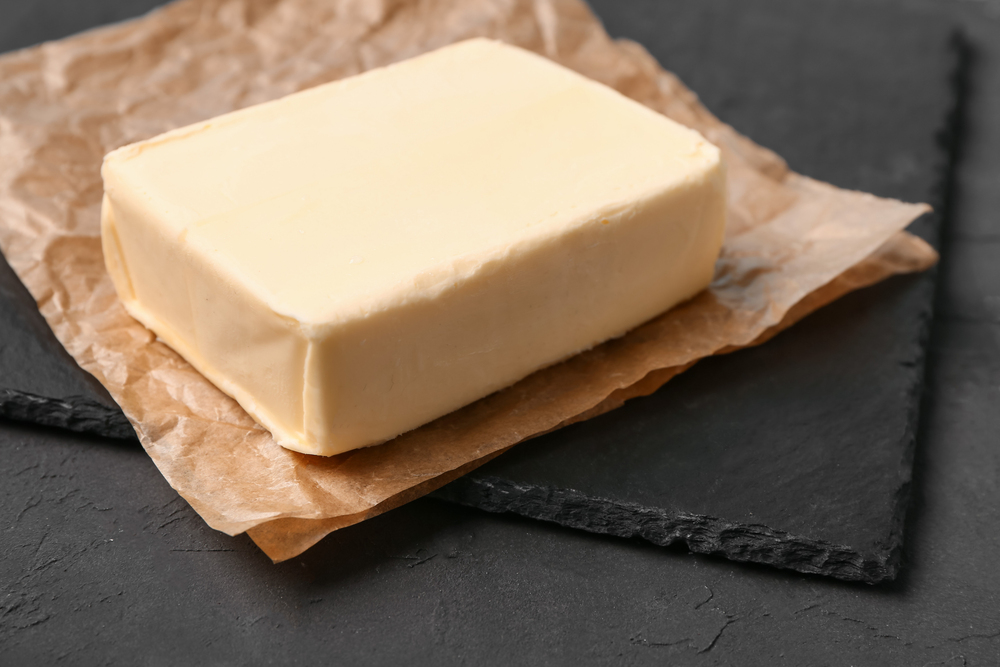
Margarine might seem boring now, but back in the late 1800s and early 1900s, it was basically treated like a criminal. Dairy farmers were livid about this butter alternative cutting into their profits.
So much so that they pushed lawmakers to ban it—or at least make it look less appetizing. Some states even forced manufacturers to dye it bright pink, which definitely didn’t help its appeal.
Absinthe
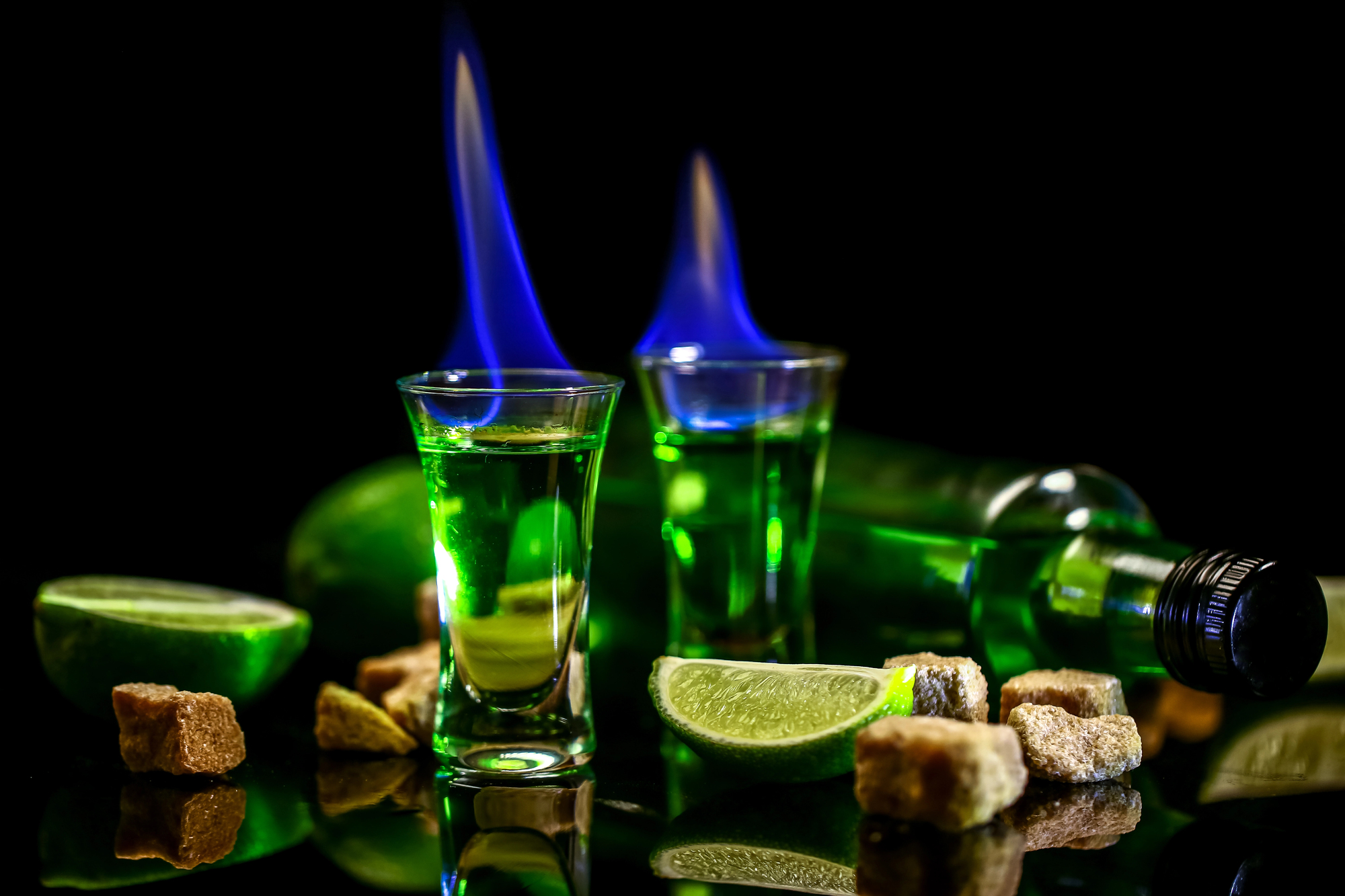
Absinthe has always had this mysterious, slightly shady vibe—and that’s thanks to a major freak-out in the early 20th century. People thought it made you hallucinate, lose your mind, or worse.
It was even blamed for violent crimes and madness. The real problem? It was super strong booze with a reputation that made it an easy target.
Like Go2Tutors’s content? Follow us on MSN.
Foie Gras
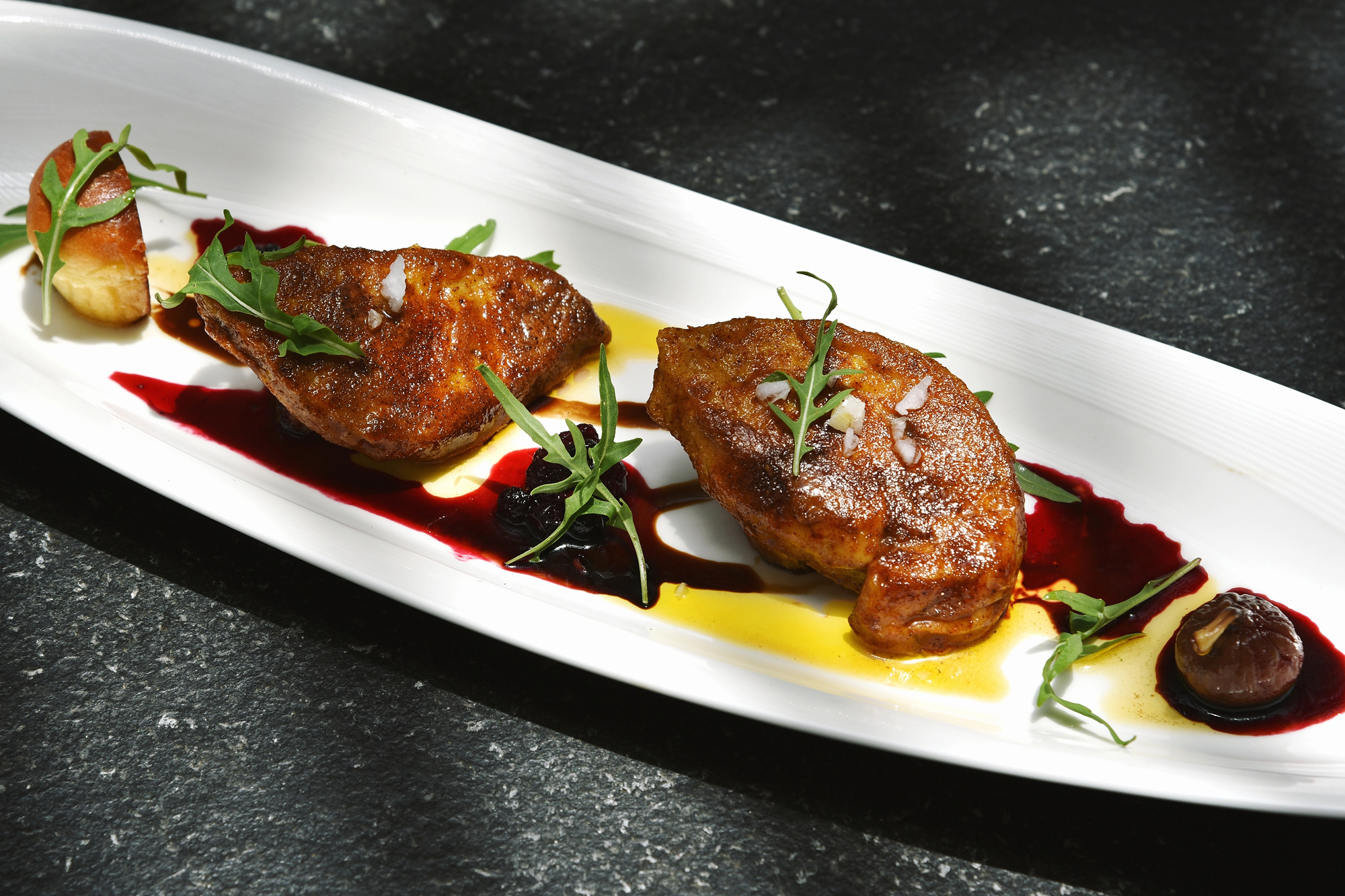
Foie gras—fancy, rich, and super controversial. It’s made by force-feeding ducks or geese to fatten up their livers, which doesn’t sit well with a lot of animal welfare advocates.
In California, selling foie gras was banned for years. It also faced legal restrictions in parts of Europe.
Raw Milk
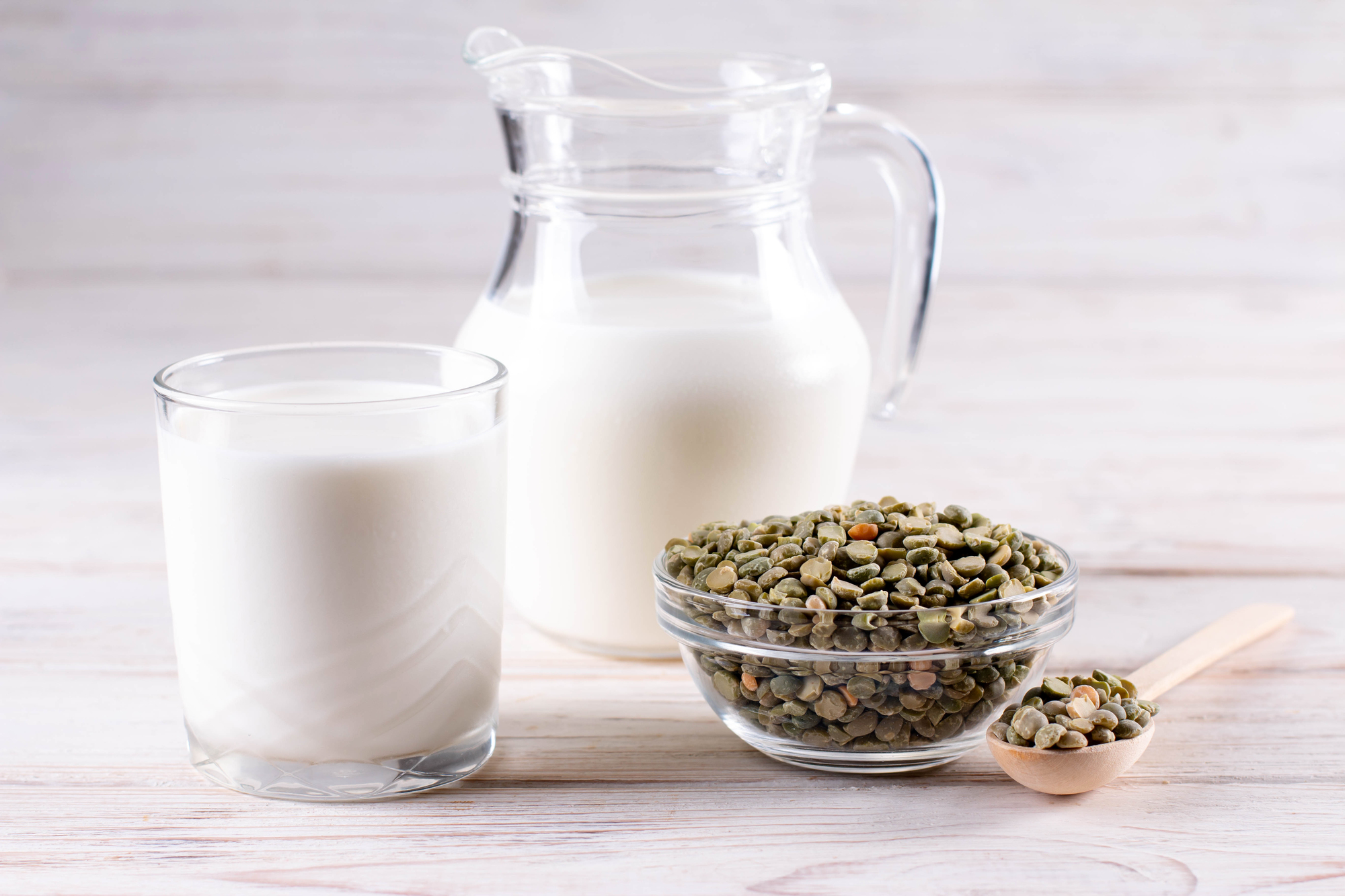
Raw milk sounds pretty wholesome—unprocessed, straight from the cow. But it’s been banned in many states because it can carry harmful bacteria like E. coli and listeria.
The FDA won’t let you sell it across state lines, and some states don’t allow it to be sold at all. Supporters say it tastes better and has health benefits that pasteurized milk doesn’t.
Haggis
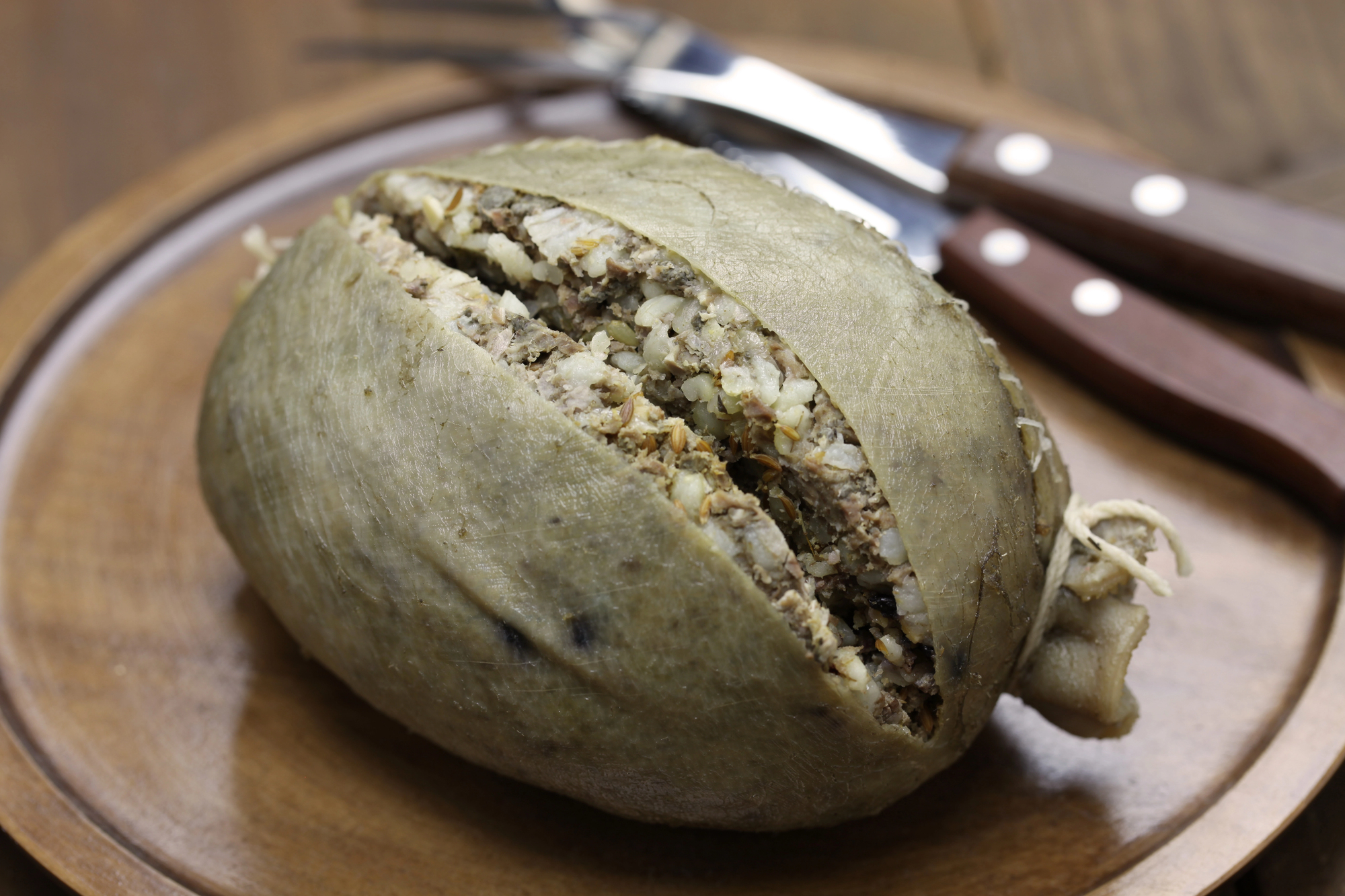
If you’ve ever tried to import authentic haggis into the U.S., you probably hit a wall. That’s because it contains sheep lungs—a no-go ingredient under FDA rules.
The ban’s been in place since the 1970s, making traditional Scottish haggis illegal here. The lung restriction was put in place for health reasons.
Like Go2Tutors’s content? Follow us on MSN.
Kinder Surprise Eggs
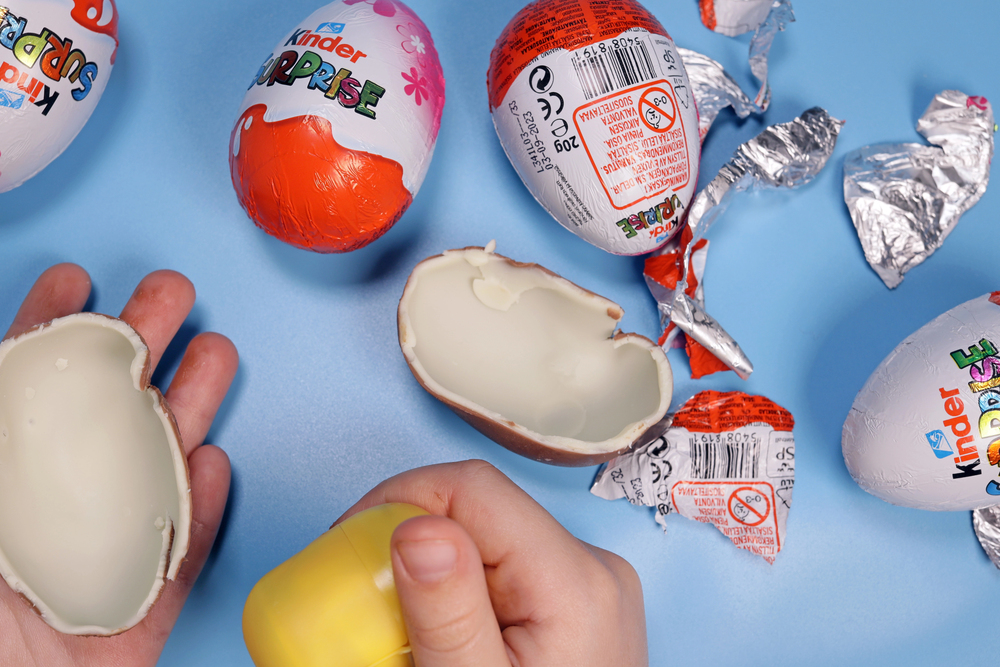
These little chocolate eggs with a toy inside are perfectly legal in most of the world… except they were banned in the U.S. for decades. Why? Because of a law that says you can’t embed non-food items inside food.
Apparently, the toy inside the egg was considered a choking hazard. U.S. Customs even confiscated thousands of them from travelers every year.
Poppy Seeds
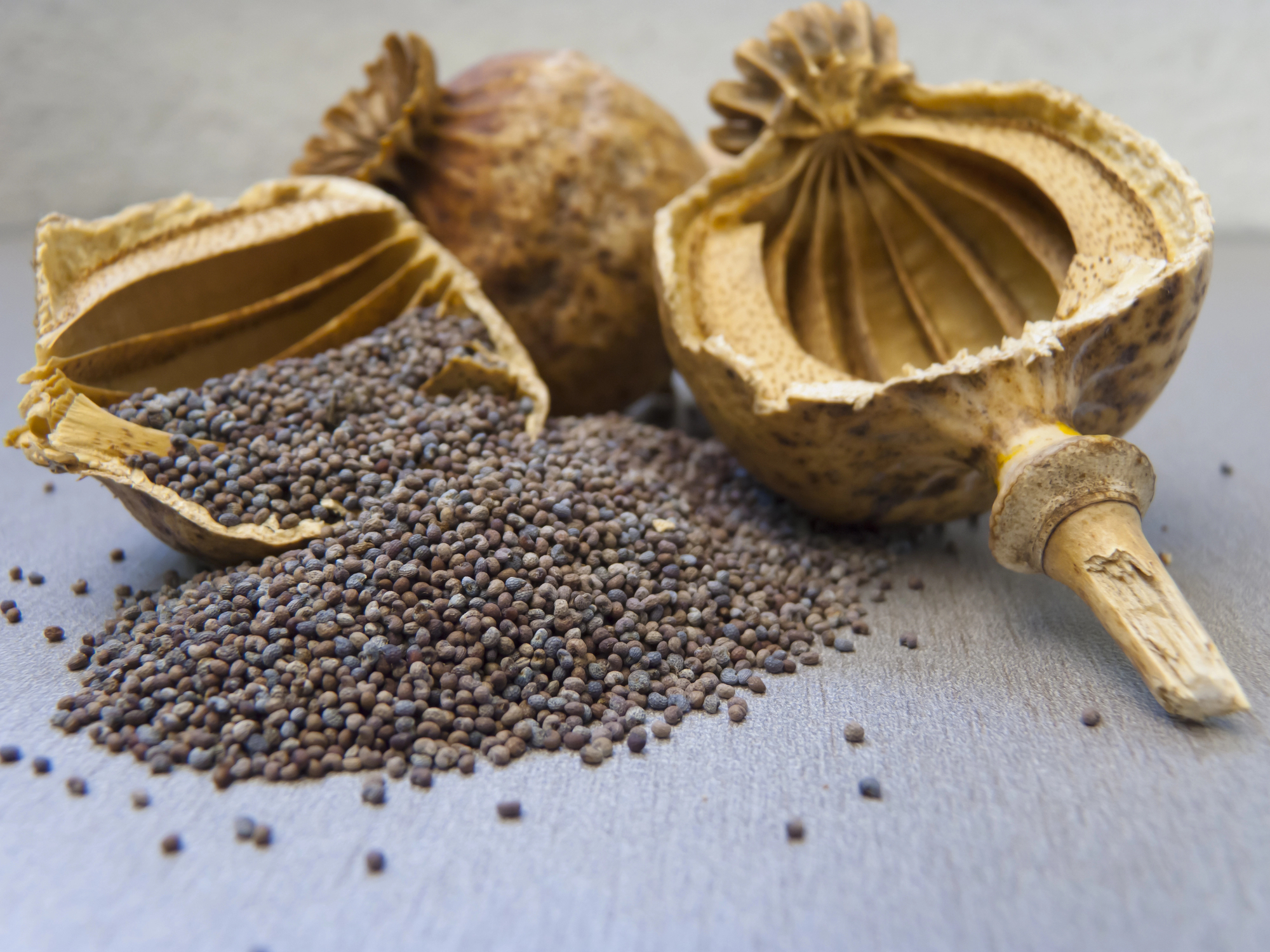
Poppy seeds themselves are legal in most places, but their connection to opium has made them a target over the years. In some countries, like Singapore or the UAE, they’ve been outright banned.
Even in the U.S., poppy seeds have caused problems—people have failed drug tests after eating poppyseed bagels. Customs agents have confiscated baked goods at airports just because of the seeds.
Horse Meat
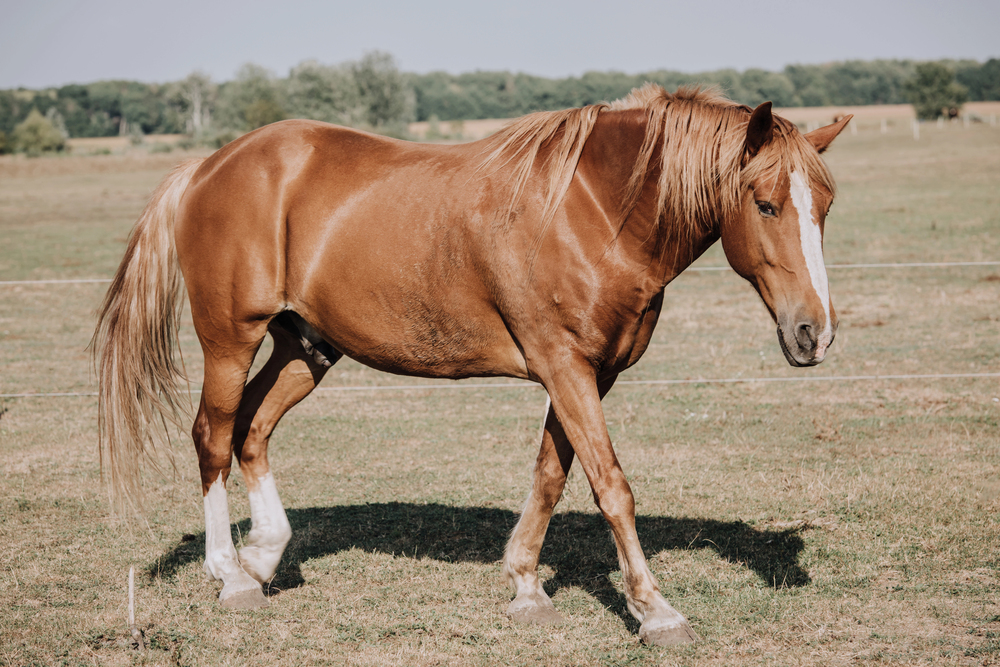
In many parts of the world, horse meat is just another protein. But in the U.S., the idea of eating horses strikes a nerve.
Slaughtering horses for human consumption has been banned in various forms since the early 2000s. Even though there’s no health risk, the taboo around it is strong enough to shape national policy.
Like Go2Tutors’s content? Follow us on MSN.
Fugu (Pufferfish)
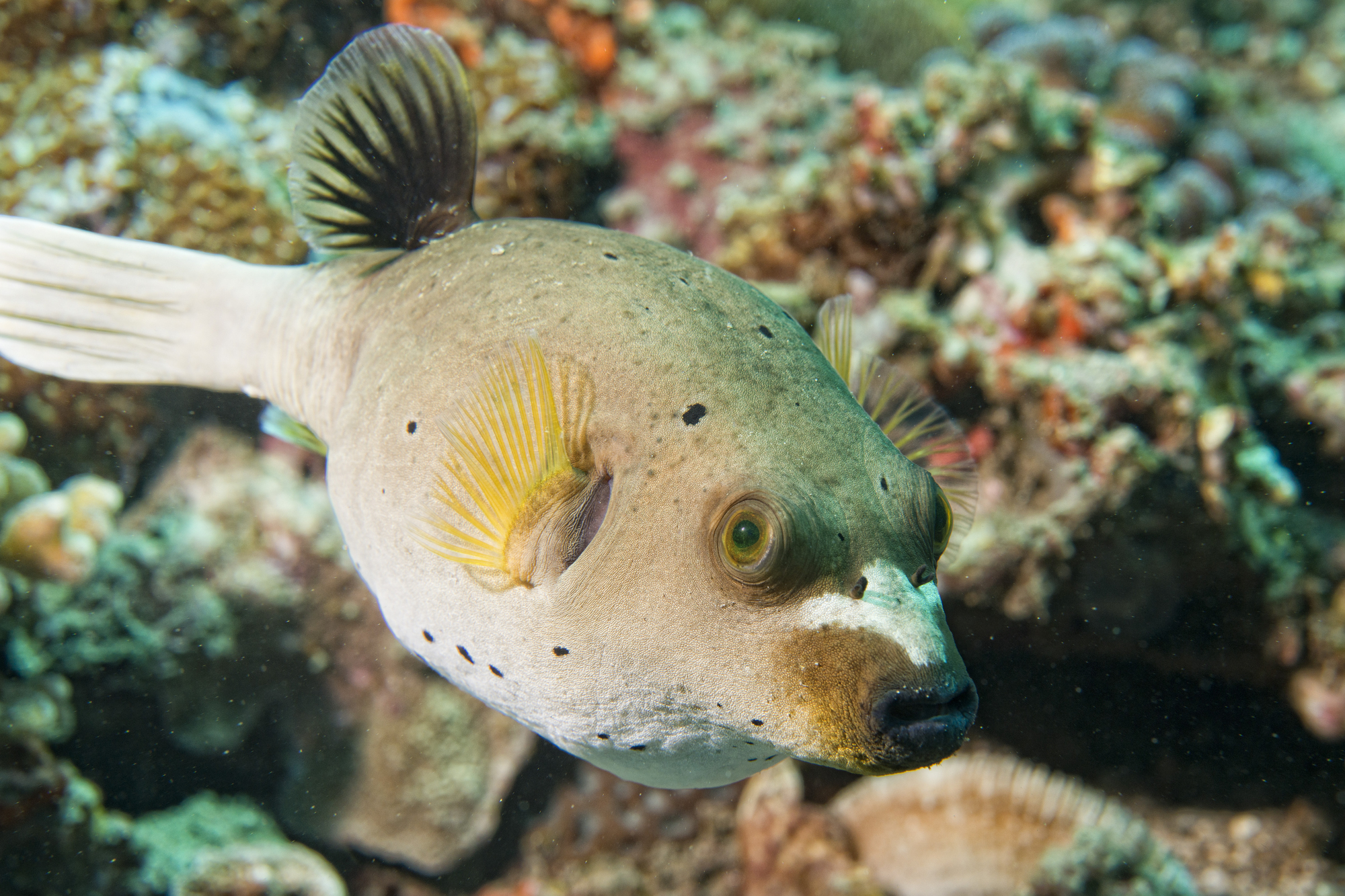
This delicacy from Japan is incredibly dangerous if not prepared correctly. One wrong slice, and the fish’s natural toxin—tetrodotoxin—can kill you.
Because of the risk, owning or serving fugu was banned in many places, including parts of the U.S. Only chefs with special certification can legally prepare it.
Blackcurrants
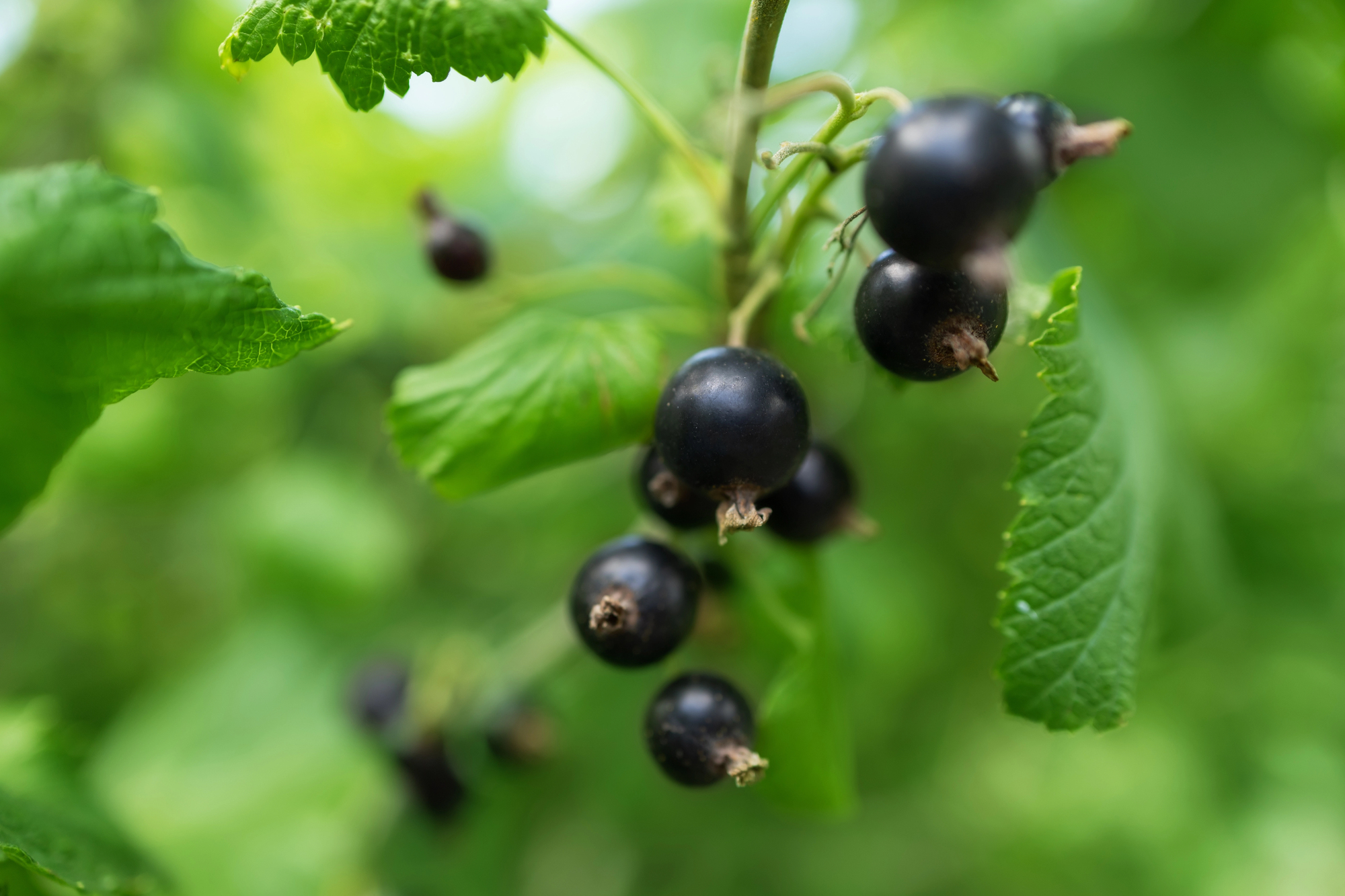
Blackcurrants were once completely banned in the U.S.—not because of the berries themselves, but because they helped spread a disease that harmed pine trees. In the early 1900s, the timber industry pushed for a ban to protect forestlands.
The ban lasted for nearly a century. Some states have relaxed the rules recently.
Sea Turtles
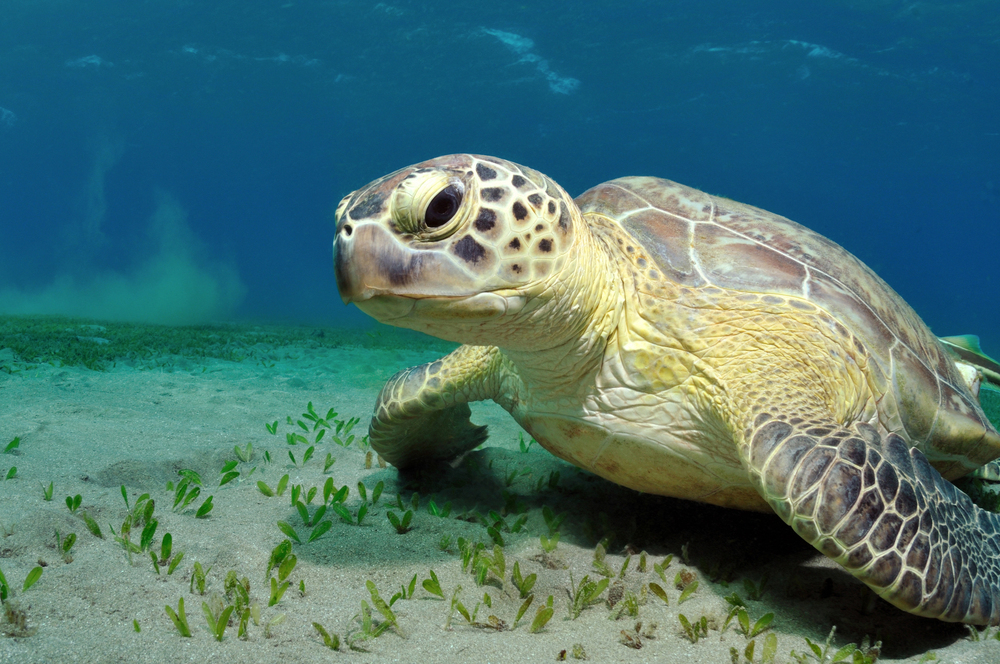
For centuries, sea turtle meat and eggs were a regular part of diets in many coastal regions. But with declining populations and conservation efforts kicking in, international laws now ban the hunting, selling, and owning of sea turtles and their eggs.
It’s still considered a delicacy in some cultures, but owning it could land you in legal trouble in most parts of the world.
Like Go2Tutors’s content? Follow us on MSN.
Shark Fins
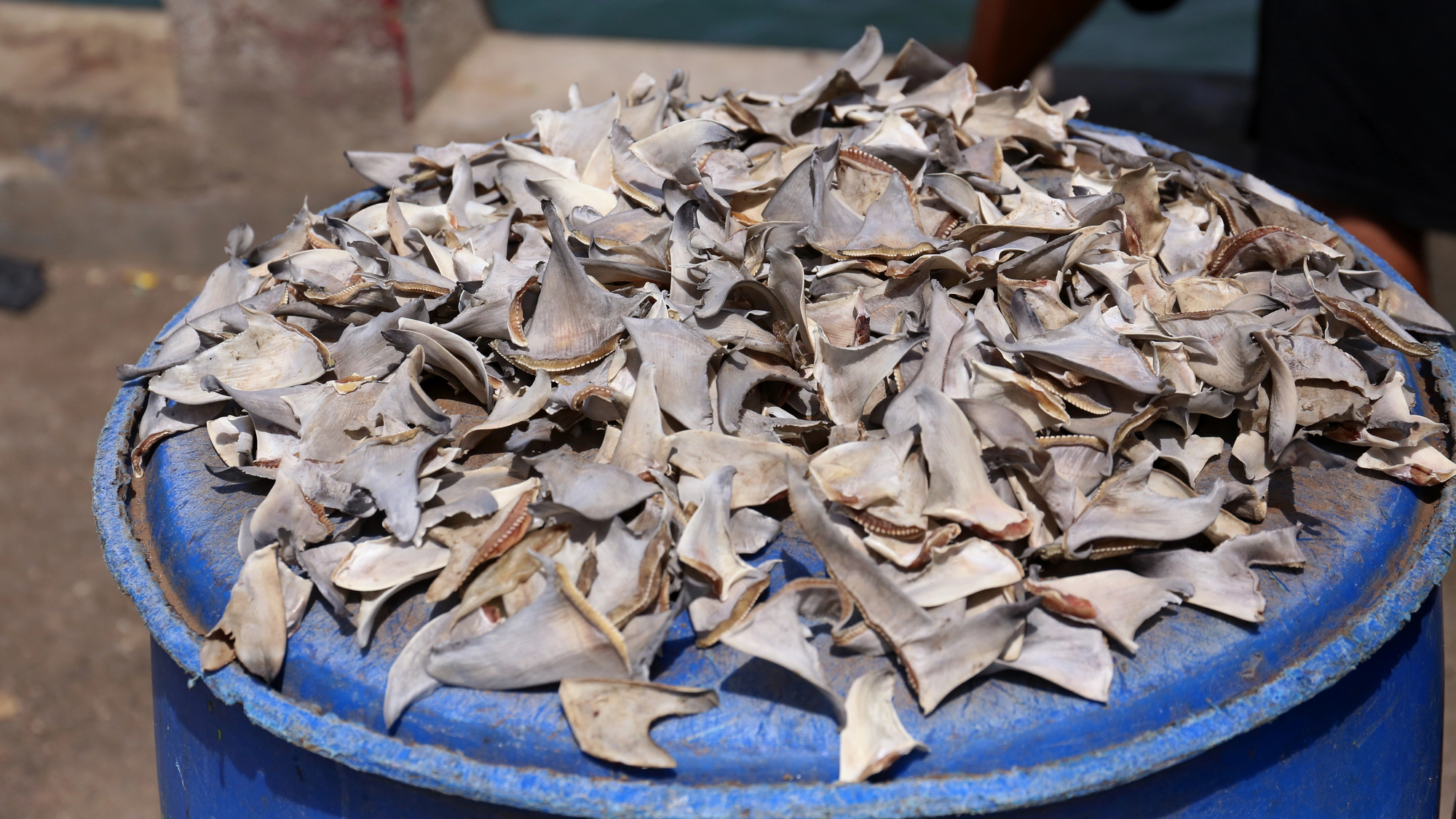
Shark fin soup has been a prized dish in some Asian cultures for centuries, but the way fins are harvested—often involving slicing them off live sharks—sparked outrage. Several U.S. states and countries have banned the possession or sale of shark fins to protect shark populations.
It’s one of those cases where cultural tradition clashed hard with environmental ethics.
Sweets During Lent
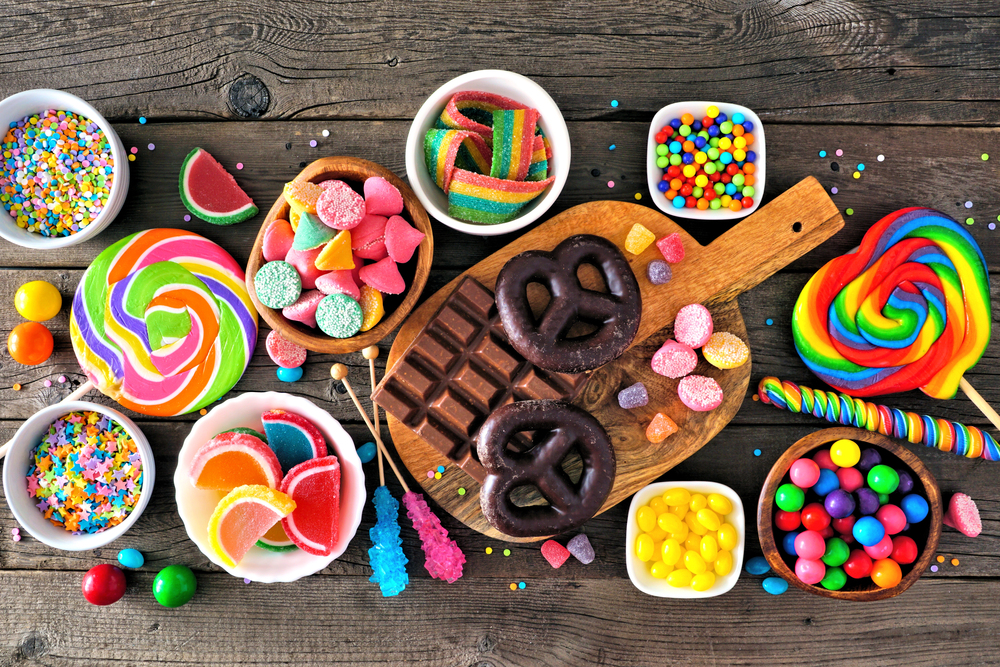
In some old-school European towns, strict religious rules banned sweets during Lent. Bakeries had to shut down or hide what they were making, and owning sweets could get you into real trouble.
It wasn’t just about skipping dessert—it was about showing piety. The laws weren’t permanent, but for weeks at a time, candy and baked goods were basically contraband.
Caffeinated Beverages
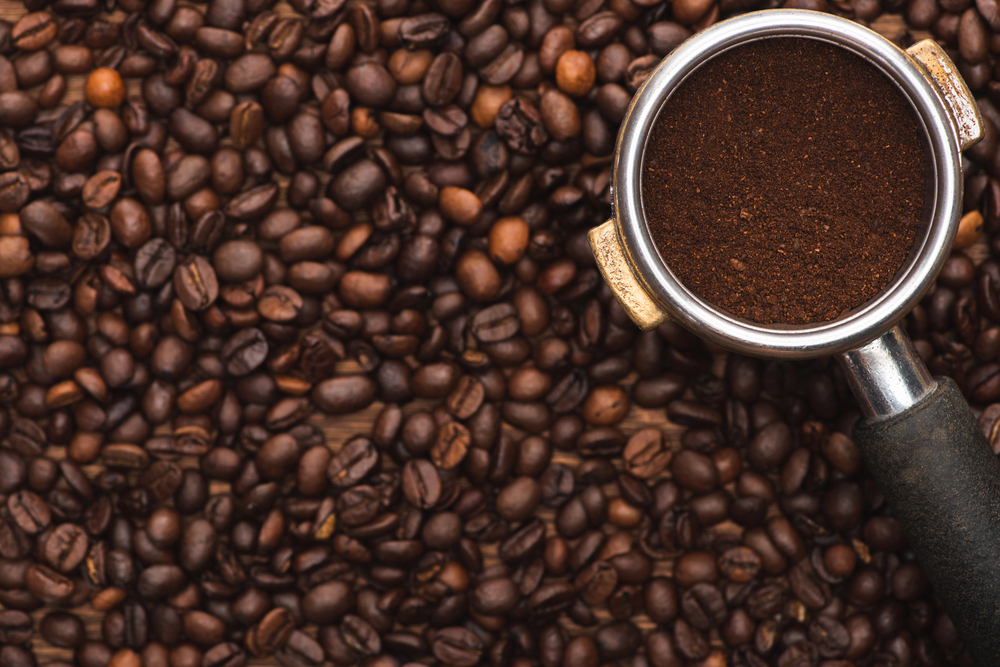
Coffee and tea haven’t always been so innocent. In the 1700s, governments in Sweden, Prussia, and even the Ottoman Empire cracked down on caffeine.
Coffeehouses were seen as hotbeds for rebellious talk, and rulers worried that too much caffeine was making people a little too lively. At one point, even owning coffee beans could get you fined—or worse.
Like Go2Tutors’s content? Follow us on MSN.
Tomato Ketchup (In French School Cafeterias)
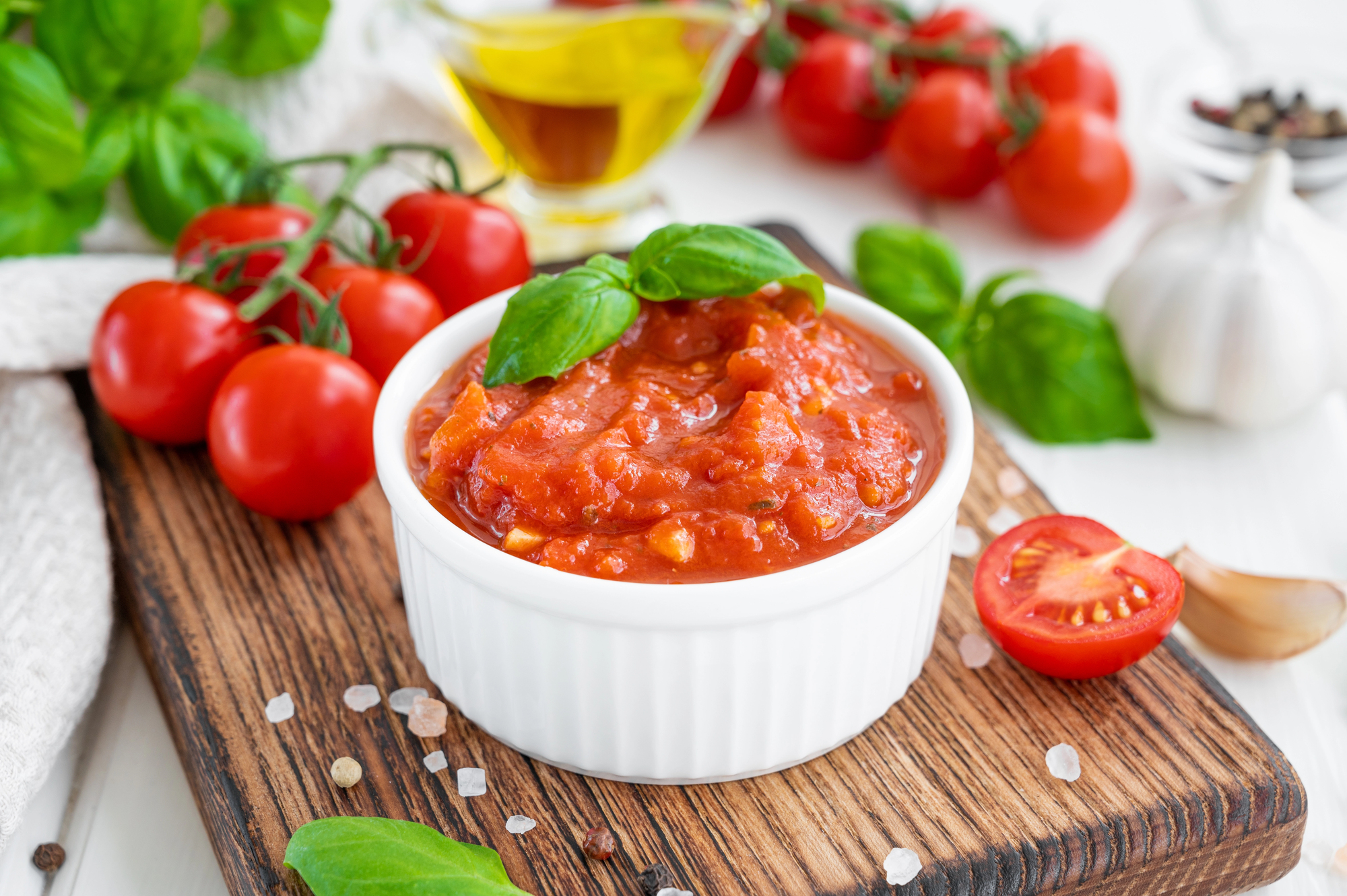
Okay, this one’s not a worldwide ban, but it’s too weird to leave out. In 2011, France banned ketchup in school cafeterias to preserve the integrity of traditional French cuisine.
They were worried kids were drowning everything in ketchup instead of appreciating real French food. You could still get it—with fries—but only in moderation.
When Food Laws Get Weird
Whether it was fear, politics, public health, or just cultural clashes, these foods show how what ends up on your plate has a whole lot of history behind it. Some bans made sense for the time—others were clearly overreactions.
But in every case, the rules reflected what people believed, feared, or prioritized at that moment in history. And it’s still happening.
What’s legal to eat today might be banned tomorrow, and what was once banned might be back in your shopping cart next year. Food is never just food—it’s tied to culture, industry, and power.
Even a simple bagel, an egg, or a glass of milk can come with a surprising legal backstory. So the next time you take a bite of something, just remember: at one point, someone somewhere might’ve gone to jail for having that exact snack.
Strange, but true.
More from Go2Tutors!

- 16 Historical Figures Who Were Nothing Like You Think
- 12 Things Sold in the 80s That Are Now Illegal
- 15 VHS Tapes That Could Be Worth Thousands
- 17 Historical “What Ifs” That Would Have Changed Everything
- 18 TV Shows That Vanished Without a Finale
Like Go2Tutors’s content? Follow us on MSN.


