Reasons Why Some Cities Were Abandoned by People
Cities don’t just disappear overnight.
They fade, crack, and crumble under the weight of forces both visible and invisible — some sudden, others grinding slowly over decades.
What makes thousands or even millions of people walk away from the places they built, lived in, and called home? The reasons are as varied as the cities themselves, spanning continents and centuries.
Sometimes nature intervenes with brutal finality.
Other times, human decisions — economic, political, or environmental — pull the rug out from under entire communities.
Occasionally, the land itself turns hostile, making survival impossible or unbearable.
Here’s a closer look at why some cities became ghost towns, their streets emptied and their futures erased.
Natural Disasters Rewrite the Map
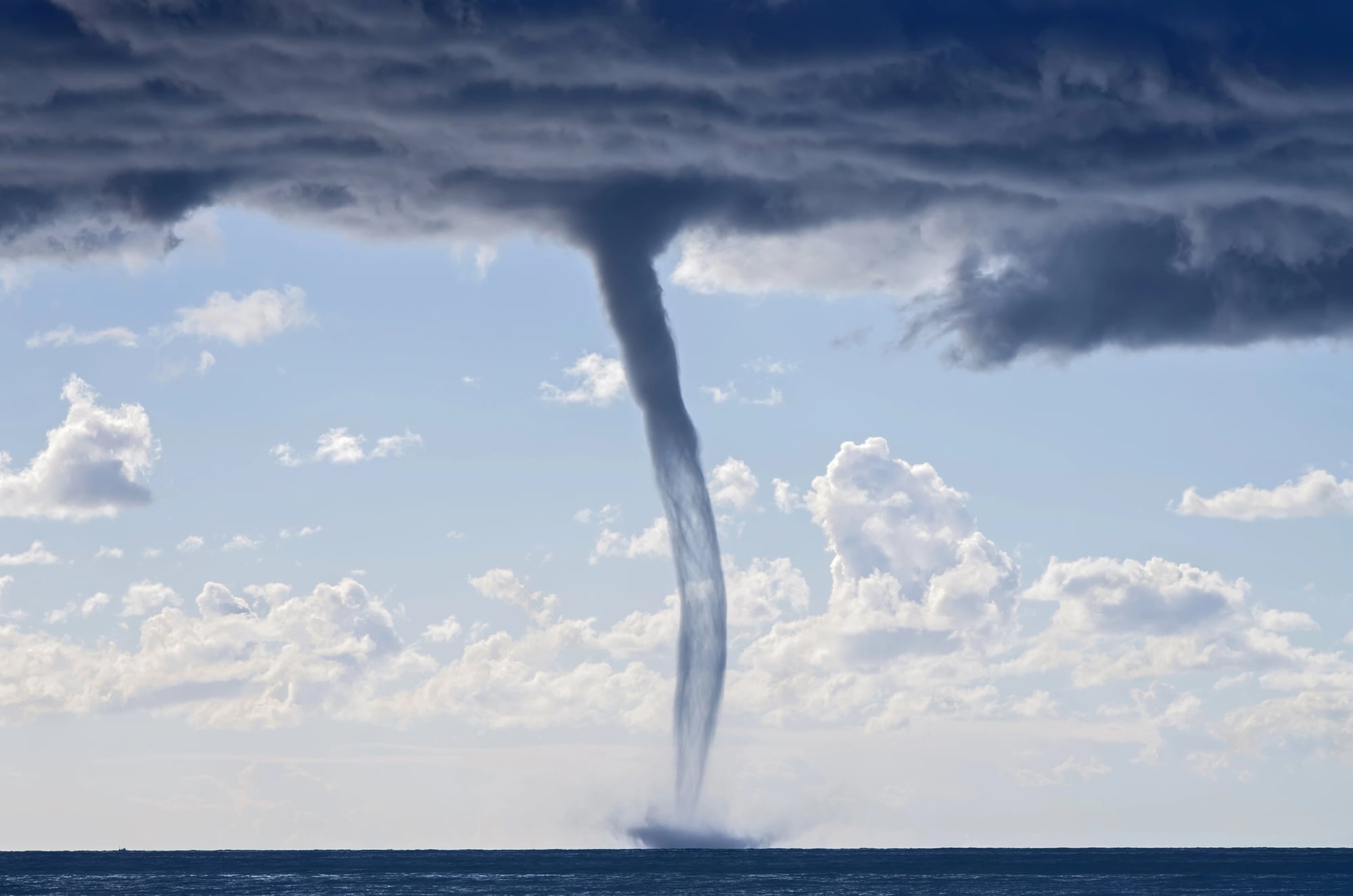
When nature strikes with overwhelming force, entire cities can become uninhabitable in moments.
Pompeii remains the classic example — buried under volcanic ash in 79 AD when Mount Vesuvius erupted, freezing the Roman city in time.
Volcanic eruptions aren’t the only culprits, though.
Earthquakes have leveled cities throughout history, and when the destruction is severe enough — when resources are scarce — rebuilding simply isn’t an option.
The 1906 San Francisco earthquake devastated the city, yet it was rebuilt.
Smaller towns without that economic power or strategic importance often weren’t so lucky.
Repeated disasters convince people that staying is a losing bet.
After a while, even the most stubborn residents pack up and leave.
Nuclear and Industrial Catastrophes Leave Permanent Scars
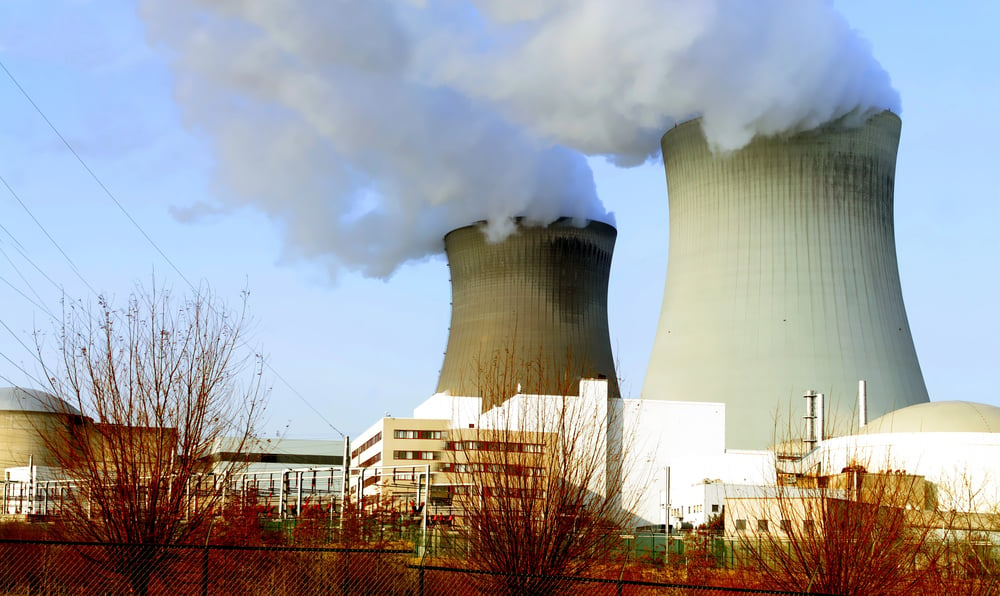
Pripyat, Ukraine, stands as perhaps the most haunting example of a city abandoned due to human-made disaster.
Home to nearly 50,000 people, it was evacuated in 1986 after the Chernobyl nuclear disaster rendered the area dangerously radioactive.
Residents were told they’d return in a few days — they never did.
The city remains frozen in Soviet-era decay, a monument to technological failure and miscalculation.
Similarly, Centralia, Pennsylvania, has been burning since 1962 when a coal mine fire ignited beneath the town.
The underground blaze made the ground unstable while filling the air with toxic fumes.
The population dwindled from over 1,000 to fewer than 10 today.
These aren’t places where time heals.
The damage is measured in half-lives and centuries.
Economic Collapse Pulls the Plug

When the money dries up, people follow.
Mining towns across the American West boomed during gold, silver, and copper rushes, then emptied just as fast when the veins ran dry.
Bodie, California, swelled to nearly 10,000 people in the late 1800s before the mines closed and the population scattered.
The same pattern repeated in coal towns across Appalachia — in industrial cities that relied on single industries.
Parts of Detroit have effectively been abandoned as the auto industry contracted and jobs vanished.
Entire neighborhoods sit empty, houses collapsing under neglect.
Economic abandonment isn’t always total, though.
Sometimes it’s a slow movement where block after block empties until only the stubborn or the stuck remain.
Without work, there’s no reason to stay, and no amount of nostalgia keeps the lights on.
Water Runs Out, and So Do the People
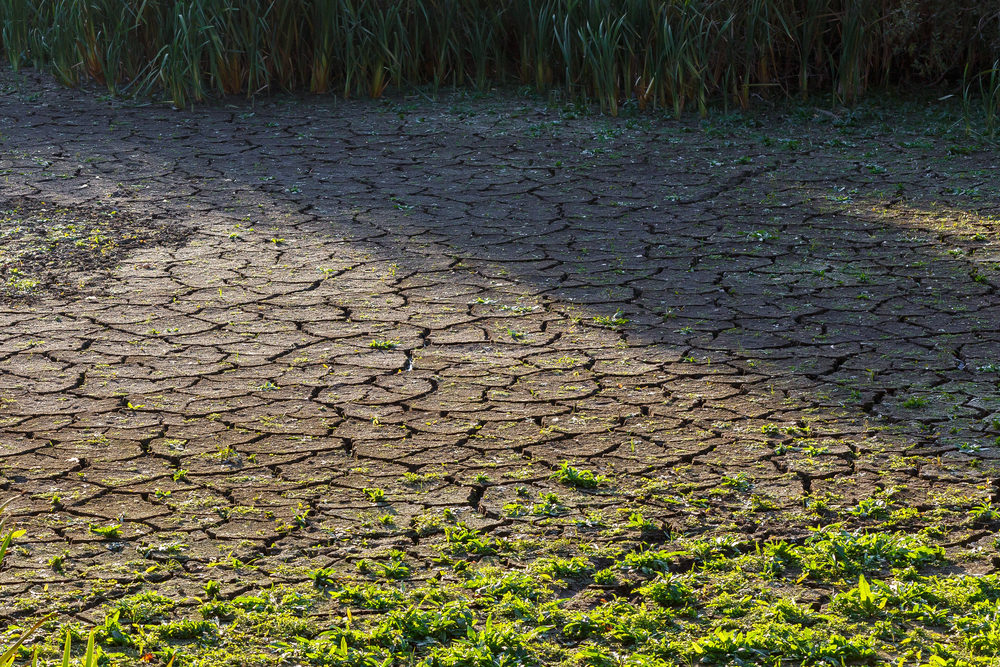
Cities need water to survive.
When that resource disappears, so does the population.
Towns around the Aral Sea in Central Asia have been abandoned as the sea itself shrank by 90 percent due to Soviet irrigation projects.
Fishing villages that once thrived on the shoreline now sit in the middle of a toxic desert, miles from the water’s edge.
In the American West, places like the Salton Sea region have seen populations dwindle as the water became increasingly saline and polluted.
Owens Lake in California was drained to feed Los Angeles’ growth, leaving behind a dust bowl and scattered ghost towns.
Water scarcity doesn’t always mean immediate abandonment — it makes life progressively harder until staying becomes irrational.
People move where life is easier, not where every day is a struggle against the elements.
War and Conflict Erase Entire Communities

Armed conflict has emptied cities throughout history, sometimes temporarily, often permanently.
Aleppo and Homs in Syria saw massive population displacement during the civil war, with entire neighborhoods reduced to rubble.
While some residents have returned, many areas remain abandoned.
Cambodia’s Angkor, once a thriving metropolis of nearly a million people, was gradually abandoned in the 15th century following repeated invasions and conflicts.
The jungle reclaimed what humans left behind.
Even without direct destruction, war makes cities unlivable — infrastructure collapses, supply lines are cut, and daily survival becomes a gamble.
When peace eventually returns, the city that remains is often too damaged, too traumatized, or too strategically insignificant to rebuild.
People resettle elsewhere.
The old city becomes a memory.
Environmental Degradation Makes Home Uninhabitable
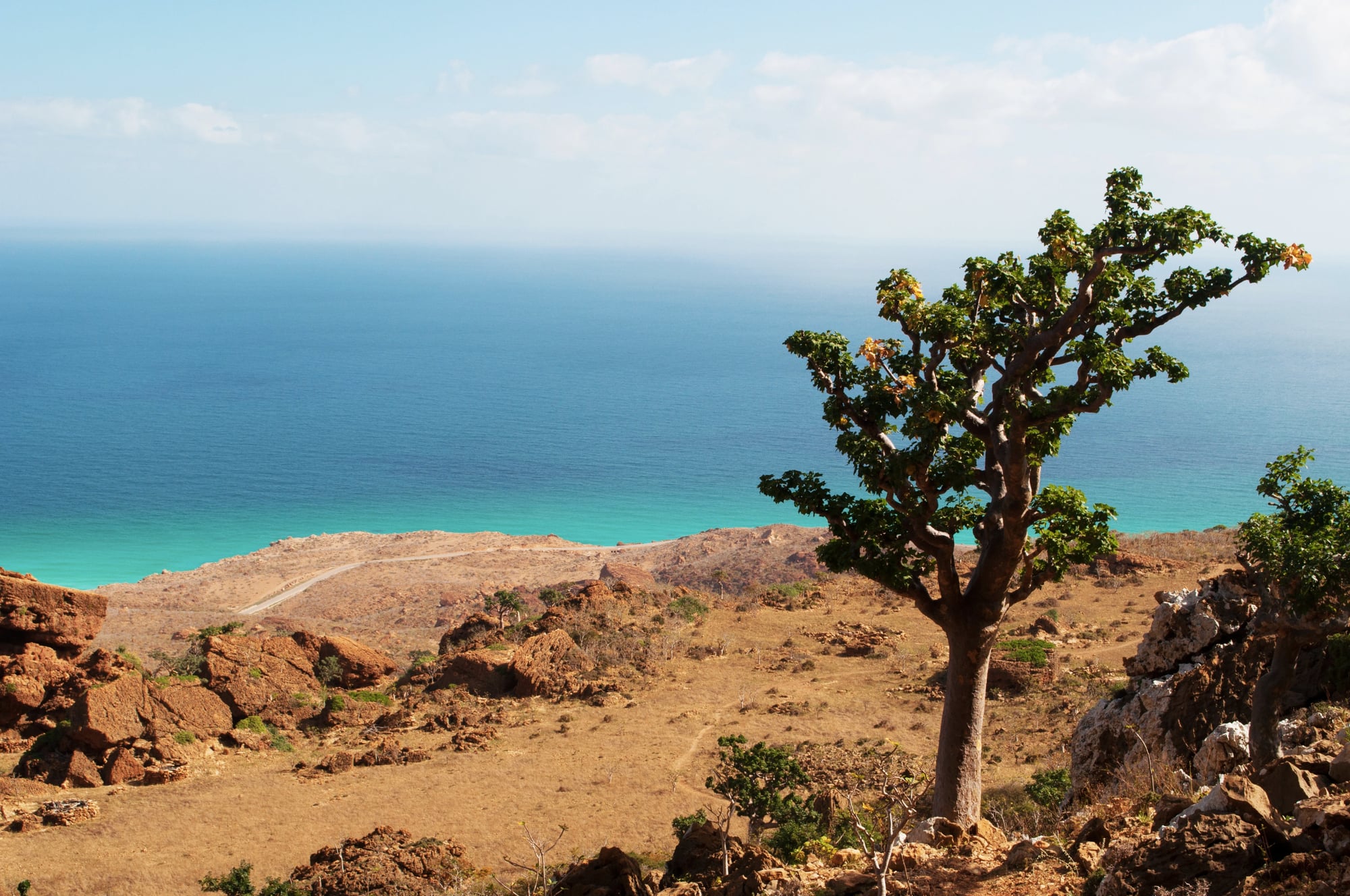
Sometimes the land itself turns against its inhabitants, not through a single disaster but through slow, creeping decline.
Dust Bowl towns across Oklahoma, Kansas, and Texas were abandoned in the 1930s when years of drought and poor farming practices turned the soil to powder.
The air became unbreathable.
Crops failed, and families packed up and headed west.
More recently, rising sea levels and erosion are threatening coastal communities worldwide.
Some Alaskan villages are planning relocations as permafrost melts and shorelines collapse.
In Africa, desertification has swallowed towns as the Sahara expands.
Environmental abandonment is often the hardest to accept because it happens gradually — each year slightly worse than the last until one day, staying is no longer possible.
The land that once sustained life becomes actively hostile to it.
Government Orders Force People Out

Not all abandonments are voluntary.
Dam projects have displaced entire towns, flooding valleys to create reservoirs.
Dozens of communities in the Tennessee Valley were relocated in the 1930s and 40s for TVA projects.
In China, the Three Gorges Dam displaced over 1.3 million people, submerging cities that had stood for centuries.
Military testing and expansion have also cleared out towns — entire communities near nuclear test sites were evacuated and never repopulated.
Sometimes governments relocate people for their own safety after disasters or environmental hazards, yet the effect is the same: a city ceases to exist, its name surviving only on old maps.
These forced abandonments lack the gradual decline of economic collapse.
One day there’s a functioning town, the next it’s marked for removal.
The residents scatter, and the place they knew disappears beneath water or behind fences.
Disease Outbreaks Empty Streets

Historically, plague and disease have driven people from cities when death tolls became unbearable.
During the Black Death, entire villages across Europe were abandoned as populations were decimated.
More recently, the 1918 flu pandemic and various cholera outbreaks caused temporary evacuations and, in some cases, permanent abandonment of smaller settlements.
While modern medicine has reduced this threat, disease can still make places unlivable — especially when combined with other factors like poverty or isolation.
The fear of contagion, justified or not, can empty a city faster than almost anything else.
People flee infection, and if enough leave, the infrastructure that supports urban life collapses.
Markets close, services disappear, and those who remain find themselves in a dying city even if the disease itself has passed.
Why Abandoned Cities Still Matter
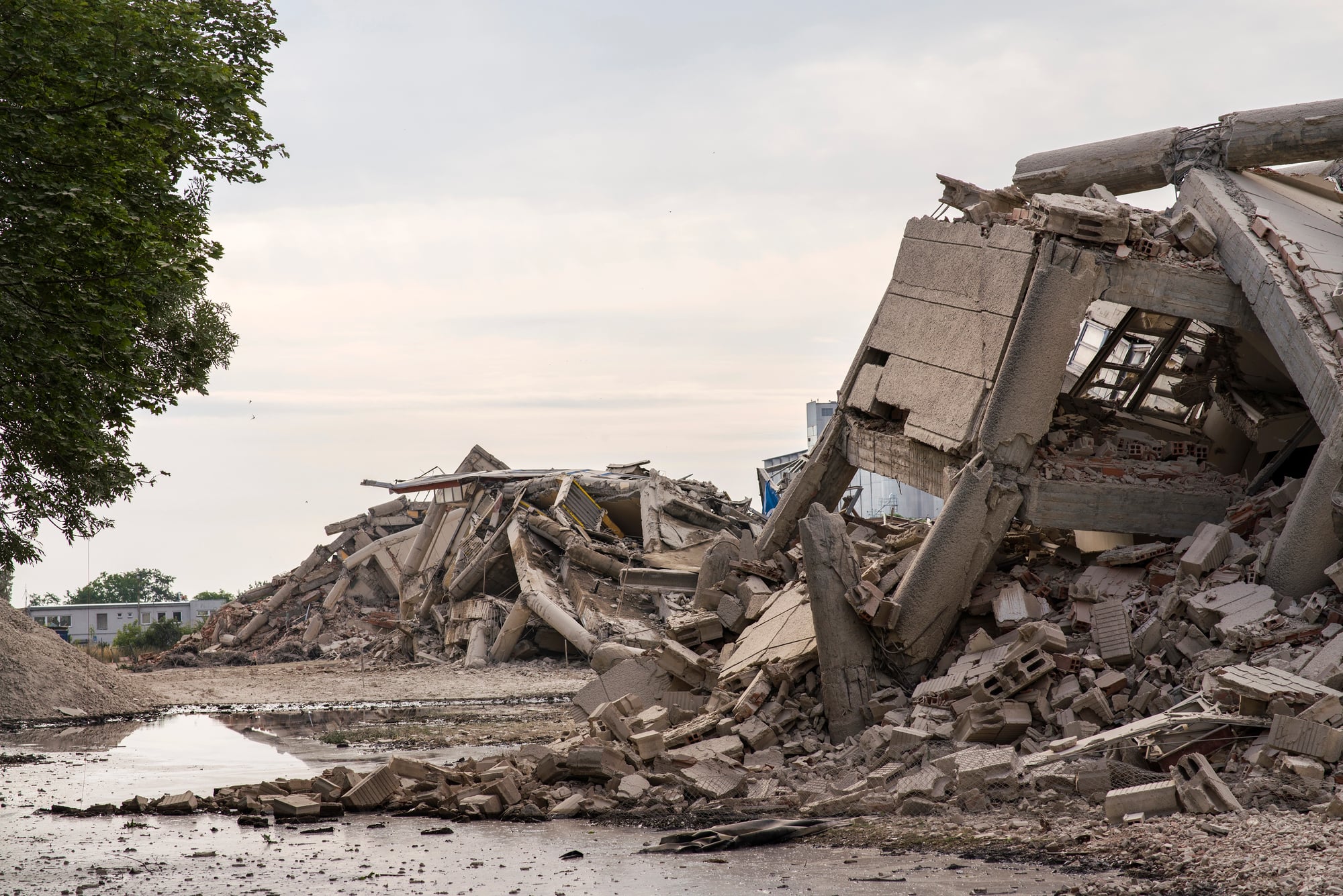
These empty cities aren’t just historical curiosities or eerie tourist destinations — they’re warnings and lessons written in crumbling concrete and rusted steel.
They show how fragile urban life really is, how quickly the systems people depend on can fail when pushed past their limits.
Every abandoned city represents thousands of individual decisions to leave, each one a small defeat against forces too large to fight.
Some of these places will remain ghost towns forever, slowly erased by time and nature.
More from Go2Tutors!

- The Romanov Crown Jewels and Their Tragic Fate
- 17 Halloween Costumes Once Considered Taboo
- Famous Hoaxes That Fooled the World for Years
- 15 Child Stars with Tragic Adult Lives
- 16 Famous Jewelry Pieces in History
Like Go2Tutors’s content? Follow us on MSN.